On this page
Quick Reference
Overview and Recommendations
Background
- •Acute cholecystitis (AC) is an acute inflammation of the gallbladder, triggered in >90% of cases by cystic duct obstruction from a gallstone. The condition accounts for a substantial proportion of emergency surgical admissions worldwide, with an estimated 1-4% of people with gallstones developing AC annually. Untreated, it progresses to gangrene in up to 20% of cases, with perforation and sepsis carrying a mortality of 8%.
- •Pathophysiology begins with a chemical injury: the impacted stone blocks bile outflow, raising intraluminal pressure and causing mucosal ischemia. Bile salts and phospholipase A2 generate lysolecithin, a detergent that disrupts the epithelial barrier. This is followed by a neutrophilic infiltrate and, later, secondary bacterial invasion, detected by PCR in 50% of bile samples despite only 19% positive by culture. The most common isolates are Escherichia coli, Klebsiella species, and Enterococcus.
- •The Tokyo Guidelines 2018 (TG18) classify AC into three severity grades: Grade I (mild, no organ dysfunction), Grade II (moderate, marked local inflammation with WBC >18,000/μL, palpable mass, or duration >72 h), and Grade III (severe, with organ dysfunction including hypotension, respiratory failure, or DIC). The 2018 revision removed the previous 72-hour time limit for early cholecystectomy, expanding surgery to all grades within 7 days of symptom onset. The AAST intraoperative severity grading (I-V) outperforms TG18 for predicting mortality and complications.
- •Key risk factors for AC include gallstones, obesity, metabolic syndrome, rapid weight loss, and sickle cell disease. The 'lethal triad' of acute cholecystitis, obesity (BMI ≥30), and steatohepatitis increases the risk of bile duct injury by 16-fold (OR 16.35). COVID-19 infection independently doubles the incidence of gangrenous cholecystitis (40.7% vs 22.3%) and raises mortality to 13.4% (OR 5.0). The ACME score identifies four independent mortality risk factors: COPD, dementia, age >80 years, and need for preoperative vasoactive amines (AUROC 0.88).
Evaluation
- •Suspect acute cholecystitis in any patient presenting with acute right upper quadrant (RUQ) or epigastric pain, often radiating to the right shoulder or interscapular region, with nausea and vomiting. Fever is present in about one-third at presentation but develops in most within 24 hours. An antecedent history of biliary colic (postprandial pain lasting 30-90 minutes) is elicited in 60-80% of patients.
- •Examine for Murphy sign, the most specific physical finding: the patient arrests inspiration when the examiner’s fingers press beneath the right costal margin during deep breath. Sensitivity ranges 65-97%, specificity 87-96%. Guarding or rebound tenderness suggests gangrenous or perforated cholecystitis. A palpable gallbladder (Courvoisier sign) is uncommon and should raise suspicion for gallbladder carcinoma or choledocholithiasis.
- •Red flags for severe disease include systemic inflammatory response syndrome (SIRS) or sepsis, rebound tenderness or generalized peritonitis, jaundice (indicating choledocholithiasis or Mirizzi syndrome), and upper gastrointestinal bleeding (possible cystic artery pseudoaneurysm). In elderly, diabetic, or immunocompromised patients, atypical presentations with minimal pain or fever are common, a high index of suspicion and low-threshold imaging are essential.
- •Order laboratory studies: complete blood count with differential, C-reactive protein (CRP), liver function tests (LFTs) including γ-glutamyl transferase (GGT), and lipase. A neutrophil count is an independent predictor of AC. The neutrophil-to-lymphocyte ratio (NLR) has high diagnostic accuracy (pooled DOR 2.257), but CRP is superior for assessing severity per Tokyo Guidelines. A GGT >224 IU/L has 80.6% sensitivity and 75.3% specificity for predicting coexisting common bile duct stones.
- •Use the Tokyo Guidelines 2018 (TG18) diagnostic criteria: a definitive diagnosis requires one item from each of three axes, A) local signs (Murphy sign, RUQ mass/pain/tenderness), B) systemic signs (fever >37.5°C, elevated CRP, elevated WBC), and C) imaging findings (gallbladder wall thickening >4 mm, distention >8 cm long axis, pericholecystic fluid, sonographic Murphy sign). The TG18 criteria have 83.1% sensitivity but 37.5% specificity, so clinical judgment is essential.
- •First-line imaging is RUQ ultrasound. Pooled sensitivity is 71% (95% CI 69-72%) and specificity 85% (95% CI 84-86%). Key sonographic findings include gallbladder wall thickening >4 mm, pericholecystic fluid, gallbladder distention, gallstones, and a sonographic Murphy sign. Surgeon-performed US has comparable diagnostic performance to radiologist-performed US (sensitivity 60% vs 80%, specificity 98.6% vs 97.8%). A cystic artery velocity cutoff ≥42.6 cm/s has a PPV of 77.3% for AC.
- •If ultrasound is equivocal or complicated cholecystitis is suspected (e.g., severe pain, CRP >150 mg/L, suspicion of gangrene or emphysema), obtain contrast-enhanced CT. CT has lower sensitivity than US for AC (52.3% vs 79.4%) but higher specificity (92.3% vs 61.5%) and better detects complications like gangrenous, emphysematous, or perforated cholecystitis. If choledocholithiasis is suspected (elevated GGT, bilirubin, dilated CBD), order MRCP or ERCP.
- •Consider alternative diagnoses: biliary colic (no systemic signs, normal imaging except gallstones), choledocholithiasis (jaundice, dilated CBD, abnormal LFTs), acute cholangitis (Charcot’s triad: fever, jaundice, RUQ pain), acute pancreatitis (epigastric pain radiating to back, elevated lipase), perforated peptic ulcer (peritonitis, free air on upright CXR), hepatitis (transaminitis, viral serology), right lower lobe pneumonia (respiratory symptoms, chest X-ray findings), Fitz-Hugh-Curtis syndrome (perihepatitis from PID), and gallbladder cancer (focal wall thickening, intraluminal mass, enlarged lymph nodes).
- •Severity grade the patient using TG18: Grade I (mild) = no organ dysfunction, WBC ≤18,000/μL, CRP <10 mg/dL, no gallbladder necrosis or abscess; Grade II (moderate) = any of WBC >18,000/μL, palpable tender mass, duration >72 h, marked wall thickening, gangrenous changes; Grade III (severe) = organ dysfunction (hypotension, altered consciousness, respiratory failure, renal failure, DIC). This grade directly dictates initial management and urgency of source control.
Management
- •Begin with initial resuscitation: intravenous crystalloid (balanced solution preferred), nil per os, and multimodal analgesia (e.g., NSAIDs with or without opioids). For Grade III (severe) cholecystitis or sepsis, admit to ICU and start early vasopressor support (norepinephrine) if MAP remains <65 mmHg after fluid resuscitation. COVID-19 infection warrants escalated monitoring for rapid progression to gangrenous cholecystitis.
- •Administer antibiotics only for Grade II (moderate) and Grade III (severe) cholecystitis. For Grade I (mild), three meta-analyses and a large RCT (Park et al., N=370) show no benefit: postoperative infection rates 7.6% with antibiotics vs 7.0% with placebo (P=0.842). Therefore, antibiotics may be omitted in mild disease in otherwise healthy patients. For Grade II, use cefazolin 1 g IV q8h or a second-generation cephalosporin (e.g., cefoxitin 2 g IV q6h). For Grade III or septic shock, use piperacillin-tazobactam 4.5 g IV q6h or ceftriaxone 2 g IV q24h plus metronidazole 500 mg IV q8h.
- •Postoperative antibiotics: for mild-to-moderate cholecystitis after adequate source control, antibiotics beyond 24 hours do not improve outcomes. After percutaneous cholecystostomy, antibiotics can be safely discontinued within 7 days. For severe disease, duration is guided by clinical response, typically 4-7 days. Blood and bile cultures, when obtained, guide de-escalation.
- •Definitive source control is early laparoscopic cholecystectomy (LC). Perform LC within 72 hours of symptom onset, this window significantly reduces postoperative complications (RR 0.60, 95% CI 0.39-0.92). The ACDC trial (N=618) showed morbidity 11.8% with early surgery vs 34.4% with delayed surgery, shorter hospital stay (5.4 vs 10.0 days), and lower costs. Surgery within 48 hours of admission yields the best outcomes; delaying beyond 2 days increases mortality, complications, and cost incrementally.
- •For Grade I and II cholecystitis, proceed directly to early laparoscopic cholecystectomy during the index admission. For Grade III, provide organ support (ICU, vasopressors, antibiotics) first, then perform surgery once organ dysfunction resolves, typically within 24-48 hours. The TG18 2018 revision removed the rigid 72-hour cutoff, allowing safe early cholecystectomy for all grades within 7 days of symptom onset.
- •Intraoperatively, achieve the critical view of safety (CVS) before dividing any structures. If CVS cannot be obtained due to dense inflammation, perform a bailout procedure: subtotal cholecystectomy (STC) is preferred over conversion to open surgery. STC carries a very low bile duct injury (BDI) rate of 0.3% but a bile leak rate of 13.5%. Reconstituting STC (stump closure) yields fewer bile leaks than fenestrating STC. Conversion to open cholecystectomy carries the highest BDI rate (4.4% at 1 year).
- •For patients who are not operative candidates (e.g., Tokyo III with severe comorbidities, cancer, frailty), consider percutaneous cholecystostomy (PC) or endoscopic ultrasound-guided gallbladder drainage (EUS-GBD) with a lumen-apposing metal stent. PC achieves sepsis resolution in 81.7% within 72 hours but carries 30-day mortality of 7.8% and 1-year mortality of 25.2%. After PC, perform interval cholecystectomy at 4-8 weeks (early ≤1 month reduces complications, but delayed ≥8 weeks may improve discharge home).
- •Antibiotic prophylaxis: for mild-to-moderate disease, a single preoperative dose of a broad-spectrum antibiotic (e.g., cefazolin 2000 mg) is sufficient. Extended postoperative antibiotics do not reduce surgical site infections (4% vs 4% with extended therapy, absolute difference 0.2%). Routine extended prophylaxis is not indicated.
- •Special populations: In pregnancy, perform laparoscopic cholecystectomy regardless of trimester, it reduces adverse pregnancy outcomes (OR 0.60, 95% CI 0.42-0.87) and each day of delay increases fetal complications (OR 1.173, P<0.001). In elderly patients ≥80 years, early cholecystectomy reduces 1-year mortality (20.8% vs 27.1% with conservative management) despite higher 30-day mortality; laparoscopic approach is critical (84% relative risk reduction in 30-day mortality vs open). In immunocompromised patients (cancer, transplant), consider EUS-GBD as alternative to PC; in heart transplant recipients, cholecystectomy carries inpatient mortality 2.2% (higher if open or urgent).
- •Monitor for resolution of SIRS criteria: temperature, heart rate, respiratory rate, WBC. If no improvement within 48 hours, reassess for inadequate source control (e.g., gangrenous cholecystitis, perforation, resistant organisms). For patients with PC, perform a check cholangiogram to detect common bile duct stones (present in 28.1%). After ERCP clearance of CBD stones, perform same-admission cholecystectomy within 7 days to prevent recurrent acute cholecystitis (risk of biliary events reaches 2.5% by 7 days and 53.3% at 1 year).
- •Avoid routine intraoperative cholangiography solely to prevent BDI, it has not been shown to reduce BDI risk. Avoid non-dihydropyridine CCBs (diltiazem, verapamil) as they may exacerbate gallbladder stasis? Not directly relevant; avoid persisting with laparoscopic dissection when CVS cannot be achieved. Avoid extended postoperative antibiotics in mild-moderate disease. Refer to a hepatobiliary surgeon if BDI is suspected or for complex biliary reconstructions.
Board Review — High Yield
- •Tokyo Guidelines 2018 severity grade, Grade I (mild): no organ dysfunction, WBC ≤18,000/μL, CRP <10 mg/dL; Grade II (moderate): WBC >18,000/μL, palpable mass, duration >72 h, or gangrenous changes; Grade III (severe): organ dysfunction (hypotension, respiratory failure, DIC). Grade directs management.
- •Lethal triad, Acute cholecystitis + obesity (BMI ≥30) + steatohepatitis increases bile duct injury risk 16-fold (OR 16.35).
- •ACDC trial, Early laparoscopic cholecystectomy (within 24 h of admission) vs delayed (7-45 days): morbidity 11.8% vs 34.4%, hospital stay 5.4 vs 10.0 days, costs lower. NNT to prevent one morbidity = 5.
- •Bailout procedure, When critical view of safety cannot be achieved, subtotal cholecystectomy (STC) is preferred over conversion. STC BDI rate 0.3%, bile leak 13.5%. Reconstituting STC (closed stump) reduces bile leaks vs fenestrating.
- •Antibiotics in mild disease, Multiple RCTs and meta-analyses show no benefit of antibiotics in Tokyo I cholecystitis. Single-dose prophylaxis is sufficient; extended antibiotics do not reduce infectious complications.
- •Timing from symptom onset, Surgery within 72 hours of symptom onset reduces postoperative complications (RR 0.60). Surgery within 48 hours of admission yields best outcomes and lowest costs.
- •Pregnancy, Laparoscopic cholecystectomy reduces adverse pregnancy outcomes (OR 0.60) regardless of trimester. Each day of delay increases fetal complications (OR 1.173). SAGES conditionally recommends surgery over nonoperative management.
- •Gallbladder perforation, Occurs in up to 20% of untreated cases; risk factors: age >65, elevated CRP. Mortality 8%, conversion rate 22%, mean LOS 11.2 days. Most perforated cases have advanced inflammation (gangrene/empyema) on histology.
- •Recurrence after conservative management, 22% of patients managed nonoperatively develop recurrent biliary events. After ERCP clearance of CBD stones, same-admission cholecystectomy within 7 days reduces recurrent AC (risk reaches 2.5% by 7 days, 53.3% at 1 year).
- •COVID-19 and AC, COVID-19 infection independently doubles gangrenous cholecystitis incidence (40.7% vs 22.3%) and increases mortality 5-fold (OR 5.0). These patients warrant escalated monitoring and early source control.
Deep Dive — Evidence Details
Definition, Classification and Surgical Nomenclature
- ▸Acute cholecystitis is defined as acute inflammation of the gallbladder, most often due to cystic duct obstruction by gallstones.
- ▸The Tokyo Guidelines 2018 severity classification (Grade I-III) is the primary framework for guiding management and operative timing.
- ▸Surgical nomenclature includes laparoscopic cholecystectomy, subtotal cholecystectomy (types A-D), and bail-out procedures when the critical view of safety cannot be achieved.
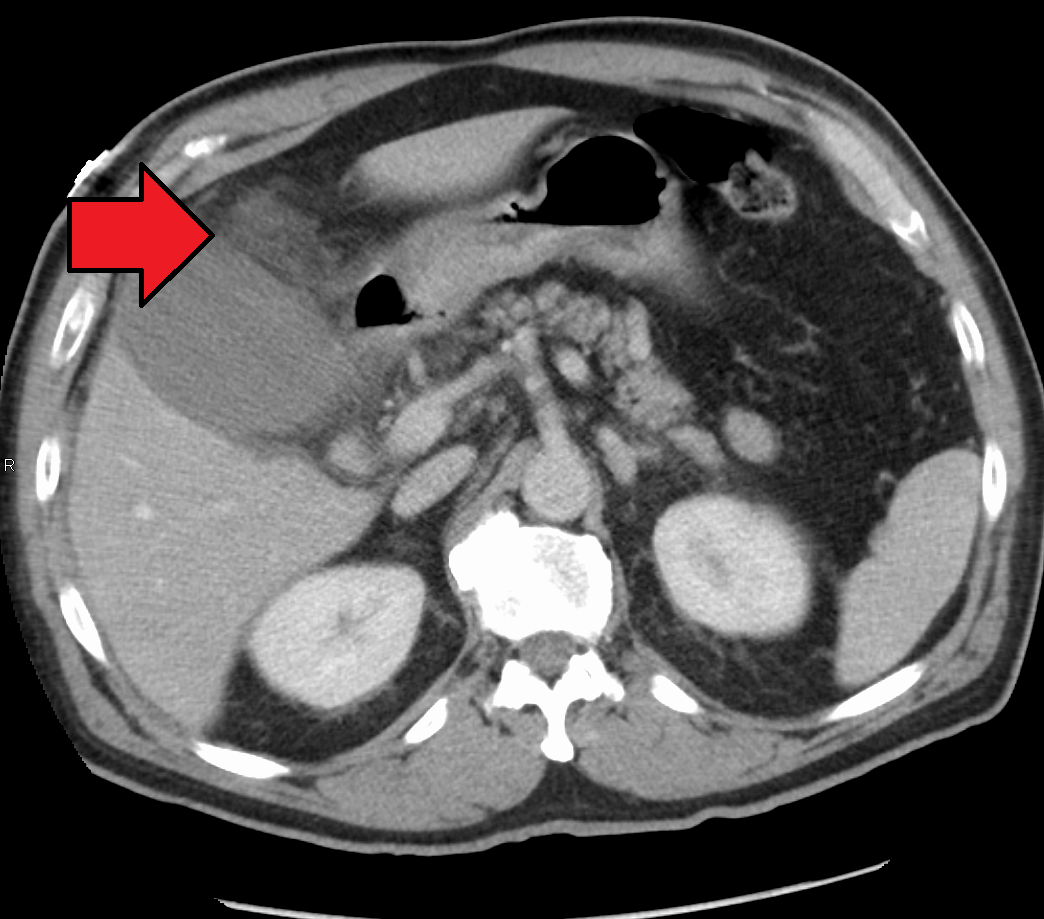
Acute cholecystitis is an acute inflammation of the gallbladder, most commonly triggered by cystic duct obstruction from , and represents one of the most frequent surgical emergencies worldwide. Synonyms include acute calculous cholecystitis (the predominant form), acalculous cholecystitis (occurring in critically ill patients without stones), gangrenous cholecystitis, and emphysematous cholecystitis. The condition is abbreviated as AC throughout this article.
Classification Axes
Three classification systems underpin clinical decision-making. The Tokyo Guidelines (TG18) severity grading stratifies patients into three tiers based on local and systemic signs:
| Grade | Definition | Key Features |
|---|---|---|
| I (Mild) | No organ dysfunction, mild local inflammation | WBC ≤18,000/μL, CRP <10 mg/dL, no gallbladder necrosis or abscess |
| II (Moderate) | Marked local inflammation | WBC >18,000/μL, palpable tender mass, duration >72 h, marked wall thickening, gangrenous changes |
| III (Severe) | Organ dysfunction | Hypotension, altered consciousness, respiratory failure, renal failure, or DIC |
The TG18 eliminated the previous 72-hour time limit for early , expanding surgical indication to all grades within 7 days of symptom onset [24]C4. The AAST (American Association for the Surgery of Trauma) intraoperative severity classification grades acute cholecystitis from I (nongangrenous) to V (gangrenous with perforation) and correlates with visualization of biliary structures during fluorescent cholangiography [20]C4. Pathologically, acute cholecystitis is further classified as calculous (>90% of cases) or acalculous, and by the presence of gangrene, emphysema, or perforation.
Surgical Nomenclature
Standard operative terms used throughout this article include: (LC) and open cholecystectomy (OC). When the gallbladder is too inflamed to safely dissect the critical view of safety (CVS), subtotal cholecystectomy is performed, classified into four types: type A (open stump), type B (closed stump), type C (resection of both walls with closed stump), and type D (resection of both walls with open stump) [1]D5. Bail-out procedures, including subtotal cholecystectomy, fundus-first cholecystectomy, and tube cholecystostomy, are employed when CVS cannot be achieved [16]C4. Percutaneous cholecystostomy (PC) and endoscopic ultrasound-guided gallbladder drainage (EUS-GBD) are non-operative drainage options for high-risk patients [19]B2a.
Clinical Significance
Acute cholecystitis accounts for a substantial proportion of emergency surgical admissions. If untreated, it progresses to gangrene in up to 20% of cases, with perforation and sepsis. During the pandemic, the incidence of gangrenous cholecystitis doubled (40.7% vs 22.3%) and mortality rose to 13.4% in infected patients [8]B2b. The ACME score identifies four independent mortality risk factors: , dementia, age >80 years, and need for preoperative vasoactive amines [9]B3b.
Pearl: The Tokyo Guidelines severity grade (I-III) dictates initial , Grade I and II proceed to early laparoscopic cholecystectomy within 7 days, while Grade III requires organ support before surgery; the 2018 revision removed the rigid 72-hour cutoff, allowing safe early cholecystectomy for all grades [24]C4.
Pathophysiology and the Surgical Lesion
- ▸Acute cholecystitis begins as a chemical injury from cystic duct obstruction, with bacterial invasion (detected by PCR in 50% of cases) as a secondary amplifier.
- ▸Advanced inflammation (gangrene/empyema) is present in 84% of perforated gallbladders and sharply increases the risk of bile duct injury; the 'lethal triad' of acute cholecystitis, obesity, and steatohepatitis raises BDI incidence to 1.49%.
- ▸Subtotal cholecystectomy is a safe bailout when the critical view of safety cannot be achieved, with a BDI rate of 0.3% but a bile leak rate of 13.5%.
The classification systems described above reflect the underlying pathologic cascade that begins with cystic duct obstruction. The subsequent chain of events, from mucosal injury to the obliteration of safe dissection planes, defines both the clinical presentation and the technical challenge of .
The Initiating Event: Cystic Duct Obstruction
Acute calculous cholecystitis starts when a gallstone impacts the cystic duct, causing mechanical obstruction. This blocks the outflow of concentrated bile, raising intraluminal pressure. The gallbladder distends, and venous and lymphatic drainage become impaired, leading to mucosal ischemia. The initial injury is chemical, not infectious: bile salts and phospholipase A2 generate lysolecithin, a potent detergent that disrupts the epithelial barrier. Immunohistochemical studies show that even histologically normal gallbladders containing stones already exhibit elevated epithelial expression of tumor necrosis factor (TNF)-α (median H-score 85.0) and substance P (median 121.7) compared with chronically inflamed gallbladders [59]B3b. This suggests a subclinical inflammatory state precedes the acute event.
The Inflammatory Cascade
Once the mucosal barrier is breached, a neutrophilic infiltrate floods the wall. Interleukin (IL)-2R expression in the mucosa rises sharply, from a median H-score of 0.40 in stone-bearing but uninflamed gallbladders to 12.30 in acute cholecystitis [59]B3b. Submucosal lymphoid cell substance P also increases, from 1.0 to 5.62 [59]B3b. These mediators drive edema, vascular congestion, and transmural inflammation. The gallbladder wall thickens, and the serosa becomes hyperemic and covered with a fibrinous exudate. If obstruction persists, the rising intraluminal pressure (often exceeding 20 cm H₂O) exceeds capillary perfusion pressure, producing gangrene and necrosis.
Bacterial Involvement
Bacterial invasion is a secondary but critical amplifier. Bile samples from patients with acute cholecystitis grow organisms in only 19% of cases by conventional culture, but polymerase chain reaction (PCR) detects bacterial DNA in 50% of specimens [57]C4. This discrepancy implies that low-grade bacterbilia is common but often missed. The most frequent isolates are Escherichia coli, Klebsiella species, and Enterococcus. In immunocompromised hosts, unusual pathogens such as mucoid Salmonella Enteritidis can cause cholecystitis complicated by hepatic abscess [78]C4. The presence of bacteria accelerates the progression from edematous to suppurative (empyematous) cholecystitis, where the lumen fills with pus.
Progression to Severe Disease
Advanced inflammation produces two distinct surgical lesions: empyema and gangrene. Empyema is a lumen filled with purulent bile under tension, often with a palpable mass. Gangrene results from ischemic necrosis of the wall, most commonly at the fundus because its blood supply is the most tenuous. In a series of 200 patients with acute cholecystitis, 84.0% of those with perforated cholecystitis had advanced inflammation (gangrene or empyema) on histopathology, compared with only 18.7% of those without perforation [44]B3b. Perforation itself carries a mortality of 8%, a conversion rate of 22%, and a mean length of stay of 11.2 days [44]B3b. The risk factors for perforation, age >65 years and elevated C-reactive protein, mirror the predictors of conversion to open surgery and postoperative complications [5]B3b.
The Surgical Lesion and Risk of Bile Duct Injury
The inflamed gallbladder is the surgical lesion. Its wall is friable, the cystic duct and artery are edematous and shortened, and the hepatocystic triangle (Calot's triangle) is obliterated by a dense inflammatory mass. This distortion is the single most important contributor to bile duct injury (BDI). Acute cholecystitis increases the adjusted odds of BDI by 1.74 (95% CI 1.27-2.39) [52]B3a. The combination of acute cholecystitis, obesity (BMI ≥30), and steatohepatitis, termed the "lethal triad", raises the BDI incidence to 1.49% versus 0.09% in patients without the triad [80]B2b. When the critical view of safety cannot be achieved, subtotal cholecystectomy (STC) is the recommended bailout. STC carries a very low BDI rate of 0.3% but a bile leak rate of 13.5% [49]A1a. If a completion cholecystectomy is later required for persistent symptoms, the BDI rate rises to 2.0% [50]A1a.
Special Populations
Several patient groups amplify the pathophysiologic cascade. Cancer patients receiving antineoplastic therapy, particularly somatostatin analogs, hepatic artery infusions, and multikinase inhibitors, have a 15% risk of cholelithiasis and a heightened risk of acute cholecystitis [54]D5. In midgut carcinoid patients treated with somatostatin analogs, 63% of those examined had , and 22 of 144 developed biliary complications [60]B2b. infection independently increased the odds of death by 5 times in patients with acute cholecystitis, likely through microvascular thrombosis and immune dysregulation [27]B2b. Diabetes mellitus delays surgery by ≥24 hours, and this delay increases the odds of surgical-site infection 4.11-fold [56]B2b.
Pearl: The transition from chemical inflammation to bacterial invasion and ischemic necrosis can occur within 24-48 hours; early during the index admission, before the inflammatory mass becomes dense, reduces the risk of bile duct injury, conversion, and postoperative complications [40]B2b[41]B2b.
Epidemiology, Etiology and Risk Factors
- ▸Acute cholecystitis develops in 1-4% of people with gallstones annually, with a median age of 60 years and a slight male predominance.
- ▸The strongest independent predictors of mortality are preoperative vasoactive amines (OR 9.9), COVID-19 infection (OR 5.0), and active malignancy (OR 5.85).
- ▸The 'lethal triad' of acute cholecystitis, obesity, and steatohepatitis increases bile duct injury risk over 40-fold.
Among people with known , an estimated 1-4% become symptomatic annually, with acute cholecystitis representing a common and potentially severe presentation [63]C4. In the United States, over one million cholecystectomies for acute cholecystitis were performed between 2000 and 2005, reflecting a substantial healthcare burden [64]B2b.
Incidence and Demographics
The median age at presentation is approximately 60 years, with a slight male predominance in some series (51% male in the global ChoCO-W cohort) and a female predominance in others (52.8% in a Swiss registry) [8]B2b[41]B2b. Acute cholecystitis accounts for a significant proportion of emergency general surgery admissions, and its incidence appears to be declining globally, primarily due to a reduction in severe complications of cholelithiasis [84]D5.
Risk Factors
Risk factors for acute cholecystitis can be categorized into patient-related, disease-related, and treatment-related categories. The strongest independent predictors of mortality include the need for preoperative vasoactive amines (OR 9.9), (OR 4.66), dementia (OR 4.12), and age >80 years (OR 1.12) [9]B3b. infection independently increases mortality risk fivefold (OR 5.0) and doubles the incidence of gangrenous cholecystitis [8]B2b[27]B2b.
| Risk Factor | Odds Ratio / Risk Ratio | Evidence Level | Source |
|---|---|---|---|
| Preoperative vasoactive amines (mortality) | OR 9.9 | 3b | [9]B3b |
| COPD (mortality) | OR 4.66 | 3b | [9]B3b |
| Dementia (mortality) | OR 4.12 | 3b | [9]B3b |
| COVID-19 infection (mortality) | OR 5.0 | 2b | [27]B2b |
| Active malignancy (30-day mortality) | OR 5.85 | 2b | [70]B2b |
| Lethal triad (acute cholecystitis, obesity, steatohepatitis) for bile duct injury | OR 16.35 (uncontrolled); OR 40.13 (controlled) | 2b | [80]B2b |
| Diabetes (postoperative surgical-site infection with delayed surgery) | OR 4.11 | 2b | [56]B2b |
| Prior endoscopic sphincterotomy (multidrug-resistant bacteria) | RR 2.89 | 2b | [91]B2b |
| Gallbladder stones (with short FC-SEMS stent) | OR 4.2 | 2b | [93]B2b |
| Age >65 years (gallbladder perforation) | independent risk factor | 3b | [44]B3b |
| CRP >150 mg/L (conversion) | independent risk factor | 3b | [5]B3b |
| Male sex (gangrenous cholecystitis) | independent predictor | 2b | [94]B2b |
Special Populations
Several patient groups carry elevated risk or require modified . Patients with sickle cell disease and asymptomatic cholelithiasis benefit from elective to prevent progression to acute cholecystitis [42]B2b. Heart transplant recipients have a 2.2% inpatient mortality after , with urgent/emergent cases carrying higher risk [39]B2b. Cancer patients receiving somatostatin analogs have a 15% risk of cholelithiasis, and hepatic artery-based therapies carry a cholecystitis risk of 0.02-24% [54]D5. In patients with indwelling biliary stents during neoadjuvant therapy, acute cholecystitis occurs in 6% and is optimally managed with cholecystostomy tube to avoid delaying oncologic surgery [77]B2b. Prophylactic endoscopic gallbladder stenting reduces the risk of acute cholecystitis after metal stent placement for malignant biliary obstruction by 89% (OR 0.11) [58]B2a.
These epidemiologic patterns and risk factors set the stage for the clinical presentation, which is discussed in the next section.
Pearl: The 'lethal triad' of acute cholecystitis, obesity, and steatohepatitis increases bile duct injury risk over 40-fold.
Clinical Presentation and Focused Examination
- ▸Murphy sign is the most specific physical finding for acute cholecystitis, with sensitivity 65-97% and specificity 87-96%.
- ▸Gangrenous cholecystitis often presents with systemic toxicity and may lack a positive Murphy sign; preoperative diagnosis is missed in >90% of cases [94].
- ▸Atypical presentations are common in elderly, diabetic, and immunocompromised patients, who may present with sepsis without localizing pain.
From the risk factors of and metabolic syndrome, the clinical encounter begins when the patient presents with right upper quadrant (RUQ) pain. The classic triad, RUQ pain, fever, and a positive Murphy sign, remains the cornerstone of bedside diagnosis, though its sensitivity is only 65-80% [63]C4.
Presenting Symptoms
Pain typically begins abruptly in the epigastrium or RUQ, often radiating to the right shoulder or interscapular region, and builds over hours. Nausea and vomiting accompany the pain in 50-70% of patients. Fever is present in about one-third at presentation but develops in most within 24 hours. An antecedent history of biliary colic, postprandial epigastric pain lasting 30-90 minutes, is elicited in 60-80% of patients [81]A1c.
Examination Findings
Murphy sign is the most specific physical finding: the patient arrests inspiration when the examiner’s fingers press beneath the right costal margin during deep breath. Its sensitivity ranges from 65% to 97% and specificity from 87% to 96%, depending on operator experience [63]C4[98]A1a. Guarding or rebound tenderness suggests gangrenous or perforated cholecystitis. A palpable gallbladder (Courvoisier sign) is uncommon in acute cholecystitis and should raise suspicion for gallbladder carcinoma or [121]B3b.
Phenotypic Variants
| Variant | Key Features | Frequency |
|---|---|---|
| Simple acute cholecystitis | RUQ pain, fever, Murphy sign, gallbladder wall thickening >4 mm on ultrasound | 70-80% of AC cases |
| Gangrenous cholecystitis | Severe pain, systemic toxicity, absence of Murphy sign in 30-40%, higher WBC and bilirubin, gallbladder wall necrosis on pathology | 10-20% of AC; preoperative diagnosis missed in >90% [94]B2b |
| Emphysematous cholecystitis | Gas in gallbladder wall on imaging, male predominance, diabetes common, high mortality | <1% of AC |
| Xanthogranulomatous cholecystitis | Diffuse gallbladder wall thickening mimicking cancer, high conversion rate to open surgery (52%) [125]C4 | 2% of cholecystectomies |
| Gallbladder carcinoma mimicking AC | Focal wall thickening, intraluminal mass, enlarged regional lymph nodes, abnormal LFTs [121]B3b | 0.5-1% of AC presentations |
Red Flags
- Systemic inflammatory response syndrome (SIRS) or sepsis mandates urgent resuscitation and early surgical consultation.
- Rebound tenderness or generalized peritonitis suggests perforation or gangrene.
- Jaundice indicates choledocholithiasis or Mirizzi syndrome.
- Upper bleeding may signal a cystic artery pseudoaneurysm (Quincke's triad: pain, jaundice, hemobilia) [118]D5.
- The "lethal triad" of acute cholecystitis, obesity (BMI ≥30), and steatohepatitis increases bile duct injury risk 15-fold (OR 16.35) [80]B2b.
Atypical Presentations
Elderly patients, diabetics, and immunocompromised hosts often present with minimal pain or fever despite severe disease. In these populations, the only clue may be unexplained sepsis, altered mental status, or vague abdominal discomfort. A high index of suspicion and low-threshold imaging (ultrasound or CT) are essential [81]A1c[94]B2b.
Pearl: The combination of RUQ pain, fever, and a positive Murphy sign has a sensitivity of 65-80% for acute cholecystitis; when all three are absent, the diagnosis is unlikely [63]C4.
Diagnosis and Workup
- ▸The diagnosis of acute cholecystitis is established using the Tokyo Guidelines 2018 criteria, integrating local signs, systemic inflammation, and imaging findings.
- ▸Abdominal ultrasound is the first-line imaging modality with a pooled sensitivity of 71% and specificity of 85%; CT is superior for detecting complicated cholecystitis.
- ▸Neutrophil-to-lymphocyte ratio (NLR) has higher diagnostic accuracy than CRP, but CRP is better for severity assessment; liver function tests help predict choledocholithiasis.
From the clinical presentation described, the diagnosis of acute cholecystitis is established by integrating clinical, laboratory, and imaging findings using the Tokyo Guidelines 2018 (TG18) criteria. These criteria form the bedside diagnostic framework with three axes: local signs of inflammation (Murphy sign, RUQ mass/pain/tenderness), systemic signs (fever, elevated CRP, elevated WBC), and imaging findings. A suspected diagnosis requires one item from each axis; a definitive diagnosis requires one item from each axis plus imaging evidence conclusive for acute cholecystitis. The TG18 criteria achieve a sensitivity of 83.1% and specificity of 37.5% when validated against histopathology [63]C4.
Diagnostic Criteria (Tokyo Guidelines 2018)
| Axis | Findings |
|---|---|
| A. Local signs | Murphy sign, RUQ mass/pain/tenderness |
| B. Systemic signs | Fever >37.5°C, elevated CRP, elevated WBC |
| C. Imaging | Any of: gallbladder wall thickening >4 mm, gallbladder distention (>8 cm long axis), pericholecystic fluid/stranding, sonographic Murphy sign, or CT findings of gallbladder wall thickening with pericholecystic inflammation |
A definitive diagnosis of acute cholecystitis requires one item from each of A, B, and C. The TG18 criteria are sensitive but overdiagnose approximately two-thirds of normal gallbladders compared to neutrophil count alone [63]C4; therefore, clinical judgment remains essential.
Laboratory Studies
C-reactive protein (CRP) and white blood cell (WBC) count are the most commonly used markers. A neutrophil count is an independent predictor of acute cholecystitis on multivariate analysis [63]C4. The neutrophil-to-lymphocyte ratio (NLR) has higher diagnostic accuracy than CRP for acute cholecystitis (pooled diagnostic odds ratio 2.257, 95% CI 1.1-4.633), but CRP is superior for assessing disease severity per Tokyo Guidelines [137]A1a. Liver function tests (LFTs), particularly γ-glutamyl transferase (GGT), help predict coexisting common bile duct stones: a GGT >224 IU/L has a sensitivity of 80.6% and specificity of 75.3% for [136]B3b. Elevated bilirubin and alkaline phosphatase also raise suspicion for CBD stones or Mirizzi syndrome. The triglyceride-glucose (TyG) index has shown moderate diagnostic performance for severe acute cholecystitis (AUC 0.79, optimal cutoff 8.8, sensitivity 65%, specificity 80%) [124]B2b.
Imaging
Abdominal ultrasound (US) is the first-line imaging modality. Pooled sensitivity is 71% (95% CI 69-72%) and specificity 85% (95% CI 84-86%) for the diagnosis of acute cholecystitis [98]A1a. Surgeon-performed US has comparable diagnostic performance to radiologist-performed US (sensitivity 60% vs 80%, specificity 98.6% vs 97.8%) [98]A1a[109]B2b. Key sonographic findings include gallbladder wall thickening >4 mm, pericholecystic fluid, gallbladder distention, and a sonographic Murphy sign (focal tenderness when the probe is pressed over the gallbladder). A cystic artery velocity (CAV) cutoff ≥42.6 cm/s has a positive predictive value of 77.3% for differentiating acute cholecystitis from no acute cholecystitis; a cutoff <24.6 cm/s yields a negative predictive value of 87.9% [144]B3b.
CT is less sensitive than US for acute cholecystitis (52.3% vs 79.4%) but more specific (92.3% vs 61.5%) and better at diagnosing complicated cholecystitis (gangrenous, emphysematous, perforated) [111]B2b. CT is recommended when US is equivocal or when complications are suspected. HIDA scan (cholescintigraphy) is the most sensitive imaging test for cystic duct obstruction (sensitivity >95%) but is rarely used in the acute setting due to time and availability. MRCP is indicated when choledocholithiasis or biliary anatomy clarification is needed.
Differential Diagnosis
The differential for right upper quadrant pain and systemic inflammation includes:
- Biliary colic, no systemic signs, normal imaging except .
- Choledocholithiasis, jaundice, dilated CBD on imaging, abnormal LFTs.
- , Charcot’s triad (fever, jaundice, RUQ pain) or Reynolds’ pentad.
- Acute pancreatitis, epigastric pain radiating to back, elevated lipase/amylase.
- (perforated or penetrating), peritonitis, free air on upright CXR.
- Hepatitis, transaminitis, viral serology positive.
- Right lower lobe pneumonia, respiratory symptoms, chest X-ray findings.
- Fitz-Hugh-Curtis syndrome, perihepatitis due to pelvic inflammatory disease.
- Gallbladder cancer, older age, female sex, focal wall thickening, intraluminal mass, enlarged lymph nodes [121]B3b[123]B2b.
Diagnostic Algorithm
Step 1: Elicit history and perform focused examination (Murphy sign, RUQ tenderness, fever). Step 2: Order laboratory studies: CBC with differential, CRP, LFTs, lipase. Step 3: Perform right upper quadrant ultrasound. If typical findings (wall thickening >4 mm, pericholecystic fluid, distention, gallstones, sonographic Murphy sign) are present, and TG18 criteria are met, proceed to . Step 4: If US is equivocal or complicated cholecystitis is suspected (severe pain, high CRP >150 mg/L, gangrene, emphysematous changes), obtain contrast-enhanced CT. Step 5: If choledocholithiasis is suspected (elevated GGT, bilirubin, dilated CBD), obtain MRCP or ERCP. Step 6: If the diagnosis remains uncertain after imaging, consider HIDA scan or diagnostic laparoscopy.
Pearl: The Tokyo Guidelines 2018 criteria are sensitive but not specific; a definitive diagnosis requires meeting all three axes (local signs, systemic signs, imaging), and overdiagnosis is common, use clinical judgment particularly in elderly or frail patients where Murphy sign may be absent [63]C4[113]B2b.
| Axis | Criteria |
|---|---|
| A. Local signs | Murphy sign, RUQ mass/pain/tenderness |
| B. Systemic signs | Fever >37.5°C, elevated CRP, elevated WBC |
| C. Imaging findings | Gallbladder wall thickening >4 mm, gallbladder distention (>8 cm), pericholecystic fluid/stranding, sonographic Murphy sign, or CT findings of gallbladder wall thickening with pericholecystic inflammation |
Definitive diagnosis: One item from each of A, B, and C. Suspected diagnosis: One item from A and B, with imaging not yet conclusive.
Severity, Surgical Scoring and Risk Stratification
- ▸Tokyo Guidelines 2018 grades (I-III) stratify acute cholecystitis by inflammation and organ dysfunction but correlate inconsistently with operative outcomes.
- ▸AAST anatomic grading (I-V) outperforms Tokyo Guidelines for mortality (AUROC 0.86 vs 0.73) and complications (0.76 vs 0.63).
- ▸Bile duct injury risk escalates with severity: Tokyo II (OR 2.41) and Tokyo III (OR 8.43) vs mild (OR 0.96).
- ▸The 48-hour window from pain onset is critical; surgical severity probability rises from 18.5% at 24 h to 40.5% at 72 h.
- ▸NPAR >21.5 predicts conservative treatment failure with 88.8% sensitivity and 84.8% specificity (AUC 0.906).
Once the diagnosis of acute cholecystitis is established, severity grading and risk stratification convert the clinical picture into a numeric trigger for operation and predict perioperative mortality.
Tokyo Guidelines Severity Grading
The Tokyo Guidelines 2018 (TG18) classify acute cholecystitis into three grades based on inflammation and organ dysfunction [165]B2b. Grade I (mild) is defined by no organ dysfunction and mild local inflammation. Grade II (moderate) requires any one of: white blood cell count >18,000/µL, palpable tender mass, duration >72 h, or marked local inflammation (abscess, gangrene, emphysematous change). Grade III (severe) is defined by organ dysfunction in any of the cardiovascular, neurological, respiratory, renal, hepatic, or hematologic systems. This grading correlates with length of stay (LOS) and complication severity [153]B2b[163]B2b, but not consistently with conversion rate or morbidity in early cohorts [164]B2b[165]B2b.
AAST Emergency General Surgery Grading
The American Association for the Surgery of Trauma (AAST) anatomic severity grading system ranges from Grade I (gallbladder inflammation only) to Grade V (bile duct involvement) [119]B2b[20]C4. In a validation study of 443 patients, the AAST system outperformed TG13 for mortality (AUROC 0.86 vs 0.73), complications (0.76 vs 0.63), and cholecystostomy tube use (0.80 vs 0.68) [119]B2b. The AAST grade is assigned intraoperatively and better discriminates outcomes, particularly for gangrenous and complicated forms [20]C4.
Parkland and Other Intraoperative Scales
The Parkland Grading Scale (PGS) is a validated intraoperative tool for severity, with PGS ≥3 indicating severe cholecystitis [159]C4. In a cohort of 259 patients, severe disease (PGS 3-5) was present in 31.7% of cases. The 48-hour “window of opportunity” from pain onset was critical: the predicted probability of surgical severity escalated from 18.5% at 24 h to 28.3% at 48 h, reaching 40.5% by 72 h (p = 0.004 for non-linearity) [159]C4.
Risk Stratification for Outcomes
Conversion to open surgery is associated with gallbladder wall thickness >5 mm (OR 3.2, 95% CI 2.5-4.2), increasing age, male sex, and delayed surgery [34]A1a[161]B2b. Bile duct injury (BDI) risk increases with TG severity: mild cholecystitis does not increase risk (OR 0.96), moderate (Grade II) more than doubles risk (OR 2.41), and severe (Grade III) carries an eightfold increase (OR 8.43) [146]B3b. Intention to use intraoperative cholangiography reduces BDI risk by 52% (OR 0.48, 95% CI 0.29-0.81) [146]B3b. The ACS-NSQIP risk calculator underestimates complications (predicted 4.6% vs observed 11%) and LOS (predicted 0.73 vs observed 2.5 days) [153]B2b. The POSSUM score predicts mortality in elderly patients undergoing emergency abdominal surgery [148]C4.
Predictive Tools for Conservative Treatment Failure
In patients managed conservatively, the neutrophil percentage-to-albumin ratio (NPAR) shows superior predictive performance (AUC 0.906) compared to NLR (0.810) and PLR (0.614); an NPAR cutoff of 21.5 yields 88.8% sensitivity and 84.8% specificity for failure [155]B2b. The triglyceride-glucose (TyG) index (AUC 0.79) and C-reactive protein >4 mg/dL (AUC 0.88) also predict severity and complicated cholecystitis [124]B2b[167]B2b. Most treatment failures (77.6%) occur within 48 h [155]B2b.
Implications for
These severity grades and risk scores directly inform the initial management strategy, as discussed in the next section.
Pearl: The AAST grading system outperforms Tokyo Guidelines for predicting mortality and complications; its use should be considered for risk stratification in clinical practice, particularly when early cholecystectomy is planned.
| System | Grades | Key Features | Performance (AUROC for Mortality) |
|---|---|---|---|
| Tokyo Guidelines 2018 (TG18) | I (mild): no organ dysfunction; II (moderate): WBC >18,000, palpable mass, duration >72 h, marked local inflammation; III (severe): organ dysfunction | Multifactorial, includes clinical and lab findings | 0.73 [119]B2b |
| AAST EGS Grade | I: gallbladder inflammation; II: pericholecystic fluid/abscess; III: perforation, necrosis, gangrene; IV: biliary peritonitis; V: bile duct involvement | Anatomically based, intraoperative assignment | 0.86 [119]B2b |
| Parkland Grading Scale (PGS) | 1-5, with ≥3 defined as severe | Intraoperative assessment of gallbladder inflammation | Not reported in same cohort |
Acute Management and Resuscitation
- ▸Early laparoscopic cholecystectomy (within 24 h) reduces morbidity from 34.4% to 11.8% and shortens hospital stay (NNT = 5) [145].
- ▸Antibiotics do not improve outcomes in mild (Tokyo I) cholecystitis; meta-analyses show no significant reduction in postoperative infections [150,173].
- ▸Percutaneous cholecystostomy is a bridge to surgery in high-risk patients, but 62% never undergo interval cholecystectomy [180].
The severity grade (Tokyo I, II, or III) and risk stratification determined in the preceding steps directly dictate the intensity of resuscitation and the urgency of source control. For all patients with acute cholecystitis, proceeds along a coordinated pathway: initial medical stabilization, appropriate antimicrobial therapy, and definitive source control.
Step 1: Initial Medical Stabilization
Resuscitation begins with intravenous crystalloid (balanced solution preferred), correction of electrolyte abnormalities, and nil per os status. Pain is managed with multimodal (e.g., NSAIDs with or without opioids). For patients with Tokyo III (severe) cholecystitis or sepsis, ICU admission is indicated, with early vasopressor support (norepinephrine) if mean arterial pressure remains <65 mmHg after fluid resuscitation [179]D5. The ChoCO-W study identified infection as an independent risk factor for death (odds ratio 5, p < 0.001), and such patients warrant escalated monitoring for rapid progression to gangrenous cholecystitis [8]B2b[27]B2b.
Step 2: Antibiotic Therapy
When to start: are indicated for Tokyo II (moderate) and III (severe) cholecystitis. For Tokyo I (mild), three meta-analyses [150]A1a[173]A1b[178]A1a demonstrate no significant reduction in postoperative infectious complications with antibiotics: the largest trial (N=370, Park et al.) reported postoperative infection rates of 7.6% with antibiotics vs 7.0% with placebo (P = 0.842) [173]A1b. Trial sequential analysis reached futility thresholds [150]A1a. Therefore, antibiotics may be omitted in mild cholecystitis for otherwise healthy patients.
Choice of regimen: When indicated, empiric coverage should target gram-negative bacilli and anaerobes. The Tokyo Guidelines 2018 recommend stratified therapy based on severity and local resistance patterns. Reasonable options include:
| Severity / Patient group | Suggested empiric regimen | Key evidence source |
|---|---|---|
| Tokyo I-II, no prior EST | Cefazolin 1 g IV q8h or second-generation cephalosporin (e.g., cefoxitin 2 g IV q6h) | Park et al. [173]A1b; Wang et al. [169]B2b used second-generation cephalosporins in 88.1% |
| Tokyo III or septic shock | 4.5 g IV q6h or 2 g IV q24h + 500 mg IV q8h | Tokyo Guidelines [170]A1c |
Duration: For mild‑moderate cholecystitis after adequate source control, postoperative antibiotics beyond 24 h do not improve outcomes [178]A1a. After percutaneous cholecystostomy, antibiotics are safe to discontinue within one week [112]B2b. For severe disease, duration is guided by clinical response, typically 4-7 days.
Step 3: Source Control - The Core Decision
Source control is the definitive component of management. Two pathways exist:
- Percutaneous cholecystostomy (PC) or endoscopic ultrasound‑guided gallbladder drainage (EUS‑GBD) with lumen‑apposing metal stents is reserved for high‑risk patients (e.g., Tokyo III, severe comorbidities, cancer, frailty) [170]A1c[135]B3b[89]C4[116]C4. PC achieves sepsis resolution in 81.7 % within 72 h [177]B3b but carries a 30‑day mortality of 7.8 % and 1‑year mortality of 25.2 % [177]B3b; it should be viewed as a temporising measure, and interval after 6-12 weeks is recommended for calculous disease [135]B3b[174]D5.
The detailed selection between these pathways is addressed in the next section, Operative Decision‑Making.
Step 4: Monitoring and De‑escalation
Track resolution of systemic inflammatory response syndrome (SIRS) criteria: temperature, heart rate, respiratory rate, and white blood cell count. If no improvement within 48 h, reassess for inadequate source control (e.g., gangrenous cholecystitis, gallbladder perforation, or resistant organisms). Blood and bile cultures, when obtained, guide antibiotic de‑escalation. For patients with PC, a check cholangiogram is warranted to detect common bile duct stones, which are present in 28.1 % of these patients [89]C4.
Controversies and Guideline Disagreement
| Question | Position A | Position B | Strength | Implication for practice |
|---|---|---|---|---|
| Role of antibiotics in mild (Tokyo I) cholecystitis | Tokyo Guidelines 2018 recommend empiric antibiotics for all severity grades | Latest RCTs and meta‑analyses [150]A1a[173]A1b[178]A1a show no benefit; antibiotics may be omitted | Strong (incompatible recommendations) | Clinicians should weigh local resistance patterns and patient comorbidities; in otherwise healthy patients, antibiotics can be safely withheld. |
Pearl: For mild-to-moderate acute cholecystitis, antibiotics do not reduce postoperative infectious complications; early within 24 hours is the definitive therapy of choice, with an NNT of 5 to prevent one morbidity event [145]A1b.
| Severity / Patient group | Suggested empiric regimen | Key evidence source |
|---|---|---|
| Tokyo I-II, no prior EST | Cefazolin 1 g IV q8h or second-generation cephalosporin (e.g., cefoxitin 2 g IV q6h) | Park et al. [173]A1b; Wang et al. [169]B2b |
| Tokyo III or septic shock | Piperacillin-tazobactam 4.5 g IV q6h or ceftriaxone 2 g IV q24h + metronidazole 500 mg IV q8h | Tokyo Guidelines [170]A1c |
Operative Decision-Making: Indications, Timing and the Operative-vs-Nonoperative Choice
- ▸Early laparoscopic cholecystectomy (ELC) is the standard of care for most patients with acute cholecystitis, reducing morbidity, hospital stay, and costs compared with delayed surgery.
- ▸The optimal timing for surgery is within 48-72 hours of symptom onset; surgery within 24 hours of admission does not independently reduce complications, but earlier is better.
- ▸In high-risk patients, cholecystectomy is still preferred if feasible; percutaneous cholecystostomy is reserved as a bridge or definitive therapy for those truly unfit for surgery.
Once the patient is resuscitated and the diagnosis of acute cholecystitis is confirmed, the surgeon must address the first and most consequential decision: whether to operate, and if so, how urgently. The evidence overwhelmingly supports a default toward early (ELC) in patients who are fit for surgery, reserving nonoperative or temporizing strategies for those in whom the risk of operation clearly exceeds its benefit.
The Operative vs Nonoperative Threshold
is the definitive treatment for acute cholecystitis and is associated with superior outcomes across nearly all patient populations. In a meta-analysis comparing cholecystectomy to conservative for mild acute cholecystitis, cholecystectomy reduced biliary colic (RR 0.43, 95% CI 0.24-0.78) and overall gallstone-related complications (RR 0.40, 95% CI 0.23-0.69) [212]A1a. Among Medicare beneficiaries with multimorbidity, operative treatment reduced 30-day mortality (risk difference -0.03; P < 0.001) and 90-day mortality (risk difference -0.04; P < 0.001) compared with nonoperative management [209]B2b. In patients in whom the decision was in clinical equipoise, mortality was similar between groups, but operative treatment was associated with a lower risk of 30-day readmissions (RD -0.15; P < 0.001) and 90-day readmissions (RD -0.23; P < 0.001) [209]B2b. The 2020 WSES guidelines confirm that the pivotal role of surgery is maintained even in high-risk patients, and that the role of gallbladder drainage is reduced [81]A1c.
Timing of Cholecystectomy: Early vs Delayed
A large body of evidence supports early cholecystectomy as the standard of care. The ACDC trial randomized 618 patients to immediate surgery within 24 hours of admission versus initial antibiotic therapy followed by delayed cholecystectomy at 7-45 days. Morbidity was significantly lower in the early group (11.8% vs 34.4%), and mean hospital stay was shorter (5.4 vs 10.0 days; P < 0.001) [145]A1b. A meta-analysis of 15 RCTs (1625 patients) found that ELC was associated with lower hospital costs, fewer work days lost (MD -11.07 days; 95% CI -16.21 to -5.94), and lower risk of wound infection (95% CI 0.47-0.91) compared with delayed cholecystectomy, with no significant difference in bile duct injury or mortality [191]A1a.
The optimal window for early surgery is within 48-72 hours of symptom onset. A population-based study of 95,523 patients from the Nationwide Inpatient Sample demonstrated that surgery within 2 days of presentation yielded the best outcomes and lowest costs; delaying surgery beyond 2 days was associated with incremental increases in mortality, complications, and cost [14]B3b. A meta-analysis of randomized trials found that cholecystectomy performed within 72 hours of symptom onset significantly reduced postoperative complications compared with delayed cholecystectomy (RR 0.60, 95% CI 0.39-0.92) [187]A1a. Surgery performed within 24 hours of admission did not, however, independently reduce complications, suggesting that the clock should start at symptom onset rather than hospital arrival [187]A1a. A more recent meta-analysis of 21 RCTs (1731 patients) confirmed that ELC significantly reduces total hospital stay (MD -3.50 days; 95% CI -4.11 to -2.90) without increasing major morbidity or bile duct injury [31]A1a.
Special Populations
High-risk and elderly patients. The WSES guidelines recommend that high-risk patients should not be denied surgery solely on the basis of age or comorbidity [81]A1c. A population-based study in Australia found that 85% of patients over age 50 underwent cholecystectomy within 7 days of admission, and early surgery was associated with shorter hospital stay, fewer readmissions, and lower bile duct injury rates [213]B2b. In a cohort of 290 patients aged 65 years or older, those managed nonoperatively had a 4% recurrence rate within 15 months, but postoperative morbidity in the operative group was significant (20% required conversion to open, 98 complications in 58 patients) [55]B2b. The ACS-NSQIP risk calculator demonstrates excellent discrimination for mortality and severe complications in octogenarians undergoing emergency cholecystectomy and should be used to guide shared decision-making [79]B2b.
Pregnancy. Operative treatment of acute cholecystitis during pregnancy is associated with a significant reduction in adverse pregnancy outcomes (OR 0.60, 95% CI 0.42-0.87) and shorter hospital stay (MD -7.15 days; 95% CI -7.83 to -6.47) compared with nonoperative management [197]B2a. The SAGES guidelines conditionally recommend laparoscopic cholecystectomy over nonoperative management for acute cholecystitis in pregnancy [193]A1c. A nationwide analysis of 6390 pregnant women found that nonoperative management was associated with over twice the odds of maternal-fetal complications (OR 3.0) [201]B2b.
Patients with cancer. Acute cholecystitis in patients with active malignancy is associated with a 30-day mortality risk nearly sixfold higher than in patients without cancer (OR 5.85) [70]B2b. These patients are more likely to receive nonoperative management (OR 2.85) [70]B2b. In patients with pancreatic cancer and indwelling biliary stents, cholecystitis occurred in 6% during neoadjuvant therapy; management with a cholecystostomy tube did not delay the completion of neoadjuvant therapy and surgery [77]B2b.
Role of Percutaneous Cholecystostomy and Endoscopic Drainage
Percutaneous cholecystostomy (PC) remains a valuable option for patients who are not candidates for surgery or as a bridge to interval cholecystectomy. A meta-analysis comparing PC to cholecystectomy found that cholecystectomy was associated with significantly lower mortality (OR 0.26, 95% CI 0.14-0.48) and readmission rates (OR 0.37, 95% CI 0.18-0.75) [186]B2a. However, PC is effective as a temporizing measure: technical success exceeds 99% with ultrasound guidance, clinical success is 97.6%, and major complication rates are low (1.7%) [117]C4. After PC, early interval cholecystectomy (within 1 month) is associated with fewer postoperative complications (RR 0.67, 95% CI 0.56-0.79) and fewer catheter-related complications, though with a small increase in intraoperative blood loss [4]A1a. Endoscopic ultrasound-guided gallbladder drainage (EUS-GBD) with a lumen-apposing metal stent is an alternative in never-surgical candidates, with high technical success (93.3%) and a mean time to resolution of 1.6 days [103]C4. A network meta-analysis of 2254 patients showed that EUS-GBD and PC have comparable technical and clinical success, both superior to endoscopic transpapillary drainage [132]A1a.
Controversies and Guideline Disagreement
| Question | Position A | Position B | Strength | Implication |
|---|---|---|---|---|
| Should immediate cholecystectomy be performed within 24 h of admission? | WSES (2020) and ACDC trial support immediate surgery [81]A1c[145]A1b | Meta-analysis by Borzellino et al failed to show benefit for 24-h cutoff alone; timing from symptom onset may be more important [187]A1a | Moderate | Adopt a pragmatic “as soon as feasible” approach, ideally within 48 h of symptom onset |
| Is initial nonoperative management acceptable in high-risk patients? | WSES: surgery is pivotal even in high-risk patients [81]A1c | Acker et al (2025): in clinical equipoise, mortality similar but readmissions lower with surgery [209]B2b | Moderate | Consider surgery for high-risk patients; PC is a bridge for those truly unfit |
| Should be administered for mild (Tokyo I) cholecystitis? | Historical practice: routine antibiotics | Multiple RCTs and meta-analyses show no benefit in reducing infectious complications [150]A1a[168]B2a[189]A1b | Strong | Omit antibiotics in mild cholecystitis if early cholecystectomy is planned |
Pearl: When deciding between early cholecystectomy and nonoperative management, start the clock from symptom onset, not hospital admission, surgery within 72 hours of symptoms reduces postoperative complications, while delaying beyond 48 hours from admission increases mortality, cost, and length of stay [14]B3b[187]A1a.
Operative Approach, Technique Selection and Perioperative Optimization
- ▸Laparoscopic cholecystectomy is the standard approach; bailout with subtotal cholecystectomy (reconstituting type) is preferred when the critical view of safety cannot be achieved, with a bile duct injury rate of 0.3%.
- ▸Perioperative antibiotics should be limited to a single preoperative dose for mild-moderate cholecystitis; extended therapy does not reduce infectious complications.
- ▸Indocyanine green fluorescence cholangiography improves identification of extrahepatic bile ducts and may reduce the need for bailout procedures, though evidence is mixed.
Once the decision for operative intervention is made, the surgeon must select the appropriate approach, anticipate technical challenges, and optimize perioperative factors to minimize complications. The choice of access, the threshold for bailout procedures, and the antibiotic strategy are all modifiable determinants of outcome.
Approach: Laparoscopic, Open, and Robotic
is the standard of care for acute cholecystitis, endorsed by the 2020 WSES guidelines [81]A1c. Compared with open , the laparoscopic approach is associated with significantly lower mortality (adjusted odds ratio for death with open cholecystectomy 4.6, 95%), shorter hospital stay, and reduced cost [218]B2b. Conversion to open surgery occurs in 7.5% to 22.5% of cases [5]B3b[28]A1a. Independent predictors of conversion include CRP >150 mg/L, age >65 years, diabetes, gangrenous gallbladder, and pericholecystic abscess [5]B3b.
Robotic cholecystectomy is increasingly used in the emergency setting, but meta-analyses of observational studies show no significant differences in bile duct injury, overall complications, or mortality compared with laparoscopy [207]B2a[223]B2a[68]B2b. A lower conversion rate to open surgery has been reported with robotic assistance (RR 0.61, 95% CI 0.50-0.75) [207]B2a, but this finding is not consistent across all adjusted analyses [223]B2a. Given the lack of proven benefit and higher cost, laparoscopy remains the preferred first-line approach [203]D5.
Single-incision laparoscopic cholecystectomy (SILC) is associated with a bile duct injury rate of 0.72%, higher than the historic rate of 0.4-0.5% for standard laparoscopy, and its use is not recommended for acute cholecystitis [7]D5[36]C4. Operative time is significantly longer with SILC (mean difference +17.45 min) without improvement in other outcomes [227]B2a.
Technique: Total Cholecystectomy, Subtotal Cholecystectomy, and Bailout Procedures
When the critical view of safety cannot be safely achieved, planned bailout procedures should be employed. The WSES guidelines recommend subtotal cholecystectomy as a safe alternative in difficult dissections [81]A1c. The use of subtotal cholecystectomy has increased sharply, from 0.10% to 0.52% for open and from 0.12% to 0.28% for laparoscopic procedures between 2003 and 2014 [21]C4.
Compared with total cholecystectomy, subtotal cholecystectomy carries a very low bile duct injury rate (0.3%) but higher rates of bile leak (13.5%), retained stones (6.1%), and overall complications (24.7%) [49]A1a. Reconstituting subtotal cholecystectomy (closure of the gallbladder stump) is associated with significantly fewer bile leaks than the fenestrating variant [49]A1a[1]D5. Conversion to open cholecystectomy carries the highest bile duct injury rate among bailout strategies (4.4% at 1 year) [147]B3b. Laparoscopic subtotal cholecystectomy and laparoscopic cholecystostomy tube placement are associated with lower bile duct injury rates than conversion to open [147]B3b.
A nomogram incorporating sex, age, gallbladder drainage, severity of cholecystitis, stone impaction, and CRP can predict the need for bailout with an area under the curve of 0.78 [75]B2b. Preoperative magnetic resonance cholangiopancreatography showing a defect of the cystic duct is an independent predictor of conversion to bailout [122]B2b.
Perioperative Optimization: , Timing, and Intraoperative Imaging
Antibiotic prophylaxis. For mild to moderate acute cholecystitis (Tokyo I and II), a single preoperative dose of a broad-spectrum antibiotic (e.g., cefazolin 2000 mg) is sufficient. Extended postoperative antibiotics do not reduce infectious complications (surgical site infection 4% vs 4% with extended therapy; absolute difference 0.2%, 95% CI -8.2 to 8.9%) [189]A1b[105]A1a. Meta-analyses confirm no benefit of perioperative antibiotics for mild-moderate disease (OR 0.78, 95% CI 0.58-1.07) [150]A1a. Current evidence does not support routine antibiotic use in Tokyo I cholecystitis [168]B2a.
Timing of surgery. Early laparoscopic cholecystectomy (within 24-72 hours of admission) is superior to delayed surgery, with lower morbidity (11.8% vs 34.4% in the ACDC trial) and shorter total hospital stay (mean difference -3.5 days) [145]A1b[31]A1a[191]A1a. Even for patients with symptoms lasting >72 hours, early surgery is safe and reduces overall morbidity (14% vs 39%) [199]A1b. Delaying cholecystectomy beyond 48 hours results in higher conversion rates (from 11.9% at day 0 to 27.9% at day ≥6) and more postoperative complications [41]B2b.
After percutaneous cholecystostomy. The optimal timing of interval cholecystectomy remains debated. Early interval cholecystectomy (within 1 month) may be associated with fewer postoperative complications (RR 0.67, 95% CI 0.56-0.79) [4]A1a, while an 8‑week cutoff has been associated with higher rates of home discharge [230]B2b. A pragmatic approach is to perform interval cholecystectomy at 4-8 weeks, balancing resolution of inflammation against risk of recurrence [4]A1a[230]B2b.
Intraoperative imaging. Indocyanine green (ICG) fluorescence cholangiography improves identification of the common bile duct (78.6% vs 49.7% with white light) and common hepatic duct (59.1% vs 32.8%) [88]D5[224]D5. In a propensity-matched analysis, ICG was associated with a reduced need for bailout procedures (OR 0.05, 95% CI 0.00-0.33) [220]B2b. However, another series found no difference in bailout rates with ICG [73]B2b. Laparoscopic ultrasound is a useful adjunct when biliary anatomy is unclear and may permit safe laparoscopic completion in severe cholecystitis [22]B2b.
Controversies and Guideline Disagreement
| Question | Position A | Position B | Strength | Implication |
|---|---|---|---|---|
| Antibiotics for mild cholecystitis | WSES [81]A1c and meta-analyses recommend against routine antibiotics [150]A1a | Some guidelines still allow antibiotic use in Tokyo I | Low-moderate | Single-dose prophylaxis only; extended antibiotics not indicated |
| Robotic vs laparoscopic approach | Observational data suggest lower conversion but no BDI benefit [207]B2a | Laparoscopy remains first-line per WSES [81]A1c | Low (no RCTs) | Robot may be considered in selected cases but not standard |
| Optimal timing of interval cholecystectomy after PC | Early (≤1 month) reduces complications [4]A1a | Delayed (≥8 weeks) improves discharge home and may reduce ICU stay [230]B2b | Very low (observational) | Individualize based on patient recovery and resource availability |
Pearl: The safest cholecystectomy is the one that achieves source control while avoiding bile duct injury, when the critical view of safety cannot be obtained, laparoscopic subtotal cholecystectomy with stump closure is the preferred bailout, associated with a BDI rate of 0.3% [49]A1a.
| Strategy | Bile Duct Injury Rate | Bile Leak Rate | Overall Complications | Key Reference |
|---|---|---|---|---|
| Conversion to open | 4.4% at 1 year | Not reported | Higher than laparoscopic subtotal | [147]B3b |
| Laparoscopic subtotal (reconstituting) | 0.3% | Lower than fenestrating | 24.7% | [49]A1a |
| Laparoscopic subtotal (fenestrating) | 0.3% | 13.5% | 24.7% | [49]A1a |
| Laparoscopic cholecystostomy tube | 0.3% | Not reported | Not reported | [147]B3b |
Complications and Their Management
- ▸Bile duct injury risk is highest with acute cholecystitis, obesity, and steatohepatitis (lethal triad); subtotal cholecystectomy is the recommended bailout when critical view of safety cannot be achieved.
- ▸Routine extended postoperative antibiotics do not reduce infectious complications in mild‑moderate acute cholecystitis; single‑dose prophylaxis is sufficient.
- ▸Percutaneous cholecystostomy carries a 14% dislodgement rate and 3.7% procedure‑related mortality; antibiotics can be safely discontinued after 7 days in uncomplicated cases.
Following the operative approach, the surgeon must anticipate and manage specific complications arising from both the disease and its treatment. The most feared is bile duct injury (BDI), which occurs in 0.22% of all laparoscopic cholecystectomies overall but rises to 1.49% in the presence of the “lethal triad” of acute cholecystitis, obesity (BMI ≥ 30), and steatohepatitis (OR 16.35) [80]B2b (2b). Acute cholecystitis alone increases BDI risk (adjusted OR 1.74, 95% CI 1.27-2.39) [52]B3a (3a). Achieving the critical view of safety (CVS) is the recommended preventive strategy, but CVS documentation has not been statistically linked to lower BDI rates in meta‑analysis [52]B3a (3a). When CVS cannot be safely obtained, bail-out with subtotal (STC) is preferred over conversion; STC carries a very low BDI rate of 0.3% but a bile‑leak rate of 13.5% [49]A1a (1a). Reconstituting STC (stump closed) yields significantly fewer bile leaks than fenestrating STC (stump open) [49]A1a (1a). Bile leaks are managed with , sphincterotomy, and stenting, plus percutaneous drainage of collections when present.
Surgical Site Infection and Antibiotic Stewardship
In mild‑moderate (Tokyo I-II) acute cholecystitis, postoperative do not reduce surgical site infections (SSI) or organ‑space infections. A meta‑analysis of 889 patients found SSI rates of 5 % with antibiotics and 8 % without (OR 0.72, 95 % CI 0.38-1.38) [150]A1a (1a). The RCT by Loozen et al. showed that a single preoperative dose of cefazolin 2000 mg is non‑inferior to 3 days of postoperative cefuroxime plus (4 % vs. 4 % infectious complications) [189]A1b (1b). Routine extended antibiotic prophylaxis is not indicated for mild‑moderate cholecystitis.
Retained Stones and Post‑STC Morbidity
After STC, retained stones occur in 6.1 % of patients, and 16.2 % require subsequent ERCP [49]A1a (1a). Completion cholecystectomy for persistent symptoms is feasible laparoscopically in 75.6 % of cases but carries a 2.0 % BDI rate and 14.0 % overall complication rate [50]A1a (1a).
Percutaneous Cholecystostomy Complications
When used for high‑risk patients, PC is associated with tube dislodgement (14 %), obstruction (7.0 %), bile leak (2.8 %), gallbladder perforation (1.4 %), and severe haemorrhage (1.4 %) [214]C4 (4). Procedure‑related mortality is 3.7 % [23]D5 (5). Antibiotics may be safely discontinued within 7 days of uncomplicated PC [112]B2b (2b).
| Complication | Incidence | Key risk factors | |
|---|---|---|---|
| Bile duct injury | 0.22 % overall; 1.49 % with lethal triad | Acute cholecystitis, obesity, steatohepatitis, male sex, distorted anatomy | CVS identification; bail‑out STC; repair by experienced hepatobiliary surgeon |
| Bile leak | 13.5 % after STC; higher with fenestrating type | STC, diabetes, male sex | ERCP + sphincterotomy/stent; percutaneous drainage of collections |
| Surgical site infection | 5-8 % in mild‑moderate AC | None with single‑dose prophylaxis | Wound care; no routine postoperative antibiotics |
| Retained stones | 6.1 % after STC | STC, stone impaction, | ERCP; completion cholecystectomy if symptomatic |
| Conversion to open surgery | 22.5 % in unselected AC | CRP > 150 mg/L, age > 65, diabetes, gangrene, abscess | Laparoscopic‑first approach; low threshold for conversion if severe inflammation |
| PC‑related (dislodgement/obstruction) | 14 %/7.0 % | Patient factors, catheter care | Tube exchange or removal; antibiotics for 7 days if uncomplicated |
What NOT to Do
- Do not prescribe extended postoperative antibiotics in mild‑moderate acute cholecystitis; single‑dose prophylaxis is sufficient [189]A1b (1b).
- Do not persist with laparoscopic dissection when CVS cannot be achieved; convert to STC to avoid BDI [49]A1a (1a).
- Do not routinely perform intraoperative cholangiography solely to prevent BDI; it has not been shown to reduce BDI risk [52]B3a (3a).
Pearl: The safest strategy to avoid bile duct injury is a low threshold for bail‑out subtotal cholecystectomy when the critical view of safety cannot be achieved; reconstituting STC is preferred over fenestrating to reduce postoperative bile leak [49]A1a (1a).
History and Evolution of Treatment
- ▸Early laparoscopic cholecystectomy (within 72 hours of symptom onset) is the standard of care, supported by multiple RCTs including the ACDC trial.
- ▸Antibiotic prophylaxis beyond a single preoperative dose does not reduce infectious complications in mild-to-moderate acute cholecystitis.
- ▸Percutaneous cholecystostomy is reserved for patients unfit for surgery; interval cholecystectomy should be delayed at least 8 weeks.
The recognition that complications such as bile duct injury and sepsis are minimized by early surgery has driven a century-long evolution in the of acute cholecystitis. The trajectory moved from conservative care with delayed operation to early , from open to laparoscopic technique, and from prolonged to targeted stewardship.
From Delayed to Early Cholecystectomy
For decades, the standard was initial medical therapy followed by elective cholecystectomy weeks later. Early randomized trials challenged this: McArthur et al. (1975) found early operation reduced hospital stay by a mean of 11 days without increased mortality [237]A1b. Järvinen and Hästbacka (1980) confirmed that early surgery avoided recurrent attacks and emergency operations, cutting total hospital stay by 7.5 days [234]A1b. The ACDC trial (Gutt et al., 2013) definitively established early (within 24 hours of admission) as superior, with morbidity 11.8% versus 34.4% for delayed surgery, and shorter stay (5.4 vs 10.0 days) and lower costs (€2919 vs €4262) [145]A1b. A meta-analysis by Borzellino et al. (2021) refined the timing: cholecystectomy performed within 72 hours of symptom onset significantly reduced postoperative complications (RR 0.60, 95% CI 0.39-0.92) [187]A1a. Roulin et al. (2016) showed that even beyond 72 hours of symptoms, early surgery remained safe and reduced overall morbidity (14% vs 39%) and antibiotic duration (2 vs 10 days) [99]A1b.
The Laparoscopic Revolution
Laparoscopic cholecystectomy for acute cholecystitis was initially controversial due to high conversion and complication rates. Kiviluoto et al. (1998) randomized 63 patients to laparoscopic or open cholecystectomy and found no deaths or bile duct injuries, but significantly lower morbidity in the laparoscopic group (3% vs 23%) and shorter hospital stay (4 vs 6 days) [244]A1b. Johansson et al. (2005) confirmed equivalent outcomes with both techniques, though laparoscopic offered shorter stay [239]A1b. Conversion rates decreased with experience: Teoh et al. (2007) reported a drop from 42% to 24% as surgical training improved [190]C4. Adjunctive technologies such as indocyanine green fluorescence cholangiography (She et al., 2022) and ultrasonic dissection (Blohm et al., 2024) have not demonstrated reductions in conversion or complication rates [250]A1b[184]A1b.
Antibiotic Stewardship
Extended postoperative antibiotic courses were once routine. Loozen et al. (2017) randomized patients with mild acute cholecystitis to single-dose cefazolin (2000 mg) versus 3 days of cefuroxime plus ; infectious complications were 4% in both groups, and hospital stay was shorter with single-dose (1 vs 3 days) [189]A1b. Park et al. (2025) went further in a multicenter double-blind trial: antibiotics (cefazolin 1 g daily for 3 days plus oral) versus placebo showed no difference in postoperative infection (7.6% vs 7.0%), confirming that antibiotics do not reduce infectious complications in mild-to-moderate disease [173]A1b. After percutaneous cholecystostomy, antibiotics can be safely discontinued within one week (Loftus et al., 2017) [112]B2b.
The Role of Drainage
Percutaneous cholecystostomy (PC) evolved as a temporizing measure for patients unfit for surgery. However, the 2020 WSES guidelines reduced its role, emphasizing early cholecystectomy even in high-risk patients [81]A1c. When PC is used, interval cholecystectomy should be delayed at least 8 weeks to optimize outcomes (Giannopoulos et al., 2023) [230]B2b. Endoscopic ultrasound-guided gallbladder drainage (EUS-GBD) with lumen-apposing metal stents has emerged as a transformative alternative, offering internal drainage with fewer reinterventions than PC (Ko et al., 2026) [270]D5.
Abandoned Practices
Routine abdominal drainage after cholecystectomy was abandoned after Stone et al. (1978) showed it increased infection rates in gangrenous cases [235]B2b. Extracorporeal shock-wave lithotripsy (ESWL) with ursodiol, once studied for (Schoenfield et al., 1990; Maher et al., 1990), is no longer used for acute cholecystitis due to low stone-free rates and the success of laparoscopic cholecystectomy [243]A1b[248]A1b. Routine extended antibiotic prophylaxis has been replaced by single-dose or no antibiotics in mild disease.
Pearl: The evolution from delayed to early laparoscopic cholecystectomy, supported by the ACDC trial and subsequent meta-analyses, has reduced morbidity and hospital stay; current evidence supports surgery within 72 hours of symptom onset as the standard of care [187]A1a[145]A1b.
| Trial | Year | Comparison | Key Result |
|---|---|---|---|
| McArthur et al. [237]A1b | 1975 | Early vs interval cholecystectomy | Reduced hospital stay by 11 days |
| Järvinen & Hästbacka [234]A1b | 1980 | Early vs delayed open cholecystectomy | Reduced stay by 7.5 days; no mortality difference |
| Kiviluoto et al. [244]A1b | 1998 | Laparoscopic vs open cholecystectomy | Morbidity 3% vs 23%; hospital stay 4 vs 6 days |
| Gutt et al. (ACDC) [145]A1b | 2013 | Early LC within 24h vs delayed LC | Morbidity 11.8% vs 34.4%; stay 5.4 vs 10.0 days |
| Loozen et al. [189]A1b | 2017 | Single-dose vs extended antibiotics | Infectious complications 4% in both groups |
| Borzellino et al. [187]A1a | 2021 | Meta-analysis: early vs delayed LC | Surgery within 72h of symptoms: RR 0.60 for complications |
Prognosis and Natural History
- ▸Nonoperative management of acute cholecystitis carries a long-term recurrence risk of 22% and substantial competing mortality, particularly in elderly patients with multimorbidity.
- ▸Early cholecystectomy is associated with lower mortality (0.5% vs 12.2% 1-year in nonoperated), fewer complications, and shorter hospital stay.
- ▸Sarcopenia independently predicts development of acute cholecystitis in older adults with gallstones (OR 3.56).
The evolution from mandatory open to early laparoscopic intervention has dramatically altered the prognosis of acute cholecystitis, yet a substantial proportion of patients, particularly the elderly and frail, are managed nonoperatively, and their natural history defines the disease's true burden.
Natural History of Nonoperative
Conservative treatment with alone controls the acute episode in 87% of patients overall and 96% of those with mild disease [196]B2a. Mortality during the index admission is 0.5% [196]B2a. However, long-term recurrence of gallstone-related disease occurs in 22% of patients (pooled estimate 20%; 95% CI 0.1-0.3) [196]B2a. Recurrences cluster within the first 100 days, with an overall recurrence rate of 13.7% at a median follow-up of 308 days; each additional day of parenteral antibiotics reduced the hazard of early recurrence by 17% (HR 0.83) [169]B2b.
Percutaneous cholecystostomy (PC) carries higher immediate risk: index admission mortality 8.5% [214]C4, 30-day mortality 7.8-16.7% [89]C4[177]B3b, and 1-year mortality 25.2% [177]B3b. Recurrence after PC is 11.9% (median time 62 days) [214]C4; predictors include higher serum alkaline phosphatase and acute myocardial infarction during index admission [214]C4. In a national cohort, 51.1% of patients did not undergo cholecystectomy within 1 year; their 1-year all-cause mortality was 12.2% versus 2.0% in operated patients [192]B2c. Crucially, gallbladder-related deaths accounted for only 3.3% of the nonoperated group, while 8.9% died from other causes, highlighting competing mortality from comorbidities [192]B2c.
Mortality After Cholecystectomy
Early cholecystectomy is associated with low mortality: 30-day mortality 0.46% for early versus 0.64% for delayed surgery (RR 0.73) [40]B2b, and 1-year all-cause mortality 2.0% in operated patients [192]B2c. In RCTs, mortality did not differ significantly between early and delayed groups [145]A1b[99]A1b[191]A1a. Factors that increase operative mortality include age >80 years, dementia, , and need for preoperative vasoactive amines (ACME score; AUROC 0.88) [9]B3b; infection (OR 5.0) [27]B2b; open approach (adjusted OR 4.6 versus laparoscopic) [218]B2b; and urgent/emergent admission [39]B2b. In high-risk populations, mortality rises: heart transplant recipients 2.2% in-hospital [39]B2b, cancer patients 5.85-fold odds of 30-day mortality [70]B2b, and hematologic malignancy patients 5.9% surgery-related 30-day mortality [43]B2b.
Recurrence and Readmission
After successful conservative treatment, 23% of patients in the delayed arm of RCTs fail conservative therapy and require emergency cholecystectomy [82]A1a. After early cholecystectomy, readmission rates are low: morbidity 11.8% versus 34.4% with delayed surgery (ACDC trial) [145]A1b, and overall morbidity 14% versus 39% in the Roulin trial [99]A1b. Bile duct injury occurs in 0.28% of early versus 0.53% of delayed cholecystectomies (RR 0.53, 95% CI 0.31-0.90) [40]B2b.
Predictors of Poor Outcome
Tokyo severity grade and AAST grade predict mortality; AAST outperforms Tokyo (AUROC 0.86 vs 0.73) [119]B2b. Sarcopenia independently increases the risk of developing acute cholecystitis in older adults with (OR 3.56) [280]B3b. Surgery within 48 hours of presentation yields the best outcomes [14]B3b; delay beyond 7 days increases mortality and complications. COVID-19 doubles the incidence of gangrenous cholecystitis and raises mortality to 13.4% versus 1.7% in non-COVID patients [8]B2b.
Pearl: The 1-year mortality of patients managed nonoperatively for acute cholecystitis is 12.2%, but gallbladder-related death accounts for only 3.3%, most deaths reflect underlying comorbidities; counselling should focus on competing risks rather than the disease alone.
| Outcome | Nonoperative (Antibiotics ± PC) | Operative (Early Cholecystectomy) |
|---|---|---|
| Index admission mortality | 0.5% (antibiotics) [196]B2a; 8.5% (PC) [214]C4 | 0.46% at 30 days [40]B2b |
| 1-year all-cause mortality | 12.2% [192]B2c | 2.0% [192]B2c |
| Recurrence / readmission | 22% long-term [196]B2a; 11.9% after PC [214]C4 | 11.8% morbidity [145]A1b; 0.28% bile duct injury [40]B2b |
| Total hospital stay (mean) | 10.0 days (delayed surgery) [145]A1b | 5.4 days [145]A1b |
| Gallbladder-related death | 3.3% [192]B2c | <1% |
Special Populations
- ▸Laparoscopic cholecystectomy during pregnancy is associated with a 40% reduction in adverse pregnancy outcomes compared with nonoperative management, and the benefit is greatest in the third trimester.
- ▸In elderly patients (≥80 years), early cholecystectomy reduces 1-year mortality despite higher 30-day mortality; the laparoscopic approach provides an 84% relative risk reduction in 30-day mortality versus open surgery.
- ▸Immunocompromised patients (cancer, transplant recipients) have 5-6 times higher odds of 30-day mortality after cholecystectomy; nonoperative management with endoscopic drainage is a viable alternative when surgery is contraindicated.
The prognostic differences seen across age groups and comorbid states underscore the need for tailored strategies in special populations. Each group alters the risk-benefit calculus for diagnosis, operative timing, and approach.
Pregnancy
Acute cholecystitis is the second most common non-obstetric abdominal emergency in pregnancy [197]B2a. is associated with a significant reduction in adverse pregnancy outcomes compared with nonoperative management (OR 0.60, 95% CI 0.42-0.87) and a shorter hospital stay (mean difference -7.15 days, 95% CI -7.83 to -6.47) [197]B2a. Nationwide data show that nonoperative treatment carries over twice the odds of maternal-fetal complications during the index admission (OR 3.0) and increased 30-day readmissions (OR 1.61) [201]B2b. The benefit of surgery extends across all trimesters, with the greatest reduction in adverse pregnancy outcomes seen in the third trimester (OR 0.45) [279]B3b. Despite this, only 34.5% of pregnant patients with acute cholecystitis undergo during pregnancy, and rates of nonoperative management remain high [279]B3b.
SAGES guidelines conditionally recommend laparoscopic cholecystectomy over nonoperative treatment for acute cholecystitis in pregnancy, regardless of trimester [193]A1c. Each day of delay increases the risk of fetal complications (OR 1.173, p < 0.001) [286]B3b. Open cholecystectomy is reserved for cases where laparoscopic access is unsafe; the conversion rate in pregnancy is low when performed by experienced surgeons. Postoperative tocolysis is not routinely required but should be available if preterm contractions develop. Endoscopic retrograde cholangiopancreatography is preferred over common bile duct exploration for symptomatic in pregnancy [193]A1c.
Pediatrics
Acute cholecystitis in children is rare and most often associated with hemolytic disorders (e.g., sickle cell disease, hereditary spherocytosis), obesity, or prolonged parenteral nutrition. The presentation mirrors adult disease with right upper quadrant pain, fever, and vomiting, but the diagnosis is frequently delayed because of a lower index of suspicion. Abdominal ultrasound is the first-line imaging modality and is highly sensitive in children. Laparoscopic cholecystectomy is the standard of care and is safe even in the acute setting, with low conversion and complication rates. Perioperative antibiotic prophylaxis follows adult guidelines, with weight-adjusted dosing. Children with hemolytic disease should undergo elective cholecystectomy once are detected, but acute cholecystitis requires urgent intervention to prevent progression to gangrene or perforation. Long-term outcomes are excellent, and the risk of recurrent biliary events after cholecystectomy is negligible.
Elderly
Patients aged 65 years and older account for the majority of acute cholecystitis admissions and carry a disproportionate share of morbidity and mortality [258]B2b. Age ≥65 years is an independent risk factor for conversion to open surgery (OR 2.20-3.15), postoperative complications, and bile duct injury [5]B3b[229]B2b. In a population-based study of patients ≥80 years, emergency cholecystectomy carried a 30-day mortality of 11.6% versus 9.9% for conservative management, but 1-year mortality was lower in the surgical group (20.8% vs. 27.1%, p < 0.001) [258]B2b. Laparoscopic approach was associated with an 84% relative risk reduction in 30-day mortality compared with open surgery (OR 0.16, 95% CI 0.10-0.25) [258]B2b. Among Medicare beneficiaries with multimorbidity, operative treatment was associated with a lower risk of 30-day mortality (risk difference -0.03, p < 0.001) and 90-day mortality (risk difference -0.04, p < 0.001) compared with nonoperative management [209]B2b. Textbook outcome rates (no mortality, no complications, no readmission, length of stay ≤7 days, complete laparoscopic surgery) are lower in elderly patients (72% vs. 88%, p = 0.04) [282]B3b.
Percutaneous cholecystostomy (PC) remains a salvage option for patients who are not operative candidates. In the largest cohort of patients ≥80 years, 30-day mortality after PC was 13.4% and 1-year mortality 35.0%, with only 11% of conservatively managed patients ever undergoing subsequent cholecystectomy [258]B2b. The ACS-NSQIP risk calculator demonstrates excellent discrimination and calibration for mortality and severe complications in octogenarians undergoing emergency cholecystectomy and should be used to guide shared decision-making [79]B2b.
Immunocompromised
Patients with active malignancy, solid organ transplantation, or chronic immunosuppression face increased risks from acute cholecystitis. In heart transplant recipients, cholecystectomy carries an overall inpatient mortality of 2.2%, with higher rates for open surgery (6.2% vs. 0.9%) and urgent/emergent admissions (3.6% vs. 0%) [39]B2b. Patients with cancer have a 30-day mortality odds ratio of 5.85 (95% CI 2.38-14.4) compared with non-cancer patients, and are more likely to receive nonoperative management (OR 2.85) [70]B2b. In patients with pancreatic cancer and indwelling biliary stents, acute cholecystitis occurs in 6% during neoadjuvant therapy; cholecystostomy tube placement does not delay completion of neoadjuvant therapy or surgery [77]B2b. For midgut carcinoid patients treated with somatostatin analogs, prophylactic cholecystectomy at the time of laparotomy is recommended because 63% develop gallstones and 15% develop biliary complications [60]B2b.
Endoscopic gallbladder drainage (EUS-guided or transpapillary) is an alternative to PC in high-risk surgical candidates. EUS-guided gallbladder drainage has higher technical success (pooled OR 5.22) and clinical success (pooled OR 4.16) with lower recurrent cholecystitis compared with transpapillary drainage [100]A1a.
Pearl: In pregnant patients, laparoscopic cholecystectomy should not be deferred based on trimester alone; the greatest fetal benefit is seen in the third trimester, and each day of delay independently increases fetal complications [279]B3b[286]B3b. In elderly patients with multimorbidity, early cholecystectomy reduces 1-year mortality even though 30-day mortality is higher; the laparoscopic approach is critical to achieving this benefit [258]B2b[209]B2b.
Prevention, Screening & Surveillance
- ▸Same-admission cholecystectomy is the most effective secondary prevention, reducing recurrent pancreatitis from 17.5% to 3.4% and recurrent biliary events from 53.3% to 1.6% at 1 year [290, 299].
- ▸After ERCP, cholecystectomy should be performed within 7 days to avoid a 2.5% risk of recurrent biliary event by one week [299].
- ▸Low skeletal muscle mass and high visceral adiposity are independent risk factors for recurrent AC after conservative management (HR 5.25) [294].
Having addressed special populations, the focus shifts to strategies that reduce the risk of an initial episode and prevent recurrence after acute cholecystitis (AC). Primary prevention targets modifiable risk factors for gallstone formation, the most common cause of AC. Obesity, metabolic syndrome, and rapid weight loss are established risk factors; weight reduction achieved through a balanced diet at 1-2 kg/week lowers risk without promoting stone formation [292]B2a. There is no role for pharmacologic prophylaxis in the general population. Secondary prevention, preventing recurrent AC after an index episode, is a dominant clinical concern, as recurrence rates after non-operative range from 13.7% to 28.5% [169]B2b[293]B2a. The strongest protective strategy is definitive . Among patients with gallstone-related acute pancreatitis, same-admission cholecystectomy reduced recurrent pancreatitis to 3.4% versus 17.5% with no intervention (sHR 6.06) [290]B3b. For patients with common bile duct stones cleared by ERCP, same-admission cholecystectomy is recommended ideally within 7 days, as the risk of recurrent biliary events (RBE), most commonly AC (n=104 in one series), reaches 2.5% by 7 days and 53.3% at 1 year [299]B3b. RBE occurred in 28.5% of patients at a median of 34 days and was associated with longer hospital stay, longer operative time, and higher open surgery rates [299]B3b. In patients managed conservatively with alone, recurrence was 13.7% at a median of 308.5 days, with a peak within 100 days [169]B2b. Duration of parenteral antibiotics ≥8 days was associated with reduced early recurrence (HR 0.83) [169]B2b. A systematic review and pooled analysis of conservative treatment reported a recurrence rate of 20% [196]B2a. Predictors of recurrent AC include age >70 or <40, male sex, severity grade 2 or 3, elevated creatinine, low albumin <4 g/dL, and thickened gallbladder wall >5 mm [292]B2a. Low skeletal muscle mass (psoas muscle index) and high visceral adiposity are independent risk factors (HR 5.25) [294]B3b. After percutaneous cholecystostomy (PC), recurrence rates range from 6% to 19.3% [297]C4[214]C4. Early tube removal (≤1 week) was non-inferior to delayed removal for AC recurrence (17.7% vs 19.5%) [86]B2b. After EUS-guided gallbladder drainage (EUS-GBD) with lumen-apposing metal stents, recurrence at ≥1 year was 4.2% (95% CI 2.8%-) [130]A1a. However, in patients with malignancy-associated cholecystitis, recurrence is significantly higher (13.3% vs 2.5% in benign disease) [291]B3b. Endoscopic transpapillary gallbladder stenting (ETGS) prevented recurrent cholecystitis during a 3-month surgical delay (0% vs 18.3%, P=0.001) [289]A1b. Screening for unsuspected gallbladder cancer (UGC) is not routinely recommended, but clinicians should be aware that 1.6% of patients with AC had UGC in one series [133]C4. No guideline-endorsed screening pathway exists for AC itself. Patient education should emphasize the importance of timely cholecystectomy after an episode of AC, especially if are present, and the need to seek prompt evaluation for recurrent symptoms. Pearl: After ERCP clearance of common bile duct stones, cholecystectomy should be performed within 7 days to prevent recurrent acute cholecystitis, as the risk of biliary events reaches 2.5% by one week [299]B3b.
Pearl: Low skeletal muscle mass and high visceral adiposity are independent risk factors for recurrent AC after conservative management (HR 5.25) [294]B3b.
| Management Strategy | Recurrence Rate | Timeframe | Source |
|---|---|---|---|
| Conservative (antibiotics alone) | 13.7% | Median 308.5 days | [169]B2b |
| Percutaneous cholecystostomy | 6-19.3% | Variable | [297]C4[214]C4 |
| Endoscopic transpapillary gallbladder stenting (ETGS) | 0% at 3 months (vs 18.3% without) | 3 months | [289]A1b |
| Same-admission cholecystectomy (after biliary pancreatitis) | 3.4% (recurrent pancreatitis) | 1 year | [290]B3b |
References
- [1]
Toro A, Teodoro M, Khan M et al.. “Subtotal cholecystectomy for difficult acute cholecystitis: how to finalize safely by laparoscopy-a systematic review.” World journal of emergency surgery : WJES (2021). PMID: 34496916 ↗
L5SR_OBSCited in: Definition, Classification and Surgical Nomenclature, Operative Decision-Making: Indications, Timing and the Operative-vs-Nonoperative Choice, Operative Approach, Technique Selection and Perioperative Optimization, Complications and Their Management, Prognosis and Natural History - [2]
van Baal MC, Besselink MG, Bakker OJ et al.. “Timing of cholecystectomy after mild biliary pancreatitis: a systematic review.” Annals of surgery (2012). PMID: 22470079 ↗
L2SR_OBSCited in: Definition, Classification and Surgical Nomenclature, Pathophysiology and the Surgical Lesion, Epidemiology, Etiology and Risk Factors, Operative Decision-Making: Indications, Timing and the Operative-vs-Nonoperative Choice, Prognosis and Natural History - [3]
Borzellino G, Khuri S, Pisano M et al.. “Timing of early laparoscopic cholecystectomy for acute calculous cholecystitis revised: Protocol of a systematic review and meta-analysis of results.” World journal of emergency surgery : WJES (2020). PMID: 31911813 ↗
L5SR_OBSCited in: Definition, Classification and Surgical Nomenclature, Complications and Their Management - [4]
Cheo FY, Sin EI. “Outcomes of Early Compared to Late Interval Cholecystectomy Post-Percutaneous Cholecystostomy in Patients Diagnosed With Acute Cholecystitis: A Systematic Review and Meta-Analysis.” World journal of surgery (2026). PMID: 42012770 ↗
L1SR_OBSCited in: Definition, Classification and Surgical Nomenclature, Operative Decision-Making: Indications, Timing and the Operative-vs-Nonoperative Choice, Operative Approach, Technique Selection and Perioperative Optimization, Complications and Their Management, Prognosis and Natural History - [5]
Terho PM, Leppäniemi AK, Mentula PJ. “Laparoscopic cholecystectomy for acute calculous cholecystitis: a retrospective study assessing risk factors for conversion and complications.” World journal of emergency surgery : WJES (2016). PMID: 27891173 ↗
L3COHORTCited in: Definition, Classification and Surgical Nomenclature, Pathophysiology and the Surgical Lesion, Epidemiology, Etiology and Risk Factors, Clinical Presentation and Focused Examination, Diagnosis and Workup, Operative Approach, Technique Selection and Perioperative Optimization, Complications and Their Management, Special Populations & Pregnancy - [6]
Eikermann M, Siegel R, Broeders I et al.. “Prevention and treatment of bile duct injuries during laparoscopic cholecystectomy: the clinical practice guidelines of the European Association for Endoscopic Surgery (EAES).” Surgical endoscopy (2012). PMID: 23052493 ↗
L1GUIDELINECited in: Definition, Classification and Surgical Nomenclature, History and Evolution of Treatment - [7]
Joseph M, Phillips MR, Farrell TM et al.. “Single incision laparoscopic cholecystectomy is associated with a higher bile duct injury rate: a review and a word of caution.” Annals of surgery (2012). PMID: 22664556 ↗
L5REVIEW_NARRATIVECited in: Definition, Classification and Surgical Nomenclature, Epidemiology, Etiology and Risk Factors, Operative Approach, Technique Selection and Perioperative Optimization, Complications and Their Management - [8]
De Simone B, Abu-Zidan FM, Chouillard E et al.. “The ChoCO-W prospective observational global study: Does COVID-19 increase gangrenous cholecystitis?” World journal of emergency surgery : WJES (2022). PMID: 36527038 ↗
L2OTHERCited in: Definition, Classification and Surgical Nomenclature, Epidemiology, Etiology and Risk Factors, Acute Management and Resuscitation, Operative Approach, Technique Selection and Perioperative Optimization, Complications and Their Management, Prognosis and Natural History - [9]
González-Castillo AM, Sancho-Insenser J, De Miguel-Palacio M et al.. “Mortality risk estimation in acute calculous cholecystitis: beyond the Tokyo Guidelines.” World journal of emergency surgery : WJES (2021). PMID: 33975601 ↗
L3OTHERCited in: Definition, Classification and Surgical Nomenclature, Epidemiology, Etiology and Risk Factors, Complications and Their Management, Prognosis and Natural History, Special Populations & Pregnancy - [10]
Malvaux P, Gherardi D, Gryspeerdt F et al.. “The utility of the CADISS® system in laparoscopic cholecystectomy for acute cholecystitis.” Surgical endoscopy (2022). PMID: 36319896 ↗
L4TRIAL_NONRANDOMCited in: Definition, Classification and Surgical Nomenclature, Pathophysiology and the Surgical Lesion, Epidemiology, Etiology and Risk Factors - [11]
Cirocchi R, Amato L, Ungania S et al.. “Management of Acute Cholecystitis in High-Risk Patients: Percutaneous Gallbladder Drainage as a Definitive Treatment vs. Emergency Cholecystectomy-Systematic Review and Meta-Analysis.” Journal of clinical medicine (2023). PMID: 37568306 ↗
L2SR_OBSCited in: Definition, Classification and Surgical Nomenclature - [12]
Al-Ali KOH, Kurkoosh HYN, Mohaibes M et al.. “Predictors and reasons for conversion of laparoscopic to open cholecystectomy: a five-year cohort study.” Surgical endoscopy (2026). PMID: 42295406 ↗
L3COHORTCited in: Definition, Classification and Surgical Nomenclature - [13]
Lin D, Wu S, Fan Y et al.. “Comparison of laparoscopic cholecystectomy and delayed laparoscopic cholecystectomy in aged acute calculous cholecystitis: a cohort study.” Surgical endoscopy (2019). PMID: 31463722 ↗
L3COHORTCited in: Definition, Classification and Surgical Nomenclature - [14]
Zafar SN, Obirieze A, Adesibikan B et al.. “Optimal time for early laparoscopic cholecystectomy for acute cholecystitis.” JAMA surgery (2015). PMID: 25517723 ↗
L3OTHERCited in: Definition, Classification and Surgical Nomenclature, Clinical Presentation and Focused Examination, Diagnosis and Workup, Operative Decision-Making: Indications, Timing and the Operative-vs-Nonoperative Choice, Prognosis and Natural History, Special Populations & Pregnancy - [15]
Leppäniemi A, Jousela I. “A traffic-light coding system to organize emergency surgery across surgical disciplines.” The British journal of surgery (2013). PMID: 24272758 ↗
L4OTHERCited in: Definition, Classification and Surgical Nomenclature - [16]
Manatakis DK, Papageorgiou D, Antonopoulou MI et al.. “Ten-year Audit of Safe Bail-Out Alternatives to the Critical View of Safety in Laparoscopic Cholecystectomy.” World journal of surgery (2019). PMID: 31312948 ↗
L4OTHERCited in: Definition, Classification and Surgical Nomenclature, Complications and Their Management - [17]
Karamanos E, Sivrikoz E, Beale E et al.. “Effect of diabetes on outcomes in patients undergoing emergent cholecystectomy for acute cholecystitis.” World journal of surgery (2013). PMID: 23677561 ↗
L3OTHERCited in: Definition, Classification and Surgical Nomenclature - [18]
Vanella G, Guilabert L, Frigo F et al.. “Endoscopic ultrasound-guided gallbladder drainage in acute cholecystitis with contained perforation: a prospective cohort study.” Endoscopy (2026). PMID: 41927018 ↗
L4TRIAL_NONRANDOMCited in: Definition, Classification and Surgical Nomenclature - [19]
Lisotti A, Napoleon B, Fabbri C et al.. “Treatment of acute cholecystitis in high-risk surgical patients.” Minerva gastroenterology (2021). PMID: 33793158 ↗
L2SR_OBSCited in: Definition, Classification and Surgical Nomenclature - [20]
Pesce A, Fabbri N, Bonazza L et al.. “The role of fluorescent cholangiography to improve operative safety in different severity degrees of acute cholecystitis during emergency laparoscopic cholecystectomy: a prospective cohort study.” International journal of surgery (London, England) (2024). PMID: 39806739 ↗
L4COHORTCited in: Definition, Classification and Surgical Nomenclature, Severity, Surgical Scoring and Risk Stratification - [21]
Sabour AF, Matsushima K, Love BE et al.. “Nationwide trends in the use of subtotal cholecystectomy for acute cholecystitis.” Surgery (2019). PMID: 31879089 ↗
L4OTHERCited in: Definition, Classification and Surgical Nomenclature, Operative Decision-Making: Indications, Timing and the Operative-vs-Nonoperative Choice, Operative Approach, Technique Selection and Perioperative Optimization - [22]
Gwinn EC, Daly S, Deziel DJ. “The use of laparoscopic ultrasound in difficult cholecystectomy cases significantly decreases morbidity.” Surgery (2013). PMID: 24074430 ↗
L2OTHERCited in: Definition, Classification and Surgical Nomenclature, Clinical Presentation and Focused Examination, Diagnosis and Workup, Operative Approach, Technique Selection and Perioperative Optimization - [23]
Kortram K, de Vries Reilingh TS, Wiezer MJ et al.. “Percutaneous drainage for acute calculous cholecystitis.” Surgical endoscopy (2011). PMID: 21638173 ↗
L5OTHERCited in: Definition, Classification and Surgical Nomenclature, Pathophysiology and the Surgical Lesion, Epidemiology, Etiology and Risk Factors, Complications and Their Management, Special Populations & Pregnancy - [24]
Mishima K, Fujiyama Y, Wakabayashi T et al.. “Early laparoscopic cholecystectomy for acute cholecystitis following the Tokyo Guidelines 2018: a prospective single-center study of 201 consecutive cases.” Surgical endoscopy (2023). PMID: 37118031 ↗
L4OTHERCited in: Definition, Classification and Surgical Nomenclature, Diagnosis and Workup - [25]
Russell D, Condon F, Cole W et al.. “Intraoperative bile spillage as a risk factor for surgical site infection: a propensity score-matched NSQIP analysis.” Surgical endoscopy (2022). PMID: 34988739 ↗
L3OTHERCited in: Definition, Classification and Surgical Nomenclature, Complications and Their Management - [26]
Nassar AHM, Sallam M, Khan KS et al.. “A proposed difficulty grading system for laparoscopic bile duct exploration: benefits to clinical practice, training and research.” Surgical endoscopy (2023). PMID: 37349591 ↗
L2OTHERCited in: Definition, Classification and Surgical Nomenclature - [27]
De Simone B, Abu-Zidan FM, Kasongo L et al.. “COVID-19 infection is a significant risk factor for death in patients presenting with acute cholecystitis: a secondary analysis of the ChoCO-W cohort study.” World journal of emergency surgery : WJES (2025). PMID: 40001181 ↗
L2COHORTCited in: Pathophysiology and the Surgical Lesion, Epidemiology, Etiology and Risk Factors, Acute Management and Resuscitation, Prognosis and Natural History, Special Populations & Pregnancy - [28]
Nagaraja V, Eslick GD, Cox MR. “The acute surgical unit model verses the traditional "on call" model: a systematic review and meta-analysis.” World journal of surgery (2014). PMID: 24430507 ↗
L1SR_OBSCited in: Pathophysiology and the Surgical Lesion, Epidemiology, Etiology and Risk Factors, Clinical Presentation and Focused Examination, Diagnosis and Workup, Operative Decision-Making: Indications, Timing and the Operative-vs-Nonoperative Choice, Operative Approach, Technique Selection and Perioperative Optimization, Complications and Their Management - [29]
Habeeb TAAM, Kermansaravi M, Giménez ME et al.. “Sleeve Gastrectomy and Cholecystectomy are Safe in Obese Patients with Asymptomatic Cholelithiasis. A Multicenter Randomized Trial.” World journal of surgery (2022). PMID: 35397750 ↗
L1RCTCited in: Pathophysiology and the Surgical Lesion, Epidemiology, Etiology and Risk Factors, Clinical Presentation and Focused Examination, Operative Decision-Making: Indications, Timing and the Operative-vs-Nonoperative Choice, Complications and Their Management, History and Evolution of Treatment - [30]
Chang SK, Wang YL, Shen L et al.. “A randomized controlled trial comparing post-operative pain in single-incision laparoscopic cholecystectomy versus conventional laparoscopic cholecystectomy.” World journal of surgery (2015). PMID: 25446490 ↗
L1RCTCited in: Pathophysiology and the Surgical Lesion, Operative Decision-Making: Indications, Timing and the Operative-vs-Nonoperative Choice, History and Evolution of Treatment - [31]
Khan QI, Baig H, Khan M et al.. “The optimal timing of laparoscopic cholecystectomy for acute cholecystitis according to symptom onset and patient admission: a meta-analysis of randomised controlled trials.” Surgical endoscopy (2026). PMID: 42377519 ↗
L1SR_MA_RCTCited in: Pathophysiology and the Surgical Lesion, Epidemiology, Etiology and Risk Factors, Operative Decision-Making: Indications, Timing and the Operative-vs-Nonoperative Choice, Operative Approach, Technique Selection and Perioperative Optimization, Complications and Their Management, Prognosis and Natural History - [32]
Caroli A, Perico N, Perna A et al.. “Effect of longacting somatostatin analogue on kidney and cyst growth in autosomal dominant polycystic kidney disease (ALADIN): a randomised, placebo-controlled, multicentre trial.” Lancet (London, England) (2013). PMID: 23972263 ↗
L1RCTCited in: Pathophysiology and the Surgical Lesion, Epidemiology, Etiology and Risk Factors, Clinical Presentation and Focused Examination, Operative Decision-Making: Indications, Timing and the Operative-vs-Nonoperative Choice, History and Evolution of Treatment, Prognosis and Natural History - [33]
Jayakrishnan TT, Groeschl RT, George B et al.. “Management of acute cholecystitis in cancer patients: a comparative effectiveness approach.” Surgical endoscopy (2014). PMID: 24687416 ↗
L2SR_OBSCited in: Pathophysiology and the Surgical Lesion, Epidemiology, Etiology and Risk Factors, Operative Decision-Making: Indications, Timing and the Operative-vs-Nonoperative Choice, Operative Approach, Technique Selection and Perioperative Optimization, Prognosis and Natural History, Prevention, Screening & Surveillance - [34]
Borzellino G, Sauerland S, Minicozzi AM et al.. “Laparoscopic cholecystectomy for severe acute cholecystitis. A meta-analysis of results.” Surgical endoscopy (2007). PMID: 17704863 ↗
L1SR_OBSCited in: Pathophysiology and the Surgical Lesion, Clinical Presentation and Focused Examination, Diagnosis and Workup, Severity, Surgical Scoring and Risk Stratification, Operative Approach, Technique Selection and Perioperative Optimization, Complications and Their Management, Prognosis and Natural History - [35]
Hemerly MC, de Moura DTH, do Monte Junior ES et al.. “Endoscopic ultrasound (EUS)-guided cholecystostomy versus percutaneous cholecystostomy (PTC) in the management of acute cholecystitis in patients unfit for surgery: a systematic review and meta-analysis.” Surgical endoscopy (2022). PMID: 36289089 ↗
L1SR_OBSCited in: Pathophysiology and the Surgical Lesion, Epidemiology, Etiology and Risk Factors, Clinical Presentation and Focused Examination, Diagnosis and Workup - [36]
Antoniou SA, Pointner R, Granderath FA. “Single-incision laparoscopic cholecystectomy: a systematic review.” Surgical endoscopy (2010). PMID: 20607556 ↗
L4SR_OBSCited in: Pathophysiology and the Surgical Lesion, Clinical Presentation and Focused Examination, Operative Approach, Technique Selection and Perioperative Optimization, Complications and Their Management - [37]
Ahn KS, Kim YH, Kang KJ et al.. “Impact of Preoperative ERCP on Laparoscopic Cholecystectomy: A Case-Controlled Study with Propensity Score Matching.” World journal of surgery (2015). PMID: 25894408 ↗
L2CASE_CONTROLCited in: Pathophysiology and the Surgical Lesion, Operative Approach, Technique Selection and Perioperative Optimization - [38]
Marciniak C, Lenne X, Bruandet A et al.. “Risk-Benefit Balance of Simultaneous Gastric Bypass or Sleeve Gastrectomy and Concomitant Cholecystectomy: A Comprehensive Nationwide Cohort of 289,627 Patients.” Annals of surgery (2023). PMID: 37476980 ↗
L2OTHERCited in: Pathophysiology and the Surgical Lesion, Epidemiology, Etiology and Risk Factors, Clinical Presentation and Focused Examination, Complications and Their Management - [39]
Kilic A, Sheer A, Shah AS et al.. “Outcomes of cholecystectomy in US heart transplant recipients.” Annals of surgery (2013). PMID: 23478523 ↗
L2OTHERCited in: Pathophysiology and the Surgical Lesion, Epidemiology, Etiology and Risk Factors, Operative Approach, Technique Selection and Perioperative Optimization, Complications and Their Management, Prognosis and Natural History, Special Populations & Pregnancy - [40]
de Mestral C, Rotstein OD, Laupacis A et al.. “Comparative operative outcomes of early and delayed cholecystectomy for acute cholecystitis: a population-based propensity score analysis.” Annals of surgery (2014). PMID: 23979286 ↗
L2OTHERCited in: Pathophysiology and the Surgical Lesion, Epidemiology, Etiology and Risk Factors, Operative Decision-Making: Indications, Timing and the Operative-vs-Nonoperative Choice, Prognosis and Natural History, Special Populations & Pregnancy - [41]
Banz V, Gsponer T, Candinas D et al.. “Population-based analysis of 4113 patients with acute cholecystitis: defining the optimal time-point for laparoscopic cholecystectomy.” Annals of surgery (2011). PMID: 21817893 ↗
L2OTHERCited in: Pathophysiology and the Surgical Lesion, Epidemiology, Etiology and Risk Factors, Operative Decision-Making: Indications, Timing and the Operative-vs-Nonoperative Choice, Operative Approach, Technique Selection and Perioperative Optimization, Complications and Their Management, Special Populations & Pregnancy - [42]
Currò G, Meo A, Ippolito D et al.. “Asymptomatic cholelithiasis in children with sickle cell disease: early or delayed cholecystectomy?” Annals of surgery (2007). PMID: 17197975 ↗
L2OTHERCited in: Pathophysiology and the Surgical Lesion, Epidemiology, Etiology and Risk Factors, Clinical Presentation and Focused Examination, Complications and Their Management - [43]
von Kroge PH, Duprée A, Mann O et al.. “Abdominal emergency surgery in patients with hematological malignancies: a retrospective single-center analysis.” World journal of emergency surgery : WJES (2023). PMID: 36747231 ↗
L2OTHERCited in: Pathophysiology and the Surgical Lesion, Epidemiology, Etiology and Risk Factors, Acute Management and Resuscitation, Operative Approach, Technique Selection and Perioperative Optimization, Complications and Their Management, Prognosis and Natural History - [44]
Jansen S, Stodolski M, Zirngibl H et al.. “Advanced gallbladder inflammation is a risk factor for gallbladder perforation in patients with acute cholecystitis.” World journal of emergency surgery : WJES (2018). PMID: 29467816 ↗
L3OTHERCited in: Pathophysiology and the Surgical Lesion, Epidemiology, Etiology and Risk Factors, Special Populations & Pregnancy - [45]
Campanile FC, Podda M, Arezzo A et al.. “Acute cholecystitis during COVID-19 pandemic: a multisocietary position statement.” World journal of emergency surgery : WJES (2020). PMID: 32513287 ↗
L5OTHERCited in: Pathophysiology and the Surgical Lesion, Epidemiology, Etiology and Risk Factors, Operative Decision-Making: Indications, Timing and the Operative-vs-Nonoperative Choice, Operative Approach, Technique Selection and Perioperative Optimization - [46]
Mouawad NJ, Crofts B, Streu R et al.. “Acute gallbladder torsion - a continued pre-operative diagnostic dilemma.” World journal of emergency surgery : WJES (2011). PMID: 21489292 ↗
L4OTHERCited in: Pathophysiology and the Surgical Lesion - [47]
Toro A, Rapisarda M, Maugeri D et al.. “Acute cholecystitis: how to avoid subtotal cholecystectomy-preliminary results.” World journal of emergency surgery : WJES (2024). PMID: 38281952 ↗
L4OTHERCited in: Pathophysiology and the Surgical Lesion, Epidemiology, Etiology and Risk Factors, Operative Decision-Making: Indications, Timing and the Operative-vs-Nonoperative Choice, Operative Approach, Technique Selection and Perioperative Optimization - [48]
Edblom M, Enochsson L, Nyström H et al.. “Cholecystectomy for acute cholecystitis during weekend compared with delayed weekday surgery: A nationwide population cohort study.” Surgery (2024). PMID: 39740602 ↗
L2COHORTCited in: Pathophysiology and the Surgical Lesion, Epidemiology, Etiology and Risk Factors, Operative Decision-Making: Indications, Timing and the Operative-vs-Nonoperative Choice, Operative Approach, Technique Selection and Perioperative Optimization, Complications and Their Management, Special Populations & Pregnancy - [49]
Nadeem MA, Awan AR, Wehrle CJ et al.. “Operative strategies for the acute difficult gallbladder: a Society for Surgery of the Alimentary Tract state-of-the-art systematic review and meta-analysis of subtotal cholecystectomy outcomes.” Journal of gastrointestinal surgery : official journal of the Society for Surgery of the Alimentary Tract (2026). PMID: 41644007 ↗
L1SR_OBSCited in: Pathophysiology and the Surgical Lesion, Epidemiology, Etiology and Risk Factors, Operative Decision-Making: Indications, Timing and the Operative-vs-Nonoperative Choice, Operative Approach, Technique Selection and Perioperative Optimization, Complications and Their Management, Prognosis and Natural History - [50]
Smith NJ, Lai SD, Windsor JA et al.. “Completion cholecystectomy: a meta-analysis of indications, techniques and outcomes.” HPB : the official journal of the International Hepato Pancreato Biliary Association (2025). PMID: 41365761 ↗
L1SR_OBSCited in: Pathophysiology and the Surgical Lesion, Epidemiology, Etiology and Risk Factors, Operative Approach, Technique Selection and Perioperative Optimization, Complications and Their Management - [51]
Moqbel I, Albashier M, Tawadros MM et al.. “Safety and efficacy of ultrasonic dissection versus electrocautery dissection in laparoscopic cholecystectomy for acute cholecystitis: an updated systematic review and meta-analysis.” Surgical endoscopy (2025). PMID: 40897880 ↗
L2SR_OBSCited in: Pathophysiology and the Surgical Lesion, Complications and Their Management - [52]
Burns R, Connor KL, Guest RV et al.. “Risk factors and mitigating measures associated with bile duct injury during cholecystectomy: meta-analysis.” BJS open (2025). PMID: 40751483 ↗
L3SR_OBSCited in: Pathophysiology and the Surgical Lesion, Complications and Their Management - [53]
Lopimpisuth C, Vedantam S, Danpanichkul P et al.. “Postprocedural cholecystitis following covered self-expandable metal stent placement in patients with distal malignant biliary obstruction: a systematic review and meta-analysis.” Gastrointestinal endoscopy (2025). PMID: 40602730 ↗
L2SR_OBSCited in: Pathophysiology and the Surgical Lesion - [54]
Jayakrishnan TT, Groeschl RT, George B et al.. “Review of the impact of antineoplastic therapies on the risk for cholelithiasis and acute cholecystitis.” Annals of surgical oncology (2013). PMID: 24114054 ↗
L5REVIEW_NARRATIVECited in: Pathophysiology and the Surgical Lesion, Epidemiology, Etiology and Risk Factors, Prognosis and Natural History - [55]
McGillicuddy EA, Schuster KM, Barre K et al.. “Non-operative management of acute cholecystitis in the elderly.” The British journal of surgery (2012). PMID: 22829411 ↗
L2OTHERCited in: Pathophysiology and the Surgical Lesion, Epidemiology, Etiology and Risk Factors, Acute Management and Resuscitation, Operative Decision-Making: Indications, Timing and the Operative-vs-Nonoperative Choice, Complications and Their Management, Prognosis and Natural History, Special Populations & Pregnancy - [56]
Gelbard R, Karamanos E, Teixeira PG et al.. “Effect of delaying same-admission cholecystectomy on outcomes in patients with diabetes.” The British journal of surgery (2013). PMID: 24338895 ↗
L2OTHERCited in: Pathophysiology and the Surgical Lesion, Epidemiology, Etiology and Risk Factors, Operative Decision-Making: Indications, Timing and the Operative-vs-Nonoperative Choice, Operative Approach, Technique Selection and Perioperative Optimization, Complications and Their Management, Prognosis and Natural History - [57]
Lemos R, França PH, Ferreira LE et al.. “Detection of bacterial DNA in acute and chronic cholecystitis.” The British journal of surgery (2010). PMID: 20169571 ↗
L4OTHERCited in: Pathophysiology and the Surgical Lesion, Epidemiology, Etiology and Risk Factors, Operative Decision-Making: Indications, Timing and the Operative-vs-Nonoperative Choice, Special Populations & Pregnancy - [58]
Tarar ZI, Gandhi M, Farooq U et al.. “Role of Prophylactic Endoscopic Gallbladder Stent Placement for Prevention of Acute Cholecystitis in Patients Receiving Stenting for Malignant Biliary Obstruction: A Meta-Analysis.” Digestive diseases and sciences (2025). PMID: 41188668 ↗
L2SR_OBSCited in: Pathophysiology and the Surgical Lesion, Epidemiology, Etiology and Risk Factors - [59]
Psaltis E, Zaitoun AM, Neal KR et al.. “Immunohistochemical inflammation in histologically normal gallbladders containing gallstones.” World journal of surgery (2024). PMID: 38777749 ↗
L3OTHERCited in: Pathophysiology and the Surgical Lesion, Severity, Surgical Scoring and Risk Stratification, Special Populations & Pregnancy - [60]
Norlén O, Hessman O, Stålberg P et al.. “Prophylactic cholecystectomy in midgut carcinoid patients.” World journal of surgery (2010). PMID: 20130865 ↗
L2OTHERCited in: Pathophysiology and the Surgical Lesion, Epidemiology, Etiology and Risk Factors, Operative Decision-Making: Indications, Timing and the Operative-vs-Nonoperative Choice, Operative Approach, Technique Selection and Perioperative Optimization, Prognosis and Natural History, Special Populations & Pregnancy - [61]
Widjaja SP, Fischer H, Brunner AR et al.. “Acceptance of Ambulatory Laparoscopic Cholecystectomy in Central Switzerland.” World journal of surgery (2017). PMID: 28660320 ↗
L4OTHERCited in: Pathophysiology and the Surgical Lesion, Epidemiology, Etiology and Risk Factors, Clinical Presentation and Focused Examination, Operative Decision-Making: Indications, Timing and the Operative-vs-Nonoperative Choice, Complications and Their Management, History and Evolution of Treatment - [62]
Yang PS, Liu CP, Hsu YC et al.. “A Novel Prediction Model for Bloodstream Infections in Hepatobiliary-Pancreatic Surgery Patients.” World journal of surgery (2019). PMID: 30603763 ↗
L2OTHERCited in: Pathophysiology and the Surgical Lesion, Epidemiology, Etiology and Risk Factors, Complications and Their Management, Prognosis and Natural History, Special Populations & Pregnancy - [63]
Naidu K, Beenen E, Gananadha S et al.. “The Yield of Fever, Inflammatory Markers and Ultrasound in the Diagnosis of Acute Cholecystitis: A Validation of the 2013 Tokyo Guidelines.” World journal of surgery (2016). PMID: 27460142 ↗
L4OTHERCited in: Pathophysiology and the Surgical Lesion, Epidemiology, Etiology and Risk Factors, Clinical Presentation and Focused Examination, Diagnosis and Workup - [64]
Csikesz N, Ricciardi R, Tseng JF et al.. “Current status of surgical management of acute cholecystitis in the United States.” World journal of surgery (2008). PMID: 18668287 ↗
L2OTHERCited in: Pathophysiology and the Surgical Lesion, Epidemiology, Etiology and Risk Factors, Operative Decision-Making: Indications, Timing and the Operative-vs-Nonoperative Choice, Complications and Their Management - [65]
Pesce A, Ramírez-Giraldo C. “Which is the best timing for performing a cholecystectomy after percutaneous cholecystostomy?” Surgical endoscopy (2024). PMID: 39658671 ↗
L5REVIEW_NARRATIVECited in: Pathophysiology and the Surgical Lesion, Epidemiology, Etiology and Risk Factors, Complications and Their Management - [66]
Huy TC, Fitzsimmons K, Park J et al.. “The robotic era: 11-year retrospective study of cholecystectomies at a veterans affairs hospital.” Surgical endoscopy (2025). PMID: 40905966 ↗
L2COHORTCited in: Pathophysiology and the Surgical Lesion, Complications and Their Management - [67]
Moreira E, Ojeda J, Silvera P et al.. “Acute Cholecystitis Management in Uruguay: Retrospective Study on Surgical Outcomes and Risk Factors.” The Journal of surgical research (2025). PMID: 40683044 ↗
L2COHORTCited in: Pathophysiology and the Surgical Lesion, Complications and Their Management - [68]
Sugiyama A, Dhillon NK, Zakhary B et al.. “Outcomes are equivalent between robotic and laparoscopic cholecystectomy in all grades of acute cholecystitis.” Surgery (2026). PMID: 41936770 ↗
L2OTHERCited in: Pathophysiology and the Surgical Lesion, Epidemiology, Etiology and Risk Factors, Clinical Presentation and Focused Examination, Diagnosis and Workup, Severity, Surgical Scoring and Risk Stratification, Operative Decision-Making: Indications, Timing and the Operative-vs-Nonoperative Choice, Operative Approach, Technique Selection and Perioperative Optimization, Complications and Their Management, Prognosis and Natural History, Special Populations & Pregnancy - [69]
Shiihara M, Sudo Y, Matsushita N et al.. “Preoperative difficulty assessment of interval laparoscopic cholecystectomy for gallstones.” Surgery (2024). PMID: 38521628 ↗
L2OTHERCited in: Pathophysiology and the Surgical Lesion, Epidemiology, Etiology and Risk Factors, Operative Decision-Making: Indications, Timing and the Operative-vs-Nonoperative Choice, Operative Approach, Technique Selection and Perioperative Optimization, Complications and Their Management, Prognosis and Natural History, Special Populations & Pregnancy - [70]
Johnson PL, Williams JE, Schaefer SL et al.. “Variation in acute cholecystitis outcomes and processes of care in patients with cancer.” Surgery (2024). PMID: 39394020 ↗
L2OTHERCited in: Pathophysiology and the Surgical Lesion, Epidemiology, Etiology and Risk Factors, Acute Management and Resuscitation, Operative Decision-Making: Indications, Timing and the Operative-vs-Nonoperative Choice, Complications and Their Management, Prognosis and Natural History, Special Populations & Pregnancy - [71]
Zapf MA, Kothari AN, Markossian T et al.. “The "weekend effect" in urgent general operative procedures.” Surgery (2015). PMID: 26013983 ↗
L2OTHERCited in: Pathophysiology and the Surgical Lesion, Epidemiology, Etiology and Risk Factors, Operative Decision-Making: Indications, Timing and the Operative-vs-Nonoperative Choice, Complications and Their Management, Prognosis and Natural History, Special Populations & Pregnancy - [72]
Taghavi S, Ambur V, Jayarajan SN et al.. “Postoperative outcomes with cholecystectomy in lung transplant recipients.” Surgery (2015). PMID: 25999250 ↗
L2OTHERCited in: Pathophysiology and the Surgical Lesion, Epidemiology, Etiology and Risk Factors, Operative Decision-Making: Indications, Timing and the Operative-vs-Nonoperative Choice, Complications and Their Management, Prognosis and Natural History - [73]
Turcotte J, Leydorf SD, Ali M et al.. “Indocyanine green does not decrease the need for bail-out operation in an acute care surgery population.” Surgery (2020). PMID: 32718803 ↗
L2OTHERCited in: Pathophysiology and the Surgical Lesion, Epidemiology, Etiology and Risk Factors, Clinical Presentation and Focused Examination, Diagnosis and Workup, Operative Approach, Technique Selection and Perioperative Optimization, Complications and Their Management - [74]
Neylan CJ, Damrauer SM, Kelz RR et al.. “The role of body mass index class in cholecystectomy after acute cholecystitis: An American College of Surgeons National Surgical Quality Improvement Program analysis.” Surgery (2016). PMID: 27425042 ↗
L2OTHERCited in: Pathophysiology and the Surgical Lesion, Clinical Presentation and Focused Examination, Operative Approach, Technique Selection and Perioperative Optimization, Complications and Their Management, Prognosis and Natural History - [75]
Suzuki Y, Yoshida M, Goto A et al.. “Development and validation of a nomogram to predict the need for bailout procedure in laparoscopic cholecystectomy: A multicenter study of 1,898 cases.” Surgery (2025). PMID: 40101335 ↗
L2OTHERCited in: Pathophysiology and the Surgical Lesion, Epidemiology, Etiology and Risk Factors, Operative Approach, Technique Selection and Perioperative Optimization, Complications and Their Management - [76]
Maurer LR, Maatman TK, Luckhurst CM et al.. “Risk of gallstone-related complications in necrotizing pancreatitis patients treated with a step-up approach: The experience of two tertiary care centers.” Surgery (2020). PMID: 33323200 ↗
L2OTHERCited in: Pathophysiology and the Surgical Lesion, Complications and Their Management - [77]
Jariwalla NR, Khan AH, Dua K et al.. “Management of Acute Cholecystitis during Neoadjuvant Therapy in Patients with Pancreatic Adenocarcinoma.” Annals of surgical oncology (2019). PMID: 31641946 ↗
L2OTHERCited in: Pathophysiology and the Surgical Lesion, Epidemiology, Etiology and Risk Factors, Operative Decision-Making: Indications, Timing and the Operative-vs-Nonoperative Choice, Special Populations & Pregnancy - [78]
Su Y, Gao W, Yuan C et al.. “Acute cholecystitis complicated with hepatic abscess caused by rare heterogeneous mucoid Salmonella Enteritidis: case report and literature review.” World journal of microbiology & biotechnology (2026). PMID: 41830993 ↗
L4CASE_REPORTCited in: Pathophysiology and the Surgical Lesion, History and Evolution of Treatment - [79]
D'Acapito F, Cucchetti A, Di Pietrantonio D et al.. “Forecasting outcomes after cholecystectomy in octogenarian patients.” Surgical endoscopy (2021). PMID: 34697679 ↗
L2OTHERCited in: Pathophysiology and the Surgical Lesion, Epidemiology, Etiology and Risk Factors, Operative Decision-Making: Indications, Timing and the Operative-vs-Nonoperative Choice, Complications and Their Management, Special Populations & Pregnancy - [80]
Gutierrez JV, Chen DG, Yheulon CG et al.. “Acute cholecystitis, obesity, and steatohepatitis constitute the lethal triad for bile duct injury (BDI) during laparoscopic cholecystectomy.” Surgical endoscopy (2024). PMID: 38459210 ↗
L2OTHERCited in: Pathophysiology and the Surgical Lesion, Epidemiology, Etiology and Risk Factors, Clinical Presentation and Focused Examination, Complications and Their Management, Special Populations & Pregnancy - [81]
Pisano M, Allievi N, Gurusamy K et al.. “2020 World Society of Emergency Surgery updated guidelines for the diagnosis and treatment of acute calculus cholecystitis.” World journal of emergency surgery : WJES (2020). PMID: 33153472 ↗
L1GUIDELINECited in: Epidemiology, Etiology and Risk Factors, Clinical Presentation and Focused Examination, Diagnosis and Workup, Operative Decision-Making: Indications, Timing and the Operative-vs-Nonoperative Choice, Operative Approach, Technique Selection and Perioperative Optimization, History and Evolution of Treatment - [82]
Lau H, Lo CY, Patil NG et al.. “Early versus delayed-interval laparoscopic cholecystectomy for acute cholecystitis: a metaanalysis.” Surgical endoscopy (2005). PMID: 16247580 ↗
L1SR_OBSCited in: Epidemiology, Etiology and Risk Factors, Prognosis and Natural History - [83]
Manning RG, Aziz AQ. “Should laparoscopic cholecystectomy be practiced in the developing world?: the experience of the first training program in Afghanistan.” Annals of surgery (2009). PMID: 19387323 ↗
L4OTHERCited in: Epidemiology, Etiology and Risk Factors - [84]
Butte JM, Hameed M, Ball CG. “Hepato-pancreato-biliary emergencies for the acute care surgeon: etiology, diagnosis and treatment.” World journal of emergency surgery : WJES (2015). PMID: 25767562 ↗
L5OTHERCited in: Epidemiology, Etiology and Risk Factors - [85]
Törnqvist B, Strömberg C, Akre O et al.. “Selective intraoperative cholangiography and risk of bile duct injury during cholecystectomy.” The British journal of surgery (2015). PMID: 25919401 ↗
L2OTHERCited in: Epidemiology, Etiology and Risk Factors, Operative Decision-Making: Indications, Timing and the Operative-vs-Nonoperative Choice, History and Evolution of Treatment, Special Populations & Pregnancy - [86]
Reinsoo A, Kirsimägi Ü, Kibuspuu L et al.. “Cholecystostomy tube management in acute cholecystitis: a population-based cohort study.” European journal of trauma and emergency surgery : official publication of the European Trauma Society (2025). PMID: 41148352 ↗
L2COHORTCited in: Epidemiology, Etiology and Risk Factors, Operative Approach, Technique Selection and Perioperative Optimization, Prevention, Screening & Surveillance - [87]
Pesce A, Ramírez-Giraldo C, Matteucci M et al.. “Optimal timing for cholecystectomy following percutaneous cholecystostomy: insights from a multicenter retrospective cohort study.” Updates in surgery (2025). PMID: 40991133 ↗
L2COHORTCited in: Epidemiology, Etiology and Risk Factors, Complications and Their Management - [88]
Panin SI, Nechay TV, Sazhin AV et al.. “Intraoperative differences between near-infrared fluorescence cholangiography with indocyanine green and conventional white light laparoscopic cholecystectomy: an integrative review of evidence base.” BMC surgery (2026). PMID: 41699550 ↗
L5SR_OBSCited in: Epidemiology, Etiology and Risk Factors, Clinical Presentation and Focused Examination, Diagnosis and Workup, Operative Decision-Making: Indications, Timing and the Operative-vs-Nonoperative Choice, Operative Approach, Technique Selection and Perioperative Optimization - [89]
Kuan LL, Oyebola T, Mavilakandy A et al.. “Retrospective Analysis of Outcomes Following Percutaneous Cholecystostomy for Acute Cholecystitis.” World journal of surgery (2020). PMID: 32266452 ↗
L4OTHERCited in: Epidemiology, Etiology and Risk Factors, Acute Management and Resuscitation, Operative Decision-Making: Indications, Timing and the Operative-vs-Nonoperative Choice, Operative Approach, Technique Selection and Perioperative Optimization, Prognosis and Natural History, Special Populations & Pregnancy - [90]
Yoshiya S, Minagawa R, Kamo K et al.. “Usability of Intraoperative Fluorescence Imaging with Indocyanine Green During Laparoscopic Cholecystectomy After Percutaneous Transhepatic Gallbladder Drainage.” World journal of surgery (2019). PMID: 30105635 ↗
L4OTHERCited in: Epidemiology, Etiology and Risk Factors, Operative Approach, Technique Selection and Perioperative Optimization - [91]
Mizuno R, Nakajima S, Takashima T et al.. “Impact of Prior Endoscopic Sphincterotomy on Detection of Drug-Resistant Bacteria in Acute Cholecystitis.” World journal of surgery (2025). PMID: 40958143 ↗
L2OTHERCited in: Epidemiology, Etiology and Risk Factors, Acute Management and Resuscitation, History and Evolution of Treatment - [92]
Nishiwada S, Tanaka T, Hidaka T et al.. “Clinical Impact of Residual Gallbladder Neck-Cystic Duct Stones on Postoperative Outcomes in Acute Cholecystitis: A Retrospective Study.” Journal of laparoendoscopic & advanced surgical techniques. Part A (2026). PMID: 42420161 ↗
L2COHORTCited in: Epidemiology, Etiology and Risk Factors - [93]
Khoury T, Benson AA, Goldsztein M et al.. “Fully covered metal stents as a risk factor for acute cholecystitis in patients with biliary stricture: a multicenter retrospective study.” European journal of gastroenterology & hepatology (2026). PMID: 41925049 ↗
L2COHORTCited in: Epidemiology, Etiology and Risk Factors, Operative Decision-Making: Indications, Timing and the Operative-vs-Nonoperative Choice - [94]
El Asmar N, Rizk C, Malak D et al.. “Predictors of acute gangrenous cholecystitis and its complications: a retrospective cohort study.” BMC surgery (2025). PMID: 41382140 ↗
L2COHORTCited in: Epidemiology, Etiology and Risk Factors, Clinical Presentation and Focused Examination, Diagnosis and Workup, Acute Management and Resuscitation, Special Populations & Pregnancy - [95]
Chang YR, Ahn YJ, Jang JY et al.. “Percutaneous cholecystostomy for acute cholecystitis in patients with high comorbidity and re-evaluation of treatment efficacy.” Surgery (2014). PMID: 24548617 ↗
L4OTHERCited in: Epidemiology, Etiology and Risk Factors, Operative Decision-Making: Indications, Timing and the Operative-vs-Nonoperative Choice, Prognosis and Natural History, Special Populations & Pregnancy - [96]
Lipman JM, Claridge JA, Haridas M et al.. “Preoperative findings predict conversion from laparoscopic to open cholecystectomy.” Surgery (2007). PMID: 17950348 ↗
L2OTHERCited in: Epidemiology, Etiology and Risk Factors, Operative Approach, Technique Selection and Perioperative Optimization - [97]
Lucocq J, Hamilton D, Bakhiet A et al.. “Derivation and validation of a predictive model for subtotal cholecystectomy.” Surgical endoscopy (2024). PMID: 39285041 ↗
L2OTHERCited in: Epidemiology, Etiology and Risk Factors, Operative Approach, Technique Selection and Perioperative Optimization, Complications and Their Management - [98]
Huang SS, Lin KW, Liu KL et al.. “Diagnostic performance of ultrasound in acute cholecystitis: a systematic review and meta-analysis.” World journal of emergency surgery : WJES (2023). PMID: 38037062 ↗
L1SR_OBSCited in: Clinical Presentation and Focused Examination, Diagnosis and Workup - [99]
Roulin D, Saadi A, Di Mare L et al.. “Early Versus Delayed Cholecystectomy for Acute Cholecystitis, Are the 72 hours Still the Rule?: A Randomized Trial.” Annals of surgery (2016). PMID: 27741006 ↗
L1RCTCited in: Clinical Presentation and Focused Examination, Diagnosis and Workup, Complications and Their Management, History and Evolution of Treatment, Prognosis and Natural History, Special Populations & Pregnancy - [100]
Krishnamoorthi R, Jayaraj M, Thoguluva Chandrasekar V et al.. “EUS-guided versus endoscopic transpapillary gallbladder drainage in high-risk surgical patients with acute cholecystitis: a systematic review and meta-analysis.” Surgical endoscopy (2020). PMID: 32048019 ↗
L1SR_OBSCited in: Clinical Presentation and Focused Examination, Diagnosis and Workup, Operative Approach, Technique Selection and Perioperative Optimization, Special Populations & Pregnancy - [101]
Anderloni A, Buda A, Vieceli F et al.. “Endoscopic ultrasound-guided transmural stenting for gallbladder drainage in high-risk patients with acute cholecystitis: a systematic review and pooled analysis.” Surgical endoscopy (2016). PMID: 27059975 ↗
L4SR_OBSCited in: Clinical Presentation and Focused Examination, Diagnosis and Workup, Operative Approach, Technique Selection and Perioperative Optimization, Prognosis and Natural History - [102]
Fabbri C, Binda C, Sbrancia M et al.. “Determinants of outcomes of transmural EUS-guided gallbladder drainage: systematic review with proportion meta-analysis and meta-regression.” Surgical endoscopy (2022). PMID: 35652964 ↗
L4SR_OBSCited in: Clinical Presentation and Focused Examination, Diagnosis and Workup - [103]
Irani SS, Sharma NR, Storm AC et al.. “Endoscopic Ultrasound-guided Transluminal Gallbladder Drainage in Patients With Acute Cholecystitis: A Prospective Multicenter Trial.” Annals of surgery (2022). PMID: 36537290 ↗
L4OTHERCited in: Clinical Presentation and Focused Examination, Diagnosis and Workup, Operative Decision-Making: Indications, Timing and the Operative-vs-Nonoperative Choice, Prognosis and Natural History, Prevention, Screening & Surveillance - [104]
Parmar AD, Sheffield KM, Adhikari D et al.. “PREOP-Gallstones: A Prognostic Nomogram for the Management of Symptomatic Cholelithiasis in Older Patients.” Annals of surgery (2015). PMID: 25072449 ↗
L2OTHERCited in: Clinical Presentation and Focused Examination, Diagnosis and Workup, Complications and Their Management, Special Populations & Pregnancy - [105]
La Regina D, Di Giuseppe M, Cafarotti S et al.. “Antibiotic administration after cholecystectomy for acute mild-moderate cholecystitis: a PRISMA-compliant meta-analysis.” Surgical endoscopy (2018). PMID: 30327917 ↗
L1SR_OBSCited in: Clinical Presentation and Focused Examination, Diagnosis and Workup, Severity, Surgical Scoring and Risk Stratification, Acute Management and Resuscitation, Operative Approach, Technique Selection and Perioperative Optimization, Complications and Their Management, Prognosis and Natural History - [106]
Coco D, Leanza S. “Robotic-assisted surgery for acute abdominal emergencies: a systematic review of 1142 cases.” Journal of robotic surgery (2025). PMID: 40908371 ↗
L4SR_OBSCited in: Clinical Presentation and Focused Examination - [107]
Gustafsson C, Dahlberg M, Sondén A et al.. “Is out-of-hours cholecystectomy for acute cholecystitis associated with complications?” The British journal of surgery (2020). PMID: 32335904 ↗
L2OTHERCited in: Clinical Presentation and Focused Examination, Operative Decision-Making: Indications, Timing and the Operative-vs-Nonoperative Choice, Operative Approach, Technique Selection and Perioperative Optimization, Complications and Their Management, Special Populations & Pregnancy - [108]
Guo Q, Li Y, Huang Y et al.. “Self-supervised learning model integrates plain and contrast-enhanced CT for preoperatively identifying gangrenous cholecystitis: a multicenter retrospective cohort study.” International journal of surgery (London, England) (2025). PMID: 40844296 ↗
L2COHORTCited in: Clinical Presentation and Focused Examination, Diagnosis and Workup - [109]
Gustafsson C, Lindelius A, Törngren S et al.. “Surgeon-Performed Ultrasound in Diagnosing Acute Cholecystitis and Appendicitis.” World journal of surgery (2018). PMID: 29882098 ↗
L2OTHERCited in: Clinical Presentation and Focused Examination, Diagnosis and Workup, Special Populations & Pregnancy - [110]
Nakamura Y, Kuwahara M, Ito K et al.. “Percutaneous Transhepatic Gallbladder Intervention as a Bridge to Cholecystectomy: Aspiration or Drainage?” World journal of surgery (2023). PMID: 37000200 ↗
L2OTHERCited in: Clinical Presentation and Focused Examination, Diagnosis and Workup, Operative Decision-Making: Indications, Timing and the Operative-vs-Nonoperative Choice, Operative Approach, Technique Selection and Perioperative Optimization, Prognosis and Natural History - [111]
Martellotto S, Dohan A, Pocard M. “Evaluation of the CT Scan as the First Examination for the Diagnosis and Therapeutic Strategy for Acute Cholecystitis.” World journal of surgery (2020). PMID: 32030439 ↗
L2OTHERCited in: Clinical Presentation and Focused Examination, Diagnosis and Workup, Acute Management and Resuscitation, Special Populations & Pregnancy - [112]
Loftus TJ, Brakenridge SC, Dessaigne CG et al.. “Antibiotics May be Safely Discontinued Within One Week of Percutaneous Cholecystostomy.” World journal of surgery (2017). PMID: 28050668 ↗
L2OTHERCited in: Clinical Presentation and Focused Examination, Diagnosis and Workup, Acute Management and Resuscitation, Operative Approach, Technique Selection and Perioperative Optimization, Complications and Their Management, History and Evolution of Treatment, Prognosis and Natural History - [113]
Luo Y, Makepe M, Yim A et al.. “An Acute General Surgical Unit (AGSU) Negates the Impact of the Tokyo Guidelines 2018 (TG18) Diagnostic Criteria for the Treatment of Acute Cholecystitis.” World journal of surgery (2019). PMID: 31384994 ↗
L2OTHERCited in: Clinical Presentation and Focused Examination, Diagnosis and Workup, Operative Approach, Technique Selection and Perioperative Optimization - [114]
Zhu B, Zhang Z, Wang Y et al.. “Comparison of laparoscopic cholecystectomy for acute cholecystitis within and beyond 72 h of symptom onset during emergency admissions.” World journal of surgery (2012). PMID: 22806207 ↗
L2OTHERCited in: Clinical Presentation and Focused Examination, Diagnosis and Workup - [115]
Davidović M, Kolak J, Basić J et al.. “Age-Adjusted Charlson Comorbidity Index as a Predictor of Clinical Severity in Acute Cholecystitis: A Retrospective Cohort Study.” Diagnostics (Basel, Switzerland) (2026). PMID: 42196827 ↗
L2COHORTCited in: Clinical Presentation and Focused Examination - [116]
Fox T, Chieng M, Dalkie N et al.. “Endoscopic Ultrasound-Guided Gallbladder Drainage Using Lumen-Apposing Metal Stents for Non-Surgical Candidates With Cholecystitis: A Prospective Cohort Study.” ANZ journal of surgery (2026). PMID: 41860060 ↗
L4COHORTCited in: Clinical Presentation and Focused Examination, Diagnosis and Workup, Acute Management and Resuscitation, Operative Approach, Technique Selection and Perioperative Optimization, Special Populations & Pregnancy, Prevention, Screening & Surveillance - [117]
Boccatonda A, Brighenti A, Musmeci M et al.. “Ultrasound-guided percutaneous cholecystostomy for acute cholecystitis: a systematic review and meta-analysis.” Journal of ultrasound (2026). PMID: 41665843 ↗
L4SR_OBSCited in: Clinical Presentation and Focused Examination, Diagnosis and Workup, Operative Decision-Making: Indications, Timing and the Operative-vs-Nonoperative Choice, Operative Approach, Technique Selection and Perioperative Optimization - [118]
Patil NS, Kumar AH, Pamecha V et al.. “Cystic artery pseudoaneurysm-a rare complication of acute cholecystitis: review of literature.” Surgical endoscopy (2021). PMID: 34811584 ↗
L5CASE_REPORTCited in: Clinical Presentation and Focused Examination, Diagnosis and Workup - [119]
Hernandez M, Murphy B, Aho JM et al.. “Validation of the AAST EGS acute cholecystitis grade and comparison with the Tokyo guidelines.” Surgery (2018). PMID: 29325783 ↗
L2OTHERCited in: Clinical Presentation and Focused Examination, Diagnosis and Workup, Severity, Surgical Scoring and Risk Stratification, Operative Approach, Technique Selection and Perioperative Optimization, Prognosis and Natural History, Special Populations & Pregnancy - [120]
López VH, Vatcheva K, Betancourt-Garcia MM et al.. “Impact of accountable care organizations on acute cholecystitis outcomes in the Rio Grande Valley.” Surgery (2022). PMID: 35034795 ↗
L2OTHERCited in: Clinical Presentation and Focused Examination, Diagnosis and Workup, Severity, Surgical Scoring and Risk Stratification, Complications and Their Management, Special Populations & Pregnancy - [121]
Liang JL, Chen MC, Huang HY et al.. “Gallbladder carcinoma manifesting as acute cholecystitis: clinical and computed tomographic features.” Surgery (2009). PMID: 19744453 ↗
L3OTHERCited in: Clinical Presentation and Focused Examination, Diagnosis and Workup, Special Populations & Pregnancy - [122]
Sekioka A, Ota S, Ito T et al.. “How do magnetic resonance cholangiopancreatography findings predict conversion from laparoscopic cholecystectomy for acute cholecystitis to bailout procedures?” Surgery (2023). PMID: 37349250 ↗
L2OTHERCited in: Clinical Presentation and Focused Examination, Diagnosis and Workup, Operative Decision-Making: Indications, Timing and the Operative-vs-Nonoperative Choice, Operative Approach, Technique Selection and Perioperative Optimization - [123]
Muszynska C, Lundgren L, Lindell G et al.. “Predictors of incidental gallbladder cancer in patients undergoing cholecystectomy for benign gallbladder disease: Results from a population-based gallstone surgery registry.” Surgery (2017). PMID: 28400123 ↗
L2OTHERCited in: Clinical Presentation and Focused Examination, Diagnosis and Workup - [124]
Keyif MF, Bolat F. “Assessing the role of the triglyceride-glucose index in the diagnosis and risk stratification of acute cholecystitis: A retrospective study.” Medicine (2026). PMID: 41650061 ↗
L2COHORTCited in: Clinical Presentation and Focused Examination, Diagnosis and Workup, Severity, Surgical Scoring and Risk Stratification, Special Populations & Pregnancy - [125]
Makimoto S, Takami T, Hatano K et al.. “Xanthogranulomatous cholecystitis: a review of 31 patients.” Surgical endoscopy (2020). PMID: 32720174 ↗
L4REVIEW_NARRATIVECited in: Clinical Presentation and Focused Examination, Diagnosis and Workup - [126]
Ullal TV, McLarty E, Cordova AY et al.. “Clinical features, diagnostic findings, and outcomes of emphysematous cholecystitis in 35 dogs: a retrospective case series.” Journal of veterinary internal medicine (2026). PMID: 42391600 ↗
L4CASE_REPORTCited in: Clinical Presentation and Focused Examination, Diagnosis and Workup, Acute Management and Resuscitation - [127]
Wang X, Kang J, Li Y et al.. “Prospective randomized trial of triple port laparoscopic cholecystectomy combined with choledochoscopic common bile duct exploration and primary closure for acute abdominal pain.” Scientific reports (2026). PMID: 41571833 ↗
L1RCTCited in: Clinical Presentation and Focused Examination, Operative Decision-Making: Indications, Timing and the Operative-vs-Nonoperative Choice, Special Populations & Pregnancy - [128]
Ahmed O, Rogers AC, Bolger JC et al.. “Meta-analysis of outcomes of endoscopic ultrasound-guided gallbladder drainage versus percutaneous cholecystostomy for the management of acute cholecystitis.” Surgical endoscopy (2018). PMID: 29404731 ↗
L1SR_OBSCited in: Diagnosis and Workup - [129]
Baron TH, Jorge I, Husnain A et al.. “Comprehensive Review of the Management of Patients With Acute Cholecystitis Who Are Ineligible for Surgery.” Annals of surgery (2025). PMID: 40255177 ↗
L5REVIEW_NARRATIVECited in: Diagnosis and Workup, Operative Decision-Making: Indications, Timing and the Operative-vs-Nonoperative Choice, Operative Approach, Technique Selection and Perioperative Optimization - [130]
Canakis A, Tugarinov N, Deliwala S et al.. “Clinical outcomes of Endoscopic ultrasound--guided gallbladder drainage in patients with acute cholecystitis with ≥1 year of follow-up: a systematic review and meta-analysis.” Gastrointestinal endoscopy (2025). PMID: 40706905 ↗
L1SR_OBSCited in: Diagnosis and Workup, Prevention, Screening & Surveillance - [131]
Yodying H, Viriyaroj V, Rookkachart T et al.. “Operative outcomes of interval cholecystectomy after gallbladder drainage for acute cholecystitis: a systematic review and meta-analysis comparing endoscopic and percutaneous approaches.” BMC surgery (2026). PMID: 41803774 ↗
L1SR_OBSCited in: Diagnosis and Workup, Operative Decision-Making: Indications, Timing and the Operative-vs-Nonoperative Choice, Operative Approach, Technique Selection and Perioperative Optimization, Prognosis and Natural History - [132]
Hu L, Xu Y, Wang A et al.. “Comparison of Three Gallbladder Drainage Methods for Acute Cholecystitis: A Systematic Review With Network Meta-Analysis.” ANZ journal of surgery (2025). PMID: 41472653 ↗
L1SR_OBSCited in: Diagnosis and Workup, Operative Decision-Making: Indications, Timing and the Operative-vs-Nonoperative Choice, Operative Approach, Technique Selection and Perioperative Optimization, Prognosis and Natural History - [133]
Kim JH, Kim WH, Kim JH et al.. “Unsuspected gallbladder cancer diagnosed after laparoscopic cholecystectomy: focus on acute cholecystitis.” World journal of surgery (2010). PMID: 19898893 ↗
L4OTHERCited in: Diagnosis and Workup, Prevention, Screening & Surveillance - [134]
Hadad SM, Vaidya JS, Baker L et al.. “Delay from symptom onset increases the conversion rate in laparoscopic cholecystectomy for acute cholecystitis.” World journal of surgery (2007). PMID: 17483986 ↗
L3OTHERCited in: Diagnosis and Workup - [135]
Melloul E, Denys A, Demartines N et al.. “Percutaneous drainage versus emergency cholecystectomy for the treatment of acute cholecystitis in critically ill patients: does it matter?” World journal of surgery (2011). PMID: 21318431 ↗
L3OTHERCited in: Diagnosis and Workup, Acute Management and Resuscitation - [136]
Ahn KS, Yoon YS, Han HS et al.. “Use of Liver Function Tests as First-line Diagnostic Tools for Predicting Common Bile Duct Stones in Acute Cholecystitis Patients.” World journal of surgery (2016). PMID: 27094560 ↗
L3OTHERCited in: Diagnosis and Workup - [137]
Șerban RI, Alexandru I, Tarta C et al.. “The Diagnostic Accuracy of Neutrophil-to-Lymphocyte Ratio (NLR) Compared to C-Reactive Protein (CRP) in Patients with Acute Cholecystitis: A Systematic Review and Meta-Analysis.” Diagnostics (Basel, Switzerland) (2026). PMID: 42122065 ↗
L1SR_OBSCited in: Diagnosis and Workup - [138]
Corral JE, Das A, Krӧner PT et al.. “Cost effectiveness of endoscopic gallbladder drainage to treat acute cholecystitis in poor surgical candidates.” Surgical endoscopy (2019). PMID: 31350611 ↗
L2REVIEW_NARRATIVECited in: Diagnosis and Workup, Operative Decision-Making: Indications, Timing and the Operative-vs-Nonoperative Choice - [139]
Lisotti A, Linguerri R, Bacchilega I et al.. “EUS-guided gallbladder drainage in high-risk surgical patients with acute cholecystitis-procedure outcomes and evaluation of mortality predictors.” Surgical endoscopy (2021). PMID: 33507383 ↗
L3OTHERCited in: Diagnosis and Workup - [140]
Borzellino G, Steccanella F, Mantovani W et al.. “Predictive factors for the diagnosis of severe acute cholecystitis in an emergency setting.” Surgical endoscopy (2013). PMID: 23549766 ↗
L3OTHERCited in: Diagnosis and Workup, Severity, Surgical Scoring and Risk Stratification - [141]
Kostrzewa M, Zener R, Swanström LL et al.. “An alternative percutaneous technique for gallbladder drainage using lumen-apposing metal stents.” Surgical endoscopy (2019). PMID: 31392512 ↗
L5OTHERCited in: Diagnosis and Workup - [142]
Spadaccini M, Franchellucci G, Auriemma F et al.. “EUS-Guided Gallbladder Drainage in Acute Cholecystitis With Contained Perforation: An International Multicenter Study.” Digestive endoscopy : official journal of the Japan Gastroenterological Endoscopy Society (2026). PMID: 42376949 ↗
L3OTHERCited in: Diagnosis and Workup - [143]
Godat S, Philippart M, Keshavjee B et al.. “Endoscopic Ultrasound-Guided Gallbladder Drainage in Patients at High Surgical Risk With Acute Cholecystitis and Gallbladder Perforation.” Journal of gastroenterology and hepatology (2026). PMID: 42128424 ↗
L4OTHERCited in: Diagnosis and Workup - [144]
Tiyarattanachai T, Mehta V, Rusu M et al.. “Cystic Artery Velocity: Evaluation of Performance in the Sonographic Diagnosis of Acute Cholecystitis.” Academic radiology (2026). PMID: 42025518 ↗
L3OTHERCited in: Diagnosis and Workup - [145]
Gutt CN, Encke J, Köninger J et al.. “Acute cholecystitis: early versus delayed cholecystectomy, a multicenter randomized trial (ACDC study, NCT00447304).” Annals of surgery (2013). PMID: 24022431 ↗
L1RCTCited in: Severity, Surgical Scoring and Risk Stratification, Acute Management and Resuscitation, Operative Decision-Making: Indications, Timing and the Operative-vs-Nonoperative Choice, Operative Approach, Technique Selection and Perioperative Optimization, Complications and Their Management, History and Evolution of Treatment, Prognosis and Natural History, Special Populations & Pregnancy - [146]
Törnqvist B, Waage A, Zheng Z et al.. “Severity of Acute Cholecystitis and Risk of Iatrogenic Bile Duct Injury During Cholecystectomy, a Population-Based Case-Control Study.” World journal of surgery (2016). PMID: 26669783 ↗
L3CASE_CONTROLCited in: Severity, Surgical Scoring and Risk Stratification, Operative Decision-Making: Indications, Timing and the Operative-vs-Nonoperative Choice - [147]
Lim PW, Tan PH, Lillemoe KD et al.. “A 10-Year Real-world Assessment of Longitudinal Outcomes Following Bailout Procedures for Severe Cholecystitis.” Annals of surgery (2025). PMID: 40528741 ↗
L3OTHERCited in: Severity, Surgical Scoring and Risk Stratification, Operative Decision-Making: Indications, Timing and the Operative-vs-Nonoperative Choice, Operative Approach, Technique Selection and Perioperative Optimization, Prognosis and Natural History, Special Populations & Pregnancy - [148]
Fukuda N, Wada J, Niki M et al.. “Factors predicting mortality in emergency abdominal surgery in the elderly.” World journal of emergency surgery : WJES (2012). PMID: 22578159 ↗
L4OTHERCited in: Severity, Surgical Scoring and Risk Stratification, Acute Management and Resuscitation - [149]
Bonomo RA, Edwards MS, Abrahamian FM et al.. “2024 Clinical Practice Guideline Update by the Infectious Diseases Society of America on Complicated Intraabdominal Infections: Diagnostic Imaging of Suspected Acute Cholecystitis and Acute Cholangitis in Adults, Children, and Pregnant People.” Clinical infectious diseases : an official publication of the Infectious Diseases Society of America (2024). PMID: 38963820 ↗
L1GUIDELINECited in: Severity, Surgical Scoring and Risk Stratification - [150]
Jensen PUD, Graabæk F, Tolstrup MB et al.. “Perioperative antibiotics for mild or moderate acute cholecystitis - A systematic review and meta-analysis.” American journal of surgery (2026). PMID: 41916156 ↗
L1SR_OBSCited in: Severity, Surgical Scoring and Risk Stratification, Acute Management and Resuscitation, Operative Decision-Making: Indications, Timing and the Operative-vs-Nonoperative Choice, Operative Approach, Technique Selection and Perioperative Optimization, Complications and Their Management, Prognosis and Natural History - [151]
Terrone A, Di Martino M, Saeidi S et al.. “Percutaneous cholecystostomy in elderly patients with acute cholecystitis: a systematic review and meta-analysis.” Updates in surgery (2024). PMID: 38372956 ↗
L2SR_OBSCited in: Severity, Surgical Scoring and Risk Stratification - [152]
Miyoshi Y, Hashida S, Ohki M et al.. “Safety and Feasibility of Early Laparoscopic Cholecystectomy in High-Risk Acute Cholecystitis: A Critical Evaluation of Tokyo Guidelines 2018 Risk Stratification.” World journal of surgery (2026). PMID: 42112895 ↗
L2OTHERCited in: Severity, Surgical Scoring and Risk Stratification - [153]
Massoumi RL, Trevino CM, Webb TP. “Postoperative Complications of Laparoscopic Cholecystectomy for Acute Cholecystitis: A Comparison to the ACS-NSQIP Risk Calculator and the Tokyo Guidelines.” World journal of surgery (2017). PMID: 27834012 ↗
L2OTHERCited in: Severity, Surgical Scoring and Risk Stratification, Complications and Their Management - [154]
Lin MH, Ni CF, Chiang HJ et al.. “Optimal Timing of Percutaneous Cholecystostomy across Different Grades of Acute Cholecystitis: A Retrospective Cohort Study.” Journal of vascular and interventional radiology : JVIR (2025). PMID: 40239892 ↗
L2COHORTCited in: Severity, Surgical Scoring and Risk Stratification, Prevention, Screening & Surveillance - [155]
Yodying H, Somtasana K, Toemakharathaworn K. “Neutrophil percentage-to-albumin ratio as a predictor of conservative treatment failure in acute cholecystitis: a retrospective cohort study.” BMC surgery (2025). PMID: 40022049 ↗
L2COHORTCited in: Severity, Surgical Scoring and Risk Stratification - [156]
Abe T, Kobayashi T, Kuroda S et al.. “Multicenter analysis of the efficacy of early cholecystectomy and preoperative cholecystostomy for severe acute cholecystitis: a retrospective study of data from the multi-institutional database of the Hiroshima Surgical Study Group of Clinical Oncology.” BMC gastroenterology (2024). PMID: 39354370 ↗
L2COHORTCited in: Severity, Surgical Scoring and Risk Stratification, Prevention, Screening & Surveillance - [157]
Miyata T, Matsui D, Fujiwara Y et al.. “Predictive factors for developing acute cholangitis and/or cholecystitis in patients undergoing delayed cholecystectomy: A retrospective study.” Asian journal of surgery (2020). PMID: 32709456 ↗
L2COHORTCited in: Severity, Surgical Scoring and Risk Stratification - [158]
Lee KJ, Jung JH, Park SW et al.. “Clinical impact of percutaneous transhepatic gallbladder drainage followed by laparoscopic cholecystectomy in patients with moderate to severe acute cholecystitis: A propensity score-matched case-control study.” American journal of surgery (2025). PMID: 41317682 ↗
L2CASE_CONTROLCited in: Severity, Surgical Scoring and Risk Stratification, Special Populations & Pregnancy - [159]
Sarmiento-Altamirano D, Moyano-Vidal LM. “The 48-h window of opportunity: patient and health system-related predictors of surgical severity in symptomatic cholelithiasis.” Surgical endoscopy (2026). PMID: 41703042 ↗
L4OTHERCited in: Severity, Surgical Scoring and Risk Stratification - [160]
Sanjay P, Yeeting S, Whigham C et al.. “Endoscopic sphincterotomy and interval cholecystectomy are reasonable alternatives to index cholecystectomy in severe acute gallstone pancreatitis (GSP).” Surgical endoscopy (2007). PMID: 18071797 ↗
L2REVIEW_NARRATIVECited in: Severity, Surgical Scoring and Risk Stratification - [161]
Low SW, Iyer SG, Chang SK et al.. “Laparoscopic cholecystectomy for acute cholecystitis: safe implementation of successful strategies to reduce conversion rates.” Surgical endoscopy (2009). PMID: 19263131 ↗
L2OTHERCited in: Severity, Surgical Scoring and Risk Stratification - [162]
Bickel A, Hoffman RS, Loberant N et al.. “Timing of percutaneous cholecystostomy affects conversion rate of delayed laparoscopic cholecystectomy for severe acute cholecystitis.” Surgical endoscopy (2015). PMID: 26139479 ↗
L2OTHERCited in: Severity, Surgical Scoring and Risk Stratification - [163]
Gerard J, Luu MB, Poirier J et al.. “Acute cholecystitis: comparing clinical outcomes with TG13 severity and intended laparoscopic versus open cholecystectomy in difficult operative cases.” Surgical endoscopy (2018). PMID: 29523984 ↗
L2OTHERCited in: Severity, Surgical Scoring and Risk Stratification - [164]
Loozen CS, Blessing MM, van Ramshorst B et al.. “The optimal treatment of patients with mild and moderate acute cholecystitis: time for a revision of the Tokyo Guidelines.” Surgical endoscopy (2017). PMID: 28127715 ↗
L2OTHERCited in: Severity, Surgical Scoring and Risk Stratification - [165]
Amirthalingam V, Low JK, Woon W et al.. “Tokyo Guidelines 2013 may be too restrictive and patients with moderate and severe acute cholecystitis can be managed by early cholecystectomy too.” Surgical endoscopy (2016). PMID: 27804044 ↗
L2OTHERCited in: Severity, Surgical Scoring and Risk Stratification - [166]
Chuang SH, Hung MC, Huang SW et al.. “Single-incision laparoscopic common bile duct exploration in 101 consecutive patients: choledochotomy, transcystic, and transfistulous approaches.” Surgical endoscopy (2017). PMID: 28643057 ↗
L4OTHERCited in: Severity, Surgical Scoring and Risk Stratification - [167]
Renau G, Abelló D, Sabench F et al.. “C-reactive protein as a predictor of complicated acute cholecystitis: A cohort study.” Revista de gastroenterologia de Mexico (English) (2025). PMID: 40494691 ↗
L2COHORTCited in: Severity, Surgical Scoring and Risk Stratification - [168]
Ramírez-Giraldo C, Van-Londoño I, Pesce A. “Pre-operative antibiotics in patients with acute mild cholecystitis undergoing laparoscopic cholecystectomy: is it really useful? A systematic review.” World journal of emergency surgery : WJES (2025). PMID: 39794804 ↗
L2SR_OBSCited in: Acute Management and Resuscitation, Operative Decision-Making: Indications, Timing and the Operative-vs-Nonoperative Choice, Operative Approach, Technique Selection and Perioperative Optimization, Complications and Their Management - [169]
Wang CH, Chou HC, Liu KL et al.. “Long-term outcome of patients with acute cholecystitis receiving antibiotic treatment: a retrospective cohort study.” World journal of surgery (2014). PMID: 24178182 ↗
L2COHORTCited in: Acute Management and Resuscitation, Prognosis and Natural History, Prevention, Screening & Surveillance - [170]
Coccolini F, Cucinotta E, Mingoli A et al.. “Acute cholecystitis management in high-risk, critically ill, and unfit-for-surgery patients: the Italian Society of Emergency Surgery and Trauma (SICUT) guidelines.” Updates in surgery (2023). PMID: 38153659 ↗
L1GUIDELINECited in: Acute Management and Resuscitation - [171]
Ceribelli C, Adami EA, Mattia S et al.. “Bedside diagnostic laparoscopy for critically ill patients: a retrospective study of 62 patients.” Surgical endoscopy (2012). PMID: 22710654 ↗
L4COHORTCited in: Acute Management and Resuscitation - [172]
Haas I, Lahat E, Griton Y et al.. “Percutaneous aspiration of the gall bladder for the treatment of acute cholecystitis: a prospective study.” Surgical endoscopy (2015). PMID: 26201413 ↗
L4COHORTCited in: Acute Management and Resuscitation - [173]
Park SE, Lee TY, Seo CH et al.. “Assessing antibiotic effectiveness for reducing postoperative infectious complications in acute cholecystitis: a multicenter randomized controlled trial.” International journal of surgery (London, England) (2025). PMID: 40143735 ↗
L1RCTCited in: Acute Management and Resuscitation, History and Evolution of Treatment - [174]
Al Azzawi M, Cullinane C, Devine M et al.. “Management of percutaneous cholecystostomy drains: a survey of real-world practices across Ireland and the UK.” World journal of emergency surgery : WJES (2026). PMID: 41723454 ↗
L5OTHERCited in: Acute Management and Resuscitation - [175]
Loehrer AP, Chang DC, Scott JW et al.. “Association of the Affordable Care Act Medicaid Expansion With Access to and Quality of Care for Surgical Conditions.” JAMA surgery (2018). PMID: 29365029 ↗
L2OTHERCited in: Acute Management and Resuscitation - [176]
Ramírez-Giraldo C, Rodriguez Barbosa C, Isaza-Restrepo A et al.. “Predictive factors associated with Bile culture positivity And phenotypiCal antIbiogram resistance patterns in patients taken to LaparOscopic cholecystectomy (BACILO): protocol for a prospective observational cohort study and development of a prognostic prediction model.” BMJ open (2024). PMID: 39486833 ↗
L5COHORTCited in: Acute Management and Resuscitation - [177]
Wei Y, Ramson DM, Smith JA et al.. “Prognostic Factors and Predictive Models for Rates of Mortality and Morbidity Following Percutaneous Cholecystostomy: A Retrospective Cohort Study at Counties Manukau Between 2022 and 2024.” ANZ journal of surgery (2026). PMID: 42290247 ↗
L3COHORTCited in: Acute Management and Resuscitation, Prognosis and Natural History - [178]
Heo D, Wijaya P, Latulumamina NH et al.. “An Updated Systematic Review and Meta-Analysis of Randomized Controlled Trials on Postoperative Antibiotic Administration After Cholecystectomy for Acute Mild to Moderate Cholecystitis.” Cureus (2026). PMID: 41658841 ↗
L1SR_MA_RCTCited in: Acute Management and Resuscitation - [179]
Ingraham A, Nathens A, Peitzman A et al.. “Assessment of emergency general surgery care based on formally developed quality indicators.” Surgery (2017). PMID: 28647046 ↗
L5OTHERCited in: Acute Management and Resuscitation, Operative Decision-Making: Indications, Timing and the Operative-vs-Nonoperative Choice - [180]
Pavurala RB, Li D, Porter K et al.. “Percutaneous cholecystostomy-tube for high-risk patients with acute cholecystitis: current practice and implications for future research.” Surgical endoscopy (2019). PMID: 30604258 ↗
L2OTHERCited in: Acute Management and Resuscitation - [181]
Ausania F, Guzman Suarez S, Alvarez Garcia H et al.. “Gallbladder perforation: morbidity, mortality and preoperative risk prediction.” Surgical endoscopy (2014). PMID: 25159627 ↗
L3OTHERCited in: Acute Management and Resuscitation - [182]
Ramírez-Giraldo C, Rodriguez Barbosa C, Avendaño-Morales V et al.. “Predictive factors associated with bile culture positivity: a model development and diagnostic test accuracy study.” Surgical endoscopy (2025). PMID: 41219561 ↗
L2OTHERCited in: Acute Management and Resuscitation - [183]
Lin D, Deng L, Zheng W et al.. “Silent evolution: β-lactam resistance acquisition in a virulent Salmonella enterica paratyphi B during systemic therapy despite clinical cure; A case report.” International journal of infectious diseases : IJID : official publication of the International Society for Infectious Diseases (2026). PMID: 41916494 ↗
L4CASE_REPORTCited in: Acute Management and Resuscitation, History and Evolution of Treatment - [184]
Blohm M, Sandblom G, Enochsson L et al.. “Ultrasonic dissection versus electrocautery dissection in laparoscopic cholecystectomy for acute cholecystitis: a randomized controlled trial (SONOCHOL-trial).” World journal of emergency surgery : WJES (2024). PMID: 39538278 ↗
L1RCTCited in: Operative Decision-Making: Indications, Timing and the Operative-vs-Nonoperative Choice, Complications and Their Management, History and Evolution of Treatment, Special Populations & Pregnancy - [185]
Gurusamy K, Samraj K, Gluud C et al.. “Meta-analysis of randomized controlled trials on the safety and effectiveness of early versus delayed laparoscopic cholecystectomy for acute cholecystitis.” The British journal of surgery (2010). PMID: 20035546 ↗
L1SR_MA_RCTCited in: Operative Decision-Making: Indications, Timing and the Operative-vs-Nonoperative Choice, Operative Approach, Technique Selection and Perioperative Optimization, Complications and Their Management, Prognosis and Natural History - [186]
Fanciulli G, Favara G, Maugeri A et al.. “Comparing percutaneous treatment and cholecystectomy outcomes in acute cholecystitis patients: a systematic review and meta-analysis.” World journal of emergency surgery : WJES (2025). PMID: 40483437 ↗
L2SR_OBSCited in: Operative Decision-Making: Indications, Timing and the Operative-vs-Nonoperative Choice, Operative Approach, Technique Selection and Perioperative Optimization, Complications and Their Management, Prognosis and Natural History - [187]
Borzellino G, Khuri S, Pisano M et al.. “Timing of early laparoscopic cholecystectomy for acute calculous cholecystitis: a meta-analysis of randomized clinical trials.” World journal of emergency surgery : WJES (2021). PMID: 33766077 ↗
L1SR_OBSCited in: Operative Decision-Making: Indications, Timing and the Operative-vs-Nonoperative Choice, Complications and Their Management, History and Evolution of Treatment - [188]
Macafee DA, Humes DJ, Bouliotis G et al.. “Prospective randomized trial using cost-utility analysis of early versus delayed laparoscopic cholecystectomy for acute gallbladder disease.” The British journal of surgery (2009). PMID: 19672930 ↗
L1RCTCited in: Operative Decision-Making: Indications, Timing and the Operative-vs-Nonoperative Choice, History and Evolution of Treatment, Prognosis and Natural History, Special Populations & Pregnancy - [189]
Loozen CS, Kortram K, Kornmann VN et al.. “Randomized clinical trial of extended versus single-dose perioperative antibiotic prophylaxis for acute calculous cholecystitis.” The British journal of surgery (2017). PMID: 28121041 ↗
L1RCTCited in: Operative Decision-Making: Indications, Timing and the Operative-vs-Nonoperative Choice, Operative Approach, Technique Selection and Perioperative Optimization, Complications and Their Management, History and Evolution of Treatment, Special Populations & Pregnancy - [190]
Teoh AY, Chong CN, Wong J et al.. “Routine early laparoscopic cholecystectomy for acute cholecystitis after conclusion of a randomized controlled trial.” The British journal of surgery (2007). PMID: 17535013 ↗
L4RCTCited in: Operative Decision-Making: Indications, Timing and the Operative-vs-Nonoperative Choice, History and Evolution of Treatment, Prognosis and Natural History, Special Populations & Pregnancy - [191]
Wu XD, Tian X, Liu MM et al.. “Meta-analysis comparing early versus delayed laparoscopic cholecystectomy for acute cholecystitis.” The British journal of surgery (2015). PMID: 26265548 ↗
L1SR_OBSCited in: Operative Decision-Making: Indications, Timing and the Operative-vs-Nonoperative Choice, Operative Approach, Technique Selection and Perioperative Optimization, Prognosis and Natural History - [192]
Mytton J, Daliya P, Singh P et al.. “Outcomes Following an Index Emergency Admission With Cholecystitis: A National Cohort Study.” Annals of surgery (2021). PMID: 31567508 ↗
L2COHORTCited in: Operative Decision-Making: Indications, Timing and the Operative-vs-Nonoperative Choice, Prognosis and Natural History - [193]
Kumar SS, Collings AT, Wunker C et al.. “SAGES guidelines for the use of laparoscopy during pregnancy.” Surgical endoscopy (2024). PMID: 38700549 ↗
L1GUIDELINECited in: Operative Decision-Making: Indications, Timing and the Operative-vs-Nonoperative Choice, Operative Approach, Technique Selection and Perioperative Optimization, History and Evolution of Treatment, Special Populations & Pregnancy - [194]
Lyu Y, Cheng Y, Wang B et al.. “Early versus delayed laparoscopic cholecystectomy for acute cholecystitis: an up-to-date meta-analysis of randomized controlled trials.” Surgical endoscopy (2018). PMID: 30167953 ↗
L1SR_MA_RCTCited in: Operative Decision-Making: Indications, Timing and the Operative-vs-Nonoperative Choice, Operative Approach, Technique Selection and Perioperative Optimization, Prognosis and Natural History - [195]
. “Population-based cohort study of variation in the use of emergency cholecystectomy for benign gallbladder diseases.” The British journal of surgery (2016). PMID: 27748962 ↗
L2COHORTCited in: Operative Decision-Making: Indications, Timing and the Operative-vs-Nonoperative Choice, Special Populations & Pregnancy - [196]
Loozen CS, Oor JE, van Ramshorst B et al.. “Conservative treatment of acute cholecystitis: a systematic review and pooled analysis.” Surgical endoscopy (2016). PMID: 27317033 ↗
L2SR_OBSCited in: Operative Decision-Making: Indications, Timing and the Operative-vs-Nonoperative Choice, Prognosis and Natural History, Prevention, Screening & Surveillance - [197]
Martins MAB, Meine GC, Gadelha JG et al.. “Operative versus nonoperative treatment of acute cholecystitis during pregnancy: a systematic review and meta-analysis.” Surgical endoscopy (2025). PMID: 40610639 ↗
L2SR_OBSCited in: Operative Decision-Making: Indications, Timing and the Operative-vs-Nonoperative Choice, Prognosis and Natural History, Special Populations & Pregnancy - [198]
Cao AM, Eslick GD, Cox MR. “Early laparoscopic cholecystectomy is superior to delayed acute cholecystitis: a meta-analysis of case-control studies.” Surgical endoscopy (2015). PMID: 26139487 ↗
L3SR_OBSCited in: Operative Decision-Making: Indications, Timing and the Operative-vs-Nonoperative Choice, Complications and Their Management, Prognosis and Natural History - [199]
Kao LS, Ball CG, Chaudhury PK. “Evidence-based Reviews in Surgery: Early Cholecystectomy for Cholecystitis.” Annals of surgery (2018). PMID: 29916874 ↗
L1REVIEW_NARRATIVECited in: Operative Decision-Making: Indications, Timing and the Operative-vs-Nonoperative Choice, Operative Approach, Technique Selection and Perioperative Optimization, Complications and Their Management - [200]
Zangbar B, Rhee P, Pandit V et al.. “Seasonal Variation in Emergency General Surgery.” Annals of surgery (2016). PMID: 25876008 ↗
L2OTHERCited in: Operative Decision-Making: Indications, Timing and the Operative-vs-Nonoperative Choice, Prognosis and Natural History - [201]
Rios-Diaz AJ, Oliver EA, Bevilacqua LA et al.. “Is It Safe to Manage Acute Cholecystitis Nonoperatively During Pregnancy?: A Nationwide Analysis of Morbidity According to Management Strategy.” Annals of surgery (2020). PMID: 33759834 ↗
L2OTHERCited in: Operative Decision-Making: Indications, Timing and the Operative-vs-Nonoperative Choice, Complications and Their Management, Prognosis and Natural History, Special Populations & Pregnancy - [202]
Smith TJ, Manske JG, Mathiason MA et al.. “Changing trends and outcomes in the use of percutaneous cholecystostomy tubes for acute cholecystitis.” Annals of surgery (2013). PMID: 23263191 ↗
L2OTHERCited in: Operative Decision-Making: Indications, Timing and the Operative-vs-Nonoperative Choice, Special Populations & Pregnancy - [203]
Sermonesi G, Tian BWCA, Vallicelli C et al.. “Cesena guidelines: WSES consensus statement on laparoscopic-first approach to general surgery emergencies and abdominal trauma.” World journal of emergency surgery : WJES (2023). PMID: 38066631 ↗
L5OTHERCited in: Operative Decision-Making: Indications, Timing and the Operative-vs-Nonoperative Choice, Operative Approach, Technique Selection and Perioperative Optimization, Complications and Their Management, Prognosis and Natural History - [204]
Kryvoruchko IA. “Percutaneous versus surgical treatment of acute cholecystitis.” World journal of emergency surgery : WJES (2026). PMID: 42374556 ↗
L5REVIEW_NARRATIVECited in: Operative Decision-Making: Indications, Timing and the Operative-vs-Nonoperative Choice, Operative Approach, Technique Selection and Perioperative Optimization, Prognosis and Natural History - [205]
Ramia JM, Serradilla-Martín M, Villodre C et al.. “International Delphi consensus on the management of percutaneous choleystostomy in acute cholecystitis (E-AHPBA, ANS, WSES societies).” World journal of emergency surgery : WJES (2024). PMID: 39396036 ↗
L5OTHERCited in: Operative Decision-Making: Indications, Timing and the Operative-vs-Nonoperative Choice, Operative Approach, Technique Selection and Perioperative Optimization - [206]
Chen L. “Percutaneous vs. surgical management in acute cholecystitis: addressing selection bias in meta-analyses.” World journal of emergency surgery : WJES (2026). PMID: 41689113 ↗
L5OTHERCited in: Operative Decision-Making: Indications, Timing and the Operative-vs-Nonoperative Choice, Operative Approach, Technique Selection and Perioperative Optimization, Prognosis and Natural History - [207]
Jamal Z, Talal MA, Saeed J et al.. “Is robotic surgery ready for emergency cholecystectomy? A systematic review and meta-analysis of robotic versus laparoscopic approach in acute cholecystitis.” Journal of robotic surgery (2026). PMID: 41521240 ↗
L2SR_OBSCited in: Operative Decision-Making: Indications, Timing and the Operative-vs-Nonoperative Choice, Operative Approach, Technique Selection and Perioperative Optimization, Complications and Their Management, Prognosis and Natural History - [208]
Villani V, Kao LS, Fong Y. “The Difficult Cholecystectomy.” JAMA surgery (2026). PMID: 41091499 ↗
L5REVIEW_NARRATIVECited in: Operative Decision-Making: Indications, Timing and the Operative-vs-Nonoperative Choice, Operative Approach, Technique Selection and Perioperative Optimization - [209]
Acker RC, Ginzberg SP, Sharpe J et al.. “Operative vs Nonoperative Treatment of Acute Cholecystitis in Older Adults With Multimorbidity.” JAMA surgery (2025). PMID: 40238117 ↗
L2OTHERCited in: Operative Decision-Making: Indications, Timing and the Operative-vs-Nonoperative Choice, Complications and Their Management, Prognosis and Natural History, Special Populations & Pregnancy - [210]
Loehrer AP, Song Z, Auchincloss HG et al.. “Massachusetts health care reform and reduced racial disparities in minimally invasive surgery.” JAMA surgery (2013). PMID: 24089326 ↗
L2OTHERCited in: Operative Decision-Making: Indications, Timing and the Operative-vs-Nonoperative Choice - [211]
Wilson E, Gurusamy K, Gluud C et al.. “Cost-utility and value-of-information analysis of early versus delayed laparoscopic cholecystectomy for acute cholecystitis.” The British journal of surgery (2010). PMID: 20035545 ↗
L5OTHERCited in: Operative Decision-Making: Indications, Timing and the Operative-vs-Nonoperative Choice, Prognosis and Natural History - [212]
Gad MM, Ayad Q, Elgamal MM et al.. “Cholecystectomy versus conservative management for patients with uncomplicated symptomatic gallstones and cholecystitis: an updated systematic review and meta-analysis.” BMC surgery (2026). PMID: 42265664 ↗
L1SR_OBSCited in: Operative Decision-Making: Indications, Timing and the Operative-vs-Nonoperative Choice, Prognosis and Natural History - [213]
Köstenbauer JK, Gandy RC, Close J et al.. “Factors Affecting Early Cholecystectomy for Acute Cholecystitis in Older People-A Population-Based Study.” World journal of surgery (2023). PMID: 37133808 ↗
L2OTHERCited in: Operative Decision-Making: Indications, Timing and the Operative-vs-Nonoperative Choice, Operative Approach, Technique Selection and Perioperative Optimization, Complications and Their Management, Prognosis and Natural History, Special Populations & Pregnancy - [214]
Pang KW, Tan CH, Loh S et al.. “Outcomes of Percutaneous Cholecystostomy for Acute Cholecystitis.” World journal of surgery (2016). PMID: 27255942 ↗
L4OTHERCited in: Operative Decision-Making: Indications, Timing and the Operative-vs-Nonoperative Choice, Complications and Their Management, Prognosis and Natural History, Special Populations & Pregnancy, Prevention, Screening & Surveillance - [215]
Tauriainen A, Biancari F, Tauriainen T. “Comparative Analysis of Three-Versus Two-dimensional Imaging in Laparoscopic Cholecystectomy.” World journal of surgery (2021). PMID: 33475802 ↗
L2OTHERCited in: Operative Decision-Making: Indications, Timing and the Operative-vs-Nonoperative Choice, Operative Approach, Technique Selection and Perioperative Optimization - [216]
Vega EA, Yamashita S, Chun YS et al.. “Effective Laparoscopic Management Lymph Node Dissection for Gallbladder Cancer.” Annals of surgical oncology (2017). PMID: 28168387 ↗
L4CASE_REPORTCited in: Operative Decision-Making: Indications, Timing and the Operative-vs-Nonoperative Choice, Operative Approach, Technique Selection and Perioperative Optimization, Prognosis and Natural History - [217]
Lucocq J, Patil P, Scollay J. “Acute cholecystitis: Delayed cholecystectomy has lesser perioperative morbidity compared to emergency cholecystectomy.” Surgery (2022). PMID: 35461704 ↗
L2OTHERCited in: Operative Decision-Making: Indications, Timing and the Operative-vs-Nonoperative Choice, Operative Approach, Technique Selection and Perioperative Optimization, Complications and Their Management - [218]
Csikesz NG, Tseng JF, Shah SA. “Trends in surgical management for acute cholecystitis.” Surgery (2008). PMID: 18656637 ↗
L2OTHERCited in: Operative Decision-Making: Indications, Timing and the Operative-vs-Nonoperative Choice, Operative Approach, Technique Selection and Perioperative Optimization, Prognosis and Natural History - [219]
Lois A, Fennern E, Cook S et al.. “Patterns of care after cholecystostomy tube placement.” Surgical endoscopy (2021). PMID: 34076767 ↗
L2OTHERCited in: Operative Decision-Making: Indications, Timing and the Operative-vs-Nonoperative Choice - [220]
Ramírez-Giraldo C, Bimbo C, Fabbri N et al.. “Surgical outcomes of conventional versus indocyanine green fluorescence-guided laparoscopic cholecystectomy in acute cholecystitis: a propensity score-matched analysis.” Surgical endoscopy (2025). PMID: 40571795 ↗
L2OTHERCited in: Operative Decision-Making: Indications, Timing and the Operative-vs-Nonoperative Choice, Operative Approach, Technique Selection and Perioperative Optimization, Complications and Their Management - [221]
Yoshida MC, Ogami T, Ho K et al.. “Patient and surgeon factors contributing to bailout cholecystectomies: a single-institutional retrospective analysis.” Surgical endoscopy (2022). PMID: 34981223 ↗
L2OTHERCited in: Operative Decision-Making: Indications, Timing and the Operative-vs-Nonoperative Choice - [222]
Toro A, Rapisarda M, Maugeri D et al.. “Acute cholecystitis: a new technique to use carefully.” World journal of emergency surgery : WJES (2025). PMID: 41402820 ↗
L5OTHERCited in: Operative Approach, Technique Selection and Perioperative Optimization - [223]
Camarotti TAF, Lenzi MC, Cardoso JHCO et al.. “Clinical outcomes of robotic-assisted versus laparoscopic cholecystectomy in nonelective procedures: A systematic review and meta-analysis.” The journal of trauma and acute care surgery (2025). PMID: 41417656 ↗
L2SR_OBSCited in: Operative Approach, Technique Selection and Perioperative Optimization, Complications and Their Management - [224]
D'Acapito F, Cucchetti A, Solaini L et al.. “Fluorescence Cholangiography Using Indocyanine Green Improves the Identification of Biliary Structures During Laparoscopic Cholecystectomy.” World journal of surgery (2022). PMID: 36459198 ↗
L5OTHERCited in: Operative Approach, Technique Selection and Perioperative Optimization - [225]
Bucher P, Pugin F, Buchs N et al.. “Single port access laparoscopic cholecystectomy (with video).” World journal of surgery (2009). PMID: 19116734 ↗
L4OTHERCited in: Operative Approach, Technique Selection and Perioperative Optimization - [226]
Abe K, Suzuki K, Yahagi M et al.. “The Efficacy of PTGBD for Acute Cholecystitis Based on the Tokyo Guidelines 2018.” World journal of surgery (2019). PMID: 31399798 ↗
L2OTHERCited in: Operative Approach, Technique Selection and Perioperative Optimization - [227]
Said M, Alzyoud A, Alkhawaja F et al.. “Outcomes and complications of three-incision versus single-incision laparoscopic cholecystectomy: a systematic review and meta-analysis.” Updates in surgery (2026). PMID: 42417939 ↗
L2SR_OBSCited in: Operative Approach, Technique Selection and Perioperative Optimization - [228]
Fronza JS, Linn JG, Nagle AP et al.. “A single institution's experience with single incision cholecystectomy compared to standard laparoscopic cholecystectomy.” Surgery (2010). PMID: 20708764 ↗
L2OTHERCited in: Operative Approach, Technique Selection and Perioperative Optimization - [229]
Huy TC, Shenoy R, Russell MM et al.. “Patient and hospital factors influence surgical approach in treatment of acute cholecystitis.” Surgical endoscopy (2024). PMID: 39285035 ↗
L2OTHERCited in: Operative Approach, Technique Selection and Perioperative Optimization, Special Populations & Pregnancy - [230]
Giannopoulos S, Makhecha K, Madduri S et al.. “What is the ideal timing of cholecystectomy after percutaneous cholecystostomy for acute cholecystitis?” Surgical endoscopy (2023). PMID: 37567978 ↗
L2OTHERCited in: Operative Approach, Technique Selection and Perioperative Optimization, History and Evolution of Treatment - [231]
Komatsu M, Yokoyama N, Katada T et al.. “Learning curve for the surgical time of laparoscopic cholecystectomy performed by surgical trainees using the three-port method: how many cases are needed for stabilization?” Surgical endoscopy (2022). PMID: 36171452 ↗
L4REVIEW_NARRATIVECited in: Operative Approach, Technique Selection and Perioperative Optimization - [232]
Fugazzola P, Cobianchi L, Di Martino M et al.. “Prediction of morbidity and mortality after early cholecystectomy for acute calculous cholecystitis: results of the S.P.Ri.M.A.C.C. study.” World journal of emergency surgery : WJES (2023). PMID: 36934276 ↗
L2OTHERCited in: Complications and Their Management - [233]
Rothman JP, Burcharth J, Pommergaard HC et al.. “Cholecystectomy During the Weekend Increases Patients' Length of Hospital Stay.” World journal of surgery (2016). PMID: 26563218 ↗
L2OTHERCited in: Complications and Their Management, Prognosis and Natural History - [234]
Järvinen HJ, Hästbacka J. “Early cholecystectomy for acute cholecystitis: a prospective randomized study.” Annals of surgery (1980). PMID: 6445180 ↗
L1RCTCited in: History and Evolution of Treatment - [235]
Stone HH, Hooper CA, Millikan WJ. “Abdominal drainage following appendectomy and cholecystectomy.” Annals of surgery (1978). PMID: 646499 ↗
L2RCTCited in: History and Evolution of Treatment - [236]
Lo CM, Liu CL, Fan ST et al.. “Prospective randomized study of early versus delayed laparoscopic cholecystectomy for acute cholecystitis.” Annals of surgery (1998). PMID: 9563529 ↗
L1RCTCited in: History and Evolution of Treatment - [237]
McArthur P, Cuschieri A, Sells RA et al.. “Controlled clinical trial comparing early with interval cholecystectomy for acute cholecystitis.” The British journal of surgery (1975). PMID: 1104043 ↗
L1RCTCited in: History and Evolution of Treatment - [238]
Lai PB, Kwong KH, Leung KL et al.. “Randomized trial of early versus delayed laparoscopic cholecystectomy for acute cholecystitis.” The British journal of surgery (1998). PMID: 9667702 ↗
L1RCTCited in: History and Evolution of Treatment - [239]
Johansson M, Thune A, Nelvin L et al.. “Randomized clinical trial of open versus laparoscopic cholecystectomy in the treatment of acute cholecystitis.” The British journal of surgery (2005). PMID: 15584058 ↗
L1RCTCited in: History and Evolution of Treatment - [240]
Berggren U, Gordh T, Grama D et al.. “Laparoscopic versus open cholecystectomy: hospitalization, sick leave, analgesia and trauma responses.” The British journal of surgery (1994). PMID: 7953415 ↗
L1RCTCited in: History and Evolution of Treatment - [241]
Hammarström LE, Holmin T, Stridbeck H et al.. “Long-term follow-up of a prospective randomized study of endoscopic versus surgical treatment of bile duct calculi in patients with gallbladder in situ.” The British journal of surgery (1995). PMID: 8535807 ↗
L1RCTCited in: History and Evolution of Treatment - [242]
Assalia A, Kopelman D, Hashmonai M. “Emergency minilaparotomy cholecystectomy for acute cholecystitis: prospective randomized trial--implications for the laparoscopic era.” World journal of surgery (1997). PMID: 9204744 ↗
L1RCTCited in: History and Evolution of Treatment - [243]
Schoenfield LJ, Berci G, Carnovale RL et al.. “The effect of ursodiol on the efficacy and safety of extracorporeal shock-wave lithotripsy of gallstones. The Dornier National Biliary Lithotripsy Study.” The New England journal of medicine (1990). PMID: 2215608 ↗
L1RCTCited in: History and Evolution of Treatment - [244]
Kiviluoto T, Sirén J, Luukkonen P et al.. “Randomised trial of laparoscopic versus open cholecystectomy for acute and gangrenous cholecystitis.” Lancet (London, England) (1998). PMID: 9652612 ↗
L1RCTCited in: History and Evolution of Treatment - [245]
Boerma D, Rauws EA, Keulemans YC et al.. “Wait-and-see policy or laparoscopic cholecystectomy after endoscopic sphincterotomy for bile-duct stones: a randomised trial.” Lancet (London, England) (2002). PMID: 12241833 ↗
L1RCTCited in: History and Evolution of Treatment - [246]
Bergman JJ, Rauws EA, Fockens P et al.. “Randomised trial of endoscopic balloon dilation versus endoscopic sphincterotomy for removal of bileduct stones.” Lancet (London, England) (1997). PMID: 9113010 ↗
L1RCTCited in: History and Evolution of Treatment - [247]
Eldar S, Sabo E, Nash E et al.. “Laparoscopic cholecystectomy for acute cholecystitis: prospective trial.” World journal of surgery (1997). PMID: 9204745 ↗
L4TRIAL_NONRANDOMCited in: History and Evolution of Treatment - [248]
Maher JW, Summers RW, Dean TR et al.. “Early results of combined electrohydraulic shock-wave lithotripsy and oral litholytic therapy of gallbladder stones at the University of Iowa.” Surgery (1990). PMID: 2218875 ↗
L1RCTCited in: History and Evolution of Treatment - [249]
Gibney EJ. “Asymptomatic gallstones.” The British journal of surgery (1990). PMID: 2187558 ↗
L5REVIEW_NARRATIVECited in: History and Evolution of Treatment - [250]
She WH, Cheung TT, Chan MY et al.. “Routine use of ICG to enhance operative safety in emergency laparoscopic cholecystectomy: a randomized controlled trial.” Surgical endoscopy (2022). PMID: 35194663 ↗
L1RCTCited in: History and Evolution of Treatment - [251]
Kolla SB, Aggarwal S, Kumar A et al.. “Early versus delayed laparoscopic cholecystectomy for acute cholecystitis: a prospective randomized trial.” Surgical endoscopy (2004). PMID: 15803229 ↗
L1RCTCited in: History and Evolution of Treatment - [252]
Borchert D, Federlein M, Rückbeil O et al.. “Prospective evaluation of transvaginal assisted cholecystectomy.” Surgical endoscopy (2012). PMID: 22717796 ↗
L2RCTCited in: History and Evolution of Treatment - [253]
Salman MA, Salman A, Mohamed US et al.. “Ursodeoxycholic acid for the prevention of gall stones after laparoscopic sleeve gastrectomy: a prospective controlled study.” Surgical endoscopy (2022). PMID: 35020052 ↗
L1RCTCited in: History and Evolution of Treatment - [254]
Voyles CR, Sanders DL, Hogan R. “Common bile duct evaluation in the era of laparoscopic cholecystectomy. 1050 cases later.” Annals of surgery (1994). PMID: 8203985 ↗
L4OTHERCited in: History and Evolution of Treatment - [255]
Dunnington G, Alfrey E, Sampliner R et al.. “Natural history of cholelithiasis in patients with alcoholic cirrhosis (cholelithiasis in cirrhotic patients).” Annals of surgery (1987). PMID: 3827357 ↗
L4OTHERCited in: History and Evolution of Treatment - [256]
Peters JH, Ellison EC, Innes JT et al.. “Safety and efficacy of laparoscopic cholecystectomy. A prospective analysis of 100 initial patients.” Annals of surgery (1991). PMID: 1824674 ↗
L4OTHERCited in: History and Evolution of Treatment - [257]
Voth C, Kapani N, Silveira CBD et al.. “The impact of comorbidities and surgical approach in incisional hernia development after minimally invasive cholecystectomy: a systematic review and meta-analysis of multivariate regression-adjusted studies.” Hernia : the journal of hernias and abdominal wall surgery (2025). PMID: 40266401 ↗
L1SR_OBSCited in: History and Evolution of Treatment - [258]
Wiggins T, Markar SR, Mackenzie H et al.. “Evolution in the management of acute cholecystitis in the elderly: population-based cohort study.” Surgical endoscopy (2018). PMID: 30046948 ↗
L2COHORTCited in: History and Evolution of Treatment, Special Populations & Pregnancy - [259]
Kaplan U, Handler C, Chazan B et al.. “The Bacteriology of Acute Cholecystitis: Comparison of Bile Cultures and Clinical Outcomes in Diabetic and Non-Diabetic Patients.” World journal of surgery (2021). PMID: 33860354 ↗
L2OTHERCited in: History and Evolution of Treatment, Special Populations & Pregnancy - [260]
Reiss R, Nudelman I, Gutman C et al.. “Changing trends in surgery for acute cholecystitis.” World journal of surgery (1990). PMID: 2238655 ↗
L2OTHERCited in: History and Evolution of Treatment - [261]
Lein HH, Huang CS. “Male gender: risk factor for severe symptomatic cholelithiasis.” World journal of surgery (2002). PMID: 12098053 ↗
L2OTHERCited in: History and Evolution of Treatment - [262]
Kim J, Cho JN, Joo SH et al.. “Multivariable analysis of cholecystectomy after gastrectomy: laparoscopy is a feasible initial approach even in the presence of common bile duct stones or acute cholecystitis.” World journal of surgery (2012). PMID: 22270995 ↗
L4OTHERCited in: History and Evolution of Treatment - [263]
Ibrahim S, Hean TK, Ho LS et al.. “Risk factors for conversion to open surgery in patients undergoing laparoscopic cholecystectomy.” World journal of surgery (2006). PMID: 16927065 ↗
L2OTHERCited in: History and Evolution of Treatment - [264]
Welsh S, Nassar AHM, Sallam M. “The incidence, operative difficulty and outcomes of staged versus index admission laparoscopic cholecystectomy and bile duct exploration for all comers: a review of 5750 patients.” Surgical endoscopy (2022). PMID: 35507063 ↗
L2REVIEW_NARRATIVECited in: History and Evolution of Treatment - [265]
Parry SW, Pelias ME, Browder W. “Acalculous hypersensitivity cholecystitis: hypothesis of a new clinicopathologic entity.” Surgery (1988). PMID: 3187904 ↗
L4CASE_REPORTCited in: History and Evolution of Treatment - [266]
Borges FK, Nenshi R, Serrano PE et al.. “Fast Track Pathway to Accelerated Cholecystectomy Versus Standard of Care for Acute Cholecystitis (FAST) pilot trial.” Canadian journal of surgery. Journal canadien de chirurgie (2025). PMID: 40216437 ↗
L1RCTCited in: History and Evolution of Treatment - [267]
De Simone P, Mainente P, Bedin N. “Gallbladder melanoma mimicking acute acalculous cholecystitis.” Surgical endoscopy (2000). PMID: 11265063 ↗
L4CASE_REPORTCited in: History and Evolution of Treatment - [268]
Dinçer B, Ömeroğlu S, Tufan AE et al.. “Evaluation of Risk Factors Leading to Conversion from Laparoscopic Cholecystectomy to Open Surgery: A Retrospective Controlled Study.” Journal of laparoendoscopic & advanced surgical techniques. Part A (2025). PMID: 39992726 ↗
L2TRIAL_NONRANDOMCited in: History and Evolution of Treatment - [269]
Merriam LT, Kanaan SA, Dawes LG et al.. “Gangrenous cholecystitis: analysis of risk factors and experience with laparoscopic cholecystectomy.” Surgery (1999). PMID: 10520915 ↗
L2OTHERCited in: History and Evolution of Treatment - [270]
Ko SW, Oh D, Song TJ. “Evolution of gallbladder drainage: a comprehensive review from percutaneous to endoscopic ultrasound-guided approaches.” Journal of gastroenterology (2026). PMID: 42029728 ↗
L5REVIEW_NARRATIVECited in: History and Evolution of Treatment - [271]
Martínez Márquez RJ, Cienfuegos Alvear JA, Torres Monarrez AA et al.. “Acute cholecystitis and acute cholangitis: the radiologist's role in diagnosis and management.” Abdominal radiology (New York) (2025). PMID: 40728645 ↗
L5REVIEW_NARRATIVECited in: History and Evolution of Treatment - [272]
Tu CW, Sun DP, Ong KH et al.. “Comparison of Surgical Outcomes of Emergent Laparoscopic Cholecystectomy for Acute Cholecystitis Between Attending Surgeons and Residents: A Retrospective Study in Single Medical Center.” Journal of laparoendoscopic & advanced surgical techniques. Part A (2025). PMID: 40080418 ↗
L2COHORTCited in: History and Evolution of Treatment - [273]
Glasgow RE, Visser BC, Harris HW et al.. “Changing management of gallstone disease during pregnancy.” Surgical endoscopy (1998). PMID: 9502704 ↗
L4OTHERCited in: History and Evolution of Treatment - [274]
Thapar VB, Thapar PM, Goel R et al.. “Evaluation of 30-day morbidity and mortality of laparoscopic cholecystectomy: a multicenter prospective observational Indian Association of Gastrointestinal Endoscopic Surgeons (IAGES) Study.” Surgical endoscopy (2022). PMID: 36357547 ↗
L4OTHERCited in: History and Evolution of Treatment - [275]
Yin ZZ, Liu Y. “Guillain-Barré syndrome presenting with abdominal pain as the initial manifestation: a case report.” Frontiers in pain research (Lausanne, Switzerland) (2026). PMID: 42367234 ↗
L4CASE_REPORTCited in: History and Evolution of Treatment - [276]
Yin ZZ, Liu Y, Pang SZ. “Herpes zoster as a diagnostic pitfall leading to an unwarranted cholecystectomy: a case report.” Frontiers in medicine (2026). PMID: 42292245 ↗
L4CASE_REPORTCited in: History and Evolution of Treatment - [277]
Liu J, Zhan Y, Zhang Y et al.. “Case Report: A case study of geriatric acute cholecystitis complicated by coinfection with Shewanella putrefaciens and Enterococcus faecium.” Frontiers in medicine (2026). PMID: 41868205 ↗
L4CASE_REPORTCited in: History and Evolution of Treatment - [278]
Fugazzola P, Carbonell-Morote S, Cobianchi L et al.. “Textbook outcome in urgent early cholecystectomy for acute calculous cholecystitis: results post hoc of the S.P.Ri.M.A.C.C study.” World journal of emergency surgery : WJES (2024). PMID: 38515141 ↗
L2OTHERCited in: Prognosis and Natural History - [279]
Hantouli MN, Droullard DJ, Nash MG et al.. “Operative vs Nonoperative Management of Acute Cholecystitis During the Different Trimesters of Pregnancy.” JAMA surgery (2024). PMID: 37966823 ↗
L3OTHERCited in: Prognosis and Natural History, Special Populations & Pregnancy - [280]
Fan H, Wang D, Liu H et al.. “Sarcopenia independently predicts acute cholecystitis in older patients with gallstones: a retrospective cohort study.” Frontiers in medicine (2026). PMID: 42051710 ↗
L3COHORTCited in: Prognosis and Natural History - [281]
Ladhani HA, Posillico SE, Zosa BM et al.. “Efficiency of care and cost for common emergency general surgery conditions: Comparison by surgeon training and practice.” Surgery (2018). PMID: 30098814 ↗
L3OTHERCited in: Prognosis and Natural History - [282]
Kesgin YM, Kaan AZ, Arslan M et al.. “Is there a difference in textbook outcomes of emergency cholecystectomy in older patients compared with younger patients?” World journal of emergency surgery : WJES (2025). PMID: 40721802 ↗
L3OTHERCited in: Special Populations & Pregnancy - [283]
Faheem MSB, Najmi OEM, Farooq A et al.. “Trends in mortality related to benign gallbladder disease in the United States: A twenty - five year retrospective study.” Journal of the National Medical Association (2026). PMID: 42020236 ↗
L2COHORTCited in: Special Populations & Pregnancy - [284]
Alhawiti T, Obeidat A, Sabbah BN et al.. “Outcomes and timing of laparoscopic cholecystectomy in gallstone disease: A single-center retrospective cohort study.” Medicine (2026). PMID: 42152339 ↗
L3COHORTCited in: Special Populations & Pregnancy - [285]
Hane A, Yasuda Y, Matsuda Y et al.. “Acquired factor V deficiency in an elderly hemodialysis patient: a case report and literature review.” BMC nephrology (2026). PMID: 41654768 ↗
L4CASE_REPORTCited in: Special Populations & Pregnancy - [286]
Cheng V, Matsushima K, Sandhu K et al.. “Surgical trends in the management of acute cholecystitis during pregnancy.” Surgical endoscopy (2020). PMID: 33025256 ↗
L3OTHERCited in: Special Populations & Pregnancy - [287]
Höpner LK, Marschall E, Schindler P et al.. “Dermatological and gastrointestinal adverse reactions in ocrelizumab treated patients with multiple sclerosis: a case series.” Frontiers in immunology (2026). PMID: 41878428 ↗
L4CASE_REPORTCited in: Special Populations & Pregnancy - [288]
Fugazzola P, Bianchi CM, Calabretto F et al.. “Intraoperative transcystic laparoscopic common bile duct stone clearance with SpyGlass™ discover during emergency and elective cholecystectomy: a single-center case series.” World journal of emergency surgery : WJES (2024). PMID: 38438899 ↗
L4CASE_REPORTCited in: Prevention, Screening & Surveillance - [289]
Ridtitid W, Karuehardsuwan J, Faknak N et al.. “Endoscopic Gallbladder Stenting to Prevent Recurrent Cholecystitis in Deferred Cholecystectomy: A Randomized Trial.” Gastroenterology (2024). PMID: 38360274 ↗
L1RCTCited in: Prevention, Screening & Surveillance - [290]
Selin D, Oskarsson V, Maret-Ouda J et al.. “Cholecystectomy vs Endoscopic Retrograde Cholangiopancreatography or No Intervention After Gallstone-Related Acute Pancreatitis.” JAMA surgery (2026). PMID: 42340741 ↗
L3OTHERCited in: Prevention, Screening & Surveillance - [291]
Harada K, Miyamoto K, Matsumoto K et al.. “Long-Term Outcomes of Endoscopic Ultrasound-Guided Gallbladder Drainage for Acute Cholecystitis in Non-Surgical Candidates: A Multicenter Retrospective Study.” Journal of clinical medicine (2026). PMID: 42194584 ↗
L3COHORTCited in: Prevention, Screening & Surveillance - [292]
Hui YJ, Chen AZL, Pham H et al.. “Predictors of failure of conservative management of cholecystitis: a systematic review of the literature.” ANZ journal of surgery (2024). PMID: 39686654 ↗
L2SR_OBSCited in: Prevention, Screening & Surveillance - [293]
Salama A, Calpin GG, Fuller R et al.. “Clinical predictors of recurrent cholecystitis in non-operative management: A systematic review & meta-analysis.” The surgeon : journal of the Royal Colleges of Surgeons of Edinburgh and Ireland (2024). PMID: 39542810 ↗
L2SR_OBSCited in: Prevention, Screening & Surveillance - [294]
Koya Y, Shibata M, Maruno Y et al.. “Low skeletal muscle mass and high visceral adiposity are associated with recurrence of acute cholecystitis after conservative management: A propensity score-matched cohort study.” Hepatobiliary & pancreatic diseases international : HBPD INT (2023). PMID: 37516589 ↗
L3COHORTCited in: Prevention, Screening & Surveillance - [295]
Cui ML, Cho JH, Kim TN. “Long-term follow-up study of gallbladder in situ after endoscopic common duct stone removal in Korean patients.” Surgical endoscopy (2012). PMID: 23242488 ↗
L3OTHERCited in: Prevention, Screening & Surveillance - [296]
Gallego Vela A, Martínez Baena D, Lorente Herce JM et al.. “Laparoscopic common bile duct exploration for choledocholithiasis on an emergency setting.” Surgical endoscopy (2024). PMID: 39738906 ↗
L4OTHERCited in: Prevention, Screening & Surveillance - [297]
Jang WS, Lim JU, Joo KR et al.. “Outcome of conservative percutaneous cholecystostomy in high-risk patients with acute cholecystitis and risk factors leading to surgery.” Surgical endoscopy (2014). PMID: 25487543 ↗
L4OTHERCited in: Prevention, Screening & Surveillance - [298]
Rebecchi F, Ugliono E, Palagi S et al.. “Robotic "Double Loop" Roux-en-Y gastric bypass reduces the risk of postoperative internal hernias: a prospective observational study.” Surgical endoscopy (2020). PMID: 32857240 ↗
L4OTHERCited in: Prevention, Screening & Surveillance - [299]
Bergeron E, Doyon T, Manière T et al.. “Delay for cholecystectomy after common bile duct clearance with ERCP is just running after recurrent biliary event.” Surgical endoscopy (2023). PMID: 37726412 ↗
L3OTHERCited in: Prevention, Screening & Surveillance