On this page
Quick Reference
Overview and Recommendations
Background
- •ACS is a spectrum of acute myocardial ischemia caused by abrupt reduction in coronary blood flow, classically due to atherosclerotic plaque rupture or erosion with superimposed thrombosis. It affects approximately 1 million individuals annually in the United States and accounts for a global incidence of 7-14 per 1000 person-years in high-income countries.
- •The 2025 ACC/AHA/ACEP/NAEMSP/SCAI guideline emphasizes precise classification at the point of care, which drives downstream decisions: emergent reperfusion for STEMI, risk-stratified invasive management for NSTE-ACS, and tailored antithrombotic strategy. Untreated, 30-day mortality for STEMI approaches 30%, driven largely by cardiogenic shock and ventricular arrhythmias.
- •Functional classification divides ACS by ST-segment elevation on ECG (STEMI indicates transmural ischemia and mandates immediate reperfusion; NSTE-ACS is subendocardial or patchy ischemia). Anatomic classification identifies the culprit coronary artery and lesion morphology (plaque rupture ~75%, plaque erosion ~30%, calcified nodules rare). Etiologic classification distinguishes Type 1 MI (atherothrombosis) from Type 2 MI (supply-demand mismatch without acute atherothrombosis).
- •The paradigm shift in management has been driven by landmark trials: PARADIGM-HF (2014) and DAPA-HF (2019) cemented four-pillar GDMT for HFrEF, while PLATO (2009) and TRITON-TIMI 38 (2007) established ticagrelor/prasugrel over clopidogrel. The 2025 guideline further refines risk-directed DAPT duration, complete revascularization, and anti-inflammatory therapy with colchicine.
Evaluation
- •Suspect ACS in any patient with substernal pressure, squeezing, or heaviness radiating to the left arm, neck, or jaw, especially if provoked by exertion and relieved by rest or nitroglycerin. The classic description has a positive likelihood ratio >4.5, but atypical presentations (isolated dyspnea, epigastric pain, fatigue, syncope) are common in women, the elderly, and patients with diabetes, up to 33% of these groups have no chest pain at all.
- •Ask about onset, duration, and quality of pain; associated symptoms (diaphoresis, nausea, dyspnea, palpitations); and provoking factors (exertion, emotional stress, infection). Also inquire about traditional risk factors (smoking, hypertension, diabetes, dyslipidemia) and prior CAD (MI, PCI, CABG).
- •Examine vital signs: hypotension (SBP <90 mmHg) or tachycardia may indicate cardiogenic shock; a shock index (HR/SBP) >0.7 predicts increased mortality (OR 4.82). Fever suggests myocarditis, pericarditis, or Kounis syndrome, not uncomplicated ACS.
- •Auscultate for a third heart sound (S3) and crackles indicating elevated left atrial pressure (Killip Class II-III); a new mitral regurgitation murmur suggests papillary muscle dysfunction; jugular venous distention with clear lungs raises concern for right ventricular infarction.
- •Order a 12-lead ECG within 10 minutes of first medical contact. ST-segment elevation ≥1 mm in two contiguous limb leads or ≥2 mm in two contiguous precordial leads defines STEMI. New left bundle branch block is a STEMI equivalent. ST depression or T-wave inversion suggests NSTEMI/UA. A normal ECG does not exclude ACS, up to 5% of patients with acute MI have a normal ECG.
- •Measure high-sensitivity cardiac troponin (hs-cTn) at presentation (0 hour). A single hs-cTn below the limit of detection (e.g., <5 ng/L for hs-cTnI) has a negative predictive value >99% for 30-day MACE, allowing safe early discharge in low-risk patients (HEART score ≤3).
- •If the initial hs-cTn is elevated or the patient is intermediate/high-risk, repeat hs-cTn at 1 hour (or 2-3 hours if using a 0/2- or 0/3-hour protocol). Apply the ESC 0-hour/1-hour algorithm: rule-out if 0h hs-cTnT <12 ng/L with Δ <3 ng/L (or hs-cTnI <5 ng/L with Δ <2 ng/L); rule-in if 0h hs-cTnT ≥52 ng/L or Δ ≥5 ng/L (or hs-cTnI ≥64 ng/L or Δ ≥6 ng/L); all others fall into an observe zone requiring further testing.
- •Diagnostic criteria for acute MI: rise and/or fall of cardiac troponin with at least one value >99th percentile URL, plus ischemic ECG changes, symptoms, or imaging evidence of new wall motion abnormality. Unstable angina is diagnosed with ischemic symptoms and dynamic ECG changes but no troponin elevation.
- •In low-to-intermediate-risk emergency department patients, coronary computed tomographic angiography (CCTA) has a NPV of 99% for ACS when no stenosis ≥50% is found and can reduce length of stay.
- •Consider alternative diagnoses: Takotsubo syndrome (apical ballooning on echo, emotional trigger), myocarditis (viral prodrome, diffuse ST elevation, cardiac MRI with late gadolinium enhancement), pulmonary embolism (S1Q3T3 pattern, D-dimer, CT pulmonary angiography), SCAD (young women, intramural hematoma on angiography), aortic dissection (tearing chest pain radiating to back, pulse deficits), and Kounis syndrome (allergic trigger with chest pain and troponin elevation).
- •Risk stratify all patients with confirmed NSTEMI or UA using the GRACE 2.0 score (8 variables: age, heart rate, SBP, Killip class, creatinine, cardiac arrest, ST deviation, elevated biomarkers). GRACE >140 defines high-risk patients who derive the greatest absolute benefit from an early invasive strategy (angiography within 24 hours).
- •Assess bleeding risk with the CRUSADE or PRECISE-DAPT score to guide antiplatelet therapy duration and intensity. In older adults (≥75 years), supplement GRACE with a frailty assessment (e.g., Clinical Frailty Scale) for additional prognostic information.
Management
- •Immediately stabilize: oxygen only if SpO₂ <90% (not routine); chewed aspirin 162-325 mg; nitroglycerin 0.4 mg sublingual every 5 minutes for ongoing chest pain (up to 3 doses) unless SBP <90 mmHg or suspected right ventricular infarction.
- •For STEMI, activate the catheterization laboratory for primary PCI with door-to-balloon time ≤90 minutes. If PCI cannot be performed within 120 minutes, administer fibrinolytic therapy (tenecteplase 30-50 mg IV bolus based on weight, or alteplase 15 mg IV bolus → 0.75 mg/kg over 30 min → 0.5 mg/kg over 60 min) within 30 minutes of arrival, then transfer to a PCI-capable center for routine angiography within 2-24 hours (pharmaco-invasive approach).
- •Initiate dual antiplatelet therapy as soon as possible: ticagrelor 180 mg oral loading dose (then 90 mg BID) or prasugrel 60 mg oral loading dose (then 10 mg daily), Class 1, Level B-R. Prasugrel is contraindicated if prior stroke or TIA. Clopidogrel 300-600 mg loading (then 75 mg daily) is reserved for patients with high bleeding risk, age ≥70 years, or contraindications to ticagrelor/prasugrel.
- •Administer anticoagulation: unfractionated heparin (UFH) 70 U/kg IV bolus (max 4,000 U) with target ACT 250-300 seconds if PCI planned, OR enoxaparin 1 mg/kg SC every 12 hours (0.75 mg/kg if age ≥75 years) for conservatively managed patients. Bivalirudin is an alternative for heparin-induced thrombocytopenia.
- •For high-risk NSTE-ACS (dynamic ECG changes, elevated troponin, hemodynamic instability, ventricular arrhythmias, GRACE >140), proceed with early invasive strategy (angiography within 24 hours). For intermediate-risk patients, angiography within 48-72 hours is reasonable. Conservative management is reserved for low-risk patients without recurrent ischemia.
- •Perform culprit-only PCI for most patients. For multivessel disease, complete revascularization (during index procedure or staged within 45 days) reduces MACE (HR 0.71, 95% CI 0.55-0.91; NNT = 18). In patients with left main disease and SYNTAX score ≤22, PCI is a Class IIa alternative to CABG.
- •Use intravascular imaging (IVUS or OCT) to guide complex PCI; IVUS-ACS trial showed reduced cardiac death, target-vessel MI, or ischemia-driven revascularization at 1 year (4.7% vs 7.1%; HR 0.65, 95% CI 0.47-0.91; NNT = 42).
- •Initiate high-intensity statin immediately: atorvastatin 80 mg daily or rosuvastatin 40 mg daily regardless of baseline LDL-C, aiming for ≥50% reduction and LDL-C <55 mg/dL (1.4 mmol/L). Add ezetimibe 10 mg daily for patients with LDL-C ≥70 mg/dL at presentation. If target not achieved on maximally tolerated statin + ezetimibe, add a PCSK9 inhibitor (alirocumab 75-150 mg SC q2 weeks or evolocumab 140 mg SC q2 weeks).
- •Start beta-blockade within the first 24 hours in patients without heart failure or cardiogenic shock: metoprolol tartrate 25-50 mg every 6 hours OR carvedilol 6.25 mg twice daily. Continue for 3 years if LVEF >40% (Class IIa); continue indefinitely if LVEF ≤40% or heart failure (Class I).
- •Initiate an ACE inhibitor (e.g., ramipril 2.5 mg daily) or ARB (e.g., valsartan 40 mg twice daily) within 24 hours for patients with anterior STEMI, heart failure, or LVEF ≤40% (Class I). Titrate to target doses as tolerated.
- •Add a mineralocorticoid receptor antagonist (spironolactone 12.5-25 mg daily or eplerenone 25-50 mg daily) if LVEF ≤40% and heart failure or diabetes, with careful monitoring of potassium and renal function (Class I).
- •For patients with high ischemic risk (multivessel disease, diabetes, prior stent thrombosis) and low bleeding risk, extend DAPT with ticagrelor 60 mg BID for up to 3 years after the first 12 months (PEGASUS-TIMI 54: HR 0.84, 95% CI 0.74-0.95; NNT = 56 over 3 years). For high bleeding risk patients, abbreviate DAPT to 1-3 months followed by P2Y12 inhibitor monotherapy.
- •Consider low-dose colchicine 0.5 mg daily in patients with residual inflammatory risk (hs-CRP ≥2 mg/L) despite statin therapy (Class IIb).
- •Prescribe annual influenza vaccination for all ACS patients (Class I). A meta-analysis showed vaccination reduced cardiovascular events (RR 0.64, 95% CI 0.48-0.86; NNT = 58).
- •Monitor for complications: cardiogenic shock (5-10% of STEMI; manage with revascularization ± mechanical circulatory support), sustained VT/VF (defibrillation, IV amiodarone), major bleeding (radial access, age/weight-adjusted anticoagulation, PPI for GI protection), contrast-associated AKI (isotonic hydration, minimize contrast volume).
- •What NOT to do: do not routinely give oxygen to normoxic patients; do not use NSAIDs for pain; do not hold antiplatelet therapy for planned CABG beyond recommended washout (ticagrelor 3-5 days, clopidogrel 5 days, aspirin continue); do not perform non-culprit PCI of a totally occluded artery without ongoing ischemia; do not routinely stress test at 12 months post-PCI in asymptomatic patients.
- •Discharge criteria: hemodynamically stable, no recurrent ischemia for ≥12 hours, LVEF assessed, GDMT initiated and tolerated, follow-up arranged within 2 weeks. Same-day discharge may be considered only for low-risk, uncomplicated, transradial PCI patients (meta-analysis found no difference in death, MI, or TLR vs overnight observation).
Board Review — High Yield
- •STEMI vs NSTEMI, STEMI: ST elevation ≥1 mm in limb leads or ≥2 mm in precordial leads, transmural ischemia, requires immediate reperfusion. NSTEMI: troponin elevation without ST elevation, subendocardial necrosis, urgent invasive strategy.
- •ESC 0h/1h algorithm, Rule-out: hs-cTnT <12 ng/L and Δ <3 ng/L (or hs-cTnI <5 ng/L and Δ <2 ng/L). Rule-in: hs-cTnT ≥52 ng/L or Δ ≥5 ng/L (or hs-cTnI ≥64 ng/L or Δ ≥6 ng/L).
- •GRACE >140, High risk for in-hospital mortality; benefit from early invasive strategy (angiography within 24 hours).
- •P2Y12 inhibitor choice, Ticagrelor or prasugrel preferred over clopidogrel (Class I). Prasugrel contraindicated with prior stroke/TIA. Clopidogrel for high bleeding risk or age ≥70 (POPular AGE trial).
- •Complete revascularization, In multivessel disease, complete revascularization (index or staged within 45 days) reduces CV death/MI (HR 0.71; NNT = 18). IVUS-guided PCI reduces target-vessel failure (HR 0.65; NNT = 42).
- •High-intensity statin, Atorvastatin 80 mg daily or rosuvastatin 40 mg daily, aiming for LDL-C <55 mg/dL (1.4 mmol/L). Add ezetimibe if LDL-C ≥70 mg/dL at presentation.
- •Extended DAPT, Consider ticagrelor 60 mg BID after 12 months in high ischemic risk/low bleeding risk patients (PEGASUS-TIMI 54).
- •Colchicine, Low-dose (0.5 mg daily) for residual inflammatory risk (hs-CRP ≥2 mg/L) after statin (Class IIb).
- •Annual influenza vaccine, Reduces CV events by 36% (RR 0.64; NNT = 58); strongly recommended in all ACS patients.
- •Radial access over femoral, Reduces major bleeding (NNT = 13) and is preferred for PCI.
Deep Dive — Evidence Details
Definition, Classification and Nomenclature
- ▸Acute coronary syndrome (ACS) is a unifying clinical diagnosis that encompasses STEMI, NSTEMI, and unstable angina, all driven by acute myocardial ischemia from coronary thrombosis [2, 7].
- ▸Classification is dichotomous by ECG (STEMI requires immediate reperfusion) and refined by troponin to distinguish NSTEMI from unstable angina [2, 34].
- ▸Type 1 MI results from plaque rupture or erosion; Type 2 MI is due to supply-demand mismatch, a critical distinction that alters management [34, 38].
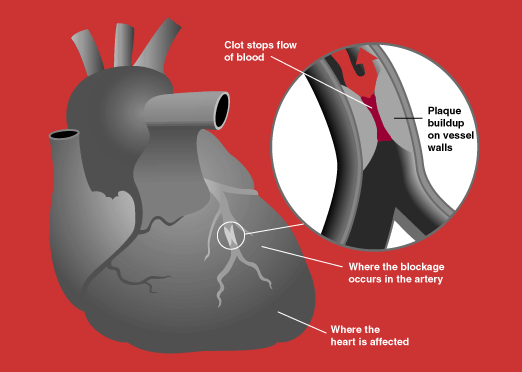
Acute coronary syndrome (ACS) encompasses a spectrum of clinical presentations ranging from unstable angina (UA) to non-ST-segment elevation myocardial infarction (NSTEMI) and ST-segment elevation myocardial infarction (STEMI), all sharing the unifying pathophysiology of acute myocardial ischemia due to abrupt reduction in coronary blood flow [2]A1c[7]A1c.
Also called: acute ischemic heart disease, acute coronary event, acute myocardial infarction (AMI) spectrum, coronary thrombosis. Historically, terms such as "coronary occlusion" and "heart attack" have been used, though the latter is imprecise [52]D5.
Classification Axes
ACS is classified along three primary axes: functional, anatomic, and etiologic. The functional classification divides patients by the presence or absence of ST-segment elevation on the 12-lead electrocardiogram. STEMI indicates transmural ischemia and mandates immediate reperfusion. NSTE-ACS (encompassing NSTEMI and UA) reflects subendocardial or patchy ischemia and is further stratified by troponin elevation: NSTEMI requires a rise and/or fall in cardiac troponin with at least one value above the 99th percentile upper reference limit, whereas UA shows no detectable myocardial necrosis [2]A1c[7]A1c[34]D5.
The anatomic classification identifies the culprit coronary artery and lesion morphology using invasive coronary angiography and, when indicated, (intravascular ultrasound or optical coherence tomography) [49]D5. Plaque rupture is the most common substrate (approximately 75% of fatal ACS events), but superficial plaque erosion and calcified nodules are increasingly recognized, especially with OCT imaging [52]D5.
The etiologic classification distinguishes Type 1 myocardial infarction (MI), caused by atherosclerotic plaque rupture, fissure, or erosion with occlusive or non-occlusive thrombosis, from Type 2 MI, where myocardial injury arises from oxygen supply-demand mismatch (e.g., tachyarrhythmia, severe anemia, hypotension) without acute atherothrombosis [34]D5[38]D5. Other causes include (SCAD), which accounts for up to 25% of ACS in women under 50 years, coronary vasospasm, and [5]D5[19]B2a[34]D5[37]D5.
| Classification Type | Key Distinguishing Feature | Associated Marker/Subtype |
|---|---|---|
| STEMI | ST-segment elevation on ECG | Transmural ischemia; immediate reperfusion required |
| NSTEMI | Troponin elevation without ST elevation | Subendocardial necrosis; urgent invasive strategy |
| Unstable angina | No troponin elevation; dynamic ECG changes | High-risk presentation without myocardial cell death |
| Type 1 MI | Plaque rupture/erosion with thrombosis | Culprit lesion on angiography |
| Type 2 MI | Supply-demand mismatch | Non-atherosclerotic mechanism; treat underlying cause |
| SCAD | Intimal dissection without atherosclerosis | Female <50 years; pregnancy associated [5]D5 |
Clinical Significance
ACS is a leading cause of morbidity and mortality worldwide, responsible for more than 1 million hospitalizations annually in the United States alone [52]D5. The 2025 ACC/AHA/ACEP/NAEMSP/SCAI Guideline emphasizes that precise classification at the point of care drives downstream decisions, from emergent reperfusion in STEMI to risk-stratified, time-sensitive invasive in NSTE-ACS [2]A1c[7]A1c.
Pearl: Acute coronary syndrome is a working diagnosis that must be immediately refined by ECG (STEMI vs NSTE-ACS) and troponin (myocardial infarction vs unstable angina) to guide reperfusion timing, anti-thrombotic strategy, and the need for urgent angiography [2]A1c[34]D5.
| Classification | ECG Finding | Troponin | Management Implication |
|---|---|---|---|
| STEMI | ST-segment elevation ≥1 mm in ≥2 contiguous leads | Elevated | Emergent reperfusion (PCI or fibrinolysis) [2]A1c |
| NSTEMI | No ST elevation; may have ST depression/T inversion | Elevated | Urgent invasive strategy (<24-48 h) [2]A1c[7]A1c |
| Unstable angina | No ST elevation; may have dynamic ST/T changes | Normal | Risk-stratified; may be managed medically [2]A1c[52]D5 |
| Type | Mechanism | Key Features |
|---|---|---|
| Type 1 MI | Atherosclerotic plaque rupture, fissure, or erosion with thrombosis | Culprit lesion; requires anti-thrombotic and revascularization [34]D5 |
| Type 2 MI | Supply-demand mismatch (e.g., tachyarrhythmia, anemia, hypotension) | No acute plaque event; treat underlying cause [34]D5[38]D5 |
| SCAD | Spontaneous intimal tear or intramural hematoma | Non-atherosclerotic; conservative management favored [5]D5 |
| Takotsubo | Transient LV dysfunction with emotional/physical stress | Reversible; no culprit coronary lesion [19]B2a[34]D5 |
Epidemiology and Risk Factors
- ▸ACS incidence is 7-14 per 1000 person-years in high-income countries, with a winter peak and declining STEMI but rising NSTEMI rates.
- ▸Smoking (OR 2.95), hypertension (OR 1.91), and diabetes (OR 1.82) are the strongest modifiable risk factors.
- ▸Acute triggers including physical exertion (RR 3.45), respiratory infections (RR ~2.0), and air pollution (OR 1.02 per 10 μg/m³) significantly contribute to ACS events.
ACS affects approximately 1 million individuals annually in the United States, with a global incidence of 7 to 14 per 1000 person-years in high-income countries [81]B2b. Incidence rises steeply with age: the rate in men aged 65-74 years is 10-fold higher than in men aged 35-44 years [98]D5. Women develop ACS on average 10 years later than men, but once affected, they have higher mortality and are less likely to receive guideline-directed therapy [110]A1a. Racial disparities persist: Black patients have a 1.5-fold higher incidence of MI compared with White patients, yet are underrepresented in clinical trials [110]A1a.
Over the past two decades, the incidence of STEMI has declined by 4-5% per year, while NSTEMI has increased, driven by more sensitive troponin assays and improved primary prevention [116]D5. However, the overall burden remains high, with 1-year mortality of 15-20% in unselected populations [81]B2b.
Traditional Risk Factors
Traditional modifiable risk factors account for the majority of population-attributable risk. Smoking confers the highest odds (OR 2.95, 95% CI 2.77-3.14), followed by (OR 1.91), diabetes (OR 1.82), and dyslipidemia (OR 1.43) [81]B2b.
| Risk Factor | Odds Ratio / Relative Risk (95% CI) | Evidence Level |
|---|---|---|
| Current smoking | OR 2.95 (2.77-3.14) | Meta-analysis [81]B2b |
| Hypertension | OR 1.91 (1.74-2.10) | Meta-analysis [81]B2b |
| Diabetes mellitus | OR 1.82 (1.64-2.03) | Meta-analysis [81]B2b |
| Dyslipidemia | OR 1.43 (1.31-1.56) | Meta-analysis [81]B2b |
| Obesity (BMI ≥30) | OR 1.34 (1.20-1.50) | Meta-analysis [81]B2b |
| Physical exertion | RR 3.45 (2.33-5.12) | Meta-analysis [112]B3a |
| Sexual activity | RR 2.70 (1.48-4.91) | Meta-analysis [112]B3a |
| Air pollution (PM2.5 per 10 μg/m³) | OR 1.02 (1.01-1.03) | Meta-analysis [114]B3a |
| Influenza infection | RR ~2.0 (range 1.5-3.0) | Systematic review [113]A1a |
| Obstructive sleep apnea | HR 1.76 (1.28-2.42) | Meta-analysis [115]B2a |
Non-Traditional and Acute Triggers
Acute triggers include physical exertion (RR 3.45 for MI during or within 1 hour of activity) and sexual activity (RR 2.70) [112]B3a. Air pollution, particularly fine particulate matter (PM2.5), increases MI risk by 2% per 10 μg/m³ increment (OR 1.02, 95% CI 1.01-1.03) [114]B3a. Respiratory infections are potent triggers: influenza infection doubles the risk of MI, and influenza vaccination reduces cardiovascular events by 36% (RR 0.64, 95% CI 0.48-0.86) [113]A1a. Similarly, RSV hospitalization is complicated by ACS in 14-22% of adults [101]D5. Obstructive sleep apnea is associated with a 76% increased risk of cardiovascular events (HR 1.76, 95% CI 1.28-2.42) [115]B2a.
Seasonal Variation
ACS exhibits a winter peak, coinciding with influenza season and cold-induced vasoconstriction [113]A1a.
Special Populations
(SCAD) accounts for 1-4% of all ACS but up to 35% of ACS in women under 50 years [5]D5. is a rare but important cause of ACS in children and young adults, with coronary aneurysms developing in 20% of untreated cases [20]D5. Plaque erosion, rather than rupture, is increasingly recognized, now comprising ~30% of ACS, particularly in younger patients and smokers [116]D5.
Pearl: The majority of ACS risk is attributable to traditional modifiable factors, but acute triggers such as infection, exertion, and air pollution play a critical role in precipitating events, especially in vulnerable populations [81]B2b[113]A1a.
Pathophysiology and Mechanism
- ▸Plaque rupture (≈2/3) and plaque erosion (≈1/3) are the dominant mechanisms underlying ACS, with calcified nodules as a rare cause [52, 116, 161].
- ▸Vulnerable plaques are characterized by a thin fibrous cap, large necrotic core, and positive remodeling; inflammation and low endothelial shear stress drive destabilization [162, 171, 176].
- ▸Complete vs. incomplete thrombotic occlusion determines the STEMI vs. NSTEMI phenotype and dictates distinct reperfusion and antithrombotic strategies [34, 52, 167].
Plaque rupture or erosion triggers platelet activation, coagulation cascade amplification, and intracoronary thrombosis that reduces myocardial below the threshold for cellular viability [52]D5[157]D5.
The Culprit Plaque: From Stable to Vulnerable
Coronary atherosclerosis progresses silently for decades. High-risk plaques, those destined to cause ACS, share characteristic features: a large necrotic core, a thin fibrous cap (<65 µm), and positive (expansive) remodeling that preserves the lumen diameter until a late stage [162]D5[176]B3b. Inflammatory cell infiltration, particularly by macrophages and activated T-lymphocytes, weakens the fibrous cap through matrix metalloproteinase-mediated collagen degradation [159]D5. Adiponectin deficiency, common in obesity and diabetes, removes a key anti-inflammatory brake on this process [162]D5. Optical coherence tomography (OCT) has confirmed that plaque rupture accounts for approximately two-thirds of ACS events, while superficial plaque erosion, thrombus overlying an intact fibrous cap, causes the remaining third and appears to be increasing in prevalence, possibly due to more effective lipid-lowering therapy [52]D5[116]D5. A third, rarer mechanism involves erupted calcified nodules that disrupt the luminal surface [161]D5[170]D5.
The Thrombotic Cascade: Platelets, Coagulation, and Thrombus Propagation
Plaque disruption exposes subendothelial collagen and tissue factor to flowing blood. Platelets adhere via von Willebrand factor (VWF) binding to glycoprotein Ib receptors, then activate and aggregate through glycoprotein IIb/IIIa cross-linking by fibrinogen [156]D5. Simultaneously, tissue factor activates factor VII, initiating the extrinsic coagulation cascade that generates thrombin, which converts fibrinogen to fibrin and stabilizes the platelet-rich thrombus [153]D5. The resulting thrombus can partially (NSTEMI/unstable angina) or completely (STEMI) occlude the epicardial coronary artery [52]D5. The balance between prothrombotic and fibrinolytic systems determines whether the clot propagates, embolizes distally, or resolves spontaneously.
Myocardial Ischemia: Supply-Demand Mismatch and Cellular Injury
Complete occlusion of a coronary artery for >20 minutes produces irreversible myocyte necrosis that progresses from subendocardium to subepicardium in a wavefront pattern [34]D5. The ischemic cascade unfolds in sequence: diastolic dysfunction appears within seconds, systolic dysfunction within minutes, ECG changes follow, and angina is the last manifestation [4]A1c[6]A1c. At the cellular level, ATP depletion disables ion pumps, leading to intracellular sodium and calcium overload, mitochondrial dysfunction, and activation of necrotic and apoptotic pathways [180]B2a. Reperfusion, while essential, paradoxically amplifies injury through oxidative stress, mitochondrial permeability transition pore opening, and microvascular obstruction from distal embolization of thrombus and cellular debris [173]D5. Microvascular resistance reserve (MRR), a novel index of coronary microvascular function, is independently prognostic for adverse outcomes after ACS [178]B2a.
The Inflammatory Milieu and Systemic Vulnerability
ACS is not merely a local plaque event; it reflects a systemic inflammatory state. Monocyte activation, measured by neopterin levels, independently predicts heart failure hospitalization after ACS [148]A1b. Adaptive immunity also contributes: T-cell clones specific for oxidized LDL and heat shock proteins are enriched in unstable plaques, and regulatory T-cell function is impaired [160]D5. This systemic vulnerability explains why recurrent events often arise from new, previously non-culprit lesions [163]D5. Hypoadiponectinemia and elevated VWF levels further amplify the prothrombotic and proinflammatory environment [156]D5[162]D5.
Hemodynamic Forces and Plaque Progression
Local hemodynamics dictate where plaques form and when they destabilize. Low endothelial shear stress (<10 dynes/cm²) promotes atherogenic gene expression, lipid accumulation, and expansive remodeling, while high shear stress at the throat of a stenosis can trigger plaque rupture [171]D5. Serial angiographic and CT studies have shown that progressive plaque volume expansion, not simply baseline stenosis severity, is a necessary precursor to most acute coronary events [157]D5. Visit-to-visit blood pressure variability further accelerates coronary atheroma progression independently of mean blood pressure [192]B2b.
Linking Mechanism to Clinical Phenotype
The distinction between STEMI and NSTEMI ultimately reflects the completeness and duration of occlusion. A sudden, complete thrombotic occlusion without sufficient collateral supply produces transmural ischemia with ST elevation and a large troponin rise. Partial occlusion, intermittent occlusion, or occlusion protected by collaterals yields subendocardial ischemia with ST depression or T-wave inversion and a smaller or absent biomarker elevation [34]D5[52]D5. Understanding these mechanisms directly informs therapy: fibrinolysis or primary PCI for STEMI to restore flow; antithrombotic intensification plus early invasive strategy for NSTEMI to prevent complete occlusion [52]D5[167]A1b.
Pearl: The unifying pathophysiology of ACS is plaque disruption with superimposed thrombosis, but the clinical syndrome is modified by the completeness of occlusion, collateral circulation, and systemic inflammatory milieu, mechanistic insights that directly guide reperfusion strategy and antithrombotic regimen selection [52]D5[157]D5[163]D5.
| Mechanism | Prevalence | Key Features | OCT Findings |
|---|---|---|---|
| Plaque rupture | ~65% | Thin-cap fibroatheroma, inflammatory infiltrate | Disrupted fibrous cap, cavity, overlying thrombus [116]D5[161]D5 |
| Plaque erosion | ~30% | Intact fibrous cap, endothelial denudation | Intact cap, white thrombus, no cavity [52]D5[116]D5 |
| Calcified nodule | <5% | Erupted nodular calcification, luminal surface disruption | Irregular calcific protrusion into lumen [161]D5[170]D5 |
Clinical Presentation
- ▸Chest pain in ACS is classically substernal pressure radiating to left arm/jaw, lasting >20 minutes, often with diaphoresis, dyspnea, or nausea; reproduction by palpation argues against ischemia (LR ~0.3).
- ▸Atypical presentations without chest pain occur in up to 33% of patients, especially women, the elderly, and those with diabetes, and may present as isolated dyspnea, epigastric pain, syncope, or confusion.
- ▸Bedside focused cardiac ultrasound (FoCUS) detects regional wall motion abnormalities with >80% sensitivity and aids rapid triage, while physical findings (S3, crackles, JVD, new murmur) stratify hemodynamic severity by the Killip classification.
Chest pain is the dominant presenting symptom in ACS, but the quality, location, and associated features carry critical diagnostic weight [2]A1c[32]B2a. The classic description is substernal pressure, squeezing, or heaviness, a sensation patients often describe as "an elephant sitting on my chest" rather than sharp or stabbing pain [32]B2a. Radiation to the left arm, neck, jaw, or epigastrium increases the likelihood of ACS (LR+ 2.1 to 4.5), while reproduction by palpation or positional change argues strongly against an ischemic cause [32]B2a. Pain onset is typically gradual, peaking over minutes, and persists for >20 minutes. Transient episodes lasting <5 minutes that resolve spontaneously suggest unstable angina, whereas persistent pain with diaphoresis, dyspnea, or nausea signals infarction [2]A1c[34]D5. Absence of chest pain does not rule out ACS, up to 33% of patients, particularly women, elderly individuals, and those with diabetes, present without chest discomfort and instead report isolated dyspnea, epigastric pain, fatigue, or syncope [2]A1c[200]D5.
Associated Symptoms and Their Mechanisms
Diaphoresis, nausea, and vomiting arise from vagal activation triggered by inferior wall ischemia [2]A1c. Dyspnea reflects acute left ventricular dysfunction with elevated filling pressures, often accompanied by orthopnea or paroxysmal nocturnal dyspnea [62]D5[210]B2b. Palpitations or presyncope may indicate arrhythmias (e.g., nonsustained ventricular tachycardia, ) provoked by ischemic myocardium [22]D5. In the International Takotsubo Registry, physical triggers (e.g., acute medical illness, surgery, emotional stress) were reported in 36% of patients and emotional triggers in 28% [59]B2b. The presence of a precipitating stressor without obstructive coronary disease should raise consideration of , although it does not exclude ACS [29]B3b[151]D5.
Physical Examination
A focused examination assesses hemodynamic stability, identifies complications, and discriminates ACS from mimics. Initial vital signs are paramount: hypotension (SBP <90 mmHg) or tachycardia may indicate , while a shock index (heart rate / systolic BP) > 0.7 predicts increased mortality (OR 4.82, 95% CI 2.71-8.56) [214]A1a[60]B2b. Fever is absent in uncomplicated ACS and should suggest , pericarditis, or Kounis syndrome (allergic ACS) [212]D5.
Cardiopulmonary findings reflect the extent of ischemia and left ventricular dysfunction. A third heart sound (S3) and crackles on lung auscultation indicate elevated left atrial pressure and , graded by the Killip classification (Class I: no rales; Class II: rales <50% of lung fields; Class III: pulmonary edema; Class IV: cardiogenic shock) [2]A1c[210]B2b. Jugular venous distention suggests right ventricular involvement or concomitant heart failure. A new murmur from papillary muscle dysfunction can be heard in inferior or posterior MI [2]A1c. Faint heart sounds may accompany large anterior MI with reduced contractility. Pericardial friction rub can appear in the first 48 hours of transmural MI but more often signals acute pericarditis rather than ACS [2]A1c.
Focused cardiac ultrasound (FoCUS) performed at the bedside identifies regional wall motion abnormalities with sensitivity >80% for acute MI, particularly when ECG is non-diagnostic [215]D5. FoCUS also assesses for mechanical complications (papillary muscle rupture, , free wall rupture) that produce a new holosystolic murmur (VSD or mitral regurgitation) or pulsus paradoxus with tamponade physiology [62]D5.
| Physical Finding | Discriminating Value | Likely Mechanism |
|---|---|---|
| Reproducible chest pain with palpation | LR ~0.3 for ACS; strongly suggests musculoskeletal cause | Non-cardiac source [32]B2a |
| S3 gallop + crackles | Killip Class II-III; predicts 30-day mortality >15% | LV diastolic dysfunction, elevated filling pressures [62]D5 |
| New mitral regurgitation murmur | Papillary muscle ischemia or rupture | Left ventricular remodeling, mitral valve prolapse [2]A1c |
| JVD + hypotension + clear lungs | RV failure, decreased LV preload [2]A1c | |
| Fever + pericardial rub | Acute pericarditis, not ACS | Pericardial inflammation [2]A1c |
Atypical Presentations
Certain populations present without typical chest pain, delaying diagnosis and reperfusion [98]D5[200]D5. Elderly patients (age ≥75 years) more often report dyspnea, confusion, or syncope; only 40% have chest pain [98]D5. Women, particularly younger women, experience epigastric pain, nausea, fatigue, and back pain, leading to longer patient and system delays [200]D5. Patients with diabetes have higher rates of silent ischemia due to ; up to 42% have no chest pain at presentation [2]A1c. Perioperative patients may manifest ACS only as unexplained hypotension, arrhythmia, or heart failure during or after non-cardiac surgery [2]A1c. Kounis syndrome, allergic ACS triggered by drugs, contrast, or insect stings, presents with chest pain, urticaria, and hypotension, often with normal coronaries [212]D5.
Pearl: The combination of substernal pressure radiating to the left arm with diaphoresis has a positive likelihood ratio >4.5 for ACS, but the absence of typical chest pain does not exclude it, maintain a high index of suspicion in women, the elderly, and patients with diabetes or perioperative hypotension [2]A1c[32]B2a.
Diagnosis and Workup
- ▸High-sensitivity cardiac troponin with sex-specific 99th percentile thresholds is the preferred biomarker; a single value below the limit of detection at presentation rules out MI with >99% NPV.
- ▸The ESC 0-hour/1-hour algorithm using absolute troponin changes provides rapid triage into rule-out, observe, or rule-in zones with high sensitivity and specificity.
- ▸Coronary angiography remains the gold standard for confirming obstructive coronary thrombosis, but initial diagnosis relies on ECG and serial hs-cTn measurements.
The diagnosis of acute coronary syndrome rests on a triad: ischemic symptoms, electrocardiographic changes, and cardiac troponin elevation. No single element is sufficient; the combination, interpreted in clinical context, drives the diagnosis [2]A1c[7]A1c.
History and Physical
Chest pain characteristics remain the starting point. The classic description is substernal pressure, squeezing, or heaviness radiating to the left arm, neck, or jaw, often provoked by exertion and relieved by rest or nitroglycerin [32]B2a. However, atypical presentations, epigastric discomfort, dyspnea, nausea, or fatigue, are common, especially in women, older adults, and patients with diabetes [98]D5[223]D5. The physical examination focuses on signs of hemodynamic instability (hypotension, tachycardia, cool extremities), heart failure (jugular venous distention, crackles, S3 gallop), and mechanical complications (new murmur). The clinical examination alone has limited diagnostic accuracy: the pooled likelihood ratio for a "typical" history is only 2.0 (95% CI 1.6-2.5) [32]B2a. Thus, objective testing is mandatory.
Gold-Standard Test
Coronary angiography with possible (intravascular ultrasound or optical coherence tomography) is the gold standard for confirming the presence of obstructive coronary thrombosis and identifying the culprit lesion [2]A1c[49]D5. Angiography defines the coronary anatomy and guides revascularization. However, the initial diagnosis is made noninvasively using the ECG and high-sensitivity cardiac troponin (hs-cTn) assays.
Laboratory Studies
High-sensitivity cardiac troponin I or T is the preferred biomarker [2]A1c[35]D5. The 2021 AHA/ACC chest pain guideline and the 2025 ACC/AHA ACS guideline endorse the use of hs-cTn with sex-specific 99th percentile upper reference limits (URL) to define myocardial injury [4]A1c[9]A1c[220]D5. A single hs-cTn concentration below the limit of detection (e.g., <5 ng/L for hs-cTnI) at presentation has a negative predictive value (NPV) >99% for 30-day major adverse cardiac events, allowing immediate rule-out in low-risk patients [33]A1a[228]B2b. Serial measurements are required when the initial value is elevated or indeterminate. The ESC 0-hour/1-hour algorithm uses absolute changes (Δ) from 0 to 1 hour to triage patients into rule-out, observe, or rule-in zones [34]D5[221]D5.
| ESC 0h/1h Algorithm | hs-cTnT (ng/L) | hs-cTnI (ng/L) |
|---|---|---|
| Rule-out | 0h <12 AND Δ <3 | 0h <5 AND Δ <2 |
| Rule-in | 0h ≥52 OR Δ ≥5 | 0h ≥64 OR Δ ≥6 |
| Observe | All others | All others |
This algorithm achieves a sensitivity of 96-99% and NPV of 99-100% for acute myocardial infarction [221]D5[230]B2b. In patients with known coronary artery disease, the rule-out performance remains high (NPV 99.2%) [230]B2b. For patients with renal impairment, eGFR-specific thresholds may improve diagnostic accuracy; a single hs-cTnI <9 ng/L in patients with eGFR <60 mL/min/1.73 m² has an NPV of 98.5% [240]B2b.
Other biomarkers, such as copeptin, have been studied but are not routinely recommended [35]D5. Lipoprotein(a) and inflammatory markers (e.g., hs-CRP) provide prognostic information but are not diagnostic [194]B2b[235]B2b.
Imaging
Electrocardiography is the first-line imaging test and must be obtained within 10 minutes of first medical contact [2]A1c. ST-segment elevation ≥1 mm in two contiguous limb leads or ≥2 mm in two contiguous precordial leads defines STEMI. New left bundle branch block is also considered a STEMI equivalent. ST depression or T-wave inversion suggests NSTEMI or unstable angina. A normal ECG does not exclude ACS; up to 5% of patients with a normal ECG have an acute MI [32]B2a.
Coronary computed tomographic angiography (CCTA) is an alternative for low-to-intermediate-risk patients in the emergency department. In the ROMICAT II trial, CCTA reduced length of stay and increased direct discharge from the ED compared with standard care [18]A1b. CCTA has a NPV of 99% for ACS when no coronary stenosis ≥50% is found [18]A1b[224]D5.
Echocardiography is useful to assess regional wall motion abnormalities, left ventricular function, and mechanical complications. It can also help differentiate (apical ballooning) from anterior STEMI [225]B3b.
Invasive imaging (intravascular ultrasound, optical coherence tomography) is reserved for ambiguous angiographic findings or to characterize plaque morphology (e.g., plaque erosion vs. rupture) [49]D5[222]C4.
Diagnostic Algorithm
Step 1: Obtain a 12-lead ECG within 10 minutes of presentation. If ST-segment elevation or new LBBB is present, activate the catheterization laboratory for primary PCI [2]A1c. Step 2: Measure hs-cTn at presentation (0 hour). If the patient is low-risk (HEART score ≤3, no ischemic ECG changes) and hs-cTn is below the limit of detection, consider immediate discharge with outpatient follow-up [13]A1b[33]A1a. Step 3: If the initial hs-cTn is elevated or the patient is intermediate/high-risk, repeat hs-cTn at 1 hour (or 2-3 hours if using a 0/2- or 0/3-hour protocol). Apply the ESC 0/1-hour algorithm or a validated accelerated diagnostic protocol (e.g., ADAPT, HEART pathway) [45]B2b[221]D5. Step 4: If the algorithm indicates "rule-in," proceed to coronary angiography. If "observe," continue serial troponin measurements and consider stress testing or CCTA [4]A1c. Step 5: In patients with a confirmed diagnosis of NSTEMI or unstable angina, risk stratify using the 2.0 score to guide the timing of invasive strategy (early <24 hours vs. delayed) [2]A1c[96]A1a.
Differential Diagnosis
The differential for suspected ACS includes conditions that cause chest pain and troponin elevation without obstructive coronary thrombosis:
- Takotsubo (stress) cardiomyopathy: Presents with acute chest pain, ST-segment elevation, and troponin elevation, but coronary angiography shows no obstructive disease. The InterTAK Diagnostic Score (female sex, emotional trigger, physical trigger, absence of ST depression, etc.) helps differentiate [29]B3b[59]B2b. Machine learning applied to echocardiography also shows promise [225]B3b.
- : Often preceded by a viral prodrome; diffuse ST elevation, elevated troponin, and normal coronary arteries. Cardiac MRI with late gadolinium enhancement is diagnostic.
- Pulmonary embolism: Can cause chest pain, dyspnea, and troponin elevation due to right ventricular strain. ECG may show S1Q3T3 pattern; D-dimer and CT are key.
- Type 2 myocardial infarction: Myocardial injury due to supply-demand mismatch (e.g., sepsis, tachyarrhythmia, severe ) without acute atherothrombosis. The distinction from type 1 MI requires clinical judgment [38]D5[62]D5.
- Kounis syndrome: Allergic acute coronary syndrome triggered by hypersensitivity reactions (e.g., drugs, food, insect stings). Presents with chest pain, ST changes, and troponin elevation in the setting of an allergic reaction [231]C4.
- (SCAD): More common in young women; angiography shows a characteristic intramural hematoma or intimal flap without atherosclerosis [5]D5.
- Aortic dissection: Severe tearing chest pain radiating to the back, often with pulse deficits or . ECG may show nonspecific changes; CT angiography is diagnostic.
Pearl: The combination of a normal or non-ischemic ECG and a single hs-cTn below the limit of detection (e.g., <5 ng/L) at presentation identifies a very-low-risk group with an NPV >99% for 30-day MACE, enabling safe early discharge without serial testing [33]A1a[228]B2b.
Severity Staging and Risk Stratification
- ▸The GRACE risk score (in-hospital and 6-month) is the most validated tool for initial risk stratification; a score >140 identifies high-risk NSTEMI patients who derive the greatest benefit from an early invasive strategy within 24 hours.
- ▸High-sensitivity troponin algorithms (single hs-cTnI <5 ng/L) allow safe rule-out with <1% 30-day cardiac event rate, while the SCAI shock stages (A-E) and CardShock score stratify mortality risk in patients with cardiogenic shock.
- ▸Beyond traditional scores, frailty (Clinical Frailty Scale), culprit plaque phenotype (RFC vs IFC on OCT), and novel biomarkers (GDF-15, PIV) add independent prognostic value in special populations.
Initial Risk Stratification: Why It Matters
Risk stratification drives every subsequent decision in acute coronary syndrome, from the choice of antiplatelet agent to the timing of angiography. An early invasive strategy (angiography within 24 hours) benefits high-risk NSTEMI patients, while low-risk patients can safely undergo selective coronary angiography or even early discharge after rule-out [52]D5[250]A1b. The FRISC-II trial demonstrated that the survival benefit of an invasive strategy is confined to patients with elevated troponin, ST-segment depression, or age >65 years at presentation [250]A1b.
The Risk Score: The Gold Standard
The Global Registry of Acute Coronary Events (GRACE) risk score is the most extensively validated tool for predicting in-hospital and 6-month mortality across the ACS spectrum [41]A1b[256]D5. The score incorporates 8 variables: age, heart rate, systolic blood pressure, Killip class, serum creatinine, cardiac arrest at admission, ST-segment deviation, and elevated cardiac biomarkers. A GRACE score >140 defines high-risk patients who derive the greatest absolute benefit from an early invasive strategy [41]A1b[96]A1a. The prospective GRACE-2 trial showed that routine GRACE score implementation improved guideline-indicated treatment but did not significantly lower 6-month mortality compared with standard care (18.6% vs 19.1%; adjusted OR 1.08, 95% CI 0.88-1.32) [41]A1b. Despite this, GRACE remains the recommended initial risk stratification tool by both ACC/AHA and ESC guidelines [256]D5.
Risk Scores for STEMI and NSTEMI/UA
The Thrombolysis In Myocardial Infarction (TIMI) risk score for NSTEMI/UA is a simpler, 7-point score (age ≥65, ≥3 CAD risk factors, known CAD, use in past 7 days, severe angina, ST deviation, elevated cardiac marker) that predicts the composite endpoint of all-cause mortality, MI, or urgent revascularization at 14 days [256]D5. For STEMI, the TIMI risk score for STEMI uses 10 variables (age, diabetes, , angina, weight <67 kg, anterior MI, time to treatment >4 hours, Killip class II-IV, heart rate >100 bpm, systolic BP <100 mm Hg) to predict 30-day mortality [256]D5.
| Score | Variables | Outcome Predicted | Risk Categories |
|---|---|---|---|
| GRACE (in-hospital) | 8 variables (age, HR, SBP, Killip, Cr, arrest, ST deviation, biomarkers) | In-hospital mortality | ≤108 (low), 109-140 (intermediate), >140 (high) |
| GRACE (6-month) | Same 8 variables | 6-month mortality | ≤88 (low), 89-118 (intermediate), >118 (high) |
| TIMI NSTEMI/UA | 7 variables (age, CAD risk, known CAD, aspirin, severe angina, ST deviation, troponin) | 14-day death/MI/urgent revasc. | 0-2 (low), 3-4 (intermediate), 5-7 (high) |
| TIMI STEMI | 10 variables (age, DM, HTN, angina, weight, anterior MI, time, Killip, HR, SBP) | 30-day mortality | 0-2 (low), 3-5 (intermediate), >5 (high) |
Beyond Traditional Scores: Newer Tools and Biomarkers
High-sensitivity cardiac troponin (hs-cTn) algorithms now allow rapid rule-out within 1-3 hours. A single hs-cTnI concentration <5 ng/L at presentation identifies patients with <1% 30-day cardiac event rate, meeting criteria for safe early discharge [33]A1a[242]A1b. The HEART score (History, ECG, Age, Risk factors, Troponin) performs well in the emergency department; a HEAR score ≤3 (without troponin) combined with a normal point-of-care troponin in the ambulance identified low-risk patients who could be safely discharged directly, reducing emergency department visits in a randomized trial [13]A1b.
Novel biomarkers and scores refine long-term risk. The SMART2 risk score predicts 10-year recurrent atherosclerotic cardiovascular disease events in patients with established vascular disease, including post-ACS [133]B2b. Elevated growth differentiation factor-15 (GDF-15) and ST2 independently predict cardiovascular mortality beyond GRACE [51]A1a[252]B2b. The pan-immune-inflammation value (PIV), integrating neutrophil, platelet, monocyte, and lymphocyte counts, stratifies MACE risk after PCI for ACS (pooled HR 2.34, 95% CI 1.91-2.86) [50]A1a.
Special Populations and Subphenotypes
: The SCAI shock classification (Stages A through E) provides a 5-stage risk gradient for cardiac intensive care unit patients. Hospital mortality rises from 3% in Stage A (at risk) to 67% in Stage E (extremis) [48]B3b. Patients with ACS and cardiogenic shock have higher acuity, with 30-day mortality approaching 40-50% [60]B2b[254]B2b. The CardShock risk score (age >75, confusion, prior MI or , LVEF <40%, lactate >2 mmol/L, eGFR <60 mL/min) predicts 30-day mortality in cardiogenic shock with AUC 0.85 [60]B2b.
Older adults (≥75 years): The GRACE score performs well, but frailty assessment adds independent prognostic value. A meta-analysis found the Clinical Frailty Scale (CFS) had the strongest predictive ability for mortality in older ACS patients (pooled HR 2.57, 95% CI 1.87-3.52) [268]A1a. The CFS can be used alongside GRACE to guide intensity of care [98]D5[36]D5.
Methamphetamine-associated ACS: These patients are more often young men (median age 52 years), with a higher prevalence of smoking and tobacco use, and have a 1.7-fold increased hazard of all-cause mortality compared with non-methamphetamine ACS (adjusted HR 1.71, 95% CI 1.05-2.78) [65]B3b.
Culprit lesion phenotype: Optical coherence tomography identifies two major mechanisms: rupture of fibrous cap (RFC) and erosion of intact fibrous cap (IFC). RFC-ACS is associated with higher inflammatory markers and worse 2-year outcomes compared with IFC-ACS (composite endpoint 18.3% vs 9.8%; adjusted HR 1.89, 95% CI 1.04-3.44) [260]B3b.
Polygenic risk scores (PRS) are emerging as tools for long-term risk stratification. A CVD-PRS incorporating >1 million variants improved risk discrimination beyond QRISK2 in a real-world primary care setting (C-statistic increase from 0.757 to 0.767) [259]B2b. In , PRS identifies familial clustering and elevated risk [266]B3b.
Risk Scores for Bleeding
Bleeding risk must be weighed against ischemic risk when choosing antiplatelet therapy. The CRUSADE bleeding score predicts in-hospital major bleeding in NSTEMI (AUC 0.79) and uses 8 variables (baseline hematocrit, creatinine clearance, heart rate, sex, signs of heart failure, prior vascular disease, diabetes, systolic blood pressure) [69]B2b[153]D5. In older adults, the PRECISE-DAPT score guides dual antiplatelet therapy duration [36]D5.
Pearl: The GRACE risk score remains the cornerstone of initial risk stratification for ACS, identifying high-risk patients (score >140) who derive the greatest benefit from early invasive ; supplementing with frailty assessment in older adults, hs-cTn algorithms for rapid rule-out, and bleeding risk scores for antiplatelet therapy selection further refines personalized care [41]A1b[96]A1a[268]A1a.
Acute and Initial Management
- ▸Immediate management starts with aspirin 162-325 mg chewed, oxygen only for SpO₂ <90%, and a 12-lead ECG within 10 minutes to triage to STEMI vs NSTE-ACS pathway.
- ▸Primary PCI within 90-120 minutes is the standard for STEMI; fibrinolytic therapy is reserved when PCI cannot be delivered in time, with routine angiography within 2-24 hours.
- ▸Dual antiplatelet therapy with ticagrelor 180 mg loading (or prasugrel 60 mg) is preferred over clopidogrel, except in patients ≥70 years or with high bleeding risk.
- ▸Initiate high-intensity statin, beta-blocker, and ACE inhibitor/ARB within 24 hours; target LDL-C <55 mg/dL with ezetimibe if needed.
Initial begins the moment ACS is suspected, before biomarker results return and before the STEMI vs NSTE-ACS distinction is confirmed. The 2025 ACC/AHA/ACEP/NAEMSP/SCAI guideline emphasizes that time is myocardium, and a standardized protocol reduces door-to-balloon and door-to-needle times [2]A1c[7]A1c. The management pathway bifurcates immediately based on the ECG: STEMI triggers an emergent reperfusion strategy, while NSTE-ACS allows a brief window for risk stratification and medical stabilization prior to angiography.
Step 1: Immediate Stabilization and Risk Assessment
All patients with suspected ACS should receive oxygen only if SpO₂ <90% (not routinely), 162-325 mg chewed immediately, and nitroglycerin 0.4 mg sublingual every 5 minutes for ongoing chest pain (up to 3 doses) unless contraindicated by hypotension (SBP <90 mm Hg) or [2]A1c[7]A1c. Obtain a 12-lead ECG within 10 minutes of first medical contact. If the ECG shows ST-segment elevation or new left bundle branch block, activate the catheterization laboratory immediately.
Step 2: Reperfusion Strategy for STEMI
Primary percutaneous coronary intervention (PCI) is the preferred strategy for STEMI when the door-to-balloon time can be kept under 120 minutes from first medical contact (or under 90 minutes for patients presenting directly to a PCI-capable hospital) [2]A1c[7]A1c. The 2025 ACC/AHA guideline recommends immediate coronary angiography with PCI of the culprit vessel, targeting 3 flow [2]A1c[7]A1c. If primary PCI cannot be performed within 120 minutes, administer fibrinolytic therapy (tenecteplase 30-50 mg IV bolus based on weight, or alteplase 15 mg IV bolus followed by 0.75 mg/kg over 30 minutes then 0.5 mg/kg over 60 minutes) within 30 minutes of arrival, then transfer to a PCI-capable center for routine angiography within 2 to 24 hours (pharmaco-invasive approach) [2]A1c[7]A1c.
Step 3: Antiplatelet and Anticoagulant Therapy
Dual antiplatelet therapy (DAPT) is the cornerstone. Loading dose options: 180 mg orally or 60 mg orally in patients proceeding to PCI (prasugrel is contraindicated in patients with prior stroke or TIA) [2]A1c[88]A1b[287]A1a. 300-600 mg is reserved for patients with high bleeding risk, age ≥70 years, or when ticagrelor/prasugrel are contraindicated [2]A1c[105]A1b. The 2025 guideline gives a Class 1, Level B-R recommendation for ticagrelor over clopidogrel [2]A1c[7]A1c. Anticoagulation options: unfractionated (UFH) 70 U/kg IV bolus (max 4,000 U) with target ACT 250-300 seconds if PCI planned, or 1 mg/kg SC every 12 hours (0.75 mg/kg if age ≥75 years) for patients managed conservatively [2]A1c[7]A1c. Bivalirudin is an alternative for patients with heparin-induced thrombocytopenia [2]A1c.
Step 4: Invasive Strategy for NSTE-ACS
For NSTE-ACS, the 2025 guideline recommends an early invasive strategy (angiography within 24 hours) for high-risk patients: those with dynamic ECG changes, elevated troponin, hemodynamic instability, , or risk score >140 [2]A1c[7]A1c. A delayed invasive strategy (angiography within 48-72 hours) is reasonable for intermediate-risk patients with negative troponin but concerning features [2]A1c[7]A1c. Conservative management is reserved for low-risk patients without recurrent ischemia. Immediate culprit-only PCI is the standard; however, for patients with multivessel disease, complete revascularization during the index procedure or staged within 45 days reduces MACE (HR 0.71, 95% CI 0.55-0.91; NNT = 18) [73]A1a[275]A1b.
Step 5: Medical Therapy and Post-Procedure Care
Initiate high-intensity statin therapy immediately: 80 mg daily or 40 mg daily [2]A1c[3]A1c[87]A1b. Add 10 mg daily for patients presenting with LDL-C ≥70 mg/dL (1.8 mmol/L) to achieve a target LDL-C <55 mg/dL (1.4 mmol/L) [2]A1c[87]A1b. Start beta-blockade within the first 24 hours in patients without signs of heart failure or : tartrate 25-50 mg every 6 hours or 6.25 mg twice daily [2]A1c[7]A1c. An ACE inhibitor (e.g., 2.5 mg daily) or ARB (e.g., 40 mg twice daily) should be initiated within 24 hours in patients with anterior STEMI, heart failure, or LVEF ≤40% [2]A1c[7]A1c.
| Drug | Starting dose | Target / max dose | Renal adjustment | Hepatic adjustment | Key monitoring |
|---|---|---|---|---|---|
| Aspirin | 162-325 mg chewed Loading | 81 mg daily | None | Avoid if severe impairment | Bleeding, GI intolerance |
| Ticagrelor | 180 mg loading | 90 mg twice daily | None | Avoid if severe | Dyspnea, bleeding |
| Prasugrel | 60 mg loading | 10 mg daily | None | None | Bleeding; contraindicated with prior CVA |
| Clopidogrel | 300-600 mg loading | 75 mg daily | None | None | Bleeding |
| UFH | 70 U/kg IV bolus | ACT 250-300 sec | Use adjusted dosing | None | ACT, aPTT, platelets |
| Enoxaparin | 1 mg/kg SC q12h | 1 mg/kg SC q12h | 0.75 mg/kg SC q12h if CrCl <30 | None | Bleeding, CrCl |
| Atorvastatin | 80 mg daily | 80 mg daily | None | Avoid if active liver disease | LFTs, CK, LDL-C |
What NOT to Do
Do not routinely administer oxygen to normoxic patients (SpO₂ ≥90%), it does not reduce mortality and may increase coronary vasoconstriction [2]A1c. Do not use NSAIDs for pain control in ACS, they increase thrombotic risk and worsen renal function [2]A1c. Do not hold antiplatelet therapy for a planned beyond the recommended washout period (ticagrelor: 3-5 days; clopidogrel: 5 days; aspirin: continue) [2]A1c[278]A1b. For patients with STEMI and multivessel disease, do not perform non-culprit PCI of a totally occluded artery in the absence of ongoing ischemia [2]A1c.
Controversies and Guideline Disagreement
| Question | Position A | Position B | Strength of disagreement | Implication for practice |
|---|---|---|---|---|
| Duration of DAPT | ACC/AHA 2025, 12 months recommended for all ACS (Class 1) with option to shorten to 1-3 months in high bleeding risk (Class 2a) [2]A1c | ESC 2021, 12 months recommended, but with earlier de-escalation (3-6 months) in high bleeding risk [279]D5 | Moderate (different cutoffs for abbreviated DAPT) | US practice often retains 12 months; European practice uses shorter DAPT more liberally. ULTIMATE-DAPT and TICO trials support aspirin discontinuation after 1-3 months [103]A1b[126]A1b |
| P2Y12 inhibitor in older adults | ACC/AHA 2025, ticagrelor or prasugrel preferred (Class 1) [2]A1c | POPular AGE trial, clopidogrel is noninferior with less bleeding in patients ≥70 years [105]A1b | Moderate (RCT vs guideline) | For patients ≥70 years, clopidogrel may be a safer alternative with similar ischemic efficacy [105]A1b |
Pearl: Parallel initiation of aspirin, a P2Y12 inhibitor, a statin, and a beta-blocker within the first hours of ACS reduces mortality by >20% compared to sequential step-up; the single most impactful decision is the choice of P2Y12 inhibitor, ticagrelor or prasugrel reduce ischemic events over clopidogrel at the cost of more bleeding [2]A1c[88]A1b[287]A1a.
Long-term Guideline-Directed Therapy
- ▸Long-term antiplatelet therapy after ACS should be risk-stratified: 12 months DAPT for most, abbreviated (1-3 months) for high bleeding risk, and extended (up to 3 years) for high ischemic risk [2].
- ▸Lipid-lowering targets are aggressive: LDL-C <55 mg/dL (1.4 mmol/L) using high-intensity statin plus ezetimibe, with PCSK9 inhibitors for those not at goal [2][86][87].
- ▸Beta-blockers are indicated for 3 years in patients with preserved LVEF and indefinitely in those with reduced LVEF or heart failure [2][56].
Long-term pharmacotherapy after ACS targets four interconnected pathways: platelet reactivity, atherogenic lipoproteins, neurohormonal activation, and vascular inflammation [2]A1c. The 2025 ACC/AHA/ACEP/NAEMSP/SCAI Guideline for the of Patients With provides a comprehensive framework for selecting agents, doses, and durations based on ischemic and bleeding risk [2]A1c[7]A1c.
Antiplatelet Therapy
Dual antiplatelet therapy (DAPT) with plus a P2Y12 inhibitor remains the cornerstone for the first 12 months after ACS, regardless of revascularization strategy [2]A1c[284]D5. (90 mg twice daily) or (10 mg once daily) is preferred over for most patients, based on the PLATO and TRITON- 38 trials showing reductions in ischemic events (HR 0.84 and 0.81, respectively) [88]A1b[303]A1b. Clopidogrel (75 mg once daily) is reserved for patients with high bleeding risk, age ≥70 years, or those who cannot tolerate more potent agents [105]A1b[2]A1c.
After 12 months, the decision to continue DAPT or switch to single antiplatelet therapy (SAPT) depends on the balance of ischemic and bleeding risk. For patients with prior MI and low bleeding risk, extended DAPT with ticagrelor 60 mg twice daily (PEGASUS-TIMI 54) reduces cardiovascular death, MI, or stroke (HR 0.84, 95% CI 0.74-0.95; NNT = 56 over 3 years) [95]A1b. Alternatively, clopidogrel monotherapy may be considered over aspirin monotherapy based on the HOST-EXAM trial and a recent individual patient data meta-analysis showing lower composite ischemic and bleeding events (HR 0.74, 95% CI 0.63-0.88) [274]A1b[273]A1a. The 2025 guideline endorses a risk-stratified approach: for patients with high ischemic risk (e.g., multivessel disease, diabetes, prior stent thrombosis) and low bleeding risk, extended DAPT for up to 3 years is reasonable (Class IIa) [2]A1c. For those with high bleeding risk, abbreviated DAPT (1-3 months) followed by P2Y12 inhibitor monotherapy is recommended (Class I) [2]A1c[103]A1b[126]A1b.
| Antiplatelet Regimen | Dose | Key Trial | Efficacy (HR) | Guideline Class (2025 ACC/AHA) |
|---|---|---|---|---|
| Aspirin + Ticagrelor | Aspirin 81 mg daily + Ticagrelor 90 mg BID | PLATO [88]A1b | CV death/MI/stroke: 0.84 (0.77-0.92) | I (initial 12 mo) |
| Aspirin + Prasugrel | Aspirin 81 mg daily + Prasugrel 10 mg daily | TRITON-TIMI 38 [303]A1b | CV death/MI/stroke: 0.81 (0.73-0.90) | I (initial 12 mo) |
| Aspirin + Clopidogrel | Aspirin 81 mg daily + Clopidogrel 75 mg daily | CURE [284]D5 | CV death/MI/stroke: 0.80 (0.72-0.90) | IIa (if high bleeding risk or age ≥70) |
| Ticagrelor 60 mg BID (extended) | Ticagrelor 60 mg BID + aspirin | PEGASUS-TIMI 54 [95]A1b | CV death/MI/stroke: 0.84 (0.74-0.95) | IIa (high ischemic risk, low bleeding risk) |
| Clopidogrel monotherapy | Clopidogrel 75 mg daily | HOST-EXAM [274]A1b | Composite ischemic/bleeding: 0.74 (0.63-0.88) | IIb (alternative to aspirin) |
Lipid-Lowering Therapy
High-intensity statin therapy ( 40-80 mg or 20-40 mg daily) should be initiated in all patients regardless of baseline LDL-C, aiming for a ≥50% reduction and an LDL-C target of <55 mg/dL (1.4 mmol/L) [2]A1c[3]A1c. The IMPROVE-IT trial demonstrated that adding 10 mg daily to 40 mg further reduced cardiovascular events (HR 0.94, 95% CI 0.89-0.99) [87]A1b. For patients not achieving target on maximally tolerated statin plus ezetimibe, a PCSK9 inhibitor (alirocumab 75-150 mg every 2 weeks or evolocumab 140 mg every 2 weeks) is recommended (Class I) [2]A1c. The ODYSSEY OUTCOMES trial showed alirocumab reduced MACE after ACS (HR 0.85, 95% CI 0.78-0.93; NNT = 50 over 2.8 years) [86]A1b[78]A1b. Bempedoic acid (180 mg daily) may be used as an alternative in statin-intolerant patients; the ES-BempedACS trial demonstrated superiority of triple therapy (statin + ezetimibe + bempedoic acid) over dual therapy for LDL-C reduction after ACS [269]A1b.
| Drug | Starting Dose | Target/Max Dose | Key Trial | LDL-C Reduction | Guideline Class |
|---|---|---|---|---|---|
| Atorvastatin | 40 mg daily | 80 mg daily | PROVE-IT | ~50% | I |
| Rosuvastatin | 20 mg daily | 40 mg daily | JUPITER | ~50% | I |
| Ezetimibe | 10 mg daily | 10 mg daily | IMPROVE-IT [87]A1b | ~20% additional | I (add-on) |
| Alirocumab | 75 mg SC q2wk | 150 mg SC q2wk | ODYSSEY OUTCOMES [86]A1b | ~60% | I (if not at target) |
| Evolocumab | 140 mg SC q2wk | 420 mg SC monthly | EVOPACS [295]A1b | ~60% | I (if not at target) |
| Bempedoic acid | 180 mg daily | 180 mg daily | ES-BempedACS [269]A1b | ~20% additional | IIb (statin intolerance) |
Beta-Blockers
Beta-blockers reduce mortality and recurrent MI in patients with reduced LVEF (≤40%) or heart failure after ACS (Class I) [2]A1c. In patients with preserved LVEF (>40%), the benefit is less certain. A 2026 meta-analysis of beta-blockers in post-ACS patients with LVEF ≥40% found no significant reduction in all-cause mortality (RR 0.96, 95% CI 0.86-1.08) but a modest reduction in MACE (RR 0.88, 95% CI 0.79-0.98) [56]A1a. The 2025 guideline recommends beta-blockers for 3 years in patients with LVEF >40% and no contraindications (Class IIa), with continuation beyond 3 years if tolerated [2]A1c.
Renin-Angiotensin-Aldosterone System Inhibitors
ACE inhibitors (or ARBs if intolerant) are indicated for all patients with LVEF ≤40%, , diabetes, or chronic kidney disease (Class I) [2]A1c. In patients with preserved LVEF but high-risk features (e.g., anterior STEMI, multivessel disease), ACE inhibitors reduce cardiovascular mortality (HR 0.83, 95% CI 0.71-0.97) [2]A1c. Mineralocorticoid receptor antagonists ( or ) are recommended for patients with LVEF ≤40% and either heart failure or diabetes, provided potassium and renal function are monitored (Class I) [2]A1c.
Anti-Inflammatory Therapy
Colchicine 0.5 mg daily reduces cardiovascular events in patients with chronic coronary disease (LoDoCo2: HR 0.69, 95% CI 0.57-0.83) and improves coronary plaque stability on OCT after ACS (COLOCT trial) [12]A1b[77]A1b. The 2025 guideline gives a Class IIb recommendation for low-dose colchicine in patients with ACS who have residual inflammatory risk (hs-CRP ≥2 mg/L) despite statin therapy [2]A1c.
Influenza Vaccination
Annual influenza vaccination is recommended for all patients with ACS (Class I) [2]A1c. A meta-analysis of RCTs showed vaccination reduced cardiovascular events (RR 0.64, 95% CI 0.48-0.86; NNT = 58) [113]A1a[97]A1a.
Controversies and Guideline Disagreement
| Question | Position A | Position B | Strength of disagreement | Implication for practice |
|---|---|---|---|---|
| Optimal DAPT duration after ACS | 2025 ACC/AHA, 12 months DAPT for most, with options for shorter (1-3 mo) in high bleeding risk and longer (up to 3 yr) in high ischemic risk [2]A1c | ESC 2023, 12 months DAPT for all, with de-escalation after 1-3 months considered in selected patients [300]D5 | Moderate (different emphasis on routine vs. tailored duration) | US practice increasingly uses risk-stratified durations; European practice still defaults to 12 months but allows de-escalation. |
| Beta-blockers in preserved LVEF | 2025 ACC/AHA, recommend for 3 years (Class IIa) [2]A1c | 2023 AHA/ACC chronic coronary disease guideline, may be reasonable (Class IIb) [3]A1c | Moderate (different recommendation strength) | Most clinicians prescribe beta-blockers for at least 1 year post-MI; longer use is individualized. |
Pearl: Initiate high-intensity statin, DAPT with ticagrelor or prasugrel, and an ACE inhibitor/ARB in all ACS patients; tailor DAPT duration and add ezetimibe, PCSK9 inhibitor, or colchicine based on residual ischemic, bleeding, and inflammatory risk [2]A1c[86]A1b[87]A1b[95]A1b.
Interventional and Device Therapy
- ▸Complete revascularization, rather than culprit-only PCI, reduces cardiovascular death and MI in ACS patients with multivessel disease (NNT = 38).
- ▸Intravascular ultrasound (IVUS) guidance during PCI reduces target-vessel failure compared to angiography alone (NNT = 42).
- ▸Antiplatelet de-escalation to P2Y12 inhibitor monotherapy after short-term DAPT (1-3 months) reduces bleeding without increasing ischemic events in high-bleeding-risk patients.
Revascularization decisions in ACS are guided by the electrocardiographic presentation, the presence of multivessel disease, lesion complexity, and the patient's bleeding and ischemic risk. The 2025 ACC/AHA guideline provides the contemporary framework for these decisions [2]A1c[7]A1c.
Step 1: Determine the Timing and Strategy of Coronary Angiography
STEMI: Primary percutaneous coronary intervention (PCI) is the default reperfusion strategy for patients presenting within 12 hours of symptom onset and should be performed with a door-to-balloon time ≤90 minutes (Class I) [2]A1c[7]A1c. For patients presenting >12 hours with ongoing symptoms or hemodynamic instability, urgent angiography remains indicated. For NSTEMI, an early invasive strategy (within 24 hours) is recommended for high-risk patients (e.g., dynamic ECG changes, elevated troponin, >140) (Class I) [2]A1c. A meta-analysis of 7 RCTs confirmed that an early invasive strategy in NSTE-ACS reduced recurrent ischemia (RR 0.72, 95% CI 0.62-0.84; NNT = 20) compared to a delayed approach, with no difference in all-cause mortality [315]A1a (1a).
Step 2: Complete Revascularization in Multivessel Disease
In patients with ACS and multivessel coronary artery disease, a strategy of complete revascularization is superior to culprit-only PCI. This is based on a network meta-analysis of 8 RCTs (N=7,807) showing that complete revascularization reduces cardiovascular death and MI (HR 0.74, 95% CI 0.61-0.89; NNT = 38) [73]A1a (1a). The timing, either during the index procedure (immediate) or as a staged procedure within 45 days, appears equally effective for hard endpoints (BIOVASC trial) [275]A1b (1b). For left main disease, PCI is a class IIa alternative to in patients with SYNTAX score ≤22, but the 5-year pooled analysis of 4 RCTs showed no significant interaction with ACS presentation (P-interaction = 0.39) [337]A1a (1a).
Step 3: Guidance Modalities During PCI
Intravascular imaging (IVUS or OCT) reduces target-vessel failure in complex PCI. The IVUS-ACS trial (N=2,452) showed that IVUS-guided PCI in ACS patients reduced the composite of cardiac death, target-vessel MI, or ischemia-driven revascularization at 1 year compared to angiography alone (4.7% vs 7.1%; HR 0.65, 95% CI 0.47-0.91; NNT = 42) [23]A1b (1b). A network meta-analysis of 23 RCTs confirmed that both IVUS and OCT-guided PCI were associated with lower MACE than angiography guidance alone [177]A1a (1a). When is not available, quantitative flow ratio (QFR) is a wire-free alternative to fractional flow reserve (FFR) for assessing intermediate lesions, with non-inferior clinical outcomes (FAVOR III Europe) [24]A1b (1b).
Step 4: Drug-Eluting Stent Selection
Contemporary drug-eluting stents (DES) remain the standard of care. A dedicated ACS trial (TIDES-ACS) reported similar 5-year outcomes between titanium-nitride-oxide-coated stents and everolimus-eluting stents (9.9% vs 10.3% composite endpoint; P=0.79) [123]A1b (1b). Drug-coated balloons (DCB) are an emerging alternative for in-stent restenosis and de novo small-vessel disease, offering the advantage of avoiding permanent metallic implantation [181]D5 (level 5).
Step 5: Post-Procedural Monitoring and Disposition
Same-day discharge after PCI is safe in select low-risk patients undergoing transradial access with uncomplicated procedures. A meta-analysis of 37 studies (N=12,803) found no difference in death, MI, or TLR between same-day discharge and overnight observation (OR 0.79, 95% CI 0.54-1.14) [316]A1a (1a). However, most ACS patients warrant at least 24 hours of telemetry monitoring for arrhythmia or recurrent ischemia.
Step 6: Staged Revascularization for Vulnerable Plaques
The PREVENT trial (N=1,606) demonstrated that preventive PCI of non-flow-limiting vulnerable plaques identified by intracoronary imaging reduces the composite of cardiac death, target-vessel MI, and unstable angina compared to optimal medical therapy alone (HR 0.56, 95% CI 0.35-0.90; NNT = 34) [104]A1b (1b). This strategy is currently evolving and is not yet guideline-embedded for routine use.
What NOT to Do
- Routine stress testing at 12 months post-PCI, The POST-PCI trial showed that routine functional testing does not reduce cardiac events compared to clinically-driven testing alone (HR 1.12, 95% CI 0.82-1.52) [324]A1b (1b).
- Routine use of loading dose before PCI, The SECURE-PCI trial found no reduction in 30-day MACE with periprocedural atorvastatin loading in the overall ACS population; only a benefit in the subgroup actually undergoing PCI was suggested (P-interaction = 0.01) [325]A1b (1b). A 12-month follow-up confirmed no difference [339]B2b (2b).
| Drug | Dose | Indication | Key Trial | Outcome | Evidence Level |
|---|---|---|---|---|---|
| 180 mg load, then 90 mg BID | Potent P2Y12 inhibitor | ISAR-REACT 5 [40]A1b | Non-inferior to for MACE | 1b | |
| Prasugrel | 60 mg load, then 10 mg daily | Potent P2Y12 inhibitor | TRITON- 38 | Reduced ischemic events vs | 1b |
| Clopidogrel | 300-600 mg load, then 75 mg daily | Prodrug P2Y12 inhibitor | CURE | Superior to alone | 1b |
Pearl: Complete revascularization with IVUS-guided PCI reduces cardiovascular death and MI in ACS with multivessel disease; antiplatelet de-escalation to a P2Y12 inhibitor monotherapy after short-term DAPT balances bleeding and ischemic risks, particularly in patients at high bleeding risk [73]A1a[23]A1b[318]A1a[333]A1a.
| Drug | Starting dose | Target / max dose | Renal adjustment | Hepatic adjustment | Key monitoring |
|---|---|---|---|---|---|
| Ticagrelor | 180 mg loading dose, then 90 mg BID | 90 mg BID | No adjustment | Avoid in severe hepatic impairment | Dyspnea, bleeding, bradycardia |
| Prasugrel | 60 mg loading dose, then 10 mg daily | 10 mg daily | No adjustment | Avoid in severe hepatic impairment | Bleeding, anemia |
| Clopidogrel | 300-600 mg loading dose, then 75 mg daily | 75 mg daily | No adjustment | No adjustment | CYP2C19 genotype (if high risk) |
| Bivalirudin | 0.75 mg/kg IV bolus, then 1.75 mg/kg/hr | Per protocol during PCI | eGFR <30: reduce infusion to 1 mg/kg/hr | No adjustment | ACT, bleeding |
Complications
- ▸Cardiogenic shock occurs in 5-10% of STEMI and carries 40-50% in-hospital mortality; prompt revascularization and mechanical circulatory support are critical [60, 62].
- ▸Major bleeding complicates 2-6% of ACS cases and is reduced by radial access, proton pump inhibitor use, and apixaban over warfarin (NNT = 26) [93, 124].
- ▸Contrast-associated acute kidney injury (5-15%) is prevented by isotonic hydration and, in high-risk patients, by inorganic nitrate [341].
Complications after acute coronary syndrome arise from the ischemic insult itself, the reperfusion injury, and the therapies used to achieve revascularization. The astute clinician anticipates these by mechanism, mechanical, arrhythmic, inflammatory, and iatrogenic, and intervenes before they become irreversible.
Mechanical Complications
is the most feared mechanical complication, occurring in 5-10% of STEMI patients and carrying a 40-50% in-hospital mortality [60]B2b[62]D5. It results from extensive myocardial necrosis causing pump failure, often compounded by (from papillary muscle rupture or ischemia) or ventricular septal rupture. The 2025 ACC/AHA guidelines recommend prompt revascularization (primary PCI or ) and short-term mechanical circulatory support (e.g., intra-aortic balloon pump, Impella, or venoarterial ECMO) for refractory shock [2]A1c[7]A1c. NNT for revascularization in cardiogenic shock is approximately 8 to reduce 30-day mortality (based on SHOCK trial data). Free wall rupture, though rare (incidence <1%), is catastrophic, it presents as sudden electromechanical dissociation and requires emergency pericardial drainage and surgical repair.
Arrhythmic Complications
Sustained ventricular tachycardia (VT) or ventricular fibrillation (VF) occurs in 5-10% of patients within the first 48 hours, driven by electrical instability from ischemic myocardium. The 2025 ACC/AHA guidelines recommend immediate defibrillation for VF/pulseless VT and intravenous (300 mg bolus, then 1 mg/min infusion) for recurrent VT [2]A1c. (AF) complicates 5-15% of ACS, especially in older patients and those with large infarcts. AF increases stroke risk, and the AUGUSTUS trial demonstrated that 5 mg twice daily (or 2.5 mg twice daily if age ≥80, weight ≤60 kg, or serum creatinine ≥1.5 mg/dL) combined with a P2Y12 inhibitor reduces bleeding compared to (NNT to prevent one major bleeding event = 26) [93]A1b[124]B2b.
Hemorrhagic Complications
Major bleeding occurs in 2-6% of ACS patients within the first 30 days, predominantly from access-site bleeding (if transfemoral PCI) or sources [74]A1b[103]A1b. The 2025 ACC/AHA guidelines emphasize radial access as the first choice to reduce access-site bleeding (NNT to prevent one major access-site bleed = 13) [2]A1c. For GI prophylaxis, proton pump inhibitors (e.g., pantoprazole 40 mg daily) should be co-prescribed with dual antiplatelet therapy (DAPT) in patients at high bleeding risk (history of GI bleed, age ≥65, concurrent anticoagulation) [2]A1c. Intracranial hemorrhage, while rare (<0.5%), carries a >50% mortality and mandates immediate reversal of antithrombotic therapy.
Renal and Infectious Complications
Contrast-associated acute kidney injury (CA-AKI) occurs in 5-15% of patients undergoing coronary angiography, with higher rates in those with pre-existing CKD or diabetes. The NITRATE-CIN trial showed that inorganic nitrate administration before angiography reduced CA-AKI by 35% (NNT = 9) [341]A1b. The 2025 ACC/AHA guidelines recommend isotonic crystalloid hydration (0.9% saline at 1 mL/kg/hour for 6-12 hours before and after the procedure) as standard prophylaxis [2]A1c. Hospital-acquired pneumonia and urinary tract infections affect 5-10% of patients, particularly those with prolonged ventilation or indwelling catheters. Early mobilization and removal of unnecessary lines reduce these risks.
| Complication | Frequency | Prevention | |
|---|---|---|---|
| Cardiogenic shock | 5-10% | Early revascularization | MCS (IABP/Impella), inotropes, revascularization [62]D5 |
| Sustained VT/VF | 5-10% | Electrolyte correction, beta-blockers | Defibrillation, IV amiodarone, lidocaine [2]A1c |
| Major bleeding | 2-6% | Radial access, PPI, age/weight-based dosing | Interrupt DAPT if life-threatening; transfuse if Hgb <7 g/dL [270]A1c |
| CA-AKI | 5-15% | Isotonic hydration, minimize contrast, nitrate [341]A1b | Hydration, avoid nephrotoxins, monitor urine output |
| Atrial fibrillation | 5-15% | Rhythm control if early (EAST-AFNET 4) [89]A1b | Anticoagulation (apixaban preferred), rate control |
Controversies and Guideline Disagreement
| Question | Position A | Position B | Strength | Implication |
|---|---|---|---|---|
| Routine stress testing after PCI | ACC/AHA 2025: not recommended in asymptomatic patients (Class III) [2]A1c | ESC 2024: may be considered for select high-risk patients (Class IIb) | Moderate | Avoid routine surveillance; focus on symptom-driven evaluation |
Pearl: The most common preventable complication after ACS is major bleeding from DAPT; using radial access, a proton pump inhibitor, and an age/weight-appropriate anticoagulant dose reduces this risk by approximately 50% compared to femoral access and warfarin [2]A1c[124]B2b.
Prognosis and Natural History
- ▸Untreated STEMI carries 30% 30-day mortality; guideline-directed reperfusion reduces this to 4-6% [2].
- ▸Early invasive strategy in NSTE-ACS reduces 5-year death/MI from 32 to 26% (HR 0.77) [315].
- ▸LVEF, GRACE risk score, and pan-immune-inflammation value (PIV) are validated independent predictors of outcome [50, 129].
Untreated, the natural history of acute coronary syndrome (ACS) is defined by a relentless progression of myocardial necrosis, hemodynamic collapse, and death. In ST-elevation MI (STEMI), the classic 6-hour window from symptom onset to irreversible transmural infarction governs outcomes: without reperfusion, mortality at 30 days approaches 30%, driven largely by and [2]A1c. For non-ST-elevation ACS (NSTE-ACS), untreated prognosis is more variable but equally grave, the risk score places 6-month mortality at 3 to 15% depending on age, Killip class, and troponin elevation [41]A1b. The unifying driver is recurrent plaque instability: 10 to 15% of conservatively managed patients suffer reinfarction within 1 year [52]D5.
Treated Outcomes
Contemporary guideline-directed therapy radically alters this trajectory. In STEMI, timely primary PCI reduces 30-day mortality from 12% to 4 to 6% in unselected registries, and the benefit extends to 1 year (NNT ~30 to save one life) [2]A1c[7]A1c. In NSTE-ACS, an early invasive strategy reduces the composite of death or MI at 5 years from 32% to 26% (HR 0.77, 95% CI 0.65-0.90) [315]A1a. Complete revascularization in multi-vessel disease provides further protection: a network meta-analysis of 10 RCTs found that physiology-guided complete revascularization reduced cardiovascular death or MI compared with culprit-only PCI (HR 0.74, 95% CI 0.59-0.92); NNT = 22 to prevent one event [73]A1a.
Predictors of Adverse Outcome
Beyond the GRACE score, several modifiable and non-modifiable factors refine risk. The pan-immune-inflammation value (PIV), integrating neutrophil, platelet, monocyte, and lymphocyte counts, independently predicts 1-year MACE after PCI (adjusted HR 1.23 per log-unit, 95% CI 1.12-1.35) [50]A1a. Left ventricular ejection fraction (LVEF) remains paramount: each 5% absolute reduction in LVEF below 50% increases mortality by 15% [129]B2b. In patients with LVEF ≥40%, the role of long-term beta-blockade is debated, a meta-analysis of 10 trials showed that beta-blockers reduced MACE (HR 0.88, 95% CI 0.79-0.98; NNT = 40) but not all-cause mortality [56]A1a.
Complications and Late Events
Heart failure emerges as the dominant late complication after ACS. Among 30-day survivors, 13% will be hospitalized for HF within 5 years [349]B2b. Cardiogenic shock carries a 30-day mortality of 40 to 60% even with aggressive revascularization [60]B2b. Stent thrombosis, though rare (∼1% at 1 year), is lethal in 40% of cases and is halved by potent P2Y12 inhibition [88]A1b[317]A1b.
Pearl: For the stabilized ACS patient, 5-year mortality after contemporary is approximately 15%, but the preventable burden of recurrent ischemia and heart failure mandates aggressive secondary prevention, every 1 mmol/L reduction in LDL-C achieved with statin ± translates to a 22% relative risk reduction in major vascular events [87]A1b[241]A1a.
| Tool/Parameter | Outcome Predicted | Key Threshold | Strength of Evidence |
|---|---|---|---|
| GRACE Risk Score | In-hospital and 6-month mortality | >140: high risk (death >10%) | Guideline Class I [2]A1c[41]A1b |
| LVEF | 5-year mortality, HF hospitalization | <40%: 2.5-fold risk increase | Multiple registries [129]B2b |
| Pan-Immune-Inflammation Value (PIV) | 1-year MACE after PCI | Upper tertile: HR 1.23 per log-unit | Meta-analysis [50]A1a |
| hs-Troponin at presentation | Short-term death/MI | >99th percentile URL | Systematic review [33]A1a |
Special Populations and Prevention
- ▸In elderly NSTE-ACS patients (≥70 years), clopidogrel is preferred over ticagrelor/prasugrel based on POPular AGE trial (NNT = 20 for net benefit) [105].
- ▸Drug-eluting stents with 1-month DAPT are safe and reduce revascularization in elderly patients (SENIOR trial) [196].
- ▸Influenza vaccination reduces major CV events by ~35% in patients with established CVD; it should be part of standard secondary prevention (NNT = 50) [113, 135].
of ACS diverges from standard protocols in several high-risk groups, where altered pharmacokinetics, competing comorbidities, or unique pathobiology require tailored antithrombotic, revascularization, and secondary prevention strategies [36]D5[153]D5[199]D5.
Pediatrics
ACS is extraordinarily rare in children; the differential includes , anomalous coronary origins, and (SCAD) [5]D5[374]D5. Diagnostic thresholds for high-sensitivity troponin in pediatric populations are not established, and management is extrapolated from adult guidelines using weight-adjusted dosing (e.g., 3-5 mg/kg/day, 1 mg/kg/day). An early invasive strategy is reserved for STEMI or high-risk NSTEMI. No pediatric-specific antiplatelet trials exist; outcomes are driven by the underlying etiology rather than ACS severity.
Pregnancy
Pregnancy increases ACS risk 3- to 4-fold, with SCAD accounting for up to 25% of cases in this group [5]D5[199]D5[374]D5. Diagnosis is challenging because chest pain, dyspnea, and troponin elevation may be attributed to or preeclampsia. Prompt coronary angiography with radial access and minimal radiation is recommended when ACS is suspected [199]D5. Low-dose aspirin (81 mg) is safe; P2Y12 inhibitors other than clopidogrel lack sufficient safety data during pregnancy and . Unfractionated is preferred over to allow rapid reversal during delivery [199]D5. Beta-blockers ( , labetalol) and nitrates are first-line for symptom control; ACE inhibitors and are contraindicated due to teratogenicity. Delivery planning should involve a multidisciplinary cardio-obstetric team, with vaginal delivery preferred if hemodynamically stable [199]D5[371]B3b. Breastfeeding is compatible with aspirin, clopidogrel, and beta-blockers [199]D5.
Elderly
Age ≥75 years represents the fastest-growing ACS demographic, yet this group remains underrepresented in trials [36]D5[105]A1b. The POPular AGE trial demonstrated that clopidogrel (300-600 mg load, then 75 mg daily) yields a net clinical benefit over or in NSTE-ACS patients ≥70 years (HR 0.80, 95% CI 0.64-0.99; NNT = 20 for net benefit), primarily by reducing major bleeding (4.6% vs 9.8%; HR 0.46, 95% CI 0.30-0.71; NNT = 19) [105]A1b. The SENIOR trial randomized patients ≥75 years to drug-eluting stents (DES) plus 1-month DAPT versus bare-metal stents plus 1-month DAPT; target lesion revascularization was halved at 1 year (6% vs 12%; NNT = 17) without increased bleeding [196]A1b. In the IMPROVE-IT trial, adding to in patients ≥75 years reduced the composite of CV death, MI, or stroke over 6 years (29.8% vs 33.1%; HR 0.83, 95% CI 0.70-0.99; NNT = 30) [343]B2b. Intensive systolic BP lowering to <130 mm Hg in elderly hypertensive patients is supported by the STEP trial, which showed reduced major adverse cardiovascular events (HR 0.74; 95% CI 0.60-0.92; NNT = 36) [80]A1b. Frailty assessment (e.g., Clinical Frailty Scale) improves risk prediction beyond traditional scores [268]A1a.
Immunocompromised
Patients with HIV, solid-organ transplant, or chronic immunosuppression have heightened atherothrombotic risk and higher in-hospital mortality from ACS [360]D5. Inflammatory pathways are accelerated by chronic viral infections and immunosuppressive drugs (e.g., calcineurin inhibitors). Statin use is recommended at standard doses, though drug-drug interactions (especially with protease inhibitors and ) require dose adjustment (e.g., max 20 mg/day with cyclosporine). Influenza vaccination is strongly indicated: meta-analyses show influenza vaccine reduces major CV events by about 35% (RR 0.65, 95% CI 0.53-0.79; NNT = 50) in patients with established CVD [113]A1a[135]A1a[354]A1b. The VIP-ACS trial confirmed that in-hospital double-dose influenza vaccination is feasible and safe after ACS [354]A1b. In -associated ACS, the antithrombotic and anti-inflammatory regimen should follow standard protocols, but careful monitoring for coagulation abnormalities is warranted [360]D5.
Pearl: In elderly patients with ACS, clopidogrel offers a favorable bleeding-ischemia balance compared with potent P2Y12 inhibitors; routine frailty screening and short-duration DAPT after DES should be considered to optimize outcomes [36]D5[105]A1b[196]A1b[268]A1a. Influenza vaccination should be prescribed as a core secondary prevention measure in all patients, with particular urgency in immunocompromised populations [113]A1a[135]A1a[354]A1b.
| Population | Antithrombotic Regimen | Revascularization Strategy | Additional Considerations |
|---|---|---|---|
| Pediatrics (rare) | Weight-based aspirin (3-5 mg/kg/day), clopidogrel (1 mg/kg/day) | Invasive for STEMI/high-risk NSTEMI | Exclude Kawasaki disease, anomalous coronaries; limited evidence |
| Pregnancy | Aspirin 81 mg, clopidogrel if needed; UFH preferred over LMWH | Radial access, minimize radiation; DES controversial | Avoid ACEi/statins; plan delivery with cardio-obstetric team [199]D5 |
| Elderly (≥75 years) | Clopidogrel 75 mg (preferred over ticagrelor/prasugrel) [105]A1b | DES with 1-month DAPT (SENIOR) [196]A1b | Screen for frailty; add ezetimibe for LDL lowering [343]B2b; SBP target <130 mmHg [80]A1b |
| Immunocompromised | Standard DAPT; monitor for drug interactions (e.g., statins with cyclosporine) | Standard PCI | Influenza vaccination is mandatory [113]A1a[354]A1b; watch for sepsis-driven troponin elevation [38]D5 |
References
- [1]
Joglar JA, Chung MK, Armbruster AL et al.. “2023 ACC/AHA/ACCP/HRS Guideline for the Diagnosis and Management of Atrial Fibrillation: A Report of the American College of Cardiology/American Heart Association Joint Committee on Clinical Practice Guidelines.” Circulation (2023). PMID: 38033089 ↗
L1GUIDELINECited in: Definition, Classification and Nomenclature, Epidemiology and Risk Factors, Clinical Presentation, Diagnosis and Workup, Acute and Initial Management, Long-term Guideline-Directed Therapy, Interventional and Device Therapy - [2]
Rao SV, O'Donoghue ML, Ruel M et al.. “2025 ACC/AHA/ACEP/NAEMSP/SCAI Guideline for the Management of Patients With Acute Coronary Syndromes: A Report of the American College of Cardiology/American Heart Association Joint Committee on Clinical Practice Guidelines.” Circulation (2025). PMID: 40014670 ↗
L1GUIDELINECited in: Definition, Classification and Nomenclature, Clinical Presentation, Diagnosis and Workup, Acute and Initial Management, Long-term Guideline-Directed Therapy, Interventional and Device Therapy, Complications, Prognosis and Natural History - [3]
Virani SS, Newby LK, Arnold SV et al.. “2023 AHA/ACC/ACCP/ASPC/NLA/PCNA Guideline for the Management of Patients With Chronic Coronary Disease: A Report of the American Heart Association/American College of Cardiology Joint Committee on Clinical Practice Guidelines.” Circulation (2023). PMID: 37471501 ↗
L1GUIDELINECited in: Definition, Classification and Nomenclature, Clinical Presentation, Diagnosis and Workup, Acute and Initial Management, Long-term Guideline-Directed Therapy, Prognosis and Natural History, Special Populations and Prevention - [4]
Gulati M, Levy PD, Mukherjee D et al.. “2021 AHA/ACC/ASE/CHEST/SAEM/SCCT/SCMR Guideline for the Evaluation and Diagnosis of Chest Pain: A Report of the American College of Cardiology/American Heart Association Joint Committee on Clinical Practice Guidelines.” Circulation (2021). PMID: 34709879 ↗
L1GUIDELINECited in: Definition, Classification and Nomenclature, Pathophysiology and Mechanism, Clinical Presentation, Diagnosis and Workup, Acute and Initial Management, Long-term Guideline-Directed Therapy - [5]
Hayes SN, Kim ESH, Saw J et al.. “Spontaneous Coronary Artery Dissection: Current State of the Science: A Scientific Statement From the American Heart Association.” Circulation (2018). PMID: 29472380 ↗
L5GUIDELINECited in: Definition, Classification and Nomenclature, Epidemiology and Risk Factors, Clinical Presentation, Diagnosis and Workup, Severity Staging and Risk Stratification, Acute and Initial Management, Long-term Guideline-Directed Therapy, Interventional and Device Therapy, Prognosis and Natural History, Special Populations and Prevention - [6]
Gulati M, Levy PD, Mukherjee D et al.. “2021 AHA/ACC/ASE/CHEST/SAEM/SCCT/SCMR Guideline for the Evaluation and Diagnosis of Chest Pain: Executive Summary: A Report of the American College of Cardiology/American Heart Association Joint Committee on Clinical Practice Guidelines.” Circulation (2021). PMID: 34709928 ↗
L1GUIDELINECited in: Definition, Classification and Nomenclature, Pathophysiology and Mechanism - [7]
Rao SV, O'Donoghue ML, Ruel M et al.. “2025 ACC/AHA/ACEP/NAEMSP/SCAI Guideline for the Management of Patients With Acute Coronary Syndromes: A Report of the American College of Cardiology/American Heart Association Joint Committee on Clinical Practice Guidelines.” Journal of the American College of Cardiology (2025). PMID: 40013746 ↗
L1GUIDELINECited in: Definition, Classification and Nomenclature, Clinical Presentation, Diagnosis and Workup, Acute and Initial Management, Long-term Guideline-Directed Therapy, Interventional and Device Therapy, Complications, Prognosis and Natural History - [8]
Joglar JA, Chung MK, Armbruster AL et al.. “2023 ACC/AHA/ACCP/HRS Guideline for the Diagnosis and Management of Atrial Fibrillation: A Report of the American College of Cardiology/American Heart Association Joint Committee on Clinical Practice Guidelines.” Journal of the American College of Cardiology (2023). PMID: 38043043 ↗
L1GUIDELINECited in: Definition, Classification and Nomenclature, Epidemiology and Risk Factors, Clinical Presentation, Diagnosis and Workup, Acute and Initial Management, Long-term Guideline-Directed Therapy, Interventional and Device Therapy - [9]
Gulati M, Levy PD, Mukherjee D et al.. “2021 AHA/ACC/ASE/CHEST/SAEM/SCCT/SCMR Guideline for the Evaluation and Diagnosis of Chest Pain: A Report of the American College of Cardiology/American Heart Association Joint Committee on Clinical Practice Guidelines.” Journal of the American College of Cardiology (2021). PMID: 34756653 ↗
L1GUIDELINECited in: Definition, Classification and Nomenclature, Clinical Presentation, Diagnosis and Workup, Acute and Initial Management, Long-term Guideline-Directed Therapy - [10]
Virani SS, Newby LK, Arnold SV et al.. “2023 AHA/ACC/ACCP/ASPC/NLA/PCNA Guideline for the Management of Patients With Chronic Coronary Disease: A Report of the American Heart Association/American College of Cardiology Joint Committee on Clinical Practice Guidelines.” Journal of the American College of Cardiology (2023). PMID: 37480922 ↗
L1GUIDELINECited in: Definition, Classification and Nomenclature, Acute and Initial Management, Long-term Guideline-Directed Therapy, Prognosis and Natural History, Special Populations and Prevention - [11]
Tong DC, Quinn S, Nasis A et al.. “Colchicine in Patients With Acute Coronary Syndrome: The Australian COPS Randomized Clinical Trial.” Circulation (2020). PMID: 32862667 ↗
L1RCTCited in: Definition, Classification and Nomenclature, Clinical Presentation, Diagnosis and Workup, Acute and Initial Management, Interventional and Device Therapy, Complications, Prognosis and Natural History - [12]
Yu M, Yang Y, Dong SL et al.. “Effect of Colchicine on Coronary Plaque Stability in Acute Coronary Syndrome as Assessed by Optical Coherence Tomography: The COLOCT Randomized Clinical Trial.” Circulation (2024). PMID: 39166327 ↗
L1RCTCited in: Definition, Classification and Nomenclature, Clinical Presentation, Diagnosis and Workup, Acute and Initial Management, Long-term Guideline-Directed Therapy - [13]
Camaro C, Aarts GWA, Adang EMM et al.. “Rule-out of non-ST-segment elevation acute coronary syndrome by a single, pre-hospital troponin measurement: a randomized trial.” European heart journal (2023). PMID: 36755110 ↗
L1RCTCited in: Definition, Classification and Nomenclature, Epidemiology and Risk Factors, Clinical Presentation, Diagnosis and Workup, Severity Staging and Risk Stratification, Acute and Initial Management, Complications, Prognosis and Natural History - [14]
Willems S, Borof K, Brandes A et al.. “Systematic, early rhythm control strategy for atrial fibrillation in patients with or without symptoms: the EAST-AFNET 4 trial.” European heart journal (2022). PMID: 34447995 ↗
L1RCTCited in: Definition, Classification and Nomenclature, Clinical Presentation, Diagnosis and Workup, Acute and Initial Management, Long-term Guideline-Directed Therapy, Interventional and Device Therapy, Prognosis and Natural History, Special Populations and Prevention - [15]
Gencer B, Marston NA, Im K et al.. “Efficacy and safety of lowering LDL cholesterol in older patients: a systematic review and meta-analysis of randomised controlled trials.” Lancet (London, England) (2020). PMID: 33186535 ↗
L1SR_MA_RCTCited in: Definition, Classification and Nomenclature, Epidemiology and Risk Factors, Acute and Initial Management, Long-term Guideline-Directed Therapy - [16]
Diletti R, Daemen J, Faurie B et al.. “Intravascular Ultrasound-Guided or Angiography-Guided Complex High-Risk PCI.” The New England journal of medicine (2026). PMID: 41911016 ↗
L1RCTCited in: Definition, Classification and Nomenclature, Clinical Presentation, Diagnosis and Workup, Interventional and Device Therapy, Complications - [17]
Götberg M, Christiansen EH, Gudmundsdottir IJ et al.. “Instantaneous Wave-free Ratio versus Fractional Flow Reserve to Guide PCI.” The New England journal of medicine (2017). PMID: 28317438 ↗
L1RCTCited in: Definition, Classification and Nomenclature, Pathophysiology and Mechanism, Clinical Presentation, Diagnosis and Workup, Severity Staging and Risk Stratification, Interventional and Device Therapy - [18]
Litt HI, Gatsonis C, Snyder B et al.. “CT angiography for safe discharge of patients with possible acute coronary syndromes.” The New England journal of medicine (2012). PMID: 22449295 ↗
L1RCTCited in: Definition, Classification and Nomenclature, Clinical Presentation, Diagnosis and Workup, Severity Staging and Risk Stratification - [19]
Diaz-Arocutipa C, Hernandez AV, Benites-Moya CJ et al.. “Diagnostic models to differentiate Takotsubo syndrome from acute coronary syndrome: A systematic review and meta-analysis.” European journal of heart failure (2025). PMID: 39809594 ↗
L2SR_OBSCited in: Definition, Classification and Nomenclature, Clinical Presentation, Diagnosis and Workup, Acute and Initial Management - [20]
Newburger JW, Takahashi M, Burns JC. “Kawasaki Disease.” Journal of the American College of Cardiology (2016). PMID: 27056781 ↗
L5REVIEW_NARRATIVECited in: Definition, Classification and Nomenclature, Epidemiology and Risk Factors, Clinical Presentation, Diagnosis and Workup, Acute and Initial Management, Complications - [21]
Sachdev PS, Bentvelzen AC, Gustafson D et al.. “Vascular Cognitive Impairment and Dementia: Clinical Features, Neuropathology, and Biomarkers.” Journal of the American College of Cardiology (2026). PMID: 41498479 ↗
L5REVIEW_NARRATIVECited in: Definition, Classification and Nomenclature, Epidemiology and Risk Factors, Pathophysiology and Mechanism, Clinical Presentation, Diagnosis and Workup, Acute and Initial Management, Long-term Guideline-Directed Therapy - [22]
Katritsis DG, Zareba W, Camm AJ. “Nonsustained ventricular tachycardia.” Journal of the American College of Cardiology (2012). PMID: 23083773 ↗
L5REVIEW_NARRATIVECited in: Definition, Classification and Nomenclature, Epidemiology and Risk Factors, Clinical Presentation, Diagnosis and Workup, Long-term Guideline-Directed Therapy, Special Populations and Prevention - [23]
Li X, Ge Z, Kan J et al.. “Intravascular ultrasound-guided versus angiography-guided percutaneous coronary intervention in acute coronary syndromes (IVUS-ACS): a two-stage, multicentre, randomised trial.” Lancet (London, England) (2024). PMID: 38604212 ↗
L1RCTCited in: Definition, Classification and Nomenclature, Clinical Presentation, Diagnosis and Workup, Acute and Initial Management, Interventional and Device Therapy, Prognosis and Natural History - [24]
Andersen BK, Sejr-Hansen M, Maillard L et al.. “Quantitative flow ratio versus fractional flow reserve for coronary revascularisation guidance (FAVOR III Europe): a multicentre, randomised, non-inferiority trial.” Lancet (London, England) (2024). PMID: 39488224 ↗
L1RCTCited in: Definition, Classification and Nomenclature, Pathophysiology and Mechanism, Clinical Presentation, Diagnosis and Workup, Interventional and Device Therapy, Complications, Prognosis and Natural History - [25]
Foley MJ, Rajkumar CA, Ahmed-Jushuf F et al.. “Coronary sinus reducer for the treatment of refractory angina (ORBITA-COSMIC): a randomised, placebo-controlled trial.” Lancet (London, England) (2024). PMID: 38604209 ↗
L1RCTCited in: Definition, Classification and Nomenclature, Clinical Presentation, Diagnosis and Workup, Long-term Guideline-Directed Therapy, Interventional and Device Therapy - [26]
Shah ASV, Anand A, Strachan FE et al.. “High-sensitivity troponin in the evaluation of patients with suspected acute coronary syndrome: a stepped-wedge, cluster-randomised controlled trial.” Lancet (London, England) (2018). PMID: 30170853 ↗
L1RCTCited in: Definition, Classification and Nomenclature, Clinical Presentation, Diagnosis and Workup - [27]
Valgimigli M, Frigoli E, Leonardi S et al.. “Radial versus femoral access and bivalirudin versus unfractionated heparin in invasively managed patients with acute coronary syndrome (MATRIX): final 1-year results of a multicentre, randomised controlled trial.” Lancet (London, England) (2018). PMID: 30153988 ↗
L1RCTCited in: Definition, Classification and Nomenclature, Clinical Presentation, Diagnosis and Workup - [28]
Hirsch A, Windhausen F, Tijssen JG et al.. “Long-term outcome after an early invasive versus selective invasive treatment strategy in patients with non-ST-elevation acute coronary syndrome and elevated cardiac troponin T (the ICTUS trial): a follow-up study.” Lancet (London, England) (2007). PMID: 17350451 ↗
L1RCTCited in: Definition, Classification and Nomenclature, Diagnosis and Workup - [29]
Ghadri JR, Cammann VL, Jurisic S et al.. “A novel clinical score (InterTAK Diagnostic Score) to differentiate takotsubo syndrome from acute coronary syndrome: results from the International Takotsubo Registry.” European journal of heart failure (2016). PMID: 27928880 ↗
L3RCTCited in: Definition, Classification and Nomenclature, Epidemiology and Risk Factors, Clinical Presentation, Diagnosis and Workup, Acute and Initial Management - [30]
Luoma LM, Westerhout CM, Granger CB et al.. “Influence of Clinical Trials of Acute Coronary Syndrome Beyond the Primary Hypothesis: A Systematic Review.” JAMA cardiology (2020). PMID: 32745162 ↗
L1TRIAL_NONRANDOMCited in: Definition, Classification and Nomenclature, Acute and Initial Management, Long-term Guideline-Directed Therapy, Prognosis and Natural History - [31]
Stone GW, Maehara A, Lansky AJ et al.. “A prospective natural-history study of coronary atherosclerosis.” The New England journal of medicine (2011). PMID: 21247313 ↗
L2TRIAL_NONRANDOMCited in: Definition, Classification and Nomenclature, Clinical Presentation, Diagnosis and Workup, Long-term Guideline-Directed Therapy, Interventional and Device Therapy - [32]
Fanaroff AC, Rymer JA, Goldstein SA et al.. “Does This Patient With Chest Pain Have Acute Coronary Syndrome?: The Rational Clinical Examination Systematic Review.” JAMA (2015). PMID: 26547467 ↗
L2SR_OBSCited in: Definition, Classification and Nomenclature, Epidemiology and Risk Factors, Clinical Presentation, Diagnosis and Workup, Acute and Initial Management, Complications - [33]
Chapman AR, Lee KK, McAllister DA et al.. “Association of High-Sensitivity Cardiac Troponin I Concentration With Cardiac Outcomes in Patients With Suspected Acute Coronary Syndrome.” JAMA (2017). PMID: 29127948 ↗
L1SR_OBSCited in: Definition, Classification and Nomenclature, Epidemiology and Risk Factors, Clinical Presentation, Diagnosis and Workup, Severity Staging and Risk Stratification, Acute and Initial Management, Prognosis and Natural History - [34]
Savonitto S, Alpert JS, Thiele H et al.. “Non-ST-segment elevation acute coronary syndrome: understanding the full spectrum to guide management.” European heart journal (2026). PMID: 41358986 ↗
L5REVIEW_NARRATIVECited in: Definition, Classification and Nomenclature, Epidemiology and Risk Factors, Clinical Presentation, Diagnosis and Workup, Severity Staging and Risk Stratification, Acute and Initial Management, Long-term Guideline-Directed Therapy, Interventional and Device Therapy, Prognosis and Natural History, Special Populations and Prevention - [35]
Mueller C. “Biomarkers and acute coronary syndromes: an update.” European heart journal (2013). PMID: 24357507 ↗
L5REVIEW_NARRATIVECited in: Definition, Classification and Nomenclature, Epidemiology and Risk Factors, Pathophysiology and Mechanism, Clinical Presentation, Diagnosis and Workup, Long-term Guideline-Directed Therapy - [36]
Morici N, De Servi S, De Luca L et al.. “Management of acute coronary syndromes in older adults.” European heart journal (2022). PMID: 34347065 ↗
L5REVIEW_NARRATIVECited in: Definition, Classification and Nomenclature, Severity Staging and Risk Stratification, Long-term Guideline-Directed Therapy, Special Populations and Prevention - [37]
Manfrini O, Tousoulis D, Antoniades C et al.. “Sex and gender differences in coronary pathophysiology and ischaemic heart disease.” European heart journal (2026). PMID: 41571335 ↗
L5REVIEW_NARRATIVECited in: Definition, Classification and Nomenclature, Pathophysiology and Mechanism, Prognosis and Natural History, Special Populations and Prevention - [38]
Agewall S, Giannitsis E, Jernberg T et al.. “Troponin elevation in coronary vs. non-coronary disease.” European heart journal (2010). PMID: 21169615 ↗
L5REVIEW_NARRATIVECited in: Definition, Classification and Nomenclature, Diagnosis and Workup, Special Populations and Prevention - [39]
Lee PH, Hong SJ, Kim HS et al.. “Quantitative Coronary Angiography vs Intravascular Ultrasonography to Guide Drug-Eluting Stent Implantation: A Randomized Clinical Trial.” JAMA cardiology (2024). PMID: 38477913 ↗
L1RCTCited in: Definition, Classification and Nomenclature, Clinical Presentation, Diagnosis and Workup, Acute and Initial Management, Interventional and Device Therapy, Prognosis and Natural History - [40]
Coughlan JJ, Aytekin A, Lahu S et al.. “Ticagrelor or Prasugrel for Patients With Acute Coronary Syndrome Treated With Percutaneous Coronary Intervention: A Prespecified Subgroup Analysis of a Randomized Clinical Trial.” JAMA cardiology (2021). PMID: 34190967 ↗
L1RCTCited in: Definition, Classification and Nomenclature, Clinical Presentation, Diagnosis and Workup, Interventional and Device Therapy - [41]
Chew DP, Hyun K, Morton E et al.. “Objective Risk Assessment vs Standard Care for Acute Coronary Syndromes: A Randomized Clinical Trial.” JAMA cardiology (2021). PMID: 33295965 ↗
L1RCTCited in: Definition, Classification and Nomenclature, Epidemiology and Risk Factors, Severity Staging and Risk Stratification, Prognosis and Natural History - [42]
Mueller S, Winzer EB, Duvinage A et al.. “Effect of High-Intensity Interval Training, Moderate Continuous Training, or Guideline-Based Physical Activity Advice on Peak Oxygen Consumption in Patients With Heart Failure With Preserved Ejection Fraction: A Randomized Clinical Trial.” JAMA (2021). PMID: 33560320 ↗
L1RCTCited in: Definition, Classification and Nomenclature, Pathophysiology and Mechanism, Acute and Initial Management, Long-term Guideline-Directed Therapy - [43]
O'Donoghue ML, Braunwald E, White HD et al.. “Effect of darapladib on major coronary events after an acute coronary syndrome: the SOLID-TIMI 52 randomized clinical trial.” JAMA (2014). PMID: 25173516 ↗
L1RCTCited in: Definition, Classification and Nomenclature, Special Populations and Prevention - [44]
Freund Y, Cachanado M, Delannoy Q et al.. “Effect of an Emergency Department Care Bundle on 30-Day Hospital Discharge and Survival Among Elderly Patients With Acute Heart Failure: The ELISABETH Randomized Clinical Trial.” JAMA (2020). PMID: 33201202 ↗
L1RCTCited in: Definition, Classification and Nomenclature, Severity Staging and Risk Stratification, Prognosis and Natural History, Special Populations and Prevention - [45]
Than M, Cullen L, Reid CM et al.. “A 2-h diagnostic protocol to assess patients with chest pain symptoms in the Asia-Pacific region (ASPECT): a prospective observational validation study.” Lancet (London, England) (2011). PMID: 21435709 ↗
L2TRIAL_NONRANDOMCited in: Definition, Classification and Nomenclature, Diagnosis and Workup, Severity Staging and Risk Stratification - [46]
Parwani AS, Kääb S, Friede T et al.. “Catheter-based ablation to improve outcomes in patients with atrial fibrillation and heart failure with preserved ejection fraction: Rationale and design of the CABA-HFPEF-DZHK27 trial.” European journal of heart failure (2024). PMID: 39023141 ↗
L5TRIAL_NONRANDOMCited in: Definition, Classification and Nomenclature, Pathophysiology and Mechanism, Acute and Initial Management, Long-term Guideline-Directed Therapy, Interventional and Device Therapy, Complications, Prognosis and Natural History - [47]
Mega JL, Simon T, Collet JP et al.. “Reduced-function CYP2C19 genotype and risk of adverse clinical outcomes among patients treated with clopidogrel predominantly for PCI: a meta-analysis.” JAMA (2010). PMID: 20978260 ↗
L1SR_OBSCited in: Definition, Classification and Nomenclature, Epidemiology and Risk Factors, Long-term Guideline-Directed Therapy, Interventional and Device Therapy - [48]
Jentzer JC, van Diepen S, Barsness GW et al.. “Cardiogenic Shock Classification to Predict Mortality in the Cardiac Intensive Care Unit.” Journal of the American College of Cardiology (2019). PMID: 31548097 ↗
L3OTHERCited in: Definition, Classification and Nomenclature, Clinical Presentation, Diagnosis and Workup, Severity Staging and Risk Stratification, Acute and Initial Management, Long-term Guideline-Directed Therapy - [49]
Johnson TW, Räber L, di Mario C et al.. “Clinical use of intracoronary imaging. Part 2: acute coronary syndromes, ambiguous coronary angiography findings, and guiding interventional decision-making: an expert consensus document of the European Association of Percutaneous Cardiovascular Interventions.” European heart journal (2019). PMID: 31112213 ↗
L5OTHERCited in: Definition, Classification and Nomenclature, Pathophysiology and Mechanism, Clinical Presentation, Diagnosis and Workup, Acute and Initial Management, Interventional and Device Therapy - [50]
Yin X, Du S. “Pan-immune-inflammation value for risk stratification of adverse cardiovascular outcomes in acute coronary syndrome undergoing percutaneous coronary intervention: a systematic review and meta-analysis.” Frontiers in immunology (2026). PMID: 42305537 ↗
L1SR_OBSCited in: Definition, Classification and Nomenclature, Epidemiology and Risk Factors, Clinical Presentation, Diagnosis and Workup, Severity Staging and Risk Stratification, Interventional and Device Therapy, Complications, Prognosis and Natural History - [51]
Tambunan JSM, Wungu CDK, Susilo H et al.. “The Prognostic Value of Pre-Procedural and Post-Procedural Inflammatory-Oxidative Stress Biomarkers in Acute Coronary Patients Undergoing Percutaneous Coronary Intervention: A Systematic Review and Meta-Analysis.” International journal of molecular sciences (2026). PMID: 42074033 ↗
L1SR_OBSCited in: Definition, Classification and Nomenclature, Severity Staging and Risk Stratification, Interventional and Device Therapy - [52]
Eisen A, Giugliano RP, Braunwald E. “Updates on Acute Coronary Syndrome: A Review.” JAMA cardiology (2016). PMID: 27438381 ↗
L5REVIEW_NARRATIVECited in: Definition, Classification and Nomenclature, Pathophysiology and Mechanism, Clinical Presentation, Diagnosis and Workup, Severity Staging and Risk Stratification, Acute and Initial Management, Long-term Guideline-Directed Therapy, Prognosis and Natural History - [53]
Harrington J, Jones WS, Udell JA et al.. “Acute Decompensated Heart Failure in the Setting of Acute Coronary Syndrome.” JACC. Heart failure (2022). PMID: 35654525 ↗
L5REVIEW_NARRATIVECited in: Definition, Classification and Nomenclature, Epidemiology and Risk Factors, Pathophysiology and Mechanism, Acute and Initial Management, Long-term Guideline-Directed Therapy, Complications - [54]
Knowlton KU, Navar AM, Anderson JL et al.. “Low-Density Lipoprotein Cholesterol Lowering With Inclisiran Plus Usual Care in Recent Acute Coronary Syndrome: VICTORION-INCEPTION, a Randomized, Controlled, Open-Label Trial.” Journal of the American Heart Association (2026). PMID: 42132192 ↗
L1RCTCited in: Definition, Classification and Nomenclature, Clinical Presentation - [55]
Bonacchi M, Maiani M, Harmelin G et al.. “Intractable cardiogenic shock in stress cardiomyopathy with left ventricular outflow tract obstruction: is extra-corporeal life support the best treatment?” European journal of heart failure (2009). PMID: 19468019 ↗
L4CASE_REPORTCited in: Definition, Classification and Nomenclature, Pathophysiology and Mechanism, Clinical Presentation, Diagnosis and Workup, Long-term Guideline-Directed Therapy, Complications - [56]
Mirhosseini SA, Sadrzadeh SA, Semirani-Nezhad D et al.. “Baseline Ejection Fraction as a Modifier of Beta-Blocker Therapeutic Effects in Post-Acute Coronary Syndrome Patients With Non-Reduced Ejection Fraction: A Systematic Review and Meta-Analysis.” Cardiovascular therapeutics (2026). PMID: 42311050 ↗
L1SR_OBSCited in: Definition, Classification and Nomenclature, Epidemiology and Risk Factors, Pathophysiology and Mechanism, Clinical Presentation, Diagnosis and Workup, Long-term Guideline-Directed Therapy, Complications, Prognosis and Natural History - [57]
Xing Y, Bai C, Chen S et al.. “Antiplatelet therapy in acute coronary syndrome: a systematic critical appraisal of current guidelines.” BMC cardiovascular disorders (2026). PMID: 42067803 ↗
L1SR_OBSCited in: Definition, Classification and Nomenclature, Epidemiology and Risk Factors - [58]
Chen M, Zhang L, Lai J et al.. “Impact of cardiac rehabilitation on cardiovascular outcomes in patients with coronary artery disease following percutaneous coronary intervention: a meta-analysis.” BMC cardiovascular disorders (2026). PMID: 42050442 ↗
L1SR_OBSCited in: Definition, Classification and Nomenclature, Pathophysiology and Mechanism, Interventional and Device Therapy - [59]
Templin C, Ghadri JR, Diekmann J et al.. “Clinical Features and Outcomes of Takotsubo (Stress) Cardiomyopathy.” The New England journal of medicine (2015). PMID: 26332547 ↗
L2OTHERCited in: Definition, Classification and Nomenclature, Pathophysiology and Mechanism, Clinical Presentation, Diagnosis and Workup, Long-term Guideline-Directed Therapy - [60]
Harjola VP, Lassus J, Sionis A et al.. “Clinical picture and risk prediction of short-term mortality in cardiogenic shock.” European journal of heart failure (2015). PMID: 25820680 ↗
L2OTHERCited in: Definition, Classification and Nomenclature, Epidemiology and Risk Factors, Clinical Presentation, Diagnosis and Workup, Severity Staging and Risk Stratification, Acute and Initial Management, Long-term Guideline-Directed Therapy, Complications, Prognosis and Natural History - [61]
AlFaleh H, Elasfar AA, Ullah A et al.. “Worsening heart failure in 'real-world' clinical practice: predictors and prognostic impact.” European journal of heart failure (2016). PMID: 27071748 ↗
L2OTHERCited in: Definition, Classification and Nomenclature, Epidemiology and Risk Factors, Pathophysiology and Mechanism, Clinical Presentation, Diagnosis and Workup, Acute and Initial Management, Long-term Guideline-Directed Therapy, Complications, Prognosis and Natural History - [62]
Harjola VP, Parissis J, Bauersachs J et al.. “Acute coronary syndromes and acute heart failure: a diagnostic dilemma and high-risk combination. A statement from the Acute Heart Failure Committee of the Heart Failure Association of the European Society of Cardiology.” European journal of heart failure (2020). PMID: 32347648 ↗
L5OTHERCited in: Definition, Classification and Nomenclature, Clinical Presentation, Diagnosis and Workup, Acute and Initial Management, Long-term Guideline-Directed Therapy, Complications - [63]
De Luca L, Olivari Z, Farina A et al.. “Temporal trends in the epidemiology, management, and outcome of patients with cardiogenic shock complicating acute coronary syndromes.” European journal of heart failure (2015). PMID: 26339723 ↗
L2OTHERCited in: Definition, Classification and Nomenclature, Clinical Presentation, Diagnosis and Workup, Long-term Guideline-Directed Therapy, Interventional and Device Therapy - [64]
Hayashi M, Fujimoto K, Endo J et al.. “Association of coronary calcification or vascular inflammation and cardiovascular events and prognosis in non-small cell lung cancer: A retrospective study.” Respiratory medicine (2026). PMID: 42092596 ↗
L3COHORTCited in: Definition, Classification and Nomenclature, Severity Staging and Risk Stratification - [65]
Zhao SX, Xu W, Jaradeh M et al.. “Methamphetamine Use Among Adult Patients Presenting With Acute Coronary Syndrome: A Single-Center Retrospective Cohort Study.” Journal of the American Heart Association (2026). PMID: 42052814 ↗
L3COHORTCited in: Definition, Classification and Nomenclature, Severity Staging and Risk Stratification - [66]
Kim S, Nam HS, Kang DO et al.. “Intracoronary Structural-Molecular Imaging for Multitargeted Characterization of High-Risk Plaque: First-in-Human OCT-FLIm.” JAMA cardiology (2025). PMID: 40332864 ↗
L4OTHERCited in: Definition, Classification and Nomenclature, Clinical Presentation, Diagnosis and Workup, Complications - [67]
van Rosendael AR, Narula J, Lin FY et al.. “Association of High-Density Calcified 1K Plaque With Risk of Acute Coronary Syndrome.” JAMA cardiology (2020). PMID: 31968065 ↗
L3OTHERCited in: Definition, Classification and Nomenclature, Clinical Presentation, Diagnosis and Workup, Severity Staging and Risk Stratification - [68]
Turley TN, O'Byrne MM, Kosel ML et al.. “Identification of Susceptibility Loci for Spontaneous Coronary Artery Dissection.” JAMA cardiology (2020). PMID: 32374345 ↗
L3OTHERCited in: Definition, Classification and Nomenclature, Clinical Presentation, Diagnosis and Workup - [69]
Peterson ED, Roe MT, Mulgund J et al.. “Association between hospital process performance and outcomes among patients with acute coronary syndromes.” JAMA (2006). PMID: 16639050 ↗
L2OTHERCited in: Definition, Classification and Nomenclature, Diagnosis and Workup, Severity Staging and Risk Stratification, Long-term Guideline-Directed Therapy - [70]
Mills NL, Churchhouse AM, Lee KK et al.. “Implementation of a sensitive troponin I assay and risk of recurrent myocardial infarction and death in patients with suspected acute coronary syndrome.” JAMA (2011). PMID: 21427373 ↗
L2OTHERCited in: Definition, Classification and Nomenclature, Clinical Presentation, Diagnosis and Workup, Severity Staging and Risk Stratification - [71]
Shah M, Patil S, Patel B et al.. “Causes and Predictors of 30-Day Readmission in Patients With Acute Myocardial Infarction and Cardiogenic Shock.” Circulation. Heart failure (2018). PMID: 29618581 ↗
L2OTHERCited in: Definition, Classification and Nomenclature, Epidemiology and Risk Factors, Clinical Presentation, Diagnosis and Workup, Acute and Initial Management, Long-term Guideline-Directed Therapy, Prognosis and Natural History - [72]
Collins SP, Jenkins CA, Harrell FE et al.. “Identification of Emergency Department Patients With Acute Heart Failure at Low Risk for 30-Day Adverse Events: The STRATIFY Decision Tool.” JACC. Heart failure (2015). PMID: 26449993 ↗
L2OTHERCited in: Definition, Classification and Nomenclature, Epidemiology and Risk Factors, Clinical Presentation, Diagnosis and Workup, Severity Staging and Risk Stratification, Acute and Initial Management, Long-term Guideline-Directed Therapy, Complications, Prognosis and Natural History - [73]
Reddy RK, Howard JP, Jamil Y et al.. “Percutaneous Coronary Revascularization Strategies After Myocardial Infarction: A Systematic Review and Network Meta-Analysis.” Journal of the American College of Cardiology (2024). PMID: 38986670 ↗
L1SR_OBSCited in: Epidemiology and Risk Factors, Acute and Initial Management, Interventional and Device Therapy, Complications, Prognosis and Natural History - [74]
Natsuaki M, Watanabe H, Morimoto T et al.. “An Aspirin-Free Versus Dual Antiplatelet Strategy for Coronary Stenting: STOPDAPT-3 Randomized Trial.” Circulation (2023). PMID: 37994553 ↗
L1RCTCited in: Epidemiology and Risk Factors, Long-term Guideline-Directed Therapy, Interventional and Device Therapy, Complications - [75]
Kang J, Park KW, Lee H et al.. “Aspirin Versus Clopidogrel for Long-Term Maintenance Monotherapy After Percutaneous Coronary Intervention: The HOST-EXAM Extended Study.” Circulation (2022). PMID: 36342475 ↗
L1RCTCited in: Epidemiology and Risk Factors, Interventional and Device Therapy, Prognosis and Natural History - [76]
Hagström E, Steg PG, Szarek M et al.. “Apolipoprotein B, Residual Cardiovascular Risk After Acute Coronary Syndrome, and Effects of Alirocumab.” Circulation (2022). PMID: 35770629 ↗
L1RCTCited in: Epidemiology and Risk Factors, Complications, Prognosis and Natural History - [77]
Nidorf SM, Eikelboom JW, Budgeon CA et al.. “Low-dose colchicine for secondary prevention of cardiovascular disease.” Journal of the American College of Cardiology (2012). PMID: 23265346 ↗
L1RCTCited in: Epidemiology and Risk Factors, Pathophysiology and Mechanism, Severity Staging and Risk Stratification, Acute and Initial Management, Long-term Guideline-Directed Therapy, Complications, Prognosis and Natural History, Special Populations and Prevention - [78]
Bittner VA, Szarek M, Aylward PE et al.. “Effect of Alirocumab on Lipoprotein(a) and Cardiovascular Risk After Acute Coronary Syndrome.” Journal of the American College of Cardiology (2020). PMID: 31948641 ↗
L1RCTCited in: Epidemiology and Risk Factors, Acute and Initial Management, Long-term Guideline-Directed Therapy, Complications, Prognosis and Natural History - [79]
Zahger D, Schwartz GG, Du W et al.. “Triglyceride Levels, Alirocumab Treatment, and Cardiovascular Outcomes After an Acute Coronary Syndrome.” Journal of the American College of Cardiology (2024). PMID: 39232634 ↗
L1RCTCited in: Epidemiology and Risk Factors, Complications - [80]
Song Q, Peng X, Bai J et al.. “Intensive Blood Pressure Control in Older Patients With Hypertension: 6-Year Results of the STEP Trial.” Journal of the American College of Cardiology (2025). PMID: 41105077 ↗
L1RCTCited in: Epidemiology and Risk Factors, Pathophysiology and Mechanism, Clinical Presentation, Prognosis and Natural History, Special Populations and Prevention - [81]
Wereski R, Kimenai DM, Bularga A et al.. “Risk factors for type 1 and type 2 myocardial infarction.” European heart journal (2022). PMID: 34431993 ↗
L2RCTCited in: Epidemiology and Risk Factors, Clinical Presentation, Severity Staging and Risk Stratification, Acute and Initial Management, Complications - [82]
Azarbarzin A, Vena D, Esmaeili N et al.. “Cardiovascular benefit of continuous positive airway pressure according to high-risk obstructive sleep apnoea: a multi-trial analysis.” European heart journal (2026). PMID: 40794640 ↗
L2RCTCited in: Epidemiology and Risk Factors, Pathophysiology and Mechanism, Clinical Presentation, Acute and Initial Management, Long-term Guideline-Directed Therapy, Complications, Prognosis and Natural History - [83]
Watanabe H, Natsuaki M, Morimoto T et al.. “Aspirin vs. clopidogrel monotherapy after percutaneous coronary intervention: 1-year follow-up of the STOPDAPT-3 trial.” European heart journal (2024). PMID: 39215959 ↗
L2RCTCited in: Epidemiology and Risk Factors, Interventional and Device Therapy - [84]
Rossignol P, Zannad F, Massy Z et al.. “Spironolactone in patients on chronic haemodialysis at high risk of adverse cardiovascular outcomes (ALCHEMIST): a multicentre, double-blind, randomised, placebo-controlled trial and updated meta-analysis.” Lancet (London, England) (2025). PMID: 40818851 ↗
L1SR_MA_RCTCited in: Epidemiology and Risk Factors, Severity Staging and Risk Stratification, Long-term Guideline-Directed Therapy, Complications, Prognosis and Natural History, Special Populations and Prevention - [85]
Wang Z, Du X, Hua C et al.. “The Effect of Frailty on the Efficacy and Safety of Intensive Blood Pressure Control: A Post Hoc Analysis of the SPRINT Trial.” Circulation (2023). PMID: 37401465 ↗
L2TRIAL_NONRANDOMCited in: Epidemiology and Risk Factors, Pathophysiology and Mechanism, Complications, Prognosis and Natural History - [86]
Schwartz GG, Steg PG, Szarek M et al.. “Alirocumab and Cardiovascular Outcomes after Acute Coronary Syndrome.” The New England journal of medicine (2018). PMID: 30403574 ↗
L1RCTCited in: Epidemiology and Risk Factors, Acute and Initial Management, Long-term Guideline-Directed Therapy, Complications - [87]
Cannon CP, Blazing MA, Giugliano RP et al.. “Ezetimibe Added to Statin Therapy after Acute Coronary Syndromes.” The New England journal of medicine (2015). PMID: 26039521 ↗
L1RCTCited in: Epidemiology and Risk Factors, Acute and Initial Management, Long-term Guideline-Directed Therapy, Complications, Prognosis and Natural History - [88]
Wallentin L, Becker RC, Budaj A et al.. “Ticagrelor versus clopidogrel in patients with acute coronary syndromes.” The New England journal of medicine (2009). PMID: 19717846 ↗
L1RCTCited in: Epidemiology and Risk Factors, Acute and Initial Management, Long-term Guideline-Directed Therapy, Prognosis and Natural History - [89]
Kirchhof P, Camm AJ, Goette A et al.. “Early Rhythm-Control Therapy in Patients with Atrial Fibrillation.” The New England journal of medicine (2020). PMID: 32865375 ↗
L1RCTCited in: Epidemiology and Risk Factors, Acute and Initial Management, Long-term Guideline-Directed Therapy, Interventional and Device Therapy, Complications, Prognosis and Natural History, Special Populations and Prevention - [90]
Zhang W, Zhang S, Deng Y et al.. “Trial of Intensive Blood-Pressure Control in Older Patients with Hypertension.” The New England journal of medicine (2021). PMID: 34491661 ↗
L1RCTCited in: Epidemiology and Risk Factors, Pathophysiology and Mechanism, Clinical Presentation, Acute and Initial Management, Long-term Guideline-Directed Therapy, Complications, Prognosis and Natural History - [91]
Jeppsson A, James S, Moller CH et al.. “Ticagrelor and Aspirin or Aspirin Alone after Coronary Surgery for Acute Coronary Syndrome.” The New England journal of medicine (2025). PMID: 40888737 ↗
L1RCTCited in: Epidemiology and Risk Factors, Acute and Initial Management, Long-term Guideline-Directed Therapy, Complications, Prognosis and Natural History - [92]
Holman RR, Bethel MA, Mentz RJ et al.. “Effects of Once-Weekly Exenatide on Cardiovascular Outcomes in Type 2 Diabetes.” The New England journal of medicine (2017). PMID: 28910237 ↗
L1RCTCited in: Epidemiology and Risk Factors, Acute and Initial Management, Long-term Guideline-Directed Therapy, Complications, Prognosis and Natural History - [93]
Lopes RD, Heizer G, Aronson R et al.. “Antithrombotic Therapy after Acute Coronary Syndrome or PCI in Atrial Fibrillation.” The New England journal of medicine (2019). PMID: 30883055 ↗
L1RCTCited in: Epidemiology and Risk Factors, Acute and Initial Management, Long-term Guideline-Directed Therapy, Interventional and Device Therapy, Complications, Prognosis and Natural History - [94]
Pfeffer MA, Claggett B, Diaz R et al.. “Lixisenatide in Patients with Type 2 Diabetes and Acute Coronary Syndrome.” The New England journal of medicine (2015). PMID: 26630143 ↗
L1RCTCited in: Epidemiology and Risk Factors, Acute and Initial Management, Long-term Guideline-Directed Therapy, Complications, Prognosis and Natural History - [95]
Bonaca MP, Bhatt DL, Cohen M et al.. “Long-term use of ticagrelor in patients with prior myocardial infarction.” The New England journal of medicine (2015). PMID: 25773268 ↗
L1RCTCited in: Epidemiology and Risk Factors, Acute and Initial Management, Long-term Guideline-Directed Therapy, Prognosis and Natural History, Special Populations and Prevention - [96]
Jobs A, Mehta SR, Montalescot G et al.. “Optimal timing of an invasive strategy in patients with non-ST-elevation acute coronary syndrome: a meta-analysis of randomised trials.” Lancet (London, England) (2017). PMID: 28778541 ↗
L1SR_OBSCited in: Epidemiology and Risk Factors, Diagnosis and Workup, Severity Staging and Risk Stratification - [97]
Modin D, Lassen MCH, Claggett B et al.. “Influenza vaccination and cardiovascular events in patients with ischaemic heart disease and heart failure: A meta-analysis.” European journal of heart failure (2023). PMID: 37370193 ↗
L1SR_OBSCited in: Epidemiology and Risk Factors, Acute and Initial Management, Long-term Guideline-Directed Therapy, Complications, Special Populations and Prevention - [98]
Damluji AA, Forman DE, Wang TY et al.. “Management of Acute Coronary Syndrome in the Older Adult Population: A Scientific Statement From the American Heart Association.” Circulation (2022). PMID: 36503287 ↗
L5REVIEW_NARRATIVECited in: Epidemiology and Risk Factors, Clinical Presentation, Diagnosis and Workup, Severity Staging and Risk Stratification, Acute and Initial Management, Long-term Guideline-Directed Therapy, Prognosis and Natural History - [99]
Bairey Merz CN, Pepine CJ, Walsh MN et al.. “Ischemia and No Obstructive Coronary Artery Disease (INOCA): Developing Evidence-Based Therapies and Research Agenda for the Next Decade.” Circulation (2017). PMID: 28289007 ↗
L5REVIEW_NARRATIVECited in: Epidemiology and Risk Factors, Pathophysiology and Mechanism, Diagnosis and Workup - [100]
Kaski JC, Crea F, Gersh BJ et al.. “Reappraisal of Ischemic Heart Disease.” Circulation (2018). PMID: 30354347 ↗
L5REVIEW_NARRATIVECited in: Epidemiology and Risk Factors, Pathophysiology and Mechanism, Severity Staging and Risk Stratification, Interventional and Device Therapy - [101]
Ivey KS, Edwards KM, Talbot HK. “Respiratory Syncytial Virus and Associations With Cardiovascular Disease in Adults.” Journal of the American College of Cardiology (2018). PMID: 29622165 ↗
L5REVIEW_NARRATIVECited in: Epidemiology and Risk Factors, Acute and Initial Management, Complications - [102]
Mackenzie IS, Ford I, Nuki G et al.. “Long-term cardiovascular safety of febuxostat compared with allopurinol in patients with gout (FAST): a multicentre, prospective, randomised, open-label, non-inferiority trial.” Lancet (London, England) (2020). PMID: 33181081 ↗
L1RCTCited in: Epidemiology and Risk Factors, Acute and Initial Management, Long-term Guideline-Directed Therapy, Complications, Prognosis and Natural History - [103]
Ge Z, Kan J, Gao X et al.. “Ticagrelor alone versus ticagrelor plus aspirin from month 1 to month 12 after percutaneous coronary intervention in patients with acute coronary syndromes (ULTIMATE-DAPT): a randomised, placebo-controlled, double-blind clinical trial.” Lancet (London, England) (2024). PMID: 38599220 ↗
L1RCTCited in: Epidemiology and Risk Factors, Acute and Initial Management, Long-term Guideline-Directed Therapy, Interventional and Device Therapy, Complications, Prognosis and Natural History - [104]
Park SJ, Ahn JM, Kang DY et al.. “Preventive percutaneous coronary intervention versus optimal medical therapy alone for the treatment of vulnerable atherosclerotic coronary plaques (PREVENT): a multicentre, open-label, randomised controlled trial.” Lancet (London, England) (2024). PMID: 38604213 ↗
L1RCTCited in: Epidemiology and Risk Factors, Acute and Initial Management, Interventional and Device Therapy, Complications, Prognosis and Natural History - [105]
Gimbel M, Qaderdan K, Willemsen L et al.. “Clopidogrel versus ticagrelor or prasugrel in patients aged 70 years or older with non-ST-elevation acute coronary syndrome (POPular AGE): the randomised, open-label, non-inferiority trial.” Lancet (London, England) (2020). PMID: 32334703 ↗
L1RCTCited in: Epidemiology and Risk Factors, Acute and Initial Management, Long-term Guideline-Directed Therapy, Prognosis and Natural History, Special Populations and Prevention - [106]
Langley RE, Gilbert DC, Duong T et al.. “Transdermal oestradiol for androgen suppression in prostate cancer: long-term cardiovascular outcomes from the randomised Prostate Adenocarcinoma Transcutaneous Hormone (PATCH) trial programme.” Lancet (London, England) (2021). PMID: 33581820 ↗
L1RCTCited in: Epidemiology and Risk Factors, Long-term Guideline-Directed Therapy - [107]
Holck EN, Holm NR, Hildick-Smith D et al.. “Percutaneous coronary intervention versus coronary artery bypass grafting for unprotected left main stenosis: 10-year final results from the randomised, open-label, non-inferiority NOBLE trial.” Lancet (London, England) (2026). PMID: 41936368 ↗
L1RCTCited in: Epidemiology and Risk Factors, Interventional and Device Therapy - [108]
Erlinge D, Andersson J, Fröbert O et al.. “Bioadaptor implant versus contemporary drug-eluting stent in percutaneous coronary interventions in Sweden (INFINITY-SWEDEHEART): a single-blind, non-inferiority, registry-based, randomised controlled trial.” Lancet (London, England) (2024). PMID: 39481425 ↗
L1RCTCited in: Epidemiology and Risk Factors, Interventional and Device Therapy - [109]
Felker GM, Hasselblad V, Tang WH et al.. “Troponin I in acute decompensated heart failure: insights from the ASCEND-HF study.” European journal of heart failure (2012). PMID: 22764184 ↗
L2RCTCited in: Epidemiology and Risk Factors, Diagnosis and Workup, Prognosis and Natural History - [110]
Tahhan AS, Vaduganathan M, Greene SJ et al.. “Enrollment of Older Patients, Women, and Racial/Ethnic Minority Groups in Contemporary Acute Coronary Syndrome Clinical Trials: A Systematic Review.” JAMA cardiology (2020). PMID: 32211813 ↗
L1TRIAL_NONRANDOMCited in: Epidemiology and Risk Factors, Acute and Initial Management - [111]
Lin AY, Dinatolo E, Metra M et al.. “Thromboembolism in Heart Failure Patients in Sinus Rhythm: Epidemiology, Pathophysiology, Clinical Trials, and Future Direction.” JACC. Heart failure (2021). PMID: 33714744 ↗
L5TRIAL_NONRANDOMCited in: Epidemiology and Risk Factors, Pathophysiology and Mechanism, Acute and Initial Management, Long-term Guideline-Directed Therapy, Complications - [112]
Dahabreh IJ, Paulus JK. “Association of episodic physical and sexual activity with triggering of acute cardiac events: systematic review and meta-analysis.” JAMA (2011). PMID: 21427375 ↗
L3SR_OBSCited in: Epidemiology and Risk Factors - [113]
Udell JA, Zawi R, Bhatt DL et al.. “Association between influenza vaccination and cardiovascular outcomes in high-risk patients: a meta-analysis.” JAMA (2013). PMID: 24150467 ↗
L1SR_OBSCited in: Epidemiology and Risk Factors, Long-term Guideline-Directed Therapy, Complications, Special Populations and Prevention - [114]
Mustafic H, Jabre P, Caussin C et al.. “Main air pollutants and myocardial infarction: a systematic review and meta-analysis.” JAMA (2012). PMID: 22337682 ↗
L3SR_OBSCited in: Epidemiology and Risk Factors, Prognosis and Natural History - [115]
Yu J, Zhou Z, McEvoy RD et al.. “Association of Positive Airway Pressure With Cardiovascular Events and Death in Adults With Sleep Apnea: A Systematic Review and Meta-analysis.” JAMA (2017). PMID: 28697252 ↗
L2SR_OBSCited in: Epidemiology and Risk Factors, Long-term Guideline-Directed Therapy, Complications, Prognosis and Natural History - [116]
Meteva D, Pedicino D, Abdelwahed YS et al.. “Acute coronary syndrome with plaque erosion: clinical characteristics, mechanisms, and unmet needs.” European heart journal (2026). PMID: 41384362 ↗
L5REVIEW_NARRATIVECited in: Epidemiology and Risk Factors, Pathophysiology and Mechanism, Complications - [117]
Watanabe H, Morimoto T, Natsuaki M et al.. “Comparison of Clopidogrel Monotherapy After 1 to 2 Months of Dual Antiplatelet Therapy With 12 Months of Dual Antiplatelet Therapy in Patients With Acute Coronary Syndrome: The STOPDAPT-2 ACS Randomized Clinical Trial.” JAMA cardiology (2022). PMID: 35234821 ↗
L1RCTCited in: Epidemiology and Risk Factors, Acute and Initial Management, Long-term Guideline-Directed Therapy, Interventional and Device Therapy - [118]
Kang J, Chung J, Park KW et al.. “Long-Term Aspirin vs Clopidogrel After Coronary Stenting by Bleeding Risk and Procedural Complexity.” JAMA cardiology (2025). PMID: 39602157 ↗
L2RCTCited in: Epidemiology and Risk Factors, Acute and Initial Management, Interventional and Device Therapy - [119]
Snoek JA, Prescott EI, van der Velde AE et al.. “Effectiveness of Home-Based Mobile Guided Cardiac Rehabilitation as Alternative Strategy for Nonparticipation in Clinic-Based Cardiac Rehabilitation Among Elderly Patients in Europe: A Randomized Clinical Trial.” JAMA cardiology (2021). PMID: 33112363 ↗
L1RCTCited in: Epidemiology and Risk Factors, Acute and Initial Management, Long-term Guideline-Directed Therapy, Complications, Prognosis and Natural History, Special Populations and Prevention - [120]
Hure A, Peel R, D'Este C et al.. “Prevention of Adverse Cardiovascular Events Using the 23-Valent Pneumococcal Polysaccharide Vaccine: A Randomized Clinical Trial.” JAMA cardiology (2025). PMID: 40960793 ↗
L1RCTCited in: Epidemiology and Risk Factors, Acute and Initial Management, Complications, Prognosis and Natural History - [121]
Landi A, Alasnag M, Heg D et al.. “Abbreviated or Standard Dual Antiplatelet Therapy by Sex in Patients at High Bleeding Risk: A Prespecified Secondary Analysis of a Randomized Clinical Trial.” JAMA cardiology (2024). PMID: 37991745 ↗
L2RCTCited in: Epidemiology and Risk Factors, Acute and Initial Management, Long-term Guideline-Directed Therapy, Interventional and Device Therapy, Complications - [122]
Metzner A, Willems S, Borof K et al.. “Diabetes and Obesity and Treatment Effect of Early Rhythm Control vs Usual Care in Patients With Atrial Fibrillation: A Secondary Analysis of the EAST-AFNET 4 Randomized Clinical Trial.” JAMA cardiology (2025). PMID: 40737012 ↗
L2RCTCited in: Epidemiology and Risk Factors, Clinical Presentation, Acute and Initial Management, Long-term Guideline-Directed Therapy, Complications, Prognosis and Natural History - [123]
Bouisset F, Sia J, Mizukami T et al.. “Titanium-Nitride-Oxide-Coated vs Everolimus-Eluting Stents in Acute Coronary Syndrome: 5-Year Clinical Outcomes of the TIDES-ACS Randomized Clinical Trial.” JAMA cardiology (2023). PMID: 37203243 ↗
L1RCTCited in: Epidemiology and Risk Factors, Long-term Guideline-Directed Therapy, Interventional and Device Therapy, Prognosis and Natural History - [124]
Bahit MC, Vora AN, Li Z et al.. “Apixaban or Warfarin and Aspirin or Placebo After Acute Coronary Syndrome or Percutaneous Coronary Intervention in Patients With Atrial Fibrillation and Prior Stroke: A Post Hoc Analysis From the AUGUSTUS Trial.” JAMA cardiology (2022). PMID: 35612866 ↗
L2RCTCited in: Epidemiology and Risk Factors, Long-term Guideline-Directed Therapy, Interventional and Device Therapy, Complications - [125]
Garrison SR, Bakal JA, Kolber MR et al.. “Antihypertensive Medication Timing and Cardiovascular Events and Death: The BedMed Randomized Clinical Trial.” JAMA (2025). PMID: 40354045 ↗
L1RCTCited in: Epidemiology and Risk Factors, Acute and Initial Management, Long-term Guideline-Directed Therapy, Complications, Prognosis and Natural History - [126]
Kim BK, Hong SJ, Cho YH et al.. “Effect of Ticagrelor Monotherapy vs Ticagrelor With Aspirin on Major Bleeding and Cardiovascular Events in Patients With Acute Coronary Syndrome: The TICO Randomized Clinical Trial.” JAMA (2020). PMID: 32543684 ↗
L1RCTCited in: Epidemiology and Risk Factors, Acute and Initial Management, Long-term Guideline-Directed Therapy, Interventional and Device Therapy, Complications, Prognosis and Natural History - [127]
Williamson JD, Supiano MA, Applegate WB et al.. “Intensive vs Standard Blood Pressure Control and Cardiovascular Disease Outcomes in Adults Aged ≥75 Years: A Randomized Clinical Trial.” JAMA (2016). PMID: 27195814 ↗
L1RCTCited in: Epidemiology and Risk Factors, Pathophysiology and Mechanism, Clinical Presentation, Acute and Initial Management, Long-term Guideline-Directed Therapy, Complications, Prognosis and Natural History - [128]
Szarek M, Reijnders E, Jukema JW et al.. “Relating Lipoprotein(a) Concentrations to Cardiovascular Event Risk After Acute Coronary Syndrome: A Comparison of 3 Tests.” Circulation (2023). PMID: 37632469 ↗
L2OTHERCited in: Epidemiology and Risk Factors - [129]
Vedin O, Lam CSP, Koh AS et al.. “Significance of Ischemic Heart Disease in Patients With Heart Failure and Preserved, Midrange, and Reduced Ejection Fraction: A Nationwide Cohort Study.” Circulation. Heart failure (2017). PMID: 28615366 ↗
L2COHORTCited in: Epidemiology and Risk Factors, Pathophysiology and Mechanism, Acute and Initial Management, Complications, Prognosis and Natural History - [130]
Biancucci M, Barbiero R, Pennella B et al.. “Hypoalbuminaemia and heart failure: A practical review of current evidence.” European journal of heart failure (2024). PMID: 38962822 ↗
L5REVIEW_NARRATIVECited in: Epidemiology and Risk Factors, Pathophysiology and Mechanism, Severity Staging and Risk Stratification, Acute and Initial Management, Complications, Prognosis and Natural History, Special Populations and Prevention - [131]
Gravely-Witte S, Jurgens CY, Tamim H et al.. “Length of delay in seeking medical care by patients with heart failure symptoms and the role of symptom-related factors: a narrative review.” European journal of heart failure (2010). PMID: 20685686 ↗
L5REVIEW_NARRATIVECited in: Epidemiology and Risk Factors, Pathophysiology and Mechanism, Acute and Initial Management, Long-term Guideline-Directed Therapy, Complications - [132]
Lee MS, Shin TG, Lee Y et al.. “Artificial intelligence applied to electrocardiogram to rule out acute myocardial infarction: the ROMIAE multicentre study.” European heart journal (2025). PMID: 39992309 ↗
L2OTHERCited in: Epidemiology and Risk Factors, Clinical Presentation, Diagnosis and Workup, Acute and Initial Management, Complications - [133]
Hageman SHJ, McKay AJ, Ueda P et al.. “Estimation of recurrent atherosclerotic cardiovascular event risk in patients with established cardiovascular disease: the updated SMART2 algorithm.” European heart journal (2022). PMID: 35165703 ↗
L2OTHERCited in: Epidemiology and Risk Factors, Diagnosis and Workup, Severity Staging and Risk Stratification, Acute and Initial Management, Long-term Guideline-Directed Therapy - [134]
Laaksonen R, Ekroos K, Sysi-Aho M et al.. “Plasma ceramides predict cardiovascular death in patients with stable coronary artery disease and acute coronary syndromes beyond LDL-cholesterol.” European heart journal (2016). PMID: 27125947 ↗
L2OTHERCited in: Epidemiology and Risk Factors, Diagnosis and Workup, Severity Staging and Risk Stratification, Acute and Initial Management - [135]
Jin C, Zhang Y, Wang B et al.. “Influenza vaccination and cardiovascular and respiratory outcomes in high-risk populations: an umbrella review of systematic reviews and meta-analyzes.” Frontiers in immunology (2026). PMID: 42273673 ↗
L1SR_OBSCited in: Epidemiology and Risk Factors, Long-term Guideline-Directed Therapy, Complications, Prognosis and Natural History, Special Populations and Prevention - [136]
Wölbert S, Escrihuela-Branz PFF, Kühne SG et al.. “Magmaris bioresorbable magnesium scaffold in acute coronary syndromes: a systematic review and meta-analysis.” Frontiers in cardiovascular medicine (2026). PMID: 42244793 ↗
L1SR_OBSCited in: Epidemiology and Risk Factors, Prognosis and Natural History - [137]
Dao TP, Lung WC, Yang YZ et al.. “Cardiovascular outcomes of novel SGLT2 inhibitors in patients with type 2 diabetes: a network meta-analysis of bexagliflozin, ertugliflozin and sotagliflozin.” Diabetes research and clinical practice (2026). PMID: 42086086 ↗
L1SR_OBSCited in: Epidemiology and Risk Factors - [138]
Jiang Q, Zhang T, Geng H et al.. “Post-PCI outcomes in women with acute coronary syndrome: a systematic review and meta-analysis of risk factors.” BMC cardiovascular disorders (2026). PMID: 42204466 ↗
L1SR_OBSCited in: Epidemiology and Risk Factors, Complications - [139]
Valeriani E, Marcucci R, Di Nisio M et al.. “Age-related efficacy of aspirin in secondary prevention of coronary artery disease: START-ANTIPLATELET registry and meta-analysis of randomized trials.” The American journal of medicine (2026). PMID: 42167570 ↗
L2SR_OBSCited in: Epidemiology and Risk Factors, Complications, Special Populations and Prevention - [140]
Tromp J, Beusekamp JC, Ouwerkerk W et al.. “Regional differences in precipitating factors of hospitalization for acute heart failure: insights from the REPORT-HF registry.” European journal of heart failure (2022). PMID: 35064730 ↗
L2OTHERCited in: Epidemiology and Risk Factors, Pathophysiology and Mechanism, Clinical Presentation, Acute and Initial Management, Long-term Guideline-Directed Therapy - [141]
Ranasinghe I, Naoum C, Aliprandi-Costa B et al.. “Management and outcomes following an acute coronary event in patients with chronic heart failure 1999-2007.” European journal of heart failure (2012). PMID: 22499543 ↗
L2OTHERCited in: Epidemiology and Risk Factors, Acute and Initial Management, Long-term Guideline-Directed Therapy, Complications, Prognosis and Natural History - [142]
Arrigo M, Gayat E, Parenica J et al.. “Precipitating factors and 90-day outcome of acute heart failure: a report from the intercontinental GREAT registry.” European journal of heart failure (2016). PMID: 27790819 ↗
L2OTHERCited in: Epidemiology and Risk Factors, Acute and Initial Management, Prognosis and Natural History - [143]
Fu T, Yao S, Zhang S et al.. “Association of achieved LDL-C levels with global coagulability and clinical outcomes in patients with acute coronary syndrome receiving PCSK9 inhibitors: a prospective cohort study.” Frontiers in cardiovascular medicine (2026). PMID: 42358643 ↗
L2COHORTCited in: Epidemiology and Risk Factors, Acute and Initial Management - [144]
Filimon S, Ghamari A, Vakilpour A et al.. “Cardiovascular Events in Patients With Acute Myeloid Leukemia Treated With Venetoclax: A Multicenter Cohort Study.” JACC. Advances (2026). PMID: 42312783 ↗
L3COHORTCited in: Epidemiology and Risk Factors, Prognosis and Natural History - [145]
Jentzer JC, Burstein B, Van Diepen S et al.. “Defining Shock and Preshock for Mortality Risk Stratification in Cardiac Intensive Care Unit Patients.” Circulation. Heart failure (2021). PMID: 33464952 ↗
L2OTHERCited in: Epidemiology and Risk Factors, Pathophysiology and Mechanism, Clinical Presentation, Severity Staging and Risk Stratification, Acute and Initial Management - [146]
Greene SJ, Triana TS, Ionescu-Ittu R et al.. “In-Hospital Therapy for Heart Failure With Reduced Ejection Fraction in the United States.” JACC. Heart failure (2020). PMID: 32800512 ↗
L2OTHERCited in: Epidemiology and Risk Factors, Pathophysiology and Mechanism, Acute and Initial Management, Long-term Guideline-Directed Therapy, Prognosis and Natural History - [147]
Shuvy M, Atar D, Gabriel Steg P et al.. “Oxygen therapy in acute coronary syndrome: are the benefits worth the risk?” European heart journal (2013). PMID: 23554440 ↗
L1SR_OBSCited in: Pathophysiology and Mechanism - [148]
Nazer B, Ray KK, Sloan S et al.. “Prognostic utility of neopterin and risk of heart failure hospitalization after an acute coronary syndrome.” European heart journal (2011). PMID: 21345849 ↗
L1RCTCited in: Pathophysiology and Mechanism - [149]
Rothenbühler M, Valgimigli M, Odutayo A et al.. “Association of acute kidney injury and bleeding events with mortality after radial or femoral access in patients with acute coronary syndrome undergoing invasive management: secondary analysis of a randomized clinical trial.” European heart journal (2019). PMID: 30689825 ↗
L1RCTCited in: Pathophysiology and Mechanism - [150]
Schwartz GG, Olsson AG, Abt M et al.. “Effects of dalcetrapib in patients with a recent acute coronary syndrome.” The New England journal of medicine (2012). PMID: 23126252 ↗
L1RCTCited in: Pathophysiology and Mechanism, Clinical Presentation, Special Populations and Prevention - [151]
Singh T, Khan H, Gamble DT et al.. “Takotsubo Syndrome: Pathophysiology, Emerging Concepts, and Clinical Implications.” Circulation (2022). PMID: 35344411 ↗
L5REVIEW_NARRATIVECited in: Pathophysiology and Mechanism, Clinical Presentation, Diagnosis and Workup, Acute and Initial Management, Long-term Guideline-Directed Therapy, Complications - [152]
Pelliccia F, Kaski JC, Crea F et al.. “Pathophysiology of Takotsubo Syndrome.” Circulation (2017). PMID: 28606950 ↗
L5REVIEW_NARRATIVECited in: Pathophysiology and Mechanism, Severity Staging and Risk Stratification - [153]
Bonello L, Angiolillo DJ, Aradi D et al.. “P2Y12-ADP Receptor Blockade in Chronic Kidney Disease Patients With Acute Coronary Syndromes.” Circulation (2018). PMID: 30354508 ↗
L5REVIEW_NARRATIVECited in: Pathophysiology and Mechanism, Severity Staging and Risk Stratification, Special Populations and Prevention - [154]
Xenogiannis I, Zenati M, Bhatt DL et al.. “Saphenous Vein Graft Failure: From Pathophysiology to Prevention and Treatment Strategies.” Circulation (2021). PMID: 34460327 ↗
L5REVIEW_NARRATIVECited in: Pathophysiology and Mechanism - [155]
Kovacic JC, Reynolds HR, Alasnag M et al.. “Acute Coronary Syndromes in Premenopausal Women: A Scientific Statement From the American Heart Association.” Circulation (2026). PMID: 41631393 ↗
L1REVIEW_NARRATIVECited in: Pathophysiology and Mechanism - [156]
Spiel AO, Gilbert JC, Jilma B. “von Willebrand factor in cardiovascular disease: focus on acute coronary syndromes.” Circulation (2008). PMID: 18347221 ↗
L5REVIEW_NARRATIVECited in: Pathophysiology and Mechanism - [157]
Ahmadi A, Argulian E, Leipsic J et al.. “From Subclinical Atherosclerosis to Plaque Progression and Acute Coronary Events: JACC State-of-the-Art Review.” Journal of the American College of Cardiology (2019). PMID: 31537271 ↗
L5REVIEW_NARRATIVECited in: Pathophysiology and Mechanism, Acute and Initial Management, Complications - [158]
Michelis KC, Olin JW, Kadian-Dodov D et al.. “Coronary artery manifestations of fibromuscular dysplasia.” Journal of the American College of Cardiology (2014). PMID: 25190240 ↗
L5REVIEW_NARRATIVECited in: Pathophysiology and Mechanism, Prognosis and Natural History - [159]
Ghattas A, Griffiths HR, Devitt A et al.. “Monocytes in coronary artery disease and atherosclerosis: where are we now?” Journal of the American College of Cardiology (2013). PMID: 23973684 ↗
L5REVIEW_NARRATIVECited in: Pathophysiology and Mechanism - [160]
Flego D, Liuzzo G, Weyand CM et al.. “Adaptive Immunity Dysregulation in Acute Coronary Syndromes: From Cellular and Molecular Basis to Clinical Implications.” Journal of the American College of Cardiology (2016). PMID: 27810051 ↗
L5REVIEW_NARRATIVECited in: Pathophysiology and Mechanism - [161]
Adriaenssens T, Allard-Ratick MP, Thondapu V et al.. “Optical Coherence Tomography of Coronary Plaque Progression and Destabilization: JACC Focus Seminar Part 3/3.” Journal of the American College of Cardiology (2021). PMID: 34531029 ↗
L5REVIEW_NARRATIVECited in: Pathophysiology and Mechanism - [162]
Barseghian A, Gawande D, Bajaj M. “Adiponectin and vulnerable atherosclerotic plaques.” Journal of the American College of Cardiology (2011). PMID: 21310310 ↗
L5REVIEW_NARRATIVECited in: Pathophysiology and Mechanism - [163]
Gallone G, Baldetti L, Pagnesi M et al.. “Medical Therapy for Long-Term Prevention of Atherothrombosis Following an Acute Coronary Syndrome: JACC State-of-the-Art Review.” Journal of the American College of Cardiology (2018). PMID: 30522652 ↗
L5REVIEW_NARRATIVECited in: Pathophysiology and Mechanism, Special Populations and Prevention - [164]
Joseph P, Swedberg K, Leong DP et al.. “The Evolution of β-Blockers in Coronary Artery Disease and Heart Failure (Part 1/5).” Journal of the American College of Cardiology (2019). PMID: 31370960 ↗
L5REVIEW_NARRATIVECited in: Pathophysiology and Mechanism - [165]
Xu B, Tu S, Song L et al.. “Angiographic quantitative flow ratio-guided coronary intervention (FAVOR III China): a multicentre, randomised, sham-controlled trial.” Lancet (London, England) (2021). PMID: 34742368 ↗
L1RCTCited in: Pathophysiology and Mechanism, Acute and Initial Management, Interventional and Device Therapy, Complications - [166]
Tardif JC, McMurray JJ, Klug E et al.. “Effects of succinobucol (AGI-1067) after an acute coronary syndrome: a randomised, double-blind, placebo-controlled trial.” Lancet (London, England) (2008). PMID: 18502300 ↗
L1RCTCited in: Pathophysiology and Mechanism - [167]
Wallentin L, Lindhagen L, Ärnström E et al.. “Early invasive versus non-invasive treatment in patients with non-ST-elevation acute coronary syndrome (FRISC-II): 15 year follow-up of a prospective, randomised, multicentre study.” Lancet (London, England) (2016). PMID: 27585757 ↗
L1RCTCited in: Pathophysiology and Mechanism, Special Populations and Prevention - [168]
Roshandel G, Khoshnia M, Poustchi H et al.. “Effectiveness of polypill for primary and secondary prevention of cardiovascular diseases (PolyIran): a pragmatic, cluster-randomised trial.” Lancet (London, England) (2019). PMID: 31448738 ↗
L1RCTCited in: Pathophysiology and Mechanism, Special Populations and Prevention - [169]
Montalescot G, Zeymer U, Silvain J et al.. “Intravenous enoxaparin or unfractionated heparin in primary percutaneous coronary intervention for ST-elevation myocardial infarction: the international randomised open-label ATOLL trial.” Lancet (London, England) (2011). PMID: 21856483 ↗
L1RCTCited in: Pathophysiology and Mechanism - [170]
Sekimoto T, Grogan A, Kawakami R et al.. “Plaque fissure and calcified nodule: histopathological findings.” European heart journal (2026). PMID: 40971984 ↗
L5REVIEW_NARRATIVECited in: Pathophysiology and Mechanism - [171]
Thondapu V, Bourantas CV, Foin N et al.. “Biomechanical stress in coronary atherosclerosis: emerging insights from computational modelling.” European heart journal (2017). PMID: 28158723 ↗
L5REVIEW_NARRATIVECited in: Pathophysiology and Mechanism - [172]
Mueller C, White HD, Lopez-Ayala P et al.. “Great debate: the universal definition of myocardial infarction is flawed and should be put to rest.” European heart journal (2026). PMID: 40923895 ↗
L5REVIEW_NARRATIVECited in: Pathophysiology and Mechanism - [173]
Lerman A, Holmes DR, Herrmann J et al.. “Microcirculatory dysfunction in ST-elevation myocardial infarction: cause, consequence, or both?” European heart journal (2007). PMID: 17347176 ↗
L5REVIEW_NARRATIVECited in: Pathophysiology and Mechanism - [174]
Lincoff AM, Tardif JC, Schwartz GG et al.. “Effect of aleglitazar on cardiovascular outcomes after acute coronary syndrome in patients with type 2 diabetes mellitus: the AleCardio randomized clinical trial.” JAMA (2014). PMID: 24682069 ↗
L1RCTCited in: Pathophysiology and Mechanism - [175]
Hao Y, Liu J, Liu J et al.. “Sex Differences in In-Hospital Management and Outcomes of Patients With Acute Coronary Syndrome.” Circulation (2019). PMID: 30667281 ↗
L2OTHERCited in: Pathophysiology and Mechanism, Special Populations and Prevention - [176]
Chang HJ, Lin FY, Lee SE et al.. “Coronary Atherosclerotic Precursors of Acute Coronary Syndromes.” Journal of the American College of Cardiology (2018). PMID: 29852975 ↗
L3OTHERCited in: Pathophysiology and Mechanism - [177]
Saito T, Aikawa T, Kiyohara Y et al.. “Comparison of Intravascular Imaging-, Physiology-, or Angiography-Guided Approaches for Percutaneous Coronary Intervention: A Systematic Review and Network Meta-Analysis.” Journal of the American Heart Association (2026). PMID: 41904803 ↗
L1SR_OBSCited in: Pathophysiology and Mechanism, Interventional and Device Therapy - [178]
Gallinoro E, De Bruyne B, Pijls N et al.. “Prognostic Value of Microvascular Resistance Reserve in Coronary Artery Disease: A Systematic Review and Meta-Analysis.” JACC. Cardiovascular interventions (2026). PMID: 41881651 ↗
L2SR_OBSCited in: Pathophysiology and Mechanism - [179]
Saji AM, Chandarana R, Pana TA et al.. “Heritability and Cardiovascular Disease in Adult Offspring of Hypertensive Disorder of Pregnancy: A Systematic Review and Meta-Analysis.” Hypertension (Dallas, Tex. : 1979) (2026). PMID: 41878817 ↗
L2SR_OBSCited in: Pathophysiology and Mechanism, Special Populations and Prevention - [180]
Radaelli D, Alshaeb A, Al-Habash I et al.. “Reading the Signature of Autophagy in the Ischemic and Infarcted Heart: A Systematic Review of Circulating Biomarkers.” International journal of molecular sciences (2026). PMID: 41828345 ↗
L2SR_OBSCited in: Pathophysiology and Mechanism - [181]
Camaj A, Leone PP, Colombo A et al.. “Drug-Coated Balloons for the Treatment of Coronary Artery Disease: A Review.” JAMA cardiology (2025). PMID: 39714903 ↗
L5REVIEW_NARRATIVECited in: Pathophysiology and Mechanism, Acute and Initial Management, Long-term Guideline-Directed Therapy, Interventional and Device Therapy - [182]
Shen X, Zhang H, Li Z et al.. “Post-PCI Global QFR and Long-Term Outcomes in ACS: Findings From the FAVOR III China Trial.” JACC. Cardiovascular interventions (2026). PMID: 41986039 ↗
L2RCTCited in: Pathophysiology and Mechanism, Severity Staging and Risk Stratification, Interventional and Device Therapy - [183]
Mishra SR, Marschner S, Min H et al.. “Sex differences in risk factor control and medication adherence post-ACS: insights from the TEXTMEDS randomised clinical trial.” Open heart (2026). PMID: 41956558 ↗
L2RCTCited in: Pathophysiology and Mechanism, Severity Staging and Risk Stratification, Special Populations and Prevention - [184]
Shin SH, Claggett B, Pfeffer MA et al.. “Hyperglycaemia, ejection fraction and the risk of heart failure or cardiovascular death in patients with type 2 diabetes and a recent acute coronary syndrome.” European journal of heart failure (2020). PMID: 32212368 ↗
L2OTHERCited in: Pathophysiology and Mechanism, Long-term Guideline-Directed Therapy, Complications, Prognosis and Natural History - [185]
Patel PJ, Khera AV, Wilensky RL et al.. “Anti-oxidative and cholesterol efflux capacities of high-density lipoprotein are reduced in ischaemic cardiomyopathy.” European journal of heart failure (2013). PMID: 23709232 ↗
L3OTHERCited in: Pathophysiology and Mechanism - [186]
de Peuter OR, Souverein PC, Klungel OH et al.. “Non-selective vs. selective beta-blocker treatment and the risk of thrombo-embolic events in patients with heart failure.” European journal of heart failure (2010). PMID: 20947572 ↗
L2OTHERCited in: Pathophysiology and Mechanism, Clinical Presentation, Diagnosis and Workup, Severity Staging and Risk Stratification, Long-term Guideline-Directed Therapy - [187]
Yao S, Liu J. “Electrocardiographic features of Takotsubo syndrome with right ventricular pacing.” Journal of electrocardiology (2026). PMID: 41921374 ↗
L2SR_OBSCited in: Pathophysiology and Mechanism - [188]
Hochberg CH, Yan L, Card ME et al.. “Outcomes of patients with hypertensive emergency managed in intensive vs intermediate care settings: a multihospital retrospective cohort study.” Annals of the American Thoracic Society (2026). PMID: 41915559 ↗
L2COHORTCited in: Pathophysiology and Mechanism - [189]
Schubert J, Svensson MK, Leosdottir M et al.. “Poor long-term cardiovascular risk factor management after acute coronary syndrome: An observational cohort study.” Journal of internal medicine (2026). PMID: 41860129 ↗
L2COHORTCited in: Pathophysiology and Mechanism - [190]
Majunke N, Desch S, Kister T et al.. “Non-invasive vessel fractional flow reserve versus fractional flow reserve guidance to revascularize intermediate coronary stenosis (LIPSIA-STRATEGY) trial: study protocol for a randomized controlled trial.” Trials (2026). PMID: 41923139 ↗
L5TRIAL_NONRANDOMCited in: Pathophysiology and Mechanism - [191]
Hess PL, Wojdyla DM, Al-Khatib SM et al.. “Sudden Cardiac Death After Non-ST-Segment Elevation Acute Coronary Syndrome.” JAMA cardiology (2016). PMID: 27437658 ↗
L2OTHERCited in: Pathophysiology and Mechanism, Clinical Presentation, Severity Staging and Risk Stratification - [192]
Clark D, Nicholls SJ, St John J et al.. “Visit-to-Visit Blood Pressure Variability, Coronary Atheroma Progression, and Clinical Outcomes.” JAMA cardiology (2019). PMID: 30969323 ↗
L2OTHERCited in: Pathophysiology and Mechanism, Diagnosis and Workup, Complications - [193]
Konerman MC, Lazarus JJ, Weinberg RL et al.. “Reduced Myocardial Flow Reserve by Positron Emission Tomography Predicts Cardiovascular Events After Cardiac Transplantation.” Circulation. Heart failure (2018). PMID: 29891737 ↗
L2OTHERCited in: Pathophysiology and Mechanism, Acute and Initial Management, Interventional and Device Therapy, Prognosis and Natural History - [194]
Tsimikas S, Szarek M, Cobbaert CM et al.. “Oxidized Phospholipids, Lipoprotein(a), and Cardiovascular Outcomes After Acute Coronary Syndrome.” Circulation (2025). PMID: 41321238 ↗
L2RCTCited in: Clinical Presentation, Diagnosis and Workup, Complications - [195]
Valgimigli M, Hong SJ, Gragnano F et al.. “De-escalation to ticagrelor monotherapy versus 12 months of dual antiplatelet therapy in patients with and without acute coronary syndromes: a systematic review and individual patient-level meta-analysis of randomised trials.” Lancet (London, England) (2024). PMID: 39226909 ↗
L1SR_OBSCited in: Clinical Presentation, Acute and Initial Management, Long-term Guideline-Directed Therapy, Interventional and Device Therapy, Complications - [196]
Varenne O, Cook S, Sideris G et al.. “Drug-eluting stents in elderly patients with coronary artery disease (SENIOR): a randomised single-blind trial.” Lancet (London, England) (2017). PMID: 29102362 ↗
L1RCTCited in: Clinical Presentation, Special Populations and Prevention - [197]
Hahn JY, Song YB, Oh JH et al.. “6-month versus 12-month or longer dual antiplatelet therapy after percutaneous coronary intervention in patients with acute coronary syndrome (SMART-DATE): a randomised, open-label, non-inferiority trial.” Lancet (London, England) (2018). PMID: 29544699 ↗
L1RCTCited in: Clinical Presentation - [198]
Chiarito M, Cao D, Cannata F et al.. “Direct Oral Anticoagulants in Addition to Antiplatelet Therapy for Secondary Prevention After Acute Coronary Syndromes: A Systematic Review and Meta-analysis.” JAMA cardiology (2018). PMID: 29417147 ↗
L1SR_OBSCited in: Clinical Presentation, Acute and Initial Management, Long-term Guideline-Directed Therapy, Special Populations and Prevention - [199]
Egidy Assenza G, Dimopoulos K, Budts W et al.. “Management of acute cardiovascular complications in pregnancy.” European heart journal (2021). PMID: 34405872 ↗
L5REVIEW_NARRATIVECited in: Clinical Presentation, Long-term Guideline-Directed Therapy, Complications, Special Populations and Prevention - [200]
Haider A, Bengs S, Luu J et al.. “Sex and gender in cardiovascular medicine: presentation and outcomes of acute coronary syndrome.” European heart journal (2020). PMID: 31876924 ↗
L5REVIEW_NARRATIVECited in: Clinical Presentation, Severity Staging and Risk Stratification, Prognosis and Natural History - [201]
Nicholls SJ, Kastelein JJ, Schwartz GG et al.. “Varespladib and cardiovascular events in patients with an acute coronary syndrome: the VISTA-16 randomized clinical trial.” JAMA (2014). PMID: 24247616 ↗
L1RCTCited in: Clinical Presentation, Complications, Prognosis and Natural History - [202]
Daemen J, Wenaweser P, Tsuchida K et al.. “Early and late coronary stent thrombosis of sirolimus-eluting and paclitaxel-eluting stents in routine clinical practice: data from a large two-institutional cohort study.” Lancet (London, England) (2007). PMID: 17321312 ↗
L3COHORTCited in: Clinical Presentation - [203]
Shah AS, Anand A, Sandoval Y et al.. “High-sensitivity cardiac troponin I at presentation in patients with suspected acute coronary syndrome: a cohort study.” Lancet (London, England) (2015). PMID: 26454362 ↗
L2COHORTCited in: Clinical Presentation, Diagnosis and Workup - [204]
Covani M, Niccoli G, Fujimoto D et al.. “Plaque Vulnerability and Cardiovascular Risk Factor Burden in Acute Coronary Syndrome: An Optical Coherence Tomography Analysis.” Journal of the American College of Cardiology (2025). PMID: 40634017 ↗
L3OTHERCited in: Clinical Presentation, Diagnosis and Workup - [205]
Gong W, Yan Y, Wang X et al.. “Risk Factors for In-Hospital Cardiac Arrest in Patients With ST-Segment Elevation Myocardial Infarction.” Journal of the American College of Cardiology (2022). PMID: 36328690 ↗
L3OTHERCited in: Clinical Presentation, Diagnosis and Workup, Severity Staging and Risk Stratification, Interventional and Device Therapy - [206]
Ranard LS, Fried JA, Abdalla M et al.. “Approach to Acute Cardiovascular Complications in COVID-19 Infection.” Circulation. Heart failure (2020). PMID: 32500721 ↗
L5REVIEW_NARRATIVECited in: Clinical Presentation, Acute and Initial Management, Long-term Guideline-Directed Therapy, Interventional and Device Therapy, Complications - [207]
Metra M, Nodari S, Parrinello G et al.. “The role of plasma biomarkers in acute heart failure. Serial changes and independent prognostic value of NT-proBNP and cardiac troponin-T.” European journal of heart failure (2007). PMID: 17573240 ↗
L2OTHERCited in: Clinical Presentation, Diagnosis and Workup, Severity Staging and Risk Stratification, Long-term Guideline-Directed Therapy - [208]
Han D, Lin A, Kuronuma K et al.. “Association of Plaque Location and Vessel Geometry Determined by Coronary Computed Tomographic Angiography With Future Acute Coronary Syndrome-Causing Culprit Lesions.” JAMA cardiology (2022). PMID: 35080587 ↗
L3OTHERCited in: Clinical Presentation, Diagnosis and Workup - [209]
Keller T, Zeller T, Ojeda F et al.. “Serial changes in highly sensitive troponin I assay and early diagnosis of myocardial infarction.” JAMA (2011). PMID: 22203537 ↗
L2OTHERCited in: Clinical Presentation, Diagnosis and Workup - [210]
Bahit MC, Lopes RD, Clare RM et al.. “Heart failure complicating non-ST-segment elevation acute coronary syndrome: timing, predictors, and clinical outcomes.” JACC. Heart failure (2013). PMID: 24621874 ↗
L2OTHERCited in: Clinical Presentation, Acute and Initial Management, Long-term Guideline-Directed Therapy, Complications - [211]
Mair J. “Clinical Gray Zones of Cardiac Troponin Interpretation in the Emergency Department: When Increased Concentrations Do Not Equal Acute Coronary Syndrome.” Journal of clinical medicine (2026). PMID: 42355612 ↗
L5REVIEW_NARRATIVECited in: Clinical Presentation - [212]
Leivaditis V, Chatzigrigoriadis C, Koletsis E et al.. “Kounis Syndrome in Cardiac Surgery: Pathophysiology, Antimicrobial Triggers, and Perioperative Recognition and Management.” Medical sciences (Basel, Switzerland) (2026). PMID: 42201001 ↗
L5REVIEW_NARRATIVECited in: Clinical Presentation - [213]
Gibson W, Al Kindi D, Brouillette F et al.. “Impact of a Cloud-Based Care Coordination Platform on False Cardiac Catheterization Laboratory Activations and Unnecessary Team Mobilization: Retrospective Cohort Study.” JMIR cardio (2026). PMID: 42320015 ↗
L3COHORTCited in: Clinical Presentation, Diagnosis and Workup, Acute and Initial Management, Long-term Guideline-Directed Therapy - [214]
Saputra PBT, Kurniawan RB, Purwati DD et al.. “The role of shock index in acute coronary syndrome mortality prediction: a systematic review and meta-analysis.” Postgraduate medicine (2026). PMID: 42183638 ↗
L1SR_OBSCited in: Clinical Presentation, Diagnosis and Workup - [215]
Karaolia M, Bezati S, Papasolomou K et al.. “Can FoCUS Speed Up the Management of Acute Coronary Syndrome in the Emergency Department?” Medicina (Kaunas, Lithuania) (2026). PMID: 42356026 ↗
L5REVIEW_NARRATIVECited in: Clinical Presentation - [216]
Simioni L, Bennar W, Beretta GS et al.. “The Obesity Paradox in Major Adverse Cardiovascular Events After PCI for Acute Coronary Syndrome: A Narrative Review.” Journal of cardiovascular development and disease (2026). PMID: 42346471 ↗
L5REVIEW_NARRATIVECited in: Clinical Presentation - [217]
Jiménez-Marrero S, Morillas H, Pons-Riverola A et al.. “Ischemic heart disease and cardio-onco-hematology: a comprehensive review.” Cardio-oncology (London, England) (2026). PMID: 42337775 ↗
L5REVIEW_NARRATIVECited in: Clinical Presentation - [218]
Lincoff AM, Nicholls SJ, Riesmeyer JS et al.. “Evacetrapib and Cardiovascular Outcomes in High-Risk Vascular Disease.” The New England journal of medicine (2017). PMID: 28514624 ↗
L1RCTCited in: Diagnosis and Workup, Complications - [219]
Sreejit G, Abdel-Latif A, Athmanathan B et al.. “Neutrophil-Derived S100A8/A9 Amplify Granulopoiesis After Myocardial Infarction.” Circulation (2020). PMID: 31941367 ↗
L5OTHERCited in: Diagnosis and Workup, Acute and Initial Management - [220]
Sandoval Y, Apple FS, Mahler SA et al.. “High-Sensitivity Cardiac Troponin and the 2021 AHA/ACC/ASE/CHEST/SAEM/SCCT/SCMR Guidelines for the Evaluation and Diagnosis of Acute Chest Pain.” Circulation (2022). PMID: 35775423 ↗
L5REVIEW_NARRATIVECited in: Diagnosis and Workup - [221]
Katus H, Ziegler A, Ekinci O et al.. “Early diagnosis of acute coronary syndrome.” European heart journal (2017). PMID: 29029109 ↗
L5OTHERCited in: Diagnosis and Workup, Severity Staging and Risk Stratification - [222]
Jia H, Dai J, Hou J et al.. “Effective anti-thrombotic therapy without stenting: intravascular optical coherence tomography-based management in plaque erosion (the EROSION study).” European heart journal (2017). PMID: 27578806 ↗
L4OTHERCited in: Diagnosis and Workup - [223]
Bergmark BA, Mathenge N, Merlini PA et al.. “Acute coronary syndromes.” Lancet (London, England) (2022). PMID: 35367005 ↗
L5REVIEW_NARRATIVECited in: Diagnosis and Workup, Long-term Guideline-Directed Therapy, Special Populations and Prevention - [224]
van der Bijl P, Gulati M, Saraste A et al.. “Contemporary, non-invasive imaging diagnosis of chronic coronary artery disease.” Lancet (London, England) (2025). PMID: 41318214 ↗
L5REVIEW_NARRATIVECited in: Diagnosis and Workup - [225]
Laumer F, Di Vece D, Cammann VL et al.. “Assessment of Artificial Intelligence in Echocardiography Diagnostics in Differentiating Takotsubo Syndrome From Myocardial Infarction.” JAMA cardiology (2022). PMID: 35353118 ↗
L3OTHERCited in: Diagnosis and Workup - [226]
Boeddinghaus J, Li Z, Bularga A et al.. “Clinical Decisions and Outcomes After Switching High-Sensitivity Cardiac Troponin Assays in Suspected ACS: An Interrupted Time-Series Study.” JAMA cardiology (2026). PMID: 41405901 ↗
L2OTHERCited in: Diagnosis and Workup - [227]
Peacock WF, Baumann BM, Bruton D et al.. “Efficacy of High-Sensitivity Troponin T in Identifying Very-Low-Risk Patients With Possible Acute Coronary Syndrome.” JAMA cardiology (2018). PMID: 29238804 ↗
L2OTHERCited in: Diagnosis and Workup - [228]
Carlton E, Greenslade J, Cullen L et al.. “Evaluation of High-Sensitivity Cardiac Troponin I Levels in Patients With Suspected Acute Coronary Syndrome.” JAMA cardiology (2016). PMID: 27438316 ↗
L2OTHERCited in: Diagnosis and Workup - [229]
Sugiyama T, Yamamoto E, Bryniarski K et al.. “Nonculprit Plaque Characteristics in Patients With Acute Coronary Syndrome Caused by Plaque Erosion vs Plaque Rupture: A 3-Vessel Optical Coherence Tomography Study.” JAMA cardiology (2018). PMID: 29417141 ↗
L2OTHERCited in: Diagnosis and Workup - [230]
Ashburn NP, Snavely AC, O'Neill JC et al.. “Performance of the European Society of Cardiology 0/1-Hour Algorithm With High-Sensitivity Cardiac Troponin T Among Patients With Known Coronary Artery Disease.” JAMA cardiology (2023). PMID: 36857071 ↗
L2OTHERCited in: Diagnosis and Workup - [231]
Wei H, Wu L, Ni B et al.. “Relapsing allergic bronchopulmonary aspergillosis as a trigger for Kounis syndrome: a case report.” Frontiers in cardiovascular medicine (2026). PMID: 42344355 ↗
L4CASE_REPORTCited in: Diagnosis and Workup, Acute and Initial Management - [232]
Strohhofer C, Aziz F, Kainz A et al.. “Erythrocyte and Platelet Indices at Admission and Discharge Stratify Long-Term Cardiovascular Risk After Invasive Treatment of Myocardial Infarction.” Journal of clinical medicine (2026). PMID: 42355623 ↗
L2OTHERCited in: Diagnosis and Workup - [233]
Al-Taie C, Obergassel J, Borof K et al.. “Interactions of blood biomolecules with early rhythm control in atrial fibrillation patients: Exploratory analysis of the EAST-AFNET 4 Biomolecule Study.” Europace : European pacing, arrhythmias, and cardiac electrophysiology : journal of the working groups on cardiac pacing, arrhythmias, and cardiac cellular electrophysiology of the European Society of Cardiology (2026). PMID: 42334441 ↗
L2OTHERCited in: Diagnosis and Workup - [234]
Xu J, Syan J, Alhakem H et al.. “Equitable lipid optimisation through a data-driven, pharmacist-led secondary prevention pathway.” Open heart (2026). PMID: 42331567 ↗
L2OTHERCited in: Diagnosis and Workup, Long-term Guideline-Directed Therapy - [235]
Li T, Cong H, Wang L et al.. “Combined prognostic value of lipoprotein(a) and an integrated inflammatory-lipid index in patients with acute coronary syndrome and type 2 diabetes mellitus.” Frontiers in cardiovascular medicine (2026). PMID: 42311762 ↗
L2OTHERCited in: Diagnosis and Workup - [236]
Cenko E, Yoon J, Bergami M et al.. “Standard modifiable cardiovascular risk factors and acute coronary syndrome free survival.” Atherosclerosis (2026). PMID: 42297539 ↗
L2OTHERCited in: Diagnosis and Workup - [237]
Biccirè FG, Arbustini E, Ozaki Y et al.. “Long-term prognostic impact of optical coherence tomography detected plaque rupture in nonculprit coronary segments.” Atherosclerosis (2026). PMID: 42297530 ↗
L2OTHERCited in: Diagnosis and Workup - [238]
Phonphet C, Ninla-Aesong P, Sanakus S et al.. “Early Identification of ST-Segment Elevation Myocardial Infarction (STEMI) at Presentation: Comparative Diagnostic Performance of CBC-Derived Inflammatory Indices and High-Sensitivity Troponin T.” Journal of clinical medicine (2026). PMID: 42278859 ↗
L2OTHERCited in: Diagnosis and Workup - [239]
Samah N, Mohd Nor F, Wan Razali WMH et al.. “Expression Profiles of α1nAChR, ERK1/2, c-FOS and Matrix Metalloproteinases Among Male Smokers with Acute Coronary Syndrome.” International journal of molecular sciences (2026). PMID: 42278289 ↗
L3OTHERCited in: Diagnosis and Workup - [240]
Collard D, Chen Y, Kaura A et al.. “Improving the diagnostic performance of troponin assays for acute myocardial infarction in renal impairment.” Heart (British Cardiac Society) (2026). PMID: 42264918 ↗
L2OTHERCited in: Diagnosis and Workup - [241]
Wilson PWF, Polonsky TS, Miedema MD et al.. “Systematic Review for the 2018 AHA/ACC/AACVPR/AAPA/ABC/ACPM/ADA/AGS/APhA/ASPC/NLA/PCNA Guideline on the Management of Blood Cholesterol: A Report of the American College of Cardiology/American Heart Association Task Force on Clinical Practice Guidelines.” Circulation (2018). PMID: 30586775 ↗
L1GUIDELINECited in: Severity Staging and Risk Stratification, Prognosis and Natural History - [242]
Chapman AR, Adamson PD, Shah ASV et al.. “High-Sensitivity Cardiac Troponin and the Universal Definition of Myocardial Infarction.” Circulation (2019). PMID: 31587565 ↗
L1RCTCited in: Severity Staging and Risk Stratification - [243]
Rillig A, Borof K, Breithardt G et al.. “Early Rhythm Control in Patients With Atrial Fibrillation and High Comorbidity Burden.” Circulation (2022). PMID: 35968706 ↗
L1RCTCited in: Severity Staging and Risk Stratification - [244]
Yang S, Kang J, Park KW et al.. “Comparison of Antiplatelet Monotherapies After Percutaneous Coronary Intervention According to Clinical, Ischemic, and Bleeding Risks.” Journal of the American College of Cardiology (2023). PMID: 37821166 ↗
L2RCTCited in: Severity Staging and Risk Stratification, Interventional and Device Therapy - [245]
Batra G, Lindbäck J, Becker RC et al.. “Biomarker-Based Prediction of Recurrent Ischemic Events in Patients With Acute Coronary Syndromes.” Journal of the American College of Cardiology (2022). PMID: 36302586 ↗
L2TRIAL_NONRANDOMCited in: Severity Staging and Risk Stratification - [246]
Marston NA, Gurmu Y, Melloni GEM et al.. “The Effect of PCSK9 (Proprotein Convertase Subtilisin/Kexin Type 9) Inhibition on the Risk of Venous Thromboembolism.” Circulation (2020). PMID: 32223429 ↗
L2SR_OBSCited in: Severity Staging and Risk Stratification - [247]
Lichtman JH, Froelicher ES, Blumenthal JA et al.. “Depression as a risk factor for poor prognosis among patients with acute coronary syndrome: systematic review and recommendations: a scientific statement from the American Heart Association.” Circulation (2014). PMID: 24566200 ↗
L5SR_OBSCited in: Severity Staging and Risk Stratification - [248]
Boeddinghaus J, Lopez-Ayala P, Thurston AJF et al.. “Cardiovascular Risk Across Myocardial Injury and Infarction Categories Using the Universal Definition: An Individual Patient-Level Data Meta-Analysis.” Journal of the American College of Cardiology (2025). PMID: 41553312 ↗
L1SR_OBSCited in: Severity Staging and Risk Stratification - [249]
Cayla G, Cuisset T, Silvain J et al.. “Platelet function monitoring to adjust antiplatelet therapy in elderly patients stented for an acute coronary syndrome (ANTARCTIC): an open-label, blinded-endpoint, randomised controlled superiority trial.” Lancet (London, England) (2016). PMID: 27581531 ↗
L1RCTCited in: Severity Staging and Risk Stratification, Special Populations and Prevention - [250]
Lagerqvist B, Husted S, Kontny F et al.. “5-year outcomes in the FRISC-II randomised trial of an invasive versus a non-invasive strategy in non-ST-elevation acute coronary syndrome: a follow-up study.” Lancet (London, England) (2006). PMID: 16980115 ↗
L1RCTCited in: Severity Staging and Risk Stratification - [251]
Weisz G, Généreux P, Iñiguez A et al.. “Ranolazine in patients with incomplete revascularisation after percutaneous coronary intervention (RIVER-PCI): a multicentre, randomised, double-blind, placebo-controlled trial.” Lancet (London, England) (2015). PMID: 26474810 ↗
L1RCTCited in: Severity Staging and Risk Stratification - [252]
Lindholm D, James SK, Gabrysch K et al.. “Association of Multiple Biomarkers With Risk of All-Cause and Cause-Specific Mortality After Acute Coronary Syndromes: A Secondary Analysis of the PLATO Biomarker Study.” JAMA cardiology (2018). PMID: 30427997 ↗
L2RCTCited in: Severity Staging and Risk Stratification - [253]
Kim JM, Stewart R, Lee YS et al.. “Effect of Escitalopram vs Placebo Treatment for Depression on Long-term Cardiac Outcomes in Patients With Acute Coronary Syndrome: A Randomized Clinical Trial.” JAMA (2018). PMID: 30043065 ↗
L1RCTCited in: Severity Staging and Risk Stratification, Interventional and Device Therapy - [254]
Bohula EA, Katz JN, van Diepen S et al.. “Demographics, Care Patterns, and Outcomes of Patients Admitted to Cardiac Intensive Care Units: The Critical Care Cardiology Trials Network Prospective North American Multicenter Registry of Cardiac Critical Illness.” JAMA cardiology (2019). PMID: 31339509 ↗
L2TRIAL_NONRANDOMCited in: Severity Staging and Risk Stratification - [255]
Ghadri JR, Kato K, Cammann VL et al.. “Long-Term Prognosis of Patients With Takotsubo Syndrome.” Journal of the American College of Cardiology (2018). PMID: 30115226 ↗
L3OTHERCited in: Severity Staging and Risk Stratification - [256]
Scirica BM. “Acute coronary syndrome: emerging tools for diagnosis and risk assessment.” Journal of the American College of Cardiology (2010). PMID: 20359589 ↗
L5REVIEW_NARRATIVECited in: Severity Staging and Risk Stratification, Prognosis and Natural History - [257]
Anwaruddin S, Askari AT, Topol EJ. “Redefining risk in acute coronary syndromes using molecular medicine.” Journal of the American College of Cardiology (2007). PMID: 17239708 ↗
L5REVIEW_NARRATIVECited in: Severity Staging and Risk Stratification - [258]
Spirito A, Sartori S, Koshy AN et al.. “Mortality After Procedural or Spontaneous Myocardial Infarction.” Journal of the American College of Cardiology (2024). PMID: 39048279 ↗
L3OTHERCited in: Severity Staging and Risk Stratification - [259]
Samani NJ, Beeston E, Greengrass C et al.. “Polygenic risk score adds to a clinical risk score in the prediction of cardiovascular disease in a clinical setting.” European heart journal (2024). PMID: 38848106 ↗
L2OTHERCited in: Severity Staging and Risk Stratification - [260]
Gerhardt T, Seppelt C, Abdelwahed YS et al.. “Culprit plaque morphology determines inflammatory risk and clinical outcomes in acute coronary syndrome.” European heart journal (2023). PMID: 37381774 ↗
L3OTHERCited in: Severity Staging and Risk Stratification - [261]
Manten A, Melessen IMB, Himmelreich JCL et al.. “Marburg Heart Score and INTERCHEST score for telephone triage of acute chest pain: a prospective, diagnostic accuracy study in out-of-hours primary care.” BMJ open (2026). PMID: 41946552 ↗
L2TRIAL_NONRANDOMCited in: Severity Staging and Risk Stratification - [262]
Wenzl FA, Ow KW, Velders MA et al.. “Prediction of mortality, bleeding, and ischaemic events in patients with cancer and acute coronary syndrome: a model development and validation study.” Lancet (London, England) (2026). PMID: 41620233 ↗
L2OTHERCited in: Severity Staging and Risk Stratification - [263]
Hackam DG, Mamdani M, Li P et al.. “Statins and sepsis in patients with cardiovascular disease: a population-based cohort analysis.” Lancet (London, England) (2006). PMID: 16458766 ↗
L2OTHERCited in: Severity Staging and Risk Stratification - [264]
Sun J, Qi S, Yu M et al.. “Clinical significance and prognostic value of high-density lipoprotein cholesterol-based markers in very young patients with coronary artery disease: a retrospective study.” Lipids in health and disease (2026). PMID: 41998626 ↗
L3COHORTCited in: Severity Staging and Risk Stratification - [265]
Yeo D, Kim J, Kim K et al.. “Residential Greenness and Risk of Coronary Artery Disease Following COVID-19: A Nationwide Cohort Study in South Korea.” Journal of the American Heart Association (2026). PMID: 41944181 ↗
L2COHORTCited in: Severity Staging and Risk Stratification - [266]
Tarr I, Hesselson S, Troup M et al.. “Polygenic Risk in Families With Spontaneous Coronary Artery Dissection.” JAMA cardiology (2024). PMID: 38265806 ↗
L3OTHERCited in: Severity Staging and Risk Stratification - [267]
Carr JJ, Jacobs DR, Terry JG et al.. “Association of Coronary Artery Calcium in Adults Aged 32 to 46 Years With Incident Coronary Heart Disease and Death.” JAMA cardiology (2017). PMID: 28196265 ↗
L2OTHERCited in: Severity Staging and Risk Stratification - [268]
Cunha LNP, de Oliveira SV, Lazzarin T et al.. “Frailty scale with the best prediction of mortality in individuals diagnosed with acute coronary syndrome: systematic review and meta-analysis.” Journal of geriatric cardiology : JGC (2026). PMID: 42109757 ↗
L1SR_OBSCited in: Severity Staging and Risk Stratification, Special Populations and Prevention - [269]
Raposeiras-Roubín S, Abu Assi E, Jiménez Méndez C et al.. “Triple Versus Dual Lipid-Lowering Therapy in Acute Coronary Syndrome: The ES-BempedACS Randomized Clinical Trial.” Circulation (2025). PMID: 41200807 ↗
L1RCTCited in: Acute and Initial Management, Long-term Guideline-Directed Therapy, Complications - [270]
Carson JL, Guyatt G, Heddle NM et al.. “Clinical Practice Guidelines From the AABB: Red Blood Cell Transfusion Thresholds and Storage.” JAMA (2016). PMID: 27732721 ↗
L1GUIDELINECited in: Acute and Initial Management, Long-term Guideline-Directed Therapy, Complications - [271]
Boden WE, O'Rourke RA, Teo KK et al.. “Optimal medical therapy with or without PCI for stable coronary disease.” The New England journal of medicine (2007). PMID: 17387127 ↗
L1RCTCited in: Acute and Initial Management, Long-term Guideline-Directed Therapy, Interventional and Device Therapy, Prognosis and Natural History - [272]
Rajkumar CA, Foley MJ, Ahmed-Jushuf F et al.. “A Placebo-Controlled Trial of Percutaneous Coronary Intervention for Stable Angina.” The New England journal of medicine (2023). PMID: 38015442 ↗
L1RCTCited in: Acute and Initial Management, Long-term Guideline-Directed Therapy, Interventional and Device Therapy - [273]
Valgimigli M, Choi KH, Giacoppo D et al.. “Clopidogrel versus aspirin for secondary prevention of coronary artery disease: a systematic review and individual patient data meta-analysis.” Lancet (London, England) (2025). PMID: 40902613 ↗
L1SR_OBSCited in: Acute and Initial Management, Long-term Guideline-Directed Therapy, Complications, Special Populations and Prevention - [274]
Koo BK, Kang J, Park KW et al.. “Aspirin versus clopidogrel for chronic maintenance monotherapy after percutaneous coronary intervention (HOST-EXAM): an investigator-initiated, prospective, randomised, open-label, multicentre trial.” Lancet (London, England) (2021). PMID: 34010616 ↗
L1RCTCited in: Acute and Initial Management, Long-term Guideline-Directed Therapy, Interventional and Device Therapy, Complications, Prognosis and Natural History - [275]
Diletti R, den Dekker WK, Bennett J et al.. “Immediate versus staged complete revascularisation in patients presenting with acute coronary syndrome and multivessel coronary disease (BIOVASC): a prospective, open-label, non-inferiority, randomised trial.” Lancet (London, England) (2023). PMID: 36889333 ↗
L1RCTCited in: Acute and Initial Management, Interventional and Device Therapy, Prognosis and Natural History - [276]
Vranckx P, Valgimigli M, Eckardt L et al.. “Edoxaban-based versus vitamin K antagonist-based antithrombotic regimen after successful coronary stenting in patients with atrial fibrillation (ENTRUST-AF PCI): a randomised, open-label, phase 3b trial.” Lancet (London, England) (2019). PMID: 31492505 ↗
L1RCTCited in: Acute and Initial Management, Long-term Guideline-Directed Therapy, Interventional and Device Therapy, Complications, Prognosis and Natural History - [277]
Silverman MG, Ference BA, Im K et al.. “Association Between Lowering LDL-C and Cardiovascular Risk Reduction Among Different Therapeutic Interventions: A Systematic Review and Meta-analysis.” JAMA (2016). PMID: 27673306 ↗
L1SR_OBSCited in: Acute and Initial Management - [278]
Angiolillo DJ, Firstenberg MS, Price MJ et al.. “Bridging antiplatelet therapy with cangrelor in patients undergoing cardiac surgery: a randomized controlled trial.” JAMA (2012). PMID: 22253393 ↗
L1RCTCited in: Acute and Initial Management, Prognosis and Natural History - [279]
Valgimigli M, Landi A, Angiolillo DJ et al.. “Demystifying the Contemporary Role of 12-Month Dual Antiplatelet Therapy After Acute Coronary Syndrome.” Circulation (2024). PMID: 39038086 ↗
L5REVIEW_NARRATIVECited in: Acute and Initial Management, Long-term Guideline-Directed Therapy, Interventional and Device Therapy - [280]
Lawler PR, Bhatt DL, Godoy LC et al.. “Targeting cardiovascular inflammation: next steps in clinical translation.” European heart journal (2021). PMID: 32176778 ↗
L5REVIEW_NARRATIVECited in: Acute and Initial Management, Long-term Guideline-Directed Therapy, Complications - [281]
Imazio M, Nidorf M. “Colchicine and the heart.” European heart journal (2021). PMID: 33961006 ↗
L5REVIEW_NARRATIVECited in: Acute and Initial Management, Long-term Guideline-Directed Therapy - [282]
Ma M, Zhang Y, Gao L et al.. “Atherosclerotic progression at sites of low shear stress is attenuated by myeloid-PlexinD1 deficiency through suppression of classical macrophage polarization.” European heart journal (2026). PMID: 41405851 ↗
L3OTHERCited in: Acute and Initial Management, Complications - [283]
Bujak K, Laudani C, Rinaldi R et al.. “Optimal timing of aspirin discontinuation after acute coronary syndrome treated with percutaneous coronary intervention: a systematic review and meta-analysis.” Heart (British Cardiac Society) (2026). PMID: 42362365 ↗
L1SR_OBSCited in: Acute and Initial Management, Complications - [284]
Kamran H, Jneid H, Kayani WT et al.. “Oral Antiplatelet Therapy After Acute Coronary Syndrome: A Review.” JAMA (2021). PMID: 33877270 ↗
L5REVIEW_NARRATIVECited in: Acute and Initial Management, Long-term Guideline-Directed Therapy - [285]
Morgan TM, Krumholz HM, Lifton RP et al.. “Nonvalidation of reported genetic risk factors for acute coronary syndrome in a large-scale replication study.” JAMA (2007). PMID: 17426274 ↗
L3REVIEW_NARRATIVECited in: Acute and Initial Management - [286]
Kang HJ, Kim JW, Kim SW et al.. “Educational Disparities in the Impact of Suicidal Ideation on Long-Term Cardio-Cerebrovascular Outcomes: A Prospective Cohort Study.” Psychiatry investigation (2026). PMID: 42316459 ↗
L2COHORTCited in: Acute and Initial Management - [287]
Shafiq SB, Razzak MJ, Ahmed M et al.. “Comparative Efficacy and Safety of Ticagrelor and Prasugrel in Acute Coronary Syndrome: A Systematic Review and Meta-Analysis of Clinical Trials.” Cardiology in review (2026). PMID: 42332387 ↗
L1TRIAL_NONRANDOMCited in: Acute and Initial Management - [288]
Dahil A, Hill C, Pinn C et al.. “Frequency, Clinical Characteristics, Anatomical Distribution, and Outcomes of Embolic Complications of Cardiac Myxoma in Contemporary Cohorts: Protocol for a Systematic Review and Meta-Analysis.” JMIR research protocols (2026). PMID: 42341283 ↗
L5SR_OBSCited in: Acute and Initial Management, Long-term Guideline-Directed Therapy - [289]
Mirzapour M, Shahriari M, Babaei S. “A roy adaptation model-based care program and its impact on quality of life in patients with acute coronary syndrome: A randomized controlled trial.” ARYA atherosclerosis (2026). PMID: 42338896 ↗
L1RCTCited in: Acute and Initial Management - [290]
Dong H, Hao X, Zheng Y et al.. “Case Report: A case of acute anterior wall myocardial infarction caused by stent fracture in the left anterior descending artery.” Frontiers in cardiovascular medicine (2026). PMID: 42338724 ↗
L4CASE_REPORTCited in: Acute and Initial Management, Long-term Guideline-Directed Therapy - [291]
Ochola A, Shah J, Jeilan M et al.. “Utilization of evidence-based secondary preventive therapies post-acute coronary syndrome: a heart registry cohort study in Kenya.” The Pan African medical journal (2026). PMID: 42328038 ↗
L2COHORTCited in: Acute and Initial Management, Long-term Guideline-Directed Therapy - [292]
Simioni L, Loureiro T, Faucherre Y et al.. “Impact of obesity on 1-year major adverse cardiac events after primary PCI for STEMI.” International journal of cardiology (2026). PMID: 42361987 ↗
L2OTHERCited in: Acute and Initial Management - [293]
Sams LE, Bachinger L, Maul M et al.. “Sex-specific differences in the prognostic value of ischemic pre-hospital ECGs.” Frontiers in cardiovascular medicine (2026). PMID: 42358644 ↗
L2OTHERCited in: Acute and Initial Management - [294]
Watanabe H, Morimoto T, Natsuaki M et al.. “Clopidogrel vs Aspirin Monotherapy Beyond 1 Year After Percutaneous Coronary Intervention.” Journal of the American College of Cardiology (2023). PMID: 37879491 ↗
L1RCTCited in: Long-term Guideline-Directed Therapy, Interventional and Device Therapy - [295]
Koskinas KC, Windecker S, Pedrazzini G et al.. “Evolocumab for Early Reduction of LDL Cholesterol Levels in Patients With Acute Coronary Syndromes (EVOPACS).” Journal of the American College of Cardiology (2019). PMID: 31479722 ↗
L1RCTCited in: Long-term Guideline-Directed Therapy, Complications - [296]
Boden WE, Probstfield JL, Anderson T et al.. “Niacin in patients with low HDL cholesterol levels receiving intensive statin therapy.” The New England journal of medicine (2011). PMID: 22085343 ↗
L1RCTCited in: Long-term Guideline-Directed Therapy - [297]
Hwang D, Lim YH, Park KW et al.. “Prasugrel Dose De-escalation Therapy After Complex Percutaneous Coronary Intervention in Patients With Acute Coronary Syndrome: A Post Hoc Analysis From the HOST-REDUCE-POLYTECH-ACS Trial.” JAMA cardiology (2022). PMID: 35262625 ↗
L2RCTCited in: Long-term Guideline-Directed Therapy, Interventional and Device Therapy, Complications - [298]
Patel SM, Qamar A, Giugliano RP et al.. “Association of Serial High-Sensitivity Cardiac Troponin T With Subsequent Cardiovascular Events in Patients Stabilized After Acute Coronary Syndrome: A Secondary Analysis From IMPROVE-IT.” JAMA cardiology (2022). PMID: 36260325 ↗
L2RCTCited in: Long-term Guideline-Directed Therapy, Prognosis and Natural History - [299]
Ray KK, Nicholls SJ, Buhr KA et al.. “Effect of Apabetalone Added to Standard Therapy on Major Adverse Cardiovascular Events in Patients With Recent Acute Coronary Syndrome and Type 2 Diabetes: A Randomized Clinical Trial.” JAMA (2020). PMID: 32219359 ↗
L1RCTCited in: Long-term Guideline-Directed Therapy, Complications, Prognosis and Natural History - [300]
van der Sangen NMR, Rozemeijer R, Chan Pin Yin DRPP et al.. “Patient-tailored antithrombotic therapy following percutaneous coronary intervention.” European heart journal (2021). PMID: 33515031 ↗
L5REVIEW_NARRATIVECited in: Long-term Guideline-Directed Therapy, Interventional and Device Therapy - [301]
Sajid EU, Azeem MH, Fatima A et al.. “Moderate Intensity Statins Plus Ezetimibe Combination Therapy Versus High Intensity Statins Monotherapy After Percutaneous Coronary Intervention: A Systematic Review and Meta-Analysis.” Clinical cardiology (2026). PMID: 42296115 ↗
L1SR_OBSCited in: Long-term Guideline-Directed Therapy, Interventional and Device Therapy, Complications, Prognosis and Natural History - [302]
Vranckx P, Valgimigli M, Jüni P et al.. “Ticagrelor plus aspirin for 1 month, followed by ticagrelor monotherapy for 23 months vs aspirin plus clopidogrel or ticagrelor for 12 months, followed by aspirin monotherapy for 12 months after implantation of a drug-eluting stent: a multicentre, open-label, randomised superiority trial.” Lancet (London, England) (2018). PMID: 30166073 ↗
L1OTHERCited in: Long-term Guideline-Directed Therapy - [303]
O'Donoghue ML, Braunwald E, Antman EM et al.. “Pharmacodynamic effect and clinical efficacy of clopidogrel and prasugrel with or without a proton-pump inhibitor: an analysis of two randomised trials.” Lancet (London, England) (2009). PMID: 19726078 ↗
L1REVIEW_NARRATIVECited in: Long-term Guideline-Directed Therapy - [304]
Yilmaz MB, Gayat E, Salem R et al.. “Impact of diuretic dosing on mortality in acute heart failure using a propensity-matched analysis.” European journal of heart failure (2011). PMID: 22024466 ↗
L2OTHERCited in: Long-term Guideline-Directed Therapy, Prognosis and Natural History - [305]
Hao Y, Zhao D, Liu J et al.. “Performance of Management Strategies With Class I Recommendations Among Patients Hospitalized With ST-Segment Elevation Myocardial Infarction in China.” JAMA cardiology (2022). PMID: 35293976 ↗
L2OTHERCited in: Long-term Guideline-Directed Therapy - [306]
Ho PM, Peterson ED, Wang L et al.. “Incidence of death and acute myocardial infarction associated with stopping clopidogrel after acute coronary syndrome.” JAMA (2008). PMID: 18252883 ↗
L3OTHERCited in: Long-term Guideline-Directed Therapy, Interventional and Device Therapy - [307]
Kovatsenko E, Battisha A. “Multivessel Spontaneous Coronary Artery Dissection With Cardiogenic Shock: A Systematic Review.” Cardiology in review (2026). PMID: 42269022 ↗
L4SR_OBSCited in: Long-term Guideline-Directed Therapy - [308]
Castiello DS, Rocca C, Romano LR et al.. “Strategies and Timing of Complete Revascularization in STEMI Patients with Multivessel Coronary Artery Disease.” Journal of clinical medicine (2026). PMID: 42355835 ↗
L5REVIEW_NARRATIVECited in: Long-term Guideline-Directed Therapy, Prognosis and Natural History - [309]
Cinezan C, Rus CB, Ghitea TC. “Sex Differences in Clinical Profile, Revascularization and In-Hospital Outcomes in Patients with ST-Elevation Myocardial Infarction Undergoing Primary Percutaneous Coronary Intervention.” Journal of clinical medicine (2026). PMID: 42355772 ↗
L3OTHERCited in: Long-term Guideline-Directed Therapy - [310]
Muste SR, Babes EE, Bustea C et al.. “Non-ST-Elevation Myocardial Infarction: A Heterogeneous Syndrome with Evolving Management-A Narrative Review.” Biomedicines (2026). PMID: 42351807 ↗
L5REVIEW_NARRATIVECited in: Long-term Guideline-Directed Therapy, Prognosis and Natural History, Special Populations and Prevention - [311]
Hung J, Fudge A, Lopez D et al.. “Long-term cardiovascular outcomes in patients hospitalised with acute coronary syndrome subtypes in Western Australia, 2002-2019.” Heart (British Cardiac Society) (2026). PMID: 42349938 ↗
L2OTHERCited in: Long-term Guideline-Directed Therapy - [312]
Birkun AA, Douma MJ. “Non-Resuscitative Telecommunicator-Assisted First Aid: A Scoping Review.” Prehospital and disaster medicine (2026). PMID: 42343669 ↗
L2REVIEW_NARRATIVECited in: Long-term Guideline-Directed Therapy - [313]
Malik F, Shah M, Chang Y et al.. “Semaglutide for Primary Prevention of Major Adverse Cardiac and Cerebrovascular Events in Patients with Type 2 Diabetes and Comorbid Rheumatoid Arthritis: A Target-Trial Emulation.” European heart journal. Cardiovascular pharmacotherapy (2026). PMID: 42334436 ↗
L2OTHERCited in: Long-term Guideline-Directed Therapy - [314]
Schäfer A, Großhennig A, Theis L et al.. “Early escalation of oral lipid-lowering therapy to achieve LDL-cholesterol targets in patients after myocardial infarction: study protocol for the prospective, open-label HAnnover ChOlesterol Lowering in Acute Coronary Syndrome trial.” Frontiers in cardiovascular medicine (2026). PMID: 42318142 ↗
L1OTHERCited in: Long-term Guideline-Directed Therapy - [315]
Kite TA, Kurmani SA, Bountziouka V et al.. “Timing of invasive strategy in non-ST-elevation acute coronary syndrome: a meta-analysis of randomized controlled trials.” European heart journal (2022). PMID: 35514079 ↗
L1SR_MA_RCTCited in: Interventional and Device Therapy, Prognosis and Natural History - [316]
Brayton KM, Patel VG, Stave C et al.. “Same-day discharge after percutaneous coronary intervention: a meta-analysis.” Journal of the American College of Cardiology (2013). PMID: 23623905 ↗
L1SR_OBSCited in: Interventional and Device Therapy - [317]
Hong SJ, Lee SJ, Suh Y et al.. “Stopping Aspirin Within 1 Month After Stenting for Ticagrelor Monotherapy in Acute Coronary Syndrome: The T-PASS Randomized Noninferiority Trial.” Circulation (2023). PMID: 37878786 ↗
L1RCTCited in: Interventional and Device Therapy, Complications, Prognosis and Natural History - [318]
Kang J, Rizas KD, Park KW et al.. “Dual antiplatelet therapy de-escalation in acute coronary syndrome: an individual patient meta-analysis.” European heart journal (2023). PMID: 36883613 ↗
L1SR_OBSCited in: Interventional and Device Therapy, Prognosis and Natural History - [319]
Lee YJ, Shin S, Kwon SW et al.. “Ticagrelor monotherapy for acute coronary syndrome: an individual patient data meta-analysis of TICO and T-PASS trials.” European heart journal (2024). PMID: 38750627 ↗
L1SR_OBSCited in: Interventional and Device Therapy - [320]
Kelham M, Vyas R, Ramaseshan R et al.. “Non-ST-elevation acute coronary syndromes with previous coronary artery bypass grafting: a meta-analysis of invasive vs. conservative management.” European heart journal (2024). PMID: 38805681 ↗
L1SR_OBSCited in: Interventional and Device Therapy - [321]
Lopes RD, Hong H, Harskamp RE et al.. “Safety and Efficacy of Antithrombotic Strategies in Patients With Atrial Fibrillation Undergoing Percutaneous Coronary Intervention: A Network Meta-analysis of Randomized Controlled Trials.” JAMA cardiology (2019). PMID: 31215979 ↗
L1SR_MA_RCTCited in: Interventional and Device Therapy - [322]
Valgimigli M, Frigoli E, Leonardi S et al.. “Bivalirudin or Unfractionated Heparin in Acute Coronary Syndromes.” The New England journal of medicine (2015). PMID: 26324049 ↗
L1RCTCited in: Interventional and Device Therapy - [323]
Mehta SR, Bassand JP, Chrolavicius S et al.. “Dose comparisons of clopidogrel and aspirin in acute coronary syndromes.” The New England journal of medicine (2010). PMID: 20818903 ↗
L1RCTCited in: Interventional and Device Therapy - [324]
Lee J, Kang DY, Kim H et al.. “Routine Stress Testing After PCI in Patients With and Without Acute Coronary Syndrome: A Secondary Analysis of the POST-PCI Randomized Clinical Trial.” JAMA cardiology (2024). PMID: 38922632 ↗
L1RCTCited in: Interventional and Device Therapy, Complications, Prognosis and Natural History - [325]
Berwanger O, Santucci EV, de Barros E Silva PGM et al.. “Effect of Loading Dose of Atorvastatin Prior to Planned Percutaneous Coronary Intervention on Major Adverse Cardiovascular Events in Acute Coronary Syndrome: The SECURE-PCI Randomized Clinical Trial.” JAMA (2018). PMID: 29525821 ↗
L1RCTCited in: Interventional and Device Therapy, Complications - [326]
Capodanno D, Mehran R, Krucoff MW et al.. “Defining Strategies of Modulation of Antiplatelet Therapy in Patients With Coronary Artery Disease: A Consensus Document from the Academic Research Consortium.” Circulation (2023). PMID: 37335828 ↗
L5REVIEW_NARRATIVECited in: Interventional and Device Therapy, Complications - [327]
Gurbel PA, Fox KAA, Tantry US et al.. “Combination Antiplatelet and Oral Anticoagulant Therapy in Patients With Coronary and Peripheral Artery Disease.” Circulation (2019). PMID: 31034291 ↗
L5REVIEW_NARRATIVECited in: Interventional and Device Therapy - [328]
Katritsis DG, Meier B. “Percutaneous coronary intervention for stable coronary artery disease.” Journal of the American College of Cardiology (2008). PMID: 18772057 ↗
L5REVIEW_NARRATIVECited in: Interventional and Device Therapy - [329]
Parikh PB, Bhatt DL, Bhasin V et al.. “Impact of Percutaneous Coronary Intervention on Outcomes in Patients With Heart Failure: JACC State-of-the-Art Review.” Journal of the American College of Cardiology (2021). PMID: 33985688 ↗
L5REVIEW_NARRATIVECited in: Interventional and Device Therapy - [330]
Montone RA, Niccoli G, Crea F et al.. “Management of non-culprit coronary plaques in patients with acute coronary syndrome.” European heart journal (2020). PMID: 32676644 ↗
L5REVIEW_NARRATIVECited in: Interventional and Device Therapy, Prognosis and Natural History - [331]
Capodanno D, Angiolillo DJ. “Personalised antiplatelet therapies for coronary artery disease: what the future holds.” European heart journal (2023). PMID: 37345589 ↗
L5REVIEW_NARRATIVECited in: Interventional and Device Therapy - [332]
Erbel R, Wijns W. “The Year in Cardiology 2013: coronary intervention.” European heart journal (2014). PMID: 24385373 ↗
L5REVIEW_NARRATIVECited in: Interventional and Device Therapy - [333]
Shubietah A, Elgendy MS, Rakab MS et al.. “Optimal time for aspirin withdrawal after PCI in ACS: a pairwise and network meta-analysis with time to event data of randomized trials.” Cardiovascular intervention and therapeutics (2026). PMID: 42192090 ↗
L1SR_OBSCited in: Interventional and Device Therapy, Complications - [334]
Navarese EP, Gurbel P, Tantry U et al.. “Early aspirin withdrawal versus dual antiplatelet therapy in high-risk patients after percutaneous coronary intervention: Meta-analysis of randomized trials.” PLoS medicine (2026). PMID: 41886437 ↗
L1SR_OBSCited in: Interventional and Device Therapy - [335]
Kang J, Park S, Yang HM et al.. “Aspirin versus clopidogrel for chronic maintenance monotherapy after percutaneous coronary intervention: 10-year follow-up of the HOST-EXAM trial.” Lancet (London, England) (2026). PMID: 41921522 ↗
L1RCTCited in: Interventional and Device Therapy - [336]
Watanabe H, Morimoto T, Natsuaki M et al.. “Clopidogrel Versus Aspirin Monotherapy Beyond 1 Year After PCI: The Final 5-Year Results of the STOPDAPT-2 ACS and STOPDAPT-2 Total Cohort.” Circulation. Cardiovascular interventions (2026). PMID: 41847750 ↗
L1RCTCited in: Interventional and Device Therapy - [337]
Gaba P, Christiansen EH, Nielsen PH et al.. “Percutaneous Coronary Intervention vs Coronary Artery Bypass Graft Surgery for Left Main Disease in Patients With and Without Acute Coronary Syndromes: A Pooled Analysis of 4 Randomized Clinical Trials.” JAMA cardiology (2023). PMID: 37256598 ↗
L1OTHERCited in: Interventional and Device Therapy - [338]
You SC, Rho Y, Bikdeli B et al.. “Association of Ticagrelor vs Clopidogrel With Net Adverse Clinical Events in Patients With Acute Coronary Syndrome Undergoing Percutaneous Coronary Intervention.” JAMA (2020). PMID: 33107944 ↗
L2OTHERCited in: Interventional and Device Therapy - [339]
Lopes RD, de Barros E Silva PGM, Damiani LP et al.. “Major Adverse Cardiovascular Events After 12 Months Among Patients With Acute Coronary Syndrome Receiving Loading Doses of Atorvastatin Prior to Planned PCI.” JAMA (2020). PMID: 32096839 ↗
L2OTHERCited in: Interventional and Device Therapy - [340]
Schwartz GG, Szarek M, Bittner VA et al.. “Lipoprotein(a) and Benefit of PCSK9 Inhibition in Patients With Nominally Controlled LDL Cholesterol.” Journal of the American College of Cardiology (2021). PMID: 34325831 ↗
L2RCTCited in: Complications - [341]
Jones DA, Beirne AM, Kelham M et al.. “Inorganic nitrate benefits contrast-induced nephropathy after coronary angiography for acute coronary syndromes: the NITRATE-CIN trial.” European heart journal (2024). PMID: 38513060 ↗
L1RCTCited in: Complications, Special Populations and Prevention - [342]
Dillinger JG, Pezel T, Batias L et al.. “Aspirin dosing after acute coronary syndrome with suspected aspirin resistance: the ANDAMAN trial.” European heart journal (2026). PMID: 40884757 ↗
L1RCTCited in: Complications, Prognosis and Natural History - [343]
Bach RG, Cannon CP, Giugliano RP et al.. “Effect of Simvastatin-Ezetimibe Compared With Simvastatin Monotherapy After Acute Coronary Syndrome Among Patients 75 Years or Older: A Secondary Analysis of a Randomized Clinical Trial.” JAMA cardiology (2019). PMID: 31314050 ↗
L2RCTCited in: Complications, Special Populations and Prevention - [344]
Essel NOM, Nathoo H, Lesyk N et al.. “Sex-based and gender-based details in accelerated diagnostic protocol implementation among emergency department patients presenting with chest pain: a systematic review.” Emergency medicine journal : EMJ (2026). PMID: 42309779 ↗
L1SR_OBSCited in: Complications, Prognosis and Natural History - [345]
Basit J, Ahmed M, Burhan M et al.. “Efficacy and safety of intralesional versus intracoronary administration of glycoprotein IIb/IIIa inhibitors during percutaneous coronary intervention for acute coronary syndromes: a meta-analysis of randomized controlled trials.” Coronary artery disease (2026). PMID: 42198991 ↗
L1SR_MA_RCTCited in: Complications - [346]
Berwanger O, Wojdyla DM, Fanaroff AC et al.. “Antithrombotic Strategies in Atrial Fibrillation After ACS and/or PCI: A 4-Way Comparison From AUGUSTUS.” Journal of the American College of Cardiology (2024). PMID: 39197976 ↗
L1RCTCited in: Prognosis and Natural History - [347]
Krantz MJ, Palmer RB, Haigney MCP. “Cardiovascular Complications of Opioid Use: JACC State-of-the-Art Review.” Journal of the American College of Cardiology (2021). PMID: 33446314 ↗
L5REVIEW_NARRATIVECited in: Prognosis and Natural History - [348]
Tong BK, Stewart GM, Dissanayake H et al.. “Feasibility and impact of personalized therapy for obstructive sleep apnea in patients with acute coronary syndrome: a pilot randomized controlled trial.” Pilot and feasibility studies (2026). PMID: 42243889 ↗
L1RCTCited in: Prognosis and Natural History - [349]
Najafi F, Dobson AJ, Hobbs M et al.. “Late-onset heart failure after myocardial infarction: trends in incidence and survival.” European journal of heart failure (2008). PMID: 18585088 ↗
L2OTHERCited in: Prognosis and Natural History - [350]
Trifan G, Gorelick PB, Testai FD. “Efficacy and Safety of Using Dual Versus Monotherapy Antiplatelet Agents in Secondary Stroke Prevention: Systematic Review and Meta-Analysis of Randomized Controlled Clinical Trials.” Circulation (2021). PMID: 33926204 ↗
L1SR_OBSCited in: Special Populations and Prevention - [351]
Arora S, Shemisa K, Vaduganathan M et al.. “Premature Ticagrelor Discontinuation in Secondary Prevention of Atherosclerotic CVD: JACC Review Topic of the Week.” Journal of the American College of Cardiology (2019). PMID: 31097167 ↗
L1SR_OBSCited in: Special Populations and Prevention - [352]
Chow CK, Klimis H, Thiagalingam A et al.. “Text Messages to Improve Medication Adherence and Secondary Prevention After Acute Coronary Syndrome: The TEXTMEDS Randomized Clinical Trial.” Circulation (2022). PMID: 35533220 ↗
L1RCTCited in: Special Populations and Prevention - [353]
Murphy SA, Gibson CM, Morrow DA et al.. “Efficacy and safety of the low-molecular weight heparin enoxaparin compared with unfractionated heparin across the acute coronary syndrome spectrum: a meta-analysis.” European heart journal (2007). PMID: 17600038 ↗
L1SR_OBSCited in: Special Populations and Prevention - [354]
Fonseca HAR, Furtado RHM, Zimerman A et al.. “Influenza vaccination strategy in acute coronary syndromes: the VIP-ACS trial.” European heart journal (2022). PMID: 36030400 ↗
L1RCTCited in: Special Populations and Prevention - [355]
Phrommintikul A, Kuanprasert S, Wongcharoen W et al.. “Influenza vaccination reduces cardiovascular events in patients with acute coronary syndrome.” European heart journal (2011). PMID: 21289042 ↗
L1RCTCited in: Special Populations and Prevention - [356]
Mega JL, Braunwald E, Wiviott SD et al.. “Rivaroxaban in patients with a recent acute coronary syndrome.” The New England journal of medicine (2011). PMID: 22077192 ↗
L1RCTCited in: Special Populations and Prevention - [357]
Carson JL, Terrin ML, Noveck H et al.. “Liberal or restrictive transfusion in high-risk patients after hip surgery.” The New England journal of medicine (2011). PMID: 22168590 ↗
L1RCTCited in: Special Populations and Prevention - [358]
Erbel R, Budoff M. “Improvement of cardiovascular risk prediction using coronary imaging: subclinical atherosclerosis: the memory of lifetime risk factor exposure.” European heart journal (2012). PMID: 22547221 ↗
L5REVIEW_NARRATIVECited in: Special Populations and Prevention - [359]
Lowry MTH, Doudesis D, Wereski R et al.. “Influence of Age on the Diagnosis of Myocardial Infarction.” Circulation (2022). PMID: 36106552 ↗
L4OTHERCited in: Special Populations and Prevention - [360]
Liu PP, Blet A, Smyth D et al.. “The Science Underlying COVID-19: Implications for the Cardiovascular System.” Circulation (2020). PMID: 32293910 ↗
L5OTHERCited in: Special Populations and Prevention - [361]
Szummer K, Montez-Rath ME, Alfredsson J et al.. “Comparison Between Ticagrelor and Clopidogrel in Elderly Patients With an Acute Coronary Syndrome: Insights From the SWEDEHEART Registry.” Circulation (2020). PMID: 32867508 ↗
L3OTHERCited in: Special Populations and Prevention - [362]
Rillig A, Magnussen C, Ozga AK et al.. “Early Rhythm Control Therapy in Patients With Atrial Fibrillation and Heart Failure.” Circulation (2021). PMID: 34328366 ↗
L1OTHERCited in: Special Populations and Prevention - [363]
Bohula EA, Morrow DA, Giugliano RP et al.. “Atherothrombotic Risk Stratification and Ezetimibe for Secondary Prevention.” Journal of the American College of Cardiology (2017). PMID: 28231942 ↗
L1OTHERCited in: Special Populations and Prevention - [364]
Hussain J, Imsirovic H, Canney M et al.. “Impaired Renal Function and Major Cardiovascular Events in Young Adults.” Journal of the American College of Cardiology (2023). PMID: 37730288 ↗
L3OTHERCited in: Special Populations and Prevention - [365]
Goette A, Borof K, Breithardt G et al.. “Presenting Pattern of Atrial Fibrillation and Outcomes of Early Rhythm Control Therapy.” Journal of the American College of Cardiology (2022). PMID: 35863844 ↗
L1OTHERCited in: Special Populations and Prevention - [366]
Wenzl FA, Wang P, Arrigo M et al.. “Proenkephalin improves cardio-renal risk prediction in acute coronary syndromes: the KID-ACS score.” European heart journal (2025). PMID: 39215600 ↗
L2OTHERCited in: Special Populations and Prevention - [367]
Franci A, Giraldez R, Barbosa C et al.. “Influence of Chronic Kidney Disease on Platelet Reactivity Response to Clopidogrel and Ticagrelor.” International journal of molecular sciences (2026). PMID: 41683783 ↗
L1RCTCited in: Special Populations and Prevention - [368]
Yang W, Song TJ, Koh SH et al.. “SVO70 (Optimal Target Low-Density Lipoprotein Cholesterol Level for Small Vessel Occlusion Stroke): Rationale and Study Design.” Journal of the American Heart Association (2026). PMID: 42047198 ↗
L5TRIAL_NONRANDOMCited in: Special Populations and Prevention - [369]
Alfehaid L, Alzahrani E, Alsubaie A et al.. “Real-World Antiplatelet Use and Clinical Outcomes in Patients with Advanced Chronic Kidney Disease Following Acute Coronary Syndrome: A Descriptive Cohort Study.” Journal of clinical medicine (2026). PMID: 42074969 ↗
L3COHORTCited in: Special Populations and Prevention - [370]
Dorlohtahe S, Kedthongma W, Phakdeekul W. “Toxic effects of herbal supplements on endothelial and vascular system among rural Thai patients: A multicenter cohort study.” Journal of stroke and cerebrovascular diseases : the official journal of National Stroke Association (2026). PMID: 41839245 ↗
L3COHORTCited in: Special Populations and Prevention - [371]
Stoll VM, Drury NE, Thorne S et al.. “Pregnancy Outcomes in Women With Transposition of the Great Arteries After an Arterial Switch Operation.” JAMA cardiology (2018). PMID: 30193342 ↗
L3OTHERCited in: Special Populations and Prevention - [372]
Ho PM, Maddox TM, Wang L et al.. “Risk of adverse outcomes associated with concomitant use of clopidogrel and proton pump inhibitors following acute coronary syndrome.” JAMA (2009). PMID: 19258584 ↗
L3OTHERCited in: Special Populations and Prevention - [373]
Gorog DA, Ten Berg JM, Campo G et al.. “Antithrombotic therapy for secondary prevention in patients with acute coronary syndromes treated with percutaneous coronary intervention: options for personalization to reduce bleeding or ischaemic risks. A Clinical Consensus Statement of the ESC Working Group on Thrombosis, the Association for Acute CardioVascular Care of the ESC, the European Association of Percutaneous Cardiovascular Interventions of the ESC, and the ESC Working Group on Cardiovascular Pharmacology A Clinical Consensus Statement of the ESC Working Group on Thrombosis, the Association for Acute CardioVascular Care of the ESC, the European Association of Percutaneous Cardiovascular Interventions of the ESC, and the ESC Working Group on Cardiovascular Pharmacology.” EuroIntervention : journal of EuroPCR in collaboration with the Working Group on Interventional Cardiology of the European Society of Cardiology (2026). PMID: 42290315 ↗
L5REVIEW_NARRATIVECited in: Special Populations and Prevention - [374]
Graham RM, Hayes SN, McGrath-Cadell L et al.. “On the provenance of spontaneous coronary artery dissection.” European heart journal open (2026). PMID: 42027788 ↗
L5REVIEW_NARRATIVECited in: Special Populations and Prevention