On this page
Quick Reference
Overview and Recommendations
Background
- •Acute kidney injury (AKI) is a clinical syndrome defined by an abrupt decline in excretory function, quantified by the 2012 criteria: a rise in serum creatinine (SCr) ≥0.3 mg/dL within 48 hours, an increase ≥1.5× baseline within 7 days, or a fall in urine output (UO) <0.5 mL/kg/h for ≥6 hours. Three severity stages exist, with Stage 1 representing the threshold and Stage 3 representing a ≥200 % SCr rise or initiation of renal replacement therapy (RRT). The pathophysiology is categorized into prerenal (renal hypoperfusion with intact parenchyma), intrinsic renal (direct injury to tubules, glomeruli, interstitium, or vasculature), and postrenal (urinary tract obstruction).
- •AKI is a global public health priority. It affects approximately 10-15 % of all hospitalized patients and over 50 % of ICU patients, with 1-2 million hospitalizations annually in China alone. Even Stage 1 AKI independently doubles short-term mortality. Survivors face a significantly increased risk of chronic kidney disease (CKD; HR 2.67), end-stage kidney disease (HR 4.81), and death (HR 1.80). The syndrome is not self-limited, maladaptive repair drives fibrosis and the AKI-to-CKD transition, making structured follow-up mandatory.
- •The most common intrinsic form is (ATN), often due to ischemia, sepsis, or nephrotoxins. Sepsis-associated AKI (S-AKI) is the leading cause in critical illness, involving microvascular dysfunction, inflammation, and metabolic reprogramming. Drug-induced AKI is frequent, especially from combinations like plus , , aminoglycosides, and iodinated contrast. Postrenal AKI (5-10 % of cases) is usually reversible if obstruction is relieved within 24-48 hours.
- •The pathogenesis converges on mitochondrial failure, cell death (ferroptosis, apoptosis, necroptosis), and dysregulated inflammation. In ischemia-reperfusion, proximal tubular cells shift to anaerobic metabolism, ATP depletion disables ion pumps, and reperfusion generates reactive oxygen species that trigger ferroptosis. In S-AKI, preserved global renal blood flow coexists with microvascular shunting and metabolic reprogramming. Maladaptive repair, G2/M cell-cycle arrest in tubular cells, promotes a pro-fibrotic secretory phenotype (TGF-β, CTGF), pericyte-to-myofibroblast transition, and interstitial fibrosis.
- •Key susceptibility factors include pre-existing CKD (HR 8.8 for CKD after AKI), diabetes (HR 1.49), hypertension, aging, and nephrotoxic drug combinations. Avoidance of nephrotoxic pairs (e.g., vancomycin + piperacillin-tazobactam) and hemodynamic optimization are the most effective prevention strategies. The Four Pillars of long-term nephroprotection, RAS blockade, SGLT2 inhibitors, nonsteroidal MRAs, and GLP-1 receptor agonists, have replaced the legacy approach of watching and waiting.
Evaluation
- •Suspect AKI in any hospitalized patient with oliguria (UO <0.5 mL/kg/h for ≥6 hours), unexplained rise in SCr, or predisposing conditions (sepsis, surgery, contrast exposure, nephrotoxic medications). Confirm AKI using criteria: SCr increase ≥0.3 mg/dL within 48 hours, ≥1.5× baseline within 7 days, or UO <0.5 mL/kg/h for ≥6 hours.
- •Ask about symptoms: reduced urine volume (oliguria or anuria), foamy or tea-colored urine (suggests glomerulonephritis), dark brown urine (suggests pigment nephropathy from or hemolysis), flank or suprapubic pain (obstruction), and constitutional symptoms (fatigue, anorexia, nausea). Probe for fever, rash, arthralgias (acute interstitial nephritis) and review all medications: NSAIDs, ± , proton pump inhibitors, contrast, herbal remedies.
- •Examine volume status: orthostatic hypotension indicates prerenal cause; peripheral edema and jugular venous distention suggest volume overload from intrinsic AKI or heart failure; palpable bladder suggests obstruction. Look for asterixis (liver flap) as a sign of uremia. Assess respiratory rate and oxygen saturation for pulmonary edema.
- •Order a renal ultrasound immediately to exclude obstructive uropathy, hydronephrosis, stones, or masses. In critically ill patients, point-of-care ultrasound also assesses volume status and cardiac function. Avoid contrast-enhanced studies unless absolutely indicated.
- •Perform urine microscopy on a fresh, clean-catch sample. Muddy brown granular casts and renal tubular epithelial cell casts are pathognomonic for (ATN). White blood cell casts and eosinophiluria suggest acute interstitial nephritis (AIN). Dysmorphic red blood cells and red cell casts indicate glomerulonephritis. Acellular sediment with hyaline casts suggests prerenal azotemia.
- •Calculate the fractional excretion of sodium (FENa): FENa = (U[Na] × P[Cr]) / (P[Na] × U[Cr]) × 100. FENa <1 % has 90 % sensitivity and 82 % specificity for prerenal AKI. FENa >2 % suggests intrinsic ATN. In patients on diuretics, use FEUrea <35 % for prerenal (less affected by loop diuretics).
- •Order serum chemistry: SCr, BUN, electrolytes (K+, Na+, Cl-, HCO3-), calcium, phosphate, uric acid, creatine kinase (if rhabdomyolysis suspected). Complete blood count with smear to look for schistocytes (thrombotic microangiopathy). Check LDH, haptoglobin, and ADAMTS13 if TMA is considered.
- •Consider novel biomarkers: neutrophil gelatinase-associated lipocalin (NGAL), kidney injury molecule-1 (KIM-1), and cystatin C can detect tubular injury earlier than creatinine, but they are not yet incorporated into standard diagnostic criteria. Cystatin C-based eGFR may identify occult kidney dysfunction (eGFRcys >27 % lower than eGFRcr confers HR 2.6 for subsequent AKI).
- •If cause remains unclear after urine sediment and FENa, order serologies: complement C3/C4, ANA, ANCA, anti-GBM, anti-streptolysin O, hepatitis B and C, HIV, serum and urine protein electrophoresis with free light chains, and cryoglobulins.
- •Perform a renal biopsy if the cause remains uncertain, if glomerulonephritis or systemic vasculitis is suspected, or if AKI does not improve after 1-2 weeks of supportive care. Biopsy distinguishes ATN (tubular injury), AIN (interstitial inflammation), glomerulonephritis (crescents, endocapillary proliferation), TMA, or crystal nephropathy.
- •Use validated risk scores for specific settings: the Mehran score for contrast-associated AKI after PCI (AUC ≈0.80); the SPARK index for postoperative AKI in noncardiac surgery (c-statistic 0.80). Machine-learning models show higher discrimination (pooled AUC 0.82) but are not yet widely implemented.
- •Identify red flags requiring urgent RRT evaluation: respiratory distress with SpO₂ <90 % despite high-flow oxygen (consider intubation if FVC <15 mL/kg), hyperkalemia >6.5 mmol/L with ECG changes (peaked T waves, widened QRS), severe metabolic acidosis pH <7.15, uremic pericarditis (pericardial rub, chest pain), rapidly rising creatinine >3 mg/dL over 24-48 hours, or anuria >12 hours.
Management
- •Initiate hemodynamic optimization: correct hypovolemia with balanced crystalloids ( or Plasma-Lyte) rather than 0.9 % saline to reduce the risk of hyperchloremic metabolic acidosis and subsequent AKI. Avoid hydroxyethyl starches, they increase AKI and RRT need.
- •Once euvolemia is achieved, restrict daily fluid balance to ≤0.5 L positive after the first 24-48 hours. Use 20-80 mg IV (or continuous infusion 5-20 mg/h) only for pulmonary edema, do NOT use diuretics to convert oliguric to non-oliguric AKI. Early diuretic use in Stage 3 AKI is associated with higher mortality (HR 1.42).
- •Manage life-threatening hyperkalemia (K⁺ >6.5 mmol/L or with ECG changes): immediately administer calcium gluconate 1 g IV over 2-3 minutes for cardiac membrane stabilization. Then give regular insulin 10 U IV plus 50 mL of 50 % dextrose, followed by nebulized albuterol 10-20 mg. Consider sodium bicarbonate 50 mEq IV if metabolic acidosis coexists. Monitor blood glucose hourly.
- •For severe metabolic acidosis (pH <7.15-7.20): administer IV sodium bicarbonate 1-2 ampules (50-100 mEq) over 30-60 minutes, but reserve for pH <7.0 or for AKI Stage 2-3 (BICAR-ICU subgroup benefit). Routine bicarbonate use does not improve survival and may worsen intracellular acidosis.
- •Discontinue all nephrotoxic medications: NSAIDs, aminoglycosides, IV contrast (if feasible), ACE inhibitors/ARBs during hemodynamic instability, and proton pump inhibitors (risk of AIN). Dose-adjust all renally cleared drugs to estimated GFR.
- •For sepsis-associated AKI, follow Surviving Sepsis guidelines: early broad-spectrum antibiotics, norepinephrine as first-line vasopressor, and goal-directed resuscitation. Consider as the preferred sedative, a meta-analysis found it significantly reduced AKI incidence (P=0.004) compared with other sedatives.
- •Initiate renal replacement therapy (RRT) emergently if any AEIOU criterion is present: Acidosis (pH <7.15 refractory), Electrolyte disturbance (K⁺ >6.5 refractory), Intoxication (dialyzable toxin), Overload (diuretic-resistant pulmonary edema), Uremia (pericarditis, encephalopathy, or bleeding).
- •If no AEIOU criteria, adopt a delayed RRT strategy: monitor kidney function and volume status; initiate RRT if oliguria persists >72 hours or BUN exceeds 112 mg/dL. This approach avoids RRT in ~40 % of patients without increasing mortality (STARRT-AKI, AKIKI). Do NOT initiate RRT early without indications, accelerated strategies increase RRT dependence at 90 days (10.4 % vs 6.0 %). Do NOT delay beyond BUN >140 mg/dL (AKIKI 2 showed harm).
- •Choose RRT modality based on hemodynamic stability: continuous RRT (CRRT) for unstable patients; intermittent hemodialysis (IHD) for stable patients; peritoneal dialysis in resource-limited settings. Deliver a dose of 20-25 mL/kg/h, higher intensity does not improve survival. Anticoagulate with regional citrate for CRRT if feasible (longer filter life, potential survival benefit in S-AKI).
- •After achieving hemodynamic stability and resolving acute phase, initiate long-term nephroprotection. Start an (e.g., lisinopril 5-10 mg daily) or (e.g., losartan 25-50 mg daily) in all AKI survivors with UACR ≥30 mg/g or hypertension. Titrate to maximally tolerated dose. Expect a small haemodynamic SCr rise (≤30 %), do not discontinue. Monitor K⁺ and Cr at 1-2 weeks.
- •Add an once eGFR ≥20 mL/min/1.73 m²: 10 mg daily or 10 mg daily. This reduces kidney disease progression by 37 % and AKI by 23 % (meta-analysis). Continue until dialysis or transplant. No dose adjustment required.
- •In patients with diabetic kidney disease (eGFR 30-90, UACR 100-5000), add 10-20 mg daily (nonsteroidal MRA). The CONFIDENCE trial showed that adding finerenone to empagliflozin plus RAS blockade reduced UACR by 29 % more than either agent alone. Monitor K⁺.
- •Consider a (e.g., 0.6-1.8 mg SC daily) in patients with obesity or atherosclerotic cardiovascular disease and persistent albuminuria despite RAS blockade, SGLT2i, and finerenone. Liraglutide reduced the composite renal outcome by 22 % (LEADER trial).
- •For immune checkpoint inhibitor-associated AKI (ICI-AKI): hold the ICI, discontinue PPI/NSAIDs, and start 0.5-1 mg/kg/day tapered over 4-6 weeks. Renal recovery occurs in ~85 % of treated patients. Rechallenge with ICI after resolution is feasible but carries a 23 % risk of recurrence.
- •Refer to nephrology for: AKI Stage ≥2, need for RRT, uncertain etiology, suspected glomerulonephritis or systemic vasculitis, AKI not improving after 1-2 weeks of supportive care, and all AKI survivors for post-discharge follow-up within 30 days (associated with improved survival).
- •At discharge, measure eGFR and UACR at 3 months, then at least annually. Educate patients to avoid over-the-counter NSAIDs when febrile or volume-depleted, maintain hydration during intercurrent illness, and seek medical attention for oliguria or weight gain. Aggressively control blood pressure to <120 mmHg in high-risk patients (SPRINT).
- •For acute tubulointerstitial nephritis (drug-induced, non-ICI): remove the offending drug. Consider prednisone 0.5-1 mg/kg/day started within 7 days of diagnosis to improve renal recovery. For lupus nephritis, use induction with or plus corticosteroids.
- •Do NOT give routine iron chelation or mesenchymal stem cells for AKI, phase 2 trials showed no benefit. Do NOT restrict protein intake to <0.8 g/kg/day in the post-AKI period, higher protein (≥2.2 g/kg/day) in critically ill patients with AKI worsened outcomes. Do NOT use isotonic sodium bicarbonate or acetylcysteine for contrast-AKI prevention (PRESERVE trial showed no benefit).
Board Review — High Yield
- •Muddy brown granular casts, Pathognomonic for acute tubular necrosis on urine sediment.
- •FENa <1%, Indicates prerenal AKI (sensitivity 90%, specificity 82%). Use FEUrea <35% if patient on diuretics.
- •KDIGO Stage 1, SCr rise ≥0.3 mg/dL in 48 h or ≥1.5× baseline in 7 d; independently doubles mortality.
- •STARRT-AKI, Delayed RRT (wait for conventional indications or oliguria >72h) not inferior to early; ~40% avoid RRT.
- •SGLT2 inhibitors, Reduce AKI risk by 23% and CKD progression by 37% (empagliflozin 10 mg, dapagliflozin 10 mg).
- •Hyperkalemia management, Calcium gluconate (cardiac protection) → insulin+glucose → albuterol → consider bicarbonate.
- •AEIOU mnemonic, Indications for emergent RRT: Acidosis, Electrolytes, Intoxication, Overload, Uremia.
- •Balanced crystalloids preferred, 0.9% saline increases risk of hyperchloremic metabolic acidosis and AKI.
- •BigpAK-2 trial, Biomarker-guided care bundle (hemodynamic monitoring, avoid nephrotoxins, normoglycemia) reduced moderate-to-severe AKI by 43% (NNT=12).
- •PRESERVE trial, No benefit for sodium bicarbonate or acetylcysteine in preventing contrast-associated AKI.
Deep Dive — Evidence Details
Definition, Classification and Nomenclature
- ▸The KDIGO definition (SCr rise ≥0.3 mg/dL in 48 h or ≥50% in 7 days; UO <0.5 mL/kg/h for 6 h) is the current global standard, replacing prior RIFLE and AKIN classifications.
- ▸Prerenal, intrinsic, and postrenal classification remains essential for directing diagnostic workup; molecular studies confirm that prerenal and intrinsic AKI activate distinct gene programs.
- ▸Even mild AKI (Stage 1) independently doubles mortality risk, underscoring the importance of early detection using consensus criteria.
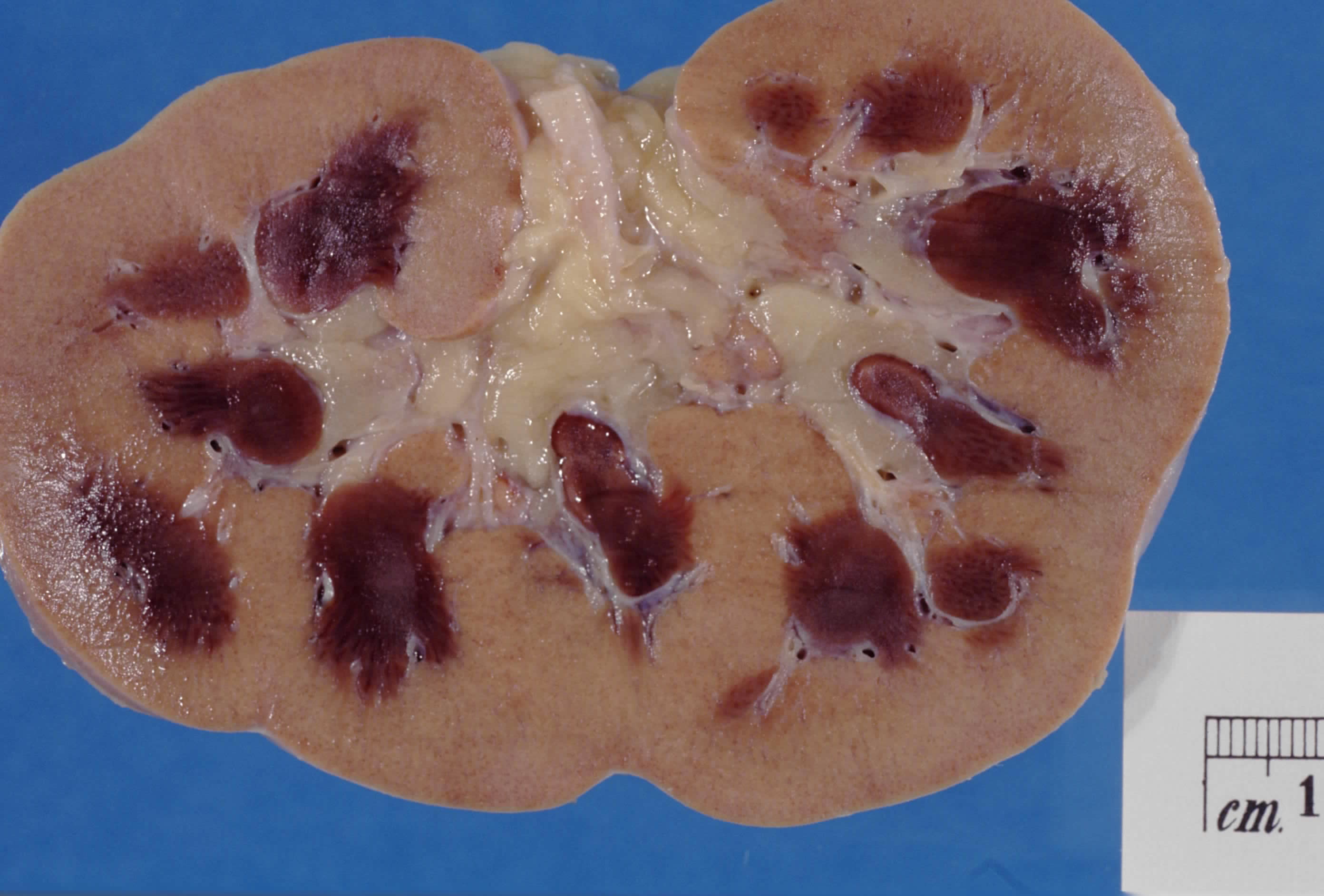
Acute kidney injury (AKI) is a clinical syndrome defined by an abrupt decline in kidney function, quantified as a rise in serum creatinine (SCr), a fall in urine output (UO), or both, according to standardized criteria from the Kidney Disease: Improving Global Outcomes (KDIGO) workgroup [2]D5.
Also Called / Synonyms
- Acute renal failure (ARF), acute kidney failure, (ATN), acute kidney disease (AKD), though AKD is a broader term that includes AKI and subacute injury [20]A1c[22]A1c.
Key Terms and Staging
- RIFLE (Risk, Injury, Failure, Loss, End-stage): Proposed in 2004 by the Acute Dialysis Quality Initiative, RIFLE classifies AKI into three severity grades (Risk, Injury, Failure) and two outcome classes (Loss, End-stage) based on SCr or UO criteria [3]B2a. A systematic review of over 71 000 patients showed a stepwise increase in relative risk for death from Risk (RR 2.40) to Injury (RR 4.15) to Failure (RR 6.37) [3]B2a.
- AKIN (AKI Network): In 2007, AKIN modified RIFLE by adding a 48-hour window and an absolute SCr rise of ≥0.3 mg/dL for Stage 1 [2]D5.
- KDIGO: The 2012 KDIGO guideline harmonized RIFLE and AKIN into the current global standard: a SCr increase ≥0.3 mg/dL within 48 hours or ≥50% within 7 days, or UO <0.5 mL/kg/h for 6 hours [1]D5[2]D5. Three stages are defined, with Stage 1 corresponding to the above threshold, Stage 2 to a ≥100% SCr increase, and Stage 3 to a ≥200% increase, SCr ≥4.0 mg/dL, or initiation of renal replacement therapy [1]D5.
- pRIFLE and neonatal RIFLE: Adapted for children and newborns, accounting for baseline creatinine variation and growth [49]D5[27]D5.
- Acute Kidney Disease (AKD): A broader construct for kidney abnormalities lasting ≤3 months that do not meet AKI criteria or develop over >7 days [20]A1c[61]D5.
Classification by Pathophysiology
AKI is traditionally categorized into three mechanistic groups, which drive the diagnostic workup (Table 1).
| Category | Key mechanism | Common causes |
|---|---|---|
| Prerenal | Hypoperfusion without parenchymal damage | Volume depletion, heart failure, cirrhosis, sepsis (early) |
| Intrinsic renal | Direct injury to tubules, glomeruli, interstitium, or vasculature | Ischemia, nephrotoxins (aminoglycosides, contrast, -piperacillin/tazobactam [43]B2b), glomerulonephritis, ATN |
| Postrenal | Obstruction of urine outflow | Stones, prostate hyperplasia, , blocked catheters |
Molecular profiling suggests that prerenal (vAKI) and intrinsic injury (iAKI) activate different transcriptional programs, supporting their biological distinctness [30]B3b[62]D5. Sepsis-associated AKI (S-AKI), the most common form in critical illness, involves microvascular dysfunction, inflammation, and metabolic reprogramming [19]D5[42]D5. Postoperative AKI (PO-AKI) occurs in 18.2% of adults after cardiopulmonary bypass and is associated with a 4-fold increase in early mortality (RR 4.0) [5]B2a[38]D5[58]A1c.
Clinical Significance
AKI affects 1-2 million hospitalizations annually in China alone [46]B2c and up to 20% of all inpatients globally [47]D5. Even Stage 1 AKI independently doubles short-term mortality [2]D5[3]B2a. AKI also accelerates progression to chronic kidney disease and end-stage kidney disease, especially in the elderly (RR of non-recovery 1.28 vs younger patients) [7]B2a[32]D5. The syndrome is a worldwide public health priority requiring standardized detection and response [41]D5[60]D5.
Pearl: The KDIGO definition captures clinically relevant AKI, every 0.3 mg/dL SCr rise within 48 hours independently increases mortality, making the threshold actionable for bedside screening and electronic alerts [2]D5[53]B2b.
Pathophysiology and Mechanism
- ▸AKI pathophysiology is heterogeneous: microcirculatory failure dominates in ischemia, while metabolic reprogramming and inflammation drive sepsis-associated AKI.
- ▸Ferroptosis (iron-dependent lipid peroxidation) is a key cell-death pathway in ischemic AKI, mediated by Gpx4 deficiency and the Cyp7b1/27-hydroxycholesterol axis.
- ▸Maladaptive repair after severe injury, G2/M arrest, profibrotic cytokine secretion, pericyte-to-myofibroblast transition, underlies the transition from AKI to CKD.
The KDIGO staging system captures functional decline, but the underlying pathobiology of AKI varies by etiology and the nephron segment involved. Three overarching mechanisms, microcirculatory dysfunction, direct tubular injury, and dysregulated inflammation, converge on a final common pathway of mitochondrial failure, cell death, and impaired repair.
Ischemia-Reperfusion Injury
In the renal , where partial pressure of oxygen is normally borderline, a drop in perfusion triggers a cascade. Endothelial injury impairs autoregulation and disrupts the glycocalyx, promoting leukocyte adhesion and capillary leak [19]D5. Proximal tubular cells, heavily dependent on fatty acid oxidation (FAO) for ATP, shift to anaerobic metabolism; this depletes ATP, disables ion pumps, and causes cellular swelling [90]D5[141]D5. Repletion of oxygen upon reperfusion generates reactive oxygen species (ROS), which overwhelm antioxidant defenses and trigger ferroptosis, an iron-dependent, lipid-peroxidation-driven cell death modality [110]D5[134]D5[148]D5. Mice lacking Gpx4, the key ferroptosis suppressor, develop and renal failure [134]D5. Concurrently, mitochondrial permeability transition pores open, releasing cytochrome c and activating caspases (apoptosis), while receptor-interacting protein kinase 3 (RIPK3) drives necroptosis in tubular epithelial cells [169]D5.
Sepsis-Associated AKI
In contrast to pure ischemia, sepsis-associated AKI (S-AKI) often occurs with preserved global renal blood flow. The dominant drivers are microvascular shunting, metabolic reprogramming, and an exuberant inflammatory response [19]D5[116]D5[140]D5. Pathogen-derived molecules activate Toll-like receptor 4 (TLR4) on tubular cells, upregulating the long non-coding RNA NEAT1, which translocates to the cytoplasm and binds receptor of activated protein C kinase 1 (RACK1) to assemble the NLRP3 inflammasome [111]C4. This amplifies IL-1β, IL-6, and CCL-2 production. Hemodynamic instability from distributive shock further aggravates corticomedullary hypoxia [136]D5. Renal-resident macrophages and infiltrating neutrophils propagate injury; the cholinergic anti-inflammatory pathway, mediated by vagus nerve activation and α7 nicotinic acetylcholine receptor signaling on macrophages, can attenuate this response [105]D5.
Drug-Induced and Toxic Injury
and other nephrotoxins concentrate in proximal tubular cells via organic cation transporters. Intracellular cisplatin forms DNA adducts and depletes glutathione, triggering mitochondrial dysfunction, oxidative stress, and ferroptosis [89]D5[115]D5. The (FXR)/PPARγ/FAO axis is suppressed, leading to lipid accumulation and energy starvation [89]D5. Immune checkpoint inhibitors cause acute tubulointerstitial nephritis, a T-cell-mediated hypersensitivity reaction, with a median latency of 91 days from drug initiation [88]C4[130]D5. Crystal nephropathy, from medications such as triamterene or sulfadiazine, causes intratubular obstruction and direct epithelial injury [84]C4[115]D5.
Maladaptive Repair and AKI-to-CKD Transition
After a severe insult, surviving tubular epithelial cells dedifferentiate and proliferate to replace lost neighbors [135]D5[149]D5. A subset arrests at the G2/M checkpoint, acquiring a pro-fibrotic secretory phenotype that secretes TGF-β and connective tissue growth factor (CTGF) [87]D5[149]D5. Pericytes detach from peritubular capillaries, differentiate into myofibroblasts, and deposit extracellular matrix, driving interstitial fibrosis [133]D5[149]D5. Microvascular rarefaction from endothelial apoptosis and failed angiogenesis further perpetuates hypoxia [169]D5. Complement activation via the C5a/C5aR1 axis in tubular cells enhances autophagy and polarizes macrophages toward a pro-inflammatory M1 phenotype, worsening fibrosis and sustaining the AKI-to-CKD transition [168]D5.
Key Susceptibility Factors
Pre-existing (CKD), diabetes, and aging amplify risk. Senescent cells accumulate in the aging kidney, secrete a senescence-associated secretory phenotype (SASP), and render the organ vulnerable to injury [108]D5. Similarly, baseline proteinuria and low eGFR synergistically raise AKI risk and worsen outcomes [80]B2b.
Pearl: The fundamental divergence in AKI pathophysiology, ischemic versus septic versus toxic, dictates that no single "kidney-protective" strategy will work for all; recognition of the dominant mechanism (e.g., ferroptosis in ischemia, inflammation in sepsis) should guide targeted .
| Pathway | Trigger | Key Mediators | Morphology |
|---|---|---|---|
| Apoptosis | Mild injury, caspase cascade | Caspase-3, -9, cytochrome c | Cell shrinkage, apoptotic bodies |
| Necroptosis | Severe ischemia, TNF-α | RIPK1, RIPK3, MLKL | Swelling, membrane rupture |
| Ferroptosis | Iron overload, Gpx4 deficiency | Lipid ROS, ACSL4, FSP1 | Small mitochondria, lipid peroxidation |
Epidemiology, Etiology and Risk Factors
- ▸AKI affects 10-15% of hospitalized patients and >50% of ICU patients, with wide variation by definition and region.
- ▸The incidence is rising, especially in elderly and critically ill populations.
- ▸Major risk factors include CKD, diabetes, sepsis, older age, nephrotoxin exposure, and genetic predisposition; risk prediction scores can guide targeted prevention strategies.
The pathophysiologic pathways described above translate into a substantial global burden. AKI occurs in approximately 10-15% of hospitalized patients and over 50% of ICU patients [125]D5. Estimates range from <1% to 66% depending on the population and definition [246]D5. In low- and middle-income countries, the burden is disproportionately high due to endemic infections and limited healthcare access [41]D5. A Chinese cross-sectional survey estimated 1.4-2.9 million AKI admissions in 2013, with a detection rate of only 0.99% by KDIGO criteria and 2.03% by expanded criteria; 74.2% of cases were unrecognized [46]B2c.
Incidence
Incidence is rising, driven by aging populations and greater use of invasive procedures [31]D5[213]D5. AKI-D incidence is increasing [218]D5. In a Brazilian ICU, AKI developed in 27.1% of patients [230]B3b. After cardiac surgery, AKI occurred in 26.9% of placebo recipients in the PROTECTION trial [181]A1b. Following surgery for Stanford type A aortic dissection, the pooled incidence was 50.72% [214]B2a.
Demographic Distribution
Older adults are at highest risk due to reduced renal autoregulation and greater comorbidity [31]D5[213]D5. Sex differences are inconsistent and depend on etiology [147]D5. Weekend admission for AKI is associated with a small but significant increase in mortality (adjusted OR 1.07, 95% CI 1.02-1.12) [221]B3b. Geographic variation is marked: community-acquired AKI from volume depletion and infection predominates in low-income countries, whereas hospital-acquired AKI from sepsis and surgery is more common in high-income countries [246]D5.
Risk Factors
Risk factors span patient demographics, comorbidities, acute exposures, and genetics. The table below summarizes key risk factors with effect sizes.
| Risk Factor | OR / HR (95% CI) | Evidence Level | Source |
|---|---|---|---|
| Chronic kidney disease (baseline eGFR <60) | HR 8.8 (3.1-25.5) for CKD after AKI | 2a | [171]B2a |
| Diabetes mellitus | HR 1.49 (1.44-1.55) for CKD incidence after AKI stage 1 | 2a | [186]A1a |
| Associated with CKD incidence after AKI | 2a | [186]A1a | |
| Sepsis | Major cause, up to 50% of ICU AKI | 5 | [140]D5 |
| Age (per 10-year increase) | sHR 1.05 (1.01-1.10) for ICU-acquired AKI | 3b | [230]B3b |
| Chronic liver disease | sHR 1.95 (1.11-3.43) for ICU-acquired AKI | 3b | [230]B3b |
| Immunosuppression | sHR 1.93 (1.29-2.87) for ICU-acquired AKI | 3b | [230]B3b |
| Mechanical ventilation | sHR 1.50 (1.19-1.90) for ICU-acquired AKI | 3b | [230]B3b |
| Lactate (per 1 mmol/L) | sHR 1.06 (1.03-1.10) for ICU-acquired AKI | 3b | [230]B3b |
| FTO locus (rs11642015) | OR 1.07 (1.05-1.09) per risk allele | 3b | [173]B3b |
| SHROOM3 locus (rs4859682) | OR 0.95 (0.93-0.96) per protective allele | 3b | [173]B3b |
| Proton pump inhibitor use | Independent risk factor for ICI-AKI | 3b | [216]B3b |
| Combination immune checkpoint inhibitor therapy | Independent risk factor for ICI-AKI | 3b | [216]B3b |
| + | No increased risk vs vancomycin + other beta-lactams (OR 1.20, 0.61-2.42) | 3b | [232]B3b |
| Compartment syndrome after revascularization | OR 20.94 (5.62-78.10) for AKI | 3b | [228]B3b |
| Intensive vs standard BP target | Higher rate of AKI (serious adverse events) | 1b | [176]A1b[182]A1b |
Seasonal Variation and Special Populations
In developing countries, AKI incidence peaks during infectious disease seasons, overwhelming local resources [41]D5. Pregnancy-associated AKI remains a major cause of maternal morbidity in low-resource settings [250]A1c. Post-streptococcal glomerulonephritis is a leading cause of acute nephritis in children worldwide, though declining in developed countries [131]D5. causes AKI in up to 43% of hospitalized patients, and survivors face increased long-term kidney risks (AKI aHR 1.94, ESKD aHR 2.96) [242]D5[109]B2b. Kidney transplant recipients have AKI rates of 50-52% during COVID-19 hospitalization [254]C4[258]C4.
Pearl: The single most important modifiable risk factor for AKI is avoidance of nephrotoxic drug combinations, particularly in patients with pre-existing CKD or hemodynamic instability.
Clinical Presentation
- ▸AKI is often asymptomatic initially; most cases are detected by routine lab monitoring of creatinine and urine output.
- ▸Oliguria (<0.5 mL/kg/h for ≥6 h) is a major symptom, but non‑oliguric AKI occurs frequently, especially with drug‑induced or contrast‑associated injury.
- ▸Urine sediment (granular casts, RBC casts, white cells) distinguishes ATN, GN, and AIN at the bedside, a critical, low‑cost diagnostic maneuver.
Once underlying risk factors are identified, the clinician must recognize that AKI often presents without dramatic symptoms until advanced. Most patients are discovered through routine laboratory monitoring, an uptick in serum creatinine or fall in urine output, rather than through specific complaints [125]D5. When symptoms do emerge, they reflect the underlying cause, the rapidity of functional decline, and the accumulation of uremic toxins, volume excess, and electrolyte derangements.
Presenting Symptoms
Oliguria (urine output <0.5 mL/kg/h for ≥6 hours) is the dominant urinary symptom, though non-oliguric AKI is common, especially in drug-induced or contrast-associated injury. Patients may report reduced urine volume or, in obstructive causes, complete anuria alternating with polyuria. Foamy urine, hematuria (cola‑colored or tea‑colored), and peripheral edema suggest glomerulonephritis or microvascular injury, whereas dark brown urine suggests pigment nephropathy (myoglobin, hemoglobin) [83]C4[297]C4.
Constitutional symptoms, fatigue, anorexia, nausea, vomiting, and pruritus, are early uremic manifestations, worsening as creatinine rises. Dyspnea on exertion or orthopnea signals volume overload with pulmonary congestion. Chest pain, especially pleuritic or positional, should raise suspicion for uremic pericarditis, a life-threatening complication [272]D5.
A focused history must probe for exposures: nephrotoxic medications ( , plus [232]B3b), recent contrast administration, , hair‑straightening products (nausea, vomiting, abdominal pain, scalp rash [270]C4), or oxalate‑rich juice cleanses [83]C4. Fever, arthralgias, and a maculopapular rash suggest acute interstitial nephritis (AIN) [86]D5.
Neurological Examination Findings
Uremic encephalopathy produces a spectrum from subtle inattention and sleep disturbance to asterixis, multifocal myoclonus, seizures, and coma [272]D5. Asterixis (liver flap) is tested with wrist extension and is often the first physical sign of significant uremia. Cranial nerve examination is typically normal; if focal deficits are present, consider alternative diagnoses such as hypertensive encephalopathy or posterior reversible encephalopathy syndrome (PRES), which may coexist with AKI in eclampsia [298]B2b.
Autonomic dysfunction (orthostatic hypotension, abnormal heart rate variability) can occur but is rarely an isolated presenting feature.
Phenotypic Variants
AKI is not a single disease, the clinical picture varies markedly by etiology.
| Variant | Key Features | Frequency among AKI cases |
|---|---|---|
| Prerenal | Oliguria, concentrated urine (FENa <1%), rapid response to volume repletion. May have signs of hypovolemia or heart failure | 40-60% |
| (ATN) | Granular casts and renal tubular epithelial cells on sediment [275]D5; oliguric or non‑oliguric; often post‑ischemic or nephrotoxic | 15-30% |
| Acute interstitial nephritis | Fever, rash, eosinophilia (classic triad), sterile pyuria, white blood cell casts; drug‑induced ( , PPIs, NSAIDs [86]D5) | 5-15% |
| Glomerulonephritis | Hematuria with dysmorphic RBCs, RBC casts, proteinuria >1 g/d, | 5-10% |
| Thrombotic microangiopathy | Microangiopathic hemolytic anemia (schistocytes), thrombocytopenia, AKI; may be complement‑mediated or drug‑induced (e.g., carfilzomib [288]C4) | <5% |
| Crystal nephropathy | Intratubular crystals on biopsy; acute oxalate nephropathy (green smoothies [83]C4, hair‑straightening products [270]C4), triamterene [84]C4, or crystalglobulins [271]C4 | Rare |
| Postrenal | Anuria/polyuria alternating, suprapubic or flank pain, palpable bladder; ultrasound shows hydronephrosis | 5-10% |
Red Flags
Several clinical features mandate urgent action:
- Respiratory distress: pulmonary edema (consider intubation if FVC <15 mL/kg or SpO₂ <90% on high‑flow oxygen).
- Hyperkalemia >6.5 mmol/L with ECG changes (peaked T waves, widened QRS), emergency potassium and hemodialysis.
- Severe metabolic acidosis (pH <7.15) unresponsive to bicarbonate.
- Uremic pericarditis (pericardial rub, PR elevation, chest pain), risk of tamponade.
- Rapidly rising creatinine (>3 mg/dL over 24-48 hours) or anuria >12 hours, may require immediate renal replacement.
- Autonomic instability (hypotension requiring vasopressors, arrhythmias), indicates severe uremic dysregulation [272]D5.
Atypical Presentations
AKI may be the first manifestation of a systemic disease. In immune checkpoint inhibitor‑associated AKI, median time from therapy initiation to AKI is 14 weeks (interquartile range 6-37 weeks), and 43% of patients have concomitant extrarenal immune‑related adverse events [216]B3b. Post‑streptococcal glomerulonephritis can present with acute nephritic syndrome (hypertension, edema, hematuria) days to weeks after pharyngeal or skin infection, often in children [131]D5. Pregnancy‑associated AKI may be masked by pre‑eclampsia; PRES develops in up to 44% of women with eclampsia and correlates with higher systolic blood pressure and serum creatinine [298]B2b. COVID‑19‑associated AKI typically manifests as acute tubular necrosis, often with proteinuria and microscopic hematuria, but the kidney biopsy frequently shows no direct viral infection [273]C4[289]D5.
Pearl: AKI is clinically silent until late, a rise in creatinine of 0.3 mg/dL over 48 hours (KDIGO stage 1) already carries independent mortality risk [125]D5. The urine sediment (muddy brown granular casts ± renal tubular epithelial cells = ATN; dysmorphic RBCs and RBC casts = GN) is the most cost‑effective diagnostic tool at the bedside [275]D5.
Diagnosis and Workup
- ▸KDIGO criteria (Cr ≥0.3 mg/dL in 48 h or UO <0.5 mL/kg/h × 6 h) define AKI and should be applied to every suspected case.
- ▸Urine sediment microscopy is the most discriminating bedside test: muddy brown casts = ATN, WBC casts = AIN, dysmorphic RBC casts = glomerulonephritis.
- ▸FENa <1% supports prerenal but is unreliable in CKD or diuretic use; FEUrea <35% is preferred in those settings.
- ▸Renal biopsy is indicated when cause is uncertain, glomerulonephritis or systemic disease is suspected, or AKI fails to improve after 1-2 weeks.
From the clinical presentation of rapidly rising creatinine and oliguria, the first diagnostic task is to confirm AKI using standardized criteria. The KDIGO definition, an increase in serum creatinine by ≥0.3 mg/dL within 48 hours or a ≥1.5-fold increase from baseline within 7 days, or urine output <0.5 mL/kg/h for ≥6 hours, captures even small, prognostically important changes [2]D5[260]D5. Because creatinine kinetics lag behind injury, especially in patients with pre-existing CKD, the absolute change criterion (≥0.3 mg/dL) is more sensitive across all baseline function levels than percentage-based thresholds alone [33]D5. Once AKI is confirmed, the workup shifts to distinguishing prerenal, intrinsic renal, and postrenal causes.
Urine Studies, The First Differentiator
A urinalysis with formal sediment microscopy by a trained clinician is the single most informative bedside test [275]D5[306]D5. Phase-contrast microscopy of fresh urine identifies muddy brown granular casts and renal tubular epithelial cell casts, pathognomonic for (ATN). Acellular sediment with hyaline casts suggests prerenal azotemia; white blood cell casts and eosinophiluria point toward acute interstitial nephritis (AIN); dysmorphic red cells and red cell casts indicate glomerulonephritis [275]D5[306]D5.
Urine Chemistries
| Test | Prerenal | Intrinsic ATN | Notes |
|---|---|---|---|
| FENa (Fractional Excretion of Sodium) | <1% | >2% | FENa <1%: sensitivity 90% (95% CI 81-95%), specificity 82% (70-90%) for prerenal vs intrinsic [261]A1a. In oliguric patients without CKD or diuretics: sensitivity 95%, specificity 91%. In CKD or diuretic use: sensitivity drops to 83%, specificity to 66% [261]A1a. |
| FEUrea | <35% | >50% | Preferred when diuretics have been given, as urea reabsorption is less affected by loop diuretics. |
In patients on diuretics, FENa performs poorly (sensitivity 80%, specificity 54%) [261]A1a; FEUrea is a better alternative.
Serum and Urine Biomarkers
Novel biomarkers such as neutrophil gelatinase-associated lipocalin (NGAL), kidney injury molecule-1 (KIM-1), and monocyte chemoattractant protein-1 (MCP-1) can detect tubular injury earlier than creatinine [277]D5[279]B3b. However, no biomarker has yet been incorporated into standard diagnostic criteria or widely adopted in clinical practice outside research settings [16]B2a[286]D5. Cystatin C-based eGFR (eGFRcys) is increasingly used when creatinine-based estimates are unreliable. A large observational study found that patients with eGFRcys >27% lower than eGFRcr had a 2.6-fold higher risk of subsequent AKI (HR 2.6), suggesting occult kidney dysfunction [307]B2b.
Imaging
Renal ultrasound is mandatory to exclude obstructive uropathy. Doppler interrogation of renal arteries can suggest prerenal causes if resistive indices are elevated, but the primary role of imaging is to identify hydronephrosis, stones, or masses. In critically ill patients, point-of-care ultrasound also assesses volume status and cardiac function [283]D5. Contrast-enhanced studies are avoided in AKI unless absolutely indicated, given the risk of contrast-associated AKI.
Renal Biopsy, Histologic Gold Standard
Biopsy is not required in every case. It is indicated when the cause remains uncertain after noninvasive workup, when glomerulonephritis or systemic disease is suspected, or when AKI fails to improve after 1-2 weeks of supportive care. The biopsy distinguishes ATN (tubular epithelial cell injury with or without casts) from AIN (interstitial inflammation, often with eosinophils and plasma cells), glomerulonephritis (endocapillary proliferation, crescents), thrombotic microangiopathy, or crystal nephropathy (oxalate, triamterene, drug-related) [83]C4[84]C4[93]D5[304]D5. In immune checkpoint inhibitor-associated AKI, 92% of biopsies show acute tubulointerstitial nephritis, often with granulomas [88]C4. In -associated AKI, the predominant lesion is acute tubular necrosis, with no evidence of direct viral infection on immunohistochemistry or electron microscopy [273]C4.
Diagnostic Algorithm
Step 1: Confirm AKI by KDIGO creatinine and urine output criteria [2]D5. Step 2: Obtain renal ultrasound to rule out obstruction. Step 3: Examine urine sediment, muddy brown casts = ATN; WBC casts ± eosinophiluria = AIN; dysmorphic RBCs ± RBC casts = glomerulonephritis. Step 4: Calculate FENa (or FEUrea if on diuretics). Values <1% support prerenal; >2% suggest intrinsic injury, but interpret with caution in CKD/diuretic states [261]A1a. Step 5: If no clear cause, check serologies: complement levels (C3, C4), ANA, ANCA, anti-GBM, anti-streptolysin O, hepatitis serologies, serum free light chains, and creatinine kinase [304]D5[322]D5. Step 6: Consider renal biopsy if cause remains unknown, if glomerulonephritis or systemic vasculitis is suspected, or if AKI persists beyond 7-14 days without recovery.
Pearl: In any hospitalized patient with new AKI, a systematic approach starting with urine sediment examination and FENa can correctly classify the cause in over 80% of cases, but FENa loses accuracy in patients on diuretics, use FEUrea instead [261]A1a.
| Test | Prerenal | Intrinsic ATN | Limitations |
|---|---|---|---|
| FENa | <1% | >2% | Reduced sensitivity in CKD, diuretics, elderly [261]A1a |
| FEUrea | <35% | >50% | Preferred with diuretic use |
| Urine Osmolality | >500 mOsm/kg | <350 mOsm/kg | Less specific than FENa |
Staging and Risk Stratification (KDIGO)
- ▸KDIGO staging (creatinine rise and urine output) is the universal severity classification, validated in adults and children, with a stepwise mortality gradient across stages 1-3.
- ▸Risk of death and CKD increases stepwise; severe AKI (stage 2-3) in children carries a nearly doubled odds of 28-day mortality, and relying solely on SCr misses two-thirds of cases.
- ▸Multivariable risk scores (SPARK, Mehran) and biomarkers (suPAR, NGAL, DKK3) refine individual risk beyond staging alone, though most tools lack broad external validation.
Once AKI is diagnosed and the underlying cause identified, staging severity using the Kidney Disease: Improving Global Outcomes (KDIGO) framework stratifies risk for progression, need for renal replacement therapy (RRT), and long-term adverse outcomes [1]D5[2]D5. The KDIGO criteria merge the earlier RIFLE and AKIN definitions and rely on two parameters: serum creatinine (SCr) rise and urine output (UO) [2]D5. Staging is assigned by whichever criterion yields the higher stage.
| Stage | Serum Creatinine Criteria | Urine Output Criteria |
|---|---|---|
| 1 | Increase ≥0.3 mg/dL within 48 h OR increase to 1.5-1.9 times baseline within 7 days | <0.5 mL/kg/h for 6-12 h |
| 2 | Increase to 2.0-2.9 times baseline | <0.5 mL/kg/h for ≥12 h |
| 3 | Increase to ≥3.0 times baseline OR increase to ≥4.0 mg/dL OR initiation of RRT OR in patients <18 years, eGFR decrease to <35 mL/min/1.73 m² | <0.3 mL/kg/h for ≥24 h OR anuria for ≥12 h |
A stepwise increase in mortality risk accompanies each stage. In a meta-analysis of 2 017 437 participants, AKI associated with new or progressive CKD (HR 2.67), end-stage kidney disease (HR 4.81), and death (HR 1.80), with a clear gradient across increasing AKI stages [172]B2a. In the multinational AWARE study of critically ill children, severe AKI (stage 2-3) conferred an adjusted odds ratio for 28-day mortality of 1.77 (95% CI 1.17-2.68); importantly, 67.2% of patients with AKI would have been missed using SCr alone without UO criteria [311]B2b.
Beyond Staging: AKD and Risk Stratification
The term acute kidney disease (AKD) captures abnormalities of kidney function or structure lasting ≤3 months that do not meet AKI criteria or develop over >7 days [20]A1c[266]D5. AKD bridges AKI and CKD; its incidence varies by definition (KDIGO-equivalent: 11.1%; ADQI-equivalent: 26.6%) and is associated with mortality ORs of 3.8 and 3.0, respectively [4]B2a.
Several risk scores refine individual risk beyond KDIGO staging. The Simple Postoperative AKI Risk (SPARK) index, developed and externally validated in noncardiac surgery, showed acceptable discrimination (c-statistic 0.80 discovery, 0.72 validation) [36]B2b. For contrast-associated AKI after percutaneous coronary intervention, the Mehran risk score (Model 1, pre-procedural variables only) graded risk from 2.3% (lowest quartile) to 34.9% (highest), with AUC approximately 0.80 [351]B2b. The need for externally validated, easily implemented tools persists; most AKI prediction models have high heterogeneity and risk of bias [187]B2a[336]A1a. Machine-learning models perform better (pooled AUC for AKI onset 0.82 internal, 0.78 external validation), but implementation lags [336]A1a.
Biomarkers add independent prognostic information. Soluble urokinase plasminogen activator receptor (suPAR) in the highest quartile predicted AKI after coronary angiography with adjusted OR 2.66 (95% CI 1.77-3.99) [114]B2b. Plasma neutrophil gelatinase-associated lipocalin (NGAL) in the highest quintile on the day of AKI diagnosis was associated with progression (OR 7.7) and improved reclassification [339]B2b. Urinary dickkopf-3 (DKK3) identifies patients at risk for short-term CKD progression and may predict AKI after cardiac surgery [357]D5. Pre-existing albuminuria and decreased eGFR independently and additively predict AKI; heavy proteinuria (≥300 mg/g) increases AKI hazard nearly fivefold (HR 4.8, 95% CI 3.2-7.2) compared to <10 mg/g [341]B2b[80]B2b.
Controversies and Guideline Disagreement
| Question | Position A | Position B | Strength | Implication |
|---|---|---|---|---|
| Should biomarkers be incorporated into the staging definition? | Current KDIGO position: insufficient evidence to modify the 2012 creatinine/UO criteria [260]D5. | ADQI and others: biomarker-positive, creatinine-negative AKI identifies patients at risk; integration could improve sensitivity [266]D5[363]D5. | Neither position has Level 1 evidence; biomarkers are recommended for research but not routine staging [260]D5. | Clinicians should consider biomarkers as adjuncts when available but rely on KDIGO creatinine/UO staging for standard reporting. |
| What baseline SCr should be used when unavailable? | Most recent outpatient SCr (up to 12 months) is preferred [1]D5[2]D5. | Estimate baseline by back-calculating an eGFR of 75 mL/min/1.73 m² (MDRD equation) if no prior value exists [1]D5. | No single strategy universally adopted; each introduces misclassification bias [1]D5[2]D5. | Document baseline SCr in the medical record; use the lowest available value to avoid understaging. |
Staging and risk stratification direct the intensity of monitoring and guide next steps in acute .
Pearl: Multivariable risk scores (SPARK, Mehran) and biomarkers (suPAR, NGAL, DKK3) refine individual risk beyond staging alone, though most tools lack broad external validation.
Acute Management
- ▸Early volume resuscitation with balanced crystalloids (avoid starches) followed by a restrictive fluid strategy reduces AKI progression and mortality.
- ▸RRT should be deferred until conventional indications (AEIOU: acidosis, electrolyte disturbance, intoxication, overload, uremia) or persistent AKI >72 hours; early initiation does not improve survival and may increase dialysis dependence at 90 days.
- ▸Avoid nephrotoxic drugs (NSAIDs, aminoglycosides, IV contrast when possible) and consider dexmedetomidine as the preferred sedative in vasopressor-dependent septic shock to reduce AKI incidence.
Once AKI is staged by KDIGO criteria, the immediate clinical priority shifts to addressing life-threatening complications and identifying the underlying cause (prerenal, intrinsic, postrenal) before irreversible injury supervenes. follows a structured stepwise approach: hemodynamic optimization, judicious fluid resuscitation, correction of electrolyte and acid-base emergencies, and timely decision-making regarding renal replacement therapy (RRT).
Step 1: Initial Assessment and Hemodynamic Optimization
Simultaneously evaluate the patient for urgent indications for RRT (the AEIOU mnemonic) and begin workup for cause. Measure intra-abdominal pressure in patients with abdominal distension, as intra-abdominal (IAP >12 mmHg) is an underrecognized contributor to oliguric AKI that is reversible with decompression [119]D5 [378]D5. For patients with septic shock, early goal-directed therapy as per Surviving Sepsis Campaign guidelines applies, but once resuscitation is under way, avoid over-resuscitation: fluid overload >10% of body weight is independently associated with increased mortality [210]D5 [283]D5. The AKI!Now initiative emphasizes a structured approach with early recognition and a response bundle [120]D5. A randomized trial of early nephrology consultation triggered by a machine-learning AKI risk score found no difference in peak creatinine change or mortality, although compliance with consultation recommendations was low (41% in the intervention arm) [225]A1b (1b).
Step 2: Fluid Management, Choice and Volume
For volume expansion, balanced crystalloids (e.g., lactated Ringer's, Plasma-Lyte) are preferred over 0.9% saline to reduce the risk of and subsequent AKI [125]D5 [269]D5. Colloids, particularly hydroxyethyl starches, should be avoided because they increase the risk of AKI and need for RRT [269]D5. Once euvolemia is achieved, transition to a restrictive fluid strategy: the mean daily fluid balance should be ≤0.5 L positive after the first 24-48 hours [210]D5. Diuretics are commonly used to manage fluid accumulation, but a retrospective cohort study of 4430 ICU patients with AKI found early diuretic use (within 24 hours of AKI onset) was not associated with improved 30-day survival (HR 1.11, 95% CI 0.98-1.26); in AKI stage 3, early diuretics were associated with higher mortality (HR 1.42, 95% CI 1.16-1.73) [388]B2b (2b). Therefore, loop diuretics should be reserved for managing fluid overload after careful assessment of volume status and not used routinely to “convert” oliguric to nonoliguric AKI [269]D5 [388]B2b.
Step 3: Management of Electrolyte and Acid-Base Emergencies
Severe hyperkalemia (serum potassium >6.5 mmol/L or with ECG changes) requires immediate stabilization: intravenous calcium gluconate or calcium chloride to protect the myocardium, followed by insulin (10 units IV) plus glucose (25 g IV), and a beta-agonist (e.g., albuterol nebulized 10-20 mg) to shift potassium intracellularly. Sodium bicarbonate is not recommended for hyperkalemia treatment outside the setting of concurrent metabolic acidosis [269]D5. For severe metabolic acidosis (pH <7.15-7.20), intravenous sodium bicarbonate may be considered cautiously, but large trials have not shown a survival benefit and bicarbonate administration can worsen intracellular acidosis and cause volume overload; it should be reserved for patients with severe acidemia (pH <7.0) or in the context of specific conditions such as severe hyperchloremic acidosis [269]D5. Uremic complications (encephalopathy, pericarditis, bleeding) are absolute indications for urgent RRT [272]D5.
Step 4: Indications and Timing of Renal Replacement Therapy
Emergent RRT is indicated when one or more of the AEIOU criteria are present:
| Indication | Threshold / Description |
|---|---|
| Acidosis | pH <7.15-7.20 refractory to medical therapy |
| Electrolyte disturbance | Hyperkalemia >6.5 mmol/L refractory to medical therapy |
| Intoxication | Dialyzable toxin (e.g., lithium, salicylate, methanol) |
| Overload | Diuretic-resistant pulmonary edema |
| Uremia | Pericarditis, encephalopathy, bleeding |
In the absence of these absolute indications, a delayed strategy for RRT initiation is safe and may reduce the number of patients who receive RRT. Three landmark randomized trials, AKIKI (N=620) [73]A1b, IDEAL-ICU (N=488, septic shock) [13]A1b, and STARRT-AKI (N=2927) [178]A1b, all found no significant difference in 90-day mortality between early and delayed initiation strategies. In the STARRT-AKI trial, 90-day mortality was 43.9% with accelerated strategy vs 43.7% with standard strategy (RR 1.00, 95% CI 0.93-1.09); however, at 90 days, RRT dependence among survivors was higher in the accelerated group (10.4% vs 6.0%; RR 1.74, 95% CI 1.24-2.43) [178]A1b (1b). A patient-level meta-analysis of nine trials (N=1879) confirmed no difference in 28-day survival (RR 1.01) and noted that 42% of patients in the delayed group avoided RRT entirely [15]A1a (1a). The AKIKI 2 trial compared delayed (start when BUN >112 mg/dL or oliguria >72 h) vs more-delayed (start at BUN >140 mg/dL or complications) and found that more-delayed initiation was associated with higher 60-day mortality (HR 1.65, 95% CI 1.09-2.50) [188]A1b (1b). Therefore, monitoring for the AEIOU criteria and the development of persistent AKI (oliguria >72 hours or BUN >112 mg/dL) is the recommended trigger for RRT initiation [188]A1b [269]D5.
Step 5: Pharmacologic Considerations and Other Interventions
Discontinue or avoid all nephrotoxic medications: nonsteroidal anti-inflammatory drugs, aminoglycosides (unless essential for sepsis and then use once-daily dosing with therapeutic drug monitoring), intravenous contrast (if feasible), and angiotensin-converting enzyme inhibitors/angiotensin receptor blockers in the setting of hemodynamic instability [115]D5 [269]D5. Dose-adjust all renally cleared drugs to estimated GFR. Proton pump inhibitors, particularly pantoprazole, have been associated with acute interstitial nephritis and should be stopped if no clear indication exists [216]B3b. In patients with septic shock requiring vasopressors, the choice of may matter: a meta-analysis of eight RCTs (n=702) showed that dexmedetomidine, compared with other sedatives, significantly reduced the incidence of AKI (P=0.004) and improved day-2 scores, though it increased the incidence of hypotension and length of hospital stay [370]A1a (1a). In high-risk patients with solitary kidney or pre-existing CKD, intraoperative dexmedetomidine was associated with lower postoperative AKI (23.9% vs 38.6%; P=0.025) [395]B2b (2b). These data support considering dexmedetomidine as the preferred sedative in patients at risk for AKI, balanced against the increased risk of hypotension.
Figure 1: Algorithm for acute management of AKI. AEIOU = Acidosis, Electrolytes, Intoxication, Overload, Uremia. Adapted from KDIGO 2012 and subsequent trials [73]A1b [178]A1b [269]D5.
What NOT to Do
- Do NOT use hydroxyethyl starches for volume resuscitation [269]D5.
- Do NOT routinely administer diuretics for oliguria without fluid overload [388]B2b.
- Do NOT use sodium bicarbonate or acetylcysteine for prevention of contrast-associated AKI (PRESERVE trial showed no benefit; OR 0.93 for bicarbonate vs saline, P=0.62) [300]A1b (1b).
- Do NOT initiate early RRT in the absence of an absolute indication or persistent AKI >72 hours; delayed initiation is safe and reduces RRT utilization [15]A1a [178]A1b.
Controversies and Guideline Disagreement
| Question | Position A | Position B | Strength | Implication |
|---|---|---|---|---|
| Role of early nephrology consultation | KDIGO 2012, recommend nephrology consultation for AKI stage ≥2 [260]D5 | RCT 2026, machine-learning triggered consultation did not improve outcomes [225]A1b | Moderate (practice vs evidence gap) | Clinical benefit of automatic consultation remains unproven; decision should be individualized |
| Optimal trigger for RRT initiation | STARRT-AKI/AKIKI, wait for conventional indications or >72 h oliguria [73]A1b [178]A1b | AKIKI2, waiting until BUN >140 mg/dL is harmful [188]A1b | Moderate (dose of delay) | Use oliguria >72 h or BUN >112 mg/dL as trigger; more-delayed strategy is not recommended |
Pearl: In the absence of emergent AEIOU indications, a delayed RRT strategy, initiated only for oliguria >72 hours or blood urea nitrogen >112 mg/dL, is safe and allows nearly half of patients to avoid RRT entirely (STARRT-AKI, AKIKI meta-analysis) [15]A1a [73]A1b [178]A1b.
Long-term and Definitive Management
- ▸AKI survivors carry a 2.7-fold increased risk of new or progressive CKD; long-term monitoring of serum creatinine and UACR is mandatory.
- ▸The nephroprotective sequence: RAS blockade → SGLT2 inhibitor → finerenone → GLP-1 RA, initiated sequentially or in parallel, reduces albuminuria and slows CKD progression.
- ▸Disease-specific immunosuppression (corticosteroids for ICI-AKI and drug-induced ATIN; targeted-release budesonide or reduced-dose steroids for IgAN) improves renal recovery when started early.
Once the acute phase stabilises, diuresis resumes and creatinine plateaus or falls, the clinician's focus shifts to preventing recurrent AKI, slowing the AKI-to-CKD transition, and managing the residual chronic kidney disease that affects up to one-third of survivors [172]B2a (1a). A structured, evidence-based sequence of nephroprotective therapies, guided by glomerular filtration rate and proteinuria, defines the contemporary long-term strategy.
Step 1: Risk Stratification and Monitoring
All survivors of AKI, irrespective of stage, carry an increased risk of new or progressive CKD (HR 2.67), ESKD (HR 4.81), and death (HR 1.80) [172]B2a (1a). Even stage 1 AKI lasting <3 days confers a hazard ratio for CKD incidence of 1.49 (95% CI 1.44-1.55) [186]A1a (1a). Measure serum creatinine and urinary albumin-to-creatinine ratio (UACR) at 3 months after the AKI episode, then at least annually. Patients with baseline CKD, diabetes, , or who required acute dialysis warrant more frequent monitoring (every 3-6 months) [251]D5 (5).
Step 2: Blood Pressure Control, Target <120 mm Hg in High-Risk Patients
The SPRINT trial (N=9361) demonstrated that targeting systolic BP <120 mm Hg (vs <140 mm Hg) reduced the primary composite outcome (MI, stroke, heart failure, cardiovascular death) by 27% (HR 0.73, 95% CI 0.63-0.86) and all-cause mortality by 25% (HR 0.75, 95% CI 0.61-0.92) over 3.3 years [182]A1b (1b). Rates of acute kidney injury or failure were higher in the intensive-treatment groupfor AKI alone), but the cardiovascular mortality benefit was sustained during post-trial follow-up. The 2024 Chinese trial (N=11,255) confirmed that a target <120 mm Hg prevents major vascular events without excess AKI in patients with diabetes or prior stroke [189]A1b (1b). For AKI survivors with hypertension or high cardiovascular risk, aim for systolic BP <120 mm Hg. Use (RAS) blockers as first-line agents; they also reduce proteinuria independent of BP lowering.
Step 3: RAS Blockade, First-Line Nephroprotection
Initiate an or (ARB) in all patients with UACR ≥30 mg/g, eGFR <60 mL/min/1.73 m², or hypertension, titrating to the maximally tolerated dose. The KDIGO 2025 IgAN guideline recommends a proteinuria goal of <0.5 g/d, ideally <0.3 g/d, and stable eGFR [68]A1c (1c). RAS blockade reduces intraglomerular pressure and slows CKD progression; benefits are established in both diabetic and non- [422]D5 (5). Monitor serum potassium and creatinine 1-2 weeks after initiation or dose escalation. A small rise in creatinine (≤30%) of hemodynamic origin does not warrant discontinuation [69]D5 (5).
Step 4: Add SGLT2 Inhibitor, Reduces AKI and Slows CKD Progression
Sodium-glucose cotransporter-2 (SGLT2) inhibitors reduce the risk of kidney disease progression by 37% (RR 0.63, 95% CI 0.58-0.69) and acute kidney injury by 23% (RR 0.77, 95% CI 0.70-0.84) across 13 trials involving 90,409 participants, with similar effects in patients with and without diabetes [14]A1a (1a). Empagliflozin 10 mg daily reduced albuminuria by 19% (95% CI -24% to -14%) and urinary uromodulin by 63%, suggesting a novel mechanism of tubular protection [331]A1b (1b). Initiate an SGLT2 inhibitor once eGFR is ≥20 mL/min/1.73 m². No dose adjustment is needed for empagliflozin or dapagliflozin; they can be continued until dialysis or transplant [432]D5 (5). SGLT2 inhibitors have the highest probability of being the safest glucose-lowering drug class regarding AKI risk (84%) [398]A1a (1a).
Step 5: Add Finerenone, Synergistic Albuminuria Reduction
In patients with type 2 diabetes, CKD (eGFR 30-90, UACR 100-5000), and treated with RAS blockade, adding (a nonsteroidal mineralocorticoid receptor antagonist) reduced UACR by 29% more than finerenone alone and 32% more than empagliflozin alone when started simultaneously (CONFIDENCE trial; N=784) [71]A1b (1b). Finerenone 10 or 20 mg daily is approved for diabetic kidney disease with eGFR ≥25 mL/min/1.73 m². Hyperkalemia leading to discontinuation was uncommon (<2%). In a murine AKI-CKD transition model, finerenone attenuated renal fibrosis dose-dependently [170]D5 (5).
Step 6: Consider GLP-1 Receptor Agonist
reduced the composite renal outcome (new macroalbuminuria, doubling of creatinine, ESKD, renal death) by 22% (HR 0.78, 95% CI 0.67-0.92) in patients with type 2 diabetes and high cardiovascular risk (LEADER trial; N=9340) [72]A1b (1b). The benefit was driven largely by reduction in new macroalbuminuria. GLP-1 receptor agonists are renoprotective, with a neutral AKI risk profile [398]A1a (1a). They are a reasonable additive therapy in patients with obesity or atherosclerotic cardiovascular disease and persistent albuminuria despite RAS blockade, SGLT2 inhibitor, and finerenone.
Step 7: Disease-Specific Immunosuppression Indications
Several AKI aetiologies require targeted immunosuppression:
- Immune checkpoint inhibitor-associated AKI (ICI-AKI): Hold the ICI, discontinue concomitant ATIN-associated drugs (proton pump inhibitors, NSAIDs), and start 0.5-1 mg/kg/day tapered over 4-6 weeks. Most patients achieve partial or complete renal recovery; rechallenge with ICI is feasible after resolution [88]C4 (4), [130]D5 (5).
- Acute tubulointerstitial nephritis (other drug-induced): Remove the offending agent. Corticosteroids (prednisone 0.5-1 mg/kg/day) given within 7 days of diagnosis improve renal recovery [86]D5 (5).
- Lupus nephritis: Induction therapy with mofetil or plus corticosteroids, followed by maintenance with mycophenolate mofetil or azathioprine, reduces AKI and progression to ESKD [362]D5 (5).
- with rapidly progressive course: The KDIGO 2025 guideline suggests targeted-release (Nefecon) 16 mg/day or reduced-dose systemic corticosteroids (e.g., 0.4 mg/kg/day tapered over 6 months) for persistent proteinuria despite maximal supportive therapy [68]A1c (1c). Mycophenolate mofetil is an option specifically in Chinese patients [68]A1c.
Step 8: Avoid Nephrotoxic Exposures
- NSAIDs: Avoid chronic use in patients with eGFR <30 mL/min/1.73 m²; use cautiously and intermittently at low doses in earlier stages, with monitoring of creatinine and potassium [274]D5 (5).
- disoproxil fumarate: Avoid or switch to tenofovir alafenamide in patients with eGFR <60 mL/min/1.73 m² due to proximal tubular toxicity [435]D5 (5).
What NOT to Do
- Do NOT discontinue RAS blockade or SGLT2 inhibitor for a small, haemodynamic creatinine rise (≤30% within 2-4 weeks), this is expected and not associated with adverse outcomes [69]D5 (5).
- Do NOT routinely use diuretics to “protect” the kidney after AKI. Early diuretic use in AKI was not associated with survival benefit (HR 1.11, 95% CI 0.98-1.26) and may increase harm in stage 3 AKI (HR 1.42, 95% CI 1.16-1.73) [388]B2b (2b). Use diuretics only for volume overload.
- Do NOT restrict protein intake to <0.8 g/kg/day in the post-AKI period unless advanced CKD with symptomatic uraemia; higher protein (≥2.2 g/kg/day) in critically ill patients with AKI worsened outcomes [190]A1b (1b).
- Do NOT give iron chelation or mesenchymal stem cells outside a clinical trial, neither reduced AKI severity or improved recovery in phase 2 trials [399]A1b (1b), [414]D5 (5).
Drug Comparison Table: Nephroprotective Sequence
| Agent | Class | Starting dose | Target/Max dose | Renal adjustment | Key monitoring | Primary outcome (renal) |
|---|---|---|---|---|---|---|
| (ACEi) | RAS blocker | 5-10 mg PO daily | 40 mg daily | eGFR <30: start 2.5 mg | K+, Cr, SBP | Slows CKD progression; reduces proteinuria |
| (ARB) | RAS blocker | 25-50 mg PO daily | 100 mg daily | No dose adjustment per label; monitor K+ | K+, Cr, SBP | Same as ACEi |
| Empagliflozin | SGLT2i | 10 mg PO daily | 10 mg daily | eGFR ≥20: continue; initiate if ≥20 | eGFR, volume status | Kidney disease progression: RR 0.63 (0.58-0.69) [14]A1a; AKI: RR 0.77 (0.70-0.84) |
| SGLT2i | 10 mg PO daily | 10 mg daily | eGFR ≥25: continue; initiate if ≥25 | Same | Same class effect | |
| nsMRA | 10 or 20 mg PO daily | 20 mg daily | eGFR ≥25: no dose adjustment (10 mg if eGFR 25-60) | K+, Cr, SBP | 29% greater UACR reduction vs finerenone alone [71]A1b | |
| GLP-1 RA | 0.6 mg SC daily | 1.8 mg daily | No adjustment | GI symptoms, HR | Renal outcome: HR 0.78 (0.67-0.92) [72]A1b |
Treatment Failure Protocol
Residual proteinuria >1 g/g or a decline in eGFR >30% over 12 months despite maximum tolerated RAS blockade, SGLT2 inhibitor, and finerenone (if indicated) should prompt:
- Re-evaluate for new or missed aetiology (e.g., glomerulonephritis, obstruction, renovascular disease).
- Consider disease-specific immunosuppression (see Step 7) if inflammatory or autoimmune cause is likely.
- Refer to nephrology for consideration of advanced CKD care, including preparation for renal replacement therapy if eGFR declines to <20 mL/min/1.73 m².
Controversies and Guideline Disagreement
| Question | Position A | Position B | Strength | Implication |
|---|---|---|---|---|
| Intensive BP target (<120 mm Hg) in AKI survivors | SPRINT, benefit in high-risk patients (HR 0.75 for CV death) [182]A1b | ESC/ESH 2023, target 130-139 mm Hg for patients with CKD; caution with intensive targets due to AKI risk | Moderate (different emphasis on safety vs efficacy) [176]A1b[189]A1b | For AKI survivors with high CV risk, an intensive target (<120 mm Hg) is reasonable if tolerated; monitor electrolytes and creatinine closely. |
| First-line RAS blocker vs SGLT2i sequence | KDIGO 2025 IgAN, RAS blocker first, then add SGLT2i [68]A1c | CONFIDENCE trial, simultaneous start of finerenone + empagliflozin has additive albuminuria reduction [71]A1b | Mild (sequential vs parallel approach; evidence supports parallel) | In practice, start RAS blocker and SGLT2i at the same time if tolerated; finerenone can be added later for persistent albuminuria. |
| Corticosteroids for ICI-AKI | ASON position statement, prednisone 0.5-1 mg/kg/day as first-line [130]D5 | Alternative approach, some centres use only ICI interruption and supportive care for mild cases [88]C4 | Moderate (differing threshold for steroid initiation) | Use steroids for all biopsies-proven ATIN with moderate-to-severe AKI (Cr >2-3× baseline) or for cases with no improvement after 48-72 h of drug withdrawal. |
Pearl: The four-pillar nephroprotective regimen, RAS blockade, SGLT2 inhibitor, nonsteroidal MRA, and GLP-1 receptor agonist, reduces albuminuria by up to 60-70% and lowers AKI risk by 23%, but must be initiated sequentially or in parallel with close monitoring of potassium and creatinine, not withheld for haemodynamic dips.
Fluid, Electrolyte & Acid-Base Disorders
- ▸Hyperkalemia in AKI is the most lethal electrolyte disorder; stepwise acute management (calcium, insulin/dextrose, albuterol, bicarbonate) must precede RRT if K⁺ >6.5 mmol/L is refractory.
- ▸Fluid restriction remains the cornerstone of hyponatremia in SIAD; adding furosemide with or without NaCl does not improve sodium correction and increases AKI risk [397].
- ▸Hypophosphatemia during CRRT is common and associated with prolonged respiratory failure; use phosphate-containing replacement solutions or intravenous supplementation to mitigate harm [471][475].
Having established the acute framework, the clinician must now navigate the complex fluid, electrolyte, and acid-base derangements that define AKI and demand concurrent, mechanism-anchored correction. These disorders are not merely laboratory abnormalities, they drive arrhythmias, seizures, respiratory failure, and further kidney injury if addressed reactively rather than proactively.
Potassium Disorders
Hyperkalemia is the most immediately life-threatening electrolyte derangement in AKI, arising from reduced renal excretion, cell lysis, metabolic acidosis, and medications. Potassium ≥6.0 mmol/L carries imminent risk of cardiac arrest. Urgent management follows a stepwise protocol: intravenous calcium gluconate (1 g over 2-3 minutes) for cardiac membrane stabilization (ECG changes present), followed by insulin 10 U with 50 mL of 50% dextrose, nebulized albuterol 10-20 mg, and sodium bicarbonate if metabolic acidosis coexists. These shift potassium intracellularly; definitive removal requires loop diuretics (if residual urine output) or renal replacement therapy. Drug-induced hyperkalemia is common: trimethoprim-sulfamethoxazole (TMP-SMX) carries a 3.36-fold higher risk versus , with absolute risk rising progressively as eGFR declines (risk difference 1.45% for eGFR <30 mL/min) [447]B2b. Dual renin-angiotensin system inhibition (ACEi + ARB) doubles hyperkalemia risk (pooled RR 1.97) and increases AKI risk by 48% [446]A1a. NSAID use in older adults increases hyperkalemia risk by 50% (OR 1.50) [473]B2b.
Hypokalemia in AKI is less common but dangerous; it occurs with loop or thiazide diuretics, vomiting, or tubulointerstitial nephritis. Correction should be cautious to avoid overcorrection, targeting K⁺ 4.0-4.5 mmol/L. Oral or intravenous replacement (10-20 mmol per hour via peripheral line, 20-40 mmol per hour via central line with cardiac monitoring) is appropriate.
Sodium Disorders
Hyponatremia in AKI often results from impaired free-water excretion (low urine output) combined with hypotonic fluid administration. In syndrome of inappropriate antidiuresis (SIAD), first-line therapy remains fluid restriction. In patients with serum sodium ≤130 mmol/L, adding (20-40 mg daily) with or without 3 g/day NaCl did not improve sodium correction compared to fluid restriction alone, and increased AKI and hypokalemia [397]A1b. Thus, fluid restriction is the cornerstone; loop diuretics should be reserved for volume overload. Hypernatremia is less common but signals free-water losses (diarrhea, fever, hyperglycemia) or iatrogenic sodium overload. Correction with hypotonic fluids (5% dextrose in water% saline) should be slow, ≤10-12 mmol/L per day, to avoid cerebral edema.
Acid-Base Disorders
Metabolic acidosis is a hallmark of AKI, driven by reduced tubular ammonia synthesis, impaired bicarbonate reclamation, and accumulation of organic acids (lactate, urate, phosphate). Type and severity guide intervention. Sodium bicarbonate therapy is controversial. In the BICAR-ICU trial, bicarbonate infusion (target pH >7.30) did not reduce 28-day mortality in all patients with severe acidaemia (pH ≤7.20), but a prespecified subgroup with AKIN score 2-3 showed survival benefit (37% vs 54% mortality; Kaplan-Meier estimate) [193]A1b. In children, bicarbonate benefit depends on baseline chloride: associated with lower mortality when chloride ≥113 mmol/L, but with increased mortality when chloride <107 mmol/L [479]B3b. For , current evidence does not support routine bicarbonate use; treatment should target the underlying cause. In kidney transplant recipients with metabolic acidosis (bicarbonate ≤22 mmol/L), oral sodium bicarbonate (1.5-4.5 g/day) slowed eGFR decline over 2 years compared to placebo [404]A1b. Acidosis-induced AKI itself perpetuates injury through NAD redox shifts and lipid accumulation in proximal tubules, and intravenous bicarbonate or nicotinamide can reverse these changes in experimental models [460]D5.
Calcium, Phosphate, and Magnesium Disorders
in AKI is common, from phosphate retention, vitamin D deficiency, and calcium sequestration in soft tissue. Symptomatic hypocalcemia (tetany, QT prolongation) requires intravenous calcium gluconate. is rare except in malignancy-associated AKI. Hypophosphatemia occurs frequently during continuous renal replacement therapy (CRRT), especially with intensive therapy (effluent dose ≥35 mL/kg/h). In one study, hypophosphatemia during continuous dialysis was associated with 1.81-fold higher odds of prolonged respiratory failure requiring tracheostomy [475]B2b. Phosphate-containing replacement solutions (e.g., Biphozyl) reduce incidence to about 6.6% compared to standard solutions [471]B2b. Intravenous phosphate supplementation during sustained low-efficiency dialysis was associated with reduced ICU mortality (adjusted HR 0.24, 95% CI 0.06-0.89) [472]B2b. Hyperphosphatemia results from reduced excretion and cell lysis ( , ); acute treatment includes hydration, phosphate binders, and consider RRT if severe.
Hypomagnesemia is an independent risk factor for non-recovery of renal function in critically ill AKI patients (70% vs 31% non-recovery with vs without hypomagnesemia; P = 0.003) [474]B2b. Hypermagnesemia (Mg ≥1.05 mmol/L) in acute pancreatitis with AKI is associated with longer ICU stay and higher sepsis incidence [485]B3b. Magnesium should be monitored and replaced to maintain serum level 0.70-1.0 mmol/L.
Pearl: Hyperkalemia remains the electrolyte emergency that drives RRT decisions, when potassium exceeds 6.5 mmol/L and is refractory to medical therapy, initiate RRT without delay [454]D5. For metabolic acidosis, bicarbonate therapy is not benign; its benefit is limited to specific subgroups (severe AKI, hyperchloremia), and indiscriminate use can worsen intracellular acidosis and cause volume overload.
| Agent/Class | Risk Ratio (95% CI) vs Comparator | Absolute Risk in eGFR <30 | Clinical Pearls |
|---|---|---|---|
| Trimethoprim-sulfamethoxazole | RR 3.36 (2.62-4.31) for hyperkalemia vs amoxicillin [447]B2b | 1.45% risk difference vs amoxicillin | Highest risk with low eGFR; check potassium within 3-5 days of initiation |
| Dual RAASi (ACEi + ARB) | RR 1.97 (1.32-2.94) for hyperkalemia vs monotherapy [446]A1a | Not reported separately | Avoid combination; non-steroidal MRAs (e.g., finerenone) have lower AKI risk but similar hyperkalemia risk |
| NSAIDs (new use in older adults) | OR 1.50 (1.20-1.89) for hyperkalemia vs nonuse [473]B2b | Not reported separately | Risk compounded by diuretic or RAASi use; limit to ≤5 days if unavoidable |
| Non-steroidal MRA + ACEi/ARB | RR 2.05 (1.84-2.28) for hyperkalemia vs monotherapy [446]A1a | Not reported separately | Finerenone 10-20 mg daily plus SGLT2i may reduce hyperkalemia incidence vs MRA alone [71]A1b |
Renal Replacement Therapy, Dialysis Access & Transplantation
- ▸Timing of RRT initiation does not affect survival; a delayed strategy avoids RRT in ~40% of patients but extreme delay beyond 72h of oliguria or BUN >140 mg/dL is harmful.
- ▸CRRT is preferred for hemodynamically unstable patients, but no modality (CRRT vs IHD vs PD) has demonstrated a survival advantage.
- ▸Kidneys from deceased donors with AKI (including stage 3 requiring dialysis) can be safely transplanted with good long-term graft survival when carefully selected.
Once fluid and electrolyte disturbances become refractory to medical , renal replacement therapy (RRT) becomes the central supportive intervention. The decision to initiate RRT, select a modality, secure vascular or peritoneal access, and plan for eventual transplantation are the pillars of definitive kidney support for AKI.
Timing of Initiation
No survival benefit exists for early over delayed RRT initiation in the absence of urgent indications. The STARRT-AKI trial (N=2927) found no difference in 90-day mortality between an accelerated strategy (therapy within 12 hours of meeting criteria) and a standard strategy (43.9% vs 43.7%; RR 1.00, 95% CI 0.93-1.09, P=0.92), but accelerated initiation increased RRT dependence at 90 days (10.4% vs 6.0%; RR 1.74, 95% CI 1.24-2.43) and adverse events (23.0% vs 16.5%, P<0.001) [178]A1b. Similarly, AKIKI and IDEAL-ICU found no mortality difference with early versus delayed strategies, while 38-49% of patients assigned to delayed strategies avoided RRT entirely [73]A1b[13]A1b. A meta-analysis of 9 trials (N=1879) confirmed no 28-day mortality difference (RR 1.01, 95%, P=0.80) and significant RRT avoidance in the delayed group [15]A1a. However, AKIKI 2 demonstrated that extreme delay (waiting until BUN >140 mg/dL or mandatory indications) was associated with increased 60-day mortality compared with a less delayed approach (HR 1.65, 95% CI 1.09-2.50) [188]A1b. Practice recommendation: Initiate RRT emergently for refractory hyperkalemia, severe acidosis (pH <7.15), pulmonary edema, or uremic complications. For patients without such indications, a watchful delayed strategy is safe, but initiation should not be postponed beyond 72 hours of oliguria or when BUN exceeds 112 mg/dL [188]A1b.
Modality Selection
Continuous RRT (CRRT) is preferred for hemodynamically unstable patients, those with acute brain injury, or , but no trial has demonstrated a survival advantage over intermittent hemodialysis (IHD) [372]D5[506]B2b. The choice depends on hemodynamic status, local expertise, and resource availability. IHD is suitable for stable patients without shock. Hybrid therapies (prolonged intermittent RRT, SLED) offer flexibility. A systematic review found no difference in mortality or renal recovery between higher-intensity (35-48 mL/kg/h) and lower-intensity (20-25 mL/kg/h) CRRT (RR 0.89, 95% CI 0.76-1.04) [487]A1a; thus, a delivered dose of 20-25 mL/kg/h is adequate.
Anticoagulation: For CRRT, regional citrate anticoagulation prolongs filter lifespan compared with systemic (median 38.5 h vs 18.0 h; HR 0.49, 95% CI 0.29-0.81, P=0.006) and may improve short-term survival in sepsis-associated AKI [534]B2b[393]B2b. Heparin remains an alternative when citrate is contraindicated (liver failure, severe ).
Peritoneal Dialysis (PD): Acute PD is a viable, low-resource option. In a randomized trial (N=157), PD (18-24 L/day) showed no difference in 28-day mortality versus IHD (50% vs 49%; risk difference 0.6, 95% CI -15.0 to 16.3), with less intradialytic hypotension but more hypokalemia [367]A1b. PD is particularly valuable in pediatric AKI and disaster settings [492]D5[384]C4.
Vascular Access
A tunneled, cuffed dialysis catheter inserted into the right internal jugular vein under ultrasound guidance is preferred for prolonged RRT [493]D5. Femoral and subclavian sites are associated with higher infection and stenosis risks. Catheter-related bloodstream infections are more common with early RRT initiation (10% vs 5%, P=0.03 in AKIKI), underscoring the importance of strict insertion and maintenance protocols [73]A1b.
Transition to Outpatient Dialysis
Approximately 10-30% of AKI survivors remain dialysis-dependent at hospital discharge [118]D5. Management should shift to an incremental approach tailored to residual kidney function, with close monitoring of volume, electrolytes, and nutritional status [375]D5[382]D5. Policies now permit outpatient AKI dialysis at end-stage renal disease facilities, but evidence to guide protocols remains limited [375]D5. Early nephrology follow-up within 30 days of discharge is associated with improved survival [224]B3b.
Kidney Transplantation
Transplantation as definitive therapy applies to patients who do not recover kidney function after AKI and progress to end-stage renal disease. For pediatric AKI survivors treated with dialysis, long-term risks of kidney failure (2.6%) and death (6.7%) are significantly elevated compared with matched controls (HR not calculable from reported data) [365]B3b. Use of kidneys from deceased donors with AKI is safe and expands the donor pool. Transplants from donors with AKI stage 1-2 have graft survival comparable to non-AKI donors; even stage 3 AKI kidneys (including those requiring donor dialysis) show similar adjusted graft failure after accounting for donor quality and recipient risk [522]B2b[156]B2b. Delayed graft function is higher (up to 54.5% for stage 3 AKI with dialysis), but 1-year graft survival is acceptable [155]B2b[522]B2b. Protocol biopsies from AKI donor kidneys demonstrate molecular recovery by 4 months post-transplant [155]B2b.
Kidney transplant recipients are at high risk for AKI from , with AKI rates of 50-52% and mortality of 32% [489]B2a[254]C4. Management involves reduction of immunosuppression (withholding antimetabolites) and supportive care.
Controversies and Guideline Disagreement
| Question | Position A | Position B | Strength | Implication |
|---|---|---|---|---|
| Optimal timing of RRT initiation | KDIGO 2012, recommend early initiation for stage 3 AKI without urgent indications (weak recommendation) | Trials (STARRT-AKI, AKIKI, IDEAL-ICU), delayed strategy avoids RRT in 38-49% without mortality difference; AKIKI 2 warns against extreme delay | Moderate (guideline predates recent evidence) [178]A1b[73]A1b[13]A1b[188]A1b | Current practice favors a watchful delayed approach with defined triggers (72h oliguria, BUN >112 mg/dL) rather than immediate initiation |
| Modality: CRRT vs IHD | KDIGO 2012, suggests CRRT for hemodynamically unstable patients | No randomized trial has shown survival benefit of CRRT over IHD; PICARD observational study found CRRT associated with higher mortality after adjustment [506]B2b | Mild (guideline acknowledges low-quality evidence) [372]D5 | CRRT remains standard for unstable patients; IHD acceptable for stable patients |
| Anticoagulation for CRRT | KDIGO 2012, recommends regional citrate as first-line whenever feasible | Some centers lack protocols or experience; heparin still widely used | Mild (citrate superiority established but implementation varies) [534]B2b[393]B2b | Citrate should be implemented where resources allow; heparin acceptable alternative |
Pearl: Initiate RRT for standard urgent indications; a delayed strategy with close monitoring avoids RRT in ~40% of patients without increasing mortality, but waiting beyond 72 hours of oliguria or BUN >140 mg/dL may cause harm (AKIKI 2).
| Trial | Population | Strategy | 90-day mortality | RRT avoidance | Key finding |
|---|---|---|---|---|---|
| STARRT-AKI [178]A1b | N=2927, critically ill | Accelerated (≤12h) vs standard | 43.9% vs 43.7% (RR 1.00) | Standard: 38% not initiated | No benefit; more RRT dependence and adverse events with accelerated |
| AKIKI [73]A1b | N=620, stage 3, MV/catecholamines | Early (immediate) vs delayed (criteria) | 48.5% vs 49.7% (P=0.79) | Delayed: 49% avoided RRT | No mortality difference; more infections with early |
| IDEAL-ICU [13]A1b | N=488, septic shock, RIFLE-F | Early (≤12h) vs delayed (48h) | 58% vs 54% (P=0.38) | Delayed: 38% avoided RRT | No benefit; stopped early for futility |
| AKIKI 2 [188]A1b | N=278, stage 3, oliguria>72h or BUN>112 mg/dL | Delayed vs more-delayed (BUN>140 mg/dL) | 60-day: 44% vs 55% (HR 1.65) | More-delayed: 0% (all eventually dialyzed) | Extreme delay increased mortality |
| Agent | Regimen (example) | Filter lifespan | Advantages | Disadvantages |
|---|---|---|---|---|
| Regional citrate | 4% trisodium citrate at 1.5-2.0% of blood flow | Median 38.5 h [534]B2b | Longer circuit life, less bleeding | Metabolic alkalosis, hypocalcemia, citrate accumulation in liver failure |
| Unfractionated heparin | Bolus 2000-5000 IU, infusion 500-2000 IU/h | Median 18.0 h [534]B2b | Widely available, reversible | Risk of HIT, bleeding |
| Nafamostat mesylate | 20-50 mg/h continuous infusion | Median 26.0 h [534]B2b | Short half-life, reduced bleeding risk | Limited availability, cost |
History and Evolution of Treatment
- ▸Standardization of AKI definitions through KDIGO 2012 enabled landmark trials that transformed management from reactive to preventive.
- ▸Accelerated RRT initiation does not improve survival and may increase harm; a 'watchful waiting' approach with conventional indications is supported by STARRT-AKI and AKIKI 2.
- ▸Biomarker-guided preventive care bundles (BigpAK-2) and intravenous amino acids (PROTECTION) reduce AKI incidence, while no pharmacologic agent has been approved for treatment.
The preceding section detailed the technical aspects of renal replacement therapy; the evolution of AKI itself has been shaped by landmark trials that established the current evidence-based approach, while also revealing the limits of interventions once thought promising.
The Pre-KDIGO Era and the Standardization of AKI Definitions
Before 2004, more than 35 definitions of AKI existed, hindering research and clinical consensus [25]D5. The RIFLE criteria (2004) introduced a framework that evolved into AKIN and ultimately the KDIGO 2012 classification [260]D5. This standardization was the critical prerequisite for all subsequent landmark trials, enabling consistent enrollment and outcome measurement.
Landmark Trials That Redefined RRT Timing
The VA/NIH ATN trial (2008) and the RENAL trial (2009) demonstrated that higher-intensity RRT (>35 mL/kg/h) did not improve survival [527]D5. The STARRT-AKI trial (2020) answered the timing question: accelerated initiation within 12 hours of eligibility did not reduce 90-day mortality (43.9% vs 43.7%) and increased dialysis dependence among survivors (10.4% vs 6.0%) [178]A1b. The AKIKI 2 trial (2021) further showed that excessively delayed initiation was harmful, with a hazard ratio for death at 60 days of 1.65 (95% CI 1.09-2.50) for a more-delayed versus a delayed strategy [188]A1b. Together, these trials established a "watchful waiting" approach: initiate RRT when conventional indications arise (severe hyperkalemia, acidosis, volume overload) or after oliguria >72 hours with BUN >112 mg/dL [188]A1b.
Fluid Resuscitation: The Balanced Crystalloid Debate
The PLUS trial (2022) found no difference in 90-day mortality (21.8% vs 22.0%) or AKI between balanced multielectrolyte solution (Plasma-Lyte 148) and 0.9% saline in critically ill adults [179]A1b. However, for contrast-induced AKI prevention, the POSEIDON trial showed that left ventricular end-diastolic pressure-guided fluid administration (target 3 mL/kg/h) reduced contrast-AKI from 16.3% to 6.7% (RR 0.41) [78]A1b. The minimal effective volume for prevention is approximately 1000 mL started at least 1 hour before contrast [543]B2b.
Preventive Strategies: From Biomarker-Based Bundles to Amino Acids
The BigpAK-2 trial (2025) provided the strongest evidence for preventive care: a bundle of advanced , optimization of volume status, avoidance of nephrotoxins, and glycemic control, triggered by urinary biomarkers of tubular stress, reduced moderate-to-severe AKI after major surgery from 22.3% to 14.4% (; NNT 12) [192]A1b. Similarly, intravenous amino acids (2 g/kg ideal body weight/day) reduced cardiac surgery-associated AKI from 31.7% to 26.9% (RR 0.85) in the PROTECTION trial [181]A1b.
Pharmacologic Attempts: Successes and Failures
No drug has been approved by the US FDA or EMA for the treatment of AKI [537]D5. Mesenchymal stem cells failed to improve renal recovery after cardiac surgery AKI (hazard ratio 0.81; P=0.32) [399]A1b. Electronic alerts for AKI did not improve outcomes [302]A1b, nor did early nephrology consultation triggered by machine-learning risk scores [225]A1b. However, SGLT2 inhibitors ( 10 mg/day) demonstrated sustained albuminuria reduction and slowed CKD progression (EMPA-KIDNEY) [331]A1b, and finerenone plus empagliflozin showed additive albuminuria reduction (29% greater than finerenone alone) [71]A1b. GLP-1 receptor agonists reduced the composite kidney endpoint by 21% (HR 0.79) in CKD patients [582]A1a. These agents are increasingly incorporated into AKI prevention strategies.
What Was Abandoned
Oral sodium phosphate bowel purgatives were withdrawn from the market in 2008 after recognition of acute phosphate nephropathy, with over 37 biopsy-proven cases [548]D5. Colistin was reintroduced as a last-resort antibiotic but requires careful dosing due to nephrotoxicity [500]D5. Higher protein dosing in critically ill AKI patients did not improve outcomes and may worsen harm [190]A1b. Testosterone replacement therapy increased AKI and pulmonary embolism [177]A1b.
Pearl: The most impactful shift in AKI management over the past decade has been the recognition that timely implementation of a preventive care bundle, optimizing hemodynamics, avoiding nephrotoxins, and targeting euvolemia, can reduce moderate-to-severe AKI by over 40% (NNT 12), as demonstrated in the BigpAK-2 trial [192]A1b.
Complications (Chronic Systemic Sequelae)
- ▸AKI is independently associated with a 2.7-fold higher risk of CKD and 4.8-fold higher risk of ESKD, with a graded relationship across AKI stages.
- ▸Even stage 1 or short-duration AKI carries elevated long-term risk of CKD incidence and progression.
- ▸Cardiovascular morbidity and mortality are significantly increased after AKI, partly mediated by systemic inflammation and accelerated atherosclerosis.
The recognition that AKI is not a self-limited event but rather a harbinger of chronic disease has fundamentally altered the approach to post-discharge care. Survivors face a cascade of long-term systemic complications, chronic kidney disease (CKD), end-stage kidney disease (ESKD), cardiovascular morbidity, and excess mortality, that persist years after the acute episode.
Chronic Kidney Disease and End-Stage Kidney Disease
A meta-analysis of 13 cohort studies found that patients with AKI had a pooled adjusted hazard ratio of 8.8 for developing CKD and 3.1 (95% CI 1.9-5.0) for ESKD compared with patients without AKI [171]B2a. A larger meta-analysis of 82 studies (over 2 million participants) confirmed these risks, reporting an HR of 2.67 for new or progressive CKD and 4.81 for ESKD; absolute event rates were 17.76 vs. 7.59 per 100 person-years for CKD and 0.47 vs. 0.08 for ESKD [172]B2a. The risk is dose-dependent: higher AKI stages confer progressively greater hazards [172]B2a. Even stage 1 AKI increases the risk of incident CKD (HR 1.49), and AKI lasting <3 days still carries an odds ratio of 2.37 for CKD [186]A1a. Diabetes, , cardiovascular surgery, and coronary artery disease further amplify this risk [186]A1a.
Mortality
The adjusted HR for all-cause mortality after AKI is 1.80, with absolute death rates of 13.19 vs. 7.26 per 100 person-years [172]B2a. The association is graded across AKI stages and is modified by clinical setting, baseline kidney function, and comorbid conditions [172]B2a.
Cardiovascular Disease
AKI independently increases the risk of cardiovascular disease and congestive heart failure [171]B2a. Experimental models demonstrate that renal ischemia-reperfusion injury promotes aortic atherosclerosis through myeloid CCR2 signaling, providing a mechanistic link between AKI and remote vascular disease [590]D5. Post-acute sequelae of also include elevated risk of AKI (aHR 1.94, 95% CI 1.86-2.04) and ESKD (aHR 2.96, 95% CI 2.49-3.51), with graded severity according to acute illness severity [109]B2b.
Other Systemic Sequelae
Uremic encephalopathy, manifesting as altered mental status, asterixis, and seizures, can complicate severe AKI and typically improves with renal replacement therapy, though overlapping conditions often confound the diagnosis [272]D5. Recurrent AKI, hospital readmission, and progressive loss of kidney function are common long-term trajectories [346]D5.
These data mandate structured follow-up after any AKI episode, including assessment of kidney function and proteinuria at 3 months, aggressive cardiovascular risk factor , and avoidance of nephrotoxic exposures. The AKI-to-CKD transition is no longer a theoretical risk but a well-established clinical reality that requires proactive surveillance.
Pearl: Even a single episode of AKI stage 1 confers a nearly 50% increased hazard of incident CKD (HR 1.49) [186]A1a; every AKI survivor needs a 3-month eGFR, urine albumin-to-creatinine ratio, and blood pressure check, no exceptions.
| Outcome | Pooled HR/OR (95% CI) | Absolute Rate (AKI vs. No AKI per 100 person-years) | Source |
|---|---|---|---|
| CKD incidence | HR 2.67 (1.99-3.58) | 17.76 vs. 7.59 | [172]B2a |
| ESKD | HR 4.81 (3.04-7.62) | 0.47 vs. 0.08 | [172]B2a |
| All-cause mortality | HR 1.80 (1.61-2.02) | 13.19 vs. 7.26 | [172]B2a |
| CKD (older meta-analysis) | HR 8.8 (3.1-25.5) | , | [171]B2a |
| ESKD (older meta-analysis) | HR 3.1 (1.9-5.0) | , | [171]B2a |
| MAKE | OR 2.77 (2.01-3.53) | 59.0% vs. 32.7% | [186]A1a |
| Post-COVID AKI | aHR 1.94 (1.86-2.04) | , | [109]B2b |
| Post-COVID ESKD | aHR 2.96 (2.49-3.51) | , | [109]B2b |
Prognosis and Natural History
- ▸AKI is independently associated with a 2- to 5-fold increased risk of CKD, ESKD, and death, with a gradient by severity [172][186].
- ▸Cardiovascular events and recurrent AKI remain elevated for years after the index episode, even after adjusting for prehospitalization kidney function [123].
- ▸Biomarkers such as urinary DKK3 improve preoperative risk prediction and identify patients at highest risk for persistent kidney dysfunction and dialysis dependency [81].
Beyond the immediate complications, the trajectory after AKI is defined by graded risks of chronic kidney disease (CKD), end-stage kidney disease (ESKD), cardiovascular events, and death. These risks persist for years and are highest in the first months after discharge but remain elevated for at least a decade.
Natural History Phases
The initial phase involves either rapid recovery of kidney function within days to weeks or a maladaptive repair process characterized by persistent tubular injury, interstitial fibrosis, and capillary rarefaction [32]D5. This fibrotic response, driven in part by G2/M cell-cycle arrest in tubular cells, underlies the AKI-to-CKD transition [87]D5. Even among patients who appear to recover biochemically, the kidney is left with a reduced functional reserve and heightened vulnerability to future insults.
Long-term Renal Outcomes
Meta-analyses of cohort studies using consensus AKI definitions have quantified these risks. Compared with patients without AKI, those with AKI had a higher risk of new or progressive CKD (HR 2.67), ESKD (HR 4.81), and death (HR 1.80) [172]B2a. The absolute incidence of CKD was 17.76 versus 7.59 per 100 person-years; for ESKD, 0.47 versus 0.08 per 100 person-years; and for death, 13.19 versus 7.26 per 100 person-years [172]B2a. A separate large meta-analysis confirmed that even AKI stage 1 carries a significant risk for CKD incidence (HR 1.49), and that AKI lasting less than 3 days does not eliminate this risk (OR 2.37) [186]A1a. The risk of major adverse kidney events (MAKE), a composite of CKD progression or death, was nearly threefold higher (OR 2.77) [186]A1a.
Mortality and Cardiovascular Outcomes
All-cause mortality after AKI remains substantial. In a longitudinal cohort with median follow-up of 7 years, overall survival was 79% at 5 years, 68% at 10 years, and 57% at 14 years [612]B2b. Independent mortality risk factors included age over 65, , diabetes, vascular disease, a high Charlson comorbidity index, admission potassium >5.5 mmol/L, pre-renal AKI, and the development of CKD in the short term after AKI [612]B2b. Beyond renal outcomes, AKI independently associates with incident heart failure and atherosclerotic events, even after rigorous adjustment for prehospitalization eGFR, eGFR slope, and proteinuria [123]B2b. The risk of recurrent AKI and hospital readmission is also increased [346]D5.
Predictors of Poor Prognosis
Baseline proteinuria and lower eGFR synergistically increase the risk of AKI admission and subsequent adverse renal outcomes [80]B2b. Among cardiac surgery patients, a preoperative urinary dickkopf-3 (DKK3) to creatinine ratio above 471 pg/mg identified those at markedly higher risk for persistent renal dysfunction (at 90 days) and dialysis dependency [81]B2b. These biomarkers may refine risk stratification beyond traditional clinical variables.
The natural history of AKI is not benign; the episode itself accelerates kidney function decline and amplifies cardiovascular risk. This understanding sets the stage for tailored follow-up, as discussed in the next section on special populations.
Pearl: AKI is not a self-limited event: even stage 1 AKI lasting less than 3 days doubles the odds of subsequent CKD, and the risk of ESKD increases four-fold, these numbers should drive every post-AKI follow-up plan.
Special Populations & Pregnancy
- ▸Pregnancy-associated AKI requires multidisciplinary management and avoidance of ACE inhibitors/ARBs; complement-mediated TMA may benefit from early complement inhibition.
- ▸In children, piperacillin/tazobactam is associated with increased stage 2-3 AKI risk compared to cefepime; all pediatric AKI survivors need long-term monitoring for hypertension and CKD.
- ▸In transplant recipients, ICI-AKI is predominantly acute interstitial nephritis and responds to steroids; COVID-19 mortality is 23% with 50% AKI incidence.
Survivors of AKI face a trajectory shaped by age, sex, and baseline vulnerability; these risks are magnified in populations where renal physiology, drug handling, and immune status diverge from the typical adult.
Pregnancy-Associated AKI (PrAKI)
Pregnancy-associated AKI (PrAKI) remains a major driver of maternal morbidity worldwide, particularly in low- and middle-income countries [250]A1c. Common causes include preeclampsia, sepsis, autoimmune disorders, and . Complement activation plays a key role in postpartum thrombotic microangiopathy (TMA), which often carries pathogenic complement gene variants and may require early complement inhibition [132]D5. The 32nd Acute Disease Quality Initiative consensus recommends identifying pregnant and postpartum women at high risk (e.g., those with hypertensive disorders, nephrotoxic medication use) to enable surveillance and timely diagnosis [250]A1c. must be multidisciplinary, involving obstetrics, nephrology, and critical care. ACE inhibitors and ARBs are contraindicated during pregnancy due to fetotoxicity; alternatives include labetalol, nifedipine, and hydralazine for (dosing per standard guidelines). Delivery planning should prioritize maternal stability while balancing fetal maturity. is safe with most antihypertensives (except and ACE inhibitors). All women with pregnancy-related AKI require postpartum follow-up for cardiovascular and kidney health [621]A1c.
Pediatric AKI
In children, AKI definitions (KDIGO) apply but baseline creatinine is often estimated from age- and sex-specific norms. The most frequent etiology is acute post-streptococcal glomerulonephritis in resource-limited settings, where supportive care with diuretics and antihypertensives is the mainstay; immunosuppression is rarely needed [131]D5. After cardiac surgery, dexmedetomidine and remote ischemic preconditioning show limited evidence for AKI prevention (network meta-analysis; no strategy was statistically superior) [175]A1a. Piperacillin/tazobactam (TZP) is associated with increased odds of stage 2-3 AKI in critically ill children (adjusted OR 1.56; 95% CI 1.23-1.99); is a safer alternative [622]B2b. In crush-injury disasters, adolescent age >15 years, creatine kinase ≥20,950 U/L, time under rubble ≥10 hours, and initial intravenous fluid volume <3000-4000 mL/m² BSA predict acute kidney injury [384]C4. Long-term outcomes after dialysis-treated pediatric AKI are sobering: over a median 9.6-year follow-up, 6.7% died, 2.6% progressed to kidney failure, and 12.1% developed hypertension [365]B3b. All pediatric AKI survivors need structured post-discharge monitoring.
AKI in Older Adults
The incidence of AKI rises steeply with age, driven by reduced renal functional reserve, polypharmacy, and comorbidity burden [213]D5[31]D5. The NINJA (Nephrotoxic Injury Negated by Just-in-Time Action) program, validated in children, is being adapted for adults: common nephrotoxins include , iodinated contrast, , , and , and exposure increases stage 2-3 AKI risk (HR 1.78) [43]B2b. In the SPRINT trial, intensive systolic BP lowering to <120 mm Hg (vs. <140 mm Hg) reduced cardiovascular events but significantly increased acute kidney injury or failure (absolute rates not directly extractable from text; cited as higher in intensive group) [176]A1b[182]A1b. For elderly , AKI at presentation occurred in 40% of patients ≥65 years, often triggered by hematuria from anticoagulant use (34% of cases); prognosis is poor, with 74%, 48%, and 26% survival without kidney replacement at 1, 2, and 5 years [610]B2b. The STOP Gout trial showed that in CKD stage 3, allopurinol was associated with more acute kidney injury than febuxostat (details: rates not provided in abstract) [70]A1b.
Immunocompromised and Transplant Recipients
Immune checkpoint inhibitor (ICI)-associated AKI occurs a median 14 weeks after initiation (interquartile range, 6-37 weeks); acute interstitial nephritis is the dominant lesion in 93% of biopsies [216]B3b[88]C4. Steroid treatment improves renal outcomes (complete or partial recovery in 85% of treated patients vs. 0% in untreated) [88]C4. Rechallenge after AKI leads to recurrent AKI in 23% of patients [216]B3b. In kidney transplant recipients, carries a mortality rate of 23% (95% CI 21%-27%) and AKI incidence of 50% (95% CI 44%-56%) [489]B2a. Among hospitalized KTR with COVID-19, 32% died (144 patients from 12 centers) [258]C4. Management requires reduction of immunosuppression (antimetabolite withdrawal in 68%) and close monitoring for allograft dysfunction [254]C4. The TRAVERSE trial showed that testosterone replacement therapy increased AKI risk (7.0% vs. 7.3% placebo; hazard ratio 0.96, noninferior; but higher incidence of pulmonary embolism and ) [177]A1b. For with cast nephropathy, bortezomib-based chemotherapy (1.3 mg/m² twice weekly) plus high-dose is standard, but bortezomib itself can cause AKI independent of tumor lysis, especially in patients with baseline eGFR <60 mL/min/1.73 m² (OR 3.0 for eGFR 30-59) [51]B2b[304]D5.
Pearl: In pregnancy, AKI often signals preeclampsia or complement-mediated TMA; early complement inhibition improves renal recovery, and all postpartum women with PrAKI need long-term cardiovascular follow-up [250]A1c[132]D5[621]A1c.
| Population | Nephrotoxic Agent | Safer Alternative | Evidence [N] |
|---|---|---|---|
| Pediatrics (ICU) | Piperacillin/tazobactam | Cefepime | [622]B2b |
| Pregnancy | ACE inhibitors, ARBs | Labetalol, nifedipine, hydralazine | Guideline consensus |
| Older adults (CKD stage 3) | Allopurinol (increased AKI) | Febuxostat | [70]A1b |
| Kidney transplant (COVID-19) | Antimetabolite (continued) | Withhold antimetabolite | [254]C4[258]C4 |
| Multiple myeloma | Bortezomib (eGFR <60) | Dose adjustment; monitor for AKI | [51]B2b |
Prevention, Screening & Surveillance
- ▸Screening with UACR and eGFR should be performed annually in patients with diabetes, hypertension, cardiovascular disease, or prior AKI to enable early intervention.
- ▸An organized care bundle including hemodynamic optimization, nephrotoxin avoidance, and normoglycemia reduces AKI risk by over 40% in high-risk surgical patients.
- ▸Only 8.5% of AKI survivors are referred to nephrology within one year; structured follow-up at 3 months with eGFR and UACR is recommended for all.
From the specialized considerations of pregnant patients, the focus now shifts to strategies applicable across all populations at risk for AKI, primary prevention, screening of at-risk individuals, and structured surveillance after an AKI episode.
Primary Prevention
The cornerstone of primary prevention is avoidance of nephrotoxic insults ( , aminoglycosides, high-volume iodinated contrast) and optimization of hemodynamics and perfusion. For contrast-associated AKI, LVEDP-guided fluid administration reduced the incidence from 16.3% to 6.7% (RR 0.41) [78]A1b. Total fluid volume of at least 1000 ml starting 1 hour before contrast and continuing for 6 hours appears adequate; volumes <964 ml were associated with higher risk of adverse outcomes (aOR 1.58, 95% CI 1.06-2.38) [543]B2b. Neither isotonic sodium bicarbonate nor oral acetylcysteine showed benefit over normal saline or placebo in the 5177-patient PRESERVE trial (odds ratio 0.93 and 1.02, respectively) [300]A1b.
In cardiac surgery, perioperative intravenous amino acids (2 g/kg ideal body weight/day) reduced AKI from 31.7% to 26.9% (RR 0.85, 95% CI 0.77-0.94; NNT = 21) [181]A1b. Levosimendan also reduced postoperative AKI (OR 0.51) and the need for renal replacement therapy (OR 0.43) [624]A1a. Remote ischemic preconditioning showed marginal benefit (RR 0.70, 95% CI 0.48-1.02) and is not recommended for routine use [623]A1a. In major non-cardiac surgery, a biomarker-guided preventive care bundle (advanced , avoidance of nephrotoxins, normoglycemia) reduced moderate or severe AKI from 22.3% to 14.4% (95%; NNT = 12) [192]A1b.
Screening and Risk Stratification
Community-acquired AKI affects approximately 2% of US veterans annually, yet only 27% is detected at hospital admission, highlighting missed opportunities for earlier intervention [630]B3b. Guidelines recommend annual UACR and eGFR screening for all patients with diabetes and , and for those with high-risk ethnic background, cardiovascular disease, or prior AKI [317]D5. Validated risk scores, such as the Mehran score for contrast-associated AKI, incorporate baseline eGFR, diabetes, heart failure, age, and anemia to guide preventive strategies [351]B2b. Emerging machine-learning models using admission and temporal laboratory trends achieve AUCs up to 0.90 for predicting AKI risk [644]B3b.
Surveillance After AKI
AKI survivors are at substantially increased risk of CKD (HR 7.9), long-term kidney replacement therapy (HR 11.7), and hypertension (HR 2.3) compared with matched hospitalized comparators [634]B3b. Despite this, nephrology referral rates remain low: only 8.5% of at-risk survivors in a large Veterans Affairs study received referral within one year [224]B3b. The 32nd Acute Disease Quality Initiative workgroup recommends follow-up kidney health assessment (eGFR and UACR) at 3 months after an AKI episode, with long-term monitoring for those with persistent abnormalities [250]A1c. Automated electronic AKI alerts may improve care processes but have not consistently improved patient outcomes [338]D5. Incorporating a structured quality improvement bundle can reduce AKI odds by 46% (aOR 0.54, 95% CI 0.40-0.74) [542]A1b.
Vaccination Considerations
Influenza vaccination is associated with a 17% lower risk of incident AKI in older adults (HR 0.83, 95%; NNT = 1696) and a 25% lower mortality (HR 0.75, 95% CI 0.66-0.85) [631]B2b. vaccination shows no increased risk of AKI compared with infection, which itself significantly raises AKI risk (RR >2 for several conditions) [647]B3b. Rare case reports of de novo after COVID-19 vaccination exist, but a causal relationship has not been established [559]C4. The risk-benefit balance strongly favors routine vaccination for all patients with CKD or prior AKI.
Patient Education
Clinicians should counsel patients to avoid over-the-counter NSAIDs when febrile or volume-depleted, to maintain adequate hydration during intercurrent illness, and to seek medical attention for oliguria or weight gain. For patients on chronic dialysis, disaster preparedness plans (e.g., access to alternate dialysis facilities, 72-hour emergency supply) can reduce the risk of preventable AKI [492]D5. Structured exercise, individualized hydration, and electrolyte replacement are recommended for physically active individuals with kidney disease [98]D5.
Pearl: The single most effective prevention strategy across hospital and community settings is a structured care bundle combining hemodynamic optimization, avoidance of nephrotoxins, and biomarker-guided risk stratification, this reduced moderate-to-severe AKI by 43% in the BigpAK-2 trial, with an NNT of only 12 [192]A1b.
| Strategy | Setting | Effect Estimate | NNT (if calculable) |
|---|---|---|---|
| IV amino acids (2 g/kg/day) | Cardiac surgery | RR 0.85 (95% CI 0.77-0.94) | NNT = 21 [181]A1b |
| Sodium bicarbonate vs saline | Contrast | OR 0.93 (95% CI 0.72-1.22) | Not significant [300]A1b |
References
- [1]
Palevsky PM, Liu KD, Brophy PD et al.. “KDOQI US commentary on the 2012 KDIGO clinical practice guideline for acute kidney injury.” American journal of kidney diseases : the official journal of the National Kidney Foundation (2013). PMID: 23499048 ↗
L5GUIDELINECited in: Definition, Classification and Nomenclature, Staging and Risk Stratification (KDIGO), Acute Management - [2]
Thomas ME, Blaine C, Dawnay A et al.. “The definition of acute kidney injury and its use in practice.” Kidney international (2014). PMID: 25317932 ↗
L5SR_OBSCited in: Definition, Classification and Nomenclature, Pathophysiology and Mechanism, Clinical Presentation, Diagnosis and Workup, Staging and Risk Stratification (KDIGO), Complications (Chronic Systemic Sequelae) - [3]
Ricci Z, Cruz D, Ronco C. “The RIFLE criteria and mortality in acute kidney injury: A systematic review.” Kidney international (2007). PMID: 18160961 ↗
L2SR_OBSCited in: Definition, Classification and Nomenclature - [4]
Yang C, Tonelli M, James MT et al.. “Incidence and Adverse Outcomes of Acute Kidney Disease: A Systematic Review and Meta-Analysis.” American journal of kidney diseases : the official journal of the National Kidney Foundation (2025). PMID: 40609854 ↗
L2SR_OBSCited in: Definition, Classification and Nomenclature, Epidemiology, Etiology and Risk Factors, Staging and Risk Stratification (KDIGO) - [5]
Pickering JW, James MT, Palmer SC. “Acute kidney injury and prognosis after cardiopulmonary bypass: a meta-analysis of cohort studies.” American journal of kidney diseases : the official journal of the National Kidney Foundation (2014). PMID: 25445101 ↗
L2SR_OBSCited in: Definition, Classification and Nomenclature - [6]
Zhang Z, Lu B, Sheng X et al.. “Cystatin C in prediction of acute kidney injury: a systemic review and meta-analysis.” American journal of kidney diseases : the official journal of the National Kidney Foundation (2011). PMID: 21601330 ↗
L2SR_OBSCited in: Definition, Classification and Nomenclature, Prevention, Screening & Surveillance - [7]
Schmitt R, Coca S, Kanbay M et al.. “Recovery of kidney function after acute kidney injury in the elderly: a systematic review and meta-analysis.” American journal of kidney diseases : the official journal of the National Kidney Foundation (2008). PMID: 18511164 ↗
L2SR_OBSCited in: Definition, Classification and Nomenclature - [8]
Vlasschaert ME, Bejaimal SA, Hackam DG et al.. “Validity of administrative database coding for kidney disease: a systematic review.” American journal of kidney diseases : the official journal of the National Kidney Foundation (2011). PMID: 21184918 ↗
L2SR_OBSCited in: Definition, Classification and Nomenclature - [9]
Nigwekar SU, Kandula P, Hix JK et al.. “Off-pump coronary artery bypass surgery and acute kidney injury: a meta-analysis of randomized and observational studies.” American journal of kidney diseases : the official journal of the National Kidney Foundation (2009). PMID: 19406542 ↗
L2SR_OBSCited in: Definition, Classification and Nomenclature - [10]
Haase M, Bellomo R, Devarajan P et al.. “Accuracy of neutrophil gelatinase-associated lipocalin (NGAL) in diagnosis and prognosis in acute kidney injury: a systematic review and meta-analysis.” American journal of kidney diseases : the official journal of the National Kidney Foundation (2009). PMID: 19850388 ↗
L2SR_OBSCited in: Definition, Classification and Nomenclature - [11]
Lu JC, Coca SG, Patel UD et al.. “Searching for genes that matter in acute kidney injury: a systematic review.” Clinical journal of the American Society of Nephrology : CJASN (2009). PMID: 19443624 ↗
L2SR_OBSCited in: Definition, Classification and Nomenclature - [12]
Nigwekar SU, Wolf M, Sterns RH et al.. “Calciphylaxis from nonuremic causes: a systematic review.” Clinical journal of the American Society of Nephrology : CJASN (2008). PMID: 18417747 ↗
L4SR_OBSCited in: Definition, Classification and Nomenclature - [13]
Barbar SD, Clere-Jehl R, Bourredjem A et al.. “Timing of Renal-Replacement Therapy in Patients with Acute Kidney Injury and Sepsis.” The New England journal of medicine (2018). PMID: 30304656 ↗
L1RCTCited in: Definition, Classification and Nomenclature, Staging and Risk Stratification (KDIGO), Acute Management, Renal Replacement Therapy, Dialysis Access & Transplantation, Complications (Chronic Systemic Sequelae), Prognosis and Natural History - [14]
. “Impact of diabetes on the effects of sodium glucose co-transporter-2 inhibitors on kidney outcomes: collaborative meta-analysis of large placebo-controlled trials.” Lancet (London, England) (2022). PMID: 36351458 ↗
L1SR_OBSCited in: Definition, Classification and Nomenclature, Long-term and Definitive Management, Fluid, Electrolyte & Acid-Base Disorders, Complications (Chronic Systemic Sequelae), Prognosis and Natural History - [15]
Gaudry S, Hajage D, Benichou N et al.. “Delayed versus early initiation of renal replacement therapy for severe acute kidney injury: a systematic review and individual patient data meta-analysis of randomised clinical trials.” Lancet (London, England) (2020). PMID: 32334654 ↗
L1SR_OBSCited in: Definition, Classification and Nomenclature, Staging and Risk Stratification (KDIGO), Acute Management, Renal Replacement Therapy, Dialysis Access & Transplantation, Prognosis and Natural History, Special Populations & Pregnancy - [16]
Fiorentino M, Castellano G, Kellum JA. “Differences in acute kidney injury ascertainment for clinical and preclinical studies.” Nephrology, dialysis, transplantation : official publication of the European Dialysis and Transplant Association - European Renal Association (2017). PMID: 28371878 ↗
L2SR_OBSCited in: Definition, Classification and Nomenclature, Clinical Presentation, Diagnosis and Workup - [17]
Leaf DE, Waikar SS. “End Points for Clinical Trials in Acute Kidney Injury.” American journal of kidney diseases : the official journal of the National Kidney Foundation (2016). PMID: 27599630 ↗
L5TRIAL_NONRANDOMCited in: Definition, Classification and Nomenclature - [18]
Lerink LJS, de Kok MJC, Mulvey JF et al.. “Preclinical models versus clinical renal ischemia reperfusion injury: A systematic review based on metabolic signatures.” American journal of transplantation : official journal of the American Society of Transplantation and the American Society of Transplant Surgeons (2021). PMID: 34657378 ↗
L2SR_OBSCited in: Definition, Classification and Nomenclature, Renal Replacement Therapy, Dialysis Access & Transplantation, Complications (Chronic Systemic Sequelae), Special Populations & Pregnancy - [19]
Peerapornratana S, Manrique-Caballero CL, Gómez H et al.. “Acute kidney injury from sepsis: current concepts, epidemiology, pathophysiology, prevention and treatment.” Kidney international (2019). PMID: 31443997 ↗
L5REVIEW_NARRATIVECited in: Definition, Classification and Nomenclature, Pathophysiology and Mechanism, Epidemiology, Etiology and Risk Factors, Acute Management, Renal Replacement Therapy, Dialysis Access & Transplantation, Complications (Chronic Systemic Sequelae), Prevention, Screening & Surveillance - [20]
Lameire NH, Levin A, Kellum JA et al.. “Harmonizing acute and chronic kidney disease definition and classification: report of a Kidney Disease: Improving Global Outcomes (KDIGO) Consensus Conference.” Kidney international (2021). PMID: 34252450 ↗
L1OTHERCited in: Definition, Classification and Nomenclature, Epidemiology, Etiology and Risk Factors, Clinical Presentation, Diagnosis and Workup, Staging and Risk Stratification (KDIGO), Acute Management - [21]
Fouque D, Kalantar-Zadeh K, Kopple J et al.. “A proposed nomenclature and diagnostic criteria for protein-energy wasting in acute and chronic kidney disease.” Kidney international (2007). PMID: 18094682 ↗
L1OTHERCited in: Definition, Classification and Nomenclature, Diagnosis and Workup, Staging and Risk Stratification (KDIGO) - [22]
Levey AS, Eckardt KU, Dorman NM et al.. “Nomenclature for kidney function and disease: report of a Kidney Disease: Improving Global Outcomes (KDIGO) Consensus Conference.” Kidney international (2020). PMID: 32409237 ↗
L1OTHERCited in: Definition, Classification and Nomenclature, Pathophysiology and Mechanism, Diagnosis and Workup, Staging and Risk Stratification (KDIGO), Prognosis and Natural History - [23]
Kavanagh D, Ardissino G, Brocklebank V et al.. “Outcomes from the International Society of Nephrology Hemolytic Uremic Syndromes International Forum.” Kidney international (2024). PMID: 39395628 ↗
L5OTHERCited in: Definition, Classification and Nomenclature, Diagnosis and Workup, Long-term and Definitive Management, Renal Replacement Therapy, Dialysis Access & Transplantation, Special Populations & Pregnancy - [24]
Kalim S, Rhee EP. “An overview of renal metabolomics.” Kidney international (2016). PMID: 27692817 ↗
L5REVIEW_NARRATIVECited in: Definition, Classification and Nomenclature - [25]
Himmelfarb J, Ikizler TA. “Acute kidney injury: changing lexicography, definitions, and epidemiology.” Kidney international (2007). PMID: 17396117 ↗
L5REVIEW_NARRATIVECited in: Definition, Classification and Nomenclature, History and Evolution of Treatment - [26]
Rennie TJW, De Souza N, Donnan PT et al.. “Risk of acute kidney injury following community prescription of antibiotics: self-controlled case series.” Nephrology, dialysis, transplantation : official publication of the European Dialysis and Transplant Association - European Renal Association (2019). PMID: 29961876 ↗
L4CASE_REPORTCited in: Definition, Classification and Nomenclature - [27]
Aderounmu T, Adeyemi B, Bolarinwa A. “Post-asphyxia acute kidney injury in neonates: a systematic review.” European journal of pediatrics (2026). PMID: 42096066 ↗
L5SR_OBSCited in: Definition, Classification and Nomenclature - [28]
Rostami P, Jafari Rouhi A, Hajebrahimi R et al.. “Crush injury syndrome in earthquakes: a systematic review and meta-analysis on its frequency and complications.” BMC emergency medicine (2026). PMID: 41928063 ↗
L1SR_OBSCited in: Definition, Classification and Nomenclature - [29]
Zhang F, Wang H, Li J et al.. “Acute kidney injury incidence and mortality following spontaneous intracerebral hemorrhage: a systematic review and meta-analysis.” Frontiers in medicine (2026). PMID: 41907292 ↗
L1SR_OBSCited in: Definition, Classification and Nomenclature - [30]
Xu K, Rosenstiel P, Paragas N et al.. “Unique Transcriptional Programs Identify Subtypes of AKI.” Journal of the American Society of Nephrology : JASN (2016). PMID: 28028135 ↗
L3OTHERCited in: Definition, Classification and Nomenclature, Epidemiology, Etiology and Risk Factors - [31]
Anderson S, Eldadah B, Halter JB et al.. “Acute kidney injury in older adults.” Journal of the American Society of Nephrology : JASN (2011). PMID: 21209252 ↗
L5OTHERCited in: Definition, Classification and Nomenclature, Epidemiology, Etiology and Risk Factors, Clinical Presentation, Diagnosis and Workup, Prognosis and Natural History, Special Populations & Pregnancy - [32]
Basile DP, Bonventre JV, Mehta R et al.. “Progression after AKI: Understanding Maladaptive Repair Processes to Predict and Identify Therapeutic Treatments.” Journal of the American Society of Nephrology : JASN (2015). PMID: 26519085 ↗
L5OTHERCited in: Definition, Classification and Nomenclature, Long-term and Definitive Management, Prognosis and Natural History - [33]
Waikar SS, Bonventre JV. “Creatinine kinetics and the definition of acute kidney injury.” Journal of the American Society of Nephrology : JASN (2009). PMID: 19244578 ↗
L5OTHERCited in: Definition, Classification and Nomenclature, Clinical Presentation, Diagnosis and Workup - [34]
Ali T, Khan I, Simpson W et al.. “Incidence and outcomes in acute kidney injury: a comprehensive population-based study.” Journal of the American Society of Nephrology : JASN (2007). PMID: 17314324 ↗
L2OTHERCited in: Definition, Classification and Nomenclature, Renal Replacement Therapy, Dialysis Access & Transplantation - [35]
Sandokji I, Yamamoto Y, Biswas A et al.. “A Time-Updated, Parsimonious Model to Predict AKI in Hospitalized Children.” Journal of the American Society of Nephrology : JASN (2020). PMID: 32381598 ↗
L2OTHERCited in: Definition, Classification and Nomenclature - [36]
Park S, Cho H, Park S et al.. “Simple Postoperative AKI Risk (SPARK) Classification before Noncardiac Surgery: A Prediction Index Development Study with External Validation.” Journal of the American Society of Nephrology : JASN (2018). PMID: 30563915 ↗
L2OTHERCited in: Definition, Classification and Nomenclature, Staging and Risk Stratification (KDIGO), Fluid, Electrolyte & Acid-Base Disorders - [37]
Francoz C, Durand F, Kahn JA et al.. “Hepatorenal Syndrome.” Clinical journal of the American Society of Nephrology : CJASN (2019). PMID: 30996046 ↗
L5REVIEW_NARRATIVECited in: Definition, Classification and Nomenclature, Clinical Presentation, Diagnosis and Workup, Renal Replacement Therapy, Dialysis Access & Transplantation, Complications (Chronic Systemic Sequelae), Prognosis and Natural History, Special Populations & Pregnancy - [38]
Boyer N, Eldridge J, Prowle JR et al.. “Postoperative Acute Kidney Injury.” Clinical journal of the American Society of Nephrology : CJASN (2022). PMID: 35710717 ↗
L5OTHERCited in: Definition, Classification and Nomenclature, Epidemiology, Etiology and Risk Factors, Clinical Presentation, Diagnosis and Workup, Acute Management - [39]
Goldstein SL, Chawla LS. “Renal angina.” Clinical journal of the American Society of Nephrology : CJASN (2010). PMID: 20299370 ↗
L5REVIEW_NARRATIVECited in: Definition, Classification and Nomenclature, Epidemiology, Etiology and Risk Factors, Clinical Presentation, Diagnosis and Workup, Staging and Risk Stratification (KDIGO), Special Populations & Pregnancy - [40]
Patel S, Puri N, Dellinger RP. “Sepsis Management for the Nephrologist.” Clinical journal of the American Society of Nephrology : CJASN (2022). PMID: 35551069 ↗
L5REVIEW_NARRATIVECited in: Definition, Classification and Nomenclature, Clinical Presentation, Diagnosis and Workup, Acute Management, Long-term and Definitive Management - [41]
Cerdá J, Lameire N, Eggers P et al.. “Epidemiology of acute kidney injury.” Clinical journal of the American Society of Nephrology : CJASN (2008). PMID: 18216347 ↗
L5OTHERCited in: Definition, Classification and Nomenclature, Epidemiology, Etiology and Risk Factors, Prevention, Screening & Surveillance - [42]
Ronco C, Kellum JA, Bellomo R et al.. “Potential interventions in sepsis-related acute kidney injury.” Clinical journal of the American Society of Nephrology : CJASN (2008). PMID: 18235149 ↗
L5REVIEW_NARRATIVECited in: Definition, Classification and Nomenclature, Pathophysiology and Mechanism, Renal Replacement Therapy, Dialysis Access & Transplantation, Prevention, Screening & Surveillance - [43]
Griffin BR, Wendt L, Vaughan-Sarrazin M et al.. “Nephrotoxin Exposure and Acute Kidney Injury in Adults.” Clinical journal of the American Society of Nephrology : CJASN (2023). PMID: 36754005 ↗
L2OTHERCited in: Definition, Classification and Nomenclature, Special Populations & Pregnancy - [44]
Fan X, Zhuang J, Xiong Z et al.. “Machine learning model predicts acute kidney injury in pediatric patients after cardiac surgery: a systematic review and meta-analysis.” BMC nephrology (2026). PMID: 42121090 ↗
L1SR_OBSCited in: Definition, Classification and Nomenclature - [45]
Afrifa J, Asum K, Fosu SAB et al.. “Prevalence and Causes of Acute Kidney Injury and Chronic Kidney Disease in Ghana: A Systematic Review and Meta-Analysis.” Journal of epidemiology and global health (2026). PMID: 41793628 ↗
L1SR_OBSCited in: Definition, Classification and Nomenclature - [46]
Yang L, Xing G, Wang L et al.. “Acute kidney injury in China: a cross-sectional survey.” Lancet (London, England) (2015). PMID: 26466051 ↗
L2OTHERCited in: Definition, Classification and Nomenclature, Epidemiology, Etiology and Risk Factors, Clinical Presentation, Diagnosis and Workup, Staging and Risk Stratification (KDIGO), Acute Management - [47]
Lameire NH, Bagga A, Cruz D et al.. “Acute kidney injury: an increasing global concern.” Lancet (London, England) (2013). PMID: 23727171 ↗
L5REVIEW_NARRATIVECited in: Definition, Classification and Nomenclature, Clinical Presentation, Diagnosis and Workup, Acute Management, Renal Replacement Therapy, Dialysis Access & Transplantation - [48]
Banerjee D, Ali MA, Wang AY et al.. “Acute kidney injury in acute heart failure-when to worry and when not to worry?” Nephrology, dialysis, transplantation : official publication of the European Dialysis and Transplant Association - European Renal Association (2024). PMID: 38944413 ↗
L5REVIEW_NARRATIVECited in: Definition, Classification and Nomenclature, Acute Management, Complications (Chronic Systemic Sequelae), Prognosis and Natural History - [49]
Ricci Z, Ronco C. “Neonatal RIFLE.” Nephrology, dialysis, transplantation : official publication of the European Dialysis and Transplant Association - European Renal Association (2013). PMID: 23625973 ↗
L5OTHERCited in: Definition, Classification and Nomenclature, Pathophysiology and Mechanism, Epidemiology, Etiology and Risk Factors, Clinical Presentation, Diagnosis and Workup - [50]
Joyce EL, DeAlmeida DR, Fuhrman DY et al.. “eResearch in acute kidney injury: a primer for electronic health record research.” Nephrology, dialysis, transplantation : official publication of the European Dialysis and Transplant Association - European Renal Association (2019). PMID: 29617846 ↗
L5REVIEW_NARRATIVECited in: Definition, Classification and Nomenclature, Diagnosis and Workup, Prevention, Screening & Surveillance - [51]
Song SM, Jeon J, Jang HR et al.. “Acute kidney injury in bortezomib-treated patients with multiple myeloma.” Nephrology, dialysis, transplantation : official publication of the European Dialysis and Transplant Association - European Renal Association (2023). PMID: 36662030 ↗
L2OTHERCited in: Definition, Classification and Nomenclature, Special Populations & Pregnancy - [52]
Lane K, Dixon JJ, MacPhee IA et al.. “Renohepatic crosstalk: does acute kidney injury cause liver dysfunction?” Nephrology, dialysis, transplantation : official publication of the European Dialysis and Transplant Association - European Renal Association (2013). PMID: 23685679 ↗
L5REVIEW_NARRATIVECited in: Definition, Classification and Nomenclature - [53]
Sawhney S, Fluck N, Marks A et al.. “Acute kidney injury-how does automated detection perform?” Nephrology, dialysis, transplantation : official publication of the European Dialysis and Transplant Association - European Renal Association (2015). PMID: 25925702 ↗
L2OTHERCited in: Definition, Classification and Nomenclature - [54]
Warnock DG. “The pressing need for real-time risk assessment of hospital-acquired acute kidney injury.” Nephrology, dialysis, transplantation : official publication of the European Dialysis and Transplant Association - European Renal Association (2017). PMID: 27461745 ↗
L5REVIEW_NARRATIVECited in: Definition, Classification and Nomenclature, Staging and Risk Stratification (KDIGO) - [55]
Raina R, Shirode P, Shah R et al.. “Artificial intelligence for predicting paediatric acute kidney injury: a systematic review and meta-analysis.” Clinical kidney journal (2026). PMID: 42079462 ↗
L2SR_OBSCited in: Definition, Classification and Nomenclature - [56]
Schefold JC, Filippatos G, Hasenfuss G et al.. “Heart failure and kidney dysfunction: epidemiology, mechanisms and management.” Nature reviews. Nephrology (2016). PMID: 27573728 ↗
L5REVIEW_NARRATIVECited in: Definition, Classification and Nomenclature, Pathophysiology and Mechanism, Epidemiology, Etiology and Risk Factors, Acute Management, Complications (Chronic Systemic Sequelae) - [57]
Wang Y, Bellomo R. “Cardiac surgery-associated acute kidney injury: risk factors, pathophysiology and treatment.” Nature reviews. Nephrology (2017). PMID: 28869251 ↗
L5REVIEW_NARRATIVECited in: Definition, Classification and Nomenclature, Pathophysiology and Mechanism, Diagnosis and Workup, Acute Management, Renal Replacement Therapy, Dialysis Access & Transplantation, Prognosis and Natural History - [58]
Prowle JR, Forni LG, Bell M et al.. “Postoperative acute kidney injury in adult non-cardiac surgery: joint consensus report of the Acute Disease Quality Initiative and PeriOperative Quality Initiative.” Nature reviews. Nephrology (2021). PMID: 33976395 ↗
L1REVIEW_NARRATIVECited in: Definition, Classification and Nomenclature, Epidemiology, Etiology and Risk Factors, Staging and Risk Stratification (KDIGO), Prevention, Screening & Surveillance - [59]
Prowle JR, Echeverri JE, Ligabo EV et al.. “Fluid balance and acute kidney injury.” Nature reviews. Nephrology (2009). PMID: 20027192 ↗
L5REVIEW_NARRATIVECited in: Definition, Classification and Nomenclature - [60]
Akcan Arikan A, Ostermann M, Goldstein SL et al.. “Sepsis criteria and kidney function: eliminating sex, age and economic status biases.” Nature reviews. Nephrology (2025). PMID: 40506504 ↗
L5REVIEW_NARRATIVECited in: Definition, Classification and Nomenclature, Special Populations & Pregnancy - [61]
Kellum JA, Ronco C, Bellomo R. “Conceptual advances and evolving terminology in acute kidney disease.” Nature reviews. Nephrology (2021). PMID: 33712812 ↗
L5REVIEW_NARRATIVECited in: Definition, Classification and Nomenclature, Long-term and Definitive Management - [62]
Desanti De Oliveira B, Xu K, Shen TH et al.. “Molecular nephrology: types of acute tubular injury.” Nature reviews. Nephrology (2019). PMID: 31439924 ↗
L5REVIEW_NARRATIVECited in: Definition, Classification and Nomenclature - [63]
Kellum JA, Prowle JR. “Paradigms of acute kidney injury in the intensive care setting.” Nature reviews. Nephrology (2018). PMID: 29355173 ↗
L5REVIEW_NARRATIVECited in: Definition, Classification and Nomenclature - [64]
Prowle JR, Kirwan CJ, Bellomo R. “Fluid management for the prevention and attenuation of acute kidney injury.” Nature reviews. Nephrology (2013). PMID: 24217464 ↗
L5REVIEW_NARRATIVECited in: Definition, Classification and Nomenclature, Prevention, Screening & Surveillance - [65]
Albusta N, Abdulla M, Isa S et al.. “Impact of Pre-Transplant Frailty on Early Outcomes Following Liver Transplantation: A Propensity-Matched Multicenter Cohort Study.” Journal of clinical medicine (2026). PMID: 42278866 ↗
L2COHORTCited in: Definition, Classification and Nomenclature - [66]
Gür A, Yazıcı R, Mutlu H et al.. “Diagnostic performance of the lactate dehydrogenase-to-albumin ratio for early acute kidney injury in crush syndrome: a retrospective cohort study.” BMC emergency medicine (2026). PMID: 42177412 ↗
L2COHORTCited in: Definition, Classification and Nomenclature - [67]
Xu Z, Li C, Guan C et al.. “Development and external validation of an interpretable early prediction model for acute kidney injury using TabPFN and routine admission data: a retrospective cohort study.” BMC medical informatics and decision making (2026). PMID: 42121180 ↗
L2COHORTCited in: Definition, Classification and Nomenclature - [68]
Floege J, Barratt J, Cook HT et al.. “Executive summary of the KDIGO 2025 Clinical Practice Guideline for the Management of Immunoglobulin A Nephropathy (IgAN) and Immunoglobulin A Vasculitis (IgAV).” Kidney international (2025). PMID: 40975525 ↗
L1GUIDELINECited in: Pathophysiology and Mechanism, Clinical Presentation, Diagnosis and Workup, Staging and Risk Stratification (KDIGO), Long-term and Definitive Management, History and Evolution of Treatment, Complications (Chronic Systemic Sequelae), Prognosis and Natural History - [69]
Lam CSP, Bozkurt B, Cherney DZI et al.. “Kidney disease and heart failure: recent advances and current challenges: conclusions from a Kidney Disease: Improving Global Outcomes (KDIGO) Controversies Conference.” Kidney international (2026). PMID: 41791738 ↗
L5GUIDELINECited in: Pathophysiology and Mechanism, Epidemiology, Etiology and Risk Factors, Clinical Presentation, Staging and Risk Stratification (KDIGO), Long-term and Definitive Management, History and Evolution of Treatment, Prognosis and Natural History - [70]
Helget LN, Davis-Karim A, O'Dell JR et al.. “Efficacy and Safety of Allopurinol and Febuxostat in Patients With Gout and CKD: Subgroup Analysis of the STOP Gout Trial.” American journal of kidney diseases : the official journal of the National Kidney Foundation (2024). PMID: 38906504 ↗
L1RCTCited in: Pathophysiology and Mechanism, Epidemiology, Etiology and Risk Factors, Diagnosis and Workup, Long-term and Definitive Management, History and Evolution of Treatment, Complications (Chronic Systemic Sequelae), Prognosis and Natural History, Special Populations & Pregnancy - [71]
Agarwal R, Green JB, Heerspink HJL et al.. “Finerenone with Empagliflozin in Chronic Kidney Disease and Type 2 Diabetes.” The New England journal of medicine (2025). PMID: 40470996 ↗
L1RCTCited in: Pathophysiology and Mechanism, Clinical Presentation, Diagnosis and Workup, Staging and Risk Stratification (KDIGO), Long-term and Definitive Management, Fluid, Electrolyte & Acid-Base Disorders, History and Evolution of Treatment, Complications (Chronic Systemic Sequelae), Prognosis and Natural History, Special Populations & Pregnancy - [72]
Mann JFE, Ørsted DD, Brown-Frandsen K et al.. “Liraglutide and Renal Outcomes in Type 2 Diabetes.” The New England journal of medicine (2017). PMID: 28854085 ↗
L1RCTCited in: Pathophysiology and Mechanism, Epidemiology, Etiology and Risk Factors, Clinical Presentation, Diagnosis and Workup, Staging and Risk Stratification (KDIGO), Long-term and Definitive Management, History and Evolution of Treatment, Prognosis and Natural History, Prevention, Screening & Surveillance - [73]
Gaudry S, Hajage D, Schortgen F et al.. “Initiation Strategies for Renal-Replacement Therapy in the Intensive Care Unit.” The New England journal of medicine (2016). PMID: 27181456 ↗
L1RCTCited in: Pathophysiology and Mechanism, Epidemiology, Etiology and Risk Factors, Clinical Presentation, Staging and Risk Stratification (KDIGO), Acute Management, Fluid, Electrolyte & Acid-Base Disorders, Renal Replacement Therapy, Dialysis Access & Transplantation, Prognosis and Natural History - [74]
Fearon WF, Jeremias A, Witberg G et al.. “Angiography-Derived Fractional Flow Reserve to Guide PCI.” The New England journal of medicine (2026). PMID: 41910384 ↗
L1RCTCited in: Pathophysiology and Mechanism, Clinical Presentation, Diagnosis and Workup - [75]
Torres VE, Abebe KZ, Chapman AB et al.. “Angiotensin blockade in late autosomal dominant polycystic kidney disease.” The New England journal of medicine (2014). PMID: 25399731 ↗
L1RCTCited in: Pathophysiology and Mechanism, Clinical Presentation, Diagnosis and Workup, Staging and Risk Stratification (KDIGO), Fluid, Electrolyte & Acid-Base Disorders, Prognosis and Natural History - [76]
Hausenloy DJ, Candilio L, Evans R et al.. “Remote Ischemic Preconditioning and Outcomes of Cardiac Surgery.” The New England journal of medicine (2015). PMID: 26436207 ↗
L1RCTCited in: Pathophysiology and Mechanism - [77]
Fried LF, Emanuele N, Zhang JH et al.. “Combined angiotensin inhibition for the treatment of diabetic nephropathy.” The New England journal of medicine (2013). PMID: 24206457 ↗
L1RCTCited in: Pathophysiology and Mechanism, Diagnosis and Workup, Fluid, Electrolyte & Acid-Base Disorders, Prognosis and Natural History - [78]
Brar SS, Aharonian V, Mansukhani P et al.. “Haemodynamic-guided fluid administration for the prevention of contrast-induced acute kidney injury: the POSEIDON randomised controlled trial.” Lancet (London, England) (2014). PMID: 24856027 ↗
L1RCTCited in: Pathophysiology and Mechanism, Diagnosis and Workup, Long-term and Definitive Management, Renal Replacement Therapy, Dialysis Access & Transplantation, History and Evolution of Treatment, Special Populations & Pregnancy, Prevention, Screening & Surveillance - [79]
de Moura Pedro RA, Scharanch BC, de Oliveira Araújo L et al.. “Higher vs standard mean arterial pressure target in the immediate postoperative period of liver transplantation to prevent acute kidney injury: A randomized clinical trial (LIVER-PAM).” American journal of transplantation : official journal of the American Society of Transplantation and the American Society of Transplant Surgeons (2025). PMID: 40774358 ↗
L1RCTCited in: Pathophysiology and Mechanism, Epidemiology, Etiology and Risk Factors, Diagnosis and Workup, Long-term and Definitive Management, History and Evolution of Treatment, Prognosis and Natural History, Prevention, Screening & Surveillance - [80]
James MT, Hemmelgarn BR, Wiebe N et al.. “Glomerular filtration rate, proteinuria, and the incidence and consequences of acute kidney injury: a cohort study.” Lancet (London, England) (2010). PMID: 21094997 ↗
L2COHORTCited in: Pathophysiology and Mechanism, Staging and Risk Stratification (KDIGO), Prognosis and Natural History - [81]
Schunk SJ, Zarbock A, Meersch M et al.. “Association between urinary dickkopf-3, acute kidney injury, and subsequent loss of kidney function in patients undergoing cardiac surgery: an observational cohort study.” Lancet (London, England) (2019). PMID: 31202596 ↗
L2COHORTCited in: Pathophysiology and Mechanism, Prognosis and Natural History - [82]
Wadei HM, Lee DD, Croome KP et al.. “Early Allograft Dysfunction After Liver Transplantation Is Associated With Short- and Long-Term Kidney Function Impairment.” American journal of transplantation : official journal of the American Society of Transplantation and the American Society of Transplant Surgeons (2015). PMID: 26663518 ↗
L2TRIAL_NONRANDOMCited in: Pathophysiology and Mechanism - [83]
Makkapati S, D'Agati VD, Balsam L. “"Green Smoothie Cleanse" Causing Acute Oxalate Nephropathy.” American journal of kidney diseases : the official journal of the National Kidney Foundation (2017). PMID: 29203127 ↗
L4CASE_REPORTCited in: Pathophysiology and Mechanism, Epidemiology, Etiology and Risk Factors, Clinical Presentation, Diagnosis and Workup, Acute Management, Long-term and Definitive Management, Renal Replacement Therapy, Dialysis Access & Transplantation, History and Evolution of Treatment, Complications (Chronic Systemic Sequelae), Prognosis and Natural History, Special Populations & Pregnancy - [84]
Nasr SH, Milliner DS, Wooldridge TD et al.. “Triamterene crystalline nephropathy.” American journal of kidney diseases : the official journal of the National Kidney Foundation (2013). PMID: 23958399 ↗
L4CASE_REPORTCited in: Pathophysiology and Mechanism, Clinical Presentation, Diagnosis and Workup, Long-term and Definitive Management, Prognosis and Natural History - [85]
Siddall E, Khatri M, Radhakrishnan J. “Capillary leak syndrome: etiologies, pathophysiology, and management.” Kidney international (2017). PMID: 28318633 ↗
L5REVIEW_NARRATIVECited in: Pathophysiology and Mechanism, Epidemiology, Etiology and Risk Factors, Clinical Presentation, Diagnosis and Workup, Acute Management, Complications (Chronic Systemic Sequelae) - [86]
Praga M, González E. “Acute interstitial nephritis.” Kidney international (2010). PMID: 20336051 ↗
L5REVIEW_NARRATIVECited in: Pathophysiology and Mechanism, Epidemiology, Etiology and Risk Factors, Clinical Presentation, Diagnosis and Workup, Long-term and Definitive Management, Complications (Chronic Systemic Sequelae), Prognosis and Natural History - [87]
Liu BC, Tang TT, Lv LL et al.. “Renal tubule injury: a driving force toward chronic kidney disease.” Kidney international (2018). PMID: 29361307 ↗
L5REVIEW_NARRATIVECited in: Pathophysiology and Mechanism, Long-term and Definitive Management, Complications (Chronic Systemic Sequelae), Prognosis and Natural History - [88]
Cortazar FB, Marrone KA, Troxell ML et al.. “Clinicopathological features of acute kidney injury associated with immune checkpoint inhibitors.” Kidney international (2016). PMID: 27282937 ↗
L4OTHERCited in: Pathophysiology and Mechanism, Diagnosis and Workup, Acute Management, Long-term and Definitive Management, Renal Replacement Therapy, Dialysis Access & Transplantation, Special Populations & Pregnancy - [89]
Xu S, Jia P, Fang Y et al.. “Nuclear farnesoid X receptor attenuates acute kidney injury through fatty acid oxidation.” Kidney international (2022). PMID: 35227690 ↗
L5OTHERCited in: Pathophysiology and Mechanism, Acute Management, Long-term and Definitive Management, Prevention, Screening & Surveillance - [90]
Lee LE, Doke T, Mukhi D et al.. “The key role of altered tubule cell lipid metabolism in kidney disease development.” Kidney international (2024). PMID: 38614389 ↗
L5REVIEW_NARRATIVECited in: Pathophysiology and Mechanism - [91]
Xu Q, Li ZL, Zhang YL et al.. “Kidney hepcidin protects the collecting duct against ferroptosis in ischemia/reperfusion-induced acute kidney injury.” Kidney international (2025). PMID: 40581167 ↗
L5OTHERCited in: Pathophysiology and Mechanism, Prognosis and Natural History - [92]
Imberti B, Morigi M, Benigni A. “Potential of mesenchymal stem cells in the repair of tubular injury.” Kidney international supplements (2011). PMID: 25028629 ↗
L5REVIEW_NARRATIVECited in: Pathophysiology and Mechanism, Prognosis and Natural History - [93]
Genest DS, Patriquin CJ, Licht C et al.. “Renal Thrombotic Microangiopathy: A Review.” American journal of kidney diseases : the official journal of the National Kidney Foundation (2022). PMID: 36509342 ↗
L5REVIEW_NARRATIVECited in: Pathophysiology and Mechanism, Clinical Presentation, Diagnosis and Workup, Complications (Chronic Systemic Sequelae) - [94]
Gallo Marin B, Aghagoli G, Hu SL et al.. “Calciphylaxis and Kidney Disease: A Review.” American journal of kidney diseases : the official journal of the National Kidney Foundation (2022). PMID: 35970430 ↗
L5REVIEW_NARRATIVECited in: Pathophysiology and Mechanism, Clinical Presentation, Diagnosis and Workup, Complications (Chronic Systemic Sequelae), Prognosis and Natural History - [95]
Lee SA, Cozzi M, Bush EL et al.. “Distant Organ Dysfunction in Acute Kidney Injury: A Review.” American journal of kidney diseases : the official journal of the National Kidney Foundation (2018). PMID: 29866457 ↗
L5REVIEW_NARRATIVECited in: Pathophysiology and Mechanism, Epidemiology, Etiology and Risk Factors, Clinical Presentation, Diagnosis and Workup - [96]
Inker LA, Titan S. “Measurement and Estimation of GFR for Use in Clinical Practice: Core Curriculum 2021.” American journal of kidney diseases : the official journal of the National Kidney Foundation (2021). PMID: 34518032 ↗
L5REVIEW_NARRATIVECited in: Pathophysiology and Mechanism, Diagnosis and Workup, Staging and Risk Stratification (KDIGO), Prognosis and Natural History - [97]
Demoulin N, Aydin S, Gillion V et al.. “Pathophysiology and Management of Hyperoxaluria and Oxalate Nephropathy: A Review.” American journal of kidney diseases : the official journal of the National Kidney Foundation (2021). PMID: 34508834 ↗
L5REVIEW_NARRATIVECited in: Pathophysiology and Mechanism, Diagnosis and Workup, Complications (Chronic Systemic Sequelae) - [98]
Becerra LA, Mansour SG. “Exercise and Kidney Health: Core Curriculum 2026.” American journal of kidney diseases : the official journal of the National Kidney Foundation (2025). PMID: 41389078 ↗
L5REVIEW_NARRATIVECited in: Pathophysiology and Mechanism, Fluid, Electrolyte & Acid-Base Disorders, Prevention, Screening & Surveillance - [99]
Murray SL, Wolf M. “Calcium and Phosphate Disorders: Core Curriculum 2024.” American journal of kidney diseases : the official journal of the National Kidney Foundation (2023). PMID: 38099870 ↗
L5REVIEW_NARRATIVECited in: Pathophysiology and Mechanism - [100]
Johnson RJ, Bakris GL, Borghi C et al.. “Hyperuricemia, Acute and Chronic Kidney Disease, Hypertension, and Cardiovascular Disease: Report of a Scientific Workshop Organized by the National Kidney Foundation.” American journal of kidney diseases : the official journal of the National Kidney Foundation (2018). PMID: 29496260 ↗
L5REVIEW_NARRATIVECited in: Pathophysiology and Mechanism, Epidemiology, Etiology and Risk Factors, Staging and Risk Stratification (KDIGO), Complications (Chronic Systemic Sequelae) - [101]
Bouquegneau A, Dubois BE, Krzesinski JM et al.. “Anorexia nervosa and the kidney.” American journal of kidney diseases : the official journal of the National Kidney Foundation (2012). PMID: 22609034 ↗
L5REVIEW_NARRATIVECited in: Pathophysiology and Mechanism, Epidemiology, Etiology and Risk Factors, Diagnosis and Workup, Fluid, Electrolyte & Acid-Base Disorders, Complications (Chronic Systemic Sequelae) - [102]
Patel JJ, McClave SA. “Nutrition Therapy in Critically Ill Adults.” The New England journal of medicine (2026). PMID: 42418776 ↗
L5REVIEW_NARRATIVECited in: Pathophysiology and Mechanism, Acute Management - [103]
Rudman-Melnick V, Adam M, Potter A et al.. “Single-Cell Profiling of AKI in a Murine Model Reveals Novel Transcriptional Signatures, Profibrotic Phenotype, and Epithelial-to-Stromal Crosstalk.” Journal of the American Society of Nephrology : JASN (2020). PMID: 33115917 ↗
L5OTHERCited in: Pathophysiology and Mechanism, Complications (Chronic Systemic Sequelae) - [104]
Dixon EE, Wu H, Muto Y et al.. “Spatially Resolved Transcriptomic Analysis of Acute Kidney Injury in a Female Murine Model.” Journal of the American Society of Nephrology : JASN (2021). PMID: 34853151 ↗
L5OTHERCited in: Pathophysiology and Mechanism, Complications (Chronic Systemic Sequelae) - [105]
Goggins E, Inoue H, Okusa MD. “Neuroimmune Control of Inflammation in Acute Kidney Injury and Multiorgan Dysfunction.” Journal of the American Society of Nephrology : JASN (2025). PMID: 40622772 ↗
L5REVIEW_NARRATIVECited in: Pathophysiology and Mechanism, Complications (Chronic Systemic Sequelae) - [106]
Tang TT, Wang B, Li ZL et al.. “Kim-1 Targeted Extracellular Vesicles: A New Therapeutic Platform for RNAi to Treat AKI.” Journal of the American Society of Nephrology : JASN (2021). PMID: 34127536 ↗
L5OTHERCited in: Pathophysiology and Mechanism, Acute Management, Complications (Chronic Systemic Sequelae) - [107]
Zarjou A, Agarwal A. “Sepsis and acute kidney injury.” Journal of the American Society of Nephrology : JASN (2011). PMID: 21566052 ↗
L5REVIEW_NARRATIVECited in: Pathophysiology and Mechanism, Acute Management, Long-term and Definitive Management, Complications (Chronic Systemic Sequelae) - [108]
Nath KA, Singh RD, Croatt AJ et al.. “The Aging Kidney and Acute Kidney Injury.” Journal of the American Society of Nephrology : JASN (2025). PMID: 41563815 ↗
L5REVIEW_NARRATIVECited in: Pathophysiology and Mechanism - [109]
Bowe B, Xie Y, Xu E et al.. “Kidney Outcomes in Long COVID.” Journal of the American Society of Nephrology : JASN (2021). PMID: 34470828 ↗
L2OTHERCited in: Pathophysiology and Mechanism, Epidemiology, Etiology and Risk Factors, Clinical Presentation, Diagnosis and Workup, Complications (Chronic Systemic Sequelae), Prognosis and Natural History, Special Populations & Pregnancy - [110]
Zhang YL, Li XY, Tang TT et al.. “Metabolic Dysregulation of 27-Hydroxycholesterol Sensitizes Proximal Tubular Epithelial Cells to Ferroptosis in Ischemic Acute Kidney Injury.” Journal of the American Society of Nephrology : JASN (2025). PMID: 40952808 ↗
L5OTHERCited in: Pathophysiology and Mechanism, History and Evolution of Treatment - [111]
Xue R, Yiu WH, Chan KW et al.. “Long Non-coding RNA NEAT1 , NOD-Like Receptor Family Protein 3 Inflammasome, and Acute Kidney Injury.” Journal of the American Society of Nephrology : JASN (2024). PMID: 39088708 ↗
L4OTHERCited in: Pathophysiology and Mechanism - [112]
Shi N, Wang JW, Su G et al.. “N -Acetyl-Tryptophan in Acute Kidney Injury after Cardiac Surgery.” Journal of the American Society of Nephrology : JASN (2025). PMID: 39847454 ↗
L3OTHERCited in: Pathophysiology and Mechanism - [113]
Bauerle JD, Grenz A, Kim JH et al.. “Adenosine generation and signaling during acute kidney injury.” Journal of the American Society of Nephrology : JASN (2011). PMID: 21209250 ↗
L5REVIEW_NARRATIVECited in: Pathophysiology and Mechanism, Complications (Chronic Systemic Sequelae) - [114]
Hayek SS, Leaf DE, Samman Tahhan A et al.. “Soluble Urokinase Receptor and Acute Kidney Injury.” The New England journal of medicine (2020). PMID: 31995687 ↗
L2OTHERCited in: Pathophysiology and Mechanism, Staging and Risk Stratification (KDIGO), Prevention, Screening & Surveillance - [115]
Perazella MA, Rosner MH. “Drug-Induced Acute Kidney Injury.” Clinical journal of the American Society of Nephrology : CJASN (2022). PMID: 35273009 ↗
L5REVIEW_NARRATIVECited in: Pathophysiology and Mechanism, Acute Management, Complications (Chronic Systemic Sequelae) - [116]
Kuwabara S, Goggins E, Okusa MD. “The Pathophysiology of Sepsis-Associated AKI.” Clinical journal of the American Society of Nephrology : CJASN (2022). PMID: 35764395 ↗
L5OTHERCited in: Pathophysiology and Mechanism, Acute Management, Complications (Chronic Systemic Sequelae) - [117]
Nassar TI, Qunibi WY. “AKI Associated with Acute Pancreatitis.” Clinical journal of the American Society of Nephrology : CJASN (2019). PMID: 31118209 ↗
L5REVIEW_NARRATIVECited in: Pathophysiology and Mechanism, Epidemiology, Etiology and Risk Factors, Acute Management, Renal Replacement Therapy, Dialysis Access & Transplantation, Complications (Chronic Systemic Sequelae) - [118]
Vijayan A, Abdel-Rahman EM, Liu KD et al.. “Recovery after Critical Illness and Acute Kidney Injury.” Clinical journal of the American Society of Nephrology : CJASN (2021). PMID: 34462285 ↗
L5REVIEW_NARRATIVECited in: Pathophysiology and Mechanism, Epidemiology, Etiology and Risk Factors, Clinical Presentation, Diagnosis and Workup, Staging and Risk Stratification (KDIGO), Acute Management, Renal Replacement Therapy, Dialysis Access & Transplantation, Special Populations & Pregnancy - [119]
Molitoris BA. “Low-Flow Acute Kidney Injury: The Pathophysiology of Prerenal Azotemia, Abdominal Compartment Syndrome, and Obstructive Uropathy.” Clinical journal of the American Society of Nephrology : CJASN (2022). PMID: 35584927 ↗
L5REVIEW_NARRATIVECited in: Pathophysiology and Mechanism, Acute Management, Complications (Chronic Systemic Sequelae) - [120]
Liu KD, Goldstein SL, Vijayan A et al.. “AKI!Now Initiative: Recommendations for Awareness, Recognition, and Management of AKI.” Clinical journal of the American Society of Nephrology : CJASN (2020). PMID: 32317329 ↗
L5OTHERCited in: Pathophysiology and Mechanism, Epidemiology, Etiology and Risk Factors, Clinical Presentation, Diagnosis and Workup, Acute Management - [121]
Ledeganck KJ, Gielis EM, Abramowicz D et al.. “MicroRNAs in AKI and Kidney Transplantation.” Clinical journal of the American Society of Nephrology : CJASN (2019). PMID: 30602462 ↗
L5REVIEW_NARRATIVECited in: Pathophysiology and Mechanism, Renal Replacement Therapy, Dialysis Access & Transplantation, Special Populations & Pregnancy - [122]
Ross DW, Stevens GR, Wanchoo R et al.. “Left Ventricular Assist Devices and the Kidney.” Clinical journal of the American Society of Nephrology : CJASN (2017). PMID: 29070522 ↗
L5REVIEW_NARRATIVECited in: Pathophysiology and Mechanism, Staging and Risk Stratification (KDIGO), Renal Replacement Therapy, Dialysis Access & Transplantation, Prognosis and Natural History - [123]
McCoy IE, Hsu JY, Zhang X et al.. “Probing the Association between Acute Kidney Injury and Cardiovascular Outcomes.” Clinical journal of the American Society of Nephrology : CJASN (2023). PMID: 37116457 ↗
L2OTHERCited in: Pathophysiology and Mechanism, Prognosis and Natural History - [124]
Behal ML, Flannery AH, Barreto EF. “Medication Management in the Critically Ill Patient with Acute Kidney Injury.” Clinical journal of the American Society of Nephrology : CJASN (2023). PMID: 36723347 ↗
L5REVIEW_NARRATIVECited in: Pathophysiology and Mechanism, Long-term and Definitive Management, Prognosis and Natural History - [125]
Ronco C, Bellomo R, Kellum JA. “Acute kidney injury.” Lancet (London, England) (2019). PMID: 31777389 ↗
L5REVIEW_NARRATIVECited in: Pathophysiology and Mechanism, Epidemiology, Etiology and Risk Factors, Clinical Presentation, Diagnosis and Workup, Staging and Risk Stratification (KDIGO), Acute Management, Complications (Chronic Systemic Sequelae) - [126]
Vivarelli M, Gibson K, Sinha A et al.. “Childhood nephrotic syndrome.” Lancet (London, England) (2023). PMID: 37659779 ↗
L5REVIEW_NARRATIVECited in: Pathophysiology and Mechanism, Long-term and Definitive Management - [127]
Fakhouri F, Zuber J, Frémeaux-Bacchi V et al.. “Haemolytic uraemic syndrome.” Lancet (London, England) (2017). PMID: 28242109 ↗
L5REVIEW_NARRATIVECited in: Pathophysiology and Mechanism, Clinical Presentation, Diagnosis and Workup, Renal Replacement Therapy, Dialysis Access & Transplantation, Complications (Chronic Systemic Sequelae) - [128]
Noone DG, Iijima K, Parekh R. “Idiopathic nephrotic syndrome in children.” Lancet (London, England) (2018). PMID: 29910038 ↗
L5REVIEW_NARRATIVECited in: Pathophysiology and Mechanism, Epidemiology, Etiology and Risk Factors, Long-term and Definitive Management, Complications (Chronic Systemic Sequelae) - [129]
Zarbock A, Koyner JL, Gomez H et al.. “Sepsis-associated acute kidney injury-treatment standard.” Nephrology, dialysis, transplantation : official publication of the European Dialysis and Transplant Association - European Renal Association (2023). PMID: 37401137 ↗
L5REVIEW_NARRATIVECited in: Pathophysiology and Mechanism, Clinical Presentation, Diagnosis and Workup, Acute Management, Complications (Chronic Systemic Sequelae) - [130]
Barbir EB, Kitchlu A, Herrmann SM. “Immune checkpoint inhibitor-associated nephritis-treatment standard.” Nephrology, dialysis, transplantation : official publication of the European Dialysis and Transplant Association - European Renal Association (2024). PMID: 39138117 ↗
L5REVIEW_NARRATIVECited in: Pathophysiology and Mechanism, Clinical Presentation, Diagnosis and Workup, Long-term and Definitive Management - [131]
Dhakal AK, Shrestha D, Preston R et al.. “Acute post-streptococcal glomerulonephritis in children-treatment standard.” Nephrology, dialysis, transplantation : official publication of the European Dialysis and Transplant Association - European Renal Association (2025). PMID: 40650562 ↗
L5REVIEW_NARRATIVECited in: Pathophysiology and Mechanism, Epidemiology, Etiology and Risk Factors, Clinical Presentation, Diagnosis and Workup, Acute Management, Complications (Chronic Systemic Sequelae), Special Populations & Pregnancy - [132]
Morelle J, Caravaca-Fontan F, Fakhouri F et al.. “Complement activation in secondary thrombotic microangiopathies.” Nephrology, dialysis, transplantation : official publication of the European Dialysis and Transplant Association - European Renal Association (2025). PMID: 40372375 ↗
L5REVIEW_NARRATIVECited in: Pathophysiology and Mechanism, Epidemiology, Etiology and Risk Factors, Renal Replacement Therapy, Dialysis Access & Transplantation, Special Populations & Pregnancy - [133]
Jacobs ME, de Vries DK, Engelse MA et al.. “Endothelial to mesenchymal transition in kidney fibrosis.” Nephrology, dialysis, transplantation : official publication of the European Dialysis and Transplant Association - European Renal Association (2024). PMID: 37968135 ↗
L5REVIEW_NARRATIVECited in: Pathophysiology and Mechanism - [134]
Seibt T, Wahida A, Hoeft K et al.. “The biology of ferroptosis in kidney disease.” Nephrology, dialysis, transplantation : official publication of the European Dialysis and Transplant Association - European Renal Association (2024). PMID: 38684468 ↗
L5REVIEW_NARRATIVECited in: Pathophysiology and Mechanism, Prevention, Screening & Surveillance - [135]
Kramann R, Kusaba T, Humphreys BD. “Who regenerates the kidney tubule?” Nephrology, dialysis, transplantation : official publication of the European Dialysis and Transplant Association - European Renal Association (2014). PMID: 25155054 ↗
L5REVIEW_NARRATIVECited in: Pathophysiology and Mechanism - [136]
Ergin B, Kapucu A, Demirci-Tansel C et al.. “The renal microcirculation in sepsis.” Nephrology, dialysis, transplantation : official publication of the European Dialysis and Transplant Association - European Renal Association (2014). PMID: 24848133 ↗
L5REVIEW_NARRATIVECited in: Pathophysiology and Mechanism, Acute Management, Complications (Chronic Systemic Sequelae) - [137]
Malyszko J, Kozlowska K, Kozlowski L et al.. “Nephrotoxicity of anticancer treatment.” Nephrology, dialysis, transplantation : official publication of the European Dialysis and Transplant Association - European Renal Association (2017). PMID: 28339935 ↗
L5REVIEW_NARRATIVECited in: Pathophysiology and Mechanism, Clinical Presentation, Diagnosis and Workup, Long-term and Definitive Management, Prognosis and Natural History - [138]
Corte-Iglesias V, Saiz ML, Andrade-Lopez AC et al.. “Propionate and butyrate counteract renal damage and progression to chronic kidney disease.” Nephrology, dialysis, transplantation : official publication of the European Dialysis and Transplant Association - European Renal Association (2024). PMID: 38794880 ↗
L4OTHERCited in: Pathophysiology and Mechanism, Diagnosis and Workup, Acute Management, Long-term and Definitive Management, Complications (Chronic Systemic Sequelae), Prognosis and Natural History, Special Populations & Pregnancy, Prevention, Screening & Surveillance - [139]
Steenvoorden TS, Rood JAJ, Bemelman FJ et al.. “Alkaline phosphatase treatment of acute kidney injury-an update.” Nephrology, dialysis, transplantation : official publication of the European Dialysis and Transplant Association - European Renal Association (2024). PMID: 38400561 ↗
L5REVIEW_NARRATIVECited in: Pathophysiology and Mechanism, Epidemiology, Etiology and Risk Factors, Acute Management - [140]
Zarbock A, Nadim MK, Pickkers P et al.. “Sepsis-associated acute kidney injury: consensus report of the 28th Acute Disease Quality Initiative workgroup.” Nature reviews. Nephrology (2023). PMID: 36823168 ↗
L5REVIEW_NARRATIVECited in: Pathophysiology and Mechanism, Epidemiology, Etiology and Risk Factors, Clinical Presentation, Diagnosis and Workup, Acute Management, Complications (Chronic Systemic Sequelae) - [141]
Bhargava P, Schnellmann RG. “Mitochondrial energetics in the kidney.” Nature reviews. Nephrology (2017). PMID: 28804120 ↗
L5REVIEW_NARRATIVECited in: Pathophysiology and Mechanism, Long-term and Definitive Management, Complications (Chronic Systemic Sequelae), Prognosis and Natural History - [142]
Messerer DAC, Halbgebauer R, Nilsson B et al.. “Immunopathophysiology of trauma-related acute kidney injury.” Nature reviews. Nephrology (2020). PMID: 32958893 ↗
L5REVIEW_NARRATIVECited in: Pathophysiology and Mechanism, Complications (Chronic Systemic Sequelae) - [143]
Tang C, Livingston MJ, Liu Z et al.. “Autophagy in kidney homeostasis and disease.” Nature reviews. Nephrology (2020). PMID: 32704047 ↗
L5REVIEW_NARRATIVECited in: Pathophysiology and Mechanism - [144]
Tang C, Cai J, Yin XM et al.. “Mitochondrial quality control in kidney injury and repair.” Nature reviews. Nephrology (2020). PMID: 33235391 ↗
L5REVIEW_NARRATIVECited in: Pathophysiology and Mechanism, Prevention, Screening & Surveillance - [145]
Venet F, Monneret G. “Advances in the understanding and treatment of sepsis-induced immunosuppression.” Nature reviews. Nephrology (2017). PMID: 29225343 ↗
L5REVIEW_NARRATIVECited in: Pathophysiology and Mechanism, Long-term and Definitive Management, Complications (Chronic Systemic Sequelae) - [146]
Murugan R, Bellomo R, Palevsky PM et al.. “Ultrafiltration in critically ill patients treated with kidney replacement therapy.” Nature reviews. Nephrology (2020). PMID: 33177700 ↗
L5REVIEW_NARRATIVECited in: Pathophysiology and Mechanism, Acute Management, Fluid, Electrolyte & Acid-Base Disorders, Renal Replacement Therapy, Dialysis Access & Transplantation, Complications (Chronic Systemic Sequelae) - [147]
Chesnaye NC, Carrero JJ, Hecking M et al.. “Differences in the epidemiology, management and outcomes of kidney disease in men and women.” Nature reviews. Nephrology (2023). PMID: 37985869 ↗
L5REVIEW_NARRATIVECited in: Pathophysiology and Mechanism, Epidemiology, Etiology and Risk Factors, Diagnosis and Workup, Long-term and Definitive Management, Renal Replacement Therapy, Dialysis Access & Transplantation, Complications (Chronic Systemic Sequelae), Prognosis and Natural History, Special Populations & Pregnancy - [148]
Bayır H, Dixon SJ, Tyurina YY et al.. “Ferroptotic mechanisms and therapeutic targeting of iron metabolism and lipid peroxidation in the kidney.” Nature reviews. Nephrology (2023). PMID: 36922653 ↗
L5REVIEW_NARRATIVECited in: Pathophysiology and Mechanism - [149]
Ferenbach DA, Bonventre JV. “Mechanisms of maladaptive repair after AKI leading to accelerated kidney ageing and CKD.” Nature reviews. Nephrology (2015). PMID: 25643664 ↗
L5REVIEW_NARRATIVECited in: Pathophysiology and Mechanism - [150]
Park J, Koutentakis M, Babu A et al.. “Texas statewide incidence and severity of iatrogenic major vascular injury during inpatient laparoscopic surgery: a population-based cohort study.” Surgical endoscopy (2026). PMID: 42384194 ↗
L2COHORTCited in: Pathophysiology and Mechanism - [151]
Sadjadi M, Marcello M, Köhler A et al.. “Implementation of the kidney protection strategy in critically ill patients with acute kidney injury - a multi-center prospective cohort study.” Critical care (London, England) (2026). PMID: 42321935 ↗
L2COHORTCited in: Pathophysiology and Mechanism, Special Populations & Pregnancy - [152]
Siedlecki A, Irish W, Brennan DC. “Delayed graft function in the kidney transplant.” American journal of transplantation : official journal of the American Society of Transplantation and the American Society of Transplant Surgeons (2011). PMID: 21929642 ↗
L5REVIEW_NARRATIVECited in: Pathophysiology and Mechanism, Epidemiology, Etiology and Risk Factors, Renal Replacement Therapy, Dialysis Access & Transplantation, Complications (Chronic Systemic Sequelae), Special Populations & Pregnancy - [153]
Williams C, Borges K, Banh T et al.. “Patterns of kidney injury in pediatric nonkidney solid organ transplant recipients.” American journal of transplantation : official journal of the American Society of Transplantation and the American Society of Transplant Surgeons (2018). PMID: 29286569 ↗
L2OTHERCited in: Pathophysiology and Mechanism, Epidemiology, Etiology and Risk Factors, Diagnosis and Workup, Prognosis and Natural History - [154]
Shi L, Zhou S, Zhao J et al.. “Tubule-derived growth differentiation factor 15 limits renal transplant injury by reprogramming macrophage responses.” American journal of transplantation : official journal of the American Society of Transplantation and the American Society of Transplant Surgeons (2026). PMID: 41581667 ↗
L5OTHERCited in: Pathophysiology and Mechanism, Diagnosis and Workup, Renal Replacement Therapy, Dialysis Access & Transplantation, Complications (Chronic Systemic Sequelae), Prognosis and Natural History, Special Populations & Pregnancy - [155]
Heilman RL, Smith ML, Kurian SM et al.. “Transplanting Kidneys from Deceased Donors With Severe Acute Kidney Injury.” American journal of transplantation : official journal of the American Society of Transplantation and the American Society of Transplant Surgeons (2015). PMID: 25808278 ↗
L2OTHERCited in: Pathophysiology and Mechanism, Staging and Risk Stratification (KDIGO), Renal Replacement Therapy, Dialysis Access & Transplantation, Prognosis and Natural History - [156]
Boffa C, van de Leemkolk F, Curnow E et al.. “Transplantation of Kidneys From Donors With Acute Kidney Injury: Friend or Foe?” American journal of transplantation : official journal of the American Society of Transplantation and the American Society of Transplant Surgeons (2016). PMID: 27428556 ↗
L2OTHERCited in: Pathophysiology and Mechanism, Epidemiology, Etiology and Risk Factors, Diagnosis and Workup, Renal Replacement Therapy, Dialysis Access & Transplantation, Prognosis and Natural History - [157]
Heilman RL, Mathur A, Smith ML et al.. “Increasing the Use of Kidneys From Unconventional and High-Risk Deceased Donors.” American journal of transplantation : official journal of the American Society of Transplantation and the American Society of Transplant Surgeons (2016). PMID: 27172238 ↗
L5REVIEW_NARRATIVECited in: Pathophysiology and Mechanism, Renal Replacement Therapy, Dialysis Access & Transplantation, Prognosis and Natural History - [158]
Hall IE, Schröppel B, Doshi MD et al.. “Associations of deceased donor kidney injury with kidney discard and function after transplantation.” American journal of transplantation : official journal of the American Society of Transplantation and the American Society of Transplant Surgeons (2015). PMID: 25762442 ↗
L2OTHERCited in: Pathophysiology and Mechanism, Diagnosis and Workup - [159]
Halloran PF, Matas A, Kasiske BL et al.. “Molecular phenotype of kidney transplant indication biopsies with inflammation in scarred areas.” American journal of transplantation : official journal of the American Society of Transplantation and the American Society of Transplant Surgeons (2018). PMID: 30417539 ↗
L2OTHERCited in: Pathophysiology and Mechanism, Diagnosis and Workup - [160]
Winther S, Svensson M, Jørgensen HS et al.. “Repeated Contrast Administration Is Associated With Low Risk of Postcontrast Acute Kidney Injury and Long-Term Complications in Patients With Severe Chronic Kidney Disease.” American journal of transplantation : official journal of the American Society of Transplantation and the American Society of Transplant Surgeons (2015). PMID: 26663699 ↗
L2OTHERCited in: Pathophysiology and Mechanism, Clinical Presentation, Staging and Risk Stratification (KDIGO), Prevention, Screening & Surveillance - [161]
Steenvoorden TS, Evers L, Vogt L et al.. “The differential impact of early graft dysfunction in kidney donation after brain death and after circulatory death: Insights from the Dutch National Transplant Registry.” American journal of transplantation : official journal of the American Society of Transplantation and the American Society of Transplant Surgeons (2024). PMID: 39343037 ↗
L2OTHERCited in: Pathophysiology and Mechanism - [162]
M KK, V H N, P Y et al.. “Effects of Sedation, TEmperature and Pressure After Cardiac Arrest and REsuscitation on Major Adverse Kidney Events (STEPCARE-MAKE): A Protocol for a Pre-Planned Sub-Study of a Randomized Clinical Trial.” Acta anaesthesiologica Scandinavica (2026). PMID: 42298739 ↗
L5TRIAL_NONRANDOMCited in: Pathophysiology and Mechanism, Acute Management, Complications (Chronic Systemic Sequelae), Prevention, Screening & Surveillance - [163]
Karakoc AZ, Ozcan E, Akardere OF et al.. “The Effect of Preoperative Hydration on Cardiac Surgery-Associated Acute Kidney Injury.” Brazilian journal of cardiovascular surgery (2026). PMID: 42398042 ↗
L1RCTCited in: Pathophysiology and Mechanism, Diagnosis and Workup, Long-term and Definitive Management, Prognosis and Natural History, Prevention, Screening & Surveillance - [164]
Liu W, Chen Q, Huang T et al.. “The first 24-h negative fluid balance is related to lower short-term mortality but higher AKI progression in critically ill heart failure: a retrospective cohort study.” Therapeutic advances in cardiovascular disease (2026). PMID: 42304606 ↗
L2COHORTCited in: Pathophysiology and Mechanism, Diagnosis and Workup, Long-term and Definitive Management, Complications (Chronic Systemic Sequelae), Prognosis and Natural History - [165]
Morikawa T, Dotsu Y, Torigoe K et al.. “Cisplatin re-challenge following recovery from carboplatin-induced, biopsy-proven acute tubular necrosis in a 57-year-old patient with squamous-transformed non-small cell lung cancer: a case report.” Translational lung cancer research (2026). PMID: 42433252 ↗
L4CASE_REPORTCited in: Pathophysiology and Mechanism - [166]
Morrissey B. “Acute urinary retention presenting as inferior pseudo-STEMI: A case report.” The American journal of emergency medicine (2026). PMID: 42330710 ↗
L4CASE_REPORTCited in: Pathophysiology and Mechanism, Fluid, Electrolyte & Acid-Base Disorders - [167]
Jiang Y, Xu J, Wang Z et al.. “From intracellular processing to renal phenotypes: a mechanism-informed framework for interpreting kidney injury and electrolyte patterns with antibody-drug conjugates in solid tumors.” Frontiers in pharmacology (2026). PMID: 42434135 ↗
L5REVIEW_NARRATIVECited in: Pathophysiology and Mechanism - [168]
Ma J, Yiu WH, Lok SWY et al.. “C5a/C5aR1 mediates AKI-CKD transition by enhancing autophagy.” Nephrology, dialysis, transplantation : official publication of the European Dialysis and Transplant Association - European Renal Association (2026). PMID: 42429470 ↗
L5OTHERCited in: Pathophysiology and Mechanism - [169]
Kim H, Migneault F, Lan S et al.. “Microvascular autophagy and caspase-3 activation are central regulators of renal fibrosis after ischemia-reperfusion.” JCI insight (2026). PMID: 42417162 ↗
L5OTHERCited in: Pathophysiology and Mechanism - [170]
Lian R, Rao S, Zheng Z et al.. “Finerenone attenuates chronic fibrotic remodeling during the AKI-CKD transition in an ischemia-reperfusion-induced acute kidney injury mouse model.” Renal failure (2026). PMID: 42414246 ↗
L5OTHERCited in: Pathophysiology and Mechanism, Long-term and Definitive Management - [171]
Coca SG, Singanamala S, Parikh CR. “Chronic kidney disease after acute kidney injury: a systematic review and meta-analysis.” Kidney international (2011). PMID: 22113526 ↗
L2SR_OBSCited in: Epidemiology, Etiology and Risk Factors, Complications (Chronic Systemic Sequelae), Prognosis and Natural History - [172]
See EJ, Jayasinghe K, Glassford N et al.. “Long-term risk of adverse outcomes after acute kidney injury: a systematic review and meta-analysis of cohort studies using consensus definitions of exposure.” Kidney international (2018). PMID: 30473140 ↗
L2SR_OBSCited in: Epidemiology, Etiology and Risk Factors, Clinical Presentation, Diagnosis and Workup, Staging and Risk Stratification (KDIGO), Acute Management, Long-term and Definitive Management, Complications (Chronic Systemic Sequelae), Prognosis and Natural History - [173]
Siew ED, Hellwege JN, Hung AM et al.. “Genome-wide association study of hospitalized patients and acute kidney injury.” Kidney international (2024). PMID: 38797326 ↗
L3SR_OBSCited in: Epidemiology, Etiology and Risk Factors, Staging and Risk Stratification (KDIGO), Special Populations & Pregnancy - [174]
Chung EYM, Palmer SC, Natale P et al.. “Incidence and Outcomes of COVID-19 in People With CKD: A Systematic Review and Meta-analysis.” American journal of kidney diseases : the official journal of the National Kidney Foundation (2021). PMID: 34364906 ↗
L2SR_OBSCited in: Epidemiology, Etiology and Risk Factors - [175]
Van den Eynde J, Cloet N, Van Lerberghe R et al.. “Strategies to Prevent Acute Kidney Injury after Pediatric Cardiac Surgery: A Network Meta-Analysis.” Clinical journal of the American Society of Nephrology : CJASN (2021). PMID: 34620647 ↗
L1SR_OBSCited in: Epidemiology, Etiology and Risk Factors, Clinical Presentation, Diagnosis and Workup, Staging and Risk Stratification (KDIGO), Special Populations & Pregnancy, Prevention, Screening & Surveillance - [176]
Wright JT, Williamson JD, Whelton PK et al.. “A Randomized Trial of Intensive versus Standard Blood-Pressure Control.” The New England journal of medicine (2015). PMID: 26551272 ↗
L1RCTCited in: Epidemiology, Etiology and Risk Factors, Long-term and Definitive Management, History and Evolution of Treatment, Complications (Chronic Systemic Sequelae), Special Populations & Pregnancy - [177]
Lincoff AM, Bhasin S, Flevaris P et al.. “Cardiovascular Safety of Testosterone-Replacement Therapy.” The New England journal of medicine (2023). PMID: 37326322 ↗
L1RCTCited in: Epidemiology, Etiology and Risk Factors, Long-term and Definitive Management, History and Evolution of Treatment, Complications (Chronic Systemic Sequelae), Special Populations & Pregnancy - [178]
Bagshaw SM, Wald R, Adhikari NKJ et al.. “Timing of Initiation of Renal-Replacement Therapy in Acute Kidney Injury.” The New England journal of medicine (2020). PMID: 32668114 ↗
L1RCTCited in: Epidemiology, Etiology and Risk Factors, Acute Management, Long-term and Definitive Management, Renal Replacement Therapy, Dialysis Access & Transplantation, History and Evolution of Treatment, Special Populations & Pregnancy - [179]
Finfer S, Micallef S, Hammond N et al.. “Balanced Multielectrolyte Solution versus Saline in Critically Ill Adults.” The New England journal of medicine (2022). PMID: 35041780 ↗
L1RCTCited in: Epidemiology, Etiology and Risk Factors, Long-term and Definitive Management, History and Evolution of Treatment, Special Populations & Pregnancy, Prevention, Screening & Surveillance - [180]
Bhatt DL, Szarek M, Steg PG et al.. “Sotagliflozin in Patients with Diabetes and Recent Worsening Heart Failure.” The New England journal of medicine (2020). PMID: 33200892 ↗
L1RCTCited in: Epidemiology, Etiology and Risk Factors, Long-term and Definitive Management, History and Evolution of Treatment, Complications (Chronic Systemic Sequelae), Special Populations & Pregnancy - [181]
Landoni G, Monaco F, Ti LK et al.. “A Randomized Trial of Intravenous Amino Acids for Kidney Protection.” The New England journal of medicine (2024). PMID: 38865168 ↗
L1RCTCited in: Epidemiology, Etiology and Risk Factors, Clinical Presentation, Diagnosis and Workup, Long-term and Definitive Management, Renal Replacement Therapy, Dialysis Access & Transplantation, History and Evolution of Treatment, Special Populations & Pregnancy, Prevention, Screening & Surveillance - [182]
Lewis CE, Fine LJ, Beddhu S et al.. “Final Report of a Trial of Intensive versus Standard Blood-Pressure Control.” The New England journal of medicine (2021). PMID: 34010531 ↗
L1RCTCited in: Epidemiology, Etiology and Risk Factors, Long-term and Definitive Management, History and Evolution of Treatment, Complications (Chronic Systemic Sequelae), Special Populations & Pregnancy - [183]
Lee TC, Barina LA, Walls G et al.. “Cefazolin for Methicillin-Susceptible Staphylococcus aureus Bacteremia.” The New England journal of medicine (2026). PMID: 42308484 ↗
L1RCTCited in: Epidemiology, Etiology and Risk Factors, Long-term and Definitive Management, History and Evolution of Treatment, Special Populations & Pregnancy - [184]
Reardon MJ, Van Mieghem NM, Popma JJ et al.. “Surgical or Transcatheter Aortic-Valve Replacement in Intermediate-Risk Patients.” The New England journal of medicine (2017). PMID: 28304219 ↗
L1RCTCited in: Epidemiology, Etiology and Risk Factors, Staging and Risk Stratification (KDIGO), Long-term and Definitive Management, History and Evolution of Treatment, Complications (Chronic Systemic Sequelae) - [185]
Monaco F, Lei C, Bonizzoni MA et al.. “A Randomized Trial of Acute Normovolemic Hemodilution in Cardiac Surgery.” The New England journal of medicine (2025). PMID: 40503713 ↗
L1RCTCited in: Epidemiology, Etiology and Risk Factors, Long-term and Definitive Management, History and Evolution of Treatment, Prevention, Screening & Surveillance - [186]
Veltkamp DMJ, Porras CP, Gant CM et al.. “Long-term risks of adverse kidney outcomes after acute kidney injury: a systematic review and meta-analysis.” Nephrology, dialysis, transplantation : official publication of the European Dialysis and Transplant Association - European Renal Association (2025). PMID: 40424522 ↗
L1SR_OBSCited in: Epidemiology, Etiology and Risk Factors, Long-term and Definitive Management, Complications (Chronic Systemic Sequelae), Prognosis and Natural History - [187]
Wilson T, Quan S, Cheema K et al.. “Risk prediction models for acute kidney injury following major noncardiac surgery: systematic review.” Nephrology, dialysis, transplantation : official publication of the European Dialysis and Transplant Association - European Renal Association (2015). PMID: 26705194 ↗
L2SR_OBSCited in: Epidemiology, Etiology and Risk Factors, Staging and Risk Stratification (KDIGO) - [188]
Gaudry S, Hajage D, Martin-Lefevre L et al.. “Comparison of two delayed strategies for renal replacement therapy initiation for severe acute kidney injury (AKIKI 2): a multicentre, open-label, randomised, controlled trial.” Lancet (London, England) (2021). PMID: 33812488 ↗
L1RCTCited in: Epidemiology, Etiology and Risk Factors, Staging and Risk Stratification (KDIGO), Acute Management, Long-term and Definitive Management, Fluid, Electrolyte & Acid-Base Disorders, Renal Replacement Therapy, Dialysis Access & Transplantation, History and Evolution of Treatment, Special Populations & Pregnancy - [189]
Liu J, Li Y, Ge J et al.. “Lowering systolic blood pressure to less than 120 mm Hg versus less than 140 mm Hg in patients with high cardiovascular risk with and without diabetes or previous stroke: an open-label, blinded-outcome, randomised trial.” Lancet (London, England) (2024). PMID: 38945140 ↗
L1RCTCited in: Epidemiology, Etiology and Risk Factors, Long-term and Definitive Management, History and Evolution of Treatment, Complications (Chronic Systemic Sequelae), Special Populations & Pregnancy - [190]
Heyland DK, Patel J, Compher C et al.. “The effect of higher protein dosing in critically ill patients with high nutritional risk (EFFORT Protein): an international, multicentre, pragmatic, registry-based randomised trial.” Lancet (London, England) (2023). PMID: 36708732 ↗
L1RCTCited in: Epidemiology, Etiology and Risk Factors, Long-term and Definitive Management, History and Evolution of Treatment - [191]
Huang C, Huang L, Wang Y et al.. “6-month consequences of COVID-19 in patients discharged from hospital: a cohort study.” Lancet (London, England) (2021). PMID: 33428867 ↗
L2COHORTCited in: Epidemiology, Etiology and Risk Factors, Clinical Presentation, Staging and Risk Stratification (KDIGO), Complications (Chronic Systemic Sequelae), Special Populations & Pregnancy - [192]
Zarbock A, Ostermann M, Forni L et al.. “A preventive care strategy to reduce moderate or severe acute kidney injury after major surgery (BigpAK-2); a multinational, randomised clinical trial.” Lancet (London, England) (2025). PMID: 41242333 ↗
L1RCTCited in: Epidemiology, Etiology and Risk Factors, Long-term and Definitive Management, History and Evolution of Treatment, Special Populations & Pregnancy, Prevention, Screening & Surveillance - [193]
Jaber S, Paugam C, Futier E et al.. “Sodium bicarbonate therapy for patients with severe metabolic acidaemia in the intensive care unit (BICAR-ICU): a multicentre, open-label, randomised controlled, phase 3 trial.” Lancet (London, England) (2018). PMID: 29910040 ↗
L1TRIAL_NONRANDOMCited in: Epidemiology, Etiology and Risk Factors, Long-term and Definitive Management, Fluid, Electrolyte & Acid-Base Disorders, Renal Replacement Therapy, Dialysis Access & Transplantation, Prognosis and Natural History - [194]
Makkar RR, Thourani VH, Vahl TP et al.. “Transcatheter aortic valve implantation with the Trilogy valve for symptomatic native aortic regurgitation (ALIGN-AR): a pivotal, multicentre, single-arm, investigational device exemption study.” Lancet (London, England) (2025). PMID: 41260228 ↗
L4TRIAL_NONRANDOMCited in: Epidemiology, Etiology and Risk Factors, Complications (Chronic Systemic Sequelae) - [195]
Chaudhry ZS, Williams JD, Vahia A et al.. “Clinical characteristics and outcomes of COVID-19 in solid organ transplant recipients: A cohort study.” American journal of transplantation : official journal of the American Society of Transplantation and the American Society of Transplant Surgeons (2020). PMID: 32654332 ↗
L2COHORTCited in: Epidemiology, Etiology and Risk Factors - [196]
Forker CM, Miano TA, Reilly JP et al.. “Postreperfusion plasma endothelial activation markers are associated with acute kidney injury after lung transplantation.” American journal of transplantation : official journal of the American Society of Transplantation and the American Society of Transplant Surgeons (2019). PMID: 31017370 ↗
L2TRIAL_NONRANDOMCited in: Epidemiology, Etiology and Risk Factors, Clinical Presentation, Diagnosis and Workup, Complications (Chronic Systemic Sequelae) - [197]
Chen C, Wei X, Han Y et al.. “Efficacy and safety of haemostatic agents for patients receiving antiplatelet therapy before coronary artery bypass grafting: a protocol for a systematic review and network meta-analysis of randomised controlled trials.” BMJ open (2026). PMID: 42425562 ↗
L5SR_MA_RCTCited in: Epidemiology, Etiology and Risk Factors - [198]
Herrmann SM, Abudayyeh A, Gupta S et al.. “Diagnosis and management of immune checkpoint inhibitor-associated nephrotoxicity: a position statement from the American Society of Onco-nephrology.” Kidney international (2024). PMID: 39455026 ↗
L1OTHERCited in: Epidemiology, Etiology and Risk Factors, Clinical Presentation, Diagnosis and Workup, Acute Management, Long-term and Definitive Management, Renal Replacement Therapy, Dialysis Access & Transplantation, Special Populations & Pregnancy - [199]
Matsuura R, Doi K, Rabb H. “Acute kidney injury and distant organ dysfunction-network system analysis.” Kidney international (2023). PMID: 37030663 ↗
L5REVIEW_NARRATIVECited in: Epidemiology, Etiology and Risk Factors, Acute Management - [200]
Barrera-Chimal J, Girerd S, Jaisser F. “Mineralocorticoid receptor antagonists and kidney diseases: pathophysiological basis.” Kidney international (2019). PMID: 31133455 ↗
L5REVIEW_NARRATIVECited in: Epidemiology, Etiology and Risk Factors, Acute Management, Long-term and Definitive Management, Fluid, Electrolyte & Acid-Base Disorders, Complications (Chronic Systemic Sequelae), Prognosis and Natural History - [201]
Natu AA, Gupta I, Leung N et al.. “Clonal monocytosis of renal significance.” Kidney international (2024). PMID: 39299498 ↗
L5REVIEW_NARRATIVECited in: Epidemiology, Etiology and Risk Factors - [202]
Khraisat O, Khan F, Asif A et al.. “Preventive efficacy of oxygen therapy against contrast-associated acute kidney injury in patients undergoing coronary angiography: a systematic review and meta-analysis of randomized controlled trials.” BMC nephrology (2026). PMID: 42387412 ↗
L1SR_MA_RCTCited in: Epidemiology, Etiology and Risk Factors - [203]
Luyckx VA, Tuttle KR, Garcia-Garcia G et al.. “Reducing major risk factors for chronic kidney disease.” Kidney international supplements (2017). PMID: 30675422 ↗
L5REVIEW_NARRATIVECited in: Epidemiology, Etiology and Risk Factors - [204]
Calice-Silva V, Neyra JA, Ferreiro Fuentes A et al.. “Capacity for the management of kidney failure in the International Society of Nephrology Latin America region: report from the 2023 ISN Global Kidney Health Atlas (ISN-GKHA).” Kidney international supplements (2024). PMID: 38618500 ↗
L4REVIEW_NARRATIVECited in: Epidemiology, Etiology and Risk Factors, Prevention, Screening & Surveillance - [205]
Prikhodina L, Komissarov K, Bulanov N et al.. “Capacity for the management of kidney failure in the International Society of Nephrology Newly Independent States and Russia region: report from the 2023 ISN Global Kidney Health Atlas (ISN-GKHA).” Kidney international supplements (2024). PMID: 38618496 ↗
L4REVIEW_NARRATIVECited in: Epidemiology, Etiology and Risk Factors - [206]
Lowe-Jones R, Ethier I, Fisher LA et al.. “Capacity for the management of kidney failure in the International Society of Nephrology North America and the Caribbean region: report from the 2023 ISN Global Kidney Health Atlas (ISN-GKHA).” Kidney international supplements (2024). PMID: 38618503 ↗
L4REVIEW_NARRATIVECited in: Epidemiology, Etiology and Risk Factors - [207]
See EJ, Alrukhaimi M, Ashuntantang GE et al.. “Global coverage of health information systems for kidney disease: availability, challenges, and opportunities for development.” Kidney international supplements (2018). PMID: 30675441 ↗
L4REVIEW_NARRATIVECited in: Epidemiology, Etiology and Risk Factors, Prevention, Screening & Surveillance - [208]
Pippias M, Alfano G, Kelly DM et al.. “Capacity for the management of kidney failure in the International Society of Nephrology Western Europe region: report from the 2023 ISN Global Kidney Health Atlas (ISN-GKHA).” Kidney international supplements (2024). PMID: 38618502 ↗
L4REVIEW_NARRATIVECited in: Epidemiology, Etiology and Risk Factors, Prevention, Screening & Surveillance - [209]
MacLaughlin HL, Friedman AN, Ikizler TA. “Nutrition in Kidney Disease: Core Curriculum 2022.” American journal of kidney diseases : the official journal of the National Kidney Foundation (2021). PMID: 34862042 ↗
L5REVIEW_NARRATIVECited in: Epidemiology, Etiology and Risk Factors, Acute Management, Renal Replacement Therapy, Dialysis Access & Transplantation, Complications (Chronic Systemic Sequelae), Special Populations & Pregnancy - [210]
Griffin BR, Liu KD, Teixeira JP. “Critical Care Nephrology: Core Curriculum 2020.” American journal of kidney diseases : the official journal of the National Kidney Foundation (2020). PMID: 31982214 ↗
L5REVIEW_NARRATIVECited in: Epidemiology, Etiology and Risk Factors, Acute Management, Renal Replacement Therapy, Dialysis Access & Transplantation - [211]
Xiong C, Jia Y, Wu X et al.. “Early Postoperative Acetaminophen Administration and Severe Acute Kidney Injury After Cardiac Surgery.” American journal of kidney diseases : the official journal of the National Kidney Foundation (2022). PMID: 36586561 ↗
L3OTHERCited in: Epidemiology, Etiology and Risk Factors, Staging and Risk Stratification (KDIGO) - [212]
McCoy IE, Chertow GM. “AKI-A Relevant Safety End Point?” American journal of kidney diseases : the official journal of the National Kidney Foundation (2020). PMID: 32037098 ↗
L5REVIEW_NARRATIVECited in: Epidemiology, Etiology and Risk Factors, Diagnosis and Workup - [213]
Coca SG. “Acute kidney injury in elderly persons.” American journal of kidney diseases : the official journal of the National Kidney Foundation (2010). PMID: 20346560 ↗
L5REVIEW_NARRATIVECited in: Epidemiology, Etiology and Risk Factors, Acute Management, Special Populations & Pregnancy - [214]
Yang Y, Shan X, Tang X et al.. “Incidence and risk factors of acute kidney injury following Stanford type A aortic dissection surgery: a systematic review and meta-analysis.” Frontiers in cardiovascular medicine (2026). PMID: 42375845 ↗
L2SR_OBSCited in: Epidemiology, Etiology and Risk Factors, Staging and Risk Stratification (KDIGO), History and Evolution of Treatment - [215]
French J, Bomphrey L, Manta A et al.. “Hyperosmolar hyperglycaemic state: a systematic review and meta-analysis.” BMJ open diabetes research & care (2026). PMID: 42373194 ↗
L4SR_OBSCited in: Epidemiology, Etiology and Risk Factors - [216]
Cortazar FB, Kibbelaar ZA, Glezerman IG et al.. “Clinical Features and Outcomes of Immune Checkpoint Inhibitor-Associated AKI: A Multicenter Study.” Journal of the American Society of Nephrology : JASN (2020). PMID: 31896554 ↗
L3OTHERCited in: Epidemiology, Etiology and Risk Factors, Clinical Presentation, Acute Management, Special Populations & Pregnancy - [217]
Nie S, Li Y, Sun Y et al.. “Discontinuation of Renin-Angiotensin System Inhibitors during Acute Kidney Injury Episode and All-Cause Mortality: Target Trial Emulation Studies.” Journal of the American Society of Nephrology : JASN (2025). PMID: 40531580 ↗
L3OTHERCited in: Epidemiology, Etiology and Risk Factors - [218]
Babroudi S, Weiner DE, Neyra JA et al.. “Acute Kidney Injury Receiving Dialysis and Dialysis Care after Hospital Discharge.” Journal of the American Society of Nephrology : JASN (2024). PMID: 38652567 ↗
L5REVIEW_NARRATIVECited in: Epidemiology, Etiology and Risk Factors, Acute Management, Renal Replacement Therapy, Dialysis Access & Transplantation, Special Populations & Pregnancy - [219]
Rifkin DE, Coca SG, Kalantar-Zadeh K. “Does AKI truly lead to CKD?” Journal of the American Society of Nephrology : JASN (2012). PMID: 22460531 ↗
L5REVIEW_NARRATIVECited in: Epidemiology, Etiology and Risk Factors, Clinical Presentation, Diagnosis and Workup, Staging and Risk Stratification (KDIGO), Long-term and Definitive Management, Complications (Chronic Systemic Sequelae), Prognosis and Natural History - [220]
Perazella MA, Shirali AC. “Nephrotoxicity of Cancer Immunotherapies: Past, Present and Future.” Journal of the American Society of Nephrology : JASN (2018). PMID: 29959196 ↗
L5REVIEW_NARRATIVECited in: Epidemiology, Etiology and Risk Factors, Staging and Risk Stratification (KDIGO) - [221]
James MT, Wald R, Bell CM et al.. “Weekend hospital admission, acute kidney injury, and mortality.” Journal of the American Society of Nephrology : JASN (2010). PMID: 20395373 ↗
L3OTHERCited in: Epidemiology, Etiology and Risk Factors, Staging and Risk Stratification (KDIGO) - [222]
Lafrance JP, Miller DR. “Acute kidney injury associates with increased long-term mortality.” Journal of the American Society of Nephrology : JASN (2009). PMID: 20019168 ↗
L3OTHERCited in: Epidemiology, Etiology and Risk Factors, Acute Management, Renal Replacement Therapy, Dialysis Access & Transplantation - [223]
Ishani A, Xue JL, Himmelfarb J et al.. “Acute kidney injury increases risk of ESRD among elderly.” Journal of the American Society of Nephrology : JASN (2008). PMID: 19020007 ↗
L3OTHERCited in: Epidemiology, Etiology and Risk Factors, Long-term and Definitive Management, History and Evolution of Treatment - [224]
Siew ED, Peterson JF, Eden SK et al.. “Outpatient nephrology referral rates after acute kidney injury.” Journal of the American Society of Nephrology : JASN (2011). PMID: 22158435 ↗
L3OTHERCited in: Epidemiology, Etiology and Risk Factors, Diagnosis and Workup, Renal Replacement Therapy, Dialysis Access & Transplantation, Prevention, Screening & Surveillance - [225]
Churpek MM, Fatima A, Anjorin O et al.. “Early Nephrology Consultation and Acute Kidney Injury in Hospitalized Patients: A Randomized Clinical Trial.” JAMA network open (2026). PMID: 42430171 ↗
L1RCTCited in: Epidemiology, Etiology and Risk Factors, Clinical Presentation, Diagnosis and Workup, Staging and Risk Stratification (KDIGO), Acute Management, Long-term and Definitive Management, History and Evolution of Treatment, Special Populations & Pregnancy, Prevention, Screening & Surveillance - [226]
Wang X, Liu Y, Wang Z et al.. “Effects of early continuous renal replacement therapy in critically ill patients requiring ECMO treatment: results of a randomised controlled trial.” Open heart (2026). PMID: 42425722 ↗
L1RCTCited in: Epidemiology, Etiology and Risk Factors, Clinical Presentation, Diagnosis and Workup, Acute Management, Long-term and Definitive Management, Renal Replacement Therapy, Dialysis Access & Transplantation, History and Evolution of Treatment - [227]
Schneider AG, Vandenberghe W, Bellomo R et al.. “Acute kidney injury-epidemiology in intensive care unit patients 2: study protocol for a prospective international multicentre cohort study.” BMJ open (2026). PMID: 42425561 ↗
L5COHORTCited in: Epidemiology, Etiology and Risk Factors, Staging and Risk Stratification (KDIGO), Acute Management, Renal Replacement Therapy, Dialysis Access & Transplantation, Prognosis and Natural History - [228]
Ding R, Yang Y, Xiang S et al.. “Compartment syndrome is associated with acute kidney injury following revascularisation in patients with lower extremity arterial occlusive disease: a retrospective cohort study.” Renal failure (2026). PMID: 42425544 ↗
L3COHORTCited in: Epidemiology, Etiology and Risk Factors, Complications (Chronic Systemic Sequelae), Special Populations & Pregnancy - [229]
Wang Y, Wang X, Wang X et al.. “Impact of acute kidney injury in different ECMO modalities: a multicenter retrospective study on risk factors and mortality.” Renal failure (2026). PMID: 42414252 ↗
L3COHORTCited in: Epidemiology, Etiology and Risk Factors, Diagnosis and Workup, Staging and Risk Stratification (KDIGO), History and Evolution of Treatment - [230]
Teles RM, Menezes RC, Ferreira IBB et al.. “ICU-acquired acute kidney injury in critically ill adults: a retrospective cohort study of risk factors and KDIGO stage dynamics in a Brazilian ICU.” Renal failure (2026). PMID: 42410341 ↗
L3COHORTCited in: Epidemiology, Etiology and Risk Factors, Clinical Presentation, Diagnosis and Workup, Staging and Risk Stratification (KDIGO), Special Populations & Pregnancy - [231]
Youmbi CT, Santos A, Bridger A et al.. “Acute Kidney Injury Following Antibiotic-Loaded Spacer Insertion in Two-Stage Knee Arthroplasty Revision for Periprosthetic Joint Infection: A Retrospective Cohort Study.” The Journal of arthroplasty (2026). PMID: 42409293 ↗
L3COHORTCited in: Epidemiology, Etiology and Risk Factors, Staging and Risk Stratification (KDIGO) - [232]
Pan K, Hou X, Li J et al.. “Risk of acute kidney injury in patients on concomitant vancomycin and piperacillin-tazobactam compared to vancomycin and other beta-lactam agents: a large multicenter retrospective cohort study from China.” Microbiology spectrum (2026). PMID: 42405788 ↗
L3COHORTCited in: Epidemiology, Etiology and Risk Factors, Clinical Presentation - [233]
Brocklebank V, Wood KM, Kavanagh D. “Thrombotic Microangiopathy and the Kidney.” Clinical journal of the American Society of Nephrology : CJASN (2017). PMID: 29042465 ↗
L5REVIEW_NARRATIVECited in: Epidemiology, Etiology and Risk Factors, Clinical Presentation, Diagnosis and Workup, Staging and Risk Stratification (KDIGO), Acute Management, Long-term and Definitive Management, Complications (Chronic Systemic Sequelae), Prognosis and Natural History - [234]
Yang B, Xie Y, Guo M et al.. “Nephrotoxicity and Chinese Herbal Medicine.” Clinical journal of the American Society of Nephrology : CJASN (2018). PMID: 29615394 ↗
L5REVIEW_NARRATIVECited in: Epidemiology, Etiology and Risk Factors - [235]
Lea-Henry TN, Carland JE, Stocker SL et al.. “Clinical Pharmacokinetics in Kidney Disease: Fundamental Principles.” Clinical journal of the American Society of Nephrology : CJASN (2018). PMID: 29934432 ↗
L5REVIEW_NARRATIVECited in: Epidemiology, Etiology and Risk Factors - [236]
Gupta S, Gudsoorkar P, Jhaveri KD. “Acute Kidney Injury in Critically Ill Patients with Cancer.” Clinical journal of the American Society of Nephrology : CJASN (2022). PMID: 35338071 ↗
L5REVIEW_NARRATIVECited in: Epidemiology, Etiology and Risk Factors, Complications (Chronic Systemic Sequelae), Prognosis and Natural History - [237]
Cullaro G, Kanduri SR, Velez JCQ. “Acute Kidney Injury in Patients with Liver Disease.” Clinical journal of the American Society of Nephrology : CJASN (2022). PMID: 35902128 ↗
L5OTHERCited in: Epidemiology, Etiology and Risk Factors, Long-term and Definitive Management, Complications (Chronic Systemic Sequelae) - [238]
Ostermann M, Lumlertgul N, Jeong R et al.. “Acute kidney injury.” Lancet (London, England) (2025). PMID: 39826969 ↗
L5REVIEW_NARRATIVECited in: Epidemiology, Etiology and Risk Factors, Clinical Presentation, Diagnosis and Workup, Acute Management, Renal Replacement Therapy, Dialysis Access & Transplantation, Complications (Chronic Systemic Sequelae), Prevention, Screening & Surveillance - [239]
Jha V, Garcia-Garcia G, Iseki K et al.. “Chronic kidney disease: global dimension and perspectives.” Lancet (London, England) (2013). PMID: 23727169 ↗
L5REVIEW_NARRATIVECited in: Epidemiology, Etiology and Risk Factors, Complications (Chronic Systemic Sequelae) - [240]
Mehta S, Lightle A, Judson MA. “Renal sarcoidosis.” Nephrology, dialysis, transplantation : official publication of the European Dialysis and Transplant Association - European Renal Association (2023). PMID: 35867874 ↗
L5OTHERCited in: Epidemiology, Etiology and Risk Factors, Clinical Presentation, Diagnosis and Workup, Complications (Chronic Systemic Sequelae), Prognosis and Natural History - [241]
Zoccali C, Lameire N, Ronco C et al.. “Acute kidney injury, acute kidney disease and chronic kidney disease: challenges and research perspectives.” Nephrology, dialysis, transplantation : official publication of the European Dialysis and Transplant Association - European Renal Association (2025). PMID: 40353771 ↗
L5REVIEW_NARRATIVECited in: Epidemiology, Etiology and Risk Factors, Long-term and Definitive Management, Complications (Chronic Systemic Sequelae), Prognosis and Natural History - [242]
Kellum JA, van Till JWO, Mulligan G. “Targeting acute kidney injury in COVID-19.” Nephrology, dialysis, transplantation : official publication of the European Dialysis and Transplant Association - European Renal Association (2020). PMID: 33022712 ↗
L5REVIEW_NARRATIVECited in: Epidemiology, Etiology and Risk Factors, Diagnosis and Workup, Prognosis and Natural History - [243]
Moreno JA, Martín-Cleary C, Gutiérrez E et al.. “Haematuria: the forgotten CKD factor?” Nephrology, dialysis, transplantation : official publication of the European Dialysis and Transplant Association - European Renal Association (2012). PMID: 22287699 ↗
L5REVIEW_NARRATIVECited in: Epidemiology, Etiology and Risk Factors - [244]
Milburn J, Jones R, Levy JB. “Renal effects of novel antiretroviral drugs.” Nephrology, dialysis, transplantation : official publication of the European Dialysis and Transplant Association - European Renal Association (2017). PMID: 27190354 ↗
L5REVIEW_NARRATIVECited in: Epidemiology, Etiology and Risk Factors, Diagnosis and Workup, Long-term and Definitive Management - [245]
Desir GV, Peixoto AJ. “Renalase in hypertension and kidney disease.” Nephrology, dialysis, transplantation : official publication of the European Dialysis and Transplant Association - European Renal Association (2013). PMID: 24137013 ↗
L5REVIEW_NARRATIVECited in: Epidemiology, Etiology and Risk Factors - [246]
Hoste EAJ, Kellum JA, Selby NM et al.. “Global epidemiology and outcomes of acute kidney injury.” Nature reviews. Nephrology (2018). PMID: 30135570 ↗
L5REVIEW_NARRATIVECited in: Epidemiology, Etiology and Risk Factors, Clinical Presentation, Diagnosis and Workup, Long-term and Definitive Management, Complications (Chronic Systemic Sequelae), Prognosis and Natural History, Prevention, Screening & Surveillance - [247]
Legrand M, Clark AT, Neyra JA et al.. “Acute kidney injury in patients with burns.” Nature reviews. Nephrology (2023). PMID: 37758939 ↗
L5REVIEW_NARRATIVECited in: Epidemiology, Etiology and Risk Factors, Acute Management, Renal Replacement Therapy, Dialysis Access & Transplantation, Complications (Chronic Systemic Sequelae), Prognosis and Natural History - [248]
Vijayan A. “Tackling AKI: prevention, timing of dialysis and follow-up.” Nature reviews. Nephrology (2021). PMID: 33335277 ↗
L5REVIEW_NARRATIVECited in: Epidemiology, Etiology and Risk Factors, Clinical Presentation, Diagnosis and Workup, Acute Management, Fluid, Electrolyte & Acid-Base Disorders, Renal Replacement Therapy, Dialysis Access & Transplantation, Special Populations & Pregnancy - [249]
Cerda J, Kashani K, Ostermann M et al.. “The global epidemiology of acute kidney injury: challenges and opportunities.” Nature reviews. Nephrology (2025). PMID: 41350436 ↗
L5REVIEW_NARRATIVECited in: Epidemiology, Etiology and Risk Factors, Clinical Presentation, Diagnosis and Workup, Staging and Risk Stratification (KDIGO), Acute Management - [250]
Nelson-Piercy C, Srisawat N, Kashani K et al.. “Pregnancy-associated acute kidney injury - consensus report of the 32nd Acute Disease Quality Initiative workgroup.” Nature reviews. Nephrology (2025). PMID: 40681846 ↗
L1OTHERCited in: Epidemiology, Etiology and Risk Factors, Clinical Presentation, Diagnosis and Workup, Acute Management, Special Populations & Pregnancy, Prevention, Screening & Surveillance - [251]
James MT, Bhatt M, Pannu N et al.. “Long-term outcomes of acute kidney injury and strategies for improved care.” Nature reviews. Nephrology (2020). PMID: 32051567 ↗
L5REVIEW_NARRATIVECited in: Epidemiology, Etiology and Risk Factors, Clinical Presentation, Diagnosis and Workup, Staging and Risk Stratification (KDIGO), Acute Management, Long-term and Definitive Management, Prognosis and Natural History - [252]
Daher EF, da Silva Junior GB, Trivedi M et al.. “Kidney complications of parasitic diseases.” Nature reviews. Nephrology (2022). PMID: 35347315 ↗
L5REVIEW_NARRATIVECited in: Epidemiology, Etiology and Risk Factors, Long-term and Definitive Management - [253]
Ivković V, Anandh U, Bell S et al.. “Long COVID and the kidney.” Nature reviews. Nephrology (2025). PMID: 40908304 ↗
L5REVIEW_NARRATIVECited in: Epidemiology, Etiology and Risk Factors - [254]
Nair V, Jandovitz N, Hirsch JS et al.. “COVID-19 in kidney transplant recipients.” American journal of transplantation : official journal of the American Society of Transplantation and the American Society of Transplant Surgeons (2020). PMID: 32351040 ↗
L4OTHERCited in: Epidemiology, Etiology and Risk Factors, Clinical Presentation, Diagnosis and Workup, Renal Replacement Therapy, Dialysis Access & Transplantation, Complications (Chronic Systemic Sequelae), Prognosis and Natural History, Special Populations & Pregnancy - [255]
Clajus C, Hanke N, Gottlieb J et al.. “Renal comorbidity after solid organ and stem cell transplantation.” American journal of transplantation : official journal of the American Society of Transplantation and the American Society of Transplant Surgeons (2012). PMID: 22676355 ↗
L5REVIEW_NARRATIVECited in: Epidemiology, Etiology and Risk Factors - [256]
Caillard S, Chavarot N, Francois H et al.. “Is COVID-19 infection more severe in kidney transplant recipients?” American journal of transplantation : official journal of the American Society of Transplantation and the American Society of Transplant Surgeons (2021). PMID: 33259686 ↗
L2OTHERCited in: Epidemiology, Etiology and Risk Factors, Clinical Presentation, Diagnosis and Workup, Staging and Risk Stratification (KDIGO), Long-term and Definitive Management, Renal Replacement Therapy, Dialysis Access & Transplantation, Special Populations & Pregnancy - [257]
Xia VW, Worapot A, Huang S et al.. “Postoperative atrial fibrillation in liver transplantation.” American journal of transplantation : official journal of the American Society of Transplantation and the American Society of Transplant Surgeons (2015). PMID: 25657037 ↗
L2OTHERCited in: Epidemiology, Etiology and Risk Factors, History and Evolution of Treatment, Complications (Chronic Systemic Sequelae) - [258]
Cravedi P, Mothi SS, Azzi Y et al.. “COVID-19 and kidney transplantation: Results from the TANGO International Transplant Consortium.” American journal of transplantation : official journal of the American Society of Transplantation and the American Society of Transplant Surgeons (2020). PMID: 32649791 ↗
L4OTHERCited in: Epidemiology, Etiology and Risk Factors, Clinical Presentation, Long-term and Definitive Management, Renal Replacement Therapy, Dialysis Access & Transplantation, Special Populations & Pregnancy - [259]
Puttappa A, Gaurav R, Kakhandki V et al.. “Normothermic regional and ex situ perfusion reduces postreperfusion syndrome in donation after circulatory death liver transplantation: A retrospective comparative study.” American journal of transplantation : official journal of the American Society of Transplantation and the American Society of Transplant Surgeons (2025). PMID: 39826893 ↗
L2OTHERCited in: Epidemiology, Etiology and Risk Factors, Complications (Chronic Systemic Sequelae), Prevention, Screening & Surveillance - [260]
Ostermann M, Bellomo R, Burdmann EA et al.. “Controversies in acute kidney injury: conclusions from a Kidney Disease: Improving Global Outcomes (KDIGO) Conference.” Kidney international (2020). PMID: 32709292 ↗
L5GUIDELINECited in: Clinical Presentation, Diagnosis and Workup, Staging and Risk Stratification (KDIGO), Acute Management, History and Evolution of Treatment - [261]
Abdelhafez M, Nayfeh T, Atieh A et al.. “Diagnostic Performance of Fractional Excretion of Sodium for the Differential Diagnosis of Acute Kidney Injury: A Systematic Review and Meta-Analysis.” Clinical journal of the American Society of Nephrology : CJASN (2022). PMID: 35545442 ↗
L1SR_OBSCited in: Clinical Presentation, Diagnosis and Workup, History and Evolution of Treatment, Complications (Chronic Systemic Sequelae) - [262]
Leon MB, Smith CR, Mack MJ et al.. “Transcatheter or Surgical Aortic-Valve Replacement in Intermediate-Risk Patients.” The New England journal of medicine (2016). PMID: 27040324 ↗
L1RCTCited in: Clinical Presentation, Diagnosis and Workup, Long-term and Definitive Management, Complications (Chronic Systemic Sequelae), Prognosis and Natural History - [263]
Olsen HT, Nedergaard HK, Strøm T et al.. “Nonsedation or Light Sedation in Critically Ill, Mechanically Ventilated Patients.” The New England journal of medicine (2020). PMID: 32068366 ↗
L1RCTCited in: Clinical Presentation, Complications (Chronic Systemic Sequelae) - [264]
Kapadia SR, Makkar R, Leon M et al.. “Cerebral Embolic Protection during Transcatheter Aortic-Valve Replacement.” The New England journal of medicine (2022). PMID: 36121045 ↗
L1RCTCited in: Clinical Presentation - [265]
Lemkes JS, Janssens GN, van der Hoeven NW et al.. “Coronary Angiography after Cardiac Arrest without ST-Segment Elevation.” The New England journal of medicine (2019). PMID: 30883057 ↗
L1RCTCited in: Clinical Presentation, Diagnosis and Workup, Prognosis and Natural History - [266]
Chawla LS, Bellomo R, Bihorac A et al.. “Acute kidney disease and renal recovery: consensus report of the Acute Disease Quality Initiative (ADQI) 16 Workgroup.” Nature reviews. Nephrology (2017). PMID: 28239173 ↗
L5GUIDELINECited in: Clinical Presentation, Diagnosis and Workup, Staging and Risk Stratification (KDIGO), Acute Management, History and Evolution of Treatment - [267]
Verstovsek S, Gerds AT, Vannucchi AM et al.. “Momelotinib versus danazol in symptomatic patients with anaemia and myelofibrosis (MOMENTUM): results from an international, double-blind, randomised, controlled, phase 3 study.” Lancet (London, England) (2023). PMID: 36709073 ↗
L1RCTCited in: Clinical Presentation, Diagnosis and Workup, Long-term and Definitive Management, History and Evolution of Treatment, Complications (Chronic Systemic Sequelae) - [268]
Huang C, Huang L, Wang Y et al.. “6-month consequences of COVID-19 in patients discharged from hospital: a cohort study.” Lancet (London, England) (2023). PMID: 37321233 ↗
L2COHORTCited in: Clinical Presentation, Complications (Chronic Systemic Sequelae), Special Populations & Pregnancy - [269]
Moore PK, Hsu RK, Liu KD. “Management of Acute Kidney Injury: Core Curriculum 2018.” American journal of kidney diseases : the official journal of the National Kidney Foundation (2018). PMID: 29478864 ↗
L5CASE_REPORTCited in: Clinical Presentation, Diagnosis and Workup, Staging and Risk Stratification (KDIGO), Acute Management, Renal Replacement Therapy, Dialysis Access & Transplantation - [270]
Bnaya A, Abu-Amer N, Beckerman P et al.. “Acute Kidney Injury and Hair-Straightening Products: A Case Series.” American journal of kidney diseases : the official journal of the National Kidney Foundation (2023). PMID: 36610611 ↗
L4CASE_REPORTCited in: Clinical Presentation - [271]
Nasr SH, Kudose S, Valeri AM et al.. “Clinicopathologic Characteristics of Crystalglobulin-Induced Nephropathy: A Case Series.” American journal of kidney diseases : the official journal of the National Kidney Foundation (2024). PMID: 38908425 ↗
L4CASE_REPORTCited in: Clinical Presentation, Special Populations & Pregnancy - [272]
Rosner MH, Husain-Syed F, Reis T et al.. “Uremic encephalopathy.” Kidney international (2021). PMID: 34736971 ↗
L5REVIEW_NARRATIVECited in: Clinical Presentation, Diagnosis and Workup, Acute Management, Renal Replacement Therapy, Dialysis Access & Transplantation, Complications (Chronic Systemic Sequelae), Special Populations & Pregnancy - [273]
Sharma P, Uppal NN, Wanchoo R et al.. “COVID-19-Associated Kidney Injury: A Case Series of Kidney Biopsy Findings.” Journal of the American Society of Nephrology : JASN (2020). PMID: 32660970 ↗
L4CASE_REPORTCited in: Clinical Presentation, Diagnosis and Workup, Special Populations & Pregnancy - [274]
Baker M, Perazella MA. “NSAIDs in CKD: Are They Safe?” American journal of kidney diseases : the official journal of the National Kidney Foundation (2020). PMID: 32479922 ↗
L5REVIEW_NARRATIVECited in: Clinical Presentation, Long-term and Definitive Management, Fluid, Electrolyte & Acid-Base Disorders, Complications (Chronic Systemic Sequelae) - [275]
Cavanaugh C, Perazella MA. “Urine Sediment Examination in the Diagnosis and Management of Kidney Disease: Core Curriculum 2019.” American journal of kidney diseases : the official journal of the National Kidney Foundation (2018). PMID: 30249419 ↗
L5REVIEW_NARRATIVECited in: Clinical Presentation, Diagnosis and Workup, Acute Management - [276]
João RB, Soares LR, Ragazzo PC et al.. “CDK4/6 inhibitor-statin interaction and rhabdomyolysis in breast cancer treatment: a case-based systematic review.” Cancer chemotherapy and pharmacology (2026). PMID: 42380684 ↗
L4SR_OBSCited in: Clinical Presentation, Long-term and Definitive Management, Special Populations & Pregnancy - [277]
Siew ED, Ware LB, Ikizler TA. “Biological markers of acute kidney injury.” Journal of the American Society of Nephrology : JASN (2011). PMID: 21493774 ↗
L5REVIEW_NARRATIVECited in: Clinical Presentation, Diagnosis and Workup - [278]
Hull TD, Agarwal A, Hoyt K. “New Ultrasound Techniques Promise Further Advances in AKI and CKD.” Journal of the American Society of Nephrology : JASN (2017). PMID: 28923914 ↗
L5REVIEW_NARRATIVECited in: Clinical Presentation, Diagnosis and Workup, Long-term and Definitive Management, Prognosis and Natural History - [279]
Munshi R, Johnson A, Siew ED et al.. “MCP-1 gene activation marks acute kidney injury.” Journal of the American Society of Nephrology : JASN (2010). PMID: 21071523 ↗
L3OTHERCited in: Clinical Presentation, Diagnosis and Workup, Special Populations & Pregnancy - [280]
Famulski KS, de Freitas DG, Kreepala C et al.. “Molecular phenotypes of acute kidney injury in kidney transplants.” Journal of the American Society of Nephrology : JASN (2012). PMID: 22343120 ↗
L3OTHERCited in: Clinical Presentation, Diagnosis and Workup, Renal Replacement Therapy, Dialysis Access & Transplantation - [281]
Ran X, Wang Z, Shao J et al.. “Machine learning-assisted prognostic model for mortality in ICU patients with culture-confirmed Klebsiella pneumoniae infection: a preliminary single-center retrospective cohort study.” Frontiers in cellular and infection microbiology (2026). PMID: 42404781 ↗
L2COHORTCited in: Clinical Presentation, Diagnosis and Workup, Staging and Risk Stratification (KDIGO), Special Populations & Pregnancy - [282]
Hu J, Shu B, Zhang D et al.. “Development and validation of an explainable machine learning model for predicting acute kidney injury in critically ill patients with primary peritonitis: a multicenter cohort study.” Renal failure (2026). PMID: 42349900 ↗
L2COHORTCited in: Clinical Presentation, Diagnosis and Workup, Staging and Risk Stratification (KDIGO), Complications (Chronic Systemic Sequelae), Special Populations & Pregnancy - [283]
Kashani K, Omer T, Shaw AD. “The Intensivist's Perspective of Shock, Volume Management, and Hemodynamic Monitoring.” Clinical journal of the American Society of Nephrology : CJASN (2022). PMID: 35379765 ↗
L5REVIEW_NARRATIVECited in: Clinical Presentation, Diagnosis and Workup, Acute Management, History and Evolution of Treatment - [284]
Bellomo R, Kellum JA, Ronco C. “Acute kidney injury.” Lancet (London, England) (2012). PMID: 22617274 ↗
L5REVIEW_NARRATIVECited in: Clinical Presentation, Diagnosis and Workup, Acute Management, Renal Replacement Therapy, Dialysis Access & Transplantation - [285]
Michael M, Bagga A, Sartain SE et al.. “Haemolytic uraemic syndrome.” Lancet (London, England) (2022). PMID: 36272423 ↗
L5REVIEW_NARRATIVECited in: Clinical Presentation, Diagnosis and Workup, Acute Management, Complications (Chronic Systemic Sequelae) - [286]
Charlton JR, Portilla D, Okusa MD. “A basic science view of acute kidney injury biomarkers.” Nephrology, dialysis, transplantation : official publication of the European Dialysis and Transplant Association - European Renal Association (2014). PMID: 24385545 ↗
L5REVIEW_NARRATIVECited in: Clinical Presentation, Diagnosis and Workup - [287]
Wilflingseder J, Reindl-Schwaighofer R, Sunzenauer J et al.. “MicroRNAs in kidney transplantation.” Nephrology, dialysis, transplantation : official publication of the European Dialysis and Transplant Association - European Renal Association (2014). PMID: 25170095 ↗
L5REVIEW_NARRATIVECited in: Clinical Presentation, Diagnosis and Workup, Renal Replacement Therapy, Dialysis Access & Transplantation, Special Populations & Pregnancy - [288]
Joseph A, Harel S, Mesnard L et al.. “Carfilzomib-associated thrombotic microangiopathy: clinical features and outcomes.” Nephrology, dialysis, transplantation : official publication of the European Dialysis and Transplant Association - European Renal Association (2024). PMID: 38658194 ↗
L4OTHERCited in: Clinical Presentation, Staging and Risk Stratification (KDIGO) - [289]
Legrand M, Bell S, Forni L et al.. “Pathophysiology of COVID-19-associated acute kidney injury.” Nature reviews. Nephrology (2021). PMID: 34226718 ↗
L5REVIEW_NARRATIVECited in: Clinical Presentation, Diagnosis and Workup, Staging and Risk Stratification (KDIGO) - [290]
Hennessy A, Ng J, Makris A. “The pathophysiology of pre-eclampsia.” Nature reviews. Nephrology (2026). PMID: 42174049 ↗
L5REVIEW_NARRATIVECited in: Clinical Presentation - [291]
Fähling M, Seeliger E, Patzak A et al.. “Understanding and preventing contrast-induced acute kidney injury.” Nature reviews. Nephrology (2017). PMID: 28138128 ↗
L5REVIEW_NARRATIVECited in: Clinical Presentation, Diagnosis and Workup, Prevention, Screening & Surveillance - [292]
Famulski KS, Reeve J, de Freitas DG et al.. “Kidney transplants with progressing chronic diseases express high levels of acute kidney injury transcripts.” American journal of transplantation : official journal of the American Society of Transplantation and the American Society of Transplant Surgeons (2013). PMID: 23356967 ↗
L3OTHERCited in: Clinical Presentation, Diagnosis and Workup, Long-term and Definitive Management - [293]
Demirhan S, Munoz FM, Valencia Deray KG et al.. “Body surface area compared to body weight dosing of valganciclovir is associated with increased toxicity in pediatric solid organ transplantation recipients.” American journal of transplantation : official journal of the American Society of Transplantation and the American Society of Transplant Surgeons (2023). PMID: 37499799 ↗
L2OTHERCited in: Clinical Presentation, Long-term and Definitive Management - [294]
Zeiner S, Kothari RP, Reddy M et al.. “High body mass index at liver transplantation: A retrospective single-center analysis of blood product utilization and postoperative outcomes.” American journal of transplantation : official journal of the American Society of Transplantation and the American Society of Transplant Surgeons (2025). PMID: 40882844 ↗
L2OTHERCited in: Clinical Presentation - [295]
Nadim MK, Davis CL, Sung R et al.. “Simultaneous liver-kidney transplantation: a survey of US transplant centers.” American journal of transplantation : official journal of the American Society of Transplantation and the American Society of Transplant Surgeons (2012). PMID: 22759208 ↗
L5OTHERCited in: Clinical Presentation, Staging and Risk Stratification (KDIGO) - [296]
Einecke G, Reeve J, Gupta G et al.. “Factors associated with kidney graft survival in pure antibody-mediated rejection at the time of indication biopsy: Importance of parenchymal injury but not disease activity.” American journal of transplantation : official journal of the American Society of Transplantation and the American Society of Transplant Surgeons (2020). PMID: 32594646 ↗
L2OTHERCited in: Clinical Presentation - [297]
Cheng L, Pan C, Wang K et al.. “Primary aldosteronism-induced hypokalemic rhabdomyolysis syndrome: a case report and literature review.” Frontiers in medicine (2026). PMID: 42415812 ↗
L4CASE_REPORTCited in: Clinical Presentation - [298]
Banerjee P, Sahu P, Naaz Z et al.. “Posterior Reversible Encephalopathy Syndrome in Eclampsia: A Prospective Study of Risk Factors and Outcomes.” Cureus (2026). PMID: 42403838 ↗
L2COHORTCited in: Clinical Presentation - [299]
Ge T, Qiu J, Wang Z et al.. “Cytomegalovirus enteritis in a patient with AKI after type B aortic dissection surgery: a case report.” BMC infectious diseases (2026). PMID: 42401812 ↗
L4CASE_REPORTCited in: Clinical Presentation, Prevention, Screening & Surveillance - [300]
Weisbord SD, Gallagher M, Jneid H et al.. “Outcomes after Angiography with Sodium Bicarbonate and Acetylcysteine.” The New England journal of medicine (2017). PMID: 29130810 ↗
L1RCTCited in: Diagnosis and Workup, Acute Management, Renal Replacement Therapy, Dialysis Access & Transplantation, Prevention, Screening & Surveillance - [301]
Myburgh JA, Finfer S, Bellomo R et al.. “Hydroxyethyl starch or saline for fluid resuscitation in intensive care.” The New England journal of medicine (2012). PMID: 23075127 ↗
L1RCTCited in: Diagnosis and Workup, Prognosis and Natural History - [302]
Wilson FP, Shashaty M, Testani J et al.. “Automated, electronic alerts for acute kidney injury: a single-blind, parallel-group, randomised controlled trial.” Lancet (London, England) (2015). PMID: 25726515 ↗
L1RCTCited in: Diagnosis and Workup, History and Evolution of Treatment - [303]
Greenberg B, Taylor M, Adler E et al.. “Phase 1 Study of AAV9.LAMP2B Gene Therapy in Danon Disease.” The New England journal of medicine (2024). PMID: 39556016 ↗
L4TRIAL_NONRANDOMCited in: Diagnosis and Workup, Complications (Chronic Systemic Sequelae) - [304]
Bridoux F, Leung N, Belmouaz M et al.. “Management of acute kidney injury in symptomatic multiple myeloma.” Kidney international (2021). PMID: 33440212 ↗
L5REVIEW_NARRATIVECited in: Diagnosis and Workup, Acute Management, Renal Replacement Therapy, Dialysis Access & Transplantation, Complications (Chronic Systemic Sequelae), Prognosis and Natural History, Special Populations & Pregnancy - [305]
Huang J, Cui S, Chi X et al.. “Dynamically visualizing profibrotic maladaptive repair after acute kidney injury by fibroblast activation protein imaging.” Kidney international (2024). PMID: 39098582 ↗
L5OTHERCited in: Diagnosis and Workup, Long-term and Definitive Management, History and Evolution of Treatment, Prognosis and Natural History - [306]
Becker GJ, Garigali G, Fogazzi GB. “Advances in Urine Microscopy.” American journal of kidney diseases : the official journal of the National Kidney Foundation (2016). PMID: 26806004 ↗
L5REVIEW_NARRATIVECited in: Diagnosis and Workup - [307]
Carrero JJ, Fu EL, Sang Y et al.. “Discordances Between Creatinine- and Cystatin C-Based Estimated GFR and Adverse Clinical Outcomes in Routine Clinical Practice.” American journal of kidney diseases : the official journal of the National Kidney Foundation (2023). PMID: 37354936 ↗
L2OTHERCited in: Diagnosis and Workup - [308]
Xie CM, Shen MQ, Yao YT et al.. “Hypotension prediction index in surgical patients: A systematic review and meta-analysis of randomized controlled trials.” Medicine (2026). PMID: 42299539 ↗
L1SR_MA_RCTCited in: Diagnosis and Workup, Complications (Chronic Systemic Sequelae) - [309]
Böhner AMC, Jacob AM, Heuser C et al.. “Renal Denervation Exacerbates LPS- and Antibody-induced Acute Kidney Injury, but Protects from Pyelonephritis in Mice.” Journal of the American Society of Nephrology : JASN (2021). PMID: 34599036 ↗
L5OTHERCited in: Diagnosis and Workup - [310]
Lunyera J, Clare RM, Chiswell K et al.. “Racial Differences in AKI Incidence Following Percutaneous Coronary Intervention.” Journal of the American Society of Nephrology : JASN (2020). PMID: 33443096 ↗
L2OTHERCited in: Diagnosis and Workup - [311]
Kaddourah A, Basu RK, Bagshaw SM et al.. “Epidemiology of Acute Kidney Injury in Critically Ill Children and Young Adults.” The New England journal of medicine (2016). PMID: 27959707 ↗
L2OTHERCited in: Diagnosis and Workup, Staging and Risk Stratification (KDIGO), Acute Management, Renal Replacement Therapy, Dialysis Access & Transplantation, Complications (Chronic Systemic Sequelae) - [312]
Lipinski A, Paulmann M, Müller S et al.. “"Drug Reaction with Eosinophilia and Systemic Symptoms" (DRESS): Long-term Outcomes Based on Severity - A Cohort Study.” Acta dermato-venereologica (2026). PMID: 42328995 ↗
L2COHORTCited in: Diagnosis and Workup, Complications (Chronic Systemic Sequelae), Special Populations & Pregnancy - [313]
Klopp A, de Rosa S, Schmidt EA et al.. “Admission creatinine and outcomes in very elderly critically ill patients: a retrospective cohort study.” BMC geriatrics (2026). PMID: 42271276 ↗
L2COHORTCited in: Diagnosis and Workup - [314]
Tang X, Li C, Ren J et al.. “Prediction of acute kidney injury after total aortic arch replacement with postoperative serum lactate: a retrospective cohort study.” Renal failure (2026). PMID: 42204447 ↗
L2COHORTCited in: Diagnosis and Workup - [315]
Wilson C, Phillips CL, Klenk A et al.. “Crystalglobulinemia causing cutaneous vasculopathy and acute nephropathy in a kidney transplant patient.” American journal of transplantation : official journal of the American Society of Transplantation and the American Society of Transplant Surgeons (2021). PMID: 33565232 ↗
L4CASE_REPORTCited in: Diagnosis and Workup - [316]
Vanmassenhove J, Kielstein J, Jörres A et al.. “Management of patients at risk of acute kidney injury.” Lancet (London, England) (2017). PMID: 28561005 ↗
L5REVIEW_NARRATIVECited in: Diagnosis and Workup, Acute Management, Renal Replacement Therapy, Dialysis Access & Transplantation - [317]
Levin A, Tonelli M, Bonventre J et al.. “Global kidney health 2017 and beyond: a roadmap for closing gaps in care, research, and policy.” Lancet (London, England) (2017). PMID: 28434650 ↗
L5REVIEW_NARRATIVECited in: Diagnosis and Workup, Prognosis and Natural History, Prevention, Screening & Surveillance - [318]
Zhang Y, Fu W, Huang X. “Kidney disease after hematopoietic stem cell transplant-treatment standard.” Nephrology, dialysis, transplantation : official publication of the European Dialysis and Transplant Association - European Renal Association (2025). PMID: 40674058 ↗
L5REVIEW_NARRATIVECited in: Diagnosis and Workup - [319]
Herzog CA. “Kidney disease in cardiology.” Nephrology, dialysis, transplantation : official publication of the European Dialysis and Transplant Association - European Renal Association (2010). PMID: 21135041 ↗
L5REVIEW_NARRATIVECited in: Diagnosis and Workup, Staging and Risk Stratification (KDIGO), Complications (Chronic Systemic Sequelae), Prognosis and Natural History - [320]
Rewa O, Bagshaw SM. “Acute kidney injury-epidemiology, outcomes and economics.” Nature reviews. Nephrology (2014). PMID: 24445744 ↗
L5REVIEW_NARRATIVECited in: Diagnosis and Workup, Prognosis and Natural History, Special Populations & Pregnancy - [321]
Murugan R, Kellum JA. “Acute kidney injury: what's the prognosis?” Nature reviews. Nephrology (2011). PMID: 21343898 ↗
L5REVIEW_NARRATIVECited in: Diagnosis and Workup - [322]
Perazella MA, Markowitz GS. “Drug-induced acute interstitial nephritis.” Nature reviews. Nephrology (2010). PMID: 20517290 ↗
L5REVIEW_NARRATIVECited in: Diagnosis and Workup - [323]
Sprangers B, Leaf DE, Porta C et al.. “Diagnosis and management of immune checkpoint inhibitor-associated acute kidney injury.” Nature reviews. Nephrology (2022). PMID: 36168055 ↗
L5REVIEW_NARRATIVECited in: Diagnosis and Workup - [324]
Sellarés J, de Freitas DG, Mengel M et al.. “Understanding the causes of kidney transplant failure: the dominant role of antibody-mediated rejection and nonadherence.” American journal of transplantation : official journal of the American Society of Transplantation and the American Society of Transplant Surgeons (2011). PMID: 22081892 ↗
L2OTHERCited in: Diagnosis and Workup, Renal Replacement Therapy, Dialysis Access & Transplantation, Special Populations & Pregnancy - [325]
Daniel E, Sekulic M, Kudose S et al.. “Kidney allograft biopsy findings after COVID-19.” American journal of transplantation : official journal of the American Society of Transplantation and the American Society of Transplant Surgeons (2021). PMID: 34403563 ↗
L4OTHERCited in: Diagnosis and Workup - [326]
Halloran PF, Böhmig GA, Bromberg JS et al.. “Discovering novel injury features in kidney transplant biopsies associated with TCMR and donor aging.” American journal of transplantation : official journal of the American Society of Transplantation and the American Society of Transplant Surgeons (2020). PMID: 33107191 ↗
L4OTHERCited in: Diagnosis and Workup, Renal Replacement Therapy, Dialysis Access & Transplantation, Prognosis and Natural History - [327]
Eason JD, Gonwa TA, Davis CL et al.. “Proceedings of Consensus Conference on Simultaneous Liver Kidney Transplantation (SLK).” American journal of transplantation : official journal of the American Society of Transplantation and the American Society of Transplant Surgeons (2008). PMID: 18808402 ↗
L1OTHERCited in: Diagnosis and Workup, Complications (Chronic Systemic Sequelae), Prognosis and Natural History - [328]
Chen H, Guo Y, You T et al.. “Machine learning models to predict ICU admission of patients with COPD and depression: A retrospective cohort study.” Medicine (2026). PMID: 42363537 ↗
L2COHORTCited in: Diagnosis and Workup, Complications (Chronic Systemic Sequelae) - [329]
Guerrero-Romero F, Martínez-Aguilar G, Ríos-Mier M et al.. “Association Between Occult Kidney Disease and COVID-19 Mortality: Evidence from a Retrospective Study.” Iranian journal of kidney diseases (2026). PMID: 42234902 ↗
L2COHORTCited in: Diagnosis and Workup - [330]
Weng A, Gardiner S, Pefanis A et al.. “Paroxysmal Cold Haemoglobinuria: A Chilling Case of Acute Renal Failure.” Nephrology (Carlton, Vic.) (2026). PMID: 42383493 ↗
L4CASE_REPORTCited in: Diagnosis and Workup, Acute Management, Complications (Chronic Systemic Sequelae) - [331]
Malijan GB, Sardell RJ, Staplin N et al.. “Effects of Empagliflozin on Urine Biomarkers in EMPA-KIDNEY.” American journal of kidney diseases : the official journal of the National Kidney Foundation (2025). PMID: 41177216 ↗
L1RCTCited in: Staging and Risk Stratification (KDIGO), Long-term and Definitive Management, History and Evolution of Treatment - [332]
Srialluri N, Surapaneni A, Chang A et al.. “Preeclampsia and Long-term Kidney Outcomes: An Observational Cohort Study.” American journal of kidney diseases : the official journal of the National Kidney Foundation (2023). PMID: 37516302 ↗
L2COHORTCited in: Staging and Risk Stratification (KDIGO) - [333]
Anderson RT, Cleek H, Pajouhi AS et al.. “Prediction of Risk of Death for Patients Starting Dialysis: A Systematic Review and Meta-Analysis.” Clinical journal of the American Society of Nephrology : CJASN (2019). PMID: 31362990 ↗
L1SR_OBSCited in: Staging and Risk Stratification (KDIGO) - [334]
Kiernan EA, Hu D, Philbrook HT et al.. “Urinary Biomarkers and Kidney Injury in VA NEPHRON-D: Phenotyping Acute Kidney Injury in Clinical Trials.” American journal of kidney diseases : the official journal of the National Kidney Foundation (2023). PMID: 37726051 ↗
L2TRIAL_NONRANDOMCited in: Staging and Risk Stratification (KDIGO) - [335]
Lanz J, Kim WK, Walther T et al.. “Safety and efficacy of a self-expanding versus a balloon-expandable bioprosthesis for transcatheter aortic valve replacement in patients with symptomatic severe aortic stenosis: a randomised non-inferiority trial.” Lancet (London, England) (2019). PMID: 31570258 ↗
L1RCTCited in: Staging and Risk Stratification (KDIGO), History and Evolution of Treatment - [336]
Cama-Olivares A, Braun C, Takeuchi T et al.. “Systematic Review and Meta-Analysis of Machine Learning Models for Acute Kidney Injury Risk Classification.” Journal of the American Society of Nephrology : JASN (2025). PMID: 40152939 ↗
L1SR_OBSCited in: Staging and Risk Stratification (KDIGO) - [337]
Durando M, Tiu H, Kim JS. “Sulfasalazine-Induced Crystalluria Causing Severe Acute Kidney Injury.” American journal of kidney diseases : the official journal of the National Kidney Foundation (2017). PMID: 28669550 ↗
L4CASE_REPORTCited in: Staging and Risk Stratification (KDIGO) - [338]
Kashani KB. “Automated acute kidney injury alerts.” Kidney international (2018). PMID: 29728257 ↗
L5REVIEW_NARRATIVECited in: Staging and Risk Stratification (KDIGO), Prevention, Screening & Surveillance - [339]
Koyner JL, Garg AX, Coca SG et al.. “Biomarkers predict progression of acute kidney injury after cardiac surgery.” Journal of the American Society of Nephrology : JASN (2012). PMID: 22383693 ↗
L2OTHERCited in: Staging and Risk Stratification (KDIGO), Long-term and Definitive Management - [340]
Guo Y, Ni J, Chen S et al.. “MicroRNA-709 Mediates Acute Tubular Injury through Effects on Mitochondrial Function.” Journal of the American Society of Nephrology : JASN (2017). PMID: 29042455 ↗
L4OTHERCited in: Staging and Risk Stratification (KDIGO) - [341]
Grams ME, Astor BC, Bash LD et al.. “Albuminuria and estimated glomerular filtration rate independently associate with acute kidney injury.” Journal of the American Society of Nephrology : JASN (2010). PMID: 20671214 ↗
L2OTHERCited in: Staging and Risk Stratification (KDIGO) - [342]
Xia P, Wen Y, Duan Y et al.. “Clinicopathological Features and Outcomes of Acute Kidney Injury in Critically Ill COVID-19 with Prolonged Disease Course: A Retrospective Cohort.” Journal of the American Society of Nephrology : JASN (2020). PMID: 32826326 ↗
L2OTHERCited in: Staging and Risk Stratification (KDIGO) - [343]
Balasubramanian S, Jansen M, Valerius MT et al.. “Orphan nuclear receptor Nur77 promotes acute kidney injury and renal epithelial apoptosis.” Journal of the American Society of Nephrology : JASN (2012). PMID: 22343121 ↗
L5OTHERCited in: Staging and Risk Stratification (KDIGO) - [344]
Zhang D, Li G, Xu G et al.. “Association of the serum uric acid to high-density lipoprotein cholesterol ratio with in-hospital mortality in patients with acute kidney injury: a retrospective cohort study.” Frontiers in endocrinology (2026). PMID: 42404348 ↗
L2COHORTCited in: Staging and Risk Stratification (KDIGO), Special Populations & Pregnancy - [345]
Balkan B, Turan Eİ, Ünal O et al.. “Preoperative Anaemia, Renal Function, and Operative Factors in Acute Kidney Injury and Mortality After Cardiac Surgery with a Prolonged ICU Stay: A Retrospective Cohort Study.” Journal of clinical medicine (2026). PMID: 42355667 ↗
L2COHORTCited in: Staging and Risk Stratification (KDIGO) - [346]
Noble RA, Lucas BJ, Selby NM. “Long-Term Outcomes in Patients with Acute Kidney Injury.” Clinical journal of the American Society of Nephrology : CJASN (2020). PMID: 32075806 ↗
L5REVIEW_NARRATIVECited in: Staging and Risk Stratification (KDIGO), Long-term and Definitive Management, Complications (Chronic Systemic Sequelae), Prognosis and Natural History - [347]
Renaghan AD, Jaimes EA, Malyszko J et al.. “Acute Kidney Injury and CKD Associated with Hematopoietic Stem Cell Transplantation.” Clinical journal of the American Society of Nephrology : CJASN (2019). PMID: 31836598 ↗
L5REVIEW_NARRATIVECited in: Staging and Risk Stratification (KDIGO) - [348]
Waikar SS, Liu KD, Chertow GM. “Diagnosis, epidemiology and outcomes of acute kidney injury.” Clinical journal of the American Society of Nephrology : CJASN (2008). PMID: 18337550 ↗
L5REVIEW_NARRATIVECited in: Staging and Risk Stratification (KDIGO), Complications (Chronic Systemic Sequelae) - [349]
Kashani K, Rosner MH, Haase M et al.. “Quality Improvement Goals for Acute Kidney Injury.” Clinical journal of the American Society of Nephrology : CJASN (2019). PMID: 31101671 ↗
L5OTHERCited in: Staging and Risk Stratification (KDIGO), Renal Replacement Therapy, Dialysis Access & Transplantation, Prevention, Screening & Surveillance - [350]
Baumbach A, van Royen N, Amat-Santos IJ et al.. “LANDMARK comparison of early outcomes of newer-generation Myval transcatheter heart valve series with contemporary valves (Sapien and Evolut) in real-world individuals with severe symptomatic native aortic stenosis: a randomised non-inferiority trial.” Lancet (London, England) (2024). PMID: 38795719 ↗
L1OTHERCited in: Staging and Risk Stratification (KDIGO), Long-term and Definitive Management - [351]
Mehran R, Owen R, Chiarito M et al.. “A contemporary simple risk score for prediction of contrast-associated acute kidney injury after percutaneous coronary intervention: derivation and validation from an observational registry.” Lancet (London, England) (2021). PMID: 34793743 ↗
L2OTHERCited in: Staging and Risk Stratification (KDIGO), Prevention, Screening & Surveillance - [352]
Makkar RR, Cheng W, Waksman R et al.. “Self-expanding intra-annular versus commercially available transcatheter heart valves in high and extreme risk patients with severe aortic stenosis (PORTICO IDE): a randomised, controlled, non-inferiority trial.” Lancet (London, England) (2020). PMID: 32593323 ↗
L1OTHERCited in: Staging and Risk Stratification (KDIGO) - [353]
Herzog CA. “Kidney disease in cardiology.” Nephrology, dialysis, transplantation : official publication of the European Dialysis and Transplant Association - European Renal Association (2007). PMID: 18079149 ↗
L5REVIEW_NARRATIVECited in: Staging and Risk Stratification (KDIGO), Prognosis and Natural History, Prevention, Screening & Surveillance - [354]
Sawhney S, Ball W, Bell S et al.. “Recovery of kidney function after acute kidney disease-a multi-cohort analysis.” Nephrology, dialysis, transplantation : official publication of the European Dialysis and Transplant Association - European Renal Association (2024). PMID: 37573145 ↗
L2OTHERCited in: Staging and Risk Stratification (KDIGO) - [355]
Raymakers-Janssen PAMA, Leitzinger N, van den Berg G et al.. “Nephrotoxicity and kidney outcomes in pediatric oncology patients.” Nephrology, dialysis, transplantation : official publication of the European Dialysis and Transplant Association - European Renal Association (2026). PMID: 40844823 ↗
L3OTHERCited in: Staging and Risk Stratification (KDIGO), History and Evolution of Treatment - [356]
Gama RM, Clark K, Bhaduri M et al.. “Acute kidney injury e-alerts in pregnancy: rates, recognition and recovery.” Nephrology, dialysis, transplantation : official publication of the European Dialysis and Transplant Association - European Renal Association (2021). PMID: 33089321 ↗
L3OTHERCited in: Staging and Risk Stratification (KDIGO) - [357]
Schunk SJ, Speer T, Petrakis I et al.. “Dickkopf 3-a novel biomarker of the 'kidney injury continuum'.” Nephrology, dialysis, transplantation : official publication of the European Dialysis and Transplant Association - European Renal Association (2021). PMID: 32025732 ↗
L5OTHERCited in: Staging and Risk Stratification (KDIGO) - [358]
Diaz J, Lidon L, Sauri I et al.. “The impact of acute kidney damage in the community.” Nephrology, dialysis, transplantation : official publication of the European Dialysis and Transplant Association - European Renal Association (2025). PMID: 39049453 ↗
L2OTHERCited in: Staging and Risk Stratification (KDIGO) - [359]
Eckardt KU, Kasiske BL. “Kidney disease: improving global outcomes.” Nature reviews. Nephrology (2009). PMID: 19786993 ↗
L5REVIEW_NARRATIVECited in: Staging and Risk Stratification (KDIGO) - [360]
Bruchfeld A. “The COVID-19 pandemic: consequences for nephrology.” Nature reviews. Nephrology (2021). PMID: 33257872 ↗
L5REVIEW_NARRATIVECited in: Staging and Risk Stratification (KDIGO), Renal Replacement Therapy, Dialysis Access & Transplantation, Special Populations & Pregnancy - [361]
Chronopoulos A, Cruz DN, Ronco C. “Hospital-acquired acute kidney injury in the elderly.” Nature reviews. Nephrology (2010). PMID: 20125094 ↗
L5REVIEW_NARRATIVECited in: Staging and Risk Stratification (KDIGO), Renal Replacement Therapy, Dialysis Access & Transplantation - [362]
Chan TM. “Treatment of severe lupus nephritis: the new horizon.” Nature reviews. Nephrology (2014). PMID: 25421826 ↗
L5REVIEW_NARRATIVECited in: Staging and Risk Stratification (KDIGO), Long-term and Definitive Management - [363]
Ricci Z, Cruz DN, Ronco C. “Classification and staging of acute kidney injury: beyond the RIFLE and AKIN criteria.” Nature reviews. Nephrology (2011). PMID: 21364520 ↗
L5REVIEW_NARRATIVECited in: Staging and Risk Stratification (KDIGO) - [364]
Kreepala C, Famulski KS, Chang J et al.. “Comparing molecular assessment of implantation biopsies with histologic and demographic risk assessment.” American journal of transplantation : official journal of the American Society of Transplantation and the American Society of Transplant Surgeons (2013). PMID: 23282320 ↗
L2OTHERCited in: Staging and Risk Stratification (KDIGO) - [365]
Robinson CH, Jeyakumar N, Luo B et al.. “Long-Term Kidney Outcomes Following Dialysis-Treated Childhood Acute Kidney Injury: A Population-Based Cohort Study.” Journal of the American Society of Nephrology : JASN (2021). PMID: 34039667 ↗
L3COHORTCited in: Acute Management, Renal Replacement Therapy, Dialysis Access & Transplantation, Special Populations & Pregnancy - [366]
Vazquez MA, Oliver G, Amarasingham R et al.. “Pragmatic Trial of Hospitalization Rate in Chronic Kidney Disease.” The New England journal of medicine (2024). PMID: 38598574 ↗
L1RCTCited in: Acute Management, Renal Replacement Therapy, Dialysis Access & Transplantation - [367]
Parapiboon W, Tatiyanupanwong S, Khositrangsikun K et al.. “Lower-Dosage Acute Peritoneal Dialysis versus Acute Intermittent Hemodialysis in Acute Kidney Injury: A Randomized Controlled Trial.” Clinical journal of the American Society of Nephrology : CJASN (2024). PMID: 38809614 ↗
L1RCTCited in: Acute Management, Long-term and Definitive Management, Renal Replacement Therapy, Dialysis Access & Transplantation, History and Evolution of Treatment, Prognosis and Natural History, Special Populations & Pregnancy - [368]
Castellano G, Intini A, Stasi A et al.. “Complement Modulation of Anti-Aging Factor Klotho in Ischemia/Reperfusion Injury and Delayed Graft Function.” American journal of transplantation : official journal of the American Society of Transplantation and the American Society of Transplant Surgeons (2015). PMID: 26280899 ↗
L5RCTCited in: Acute Management, Long-term and Definitive Management, History and Evolution of Treatment - [369]
Zarbock A, Forni LG, Ostermann M et al.. “Designing acute kidney injury clinical trials.” Nature reviews. Nephrology (2023). PMID: 37653237 ↗
L5TRIAL_NONRANDOMCited in: Acute Management - [370]
Wolfkind IB, Geftos LT, Mitchell WK et al.. “Dexmedetomidine versus usual care in adult patients with septic shock receiving vasopressors: A systematic review and meta-analysis of randomised controlled trials.” European journal of anaesthesiology and intensive care (2026). PMID: 42244837 ↗
L1SR_MA_RCTCited in: Acute Management - [371]
Yarandi N, Shirali AC. “Onconephrology: Core Curriculum 2023.” American journal of kidney diseases : the official journal of the National Kidney Foundation (2023). PMID: 37855786 ↗
L5REVIEW_NARRATIVECited in: Acute Management, Long-term and Definitive Management - [372]
Teixeira JP, Hiremath S, Kabli AO et al.. “Continuous Kidney Replacement Therapies: Core Curriculum 2025.” American journal of kidney diseases : the official journal of the National Kidney Foundation (2025). PMID: 40072400 ↗
L5REVIEW_NARRATIVECited in: Acute Management, Renal Replacement Therapy, Dialysis Access & Transplantation, History and Evolution of Treatment, Prognosis and Natural History - [373]
Roehm B, Vest AR, Weiner DE. “Left Ventricular Assist Devices, Kidney Disease, and Dialysis.” American journal of kidney diseases : the official journal of the National Kidney Foundation (2017). PMID: 29249390 ↗
L5REVIEW_NARRATIVECited in: Acute Management, Renal Replacement Therapy, Dialysis Access & Transplantation, Complications (Chronic Systemic Sequelae), Prognosis and Natural History, Special Populations & Pregnancy - [374]
Allegretti AS, Solà E, Ginès P. “Clinical Application of Kidney Biomarkers in Cirrhosis.” American journal of kidney diseases : the official journal of the National Kidney Foundation (2020). PMID: 32622560 ↗
L5REVIEW_NARRATIVECited in: Acute Management, Long-term and Definitive Management, Complications (Chronic Systemic Sequelae), Prognosis and Natural History - [375]
Heung M. “Outpatient Dialysis for Acute Kidney Injury: Progress and Pitfalls.” American journal of kidney diseases : the official journal of the National Kidney Foundation (2019). PMID: 31204193 ↗
L5REVIEW_NARRATIVECited in: Acute Management, Renal Replacement Therapy, Dialysis Access & Transplantation - [376]
Kaushal GP, Shah SV. “Challenges and advances in the treatment of AKI.” Journal of the American Society of Nephrology : JASN (2014). PMID: 24480828 ↗
L5REVIEW_NARRATIVECited in: Acute Management - [377]
Perico N, Casiraghi F, Remuzzi G. “Clinical Translation of Mesenchymal Stromal Cell Therapies in Nephrology.” Journal of the American Society of Nephrology : JASN (2017). PMID: 29191959 ↗
L5REVIEW_NARRATIVECited in: Acute Management, Renal Replacement Therapy, Dialysis Access & Transplantation, Prognosis and Natural History, Special Populations & Pregnancy - [378]
Mohmand H, Goldfarb S. “Renal dysfunction associated with intra-abdominal hypertension and the abdominal compartment syndrome.” Journal of the American Society of Nephrology : JASN (2011). PMID: 21310818 ↗
L5REVIEW_NARRATIVECited in: Acute Management, Renal Replacement Therapy, Dialysis Access & Transplantation - [379]
Hryciw N, Joannidis M, Hiremath S et al.. “Intravenous Albumin for Mitigating Hypotension and Augmenting Ultrafiltration during Kidney Replacement Therapy.” Clinical journal of the American Society of Nephrology : CJASN (2020). PMID: 33115729 ↗
L5REVIEW_NARRATIVECited in: Acute Management, Long-term and Definitive Management, Renal Replacement Therapy, Dialysis Access & Transplantation, Complications (Chronic Systemic Sequelae), Prognosis and Natural History, Special Populations & Pregnancy - [380]
Abadeer K, Aslam N, Cortese C et al.. “Cytomegalovirus-Induced Polyarteritis Nodosa in a Liver Transplant Recipient.” American journal of transplantation : official journal of the American Society of Transplantation and the American Society of Transplant Surgeons (2017). PMID: 28556523 ↗
L4CASE_REPORTCited in: Acute Management, Long-term and Definitive Management - [381]
Mehta RL, Burdmann EA, Cerdá J et al.. “Recognition and management of acute kidney injury in the International Society of Nephrology 0by25 Global Snapshot: a multinational cross-sectional study.” Lancet (London, England) (2016). PMID: 27086173 ↗
L4OTHERCited in: Acute Management - [382]
Wong J, Vilar E, Davenport A et al.. “Incremental haemodialysis.” Nephrology, dialysis, transplantation : official publication of the European Dialysis and Transplant Association - European Renal Association (2015). PMID: 26038351 ↗
L5REVIEW_NARRATIVECited in: Acute Management, Renal Replacement Therapy, Dialysis Access & Transplantation, Prognosis and Natural History, Special Populations & Pregnancy - [383]
Ema C, Iwakura T, Tsuji N et al.. “Teneligliptin and empagliflozin attenuate ferroptosis-mediated acute tubular injury.” Nephrology, dialysis, transplantation : official publication of the European Dialysis and Transplant Association - European Renal Association (2026). PMID: 41042250 ↗
L5OTHERCited in: Acute Management, Long-term and Definitive Management, Prevention, Screening & Surveillance - [384]
Bakkaloğlu SA, Delibaş A, Sürmeli Döven S et al.. “Pediatric kidney care experience after the 2023 Türkiye earthquake.” Nephrology, dialysis, transplantation : official publication of the European Dialysis and Transplant Association - European Renal Association (2024). PMID: 38327222 ↗
L4OTHERCited in: Acute Management, Renal Replacement Therapy, Dialysis Access & Transplantation, Special Populations & Pregnancy - [385]
Ishimoto Y, Inagi R. “Mitochondria: a therapeutic target in acute kidney injury.” Nephrology, dialysis, transplantation : official publication of the European Dialysis and Transplant Association - European Renal Association (2015). PMID: 26333547 ↗
L5REVIEW_NARRATIVECited in: Acute Management, Long-term and Definitive Management - [386]
Corradi F, Bell M, De Rosa S. “Kidney Doppler ultrasonography in critical care nephrology.” Nephrology, dialysis, transplantation : official publication of the European Dialysis and Transplant Association - European Renal Association (2024). PMID: 38697934 ↗
L5REVIEW_NARRATIVECited in: Acute Management, History and Evolution of Treatment - [387]
Metzinger-Le Meuth V, Fourdinier O, Charnaux N et al.. “The expanding roles of microRNAs in kidney pathophysiology.” Nephrology, dialysis, transplantation : official publication of the European Dialysis and Transplant Association - European Renal Association (2019). PMID: 29800482 ↗
L5REVIEW_NARRATIVECited in: Acute Management - [388]
Nøsted SB, Falkvist FS, Schønemann-Lund M et al.. “The Impact of Diuretics on Mortality in Acute Kidney Injury With or Without Fluid Accumulation in Intensive Care-A Retrospective Cohort Study.” Acta anaesthesiologica Scandinavica (2026). PMID: 42374647 ↗
L2COHORTCited in: Acute Management, Long-term and Definitive Management, Prognosis and Natural History - [389]
Weng NC, Huang YT, Wu JY. “Alcohol use disorder and long-term kidney outcomes after acute kidney disease: a retrospective cohort study.” The American journal of drug and alcohol abuse (2026). PMID: 42258628 ↗
L2COHORTCited in: Acute Management, Renal Replacement Therapy, Dialysis Access & Transplantation - [390]
Sever MS, Luyckx V, Tonelli M et al.. “Disasters and kidney care: pitfalls and solutions.” Nature reviews. Nephrology (2023). PMID: 37479903 ↗
L5REVIEW_NARRATIVECited in: Acute Management, Renal Replacement Therapy, Dialysis Access & Transplantation, Prognosis and Natural History, Special Populations & Pregnancy - [391]
Tuuminen R, Nykänen AI, Saharinen P et al.. “Donor simvastatin treatment prevents ischemia-reperfusion and acute kidney injury by preserving microvascular barrier function.” American journal of transplantation : official journal of the American Society of Transplantation and the American Society of Transplant Surgeons (2013). PMID: 23773358 ↗
L5OTHERCited in: Acute Management, Long-term and Definitive Management, Prevention, Screening & Surveillance - [392]
Kayler LK, Garzon P, Magliocca J et al.. “Outcomes and utilization of kidneys from deceased donors with acute kidney injury.” American journal of transplantation : official journal of the American Society of Transplantation and the American Society of Transplant Surgeons (2009). PMID: 19178415 ↗
L2OTHERCited in: Acute Management, Long-term and Definitive Management - [393]
Lan J, Mao Y, Shi C et al.. “Regional citrate versus systemic heparin anticoagulation in continuous renal replacement therapy for sepsis-associated acute kidney injury: A retrospective cohort study of short-term outcomes.” The Journal of international medical research (2026). PMID: 42383899 ↗
L2COHORTCited in: Acute Management, Renal Replacement Therapy, Dialysis Access & Transplantation, Complications (Chronic Systemic Sequelae), Prognosis and Natural History - [394]
Chao Y, Liu Q, Li A et al.. “Severe Methotrexate toxicity after ectopic pregnancy: a case report managed with continuous renal replacement therapy.” Cancer chemotherapy and pharmacology (2026). PMID: 42301427 ↗
L4CASE_REPORTCited in: Acute Management, Long-term and Definitive Management - [395]
Zhang HD, Gao Y, Zhang ZY et al.. “The Effect of Dexmedetomidine on Postoperative Acute Kidney Injury in High-Risk Partial Nephrectomy Patients: A Retrospective Cohort Study.” Drug design, development and therapy (2026). PMID: 42238708 ↗
L2COHORTCited in: Acute Management - [396]
Tong A, Chando S, Crowe S et al.. “Research priority setting in kidney disease: a systematic review.” American journal of kidney diseases : the official journal of the National Kidney Foundation (2015). PMID: 25582284 ↗
L5SR_OBSCited in: Long-term and Definitive Management - [397]
Krisanapan P, Vongsanim S, Pin-On P et al.. “Efficacy of Furosemide, Oral Sodium Chloride, and Fluid Restriction for Treatment of Syndrome of Inappropriate Antidiuresis (SIAD): An Open-label Randomized Controlled Study (The EFFUSE-FLUID Trial).” American journal of kidney diseases : the official journal of the National Kidney Foundation (2020). PMID: 32199708 ↗
L1RCTCited in: Long-term and Definitive Management, Fluid, Electrolyte & Acid-Base Disorders, History and Evolution of Treatment, Special Populations & Pregnancy - [398]
Zhao M, Sun S, Huang Z et al.. “Network Meta-Analysis of Novel Glucose-Lowering Drugs on Risk of Acute Kidney Injury.” Clinical journal of the American Society of Nephrology : CJASN (2020). PMID: 33376101 ↗
L1SR_OBSCited in: Long-term and Definitive Management - [399]
Swaminathan M, Stafford-Smith M, Chertow GM et al.. “Allogeneic Mesenchymal Stem Cells for Treatment of AKI after Cardiac Surgery.” Journal of the American Society of Nephrology : JASN (2017). PMID: 29038286 ↗
L1RCTCited in: Long-term and Definitive Management, Renal Replacement Therapy, Dialysis Access & Transplantation, History and Evolution of Treatment - [400]
Peel TN, Astbury S, Cheng AC et al.. “Trial of Vancomycin and Cefazolin as Surgical Prophylaxis in Arthroplasty.” The New England journal of medicine (2023). PMID: 37851875 ↗
L1RCTCited in: Long-term and Definitive Management - [401]
Myles PS, Bellomo R, Corcoran T et al.. “Restrictive versus Liberal Fluid Therapy for Major Abdominal Surgery.” The New England journal of medicine (2018). PMID: 29742967 ↗
L1RCTCited in: Long-term and Definitive Management, Prognosis and Natural History - [402]
. “Benzylpenicillin versus flucloxacillin or cloxacillin for the treatment of penicillin-susceptible Staphylococcus aureus bacteraemia (SNAP): an international, multicentre, open-label, non-inferiority randomised controlled trial.” Lancet (London, England) (2026). PMID: 42309115 ↗
L1RCTCited in: Long-term and Definitive Management, History and Evolution of Treatment - [403]
Burdet C, Saïdani N, Dupieux C et al.. “Cloxacillin versus cefazolin for meticillin-susceptible Staphylococcus aureus bacteraemia (CloCeBa): a prospective, open-label, multicentre, non-inferiority, randomised clinical trial.” Lancet (London, England) (2025). PMID: 41115439 ↗
L1RCTCited in: Long-term and Definitive Management, Renal Replacement Therapy, Dialysis Access & Transplantation, History and Evolution of Treatment, Prognosis and Natural History, Special Populations & Pregnancy - [404]
Mohebbi N, Ritter A, Wiegand A et al.. “Sodium bicarbonate for kidney transplant recipients with metabolic acidosis in Switzerland: a multicentre, randomised, single-blind, placebo-controlled, phase 3 trial.” Lancet (London, England) (2023). PMID: 36708734 ↗
L1RCTCited in: Long-term and Definitive Management, Fluid, Electrolyte & Acid-Base Disorders, Renal Replacement Therapy, Dialysis Access & Transplantation, History and Evolution of Treatment, Special Populations & Pregnancy - [405]
Lichtenberger FB, Xu M, Erdoğan C et al.. “Activating soluble guanylyl cyclase attenuates ischemic kidney damage.” Kidney international (2024). PMID: 39571904 ↗
L5OTHERCited in: Long-term and Definitive Management, Prevention, Screening & Surveillance - [406]
Li F, Lan Q, Wang Y et al.. “Single-cell analysis of proximal tubular cells with different DNA content reveals functional heterogeneity in the acute kidney injury to chronic kidney disease transition.” Kidney international (2025). PMID: 40268163 ↗
L5OTHERCited in: Long-term and Definitive Management, History and Evolution of Treatment - [407]
Mimura I, Chen Z, Natarajan R. “Epigenetic alterations and memory: key players in the development/progression of chronic kidney disease promoted by acute kidney injury and diabetes.” Kidney international (2024). PMID: 39725223 ↗
L5REVIEW_NARRATIVECited in: Long-term and Definitive Management - [408]
Panchapakesan U, Pollock C. “Drug repurposing in kidney disease.” Kidney international (2018). PMID: 29628139 ↗
L5REVIEW_NARRATIVECited in: Long-term and Definitive Management - [409]
Decuypere JP, Ceulemans LJ, Agostinis P et al.. “Autophagy and the Kidney: Implications for Ischemia-Reperfusion Injury and Therapy.” American journal of kidney diseases : the official journal of the National Kidney Foundation (2015). PMID: 26169721 ↗
L5REVIEW_NARRATIVECited in: Long-term and Definitive Management, Renal Replacement Therapy, Dialysis Access & Transplantation, Complications (Chronic Systemic Sequelae), Prognosis and Natural History, Special Populations & Pregnancy - [410]
Hogan JJ, Alexander MP, Leung N. “Dysproteinemia and the Kidney: Core Curriculum 2019.” American journal of kidney diseases : the official journal of the National Kidney Foundation (2019). PMID: 31331759 ↗
L5REVIEW_NARRATIVECited in: Long-term and Definitive Management - [411]
Kant S, Kronbichler A, Geetha D. “Principles of Immunosuppression in the Management of Kidney Disease: Core Curriculum 2022.” American journal of kidney diseases : the official journal of the National Kidney Foundation (2022). PMID: 35440396 ↗
L5REVIEW_NARRATIVECited in: Long-term and Definitive Management - [412]
Maremonti F, Meyer C, Linkermann A. “Mechanisms and Models of Kidney Tubular Necrosis and Nephron Loss.” Journal of the American Society of Nephrology : JASN (2022). PMID: 35022311 ↗
L5REVIEW_NARRATIVECited in: Long-term and Definitive Management - [413]
Anders HJ. “Of Inflammasomes and Alarmins: IL-1β and IL-1α in Kidney Disease.” Journal of the American Society of Nephrology : JASN (2016). PMID: 27516236 ↗
L5REVIEW_NARRATIVECited in: Long-term and Definitive Management, History and Evolution of Treatment - [414]
Sharma S, Leaf DE. “Iron Chelation as a Potential Therapeutic Strategy for AKI Prevention.” Journal of the American Society of Nephrology : JASN (2019). PMID: 31554656 ↗
L5REVIEW_NARRATIVECited in: Long-term and Definitive Management, Prevention, Screening & Surveillance - [415]
Kumar S, Allen DA, Kieswich JE et al.. “Dexamethasone ameliorates renal ischemia-reperfusion injury.” Journal of the American Society of Nephrology : JASN (2009). PMID: 19797168 ↗
L5OTHERCited in: Long-term and Definitive Management - [416]
Lieberthal W, Levine JS. “The role of the mammalian target of rapamycin (mTOR) in renal disease.” Journal of the American Society of Nephrology : JASN (2009). PMID: 19875810 ↗
L5REVIEW_NARRATIVECited in: Long-term and Definitive Management, History and Evolution of Treatment, Prognosis and Natural History - [417]
Molitoris BA, Dagher PC, Sandoval RM et al.. “siRNA targeted to p53 attenuates ischemic and cisplatin-induced acute kidney injury.” Journal of the American Society of Nephrology : JASN (2009). PMID: 19470675 ↗
L5OTHERCited in: Long-term and Definitive Management, History and Evolution of Treatment - [418]
Hosoya T, Uchida S, Shibata S et al.. “Xanthine Oxidoreductase Inhibitors Suppress the Onset of Exercise-Induced AKI in High HPRT Activity Urat1-Uox Double Knockout Mice.” Journal of the American Society of Nephrology : JASN (2021). PMID: 34799437 ↗
L5OTHERCited in: Long-term and Definitive Management - [419]
DeWeese TL, Manzanera A, Sylvester J et al.. “Aglatimagene besadenovec (CAN-2409) with radiotherapy for patients with localised prostate cancer: a phase 3, multicentre, randomised, double-blind, placebo-controlled trial.” The Lancet. Oncology (2026). PMID: 42225101 ↗
L1RCTCited in: Long-term and Definitive Management - [420]
Elenjickal EJ, Baroz F, Boileau P et al.. “The Effect of Canagliflozin Dose on Renal and Cardiovascular Outcomes in Type 2 Diabetes and High Cardiovascular Risk.” Diabetes, obesity & metabolism (2026). PMID: 42219264 ↗
L2RCTCited in: Long-term and Definitive Management - [421]
Alkandari O, Nguyen L, Hebert D et al.. “Acute Kidney Injury in Children with Kidney Transplantation.” Clinical journal of the American Society of Nephrology : CJASN (2018). PMID: 30242029 ↗
L2OTHERCited in: Long-term and Definitive Management, Renal Replacement Therapy, Dialysis Access & Transplantation, Prognosis and Natural History - [422]
Kalantar-Zadeh K, Jafar TH, Nitsch D et al.. “Chronic kidney disease.” Lancet (London, England) (2021). PMID: 34175022 ↗
L5REVIEW_NARRATIVECited in: Long-term and Definitive Management - [423]
Nakao Y, Mori M, Mori Y et al.. “SGLT2 inhibitors and acute kidney injury.” Nephrology, dialysis, transplantation : official publication of the European Dialysis and Transplant Association - European Renal Association (2026). PMID: 40736512 ↗
L5REVIEW_NARRATIVECited in: Long-term and Definitive Management, Complications (Chronic Systemic Sequelae), Prevention, Screening & Surveillance - [424]
Boor P, Ostendorf T, Floege J. “PDGF and the progression of renal disease.” Nephrology, dialysis, transplantation : official publication of the European Dialysis and Transplant Association - European Renal Association (2014). PMID: 24493869 ↗
L5REVIEW_NARRATIVECited in: Long-term and Definitive Management, Complications (Chronic Systemic Sequelae), Prognosis and Natural History - [425]
Chen Z, Chen C, Lai K et al.. “GSDMD and GSDME synergy in the transition of acute kidney injury to chronic kidney disease.” Nephrology, dialysis, transplantation : official publication of the European Dialysis and Transplant Association - European Renal Association (2024). PMID: 38244230 ↗
L5OTHERCited in: Long-term and Definitive Management - [426]
Sanz AB, Izquierdo MC, Sanchez-Niño MD et al.. “TWEAK and the progression of renal disease: clinical translation.” Nephrology, dialysis, transplantation : official publication of the European Dialysis and Transplant Association - European Renal Association (2014). PMID: 24493870 ↗
L5REVIEW_NARRATIVECited in: Long-term and Definitive Management - [427]
Fontecha-Barriuso M, Martin-Sanchez D, Ruiz-Andres O et al.. “Targeting epigenetic DNA and histone modifications to treat kidney disease.” Nephrology, dialysis, transplantation : official publication of the European Dialysis and Transplant Association - European Renal Association (2018). PMID: 29534238 ↗
L5REVIEW_NARRATIVECited in: Long-term and Definitive Management - [428]
Kellum JA, Chawla LS. “Cell-cycle arrest and acute kidney injury: the light and the dark sides.” Nephrology, dialysis, transplantation : official publication of the European Dialysis and Transplant Association - European Renal Association (2015). PMID: 26044835 ↗
L5REVIEW_NARRATIVECited in: Long-term and Definitive Management - [429]
Ronco C, Rizo-Topete L, Serrano-Soto M et al.. “Pro: Prevention of acute kidney injury: time for teamwork and new biomarkers.” Nephrology, dialysis, transplantation : official publication of the European Dialysis and Transplant Association - European Renal Association (2017). PMID: 28375502 ↗
L5REVIEW_NARRATIVECited in: Long-term and Definitive Management, Prevention, Screening & Surveillance - [430]
Delaye M, Matte P, Mouren A et al.. “Acute kidney injury in patients included in early-phase oncology clinical trials, results of the AKITEP study.” European journal of cancer (Oxford, England : 1990) (2026). PMID: 42203588 ↗
L4TRIAL_NONRANDOMCited in: Long-term and Definitive Management - [431]
Tang C, Livingston MJ, Safirstein R et al.. “Cisplatin nephrotoxicity: new insights and therapeutic implications.” Nature reviews. Nephrology (2022). PMID: 36229672 ↗
L5REVIEW_NARRATIVECited in: Long-term and Definitive Management - [432]
van der Aart-van der Beek AB, de Boer RA, Heerspink HJL. “Kidney and heart failure outcomes associated with SGLT2 inhibitor use.” Nature reviews. Nephrology (2022). PMID: 35145275 ↗
L5REVIEW_NARRATIVECited in: Long-term and Definitive Management, Complications (Chronic Systemic Sequelae) - [433]
Meng XM, Wang L, Nikolic-Paterson DJ et al.. “Innate immune cells in acute and chronic kidney disease.” Nature reviews. Nephrology (2025). PMID: 40263532 ↗
L5REVIEW_NARRATIVECited in: Long-term and Definitive Management, Complications (Chronic Systemic Sequelae), Prognosis and Natural History - [434]
Jansen MPB, Florquin S, Roelofs JJTH. “The role of platelets in acute kidney injury.” Nature reviews. Nephrology (2018). PMID: 29760447 ↗
L5REVIEW_NARRATIVECited in: Long-term and Definitive Management - [435]
Izzedine H, Harris M, Perazella MA. “The nephrotoxic effects of HAART.” Nature reviews. Nephrology (2009). PMID: 19776778 ↗
L5REVIEW_NARRATIVECited in: Long-term and Definitive Management, Prognosis and Natural History - [436]
Ganguli A, Sawinski D, Berns JS. “Kidney diseases associated with haematological cancers.” Nature reviews. Nephrology (2015). PMID: 26035773 ↗
L5REVIEW_NARRATIVECited in: Long-term and Definitive Management - [437]
Schunk SJ, Floege J, Fliser D et al.. “WNT-β-catenin signalling - a versatile player in kidney injury and repair.” Nature reviews. Nephrology (2020). PMID: 32989282 ↗
L5REVIEW_NARRATIVECited in: Long-term and Definitive Management - [438]
Bossini N, Alberici F, Delbarba E et al.. “Kidney transplant patients with SARS-CoV-2 infection: The Brescia Renal COVID task force experience.” American journal of transplantation : official journal of the American Society of Transplantation and the American Society of Transplant Surgeons (2020). PMID: 32627319 ↗
L4OTHERCited in: Long-term and Definitive Management, Renal Replacement Therapy, Dialysis Access & Transplantation - [439]
Kamal AI, Doppalapudi H, Ho T et al.. “Successful treatment of idiopathic multicentric Castleman disease with TAFRO and kidney involvement: case report and literature review.” Renal failure (2026). PMID: 42310940 ↗
L4CASE_REPORTCited in: Long-term and Definitive Management, Complications (Chronic Systemic Sequelae) - [440]
Zhang Q, Wu J, Meng F et al.. “Long-term complete remission and minimal side effects after CD19/CD22 CAR-T cell cocktail therapy in a living donor with DLBCL: A rare case report.” Cell transplantation (2026). PMID: 42231134 ↗
L4CASE_REPORTCited in: Long-term and Definitive Management - [441]
Sobotka O, Staňková P, Fortunato J et al.. “Diagnosing Metformin Intoxication with High-Resolution Platelet Respirometry: A Case Report.” International journal of molecular sciences (2026). PMID: 42196606 ↗
L4CASE_REPORTCited in: Long-term and Definitive Management, Fluid, Electrolyte & Acid-Base Disorders - [442]
Yow BLH, Kittaka RC, Yeung CSJ. “Discordant ANCA Positivity in Immune Complex Glomerulonephritis Secondary to Bartonella henselae Prosthetic Valve Endocarditis.” Nephrology (Carlton, Vic.) (2026). PMID: 42168832 ↗
L4CASE_REPORTCited in: Long-term and Definitive Management - [443]
Song SH, Lee S, Ryu JH et al.. “Safety of additional intravenous acetaminophen/ibuprofen administration in patients undergoing robot-assisted renal surgery with postoperative ketorolac-based patient-controlled analgesia: A retrospective propensity-score-matched analysis.” Investigative and clinical urology (2026). PMID: 42405712 ↗
L2OTHERCited in: Long-term and Definitive Management - [444]
Ku E, Copeland TP, McCulloch CE et al.. “Intensive Home Blood Pressure Lowering in Patients With Advanced CKD.” American journal of kidney diseases : the official journal of the National Kidney Foundation (2024). PMID: 39427725 ↗
L1RCTCited in: Fluid, Electrolyte & Acid-Base Disorders, History and Evolution of Treatment - [445]
Bellomo R, Cass A, Cole L et al.. “Intensity of continuous renal-replacement therapy in critically ill patients.” The New England journal of medicine (2009). PMID: 19846848 ↗
L1RCTCited in: Fluid, Electrolyte & Acid-Base Disorders - [446]
Whitlock R, Leon SJ, Manacsa H et al.. “The association between dual RAAS inhibition and risk of acute kidney injury and hyperkalemia in patients with diabetic kidney disease: a systematic review and meta-analysis.” Nephrology, dialysis, transplantation : official publication of the European Dialysis and Transplant Association - European Renal Association (2023). PMID: 37309038 ↗
L1SR_OBSCited in: Fluid, Electrolyte & Acid-Base Disorders - [447]
Hwang YJ, Muanda FT, McArthur E et al.. “Trimethoprim-sulfamethoxazole and the risk of a hospital encounter with hyperkalemia: a matched population-based cohort study.” Nephrology, dialysis, transplantation : official publication of the European Dialysis and Transplant Association - European Renal Association (2023). PMID: 36208171 ↗
L2COHORTCited in: Fluid, Electrolyte & Acid-Base Disorders - [448]
Ascher SB, Scherzer R, Estrella MM et al.. “Kidney tubule health, mineral metabolism and adverse events in persons with CKD in SPRINT.” Nephrology, dialysis, transplantation : official publication of the European Dialysis and Transplant Association - European Renal Association (2022). PMID: 34473302 ↗
L2TRIAL_NONRANDOMCited in: Fluid, Electrolyte & Acid-Base Disorders - [449]
Manohar S, Kompotiatis P, Thongprayoon C et al.. “Programmed cell death protein 1 inhibitor treatment is associated with acute kidney injury and hypocalcemia: meta-analysis.” Nephrology, dialysis, transplantation : official publication of the European Dialysis and Transplant Association - European Renal Association (2019). PMID: 29762725 ↗
L2SR_OBSCited in: Fluid, Electrolyte & Acid-Base Disorders - [450]
Portales-Castillo I, Mount DB, Nigwekar SU et al.. “Zoledronic Acid-Associated Fanconi Syndrome in Patients With Cancer.” American journal of kidney diseases : the official journal of the National Kidney Foundation (2022). PMID: 35219759 ↗
L4CASE_REPORTCited in: Fluid, Electrolyte & Acid-Base Disorders - [451]
Devoti E, Marta E, Belotti E et al.. “Diethylene glycol poisoning from transcutaneous absorption.” American journal of kidney diseases : the official journal of the National Kidney Foundation (2014). PMID: 25445099 ↗
L4CASE_REPORTCited in: Fluid, Electrolyte & Acid-Base Disorders - [452]
Adebamiro A, Perazella MA. “Recurrent acute kidney injury following bath salts intoxication.” American journal of kidney diseases : the official journal of the National Kidney Foundation (2011). PMID: 22119408 ↗
L4CASE_REPORTCited in: Fluid, Electrolyte & Acid-Base Disorders - [453]
Cerdá J, Tolwani AJ, Warnock DG. “Critical care nephrology: management of acid-base disorders with CRRT.” Kidney international (2011). PMID: 21814173 ↗
L5REVIEW_NARRATIVECited in: Fluid, Electrolyte & Acid-Base Disorders - [454]
Bagshaw SM, Wald R. “Strategies for the optimal timing to start renal replacement therapy in critically ill patients with acute kidney injury.” Kidney international (2017). PMID: 28222898 ↗
L5REVIEW_NARRATIVECited in: Fluid, Electrolyte & Acid-Base Disorders - [455]
Abu-Alfa AK, Younes A. “Tumor lysis syndrome and acute kidney injury: evaluation, prevention, and management.” American journal of kidney diseases : the official journal of the National Kidney Foundation (2010). PMID: 20420966 ↗
L5REVIEW_NARRATIVECited in: Fluid, Electrolyte & Acid-Base Disorders - [456]
Mclean A, Nath M, Sawhney S. “Population Epidemiology of Hyperkalemia: Cardiac and Kidney Long-term Health Outcomes.” American journal of kidney diseases : the official journal of the National Kidney Foundation (2021). PMID: 34419518 ↗
L2OTHERCited in: Fluid, Electrolyte & Acid-Base Disorders - [457]
Mullins ME, Kraut JA. “The Role of the Nephrologist in Management of Poisoning and Intoxication: Core Curriculum 2022.” American journal of kidney diseases : the official journal of the National Kidney Foundation (2021). PMID: 34895948 ↗
L5REVIEW_NARRATIVECited in: Fluid, Electrolyte & Acid-Base Disorders - [458]
Al-Aly Z, Maddukuri G, Xie Y. “Proton Pump Inhibitors and the Kidney: Implications of Current Evidence for Clinical Practice and When and How to Deprescribe.” American journal of kidney diseases : the official journal of the National Kidney Foundation (2019). PMID: 31606235 ↗
L5REVIEW_NARRATIVECited in: Fluid, Electrolyte & Acid-Base Disorders - [459]
Tear AA, Fauziah N, Riswari SF et al.. “Prognostic factors in malaria patients with acute kidney injury: a systematic review and meta analysis.” Renal failure (2026). PMID: 42185742 ↗
L2SR_OBSCited in: Fluid, Electrolyte & Acid-Base Disorders - [460]
Bugarski M, Ghazi S, Polesel M et al.. “Changes in NAD and Lipid Metabolism Drive Acidosis-Induced Acute Kidney Injury.” Journal of the American Society of Nephrology : JASN (2021). PMID: 33478973 ↗
L5OTHERCited in: Fluid, Electrolyte & Acid-Base Disorders - [461]
Pannu N, McBrien KA, Tan Z et al.. “Advancing Community Care and Access to Follow-Up after Acute Kidney Injury Hospitalization: A Randomized Clinical Trial.” Journal of the American Society of Nephrology : JASN (2024). PMID: 39446571 ↗
L1OTHERCited in: Fluid, Electrolyte & Acid-Base Disorders - [462]
Peng W, Shang X, Zhang C et al.. “Long-term efficacy and renal safety of SGLT2 inhibitors in patients with heart failure and advanced chronic kidney disease (stage 4): a propensity score-matched retrospective cohort study.” Frontiers in cardiovascular medicine (2026). PMID: 42389639 ↗
L2COHORTCited in: Fluid, Electrolyte & Acid-Base Disorders, History and Evolution of Treatment - [463]
Campbell GA, Rosner MH. “The agony of ecstasy: MDMA (3,4-methylenedioxymethamphetamine) and the kidney.” Clinical journal of the American Society of Nephrology : CJASN (2008). PMID: 18684895 ↗
L5REVIEW_NARRATIVECited in: Fluid, Electrolyte & Acid-Base Disorders - [464]
Saville J, Moore LW, Narasaki Y et al.. “Kidney Nutrition for Value-Based Care Models: The Role of Low Protein Diets and Keto-Analogue Supplementation to Delay Dialysis.” Clinical journal of the American Society of Nephrology : CJASN (2025). PMID: 40932799 ↗
L5OTHERCited in: Fluid, Electrolyte & Acid-Base Disorders - [465]
Fukagawa M. “Nephrology in earthquakes: sharing experiences and information.” Clinical journal of the American Society of Nephrology : CJASN (2007). PMID: 17699497 ↗
L5OTHERCited in: Fluid, Electrolyte & Acid-Base Disorders - [466]
Vaara ST, Reinikainen M, Wald R et al.. “Timing of RRT based on the presence of conventional indications.” Clinical journal of the American Society of Nephrology : CJASN (2014). PMID: 25107952 ↗
L2OTHERCited in: Fluid, Electrolyte & Acid-Base Disorders - [467]
Chang TI, Zheng Y, Montez-Rath ME et al.. “Antihypertensive Medication Use in Older Patients Transitioning from Chronic Kidney Disease to End-Stage Renal Disease on Dialysis.” Clinical journal of the American Society of Nephrology : CJASN (2016). PMID: 27354656 ↗
L2OTHERCited in: Fluid, Electrolyte & Acid-Base Disorders - [468]
Knechtle B, Scheer V, Nikolaidis PT et al.. “The Comrades Marathon: a narrative review of physiological responses and health implications in the world's oldest ultra-marathon.” Frontiers in physiology (2026). PMID: 42232809 ↗
L5SR_OBSCited in: Fluid, Electrolyte & Acid-Base Disorders - [469]
Gungor O, Aydin Z, Inci A et al.. “Seizures in patients with kidney diseases: a neglected problem?” Nephrology, dialysis, transplantation : official publication of the European Dialysis and Transplant Association - European Renal Association (2023). PMID: 34596683 ↗
L5REVIEW_NARRATIVECited in: Fluid, Electrolyte & Acid-Base Disorders, Renal Replacement Therapy, Dialysis Access & Transplantation, Special Populations & Pregnancy - [470]
Bonavia A, Stiles N. “Renohepatic crosstalk: a review of the effects of acute kidney injury on the liver.” Nephrology, dialysis, transplantation : official publication of the European Dialysis and Transplant Association - European Renal Association (2022). PMID: 33527986 ↗
L5REVIEW_NARRATIVECited in: Fluid, Electrolyte & Acid-Base Disorders - [471]
Di Mario F, Sabatino A, Regolisti G et al.. “Simplified regional citrate anticoagulation protocol for CVVH, CVVHDF and SLED focused on the prevention of KRT-related hypophosphatemia while optimizing acid-base balance.” Nephrology, dialysis, transplantation : official publication of the European Dialysis and Transplant Association - European Renal Association (2023). PMID: 37037771 ↗
L2OTHERCited in: Fluid, Electrolyte & Acid-Base Disorders - [472]
Di Mario F, Regolisti G, Maggiore U et al.. “Hypophosphatemia in critically ill patients undergoing Sustained Low-Efficiency Dialysis with standard dialysis solutions.” Nephrology, dialysis, transplantation : official publication of the European Dialysis and Transplant Association - European Renal Association (2022). PMID: 35481705 ↗
L2OTHERCited in: Fluid, Electrolyte & Acid-Base Disorders - [473]
Nash DM, Markle-Reid M, Brimble KS et al.. “Nonsteroidal anti-inflammatory drug use and risk of acute kidney injury and hyperkalemia in older adults: a population-based study.” Nephrology, dialysis, transplantation : official publication of the European Dialysis and Transplant Association - European Renal Association (2019). PMID: 31264694 ↗
L2OTHERCited in: Fluid, Electrolyte & Acid-Base Disorders - [474]
Alves SC, Tomasi CD, Constantino L et al.. “Hypomagnesemia as a risk factor for the non-recovery of the renal function in critically ill patients with acute kidney injury.” Nephrology, dialysis, transplantation : official publication of the European Dialysis and Transplant Association - European Renal Association (2012). PMID: 22764195 ↗
L2OTHERCited in: Fluid, Electrolyte & Acid-Base Disorders - [475]
Demirjian S, Teo BW, Guzman JA et al.. “Hypophosphatemia during continuous hemodialysis is associated with prolonged respiratory failure in patients with acute kidney injury.” Nephrology, dialysis, transplantation : official publication of the European Dialysis and Transplant Association - European Renal Association (2011). PMID: 21382993 ↗
L2OTHERCited in: Fluid, Electrolyte & Acid-Base Disorders - [476]
Kan WC, Wang HY, Chien CC et al.. “Intermediate bioelectrolyte changes after phospho-soda or polyethylene glycol precolonoscopic laxatives in a population undergoing health examinations.” Nephrology, dialysis, transplantation : official publication of the European Dialysis and Transplant Association - European Renal Association (2011). PMID: 21617195 ↗
L3OTHERCited in: Fluid, Electrolyte & Acid-Base Disorders - [477]
Jones J, Colven RB, Morrisette T et al.. “Assessment of treatment outcomes in patients receiving high- versus low-dose sulfamethoxazole-trimethoprim for oral stepdown therapy in gram-negative bacteremia: a multi-center, retrospective cohort study.” Antimicrobial stewardship & healthcare epidemiology : ASHE (2026). PMID: 42375668 ↗
L3COHORTCited in: Fluid, Electrolyte & Acid-Base Disorders - [478]
Tian G, Lin Z, Chen Z et al.. “Association between renal replacement therapy and in-hospital mortality in patients with severe acute kidney injury: a retrospective cohort study based on MIMIC-IV database.” BMC urology (2026). PMID: 42226256 ↗
L3COHORTCited in: Fluid, Electrolyte & Acid-Base Disorders - [479]
Meng X, Qiu C, Huang H et al.. “Sodium bicarbonate therapy for metabolic acidosis in children stratified by acute kidney injury status and chloride levels: a retrospective cohort study.” Translational pediatrics (2026). PMID: 42158658 ↗
L3COHORTCited in: Fluid, Electrolyte & Acid-Base Disorders - [480]
Pérez-Mir M, Canal Girol C, Escolà-Vergé L et al.. “Antibiotic Tolerability in Nocardia Infection Among Kidney Transplant Recipients: A Multicenter Cohort Study.” Transplant infectious disease : an official journal of the Transplantation Society (2026). PMID: 42142207 ↗
L3COHORTCited in: Fluid, Electrolyte & Acid-Base Disorders - [481]
Better OS, Abassi ZA. “Early fluid resuscitation in patients with rhabdomyolysis.” Nature reviews. Nephrology (2011). PMID: 21587227 ↗
L5REVIEW_NARRATIVECited in: Fluid, Electrolyte & Acid-Base Disorders - [482]
Toto RD. “RAS blockade, hyperkalemia and AKI--look and you will find.” Nature reviews. Nephrology (2012). PMID: 22473512 ↗
L5OTHERCited in: Fluid, Electrolyte & Acid-Base Disorders - [483]
Rhee CM, Kalantar-Zadeh K. “Diabetes mellitus: Complex interplay between metformin, AKI and lactic acidosis.” Nature reviews. Nephrology (2017). PMID: 28736433 ↗
L5OTHERCited in: Fluid, Electrolyte & Acid-Base Disorders - [484]
Zhang Y, Hu J, Liu J et al.. “Early continuous renal replacement therapy for acute kidney injury in a very low birth weight infant: a case report and literature review.” Frontiers in medicine (2026). PMID: 42396159 ↗
L4CASE_REPORTCited in: Fluid, Electrolyte & Acid-Base Disorders - [485]
Wei W, Jiaming W, Tongping S. “Serum magnesium and adverse prognosis in acute pancreatitis with acute kidney injury: a MIMIC-IV retrospective study.” Scientific reports (2026). PMID: 42362664 ↗
L3COHORTCited in: Fluid, Electrolyte & Acid-Base Disorders - [486]
Luppes VAC, Pamir Z, Blom NA et al.. “Fluid balance during PICU stay in children after cardiac surgery with cardiopulmonary bypass.” European journal of pediatrics (2026). PMID: 42429980 ↗
L3OTHERCited in: Fluid, Electrolyte & Acid-Base Disorders - [487]
Jun M, Heerspink HJ, Ninomiya T et al.. “Intensities of renal replacement therapy in acute kidney injury: a systematic review and meta-analysis.” Clinical journal of the American Society of Nephrology : CJASN (2010). PMID: 20395356 ↗
L1SR_OBSCited in: Renal Replacement Therapy, Dialysis Access & Transplantation - [488]
Lachance P, Villeneuve PM, Rewa OG et al.. “Association between e-alert implementation for detection of acute kidney injury and outcomes: a systematic review.” Nephrology, dialysis, transplantation : official publication of the European Dialysis and Transplant Association - European Renal Association (2017). PMID: 28088774 ↗
L2SR_OBSCited in: Renal Replacement Therapy, Dialysis Access & Transplantation - [489]
Kremer D, Pieters TT, Verhaar MC et al.. “A systematic review and meta-analysis of COVID-19 in kidney transplant recipients: Lessons to be learned.” American journal of transplantation : official journal of the American Society of Transplantation and the American Society of Transplant Surgeons (2021). PMID: 34212499 ↗
L2SR_OBSCited in: Renal Replacement Therapy, Dialysis Access & Transplantation, Special Populations & Pregnancy - [490]
Pefanis A, Ierino FL, Murphy JM et al.. “Regulated necrosis in kidney ischemia-reperfusion injury.” Kidney international (2019). PMID: 31005270 ↗
L5REVIEW_NARRATIVECited in: Renal Replacement Therapy, Dialysis Access & Transplantation, Special Populations & Pregnancy, Prevention, Screening & Surveillance - [491]
Nakamura Y, Inoue T. “Tolerogenic dendritic cells: promising cell therapy for acute kidney injury.” Kidney international (2023). PMID: 37599014 ↗
L5OTHERCited in: Renal Replacement Therapy, Dialysis Access & Transplantation - [492]
Gibney RT, Sever MS, Vanholder RC. “Disaster nephrology: crush injury and beyond.” Kidney international (2013). PMID: 24107850 ↗
L5REVIEW_NARRATIVECited in: Renal Replacement Therapy, Dialysis Access & Transplantation, Prevention, Screening & Surveillance - [493]
Niyyar VD, O'Neill WC. “Point-of-care ultrasound in the practice of nephrology.” Kidney international (2018). PMID: 29477241 ↗
L5REVIEW_NARRATIVECited in: Renal Replacement Therapy, Dialysis Access & Transplantation - [494]
Linkermann A. “Nonapoptotic cell death in acute kidney injury and transplantation.” Kidney international (2016). PMID: 26759047 ↗
L5REVIEW_NARRATIVECited in: Renal Replacement Therapy, Dialysis Access & Transplantation - [495]
Davenport A, Sheikh MF, Lamb E et al.. “Acute kidney injury in acute-on-chronic liver failure: where does hepatorenal syndrome fit?” Kidney international (2017). PMID: 28844314 ↗
L5REVIEW_NARRATIVECited in: Renal Replacement Therapy, Dialysis Access & Transplantation - [496]
Asowata EO, Romoli S, Sargeant R et al.. “Multi-omics and imaging mass cytometry characterization of human kidneys to identify pathways and phenotypes associated with impaired kidney function.” Kidney international (2024). PMID: 38431215 ↗
L4OTHERCited in: Renal Replacement Therapy, Dialysis Access & Transplantation - [497]
Slagle C, Askenazi D, Starr M. “Recent Advances in Kidney Replacement Therapy in Infants: A Review.” American journal of kidney diseases : the official journal of the National Kidney Foundation (2023). PMID: 38147895 ↗
L5REVIEW_NARRATIVECited in: Renal Replacement Therapy, Dialysis Access & Transplantation - [498]
Alasfar S, Koubar SH, Gautam SC et al.. “Kidney Care in Times of Crises: A Review.” American journal of kidney diseases : the official journal of the National Kidney Foundation (2024). PMID: 38851445 ↗
L5REVIEW_NARRATIVECited in: Renal Replacement Therapy, Dialysis Access & Transplantation - [499]
Bouchard J, Mehta RL. “Timing of Kidney Support Therapy in Acute Kidney Injury: What Are We Waiting For?” American journal of kidney diseases : the official journal of the National Kidney Foundation (2021). PMID: 34461167 ↗
L5REVIEW_NARRATIVECited in: Renal Replacement Therapy, Dialysis Access & Transplantation, Prognosis and Natural History - [500]
Fiaccadori E, Antonucci E, Morabito S et al.. “Colistin Use in Patients With Reduced Kidney Function.” American journal of kidney diseases : the official journal of the National Kidney Foundation (2016). PMID: 27160031 ↗
L5REVIEW_NARRATIVECited in: Renal Replacement Therapy, Dialysis Access & Transplantation, History and Evolution of Treatment - [501]
Rudnick MR, Leonberg-Yoo AK, Litt HI et al.. “The Controversy of Contrast-Induced Nephropathy With Intravenous Contrast: What Is the Risk?” American journal of kidney diseases : the official journal of the National Kidney Foundation (2019). PMID: 31473019 ↗
L5REVIEW_NARRATIVECited in: Renal Replacement Therapy, Dialysis Access & Transplantation, Prevention, Screening & Surveillance - [502]
Hildebrand AM, Liu K, Shariff SZ et al.. “Characteristics and Outcomes of AKI Treated with Dialysis during Pregnancy and the Postpartum Period.” Journal of the American Society of Nephrology : JASN (2015). PMID: 25977311 ↗
L4OTHERCited in: Renal Replacement Therapy, Dialysis Access & Transplantation - [503]
Gupta S, Coca SG, Chan L et al.. “AKI Treated with Renal Replacement Therapy in Critically Ill Patients with COVID-19.” Journal of the American Society of Nephrology : JASN (2020). PMID: 33067383 ↗
L2OTHERCited in: Renal Replacement Therapy, Dialysis Access & Transplantation - [504]
Liu J, Kumar S, Heinzel A et al.. “Renoprotective and Immunomodulatory Effects of GDF15 following AKI Invoked by Ischemia-Reperfusion Injury.” Journal of the American Society of Nephrology : JASN (2020). PMID: 32034106 ↗
L5OTHERCited in: Renal Replacement Therapy, Dialysis Access & Transplantation - [505]
Waikar SS, Betensky RA, Emerson SC et al.. “Imperfect gold standards for kidney injury biomarker evaluation.” Journal of the American Society of Nephrology : JASN (2011). PMID: 22021710 ↗
L5OTHERCited in: Renal Replacement Therapy, Dialysis Access & Transplantation - [506]
Cho KC, Himmelfarb J, Paganini E et al.. “Survival by dialysis modality in critically ill patients with acute kidney injury.” Journal of the American Society of Nephrology : JASN (2006). PMID: 17021268 ↗
L2OTHERCited in: Renal Replacement Therapy, Dialysis Access & Transplantation - [507]
Wang CA, Wang WJ, Chen JY et al.. “Impact of sodium-glucose cotransporter-2 inhibitors on clinical outcomes in patients with type 1 diabetes after dialysis-requiring acute kidney injury: a real-world cohort study.” Diabetes research and clinical practice (2026). PMID: 42049097 ↗
L2COHORTCited in: Renal Replacement Therapy, Dialysis Access & Transplantation - [508]
Murugan R, Talisa V, Chang CH et al.. “Alternative net ultrafiltration rate strategies in acute kidney injury: a feasibility randomized clinical trial.” Critical care (London, England) (2026). PMID: 42021350 ↗
L1RCTCited in: Renal Replacement Therapy, Dialysis Access & Transplantation - [509]
Okazawa Y, Yoshida S, Miyake K et al.. “Acute normovolemic hemodilution and cardiac surgery-associated acute kidney injury: a retrospective cohort study.” Canadian journal of anaesthesia = Journal canadien d'anesthesie (2026). PMID: 41986594 ↗
L2COHORTCited in: Renal Replacement Therapy, Dialysis Access & Transplantation - [510]
Alkhezi O, Alfehaid L, Alanezi A et al.. “Real-world use of semaglutide in patients with type 2 diabetes and end-stage renal disease: a multicenter retrospective cohort study.” Frontiers in endocrinology (2026). PMID: 41970978 ↗
L2COHORTCited in: Renal Replacement Therapy, Dialysis Access & Transplantation - [511]
Maji C, Kokiwar PR, Biradar A et al.. “Comment on "Trajectory pattern of serum urea nitrogen to creatinine ratio in acute kidney injury requiring continuous renal replacement therapy: A post hoc analysis of a retrospective multicenter cohort study".” Journal of critical care (2026). PMID: 41932215 ↗
L5COHORTCited in: Renal Replacement Therapy, Dialysis Access & Transplantation - [512]
Bellomo R, Ankawi G, Bagshaw SM et al.. “Hemoadsorption: consensus report of the 30th Acute Disease Quality Initiative workgroup.” Nephrology, dialysis, transplantation : official publication of the European Dialysis and Transplant Association - European Renal Association (2024). PMID: 38621759 ↗
L5REVIEW_NARRATIVECited in: Renal Replacement Therapy, Dialysis Access & Transplantation - [513]
Dolan KJ, Gist KM, Basalely A et al.. “Functional outcomes in pediatric patients on renal replacement therapy in a worldwide registry.” Nephrology, dialysis, transplantation : official publication of the European Dialysis and Transplant Association - European Renal Association (2025). PMID: 40258340 ↗
L2OTHERCited in: Renal Replacement Therapy, Dialysis Access & Transplantation - [514]
Genovesi S, Regolisti G, Burlacu A et al.. “The conundrum of the complex relationship between acute kidney injury and cardiac arrhythmias.” Nephrology, dialysis, transplantation : official publication of the European Dialysis and Transplant Association - European Renal Association (2023). PMID: 35777072 ↗
L5REVIEW_NARRATIVECited in: Renal Replacement Therapy, Dialysis Access & Transplantation - [515]
Vanderlinden JA, Semrau JS, Silver SA et al.. “Acute kidney injury is associated with subtle but quantifiable neurocognitive impairments.” Nephrology, dialysis, transplantation : official publication of the European Dialysis and Transplant Association - European Renal Association (2022). PMID: 33881540 ↗
L3OTHERCited in: Renal Replacement Therapy, Dialysis Access & Transplantation - [516]
Deja A, Deja K, Cappoli A et al.. “Predicting mortality and short-term outcomes of continuous kidney replacement therapies in neonates and infants.” Nephrology, dialysis, transplantation : official publication of the European Dialysis and Transplant Association - European Renal Association (2026). PMID: 40862677 ↗
L2OTHERCited in: Renal Replacement Therapy, Dialysis Access & Transplantation - [517]
Hundemer GL, Srivastava A, Jacob KA et al.. “Acute kidney injury in renal transplant recipients undergoing cardiac surgery.” Nephrology, dialysis, transplantation : official publication of the European Dialysis and Transplant Association - European Renal Association (2021). PMID: 32892219 ↗
L2OTHERCited in: Renal Replacement Therapy, Dialysis Access & Transplantation - [518]
Guzzo I, de Galasso L, Bayazit AK et al.. “Acute paediatric kidney replacement therapies in Europe: demographic results from the EurAKId Registry.” Nephrology, dialysis, transplantation : official publication of the European Dialysis and Transplant Association - European Renal Association (2022). PMID: 34586417 ↗
L2OTHERCited in: Renal Replacement Therapy, Dialysis Access & Transplantation - [519]
Sever MS, Vanholder R, Luyckx V et al.. “Armed conflicts and kidney patients: a consensus statement from the Renal Disaster Relief Task Force of the ERA.” Nephrology, dialysis, transplantation : official publication of the European Dialysis and Transplant Association - European Renal Association (2023). PMID: 35998320 ↗
L5OTHERCited in: Renal Replacement Therapy, Dialysis Access & Transplantation - [520]
Yun D, Kim DK, Lee JP et al.. “Can sodium fluorescein cause contrast-induced nephropathy?” Nephrology, dialysis, transplantation : official publication of the European Dialysis and Transplant Association - European Renal Association (2021). PMID: 31773157 ↗
L2OTHERCited in: Renal Replacement Therapy, Dialysis Access & Transplantation - [521]
. “[Clinical practice guideline for renal replacement therapy in critically ill patients with acute kidney injury (2026 edition)].” Zhonghua yi xue za zhi (2026). PMID: 42203644 ↗
L5GUIDELINECited in: Renal Replacement Therapy, Dialysis Access & Transplantation - [522]
Paulus AB, Gupta G, Gungor A et al.. “Outcomes of Kidney Transplants From Donors With Stage 3 Acute Kidney Injury Requiring Dialysis: A National Cohort Study.” Clinical transplantation (2026). PMID: 41954271 ↗
L2COHORTCited in: Renal Replacement Therapy, Dialysis Access & Transplantation - [523]
Chen YC, Nordin MN, Krishna Moorthy PS et al.. “Incidence, risk factors and outcomes of postoperative acute kidney injury requiring dialysis after cardiac surgery: a retrospective study from the National Heart Institute of Malaysia.” Journal of cardiothoracic surgery (2026). PMID: 41935268 ↗
L2COHORTCited in: Renal Replacement Therapy, Dialysis Access & Transplantation - [524]
Abdelazim AM, Alaaeldin B, Amer AM et al.. “Hemofilters versus hemodialyzers: impacts on cytokine removal during cardiopulmonary bypass in pediatric cardiac surgery: a randomized controlled trial.” Journal of cardiothoracic surgery (2026). PMID: 41975514 ↗
L1RCTCited in: Renal Replacement Therapy, Dialysis Access & Transplantation - [525]
Hinze C, Lovric S, Halloran PF et al.. “Epithelial cell states associated with kidney and allograft injury.” Nature reviews. Nephrology (2024). PMID: 38632381 ↗
L5REVIEW_NARRATIVECited in: Renal Replacement Therapy, Dialysis Access & Transplantation, Special Populations & Pregnancy, Prevention, Screening & Surveillance - [526]
Lu R, Kiernan MC, Murray A et al.. “Kidney-brain crosstalk in the acute and chronic setting.” Nature reviews. Nephrology (2015). PMID: 26281892 ↗
L5REVIEW_NARRATIVECited in: Renal Replacement Therapy, Dialysis Access & Transplantation, History and Evolution of Treatment, Prognosis and Natural History, Special Populations & Pregnancy - [527]
Prowle JR, Bellomo R. “Continuous renal replacement therapy: recent advances and future research.” Nature reviews. Nephrology (2010). PMID: 20644583 ↗
L5REVIEW_NARRATIVECited in: Renal Replacement Therapy, Dialysis Access & Transplantation, History and Evolution of Treatment - [528]
Schrier RW. “Early intervention in acute kidney injury.” Nature reviews. Nephrology (2010). PMID: 20023689 ↗
L5REVIEW_NARRATIVECited in: Renal Replacement Therapy, Dialysis Access & Transplantation, Prevention, Screening & Surveillance - [529]
Nadim MK, Forni LG, Mehta RL et al.. “COVID-19-associated acute kidney injury: consensus report of the 25th Acute Disease Quality Initiative (ADQI) Workgroup.” Nature reviews. Nephrology (2020). PMID: 33060844 ↗
L1REVIEW_NARRATIVECited in: Renal Replacement Therapy, Dialysis Access & Transplantation - [530]
Bertram JF, Goldstein SL, Pape L et al.. “Kidney disease in children: latest advances and remaining challenges.” Nature reviews. Nephrology (2016). PMID: 26831913 ↗
L5REVIEW_NARRATIVECited in: Renal Replacement Therapy, Dialysis Access & Transplantation - [531]
McCulloch M, Luyckx VA, Cullis B et al.. “Challenges of access to kidney care for children in low-resource settings.” Nature reviews. Nephrology (2020). PMID: 33005036 ↗
L5REVIEW_NARRATIVECited in: Renal Replacement Therapy, Dialysis Access & Transplantation - [532]
Liu C, Alasfar S, Reese PP et al.. “Trends in the procurement and discard of kidneys from deceased donors with acute kidney injury.” American journal of transplantation : official journal of the American Society of Transplantation and the American Society of Transplant Surgeons (2021). PMID: 34897982 ↗
L2OTHERCited in: Renal Replacement Therapy, Dialysis Access & Transplantation, Special Populations & Pregnancy - [533]
Kawamura M, Matsumura S, Abe T et al.. “A novel Si-based antioxidant agent attenuates antibody-mediated rejection in allogeneic rat kidney transplantation.” American journal of transplantation : official journal of the American Society of Transplantation and the American Society of Transplant Surgeons (2025). PMID: 39848340 ↗
L5OTHERCited in: Renal Replacement Therapy, Dialysis Access & Transplantation, Complications (Chronic Systemic Sequelae), Prognosis and Natural History - [534]
Ou Q, He D, Shi X et al.. “Citrate doubles CRRT filter lifespan: A real-world Chinese cohort study.” The International journal of artificial organs (2026). PMID: 41987744 ↗
L2COHORTCited in: Renal Replacement Therapy, Dialysis Access & Transplantation - [535]
Rafique B, Arshad AR, Sabir S et al.. “N-acetylcysteine as Prophylaxis Against Contrast-Induced Nephropathy: A Meta-Analysis.” Journal of the College of Physicians and Surgeons--Pakistan : JCPSP (2026). PMID: 42015439 ↗
L1SR_OBSCited in: Renal Replacement Therapy, Dialysis Access & Transplantation - [536]
Jörres A, John S, Lewington A et al.. “A European Renal Best Practice (ERBP) position statement on the Kidney Disease Improving Global Outcomes (KDIGO) Clinical Practice Guidelines on Acute Kidney Injury: part 2: renal replacement therapy.” Nephrology, dialysis, transplantation : official publication of the European Dialysis and Transplant Association - European Renal Association (2013). PMID: 24121762 ↗
L1GUIDELINECited in: History and Evolution of Treatment - [537]
Ortiz A, Arici M, Goumenos DS et al.. “Randomized controlled trials in Europe: a call to action to protect national healthcare systems from the upcoming tsunami of kidney failure.” Nephrology, dialysis, transplantation : official publication of the European Dialysis and Transplant Association - European Renal Association (2026). PMID: 41578941 ↗
L5RCTCited in: History and Evolution of Treatment - [538]
Ascher SB, Katz R, Estrella MM et al.. “Associations of Urine Biomarkers During Ambulatory Acute Kidney Injury With Subsequent Recovery in Kidney Function: Findings From the SPRINT Study.” American journal of kidney diseases : the official journal of the National Kidney Foundation (2025). PMID: 40268226 ↗
L2RCTCited in: History and Evolution of Treatment - [539]
Schetz M, Vanhorebeek I, Wouters PJ et al.. “Tight blood glucose control is renoprotective in critically ill patients.” Journal of the American Society of Nephrology : JASN (2008). PMID: 18235100 ↗
L1RCTCited in: History and Evolution of Treatment - [540]
Garg AX, Badner N, Bagshaw SM et al.. “Safety of a Restrictive versus Liberal Approach to Red Blood Cell Transfusion on the Outcome of AKI in Patients Undergoing Cardiac Surgery: A Randomized Clinical Trial.” Journal of the American Society of Nephrology : JASN (2019). PMID: 31221679 ↗
L1RCTCited in: History and Evolution of Treatment - [541]
Hingorani S, Schmicker RH, Brophy PD et al.. “Severe Acute Kidney Injury and Mortality in Extremely Low Gestational Age Neonates.” Clinical journal of the American Society of Nephrology : CJASN (2021). PMID: 34117080 ↗
L2RCTCited in: History and Evolution of Treatment - [542]
Brown JR, Solomon R, Stabler ME et al.. “Team-Based Coaching Intervention to Improve Contrast-Associated Acute Kidney Injury: A Cluster-Randomized Trial.” Clinical journal of the American Society of Nephrology : CJASN (2023). PMID: 36787125 ↗
L1RCTCited in: History and Evolution of Treatment, Prevention, Screening & Surveillance - [543]
Soomro QH, Anand ST, Weisbord SD et al.. “The Relationship between Rate and Volume of Intravenous Fluid Administration and Kidney Outcomes after Angiography.” Clinical journal of the American Society of Nephrology : CJASN (2022). PMID: 36008352 ↗
L2RCTCited in: History and Evolution of Treatment, Prevention, Screening & Surveillance - [544]
Heerspink HJL, Furtado RHM, Berwanger O et al.. “Dapagliflozin and Kidney Outcomes in Hospitalized Patients with COVID-19 Infection: An Analysis of the DARE-19 Randomized Controlled Trial.” Clinical journal of the American Society of Nephrology : CJASN (2022). PMID: 35483733 ↗
L2RCTCited in: History and Evolution of Treatment - [545]
Thomson DJ, Price JM, Tyler M et al.. “Proton beam therapy for oropharyngeal cancer (TORPEdO): a phase 3, randomised controlled trial.” Lancet (London, England) (2026). PMID: 41875914 ↗
L1RCTCited in: History and Evolution of Treatment, Prognosis and Natural History - [546]
Wong F, Boyer TD, Sanyal AJ et al.. “Reduction in acute kidney injury stage predicts survival in patients with type-1 hepatorenal syndrome.” Nephrology, dialysis, transplantation : official publication of the European Dialysis and Transplant Association - European Renal Association (2020). PMID: 30887050 ↗
L2RCTCited in: History and Evolution of Treatment - [547]
Shapiro J, Ray JG, McArthur E et al.. “Risk of Acute Kidney Injury After Hypertensive Disorders of Pregnancy: A Population-Based Cohort Study.” American journal of kidney diseases : the official journal of the National Kidney Foundation (2021). PMID: 34487795 ↗
L2COHORTCited in: History and Evolution of Treatment - [548]
Markowitz GS, Perazella MA. “Acute phosphate nephropathy.” Kidney international (2009). PMID: 19675530 ↗
L5REVIEW_NARRATIVECited in: History and Evolution of Treatment - [549]
Izzedine H, Perazella MA, Kuruvada KM et al.. “Cancer therapy and the kidney.” Kidney international (2026). PMID: 41866123 ↗
L5REVIEW_NARRATIVECited in: History and Evolution of Treatment - [550]
Eknoyan G, Epstein M. “Hepatorenal syndrome: a historical appraisal of its origins and conceptual evolution.” Kidney international (2021). PMID: 33781792 ↗
L5REVIEW_NARRATIVECited in: History and Evolution of Treatment - [551]
Lewington AJ, Cerdá J, Mehta RL. “Raising awareness of acute kidney injury: a global perspective of a silent killer.” Kidney international (2013). PMID: 23636171 ↗
L5REVIEW_NARRATIVECited in: History and Evolution of Treatment - [552]
Yi TW, Laing C, Kretzler M et al.. “Digital health and artificial intelligence in kidney research: a report from the 2020 Kidney Disease Clinical Trialists (KDCT) meeting.” Nephrology, dialysis, transplantation : official publication of the European Dialysis and Transplant Association - European Renal Association (2022). PMID: 34791422 ↗
L5TRIAL_NONRANDOMCited in: History and Evolution of Treatment - [553]
Barsoum RS. “Parasitic kidney disease: milestones in the evolution of our knowledge.” American journal of kidney diseases : the official journal of the National Kidney Foundation (2013). PMID: 23337800 ↗
L5REVIEW_NARRATIVECited in: History and Evolution of Treatment - [554]
Malhotra R, Siew ED. “Biomarkers for the Early Detection and Prognosis of Acute Kidney Injury.” Clinical journal of the American Society of Nephrology : CJASN (2016). PMID: 27827308 ↗
L5REVIEW_NARRATIVECited in: History and Evolution of Treatment - [555]
Birkelo BC, Pannu N, Siew ED. “Overview of Diagnostic Criteria and Epidemiology of Acute Kidney Injury and Acute Kidney Disease in the Critically Ill Patient.” Clinical journal of the American Society of Nephrology : CJASN (2022). PMID: 35292532 ↗
L5REVIEW_NARRATIVECited in: History and Evolution of Treatment - [556]
Scherer JS, Holley JL. “The Role of Time-Limited Trials in Dialysis Decision Making in Critically Ill Patients.” Clinical journal of the American Society of Nephrology : CJASN (2015). PMID: 26450932 ↗
L5REVIEW_NARRATIVECited in: History and Evolution of Treatment - [557]
Heher EC, Thier SO, Rennke H et al.. “Adverse renal and metabolic effects associated with oral sodium phosphate bowel preparation.” Clinical journal of the American Society of Nephrology : CJASN (2008). PMID: 18596115 ↗
L5REVIEW_NARRATIVECited in: History and Evolution of Treatment - [558]
Mohan A, Herrmann SM. “Capmatinib-Induced Pseudo-Acute Kidney Injury: A Case Report.” American journal of kidney diseases : the official journal of the National Kidney Foundation (2021). PMID: 34118303 ↗
L4CASE_REPORTCited in: History and Evolution of Treatment, Prognosis and Natural History, Special Populations & Pregnancy - [559]
Shakoor MT, Birkenbach MP, Lynch M. “ANCA-Associated Vasculitis Following Pfizer-BioNTech COVID-19 Vaccine.” American journal of kidney diseases : the official journal of the National Kidney Foundation (2021). PMID: 34280507 ↗
L4CASE_REPORTCited in: History and Evolution of Treatment, Prevention, Screening & Surveillance - [560]
Heyman SN, Gorelik Y, Zorbavel D et al.. “Near-drowning: new perspectives for human hypoxic acute kidney injury.” Nephrology, dialysis, transplantation : official publication of the European Dialysis and Transplant Association - European Renal Association (2020). PMID: 30768198 ↗
L5REVIEW_NARRATIVECited in: History and Evolution of Treatment - [561]
Canaud G, Bonventre JV. “Cell cycle arrest and the evolution of chronic kidney disease from acute kidney injury.” Nephrology, dialysis, transplantation : official publication of the European Dialysis and Transplant Association - European Renal Association (2014). PMID: 25016609 ↗
L5REVIEW_NARRATIVECited in: History and Evolution of Treatment - [562]
Hoenig MP, Brooks CR, Hoorn EJ et al.. “Biology of the proximal tubule in body homeostasis and kidney disease.” Nephrology, dialysis, transplantation : official publication of the European Dialysis and Transplant Association - European Renal Association (2025). PMID: 39066502 ↗
L5REVIEW_NARRATIVECited in: History and Evolution of Treatment - [563]
Ingelfinger JR, Kalantar-Zadeh K, Schaefer F. “Averting the legacy of kidney disease--focus on childhood.” Kidney international (2016). PMID: 26880442 ↗
L5OTHERCited in: History and Evolution of Treatment - [564]
Cai A, Ye G, Placier S et al.. “Genetic inactivation of Semaphorin 3C protects mice from acute kidney injury.” Kidney international (2022). PMID: 35090878 ↗
L5OTHERCited in: History and Evolution of Treatment - [565]
Casemayou A, Fournel A, Bagattin A et al.. “Hepatocyte Nuclear Factor-1β Controls Mitochondrial Respiration in Renal Tubular Cells.” Journal of the American Society of Nephrology : JASN (2017). PMID: 28739648 ↗
L5CASE_REPORTCited in: History and Evolution of Treatment - [566]
Kazancioğlu R. “Risk factors for chronic kidney disease: an update.” Kidney international supplements (2013). PMID: 25019021 ↗
L5OTHERCited in: History and Evolution of Treatment - [567]
Hamano T, Nakano C, Obi Y et al.. “Fibroblast growth factor 23 and 25-hydroxyvitamin D levels are associated with estimated glomerular filtration rate decline.” Kidney international supplements (2013). PMID: 25019032 ↗
L2OTHERCited in: History and Evolution of Treatment - [568]
Nakazawa D, Masuda S, Nishibata Y et al.. “Neutrophils and NETs in kidney disease.” Nature reviews. Nephrology (2025). PMID: 40102634 ↗
L5REVIEW_NARRATIVECited in: History and Evolution of Treatment - [569]
Lam NN, Lentine KL, Levey AS et al.. “Long-term medical risks to the living kidney donor.” Nature reviews. Nephrology (2015). PMID: 25941060 ↗
L5REVIEW_NARRATIVECited in: History and Evolution of Treatment - [570]
Haase M, Kellum JA, Ronco C. “Subclinical AKI--an emerging syndrome with important consequences.” Nature reviews. Nephrology (2012). PMID: 23007617 ↗
L5REVIEW_NARRATIVECited in: History and Evolution of Treatment - [571]
Xiu X, Zheng PP, Li Y et al.. “A systematic review of semaglutide-associated kidney injury case reports.” Frontiers in medicine (2026). PMID: 42305970 ↗
L4SR_OBSCited in: History and Evolution of Treatment - [572]
Santoriello D, Khairallah P, Bomback AS et al.. “Postmortem Kidney Pathology Findings in Patients with COVID-19.” Journal of the American Society of Nephrology : JASN (2020). PMID: 32727719 ↗
L4OTHERCited in: History and Evolution of Treatment - [573]
Yang B, Lan S, Dieudé M et al.. “Caspase-3 Is a Pivotal Regulator of Microvascular Rarefaction and Renal Fibrosis after Ischemia-Reperfusion Injury.” Journal of the American Society of Nephrology : JASN (2018). PMID: 29925521 ↗
L5OTHERCited in: History and Evolution of Treatment - [574]
Salei N, Rambichler S, Salvermoser J et al.. “The Kidney Contains Ontogenetically Distinct Dendritic Cell and Macrophage Subtypes throughout Development That Differ in Their Inflammatory Properties.” Journal of the American Society of Nephrology : JASN (2020). PMID: 31932472 ↗
L5OTHERCited in: History and Evolution of Treatment - [575]
Serttas MF, Uysal A, Deği̇rmenci̇ A et al.. “The impact of urinary catheterization on urinary tract infection and renal function in elderly patients undergoing hip fracture surgery: A prospective randomized controlled trial.” Injury (2026). PMID: 42296627 ↗
L1RCTCited in: History and Evolution of Treatment - [576]
Rivero J, Merino-López M, Olmedo R et al.. “Association between Postmortem Kidney Biopsy Findings and Acute Kidney Injury from Patients with SARS-CoV-2 (COVID-19).” Clinical journal of the American Society of Nephrology : CJASN (2021). PMID: 33782033 ↗
L4OTHERCited in: History and Evolution of Treatment - [577]
Deng YH, Liu Q, Luo XQ. “Masked hypertension and non-dipping blood pressure profiles in pediatric survivors of acute kidney injury: a systematic review and meta-analysis.” Journal of human hypertension (2026). PMID: 42420406 ↗
L2SR_OBSCited in: History and Evolution of Treatment - [578]
Ning L, Chen M, Luo H et al.. “Factors associated with postoperative acute kidney injury in stanford type a aortic dissection in china: a systematic review and meta-analysis.” Journal of cardiothoracic surgery (2026). PMID: 42260504 ↗
L2SR_OBSCited in: History and Evolution of Treatment - [579]
Blanchette PS, Reid J, Richard L et al.. “Practice patterns and outcomes in cancer patients developing immune checkpoint inhibitors-related AKI.” Nephrology, dialysis, transplantation : official publication of the European Dialysis and Transplant Association - European Renal Association (2026). PMID: 41014247 ↗
L2OTHERCited in: History and Evolution of Treatment - [580]
Kraft L, Oberacker T, Schwab A et al.. “Clinical course up to 20 years after hantavirus infection.” Nephrology, dialysis, transplantation : official publication of the European Dialysis and Transplant Association - European Renal Association (2026). PMID: 41070942 ↗
L2OTHERCited in: History and Evolution of Treatment - [581]
Hamroun A, Frimat L, Laville M et al.. “New insights into acute-on-chronic kidney disease in nephrology patients: the CKD-REIN study.” Nephrology, dialysis, transplantation : official publication of the European Dialysis and Transplant Association - European Renal Association (2022). PMID: 34473306 ↗
L2OTHERCited in: History and Evolution of Treatment - [582]
Kaur R, Singh A. “Efficacy and Safety of GLP-1 Receptor Agonists on Combined Cardiovascular and Renal Outcomes in Patients With Chronic Kidney Disease: A Systematic Review and Meta-Analysis.” Diabetes, obesity & metabolism (2026). PMID: 42337824 ↗
L1SR_OBSCited in: History and Evolution of Treatment - [583]
Yu K, King K, Husain SA et al.. “Kidney nonprocurement in solid organ donors in the United States.” American journal of transplantation : official journal of the American Society of Transplantation and the American Society of Transplant Surgeons (2020). PMID: 32342627 ↗
L2OTHERCited in: History and Evolution of Treatment - [584]
Popma JJ, Deeb GM, Yakubov SJ et al.. “Transcatheter Aortic-Valve Replacement with a Self-Expanding Valve in Low-Risk Patients.” The New England journal of medicine (2019). PMID: 30883053 ↗
L1RCTCited in: Complications (Chronic Systemic Sequelae) - [585]
Leithead JA, Tariciotti L, Gunson B et al.. “Donation after cardiac death liver transplant recipients have an increased frequency of acute kidney injury.” American journal of transplantation : official journal of the American Society of Transplantation and the American Society of Transplant Surgeons (2012). PMID: 22226302 ↗
L2TRIAL_NONRANDOMCited in: Complications (Chronic Systemic Sequelae) - [586]
Privratsky JR, Ide S, Chen Y et al.. “A macrophage-endothelial immunoregulatory axis ameliorates septic acute kidney injury.” Kidney international (2022). PMID: 36334787 ↗
L5OTHERCited in: Complications (Chronic Systemic Sequelae) - [587]
Hato T, Dagher PC. “Molecular Mechanisms of Sepsis-Associated Acute Kidney Injury.” Journal of the American Society of Nephrology : JASN (2025). PMID: 40601936 ↗
L5REVIEW_NARRATIVECited in: Complications (Chronic Systemic Sequelae) - [588]
Creed HA, Kannan S, Tate BL et al.. “Single-Cell RNA Sequencing Identifies Response of Renal Lymphatic Endothelial Cells to Acute Kidney Injury.” Journal of the American Society of Nephrology : JASN (2024). PMID: 38506705 ↗
L5OTHERCited in: Complications (Chronic Systemic Sequelae) - [589]
Gerhardt LMS, Koppitch K, van Gestel J et al.. “Lineage Tracing and Single-Nucleus Multiomics Reveal Novel Features of Adaptive and Maladaptive Repair after Acute Kidney Injury.” Journal of the American Society of Nephrology : JASN (2023). PMID: 36735940 ↗
L5OTHERCited in: Complications (Chronic Systemic Sequelae) - [590]
Hüsing AM, Wulfmeyer VC, Gaedcke S et al.. “Myeloid CCR2 Promotes Atherosclerosis after AKI.” Journal of the American Society of Nephrology : JASN (2022). PMID: 35537780 ↗
L5OTHERCited in: Complications (Chronic Systemic Sequelae) - [591]
Cosmai L, Porta C, Gallieni M et al.. “Onco-nephrology: a decalogue.” Nephrology, dialysis, transplantation : official publication of the European Dialysis and Transplant Association - European Renal Association (2015). PMID: 26341467 ↗
L5REVIEW_NARRATIVECited in: Complications (Chronic Systemic Sequelae) - [592]
Matei A, Tinică G, Bacușcă A et al.. “Changing Epidemiology, Healthcare-Associated Infections, and Outcomes in Infective Endocarditis: A Five-Year Retrospective Study from a Tertiary Cardiovascular Center.” Medicina (Kaunas, Lithuania) (2026). PMID: 42356041 ↗
L4COHORTCited in: Complications (Chronic Systemic Sequelae) - [593]
Molema G, Zijlstra JG, van Meurs M et al.. “Renal microvascular endothelial cell responses in sepsis-induced acute kidney injury.” Nature reviews. Nephrology (2021). PMID: 34667283 ↗
L5REVIEW_NARRATIVECited in: Complications (Chronic Systemic Sequelae) - [594]
Shi L, Song Z, Li Y et al.. “MiR-20a-5p alleviates kidney ischemia/reperfusion injury by targeting ACSL4-dependent ferroptosis.” American journal of transplantation : official journal of the American Society of Transplantation and the American Society of Transplant Surgeons (2023). PMID: 36695612 ↗
L5OTHERCited in: Complications (Chronic Systemic Sequelae) - [595]
Schütte-Nütgen K, Edeling M, Kentrup D et al.. “Interleukin 24 promotes cell death in renal epithelial cells and is associated with acute renal injury.” American journal of transplantation : official journal of the American Society of Transplantation and the American Society of Transplant Surgeons (2022). PMID: 35801504 ↗
L5OTHERCited in: Complications (Chronic Systemic Sequelae) - [596]
Zha Q, Xiong K, Wei M et al.. “Incidence and Risk Factors of Postoperative Acute Kidney Injury in Colorectal Cancer Patients With Metabolic Syndrome: A Retrospective Cohort Study.” Annali italiani di chirurgia (2026). PMID: 42304146 ↗
L2COHORTCited in: Complications (Chronic Systemic Sequelae) - [597]
Lamontagne F, Masse MH, Menard J et al.. “Intravenous Vitamin C in Adults with Sepsis in the Intensive Care Unit.” The New England journal of medicine (2022). PMID: 35704292 ↗
L1RCTCited in: Prognosis and Natural History - [598]
Perner A, Haase N, Guttormsen AB et al.. “Hydroxyethyl starch 130/0.42 versus Ringer's acetate in severe sepsis.” The New England journal of medicine (2012). PMID: 22738085 ↗
L1RCTCited in: Prognosis and Natural History - [599]
Palmer SC, Mavridis D, Navarese E et al.. “Comparative efficacy and safety of blood pressure-lowering agents in adults with diabetes and kidney disease: a network meta-analysis.” Lancet (London, England) (2015). PMID: 26009228 ↗
L1SR_OBSCited in: Prognosis and Natural History - [600]
Batista PG, Albino Dos Santos Silva RR, Malik M et al.. “Percutaneous Coronary Intervention Prior to Transcatheter Aortic Valve Implantation: A Bayesian Meta-Analysis of Randomized Controlled Trials.” The Canadian journal of cardiology (2026). PMID: 42385979 ↗
L1SR_MA_RCTCited in: Prognosis and Natural History - [601]
Li Y, Hu C, Zhai P et al.. “Fibroblastic reticular cell-derived exosomes are a promising therapeutic approach for septic acute kidney injury.” Kidney international (2023). PMID: 38163633 ↗
L5OTHERCited in: Prognosis and Natural History - [602]
Rosenberg ME. “Cell-based therapies in kidney disease.” Kidney international supplements (2013). PMID: 25019020 ↗
L5OTHERCited in: Prognosis and Natural History - [603]
Gelfand SL, Scherer JS, Koncicki HM. “Kidney Supportive Care: Core Curriculum 2020.” American journal of kidney diseases : the official journal of the National Kidney Foundation (2020). PMID: 32173108 ↗
L5REVIEW_NARRATIVECited in: Prognosis and Natural History - [604]
Chen L, Ye Z, Yang S et al.. “RNA-Binding Protein Lgals3 , Ferroptosis, and Acute Kidney Injury.” Journal of the American Society of Nephrology : JASN (2025). PMID: 39928414 ↗
L5OTHERCited in: Prognosis and Natural History - [605]
Sharfuddin AA, Sandoval RM, Berg DT et al.. “Soluble thrombomodulin protects ischemic kidneys.” Journal of the American Society of Nephrology : JASN (2009). PMID: 19176699 ↗
L5OTHERCited in: Prognosis and Natural History, Prevention, Screening & Surveillance - [606]
Trindade-Correia S, Correia V, Delgado F et al.. “Engineered Neuromedin U Promotes Type 2 Innate Immunity and Renoprotection in Acute Kidney Injury.” Journal of the American Society of Nephrology : JASN (2025). PMID: 40338728 ↗
L5OTHERCited in: Prognosis and Natural History - [607]
Ortiz A, Husi H, Gonzalez-Lafuente L et al.. “Mitogen-Activated Protein Kinase 14 Promotes AKI.” Journal of the American Society of Nephrology : JASN (2016). PMID: 27620989 ↗
L5OTHERCited in: Prognosis and Natural History - [608]
Gao Q, Lai X, Tian Y et al.. “Association between baseline-stratified trajectory subgroups of serum albumin and outcomes in critically ill patients with early sepsis-associated acute kidney injury: a retrospective study.” Frontiers in medicine (2026). PMID: 42292189 ↗
L2COHORTCited in: Prognosis and Natural History - [609]
Larpnarongchai S, Maneenil G, Thatrimontrichai A et al.. “Clinical Factors Associated with Ventilator-Free Days in Newborns with Persistent Pulmonary Hypertension of the Newborn: A Retrospective Cohort Study in Thailand.” Journal of clinical medicine (2026). PMID: 42279237 ↗
L2COHORTCited in: Prognosis and Natural History - [610]
Sevillano AM, Diaz M, Caravaca-Fontán F et al.. “IgA Nephropathy in Elderly Patients.” Clinical journal of the American Society of Nephrology : CJASN (2019). PMID: 31311818 ↗
L2OTHERCited in: Prognosis and Natural History, Special Populations & Pregnancy - [611]
Kosugi T, Sato W. “Midkine and the kidney: health and diseases.” Nephrology, dialysis, transplantation : official publication of the European Dialysis and Transplant Association - European Renal Association (2011). PMID: 22167595 ↗
L5REVIEW_NARRATIVECited in: Prognosis and Natural History - [612]
Ben Mahmoud N, Hamouda M, Ben Salem M et al.. “Risk factors of mortality in patients with acute kidney injury: Retrospective cohort study with longitudinal follow-up.” World journal of nephrology (2026). PMID: 42395687 ↗
L2COHORTCited in: Prognosis and Natural History - [613]
Zhang Q, Liu Y, Ran B et al.. “Efficacy and optimal timing of sivelestat in critically ill patients with COVID-19: a multicenter retrospective cohort study.” BMC pulmonary medicine (2026). PMID: 42337706 ↗
L2COHORTCited in: Prognosis and Natural History - [614]
Wang R, Ren Y, Song Y et al.. “Comparison of the efficacy of the oXiris filter and the ST-100 filter in patients with postoperative cardiac surgery infections combined with acute kidney injury: a retrospective cohort study.” Journal of cardiothoracic surgery (2026). PMID: 42304487 ↗
L2COHORTCited in: Prognosis and Natural History - [615]
Shoucair S, Khan J, Ahmed AS et al.. “Robotic recipient liver transplantation worldwide: a systematic review and meta-analysis of the first 93 patients, from feasibility to early outcomes.” EClinicalMedicine (2026). PMID: 42382137 ↗
L4SR_OBSCited in: Prognosis and Natural History - [616]
Durey MA, Sinha A, Togarsimalemath SK et al.. “Anti-complement-factor H-associated glomerulopathies.” Nature reviews. Nephrology (2016). PMID: 27452363 ↗
L5REVIEW_NARRATIVECited in: Prognosis and Natural History - [617]
O'Leary JG, Levitsky J, Wong F et al.. “Protecting the Kidney in Liver Transplant Candidates: Practice-Based Recommendations From the American Society of Transplantation Liver and Intestine Community of Practice.” American journal of transplantation : official journal of the American Society of Transplantation and the American Society of Transplant Surgeons (2016). PMID: 26990924 ↗
L1REVIEW_NARRATIVECited in: Prognosis and Natural History - [618]
Jadlowiec CC, Heilman RL, Smith ML et al.. “Transplanting kidneys from donation after cardiac death donors with acute kidney injury.” American journal of transplantation : official journal of the American Society of Transplantation and the American Society of Transplant Surgeons (2019). PMID: 31612611 ↗
L2OTHERCited in: Prognosis and Natural History - [619]
Regusci A, Lava SAG, Milani GP et al.. “Tubulointerstitial nephritis and uveitis syndrome: a systematic review.” Nephrology, dialysis, transplantation : official publication of the European Dialysis and Transplant Association - European Renal Association (2022). PMID: 33561271 ↗
L4SR_OBSCited in: Special Populations & Pregnancy - [620]
Lee J, Lee J, Kim K et al.. “Antibiotic-induced intestinal microbiota depletion can attenuate the acute kidney injury to chronic kidney disease transition via NADPH oxidase 2 and trimethylamine-N-oxide inhibition.” Kidney international (2024). PMID: 38431216 ↗
L2OTHERCited in: Special Populations & Pregnancy - [621]
Piccoli GB, Ahmed SB, Fakhouri F et al.. “Women and kidney health: conclusions from a Kidney Disease: Improving Global Outcomes (KDIGO) Controversies Conference.” Kidney international (2025). PMID: 40439632 ↗
L1OTHERCited in: Special Populations & Pregnancy - [622]
Joyce EL, Kane-Gill SL, Priyanka P et al.. “Piperacillin/Tazobactam and Antibiotic-Associated Acute Kidney Injury in Critically Ill Children.” Journal of the American Society of Nephrology : JASN (2019). PMID: 31501354 ↗
L2OTHERCited in: Special Populations & Pregnancy - [623]
Yang Y, Lang XB, Zhang P et al.. “Remote ischemic preconditioning for prevention of acute kidney injury: a meta-analysis of randomized controlled trials.” American journal of kidney diseases : the official journal of the National Kidney Foundation (2014). PMID: 24954246 ↗
L1SR_MA_RCTCited in: Prevention, Screening & Surveillance - [624]
Zhou C, Gong J, Chen D et al.. “Levosimendan for Prevention of Acute Kidney Injury After Cardiac Surgery: A Meta-analysis of Randomized Controlled Trials.” American journal of kidney diseases : the official journal of the National Kidney Foundation (2015). PMID: 26518388 ↗
L1SR_MA_RCTCited in: Prevention, Screening & Surveillance - [625]
Brar SS, Hiremath S, Dangas G et al.. “Sodium bicarbonate for the prevention of contrast induced-acute kidney injury: a systematic review and meta-analysis.” Clinical journal of the American Society of Nephrology : CJASN (2009). PMID: 19713291 ↗
L1SR_OBSCited in: Prevention, Screening & Surveillance - [626]
Liu Y, Guo W, Zhang J et al.. “Urinary interleukin 18 for detection of acute kidney injury: a meta-analysis.” American journal of kidney diseases : the official journal of the National Kidney Foundation (2013). PMID: 23830182 ↗
L1SR_OBSCited in: Prevention, Screening & Surveillance - [627]
Funahashi Y, Park SH, Hebert JF et al.. “Nanotherapeutic kidney cell-specific targeting to ameliorate acute kidney injury.” Kidney international (2024). PMID: 39067856 ↗
L5OTHERCited in: Prevention, Screening & Surveillance - [628]
Cuarental L, Ribagorda M, Ceballos MI et al.. “The transcription factor Fosl1 preserves Klotho expression and protects from acute kidney injury.” Kidney international (2022). PMID: 36565807 ↗
L5OTHERCited in: Prevention, Screening & Surveillance - [629]
Li JSY, Robertson H, Trinh K et al.. “Tolerogenic dendritic cells protect against acute kidney injury.” Kidney international (2023). PMID: 37244471 ↗
L5OTHERCited in: Prevention, Screening & Surveillance - [630]
Diamantidis CJ, Zepel L, Smith VA et al.. “Epidemiology of Community-Acquired Acute Kidney Injury Among US Veterans.” American journal of kidney diseases : the official journal of the National Kidney Foundation (2023). PMID: 36963745 ↗
L3OTHERCited in: Prevention, Screening & Surveillance - [631]
Zhuo L, Zhang B, Huang Y et al.. “Association of Influenza Vaccination With Acute Kidney Injury: A Prospective Target Trial Emulation Study.” American journal of kidney diseases : the official journal of the National Kidney Foundation (2025). PMID: 41110628 ↗
L2OTHERCited in: Prevention, Screening & Surveillance - [632]
Cheng L, Zhang B, Hu X et al.. “Diagnostic value of cystatin C in acute kidney injury among patients with sepsis: a systematic review and meta-analysis.” Frontiers in medicine (2026). PMID: 42359058 ↗
L1SR_OBSCited in: Prevention, Screening & Surveillance - [633]
Antkowiak M, Domka J, Kasza R et al.. “Complications of controlled hypotension during functional endoscopic sinus surgery - a systematic review.” BMC anesthesiology (2026). PMID: 42286476 ↗
L2SR_OBSCited in: Prevention, Screening & Surveillance - [634]
Robinson CH, Jeyakumar N, Luo B et al.. “Long-Term Kidney Outcomes after Pediatric Acute Kidney Injury.” Journal of the American Society of Nephrology : JASN (2024). PMID: 39018120 ↗
L3OTHERCited in: Prevention, Screening & Surveillance - [635]
de Caestecker M, Humphreys BD, Liu KD et al.. “Bridging Translation by Improving Preclinical Study Design in AKI.” Journal of the American Society of Nephrology : JASN (2015). PMID: 26538634 ↗
L5REVIEW_NARRATIVECited in: Prevention, Screening & Surveillance - [636]
Li HF, Cheng CF, Liao WJ et al.. “ATF3-mediated epigenetic regulation protects against acute kidney injury.” Journal of the American Society of Nephrology : JASN (2010). PMID: 20360311 ↗
L5OTHERCited in: Prevention, Screening & Surveillance - [637]
Chen H, Wang L, Wang W et al.. “ELABELA and an ELABELA Fragment Protect against AKI.” Journal of the American Society of Nephrology : JASN (2017). PMID: 28583915 ↗
L5OTHERCited in: Prevention, Screening & Surveillance - [638]
Silva Barbosa AC, Zhou D, Xie Y et al.. “Inhibition of Estrogen Sulfotransferase (SULT1E1/EST) Ameliorates Ischemic Acute Kidney Injury in Mice.” Journal of the American Society of Nephrology : JASN (2020). PMID: 32424001 ↗
L5OTHERCited in: Prevention, Screening & Surveillance - [639]
Perry HM, Huang L, Ye H et al.. “Endothelial Sphingosine 1‑Phosphate Receptor‑1 Mediates Protection and Recovery from Acute Kidney Injury.” Journal of the American Society of Nephrology : JASN (2016). PMID: 26961351 ↗
L5OTHERCited in: Prevention, Screening & Surveillance - [640]
Cashion W, Weisbord SD. “Radiographic Contrast Media and the Kidney.” Clinical journal of the American Society of Nephrology : CJASN (2022). PMID: 35777831 ↗
L5OTHERCited in: Prevention, Screening & Surveillance - [641]
Rosner MH, Okusa MD. “Acute kidney injury associated with cardiac surgery.” Clinical journal of the American Society of Nephrology : CJASN (2005). PMID: 17699187 ↗
L5REVIEW_NARRATIVECited in: Prevention, Screening & Surveillance - [642]
Keaney JJ, Hannon CM, Murray PT. “Contrast-induced acute kidney injury: how much contrast is safe?” Nephrology, dialysis, transplantation : official publication of the European Dialysis and Transplant Association - European Renal Association (2013). PMID: 23413087 ↗
L5REVIEW_NARRATIVECited in: Prevention, Screening & Surveillance - [643]
Morigi M, Benigni A. “Mesenchymal stem cells and kidney repair.” Nephrology, dialysis, transplantation : official publication of the European Dialysis and Transplant Association - European Renal Association (2012). PMID: 23258756 ↗
L5REVIEW_NARRATIVECited in: Prevention, Screening & Surveillance - [644]
Bhat L, Pandey D, Bhatia K et al.. “Leveraging an Explainable Machine Learning Model for Early Identification of Acute Kidney Injury: A Retrospective Study.” The journal of applied laboratory medicine (2026). PMID: 42378106 ↗
L3COHORTCited in: Prevention, Screening & Surveillance - [645]
Jha V, Parameswaran S. “Community-acquired acute kidney injury in tropical countries.” Nature reviews. Nephrology (2013). PMID: 23458924 ↗
L5REVIEW_NARRATIVECited in: Prevention, Screening & Surveillance - [646]
Van Weydevelt E, Alrajhi Z, Vannier C et al.. “Two-year outcomes of fenestrated and branched stent grafts in patients ≤65 years: A bicenter retrospective study.” Journal of vascular surgery cases and innovative techniques (2026). PMID: 42255379 ↗
L3COHORTCited in: Prevention, Screening & Surveillance - [647]
Bernhardt K, Collie S, Jacobs DWC et al.. “Analysis of adverse events following COVID-19 vaccination and infection: A retrospective, comparative cohort study using a claims database from Discovery Health, a managed care organisation in South Africa.” South African medical journal = Suid-Afrikaanse tydskrif vir geneeskunde (2026). PMID: 42246858 ↗
L3COHORTCited in: Prevention, Screening & Surveillance