On this page
Quick Reference
Overview and Recommendations
Background
- •Ankylosing spondylitis (AS) is a chronic, progressive inflammatory disease of the axial skeleton, defined by sacroiliitis, enthesitis, and aberrant new bone formation that can culminate in spinal fusion and functional disability. It is the prototypic member of the spondyloarthritis (SpA) family, sharing genetic (HLA-B27), clinical (axial inflammation, enthesitis, uveitis), and radiographic (sacroiliitis, syndesmophytes) features.
- •AS affects approximately 0.1-0.5% of the population worldwide, typically presenting in the third decade of life. Males are affected 2-3 times more often than females in radiographic AS, but the sex ratio is smaller when MRI-based criteria are used. Onset after age 45 is rare and should trigger a search for alternative diagnoses.
- •The central effector pathway is the IL-23/IL-17 axis, initiated by HLA-B27 misfolding and ERAP1-mediated peptide presentation, then sustained by innate immune cells (γδ T cells, neutrophils, ILC3) at entheseal and gut mucosal sites. Syndesmophyte formation is driven by mechanotransduction and Wnt signalling downstream of inflammation, not by TNF alone.
- •Extra-articular manifestations are integral: acute anterior uveitis occurs in ~26%, psoriasis in ~9%, and inflammatory bowel disease in ~7% of patients. These manifestations often precede the diagnosis of AS and critically influence biologic selection.
- •Untreated, AS leads to irreversible spinal fusion, reduced quality of life, and increased cardiovascular risk. All-cause mortality is increased by ~36%, driven largely by cardiovascular deaths. Early treat-to-target strategies with NSAIDs and biologic DMARDs have fundamentally altered the expected trajectory, but complete arrest of radiographic progression in high-risk patients remains an unmet goal.
Evaluation
- •Suspect axial spondyloarthritis (axSpA) in any patient under 45 years with chronic back pain (>3 months) that is insidious in onset, worse with rest, and improves with exercise. Nocturnal pain (waking the patient in the second half of the night) and morning stiffness lasting ≥30 minutes are cardinal features.
- •Ask about peripheral joint pain, heel pain (Achilles tendinitis, plantar fasciitis), and extra-articular symptoms: eye redness with photophobia (uveitis), chronic diarrhea or abdominal pain (IBD), and skin or nail changes (psoriasis).
- •Examine for spinal mobility: modified Schober test (lumbar flexion <5 cm is abnormal), chest expansion (≤2.5 cm in men, ≤2.0 cm in women is abnormal), and occiput-to-wall distance. Perform SI joint provocation tests (FABER, Gaenslen, direct compression) and assess for enthesitis at the Achilles tendon, plantar fascia, and costochondral junctions using the Maastricht Ankylosing Spondylitis Enthesitis Score (MASES).
- •Order HLA-B27 testing: present in 85-95% of radiographic AS patients. A positive test in a young adult with typical IBP strongly supports the diagnosis (LR+ ~9.0). Rheumatoid factor and anti-CCP are characteristically absent.
- •Measure CRP and ESR: CRP is elevated in only 40-60% of patients; a normal CRP does not exclude active disease. However, an elevated CRP increases the probability of active inflammation on MRI and doubles the odds of response to TNF inhibitors.
- •Obtain MRI of the sacroiliac joints (SIJ) with STIR and T1-weighted sequences as the gold-standard imaging modality. A positive MRI requires the clear presence of bone marrow edema (BMO) on STIR suggestive of active sacroiliitis (ASAS definition). The combination of BMO plus structural lesions (erosions, fat metaplasia, ankylosis) substantially increases specificity.
- •Plain radiography of the SIJ remains first-line for classification: the modified New York criteria require definite radiographic sacroiliitis (grade ≥2 bilaterally or grade 3-4 unilaterally). However, radiography has poor sensitivity in early disease (delay to detection typically 5-10 years).
- •Apply the ASAS classification criteria for axSpA: in a patient with IBP (age <45 years), the diagnosis requires either (a) sacroiliitis on MRI or radiography plus ≥1 SpA feature (uveitis, psoriasis, IBD, dactylitis, enthesitis, good response to NSAIDs, family history, HLA-B27, elevated CRP), or (b) HLA-B27 positivity plus ≥2 other SpA features. These criteria are for classification, not diagnosis; interpret in clinical context.
- •Distinguish AS from non-radiographic axSpA (nr-axSpA): the key difference is the presence of definite radiographic sacroiliitis in AS. Both forms share similar levels of pain, stiffness, and MRI inflammation, but radiographic AS carries a worse functional prognosis due to irreversible structural damage.
- •Consider alternative diagnoses: diffuse idiopathic skeletal hyperostosis (DISH) lacks sacroiliitis and HLA-B27 association; fibromyalgia frequently co-occurs and can confound disease activity assessment. Red flags for urgent action include acute-onset severe spinal pain with neurological deficit (vertebral fracture), acute painful red eye (uveitis), and severe bloody diarrhea (IBD flare).
Management
- •Initiate a non-steroidal anti-inflammatory drug (NSAID) at the maximum recommended anti-inflammatory dose as first-line pharmacotherapy for all patients with active axSpA. Continuous NSAID therapy may be preferred over on-demand use; the CONSUL trial showed that continuous celecoxib 200 mg twice daily plus golimumab reduced 2-year radiographic spinal progression compared to golimumab alone.
- •Do not routinely use conventional synthetic DMARDs (methotrexate, sulfasalazine) for isolated axial disease; their efficacy is limited to peripheral arthritis. Methotrexate at doses of 7.5-10 mg weekly is no better than placebo for axial symptoms.
- •Initiate a tumor necrosis factor inhibitor (TNFi) in patients with active axSpA who have failed ≥2 NSAIDs. Five TNFi are approved: adalimumab 40 mg SC every other week, certolizumab pegol 400 mg SC at weeks 0,2,4 then 200 mg every 2 weeks, etanercept 50 mg SC weekly, golimumab 50 mg SC every 4 weeks, and infliximab 5 mg/kg IV at weeks 0,2,6 then every 8 weeks. The NNT for ASAS40 is 4 in biologic-naïve patients.
- •Choose TNFi based on extra-articular manifestations: adalimumab, certolizumab, golimumab, and infliximab reduce uveitis flares and are effective for IBD; etanercept does not prevent uveitis and is not effective for IBD. For patients with recurrent uveitis, a TNF monoclonal antibody is preferred.
- •Perform screening for latent tuberculosis (TB) using tuberculin skin test or interferon-gamma release assay before starting any biologic DMARD. Also screen for hepatitis B (HBsAg, anti-HBc) and hepatitis C. Administer pneumococcal, influenza, and COVID-19 vaccines before starting therapy.
- •Switch to an IL-17 inhibitor (secukinumab, ixekizumab, bimekizumab) in patients with contraindications to TNFi or inadequate response to one or more TNFi. Secukinumab 150 mg SC at weeks 0,1,2,3,4 then every 4 weeks; can increase to 300 mg monthly. Ixekizumab 160 mg SC loading dose then 80 mg every 4 weeks. NNT for ASAS40 is 3.5 for secukinumab and 3.3 for ixekizumab.
- •IL-17 inhibitors are contraindicated in patients with active inflammatory bowel disease (IBD); they can exacerbate IBD. Mucocutaneous candidiasis (mostly grade 1-2) is more frequent with IL-17i than TNFi.
- •For patients who fail one or more bDMARDs, consider a JAK inhibitor: upadacitinib 15 mg PO daily or tofacitinib 5 mg PO twice daily. In the SELECT-AXIS 2 trial, upadacitinib achieved ASAS40 in 45% vs 18% placebo after bDMARD failure (NNT = 3.7).
- •Perform baseline CBC, LFTs, renal function, fasting lipid panel, and TB screening before starting a JAK inhibitor. Avoid JAK inhibitors in patients with a history of VTE, age >65 years, and current or past smoking due to increased risk of MACE and malignancy.
- •Reassess disease activity every 3-6 months using ASDAS (or BASDAI + CRP). Target ASDAS <1.3 (inactive disease) or at least <2.1 (low disease activity). If the target is not achieved within 3-6 months, escalate therapy.
- •For a disease flare (ASDAS increase ≥0.9 units), consider a short course of high-dose prednisolone: 60 mg PO daily for 1 week, then taper by 10 mg weekly to 10 mg, then 5 mg daily for 2-4 weeks (COBRA-AS regimen). NNT for BASDAI50 = 4.
- •In patients who achieve sustained remission (ASDAS <1.3 for ≥6 months), gradual tapering of bDMARD dose or extension of dosing interval can be attempted, but the ACR conditionally recommends against routine dose reduction: the ABILITY-3 trial showed that withdrawal of adalimumab led to flare in 63% vs 35% with continuation (NNT = 3.6 to prevent one flare).
- •Prescribe regular, supervised exercise therapy for all patients with axSpA. Exercise programs improve BASDAI (MD -1.0, 95% CI -1.5 to -0.5) and BASFI (MD -0.8, 95% CI -1.3 to -0.4) compared to no exercise.
- •Do NOT use systemic glucocorticoids (≥10 mg prednisone/day) for long-term disease control; they have no proven efficacy for spinal disease and cause corticosteroid-related AEs.
- •Do NOT combine two biologic DMARDs (e.g., TNFi + IL-17i); this increases risk without additive benefit.
- •Refer for surgical evaluation if there is evidence of spinal fracture, pseudarthrosis, or spinal stenosis causing neurological compromise. Total hip arthroplasty is commonly needed for advanced hip involvement; preoperative optimization of disease activity and perioperative discontinuation of TNF inhibitors (typically 1-2 weeks before surgery) is recommended.
- •Discharge criteria: a flare is considered resolved when ASDAS-CRP returns to <1.3 or <2.1 and the patient reports no more than mild pain. Step down glucocorticoids to 0 if possible and re-establish maintenance therapy.
Board Review — High Yield
- •HLA-B27, Present in ~90% of AS patients; odds ratio for disease ~50-100; strongest genetic risk factor.
- •Syndesmophyte, Hallmark radiographic finding; driven by Wnt signaling and mechanotransduction, not TNF alone.
- •ASDAS, Preferred composite disease activity score integrating CRP and patient domains; target <1.3 for remission.
- •MRI sacroiliitis, Bone marrow edema on STIR sequence is gold standard for early diagnosis; can detect disease years before plain films.
- •Uveitis, Most common extra-articular manifestation (~26%); TNF monoclonal antibodies (adalimumab, infliximab) reduce flares; etanercept does not.
- •TNF inhibitors, First-line biologic after NSAID failure; NNT for ASAS40 = 4; adalimumab 40 mg q2w, infliximab 5 mg/kg q8w.
- •IL-17 inhibitors, Effective for axial and skin disease; contraindicated in active IBD; secukinumab 150 mg q4w, ixekizumab 80 mg q4w.
- •JAK inhibitors, Upadacitinib 15 mg daily or tofacitinib 5 mg BID after bDMARD failure; screen for VTE risk, herpes zoster.
- •Modified New York criteria, Require definite radiographic sacroiliitis (grade ≥2 bilateral or 3-4 unilateral) for AS diagnosis.
- •COBRA-AS regimen, Prednisolone 60 mg daily tapered over 6 weeks for severe flares; NNT = 4 for BASDAI50.
Deep Dive — Evidence Details
Definition, Classification & Nomenclature
- ▸Ankylosing spondylitis is the radiographic form of axial spondyloarthritis, defined by definite sacroiliitis on plain radiographs.
- ▸Classification criteria (ASAS) now encompass both radiographic and non-radiographic axial SpA, enabling earlier diagnosis.
- ▸Juvenile enthesitis-related arthritis is the pediatric counterpart of axial SpA, sharing genetic and clinical features with adult AS.
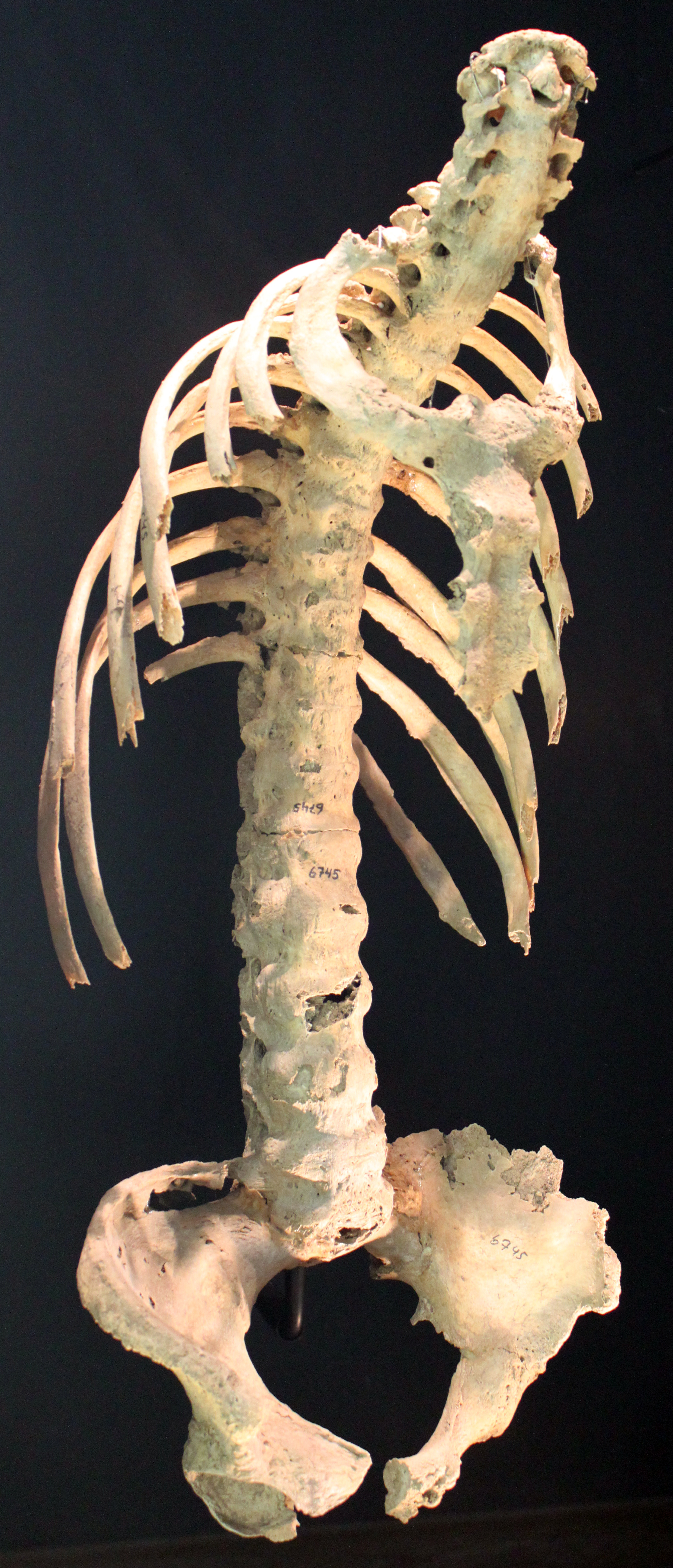
Ankylosing spondylitis (AS) is a chronic, progressive inflammatory disease of the axial skeleton, defined by sacroiliitis, enthesitis, and aberrant new bone formation that can culminate in and functional disability [1]A1b[3]D5.
Also Called / Synonyms
- Ankylosing spondylitis (AS) - the traditional radiographic form.
- Bechterew's disease (historical eponym).
- Marie-Strümpell disease (historical eponym).
- Radiographic axial spondyloarthritis (r-axSpA) - the preferred modern term when imaging shows definite sacroiliitis.
- Non-radiographic axial spondyloarthritis (nr-axSpA) - the precursor stage without definite sacroiliitis on plain radiographs but with MRI evidence of active inflammation [3]D5.
- Enthesitis-related arthritis (ERA) - the juvenile idiopathic arthritis (JIA) category that shares clinical and genetic features with adult AS [1]A1b[12]C4.
Classification and Variants
AS is the prototypic member of the spondyloarthritis (SpA) family, a group of interrelated inflammatory arthritides with common genetic (HLA-B27), clinical (axial inflammation, enthesitis, uveitis), and radiographic (sacroiliitis, syndesmophytes) features [3]D5. The Assessment of SpondyloArthritis International Society (ASAS) classification criteria divide axial SpA into two subtypes based on imaging:
| Subtype | Key Distinguishing Feature | Imaging Requirement |
|---|---|---|
| Radiographic axial SpA (r-axSpA) - synonymous with AS | Definite sacroiliitis on plain radiographs (grade ≥2 bilaterally or grade 3-4 unilaterally) | Modified New York criteria radiographic sacroiliitis |
| Non-radiographic axial SpA (nr-axSpA) | Active sacroiliitis on MRI (bone marrow edema) or HLA-B27 positivity plus ≥2 SpA features; no definite radiographic sacroiliitis | MRI evidence of sacroiliitis (ASAS definition) |
| Enthesitis-related arthritis (ERA) - juvenile-onset axial SpA | Onset before age 16; peripheral arthritis, enthesitis, axial involvement; HLA-B27 association | Clinical diagnosis; MRI may show sacroiliitis |
AS is also distinguished from diffuse idiopathic skeletal hyperostosis (DISH), a non-inflammatory condition that can mimic AS with flowing ossification of the anterior longitudinal ligament but lacks sacroiliitis and HLA-B27 association [9]D5. frequently co-occurs with AS and can confound disease activity assessment; its prevalence in axial SpA is estimated at 12-25% [8]B2b[11]B2a.
Clinical Significance
AS is the most common and severe form of axial SpA, affecting approximately 0.1-0.5% of the population worldwide. It typically presents in the third decade of life with inflammatory back pain, morning stiffness, and progressive loss of spinal mobility. Extra-articular manifestations, acute anterior uveitis, psoriasis, inflammatory bowel disease, occur in up to 40% of patients [3]D5. The disease carries substantial morbidity: untreated, it leads to irreversible spinal fusion, reduced quality of life, and increased cardiovascular risk. Early recognition and treatment with biologic DMARDs (TNF inhibitors, IL-17 inhibitors) can slow radiographic progression and improve outcomes [3]D5.
Controversies and Guideline Disagreement
| Question | Position A | Position B | Strength | Implication |
|---|---|---|---|---|
| Should AS be classified separately from nr-axSpA? | Modified New York criteria (radiographic sacroiliitis required) - used historically for AS diagnosis [3]D5 | ASAS classification criteria - include both r-axSpA and nr-axSpA under axial SpA umbrella [3]D5 | Moderate | The ASAS criteria broaden the disease spectrum, enabling earlier diagnosis and treatment before radiographic damage appears. However, some guidelines (e.g., older ACR) still use the modified New York criteria for AS-specific recommendations. |
| Is ERA a distinct entity or juvenile-onset axial SpA? | ILAR classification - ERA is a separate JIA category [1]A1b | ASAS/ACR view - ERA is the pediatric equivalent of axial SpA [3]D5[12]C4 | Strong | In practice, many children with ERA are treated with the same biologic agents as adult AS patients, and FDA waivers for pediatric studies have been granted for axial SpA indications [3]D5. |
Pearl: Ankylosing spondylitis is now understood as the radiographic end of the axial spondyloarthritis spectrum; early recognition using ASAS classification criteria (including MRI) allows intervention before irreversible spinal fusion occurs [3]D5[12]C4.
Pathophysiology & Mechanism
- ▸HLA-B27 misfolding and ERAP1 peptidase activity are the genetic gatekeepers of AS, together initiating an unfolded protein response that primes the IL-23/IL-17 axis.
- ▸IL-17A, produced by both adaptive (Th17) and innate (γδ T cells, neutrophils) sources, is the central effector cytokine that drives enthesitis, osteitis, and neutrophil recruitment.
- ▸The IL-23 paradox, genetic necessity yet therapeutic failure of IL-23 inhibitors, remains a central unresolved question in AS pathogenesis.
The disease begins with a break in tolerance driven by HLA-B27 misfolding and ERAP1 dysregulation, which together alter the peptide repertoire presented to CD8+ T cells and trigger an unfolded protein response (UPR) [37]D5[39]D5. This initial immunologic insult engages a multi-step cascade that converges on the IL-23/IL-17 axis, the central effector pathway in AS [47]D5[50]D5.
Step 1: Genetic priming, the HLA-B27-ERAP1 axis
HLA-B27, present in over 90% of AS patients, accounts for roughly 25% of heritability [46]D5. The molecule's tendency to misfold during assembly in the endoplasmic reticulum initiates a UPR, which in turn upregulates IL-23 production by innate immune cells [21]D5[47]D5. ERAP1, the second strongest genetic risk factor, trims peptides to optimal length for MHC class I loading; specific ERAP1 variants alter the HLA-B27 peptide repertoire, potentially exposing arthritogenic epitopes that drive CD8+ T-cell activation [26]D5[39]D5. Gene-gene interaction between ERAP1 and HLA-B27 is epistatic, risk variants in one only confer susceptibility in the presence of the other [45]D5[46]D5.
Step 2: Innate immune activation and the IL-23/IL-17 axis
IL-23, produced by dendritic cells, macrophages, and group 3 innate lymphoid cells at entheseal and mucosal sites, drives the differentiation and maintenance of IL-17-producing cells, including Th17 cells, γδ T cells, and neutrophils [37]D5[43]D5[50]D5. Polymorphisms in IL23R, which encodes the IL-23 receptor, have been robustly linked to AS in genome-wide association studies, underscoring the pathway's pathogenic centrality [15]B3a[20]D5. IL-17A, the effector cytokine, recruits neutrophils to the enthesis and subchondral bone marrow and synergizes with TNF to amplify the inflammatory cascade [22]D5[52]D5. The CARD9-neutrophil signalling axis amplifies Th17-driven disease: CARD9-deficient mice show attenuated arthritis, and the AS-risk variant of CARD9 enhances IL-17A production by patient T cells [18]D5. Neutrophil extracellular traps (NETs), abundant in AS synovial fluid, carry RNA that activates Toll-like receptor 7 on naive CD4+ cells, skewing differentiation away from regulatory T cells and toward pro-inflammatory effectors [24]D5[27]D5.
Step 3: Tissue-specific effector mechanisms
Enthesitis. The enthesis is the primary target: microtrauma from biomechanical stress at ligament and tendon insertions releases IL-23 from resident myeloid cells, creating a local niche for IL-17-driven inflammation [43]D5[53]D5. MRI-demonstrable enthesitis correlates with sites of highest mechanical load, supporting the "mechanotransduction" hypothesis that physical force gates innate immune activation [53]D5.
New bone formation. IL-17 and TNF drive osteitis and erosions, but paradoxically, the subsequent syndesmophyte formation, the hallmark of radiographic AS, is tightly linked to bone morphogenetic protein and Wnt signalling [28]D5[44]D5. Anti-TNF therapy sharply reduces inflammation but does not halt radiographic progression, indicating that the pathways for inflammation and osteoproliferation diverge after an initial shared phase [28]D5[44]D5. A distinct CD8+CCR4+ T-cell subset found in AS patients has both cytotoxic and osteogenic potential, providing a cellular bridge between immune activation and ectopic bone formation [54]C4.
Gut-joint axis. Subclinical gut inflammation is present in up to 60% of AS patients, and 5-10% progress to inflammatory bowel disease [43]D5[45]D5. Dysbiosis, reduced
Table 1: Key genetic and mechanistic nodes in AS pathogenesis
| Node | Genetic/Molecular Evidence | Functional Consequence | Therapeutic Relevance | Ref. |
|---|---|---|---|---|
| HLA-B27 misfolding | UPR activation in ER; triggers IL-23 release | Altered peptide presentation; innate immune alarm | No direct target; rationale for IL-23/IL-17 blockade | [21]D5[47]D5 |
| ERAP1 variants | Epistatic interaction with HLA-B27 | Shapes peptide repertoire for CD8+ T-cell recognition | No approved therapy (trials of ERAP1 inhibitors ongoing) | [26]D5[39]D5 |
| IL-23R polymorphisms | Multiple GWAS hits; protective rare variant (R381Q) | Enhances IL-23 signalling and Th17 maintenance | IL-23 inhibitors failed in AS trials (p19, p40); mechanism unclear | [15]B3a[38]D5[50]D5 |
| IL-17A | Elevated at enthesis; effector of neutrophil recruitment | Drives osteitis, enthesitis, acute-phase response | First-line biologic target (secukinumab, ixekizumab) | [22]D5[52]D5 |
| CARD9 | Risk variant rs4075515 | Enhances neutrophil-mediated Th17 induction | Preclinical target | [18]D5 |
| NET-associated RNA | TLR7-IRF7 axis | Impedes Treg differentiation, amplifies inflammation | Preclinical (PAD4 inhibitor CI-amidine) | [24]D5 |
The IL-23 paradox and JAK-STAT integration
IL-23 is genetically and mechanistically central to AS, yet IL-23p19 and p40 inhibitors have failed in clinical trials, while IL-17A inhibitors are highly effective [38]D5[50]D5. This paradox is unresolved, but favoured explanations include: (1) IL-17 in AS may be driven by IL-23-independent pathways, including innate sources (γδ T cells, neutrophils); (2) IL-23 may be more critical for disease initiation than for established disease; (3) IL-23 inhibitors may differentially affect the gut, worsening subclinical IBD in susceptible patients [38]D5[50]D5. JAK-STAT signalling, downstream of multiple cytokine receptors including IL-23R and the common γ-chain, integrates these pathways; JAK1-selective inhibitors (upadacitinib, filgotinib) show efficacy in AS, confirming that JAK-dependent cytokine networks, beyond IL-23 alone, sustain the effector cascade [40]D5[33]D5.
Controveries and Guideline Disagreement
| Question | Position A | Position B | Strength | Implication |
|---|---|---|---|---|
| Should IL-23 inhibitors be used in AS? | EULAR and ACR guidelines exclude IL-23i for AS (no RCT benefit) [38]D5[50]D5 | Some exploratory data in PsA with axial symptoms suggest signal of potential benefit [38]D5 | Category 1A evidence against efficacy | IL-23i should not replace IL-17i or TNFi in current practice |
| Does TNF drive new bone formation? | Preclinical models show TNF promotes osteoclastogenesis and inhibits Wnt-driven bone formation [44]D5 | Radiographic progression in AS occurs despite TNF blockade, suggesting dissociation [28]D5 | Conflicting data from animal models vs human observational studies | Use TNFi for symptoms and inflammation; do not rely on them to prevent syndesmophytes |
Pearl: The central effector pathway in AS is the IL-23/IL-17 axis, initiated by HLA-B27 misfolding and ERAP1-mediated peptide presentation, then sustained by innate immune cells (γδ T cells, neutrophils, ILC3) at entheseal and gut mucosal sites; syndesmophyte formation is driven by mechanotransduction and Wnt signalling downstream of inflammation, not by TNF alone [28]D5[43]D5[47]D5[50]D5.
Epidemiology, Etiology & Risk Factors
- ▸HLA-B27 is the dominant risk factor (OR 50-100), but epistasis with HLA-B60 and ERAP1 modifies individual risk
- ▸Global prevalence varies 17-fold (0.02-1.61%), tightly correlated with population HLA-B27 frequency
- ▸Childhood infections (OR 1.8-2.1), periodontitis (OR 1.85), and gut dysbiosis are established environmental triggers
Worldwide prevalence of ankylosing spondylitis (AS) varies by as much as 17-fold across regions, tightly tracking the population frequency of HLA-B27. In Europe, prevalence ranges from 0.10% to 1.40%, with Northern Arctic communities reporting the highest global estimate at 1.61% (95% CI 1.27-2.00), while sub-Saharan Africa reports the lowest at 0.02% (95% CI 0.00-0.21) [73]A1a. Annual incidence is estimated at 0.5 to 14 per 100,000 depending on geography [79]A1a. In the UK, the prevalence in pregnant women more than doubled from 0.07% in 2000 to 0.15% in 2021 [77]B2b. The lifetime risk for HLA-B27-positive individuals is approximately 5 to 6%, but rises to 15 to 20% in those with an affected first-degree relative [79]A1a[103]D5.
Age at onset peaks in the third decade, with 80% of patients developing symptoms before age 30; onset after 45 is rare and should trigger a search for alternative diagnoses [108]D5. Males are affected 2 to 3 times more often than females in radiographic AS, but population-based cohorts using MRI-based criteria (ASAS criteria) show a smaller sex ratio (about 1.5:1) because women are more likely to have non-radiographic axial SpA [108]D5[109]B2b.
Risk Factors
Genetic predisposition is the dominant driver. HLA-B27 confers the strongest known risk, with an odds ratio of approximately 50 to 100 in radiographic AS, and an estimated population-attributable fraction of >40% in European populations [103]D5[67]B3b. Epistasis between HLA-B27 and HLA-B60 further increases risk (OR 1.8; 95% CI 1.2 to 2.6) beyond the additive effect of either allele alone [67]B3b. Endoplasmic reticulum aminopeptidase 1 (ERAP1) polymorphisms interact epistatically with HLA-B27, altering peptide trimming and antigen presentation, and confer an OR of 1.3 to 1.4 in HLA-B27-positive individuals [90]D5[103]D5. A 2026 meta-analysis across three large European cohorts (UKBB, FinnGen, REPAIR) identified ten independent SNPs shared between AS and rheumatoid arthritis, including risk alleles in HTT, IKZF1, MANEA, and MGAM2 [31]A1a.
Table 1. Selected Established Risk Factors for Ankylosing Spondylitis
| Factor | Odds Ratio / Relative Risk | Evidence Level |
|---|---|---|
| HLA-B27 carriage | OR 50-100 | 1a [103]D5[67]B3b |
| HLA-B60 (epistatic with HLA-B27) | OR 1.8 (95% CI 1.2-2.6) | 3b [67]B3b |
| ERAP1 polymorphisms (in HLA-B27+) | OR 1.3-1.4 | 1a [90]D5 |
| Family history (first-degree relative) | RR 15-20% lifetime (vs 5-6% HLA-B27+ general) | 2b [79]A1a |
| Childhood infections (before age 10) | OR 1.8-2.1 for ≥1 infection | 3b [93]B3b |
| Male sex | RR 2:1 to 3:1 (radiographic) | 2a [108]D5 |
| Periodontitis | OR 1.85 (95% CI 1.72-1.98) | 2a [81]B2a |
| Intestinal microbiota dysbiosis | No single organism; reduced Prevotella, increased Ruminococcus | 5 [87]C4[105]D5 |
Environmental triggers are less well defined but several are supported by data. Childhood infections, especially lower respiratory tract infections before age 10, increase risk, with an odds ratio of 1.8 to 2.1 for those with ≥1 infection in a Swedish nationwide case-control study that controlled for family-shared confounding via sibling comparison [93]B3b. Periodontitis (OR 1.85; 95% CI 1.72-1.98) is linked, possibly via shared inflammatory pathways or Porphyromonas gingivalis-driven citrullination [81]B2a. Gut microbiome dysbiosis is consistently reported: reduced Prevotella species and increased Ruminococcus and Bacteroides are associated with AS, and up to 60% of patients have subclinical gut inflammation on ileocolonoscopy, suggesting a gut-joint axis [87]C4[105]D5. Smoking is a suspected risk modifier but the current evidence is insufficient for a firm risk ratio [80]A1a.
Temporal and Geographic Patterns
Prevalence increases with latitude in the Northern Hemisphere, correlating with HLA-B27 prevalence in Indigenous Arctic populations (e.g., up to 35% in some Inuit groups) [73]A1a. In contrast, sub-Saharan Africa and Southeast Asia, where HLA-B27 is rare (<1%), have prevalence rates of 0.02 to 0.06% [73]A1a[79]A1a. The UK trend showing a doubling of AS prevalence in pregnant women from 2000 to 2021 likely reflects improved diagnosis (MRI availability) and better disease awareness rather than a true increase in incidence [77]B2b. No seasonal variation in AS onset has been demonstrated [93]B3b.
Pearl: Ankylosing spondylitis is one of the most heritable common rheumatic diseases, with HLA-B27 conferring an odds ratio of 50-100; the prevalence varies 17-fold globally in proportion to HLA-B27 carrier frequency, and childhood infections before age 10 increase risk nearly 2-fold [93]B3b[67]B3b[79]A1a.
Clinical Presentation
- ▸The cardinal symptom is inflammatory back pain (IBP), characterized by insidious onset, improvement with exercise, worsening with rest, and morning stiffness ≥30 minutes; mean diagnostic delay remains 6.7 years [121, 125].
- ▸Extra-articular manifestations affect >40% of patients (uveitis 26%, psoriasis 9%, IBD 7%) and may be the presenting symptom, especially uveitis; acute red eye demands prompt ophthalmologic referral [64, 84].
- ▸Physical examination must include the modified Schober test, chest expansion measurement, SI joint provocation tests, and enthesitis scoring (MASES); peripheral arthritis is asymmetric, oligoarticular, and lower-limb predominant [122, 140, 155].
The diagnosis of axial spondyloarthritis (axSpA) begins with recognition of its hallmark symptom: chronic inflammatory back pain (IBP). This is not mere mechanical discomfort; it follows a distinctive pattern that, when properly elicited, raises suspicion even before imaging or serology is performed [125]D5. A systematic review of 64 studies estimated a mean diagnostic delay of 6.7 years (95% CI 5.9-7.5), a figure that has improved only modestly over recent decades and is shorter in men (mean 5.8 years) than in women (mean 8.1 years) [121]A1a[134]B2b. Understanding the presenting phenotype is therefore essential for early recognition.
Presenting Symptoms, The Inflammatory Back Pain Phenotype
The prototypical patient is under 45 years of age at symptom onset and reports insidious-onset back pain that has been present for more than 3 months [125]D5. Pain is characteristically worse with rest and improves with activity, the opposite of mechanical back pain. Morning stiffness lasting at least 30 minutes is a cardinal feature, and nocturnal pain (often waking the patient in the second half of the night) is reported by more than 60% of individuals [125]D5[150]D5. The pain localizes to the sacroiliac (SI) joints and lower lumbar spine, but may radiate to the buttocks or posterior thighs; it does not typically follow a dermatomal distribution. Patients often describe the need to "move around" or get out of bed to relieve the ache. Symptoms progress gradually over months to years, with a nadir of morning stiffness that improves with activity but recurs after prolonged sitting.
The Focused History and Examination
Physical examination should assess four domains: spinal mobility, SI joint provocation, enthesitis, and peripheral joint involvement. The modified Schober test (marking 10 cm above and 5 cm below the posterior superior iliac spines and measuring the distraction on forward flexion) quantifies lumbar flexion; a value < 5 cm is abnormal. Chest expansion measured at the 4th intercostal space should be > 2.5 cm in men and > 2.0 cm in women; reduced expansion reflects costovertebral joint involvement. SI joint stress tests (FABER test, Gaenslen test, and direct compression) are sensitive but not specific; a positive test should prompt imaging [122]B2b. The Maastricht Ankylosing Spondylitis Enthesitis Score (MASES) is the most commonly used standardized assessment for enthesitis, examining 13 sites (including the Achilles tendon, plantar fascia, and costochondral junctions) [120]A1b. Dactylitis ("sausage digit") is rare in axSpA outside of but should be noted when present.
Peripheral Manifestations
Peripheral arthritis occurs in roughly 30-40% of patients with axSpA over the disease course [123]A1a[140]A1a. It is typically asymmetric, oligoarticular (≥ 1 but ≤ 4 joints), and predominantly involves the lower limbs, most commonly the knees, ankles, and hips. Hip involvement (coxitis) is a key predictor of functional disability and need for total hip arthroplasty [142]D5. Enthesitis, particularly Achilles tendinitis and , affects 20-40% of patients and may be the presenting symptom in a subset, especially in those with HLA-B27 positivity [155]B2b. Dactylitis is less common in axSpA than in psoriatic arthritis but can occur.
Extra-Articular Manifestations
A systematic review and meta-analysis of 156 studies (n = 659,722) reported the pooled prevalence of acute anterior uveitis (AAU) at 26% (95% CI 24-28%), psoriasis at 9% (95% CI 8-11%), and inflammatory bowel disease (IBD) at 7% (95% CI 5-9%) [64]A1a. A population-based UK cohort study found that at AS diagnosis, 11.4% already had AAU, 4.4% psoriasis, and 3.7% IBD [119]B2b. The incidence of AAU was 7.0 per 100 person-years in AS patients versus 0.7 per 100 person-years in controls (adjusted HR 8.1, 95% CI 7.0-9.4) [84]B2b. Uveitis in axSpA is typically acute, unilateral, anterior, and recurrent; it presents with acute pain, photophobia, conjunctival injection, and blurred vision. It is a medical emergency requiring prompt ophthalmologic referral to prevent synechiae and vision loss.
IBD (Crohn's disease or ulcerative colitis) may be clinically silent: up to 50% of AS patients have subclinical gut inflammation on ileocolonoscopy, histologically characterized by chronic or acute inflammation that may progress to overt IBD in 7-10% over a decade [43]D5[102]D5. Psoriasis is usually mild, often affecting the scalp, extensor surfaces, and nails, and may precede arthritis [142]D5.
Phenotypic Variants
| Variant | Key Features | Frequency Among axSpA |
|---|---|---|
| Radiographic axSpA (AS) | Definite sacroiliitis on X-ray (modified NY criteria); often more severe spinal involvement; male predominance (3:1) | ~60-70% of the axSpA spectrum [108]D5[123]A1a |
| Non-radiographic axSpA (nr-axSpA) | Clinical and MRI evidence of inflammation without plain film sacroiliitis; equal sex distribution; similar burden of pain and stiffness | ~30-40% [108]D5[123]A1a |
| HLA-B27-positive axSpA | Younger onset, more typical IBP, higher risk of uveitis and syndesmophyte formation; more symmetric sacroiliitis [133]B3b | ~75-90% overall, higher in r-axSpA [144]B3b |
| HLA-B27-negative axSpA | Older onset, more atypical pain, more peripheral arthritis and psoriasis, less syndesmophyte progression [133]B3b | ~10-25% [144]B3b |
| Juvenile-onset (ERA) | Onset before 16 years; peripheral arthritis/enthesitis of lower limbs; axial involvement emerges later; HLA-B27 positive in ~70% [3]D5[148]D5 | ~10-20% of juvenile idiopathic arthritis cases [3]D5 |
The distinction between r-axSpA and nr-axSpA is based on radiographic damage, not disease activity or prognosis at the individual level; both forms share similar levels of pain, stiffness, and MRI inflammation [123]A1a. However, r-axSpA carries a worse functional prognosis due to irreversible structural damage, with a greater likelihood of over time [125]D5.
Red Flags, Symptoms Requiring Urgent Action
- Sudden-onset, painful red eye with photophobia → urgent ophthalmology referral for acute anterior uveitis.
- Acute-onset, severe spinal pain with neurological deficit (motor/sensory loss, urinary retention, saddle anesthesia) after minimal trauma → rule out spinal fracture in a rigid, osteopenic spine [152]B2b.
- New-onset chest pain with dyspnea → evaluate for costosternal involvement, but also consider aortic insufficiency or conduction abnormalities (aortitis, heart block) which occur in 1-10% of long-standing AS [132]B2b.
- Severe, bloody diarrhea or weight loss → consider new-onset IBD or IBD flare.
Atypical Presentations
- Isolated enthesitis: Patients presenting exclusively with heel pain (Achilles tendinitis, plantar fasciitis) or without axial symptoms may have axSpA, particularly if they are young, HLA-B27-positive, and have no alternative diagnosis.
- Asymmetric hip or knee monoarthritis: AxSpA can present as monoarthritis of a lower extremity, mimicking septic arthritis or crystalline arthropathy. The absence of fever, normal synovial fluid culture, and insidious onset raise suspicion [112]A1b[140]A1a.
- Unexplained uveitis: Anterior uveitis is the presenting manifestation of axSpA in up to 10% of cases, and rheumatologic evaluation for HLA-B27 and inflammatory back pain is indicated [84]B2b.
- Fatigue as a dominant complaint: Some patients report profound, disabling fatigue disproportionate to objective signs of inflammation; this is a recognized contributing factor to impaired quality of life [142]D5.
- Silent radiographic progression: A minority of patients, particularly HLA-B27-positive males, may have minimal symptoms yet develop florid syndesmophytes and ankylosis on imaging, emphasizing the role of periodic radiographic monitoring in certain phenotypes [108]D5[133]B3b.
Pearl: A woman aged 30 with that improves with exercise and is associated with heel enthesitis and a family history of psoriasis likely has axSpA, not mechanical back pain; the diagnostic trigger is the clinical pattern, not a single test [125]D5[121]A1a.
| Variant | Key Features | Frequency Among axSpA |
|---|---|---|
| Radiographic axSpA (AS) | Definite sacroiliitis on X-ray; male predominance (3:1); more syndesmophyte formation | ~60-70% [108]D5[123]A1a |
| Non-radiographic axSpA (nr-axSpA) | No plain-film sacroiliitis; equal sex distribution; similar symptom burden | ~30-40% [108]D5[123]A1a |
| HLA-B27-positive | Younger onset, typical IBP, higher uveitis risk, symmetric sacroiliitis | ~75-90% overall [144]B3b |
| HLA-B27-negative | Older onset, atypical pain, more peripheral arthritis and psoriasis | ~10-25% [144]B3b |
| Juvenile-onset (ERA) | Onset <16 years; peripheral arthritis/enthesitis; axial involvement later | ~10-20% of JIA [3]D5[148]D5 |
Diagnosis & Workup: Serology, Imaging & Classification Criteria
- ▸Diagnosis of axSpA is probabilistic, integrating inflammatory back pain features, HLA-B27 status, and SIJ MRI findings; classification criteria (ASAS) are for research, not diagnosis.
- ▸MRI SIJ with STIR sequence is the gold-standard imaging test, with the 2009 ASAS definition (any BMO) being the standard, though updated 2021 cut-offs may improve specificity.
- ▸HLA-B27 is the most informative single lab test (LR ~9.0), while CRP is often normal; anti-CD74 antibodies are emerging but not yet standard.
The diagnosis of axial spondyloarthritis (axSpA) begins with a clinical suspicion, not a single test. The approach is probabilistic: integrate the pattern of inflammatory back pain, HLA-B27 status, and imaging findings to estimate disease probability, then apply classification criteria only as a framework for communication and trial eligibility [207]D5.
History and Physical
The hallmark symptom is chronic back pain of insidious onset, beginning before age 45 years, persisting for more than 3 months, and characterized by morning stiffness lasting >30 minutes, improvement with exercise but not rest, and nocturnal pain (especially in the second half of the night) [28]D5[125]D5. The modified ASAS expert criteria for inflammatory back pain (IBP) require at least 4 of 5 features: (1) age at onset <40 years, (2) insidious onset, (3) improvement with exercise, (4) no improvement with rest, and (5) nocturnal pain (with improvement upon arising). The presence of ≥4 features yields a sensitivity of 77% and specificity of 75% for axSpA [125]D5.
On examination, assess spinal mobility (chest expansion, Schober test, occiput-to-wall distance), sacroiliac joint tenderness, and enthesitis (especially at the Achilles tendon and plantar fascia insertion). Peripheral arthritis, dactylitis, and psoriasis-like nail changes should be documented. Red flags that mandate urgent MRI include acute onset, neurological signs, constitutional symptoms (fever, unexplained weight loss), or suspicion of infection or malignancy, these prompt an immediate search for alternative diagnoses.
Laboratory Studies
HLA-B27 is the single most informative laboratory test. Its prevalence in healthy white populations is approximately 8%, but it is present in 85-95% of patients with radiographic axSpA (AS) [28]D5[45]D5. The likelihood ratio for a positive test in patients with chronic back pain of unknown cause is approximately 9.0 [207]D5. C-reactive protein (CRP) is elevated in only 40-60% of patients and has limited sensitivity as a standalone test; however, when elevated, it increases the probability of active inflammation on MRI [196]B2b[223]B2b. Serum macrophage migration inhibitory factor (MIF) has been proposed as a predictor of radiographic progression, but it is not yet validated for routine clinical use [223]B2b. Autoantibodies are characteristically absent; rheumatoid factor and anti-CCP are negative, a key distinction from rheumatoid arthritis.
| Test | Finding | Sensitivity | Specificity | Interpretation |
|---|---|---|---|---|
| HLA-B27 | Positive | 85-95% (r-axSpA) | 85-90% | Strongly supports diagnosis in appropriate clinical context |
| CRP | Elevated (>5 mg/L) | 40-60% | 70-80% | Supports active inflammation; negative does NOT exclude disease |
| ESR | Elevated | 30-50% | 60-70% | Less sensitive than CRP |
| Anti-CD74 IgA/IgG | Positive | 40-50% | 85-90% | Emerging biomarker for early nr-axSpA; not yet guideline-standard [189]B2b |
| Polygentic Risk Score (PRS) | High score | AUC 0.92 (European) | Not yet clinical | Research tool; may one day augment HLA-B27 [188]B3b |
Imaging
MRI of the sacroiliac joints (SIJ) with short tau inversion recovery (STIR) and T1-weighted sequences is the gold-standard imaging modality for detecting active sacroiliitis [159]D5[186]A1c. The ASAS consensus definition for a positive MRI requires the clear presence of bone marrow edema (BMO) on STIR that is highly suggestive of active sacroiliitis [186]A1c. The 2009 criteria require at least one area of BMO in the subchondral or periarticular bone; a 2021 update proposes a higher threshold of ≥4 BMO lesions per joint or ≥2 lesions if an erosion is present, to improve specificity [180]B2b[200]B2b. In practice, the combination of BMO plus structural lesions (erosions, fat metaplasia, ankylosis) substantially increases specificity and reader confidence [183]B2a.
Radiography of the SIJ remains the first-line structural assessment for classification, but it has poor sensitivity in early disease (delay to detection typically 5-10 years) [121]A1a[217]D5. The modified New York criteria require definite radiographic sacroiliitis: grade ≥2 bilaterally or grade 3-4 unilaterally [159]D5. MRI can detect inflammation years before radiographs become abnormal [150]D5.
Spinal MRI may show Romanus lesions (anterior corner inflammation), Andersson lesions (discovertebral inflammation), and syndesmophytes on T1-weighted sequences, but spine MRI alone is less sensitive than SIJ MRI for diagnosis [183]B2a.
Biopsy / Histology
Histologic confirmation is not required for diagnosis. Biopsy is reserved for atypical presentations where infection (tuberculous sacroiliitis, septic arthritis) or malignancy must be excluded. When performed, findings include subchondral bone marrow edema, lymphoplasmacytic infiltrates, and new bone formation at entheses [43]D5.
Diagnostic Algorithm
The approach is stepwise:
- Clinical suspicion: evaluate IBP features, age <45 years, duration >3 months.
- Laboratory: order HLA-B27 and CRP. If HLA-B27 positive and CRP elevated, pre-test probability is high.
- Imaging: obtain MRI SIJ with STIR and T1 sequences. If MRI shows definite active sacroiliitis (per ASAS definition), the diagnosis is supported. If MRI is negative but clinical suspicion remains high (HLA-B27 positive, typical IBP), the diagnosis of nr-axSpA can be considered if alternative causes are excluded [125]D5[217]D5.
- Classification: apply the ASAS classification criteria for axSpA. To meet ASAS criteria, a patient must have IBP (age <45 years) PLUS either:
- Imaging arm: sacroiliitis on MRI or radiography (with ≥1 SpA feature: uveitis, psoriasis, IBD, dactylitis, enthesitis, good response to NSAIDs, family history, HLA-B27, elevated CRP).
- Clinical arm: HLA-B27 positive PLUS ≥2 other SpA features (same list) [159]D5.
The classification criteria have a sensitivity of 82.9% and specificity of 84.4% when applied to the intended population (chronic back pain starting <45 years) [159]D5[217]D5.
Controversies and Guideline Disagreement
| Question | Position A (ASAS/EULAR) | Position B (ACR/SAA/SPARTAN) | Strength | Implication |
|---|---|---|---|---|
| Role of MRI for diagnosis in HLA-B27+, CRP+ patients with typical IBP | MRI not required if alternative diagnosis excluded [125]D5 | MRI recommended to confirm sacroiliitis before biologic initiation [160]A1c | Conditional | In HLA-B27+, CRP+ patients with classic IBP, either approach is acceptable; MRI may influence treatment decisions. |
| Threshold for positive MRI (2009 vs 2021 definitions) | 2009 definition (any BMO) remains the standard for classification [186]A1c | Preliminary 2021 definition (≥4 BMO or ≥2 BMO with erosion) may improve specificity [180]B2b[200]B2b | Emerging | Use 2009 definition for classification; consider 2021 definition for trial eligibility to reduce false positives. |
| Use of classification criteria for diagnosis | Classification criteria should NOT be used as diagnostic criteria, they describe a group, not an individual [207]D5 | In practice, many clinicians use them as a diagnostic guide [160]A1c | Weak | Always interpret in clinical context; a patient failing classification may still have axSpA. |
Pearl: In a young adult (<45 years) with chronic back pain, a positive HLA-B27 and active sacroiliitis on MRI provide a diagnostic probability exceeding 90%, no additional serology is needed; classification criteria then guide trial eligibility, not the bedside diagnosis [159]D5[207]D5.
Severity, Disease Activity & Risk Stratification
- ▸ASDAS is the preferred disease activity measure, with validated cut-offs for inactive disease (<1.3), low (≥1.3 to <2.1), high (≥2.1 to ≤3.5), and very high (>3.5) disease activity.
- ▸Baseline syndesmophyte presence and elevated CRP (>5 mg/L) are the strongest predictors of spinal radiographic progression.
- ▸The treat-to-target strategy targeting ASDAS inactive disease is recommended by ASAS-EULAR/ACR but is implemented in fewer than 50% of eligible patients in practice.
Composite Disease Activity Indices
The cornerstone of severity assessment in axial spondyloarthritis (axSpA) is the Ankylosing Spondylitis Disease Activity Score (ASDAS), a composite measure that integrates patient-reported outcomes with an acute-phase reactant. ASDAS is calculated using total back pain (visual analogue scale or numeric rating scale), peripheral joint pain/swelling, morning stiffness duration, and either CRP (mg/L) or ESR (mm/h). The instrument defines four cut-points: inactive disease (< 1.3), low disease activity (≥ 1.3 to < 2.1), high disease activity (≥ 2.1 to ≤ 3.5), and very high disease activity (> 3.5) [158]A1c[160]A1c. ASDAS has superior discriminant capacity and responsiveness compared with the older Bath Ankylosing Spondylitis Disease Activity Index (BASDAI), and is the preferred tool for treat-to-target strategies endorsed by ASAS-EULAR and ACR [160]A1c[192]A1c[227]A1a. A change of ≥ 1.1 units defines a clinically important improvement, and ≥ 2.0 units constitutes a major improvement [158]A1c.
The Bath Ankylosing Spondylitis Disease Activity Index (BASDAI) remains a widely used patient-reported measure scored 0-10, incorporating fatigue, spinal pain, peripheral joint pain, enthesitis, and morning stiffness. Its limitations include reliance entirely on subjective domains and a ceiling effect that may underestimate biologic response [224]B2b[226]B2b. Nonetheless, BASDAI ≤ 4 is a typical threshold for initiating biologic therapy, and BASDAI ≥ 4 correlates with higher ASDAS values [110]A1b[163]A1b.
Risk Stratification for Structural Progression
Patients with radiographic axSpA (r-axSpA) at highest risk for syndesmophyte formation and are those with elevated CRP (≥ 5 mg/L) or ≥ 1 syndesmophyte at baseline on spinal radiographs [58]A1b[165]A1b. The SURPASS trial demonstrated that among biologic-naïve patients with these risk factors, 2-year radiographic progression (change in modified Stoke Ankylosing Spondylitis Spine Score [mSASSS] ≥ 2) occurred in 22-24% of those receiving secukinumab 150 mg versus 16-18% with biosimilar (not significant for superiority) [165]A1b. The CONSUL trial confirmed that adding continuous celecoxib 200 mg twice daily to golimumab did not reduce 2-year radiographic progression compared with golimumab monotherapy in high-risk patients (progression rate ~15-18% in both arms) [58]A1b. Thus, the presence of baseline syndesmophytes is the strongest independent predictor of future structural damage, more robust than CRP or disease activity itself [165]A1b[240]A1b.
Non-radiographic axSpA (nr-axSpA) patients have a lower risk of radiographic progression. In the C-OPTIMISE study, applying the 2021 ASAS MRI working group cut-offs for inflammatory lesions (≥ 3 bone marrow edema lesions on STIR or ≥ 5 on T1-gadolinium) identified patients with more severe clinical phenotypes and higher CRP, but progression on plain films over 2 years remained rare [180]B2b[200]B2b.
Role of Imaging and Biomarkers
Baseline MRI of the sacroiliac joints (SIJ) demonstrates active inflammation (bone marrow edema) in approximately 70-80% of patients fulfilling ASAS classification criteria for axSpA [227]A1a. The extent of MRI inflammation, quantified by the Spondyloarthritis Research Consortium of Canada (SPARCC) SIJ score, correlates moderately with ASDAS (r = 0.35-0.50) and predicts short-term response to biologic therapy [163]A1b[180]B2b. However, MRI does not independently predict long-term radiographic progression beyond CRP and syndesmophyte status [58]A1b[165]A1b.
C-reactive protein (CRP) is the primary laboratory biomarker. An elevated CRP at baseline doubles the odds of achieving a clinically important ASDAS response to TNF inhibitors (odds ratio 2.0, 95% CI 1.4-2.8) [224]B2b[225]A1b. Conversely, the JAK inhibitor upadacitinib showed significant ASDAS improvement even in patients with normal CRP (ASAS40 response ~35% vs 15% placebo at week 14) [163]A1b. HLA-B27 positivity is associated with younger age of onset and higher disease activity scores (BASDAI ~0.5 points higher) but does not independently predict radiographic progression after adjusting for CRP and syndesmophytes [224]B2b[235]B3b.
The Treat-to-Target Paradigm
ASAS-EULAR and ACR guidelines recommend targeting ASDAS inactive disease (< 1.3) or at least low disease activity (< 2.1) [158]A1c[160]A1c[192]A1c. In clinical practice, a Dutch registry found that only 40% of patients achieved ASDAS < 2.1 within 1 year of follow-up, and treatment adjustments occurred in fewer than 50% of those with persistently high disease activity (ASDAS ≥ 2.1) [247]B2b. Achieving ASDAS inactive disease is associated with better physical function (BASFI improvement of -0.5 to -1.5), less radiographic progression (mSASSS change of -0.2/year vs +0.8/year with high disease activity), and lower work productivity loss [232]B2c[247]B2b[249]D5.
Pearl: The ASDAS composite index, integrating CRP and patient domains, is the most responsive and discriminative tool for disease activity assessment in axSpA, and its treat-to-target application to achieve inactive disease (< 1.3) correlates with reduced radiographic progression, improved physical function (BASFI), and better long-term outcomes, whereas BASDAI alone should not be used for treatment decisions [158]A1c[160]A1c[165]A1b.
| Instrument | Cut-Off | Definition | Validation |
|---|---|---|---|
| ASDAS-CRP | < 1.3 | Inactive disease (ID) | [158]A1c[160]A1c[227]A1a |
| ASDAS-CRP | ≥ 1.3 to < 2.1 | Low disease activity | [158]A1c[160]A1c |
| ASDAS-CRP | ≥ 2.1 to ≤ 3.5 | High disease activity | [158]A1c[160]A1c |
| ASDAS-CRP | > 3.5 | Very high disease activity | [158]A1c[160]A1c |
| ASDAS change | ≥ 1.1 | Clinically important improvement | [158]A1c |
| ASDAS change | ≥ 2.0 | Major improvement | [158]A1c |
| BASDAI | 0-10 | Continuous; ≥ 4 is threshold for biologic initiation | [110]A1b[163]A1b[224]B2b |
| Risk Factor | Relative Risk (OR or HR) | 95% CI | Source |
|---|---|---|---|
| Baseline syndesmophyte (≥ 1) | Strongest predictor; odds ratio ~3.0 | Not reported in single study | [58]A1b[165]A1b[240]A1b |
| High-sensitivity CRP ≥ 5 mg/L | ~2-fold risk of progression | Not reported | [58]A1b[165]A1b |
| High disease activity (ASDAS ≥ 2.1) | OR 1.8 for mSASSS change ≥2 at 2 years | 1.2-2.7 | [58]A1b[165]A1b |
| Smoking | RR 1.6 | 1.1-2.4 | [241]A1a |
| Male sex | RR 1.4 | 1.0-2.0 | [224]B2b[249]D5 |
Acute Management: Flares & Organ-Threatening Disease
- ▸Flares are defined by an increase in ASDAS-CRP ≥0.9 units; severe flares (ASDAS ≥3.5, fever, organ-threatening disease) warrant urgent rheumatology review and possible hospitalization.
- ▸First-line management for a mild-to-moderate flare includes maximum-dose NSAIDs and a short glucocorticoid burst (prednisolone 60 mg daily for 1 week, then taper); high-dose prednisolone achieved BASDAI50 in 37.5% of patients (COBRA-AS trial, NNT=4).
- ▸For patients on biologic therapy who flare: optimize the dose interval before switching class; withdrawing or tapering a biologic after a flare increases the risk of relapse 2.4-fold (RR 2.4, 95% CI 1.8-3.0), making maintenance of standard-dose therapy the preferred strategy.
Flares in (AS) are episodes of increased disease activity that can range from mild, self-limited worsening to severe, organ-threatening exacerbations. When a patient presents with acute deterioration, particularly new or worsening inflammatory back pain, enthesitis, or extra-articular involvement, the clinician must rapidly distinguish a simple disease flare from a serious complication (e.g., vertebral fracture, infection, acute anterior uveitis) and escalate therapy accordingly. The ASAS initiative has proposed preliminary definitions: a flare is an increase in ASDAS-CRP ≥0.9 units, or an increase in BASDAI ≥2 points, accompanied by patient-reported deterioration [255]D5 (5). Severe flares, generalized pain, fever, extreme fatigue, predict worse long-term functional outcomes and increased risk of work disability [262]B2b (2b), underscoring the need for prompt, protocolized .
Step 1: Initial Assessment and Severity Classification
Upon presentation, evaluate the patient with a focused history, physical examination, and laboratory testing. Key actions:
- Exclude red-flag diagnoses: Acute back pain in a patient with advanced may represent a vertebral fracture, especially after minor trauma; the risk of vertebral fracture is increased 2- to 3-fold in AS [282]D5 (5). Obtain plain radiographs or CT if fracture is suspected. Acute unilateral red eye with photophobia signals acute anterior uveitis, which requires same-day ophthalmology referral. Fever, rigor, or focal tenderness should prompt evaluation for septic arthritis or discitis, particularly in patients on biologic therapy.
- Quantify disease activity: Measure CRP and ESR, calculate ASDAS-CRP. A rise in ASDAS-CRP of >0.9 units from the patient's baseline confirms a clinically important flare [255]D5.
- Assess extra-articular involvement: Screen for uveitis (eye pain, redness, blurred vision), inflammatory bowel disease (abdominal pain, diarrhea, hematochezia), and psoriasis (new skin lesions).
- Decide disposition: Most mild-to-moderate flares (ASDAS <3.5, no organ-threatening features) can be managed as an outpatient with a same-day rheumatology follow-up within 1 week. Severe flares (ASDAS ≥3.5, or any of: acute uveitis, suspected IBD flare, high fever, immobility due to pain) warrant urgent rheumatology consultation and possible hospital admission.
Step 2: First-Line Intervention, NSAIDs and Glucocorticoids
For a mild-to-moderate flare without contraindications:
- Start or intensify NSAID therapy at the maximum tolerated dose of a nonselective or COX-2 selective NSAID. Options include naproxen 500 mg twice daily, diclofenac 50 mg three times daily, or celecoxib 200 mg once or twice daily [label, 259] (1b). The COBRA-AS trial demonstrated that a short course of high-dose oral prednisolone (60 mg daily tapered over 6 weeks) achieved BASDAI50 in 37.5% of patients versus 9.1% with placebo, with an NNT of 4 for a BASDAI50 response [259]A1b (1b).
- For acute anterior uveitis: (e.g., prednisolone acetate 1% drops every 1 to 2 hours) plus cycloplegic drops, under ophthalmology supervision [254]C4 (4). Systemic corticosteroids are not required unless refractory.
- For severe disabling pain not controlled by NSAIDs: Administer prednisolone 60 mg orally daily for 1 week, then taper by 10 mg weekly down to 10 mg, then 5 mg daily for 2 to 4 weeks [259]A1b (1b). Glucocorticoid use for flares is a bridging strategy only; long-term use is associated with significant toxicity, including adrenal suppression, osteoporosis, and infection [184]B2a (2a).
Dosing Table for Acute Flare Management
| Drug | Starting dose | Route | Duration | Key monitoring |
|---|---|---|---|---|
| Naproxen | 500 mg twice daily | Oral | 7-14 days | Renal function, GI symptoms, BP |
| Diclofenac | 50 mg three times daily | Oral | 7-14 days | Renal function, LFTs, BP |
| Celecoxib | 200 mg once or twice daily | Oral | 7-14 days | Renal function, cardiovascular risk |
| Prednisolone (COBRA-AS regimen) | 60 mg daily | Oral | Week 1: 60 mg, then taper weekly by 10 mg to 10 mg, then 5 mg daily for 18 weeks | Glucose, BP, infection signs |
Step 3: Second-Line Intervention, Biologic Therapy Escalation
For patients already on a standard-dose (e.g., 40 mg every 2 weeks, 50 mg weekly) who experience a moderate-to-severe flare:
- Confirm adherence and exclude immunogenicity (check drug levels and anti-drug antibodies if available).
- Optimize dosing interval: For patients with recurrent flares on a TNF inhibitor, consider shortening the interval (e.g., adalimumab 40 mg weekly, etanercept 50 mg twice weekly) [251]A1b (1b). The C-OPTIMISE trial showed that certolizumab pegol 200 mg every 2 weeks maintained remission more effectively than every 4 weeks (flare rate 12% vs 30%, p<0.001) [251]A1b (1b).
- Switch biologic class: If a flare occurs despite optimal TNF inhibitor dosing, switch to an IL-17 inhibitor (secukinumab 150 mg subcutaneously at weeks 0, 1, 2, 3, and 4, then every 4 weeks; or ixekizumab 80 mg every 2 weeks) [252]A1b (1b). COAST-Y demonstrated that patients who flared after ixekizumab withdrawal recaptured low disease activity (ASDAS <2.1) in >80% of cases [252]A1b (1b).
- For refractory severe flares: Consider a short course of intravenous 500-1000 mg daily for 3 days for rapid symptom control, followed by oral taper, though this is off-label and reserved for life-threatening disease (e.g., severe axial inflammation causing spinal cord compromise) [184]B2a (2a).
Step 4: Monitoring and Titration
- Reassess at 1 week: Measure ASDAS-CRP, patient global assessment (PGA). A clinically meaningful response is a decrease in ASDAS-CRP ≥1.1 points from the flare peak [255]D5 (5).
- If inadequate response (ASDAS-CRP still ≥2.1): Escalate to the next biologic class or consider a JAK inhibitor (e.g., upadacitinib 15 mg daily; note risk of , NNH = 20 for one serious infection [281]B2a (2a)).
- Taper glucocorticoids as rapidly as possible: After the initial prednisolone burst, reduce by 5-10 mg weekly; do not continue beyond 4-6 weeks if avoidable. Long-term glucocorticoid use is associated with increased risk of vertebral fracture independent of disease activity [282]D5 (5).
- Monitor for treatment-related adverse effects: Check CBC, LFTs, renal function, and CRP at each visit. For patients on TNF inhibitors, screen for serious infections (including TB reactivation); for IL-17 inhibitors, monitor for new-onset IBD or paradoxical gut inflammation [185]D5 (5).
Step 5: Resolution and Transition to Maintenance
- Define flare resolution: Flare is considered resolved when ASDAS-CRP returns to <1.3 (inactive disease) or <2.1 (low disease activity) and the patient reports no more than mild pain [255]D5.
- Step down glucocorticoids to 0, if possible.
- Re-establish maintenance therapy: Return to the pre-flare biologic regimen if the flare resolved quickly; if the flare required a dose increase or switch, continue the escalated regimen for at least 3 months before considering step-down [271]A1a (1a). The 2025 Spanish Society of Rheumatology guideline recommends against routine biologic withdrawal after a flare, as the risk of relapse is high (RR 2.4, 95% CI 1.8-3.0 vs continued standard dose) [271]A1a (1a).
Treatment Failure Protocol
If the patient does not achieve an ASDAS-CRP reduction of ≥1.1 points within 4 weeks despite optimal escalation:
- Rule out alternative causes of symptoms: Vertebral fracture (CT/MRI), septic arthritis, flare, depression (common comorbidity, associated with higher biologic-switch rates [284]B2b (2b)).
- Consider multidisciplinary approach: Involve physiatry, pain specialist, and psychologist for persistent pain despite biologic optimization.
- Refer for surgical evaluation if there is evidence of spinal fracture, pseudarthrosis, or spinal stenosis causing neurological compromise.
What NOT to Do
- Do not prescribe oral glucocorticoids as monotherapy for >6 consecutive weeks; the risk of adrenal insufficiency and fracture outweighs the modest anti-inflammatory benefit [184]B2a (2a).
- Do not initiate a JAK inhibitor in a patient with active infection or herpes zoster. Screen for VZV serology before starting [281]B2a (2a).
- Do not routinely schedule elective orthopedic surgery (e.g., hip arthroplasty) during a disease flare; delay until disease activity is controlled (ASDAS <2.1) to reduce perioperative infection risk [250]A1c (1c).
- Do not discontinue TNF inhibitors for longer than 4 weeks before major surgery; the 2017 ACR/AAHKS guideline recommends continuing TNF inhibitors through the perioperative period, as they do not increase the risk of serious infection [250]A1c[270]B3b (1c, 3b).
Controversies and Guideline Disagreement
| Question | Position A | Position B | Strength of disagreement | Implication for practice |
|---|---|---|---|---|
| Role of glucocorticoid burst in axial SpA flares | COBRA-AS trial (2021) supports high-dose prednisolone (60 mg) tapered over 6 weeks for active axial disease, achieving BASDAI50 in 37.5% vs placebo 9.1% [259]A1b (1b). | EULAR 2016 recommendations and many clinicians caution against systemic glucocorticoids for axial disease due to potential for long-term toxicity and only modest, short-lived benefit [184]B2a (2a). | Moderate (one positive RCT vs expert opinion cautioning against routine use) [259]A1b[184]B2a | A short burst of prednisolone can be used as a bridging strategy for severe flares, but only for up to 4 weeks; chronic use is not justified. Patient must be informed of risks. |
| Withdrawal of biologic therapy after a flare | Meta-analysis (2025) and multiple RCTs show that withdrawing or tapering a biologic after achieving remission is associated with a significantly higher risk of flare vs maintaining standard dose (RR 2.4, 95% CI 1.8-3.0) [271]A1a (1a). | Some clinicians still attempt dose reduction (e.g., spacing adalimumab to every 3 weeks) to reduce cost and injection burden, citing that two-thirds of flaring patients recapture response on resumption [251]A1b[252]A1b (1b). | Strong (risk of flare clearly increased with withdrawal, but recapture is feasible) | The safest strategy is to maintain standard-dose therapy after a flare. Dose reduction may be considered only in patients who have achieved sustained remission (ASDAS <1.3) for ≥12 months and who accept the risk of flare with a plan for rapid recapture. |
Pearl: For a severe flare, administer a short 1-week burst of high-dose prednisolone (60 mg daily) and escalate to the maximum tolerated NSAID; if the patient is already on a standard-dose biologic, shorten the dosing interval or switch to an IL-17 inhibitor, as withdrawing therapy incurs a 2.4-fold higher risk of relapse [271]A1a (1a).
| Question | Position A | Position B | Strength of disagreement | Implication for practice |
|---|---|---|---|---|
| Role of glucocorticoid burst in axial SpA flares | COBRA-AS trial (2021) supports high-dose prednisolone (60 mg) tapered over 6 weeks for active axial disease, achieving BASDAI50 in 37.5% vs placebo 9.1% [259]A1b (1b). | EULAR 2016 recommendations and many clinicians caution against systemic glucocorticoids for axial disease due to potential for long-term toxicity and only modest, short-lived benefit [184]B2a (2a). | Moderate (one positive RCT vs expert opinion cautioning against routine use) [259]A1b[184]B2a | A short burst of prednisolone can be used as a bridging strategy for severe flares, but only for up to 4 weeks; chronic use is not justified. Patient must be informed of risks. |
| Withdrawal of biologic therapy after a flare | Meta-analysis (2025) and multiple RCTs show that withdrawing or tapering a biologic after achieving remission is associated with a significantly higher risk of flare vs maintaining standard dose (RR 2.4, 95% CI 1.8-3.0) [271]A1a (1a). | Some clinicians still attempt dose reduction (e.g., spacing adalimumab to every 3 weeks) to reduce cost and injection burden, citing that two-thirds of flaring patients recapture response on resumption [251]A1b[252]A1b (1b). | Strong (risk of flare clearly increased with withdrawal, but recapture is feasible) | The safest strategy is to maintain standard-dose therapy after a flare. Dose reduction may be considered only in patients who have achieved sustained remission (ASDAS <1.3) for ≥12 months and who accept the risk of flare with a plan for rapid recapture. |
Long-term Management: The DMARD Ladder & Treat-to-Target
- ▸The treat-to-target strategy, aiming for ASDAS <1.3, is the core principle guiding long-term management and is supported by ACR and ASAS-EULAR guidelines.
- ▸TNFi and IL-17i are first-line biologics with comparable efficacy for axial symptoms, but IL-17i should be avoided in patients with active IBD.
- ▸JAK inhibitors (upadacitinib, tofacitinib) are effective options after biologic failure, but require careful screening for VTE and herpes zoster risks.
- ▸NSAID therapy, particularly continuous use, may retard radiographic progression in high-risk patients when combined with TNFi.
The treat-to-target (T2T) strategy in axial spondyloarthritis aims for inactive disease, defined as an Ankylosing Spondylitis Disease Activity Score (ASDAS) <1.3 [124]A1c. The 2019 ACR/SAA/SPARTAN and 2022 ASAS-EULAR guidelines both endorse regular disease activity measurement and treatment escalation until this target is met [160]A1c[124]A1c. Failure to achieve or maintain the target within 3-6 months of initiating or changing therapy should trigger reassessment and escalation.
Step 1: First-Line Pharmacotherapy, NSAIDs and Conventional Synthetic DMARDs
Initiate a non-steroidal anti-inflammatory drug (NSAID) at the maximum recommended anti-inflammatory dose, taken continuously if symptoms are persistent. The 2022 ASAS-EULAR recommendations specify that NSAIDs are the first pharmacological choice for patients with active axSpA [124]A1c. Continuous NSAID therapy may be preferred over on-demand use in patients with persistently active symptoms, based on evidence from the CONSUL trial, which showed that continuous celecoxib 200 mg twice daily plus golimumab reduced 2-year radiographic spinal progression compared to golimumab alone (mean mSASSS change 0.5 vs 1.6; NNT = 3.4 to prevent one syndesmophyte in high-risk patients) [58]A1b. For patients with inadequate response to, intolerance of, or contraindications to NSAIDs, do not routinely use conventional synthetic DMARDs (csDMARDs) such as or sulfasalazine for axial disease. The 2019 ACR guideline conditionally recommends against methotrexate for the treatment of active AS, citing a Cochrane review that found no statistically significant benefit over placebo for pain, function, or spinal mobility [160]A1c[243]A1a. A 2013 Cochrane review (N=237 across 3 trials) concluded that methotrexate at doses of 7.5-10 mg/week was no better than placebo for improving BASDAI, BASFI, or spinal mobility after 24 weeks [244]A1a. Sulfasalazine may be considered for patients with predominantly peripheral arthritis, though its effect on axial symptoms is marginal [124]A1c. Do not use leflunomide or hydroxychloroquine for axial disease [160]A1c.
Step 2: Biologic Disease-Modifying Antirheumatic Drugs (bDMARDs), TNF Inhibitors
Initiate a tumor necrosis factor inhibitor (TNFi) in patients with active axSpA who have failed ≥2 NSAIDs. The 2019 ACR guideline makes a strong recommendation for TNFi therapy in patients with active radiographic axSpA despite NSAID failure [160]A1c. The 2022 ASAS-EULAR recommendations also place TNFi as the first-line biologic option [124]A1c. Five TNFi are approved for r-axSpA: (40 mg subcutaneously every other week), certolizumab pegol (400 mg at weeks 0, 2, and 4, then 200 mg every 2 weeks), (50 mg weekly), golimumab (50 mg subcutaneously every 4 weeks), and (5 mg/kg intravenously at weeks 0, 2, and 6, then every 8 weeks). Choice among TNFi depends on patient preference, route of administration, and extra-articular manifestations.
| Drug | Starting dose | Target / max dose | Key monitoring | Evidence Level |
|---|---|---|---|---|
| Adalimumab | 40 mg SC every other week | Same | TB screening, CBC, LFTs | 1b [112]A1b |
| Certolizumab pegol | 400 mg SC at weeks 0,2,4; then 200 mg every 2 weeks | Same | TB screening, CBC, LFTs | 1b [225]A1b |
| Etanercept | 50 mg SC weekly | Same | TB screening, CBC, LFTs | 1b [290]A1b |
| Golimumab | 50 mg SC every 4 weeks | 100 mg SC every 4 weeks if weight >100 kg | TB screening, CBC, LFTs | 1b [60]A1b |
| Infliximab | 5 mg/kg IV at weeks 0,2,6; then every 8 weeks | Can increase to 10 mg/kg or q4 weeks | TB screening, CBC, LFTs, infusion reactions | 1b [168]C4 |
Efficacy: A pooled analysis of placebo-controlled trials shows that TNFi achieve ASAS40 responses at 12-24 weeks in approximately 40-50% of biologic-naïve patients vs 15-20% for placebo, yielding a NNT = 4 to achieve an ASAS40 response [112]A1b[225]A1b[290]A1b. In the certolizumab RAPID-axSpA trial (N=325), ASAS20 was achieved by 63.6% of CZP-200mg patients vs 35.5% for placebo (NNT = 3.6) at week 24 [225]A1b. For non-radiographic axSpA, etanercept 50 mg weekly achieved ASAS40 in 35% vs 16% for placebo at week 12 (NNT = 5.3) in the EMBARK trial [290]A1b. Extra-articular benefit: Adalimumab, certolizumab, golimumab, and infliximab reduce the incidence of acute anterior uveitis (AAU) flares, while etanercept does not and may increase risk (HR 1.76, 95% CI 1.54-2.01 for etanercept vs no bDMARD) [312]B2b. For patients with recurrent AAU, adalimumab (HR 0.67) or golimumab (HR 0.77) are preferred [312]B2b. TNFi also reduces MRI inflammation. In the GO-RAISE trial, golimumab 50 mg reduced SPARCC MRI sacroiliac joint score by a mean of 2.5 units from baseline at week 14 (p<0.001) [296]A1b.
Safety screening before any bDMARD: Perform screening for latent tuberculosis (TB) using tuberculin skin test or interferon-gamma release assay (IGRA). The ACR 2019 guideline strongly recommends TB screening before starting any TNFi [160]A1c. In Korean registry data, the IR of TB during TNFi exposure was 0.25 per 100 PY vs 0.14 per 100 PY during non-exposure [101]B2b. Screen for hepatitis B (HBsAg, anti-HBc) and hepatitis C (anti-HCV). TNFi are generally safe in chronic carriers of HBV if antiviral prophylaxis is given, but reactivation risk is higher with the anti-TNF monoclonal antibodies than with etanercept [160]A1c. Assess for vaccination status: Administer pneumococcal, influenza, and vaccines before starting therapy [160]A1c.
Step 3: Biologic DMARDs, IL-17 Inhibitors
For patients with contraindications to TNFi or inadequate response to one or more TNFi, switch to an IL-17 inhibitor. The 2022 ASAS-EULAR recommendations position IL-17 inhibitors as a first-line biologic alternative, particularly when TNFi are contraindicated (e.g., history of demyelinating disease, heart failure III/IV) [124]A1c. Four IL-17 inhibitors are approved for r-axSpA: secukinumab (150 mg subcutaneously at weeks 0,1,2,3,4 then every 4 weeks; can increase to 300 mg), ixekizumab (starting dose 160 mg followed by 80 mg every 4 weeks), bimekizumab (160 mg subcutaneously every 4 weeks), and netakimab. Efficacy: In MEASURE 1 (N=371), secukinumab 150 mg achieved ASAS40 in 42% vs 13% for placebo at week 16 (NNT = 3.5) [68]A1b. In COAST-V (N=341), ixekizumab 80 mg every 2 weeks achieved ASAS40 in 48% vs 18% for placebo at week 16 (NNT = 3.3) [116]A1b. The SURPASS -to-head trial (N=859) compared secukinumab 150 mg, secukinumab 300 mg, and adalimumab 40 mg every 2 weeks in high-risk patients (CRP ≥5 and/or ≥1 syndesmophyte). At 104 weeks, the proportion without radiographic progression (mSASSS change ≤0.5) was 72% for secukinumab 300 mg vs 73% for adalimumab, no significant difference in structural progression between the classes [165]A1b. IL-17 vs TNFi for extra-articular disease: IL-17i are effective for psoriasis; they do not reduce and may marginally increase uveitis risk compared to TNFi (for secukinumab, AAU incidence 1.5 per 100 PY vs 2.2 per 100 PY with placebo) [289]A1b. IL-17i are contraindicated in patients with active inflammatory bowel disease (IBD). A 2015 safety analysis of secukinumab across trials found IR of IBD of 0.04 per 100 PY; subsequent observational data from Korea has shown higher rates with IL-17i (IR of IBD was 0.44/100 PY vs 0.19/100 PY with TNFi) [101]B2b. Candidiasis is more frequent with IL-17i (mucocutaneous candidiasis, mostly oral or vulvovaginal, grade 1-2) [78]B2b[59]A1b.
Step 4: Targeted Synthetic DMARDs, JAK Inhibitors
For patients who fail one or more bDMARDs, a JAK inhibitor is an appropriate next option. The 2022 ASAS-EULAR recommendations grant JAK inhibitors a position after conventional synthetic and biologic DMARD failure, but the 2019 ACR guideline makes a conditional recommendation for their use only after TNFi failure [124]A1c[160]A1c. Two JAK inhibitors are approved: upadacitinib (15 mg orally once daily) and tofacitinib (5 mg orally twice daily). Efficacy in biologic-naïve patients: In SELECT-AXIS 1 (N=187), upadacitinib 15 mg daily achieved ASAS40 in 52% vs 26% for placebo (NNT = 3.8) at week 14 [171]A1b. Efficacy after bDMARD failure: In SELECT-AXIS 2 (N=420, patients with inadequate response to one or two bDMARDs), upadacitinib 15 mg daily achieved ASAS40 in 45% vs 18% for placebo (NNT = 3.7) at week 14 [163]A1b. Tofacitinib 5 mg BID achieved ASAS20 in 56% vs 29% for placebo (NNT = 3.7) at week 16 in a phase 3 trial of patients with active AS and prior inadequate response to ≥2 NSAIDs [162]A1b. Safety considerations for JAK inhibitors: The upadacitinib integrated safety analysis across RA, PsA, and AS (15,425 PY) showed exposure-adjusted incidence rates for: serious infection 3.7 events/100 PY, 3.3 events/100 PY, VTE 0.5 events/100 PY, and MACE 0.6 events/100 PY [305]B2b[82]B2b. For tofacitinib, the rate of herpes zoster was 4.7 events/100 PY in the AS trial [162]A1b. Baseline screening: Perform CBC, LFTs, renal function, fasting lipid panel, and TB screening before starting any JAK inhibitor. Lipid levels should be monitored 8-12 weeks after initiation [160]A1c.
| Drug | Starting dose | Target / max dose | Renal adjustment | Hepatic adjustment | Key monitoring |
|---|---|---|---|---|---|
| Upadacitinib | 15 mg PO daily | 15 mg daily | eGFR ≥30: no adjustment; <30: avoid | B or C: avoid | CBC, LFTs, renal function, lipids, TB, herpes zoster risk |
| Tofacitinib | 5 mg PO twice daily | 5 mg twice daily | eGFR ≥30: no adjustment; <30: 5 mg once daily | Child-Pugh B: 5 mg once daily; C: avoid | CBC, LFTs, renal function, lipids, TB, herpes zoster risk |
Step 5: Monitoring, Titration, and Treatment Failure
Reassess disease activity every 3-6 months using a validated composite measure (ASDAS or BASDAI + CRP). The 2019 ACR guideline strongly recommends using a treat-to-target strategy [160]A1c. If the patient has not achieved inactive disease (ASDAS <1.3) or at least low disease activity (ASDAS <2.1) within 3-6 months of starting a new DMARD, treatment should be escalated. Dose escalation is not standard for TNFi, but secukinumab can be increased from 150 mg to 300 mg monthly in patients with inadequate response at week 16. In the ASLeap trial, patients not achieving ASDAS <1.3 at week 16 on secukinumab 150 mg were randomized to continue 150 mg or escalate to 300 mg; at week 52, 33.3% of those escalated achieved ASDAS <1.3 vs 15.8% of those who remained at 150 mg (p<0.05) [76]A1b. Switching within class after primary failure (lack of any response by week 12-16) is not recommended; switch to a different mechanism of action. After secondary failure (loss of response after initial benefit), switching to a second TNFi can be modestly effective, but the 2022 ASAS-EULAR guidelines note limited evidence for this approach; switching to an IL-17i or JAKi is generally preferred [124]A1c. Observational data from Korea showed that among patients who discontinued a first TNFi, IL-17i as second-line therapy had better 1-year persistence than a second TNFi (HR 0.82, 95% CI 0.71-0.95) [316]B2b. In patients who achieve sustained remission (ASDAS <1.3 for ≥6 months), gradual tapering of bDMARD dose or extension of dosing interval can be attempted, though the 2019 ACR guideline conditionally recommends against routine dose reduction [160]A1c. The ABILITY-3 trial showed that among patients with nr-axSpA who achieved sustained remission on adalimumab, continuing adalimumab was superior to withdrawal in maintaining remission (flare rate 35% vs 63%; NNT = 3.6 to prevent one flare) [174]A1b.
Step 6: Non-Pharmacologic , Exercise and Physical Therapy
All patients with axSpA should receive a prescription for regular, supervised exercise therapy. The 2019 ACR guideline strongly recommends physical therapy for all patients with active disease [160]A1c. A 2019 Cochrane review (N=374 across 6 RCTs) found that exercise programs improved BASDAI (MD -1.0, 95% CI -1.5 to -0.5) and BASFI (MD -0.8, 95% CI -1.3 to -0.4) compared to no exercise [322]A1a. A 2024 RCT (N=100) showed that supervised aerobic plus yoga-based exercise was superior to aerobic alone for improving BASMI (MD -0.5, p=0.03) and BASDAI (MD -0.7, p=0.02) at 12 weeks [202]A1b.
What NOT to Do
- Do NOT use systemic glucocorticoids (≥10 mg /day) for long-term disease control; they have no proven efficacy for spinal disease and cause corticosteroid-related AEs [124]A1c.
- Do NOT use IL-17i in patients with active IBD; if IBD develops during IL-17i therapy, switch to a TNFi [124]A1c[160]A1c.
- Do NOT use methotrexate or sulfasalazine for isolated axial disease; their efficacy is limited to peripheral arthritis [124]A1c.
- Do NOT combine two biologic DMARDs (e.g., TNFi + IL-17i); this increases risk without additive benefit [160]A1c.
- Do NOT use JAKi in patients with a history of VTE, age >65 years, and current or past smoking, based on the FDA’s boxed warning regarding increased risk of MACE and malignancy [305]B2b.
Pearl: Initiate a TNFi or IL-17i after failure of ≥2 NSAIDs, escalate to a JAKi for subsequent failures, and reassess disease activity every 3-6 months using ASDAS, achieving inactive disease (ASDAS <1.3) is the target; the NNT for ASAS40 is 3-4 for each biologic class in biologic-naïve patients [68]A1b[171]A1b[225]A1b.
Multisystem & Extra-Articular Involvement (Organ-by-Organ Map)
- ▸Acute anterior uveitis is the most common extra-articular manifestation, affecting ~25% of AS patients; TNF monoclonal antibodies reduce uveitis flares, while IL-17 inhibitors may increase risk.
- ▸Inflammatory bowel disease and psoriasis each occur in ~5-10% of AS patients and guide biologic choice: avoid etanercept in IBD and IL-17 inhibitors in active IBD.
- ▸Cardiovascular risk is elevated in AS; screen and manage traditional risk factors aggressively, and consider NSAID avoidance in high-risk patients.
Extra-articular manifestations (EAMs) are integral to the spondyloarthritis concept and occur in a substantial proportion of patients with ankylosing spondylitis. Their presence influences disease burden, treatment selection, and long-term outcomes. A systematic meta-analysis of 156 studies reported pooled prevalences of 25.8% for acute anterior uveitis (AAU), 9.3% for psoriasis, and 6.8% for inflammatory bowel disease (IBD) [64]A1a. A population-based UK cohort found that at AS diagnosis, 11.4% already had AAU, 4.4% psoriasis, and 3.7% IBD; during follow-up, incidence rates per 1000 person-years were 12.9 for AAU, 3.4 for IBD, and 3.1 for psoriasis [119]B2b. These manifestations often precede the diagnosis of AS and can guide early referral [323]A1b[337]C4. The following organ-by-organ map details screening, monitoring, and therapy considerations.
Ocular: Acute Anterior Uveitis
AAU is the most common EAM, typically presenting as acute, unilateral, painful red eye with photophobia and blurred vision. Recurrence is frequent: in the OASIS cohort, 18% of patients had AAU at baseline and 31% developed it over 12 years [331]B2b. Risk factors include HLA-B27 positivity, male sex, and longer disease duration [331]B2b[65]B2a. All patients with AS should be asked about eye symptoms at every visit; those with new-onset red eye require urgent ophthalmology referral. Treatment choice is influenced by uveitis history: TNF monoclonal antibodies ( , , golimumab) reduce uveitis flares, whereas is less effective and IL-17 inhibitors (secukinumab, ixekizumab) may increase the risk of new-onset or recurrent uveitis [330]A1a[336]B2b[102]D5. A network meta-analysis of 18 studies (11,529 patients) found that adalimumab had the lowest risk of uveitis (RR 0.28, 95% CI 0.15-0.51 vs placebo), while secukinumab was associated with a higher risk (RR 1.89, 95% CI 1.01-3.54) [330]A1a. For patients with recurrent uveitis, a TNF monoclonal antibody is preferred [335]B2b[336]B2b.
: Inflammatory Bowel Disease
IBD (Crohn's disease and ulcerative colitis) occurs in 5-10% of AS patients, with subclinical gut inflammation detectable by ileocolonoscopy in up to 60% [64]A1a[146]D5. The link is bidirectional: AS can precede IBD, and IBD increases the risk of developing AS [119]B2b. Smoking is a paradoxical risk factor, it increases the risk of psoriasis but may be protective for IBD in AS [143]D5. Screening: inquire about chronic diarrhea, abdominal pain, rectal bleeding, and weight loss. If symptoms are present, refer for gastroenterology evaluation and . Therapy: TNF monoclonal antibodies (adalimumab, infliximab, certolizumab) are effective for both AS and IBD; etanercept is not effective for IBD and should be avoided in patients with active IBD [102]D5[335]B2b. IL-17 inhibitors can exacerbate IBD and are contraindicated in patients with active IBD [321]C4[325]D5. JAK inhibitors (tofacitinib, upadacitinib) have shown efficacy in IBD but are not first-line for AS [341]C4. Monitoring: patients on TNFi should be monitored for new-onset IBD symptoms.
Cutaneous: Psoriasis
Psoriasis affects approximately 10% of AS patients, often with a milder phenotype than [64]A1a[333]C4. It may precede or follow the diagnosis of AS. Screening: full skin examination at baseline and annually, with attention to scalp, elbows, knees, and nails. Therapy: both TNFi and IL-17i are highly effective for psoriasis [324]A1b[328]C4. IL-23 inhibitors (guselkumab) are also effective but are not approved for AS [324]A1b. Paradoxical psoriasis can occur with TNFi, requiring a switch to an IL-17i [328]C4. Monitoring: assess skin clearance (e.g., PASI) and quality of life.
Cardiovascular
AS is associated with increased cardiovascular (CV) risk, independent of traditional risk factors. A Swedish register study found a 30-50% increased risk of myocardial infarction and stroke [142]D5. Chronic inflammation drives accelerated atherosclerosis. Screening: assess traditional CV risk factors ( , diabetes, dyslipidemia, smoking) at least annually. Use a risk calculator (e.g., SCORE or QRISK3) but note that inflammatory disease itself is a risk enhancer. : aggressive risk factor modification; statin therapy as per guidelines. NSAIDs, commonly used for symptom control, may increase CV risk and should be used cautiously in patients with established CV disease [142]D5. TNFi may reduce CV risk by controlling inflammation [49]D5.
Pulmonary
Pulmonary involvement is less common but can be significant. Restrictive lung disease due to chest wall rigidity from and costovertebral joint ankylosis occurs in advanced disease. Apical fibrobullous disease is a rare but characteristic complication, mimicking tuberculosis [340]C4. Screening: (spirometry) in patients with advanced spinal disease or dyspnea. Chest imaging if apical changes are suspected. Management: smoking cessation is critical [143]D5. Pulmonary rehabilitation may help. No specific disease-modifying therapy for pulmonary involvement.
Renal
Renal involvement in AS is uncommon but includes (most frequent), AA amyloidosis, and NSAID-related nephrotoxicity. A renal biopsy series of 31 AS patients found IgA nephropathy in 45%, amyloidosis in 19%, and in 10% [344]C4. Screening: urinalysis for proteinuria and hematuria at baseline and annually; serum creatinine and eGFR. If proteinuria >0.5 g/day or unexplained renal impairment, refer to nephrology. Management: avoid long-term NSAIDs if renal impairment is present. For amyloidosis, aggressive anti-inflammatory therapy (TNFi) may reduce proteinuria [142]D5.
Neurologic
Neurologic complications are rare but serious. Atlantoaxial subluxation can occur due to ligamentous laxity and erosive changes at the C1-C2 junction, risking spinal cord compression. (CES) is a late complication characterized by progressive lower extremity weakness, sensory loss, and sphincter dysfunction, often without active inflammation [142]D5. Screening: cervical spine imaging (flexion-extension radiographs or MRI) in patients with neck pain or neurologic symptoms. Management: surgical stabilization for atlantoaxial subluxation; CES has no effective treatment and may require supportive care.
Other Systems
- Osteoporosis: AS is associated with reduced bone mineral density (BMD) due to inflammation and immobility. Screen with DXA at baseline and repeat every 2-3 years. Treat with calcium, vitamin D, and bisphosphonates if indicated [142]D5.
- Amyloidosis: AA amyloidosis can cause proteinuria and renal failure. Screen with urinalysis and consider tissue biopsy if suspected.
- Fatigue: Common and multifactorial; assess for depression, anemia, and poor sleep. Exercise and patient education may help [142]D5.
- Sjögren's syndrome: Rare association; case reports describe secondary Sjögren's in AS patients, often presenting with sicca symptoms [340]C4.
Table: Prevalence of Extra-Articular Manifestations in AS
| Manifestation | Pooled Prevalence (Meta-analysis) [64]A1a | Incidence per 1000 PY (UK CPRD) [119]B2b | Key Associations |
|---|---|---|---|
| Acute anterior uveitis | 25.8% | 12.9 | HLA-B27, male, longer disease duration [331]B2b |
| Psoriasis | 9.3% | 3.1 | Smoking [143]D5 |
| Inflammatory bowel disease | 6.8% | 3.4 | HLA-B27, gut microbiome [146]D5 |
Pearl: Extra-articular manifestations are present in over one-third of AS patients and critically influence biologic selection: TNF monoclonal antibodies are preferred for recurrent uveitis or IBD, while IL-17 inhibitors are effective for psoriasis but may exacerbate uveitis and IBD [330]A1a[335]B2b[336]B2b.
Complications: Disease-Driven & Treatment-Related
- ▸Cardiovascular disease is the leading cause of excess mortality in AS, with a ~40% increased risk compared with the general population; NSAID use adds an independent 1.4-fold hazard for MACE.
- ▸Osteoporosis and vertebral fractures affect >13% of AS patients; DXA of the hip and trabecular bone score (TBS) are preferred over lumbar spine DXA alone to avoid artifact from syndesmophytes.
- ▸TNF inhibitor therapy is associated with a 2-fold increased risk of serious infection; mandatory screening for latent TB and HBV, plus vaccination against pneumococcus, influenza, and COVID-19, reduce these risks.
- ▸Upadacitinib carries a class-wide VTE warning; avoid in patients with prior VTE or high thrombotic risk.
Long-term morbidity in ankylosing spondylitis arises from two intertwined sources: the inflammatory process itself and the therapies that control it. Chronic systemic inflammation drives atherosclerosis, osteoporosis, and structural spinal damage, while immunosuppressive drugs, particularly glucocorticoids and TNF inhibitors, introduce their own risk profiles. Distinguishing disease-driven from treatment-related complications guides monitoring and preventive strategies.
Cardiovascular Disease
AS carries a significantly elevated risk of cardiovascular events, independent of traditional risk factors. A meta-analysis of 7 longitudinal studies reported a pooled incidence of myocardial infarction of 4.6% (95% CI 1.2%, 10.9%) in AS patients versus controls [71]A1a (1a), and a more recent nationwide cohort study from South Korea found ischemic heart disease occurred in 7.08% of AS patients compared with 5.05% of propensity-score-matched controls over a mean 4.2 years (HR 1.39, 95% CI 1.06-1.81) [373]B3b (3b). All-cause mortality in AS is increased by approximately 36% (pooled RR 1.36, 95% CI 1.07-1.72) compared with the general population, driven largely by cardiovascular deaths [72]A1a (1a). The EULAR 2009 task force recommends that in AS be performed at least once every 5 years using a validated tool (e.g., QRISK3, SCORE), with an adjustment factor of 1.5 applied to the calculated risk because chronic inflammation itself is an independent risk multiplier [346]A1c (1c). Importantly, QRISK3 has shown acceptable discrimination in AS, whereas the Framingham Risk Score may underestimate risk [363]B3b (3b).
NSAIDs and cardiovascular risk. Non-steroidal anti-inflammatory drugs, the backbone of first-line therapy, further compound cardiovascular risk. A French nationwide cohort of 7,946 AS patients newly registered for long-term illness benefits found that NSAID use was associated with a 1.4-fold higher hazard of major adverse cardiovascular events (MACE) over 8 years (subdistribution HR 1.40, 95% CI 1.09-1.80) [364]B3b (3b). A Korean population-based study confirmed a dose-response relationship: long-term NSAID use (>365 cumulative defined daily doses) increased the risk of composite cardiovascular disease (ischemic heart disease, stroke, or heart failure) by 37% (HR 1.37, 95% CI 1.09-1.72) [365]B3b (3b). The risk appears most pronounced with diclofenac and high-dose ibuprofen. Clinicians should use the lowest effective NSAID dose for the shortest duration, and avoid NSAIDs entirely in patients with established cardiovascular disease or multiple risk factors.
Osteoporosis and Fragility Fractures
Systemic inflammation drives bone loss through RANKL-mediated osteoclast activation and suppressed Wnt-signaling, while spinal stiffness and immobility further reduce bone mineral density (BMD). A meta-analysis of 30 studies (N=14,974) found the prevalence of osteoporosis in AS was 13.2% (95% CI 10.2%-16.5%) and the prevalence of morphometric vertebral fractures was 14.1% (95% CI 9.5%-19.7%) [100]A1a (1a). Both the Bath Ankylosing Spondylitis Disease Activity Index (BASDAI) and the modified Stoke Ankylosing Spondylitis Spine Score (mSASSS) significantly correlated with fracture risk [100]A1a (1a). Importantly, BMD measured by standard DXA can be falsely elevated in the lumbar spine due to syndesmophytes and ligamentous ossification; the trabecular bone score (TBS) provides a complementary measure of bone microarchitecture that independently predicts major osteoporotic fractures. In a 3-year prospective study of 63 AS patients, TBS classified as “degraded” (TBS ≤1.20) identified 6 of 7 patients who later experienced a major osteoporotic fracture, whereas lumbar spine BMD alone had much lower sensitivity [374]B2b (2b). All patients with AS should undergo baseline DXA of the hip (femoral neck) and lateral vertebral fracture assessment (VFA); repeat every 2 years if osteoporosis is present or if disease activity remains high [282]D5 (5). TNF inhibitors have been shown in open-label studies to increase spine and hip BMD, although fracture risk reduction has not been proven [282]D5 (5).
Infection Risk from Biologic Therapy
The risk of serious infection is elevated in AS patients treated with TNF inhibitors compared with those not exposed. A meta-analysis of 9 RCTs reported a pooled serious infection rate of 3.4 per 100 patient-years in TNFi-treated patients versus 1.6 per 100 patient-years in controls (RR 2.1, 95% CI 1.0-4.4) [350]A1a (1a). In a longitudinal observational cohort of 440 axSpA patients (1,712 patient-years), the overall infection rate was 15 per 100 patient-years (95% CI 13-17), with serious infections occurring at 1.3 per 100 patient-years (95% CI 0.8-2.0) [367]B2b (2b). Glucocorticoid use above 5 mg/day equivalent further amplifies infection risk, and dual biologic therapy is contraindicated. Screening for latent tuberculosis (PPD or IGRA) and hepatitis B (HBsAg, anti-HBc) is mandatory before initiating any biologic DMARD. The incidence of active TB in the golimumab phase 3 program was 0.23% (5/2,210) among patients not receiving prophylaxis, versus 0% in those who were treated for latent TB [347]C4 (4). Patients with chronic HBV infection should receive antiviral prophylaxis (e.g., ) before starting a TNF inhibitor [351]A1a (1a). Vaccination against pneumococcus, influenza, and is strongly recommended; AS patients have been shown to mount adequate vaccine responses and experience reduced COVID-19 severity when vaccinated [357]B3b (3b).
Malignancy Risk
Cancer risk in AS is complex. A population-based study from Korea (1,796 AS patients, 7,184 matched controls) found no overall increase in cancer risk (adjusted HR 1.12, 95% CI 0.91-1.37), but did observe a significantly higher risk of hematologic malignancies (HR 2.63, 95% CI 1.10-6.28), particularly non-Hodgkin lymphoma [366]B3b (3b). A large pooled safety analysis of across indications found that the standardized incidence ratio for malignancy in AS (excluding non- skin cancer) was 0.69 (95% CI 0.47-0.99), suggesting no increased risk beyond the background population [349]B2b (2b). The evidence does not support mandatory cancer surveillance beyond age- and sex-appropriate screening, but clinicians should maintain a low threshold for evaluating unexplained lymphadenopathy or cytopenias.
Renal Disease and AA Amyloidosis
AA (secondary) amyloidosis is a rare but serious complication of long-standing, poorly controlled AS. A population-based cohort study using the TriNetX Global Network (2026) reported that AS patients had a significantly higher hazard of developing chronic kidney disease (CKD) compared with matched controls (HR 1.52, 95% CI 1.38-1.68), with the excess driven in part by amyloidosis and NSAID nephrotoxicity [106]B2b (2b). Annual monitoring of renal function (serum creatinine, eGFR, urinalysis) is recommended, particularly in patients with long disease duration or persistent elevation of acute-phase reactants. Persistent proteinuria (≥500 mg/24 h) should prompt evaluation for amyloidosis (subcutaneous fat pad biopsy or renal biopsy with Congo red staining).
Venous Thromboembolism and JAK Inhibitor Safety
Janus kinase (JAK) inhibitors carry a class-wide warning for venous thromboembolism (VTE). An integrated analysis of the upadacitinib clinical trial program across RA, PsA, and AS found that exposure-adjusted rates of VTE were 0.6 per 100 patient-years for upadacitinib 15 mg QD and 1.0 per 100 patient-years for the 30 mg dose (not approved for AS), compared with 0.3 for adalimumab [82]B2b (2b). Risk factors included age >65 years, prior VTE, and high cardiovascular risk. Upadacitinib 15 mg daily is approved for AS, but should be avoided in patients with a history of VTE or in those at high thrombotic risk [353]A1a (1a).
Surgical Considerations: Cervical Fractures and Total Hip Arthroplasty
The fused, osteoporotic spine of advanced AS is prone to unstable cervical fractures even after minor trauma (e.g., a fall from standing height). These fractures frequently involve the C5-C7 levels and carry a high risk of spinal cord injury; any acute neck pain after trauma in a patient with AS requires immediate CT or MRI with surgical consultation [282]D5 (5). Total hip arthroplasty (THA) is commonly needed for advanced hip involvement. A Medicare-based study found that patients with AS had higher rates of 90-day mechanical complications and local infection after THA compared with controls (OR 1.6, 95% CI 1.1-2.3), but no increase in revision rates at 1 year [356]B3b (3b). Preoperative optimization of disease activity and perioperative discontinuation of TNF inhibitors (timing based on drug half-life, typically 1-2 weeks before surgery) is recommended.
Pearl: Cardiovascular disease and osteoporosis are the dominant disease-driven complications in AS, with NSAIDs adding incremental cardiovascular risk; TNF inhibitors increase infection risk (NNT to prevent one serious infection ≈ 50 in the first year), while upadacitinib carries a VTE warning, all of which mandate systematic screening, prevention (including latent TB screening and bone-protective therapy), and shared decision-making about drug choice.
| Complication | Disease-Driven | Treatment-Related | Key Monitoring / Prevention |
|---|---|---|---|
| Cardiovascular disease | Chronic inflammation (RR 1.36) [72]A1a | NSAIDs (HR 1.37-1.40) [364]B3b[365]B3b | QRISK3 ± 1.5 multiplier; lowest effective NSAID dose [346]A1c |
| Osteoporosis / fracture | Systemic inflammation, immobility (OR ~2-3) [100]A1a | Glucocorticoids >5 mg/day | Hip DXA + TBS; vitamin D 800 IU/day + calcium |
| Serious infection | Active disease (RR ~1.5) | TNFi (RR 2.1) [350]A1a; JAKi (RR ~1.7) | LTBI screening; HBV prophylaxis; annual vaccines [347]C4[351]A1a |
| Hematologic malignancy | Chronic B-cell stimulation (HR 2.63) [366]B3b | ? TNFi (SIR ~0.69) [349]B2b | No extra screening; low threshold for lymphadenopathy workup |
| VTE | Inflammatory state | JAK inhibitors (EAIR 0.6/100 PY) [82]B2b; NSAIDs | Avoid JAKi if prior VTE; no routine thromboprophylaxis |
| AA amyloidosis | Long-standing uncontrolled inflammation | , | Annual eGFR, urinalysis; biopsy if proteinuria >500 mg/24h [106]B2b |
| Cervical fracture | Osteoporosis + spinal fusion, minor trauma | , | CT or MRI for any post-traumatic neck pain; neurosurgery consult [282]D5 |
Prognosis & Natural History
- ▸Baseline syndesmophytes and elevated CRP are the strongest predictors of radiographic progression.
- ▸Early treat-to-target in nr-axSpA (≤2.5 years symptom duration) triples the odds of achieving remission [381].
- ▸All-cause mortality is modestly increased (RR ~1.3) driven by cardiovascular disease; TNF inhibitor use may reduce that risk [377].
The natural history of axial spondyloarthritis is no longer one of uniform, inevitable and disability. Early treat-to-target strategies with nonsteroidal anti-inflammatory drugs (NSAIDs) and biologic disease-modifying antirheumatic drugs (bDMARDs) have fundamentally altered the expected trajectory for many patients [248]D5[215]D5. However, significant heterogeneity remains, outcome depends on the interplay of baseline structural damage, inflammatory burden, extra-axial involvement, and treatment adherence.
Radiographic Progression and Spinal Fusion
Spinal radiographic progression, measured by the modified Stoke Ankylosing Spondylitis Spine Score (mSASSS), accumulates slowly over years. In the pre-biologic era, an average of 1-2 mSASSS units per year was considered typical, with syndesmophyte formation and ankylosis advancing caudocranially [165]A1b. The strongest predictors of rapid progression are baseline syndesmophytes and an elevated high-sensitivity C-reactive protein (hsCRP ≥5 mg/L) [165]A1b. The SURPASS -to-head trial showed that over 2 years, the proportion of patients with no radiographic progression did not differ significantly between secukinumab 150 mg (63.2%), secukinumab 300 mg (62.8%), and biosimilar (67.0%), though all groups were selected for high risk (hsCRP ≥5 mg/L and/or ≥1 syndesmophyte) [165]A1b. This suggests that while both TNF inhibitors and IL-17 inhibitors suppress inflammation, complete arrest of new bone formation in high-risk patients remains an unmet goal.
Pearl: The best opportunity to slow structural damage is early and sustained suppression of inflammation before syndesmophytes appear, once present, they become the dominant driver of further fusion regardless of ongoing treatment [215]D5[165]A1b.
Predictors of Poor Outcome
| Predictor | Impact on Disease Course | Evidence Strength |
|---|---|---|
| Male sex | Higher risk of radiographic progression and syndesmophyte formation | 2b [224]B2b |
| HLA-B27 positivity | Earlier onset, more severe axial disease, higher likelihood of uveitis | 2b [224]B2b |
| Baseline syndesmophytes | Strongest independent predictor of future radiographic progression; mSASSS worsening is ~2-3× faster | 1b [165]A1b |
| Elevated CRP | Linked to active inflammation on MRI and faster structural damage | 1b [165]A1b |
| Smoking | Associated with worse functional outcomes, higher disease activity, and faster radiographic progression | 2b [224]B2b |
| Long symptom duration before treatment | Delayed initiation of bDMARDs is associated with worse functional and structural outcomes | 2b [381]B2b |
| Persistence of peripheral arthritis | Indicates more severe systemic disease and higher comorbidity burden | 2b [140]A1a[80]A1a |
A validated prediction algorithm from the ASSERT and GO-RAISE trials identified that patients with high baseline Bath Ankylosing Spondylitis Disease Activity Index (BASDAI), high spinal pain, and low functional status (Bath Ankylosing Spondylitis Functional Index, BASFI) are least likely to achieve a good outcome with TNF inhibitor therapy [224]B2b.
Impact of Early Treat-to-Target
The concept that early, effective suppression of inflammation can alter natural history is most strongly supported in non-radiographic axial SpA (nr-axSpA). In the ABILITY-3 study, patients with nr-axSpA who achieved sustained remission with adalimumab and then continued therapy had a significantly lower risk of flare compared to those who withdrew (hazard ratio 0.42, 95% CI 0.29-0.60) [174]A1b. Furthermore, the odds of achieving ASDAS inactive disease at 1 year were 3.2 times higher (95% CI 1.9-5.5) in those who started adalimumab earlier (≤2.5 years symptom duration) [381]B2b. This supports the principle that shorter symptom duration predicts a better treatment response [215]D5.
Mortality and Long-term Survival
All-cause mortality in AS is modestly increased compared to the general population. A nationwide Israeli cohort (5,930 AS patients, median follow-up 7.5 years) reported a mortality rate ratio of 1.15 (95% CI 1.06-1.25) after adjusting for age, sex, and comorbidities [377]B2b. A meta-analysis of 19 studies found the pooled relative risk for all-cause mortality was 1.36 (95% CI 1.17-1.59) [72]A1a. Cause-specific mortality is driven primarily by cardiovascular disease (RR 1.34, 95% CI 1.05-1.71) and infections [72]A1a. Importantly, treatment with TNF inhibitors was associated with a lower mortality risk compared to NSAID-only use (adjusted HR 0.68, 95% CI 0.49-0.93) in the Israeli cohort, suggesting that effective disease-modifying therapy may improve survival [377]B2b.
Functional Outcomes and Quality of Life
Without treatment, BASFI scores worsen by approximately 0.1-0.2 units per year [224]B2b. With modern treat-to-target, long-term extensions of pivotal trials show sustained improvements: at 5 years, secukinumab-treated patients maintained a mean BASDAI of ~3.0 and BASFI of ~2.5, representing clinically meaningful reductions from baseline [96]A1b. Bimekizumab data through 3 years in the BE MOBILE program show that ~70% of patients achieve ASAS40 and ~50% reach ASDAS inactive disease, with improvements in spinal pain, morning stiffness, and physical function maintained or improved beyond week 52 [199]A1b[181]A1b.
Controversies and Guideline Disagreement
| Question | Position A | Position B | Strength | Implication |
|---|---|---|---|---|
| Does complete arrest of radiographic progression occur with modern therapy? | No, even with TNF/IL-17 inhibitors, some patients (especially those with baseline syndesmophytes) continue to show mSASSS worsening at 2 years [165]A1b. | Yes, early treatment in those without syndesmophytes may halt progression entirely [248]D5[215]D5. | Moderate (1b vs. 2b) | Guides risk stratification: high-risk patients need more intensive monitoring; treatment goals should include preventing the first syndesmophyte. |
| Is there a mortality benefit from bDMARDs? | A large observational study found lower mortality with TNF inhibitors vs. NSAIDs alone (HR 0.68) [377]B2b. | A meta-analysis of RCTs found no significant difference in mortality with TNF inhibitors vs. placebo (RR 0.73, 95% CI 0.24-2.23) [204]A1a. | Inconsistent (2b vs. 1a) | Long-term observational data may capture survivorship bias; RCTs are underpowered for mortality. The most reasonable conclusion is that effective disease control probably improves survival but absolute risk reduction is small. |
Special Populations, Pregnancy & Prevention
- ▸Pediatric AS (ERA) requires age-adjusted TNF inhibitor dosing; etanercept 0.4 mg/kg twice weekly reduces flares with NNT = 2.4 [1].
- ▸Pregnancy outcomes are favorable with continued TNF inhibitor use; NSAIDs are avoided after 32 weeks [307, 387].
- ▸Elderly patients have increased CV risk; statin therapy reduces arterial inflammation and should be considered for primary prevention [389].
- ▸Vaccination against influenza, pneumococcus, herpes zoster, and COVID-19 is safe and recommended in AS patients on biologics [89, 357, 399].
of ankylosing spondylitis across special populations requires tailored modifications to drug therapy, monitoring, and preventive care. The following subsections address the unique considerations for pediatric, pregnant, elderly, and immunocompromised patients, as well as vaccination and primary prevention strategies.
Pediatrics
Children with enthesitis-related arthritis (ERA), the juvenile idiopathic arthritis (JIA) category most closely related to adult AS, present with peripheral arthritis, enthesitis, and axial involvement that may progress to radiographic sacroiliitis [1]A1b[3]D5. Diagnosis relies on the ILAR criteria for ERA rather than the ASAS criteria for adult axial SpA, which can delay recognition of axial disease [3]D5.
Treatment modifications: is the only TNF inhibitor with a phase III trial in ERA, demonstrating efficacy in reducing flares: at week 48, flare occurred in 24% of etanercept-treated patients vs 65% of placebo (NNT = 2.4 to prevent one flare) [1]A1b. The pediatric dose is 0.4 mg/kg twice weekly (maximum 25 mg per dose) or 0.8 mg/kg once weekly (maximum 50 mg) [1]A1b. is also approved for polyarticular JIA and is used off-label for ERA, with dosing at 24 mg/m² every 2 weeks (maximum 40 mg) [3]D5. and sulfasalazine are first-line conventional DMARDs, but evidence for axial disease is limited [3]D5.
Developmental impact: Chronic inflammation can impair growth velocity and bone mineral accrual. Disease control with biologics improves growth parameters, but long-term safety data in children remain limited [1]A1b[3]D5.
Pregnancy
Fertility and preconception: NSAID use delays time-to-pregnancy (TTP) in women with SpA: median TTP was 12 months in NSAID users vs 6 months in non-users (adjusted HR 0.67, 95% CI 0.48-0.93) [398]B2b. Disease activity should be optimized before conception, ideally with a TNF inhibitor that is safe to continue during pregnancy [307]D5.
Pregnancy outcomes: Women with AS have higher rates of cesarean section (elective 9.8% vs 6.5%; emergency 16.5% vs 6.5%) and preterm delivery (OR 1.5, 95% CI 1.1-2.1) compared to the general population [265]B3b. However, pooled data from European registries show that 98.8% of pregnancies result in live birth, and rates of congenital malformations are not increased when TNF inhibitors are continued [387]B2b. Active disease during pregnancy is associated with small-for-gestational-age infants (ARR 1.8, 95% CI 1.0-3.3) [267]B2b.
Treatment modifications during pregnancy:
- NSAIDs: Avoid after 32 weeks due to risk of premature ductus arteriosus closure and [307]D5.
- TNF inhibitors: Certolizumab pegol has minimal placental transfer (Fc-free) and is preferred if initiation is needed. Adalimumab, , and etanercept can be continued; infliximab is often stopped after 20 weeks to reduce fetal exposure, but this must be balanced against flare risk [307]D5[391]B2b.
- Conventional DMARDs: Methotrexate and leflunomide are contraindicated. Sulfasalazine and hydroxychloroquine are considered safe [307]D5.
Delivery planning: Vaginal delivery is safe; no evidence that mode of delivery alters sacroiliac joint morphology [401]B3b. Cesarean rates are higher due to disease-related factors (hip stiffness, ) [265]B3b.
: TNF inhibitors are excreted in breast milk in negligible amounts and are considered compatible with breastfeeding [307]D5.
Elderly
Presentation and comorbidity: Late-onset AS (age >50) is rare but may present with less inflammatory back pain and more peripheral involvement. Elderly patients have higher baseline cardiovascular risk: AS independently increases MI risk (HR 1.3, 95% CI 1.1-1.6) [384]B2a. Cancer risk is not elevated overall, but lymphoma risk may be increased with prolonged TNF inhibitor use [396]B2b.
Treatment modifications: Etanercept safety in patients ≥65 years is comparable to younger patients, with similar rates of serious infections (5.2 vs 4.8 per 100 patient-years) [66]B2b. However, NSAIDs should be used cautiously due to renal impairment and GI bleeding risk. TNF inhibitors remain first-line biologics, but screening for latent tuberculosis and hepatitis B is essential [395]A1c. Statin therapy reduces arterial wall inflammation (measured by FDG-PET) and should be considered for primary CV prevention [389]C4.
Modified thresholds: Disease activity scores (BASDAI, ASDAS) are not age-adjusted, but age-related spinal stiffness may confound interpretation. A lower threshold for treatment escalation may be appropriate in the presence of comorbidities [395]A1c.
Immunocompromised and Vaccination
Patients with AS on immunosuppressive therapy are at increased risk for infections, including (HZ). The incidence of HZ in AS is 9.2 per 1000 person-years, comparable to RA, and increases with age and TNF inhibitor use [89]B2c.
Vaccination recommendations:
| Vaccine | Recommendation | Evidence |
|---|---|---|
| Inactivated influenza | Annual; safe and immunogenic in AS, including on TNF inhibitors and secukinumab [383]B2b[390]C4[399]B2b | Seroconversion rates >70% [390]C4 |
| Pneumococcal (PCV13 + PPSV23) | Recommended per age-based guidelines; no specific AS data | Extrapolated from other IMIDs |
| Herpes zoster (recombinant, RZV) | Recommended for adults ≥50 years; also consider in younger patients on TNF inhibitors [89]B2c | NNT to prevent one case in AI diseases: ~20 over 3 years (estimated from [89]B2c) |
| (mRNA) | Recommended; vaccine effectiveness against severe COVID-19 is 85% in AS patients (95% CI 72-92) [357]B3b | Similar to general population |
| Live vaccines (MMR, varicella, ) | Contraindicated during immunosuppressive therapy [395]A1c |
Primary prevention: Smoking cessation is the most modifiable risk factor for disease progression and CV risk [395]A1c. Regular exercise (spinal mobility, aerobic) and physical therapy are recommended. Statin therapy for CV prevention should follow general population guidelines, with a lower threshold given the inflammatory burden [388]C4[389]C4.
Pearl: In pregnant women with AS, continuing TNF inhibitors (preferably certolizumab) throughout pregnancy reduces flare risk without increasing congenital malformations, while NSAIDs should be stopped after 32 weeks [307]D5[387]B2b. Vaccination against influenza, pneumococcus, herpes zoster, and COVID-19 is safe and effective in AS patients on biologics [89]B2c[357]B3b[399]B2b.
References
- [1]
Horneff G, Foeldvari I, Minden K et al.. “Efficacy and safety of etanercept in patients with the enthesitis-related arthritis category of juvenile idiopathic arthritis: results from a phase III randomized, double-blind study.” Arthritis & rheumatology (Hoboken, N.J.) (2015). PMID: 25891010 ↗
L1RCTCited in: Definition, Classification & Nomenclature, Acute Management: Flares & Organ-Threatening Disease, Long-term Management: The DMARD Ladder & Treat-to-Target, Special Populations, Pregnancy & Prevention - [2]
Ravelli A, Minoia F, Davì S et al.. “2016 Classification Criteria for Macrophage Activation Syndrome Complicating Systemic Juvenile Idiopathic Arthritis: A European League Against Rheumatism/American College of Rheumatology/Paediatric Rheumatology International Trials Organisation Collaborative Initiative.” Annals of the rheumatic diseases (2016). PMID: 26865703 ↗
L5OTHERCited in: Definition, Classification & Nomenclature - [3]
Weiss PF, Fuhlbrigge RC, von Scheven E et al.. “Children With Enthesitis-Related Arthritis and Possible Benefits From Treatments for Adults With Spondyloarthritis.” Arthritis care & research (2022). PMID: 33278336 ↗
L5REVIEW_NARRATIVECited in: Definition, Classification & Nomenclature, Pathophysiology & Mechanism, Clinical Presentation, Diagnosis & Workup: Serology, Imaging & Classification Criteria, Special Populations, Pregnancy & Prevention - [4]
Ablin JN, Eshed I, Berman M et al.. “Prevalence of Axial Spondyloarthritis Among Patients With Fibromyalgia: A Magnetic Resonance Imaging Study With Application of the Assessment of SpondyloArthritis International Society Classification Criteria.” Arthritis care & research (2017). PMID: 27390225 ↗
L4OTHERCited in: Definition, Classification & Nomenclature - [5]
Liu JZ, Frisch NB, Barden RM et al.. “Heterotopic Ossification Prophylaxis After Total Hip Arthroplasty: Randomized Trial of 400 vs 700 cGy.” The Journal of arthroplasty (2016). PMID: 27884418 ↗
L1RCTCited in: Definition, Classification & Nomenclature - [6]
Hanna N, Silverberg OM, Reaume M et al.. “Incidence, prevalence, and predictors of inflammatory arthritis in patients with hidradenitis suppurativa: a systematic review and meta-analysis.” International journal of dermatology (2021). PMID: 34432308 ↗
L1SR_OBSCited in: Definition, Classification & Nomenclature - [7]
Chessa E, Piga M, Floris A et al.. “Biologics and Targeted Synthetic Drugs Can Induce Immune-Mediated Glomerular Disorders in Patients with Rheumatic Diseases: An Updated Systematic Literature Review.” BioDrugs : clinical immunotherapeutics, biopharmaceuticals and gene therapy (2021). PMID: 33595833 ↗
L2SR_OBSCited in: Definition, Classification & Nomenclature - [8]
Provan SA, Dean LE, Jones GT et al.. “The changing states of fibromyalgia in patients with axial spondyloarthritis: results from the British Society of Rheumatology Biologics Register for Ankylosing Spondylitis.” Rheumatology (Oxford, England) (2021). PMID: 34469570 ↗
L2OTHERCited in: Definition, Classification & Nomenclature - [9]
Mader R, Baraliakos X, Eshed I et al.. “Imaging of diffuse idiopathic skeletal hyperostosis (DISH).” RMD open (2020). PMID: 32111653 ↗
L5OTHERCited in: Definition, Classification & Nomenclature, Diagnosis & Workup: Serology, Imaging & Classification Criteria - [10]
Haugen IK, Felson DT, Abhishek A et al.. “Development of classification criteria for hand osteoarthritis: comparative analyses of persons with and without hand osteoarthritis.” RMD open (2020). PMID: 32584781 ↗
L3OTHERCited in: Definition, Classification & Nomenclature - [11]
Jones GT, Mallawaarachchi B, Shim J et al.. “The prevalence of fibromyalgia in axial spondyloarthritis.” Rheumatology international (2020). PMID: 32556474 ↗
L2SR_OBSCited in: Definition, Classification & Nomenclature - [12]
Felis-Giemza A, Chmurzyńska K, Kołodziejczyk B et al.. “Revising diagnosis of juvenile idiopathic arthritis in adults: a single-center retrospective study.” Rheumatology international (2023). PMID: 36859560 ↗
L4COHORTCited in: Definition, Classification & Nomenclature - [13]
de Souza VA, Macedo DM, Guimarães NS et al.. “Patients with chikungunya meeting criteria for inflammatory rheumatic diseases: a systematic literature review and meta-analysis.” Advances in rheumatology (London, England) (2025). PMID: 40993769 ↗
L2SR_OBSCited in: Definition, Classification & Nomenclature, Complications: Disease-Driven & Treatment-Related - [14]
van Mens LJJ, van de Sande MGH, Menegatti S et al.. “Brief Report: Interleukin-17 Blockade With Secukinumab in Peripheral Spondyloarthritis Impacts Synovial Immunopathology Without Compromising Systemic Immune Responses.” Arthritis & rheumatology (Hoboken, N.J.) (2018). PMID: 29869838 ↗
L4TRIAL_NONRANDOMCited in: Pathophysiology & Mechanism - [15]
Hollis-Moffatt JE, Merriman ME, Rodger RA et al.. “Evidence for association of an interleukin 23 receptor variant independent of the R381Q variant with rheumatoid arthritis.” Annals of the rheumatic diseases (2008). PMID: 18647855 ↗
L3SR_OBSCited in: Pathophysiology & Mechanism - [16]
Lee YH, Song GG. “Lack of association of TNF-alpha promoter polymorphisms with ankylosing spondylitis: a meta-analysis.” Rheumatology (Oxford, England) (2009). PMID: 19720680 ↗
L3SR_OBSCited in: Pathophysiology & Mechanism - [17]
Kastrati K, Aletaha D, Burmester GR et al.. “A systematic literature review informing the consensus statement on efficacy and safety of pharmacological treatment with interleukin-6 pathway inhibition with biological DMARDs in immune-mediated inflammatory diseases.” RMD open (2022). PMID: 36260501 ↗
L2SR_OBSCited in: Pathophysiology & Mechanism, Long-term Management: The DMARD Ladder & Treat-to-Target, Multisystem & Extra-Articular Involvement (Organ-by-Organ Map) - [18]
Rosenzweig HL, Vance EE, Asare-Konadu K et al.. “Card9/neutrophil signalling axis promotes IL-17A-mediated ankylosing spondylitis.” Annals of the rheumatic diseases (2024). PMID: 37813481 ↗
L5OTHERCited in: Pathophysiology & Mechanism - [19]
Tavasolian F, Lively S, Pastrello C et al.. “Proteomic and genomic profiling of plasma exosomes from patients with ankylosing spondylitis.” Annals of the rheumatic diseases (2023). PMID: 37532285 ↗
L5OTHERCited in: Pathophysiology & Mechanism - [20]
Reveille JD. “The genetic basis of spondyloarthritis.” Annals of the rheumatic diseases (2011). PMID: 21339218 ↗
L5REVIEW_NARRATIVECited in: Pathophysiology & Mechanism - [21]
Antoniou AN, Lenart I, Kriston-Vizi J et al.. “Salmonella exploits HLA-B27 and host unfolded protein responses to promote intracellular replication.” Annals of the rheumatic diseases (2018). PMID: 30355574 ↗
L5OTHERCited in: Pathophysiology & Mechanism - [22]
Patel DD, Lee DM, Kolbinger F et al.. “Effect of IL-17A blockade with secukinumab in autoimmune diseases.” Annals of the rheumatic diseases (2012). PMID: 23253932 ↗
L5REVIEW_NARRATIVECited in: Pathophysiology & Mechanism - [23]
O'Rielly DD, Uddin M, Codner D et al.. “Private rare deletions in SEC16A and MAMDC4 may represent novel pathogenic variants in familial axial spondyloarthritis.” Annals of the rheumatic diseases (2015). PMID: 25956157 ↗
L4OTHERCited in: Pathophysiology & Mechanism - [24]
Li Z, Lin J, Su Z et al.. “Neutrophil Extracellular Traps-Associated RNA Impedes CD4+ Treg Differentiation by TLR7-IRF7 Axis in Ankylosing Spondylitis.” Arthritis & rheumatology (Hoboken, N.J.) (2025). PMID: 40211099 ↗
L5OTHERCited in: Pathophysiology & Mechanism - [25]
Guggino G, Mauro D, Rizzo A et al.. “Inflammasome Activation in Ankylosing Spondylitis Is Associated With Gut Dysbiosis.” Arthritis & rheumatology (Hoboken, N.J.) (2021). PMID: 33452867 ↗
L3OTHERCited in: Pathophysiology & Mechanism, Diagnosis & Workup: Serology, Imaging & Classification Criteria - [26]
Chen L, Fischer R, Peng Y et al.. “Critical role of endoplasmic reticulum aminopeptidase 1 in determining the length and sequence of peptides bound and presented by HLA-B27.” Arthritis & rheumatology (Hoboken, N.J.) (2014). PMID: 24504800 ↗
L5OTHERCited in: Pathophysiology & Mechanism, Complications: Disease-Driven & Treatment-Related - [27]
Macleod T, Bridgewood C, McGonagle D. “Role of neutrophil interleukin-23 in spondyloarthropathy spectrum disorders.” The Lancet. Rheumatology (2023). PMID: 38251507 ↗
L5REVIEW_NARRATIVECited in: Pathophysiology & Mechanism - [28]
Sieper J, Poddubnyy D. “Axial spondyloarthritis.” Lancet (London, England) (2017). PMID: 28110981 ↗
L5REVIEW_NARRATIVECited in: Pathophysiology & Mechanism, Diagnosis & Workup: Serology, Imaging & Classification Criteria, Special Populations, Pregnancy & Prevention - [29]
Coates LC, Schett G, Wang C et al.. “Unmet Needs in Spondyloarthritis: Pathogenesis, Clinical Trial Design, and Nonpharmacologic Therapy.” The Journal of rheumatology (2024). PMID: 39448245 ↗
L5TRIAL_NONRANDOMCited in: Pathophysiology & Mechanism - [30]
Yin X, Peng H, Li Y et al.. “Ankylosing spondylitis and the gut microbiome: future research hotspots and trends.” Frontiers in immunology (2026). PMID: 42164510 ↗
L5SR_OBSCited in: Pathophysiology & Mechanism - [31]
Cabrera-Serrano AJ, Carretero-Fernández M, Pérez-Rojo B et al.. “Identification of new overlapping and disease-specific genetic risk factors for rheumatoid arthritis and radiographic axial spondyloarthritis: a meta-analysis of three large European populations and functional characterization.” Frontiers in immunology (2026). PMID: 42112340 ↗
L1SR_OBSCited in: Pathophysiology & Mechanism, Epidemiology, Etiology & Risk Factors - [32]
Liu L, Yin L, Liu Z et al.. “Age- and region-specific gut microbiota dysbiosis in axial spondyloarthritis: a systematic review and meta-analysis.” Frontiers in immunology (2026). PMID: 41918741 ↗
L1SR_OBSCited in: Pathophysiology & Mechanism - [33]
Wan W, Zhang S, Jiang Y et al.. “Insights into the pathogenesis of rheumatic and immune diseases from single-cell omics.” Frontiers in immunology (2026). PMID: 41909652 ↗
L5SR_OBSCited in: Pathophysiology & Mechanism - [34]
Aulakh A, Choudhary P, Sidhu G et al.. “The Risk of Rheumatic Disorders Among Patients With Rhinosinusitis: A Systematic Review and Meta-Analysis.” International forum of allergy & rhinology (2025). PMID: 40911435 ↗
L1SR_OBSCited in: Pathophysiology & Mechanism - [35]
Zormpa T, Thireou T, Beloukas A et al.. “The Genetic Background of Ankylosing Spondylitis Reveals a Distinct Overlap with Autoimmune Diseases: A Systematic Review.” Journal of clinical medicine (2025). PMID: 40507438 ↗
L5SR_OBSCited in: Pathophysiology & Mechanism - [36]
Ren Z, He L, Wang J et al.. “The harmful effect of ankylosing spondylitis on diabetes mellitus: new evidence from the Mendelian randomization analysis.” Frontiers in endocrinology (2024). PMID: 39649224 ↗
L2SR_OBSCited in: Pathophysiology & Mechanism - [37]
Simone D, Al Mossawi MH, Bowness P. “Progress in our understanding of the pathogenesis of ankylosing spondylitis.” Rheumatology (Oxford, England) (2018). PMID: 30445483 ↗
L5REVIEW_NARRATIVECited in: Pathophysiology & Mechanism - [38]
Mease P, van den Bosch F. “IL-23 and axial disease: do they come together?” Rheumatology (Oxford, England) (2021). PMID: 34668015 ↗
L5REVIEW_NARRATIVECited in: Pathophysiology & Mechanism, Clinical Presentation - [39]
Kenna TJ, Robinson PC, Haroon N. “Endoplasmic reticulum aminopeptidases in the pathogenesis of ankylosing spondylitis.” Rheumatology (Oxford, England) (2015). PMID: 26070942 ↗
L5REVIEW_NARRATIVECited in: Pathophysiology & Mechanism - [40]
White JPE, Coates LC. “JAK1 selective inhibitors for the treatment of spondyloarthropathies.” Rheumatology (Oxford, England) (2021). PMID: 33950224 ↗
L5REVIEW_NARRATIVECited in: Pathophysiology & Mechanism - [41]
Jethwa H, Abraham S. “The evidence for microbiome manipulation in inflammatory arthritis.” Rheumatology (Oxford, England) (2017). PMID: 27789760 ↗
L5REVIEW_NARRATIVECited in: Pathophysiology & Mechanism - [42]
Vaglio A, Palmisano A, Ferretti S et al.. “Peripheral inflammatory arthritis in patients with chronic periaortitis: report of five cases and review of the literature.” Rheumatology (Oxford, England) (2008). PMID: 18218649 ↗
L4REVIEW_NARRATIVECited in: Pathophysiology & Mechanism - [43]
Mauro D, Thomas R, Guggino G et al.. “Ankylosing spondylitis: an autoimmune or autoinflammatory disease?” Nature reviews. Rheumatology (2021). PMID: 34113018 ↗
L5REVIEW_NARRATIVECited in: Pathophysiology & Mechanism, Clinical Presentation, Diagnosis & Workup: Serology, Imaging & Classification Criteria - [44]
Tam LS, Gu J, Yu D. “Pathogenesis of ankylosing spondylitis.” Nature reviews. Rheumatology (2010). PMID: 20517295 ↗
L5REVIEW_NARRATIVECited in: Pathophysiology & Mechanism - [45]
Brown MA, Kenna T, Wordsworth BP. “Genetics of ankylosing spondylitis--insights into pathogenesis.” Nature reviews. Rheumatology (2015). PMID: 26439405 ↗
L5REVIEW_NARRATIVECited in: Pathophysiology & Mechanism, Diagnosis & Workup: Serology, Imaging & Classification Criteria - [46]
Reveille JD. “Genetics of spondyloarthritis--beyond the MHC.” Nature reviews. Rheumatology (2012). PMID: 22487796 ↗
L5REVIEW_NARRATIVECited in: Pathophysiology & Mechanism, Diagnosis & Workup: Serology, Imaging & Classification Criteria - [47]
Ranganathan V, Gracey E, Brown MA et al.. “Pathogenesis of ankylosing spondylitis - recent advances and future directions.” Nature reviews. Rheumatology (2017). PMID: 28446810 ↗
L5REVIEW_NARRATIVECited in: Pathophysiology & Mechanism - [48]
Rosenbaum JT, Asquith M. “The microbiome and HLA-B27-associated acute anterior uveitis.” Nature reviews. Rheumatology (2018). PMID: 30301938 ↗
L5REVIEW_NARRATIVECited in: Pathophysiology & Mechanism - [49]
Beringer A, Miossec P. “Systemic effects of IL-17 in inflammatory arthritis.” Nature reviews. Rheumatology (2019). PMID: 31227819 ↗
L5REVIEW_NARRATIVECited in: Pathophysiology & Mechanism, Clinical Presentation, Multisystem & Extra-Articular Involvement (Organ-by-Organ Map) - [50]
Sieper J, Poddubnyy D, Miossec P. “The IL-23-IL-17 pathway as a therapeutic target in axial spondyloarthritis.” Nature reviews. Rheumatology (2019). PMID: 31551538 ↗
L5REVIEW_NARRATIVECited in: Pathophysiology & Mechanism - [51]
McGonagle D, Aydin SZ, Gül A et al.. “'MHC-I-opathy'-unified concept for spondyloarthritis and Behçet disease.” Nature reviews. Rheumatology (2015). PMID: 26526644 ↗
L5REVIEW_NARRATIVECited in: Pathophysiology & Mechanism - [52]
Miossec P. “Update on interleukin-17: a role in the pathogenesis of inflammatory arthritis and implication for clinical practice.” RMD open (2017). PMID: 28243466 ↗
L5REVIEW_NARRATIVECited in: Pathophysiology & Mechanism - [53]
Iyer P, Hwang M, Ridley L et al.. “Biomechanics in the onset and severity of spondyloarthritis: a force to be reckoned with.” RMD open (2023). PMID: 37949613 ↗
L5REVIEW_NARRATIVECited in: Pathophysiology & Mechanism - [54]
Martini V, Silvestri Y, Ciurea A et al.. “Patients with ankylosing spondylitis present a distinct CD8 T cell subset with osteogenic and cytotoxic potential.” RMD open (2024). PMID: 38395454 ↗
L4OTHERCited in: Pathophysiology & Mechanism, Clinical Presentation - [55]
Mu W, Ma J, Zhang X et al.. “Efficacy and potential pharmacological mechanisms of total glucosides of paeony in treating ankylosing spondylitis in Asian populations: a meta-analysis, network pharmacology, and molecular dynamics simulation.” Frontiers in nutrition (2026). PMID: 41971360 ↗
L1SR_OBSCited in: Pathophysiology & Mechanism - [56]
Agca R, Heslinga SC, Rollefstad S et al.. “EULAR recommendations for cardiovascular disease risk management in patients with rheumatoid arthritis and other forms of inflammatory joint disorders: 2015/2016 update.” Annals of the rheumatic diseases (2016). PMID: 27697765 ↗
L1GUIDELINECited in: Epidemiology, Etiology & Risk Factors - [57]
van der Heijde D, Deodhar A, Baraliakos X et al.. “Efficacy and safety of bimekizumab in axial spondyloarthritis: results of two parallel phase 3 randomised controlled trials.” Annals of the rheumatic diseases (2023). PMID: 36649967 ↗
L1RCTCited in: Epidemiology, Etiology & Risk Factors, Clinical Presentation, Diagnosis & Workup: Serology, Imaging & Classification Criteria, Severity, Disease Activity & Risk Stratification, Long-term Management: The DMARD Ladder & Treat-to-Target, Complications: Disease-Driven & Treatment-Related, Prognosis & Natural History - [58]
Proft F, Torgutalp M, Muche B et al.. “Comparison of the effect of treatment with NSAIDs added to anti-TNF therapy versus anti-TNF therapy alone on the progression of structural damage in the spine over 2 years in patients with radiographic axial spondyloarthritis from the randomised-controlled CONSUL trial.” Annals of the rheumatic diseases (2024). PMID: 38228361 ↗
L1RCTCited in: Epidemiology, Etiology & Risk Factors, Severity, Disease Activity & Risk Stratification, Long-term Management: The DMARD Ladder & Treat-to-Target - [59]
Baraliakos X, Deodhar A, Dougados M et al.. “Safety and Efficacy of Bimekizumab in Patients With Active Ankylosing Spondylitis: Three-Year Results From a Phase IIb Randomized Controlled Trial and Its Open-Label Extension Study.” Arthritis & rheumatology (Hoboken, N.J.) (2022). PMID: 35829672 ↗
L1RCTCited in: Epidemiology, Etiology & Risk Factors, Diagnosis & Workup: Serology, Imaging & Classification Criteria, Severity, Disease Activity & Risk Stratification, Long-term Management: The DMARD Ladder & Treat-to-Target, Complications: Disease-Driven & Treatment-Related, Prognosis & Natural History - [60]
Sieper J, van der Heijde D, Dougados M et al.. “A randomized, double-blind, placebo-controlled, sixteen-week study of subcutaneous golimumab in patients with active nonradiographic axial spondyloarthritis.” Arthritis & rheumatology (Hoboken, N.J.) (2015). PMID: 26139307 ↗
L1RCTCited in: Epidemiology, Etiology & Risk Factors, Long-term Management: The DMARD Ladder & Treat-to-Target - [61]
Lawson DO, Eraso M, Mbuagbaw L et al.. “Tumor Necrosis Factor Inhibitor Dose Reduction for Axial Spondyloarthritis: A Systematic Review and Meta-Analysis of Randomized Controlled Trials.” Arthritis care & research (2021). PMID: 32166872 ↗
L1SR_MA_RCTCited in: Epidemiology, Etiology & Risk Factors, Diagnosis & Workup: Serology, Imaging & Classification Criteria, Acute Management: Flares & Organ-Threatening Disease, Complications: Disease-Driven & Treatment-Related, Prognosis & Natural History - [62]
Rudwaleit M, Rosenbaum JT, Landewé R et al.. “Observed Incidence of Uveitis Following Certolizumab Pegol Treatment in Patients With Axial Spondyloarthritis.” Arthritis care & research (2016). PMID: 26815944 ↗
L1RCTCited in: Epidemiology, Etiology & Risk Factors, Long-term Management: The DMARD Ladder & Treat-to-Target - [63]
Sieper J, Koenig A, Baumgartner S et al.. “Analysis of uveitis rates across all etanercept ankylosing spondylitis clinical trials.” Annals of the rheumatic diseases (2010). PMID: 19465402 ↗
L2TRIAL_NONRANDOMCited in: Epidemiology, Etiology & Risk Factors - [64]
Stolwijk C, van Tubergen A, Castillo-Ortiz JD et al.. “Prevalence of extra-articular manifestations in patients with ankylosing spondylitis: a systematic review and meta-analysis.” Annals of the rheumatic diseases (2013). PMID: 23999006 ↗
L1SR_OBSCited in: Epidemiology, Etiology & Risk Factors, Clinical Presentation, Multisystem & Extra-Articular Involvement (Organ-by-Organ Map) - [65]
Zeboulon N, Dougados M, Gossec L. “Prevalence and characteristics of uveitis in the spondyloarthropathies: a systematic literature review.” Annals of the rheumatic diseases (2007). PMID: 17962239 ↗
L2SR_OBSCited in: Epidemiology, Etiology & Risk Factors, Multisystem & Extra-Articular Involvement (Organ-by-Organ Map) - [66]
Fleischmann R, Baumgartner SW, Weisman MH et al.. “Long term safety of etanercept in elderly subjects with rheumatic diseases.” Annals of the rheumatic diseases (2005). PMID: 16150792 ↗
L2SR_OBSCited in: Epidemiology, Etiology & Risk Factors, Long-term Management: The DMARD Ladder & Treat-to-Target, Special Populations, Pregnancy & Prevention - [67]
van Gaalen FA, Verduijn W, Roelen DL et al.. “Epistasis between two HLA antigens defines a subset of individuals at a very high risk for ankylosing spondylitis.” Annals of the rheumatic diseases (2012). PMID: 22887649 ↗
L3SR_OBSCited in: Epidemiology, Etiology & Risk Factors - [68]
Baeten D, Sieper J, Braun J et al.. “Secukinumab, an Interleukin-17A Inhibitor, in Ankylosing Spondylitis.” The New England journal of medicine (2015). PMID: 26699169 ↗
L1RCTCited in: Epidemiology, Etiology & Risk Factors, Clinical Presentation, Long-term Management: The DMARD Ladder & Treat-to-Target - [69]
Mok CC, Ko GT, Ho LY et al.. “Prevalence of atherosclerotic risk factors and the metabolic syndrome in patients with chronic inflammatory arthritis.” Arthritis care & research (2011). PMID: 20890981 ↗
L4TRIAL_NONRANDOMCited in: Epidemiology, Etiology & Risk Factors, Complications: Disease-Driven & Treatment-Related - [70]
Hellgren K, Smedby KE, Backlin C et al.. “Ankylosing spondylitis, psoriatic arthritis, and risk of malignant lymphoma: a cohort study based on nationwide prospectively recorded data from Sweden.” Arthritis & rheumatology (Hoboken, N.J.) (2014). PMID: 24782185 ↗
L2COHORTCited in: Epidemiology, Etiology & Risk Factors, Long-term Management: The DMARD Ladder & Treat-to-Target - [71]
Mathieu S, Gossec L, Dougados M et al.. “Cardiovascular profile in ankylosing spondylitis: a systematic review and meta-analysis.” Arthritis care & research (2011). PMID: 20890982 ↗
L1SR_OBSCited in: Epidemiology, Etiology & Risk Factors, Complications: Disease-Driven & Treatment-Related - [72]
Chaudhary H, Bohra N, Syed K et al.. “All-Cause and Cause-Specific Mortality in Psoriatic Arthritis and Ankylosing Spondylitis: A Systematic Review and Meta-Analysis.” Arthritis care & research (2023). PMID: 34788902 ↗
L1SR_OBSCited in: Epidemiology, Etiology & Risk Factors, Complications: Disease-Driven & Treatment-Related, Prognosis & Natural History - [73]
Stolwijk C, van Onna M, Boonen A et al.. “Global Prevalence of Spondyloarthritis: A Systematic Review and Meta-Regression Analysis.” Arthritis care & research (2016). PMID: 26713432 ↗
L1SR_OBSCited in: Epidemiology, Etiology & Risk Factors - [74]
Prior JA, Paskins Z, Whittle R et al.. “Rheumatic Conditions as Risk Factors for Self-Harm: A Retrospective Cohort Study.” Arthritis care & research (2021). PMID: 32526099 ↗
L2COHORTCited in: Epidemiology, Etiology & Risk Factors - [75]
de Vries MK, Arkema EV, Jonsson J et al.. “Tuberculosis Risk in Ankylosing Spondylitis, Other Spondyloarthritis, and Psoriatic Arthritis in Sweden: A Population-Based Cohort Study.” Arthritis care & research (2018). PMID: 29195024 ↗
L2COHORTCited in: Epidemiology, Etiology & Risk Factors - [76]
Deodhar A, Kivitz AJ, Magrey M et al.. “A secukinumab dose-escalation study in patients with ankylosing spondylitis not achieving inactive disease after 16 weeks of treatment.” Rheumatology (Oxford, England) (2025). PMID: 39133200 ↗
L1RCTCited in: Epidemiology, Etiology & Risk Factors, Severity, Disease Activity & Risk Stratification, Long-term Management: The DMARD Ladder & Treat-to-Target, Prognosis & Natural History - [77]
Singh M, Phillips K, Wang J et al.. “Trends in the prevalence of autoimmune diseases during pregnancy in the UK, 2000-21: a retrospective cohort study.” The Lancet. Rheumatology (2025). PMID: 40473454 ↗
L2COHORTCited in: Epidemiology, Etiology & Risk Factors, Special Populations, Pregnancy & Prevention - [78]
Deodhar A, Navarro-Compán V, Poddubnyy D et al.. “Long-term safety and sustained efficacy of bimekizumab in patients with ankylosing spondylitis (radiographic axial spondyloarthritis): 5-year results from BE AGILE (phase 2b) and its open-label extension.” RMD open (2025). PMID: 39890205 ↗
L2RCTCited in: Epidemiology, Etiology & Risk Factors, Diagnosis & Workup: Serology, Imaging & Classification Criteria, Severity, Disease Activity & Risk Stratification, Long-term Management: The DMARD Ladder & Treat-to-Target, Complications: Disease-Driven & Treatment-Related, Prognosis & Natural History - [79]
Dean LE, Jones GT, MacDonald AG et al.. “Global prevalence of ankylosing spondylitis.” Rheumatology (Oxford, England) (2013). PMID: 24324212 ↗
L1SR_OBSCited in: Epidemiology, Etiology & Risk Factors - [80]
Zhao SS, Robertson S, Reich T et al.. “Prevalence and impact of comorbidities in axial spondyloarthritis: systematic review and meta-analysis.” Rheumatology (Oxford, England) (2020). PMID: 33053193 ↗
L1SR_OBSCited in: Epidemiology, Etiology & Risk Factors, Severity, Disease Activity & Risk Stratification, Prognosis & Natural History - [81]
Ratz T, Dean LE, Atzeni F et al.. “A possible link between ankylosing spondylitis and periodontitis: a systematic review and meta-analysis.” Rheumatology (Oxford, England) (2014). PMID: 25213130 ↗
L2SR_OBSCited in: Epidemiology, Etiology & Risk Factors - [82]
Charles-Schoeman C, Choy E, McInnes IB et al.. “MACE and VTE across upadacitinib clinical trial programmes in rheumatoid arthritis, psoriatic arthritis and ankylosing spondylitis.” RMD open (2023). PMID: 37945286 ↗
L2TRIAL_NONRANDOMCited in: Epidemiology, Etiology & Risk Factors, Long-term Management: The DMARD Ladder & Treat-to-Target, Complications: Disease-Driven & Treatment-Related - [83]
Kridin M, Kridin K, Cohen AD et al.. “The risk, predictors and outcomes of amyloidosis in ankylosing spondylitis: a longitudinal population-based cohort study.” Rheumatology (Oxford, England) (2022). PMID: 34373900 ↗
L2COHORTCited in: Epidemiology, Etiology & Risk Factors - [84]
Bengtsson K, Forsblad-d'Elia H, Deminger A et al.. “Incidence of extra-articular manifestations in ankylosing spondylitis, psoriatic arthritis and undifferentiated spondyloarthritis: results from a national register-based cohort study.” Rheumatology (Oxford, England) (2021). PMID: 33216939 ↗
L2COHORTCited in: Epidemiology, Etiology & Risk Factors, Clinical Presentation, Multisystem & Extra-Articular Involvement (Organ-by-Organ Map) - [85]
Turk M, Hayworth J, Nevskaya T et al.. “The frequency of uveitis in patients with adult versus childhood spondyloarthritis.” RMD open (2020). PMID: 32868451 ↗
L1SR_OBSCited in: Epidemiology, Etiology & Risk Factors - [86]
Bernard J, Barnetche T, Amory C et al.. “Frequency of irritable bowel syndrome in spondyloarthritis: a multicentric cross-sectional study and meta-analysis.” RMD open (2024). PMID: 38216286 ↗
L3SR_OBSCited in: Epidemiology, Etiology & Risk Factors, Severity, Disease Activity & Risk Stratification - [87]
Hanson AL, Nel HJ, Bradbury L et al.. “Altered Repertoire Diversity and Disease-Associated Clonal Expansions Revealed by T Cell Receptor Immunosequencing in Ankylosing Spondylitis Patients.” Arthritis & rheumatology (Hoboken, N.J.) (2020). PMID: 32162785 ↗
L4OTHERCited in: Epidemiology, Etiology & Risk Factors - [88]
Karreman MC, Weel AE, van der Ven M et al.. “Prevalence of Psoriatic Arthritis in Primary Care Patients With Psoriasis.” Arthritis & rheumatology (Hoboken, N.J.) (2016). PMID: 26636745 ↗
L3OTHERCited in: Epidemiology, Etiology & Risk Factors - [89]
Yun H, Yang S, Chen L et al.. “Risk of Herpes Zoster in Autoimmune and Inflammatory Diseases: Implications for Vaccination.” Arthritis & rheumatology (Hoboken, N.J.) (2016). PMID: 26990731 ↗
L2OTHERCited in: Epidemiology, Etiology & Risk Factors, Special Populations, Pregnancy & Prevention - [90]
Tran TM, Gill T, Bennett J et al.. “Paradoxical Effects of Endoplasmic Reticulum Aminopeptidase 1 Deficiency on HLA-B27 and Its Role as an Epistatic Modifier in Experimental Spondyloarthritis.” Arthritis & rheumatology (Hoboken, N.J.) (2022). PMID: 36577442 ↗
L5OTHERCited in: Epidemiology, Etiology & Risk Factors - [91]
Li X, Wang J, Zhan Z et al.. “Inflammation Intensity-Dependent Expression of Osteoinductive Wnt Proteins Is Critical for Ectopic New Bone Formation in Ankylosing Spondylitis.” Arthritis & rheumatology (Hoboken, N.J.) (2018). PMID: 29481736 ↗
L5OTHERCited in: Epidemiology, Etiology & Risk Factors - [92]
Guan Y, Wang H, Zhang Z et al.. “Efficacy and Safety of Ultrasound-Guided Acupotomy for Chronic Spinal Musculoskeletal Pain: A Systematic Review and Meta-Analysis of Randomised Controlled Trials.” Journal of pain research (2026). PMID: 42046797 ↗
L1SR_MA_RCTCited in: Epidemiology, Etiology & Risk Factors - [93]
Morin M, Hellgren K, Lindström U et al.. “Association of childhood infections and perinatal factors with ankylosing spondylitis: a Swedish nationwide case-control and sibling study.” RMD open (2023). PMID: 37845081 ↗
L3CASE_CONTROLCited in: Epidemiology, Etiology & Risk Factors, Complications: Disease-Driven & Treatment-Related, Special Populations, Pregnancy & Prevention - [94]
Li HG, Wang DM, Shen FC et al.. “Risk factors for progression of juvenile-onset non-radiographic axial spondyloarthritis to juvenile-onset ankylosing spondylitis: a nested case-control study.” RMD open (2021). PMID: 34862311 ↗
L3CASE_CONTROLCited in: Epidemiology, Etiology & Risk Factors - [95]
Falasinnu T, Lu D, Baker MC. “Annual trends in pain management modalities in patients with newly diagnosed autoimmune rheumatic diseases in the USA from 2007 to 2021: an administrative claims-based study.” The Lancet. Rheumatology (2024). PMID: 38945137 ↗
L2OTHERCited in: Epidemiology, Etiology & Risk Factors, Prognosis & Natural History - [96]
Marzo-Ortega H, Sieper J, Kivitz AJ et al.. “5-year efficacy and safety of secukinumab in patients with ankylosing spondylitis: end-of-study results from the phase 3 MEASURE 2 trial.” The Lancet. Rheumatology (2020). PMID: 38273597 ↗
L1OTHERCited in: Epidemiology, Etiology & Risk Factors, Clinical Presentation, Severity, Disease Activity & Risk Stratification, Prognosis & Natural History - [97]
Zhu J, Zhao C, Mi C et al.. “Vunakizumab for Radiographic Axial Spondyloarthritis: A Randomized Clinical Trial.” JAMA network open (2026). PMID: 42101839 ↗
L1RCTCited in: Epidemiology, Etiology & Risk Factors, Clinical Presentation, Diagnosis & Workup: Serology, Imaging & Classification Criteria, Severity, Disease Activity & Risk Stratification, Long-term Management: The DMARD Ladder & Treat-to-Target, Prognosis & Natural History - [98]
Ma Y, Wang Y, Mao YM et al.. “The relationship between digit ratio (2D:4D) and autoimmune diseases: A systematic review and meta-analysis.” Early human development (2026). PMID: 42034071 ↗
L1SR_OBSCited in: Epidemiology, Etiology & Risk Factors, Diagnosis & Workup: Serology, Imaging & Classification Criteria - [99]
Sriranganathan A, Stasso J, Miranda RN et al.. “Incidence and Prevalence of Non-Infectious Uveitis: A Systematic Review and Meta-Analysis.” Retina (Philadelphia, Pa.) (2026). PMID: 41791034 ↗
L1SR_OBSCited in: Epidemiology, Etiology & Risk Factors - [100]
Liu Y, Ma X, Dai T et al.. “Prevalence and relative risk of fractures and osteoporosis in patients with ankylosing spondylitis: a systematic review and meta-analysis.” Osteoporosis international : a journal established as result of cooperation between the European Foundation for Osteoporosis and the National Osteoporosis Foundation of the USA (2026). PMID: 41575558 ↗
L1SR_OBSCited in: Epidemiology, Etiology & Risk Factors, Complications: Disease-Driven & Treatment-Related - [101]
Kwon OC, Lee HS, Yang J et al.. “Incidence rates of tuberculosis and inflammatory bowel disease in patients with ankylosing spondylitis treated with biologics in Korea.” Rheumatology (Oxford, England) (2025). PMID: 39854270 ↗
L2OTHERCited in: Epidemiology, Etiology & Risk Factors, Long-term Management: The DMARD Ladder & Treat-to-Target - [102]
Elewaut D, Matucci-Cerinic M. “Treatment of ankylosing spondylitis and extra-articular manifestations in everyday rheumatology practice.” Rheumatology (Oxford, England) (2009). PMID: 19561158 ↗
L5REVIEW_NARRATIVECited in: Epidemiology, Etiology & Risk Factors, Clinical Presentation, Multisystem & Extra-Articular Involvement (Organ-by-Organ Map) - [103]
Kirino Y, Remmers EF. “Genetic architectures of seropositive and seronegative rheumatic diseases.” Nature reviews. Rheumatology (2015). PMID: 25907699 ↗
L5REVIEW_NARRATIVECited in: Epidemiology, Etiology & Risk Factors, Diagnosis & Workup: Serology, Imaging & Classification Criteria - [104]
Shapira Y, Agmon-Levin N, Shoenfeld Y. “Geoepidemiology of autoimmune rheumatic diseases.” Nature reviews. Rheumatology (2010). PMID: 20567251 ↗
L5REVIEW_NARRATIVECited in: Epidemiology, Etiology & Risk Factors - [105]
Lories R. “The balance of tissue repair and remodeling in chronic arthritis.” Nature reviews. Rheumatology (2011). PMID: 22009331 ↗
L5REVIEW_NARRATIVECited in: Epidemiology, Etiology & Risk Factors - [106]
Tyczyńska KM, Krajewski PK, Świerkot J. “Renal involvement in ankylosing spondylitis: a retrospective, population-based cohort study using data from the TriNetX Global Network.” RMD open (2026). PMID: 41974505 ↗
L2COHORTCited in: Epidemiology, Etiology & Risk Factors, Complications: Disease-Driven & Treatment-Related - [107]
Lee SW, Lee Y, Kang C et al.. “Risk of anxiety disorder following ankylosing spondylitis, 2012-2023: a nationwide cohort study in South Korea.” Frontiers in psychiatry (2026). PMID: 41767137 ↗
L2COHORTCited in: Epidemiology, Etiology & Risk Factors - [108]
Baraliakos X, Braun J. “Non-radiographic axial spondyloarthritis and ankylosing spondylitis: what are the similarities and differences?” RMD open (2015). PMID: 26557375 ↗
L5REVIEW_NARRATIVECited in: Epidemiology, Etiology & Risk Factors, Clinical Presentation, Diagnosis & Workup: Serology, Imaging & Classification Criteria - [109]
Portier E, Benattar L, Resche-Rigon M et al.. “Different disease activity trajectories in early axial spondyloarthritis lead to significantly different long-term outcomes: a trajectory-based analysis of the DESIR cohort over 10 years.” RMD open (2024). PMID: 39710430 ↗
L2OTHERCited in: Epidemiology, Etiology & Risk Factors - [110]
Baraliakos X, Gossec L, Pournara E et al.. “Secukinumab in patients with psoriatic arthritis and axial manifestations: results from the double-blind, randomised, phase 3 MAXIMISE trial.” Annals of the rheumatic diseases (2020). PMID: 33334727 ↗
L1RCTCited in: Clinical Presentation, Diagnosis & Workup: Serology, Imaging & Classification Criteria, Severity, Disease Activity & Risk Stratification, Long-term Management: The DMARD Ladder & Treat-to-Target, Prognosis & Natural History - [111]
Liu X, Xu L, Zhao C et al.. “Efficacy and Safety of Ivarmacitinib, a Selective JAK1 Inhibitor, in Patients With Active Ankylosing Spondylitis: Results From an Adaptive Seamless Phase 2/3 Trial.” Arthritis & rheumatology (Hoboken, N.J.) (2025). PMID: 40509748 ↗
L1RCTCited in: Clinical Presentation, Diagnosis & Workup: Serology, Imaging & Classification Criteria, Long-term Management: The DMARD Ladder & Treat-to-Target, Prognosis & Natural History - [112]
Mease P, Sieper J, Van den Bosch F et al.. “Randomized controlled trial of adalimumab in patients with nonpsoriatic peripheral spondyloarthritis.” Arthritis & rheumatology (Hoboken, N.J.) (2015). PMID: 25545240 ↗
L1RCTCited in: Clinical Presentation, Diagnosis & Workup: Serology, Imaging & Classification Criteria, Severity, Disease Activity & Risk Stratification, Long-term Management: The DMARD Ladder & Treat-to-Target, Prognosis & Natural History - [113]
Marzo-Ortega H, Sieper J, Kivitz A et al.. “Secukinumab and Sustained Improvement in Signs and Symptoms of Patients With Active Ankylosing Spondylitis Through Two Years: Results From a Phase III Study.” Arthritis care & research (2017). PMID: 28235249 ↗
L1RCTCited in: Clinical Presentation, Long-term Management: The DMARD Ladder & Treat-to-Target - [114]
Braun J, van den Berg R, Baraliakos X et al.. “2010 update of the ASAS/EULAR recommendations for the management of ankylosing spondylitis.” Annals of the rheumatic diseases (2011). PMID: 21540199 ↗
L1SR_OBSCited in: Clinical Presentation, Multisystem & Extra-Articular Involvement (Organ-by-Organ Map) - [115]
Song IH, Rudwaleit M, Listing J et al.. “Comparison of the Bath Ankylosing Spondylitis Disease Activity Index and a modified version of the index in assessing disease activity in patients with ankylosing spondylitis without peripheral manifestations.” Annals of the rheumatic diseases (2008). PMID: 19029168 ↗
L2SR_OBSCited in: Clinical Presentation - [116]
van der Heijde D, Cheng-Chung Wei J, Dougados M et al.. “Ixekizumab, an interleukin-17A antagonist in the treatment of ankylosing spondylitis or radiographic axial spondyloarthritis in patients previously untreated with biological disease-modifying anti-rheumatic drugs (COAST-V): 16 week results of a phase 3 randomised, double-blind, active-controlled and placebo-controlled trial.” Lancet (London, England) (2018). PMID: 30360964 ↗
L1RCTCited in: Clinical Presentation, Diagnosis & Workup: Serology, Imaging & Classification Criteria, Long-term Management: The DMARD Ladder & Treat-to-Target, Complications: Disease-Driven & Treatment-Related, Prognosis & Natural History - [117]
Deodhar A, Van den Bosch F, Poddubnyy D et al.. “Upadacitinib for the treatment of active non-radiographic axial spondyloarthritis (SELECT-AXIS 2): a randomised, double-blind, placebo-controlled, phase 3 trial.” Lancet (London, England) (2022). PMID: 35908570 ↗
L1RCTCited in: Clinical Presentation, Diagnosis & Workup: Serology, Imaging & Classification Criteria, Long-term Management: The DMARD Ladder & Treat-to-Target, Prognosis & Natural History - [118]
Deodhar A, van der Heijde D, Gensler LS et al.. “Ixekizumab for patients with non-radiographic axial spondyloarthritis (COAST-X): a randomised, placebo-controlled trial.” Lancet (London, England) (2019). PMID: 31813637 ↗
L1RCTCited in: Clinical Presentation, Diagnosis & Workup: Serology, Imaging & Classification Criteria, Long-term Management: The DMARD Ladder & Treat-to-Target, Complications: Disease-Driven & Treatment-Related, Prognosis & Natural History - [119]
Stolwijk C, Essers I, van Tubergen A et al.. “The epidemiology of extra-articular manifestations in ankylosing spondylitis: a population-based matched cohort study.” Annals of the rheumatic diseases (2014). PMID: 24658834 ↗
L2COHORTCited in: Clinical Presentation, Multisystem & Extra-Articular Involvement (Organ-by-Organ Map) - [120]
Ramiro S, Poddubnyy D, Mease PJ et al.. “Sustained resolution of enthesitis and peripheral arthritis over 104 weeks with bimekizumab in axial spondyloarthritis.” RMD open (2025). PMID: 41125403 ↗
L1RCTCited in: Clinical Presentation, Diagnosis & Workup: Serology, Imaging & Classification Criteria, Severity, Disease Activity & Risk Stratification, Long-term Management: The DMARD Ladder & Treat-to-Target, Prognosis & Natural History - [121]
Zhao SS, Pittam B, Harrison NL et al.. “Diagnostic delay in axial spondyloarthritis: a systematic review and meta-analysis.” Rheumatology (Oxford, England) (2021). PMID: 33428758 ↗
L1SR_OBSCited in: Clinical Presentation, Diagnosis & Workup: Serology, Imaging & Classification Criteria, Multisystem & Extra-Articular Involvement (Organ-by-Organ Map) - [122]
Aleixo CD, Ziegeler K, Ulas ST et al.. “Influence of sacroiliac joint variation on clinical features of axial spondyloarthritis: a comparative analysis.” RMD open (2025). PMID: 39922705 ↗
L2TRIAL_NONRANDOMCited in: Clinical Presentation, Diagnosis & Workup: Serology, Imaging & Classification Criteria, Severity, Disease Activity & Risk Stratification - [123]
López-Medina C, Ramiro S, van der Heijde D et al.. “Characteristics and burden of disease in patients with radiographic and non-radiographic axial Spondyloarthritis: a comparison by systematic literature review and meta-analysis.” RMD open (2019). PMID: 31803500 ↗
L1SR_OBSCited in: Clinical Presentation - [124]
Ramiro S, Nikiphorou E, Sepriano A et al.. “ASAS-EULAR recommendations for the management of axial spondyloarthritis: 2022 update.” Annals of the rheumatic diseases (2022). PMID: 36270658 ↗
L1OTHERCited in: Clinical Presentation, Long-term Management: The DMARD Ladder & Treat-to-Target - [125]
Navarro-Compán V, Sepriano A, El-Zorkany B et al.. “Axial spondyloarthritis.” Annals of the rheumatic diseases (2021). PMID: 34615639 ↗
L5REVIEW_NARRATIVECited in: Clinical Presentation, Diagnosis & Workup: Serology, Imaging & Classification Criteria - [126]
Poddubnyy D, Parikh B, Elewaut D et al.. “Development of Extramusculoskeletal Manifestations in Upadacitinib-Treated Patients With Psoriatic Arthritis or Axial Spondyloarthritis.” Arthritis & rheumatology (Hoboken, N.J.) (2025). PMID: 39624020 ↗
L2OTHERCited in: Clinical Presentation - [127]
Yi K, Jo S, Song W et al.. “Analysis of Single-Cell Transcriptome and Surface Protein Expression in Ankylosing Spondylitis Identifies OX40-Positive and Glucocorticoid-Induced Tumor Necrosis Factor Receptor-Positive Pathogenic Th17 Cells.” Arthritis & rheumatology (Hoboken, N.J.) (2023). PMID: 36787119 ↗
L3OTHERCited in: Clinical Presentation, Acute Management: Flares & Organ-Threatening Disease - [128]
Gracey E, Yao Y, Qaiyum Z et al.. “Altered Cytotoxicity Profile of CD8+ T Cells in Ankylosing Spondylitis.” Arthritis & rheumatology (Hoboken, N.J.) (2020). PMID: 31599089 ↗
L3OTHERCited in: Clinical Presentation - [129]
Kwon OC, Choi B, Lee EJ et al.. “Negative Regulation of Osteoclast Commitment by Intracellular Protein Phosphatase Magnesium-Dependent 1A.” Arthritis & rheumatology (Hoboken, N.J.) (2020). PMID: 31762216 ↗
L5OTHERCited in: Clinical Presentation - [130]
Gracey E, Yao Y, Green B et al.. “Sexual Dimorphism in the Th17 Signature of Ankylosing Spondylitis.” Arthritis & rheumatology (Hoboken, N.J.) (2016). PMID: 26473967 ↗
L3OTHERCited in: Clinical Presentation - [131]
Ridley A, Hatano H, Wong-Baeza I et al.. “Activation-Induced Killer Cell Immunoglobulin-like Receptor 3DL2 Binding to HLA-B27 Licenses Pathogenic T Cell Differentiation in Spondyloarthritis.” Arthritis & rheumatology (Hoboken, N.J.) (2016). PMID: 26841353 ↗
L3OTHERCited in: Clinical Presentation - [132]
Bengtsson K, Klingberg E, Deminger A et al.. “Cardiac conduction disturbances in patients with ankylosing spondylitis: results from a 5-year follow-up cohort study.” RMD open (2019). PMID: 31798955 ↗
L2COHORTCited in: Clinical Presentation - [133]
Coates LC, Baraliakos X, Blanco FJ et al.. “The Phenotype of Axial Spondyloarthritis: Is It Dependent on HLA-B27 Status?” Arthritis care & research (2021). PMID: 32100954 ↗
L3OTHERCited in: Clinical Presentation, Diagnosis & Workup: Serology, Imaging & Classification Criteria - [134]
McDermott GC, Monshizadeh A, Selzer F et al.. “Factors Associated With Diagnostic Delay in Axial Spondyloarthritis: Impact of Clinical Factors and Social Vulnerability.” Arthritis care & research (2024). PMID: 37881826 ↗
L2OTHERCited in: Clinical Presentation - [135]
Glintborg B, Lindström U, Giuseppe DD et al.. “One-Year Treatment Outcomes of Secukinumab Versus Tumor Necrosis Factor Inhibitors in Spondyloarthritis: Results From Five Nordic Biologic Registries Including More Than 10,000 Treatment Courses.” Arthritis care & research (2022). PMID: 33253491 ↗
L2OTHERCited in: Clinical Presentation - [136]
Hastings R, Ding T, Butt S et al.. “Neutropenia in patients receiving anti-tumor necrosis factor therapy.” Arthritis care & research (2010). PMID: 20535786 ↗
L2OTHERCited in: Clinical Presentation, Long-term Management: The DMARD Ladder & Treat-to-Target - [137]
Wright KA, Crowson CS, Michet CJ et al.. “Time trends in incidence, clinical features, and cardiovascular disease in ankylosing spondylitis over three decades: a population-based study.” Arthritis care & research (2015). PMID: 25384671 ↗
L2OTHERCited in: Clinical Presentation - [138]
Ibrahim A, Gladman DD, Thavaneswaran A et al.. “Sensitivity and Specificity of Radiographic Scoring Instruments for Detecting Change in Axial Psoriatic Arthritis.” Arthritis care & research (2017). PMID: 28085226 ↗
L3OTHERCited in: Clinical Presentation, Diagnosis & Workup: Serology, Imaging & Classification Criteria - [139]
Mease PJ, Helliwell PS, Gladman DD et al.. “Efficacy of guselkumab on axial involvement in patients with active psoriatic arthritis and sacroiliitis: a post-hoc analysis of the phase 3 DISCOVER-1 and DISCOVER-2 studies.” The Lancet. Rheumatology (2021). PMID: 38287608 ↗
L2OTHERCited in: Clinical Presentation, Severity, Disease Activity & Risk Stratification - [140]
Webers C, Ortolan A, Nikiphorou E et al.. “Peripheral manifestations in spondyloarthritis: a systematic literature review on their assessment and the effect of biological/targeted synthetic DMARDs.” Rheumatology (Oxford, England) (2026). PMID: 41666292 ↗
L1SR_OBSCited in: Clinical Presentation, Diagnosis & Workup: Serology, Imaging & Classification Criteria, Long-term Management: The DMARD Ladder & Treat-to-Target, Prognosis & Natural History - [141]
Wang L, Wang S, Yang X et al.. “Diagnostic and prognostic performance of artificial intelligence and radiomics in ankylosing spondylitis: a systematic review and meta-analysis.” Journal of robotic surgery (2026). PMID: 41553631 ↗
L1SR_OBSCited in: Clinical Presentation - [142]
Bergman M, Lundholm A. “Managing morbidity and treatment-related toxicity in patients with ankylosing spondylitis.” Rheumatology (Oxford, England) (2018). PMID: 28977661 ↗
L5REVIEW_NARRATIVECited in: Clinical Presentation, Multisystem & Extra-Articular Involvement (Organ-by-Organ Map) - [143]
Zhao SS, Goodson NJ, Robertson S et al.. “Smoking in spondyloarthritis: unravelling the complexities.” Rheumatology (Oxford, England) (2020). PMID: 32236486 ↗
L5REVIEW_NARRATIVECited in: Clinical Presentation, Multisystem & Extra-Articular Involvement (Organ-by-Organ Map) - [144]
Wu F, Han X, Liu J et al.. “An ankylosing spondylitis risk variant alters osteoclast differentiation.” Rheumatology (Oxford, England) (2023). PMID: 36124946 ↗
L3OTHERCited in: Clinical Presentation - [145]
Brown MA. “Breakthroughs in genetic studies of ankylosing spondylitis.” Rheumatology (Oxford, England) (2007). PMID: 18037607 ↗
L5REVIEW_NARRATIVECited in: Clinical Presentation - [146]
Brown MA, Li Z, Cao KL. “Biomarker development for axial spondyloarthritis.” Nature reviews. Rheumatology (2020). PMID: 32606474 ↗
L5REVIEW_NARRATIVECited in: Clinical Presentation, Long-term Management: The DMARD Ladder & Treat-to-Target, Multisystem & Extra-Articular Involvement (Organ-by-Organ Map) - [147]
Gravallese EM, Schett G. “Effects of the IL-23-IL-17 pathway on bone in spondyloarthritis.” Nature reviews. Rheumatology (2018). PMID: 30266977 ↗
L5REVIEW_NARRATIVECited in: Clinical Presentation - [148]
Tse SM, Laxer RM. “New advances in juvenile spondyloarthritis.” Nature reviews. Rheumatology (2012). PMID: 22487801 ↗
L5REVIEW_NARRATIVECited in: Clinical Presentation, Diagnosis & Workup: Serology, Imaging & Classification Criteria, Prognosis & Natural History - [149]
Sieper J, Poddubnyy D. “New evidence on the management of spondyloarthritis.” Nature reviews. Rheumatology (2016). PMID: 27052489 ↗
L5REVIEW_NARRATIVECited in: Clinical Presentation - [150]
van Tubergen A, Weber U. “Diagnosis and classification in spondyloarthritis: identifying a chameleon.” Nature reviews. Rheumatology (2012). PMID: 22450552 ↗
L5REVIEW_NARRATIVECited in: Clinical Presentation, Diagnosis & Workup: Serology, Imaging & Classification Criteria - [151]
Cha TD, An HS. “Cervical spine manifestations in patients with inflammatory arthritides.” Nature reviews. Rheumatology (2013). PMID: 23528639 ↗
L5REVIEW_NARRATIVECited in: Clinical Presentation, Prognosis & Natural History - [152]
Zhao X, Jia M, Ding C et al.. “Clinical characteristics and management of spinal fractures in patients with ankylosing spondylitis: a retrospective cohort study.” Journal of orthopaedic surgery and research (2026). PMID: 42050686 ↗
L2COHORTCited in: Clinical Presentation, Special Populations, Pregnancy & Prevention - [153]
Kao CM, Chen YH, Huang WN et al.. “Factors associated with rapid spinal radiographic progression in patients with axial spondyloarthritis: A hospital-based retrospective cohort study with mSASSS scoring using deep learning model.” Seminars in arthritis and rheumatism (2025). PMID: 41418417 ↗
L2COHORTCited in: Clinical Presentation - [154]
Macaluso FS, Grova M, Bossa F et al.. “Real-world Effectiveness of Tofacitinib on Ulcerative Colitis-Associated Spondyloarthropathy: a multicenter prospective study from the Italian Group for the Study of Inflammatory Bowel Diseases (IG-IBD).” Therapeutic advances in gastroenterology (2025). PMID: 40873656 ↗
L4COHORTCited in: Clinical Presentation - [155]
Naovarat BS, Gensler L, Ward M et al.. “Associations of sociodemographic, clinical factors and HLA-B alleles with enthesitis and peripheral arthritis in patients with ankylosing spondylitis.” RMD open (2025). PMID: 40081912 ↗
L2OTHERCited in: Clinical Presentation, Long-term Management: The DMARD Ladder & Treat-to-Target - [156]
van der Linden SM, Khan MA, Li Z et al.. “Recurrence of axial spondyloarthritis among first-degree relatives in a prospective 35-year-follow-up family study.” RMD open (2022). PMID: 35868737 ↗
L2OTHERCited in: Clinical Presentation - [157]
Wang Y, Zhu J, Xue F et al.. “A systematic review and meta-analysis of the effect of acupuncture therapy on the symptoms and immune indicators of ankylosing spondylitis.” Frontiers in neurology (2026). PMID: 41602985 ↗
L1SR_OBSCited in: Clinical Presentation - [158]
van der Heijde D, Ramiro S, Landewé R et al.. “2016 update of the ASAS-EULAR management recommendations for axial spondyloarthritis.” Annals of the rheumatic diseases (2017). PMID: 28087505 ↗
L1GUIDELINECited in: Diagnosis & Workup: Serology, Imaging & Classification Criteria, Severity, Disease Activity & Risk Stratification, Long-term Management: The DMARD Ladder & Treat-to-Target, Prognosis & Natural History - [159]
Sieper J, Rudwaleit M, Baraliakos X et al.. “The Assessment of SpondyloArthritis international Society (ASAS) handbook: a guide to assess spondyloarthritis.” Annals of the rheumatic diseases (2009). PMID: 19433414 ↗
L5GUIDELINECited in: Diagnosis & Workup: Serology, Imaging & Classification Criteria - [160]
Ward MM, Deodhar A, Gensler LS et al.. “2019 Update of the American College of Rheumatology/Spondylitis Association of America/Spondyloarthritis Research and Treatment Network Recommendations for the Treatment of Ankylosing Spondylitis and Nonradiographic Axial Spondyloarthritis.” Arthritis & rheumatology (Hoboken, N.J.) (2019). PMID: 31436036 ↗
L1GUIDELINECited in: Diagnosis & Workup: Serology, Imaging & Classification Criteria, Severity, Disease Activity & Risk Stratification, Long-term Management: The DMARD Ladder & Treat-to-Target - [161]
Ward MM, Deodhar A, Akl EA et al.. “American College of Rheumatology/Spondylitis Association of America/Spondyloarthritis Research and Treatment Network 2015 Recommendations for the Treatment of Ankylosing Spondylitis and Nonradiographic Axial Spondyloarthritis.” Arthritis & rheumatology (Hoboken, N.J.) (2015). PMID: 26401991 ↗
L1GUIDELINECited in: Diagnosis & Workup: Serology, Imaging & Classification Criteria - [162]
Deodhar A, Sliwinska-Stanczyk P, Xu H et al.. “Tofacitinib for the treatment of ankylosing spondylitis: a phase III, randomised, double-blind, placebo-controlled study.” Annals of the rheumatic diseases (2021). PMID: 33906853 ↗
L1RCTCited in: Diagnosis & Workup: Serology, Imaging & Classification Criteria, Long-term Management: The DMARD Ladder & Treat-to-Target, Complications: Disease-Driven & Treatment-Related, Prognosis & Natural History - [163]
van der Heijde D, Baraliakos X, Sieper J et al.. “Efficacy and safety of upadacitinib for active ankylosing spondylitis refractory to biological therapy: a double-blind, randomised, placebo-controlled phase 3 trial.” Annals of the rheumatic diseases (2022). PMID: 35788492 ↗
L1RCTCited in: Diagnosis & Workup: Serology, Imaging & Classification Criteria, Severity, Disease Activity & Risk Stratification, Long-term Management: The DMARD Ladder & Treat-to-Target, Complications: Disease-Driven & Treatment-Related, Prognosis & Natural History - [164]
Baraliakos X, Deodhar A, van der Heijde D et al.. “Bimekizumab treatment in patients with active axial spondyloarthritis: 52-week efficacy and safety from the randomised parallel phase 3 BE MOBILE 1 and BE MOBILE 2 studies.” Annals of the rheumatic diseases (2024). PMID: 37793792 ↗
L1RCTCited in: Diagnosis & Workup: Serology, Imaging & Classification Criteria, Severity, Disease Activity & Risk Stratification, Long-term Management: The DMARD Ladder & Treat-to-Target, Complications: Disease-Driven & Treatment-Related, Prognosis & Natural History - [165]
Baraliakos X, Østergaard M, Poddubnyy D et al.. “Effect of Secukinumab Versus Adalimumab Biosimilar on Radiographic Progression in Patients With Radiographic Axial Spondyloarthritis: Results From a Head-to-Head Randomized Phase IIIb Study.” Arthritis & rheumatology (Hoboken, N.J.) (2024). PMID: 38556921 ↗
L1RCTCited in: Diagnosis & Workup: Serology, Imaging & Classification Criteria, Severity, Disease Activity & Risk Stratification, Long-term Management: The DMARD Ladder & Treat-to-Target, Prognosis & Natural History - [166]
Deodhar A, van der Heijde D, Sieper J et al.. “Safety and Efficacy of Upadacitinib in Patients With Active Ankylosing Spondylitis and an Inadequate Response to Nonsteroidal Antiinflammatory Drug Therapy: One-Year Results of a Double-Blind, Placebo-Controlled Study and Open-Label Extension.” Arthritis & rheumatology (Hoboken, N.J.) (2021). PMID: 34196498 ↗
L1RCTCited in: Diagnosis & Workup: Serology, Imaging & Classification Criteria, Severity, Disease Activity & Risk Stratification, Long-term Management: The DMARD Ladder & Treat-to-Target, Prognosis & Natural History - [167]
Sieper J, Kivitz A, van Tubergen A et al.. “Impact of Certolizumab Pegol on Patient-Reported Outcomes in Patients With Axial Spondyloarthritis.” Arthritis care & research (2015). PMID: 25832312 ↗
L1RCTCited in: Diagnosis & Workup: Serology, Imaging & Classification Criteria, Long-term Management: The DMARD Ladder & Treat-to-Target, Prognosis & Natural History - [168]
Łukasik Z, De Craemer AS, Renson T et al.. “Efficacy of Golimumab in Early Axial Spondyloarthritis in Relation to Gut Inflammation: An Early Remission Induction Study.” Arthritis & rheumatology (Hoboken, N.J.) (2025). PMID: 40524500 ↗
L4TRIAL_NONRANDOMCited in: Diagnosis & Workup: Serology, Imaging & Classification Criteria, Severity, Disease Activity & Risk Stratification, Long-term Management: The DMARD Ladder & Treat-to-Target - [169]
Karmacharya P, Duarte-Garcia A, Dubreuil M et al.. “Effect of Therapy on Radiographic Progression in Axial Spondyloarthritis: A Systematic Review and Meta-Analysis.” Arthritis & rheumatology (Hoboken, N.J.) (2020). PMID: 31960614 ↗
L1SR_OBSCited in: Diagnosis & Workup: Serology, Imaging & Classification Criteria - [170]
Worth C, Al-Mossawi MH, Macdonald J et al.. “Granulocyte-macrophage colony-stimulating factor neutralisation in patients with axial spondyloarthritis in the UK (NAMASTE): a randomised, double-blind, placebo-controlled, phase 2 trial.” The Lancet. Rheumatology (2024). PMID: 38942047 ↗
L1RCTCited in: Diagnosis & Workup: Serology, Imaging & Classification Criteria, Severity, Disease Activity & Risk Stratification, Long-term Management: The DMARD Ladder & Treat-to-Target, Prognosis & Natural History - [171]
van der Heijde D, Song IH, Pangan AL et al.. “Efficacy and safety of upadacitinib in patients with active ankylosing spondylitis (SELECT-AXIS 1): a multicentre, randomised, double-blind, placebo-controlled, phase 2/3 trial.” Lancet (London, England) (2019). PMID: 31732180 ↗
L1RCTCited in: Diagnosis & Workup: Serology, Imaging & Classification Criteria, Long-term Management: The DMARD Ladder & Treat-to-Target, Complications: Disease-Driven & Treatment-Related, Prognosis & Natural History - [172]
van der Heijde D, Baraliakos X, Gensler LS et al.. “Efficacy and safety of filgotinib, a selective Janus kinase 1 inhibitor, in patients with active ankylosing spondylitis (TORTUGA): results from a randomised, placebo-controlled, phase 2 trial.” Lancet (London, England) (2018). PMID: 30360970 ↗
L1RCTCited in: Diagnosis & Workup: Serology, Imaging & Classification Criteria, Severity, Disease Activity & Risk Stratification, Long-term Management: The DMARD Ladder & Treat-to-Target, Prognosis & Natural History - [173]
Ye BD, Pesegova M, Alexeeva O et al.. “Efficacy and safety of biosimilar CT-P13 compared with originator infliximab in patients with active Crohn's disease: an international, randomised, double-blind, phase 3 non-inferiority study.” Lancet (London, England) (2019). PMID: 30929895 ↗
L1RCTCited in: Diagnosis & Workup: Serology, Imaging & Classification Criteria, Severity, Disease Activity & Risk Stratification, Long-term Management: The DMARD Ladder & Treat-to-Target, Prognosis & Natural History - [174]
Landewé R, Sieper J, Mease P et al.. “Efficacy and safety of continuing versus withdrawing adalimumab therapy in maintaining remission in patients with non-radiographic axial spondyloarthritis (ABILITY-3): a multicentre, randomised, double-blind study.” Lancet (London, England) (2018). PMID: 29961640 ↗
L1RCTCited in: Diagnosis & Workup: Serology, Imaging & Classification Criteria, Severity, Disease Activity & Risk Stratification, Acute Management: Flares & Organ-Threatening Disease, Long-term Management: The DMARD Ladder & Treat-to-Target, Complications: Disease-Driven & Treatment-Related, Prognosis & Natural History - [175]
Baeten D, Baraliakos X, Braun J et al.. “Anti-interleukin-17A monoclonal antibody secukinumab in treatment of ankylosing spondylitis: a randomised, double-blind, placebo-controlled trial.” Lancet (London, England) (2013). PMID: 24035250 ↗
L1RCTCited in: Diagnosis & Workup: Serology, Imaging & Classification Criteria, Long-term Management: The DMARD Ladder & Treat-to-Target, Prognosis & Natural History - [176]
Kelley GA, Kelley KS, Hootman JM et al.. “Effects of community-deliverable exercise on pain and physical function in adults with arthritis and other rheumatic diseases: a meta-analysis.” Arthritis care & research (2011). PMID: 20824798 ↗
L1SR_OBSCited in: Diagnosis & Workup: Serology, Imaging & Classification Criteria, Prognosis & Natural History - [177]
Hwang MC, Kim S, Assassi S et al.. “Individualizing NSAID therapy in axial spondyloarthritis: N-of-1 trials with Bayesian analysis.” Rheumatology (Oxford, England) (2025). PMID: 40676732 ↗
L1RCTCited in: Diagnosis & Workup: Serology, Imaging & Classification Criteria, Severity, Disease Activity & Risk Stratification, Long-term Management: The DMARD Ladder & Treat-to-Target, Prognosis & Natural History - [178]
Jamaludin A, Windsor R, Ather S et al.. “Automated detection of spinal bone marrow oedema in axial spondyloarthritis: training and validation using two large phase 3 trial datasets.” Rheumatology (Oxford, England) (2025). PMID: 40489668 ↗
L3RCTCited in: Diagnosis & Workup: Serology, Imaging & Classification Criteria, Long-term Management: The DMARD Ladder & Treat-to-Target - [179]
Maksymowych WP, Yeshokumar A, Cerullo E et al.. “Phase II randomised, placebo-controlled study to evaluate the efficacy and safety of an MK2 inhibitor in ankylosing spondylitis.” RMD open (2026). PMID: 42167889 ↗
L1RCTCited in: Diagnosis & Workup: Serology, Imaging & Classification Criteria, Severity, Disease Activity & Risk Stratification, Long-term Management: The DMARD Ladder & Treat-to-Target, Prognosis & Natural History - [180]
Baraliakos X, Machado PM, Bauer L et al.. “Comparison of established and preliminarily proposed ASAS MRI working group cut-offs for inflammatory MRI lesions in the sacroiliac joints in radiographic and non-radiographic axial spondyloarthritis.” RMD open (2024). PMID: 39231546 ↗
L2RCTCited in: Diagnosis & Workup: Serology, Imaging & Classification Criteria, Severity, Disease Activity & Risk Stratification, Long-term Management: The DMARD Ladder & Treat-to-Target, Prognosis & Natural History - [181]
Marzo-Ortega H, Navarro-Compan V, Dubreuil M et al.. “Sustained improvements in spinal pain, morning stiffness, fatigue, sleep, physical function and overall health-related quality of life with bimekizumab in patients with axial spondyloarthritis: 2-year results from two phase 3 studies.” RMD open (2025). PMID: 41314667 ↗
L1RCTCited in: Diagnosis & Workup: Serology, Imaging & Classification Criteria, Severity, Disease Activity & Risk Stratification, Long-term Management: The DMARD Ladder & Treat-to-Target, Prognosis & Natural History - [182]
López-Medina C, Capelusnik D, Webers C et al.. “Measurement properties of disease activity instruments in peripheral spondyloarthritis: a post-hoc analysis of the CRESPA trial.” RMD open (2025). PMID: 40664470 ↗
L2RCTCited in: Diagnosis & Workup: Serology, Imaging & Classification Criteria, Severity, Disease Activity & Risk Stratification, Long-term Management: The DMARD Ladder & Treat-to-Target, Prognosis & Natural History - [183]
Jones A, Bray TJP, Mandl P et al.. “Performance of magnetic resonance imaging in the diagnosis of axial spondyloarthritis: a systematic literature review.” Rheumatology (Oxford, England) (2019). PMID: 31046102 ↗
L2SR_OBSCited in: Diagnosis & Workup: Serology, Imaging & Classification Criteria - [184]
Dhir V, Mishra D, Samanta J. “Glucocorticoids in spondyloarthritis-systematic review and real-world analysis.” Rheumatology (Oxford, England) (2021). PMID: 33748829 ↗
L2SR_OBSCited in: Diagnosis & Workup: Serology, Imaging & Classification Criteria, Acute Management: Flares & Organ-Threatening Disease, Prognosis & Natural History - [185]
Fauny M, Moulin D, D'Amico F et al.. “Paradoxical gastrointestinal effects of interleukin-17 blockers.” Annals of the rheumatic diseases (2020). PMID: 32719044 ↗
L5REVIEW_NARRATIVECited in: Diagnosis & Workup: Serology, Imaging & Classification Criteria, Acute Management: Flares & Organ-Threatening Disease - [186]
Lambert RG, Bakker PA, van der Heijde D et al.. “Defining active sacroiliitis on MRI for classification of axial spondyloarthritis: update by the ASAS MRI working group.” Annals of the rheumatic diseases (2016). PMID: 26768408 ↗
L1REVIEW_NARRATIVECited in: Diagnosis & Workup: Serology, Imaging & Classification Criteria - [187]
van der Heijde D, Molto A, Ramiro S et al.. “Goodbye to the term 'ankylosing spondylitis', hello 'axial spondyloarthritis': time to embrace the ASAS-defined nomenclature.” Annals of the rheumatic diseases (2024). PMID: 38071514 ↗
L5OTHERCited in: Diagnosis & Workup: Serology, Imaging & Classification Criteria - [188]
Li Z, Wu X, Leo PJ et al.. “Polygenic Risk Scores have high diagnostic capacity in ankylosing spondylitis.” Annals of the rheumatic diseases (2021). PMID: 34161253 ↗
L3OTHERCited in: Diagnosis & Workup: Serology, Imaging & Classification Criteria - [189]
Riechers E, Baerlecken N, Baraliakos X et al.. “Sensitivity and Specificity of Autoantibodies Against CD74 in Nonradiographic Axial Spondyloarthritis.” Arthritis & rheumatology (Hoboken, N.J.) (2019). PMID: 30418704 ↗
L2OTHERCited in: Diagnosis & Workup: Serology, Imaging & Classification Criteria - [190]
Wu Q, Inman RD, Davis KD. “Fatigue in ankylosing spondylitis is associated with the brain networks of sensory salience and attention.” Arthritis & rheumatology (Hoboken, N.J.) (2014). PMID: 24504801 ↗
L3OTHERCited in: Diagnosis & Workup: Serology, Imaging & Classification Criteria - [191]
Holland-Fischer M, Thomsen RW, Tarp U et al.. “Ankylosing spondylitis and mortality following hospitalised pneumonia: a population-based cohort study.” RMD open (2020). PMID: 32396522 ↗
L2COHORTCited in: Diagnosis & Workup: Serology, Imaging & Classification Criteria - [192]
Ward MM, Deodhar A, Gensler LS et al.. “2019 Update of the American College of Rheumatology/Spondylitis Association of America/Spondyloarthritis Research and Treatment Network Recommendations for the Treatment of Ankylosing Spondylitis and Nonradiographic Axial Spondyloarthritis.” Arthritis care & research (2019). PMID: 31436026 ↗
L1REVIEW_NARRATIVECited in: Diagnosis & Workup: Serology, Imaging & Classification Criteria, Severity, Disease Activity & Risk Stratification, Long-term Management: The DMARD Ladder & Treat-to-Target - [193]
Weisman MH, Chen L, Clegg DO et al.. “Development and validation of a case ascertainment tool for ankylosing spondylitis.” Arthritis care & research (2010). PMID: 20191487 ↗
L3REVIEW_NARRATIVECited in: Diagnosis & Workup: Serology, Imaging & Classification Criteria - [194]
Liew JW, Gianfrancesco MA, Heckbert SR et al.. “Relationship Between Body Mass Index, Disease Activity, and Exercise in Ankylosing Spondylitis.” Arthritis care & research (2022). PMID: 33502113 ↗
L2OTHERCited in: Diagnosis & Workup: Serology, Imaging & Classification Criteria, Severity, Disease Activity & Risk Stratification, Complications: Disease-Driven & Treatment-Related - [195]
Passalent L, Sundararajan K, Perruccio AV et al.. “Bridging the Gap Between Symptom Onset and Diagnosis in Axial Spondyloarthritis.” Arthritis care & research (2022). PMID: 34268914 ↗
L2OTHERCited in: Diagnosis & Workup: Serology, Imaging & Classification Criteria - [196]
Sari I, Lee S, Tomlinson G et al.. “Factors Predictive of Radiographic Progression in Ankylosing Spondylitis.” Arthritis care & research (2021). PMID: 31675169 ↗
L2OTHERCited in: Diagnosis & Workup: Serology, Imaging & Classification Criteria - [197]
Midtbø H, Semb AG, Matre K et al.. “Left Ventricular Systolic Myocardial Function in Ankylosing Spondylitis.” Arthritis care & research (2019). PMID: 30242984 ↗
L3OTHERCited in: Diagnosis & Workup: Serology, Imaging & Classification Criteria, Severity, Disease Activity & Risk Stratification - [198]
Braun J, Sieper J. “Ankylosing spondylitis.” Lancet (London, England) (2007). PMID: 17448825 ↗
L5REVIEW_NARRATIVECited in: Diagnosis & Workup: Serology, Imaging & Classification Criteria - [199]
Navarro-Compán V, Kiltz U, Mease PJ et al.. “Bimekizumab treatment for sustained improvements in patient symptoms and health-related quality of life to 3 years in axial spondyloarthritis: results from the BE MOBILE studies and their open-label extension.” RMD open (2026). PMID: 42128532 ↗
L1RCTCited in: Diagnosis & Workup: Serology, Imaging & Classification Criteria, Severity, Disease Activity & Risk Stratification, Long-term Management: The DMARD Ladder & Treat-to-Target, Prognosis & Natural History - [200]
Baraliakos X, Navarro-Compán V, Ramiro S et al.. “Comparison of the established ASAS definition and preliminary proposed data-driven cut-offs for inflammatory and structural MRI lesions in the sacroiliac joints for eligibility of patients with nonradiographic axial spondyloarthritis in clinical trials.” Annals of the rheumatic diseases (2026). PMID: 42350183 ↗
L2TRIAL_NONRANDOMCited in: Diagnosis & Workup: Serology, Imaging & Classification Criteria, Severity, Disease Activity & Risk Stratification - [201]
Nellemann B, Fongen C, Dagfinrud H et al.. “Remote personalised exercise in axial spondyloarthritis: the SPARK trial - protocol for a 6-month randomised controlled trial.” BMJ open (2026). PMID: 41916634 ↗
L5TRIAL_NONRANDOMCited in: Diagnosis & Workup: Serology, Imaging & Classification Criteria, Severity, Disease Activity & Risk Stratification, Long-term Management: The DMARD Ladder & Treat-to-Target, Prognosis & Natural History - [202]
Önal R, Ordu Gökkaya NK, Dizdar D et al.. “Enhancing spinal mobility and functional capacity through aerobic exercise and yoga in ankylosing spondylitis: a randomized controlled trial.” Rheumatology international (2026). PMID: 42262593 ↗
L1RCTCited in: Diagnosis & Workup: Serology, Imaging & Classification Criteria, Severity, Disease Activity & Risk Stratification, Long-term Management: The DMARD Ladder & Treat-to-Target, Prognosis & Natural History - [203]
Bu J, He Y, Yang L et al.. “Balloon-assisted eggshell procedure via pedicle subtraction osteotomy for thoracolumbar kyphosis in ankylosing spondylitis: A randomized controlled trial.” Journal of orthopaedic surgery (Hong Kong) (2026). PMID: 41886771 ↗
L1RCTCited in: Diagnosis & Workup: Serology, Imaging & Classification Criteria, Long-term Management: The DMARD Ladder & Treat-to-Target, Complications: Disease-Driven & Treatment-Related, Prognosis & Natural History - [204]
Maxwell LJ, Zochling J, Boonen A et al.. “TNF-alpha inhibitors for ankylosing spondylitis.” The Cochrane database of systematic reviews (2015). PMID: 25887212 ↗
L1SR_OBSCited in: Diagnosis & Workup: Serology, Imaging & Classification Criteria, Severity, Disease Activity & Risk Stratification, Prognosis & Natural History - [205]
Kroon FP, van der Burg LR, Ramiro S et al.. “Non-steroidal anti-inflammatory drugs (NSAIDs) for axial spondyloarthritis (ankylosing spondylitis and non-radiographic axial spondyloarthritis).” The Cochrane database of systematic reviews (2015). PMID: 26186173 ↗
L1SR_OBSCited in: Diagnosis & Workup: Serology, Imaging & Classification Criteria, Severity, Disease Activity & Risk Stratification - [206]
Perrella A, Di Meglio N, Bagnacci G et al.. “Diagnostic Accuracy of Dual Energy CT for Bone Marrow Edema of the Sacroiliac Joints Compared with MRI: A Systematic Review.” Journal of clinical medicine (2026). PMID: 42123069 ↗
L1SR_OBSCited in: Diagnosis & Workup: Serology, Imaging & Classification Criteria - [207]
Poddubnyy D. “Classification vs diagnostic criteria: the challenge of diagnosing axial spondyloarthritis.” Rheumatology (Oxford, England) (2020). PMID: 33053191 ↗
L5REVIEW_NARRATIVECited in: Diagnosis & Workup: Serology, Imaging & Classification Criteria - [208]
Helliwell PS. “Axial involvement in psoriatic arthritis: is it unique?” Rheumatology (Oxford, England) (2024). PMID: 39700473 ↗
L5REVIEW_NARRATIVECited in: Diagnosis & Workup: Serology, Imaging & Classification Criteria - [209]
Martindale J, Smith J, Sutton CJ et al.. “Disease and psychological status in ankylosing spondylitis.” Rheumatology (Oxford, England) (2006). PMID: 16595514 ↗
L2OTHERCited in: Diagnosis & Workup: Serology, Imaging & Classification Criteria, Long-term Management: The DMARD Ladder & Treat-to-Target - [210]
Lin KYY, Peng C, Lee KH et al.. “Deep learning algorithms for magnetic resonance imaging of inflammatory sacroiliitis in axial spondyloarthritis.” Rheumatology (Oxford, England) (2022). PMID: 35104321 ↗
L3OTHERCited in: Diagnosis & Workup: Serology, Imaging & Classification Criteria - [211]
Kwon OC, Park MC. “BASDAI cut-off values corresponding to ASDAS cut-off values.” Rheumatology (Oxford, England) (2022). PMID: 34558610 ↗
L4OTHERCited in: Diagnosis & Workup: Serology, Imaging & Classification Criteria - [212]
van der Heijde D, Braun J, Deodhar A et al.. “Modified stoke ankylosing spondylitis spinal score as an outcome measure to assess the impact of treatment on structural progression in ankylosing spondylitis.” Rheumatology (Oxford, England) (2019). PMID: 29860356 ↗
L5REVIEW_NARRATIVECited in: Diagnosis & Workup: Serology, Imaging & Classification Criteria - [213]
Remalante-Rayco P, Daghistani Y, Chim T et al.. “Inflammatory bowel disease does not confer higher disease activity or greater radiographic progression in axial spondyloarthritis.” Rheumatology (Oxford, England) (2025). PMID: 40824393 ↗
L2OTHERCited in: Diagnosis & Workup: Serology, Imaging & Classification Criteria - [214]
McGonagle D, David P, Macleod T et al.. “Predominant ligament-centric soft-tissue involvement differentiates axial psoriatic arthritis from ankylosing spondylitis.” Nature reviews. Rheumatology (2023). PMID: 37919337 ↗
L5REVIEW_NARRATIVECited in: Diagnosis & Workup: Serology, Imaging & Classification Criteria - [215]
Sieper J. “Developments in therapies for spondyloarthritis.” Nature reviews. Rheumatology (2012). PMID: 22487798 ↗
L5REVIEW_NARRATIVECited in: Diagnosis & Workup: Serology, Imaging & Classification Criteria, Prognosis & Natural History - [216]
Feld J, Chandran V, Haroon N et al.. “Axial disease in psoriatic arthritis and ankylosing spondylitis: a critical comparison.” Nature reviews. Rheumatology (2018). PMID: 29752461 ↗
L5REVIEW_NARRATIVECited in: Diagnosis & Workup: Serology, Imaging & Classification Criteria, Prognosis & Natural History - [217]
Robinson PC, van der Linden S, Khan MA et al.. “Axial spondyloarthritis: concept, construct, classification and implications for therapy.” Nature reviews. Rheumatology (2020). PMID: 33361770 ↗
L5REVIEW_NARRATIVECited in: Diagnosis & Workup: Serology, Imaging & Classification Criteria - [218]
Maksymowych WP. “Disease modification in ankylosing spondylitis.” Nature reviews. Rheumatology (2010). PMID: 20125174 ↗
L5REVIEW_NARRATIVECited in: Diagnosis & Workup: Serology, Imaging & Classification Criteria - [219]
Maksymowych WP, Lambert RGW, Caplan L et al.. “Improving the design of RCTs in non-radiographic axial spondyloarthritis.” Nature reviews. Rheumatology (2022). PMID: 35562426 ↗
L5REVIEW_NARRATIVECited in: Diagnosis & Workup: Serology, Imaging & Classification Criteria - [220]
Carron P, De Craemer AS, Van den Bosch F. “Peripheral spondyloarthritis: a neglected entity-state of the art.” RMD open (2020). PMID: 32385142 ↗
L5REVIEW_NARRATIVECited in: Diagnosis & Workup: Serology, Imaging & Classification Criteria, Long-term Management: The DMARD Ladder & Treat-to-Target - [221]
Li Z, van der Linden SM, Khan MA et al.. “Heterogeneity of axial spondyloarthritis: genetics, sex and structural damage matter.” RMD open (2022). PMID: 35523521 ↗
L2OTHERCited in: Diagnosis & Workup: Serology, Imaging & Classification Criteria - [222]
Güner A, Dandinoğlu T. “Tissue Advanced Glycation End Product Accumulation and Its Association with Clinical and Laboratory Features, Inflammatory Indices, and Comorbidities in Rheumatoid Arthritis and Ankylosing Spondylitis: A Case-Control Study.” International journal of molecular sciences (2026). PMID: 42123605 ↗
L3CASE_CONTROLCited in: Diagnosis & Workup: Serology, Imaging & Classification Criteria - [223]
Gazar YAE, Ismail S, Ghanem S et al.. “Serum macrophage migration inhibitory factor as a predictor of radiographic progression in ankylosing spondylitis: a retrospective cohort study.” Clinical rheumatology (2026). PMID: 41989727 ↗
L2COHORTCited in: Diagnosis & Workup: Serology, Imaging & Classification Criteria - [224]
Vastesaeger N, van der Heijde D, Inman RD et al.. “Predicting the outcome of ankylosing spondylitis therapy.” Annals of the rheumatic diseases (2011). PMID: 21402563 ↗
L2RCTCited in: Severity, Disease Activity & Risk Stratification, Prognosis & Natural History - [225]
Sieper J, Landewé R, Rudwaleit M et al.. “Effect of certolizumab pegol over ninety-six weeks in patients with axial spondyloarthritis: results from a phase III randomized trial.” Arthritis & rheumatology (Hoboken, N.J.) (2015). PMID: 25470228 ↗
L1RCTCited in: Severity, Disease Activity & Risk Stratification, Long-term Management: The DMARD Ladder & Treat-to-Target, Prognosis & Natural History - [226]
Coates LC, Abraham S, Tillett W et al.. “Performance and Predictors of Minimal Disease Activity Response in Patients With Peripheral Spondyloarthritis Treated With Adalimumab.” Arthritis care & research (2021). PMID: 32937016 ↗
L2RCTCited in: Severity, Disease Activity & Risk Stratification, Long-term Management: The DMARD Ladder & Treat-to-Target, Prognosis & Natural History - [227]
Ortolan A, Webers C, Sepriano A et al.. “Efficacy and safety of non-pharmacological and non-biological interventions: a systematic literature review informing the 2022 update of the ASAS/EULAR recommendations for the management of axial spondyloarthritis.” Annals of the rheumatic diseases (2022). PMID: 36261247 ↗
L1SR_OBSCited in: Severity, Disease Activity & Risk Stratification, Long-term Management: The DMARD Ladder & Treat-to-Target - [228]
Ortolan A, Lorenzin M, Felicetti M et al.. “Do Obesity and Overweight Influence Disease Activity Measures in Axial Spondyloarthritis? A Systematic Review and Meta-Analysis.” Arthritis care & research (2021). PMID: 32799405 ↗
L1SR_OBSCited in: Severity, Disease Activity & Risk Stratification - [229]
Stolwijk C, Castillo-Ortiz JD, Gignac M et al.. “Importance of Contextual Factors When Measuring Work Outcome in Ankylosing Spondylitis: A Systematic Review by the OMERACT Worker Productivity Group.” Arthritis care & research (2015). PMID: 25732705 ↗
L1SR_OBSCited in: Severity, Disease Activity & Risk Stratification - [230]
Karmacharya P, Stull C, Stephens-Shields A et al.. “Responsiveness and Minimum Clinically Important Difference in Patient-Reported Outcome Measures Among Patients With Psoriatic Arthritis: A Prospective Cohort Study.” Arthritis care & research (2023). PMID: 36913210 ↗
L2COHORTCited in: Severity, Disease Activity & Risk Stratification - [231]
Cruz-Machado AR, Rodrigues-Manica S, Silva JL et al.. “Effect of biologic disease-modifying anti-rheumatic drugs targeting remission in axial spondyloarthritis: systematic review and meta-analysis.” Rheumatology (Oxford, England) (2020). PMID: 32696064 ↗
L1SR_OBSCited in: Severity, Disease Activity & Risk Stratification, Prognosis & Natural History - [232]
Botteman MF, Hay JW, Luo MP et al.. “Cost effectiveness of adalimumab for the treatment of ankylosing spondylitis in the United Kingdom.” Rheumatology (Oxford, England) (2007). PMID: 17545684 ↗
L2SR_OBSCited in: Severity, Disease Activity & Risk Stratification - [233]
Zhao S, Duffield SJ, Moots RJ et al.. “Systematic review of association between vitamin D levels and susceptibility and disease activity of ankylosing spondylitis.” Rheumatology (Oxford, England) (2014). PMID: 24706990 ↗
L1SR_OBSCited in: Severity, Disease Activity & Risk Stratification - [234]
Liew JW, Huang IJ, Louden DN et al.. “Association of body mass index on disease activity in axial spondyloarthritis: systematic review and meta-analysis.” RMD open (2020). PMID: 32434828 ↗
L1SR_OBSCited in: Severity, Disease Activity & Risk Stratification - [235]
Berland M, Meslier V, Berreira Ibraim S et al.. “Both Disease Activity and HLA-B27 Status Are Associated With Gut Microbiome Dysbiosis in Spondyloarthritis Patients.” Arthritis & rheumatology (Hoboken, N.J.) (2022). PMID: 35818337 ↗
L3OTHERCited in: Severity, Disease Activity & Risk Stratification - [236]
Ursin K, Lydersen S, Skomsvoll JF et al.. “Psoriatic Arthritis Disease Activity During and After Pregnancy: A Prospective Multicenter Study.” Arthritis care & research (2019). PMID: 30192071 ↗
L2OTHERCited in: Severity, Disease Activity & Risk Stratification, Special Populations, Pregnancy & Prevention - [237]
Yu C, Guo L, Gao X et al.. “Exercise prescription for axial spondyloarthritis: a systematic review and meta-analysis of randomized controlled trials.” Frontiers in medicine (2026). PMID: 41797767 ↗
L1SR_MA_RCTCited in: Severity, Disease Activity & Risk Stratification - [238]
Tonutti A, Abacar K, Macleod T et al.. “Time to lift the moratorium on IL-23 inhibitors for axial psoriatic arthritis.” The Lancet. Rheumatology (2025). PMID: 41319674 ↗
L5REVIEW_NARRATIVECited in: Severity, Disease Activity & Risk Stratification, Long-term Management: The DMARD Ladder & Treat-to-Target - [239]
Dougados M, Baeten D. “Spondyloarthritis.” Lancet (London, England) (2011). PMID: 21684383 ↗
L5REVIEW_NARRATIVECited in: Severity, Disease Activity & Risk Stratification, Long-term Management: The DMARD Ladder & Treat-to-Target - [240]
Strunz PP, Froehlich M, Heusinger T et al.. “An app-based nonpharmacological intervention improves patient-reported disease activity, functionality, and quality of life in patients with axial spondyloarthritis: a randomised controlled trial.” Annals of the rheumatic diseases (2026). PMID: 41826215 ↗
L1RCTCited in: Severity, Disease Activity & Risk Stratification - [241]
Roelsgaard IK, Esbensen BA, Østergaard M et al.. “Smoking cessation intervention for reducing disease activity in chronic autoimmune inflammatory joint diseases.” The Cochrane database of systematic reviews (2019). PMID: 31476270 ↗
L1SR_OBSCited in: Severity, Disease Activity & Risk Stratification, Complications: Disease-Driven & Treatment-Related - [242]
Chen J, Lin S, Liu C. “Sulfasalazine for ankylosing spondylitis.” The Cochrane database of systematic reviews (2014). PMID: 25427435 ↗
L1SR_OBSCited in: Severity, Disease Activity & Risk Stratification, Complications: Disease-Driven & Treatment-Related - [243]
Chen J, Veras MM, Liu C et al.. “Methotrexate for ankylosing spondylitis.” The Cochrane database of systematic reviews (2013). PMID: 23450553 ↗
L1SR_OBSCited in: Severity, Disease Activity & Risk Stratification, Long-term Management: The DMARD Ladder & Treat-to-Target - [244]
Chen J, Liu C, Lin J. “Methotrexate for ankylosing spondylitis.” The Cochrane database of systematic reviews (2006). PMID: 17054209 ↗
L1SR_OBSCited in: Severity, Disease Activity & Risk Stratification, Long-term Management: The DMARD Ladder & Treat-to-Target - [245]
Radner H, Ramiro S, Buchbinder R et al.. “Pain management for inflammatory arthritis (rheumatoid arthritis, psoriatic arthritis, ankylosing spondylitis and other spondylarthritis) and gastrointestinal or liver comorbidity.” The Cochrane database of systematic reviews (2012). PMID: 22258995 ↗
L1SR_OBSCited in: Severity, Disease Activity & Risk Stratification, Complications: Disease-Driven & Treatment-Related - [246]
Sieper J. “New treatment targets for axial spondyloarthritis.” Rheumatology (Oxford, England) (2016). PMID: 27856659 ↗
L5REVIEW_NARRATIVECited in: Severity, Disease Activity & Risk Stratification - [247]
Beckers E, Boonen A, Webers C et al.. “Treat-to-target in axial spondyloarthritis: an observational study in daily practice.” Rheumatology (Oxford, England) (2022). PMID: 34175950 ↗
L2OTHERCited in: Severity, Disease Activity & Risk Stratification, Long-term Management: The DMARD Ladder & Treat-to-Target - [248]
Danve A, Deodhar A. “Treatment of axial spondyloarthritis: an update.” Nature reviews. Rheumatology (2022). PMID: 35273385 ↗
L5REVIEW_NARRATIVECited in: Severity, Disease Activity & Risk Stratification, Long-term Management: The DMARD Ladder & Treat-to-Target, Prognosis & Natural History - [249]
van Tubergen AM, Landewé RB. “Tools for monitoring spondyloarthritis in clinical practice.” Nature reviews. Rheumatology (2009). PMID: 19806152 ↗
L5REVIEW_NARRATIVECited in: Severity, Disease Activity & Risk Stratification - [250]
Goodman SM, Springer B, Guyatt G et al.. “2017 American College of Rheumatology/American Association of Hip and Knee Surgeons Guideline for the Perioperative Management of Antirheumatic Medication in Patients With Rheumatic Diseases Undergoing Elective Total Hip or Total Knee Arthroplasty.” Arthritis & rheumatology (Hoboken, N.J.) (2017). PMID: 28620948 ↗
L1GUIDELINECited in: Acute Management: Flares & Organ-Threatening Disease, Special Populations, Pregnancy & Prevention - [251]
Landewé RB, van der Heijde D, Dougados M et al.. “Maintenance of clinical remission in early axial spondyloarthritis following certolizumab pegol dose reduction.” Annals of the rheumatic diseases (2020). PMID: 32381562 ↗
L1RCTCited in: Acute Management: Flares & Organ-Threatening Disease - [252]
Landewé RBM, Poddubnyy D, Rahman P et al.. “Recapture and retreatment rates with ixekizumab after withdrawal of therapy in patients with axial spondyloarthritis: results at week 104 from a randomised placebo-controlled withdrawal study.” Annals of the rheumatic diseases (2022). PMID: 36100350 ↗
L1RCTCited in: Acute Management: Flares & Organ-Threatening Disease - [253]
Landewé RB, Gensler LS, Poddubnyy D et al.. “Continuing versus withdrawing ixekizumab treatment in patients with axial spondyloarthritis who achieved remission: efficacy and safety results from a placebo-controlled, randomised withdrawal study (COAST-Y).” Annals of the rheumatic diseases (2021). PMID: 33958326 ↗
L1RCTCited in: Acute Management: Flares & Organ-Threatening Disease - [254]
Rudwaleit M, Rødevand E, Holck P et al.. “Adalimumab effectively reduces the rate of anterior uveitis flares in patients with active ankylosing spondylitis: results of a prospective open-label study.” Annals of the rheumatic diseases (2008). PMID: 18662932 ↗
L4TRIAL_NONRANDOMCited in: Acute Management: Flares & Organ-Threatening Disease - [255]
Gossec L, Portier A, Landewé R et al.. “Preliminary definitions of 'flare' in axial spondyloarthritis, based on pain, BASDAI and ASDAS-CRP: an ASAS initiative.” Annals of the rheumatic diseases (2016). PMID: 26847821 ↗
L5SR_OBSCited in: Acute Management: Flares & Organ-Threatening Disease - [256]
Elewaut D, Braun J, Anderson JK et al.. “Low Incidence of Inflammatory Bowel Disease Adverse Events in Adalimumab Clinical Trials Across Nine Different Diseases.” Arthritis care & research (2021). PMID: 32100944 ↗
L4TRIAL_NONRANDOMCited in: Acute Management: Flares & Organ-Threatening Disease, Special Populations, Pregnancy & Prevention - [257]
Goodman SM, Springer B, Guyatt G et al.. “2017 American College of Rheumatology/American Association of Hip and Knee Surgeons Guideline for the Perioperative Management of Antirheumatic Medication in Patients With Rheumatic Diseases Undergoing Elective Total Hip or Total Knee Arthroplasty.” Arthritis care & research (2017). PMID: 28620917 ↗
L1SR_OBSCited in: Acute Management: Flares & Organ-Threatening Disease, Special Populations, Pregnancy & Prevention - [258]
Mørk S, Voss A, Möller S et al.. “Spondyloarthritis and Outcomes in Pregnancy and Labor: A Nationwide Register-Based Cohort Study.” Arthritis care & research (2021). PMID: 31758739 ↗
L2COHORTCited in: Acute Management: Flares & Organ-Threatening Disease, Special Populations, Pregnancy & Prevention - [259]
Mishra D, Dhir V, Naidu GSRSNK et al.. “Efficacy of a step-down regimen of oral prednisolone in axial spondyloarthritis: result of a double-blind randomized controlled trial (COBRA-AS Study).” Rheumatology (Oxford, England) (2021). PMID: 33159796 ↗
L1RCTCited in: Acute Management: Flares & Organ-Threatening Disease - [260]
Gossec L, Le Henanff A, Breban M et al.. “Continuation of treatment with infliximab in ankylosing spondylitis: 2-yr open follow-up.” Rheumatology (Oxford, England) (2006). PMID: 16436489 ↗
L4TRIAL_NONRANDOMCited in: Acute Management: Flares & Organ-Threatening Disease - [261]
Yeo J, Kim JY, Park JK et al.. “Flare prediction after tapering the dose of tumour necrosis factor inhibitors in patients with axial spondyloarthritis: a nationwide cohort study.” Rheumatology (Oxford, England) (2025). PMID: 38479822 ↗
L2COHORTCited in: Acute Management: Flares & Organ-Threatening Disease - [262]
Cooksey R, Brophy S, Dennis M et al.. “Severe flare as a predictor of poor outcome in ankylosing spondylitis: a cohort study using questionnaire and routine data linkage.” Rheumatology (Oxford, England) (2015). PMID: 25802399 ↗
L2COHORTCited in: Acute Management: Flares & Organ-Threatening Disease - [263]
Zhou H, Balint D, Shi Q et al.. “Lupus and inflammatory bowel disease share a common set of microbiome features distinct from other autoimmune disorders.” Annals of the rheumatic diseases (2025). PMID: 39874239 ↗
L3OTHERCited in: Acute Management: Flares & Organ-Threatening Disease - [264]
Tarannum S, Widdifield J, Wu CF et al.. “Understanding sex-related differences in healthcare utilisation among patients with inflammatory arthritis: a population-based study.” Annals of the rheumatic diseases (2022). PMID: 36130810 ↗
L2OTHERCited in: Acute Management: Flares & Organ-Threatening Disease - [265]
Jakobsson GL, Stephansson O, Askling J et al.. “Pregnancy outcomes in patients with ankylosing spondylitis: a nationwide register study.” Annals of the rheumatic diseases (2015). PMID: 26698845 ↗
L3OTHERCited in: Acute Management: Flares & Organ-Threatening Disease, Special Populations, Pregnancy & Prevention - [266]
Mengshoel AM. “Life strain-related tiredness and illness-related fatigue in individuals with ankylosing spondylitis.” Arthritis care & research (2010). PMID: 20506402 ↗
L4OTHERCited in: Acute Management: Flares & Organ-Threatening Disease - [267]
Smith CJF, Bandoli G, Kavanaugh A et al.. “Birth Outcomes and Disease Activity During Pregnancy in a Prospective Cohort of Women With Psoriatic Arthritis and Ankylosing Spondylitis.” Arthritis care & research (2020). PMID: 31074583 ↗
L2OTHERCited in: Acute Management: Flares & Organ-Threatening Disease, Special Populations, Pregnancy & Prevention - [268]
Eder L, Tu K, Rosen CF et al.. “Health Care Utilization for Musculoskeletal Issues During the Prediagnosis Period in Psoriatic Arthritis: A Population-Based Study.” Arthritis care & research (2021). PMID: 31961491 ↗
L2OTHERCited in: Acute Management: Flares & Organ-Threatening Disease - [269]
Gossec L, Guyard F, Leroy D et al.. “Detection of Flares by Decrease in Physical Activity, Collected Using Wearable Activity Trackers in Rheumatoid Arthritis or Axial Spondyloarthritis: An Application of Machine Learning Analyses in Rheumatology.” Arthritis care & research (2019). PMID: 30242992 ↗
L2OTHERCited in: Acute Management: Flares & Organ-Threatening Disease - [270]
George MD, Baker JF, Hsu JY et al.. “Perioperative Timing of Infliximab and the Risk of Serious Infection After Elective Hip and Knee Arthroplasty.” Arthritis care & research (2017). PMID: 28129484 ↗
L3OTHERCited in: Acute Management: Flares & Organ-Threatening Disease - [271]
Park HS, Díaz Del Campo P, Plana MN et al.. “Efficacy of withdrawal or tapering of bDMARDs vs. standard regimen in axial spondyloarthritis patients: systematic review and meta-analysis informing the update of the Spanish Society of Rheumatology Guideline.” Frontiers in medicine (2025). PMID: 41001393 ↗
L1SR_OBSCited in: Acute Management: Flares & Organ-Threatening Disease - [272]
Balay-Dustrude E, Fennell J, Baszis K et al.. “Approaches and outcomes of adalimumab discontinuation in patients with well-controlled inflammatory arthritis: a systematic search and review.” Pediatric rheumatology online journal (2024). PMID: 39734203 ↗
L1SR_OBSCited in: Acute Management: Flares & Organ-Threatening Disease, Special Populations, Pregnancy & Prevention - [273]
Cooksey R, Brophy S, Gravenor MB et al.. “Frequency and characteristics of disease flares in ankylosing spondylitis.” Rheumatology (Oxford, England) (2010). PMID: 20123954 ↗
L2OTHERCited in: Acute Management: Flares & Organ-Threatening Disease - [274]
Piga M, Floris A, Congia M et al.. “Telemedicine in rheumatology: high specificity and sensitivity of follow-up virtual video consultations during COVID-19 pandemic.” Rheumatology (Oxford, England) (2022). PMID: 34352098 ↗
L4OTHERCited in: Acute Management: Flares & Organ-Threatening Disease - [275]
Hamilton L, Gilbert A, Skerrett J et al.. “Services for people with ankylosing spondylitis in the UK--a survey of rheumatologists and patients.” Rheumatology (Oxford, England) (2011). PMID: 21421687 ↗
L5OTHERCited in: Acute Management: Flares & Organ-Threatening Disease - [276]
Cooksey R, Underwood J, Brophy S et al.. “Shielding reduced incidence of COVID-19 in patients with inflammatory arthritis but vulnerability is associated with increased mortality.” Rheumatology (Oxford, England) (2022). PMID: 35567479 ↗
L2OTHERCited in: Acute Management: Flares & Organ-Threatening Disease, Complications: Disease-Driven & Treatment-Related - [277]
Silvestre J, Ferdon RJ, Gillespie A et al.. “Cervical disc arthroplasty versus anterior cervical discectomy and fusion in the young adult patient population: A propensity-matched cohort study.” European spine journal : official publication of the European Spine Society, the European Spinal Deformity Society, and the European Section of the Cervical Spine Research Society (2026). PMID: 41721887 ↗
L2COHORTCited in: Acute Management: Flares & Organ-Threatening Disease - [278]
Monticielo OA, Seguro LPC, de Ataíde Mariz H et al.. “Current landscape of immune-mediated inflammatory rheumatic diseases in Brazil's public and private systems: retrospective cohort study.” BMJ open (2025). PMID: 41285502 ↗
L2COHORTCited in: Acute Management: Flares & Organ-Threatening Disease - [279]
Mocanu V, Barber CEH, McLane P et al.. “Potentially Avoidable Emergency Department Utilization by Persons With Psoriatic Arthritis and Radiographic Axial Spondyloarthritis: A Population-Based Cohort Study.” The Journal of rheumatology (2025). PMID: 39814438 ↗
L2COHORTCited in: Acute Management: Flares & Organ-Threatening Disease - [280]
Striani G, Hoxha A, Lorenzin M et al.. “The impact of SARS-CoV-2 infection and vaccination on inflammatory arthritis: a cohort study.” Frontiers in immunology (2023). PMID: 37564642 ↗
L2COHORTCited in: Acute Management: Flares & Organ-Threatening Disease - [281]
Gialouri CG, Moustafa S, Thomas K et al.. “Herpes zoster in patients with inflammatory arthritides or ulcerative colitis treated with tofacitinib, baricitinib or upadacitinib: a systematic review of clinical trials and real-world studies.” Rheumatology international (2023). PMID: 36635577 ↗
L2TRIAL_NONRANDOMCited in: Acute Management: Flares & Organ-Threatening Disease - [282]
Briot K, Roux C. “Inflammation, bone loss and fracture risk in spondyloarthritis.” RMD open (2015). PMID: 26509065 ↗
L5REVIEW_NARRATIVECited in: Acute Management: Flares & Organ-Threatening Disease, Complications: Disease-Driven & Treatment-Related - [283]
Lorincz M, Østergaard M, Wetterslev M et al.. “Construct validity and responsiveness of ASAS Health Index assessed in two longitudinal studies of tumour necrosis factor alpha inhibitor initiation and dose reduction in patients with axial spondyloarthritis.” RMD open (2024). PMID: 39794273 ↗
L2OTHERCited in: Acute Management: Flares & Organ-Threatening Disease - [284]
Bournia VK, Tektonidou MG, Vassilopoulos D et al.. “Introduction and switching of biologic agents are associated with antidepressant and anxiolytic medication use: data on 42 815 real-world patients with inflammatory rheumatic disease.” RMD open (2020). PMID: 32978302 ↗
L2OTHERCited in: Acute Management: Flares & Organ-Threatening Disease - [285]
Jacquemin C, Molto A, Servy H et al.. “Flares assessed weekly in patients with rheumatoid arthritis or axial spondyloarthritis and relationship with physical activity measured using a connected activity tracker: a 3-month study.” RMD open (2017). PMID: 28879046 ↗
L2OTHERCited in: Acute Management: Flares & Organ-Threatening Disease - [286]
Eldesouki MH, Elfert K, Alkasabrah O et al.. “Comparative Effectiveness of Upadacitinib Versus Ustekinumab in Ulcerative Colitis Patients With Prior Tumor Necrosis Factor Inhibitor Exposure: A matched Cohort Study.” Journal of clinical gastroenterology (2026). PMID: 41837997 ↗
L2COHORTCited in: Acute Management: Flares & Organ-Threatening Disease - [287]
Zochling J, van der Heijde D, Burgos-Vargas R et al.. “ASAS/EULAR recommendations for the management of ankylosing spondylitis.” Annals of the rheumatic diseases (2005). PMID: 16126791 ↗
L1GUIDELINECited in: Long-term Management: The DMARD Ladder & Treat-to-Target, Complications: Disease-Driven & Treatment-Related, Prognosis & Natural History - [288]
Deodhar A, Gensler LS, Kay J et al.. “A Fifty-Two-Week, Randomized, Placebo-Controlled Trial of Certolizumab Pegol in Nonradiographic Axial Spondyloarthritis.” Arthritis & rheumatology (Hoboken, N.J.) (2019). PMID: 30848558 ↗
L1RCTCited in: Long-term Management: The DMARD Ladder & Treat-to-Target, Prognosis & Natural History - [289]
Deodhar AA, Dougados M, Baeten DL et al.. “Effect of Secukinumab on Patient-Reported Outcomes in Patients With Active Ankylosing Spondylitis: A Phase III Randomized Trial (MEASURE 1).” Arthritis & rheumatology (Hoboken, N.J.) (2016). PMID: 27390130 ↗
L1RCTCited in: Long-term Management: The DMARD Ladder & Treat-to-Target, Prognosis & Natural History - [290]
Dougados M, van der Heijde D, Sieper J et al.. “Symptomatic efficacy of etanercept and its effects on objective signs of inflammation in early nonradiographic axial spondyloarthritis: a multicenter, randomized, double-blind, placebo-controlled trial.” Arthritis & rheumatology (Hoboken, N.J.) (2014). PMID: 24891317 ↗
L1RCTCited in: Long-term Management: The DMARD Ladder & Treat-to-Target - [291]
Kvien TK, Conaghan PG, Gossec L et al.. “Secukinumab and Sustained Reduction in Fatigue in Patients With Ankylosing Spondylitis: Long-Term Results of Two Phase III Randomized Controlled Trials.” Arthritis care & research (2022). PMID: 33227175 ↗
L1RCTCited in: Long-term Management: The DMARD Ladder & Treat-to-Target - [292]
Tran-Duy A, Nguyen TT, Thijs H et al.. “Longitudinal Analyses of Presenteeism and Its Role as a Predictor of Sick Leave in Patients With Ankylosing Spondylitis.” Arthritis care & research (2015). PMID: 26216525 ↗
L2RCTCited in: Long-term Management: The DMARD Ladder & Treat-to-Target - [293]
Niedermann K, Sidelnikov E, Muggli C et al.. “Effect of cardiovascular training on fitness and perceived disease activity in people with ankylosing spondylitis.” Arthritis care & research (2013). PMID: 23836515 ↗
L1RCTCited in: Long-term Management: The DMARD Ladder & Treat-to-Target, Prognosis & Natural History - [294]
van der Heijde D, Deodhar A, Fleischmann R et al.. “Early Disease Activity or Clinical Response as Predictors of Long-Term Outcomes With Certolizumab Pegol in Axial Spondyloarthritis or Psoriatic Arthritis.” Arthritis care & research (2017). PMID: 27696727 ↗
L2RCTCited in: Long-term Management: The DMARD Ladder & Treat-to-Target - [295]
Dougados M, van der Heijde D, Sieper J et al.. “Effects of Long-Term Etanercept Treatment on Clinical Outcomes and Objective Signs of Inflammation in Early Nonradiographic Axial Spondyloarthritis: 104-Week Results From a Randomized, Placebo-Controlled Study.” Arthritis care & research (2017). PMID: 28482137 ↗
L1RCTCited in: Long-term Management: The DMARD Ladder & Treat-to-Target - [296]
van der Heijde D, Deodhar A, Inman RD et al.. “Comparison of three methods for calculating the Bath Ankylosing Spondylitis Metrology Index in a randomized placebo-controlled study.” Arthritis care & research (2012). PMID: 22740380 ↗
L1RCTCited in: Long-term Management: The DMARD Ladder & Treat-to-Target - [297]
Bedaiwi MK, Sari I, Wallis D et al.. “Clinical Efficacy of Celecoxib Compared to Acetaminophen in Chronic Nonspecific Low Back Pain: Results of a Randomized Controlled Trial.” Arthritis care & research (2016). PMID: 26474041 ↗
L1RCTCited in: Long-term Management: The DMARD Ladder & Treat-to-Target - [298]
Navarro-Compán V, Boel A, Boonen A et al.. “Instrument selection for the ASAS core outcome set for axial spondyloarthritis.” Annals of the rheumatic diseases (2022). PMID: 35680390 ↗
L2SR_OBSCited in: Long-term Management: The DMARD Ladder & Treat-to-Target - [299]
Smolen JS, Braun J, Dougados M et al.. “Treating spondyloarthritis, including ankylosing spondylitis and psoriatic arthritis, to target: recommendations of an international task force.” Annals of the rheumatic diseases (2013). PMID: 23749611 ↗
L1SR_OBSCited in: Long-term Management: The DMARD Ladder & Treat-to-Target, Multisystem & Extra-Articular Involvement (Organ-by-Organ Map) - [300]
van der Burg LR, Ter Wee MM, Boonen A. “Effect of biological therapy on work participation in patients with ankylosing spondylitis: a systematic review.” Annals of the rheumatic diseases (2012). PMID: 22956595 ↗
L2SR_OBSCited in: Long-term Management: The DMARD Ladder & Treat-to-Target - [301]
Wells AF, Edwards CJ, Kivitz AJ et al.. “Apremilast monotherapy for long-term treatment of active psoriatic arthritis in DMARD-naïve patients.” Rheumatology (Oxford, England) (2022). PMID: 34100922 ↗
L1RCTCited in: Long-term Management: The DMARD Ladder & Treat-to-Target, Complications: Disease-Driven & Treatment-Related - [302]
van Wissen MAT, van den Ende CHM, Gademan MGJ et al.. “One-year effectiveness of long-term exercise therapy in people with axial spondyloarthritis and severe functional limitations.” Rheumatology (Oxford, England) (2025). PMID: 38851879 ↗
L1RCTCited in: Long-term Management: The DMARD Ladder & Treat-to-Target, Prognosis & Natural History - [303]
Viapiana O, Gatti D, Idolazzi L et al.. “Bisphosphonates vs infliximab in ankylosing spondylitis treatment.” Rheumatology (Oxford, England) (2013). PMID: 24067888 ↗
L2RCTCited in: Long-term Management: The DMARD Ladder & Treat-to-Target, Prognosis & Natural History - [304]
Tahir H. “Therapies in ankylosing spondylitis-from clinical trials to clinical practice.” Rheumatology (Oxford, England) (2018). PMID: 30445480 ↗
L5TRIAL_NONRANDOMCited in: Long-term Management: The DMARD Ladder & Treat-to-Target - [305]
Burmester GR, Cohen SB, Winthrop KL et al.. “Safety profile of upadacitinib over 15 000 patient-years across rheumatoid arthritis, psoriatic arthritis, ankylosing spondylitis and atopic dermatitis.” RMD open (2023). PMID: 36754548 ↗
L2TRIAL_NONRANDOMCited in: Long-term Management: The DMARD Ladder & Treat-to-Target - [306]
Denis A, Sztejkowski C, Arnaud L et al.. “The 2023 pipeline of disease-modifying antirheumatic drugs (DMARDs) in clinical development for spondyloarthritis (including psoriatic arthritis): a systematic review of trials.” RMD open (2023). PMID: 37507210 ↗
L1SR_OBSCited in: Long-term Management: The DMARD Ladder & Treat-to-Target - [307]
Chin A, Terrett A, Kwon M et al.. “Recommendations for the Use of Disease-Modifying Antirheumatic Drugs in Pregnancy and Reproductive Health for Patients With Rheumatic Disease: A Scoping Review.” Arthritis care & research (2025). PMID: 40256995 ↗
L5REVIEW_NARRATIVECited in: Long-term Management: The DMARD Ladder & Treat-to-Target, Special Populations, Pregnancy & Prevention - [308]
Fang H, Chen L, Knight JC. “From genome-wide association studies to rational drug target prioritisation in inflammatory arthritis.” The Lancet. Rheumatology (2019). PMID: 38258277 ↗
L5REVIEW_NARRATIVECited in: Long-term Management: The DMARD Ladder & Treat-to-Target - [309]
Colebatch AN, Marks JL, Edwards CJ. “Safety of non-steroidal anti-inflammatory drugs, including aspirin and paracetamol (acetaminophen) in people receiving methotrexate for inflammatory arthritis (rheumatoid arthritis, ankylosing spondylitis, psoriatic arthritis, other spondyloarthritis).” The Cochrane database of systematic reviews (2011). PMID: 22071858 ↗
L1SR_OBSCited in: Long-term Management: The DMARD Ladder & Treat-to-Target, Complications: Disease-Driven & Treatment-Related - [310]
Ramiro S, Radner H, van der Heijde D et al.. “Combination therapy for pain management in inflammatory arthritis (rheumatoid arthritis, ankylosing spondylitis, psoriatic arthritis, other spondyloarthritis).” The Cochrane database of systematic reviews (2011). PMID: 21975788 ↗
L1SR_OBSCited in: Long-term Management: The DMARD Ladder & Treat-to-Target - [311]
Meng F, Chen L, Li M et al.. “Multi-layered functional genomics prioritizes candidate effectors and regulatory mechanisms of ankylosing spondylitis.” Frontiers in immunology (2026). PMID: 42305533 ↗
L3SR_OBSCited in: Long-term Management: The DMARD Ladder & Treat-to-Target - [312]
Kwon OC, Lee HS, Yang J et al.. “Comparative risk of incident and recurrent acute anterior uveitis across different biological agents in patients with ankylosing spondylitis.” Rheumatology (Oxford, England) (2025). PMID: 38243710 ↗
L2OTHERCited in: Long-term Management: The DMARD Ladder & Treat-to-Target, Special Populations, Pregnancy & Prevention - [313]
Webers C, Kiltz U, Braun J et al.. “The effect of anti-inflammatory treatment on depressive symptoms in spondyloarthritis: does the type of drug matter?” Rheumatology (Oxford, England) (2023). PMID: 36205588 ↗
L2OTHERCited in: Long-term Management: The DMARD Ladder & Treat-to-Target - [314]
Nissen M, Delcoigne B, Di Giuseppe D et al.. “The impact of a csDMARD in combination with a TNF inhibitor on drug retention and clinical remission in axial spondyloarthritis.” Rheumatology (Oxford, England) (2022). PMID: 35323903 ↗
L2OTHERCited in: Long-term Management: The DMARD Ladder & Treat-to-Target - [315]
Kim HW, Han M, Jung I et al.. “Incidence of septic arthritis in patients with ankylosing spondylitis and seropositive rheumatoid arthritis following TNF inhibitor therapy.” Rheumatology (Oxford, England) (2023). PMID: 36562569 ↗
L2OTHERCited in: Long-term Management: The DMARD Ladder & Treat-to-Target - [316]
Jung YS, Cho SK, Choi SR et al.. “Persistence of IL-17 and TNF inhibitors following initial TNF inhibitor use in axial spondyloarthritis: a nationwide retrospective cohort study.” Therapeutic advances in musculoskeletal disease (2026). PMID: 41743540 ↗
L2COHORTCited in: Long-term Management: The DMARD Ladder & Treat-to-Target - [317]
Fakih O, Desmarets M, Martin B et al.. “Difficult-to-treat axial spondyloarthritis is associated with psoriasis, peripheral involvement and comorbidities: results of an observational nationwide study.” RMD open (2023). PMID: 37996127 ↗
L2OTHERCited in: Long-term Management: The DMARD Ladder & Treat-to-Target - [318]
Man S, Ji X, Ding Y et al.. “Clinical characteristics and treatment patterns in ankylosing spondylitis patients undergoing total hip arthroplasty: a single-center retrospective cohort study with a two-decade comparative analysis (2001-2023).” BMC musculoskeletal disorders (2026). PMID: 42116075 ↗
L3COHORTCited in: Long-term Management: The DMARD Ladder & Treat-to-Target - [319]
Desai A, Kochhar GS, Khataniar H et al.. “Risk of Incident Immune-Mediated Inflammatory Diseases with Second Tumor Necrosis Factor Inhibitor Versus Alternative Biologic Therapy in Patients with Inflammatory Bowel Disease and First TNFi Exposure: A Real-World Cohort Study.” Digestive diseases and sciences (2025). PMID: 41364352 ↗
L2COHORTCited in: Long-term Management: The DMARD Ladder & Treat-to-Target - [320]
Binder M, Temiz A, von Alten Blaskowitz PP et al.. “Impact of personalized coaching on the use of digital health interventions for movement therapy in rheumatology: a randomized controlled trial.” Scientific reports (2026). PMID: 42342871 ↗
L1RCTCited in: Long-term Management: The DMARD Ladder & Treat-to-Target - [321]
Fang J, Pan S. “Upadacitinib for atopic dermatitis induced by secukinumab in patients with refractory ankylosing spondylitis:a case report.” Frontiers in immunology (2026). PMID: 42148105 ↗
L4CASE_REPORTCited in: Long-term Management: The DMARD Ladder & Treat-to-Target, Multisystem & Extra-Articular Involvement (Organ-by-Organ Map) - [322]
Regnaux JP, Davergne T, Palazzo C et al.. “Exercise programmes for ankylosing spondylitis.” The Cochrane database of systematic reviews (2019). PMID: 31578051 ↗
L1REVIEW_NARRATIVECited in: Long-term Management: The DMARD Ladder & Treat-to-Target - [323]
Sieper J, Srinivasan S, Zamani O et al.. “Comparison of two referral strategies for diagnosis of axial spondyloarthritis: the Recognising and Diagnosing Ankylosing Spondylitis Reliably (RADAR) study.” Annals of the rheumatic diseases (2012). PMID: 23065731 ↗
L1RCTCited in: Multisystem & Extra-Articular Involvement (Organ-by-Organ Map) - [324]
Mease PJ, Gladman DD, Deodhar A et al.. “Impact of guselkumab, an interleukin-23 p19 subunit inhibitor, on enthesitis and dactylitis in patients with moderate to severe psoriatic arthritis: results from a randomised, placebo-controlled, phase II study.” RMD open (2020). PMID: 32665433 ↗
L1RCTCited in: Multisystem & Extra-Articular Involvement (Organ-by-Organ Map) - [325]
Winthrop KL, Weinblatt ME, Bathon J et al.. “Unmet need in rheumatology: reports from the Targeted Therapies meeting 2019.” Annals of the rheumatic diseases (2019). PMID: 31662322 ↗
L5REVIEW_NARRATIVECited in: Multisystem & Extra-Articular Involvement (Organ-by-Organ Map) - [326]
Winthrop KL, Weinblatt ME, Crow MK et al.. “Unmet need in rheumatology: reports from the Targeted Therapies meeting 2018.” Annals of the rheumatic diseases (2019). PMID: 30712015 ↗
L5REVIEW_NARRATIVECited in: Multisystem & Extra-Articular Involvement (Organ-by-Organ Map), Special Populations, Pregnancy & Prevention - [327]
Vander Cruyssen B, Ribbens C, Boonen A et al.. “The epidemiology of ankylosing spondylitis and the commencement of anti-TNF therapy in daily rheumatology practice.” Annals of the rheumatic diseases (2007). PMID: 17261531 ↗
L4OTHERCited in: Multisystem & Extra-Articular Involvement (Organ-by-Organ Map) - [328]
Binod KC, Jabbour A, Poudel P et al.. “IL-17A inhibitor-induced leucocytoclastic vasculitis is responsive to IL-23 blockade in a psoriatic arthritis patient.” Annals of the rheumatic diseases (2024). PMID: 37679036 ↗
L4OTHERCited in: Multisystem & Extra-Articular Involvement (Organ-by-Organ Map) - [329]
Eder L, Croxford R, Drucker AM et al.. “Understanding COVID-19 Risk in Patients With Immune-Mediated Inflammatory Diseases: A Population-Based Analysis of SARS-CoV-2 Testing.” Arthritis care & research (2022). PMID: 34486829 ↗
L2OTHERCited in: Multisystem & Extra-Articular Involvement (Organ-by-Organ Map), Complications: Disease-Driven & Treatment-Related - [330]
Zhao X, Xie Q, He X et al.. “Risk of new-onset and recurrent uveitis with different biologics for ankylosing spondylitis: a network meta-analysis.” Frontiers in immunology (2025). PMID: 40621455 ↗
L1SR_OBSCited in: Multisystem & Extra-Articular Involvement (Organ-by-Organ Map) - [331]
Essers I, Ramiro S, Stolwijk C et al.. “Characteristics associated with the presence and development of extra-articular manifestations in ankylosing spondylitis: 12-year results from OASIS.” Rheumatology (Oxford, England) (2014). PMID: 25234663 ↗
L2OTHERCited in: Multisystem & Extra-Articular Involvement (Organ-by-Organ Map) - [332]
Abdelaziz MM, Gamal RM, Ismail NM et al.. “Diagnostic value of anti-CD74 antibodies in early and late axial spondyloarthritis and its relationship to disease activity.” Rheumatology (Oxford, England) (2021). PMID: 32710117 ↗
L3OTHERCited in: Multisystem & Extra-Articular Involvement (Organ-by-Organ Map) - [333]
Collantes E, Zarco P, Muñoz E et al.. “Disease pattern of spondyloarthropathies in Spain: description of the first national registry (REGISPONSER) extended report.” Rheumatology (Oxford, England) (2007). PMID: 17526930 ↗
L4OTHERCited in: Multisystem & Extra-Articular Involvement (Organ-by-Organ Map) - [334]
de Winter JJ, Paramarta JE, de Jong HM et al.. “Peripheral disease contributes significantly to the level of disease activity in axial spondyloarthritis.” RMD open (2019). PMID: 30713720 ↗
L4OTHERCited in: Multisystem & Extra-Articular Involvement (Organ-by-Organ Map) - [335]
Derakhshan MH, Dean L, Jones GT et al.. “Predictors of extra-articular manifestations in axial spondyloarthritis and their influence on TNF-inhibitor prescribing patterns: results from the British Society for Rheumatology Biologics Register in Ankylosing Spondylitis.” RMD open (2020). PMID: 32641447 ↗
L2OTHERCited in: Multisystem & Extra-Articular Involvement (Organ-by-Organ Map) - [336]
Lindström U, Olofsson T, Wedrén S et al.. “Impact of extra-articular spondyloarthritis manifestations and comorbidities on drug retention of a first TNF-inhibitor in ankylosing spondylitis: a population-based nationwide study.” RMD open (2018). PMID: 30402269 ↗
L2OTHERCited in: Multisystem & Extra-Articular Involvement (Organ-by-Organ Map) - [337]
Sykes MP, Hamilton L, Jones C et al.. “Prevalence of axial spondyloarthritis in patients with acute anterior uveitis: a cross-sectional study utilising MRI.” RMD open (2018). PMID: 29531779 ↗
L4OTHERCited in: Multisystem & Extra-Articular Involvement (Organ-by-Organ Map) - [338]
Laatar A, Miladi S, Fazaa A et al.. “[Not Available].” La Tunisie medicale (2025). PMID: 39812192 ↗
L1GUIDELINECited in: Multisystem & Extra-Articular Involvement (Organ-by-Organ Map) - [339]
Lin TM, Chang YS, Shen YC et al.. “Severe cutaneous adverse reactions and risk of autoimmune disease, including psoriasis and inflammatory bowel disease: a cohort study.” Clinical and experimental dermatology (2025). PMID: 40721277 ↗
L2COHORTCited in: Multisystem & Extra-Articular Involvement (Organ-by-Organ Map) - [340]
Slouma M, Mehmli T, Hannech E et al.. “Sjögren's Syndrome and Ankylosing Spondylitis Association: A Case-Based Review.” Current rheumatology reviews (2025). PMID: 39506443 ↗
L4SR_OBSCited in: Multisystem & Extra-Articular Involvement (Organ-by-Organ Map) - [341]
Wu J, Wang W, Cheng X et al.. “Case Report: The combination of upadacitinib and adalimumab in the treatment of refractory ankylosing spondylitis.” Frontiers in immunology (2025). PMID: 40936891 ↗
L4CASE_REPORTCited in: Multisystem & Extra-Articular Involvement (Organ-by-Organ Map) - [342]
Türk E, Yurdakul FG, Güler T et al.. “Posture, balance and gait in axial spondyloarthritis: a case-control study.” Rheumatology international (2024). PMID: 39230687 ↗
L3CASE_CONTROLCited in: Multisystem & Extra-Articular Involvement (Organ-by-Organ Map) - [343]
Magen E, Aamar S, Magen I et al.. “Long-term rheumatologic comorbidities in familial Mediterranean fever.” Seminars in arthritis and rheumatism (2026). PMID: 42250404 ↗
L2OTHERCited in: Multisystem & Extra-Articular Involvement (Organ-by-Organ Map) - [344]
Sezen M, Yildiz A, Aytaç-Vuruşkan B et al.. “Evaluation of clinicopathological features of renal biopsies in non-lupus rheumatic diseases: a university hospital experience.” Renal failure (2026). PMID: 42124467 ↗
L4OTHERCited in: Multisystem & Extra-Articular Involvement (Organ-by-Organ Map) - [345]
Rotondo C, Busto G, Barile R et al.. “HLA-B*51 Beyond Behcet's Disease: Topography of Symptoms, Associated Diagnoses, and Characterization of Chronic Inflammatory Arthritis Phenotypes.” International journal of molecular sciences (2026). PMID: 42123313 ↗
L2OTHERCited in: Multisystem & Extra-Articular Involvement (Organ-by-Organ Map) - [346]
Peters MJ, Symmons DP, McCarey D et al.. “EULAR evidence-based recommendations for cardiovascular risk management in patients with rheumatoid arthritis and other forms of inflammatory arthritis.” Annals of the rheumatic diseases (2009). PMID: 19773290 ↗
L1GUIDELINECited in: Complications: Disease-Driven & Treatment-Related - [347]
Hsia EC, Cush JJ, Matteson EL et al.. “Comprehensive tuberculosis screening program in patients with inflammatory arthritides treated with golimumab, a human anti-tumor necrosis factor antibody, in Phase III clinical trials.” Arthritis care & research (2013). PMID: 22782640 ↗
L4RCTCited in: Complications: Disease-Driven & Treatment-Related - [348]
Burmester GR, Mease P, Dijkmans BA et al.. “Adalimumab safety and mortality rates from global clinical trials of six immune-mediated inflammatory diseases.” Annals of the rheumatic diseases (2009). PMID: 19147611 ↗
L2TRIAL_NONRANDOMCited in: Complications: Disease-Driven & Treatment-Related - [349]
Burmester GR, Panaccione R, Gordon KB et al.. “Adalimumab: long-term safety in 23 458 patients from global clinical trials in rheumatoid arthritis, juvenile idiopathic arthritis, ankylosing spondylitis, psoriatic arthritis, psoriasis and Crohn's disease.” Annals of the rheumatic diseases (2012). PMID: 22562972 ↗
L2TRIAL_NONRANDOMCited in: Complications: Disease-Driven & Treatment-Related - [350]
Fouque-Aubert A, Jette-Paulin L, Combescure C et al.. “Serious infections in patients with ankylosing spondylitis with and without TNF blockers: a systematic review and meta-analysis of randomised placebo-controlled trials.” Annals of the rheumatic diseases (2009). PMID: 19640854 ↗
L1SR_OBSCited in: Complications: Disease-Driven & Treatment-Related - [351]
Lin TC, Yoshida K, Tedeschi SK et al.. “Risk of Hepatitis B Virus Reactivation in Patients With Inflammatory Arthritis Receiving Disease-Modifying Antirheumatic Drugs: A Systematic Review and Meta-Analysis.” Arthritis care & research (2018). PMID: 28834412 ↗
L1SR_OBSCited in: Complications: Disease-Driven & Treatment-Related - [352]
Curtis JR, Mariette X, Gaujoux-Viala C et al.. “Long-term safety of certolizumab pegol in rheumatoid arthritis, axial spondyloarthritis, psoriatic arthritis, psoriasis and Crohn's disease: a pooled analysis of 11 317 patients across clinical trials.” RMD open (2019). PMID: 31245056 ↗
L2TRIAL_NONRANDOMCited in: Complications: Disease-Driven & Treatment-Related - [353]
Kerschbaumer A, Smolen JS, Nash P et al.. “Points to consider for the treatment of immune-mediated inflammatory diseases with Janus kinase inhibitors: a systematic literature research.” RMD open (2020). PMID: 33188136 ↗
L1SR_OBSCited in: Complications: Disease-Driven & Treatment-Related - [354]
Accortt NA, Bonafede MM, Collier DH et al.. “Risk of Subsequent Infection Among Patients Receiving Tumor Necrosis Factor Inhibitors and Other Disease-Modifying Antirheumatic Drugs.” Arthritis & rheumatology (Hoboken, N.J.) (2016). PMID: 26359948 ↗
L3OTHERCited in: Complications: Disease-Driven & Treatment-Related - [355]
Costello ME, Ciccia F, Willner D et al.. “Brief Report: Intestinal Dysbiosis in Ankylosing Spondylitis.” Arthritis & rheumatology (Hoboken, N.J.) (2015). PMID: 25417597 ↗
L3OTHERCited in: Complications: Disease-Driven & Treatment-Related - [356]
Ward MM. “Complications of Total Hip Arthroplasty in Patients With Ankylosing Spondylitis.” Arthritis care & research (2018). PMID: 29669197 ↗
L3OTHERCited in: Complications: Disease-Driven & Treatment-Related, Special Populations, Pregnancy & Prevention - [357]
Widdifield J, Kwong JC, Chen S et al.. “Vaccine effectiveness against SARS-CoV-2 infection and severe outcomes among individuals with immune-mediated inflammatory diseases tested between March 1 and Nov 22, 2021, in Ontario, Canada: a population-based analysis.” The Lancet. Rheumatology (2022). PMID: 35441151 ↗
L3OTHERCited in: Complications: Disease-Driven & Treatment-Related, Special Populations, Pregnancy & Prevention - [358]
Kacar M, Fitton J, Gough AK et al.. “Mixed results with baricitinib in biological-resistant adult-onset Still's disease and undifferentiated systemic autoinflammatory disease.” RMD open (2020). PMID: 32669454 ↗
L4CASE_REPORTCited in: Complications: Disease-Driven & Treatment-Related - [359]
Hoving JL, Lacaille D, Urquhart DM et al.. “Non-pharmacological interventions for preventing job loss in workers with inflammatory arthritis.” The Cochrane database of systematic reviews (2014). PMID: 25375291 ↗
L1SR_OBSCited in: Complications: Disease-Driven & Treatment-Related, Special Populations, Pregnancy & Prevention - [360]
Zhao Z, Liu Z, Guo L et al.. “Trained immunity in inflammatory bone disease: a bibliometric and literature-level text-mining analysis.” Frontiers in immunology (2026). PMID: 42245627 ↗
L5SR_OBSCited in: Complications: Disease-Driven & Treatment-Related - [361]
Ding T, Li B, Su R et al.. “Elevated Th17 cells are associated with cardiovascular complications in ankylosing spondylitis.” Rheumatology (Oxford, England) (2022). PMID: 34894210 ↗
L3OTHERCited in: Complications: Disease-Driven & Treatment-Related - [362]
Derakhshan MH, Pathak H, Cook D et al.. “Services for spondyloarthritis: a survey of patients and rheumatologists.” Rheumatology (Oxford, England) (2018). PMID: 29529295 ↗
L4OTHERCited in: Complications: Disease-Driven & Treatment-Related - [363]
Hughes DM, Coronado JIC, Schofield P et al.. “The predictive accuracy of cardiovascular disease risk prediction tools in inflammatory arthritis and psoriasis: an observational validation study using the Clinical Practice Research Datalink.” Rheumatology (Oxford, England) (2024). PMID: 37966910 ↗
L3OTHERCited in: Complications: Disease-Driven & Treatment-Related - [364]
Fakih O, Desmarets M, Martin B et al.. “Impact of NSAIDs on 8-year cumulative incidence of major cardiovascular events in patients with ankylosing spondylitis: a nationwide study.” Rheumatology (Oxford, England) (2023). PMID: 36752498 ↗
L3OTHERCited in: Complications: Disease-Driven & Treatment-Related - [365]
Kim JW, Yoon JS, Park S et al.. “Risk of cardiovascular disease associated with long-term use of non-steroidal anti-inflammatory drugs in ankylosing spondylitis.” Rheumatology (Oxford, England) (2025). PMID: 38216768 ↗
L3OTHERCited in: Complications: Disease-Driven & Treatment-Related - [366]
Eom SY, Jang HA, Im YH et al.. “Cancer risks in patients with ankylosing spondylitis and the effects of biologic agents: a population-based study.” Rheumatology (Oxford, England) (2025). PMID: 38085174 ↗
L3OTHERCited in: Complications: Disease-Driven & Treatment-Related - [367]
Wallis D, Thavaneswaran A, Haroon N et al.. “Tumour necrosis factor inhibitor therapy and infection risk in axial spondyloarthritis: results from a longitudinal observational cohort.” Rheumatology (Oxford, England) (2014). PMID: 25125593 ↗
L2OTHERCited in: Complications: Disease-Driven & Treatment-Related - [368]
Soós B, Szentpétery Á, Raterman HG et al.. “Effects of targeted therapies on bone in rheumatic and musculoskeletal diseases.” Nature reviews. Rheumatology (2022). PMID: 35273387 ↗
L5REVIEW_NARRATIVECited in: Complications: Disease-Driven & Treatment-Related - [369]
Perl A. “Endosome traffic in rheumatic diseases: mechanistic insights and therapeutic opportunities.” Nature reviews. Rheumatology (2025). PMID: 41360978 ↗
L5REVIEW_NARRATIVECited in: Complications: Disease-Driven & Treatment-Related - [370]
Croft M, Siegel RM. “Beyond TNF: TNF superfamily cytokines as targets for the treatment of rheumatic diseases.” Nature reviews. Rheumatology (2017). PMID: 28275260 ↗
L5REVIEW_NARRATIVECited in: Complications: Disease-Driven & Treatment-Related - [371]
Landgren AJ, Dehlin M, Jacobsson L et al.. “Cardiovascular risk factors in gout, psoriatic arthritis, rheumatoid arthritis and ankylosing spondylitis: a cross-sectional survey of patients in Western Sweden.” RMD open (2021). PMID: 34031261 ↗
L4OTHERCited in: Complications: Disease-Driven & Treatment-Related - [372]
Issakulova A, Mukhamediyarov M. “Clinical presentation and rehabilitation approaches in patients with ankylosing spondylitis and comorbidities: a multicenter retrospective study.” Rheumatology international (2026). PMID: 41936667 ↗
L4COHORTCited in: Complications: Disease-Driven & Treatment-Related - [373]
Lee SW, Kim M, Jung H et al.. “Ankylosing Spondylitis as a Risk Factor for Subsequent Ischemic Heart Disease: A Nationwide Cohort Study in South Korea.” Journal of clinical rheumatology : practical reports on rheumatic & musculoskeletal diseases (2026). PMID: 41811182 ↗
L3COHORTCited in: Complications: Disease-Driven & Treatment-Related - [374]
Żuchowski P, Dura M, Jeka D et al.. “Prognostic value of trabecular bone score for major osteoporotic fractures in patients with radiographic axial spondyloarthritis: a 3-year prospective cohort study.” Rheumatology international (2025). PMID: 41196408 ↗
L2COHORTCited in: Complications: Disease-Driven & Treatment-Related - [375]
Agouridis AP, Makris A, Ellina D et al.. “Risk of Autoimmune Rheumatic Diseases following COVID-19: A Systematic Review and Meta-Analysis.” Current rheumatology reviews (2025). PMID: 41047691 ↗
L2SR_OBSCited in: Complications: Disease-Driven & Treatment-Related - [376]
Desai RJ, Thaler KJ, Mahlknecht P et al.. “Comparative Risk of Harm Associated With the Use of Targeted Immunomodulators: A Systematic Review.” Arthritis care & research (2016). PMID: 26663412 ↗
L2SR_OBSCited in: Prognosis & Natural History - [377]
Ben-Shabat N, Shabat A, Watad A et al.. “Mortality in Ankylosing Spondylitis According to Treatment: A Nationwide Retrospective Cohort Study of 5,900 Patients From Israel.” Arthritis care & research (2022). PMID: 33973404 ↗
L2COHORTCited in: Prognosis & Natural History - [378]
van der Heijde D, Deodhar A, Maksymowych WP et al.. “Upadacitinib in active ankylosing spondylitis: results of the 2-year, double-blind, placebo-controlled SELECT-AXIS 1 study and open-label extension.” RMD open (2022). PMID: 35896281 ↗
L1RCTCited in: Prognosis & Natural History - [379]
Navarro-Compán V, Wei JC, Van den Bosch F et al.. “Effect of tofacitinib on pain, fatigue, health-related quality of life and work productivity in patients with active ankylosing spondylitis: results from a phase III, randomised, double-blind, placebo-controlled trial.” RMD open (2022). PMID: 35654457 ↗
L1RCTCited in: Prognosis & Natural History - [380]
Jois RN, Leeder J, Gibb A et al.. “Low-dose infliximab treatment for ankylosing spondylitis--clinically- and cost-effective.” Rheumatology (Oxford, England) (2006). PMID: 16705043 ↗
L4TRIAL_NONRANDOMCited in: Prognosis & Natural History - [381]
Sieper J, Landewé R, Magrey M et al.. “Predictors of remission in patients with non-radiographic axial spondyloarthritis receiving open-label adalimumab in the ABILITY-3 study.” RMD open (2019). PMID: 31245052 ↗
L2TRIAL_NONRANDOMCited in: Prognosis & Natural History - [382]
Barkham N, Coates LC, Keen H et al.. “Double-blind placebo-controlled trial of etanercept in the prevention of work disability in ankylosing spondylitis.” Annals of the rheumatic diseases (2010). PMID: 20511615 ↗
L1RCTCited in: Special Populations, Pregnancy & Prevention - [383]
Elkayam O, Amir S, Mendelson E et al.. “Efficacy and safety of vaccination against pandemic 2009 influenza A (H1N1) virus among patients with rheumatic diseases.” Arthritis care & research (2011). PMID: 21425247 ↗
L2RCTCited in: Special Populations, Pregnancy & Prevention - [384]
Schieir O, Tosevski C, Glazier RH et al.. “Incident myocardial infarction associated with major types of arthritis in the general population: a systematic review and meta-analysis.” Annals of the rheumatic diseases (2017). PMID: 28219882 ↗
L2SR_OBSCited in: Special Populations, Pregnancy & Prevention - [385]
Song IH, Hermann KG, Haibel H et al.. “Prevention of new osteitis on magnetic resonance imaging in patients with early axial spondyloarthritis during 3 years of continuous treatment with etanercept: data of the ESTHER trial.” Rheumatology (Oxford, England) (2014). PMID: 25140041 ↗
L4RCTCited in: Special Populations, Pregnancy & Prevention - [386]
Tam LS, Shang Q, Kun EW et al.. “The effects of golimumab on subclinical atherosclerosis and arterial stiffness in ankylosing spondylitis—a randomized, placebo-controlled pilot trial.” Rheumatology (Oxford, England) (2014). PMID: 24501241 ↗
L1RCTCited in: Special Populations, Pregnancy & Prevention - [387]
Meissner Y, Strangfeld A, Molto A et al.. “Pregnancy and neonatal outcomes in women with axial spondyloarthritis: pooled data analysis from the European Network of Pregnancy Registries in Rheumatology (EuNeP).” Annals of the rheumatic diseases (2022). PMID: 35961759 ↗
L2OTHERCited in: Special Populations, Pregnancy & Prevention - [388]
Rollefstad S, Kvien TK, Holme I et al.. “Treatment to lipid targets in patients with inflammatory joint diseases in a preventive cardio-rheuma clinic.” Annals of the rheumatic diseases (2012). PMID: 23264359 ↗
L4OTHERCited in: Special Populations, Pregnancy & Prevention - [389]
van der Valk FM, Bernelot Moens SJ, Verweij SL et al.. “Increased arterial wall inflammation in patients with ankylosing spondylitis is reduced by statin therapy.” Annals of the rheumatic diseases (2016). PMID: 27084958 ↗
L4OTHERCited in: Special Populations, Pregnancy & Prevention - [390]
Saad CG, Borba EF, Aikawa NE et al.. “Immunogenicity and safety of the 2009 non-adjuvanted influenza A/H1N1 vaccine in a large cohort of autoimmune rheumatic diseases.” Annals of the rheumatic diseases (2011). PMID: 21540203 ↗
L4OTHERCited in: Special Populations, Pregnancy & Prevention - [391]
Desai RJ, Huybrechts KF, Bateman BT et al.. “Brief Report: Patterns and Secular Trends in Use of Immunomodulatory Agents During Pregnancy in Women With Rheumatic Conditions.” Arthritis & rheumatology (Hoboken, N.J.) (2016). PMID: 26606742 ↗
L2OTHERCited in: Special Populations, Pregnancy & Prevention - [392]
Baig Mirza A, Fayez F, Rashed S et al.. “Surgical management and outcomes of ankylosing spondylitis fractures in adults: a systematic review and meta-analysis.” Neurosurgical review (2025). PMID: 40234285 ↗
L4SR_OBSCited in: Special Populations, Pregnancy & Prevention - [393]
Wu J, Yuan H, Chen H. “Research hotspots and development trends of Brucellar spondylitis in the past 30 years: a bibliometric analysis.” Frontiers in microbiology (2025). PMID: 40046306 ↗
L5SR_OBSCited in: Special Populations, Pregnancy & Prevention - [394]
Yang P, Liu Q, Zhang H et al.. “Risk relationship between six autoimmune diseases and malignancies: An umbrella review.” Autoimmunity reviews (2025). PMID: 39983807 ↗
L2SR_OBSCited in: Special Populations, Pregnancy & Prevention - [395]
Maharaj AB, Benitha R, Makan K et al.. “South African Rheumatism and Arthritis Association 2024 guidelines for the management of axial spondyloarthritis.” South African medical journal = Suid-Afrikaanse tydskrif vir geneeskunde (2024). PMID: 39508217 ↗
L1GUIDELINECited in: Special Populations, Pregnancy & Prevention - [396]
Ward MM, Alehashemi S. “Risks of solid cancers in elderly persons with osteoarthritis or ankylosing spondylitis.” Rheumatology (Oxford, England) (2020). PMID: 32442295 ↗
L2OTHERCited in: Special Populations, Pregnancy & Prevention - [397]
Eyre S, Orozco G, Worthington J. “The genetics revolution in rheumatology: large scale genomic arrays and genetic mapping.” Nature reviews. Rheumatology (2017). PMID: 28569263 ↗
L5REVIEW_NARRATIVECited in: Special Populations, Pregnancy & Prevention - [398]
Hamroun S, Couderc M, Flipo RM et al.. “NSAID exposure delays time-to-pregnancy in patients with spondyloarthritis: an analysis of the GR2 prospective cohort.” RMD open (2024). PMID: 39615886 ↗
L2OTHERCited in: Special Populations, Pregnancy & Prevention - [399]
Richi P, Martín MD, de Ory F et al.. “Secukinumab does not impair the immunogenic response to the influenza vaccine in patients.” RMD open (2019). PMID: 31565246 ↗
L2OTHERCited in: Special Populations, Pregnancy & Prevention - [400]
Anaspure O, Newsom A, Patel S et al.. “Postoperative complications rates and outcomes following total hip arthroplasty in patients with ankylosing spondylitis: A systematic review.” Journal of orthopaedics (2025). PMID: 40212939 ↗
L2SR_OBSCited in: Special Populations, Pregnancy & Prevention - [401]
Rahimli Ocakoglu S, Vatansever A, Atak Z et al.. “Evaluation of Sacroiliac Joint Shape in Women with Ankylosing Spondylitis According to Mode of Birth Delivery: A Retrospective Study.” Medicina (Kaunas, Lithuania) (2024). PMID: 39859021 ↗
L3COHORTCited in: Special Populations, Pregnancy & Prevention