On this page
Quick Reference
Overview and Recommendations
Background
- •Community-acquired pneumonia (CAP) is clinically defined by the presence of two or more signs (temperature >38°C or ≤36°C; leukocyte count <4,000/μL or >10,000/μL) or symptoms (new cough, dyspnea) in conjunction with radiographic evidence of a new pulmonary infiltrate.
- •Streptococcus pneumoniae remains the most frequent bacterial isolate and a primary driver of mortality, particularly through its association with major adverse cardiovascular events (MACE), which occur in 28% of hospitalized CAP patients due to the cardiotoxic effects of the pore-forming toxin pneumolysin.
- •Respiratory viruses, including human rhinovirus (9%) and influenza (6%), are now more commonly identified than typical bacteria in hospitalized adults, though bacterial co-infection remains a critical concern in severe presentations.
- •Atypical pathogens such as and require specific consideration; M. pneumoniae is the leading bacterial cause in children ≥5 years, while Legionella is a common cause of severe CAP requiring ICU admission.
- •The historical classification of healthcare-associated pneumonia (HCAP) has been largely abandoned in favor of specific risk-factor assessment, as HCAP criteria poorly predict multidrug-resistant organisms (MDROs) compared to prior colonization (OR 7.43) or nursing home residence (OR 4.19).
Evaluation
- •Suspect CAP in any patient presenting with acute cough, dyspnea, pleuritic chest pain, and systemic signs such as fever or rigors; note that elderly patients may present atypically with confusion or functional decline rather than respiratory symptoms.
- •Order a chest X-ray (CXR) as the first-line diagnostic test to confirm the presence of an infiltrate; lung ultrasound is a validated alternative when performed by experienced clinicians, while CT is generally reserved for suspected complications or diagnostic uncertainty.
- •Calculate the (PSI) or score immediately to determine the appropriate site of care (outpatient vs. inpatient vs. ICU); the PSI is the gold standard for identifying low-risk patients who can be safely managed at home.
- •Obtain blood cultures and a high-quality sputum Gram stain/culture in all patients with severe CAP or those being treated empirically for MRSA or before the first dose of antibiotics.
- •Utilize urinary antigen tests for rapid detection of and (serogroup 1) in hospitalized patients with severe disease or during known outbreaks.
- •Perform an MRSA nasal PCR screen to assist in antimicrobial stewardship; a negative result has a 98.1% negative predictive value, allowing for the confident de-escalation of or .
- •Order a and metabolic panel to assess for leukocytosis, renal dysfunction, and electrolyte abnormalities (e.g., hyponatremia, which is classically associated with Legionella).
- •Consider serum (PCT) as a prognostic marker rather than a diagnostic one; while PCT can help predict bacteremia and the need for ICU care, it should not be used in isolation to withhold antibiotics in a patient with radiographic pneumonia.
- •Screen for comorbid in elderly patients with CAP and a D-dimer >0.50 mg/L, as the two conditions frequently coexist in this population.
- •Evaluate for endemic fungi like in patients with recent travel to the southwestern United States, especially if the pneumonia is accompanied by a rash or arthralgias.
Management
- •Initiate empiric antibiotics within 4 to 8 hours of hospital arrival; for non-severe inpatients, the standard regimen is a (e.g., 1-2 g IV daily) plus a (e.g., 500 mg IV/PO daily).
- •Use 100 mg BID as an alternative to macrolides for atypical coverage in mild-to-moderate CAP, though observational data suggests azithromycin may have a superior mortality benefit in hospitalized cohorts.
- •Administer 600 mg IV every 12 hours as an alternative to ceftriaxone for patients in PORT risk class III-IV, as it has shown higher clinical cure rates (84% vs 74%) in some populations.
- •Escalate to anti-pseudomonal coverage (e.g., 4.5 g every 6 hours or 2 g every 8 hours) only if the patient has specific risk factors such as prior colonization or recent hospitalization with broad-spectrum antibiotics.
- •Add (trough 15-20 mcg/mL) or 600 mg BID for suspected MRSA in patients with necrotizing features, post-influenza pneumonia, or a positive nasal screen.
- •Prescribe adjunctive 200 mg IV daily (tapered over 8-14 days) for patients with severe CAP requiring ICU admission; this has been shown to reduce 28-day mortality (NNT = 18).
- •Utilize 0.5 mg/kg every 12 hours for 5 days in patients with severe CAP and a high inflammatory response (C-reactive protein >150 mg/L) to reduce treatment failure.
- •Transition from IV to oral antibiotics once the patient is hemodynamically stable, able to ingest medications, and shows improving respiratory symptoms (usually by hospital day 3).
- •Limit the total duration of antibiotic therapy to 3-5 days for patients who achieve clinical stability by day 3; short-course therapy is non-inferior to traditional 7-10 day courses and reduces the risk of and resistance.
- •Monitor for cardiovascular complications, including myocardial infarction and new-onset heart failure, which are common during the acute phase and the first year following CAP recovery.
- •Refer patients with complicated parapneumonic effusions or empyema for thoracic surgery evaluation or interventional radiology for chest tube drainage and potential intrapleural fibrinolytics.
- •Ensure all patients receive the or vaccine (as per current age-based guidelines) and an annual influenza vaccine prior to discharge to prevent recurrence.
Board Review — High Yield
- •Pneumolysin, Pore-forming toxin of S. pneumoniae that drives myocardial injury and MACE.
- •MRSA Nasal PCR, High NPV (98%) allows safe discontinuation of vancomycin in CAP.
- •CURB-65, Confusion, Urea >7, RR ≥30, BP <90/60, Age ≥65; score ≥2 suggests hospitalization.
- •Atypical Pathogens, Legionella, Mycoplasma, and Chlamydia; not visible on Gram stain and require macrolides/quinolones.
- •Rust-colored sputum, Classic buzzword for Streptococcus pneumoniae pneumonia.
- •Hyponatremia, Often associated with Legionella pneumophila due to SIADH or renal loss.
- •3-Day Antibiotic Course, Non-inferior to 8 days in clinically stable patients (PTC trial).
- •PCV13 Efficacy, Reduces vaccine-type CAP by ~46% in adults ≥65 years.
- •Panton-Valentine Leukocidin (PVL), Toxin in MRSA causing necrotizing pneumonia and leukopenia.
Deep Dive — Evidence Details
Definition, Classification and Causative Organisms
- ▸CAP is defined by acute respiratory symptoms and new radiographic infiltrates in patients without recent healthcare exposure.
- ▸Pathogens are identified in only 38% of cases, with respiratory viruses (23%) being more common than bacteria (11%) in modern US cohorts.
- ▸Streptococcus pneumoniae remains the most common bacterial cause, while Mycoplasma pneumoniae predominates in school-aged children and young adults.
Community-acquired pneumonia (CAP) is an acute infection of the pulmonary parenchyma in a patient who acquired the infection in the community, distinguished from hospital-acquired pneumonia by the absence of recent hospitalization or healthcare exposure [30]D5[35]B2b. It is clinically defined by the presence of two or more signs (e.g., temperature >38 °C or ≤36 °C; leukocyte count <4,000/μL or >10,000/μL) or symptoms (e.g., new cough, dyspnea) in conjunction with consistent radiographic findings, such as air space density, without an alternative explanation [30]D5. CAP remains the leading infectious cause of death worldwide, resulting in approximately 1.4 million emergency department visits and 100,000 in-hospital deaths annually in the United States [19]B2b[30]D5.
Synonyms and Abbreviations
- CAP: Community-acquired pneumonia
- San Joaquin Valley fever: [1]A1c
- Walking pneumonia: Often used for mild cases caused by atypical pathogens like [18]B2b
- Pneumococcal pneumonia: Pneumonia specifically caused by [27]D5
Classification and Clinical Variants
Classification of pneumonia is primarily determined by the setting of acquisition and the host's immune status, as these factors dictate the likely microbial spectrum and empiric therapy [50]B3b[51]B3b. While the historical category of healthcare-associated pneumonia (HCAP) was intended to identify patients at risk for multidrug-resistant organisms (MDROs), recent evidence suggests HCAP classification does not reliably predict MDRO isolation (OR 1.95, 95% CI 0.66-5.80) [51]B3b. Instead, specific risk factors such as prior colonization (OR 7.43) or nursing home residence (OR 4.19) are more predictive [51]B3b.
| Variant | Key Distinguishing Feature | Clinical Significance |
|---|---|---|
| Typical CAP | Acute onset, lobar consolidation, "typical" bacteria | Often more severe; is the prototype [14]D5[32]D5 |
| Atypical CAP | Subacute onset, interstitial patterns, "atypical" bacteria | Caused by , , or [65]B2b[71]C4 |
| Severe CAP | Requires ICU admission or vasopressor/ventilatory support | Associated with higher mortality (13.3% for MRSA CAP) [23]B2b[30]D5 |
| Zoonotic CAP | History of animal or environmental exposure | Includes (birds) or (soil) [1]A1c[7]B3b[48]C4 |
Causative Organisms
Despite advanced molecular diagnostics, a specific pathogen is identified in only 38% of hospitalized CAP cases [30]D5[35]B2b. Respiratory viruses are now detected more frequently than bacteria in many cohorts, with human rhinovirus (9%) and influenza (6%) being the most common viral isolates [35]B2b. Among bacterial causes, remains the most frequent typical pathogen (5% to 15%), though its prevalence has declined following the introduction of conjugate vaccines [16]D5[35]B2b[68]B2b.
Typical and Atypical Bacteria
- Gram-Positive: is the most common; Staphylococcus aureus (including MRSA) is rare (<2%) but associated with severe outcomes and ICU admission in 86.7% of cases [23]B2b.
- Gram-Negative: and are common in patients with structural lung disease [14]D5[32]D5. and are significant in specific regions or comorbid states [33]A1a[68]B2b.
- Atypical: is the most common bacterial cause in children ≥5 years and school-aged adults [18]B2b[36]B2b. is a critical cause of severe CAP, often requiring specialized testing [46]C4[73]B2c.
Viral and Fungal Pathogens
Viruses are the putative agents in approximately one-third of adult CAP cases [26]D5. Common agents include (RSV), parainfluenza, and coronaviruses [26]D5[38]C4. Fungal causes like are endemic to the southwestern United States and should be considered in travelers or residents of those areas [1]A1c[72]B3b. Emerging zoonotic threats, such as avian , have been documented to cause severe CAP requiring intensive care [7]B3b[48]C4.
Pearl: While viruses are now more frequently detected than bacteria in hospitalized CAP patients (23% vs 11%), remains the most common bacterial trigger and the primary target of empiric therapy [35]B2b.
| Pathogen Group | Common Examples | Prevalence in Hospitalized Adults [35]B2b |
|---|---|---|
| Viruses | Rhinovirus, Influenza, RSV | 23% |
| Typical Bacteria | S. pneumoniae, H. influenzae | 11% |
| Atypical Bacteria | M. pneumoniae, Legionella spp. | Variable (approx. 2-12%) |
| Co-infections | Viral + Bacterial | 3% |
| Unknown | No pathogen detected | 62% |
Microbiology and Pathogenesis
- ▸Streptococcus pneumoniae remains the leading bacterial cause, with its capsule and pneumolysin toxin driving host cell injury and systemic inflammation.
- ▸Major adverse cardiovascular events (MACE) occur in 28% of hospitalized CAP patients and are linked to specific pneumococcal serotypes and bacteremia.
- ▸Viral pneumonia accounts for one-third of adult CAP cases, though bacterial co-infection in COVID-19 is notably low at 1.2%.
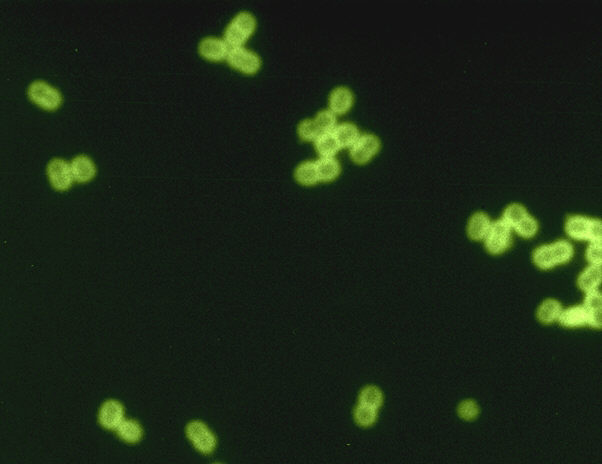
Pathogen entry into the lower respiratory tract occurs primarily through microaspiration of oropharyngeal secretions, bypassing the mechanical and immunological barriers of the upper airway [15]D5[27]D5. While the healthy lung maintains a dynamic state of colonization, pneumonia develops when the inoculum size or virulence of the invading pathogen overwhelms host innate and adaptive cellular defenses [27]D5[95]D5. This transition from colonization to invasive disease is driven by specific bacterial virulence factors that facilitate tissue breach, immune evasion, and localized inflammation [15]D5[27]D5.
Bacterial Virulence and Host Interaction
Streptococcus pneumoniae remains the most frequent bacterial isolate in hospitalized patients, though its prevalence has declined due to vaccination programs [78]B3b[90]D5. Its pathogenesis is centered on the capsule, which prevents phagocytosis, and the production of pneumolysin, a pore-forming toxin that induces host cell death and activates the NLRP3 inflammasome [15]D5[54]D5. Macrolides like and have been shown to inhibit the release of pneumolysin in macrolide-resistant strains by impairing the release of autolysin [54]D5.
Invasive pneumococcal disease (IPD) is frequently complicated by major adverse cardiovascular events (MACE), including heart failure and myocardial infarction, occurring in 28% of patients admitted for CAP [78]B3b. This risk is serotype-dependent; serotype 3 and serotype 9n are independently associated with MACE [78]B3b. Bacteremia is present in 87% of patients who experience these cardiovascular complications [78]B3b.
Atypical and Gram-Negative Pathogens
Mycoplasma pneumoniae and Chlamydia pneumoniae utilize distinct mechanisms of intracellular survival and toxin production [77]C4[92]D5. M. pneumoniae produces the community-acquired respiratory distress syndrome (CARDS) toxin, which can lead to fulminant disease, including bronchiolitis obliterans with organizing pneumonia (BOOP) and fatal respiratory failure [77]C4[94]D5. In children, M. pneumoniae infection often triggers excessive cytokine release (IL-4, IL-13, TNF-α) and neutrophil extracellular trap formation, leading to bronchial mucus plugs and atelectasis [93]D5[94]D5.
Gram-negative pathogens like Klebsiella pneumoniae exhibit high virulence through the mucoid phenotype and aerobactin production [101]C4. The mucoid phenotype is found in 94% of K. pneumoniae CAP isolates in specific regions like Taiwan and South Africa, where it is associated with an invasive syndrome of liver abscess and meningitis [101]C4. , particularly nontypeable strains (NTHi), is a major pathogen in recurrent pediatric CAP and in immunocompromised hosts [83]B3b[88]B2b.
Viral and Co-infection Dynamics
Approximately 200 million cases of viral CAP occur annually, with viruses identified in about one-third of adult cases [26]D5. Common agents include influenza viruses, rhinoviruses, and coronaviruses [26]D5. While bacterial co-infection is common in children, it is infrequent in adults hospitalized with , occurring in only 1.2% of cases [97]B3b. However, severe CAP during influenza season is frequently associated with Staphylococcus aureus , particularly methicillin-resistant (MRSA) strains carrying the Panton-Valentine leukocidin (PVL) gene [100]C4. PVL-positive S. aureus causes necrotizing pneumonia characterized by airway bleeding, leukopenia, and a mortality rate of 56% [80]C4.
Pathogens in Special Populations
Immunocompromised patients, including those on chronic , have a similar distribution of typical CAP pathogens but higher prevalences of fungi, mycobacteria, and non-influenza viruses [17]B2c[96]D5. In patients with AIDS or hematological cancer, the risk of fungal and viral infections is significantly elevated [17]B2c. Mycobacterium tuberculosis also contributes to acute CAP in high-burden settings, where detection is enhanced by combining induced sputum and gastric aspirate samples [82]B2b.
| Pathogen | Key Virulence/Pathogenic Factor | Clinical Association |
|---|---|---|
| S. pneumoniae | Pneumolysin, Polysaccharide capsule | MACE, NLRP3 activation [15]D5[78]B3b |
| S. aureus (MRSA) | Panton-Valentine leukocidin (PVL) | Necrotizing pneumonia, leukopenia [80]C4 |
| M. pneumoniae | CARDS toxin, Adhesion proteins | BOOP, mucus plugging [77]C4[93]D5 |
| K. pneumoniae | Mucoid phenotype (K1/K2), Aerobactin | Invasive syndrome, liver abscess [101]C4 |
| Legionella spp. | Intracellular replication in macrophages | Multisystem manifestations [84]D5 |
Pearl: Pathogenesis is a serotype-specific process; for instance, S. pneumoniae serotypes 3 and 9n are independent drivers of major adverse cardiovascular events, which occur in nearly 30% of hospitalized CAP patients [78]B3b.
| Pathogen | Ceftaroline Response Rate | Delafloxacin Success Rate | MIC90 (mg/L) |
|---|---|---|---|
| S. pneumoniae | 87.3% [3]D5 | 92.7% [89]A1b | 0.03 (Ceftaroline) [3]D5 |
| H. influenzae | 83.3% [3]D5 | 91.7% [89]A1b | 0.03 (Ceftaroline) [3]D5 |
| S. aureus | 76.0% [3]D5 | 92.6% [89]A1b | 0.25 (Ceftaroline) [3]D5 |
| M. pneumoniae | N/A | 96.7% [89]A1b | N/A |
Epidemiology, Transmission and Risk Factors
- ▸The annual incidence of CAP requiring hospitalization is approximately 649 per 100,000 adults, with 1-year mortality rates near 31%.
- ▸Age is the primary risk factor, with the highest burden in children <2 years and adults >80 years.
- ▸MDRO risk is driven by specific factors like prior Pseudomonas infection (OR 7.43) and nursing home residence (OR 4.19) rather than the general HCAP definition.
Incidence of community-acquired pneumonia (CAP) requiring hospitalization varies significantly by age and geography, with an annual age-adjusted rate of 649 per 100,000 adults in the United States [19]B2b. This burden translates to approximately 1.5 million unique adult hospitalizations and 100,000 in-hospital deaths annually in the U.S. [19]B2b[30]D5. Global incidence remains high, with China reporting 18.7 cases per 10,000 people and Iceland reporting 20.6 cases per 10,000 adults [37]B3b[64]B2b. Mortality is substantial, as approximately 1 in 3 patients hospitalized with CAP die within one year of discharge [19]B2b[119]D5.
Demographic and Temporal Distribution
Age is the most potent driver of incidence and severity. In adults, the rate of hospitalization increases from 63.0 per 10,000 in those aged 65-79 years to 164.3 per 10,000 in those aged 80 years or older [35]B2b. In pediatric populations, the highest burden occurs in children younger than 2 years, with an incidence of 62.2 per 10,000 [36]B2b. Seasonal peaks are characteristic, particularly for viral etiologies and infections. -associated hospitalizations typically peak between June and September, showing a dose-response relationship with relative humidity; the odds of a CAP diagnosis being are 3.1 times higher when humidity exceeds 80% at temperatures between 60-80°F [137]B2c[141]B2c.
Transmission and Environmental Exposure
Transmission occurs primarily through inhalation of contaminated aerosols or microaspiration of oropharyngeal flora. While most cases are sporadic, specific environmental exposures increase risk for certain pathogens:
- Water Systems: species are waterborne, often colonizing cooling towers and building water systems [84]D5[137]B2c.
- Zoonotic/Environmental: Exposure to wild bird feces has been linked to outbreaks of avian Chlamydia abortus [7]B3b. Inhalation of environmental dust on farms has been implicated in rare cases of Pantoea stewartii pneumonia [47]C4.
- Human-to-Human: While less common for typical bacteria, human-to-human transmission is a plausible route for certain atypical pathogens like Chlamydia abortus and respiratory viruses [7]B3b[136]B2b.
Risk Factors and Comorbidities
Host factors significantly influence both the probability of infection and the likelihood of multidrug-resistant organism (MDRO) isolation. Although the historical concept of "healthcare-associated pneumonia" (HCAP) was intended to identify MDRO risk, recent evidence suggests HCAP classification alone does not accurately predict MDROs (OR 1.95, 95% CI 0.66-5.80) [51]B3b[116]D5. Instead, specific factors such as prior infection (OR 7.43) and nursing home residence (OR 4.19) are more predictive [51]B3b.
| Risk Factor | Association (OR/RR) | Evidence Level |
|---|---|---|
| Age 10-17 years (vs 2-4 years) | aOR 10.7 (95% CI 5.4-21.1) for M. pneumoniae | 2b [18]B2b |
| Prior infection | OR 7.43 (95% CI 2.24-24.61) for MDRO | 3b [51]B3b |
| Nursing Home Residence | OR 4.19 (95% CI 1.55-11.31) for MDRO | 3b [51]B3b |
| Prior Antibiotic Use (90 days) | OR 2.90 (95% CI 1.13-7.45) for MDRO | 3b [51]B3b |
Chronic conditions such as , diabetes mellitus, and structural lung disease are prevalent in severe cases [34]B2a[38]C4[136]B2b. In patients with cirrhosis, is more frequently identified, and the risk of ICU admission is significantly elevated compared to those without cirrhosis [34]B2a. Immunocompromised status is present in up to 18% of hospitalized CAP patients globally, with specific risks for fungal or mycobacterial infections in patients with AIDS or hematological malignancies [17]B2c[119]D5.
Pearl: Incidence and mortality of CAP scale exponentially with age, with 1-year mortality reaching 30.6% in hospitalized adults, while MDRO risk is best predicted by specific prior colonization and nursing home residence rather than broad HCAP criteria [19]B2b[51]B3b.
| Factor | Pathogen/Outcome | Statistical Association | Evidence |
|---|---|---|---|
| High Humidity (>80%) | Legionella | 3.1 times higher odds | [141]B2c |
| HIV Infection | M. pneumoniae | aOR 23.8 for severe disease | [74]B3b |
| Prior Antibiotics | M. pneumoniae | aOR 2.3 for detection | [18]B2b |
| Hematologic Malignancy | Viral/Fungal | 5.49 OR for non-influenza virus | [17]B2c |
Clinical Presentation
- ▸CAP diagnosis requires a combination of systemic signs (fever, abnormal leukocyte count), respiratory symptoms (cough, dyspnea), and radiographic evidence of consolidation.
- ▸Viral pathogens are detected more frequently than bacteria in both adults (23% vs 11%) and children (66% vs 8%) hospitalized with CAP.
- ▸Severe CAP requiring ICU admission occurs in approximately 21% of hospitalized patients, with higher mortality risks in those with S. aureus or pneumococcal infections.
The clinical presentation of community-acquired pneumonia (CAP) is characterized by a constellation of respiratory and systemic findings that vary significantly by age, causative pathogen, and host immune status [143]A1c[119]D5. While classic bacterial pneumonia often presents with an acute onset of high fever, productive cough, and pleuritic chest pain, the emergence of viral and atypical pathogens has broadened the recognized phenotypic spectrum [26]D5[30]D5. Diagnosis is typically established in patients exhibiting two or more signs, such as a temperature >38 °C or ≤36 °C and a leukocyte count <4000/μL or >10,000/μL, in conjunction with new or increased cough, dyspnea, and radiographic evidence of air space density [30]D5.
Presenting Symptoms
Patients typically present with a history of cough (97.6%), fever (98.0%), and dyspnea [156]B3b. The onset may be sudden, as seen in infections, or more insidious, as is common with atypical agents like [27]D5[36]B2b. Sputum production is frequent, though its absence does not exclude bacterial etiology, particularly in older adults who may present primarily with confusion or functional decline rather than respiratory distress [166]B2b. In pediatric populations, symptoms often include wheezing (56.5%) and pulmonary crackles (84.6%), with respiratory syncytial virus (RSV) being particularly prevalent in children under 5 years of age [36]B2b[156]B3b.
Physical Examination Findings
Physical examination often reveals tachypnea and tachycardia, which are sensitive but non-specific indicators of lower respiratory tract involvement. Auscultatory findings typically include crackles (crepitations), decreased breath sounds, or bronchial breath sounds over areas of consolidation [156]B3b. In severe cases, signs of respiratory failure or sepsis may be present, including cyanosis, use of accessory muscles, and hypotension [119]D5. For patients with caused by , systemic manifestations may include multi-organ dysfunction, with severe cases showing numerically higher creatine kinase (415.0 U/L) and direct bilirubin (9.4 µmol/L) [155]B3b.
Phenotypic Variants
The clinical profile of CAP is heavily influenced by the specific pathogen, though no single clinical algorithm can definitively distinguish between viral and bacterial causes [26]D5[149]D5.
| Pathogen | Key Features | Frequency in Hospitalized Adults |
|---|---|---|
| Acute onset, high fever, rust-colored sputum, lobar consolidation [27]D5 | ~5% [35]B2b | |
| Older adults, chronic lung disease, less severe than pneumococcus [166]B2b | ~5-10% [166]B2b | |
| Multisystem involvement, symptoms, high ICU requirement [84]D5[161]D5 | Variable [84]D5 | |
| Insidious onset, "walking pneumonia," common in children ≥5 years [36]B2b[39]A1b | ~3-19% [36]B2b | |
| Respiratory Viruses | Rhinovirus, Influenza, RSV; often present with wheezing [35]B2b[36]B2b | ~23% [35]B2b |
Red Flags and Severe Presentation
Progression to severe CAP occurs in approximately 21% of hospitalized adults and children, requiring intensive care [35]B2b[36]B2b. Critical thresholds for urgent intervention include signs of sepsis, septic shock, or acute respiratory distress syndrome (ARDS) [30]D5[119]D5. In children, independent risk factors for severe disease include premature birth (OR 2.43), wheezing (OR 3.47), and co-infection with (OR 2.17) [156]B3b. Laboratory markers such as a C-reactive protein (CRP) ≥50 mg/L or procalcitonin (PCT) >1 ng/mL are also associated with increased severity in pediatric viral pneumonia [156]B3b.
Atypical and Zoonotic Presentations
Clinicians must maintain a high index of suspicion for rare or zoonotic causes based on environmental exposures. (San Joaquin Valley fever) should be considered in patients residing in or traveling to the southwestern United States, where it accounts for approximately 17% of CAP cases and is more likely to produce a rash than other etiologies [1]A1c[167]B2b. Other rare presentations include avian following exposure to wild birds and , which can mimic tuberculosis or malignancy [45]C4[48]C4.
Pearl: While no clinical finding is pathognomonic, the presence of two or more systemic signs (fever, leukocytosis) plus new respiratory symptoms and radiographic infiltrates remains the diagnostic standard for CAP [30]D5. In children, wheezing and premature birth are potent predictors of progression to severe disease (OR 3.47 and 2.43, respectively) [156]B3b.
| Pathogen | Distinguishing Clinical Features | Risk Factors |
|---|---|---|
| S. pneumoniae | Sudden onset, pleuritic pain, lobar infiltrates [27]D5 | Alcohol use, splenectomy |
| H. influenzae | Less severe than pneumococcus, fewer cases of septic shock [166]B2b | COPD, older age, cardiac disease |
| S. aureus | Severe outcomes, high ICU rate (86.7%), high mortality (13.3%) [23]B2b | Hemodialysis, post-influenza |
| Coccidioides spp. | Higher incidence of rash compared to other CAP [167]B2b | Travel to SW United States |
| HMPV | Fever (98%), cough (97.6%), wheezing (56.5%) [156]B3b | Young children, premature birth |
Diagnosis and Workup
- ▸Diagnosis requires clinical signs/symptoms plus radiographic evidence of an infiltrate.
- ▸Bacterial yield from cultures decreases significantly if specimens are collected after the first antibiotic dose.
- ▸Procalcitonin lacks the sensitivity (0.55) and specificity (0.76) to reliably mandate or withhold antibiotics in CAP.
Diagnosis is established by the presence of two or more clinical signs (e.g., temperature >38 °C or ≤36 °C; leukocyte count <4000/μL or >10,000/μL) or symptoms (e.g., new cough or dyspnea) in conjunction with consistent radiographic findings, such as air space density [30]D5. While clinical features are essential, they do not reliably distinguish between bacterial, viral, or atypical etiologies [170]B2b. Pathogens are identified in only 38% of hospitalized adults and 81% of children, with respiratory viruses now detected more frequently than bacteria in many cohorts [35]B2b[36]B2b.
History and Physical Examination
Clinical assessment focuses on identifying respiratory distress and systemic inflammatory responses. In children, lower chest indrawing is a significant marker, though it was associated with a lower risk of bacteremic CAP in one large cohort (aOR 0.44) [68]B2b. Elderly patients often present with atypical symptoms; syncope and chest pain in this population should prompt evaluation for complications like , which was found in 44% of elderly CAP patients with D-dimer >0.50 mg/L in a prospective study [193]B2b.
Imaging Modalities
Chest radiography (CXR) remains the standard for confirming the presence of a pulmonary infiltrate [30]D5. Systematic use of CXR as a first-line test in outpatients has been shown to reduce antibiotic initiation by 21% (RR 0.79, 95% CI 0.77-0.82) [152]A1b. The 2025 American Thoracic Society (ATS) guidelines support the use of lung ultrasound for diagnosis when performed by experienced clinicians [12]A1c. Computed tomography (CT) is generally discouraged unless complications or resistant pathogens are suspected [70]B2b. However, measuring Hounsfield units (HUs) in consolidations adjacent to pleural effusions on contrast-enhanced CT can help distinguish pneumonia from atelectasis [98]B3b.
Laboratory and Biomarker Testing
Routine laboratory workup includes a , inflammatory markers, and metabolic panels. Serum (PCT) has limited utility in distinguishing bacterial from viral pneumonia, with a pooled sensitivity of 0.55 and specificity of 0.76 [144]A1a. Antibiotic pre-treatment significantly lowers levels of PCT and copeptin, which must be considered during interpretation [164]B2b.
| Test | Finding/Threshold | Clinical Utility |
|---|---|---|
| MRSA Nares Screen | NPV 98.1% (CAP/HCAP) | High utility for ruling out MRSA; avoids unnecessary empiric therapy [2]A1a. |
| D-dimer | >3.13 mg/L | Screening tool for comorbid pulmonary embolism in elderly patients [193]B2b. |
| WCC & ΔCRP | WCC >8.2 × 10⁶/mL | Absence of both elevated WCC and falling CRP helps exclude bacterial co-infection in viral pneumonia [162]B3b. |
| sST2 | Admission level | Independently predicts 90-day mortality (HR 1.89) [173]B2b. |
Microbiologic Investigation
Microbiologic yield is highest when specimens are collected before antibiotic administration; bacterial detections in blood cultures drop from 5.2% to 2.6% after the first dose [187]B2b.
- Sputum and Blood Cultures: Recommended for hospitalized patients, especially those with severe disease. High-quality sputum (Washington criteria) can identify an etiology in >95% of cases [66]C4.
- Urinary Antigen Tests: Useful for rapid detection of and [4]D5.
- Molecular Testing (NAAT/PCR): Multiplex PCR panels for respiratory viruses (e.g., rhinovirus, influenza, RSV) and atypical pathogens (e.g., ) are increasingly used [183]B3b. Nanopore 16S amplicon sequencing of sputum is an emerging tool for rapid identification of pathogens like [157]C4.
Diagnostic Algorithm
- Clinical Suspicion: Identify cough, fever, or dyspnea.
- Radiographic Confirmation: Perform CXR or lung ultrasound to identify infiltrates [12]A1c[152]A1b.
- Severity Stratification: Use or (covered in Section 5) to determine site of care.
- Pathogen Identification: Obtain blood/sputum cultures and urinary antigens in hospitalized patients before [187]B2b.
- Risk Assessment for Resistance: Apply scores like DRIP or RESPIRE (assigns points for recent hospitalization, prior antibiotics, and long-term care) to guide empiric coverage [159]B3b[189]B3b.
Differential Diagnosis
- Viral Pneumonitis: Often lacks leukocytosis or an antibiotic-related decrease in CRP [162]B3b.
- Postobstructive Pneumonia: Characterized by longer symptom duration (median 14 days), weight loss, and cavitary lesions [169]B2b.
- Fungal Infections: (San Joaquin Valley fever) should be suspected in endemic areas, especially if a rash is present [1]A1c[167]B2b. can mimic tuberculosis or cancer [45]C4.
- Non-Infectious Mimics: Pulmonary embolism, congestive heart failure, and atelectasis [98]B3b[193]B2b.
Pearl: A negative MRSA nasal swab has a negative predictive value of 98.1% for CAP, making it a powerful tool for de-escalating empiric or [2]A1a.
| Test | Sensitivity | Specificity | NPV | Clinical Context |
|---|---|---|---|---|
| MRSA Nares Screen | 85% | 92.1% | 98.1% | Ruling out MRSA in CAP/HCAP [2]A1a |
| Procalcitonin | 55% | 76% | N/A | Distinguishing bacterial vs viral [144]A1a |
| D-dimer (>3.13 mg/L) | 81% | 63% | N/A | Screening for PE in elderly CAP [193]B2b |
| CXR (Outpatient) | N/A | N/A | N/A | Reduces antibiotic use by 21% [152]A1b |
Severity Assessment and Risk Stratification
- ▸The Pneumonia Severity Index (PSI) is the only decision aid proven to safely increase outpatient management rates.
- ▸Acute myocardial infarction occurs in 15% of severe CAP cases at admission and is strongly associated with clinical failure.
- ▸Lymphopenia and elevated D-dimer are independent predictors of ICU admission and mortality across various CAP etiologies.
Risk stratification in community-acquired pneumonia (CAP) dictates the site of care, intensity of diagnostic workup, and the selection of empiric antimicrobial therapy. Validated scoring systems, primarily the ( ) and , serve as the reference standards for predicting short-term mortality and guiding hospitalization decisions [147]A1c[201]B2b. While these tools provide objective frameworks, clinical judgment remains paramount, particularly in patients with comorbidities like , which is associated with higher rates of intensive care unit (ICU) admission (11.1% to) and mortality compared to those without cirrhosis [34]B2a.
Validated Clinical Scoring Systems
The PSI is a rigorously validated prediction rule that stratifies patients into five risk classes based on 20 demographic and clinical variables [147]A1c. It is the only decision aid empirically shown to safely increase the proportion of patients managed in the outpatient setting [147]A1c. In contrast, CURB-65 (Confusion, Urea, Respiratory rate, Blood pressure, Age ≥65) offers a more parsimonious approach for rapid assessment. Implementation of CURB-65-guided therapy has been shown to significantly reduce the use of broad-spectrum , such as (from 27.1% to 8.0%, P < 0.0001) and (72.8% to 58.7%, P < 0.0001), without impacting 30-day mortality or length of stay [62]B2b.
| Tool | Components | Primary Utility |
|---|---|---|
| PSI | 20 variables (Age, comorbidities, vitals, labs, imaging) | Identifying low-risk patients for outpatient care [147]A1c |
| CURB-65 | Confusion, Urea >7 mmol/L, RR ≥30, SBP <90 or DBP ≤60, Age ≥65 | Rapid triage and antibiotic selection [62]B2b[201]B2b |
| Altered mentation, RR ≥22, SBP ≤100 | Screening for sepsis; poor mortality predictor in CAP [201]B2b | |
| Pneumonia Shock | Lactate, pH, Vasopressor need, Mechanical ventilation | Specific for ICU mortality prediction [201]B2b |
Biomarkers and Laboratory Predictors
Biomarkers supplement clinical scores by quantifying immune dysregulation and predicting complications. Serial (PCT) measurements (Days 1-4) improve the prognostic performance of the PSI, particularly for predicting bacteremia (AUC increased from 0.67 to 0.85) and the need for ICU-level care [204]B2b. In pediatric populations, proadrenomedullin (proADM) levels correlate with disease severity, showing an AUC of 0.77 for predicting severe outcomes in radiographic CAP [200]B2b.
Emerging prognostic indicators include:
- Lymphopenia: Independently associated with increased 30-day mortality and ICU admission in patients with CAP and sepsis [211]B3b.
- D-dimer: Identified as an independent predictor of severe disease in specific etiologies like Chlamydia psittaci (OR 2.737, P = 0.007) and pediatric CAP [194]B3b[206]B3b.
- sST2 Dynamics: Admission sST2 levels independently predict 90-day mortality (HR 1.89, P = 0.003) [173]B2b.
- CYFRA 21-1: A potential prognostic indicator for pneumonia severity (AUC 0.913) [207]B3b.
Cardiovascular Risk and Complications
Acute myocardial infarction (AMI) occurs in 15% of patients with severe CAP at admission and 20% of those who experience clinical failure during hospitalization [202]B3b. CAP is independently associated with a 1.4 to 4.1-fold increased relative risk of cardiac and vascular events in the first year post-infection [205]B2a. Echocardiographic markers such as reduced right ventricular global longitudinal strain (RVGLS <20%) are associated with prolonged hospitalization >10 days (21.4% vs 5.8%, P = 0.029) and extended oxygen therapy requirements [210]B2b.
Special Populations
In patients with HIV, the presence of an diagnosis significantly increases in-hospital mortality risk (aHR 3.04, 95% CI 1.69-5.45) compared to HIV infection alone [196]B3b. For pediatric CAP, risk factors for severe disease include initial body temperature, elevated D-dimer, and multi-pathogen mixed infections [194]B3b. In children with severe viral CAP, adjunctive have been associated with an increased 60-day mortality hazard (aHR 6.32) and higher secondary infection rates (89.9% vs 75.0%) [213]B3b.
Pearl: The Pneumonia Severity Index (PSI) remains the gold standard for identifying low-risk patients suitable for outpatient , while incorporating serial procalcitonin can significantly improve the prediction of bacteremia and ICU requirements [147]A1c[204]B2b.
Empiric Management, Acute Care and Source Control
- ▸Empiric therapy with beta-lactam/macrolide combinations reduces mortality in hospitalized CAP compared to monotherapy.
- ▸Low-dose hydrocortisone (200 mg/day) reduces 28-day mortality in patients admitted to the ICU for severe CAP.
- ▸Antibiotic therapy can be safely discontinued after 3 to 5 days in patients who meet clinical stability criteria.
Empiric therapy for community-acquired pneumonia (CAP) requires immediate initiation of antimicrobials targeting the most likely pathogens while accounting for disease severity and local resistance patterns. In adults hospitalized with moderately severe CAP, guideline-concordant therapy is associated with a significant reduction in 30-day mortality (adjusted OR 0.49) [28]A1a (1a). While is a standard backbone for inpatient therapy, evidence from Asian populations suggests that 600 mg every 12 hours may be superior to 2 g every 24 hours for PORT risk class III-IV disease, achieving higher clinical cure rates (84% vs 74%) [218]A1b (1b).
Step 1: Initial Assessment and Disposition
Clinicians must first determine the appropriate site of care using validated scores such as the Pneumonia Severity Index ( ) or . For patients requiring hospitalization, the presence of risk factors for multidrug-resistant organisms (MDRO) dictates the breadth of empiric coverage. However, MDROs are isolated in only 3.8% of community-onset pneumonia cases [51]B3b (3b). In moderately immunocompromised patients without specific MDRO risk factors, the use of empiric broad-spectrum (BSA) does not improve mortality but is associated with a higher risk of 30-day readmission (aHR 1.32) and longer hospital stays [22]B2b (2b).
Step 2: Empiric Antibiotic Selection
For non-severe hospitalized CAP, the standard regimen consists of a combined with a or .
- Standard Inpatient Regimen: 1 g to 2 g IV daily plus 500 mg IV/PO daily [30]D5[117]B3b. In a matched cohort study, the combination of a with was associated with lower in-hospital mortality compared to a plus (OR 0.71) [104]B3b (3b).
- Atypical Coverage: remains a viable option for mild-to-moderate CAP, with clinical cure rates (87.2%) comparable to or [214]A1a (1a).
- Severe CAP: Patients requiring mechanical ventilation may benefit from higher doses of (2 g daily), which is associated with lower 30-day mortality (17.2% vs 20.4%) in this subgroup compared to 1 g daily [117]B3b (3b).
Step 3: Adjunctive Therapy and Source Control
Systemic corticosteroids serve as a critical adjunct in severe CAP to modulate the inflammatory response.
- Severe CAP with High Inflammation: In patients with C-reactive protein > 150 mg/L, 0.5 mg/kg every 12 hours for 5 days reduces treatment failure (13% vs 31%) [113]A1b (1b).
- ICU-Level CAP: Intravenous 200 mg daily (tapered over 8 to 14 days) reduces 28-day mortality from 11.9% to 6.2% (NNT = 18) [105]A1b (1b).
- Source Control: While primary CAP is managed medically, complicated cases involving parapneumonic effusions or empyema require drainage. In children, complicated pneumonia not responding within 48-72 hours should be evaluated for local complications like necrotizing pneumonia or [24]D5 (5).
Step 4: Monitoring and De-escalation
Transitioning from intravenous to oral therapy should occur once the patient is clinically stable. Early switching (by hospital day 3) is associated with shorter length of stay and lower costs without compromising safety [225]B3b (3b).
- Procalcitonin (PCT): PCT levels have a sensitivity of 0.55 and specificity of 0.76 for distinguishing bacterial from viral CAP; thus, a single PCT level should not be used to mandate or withhold antibiotics [144]A1a (1a).
- MRSA Screening: Nasal MRSA PCR has a high negative predictive value (98.1% for CAP/HCAP) and can be used to de-escalate empiric or [2]A1a[229]A1b (1a).
Step 5: Duration of Therapy
Short-course therapy (3 to 5 days) is non-inferior to longer courses (7 to 10 days) for patients who achieve clinical stability. In non-critical care wards, discontinuing treatment after 3 days is non-inferior to an additional 5 days of therapy [109]A1b (1b). For children, a 3-day course of is non-inferior to a 7-day course regarding the need for re-treatment [197]A1b (1b).
Controversies and Guideline Disagreement
| Question | Position A | Position B | Strength | Implication |
|---|---|---|---|---|
| Antibiotics for viral-positive CAP | ATS 2025, Suggests withholding antibiotics in otherwise healthy outpatients with positive viral tests [12]A1c | IDSA Position, Recommends individualized decision-making; notes that nondiscriminatory use may confer more risk than benefit [149]D5 | Moderate | Clinicians must balance the risk of bacterial co-infection (approx. 1.2% in ) against antibiotic harms [97]B3b. |
| Empiric MRSA coverage | Traditional Risk-Based, Treat based on prior history or severe presentation [30]D5 | Stewardship-Led, Use MRSA nasal PCR to rapidly de-escalate regardless of initial risk [2]A1a | Mild | Nasal screening is a powerful tool for reducing unnecessary use. |
Pearl: Initiate antibiotics within 4 to 8 hours of arrival to reduce mortality, and prioritize a 3 to 5-day duration for patients who achieve clinical stability by day 3 [109]A1b[110]D5[146]A1a.
| Drug | Starting dose | Target / max dose | Renal adjustment | Key monitoring |
|---|---|---|---|---|
| 1-2 g IV daily | 2 g daily | Not required | Biliary symptoms, CBC | |
| 600 mg IV q12h | 600 mg q12h | CrCl ≤50: Adjust dose | Coombs test, CBC | |
| 500 mg IV/PO daily | 500 mg daily | Not required | QTc interval | |
| 100 mg PO/IV BID | 100 mg BID | Not required | Photosensitivity | |
| 200 mg IV daily | 200 mg daily | Not required | Blood glucose, Na+ |
Definitive Therapy: Dosing, PK/PD, Duration and De-escalation
- ▸Transitioning from IV to oral antibiotics by hospital day 3 reduces length of stay and costs without compromising 14-day mortality outcomes.
- ▸A 5-day antibiotic duration is sufficient for most non-ICU adults with CAP, while 3-5 days is effective for pediatric outpatients.
- ▸Adjunctive hydrocortisone (200 mg daily) reduces 28-day mortality in patients with severe CAP admitted to the ICU.
Definitive of community-acquired pneumonia (CAP) requires transitioning from empiric coverage to targeted antimicrobial therapy once pathogen identification and susceptibility data are available. This process, central to , involves optimizing drug exposure through pharmacokinetic-pharmacodynamic (PK/PD) principles, facilitating the intravenous-to-oral switch, and minimizing treatment duration to reduce collateral damage such as infection [129]B3b[234]D5.
Step 1: Pathogen-Directed Antimicrobial Selection
Once a causative organism is identified, therapy should be narrowed to the most effective, least broad-spectrum agent. For , the most common bacterial cause, narrow-spectrum agents are often as effective as broad-spectrum alternatives [234]D5. In Asian populations with PORT risk class III-IV CAP, ceftaroline fosamil 600 mg every 12 h demonstrated clinical cure rates of 84% compared to 74% for ceftriaxone 2 g every 24 h [218]A1b. While ceftriaxone 1 g daily is sufficient for routine CAP, a 2 g daily regimen is associated with lower 30-day mortality in patients requiring mechanical ventilation [117]B3b.
For atypical pathogens like , macrolides remain a standard, though rising resistance in regions like East Asia has led to increased use of alternatives [115]A1a[231]D5. is a viable option for mild-to-moderate CAP, with clinical cure rates comparable to macrolides or fluoroquinolones [214]A1a. In hospitalized patients, however, the combination of a beta-lactam with azithromycin has been associated with lower mortality compared to beta-lactam plus doxycycline [104]B3b.
Step 2: PK/PD Optimization and Monitoring
Effective therapy relies on achieving specific PK/PD targets at the site of infection. For , an fAUC/MIC ratio of ≥12.8 is associated with faster fever resolution [8]B2b. For , continuous infusion of 3 g/day may be necessary to achieve target attainment in the epithelial lining fluid (ELF) for pathogens with an MIC of 2 mg/L in patients with normal renal function [178]C4.
Pediatric dosing requires weight-based adjustments. For , a loading dose of 15 mg/kg followed by 10 mg/kg maintenance is suggested to reach target exposure [174]B2b. For in infants, suggested regimens are 20 mg/kg twice daily for those under 1 year and 30 mg/kg twice daily for those older than 1 year [175]B2b.
Step 3: IV-to-Oral Switch and De-escalation
Transitioning to oral should occur as soon as clinical stability is achieved. Early switching (by hospital day 3) is associated with shorter length of stay and lower costs without increasing 14-day in-hospital mortality [225]B3b. Clinical stability criteria typically include apyrexia and improvement in respiratory symptoms [109]A1b. The use of pneumococcal urinary antigen testing (PUAT) can facilitate earlier de-escalation, particularly the discontinuation of atypical coverage within 24 hours of the test result [139]B3b.
Step 4: Duration of Therapy
Evidence increasingly supports shorter antibiotic courses for patients who achieve clinical stability. For non-ICU adults, a 5-day course is generally sufficient [146]A1a. In some cases, discontinuing beta-lactam therapy after 3 days is non-inferior to longer courses if the patient is stable [109]A1b. For children aged ≥6 months, short courses of 3-5 days are equally effective and safe compared to 7-10 days [215]A1a. Even in cases of bacteremia secondary to CAP, shorter courses (5-10 days) have shown no significant difference in clinical failure compared to longer durations (11-16 days) [171]B3b.
Step 5: Adjunctive Therapies
Systemic corticosteroids may be used in severe CAP to reduce mortality and time to clinical stability [5]A1b[105]A1b. In the ICU setting, intravenous 200 mg daily (tapered over 8-14 days) reduced 28-day mortality compared to placebo [105]A1b. However, corticosteroids are generally not recommended for non-severe pneumonia due to risks such as hyperglycemia [12]A1c[113]A1b.
Controversies and Guideline Disagreement
| Question | Position A | Position B | Strength | Implication |
|---|---|---|---|---|
| Antibiotics for viral CAP | ATS 2025, Suggests antibiotics for all hospitalized patients even if viral tests are positive [149]D5 | IDSA, Recommends individualized decision-making; notes antibiotics may not benefit most patients with positive viral assays [21]B3b[149]D5 | Strong | Significant impact on stewardship; IDSA declined to endorse the 2025 ATS update over this issue [149]D5[252]D5. |
| Doxycycline vs Macrolides | IDSA, Recommends both as options for non-severe CAP [214]A1a | Observational Data, Suggests azithromycin may have superior mortality benefits in hospitalized patients [104]B3b | Moderate | Choice often depends on local resistance patterns and patient comorbidities. |
Pearl: Short-course antibiotic therapy (3-5 days) is effective for both adults and children with non-severe CAP who achieve clinical stability, reducing the risk of adverse events and resistance without compromising cure rates [109]A1b[215]A1a[220]A1a.
| Drug | Starting Dose | Target / Max Dose | Key Monitoring | PK/PD Target |
|---|---|---|---|---|
| 600 mg IV q12h | 600 mg IV q12h | Renal function | Time > MIC | |
| 1-2 g IV daily | 2 g IV daily | Biliary symptoms | Time > MIC | |
| 500 mg IV/PO daily | 500 mg daily | QTc interval | fAUC/MIC | |
| 100 mg PO/IV BID | 100 mg BID | GI tolerance | fAUC/MIC | |
| 200 mg IV daily | 200 mg daily | Blood glucose | Clinical response |
History and Evolution of Treatment
- ▸Antibiotic therapy for CAP has shifted from a historical 7-14 day standard to evidence-based durations as short as 3 days for clinically stable patients [109, 197].
- ▸Adjunctive hydrocortisone (200 mg daily) is now established to reduce 28-day mortality in severe CAP (NNT = 18) [105].
- ▸Procalcitonin-guided algorithms can safely reduce antibiotic duration by approximately 35% in hospitalized patients [114].
The therapeutic landscape for lower respiratory infections shifted fundamentally in the mid-to-late 1930s, as the introduction of sulfapyridine and subsequently established a marked decrease in mortality that predated the era of randomized clinical studies [259]D5[263]D5. Before these agents, an etiologic diagnosis was established in over 90% of cases, a standard that has declined to less than 10% in contemporary Medicare data as empiricism became the dominant paradigm [4]D5. Modern now balances this empirical tradition against the rising necessity of and precision diagnostics.
The Rise of Empirical Standards and Fluoroquinolones
For decades, the standard of care for hospitalized patients centered on with or without a [218]A1b. The emergence of respiratory fluoroquinolones challenged this, with trials demonstrating that agents like were superior in clinical response to certain cephalosporin regimens for mild-to-moderate disease [259]D5. In the CAPITAL trial, a critical pathway utilizing reduced bed days per patient from 6.1 to 4.4 days and decreased the admission of low-risk patients by 18% (31% vs 49%, P = 0.01) [266]A1b. Subsequent studies, such as the CAP-START trial, found that preferred empirical treatment with monotherapy was noninferior to -macrolide combinations or fluoroquinolone monotherapy regarding 90-day mortality (9.0% vs 11.1% vs 8.8%, respectively) [108]A1b.
Evolution of Duration and De-escalation
Recent evidence has aggressively challenged the traditional 7-to-10-day treatment course. The PTC trial demonstrated that discontinuing therapy after just 3 days in clinically stable patients was noninferior to an additional 5 days of treatment, with cure rates of 77% in the placebo group versus 68% in the continued antibiotic group [109]A1b. In pediatric populations, the CAP-IT trial confirmed that a 3-day course of was noninferior to a 7-day course (12.5% vs 12.5% re-treatment rate) [197]A1b. Furthermore, the use of -based algorithms has been shown to reduce antibiotic exposure by 32.4% in patients (7.2 vs 10.7 days) without increasing adverse outcomes [114]A1b.
Adjunctive Therapies and Modern Innovations
The role of corticosteroids has evolved from controversial to a recommended adjunct in severe cases. The CAPE COD trial found that intravenous (200 mg daily) reduced 28-day mortality from 11.9% to 6.2% (absolute difference -5.6%, P = 0.006; NNT = 18 to prevent one death) [105]A1b. Similarly, the SONIA trial in low-resource settings showed a hazard ratio for death of 0.84 (95% CI 0.73-0.97) with adjunctive glucocorticoids [106]A1b. Conversely, other interventions have been abandoned; for example, convalescent plasma in critically ill patients was stopped for futility after failing to improve organ support-free days (OR 0.97) [222]A1b.
Controversies and Guideline Disagreement
| Question | Position A | Position B | Strength | Implication |
|---|---|---|---|---|
| Macrolide Addition | Routine for all hospitalized patients to cover atypicals [218]A1b. | Noninferiority of beta-lactam monotherapy in non-ICU patients [108]A1b. | Moderate | Avoids macrolide-related adverse events in low-risk patients. |
| Steroid Use | Recommended in severe CAP to reduce mortality [105]A1b[289]A1c. | Recommended against in non-severe pneumonia due to hyperglycemia risk [5]A1b[12]A1c. | High | Limits steroids to patients with high inflammatory response (CRP > 150 mg/L) [113]A1b. |
| Duration | Minimum 5 days for most patients [289]A1c. | 3 days is sufficient for stable outpatients/non-severe inpatients [12]A1c[109]A1b. | Moderate | Significant reduction in antibiotic-associated diarrhea [114]A1b. |
Pearl: The transition from prolonged empirical courses to stable-state de-escalation at 3 days represents the most significant recent shift in CAP management, supported by a 9.4% absolute noninferiority margin in randomized trials [109]A1b[197]A1b.
| Trial | Intervention | Key Finding | Effect Size |
|---|---|---|---|
| CAPE COD [105]A1b | Hydrocortisone | Reduced 28-day mortality | 6.2% vs 11.9% (P=0.006) |
| PTC [109]A1b | 3-day vs 8-day Beta-lactam | 3-day course noninferior | 77% vs 68% cure at Day 15 |
| CAP-START [108]A1b | Beta-lactam monotherapy | Noninferior to combinations | 9.0% vs 11.1% 90-day mortality |
| ProHOSP [114]A1b | Procalcitonin algorithm | Reduced antibiotic days | 7.2 vs 10.7 days (CAP subgroup) |
Antimicrobial Resistance and Stewardship
- ▸Macrolide resistance in S. pneumoniae exceeds 25% in most US regions, reaching nearly 40% in some adult cohorts.
- ▸MRSA nasal screening has a 98.1% NPV for community-acquired pneumonia, making it a primary tool for de-escalating empiric therapy.
- ▸Clinical prediction rules like the RESPIRE or DRIP scores outperform HCAP criteria in identifying patients who truly require broad-spectrum MDR coverage.
Antimicrobial resistance (AMR) in community-acquired pneumonia (CAP) is driven by the global dissemination of resistant clones, particularly within the upper respiratory tract where commensal streptococci transfer resistance determinants to [16]D5. While the etiological pathogen is identified in only 10% to 15% of cases currently, the emergence of multidrug-resistant (MDR) isolates has significantly limited the effectiveness of standard empiric regimens [300]D5[32]D5. Resistance significantly impacts clinical recovery; patients with laboratory-confirmed resistant respiratory infections experience a 2.15-fold increase in the odds of clinical response failure (OR 2.15, 95% CI 1.32-3.51) [299]B2a.
Resistance Patterns in Key Pathogens
remains the primary driver of resistance concerns, with macrolide resistance found in 39.5% of 3,626 nonduplicate isolates in a large US multicenter evaluation [306]B2c. Resistance rates exceed 25% in most US regions, and are significantly higher in ambulatory settings compared to inpatient settings [306]B2c. In pediatric populations, resistance has escalated, particularly in Asia [115]A1a. While US rates of macrolide-resistant M. pneumoniae (MRMP) remain relatively low at 2.8% to 3.5%, patients with MRMP experience longer febrile periods (1.71 days), increased hospital stays (1.61 days), and a 21.24-fold increased risk of fever lasting >48 hours after macrolide initiation [115]A1a[244]C4[305]C4.
Gram-negative pathogens also exhibit significant resistance. CAP isolates show fluoroquinolone resistance in 36% of cases and resistance in 9.3% [185]B3b. In specific regions like Kazakhstan, resistance exceeds 70% across major antibiotic classes, while demonstrates 60% fluoroquinolone and 27% carbapenem resistance [33]A1a.
Risk Stratification for Resistant Pathogens
Empiric broad-spectrum coverage should be reserved for patients with validated risk factors to prevent "collateral damage," such as superinfection by resistant pathogens [234]D5. The DRIP score (Drug Resistance in Pneumonia) and the RESPIRE score are clinical tools used to identify patients at risk for MDR pathogens [159]B3b[189]B3b.
| Score Component | RESPIRE Points | DRIP Points (Modified) |
|---|---|---|
| Prior infection with DRP | - | 2 |
| in last 60-90 days | 1.5 | 1 |
| Recent hospitalization | 1.5 | - |
| Residence in long-term care | 1.0 | - |
| Enteral feeding | 1.0 | - |
| Poor functional status | 1.0 | - |
A RESPIRE score ≥ 2 demonstrated an AUROC of 0.88 for predicting MDR-CAP [189]B3b. Conversely, nasal screening is a high-yield stewardship tool; with a negative predictive value (NPV) of 98.1% for CAP, it allows for the safe discontinuation of empiric anti-MRSA therapy [2]A1a.
Stewardship and Duration of Therapy
Shortening treatment duration is a primary stewardship goal to reduce antibiotic consumption and resistance [109]A1b. In adults with moderately severe CAP who achieve clinical stability by day 3, discontinuing therapy after 3 days is non-inferior to an 8-day course (between-group difference 9.42%, 95%) [109]A1b. Similarly, in pediatric CAP, a 3-day course of is non-inferior to a 7-day course regarding the need for antibiotic re-treatment (12.5% vs 12.5%; difference 0.1%, 95% CI -∞ to 3.9%) [197]A1b.
Computerized provider order entry (CPOE) prompts that recommend standard-spectrum antibiotics when the estimated risk of a resistant infection is <10% have been shown to reduce extended-spectrum antibiotic days of therapy by 27% (RR 0.73, 95% CI 0.67-0.80) without increasing mortality or readmissions [228]A1b. Point-of-care testing (POCT) further supports stewardship by reducing the proportion of patients receiving any antibiotic prescription by 10% (RD -0.10, 95% CI -0.15 to -0.05) [232]A1a.
Novel Agents for Resistant Pathogens
Newer agents have been developed to target resistant phenotypes. and are advanced-generation cephalosporins with high affinity for modified penicillin-binding proteins, maintaining activity against multidrug-resistant S. pneumoniae and MRSA [3]D5[176]C4. is 99.3% susceptible against MRSA isolates and retains activity against 87.3% of ceftaroline-nonsusceptible isolates [176]C4. , a novel tetracycline, evades both efflux and ribosomal methylation resistance, providing activity against macrolide- and -resistant S. pneumoniae [31]D5.
Pearl: Short-course therapy (3 days) is non-inferior to longer durations in clinically stable patients and serves as a critical stewardship intervention to limit the selection of resistant clones [109]A1b[197]A1b.
| Drug | Class | Key Activity | Clinical Response Rate |
|---|---|---|---|
| Cephalosporin | MRSA, MDR S. pneumoniae | 87.0% [3]D5 | |
| Ketolide | S. pneumoniae bacteremia | 83.1% to 94.0% [10]A1b | |
| Nonfluorinated Quinolone | MDR S. pneumoniae | 87.0% to 89.9% [9]A1b | |
| Tetracycline | MRSA, Macrolide-resistant S. pneumoniae | Comparable to moxifloxacin [254]A1a |
Complications
- ▸CAP hospitalization increases the 5-year risk of new pulmonary, cardiovascular, and renal diseases, with a pulmonary NNH of 14 [294].
- ▸Adjunctive corticosteroids reduce mortality in severe CAP and shorten time to clinical stability, though they increase the risk of hyperglycemia [5, 308, 317].
- ▸Short-course antibiotic therapy (≤6 days) reduces the risk of serious adverse events and mortality compared to longer regimens [220].
Complications of community-acquired pneumonia (CAP) encompass both acute organ dysfunction and long-term sequelae that extend beyond the initial infectious episode. Hospitalization for CAP is associated with a substantial and sustained increase in the risk for new noncommunicable diseases (NCDs) over a 5-year period [294]D5. Pulmonary disease represents the greatest absolute burden of these new NCDs, with a number needed to harm (NNH) of 14 [294]D5. Cardiovascular and renal diseases also contribute significantly to the national excess of NCDs attributable to CAP [294]D5.
Inflammatory and Systemic Complications
Severe CAP often triggers an excessive inflammatory response, which is a primary driver of treatment failure and mortality [113]A1b. In patients with a high inflammatory response (C-reactive protein >150 mg/L), adjunctive (0.5 mg/kg every 12 hours for 5 days) reduces the risk of treatment failure (OR 0.34, 95% CI 0.14-0.87) [113]A1b. Systemic corticosteroids also shorten the median time to clinical stability to 3.0 days compared to 4.4 days with placebo (HR 1.33, 95% CI 1.15-1.50) [5]A1b.
While corticosteroids reduce 30-day all-cause mortality in hospitalized patients (6.15% vs 9.06%; RR 0.67, 95% CI 0.53-0.85), they are associated with specific metabolic complications [308]A1a. In-hospital hyperglycemia requiring treatment occurs more frequently in patients receiving (19% vs 11%) [5]A1b.
Pleuropulmonary and Local Complications
Complicated pneumonia, particularly in children, is characterized by local extensions of the infection, including parapneumonic effusion, empyema, necrotizing pneumonia, and [24]D5. These complications should be suspected if there is no clinical response to within 48-72 hours [24]D5.
| Complication | Clinical Features | Considerations |
|---|---|---|
| Parapneumonic Effusion | Pleural fluid accumulation; identified via ultrasound [24]D5 | May require drainage or intrapleural fibrinolytics [24]D5 |
| Necrotizing Pneumonia | Parenchymal destruction; prolonged clinical course [24]D5 | Prolonged course of IV then oral antibiotics [24]D5 |
| Postobstructive CAP | Infiltrate distal to an obstructed bronchus; weight loss and cavitary lesions common [169]B2b | 30-day mortality is significantly higher (40.0%) than bacterial CAP (11.7%) [169]B2b |
| Bacteremia | Systemic dissemination; higher risk in patients with cirrhosis [34]B2a | Associated with increased need for ICU-level care [204]B2b |
Treatment-Related Complications
Adverse events (AEs) related to antimicrobial therapy represent a significant source of morbidity. Short-course antibiotic treatment (≤6 days) is associated with fewer serious adverse events compared to longer courses (RR 0.73, 95% CI 0.55-0.97) [220]A1a.
- Clostridioides difficile Infection: Higher doses of (2 g/day vs 1 g/day) are associated with a slightly higher proportion of infections [117]B3b.
- Effects: monotherapy is associated with a significantly higher incidence of digestive system AEs (OR 2.41, 95% CI 1.67-3.46) [6]A1a.
- Dermatologic Reactions: Longer durations of (7 days vs 5 days) increase the incidence of rash (2.8% vs 0.4%) [313]A1b.
- Fluid Overload: In patients with concurrent heart failure, potentially inappropriate IV antibiotics contribute an average of 1.7 L of additional fluid and 9311 mg of sodium, leading to longer hospital stays and higher readmission rates [320]B3b.
Cardiovascular and Thromboembolic Risks
Acute infection may trigger cardiovascular events by targeting vascular inflammation [318]D5. In critically ill patients with related pneumonia, intermediate-dose did not improve survival or organ support-free days compared to standard low-dose thromboprophylaxis [125]A1b. Major bleeding occurred in 1.7% of those receiving intermediate-dose heparin [125]A1b.
Pearl: Adjunctive corticosteroids reduce 30-day mortality in severe CAP (RR 0.73) but increase the risk of hyperglycemia requiring insulin (19% vs 11%) [5]A1b[317]A1a.
| Complication/Risk Factor | Mortality Rate (30-day/In-hospital) | Comparative Risk | Source |
|---|---|---|---|
| Postobstructive CAP | 40.0% | vs 11.7% in bacterial CAP | [169]B2b |
| Undiagnosed Diabetes | 12.1% (180-day) | vs 3.8% in non-diabetics | [309]B2b |
| Hematological Cancer | 5.5% (Case fatality) | IR ratio 5.4 to 55.3 vs general population | [316]B3b |
| Cirrhosis | 2.7% to 23% | Higher ICU and mortality risk than non-cirrhotic | [34]B2a |
Prognosis and Natural History
- ▸One-third of patients hospitalized for CAP die within one year of discharge.
- ▸Mechanical ventilation in middle-income country ICUs is associated with a 61% mortality rate.
- ▸Lymphopenia and serial procalcitonin levels are independent predictors of ICU admission and mortality.
The prognosis of community-acquired pneumonia (CAP) ranges from rapid symptom resolution to severe medical complications and death [147]A1c. Short-term mortality is objectively stratified using the ( ), which remains the reference standard for risk stratification [147]A1c. In hospitalized patients, the 30-day mortality rate is approximately 9.06% under standard care, though this can be reduced to 6.15% with adjunctive systemic corticosteroid therapy [308]A1a. Long-term outcomes are significant, as approximately one-third of patients die within one year of hospital discharge [119]D5.
Predictors of Mortality and Adverse Outcomes
Specific patient characteristics and laboratory findings serve as critical prognostic indicators. Older age and the requirement for mechanical ventilation are the strongest moderators of mortality in intensive care settings, where pooled mortality reaches 37% [120]A1a. Among patients requiring mechanical ventilation, mortality rises to 61% [120]A1a.
- Pathogen-Specific Risk: Infection with is associated with higher in-hospital case fatality compared to pneumococcal pneumonia [185]B3b. In children, weight-for-age z-score (WAZ) < -3 SDs is a strong predictor of mortality [68]B2b.
- Biomarkers: Serial (PCT) measurements on days 1 through 4 can predict bacteremia and the need for intensive care [204]B2b. Lymphopenia is independently associated with higher in-hospital and 30-day mortality in patients with CAP and sepsis [211]B3b.
- Comorbidities: Patients with present with more severe disease, including higher rates of hypotension and altered mental status, leading to higher mortality compared to those without cirrhosis [34]B2a.
Long-Term Morbidity and Natural History
Hospitalization for CAP is associated with a substantial and sustained increase in the risk of new noncommunicable diseases (NCDs) over a 5-year period [294]D5. Pulmonary disease represents the greatest absolute burden, with a number needed to harm (NNH) of 14 for the development of a new pulmonary NCD [294]D5. Cardiovascular and renal diseases also show significant national excess attributable to prior CAP infection [294]D5. Additionally, chronic infection with is associated with an increased adjusted risk of death from any cause [103]A1a.
Impact of Treatment on Clinical Course
Early clinical response, defined as stability for 24 hours with symptom improvement, is a prognostic indicator of real-world effectiveness [130]B2b. Patients who fail to respond by day 5 have higher adverse clinical outcomes (22.4%) compared to those who respond by day 5 (6.9%) [130]B2b. Adherence to local empirical antibiotic guidelines is independently associated with shorter hospitalizations and improved survival [186]B2b. While supervised exercise training during admission does not reduce mortality, it may reduce 90-day readmission risk [195]A1b.
Pearl: CAP is a trigger for long-term multimorbidity, with a 5-year risk of new pulmonary disease occurring in 1 out of every 14 hospitalized patients [294]D5.
| Factor | Impact on Outcome | Evidence |
|---|---|---|
| Mechanical Ventilation | Increases pooled ICU mortality to 61% | [120]A1a |
| Escherichia coli Etiology | Higher case fatality than S. pneumoniae | [185]B3b |
| Lymphopenia | Higher in-hospital and 30-day mortality | [211]B3b |
| Cirrhosis | Higher risk of ICU admission and death | [34]B2a |
| Corticosteroid Use | Reduces 30-day mortality (6.15% vs 9.06%) | [308]A1a |
Prevention and Infection Control
- ▸PCV13 reduces vaccine-type CAP by 46% in adults ≥65, though efficacy wanes with increasing age.
- ▸Influenza vaccination reduces the risk of radiographically confirmed pneumonia by approximately 51% to 56%.
- ▸Stewardship is critical as broad-spectrum antibiotics increase the risk of adverse drug events without necessarily improving outpatient outcomes.
Preventive strategies for community-dwelling adults focus on reducing the burden of , which remains the most frequent etiological agent despite a decline in its relative proportion of cases [289]A1c[300]D5. Modern prevention emphasizes a multifaceted approach including vaccination, of modifiable risk factors, and to reduce adverse drug events (ADEs) [118]D5[333]B2b.
Vaccination remains the cornerstone of primary and secondary prevention. The 13-valent pneumococcal conjugate vaccine ( ) has demonstrated significant efficacy in adults aged 65 years or older, reducing the first episode of vaccine-type community-acquired pneumonia (CAP) by 46% [330]A1b. Real-world data indicate an unadjusted vaccine effectiveness (VE) of 72.8% against hospitalized vaccine-type CAP in this population [337]B3b. However, PCV13 efficacy for preventing vaccine-type specific CAP and invasive pneumococcal disease (IPD) appears to decline with age, falling from 65% at age 65 to 40% by age 75 [328]A1b.
In contrast, the 23-valent pneumococcal polysaccharide vaccine ( ) provides protection against IPD (OR 0.58) but has not demonstrated a protective effect against all-cause hospital-treated pneumonia (OR 1.01) [332]B3b. Newer formulations, such as the 21-valent conjugate vaccine V116, have shown manufacturing consistency and immunogenicity comparable to or higher than PPSV23 for shared and unique serotypes, respectively [341]A1b.
Influenza Vaccination and Viral Protection
Influenza vaccination is associated with a reduced risk of hospitalization for influenza-associated radiographically confirmed CAP, with an estimated VE of 51% [295]D5. Another study estimated VE at 56.7% for preventing laboratory-confirmed influenza pneumonia hospitalizations [49]B3b. In older adults, adjuvanted and high-dose influenza vaccines are preferred; however, a pragmatic trial found no significant difference in relative vaccine effectiveness between the two for PCR-confirmed influenza (3.9 vs 4.0 cases per 1000 persons) [124]A1b. Beyond standard vaccines, novel strategies like allo-priming are being investigated to reverse immunosenescence and restore broad respiratory viral protection in the elderly [342]B2b.
Risk Factor Modification and Secondary Prevention
Secondary prevention involves addressing comorbidities and environmental exposures that increase susceptibility. Smoking is a significant risk factor for both CAP and pneumococcal carriage [336]B2b[346]B2b. In patients with (HIV), the risk of CAP is highest in those with CD4 counts ≤200 cells/µL (34 to 107 per 1000 person-years), whereas those with CD4 counts ≥500 cells/µL on long-term antiretroviral therapy have risks comparable to the general population [331]B2b.
| Risk Factor | Impact on CAP Risk/Outcome | Evidence |
|---|---|---|
| Immunosuppression | Associated with increased 30-day mortality (HR 1.36-1.50) | [343]B2b |
| Lymphopenia | Independent risk factor for ICU admission and 30-day mortality | [211]B3b |
| Proton Pump Inhibitors | Potential association with increased adverse events (e.g., AKI) | [153]D5 |
| Chronic Kidney Disease | Increased infection risk; vaccination associated with reduced CAP risk | [126]A1a |
Infection Control and Stewardship
Infection control in clinical settings relies on rapid pathogen detection and appropriate antibiotic use. Broad-spectrum regimens in the outpatient setting are associated with an increased risk of ADEs, such as non-Clostridioides difficile diarrhea (risk difference 4.61 per 1000 episodes) [333]B2b. In pediatric intensive care units, approximately 34% of antibiotic orders, including those for CAP, are classified as inappropriate, highlighting the need for robust antimicrobial stewardship [334]B2c.
Pearl: PCV13 provides approximately 46% protection against vaccine-type CAP in older adults, but clinicians must account for age-related efficacy decline and the lack of PPSV23 effectiveness against non-invasive pneumonia [330]A1b[332]B3b.
| Vaccine | Population | Outcome | Effect Size |
|---|---|---|---|
| PCV13 | Adults ≥65 | Vaccine-type CAP | 46% reduction [330]A1b |
| PCV13 | Adults ≥65 | Hospitalized VT-CAP | 72.8% VE [337]B3b |
| PPSV23 | Adults ≥65 | Invasive Disease (IPD) | OR 0.58 [332]B3b |
| Influenza | Adults | Influenza-associated CAP | 51-56.7% VE [49]B3b[295]D5 |
Special Hosts and Populations
- ▸Viral pathogens, particularly RSV and adenovirus, predominate in children under 5, while Mycoplasma pneumoniae is the leading bacterial cause in school-aged children.
- ▸Immunocompromised status, especially advanced cancer, doubles the mortality risk in CAP and necessitates vigilance for fungal and mycobacterial co-infections.
- ▸Dosing of beta-lactams and macrolides must be adjusted for augmented renal clearance or hepatic dysfunction to avoid treatment failure or toxicity.
Host-specific factors, including age, immune status, and organ dysfunction, significantly alter the etiologic spectrum and therapeutic requirements in community-acquired pneumonia (CAP). While remains a global concern, the prevalence of viral pathogens and atypical organisms like varies by age, while immunocompromised states introduce risks for opportunistic fungi and mycobacteria [17]B2c[36]B2b.
Pediatric Populations
Pediatric CAP is characterized by a high burden of viral infections, particularly in children younger than 5 years. In this age group, (RSV) is detected in 37% of cases, compared to 8% in older children [36]B2b. Conversely, is the most common bacterial pathogen in children aged 5 years or older, detected in 19% of cases [36]B2b.
strategies for pediatric CAP emphasize the use of for typical bacterial coverage [20]B2b. Recent evidence supports shorter antibiotic durations; a meta-analysis of children aged 6 months or older found that 3 to 5 days of treatment was equally effective as 7 to 10 days (Risk Difference 0.1%, 95% CI -3.0% to 2.0%) [215]A1a. The CAP-IT trial demonstrated that lower-dose (35-50 mg/kg/day) was non-inferior to higher doses (70-90 mg/kg/day) regarding the need for re-treatment [197]A1b.
| Pathogen | Age <5 Years (%) | Age 5-17 Years (%) | Clinical Significance |
|---|---|---|---|
| 37% | 8% | Most common in infants [36]B2b | |
| 15% | 3% | Associated with severe cases [36]B2b[246]C4 | |
| 3% | 19% | Leading bacterial cause in school-age [18]B2b[36]B2b | |
| 15% | 8% | Similar severity to other viruses [170]B2b |
Immunocompromised Hosts
Approximately 10% of adults hospitalized with CAP are immunocompromised, with advanced-stage cancer (53%), chemotherapy (23%), and chronic steroid use (20%) being the most frequent risk factors [360]B2b. These patients face a two-fold increase in mortality compared to non-immunocompromised hosts, with 30-day mortality rates of 24% versus 11% [360]B2b.
While common CAP pathogens still predominate, specific risks emerge based on the type of immunosuppression. Patients with AIDS or hematological cancer have higher odds of fungal infections (OR 15.10 and 4.65, respectively) [17]B2c. In people with HIV (PWH), CAP incidence is highest when CD4 counts are ≤200 cells/µL (34 to 107 per 1000 person-years), whereas those with CD4 counts ≥500 cells/µL on long-term antiretroviral therapy have risks comparable to the general population [331]B2b.
Organ Dysfunction and Dosing Optimization
Renal and hepatic impairment necessitate precise dose adjustments to ensure efficacy while minimizing toxicity. In critically ill patients, augmented renal clearance (ARC) can lead to subtherapeutic levels of . A probability of ARC (PARC) threshold of 5.7% identifies patients who may benefit from twice-daily 2 g dosing to maintain unbound concentrations above 4 mg/L [356]B2b. For in children, a 24% decrease in clearance is observed in those with alanine aminotransferase (ALT) >40 U/L, requiring a 15% dose reduction [174]B2b.
Refractory Disease and Macrolide Resistance
Macrolide-resistant (MRMP) has reached high prevalence in East Asia, often exceeding 80% [358]D5. Patients with MRMP experience a longer febrile period (mean increase 1.71 days) and increased odds of requiring second-line therapy (OR 4.42) [115]A1a. In refractory cases, adjunctive (1-2 mg/kg/day) is sometimes utilized, particularly when lactate dehydrogenase (LDH) levels exceed 400 IU/L, though evidence remains heterogeneous [358]D5.
Pearl: Pediatric CAP management is shifting toward shorter 3 to 5 day courses of , while in immunocompromised adults, advanced-stage cancer increases 30-day mortality risk by over 100% compared to immunocompetent peers [215]A1a[360]B2b.
References
- [1]
Galgiani JN, Ampel NM, Blair JE et al.. “2016 Infectious Diseases Society of America (IDSA) Clinical Practice Guideline for the Treatment of Coccidioidomycosis.” Clinical infectious diseases : an official publication of the Infectious Diseases Society of America (2016). PMID: 27470238 ↗
L1GUIDELINECited in: Definition, Classification and Causative Organisms, Epidemiology, Transmission and Risk Factors, Clinical Presentation, Diagnosis and Workup, Empiric Management, Acute Care and Source Control, History and Evolution of Treatment - [2]
Parente DM, Cunha CB, Mylonakis E et al.. “The Clinical Utility of Methicillin-Resistant Staphylococcus aureus (MRSA) Nasal Screening to Rule Out MRSA Pneumonia: A Diagnostic Meta-analysis With Antimicrobial Stewardship Implications.” Clinical infectious diseases : an official publication of the Infectious Diseases Society of America (2018). PMID: 29340593 ↗
L1SR_OBSCited in: Definition, Classification and Causative Organisms, Epidemiology, Transmission and Risk Factors, Clinical Presentation, Diagnosis and Workup, Empiric Management, Acute Care and Source Control, Antimicrobial Resistance and Stewardship - [3]
Critchley IA, Eckburg PB, Jandourek A et al.. “Review of ceftaroline fosamil microbiology: integrated FOCUS studies.” The Journal of antimicrobial chemotherapy (2011). PMID: 21482569 ↗
L5RCTCited in: Definition, Classification and Causative Organisms, Microbiology and Pathogenesis, Diagnosis and Workup, Empiric Management, Acute Care and Source Control, Definitive Therapy: Dosing, PK/PD, Duration and De-escalation, History and Evolution of Treatment, Antimicrobial Resistance and Stewardship - [4]
Bartlett JG. “Diagnostic tests for agents of community-acquired pneumonia.” Clinical infectious diseases : an official publication of the Infectious Diseases Society of America (2011). PMID: 21460288 ↗
L5REVIEW_NARRATIVECited in: Definition, Classification and Causative Organisms, Clinical Presentation, Diagnosis and Workup, History and Evolution of Treatment - [5]
Blum CA, Nigro N, Briel M et al.. “Adjunct prednisone therapy for patients with community-acquired pneumonia: a multicentre, double-blind, randomised, placebo-controlled trial.” Lancet (London, England) (2015). PMID: 25608756 ↗
L1RCTCited in: Definition, Classification and Causative Organisms, Epidemiology, Transmission and Risk Factors, Clinical Presentation, Empiric Management, Acute Care and Source Control, Definitive Therapy: Dosing, PK/PD, Duration and De-escalation, History and Evolution of Treatment, Complications - [6]
Cai Y, Wang R, Liang B et al.. “Systematic review and meta-analysis of the effectiveness and safety of tigecycline for treatment of infectious disease.” Antimicrobial agents and chemotherapy (2010). PMID: 21173186 ↗
L1SR_OBSCited in: Definition, Classification and Causative Organisms, Epidemiology, Transmission and Risk Factors, Empiric Management, Acute Care and Source Control, Definitive Therapy: Dosing, PK/PD, Duration and De-escalation, Antimicrobial Resistance and Stewardship, Complications - [7]
Raven S, Heijne M, Koomen J et al.. “Circulation of avian Chlamydia abortus in the Netherlands and community-acquired pneumonia: an outbreak investigation and retrospective cohort study.” The Lancet. Infectious diseases (2024). PMID: 39426392 ↗
L3COHORTCited in: Definition, Classification and Causative Organisms, Epidemiology, Transmission and Risk Factors, Diagnosis and Workup, History and Evolution of Treatment - [8]
Rubino CM, Bhavnani SM, Forrest A et al.. “Pharmacokinetics-pharmacodynamics of tigecycline in patients with community-acquired pneumonia.” Antimicrobial agents and chemotherapy (2011). PMID: 21968360 ↗
L2RCTCited in: Definition, Classification and Causative Organisms, Diagnosis and Workup, Empiric Management, Acute Care and Source Control, Definitive Therapy: Dosing, PK/PD, Duration and De-escalation, History and Evolution of Treatment - [9]
van Rensburg DJ, Perng RP, Mitha IH et al.. “Efficacy and safety of nemonoxacin versus levofloxacin for community-acquired pneumonia.” Antimicrobial agents and chemotherapy (2010). PMID: 20660689 ↗
L1RCTCited in: Definition, Classification and Causative Organisms, Empiric Management, Acute Care and Source Control, Definitive Therapy: Dosing, PK/PD, Duration and De-escalation, History and Evolution of Treatment, Antimicrobial Resistance and Stewardship, Complications - [10]
English ML, Fredericks CE, Milanesio NA et al.. “Cethromycin versus clarithromycin for community-acquired pneumonia: comparative efficacy and safety outcomes from two double-blinded, randomized, parallel-group, multicenter, multinational noninferiority studies.” Antimicrobial agents and chemotherapy (2012). PMID: 22290969 ↗
L1RCTCited in: Definition, Classification and Causative Organisms, Epidemiology, Transmission and Risk Factors, Antimicrobial Resistance and Stewardship, Complications - [11]
Pitout JD, Laupland KB. “Extended-spectrum beta-lactamase-producing Enterobacteriaceae: an emerging public-health concern.” The Lancet. Infectious diseases (2008). PMID: 18291338 ↗
L5REVIEW_NARRATIVECited in: Definition, Classification and Causative Organisms, Epidemiology, Transmission and Risk Factors, Clinical Presentation, Diagnosis and Workup, Empiric Management, Acute Care and Source Control, Definitive Therapy: Dosing, PK/PD, Duration and De-escalation, Antimicrobial Resistance and Stewardship - [12]
Long B, Gottlieb M. “2025 guideline updates for community-acquired pneumonia diagnosis and management.” The American journal of emergency medicine (2026). PMID: 42127879 ↗
L1GUIDELINECited in: Definition, Classification and Causative Organisms, Clinical Presentation, Diagnosis and Workup, Empiric Management, Acute Care and Source Control, Definitive Therapy: Dosing, PK/PD, Duration and De-escalation, History and Evolution of Treatment - [13]
Konstantinidis I, Jones BE, Ramirez J et al.. “Summary for Clinicians: Clinical Practice Guideline for the Diagnosis and Management of Community-acquired Pneumonia.” Annals of the American Thoracic Society (2026). PMID: 41902840 ↗
L5GUIDELINECited in: Definition, Classification and Causative Organisms - [14]
Gadsby NJ, Musher DM. “The Microbial Etiology of Community-Acquired Pneumonia in Adults: from Classical Bacteriology to Host Transcriptional Signatures.” Clinical microbiology reviews (2022). PMID: 36165783 ↗
L5REVIEW_NARRATIVECited in: Definition, Classification and Causative Organisms, Clinical Presentation, Diagnosis and Workup, Empiric Management, Acute Care and Source Control - [15]
Grousd JA, Rich HE, Alcorn JF. “Host-Pathogen Interactions in Gram-Positive Bacterial Pneumonia.” Clinical microbiology reviews (2019). PMID: 31142498 ↗
L5REVIEW_NARRATIVECited in: Definition, Classification and Causative Organisms, Microbiology and Pathogenesis - [16]
Kim L, McGee L, Tomczyk S et al.. “Biological and Epidemiological Features of Antibiotic-Resistant Streptococcus pneumoniae in Pre- and Post-Conjugate Vaccine Eras: a United States Perspective.” Clinical microbiology reviews (2016). PMID: 27076637 ↗
L5REVIEW_NARRATIVECited in: Definition, Classification and Causative Organisms, Epidemiology, Transmission and Risk Factors, Antimicrobial Resistance and Stewardship - [17]
Di Pasquale MF, Sotgiu G, Gramegna A et al.. “Prevalence and Etiology of Community-acquired Pneumonia in Immunocompromised Patients.” Clinical infectious diseases : an official publication of the Infectious Diseases Society of America (2019). PMID: 31222287 ↗
L2OTHERCited in: Definition, Classification and Causative Organisms, Microbiology and Pathogenesis, Epidemiology, Transmission and Risk Factors, Empiric Management, Acute Care and Source Control, Antimicrobial Resistance and Stewardship, Complications, Special Hosts and Populations - [18]
Kutty PK, Jain S, Taylor TH et al.. “Mycoplasma pneumoniae Among Children Hospitalized With Community-acquired Pneumonia.” Clinical infectious diseases : an official publication of the Infectious Diseases Society of America (2019). PMID: 29788037 ↗
L2OTHERCited in: Definition, Classification and Causative Organisms, Epidemiology, Transmission and Risk Factors, Antimicrobial Resistance and Stewardship, Special Hosts and Populations - [19]
Ramirez JA, Wiemken TL, Peyrani P et al.. “Adults Hospitalized With Pneumonia in the United States: Incidence, Epidemiology, and Mortality.” Clinical infectious diseases : an official publication of the Infectious Diseases Society of America (2017). PMID: 29020164 ↗
L2OTHERCited in: Definition, Classification and Causative Organisms, Epidemiology, Transmission and Risk Factors - [20]
Ambroggio L, Cotter J, Hall M et al.. “Management of Pediatric Pneumonia: A Decade After the Pediatric Infectious Diseases Society and Infectious Diseases Society of America Guideline.” Clinical infectious diseases : an official publication of the Infectious Diseases Society of America (2023). PMID: 37352841 ↗
L2OTHERCited in: Definition, Classification and Causative Organisms, Epidemiology, Transmission and Risk Factors, Clinical Presentation, Diagnosis and Workup, Empiric Management, Acute Care and Source Control, Definitive Therapy: Dosing, PK/PD, Duration and De-escalation, Complications, Special Hosts and Populations - [21]
Biebelberg B, Chen T, McKenna C et al.. “Associations Between Antibiotic Use and Outcomes in Patients Hospitalized With Community-Acquired Pneumonia and Positive Respiratory Viral Assays.” Clinical infectious diseases : an official publication of the Infectious Diseases Society of America (2026). PMID: 41378862 ↗
L3OTHERCited in: Definition, Classification and Causative Organisms, Epidemiology, Transmission and Risk Factors, Empiric Management, Acute Care and Source Control, Definitive Therapy: Dosing, PK/PD, Duration and De-escalation - [22]
Saravolatz L, Gandhi TN, Vaughn VM et al.. “Target Trial Emulation of Empiric Antibiotics on Clinical Outcomes in Moderately Immunocompromised Patients Hospitalized With Pneumonia.” Clinical infectious diseases : an official publication of the Infectious Diseases Society of America (2026). PMID: 40601818 ↗
L2OTHERCited in: Definition, Classification and Causative Organisms, Epidemiology, Transmission and Risk Factors, Empiric Management, Acute Care and Source Control, Definitive Therapy: Dosing, PK/PD, Duration and De-escalation, Complications - [23]
Self WH, Wunderink RG, Williams DJ et al.. “Staphylococcus aureus Community-acquired Pneumonia: Prevalence, Clinical Characteristics, and Outcomes.” Clinical infectious diseases : an official publication of the Infectious Diseases Society of America (2016). PMID: 27161775 ↗
L2OTHERCited in: Definition, Classification and Causative Organisms, Clinical Presentation, Diagnosis and Workup - [24]
de Benedictis FM, Kerem E, Chang AB et al.. “Complicated pneumonia in children.” Lancet (London, England) (2020). PMID: 32919518 ↗
L5REVIEW_NARRATIVECited in: Definition, Classification and Causative Organisms, Epidemiology, Transmission and Risk Factors, Clinical Presentation, Diagnosis and Workup, Empiric Management, Acute Care and Source Control, Complications, Prognosis and Natural History, Special Hosts and Populations - [25]
Prina E, Ranzani OT, Torres A. “Community-acquired pneumonia.” Lancet (London, England) (2015). PMID: 26277247 ↗
L5REVIEW_NARRATIVECited in: Definition, Classification and Causative Organisms, Clinical Presentation, Diagnosis and Workup, Empiric Management, Acute Care and Source Control, Definitive Therapy: Dosing, PK/PD, Duration and De-escalation, Antimicrobial Resistance and Stewardship - [26]
Ruuskanen O, Lahti E, Jennings LC et al.. “Viral pneumonia.” Lancet (London, England) (2011). PMID: 21435708 ↗
L5REVIEW_NARRATIVECited in: Definition, Classification and Causative Organisms, Microbiology and Pathogenesis, Epidemiology, Transmission and Risk Factors, Clinical Presentation, Diagnosis and Workup, Empiric Management, Acute Care and Source Control, Definitive Therapy: Dosing, PK/PD, Duration and De-escalation, Prognosis and Natural History, Special Hosts and Populations - [27]
van der Poll T, Opal SM. “Pathogenesis, treatment, and prevention of pneumococcal pneumonia.” Lancet (London, England) (2009). PMID: 19880020 ↗
L5REVIEW_NARRATIVECited in: Definition, Classification and Causative Organisms, Microbiology and Pathogenesis, Epidemiology, Transmission and Risk Factors, Clinical Presentation, Diagnosis and Workup, Empiric Management, Acute Care and Source Control, Antimicrobial Resistance and Stewardship, Prevention and Infection Control, Special Hosts and Populations - [28]
Seo C, Corrado M, Lim R et al.. “Guideline-Concordant Therapy for Community-Acquired Pneumonia in the Hospitalized Population: A Systematic Review and Meta-analysis.” Open forum infectious diseases (2024). PMID: 38966853 ↗
L1SR_OBSCited in: Definition, Classification and Causative Organisms, Empiric Management, Acute Care and Source Control, Complications - [29]
Obed-Arthur N, Lim RHM, Dunsmure L. “The effectiveness of intravenous (IV) to oral (PO) antibiotic switch (IVOS) interventions in managing community- and hospital-acquired pneumonia-a systematic review.” JAC-antimicrobial resistance (2026). PMID: 42130775 ↗
L1SR_OBSCited in: Definition, Classification and Causative Organisms - [30]
Vaughn VM, Dickson RP, Horowitz JK et al.. “Community-Acquired Pneumonia: A Review.” JAMA (2024). PMID: 39283629 ↗
L5REVIEW_NARRATIVECited in: Definition, Classification and Causative Organisms, Epidemiology, Transmission and Risk Factors, Clinical Presentation, Diagnosis and Workup, Severity Assessment and Risk Stratification, Empiric Management, Acute Care and Source Control, Definitive Therapy: Dosing, PK/PD, Duration and De-escalation - [31]
File TM, Ramirez JA, Wilde AM. “New Perspectives on Antimicrobial Agents: Omadacycline for community-acquired pneumonia, skin and soft tissue infections, and nontuberculous mycobacteria (focus on M. abscessus).” Antimicrobial agents and chemotherapy (2025). PMID: 39817764 ↗
L5REVIEW_NARRATIVECited in: Definition, Classification and Causative Organisms, Diagnosis and Workup, Empiric Management, Acute Care and Source Control, Definitive Therapy: Dosing, PK/PD, Duration and De-escalation, Antimicrobial Resistance and Stewardship - [32]
Ramirez JA, Anzueto AR. “Changing needs of community-acquired pneumonia.” The Journal of antimicrobial chemotherapy (2011). PMID: 21482567 ↗
L5REVIEW_NARRATIVECited in: Definition, Classification and Causative Organisms, Epidemiology, Transmission and Risk Factors, Clinical Presentation, Diagnosis and Workup, Empiric Management, Acute Care and Source Control, Antimicrobial Resistance and Stewardship, Prognosis and Natural History - [33]
Sarsenov R, Solomadin M, Lavrinenko A et al.. “Microbial Etiology and Antimicrobial Resistance in Pneumonia Among Hospitalized Patients in Kazakhstan: A Systematic Review and Single-Arm Meta-Analysis of Prevalence Data.” Health science reports (2026). PMID: 42005672 ↗
L1SR_OBSCited in: Definition, Classification and Causative Organisms, Antimicrobial Resistance and Stewardship - [34]
Saavedra D, Estupiñan-Bohórquez A, Figueroa F et al.. “Impact of liver cirrhosis on the clinical profile and outcomes in community-acquired pneumonia: A systematic review.” Chronic illness (2026). PMID: 41944478 ↗
L2SR_OBSCited in: Definition, Classification and Causative Organisms, Epidemiology, Transmission and Risk Factors, Severity Assessment and Risk Stratification, Complications, Prognosis and Natural History - [35]
Jain S, Self WH, Wunderink RG et al.. “Community-Acquired Pneumonia Requiring Hospitalization among U.S. Adults.” The New England journal of medicine (2015). PMID: 26172429 ↗
L2OTHERCited in: Definition, Classification and Causative Organisms, Epidemiology, Transmission and Risk Factors, Clinical Presentation, Diagnosis and Workup, Severity Assessment and Risk Stratification - [36]
Jain S, Williams DJ, Arnold SR et al.. “Community-acquired pneumonia requiring hospitalization among U.S. children.” The New England journal of medicine (2015). PMID: 25714161 ↗
L2OTHERCited in: Definition, Classification and Causative Organisms, Epidemiology, Transmission and Risk Factors, Clinical Presentation, Diagnosis and Workup, Special Hosts and Populations - [37]
Qin T, Zhou H, Ren H et al.. “Incidence, Etiology, and Environmental Risk Factors of Community-Acquired Pneumonia Requiring Hospitalization in China: A 3-Year, Prospective, Age-Stratified, Multicenter Case-Control Study.” Open forum infectious diseases (2021). PMID: 35548172 ↗
L3CASE_CONTROLCited in: Definition, Classification and Causative Organisms, Epidemiology, Transmission and Risk Factors - [38]
Park JH, Hong SB, Huh JW et al.. “Severe Human Parainfluenza Virus Community- and Healthcare-Acquired Pneumonia in Adults at Tertiary Hospital, Seoul, South Korea, 2010-2019.” Emerging infectious diseases (2024). PMID: 38781685 ↗
L4REVIEW_NARRATIVECited in: Definition, Classification and Causative Organisms, Epidemiology, Transmission and Risk Factors, Empiric Management, Acute Care and Source Control, Prognosis and Natural History - [39]
Wang H, Dou H, Chen G et al.. “Efficacy and Safety of Lianhua Qingke Tablets in Children With Mycoplasma pneumoniae Pneumonia: A Randomized, Double-Blind, Multicenter, Placebo-Controlled Clinical Trial.” The clinical respiratory journal (2026). PMID: 42357817 ↗
L1RCTCited in: Definition, Classification and Causative Organisms, Epidemiology, Transmission and Risk Factors, Clinical Presentation, Diagnosis and Workup, Empiric Management, Acute Care and Source Control, Definitive Therapy: Dosing, PK/PD, Duration and De-escalation, Antimicrobial Resistance and Stewardship, Special Hosts and Populations - [40]
Alyacoubi S, Abuowda Y, Albarqouni L et al.. “Inpatient management of community-acquired pneumonia at the European Gaza Hospital: a clinical audit.” Lancet (London, England) (2018). PMID: 29553440 ↗
L4OTHERCited in: Definition, Classification and Causative Organisms, Antimicrobial Resistance and Stewardship - [41]
Nasr R, Rahal EA, Haddad C et al.. “Assessment of Compliance with National and International Guidelines in the Empirical Management of Community-Acquired Pneumonia (CAP) in Lebanese Hospitals: A Multicenter Retrospective Cohort Study.” Antibiotics (Basel, Switzerland) (2026). PMID: 42353675 ↗
L3COHORTCited in: Definition, Classification and Causative Organisms, Microbiology and Pathogenesis, Empiric Management, Acute Care and Source Control - [42]
Samara KA, Barqawi HJ, Adra S et al.. “PneumoMLPred: Innovating pneumonia management with guideline adherence review and explainable machine learning-based mortality prediction - A single-centre retrospective study.” Respiratory medicine (2026). PMID: 42162923 ↗
L3COHORTCited in: Definition, Classification and Causative Organisms, Epidemiology, Transmission and Risk Factors, Diagnosis and Workup, Severity Assessment and Risk Stratification, Empiric Management, Acute Care and Source Control, Antimicrobial Resistance and Stewardship - [43]
Pan J, Kong H, Liang M et al.. “Pneumonia caused by co-infection with Mycobacterium tuberculosis and Pneumocystis jirovecii leading to acute respiratory distress syndrome in an HIV-negative immunocompromised patient: a case report and literature review.” BMC infectious diseases (2026). PMID: 42026490 ↗
L4CASE_REPORTCited in: Definition, Classification and Causative Organisms, Special Hosts and Populations - [44]
Chen H, Fan Y, Zhang X et al.. “Nonlinear age-season dynamics and macrolide resistance of Mycoplasma pneumoniae: a large pediatric cohort study during the post-pandemic resurgence.” BMC infectious diseases (2026). PMID: 42021202 ↗
L2COHORTCited in: Definition, Classification and Causative Organisms, Epidemiology, Transmission and Risk Factors, Antimicrobial Resistance and Stewardship, Special Hosts and Populations - [45]
Guo C, Pan Y, Yu J et al.. “Disseminated Blastomycosis Mimicking Tuberculosis, China.” Emerging infectious diseases (2025). PMID: 41017070 ↗
L4CASE_REPORTCited in: Definition, Classification and Causative Organisms, Clinical Presentation, Diagnosis and Workup, Empiric Management, Acute Care and Source Control, Definitive Therapy: Dosing, PK/PD, Duration and De-escalation - [46]
Yi H, Fang J, Huang J et al.. “Legionella pneumophila as Cause of Severe Community-Acquired Pneumonia, China.” Emerging infectious diseases (2020). PMID: 31855541 ↗
L4CASE_REPORTCited in: Definition, Classification and Causative Organisms, Epidemiology, Transmission and Risk Factors, Clinical Presentation, Diagnosis and Workup - [47]
Huang L, Price EP, Sarovich DS et al.. “Bacteremia and Community-Acquired Pneumonia Caused by Pantoea stewartii Subspecies indologenes, Australia.” Emerging infectious diseases (2025). PMID: 39983690 ↗
L4CASE_REPORTCited in: Definition, Classification and Causative Organisms, Epidemiology, Transmission and Risk Factors, Clinical Presentation, Diagnosis and Workup, Empiric Management, Acute Care and Source Control, Definitive Therapy: Dosing, PK/PD, Duration and De-escalation - [48]
Gooskens J, van Essen EHR, Kraakman MEM et al.. “Community-Acquired Pneumonia Caused by Avian Chlamydia abortus, the Netherlands.” Emerging infectious diseases (2025). PMID: 40023822 ↗
L4CASE_REPORTCited in: Definition, Classification and Causative Organisms, Clinical Presentation, Diagnosis and Workup - [49]
Grijalva CG, Zhu Y, Williams DJ et al.. “Association Between Hospitalization With Community-Acquired Laboratory-Confirmed Influenza Pneumonia and Prior Receipt of Influenza Vaccination.” JAMA (2015). PMID: 26436611 ↗
L3OTHERCited in: Definition, Classification and Causative Organisms, Epidemiology, Transmission and Risk Factors, Clinical Presentation, Diagnosis and Workup, Prevention and Infection Control, Special Hosts and Populations - [50]
Micek ST, Kollef KE, Reichley RM et al.. “Health care-associated pneumonia and community-acquired pneumonia: a single-center experience.” Antimicrobial agents and chemotherapy (2007). PMID: 17682100 ↗
L3OTHERCited in: Definition, Classification and Causative Organisms, Microbiology and Pathogenesis, Epidemiology, Transmission and Risk Factors, Diagnosis and Workup, Empiric Management, Acute Care and Source Control, Definitive Therapy: Dosing, PK/PD, Duration and De-escalation, Complications - [51]
Gross AE, Van Schooneveld TC, Olsen KM et al.. “Epidemiology and predictors of multidrug-resistant community-acquired and health care-associated pneumonia.” Antimicrobial agents and chemotherapy (2014). PMID: 24957843 ↗
L3OTHERCited in: Definition, Classification and Causative Organisms, Epidemiology, Transmission and Risk Factors, Empiric Management, Acute Care and Source Control, Definitive Therapy: Dosing, PK/PD, Duration and De-escalation, Antimicrobial Resistance and Stewardship - [52]
Öbrink-Hansen K, Hardlei TF, Brock B et al.. “Moxifloxacin pharmacokinetic profile and efficacy evaluation in empiric treatment of community-acquired pneumonia.” Antimicrobial agents and chemotherapy (2015). PMID: 25666151 ↗
L4OTHERCited in: Definition, Classification and Causative Organisms, Diagnosis and Workup, Empiric Management, Acute Care and Source Control, Definitive Therapy: Dosing, PK/PD, Duration and De-escalation, Antimicrobial Resistance and Stewardship - [53]
Nguyen QT, Furuya Y, Roberts S et al.. “Role of Interleukin-12 in Protection against Pulmonary Infection with Methicillin-Resistant Staphylococcus aureus.” Antimicrobial agents and chemotherapy (2015). PMID: 26248370 ↗
L5OTHERCited in: Definition, Classification and Causative Organisms, Epidemiology, Transmission and Risk Factors, Prognosis and Natural History - [54]
Domon H, Maekawa T, Yonezawa D et al.. “Mechanism of Macrolide-Induced Inhibition of Pneumolysin Release Involves Impairment of Autolysin Release in Macrolide-Resistant Streptococcus pneumoniae.” Antimicrobial agents and chemotherapy (2018). PMID: 30181369 ↗
L5OTHERCited in: Definition, Classification and Causative Organisms, Microbiology and Pathogenesis, Diagnosis and Workup, Antimicrobial Resistance and Stewardship, Prognosis and Natural History - [55]
Malinis M, Abbo L, Vazquez JA et al.. “Community-acquired pneumonia: a US perspective on the guideline gap.” The Journal of antimicrobial chemotherapy (2024). PMID: 38693426 ↗
L5OTHERCited in: Definition, Classification and Causative Organisms, Clinical Presentation, Diagnosis and Workup, Empiric Management, Acute Care and Source Control, Definitive Therapy: Dosing, PK/PD, Duration and De-escalation - [56]
Torumkuney D, Aktas Z, Unal S et al.. “Country data on AMR in Türkiye in the context of community-acquired respiratory tract infections: links between antibiotic susceptibility, local and international antibiotic prescribing guidelines, access to medicine and clinical outcome.” The Journal of antimicrobial chemotherapy (2022). PMID: 36065733 ↗
L5OTHERCited in: Definition, Classification and Causative Organisms - [57]
Torumkuney D, Kundu S, Vu GV et al.. “Country data on AMR in Vietnam in the context of community-acquired respiratory tract infections: links between antibiotic susceptibility, local and international antibiotic prescribing guidelines, access to medicines and clinical outcome.” The Journal of antimicrobial chemotherapy (2022). PMID: 36065731 ↗
L5OTHERCited in: Definition, Classification and Causative Organisms, Epidemiology, Transmission and Risk Factors, Antimicrobial Resistance and Stewardship, Prognosis and Natural History - [58]
Torumkuney D, de la Torre C, Langfeld K et al.. “Country data on AMR in Mexico in the context of community-acquired respiratory tract infections: links between antibiotic susceptibility, local and international antibiotic prescribing guidelines, access to medicine and clinical outcome.” The Journal of antimicrobial chemotherapy (2022). PMID: 36065728 ↗
L5OTHERCited in: Definition, Classification and Causative Organisms, Epidemiology, Transmission and Risk Factors - [59]
Torumkuney D, Behbehani N, van Hasselt J et al.. “Country data on AMR in Kuwait in the context of community-acquired respiratory tract infections: links between antibiotic susceptibility, local and international antibiotic prescribing guidelines, access to medicine and clinical outcome.” The Journal of antimicrobial chemotherapy (2022). PMID: 36065725 ↗
L5OTHERCited in: Definition, Classification and Causative Organisms, Epidemiology, Transmission and Risk Factors, Antimicrobial Resistance and Stewardship - [60]
Torumkuney D, Kozlov R, Sidorenko S et al.. “Country data on AMR in Russia in the context of community-acquired respiratory tract infections: links between antibiotic susceptibility, local and international antibiotic prescribing guidelines, access to medicine and clinical outcome.” The Journal of antimicrobial chemotherapy (2022). PMID: 36065732 ↗
L5OTHERCited in: Definition, Classification and Causative Organisms, Antimicrobial Resistance and Stewardship, Prognosis and Natural History - [61]
Cortoos PJ, Gilissen C, Mol PG et al.. “Empirical management of community-acquired pneumonia: impact of concurrent A/H1N1 influenza pandemic on guideline implementation.” The Journal of antimicrobial chemotherapy (2011). PMID: 21926079 ↗
L2OTHERCited in: Definition, Classification and Causative Organisms, Clinical Presentation, Diagnosis and Workup, Complications - [62]
Chalmers JD, Singanayagam A, Akram AR et al.. “Safety and efficacy of CURB65-guided antibiotic therapy in community-acquired pneumonia.” The Journal of antimicrobial chemotherapy (2010). PMID: 21081545 ↗
L2OTHERCited in: Definition, Classification and Causative Organisms, Severity Assessment and Risk Stratification - [63]
Mandell LA, Zhanel GG, Rotstein C et al.. “Community-Acquired Pneumonia in Canada During Coronavirus Disease 2019.” Open forum infectious diseases (2022). PMID: 35211634 ↗
L5OTHERCited in: Definition, Classification and Causative Organisms, Empiric Management, Acute Care and Source Control - [64]
Bjarnason A, Westin J, Lindh M et al.. “Incidence, Etiology, and Outcomes of Community-Acquired Pneumonia: A Population-Based Study.” Open forum infectious diseases (2018). PMID: 29479548 ↗
L2OTHERCited in: Definition, Classification and Causative Organisms, Epidemiology, Transmission and Risk Factors - [65]
Oppen K, Ueland T, Siljan WW et al.. “Hepcidin and Ferritin Predict Microbial Etiology in Community-Acquired Pneumonia.” Open forum infectious diseases (2021). PMID: 33880390 ↗
L2OTHERCited in: Definition, Classification and Causative Organisms, Prognosis and Natural History - [66]
Musher DM, Jesudasen SS, Barwatt JW et al.. “Normal Respiratory Flora as a Cause of Community-Acquired Pneumonia.” Open forum infectious diseases (2020). PMID: 32968689 ↗
L4OTHERCited in: Definition, Classification and Causative Organisms, Diagnosis and Workup - [67]
Hart JH, Sakata T, Eve JR et al.. “Diagnosis and Treatment of Pneumonia in Urgent Care Clinics: Opportunities for Improving Care.” Open forum infectious diseases (2024). PMID: 38456194 ↗
L3OTHERCited in: Definition, Classification and Causative Organisms, Empiric Management, Acute Care and Source Control - [68]
Negash AA, Asrat D, Abebe W et al.. “Bacteremic Community-Acquired Pneumonia in Ethiopian Children: Etiology, Antibiotic Resistance, Risk Factors, and Clinical Outcome.” Open forum infectious diseases (2019). PMID: 30838226 ↗
L2OTHERCited in: Definition, Classification and Causative Organisms, Diagnosis and Workup, Antimicrobial Resistance and Stewardship, Prognosis and Natural History - [69]
Tomczyk S, Jain S, Bramley AM et al.. “Antibiotic Prescribing for Adults Hospitalized in the Etiology of Pneumonia in the Community Study.” Open forum infectious diseases (2017). PMID: 28730159 ↗
L3OTHERCited in: Definition, Classification and Causative Organisms - [70]
Haas MK, Dalton K, Knepper BC et al.. “Effects of a Syndrome-Specific Antibiotic Stewardship Intervention for Inpatient Community-Acquired Pneumonia.” Open forum infectious diseases (2016). PMID: 27747254 ↗
L2OTHERCited in: Definition, Classification and Causative Organisms, Diagnosis and Workup, Empiric Management, Acute Care and Source Control - [71]
Dumke R, Schnee C, Pletz MW et al.. “Mycoplasma pneumoniae and Chlamydia spp. infection in community-acquired pneumonia, Germany, 2011-2012.” Emerging infectious diseases (2015). PMID: 25693633 ↗
L4OTHERCited in: Definition, Classification and Causative Organisms, Epidemiology, Transmission and Risk Factors, Diagnosis and Workup, Antimicrobial Resistance and Stewardship - [72]
Tartof SY, Benedict K, Xie F et al.. “Testing for Coccidioidomycosis among Community-Acquired Pneumonia Patients, Southern California, USA1.” Emerging infectious diseases (2018). PMID: 29553315 ↗
L3OTHERCited in: Definition, Classification and Causative Organisms, Clinical Presentation, Diagnosis and Workup - [73]
Graham FF, Harte D, Zhang J et al.. “Increased Incidence of Legionellosis after Improved Diagnostic Methods, New Zealand, 2000-2020.” Emerging infectious diseases (2023). PMID: 37209673 ↗
L2OTHERCited in: Definition, Classification and Causative Organisms, Microbiology and Pathogenesis, Epidemiology, Transmission and Risk Factors, Diagnosis and Workup - [74]
Carrim M, Wolter N, Benitez AJ et al.. “Epidemiology and Molecular Identification and Characterization of Mycoplasma pneumoniae, South Africa, 2012-2015.” Emerging infectious diseases (2018). PMID: 29460736 ↗
L3OTHERCited in: Definition, Classification and Causative Organisms, Epidemiology, Transmission and Risk Factors, Diagnosis and Workup, History and Evolution of Treatment, Antimicrobial Resistance and Stewardship, Special Hosts and Populations - [75]
Nguyen DD, Ho NT, Dover LG et al.. “Novel Variant and Known Mutation in 23S rRNA Gene of Mycoplasma pneumoniae, Northern Vietnam, 2023.” Emerging infectious diseases (2024). PMID: 38573165 ↗
L4OTHERCited in: Definition, Classification and Causative Organisms, Empiric Management, Acute Care and Source Control, History and Evolution of Treatment, Antimicrobial Resistance and Stewardship, Special Hosts and Populations - [76]
Chalmers JD, Taylor JK, Singanayagam A et al.. “Epidemiology, antibiotic therapy, and clinical outcomes in health care-associated pneumonia: a UK cohort study.” Clinical infectious diseases : an official publication of the Infectious Diseases Society of America (2011). PMID: 21690616 ↗
L2COHORTCited in: Microbiology and Pathogenesis - [77]
Kannan TR, Hardy RD, Coalson JJ et al.. “Fatal outcomes in family transmission of Mycoplasma pneumoniae.” Clinical infectious diseases : an official publication of the Infectious Diseases Society of America (2011). PMID: 22052890 ↗
L4CASE_REPORTCited in: Microbiology and Pathogenesis - [78]
Africano HF, Serrano-Mayorga CC, Ramirez-Valbuena PC et al.. “Major Adverse Cardiovascular Events During Invasive Pneumococcal Disease Are Serotype Dependent.” Clinical infectious diseases : an official publication of the Infectious Diseases Society of America (2021). PMID: 32964223 ↗
L3OTHERCited in: Microbiology and Pathogenesis - [79]
Avdic E, Cushinotto LA, Hughes AH et al.. “Impact of an antimicrobial stewardship intervention on shortening the duration of therapy for community-acquired pneumonia.” Clinical infectious diseases : an official publication of the Infectious Diseases Society of America (2012). PMID: 22495073 ↗
L2OTHERCited in: Microbiology and Pathogenesis - [80]
Gillet Y, Vanhems P, Lina G et al.. “Factors predicting mortality in necrotizing community-acquired pneumonia caused by Staphylococcus aureus containing Panton-Valentine leukocidin.” Clinical infectious diseases : an official publication of the Infectious Diseases Society of America (2007). PMID: 17599308 ↗
L4OTHERCited in: Microbiology and Pathogenesis - [81]
Peyrani P, Allen M, Wiemken TL et al.. “Severity of disease and clinical outcomes in patients with hospital-acquired pneumonia due to methicillin-resistant Staphylococcus aureus strains not influenced by the presence of the Panton-Valentine leukocidin gene.” Clinical infectious diseases : an official publication of the Infectious Diseases Society of America (2011). PMID: 21880581 ↗
L3OTHERCited in: Microbiology and Pathogenesis - [82]
Moore DP, Higdon MM, Hammitt LL et al.. “The Incremental Value of Repeated Induced Sputum and Gastric Aspirate Samples for the Diagnosis of Pulmonary Tuberculosis in Young Children With Acute Community-Acquired Pneumonia.” Clinical infectious diseases : an official publication of the Infectious Diseases Society of America (2017). PMID: 28575364 ↗
L2OTHERCited in: Microbiology and Pathogenesis - [83]
De Schutter I, De Wachter E, Crokaert F et al.. “Microbiology of bronchoalveolar lavage fluid in children with acute nonresponding or recurrent community-acquired pneumonia: identification of nontypeable Haemophilus influenzae as a major pathogen.” Clinical infectious diseases : an official publication of the Infectious Diseases Society of America (2011). PMID: 21628484 ↗
L3OTHERCited in: Microbiology and Pathogenesis - [84]
Cunha BA, Burillo A, Bouza E. “Legionnaires' disease.” Lancet (London, England) (2015). PMID: 26231463 ↗
L5REVIEW_NARRATIVECited in: Microbiology and Pathogenesis, Epidemiology, Transmission and Risk Factors, Clinical Presentation, Diagnosis and Workup, Empiric Management, Acute Care and Source Control - [85]
Singh A, Biswal N, DelhiKumar CG et al.. “Outcome of early short course corticosteroid therapy in severe community-acquired pneumonia: a randomised controlled trial.” Archives of disease in childhood (2026). PMID: 41663239 ↗
L1RCTCited in: Microbiology and Pathogenesis, Complications - [86]
Dinh A, Barbier F, Bedos JP et al.. “Update of guidelines for management of Community Acquired pneumonia in adults by the French Infectious Disease Society (SPILF) and the French-Speaking Society of Respiratory Diseases (SPLF): Endorsed by the French intensive care society (SRLF), the French microbiology society (SFM), the French radiology society (SFR) and the French emergency society (SFMU).” Respiratory medicine and research (2025). PMID: 40037948 ↗
L1GUIDELINECited in: Microbiology and Pathogenesis - [87]
Filardo S, Di Pietro M, Romano S et al.. “Updating the relationship of Chlamydia pneumoniae with atherosclerotic cardiovascular diseases: a systematic review of reviews.” The new microbiologica (2024). PMID: 39560033 ↗
L1SR_OBSCited in: Microbiology and Pathogenesis - [88]
Etienne S, Albrich WC, Pletz MW et al.. “Pathogen identification and outcome in adult patients with community-acquired pneumonia in Switzerland: findings from the Swiss CAPNETZ cohort study.” Infection (2025). PMID: 41307888 ↗
L2COHORTCited in: Microbiology and Pathogenesis - [89]
McCurdy S, Keedy K, Lawrence L et al.. “Efficacy of Delafloxacin versus Moxifloxacin against Bacterial Respiratory Pathogens in Adults with Community-Acquired Bacterial Pneumonia (CABP): Microbiology Results from the Delafloxacin Phase 3 CABP Trial.” Antimicrobial agents and chemotherapy (2020). PMID: 31844013 ↗
L1OTHERCited in: Microbiology and Pathogenesis, Diagnosis and Workup - [90]
Cavallazzi R, Ramirez JA. “Evolving Etiology of Community-Acquired Pneumonia.” Clinics in chest medicine (2026). PMID: 42203421 ↗
L5REVIEW_NARRATIVECited in: Microbiology and Pathogenesis, Prevention and Infection Control - [91]
Feldman C, Richards GA. “The Impact of Environmental and Climate Factors on Pneumonia Pathogenesis.” Clinics in chest medicine (2026). PMID: 42203411 ↗
L5REVIEW_NARRATIVECited in: Microbiology and Pathogenesis - [92]
Tu S, Li Y, Zhou Y et al.. “Chlamydia beyond the genital tract: a major contributor to community-acquired pneumonia.” Frontiers in cellular and infection microbiology (2026). PMID: 42180254 ↗
L5REVIEW_NARRATIVECited in: Microbiology and Pathogenesis - [93]
Li X, Ma Y, Cao S et al.. “Research progress on the mechanisms of mucus retention after mycoplasma pneumoniae infection.” Frontiers in cellular and infection microbiology (2026). PMID: 41953675 ↗
L5REVIEW_NARRATIVECited in: Microbiology and Pathogenesis - [94]
Li X, Wang Y, Wang Q et al.. “Immune dysregulation in Mycoplasma pneumoniae pneumonia: mechanistic controversies and clinical translation from inflammatory dysregulation and immune evasion to chronic injury.” Frontiers in immunology (2026). PMID: 41822501 ↗
L5REVIEW_NARRATIVECited in: Microbiology and Pathogenesis - [95]
Ferriero AM, Di Lella R, Farroni C et al.. “Host-pathogen interaction in community-acquired pneumonia: a focus on the immune response.” Frontiers in cellular and infection microbiology (2026). PMID: 41756780 ↗
L5REVIEW_NARRATIVECited in: Microbiology and Pathogenesis - [96]
Hartman ES, Cavallazzi R. “Pulmonary Infections in Patients Receiving Corticosteroids and Other Immunomodulators.” Seminars in respiratory and critical care medicine (2025). PMID: 41475423 ↗
L5REVIEW_NARRATIVECited in: Microbiology and Pathogenesis - [97]
Karaba SM, Jones G, Helsel T et al.. “Prevalence of Co-infection at the Time of Hospital Admission in COVID-19 Patients, A Multicenter Study.” Open forum infectious diseases (2020). PMID: 33447639 ↗
L3OTHERCited in: Microbiology and Pathogenesis, Clinical Presentation, Empiric Management, Acute Care and Source Control - [98]
Sell RE, Juang D, Stark P et al.. “Streptococcus anginosus Group of Bacteria as an Underappreciated Cause of Pneumonia.” Open forum infectious diseases (2025). PMID: 41054706 ↗
L3OTHERCited in: Microbiology and Pathogenesis, Diagnosis and Workup - [99]
Essone PN, Lotola-Mougeni F, Adegbite BR et al.. “Single and Combined Serum Proteins Expressed in TB Infection are Candidates for Point-of-care Diagnostic Testing of Active TB Patients in Lambaréné, Gabon.” Open forum infectious diseases (2024). PMID: 39108932 ↗
L2OTHERCited in: Microbiology and Pathogenesis, Definitive Therapy: Dosing, PK/PD, Duration and De-escalation - [100]
Hageman JC, Uyeki TM, Francis JS et al.. “Severe community-acquired pneumonia due to Staphylococcus aureus, 2003-04 influenza season.” Emerging infectious diseases (2006). PMID: 16707043 ↗
L4OTHERCited in: Microbiology and Pathogenesis, Empiric Management, Acute Care and Source Control, Definitive Therapy: Dosing, PK/PD, Duration and De-escalation, Antimicrobial Resistance and Stewardship, Special Hosts and Populations - [101]
Yu VL, Hansen DS, Ko WC et al.. “Virulence characteristics of Klebsiella and clinical manifestations of K. pneumoniae bloodstream infections.” Emerging infectious diseases (2007). PMID: 18214169 ↗
L4OTHERCited in: Microbiology and Pathogenesis - [102]
Briel M, Spoorenberg SMC, Snijders D et al.. “Corticosteroids in Patients Hospitalized With Community-Acquired Pneumonia: Systematic Review and Individual Patient Data Metaanalysis.” Clinical infectious diseases : an official publication of the Infectious Diseases Society of America (2018). PMID: 29020323 ↗
L1SR_OBSCited in: Epidemiology, Transmission and Risk Factors, Severity Assessment and Risk Stratification, Prognosis and Natural History - [103]
Schierhout G, McGregor S, Gessain A et al.. “Association between HTLV-1 infection and adverse health outcomes: a systematic review and meta-analysis of epidemiological studies.” The Lancet. Infectious diseases (2019). PMID: 31648940 ↗
L1SR_OBSCited in: Epidemiology, Transmission and Risk Factors, Complications, Prognosis and Natural History - [104]
Odeyemi YE, Tekin A, Schanz CC et al.. “Comparative Effectiveness of Azithromycin Versus Doxycycline in Hospitalized Patients With Community-Acquired Pneumonia Treated With Beta-Lactams: A Multicenter Matched Cohort Study.” Clinical infectious diseases : an official publication of the Infectious Diseases Society of America (2026). PMID: 40378193 ↗
L3COHORTCited in: Epidemiology, Transmission and Risk Factors, Empiric Management, Acute Care and Source Control, Definitive Therapy: Dosing, PK/PD, Duration and De-escalation, Prognosis and Natural History - [105]
Dequin PF, Meziani F, Quenot JP et al.. “Hydrocortisone in Severe Community-Acquired Pneumonia.” The New England journal of medicine (2023). PMID: 36942789 ↗
L1RCTCited in: Epidemiology, Transmission and Risk Factors, Empiric Management, Acute Care and Source Control, Definitive Therapy: Dosing, PK/PD, Duration and De-escalation, History and Evolution of Treatment, Prognosis and Natural History - [106]
Lucinde RK, Gathuri H, Mwaniki P et al.. “A Pragmatic Trial of Glucocorticoids for Community-Acquired Pneumonia.” The New England journal of medicine (2025). PMID: 41159889 ↗
L1RCTCited in: Epidemiology, Transmission and Risk Factors, Clinical Presentation, Diagnosis and Workup, Severity Assessment and Risk Stratification, Empiric Management, Acute Care and Source Control, Definitive Therapy: Dosing, PK/PD, Duration and De-escalation, History and Evolution of Treatment, Complications, Prognosis and Natural History - [107]
Bonten MJ, Huijts SM, Bolkenbaas M et al.. “Polysaccharide conjugate vaccine against pneumococcal pneumonia in adults.” The New England journal of medicine (2015). PMID: 25785969 ↗
L1RCTCited in: Epidemiology, Transmission and Risk Factors, History and Evolution of Treatment, Complications - [108]
Postma DF, van Werkhoven CH, van Elden LJ et al.. “Antibiotic treatment strategies for community-acquired pneumonia in adults.” The New England journal of medicine (2015). PMID: 25830421 ↗
L1RCTCited in: Epidemiology, Transmission and Risk Factors, Definitive Therapy: Dosing, PK/PD, Duration and De-escalation, History and Evolution of Treatment, Prognosis and Natural History - [109]
Dinh A, Ropers J, Duran C et al.. “Discontinuing β-lactam treatment after 3 days for patients with community-acquired pneumonia in non-critical care wards (PTC): a double-blind, randomised, placebo-controlled, non-inferiority trial.” Lancet (London, England) (2021). PMID: 33773631 ↗
L1RCTCited in: Epidemiology, Transmission and Risk Factors, Empiric Management, Acute Care and Source Control, Definitive Therapy: Dosing, PK/PD, Duration and De-escalation, History and Evolution of Treatment, Antimicrobial Resistance and Stewardship, Complications, Prognosis and Natural History, Special Hosts and Populations - [110]
Lee JS, Giesler DL, Gellad WF et al.. “Antibiotic Therapy for Adults Hospitalized With Community-Acquired Pneumonia: A Systematic Review.” JAMA (2016). PMID: 26864413 ↗
L5SR_OBSCited in: Epidemiology, Transmission and Risk Factors, Empiric Management, Acute Care and Source Control, Definitive Therapy: Dosing, PK/PD, Duration and De-escalation, Prognosis and Natural History - [111]
Siempos II, Vardakas KZ, Kopterides P et al.. “Adjunctive therapies for community-acquired pneumonia: a systematic review.” The Journal of antimicrobial chemotherapy (2008). PMID: 18641037 ↗
L1SR_OBSCited in: Epidemiology, Transmission and Risk Factors, Empiric Management, Acute Care and Source Control, Definitive Therapy: Dosing, PK/PD, Duration and De-escalation, Prognosis and Natural History - [112]
Nie W, Li B, Xiu Q. “β-Lactam/macrolide dual therapy versus β-lactam monotherapy for the treatment of community-acquired pneumonia in adults: a systematic review and meta-analysis.” The Journal of antimicrobial chemotherapy (2014). PMID: 24535276 ↗
L1SR_OBSCited in: Epidemiology, Transmission and Risk Factors, Definitive Therapy: Dosing, PK/PD, Duration and De-escalation, Prognosis and Natural History - [113]
Torres A, Sibila O, Ferrer M et al.. “Effect of corticosteroids on treatment failure among hospitalized patients with severe community-acquired pneumonia and high inflammatory response: a randomized clinical trial.” JAMA (2015). PMID: 25688779 ↗
L1RCTCited in: Epidemiology, Transmission and Risk Factors, Empiric Management, Acute Care and Source Control, Definitive Therapy: Dosing, PK/PD, Duration and De-escalation, History and Evolution of Treatment, Complications, Prognosis and Natural History - [114]
Schuetz P, Christ-Crain M, Thomann R et al.. “Effect of procalcitonin-based guidelines vs standard guidelines on antibiotic use in lower respiratory tract infections: the ProHOSP randomized controlled trial.” JAMA (2009). PMID: 19738090 ↗
L1RCTCited in: Epidemiology, Transmission and Risk Factors, History and Evolution of Treatment, Complications, Prognosis and Natural History - [115]
Chen YC, Hsu WY, Chang TH. “Macrolide-Resistant Mycoplasma pneumoniae Infections in Pediatric Community-Acquired Pneumonia.” Emerging infectious diseases (2020). PMID: 32568052 ↗
L1SR_OBSCited in: Epidemiology, Transmission and Risk Factors, Clinical Presentation, Diagnosis and Workup, Empiric Management, Acute Care and Source Control, Definitive Therapy: Dosing, PK/PD, Duration and De-escalation, Antimicrobial Resistance and Stewardship, Special Hosts and Populations - [116]
Ewig S, Welte T, Chastre J et al.. “Rethinking the concepts of community-acquired and health-care-associated pneumonia.” The Lancet. Infectious diseases (2010). PMID: 20334851 ↗
L5REVIEW_NARRATIVECited in: Epidemiology, Transmission and Risk Factors, Empiric Management, Acute Care and Source Control - [117]
Taniguchi J, Aso S, Matsui H et al.. “Outcomes of ceftriaxone 2 g versus 1 g daily in hospitalized patients with pneumonia: a nationwide retrospective cohort study.” The Journal of antimicrobial chemotherapy (2025). PMID: 40492536 ↗
L3COHORTCited in: Epidemiology, Transmission and Risk Factors, Empiric Management, Acute Care and Source Control, Definitive Therapy: Dosing, PK/PD, Duration and De-escalation, Complications, Prognosis and Natural History - [118]
Reyes LF, Conway Morris A, Serrano-Mayorga C et al.. “Community-acquired pneumonia.” Lancet (London, England) (2025). PMID: 41110447 ↗
L5REVIEW_NARRATIVECited in: Epidemiology, Transmission and Risk Factors, Clinical Presentation, Diagnosis and Workup, Empiric Management, Acute Care and Source Control, Definitive Therapy: Dosing, PK/PD, Duration and De-escalation, Prevention and Infection Control - [119]
Aliberti S, Dela Cruz CS, Amati F et al.. “Community-acquired pneumonia.” Lancet (London, England) (2021). PMID: 34481570 ↗
L5REVIEW_NARRATIVECited in: Epidemiology, Transmission and Risk Factors, Clinical Presentation, Diagnosis and Workup, Severity Assessment and Risk Stratification, Empiric Management, Acute Care and Source Control, Definitive Therapy: Dosing, PK/PD, Duration and De-escalation, Prognosis and Natural History - [120]
Pitrowsky M, Pacheco MB, Ranzani O et al.. “Outcomes of Pneumonia in ICUs in Low- and Middle-Income Countries - A Systematic Review.” NEJM evidence (2026). PMID: 42189048 ↗
L1SR_OBSCited in: Epidemiology, Transmission and Risk Factors, Prognosis and Natural History - [121]
Nasr R, Rahman AA, ElHadi N et al.. “Macrolides usage as anti-inflammatory agents in the treatment of community-acquired pneumonia and ventilator-associated pneumonia: a systematic review and meta-analysis.” Systematic reviews (2026). PMID: 42087250 ↗
L1SR_OBSCited in: Epidemiology, Transmission and Risk Factors, Definitive Therapy: Dosing, PK/PD, Duration and De-escalation, Prognosis and Natural History - [122]
Pirracchio R, Venkatesh B, Legrand M. “Low-Dose Corticosteroids for Critically Ill Adults With Severe Pulmonary Infections: A Review.” JAMA (2024). PMID: 38865154 ↗
L5REVIEW_NARRATIVECited in: Epidemiology, Transmission and Risk Factors, Empiric Management, Acute Care and Source Control, Definitive Therapy: Dosing, PK/PD, Duration and De-escalation, Complications, Prognosis and Natural History, Special Hosts and Populations - [123]
Hashmi M, Haniffa R, Jayakumar D et al.. “Ivermectin for Critically and Noncritically Ill Hospitalized Patients With COVID-19: Randomized, Embedded, Multifactorial Adaptive Platform Trial for Community-Acquired Pneumonia (REMAP-CAP).” Critical care medicine (2026). PMID: 42101205 ↗
L1RCTCited in: Epidemiology, Transmission and Risk Factors, Definitive Therapy: Dosing, PK/PD, Duration and De-escalation, History and Evolution of Treatment, Prognosis and Natural History - [124]
Hsiao A, Leong T, Fireman B et al.. “Adjuvanted vs High-Dose Influenza Vaccines in Older US Adults: A Cluster Randomized Crossover Study.” JAMA network open (2026). PMID: 42081247 ↗
L1RCTCited in: Epidemiology, Transmission and Risk Factors, History and Evolution of Treatment, Prognosis and Natural History, Prevention and Infection Control - [125]
Bradbury CA, McVerry BJ, Lawler PR et al.. “Intermediate dose heparin thromboprophylaxis among critically ill patients with COVID-19: a randomized clinical trial.” Journal of thrombosis and haemostasis : JTH (2026). PMID: 41895526 ↗
L1RCTCited in: Epidemiology, Transmission and Risk Factors, Clinical Presentation, Diagnosis and Workup, History and Evolution of Treatment, Complications, Prognosis and Natural History - [126]
Lertussavavivat T, Isaranuwatchai S, Eiam-Ong S et al.. “Vaccine efficacy in CKD patients not on dialysis: a systematic review and meta-analysis.” Clinical kidney journal (2026). PMID: 42079457 ↗
L1SR_OBSCited in: Epidemiology, Transmission and Risk Factors, Prevention and Infection Control - [127]
Falcone M, Russo A, Shindo Y et al.. “A Hypothesis-Generating Study of the Combination of Aspirin plus Macrolides in Patients with Severe Community-Acquired Pneumonia.” Antimicrobial agents and chemotherapy (2019). PMID: 30509940 ↗
L2OTHERCited in: Epidemiology, Transmission and Risk Factors, Prognosis and Natural History - [128]
Rhodes NJ, Rohani R, Yarnold PR et al.. “Machine Learning To Stratify Methicillin-Resistant Staphylococcus aureus Risk among Hospitalized Patients with Community-Acquired Pneumonia.” Antimicrobial agents and chemotherapy (2022). PMID: 36472425 ↗
L3OTHERCited in: Epidemiology, Transmission and Risk Factors, Diagnosis and Workup, Empiric Management, Acute Care and Source Control, Definitive Therapy: Dosing, PK/PD, Duration and De-escalation - [129]
Rhodes NJ, Jozefczyk CC, Moore WJ et al.. “Characterizing Risk Factors for Clostridioides difficile Infection among Hospitalized Patients with Community-Acquired Pneumonia.” Antimicrobial agents and chemotherapy (2021). PMID: 33875439 ↗
L3OTHERCited in: Epidemiology, Transmission and Risk Factors, Diagnosis and Workup, Empiric Management, Acute Care and Source Control, Definitive Therapy: Dosing, PK/PD, Duration and De-escalation - [130]
Zasowski E, Butterfield JM, McNutt LA et al.. “Relationship between time to clinical response and outcomes among Pneumonia Outcomes Research Team (PORT) risk class III and IV hospitalized patients with community-acquired pneumonia who received ceftriaxone and azithromycin.” Antimicrobial agents and chemotherapy (2014). PMID: 24752270 ↗
L2OTHERCited in: Epidemiology, Transmission and Risk Factors, Severity Assessment and Risk Stratification, Complications, Prognosis and Natural History - [131]
Yoshioka D, Kajiwara C, Ishii Y et al.. “Efficacy of β-Lactam-plus-Macrolide Combination Therapy in a Mouse Model of Lethal Pneumococcal Pneumonia.” Antimicrobial agents and chemotherapy (2016). PMID: 27480866 ↗
L5OTHERCited in: Epidemiology, Transmission and Risk Factors, Diagnosis and Workup, Prognosis and Natural History - [132]
Torumkuney D, Poojary A, Shenoy B et al.. “Country data on AMR in India in the context of community-acquired respiratory tract infections: links between antibiotic susceptibility, local and international antibiotic prescribing guidelines, access to medicine and clinical outcome.” The Journal of antimicrobial chemotherapy (2022). PMID: 36065726 ↗
L5OTHERCited in: Epidemiology, Transmission and Risk Factors, Empiric Management, Acute Care and Source Control, Definitive Therapy: Dosing, PK/PD, Duration and De-escalation, Antimicrobial Resistance and Stewardship, Prognosis and Natural History, Special Hosts and Populations - [133]
Cecchini J, Tuffet S, Sonneville R et al.. “Antimicrobial strategy for severe community-acquired legionnaires' disease: a multicentre retrospective observational study.” The Journal of antimicrobial chemotherapy (2017). PMID: 28204479 ↗
L3OTHERCited in: Epidemiology, Transmission and Risk Factors - [134]
Torumkuney D, Nijhara P, Beltrame CO et al.. “Country data on AMR in Brazil in the context of community-acquired respiratory tract infections: links between antibiotic susceptibility, local and international antibiotic prescribing guidelines, access to medicine and clinical outcome.” The Journal of antimicrobial chemotherapy (2022). PMID: 36065730 ↗
L5OTHERCited in: Epidemiology, Transmission and Risk Factors, Antimicrobial Resistance and Stewardship - [135]
Yamamoto S, Shiroshita A, Kataoka Y et al.. “Effectiveness of Ampicillin-Sulbactam Versus Ceftriaxone for the Initial Treatment of Community-Acquired Pneumonia in Older Adults: A Target Trial Emulation Study.” Open forum infectious diseases (2025). PMID: 40134633 ↗
L2OTHERCited in: Epidemiology, Transmission and Risk Factors, Empiric Management, Acute Care and Source Control, Prognosis and Natural History - [136]
Kim T, Huh JW, Hong SB et al.. “Epidemiology and Characteristics of Respiratory Syncytial Virus Pneumonia in Critically Ill Adults.” Open forum infectious diseases (2023). PMID: 37035491 ↗
L2OTHERCited in: Epidemiology, Transmission and Risk Factors - [137]
Mudali G, Kilgore PE, Salim A et al.. “Trends in Legionnaires' Disease-Associated Hospitalizations, United States, 2006-2010.” Open forum infectious diseases (2020). PMID: 32855985 ↗
L2OTHERCited in: Epidemiology, Transmission and Risk Factors - [138]
Sabra A, Bourgeois M, Blanc E et al.. “Hospital Burden of All-Cause Pneumonia and Nonbacteremic Pneumococcal Pneumonia in Adults in France Between 2013 and 2019.” Open forum infectious diseases (2024). PMID: 38994444 ↗
L2OTHERCited in: Epidemiology, Transmission and Risk Factors, Prevention and Infection Control - [139]
Greenfield A, Marsh K, Siegfried J et al.. “Impact of Streptococcus pneumoniae Urinary Antigen Testing in Patients With Community-Acquired Pneumonia Admitted Within a Large Academic Health System.” Open forum infectious diseases (2021). PMID: 34993258 ↗
L3OTHERCited in: Epidemiology, Transmission and Risk Factors, Definitive Therapy: Dosing, PK/PD, Duration and De-escalation, History and Evolution of Treatment - [140]
Delory T, Le Bel J, Métras R et al.. “Computerized Decision Support Systems Informing Community-Acquired Pneumonia Surveillance, France, 2017-2023.” Emerging infectious diseases (2024). PMID: 39447184 ↗
L2OTHERCited in: Epidemiology, Transmission and Risk Factors, Clinical Presentation, Diagnosis and Workup, Antimicrobial Resistance and Stewardship - [141]
Simmering JE, Polgreen LA, Hornick DB et al.. “Weather-Dependent Risk for Legionnaires' Disease, United States.” Emerging infectious diseases (2017). PMID: 29048279 ↗
L2OTHERCited in: Epidemiology, Transmission and Risk Factors, Antimicrobial Resistance and Stewardship - [142]
Tagini F, Opota O, Greub G. “Chlamydia pneumoniae Upsurge at Tertiary Hospital, Lausanne, Switzerland.” Emerging infectious diseases (2024). PMID: 38413241 ↗
L4OTHERCited in: Epidemiology, Transmission and Risk Factors - [143]
Bradley JS, Byington CL, Shah SS et al.. “The management of community-acquired pneumonia in infants and children older than 3 months of age: clinical practice guidelines by the Pediatric Infectious Diseases Society and the Infectious Diseases Society of America.” Clinical infectious diseases : an official publication of the Infectious Diseases Society of America (2011). PMID: 21880587 ↗
L1GUIDELINECited in: Clinical Presentation, Diagnosis and Workup, History and Evolution of Treatment, Special Hosts and Populations - [144]
Kamat IS, Ramachandran V, Eswaran H et al.. “Procalcitonin to Distinguish Viral From Bacterial Pneumonia: A Systematic Review and Meta-analysis.” Clinical infectious diseases : an official publication of the Infectious Diseases Society of America (2020). PMID: 31241140 ↗
L1SR_OBSCited in: Clinical Presentation, Diagnosis and Workup, Empiric Management, Acute Care and Source Control, Definitive Therapy: Dosing, PK/PD, Duration and De-escalation, Prognosis and Natural History - [145]
Baghdadi JD, Harris AD, Pineles L et al.. “Using Probability of Community-Acquired Pneumonia to Tailor Antimicrobials Among Inpatients: A Pragmatic, Randomized Trial.” Clinical infectious diseases : an official publication of the Infectious Diseases Society of America (2026). PMID: 41823187 ↗
L1RCTCited in: Clinical Presentation, Diagnosis and Workup, Empiric Management, Acute Care and Source Control, Definitive Therapy: Dosing, PK/PD, Duration and De-escalation, History and Evolution of Treatment, Antimicrobial Resistance and Stewardship, Prognosis and Natural History - [146]
Kuijpers SME, Buis DTP, Ziesemer KA et al.. “The evidence base for the optimal antibiotic treatment duration of upper and lower respiratory tract infections: an umbrella review.” The Lancet. Infectious diseases (2024). PMID: 39243792 ↗
L1SR_OBSCited in: Clinical Presentation, Diagnosis and Workup, Empiric Management, Acute Care and Source Control, Definitive Therapy: Dosing, PK/PD, Duration and De-escalation, Complications - [147]
Aujesky D, Fine MJ. “The pneumonia severity index: a decade after the initial derivation and validation.” Clinical infectious diseases : an official publication of the Infectious Diseases Society of America (2008). PMID: 18986279 ↗
L1REVIEW_NARRATIVECited in: Clinical Presentation, Severity Assessment and Risk Stratification, Prognosis and Natural History - [148]
Cheng K, Pypstra R, Yan JL et al.. “Summary of the safety and tolerability of two treatment regimens of ceftaroline fosamil: 600 mg every 8 h versus 600 mg every 12 h.” The Journal of antimicrobial chemotherapy (2019). PMID: 30597021 ↗
L1RCTCited in: Clinical Presentation, Diagnosis and Workup, Complications - [149]
Klompas M, Al-Hasan M, Al Mohajer M et al.. “Infectious Diseases Society of America (IDSA) Position Statement: Why IDSA Did Not Endorse the Community-Acquired Pneumonia Guidelines 2025 Update.” Clinical infectious diseases : an official publication of the Infectious Diseases Society of America (2026). PMID: 41340493 ↗
L5OTHERCited in: Clinical Presentation, Diagnosis and Workup, Empiric Management, Acute Care and Source Control, Definitive Therapy: Dosing, PK/PD, Duration and De-escalation - [150]
Stylianakis E, Kakavoulis N, Foutadakis S et al.. “Molecular pathways driving clarithromycin benefit in community-acquired pneumonia: analysis of the ACCESS randomised trial.” EBioMedicine (2026). PMID: 41934919 ↗
L1RCTCited in: Clinical Presentation, Definitive Therapy: Dosing, PK/PD, Duration and De-escalation, History and Evolution of Treatment - [151]
Michels EHA, Dequin PF, Butler JM et al.. “Quantifying immune dysregulation in pneumonia and sepsis with a parsimonious machine-learning model: a multicohort analysis across care settings and reanalysis of a hydrocortisone randomised controlled trial.” The Lancet. Respiratory medicine (2026). PMID: 41856148 ↗
L2RCTCited in: Clinical Presentation, Severity Assessment and Risk Stratification, Definitive Therapy: Dosing, PK/PD, Duration and De-escalation, History and Evolution of Treatment - [152]
Pinot J, Delory T, Pétrier M et al.. “Clinical data, chest X-ray or C-reactive protein to initiate antibiotic therapy in outpatients with suspected community-acquired pneumonia: a prospective, randomized, controlled, digital case vignette study.” Clinical microbiology and infection : the official publication of the European Society of Clinical Microbiology and Infectious Diseases (2026). PMID: 41839418 ↗
L1RCTCited in: Clinical Presentation, Diagnosis and Workup, Definitive Therapy: Dosing, PK/PD, Duration and De-escalation, History and Evolution of Treatment - [153]
Wang C, Gao H, Zhu C et al.. “Safety of proton pump inhibitors: an overview of systematic reviews and meta-analyses.” BMJ evidence-based medicine (2026). PMID: 42303374 ↗
L5SR_OBSCited in: Clinical Presentation, Definitive Therapy: Dosing, PK/PD, Duration and De-escalation, Prevention and Infection Control - [154]
Daniel J, Sathya Narayanan MK, Srinivasalu VA et al.. “Clinical assessment and biomarkers for the detection of bacterial community-acquired pneumonia in children and adults: a protocol for systematic review of diagnostic accuracy.” Systematic reviews (2026). PMID: 41888890 ↗
L5SR_OBSCited in: Clinical Presentation, Diagnosis and Workup, Special Hosts and Populations - [155]
Huang Y, Lin Q. “A novel risk stratification model based on creatine kinase and direct bilirubin for identifying severe Chlamydia psittaci pneumonia: a double-center, hypothesis-generating retrospective cohort study.” BMC infectious diseases (2026). PMID: 42249297 ↗
L3COHORTCited in: Clinical Presentation - [156]
Liu L, Wang J, Jiang W et al.. “Clinical characteristics and risk factors for severe community-acquired pneumonia in hospitalized children with human metapneumovirus infection in Shanghai: a retrospective cohort study.” Frontiers in medicine (2026). PMID: 42145772 ↗
L3COHORTCited in: Clinical Presentation - [157]
Moon J, Jang Y, Kim N et al.. “Diagnosis of Haemophilus influenzae Pneumonia by Nanopore 16S Amplicon Sequencing of Sputum.” Emerging infectious diseases (2018). PMID: 29989532 ↗
L4CASE_REPORTCited in: Clinical Presentation, Diagnosis and Workup, Empiric Management, Acute Care and Source Control, Definitive Therapy: Dosing, PK/PD, Duration and De-escalation, Complications, Special Hosts and Populations - [158]
Ostrowsky B, Huang A, Terry W et al.. “Low pathogenic avian influenza A (H7N2) virus infection in immunocompromised adult, New York, USA, 2003.” Emerging infectious diseases (2012). PMID: 22710273 ↗
L4CASE_REPORTCited in: Clinical Presentation, Complications - [159]
Oliver MB, Fong K, Certain L et al.. “Validation of a Community-Acquired Pneumonia Score To Improve Empiric Antibiotic Selection at an Academic Medical Center.” Antimicrobial agents and chemotherapy (2021). PMID: 33257449 ↗
L3OTHERCited in: Clinical Presentation, Diagnosis and Workup, Empiric Management, Acute Care and Source Control, Definitive Therapy: Dosing, PK/PD, Duration and De-escalation, Antimicrobial Resistance and Stewardship - [160]
Foolad F, Huang AM, Nguyen CT et al.. “A multicentre stewardship initiative to decrease excessive duration of antibiotic therapy for the treatment of community-acquired pneumonia.” The Journal of antimicrobial chemotherapy (2018). PMID: 29462306 ↗
L2OTHERCited in: Clinical Presentation - [161]
Portal E, Descours G, Ginevra C et al.. “Legionella antibiotic susceptibility testing: is it time for international standardization and evidence-based guidance?” The Journal of antimicrobial chemotherapy (2021). PMID: 33608737 ↗
L5OTHERCited in: Clinical Presentation, Diagnosis and Workup - [162]
Mason CY, Kanitkar T, Richardson CJ et al.. “Exclusion of bacterial co-infection in COVID-19 using baseline inflammatory markers and their response to antibiotics.” The Journal of antimicrobial chemotherapy (2021). PMID: 33463683 ↗
L3OTHERCited in: Clinical Presentation, Diagnosis and Workup - [163]
Beović B, Doušak M, Ferreira-Coimbra J et al.. “Antibiotic use in patients with COVID-19: a 'snapshot' Infectious Diseases International Research Initiative (ID-IRI) survey.” The Journal of antimicrobial chemotherapy (2020). PMID: 32766706 ↗
L5OTHERCited in: Clinical Presentation - [164]
Krüger S, Ewig S, Kunde J et al.. “C-terminal provasopressin (copeptin) in patients with community-acquired pneumonia--influence of antibiotic pre-treatment: results from the German competence network CAPNETZ.” The Journal of antimicrobial chemotherapy (2009). PMID: 19403654 ↗
L2OTHERCited in: Clinical Presentation, Diagnosis and Workup, Severity Assessment and Risk Stratification - [165]
Llewelyn MJ, Grozeva D, Howard P et al.. “Impact of introducing procalcitonin testing on antibiotic usage in acute NHS hospitals during the first wave of COVID-19 in the UK: a controlled interrupted time series analysis of organization-level data.” The Journal of antimicrobial chemotherapy (2022). PMID: 35137110 ↗
L2OTHERCited in: Clinical Presentation - [166]
Shoar S, Centeno FH, Musher DM. “Clinical Features and Outcomes of Community-Acquired Pneumonia Caused by Haemophilus Influenza.” Open forum infectious diseases (2021). PMID: 33855100 ↗
L2OTHERCited in: Clinical Presentation - [167]
Kim MM, Blair JE, Carey EJ et al.. “Coccidioidal pneumonia, Phoenix, Arizona, USA, 2000-2004.” Emerging infectious diseases (2009). PMID: 19239751 ↗
L2OTHERCited in: Clinical Presentation, Diagnosis and Workup - [168]
Zhanel GG, Wolter KD, Calciu C et al.. “Clinical cure rates in subjects treated with azithromycin for community-acquired respiratory tract infections caused by azithromycin-susceptible or azithromycin-resistant Streptococcus pneumoniae: analysis of Phase 3 clinical trial data.” The Journal of antimicrobial chemotherapy (2014). PMID: 24920652 ↗
L2TRIAL_NONRANDOMCited in: Diagnosis and Workup, Special Hosts and Populations - [169]
Abers MS, Sandvall BP, Sampath R et al.. “Postobstructive Pneumonia: An Underdescribed Syndrome.” Clinical infectious diseases : an official publication of the Infectious Diseases Society of America (2016). PMID: 26908806 ↗
L2OTHERCited in: Diagnosis and Workup, Complications - [170]
Howard LM, Edwards KM, Zhu Y et al.. “Clinical Features of Human Metapneumovirus-Associated Community-acquired Pneumonia Hospitalizations.” Clinical infectious diseases : an official publication of the Infectious Diseases Society of America (2021). PMID: 32010955 ↗
L2OTHERCited in: Diagnosis and Workup, Special Hosts and Populations - [171]
Crotty M, Devall H, Cook N et al.. “Short Versus Long Antibiotic Duration in Streptococcus pneumoniae Bacteremia.” Open forum infectious diseases (2024). PMID: 39257675 ↗
L3TRIAL_NONRANDOMCited in: Diagnosis and Workup, Empiric Management, Acute Care and Source Control, Definitive Therapy: Dosing, PK/PD, Duration and De-escalation - [172]
Abdoli E, Eini P, Farashi S et al.. “Optimizing Intubation Prediction in Pneumonia Patients: A Systematic Review and Meta-Analysis of Machine Learning Algorithms.” Pulmonary medicine (2026). PMID: 41848079 ↗
L1SR_OBSCited in: Diagnosis and Workup - [173]
Liu S, Dong J, Wu JH. “Prognostic value of dynamic sST2 and immune-coagulation biomarkers in severe community-acquired pneumonia: insights from a prospective cohort study.” Expert review of molecular diagnostics (2026). PMID: 41873900 ↗
L2COHORTCited in: Diagnosis and Workup, Severity Assessment and Risk Stratification - [174]
Zheng Y, Liu SP, Xu BP et al.. “Population Pharmacokinetics and Dosing Optimization of Azithromycin in Children with Community-Acquired Pneumonia.” Antimicrobial agents and chemotherapy (2018). PMID: 29941652 ↗
L2OTHERCited in: Diagnosis and Workup, Empiric Management, Acute Care and Source Control, Definitive Therapy: Dosing, PK/PD, Duration and De-escalation, Special Hosts and Populations - [175]
Wang YK, Wu YE, Li X et al.. “Optimal Dosing of Ceftriaxone in Infants Based on a Developmental Population Pharmacokinetic-Pharmacodynamic Analysis.” Antimicrobial agents and chemotherapy (2020). PMID: 32816735 ↗
L2OTHERCited in: Diagnosis and Workup, Empiric Management, Acute Care and Source Control, Definitive Therapy: Dosing, PK/PD, Duration and De-escalation - [176]
Sader HS, Smart JI, Mendes RE et al.. “Ceftobiprole activity against multidrug-resistant Staphylococcus aureus clinical isolates collected in the United States from 2016 through 2022.” Antimicrobial agents and chemotherapy (2025). PMID: 39804046 ↗
L4OTHERCited in: Diagnosis and Workup, Antimicrobial Resistance and Stewardship - [177]
Harris G, Kuo Lee R, Lam CK et al.. “A mouse model of Acinetobacter baumannii-associated pneumonia using a clinically isolated hypervirulent strain.” Antimicrobial agents and chemotherapy (2013). PMID: 23689726 ↗
L5OTHERCited in: Diagnosis and Workup, Prevention and Infection Control - [178]
Roger C, Allaouchiche B, Quintão De Moraes D et al.. “Intrapulmonary concentrations of ceftobiprole high doses administered by continuous infusion in critically ill patients with community-acquired pneumonia.” The Journal of antimicrobial chemotherapy (2025). PMID: 40754699 ↗
L4OTHERCited in: Diagnosis and Workup, Empiric Management, Acute Care and Source Control, Definitive Therapy: Dosing, PK/PD, Duration and De-escalation - [179]
Zahedi Bialvaei A, Rahbar M, Yousefi M et al.. “Linezolid: a promising option in the treatment of Gram-positives.” The Journal of antimicrobial chemotherapy (2016). PMID: 27999068 ↗
L5REVIEW_NARRATIVECited in: Diagnosis and Workup, Empiric Management, Acute Care and Source Control, Definitive Therapy: Dosing, PK/PD, Duration and De-escalation, Antimicrobial Resistance and Stewardship - [180]
Torumkuney D, Papaparaskevas J, Morrissey I. “Results from the Survey of Antibiotic Resistance (SOAR) 2014-16 in Greece.” The Journal of antimicrobial chemotherapy (2018). PMID: 29659884 ↗
L4OTHERCited in: Diagnosis and Workup, Special Hosts and Populations - [181]
Rivaya B, Jordana-Lluch E, Fernández-Rivas G et al.. “Macrolide resistance and molecular typing of Mycoplasma pneumoniae infections during a 4 year period in Spain.” The Journal of antimicrobial chemotherapy (2020). PMID: 32653897 ↗
L4OTHERCited in: Diagnosis and Workup, Special Hosts and Populations - [182]
Jones RN, Farrell DJ, Mendes RE et al.. “Comparative ceftaroline activity tested against pathogens associated with community-acquired pneumonia: results from an international surveillance study.” The Journal of antimicrobial chemotherapy (2011). PMID: 21482572 ↗
L4OTHERCited in: Diagnosis and Workup - [183]
Matsumura T, Suzuki E, Miyake H et al.. “Respiratory viruses in adult community-acquired pneumonia identified by a multiplex PCR panel: a single-center retrospective study.” Journal of infection and chemotherapy : official journal of the Japan Society of Chemotherapy (2026). PMID: 42140520 ↗
L3COHORTCited in: Diagnosis and Workup - [184]
Chaudhuri S, Praveen Kumar T, Das Adhikari S et al.. “Factors associated with severity in Klebsiella pneumoniae community-acquired pneumonia: A retrospective cohort study from South India.” New microbes and new infections (2026). PMID: 41953751 ↗
L3COHORTCited in: Diagnosis and Workup - [185]
John TM, Deshpande A, Brizendine K et al.. “Epidemiology and Outcomes of Community-Acquired Escherichia coli Pneumonia.” Open forum infectious diseases (2021). PMID: 34988258 ↗
L3OTHERCited in: Diagnosis and Workup, Empiric Management, Acute Care and Source Control, Antimicrobial Resistance and Stewardship, Prognosis and Natural History - [186]
Lui G, To HKW, Lee N et al.. “Adherence to Treatment Guideline Improves Patient Outcomes in a Prospective Cohort of Adults Hospitalized for Community-Acquired Pneumonia.” Open forum infectious diseases (2020). PMID: 32467825 ↗
L2OTHERCited in: Diagnosis and Workup, Empiric Management, Acute Care and Source Control, Prognosis and Natural History - [187]
Harris AM, Bramley AM, Jain S et al.. “Influence of Antibiotics on the Detection of Bacteria by Culture-Based and Culture-Independent Diagnostic Tests in Patients Hospitalized With Community-Acquired Pneumonia.” Open forum infectious diseases (2017). PMID: 28480285 ↗
L2OTHERCited in: Diagnosis and Workup - [188]
Bozio CH, Flanders WD, Finelli L et al.. “Use of Multiple Imputation to Estimate the Proportion of Respiratory Virus Detections Among Patients Hospitalized With Community-Acquired Pneumonia.” Open forum infectious diseases (2018). PMID: 29946553 ↗
L2OTHERCited in: Diagnosis and Workup - [189]
Pelagatti L, De Marco M, Bosco E et al.. “RESPIRE Score: Derivation and Validation of a New Risk Score for Prediction of Community-acquired Pneumonia Caused by Resistant Pathogens.” Open forum infectious diseases (2026). PMID: 42238377 ↗
L3OTHERCited in: Diagnosis and Workup, Antimicrobial Resistance and Stewardship - [190]
Eshaghi A, Memari N, Tang P et al.. “Macrolide-resistant Mycoplasma pneumoniae in humans, Ontario, Canada, 2010-2011.” Emerging infectious diseases (2013). PMID: 23968896 ↗
L4OTHERCited in: Diagnosis and Workup, Empiric Management, Acute Care and Source Control, Definitive Therapy: Dosing, PK/PD, Duration and De-escalation, Antimicrobial Resistance and Stewardship, Special Hosts and Populations - [191]
Chang DC, Anderson S, Wannemuehler K et al.. “Testing for coccidioidomycosis among patients with community-acquired pneumonia.” Emerging infectious diseases (2008). PMID: 18598625 ↗
L3OTHERCited in: Diagnosis and Workup - [192]
Põder A, Ong-Lim AL, Rivera Medina DM et al.. “Efficacy, immunogenicity, and safety of a cell culture-derived quadrivalent influenza vaccine compared with a non-influenza vaccine in infants and children across five influenza seasons: a phase 3, multinational, observer-blind, randomised controlled trial.” The Lancet. Child & adolescent health (2026). PMID: 41962984 ↗
L1RCTCited in: Diagnosis and Workup - [193]
Sun L, Lin H, Lin H et al.. “Characteristics and prognostic factors of patients with community-acquired pneumonia combined with pulmonary embolism: A prospective cohort study.” Medicine (2026). PMID: 42071802 ↗
L2COHORTCited in: Diagnosis and Workup - [194]
Wang M, Wang J, Liu P et al.. “Development and internal validation of a nomogram for predicting the severity of community-acquired pneumonia in children.” Frontiers in cellular and infection microbiology (2026). PMID: 42404774 ↗
L3OTHERCited in: Diagnosis and Workup, Severity Assessment and Risk Stratification, Empiric Management, Acute Care and Source Control - [195]
Ryrsø CK, Faurholt-Jepsen D, Ritz C et al.. “Effect of Exercise Training on Prognosis in Community-acquired Pneumonia: A Randomized Controlled Trial.” Clinical infectious diseases : an official publication of the Infectious Diseases Society of America (2024). PMID: 38491965 ↗
L1RCTCited in: Severity Assessment and Risk Stratification, History and Evolution of Treatment, Prognosis and Natural History - [196]
Bai AD, Srivastava S, Martinez Cajas JL et al.. “Community-acquired Pneumonia in People With HIV During the Current Era of Effective Antiretroviral Therapy: A Multicenter Retrospective Cohort Study.” Clinical infectious diseases : an official publication of the Infectious Diseases Society of America (2025). PMID: 39067055 ↗
L3COHORTCited in: Severity Assessment and Risk Stratification - [197]
Bielicki JA, Stöhr W, Barratt S et al.. “Effect of Amoxicillin Dose and Treatment Duration on the Need for Antibiotic Re-treatment in Children With Community-Acquired Pneumonia: The CAP-IT Randomized Clinical Trial.” JAMA (2021). PMID: 34726708 ↗
L1RCTCited in: Severity Assessment and Risk Stratification, Empiric Management, Acute Care and Source Control, Definitive Therapy: Dosing, PK/PD, Duration and De-escalation, History and Evolution of Treatment, Antimicrobial Resistance and Stewardship, Complications, Prognosis and Natural History, Special Hosts and Populations - [198]
Higgins K, Singer M, Valappil T et al.. “Overview of recent studies of community-acquired pneumonia.” Clinical infectious diseases : an official publication of the Infectious Diseases Society of America (2008). PMID: 18986282 ↗
L5REVIEW_NARRATIVECited in: Severity Assessment and Risk Stratification, Definitive Therapy: Dosing, PK/PD, Duration and De-escalation - [199]
Self WH, Johnson KD, Resser JJ et al.. “Prevalence, Clinical Severity, and Serotype Distribution of Pneumococcal Pneumonia Among Adults Hospitalized With Community-Acquired Pneumonia in Tennessee and Georgia, 2018-2022.” Clinical infectious diseases : an official publication of the Infectious Diseases Society of America (2024). PMID: 39016606 ↗
L2OTHERCited in: Severity Assessment and Risk Stratification - [200]
Florin TA, Ambroggio L, Brokamp C et al.. “Proadrenomedullin Predicts Severe Disease in Children With Suspected Community-acquired Pneumonia.” Clinical infectious diseases : an official publication of the Infectious Diseases Society of America (2021). PMID: 32761072 ↗
L2OTHERCited in: Severity Assessment and Risk Stratification, Special Hosts and Populations - [201]
Carmo TA, Ferreira IB, Menezes RC et al.. “Derivation and Validation of a Novel Severity Scoring System for Pneumonia at Intensive Care Unit Admission.” Clinical infectious diseases : an official publication of the Infectious Diseases Society of America (2021). PMID: 32146482 ↗
L2OTHERCited in: Severity Assessment and Risk Stratification - [202]
Ramirez J, Aliberti S, Mirsaeidi M et al.. “Acute myocardial infarction in hospitalized patients with community-acquired pneumonia.” Clinical infectious diseases : an official publication of the Infectious Diseases Society of America (2008). PMID: 18533841 ↗
L3OTHERCited in: Severity Assessment and Risk Stratification - [203]
Florin TA, Ambroggio L, Lorenz D et al.. “Development and Internal Validation of a Prediction Model to Risk Stratify Children With Suspected Community-Acquired Pneumonia.” Clinical infectious diseases : an official publication of the Infectious Diseases Society of America (2021). PMID: 33159514 ↗
L2OTHERCited in: Severity Assessment and Risk Stratification - [204]
McCluskey SM, Schuetz P, Abers MS et al.. “Serial Procalcitonin as a Predictor of Bacteremia and Need for Intensive Care Unit Care in Adults With Pneumonia, Including Those With Highest Severity: A Prospective Cohort Study.” Open forum infectious diseases (2017). PMID: 28480236 ↗
L2COHORTCited in: Severity Assessment and Risk Stratification, Complications, Prognosis and Natural History - [205]
Theilacker C, Guardado Escobar ME, Sato R et al.. “The risk of cardiovascular, cerebrovascular and thromboembolic events after community-acquired pneumonia among adults: a systematic literature review.” European respiratory review : an official journal of the European Respiratory Society (2025). PMID: 41511415 ↗
L2SR_OBSCited in: Severity Assessment and Risk Stratification - [206]
Li Y, Zhu H, Zhan Z et al.. “Clinical features and prognostic factors of Chlamydia psittaci pneumonia: a retrospective study.” Frontiers in medicine (2026). PMID: 42006869 ↗
L3COHORTCited in: Severity Assessment and Risk Stratification - [207]
Shen S, Wu D, Xie H et al.. “Clinical significance of cytokeratin 19 fragment in COVID-19 patients: a retrospective study.” Frontiers in public health (2025). PMID: 41487633 ↗
L3COHORTCited in: Severity Assessment and Risk Stratification - [208]
Asgrimsson V, Gudjonsson T, Gudmundsson GH et al.. “Novel effects of azithromycin on tight junction proteins in human airway epithelia.” Antimicrobial agents and chemotherapy (2006). PMID: 16641453 ↗
L5OTHERCited in: Severity Assessment and Risk Stratification, Antimicrobial Resistance and Stewardship, Prognosis and Natural History - [209]
Kees MG, Schaeftlein A, Haeberle HA et al.. “Population pharmacokinetics and pharmacodynamic evaluation of intravenous and enteral moxifloxacin in surgical intensive care unit patients.” The Journal of antimicrobial chemotherapy (2013). PMID: 23463212 ↗
L2OTHERCited in: Severity Assessment and Risk Stratification - [210]
Bakir EO, Gucsav MO, Baskurt AA. “Clinical associations of right ventricular strain in community-acquired pneumonia: a prospective cohort study.” Journal of cardiovascular imaging (2026). PMID: 42226311 ↗
L2COHORTCited in: Severity Assessment and Risk Stratification - [211]
Cilloniz C, Peroni HJ, Gabarrús A et al.. “Lymphopenia Is Associated With Poor Outcomes of Patients With Community-Acquired Pneumonia and Sepsis.” Open forum infectious diseases (2021). PMID: 34189165 ↗
L3OTHERCited in: Severity Assessment and Risk Stratification, Prognosis and Natural History, Prevention and Infection Control - [212]
Blair JE, Chang YH, Cheng MR et al.. “Characteristics of patients with mild to moderate primary pulmonary coccidioidomycosis.” Emerging infectious diseases (2014). PMID: 24865953 ↗
L2OTHERCited in: Severity Assessment and Risk Stratification, Empiric Management, Acute Care and Source Control, Definitive Therapy: Dosing, PK/PD, Duration and De-escalation, History and Evolution of Treatment - [213]
Zuo Y, Peng H, Hu P et al.. “Association between adjunctive corticosteroid therapy and clinical outcomes in children with severe viral community-acquired pneumonia: A retrospective cohort study.” Medicine (2026). PMID: 41630339 ↗
L3COHORTCited in: Severity Assessment and Risk Stratification - [214]
Choi SH, Cesar A, Snow TAC et al.. “Efficacy of Doxycycline for Mild-to-Moderate Community-Acquired Pneumonia in Adults: A Systematic Review and Meta-Analysis of Randomized Controlled Trials.” Clinical infectious diseases : an official publication of the Infectious Diseases Society of America (2023). PMID: 35903011 ↗
L1SR_MA_RCTCited in: Empiric Management, Acute Care and Source Control, Definitive Therapy: Dosing, PK/PD, Duration and De-escalation, Complications, Prognosis and Natural History - [215]
Kuitunen I, Jääskeläinen J, Korppi M et al.. “Antibiotic Treatment Duration for Community-Acquired Pneumonia in Outpatient Children in High-Income Countries-A Systematic Review and Meta-Analysis.” Clinical infectious diseases : an official publication of the Infectious Diseases Society of America (2023). PMID: 35579504 ↗
L1SR_OBSCited in: Empiric Management, Acute Care and Source Control, Definitive Therapy: Dosing, PK/PD, Duration and De-escalation, Complications, Prognosis and Natural History, Special Hosts and Populations - [216]
Folgori L, Bielicki J, Ruiz B et al.. “Harmonisation in study design and outcomes in paediatric antibiotic clinical trials: a systematic review.” The Lancet. Infectious diseases (2016). PMID: 27375212 ↗
L5TRIAL_NONRANDOMCited in: Empiric Management, Acute Care and Source Control, Definitive Therapy: Dosing, PK/PD, Duration and De-escalation, Antimicrobial Resistance and Stewardship, Prognosis and Natural History - [217]
Schweitzer VA, van Heijl I, Boersma WG et al.. “Narrow-spectrum antibiotics for community-acquired pneumonia in Dutch adults (CAP-PACT): a cross-sectional, stepped-wedge, cluster-randomised, non-inferiority, antimicrobial stewardship intervention trial.” The Lancet. Infectious diseases (2021). PMID: 34627499 ↗
L1RCTCited in: Empiric Management, Acute Care and Source Control, Definitive Therapy: Dosing, PK/PD, Duration and De-escalation, History and Evolution of Treatment, Antimicrobial Resistance and Stewardship - [218]
Zhong NS, Sun T, Zhuo C et al.. “Ceftaroline fosamil versus ceftriaxone for the treatment of Asian patients with community-acquired pneumonia: a randomised, controlled, double-blind, phase 3, non-inferiority with nested superiority trial.” The Lancet. Infectious diseases (2014). PMID: 25539586 ↗
L1RCTCited in: Empiric Management, Acute Care and Source Control, Definitive Therapy: Dosing, PK/PD, Duration and De-escalation, History and Evolution of Treatment, Complications - [219]
Taboada M, Melnick D, Iaconis JP et al.. “Ceftaroline fosamil versus ceftriaxone for the treatment of community-acquired pneumonia: individual patient data meta-analysis of randomized controlled trials.” The Journal of antimicrobial chemotherapy (2015). PMID: 26702925 ↗
L1SR_MA_RCTCited in: Empiric Management, Acute Care and Source Control, Definitive Therapy: Dosing, PK/PD, Duration and De-escalation, Prognosis and Natural History - [220]
Tansarli GS, Mylonakis E. “Systematic Review and Meta-analysis of the Efficacy of Short-Course Antibiotic Treatments for Community-Acquired Pneumonia in Adults.” Antimicrobial agents and chemotherapy (2018). PMID: 29987137 ↗
L1SR_OBSCited in: Empiric Management, Acute Care and Source Control, Definitive Therapy: Dosing, PK/PD, Duration and De-escalation, Complications - [221]
Falagas ME, Makris GC, Matthaiou DK et al.. “Statins for infection and sepsis: a systematic review of the clinical evidence.” The Journal of antimicrobial chemotherapy (2008). PMID: 18263570 ↗
L3SR_OBSCited in: Empiric Management, Acute Care and Source Control, Prognosis and Natural History - [222]
Estcourt LJ, Turgeon AF, McQuilten ZK et al.. “Effect of Convalescent Plasma on Organ Support-Free Days in Critically Ill Patients With COVID-19: A Randomized Clinical Trial.” JAMA (2021). PMID: 34606578 ↗
L1RCTCited in: Empiric Management, Acute Care and Source Control, History and Evolution of Treatment, Complications, Prognosis and Natural History - [223]
Tannous A, Levinson SL, Bolognese J et al.. “Safety and Pharmacokinetics of Recombinant Human Plasma Gelsolin in Patients Hospitalized for Nonsevere Community-Acquired Pneumonia.” Antimicrobial agents and chemotherapy (2020). PMID: 32690640 ↗
L1RCTCited in: Empiric Management, Acute Care and Source Control, Definitive Therapy: Dosing, PK/PD, Duration and De-escalation, History and Evolution of Treatment, Complications - [224]
Groeneveld GH, van der Reyden TJ, Joosten SA et al.. “Non-lytic antibiotic treatment in community-acquired pneumococcal pneumonia does not attenuate inflammation: the PRISTINE trial.” The Journal of antimicrobial chemotherapy (2019). PMID: 31106377 ↗
L1RCTCited in: Empiric Management, Acute Care and Source Control, Definitive Therapy: Dosing, PK/PD, Duration and De-escalation, History and Evolution of Treatment - [225]
Deshpande A, Klompas M, Guo N et al.. “Intravenous to Oral Antibiotic Switch Therapy Among Patients Hospitalized With Community-Acquired Pneumonia.” Clinical infectious diseases : an official publication of the Infectious Diseases Society of America (2023). PMID: 37011018 ↗
L3OTHERCited in: Empiric Management, Acute Care and Source Control, Definitive Therapy: Dosing, PK/PD, Duration and De-escalation - [226]
Carris NW, Pardo J, Montero J et al.. “Minocycline as A Substitute for Doxycycline in Targeted Scenarios: A Systematic Review.” Open forum infectious diseases (2015). PMID: 26719847 ↗
L5SR_OBSCited in: Empiric Management, Acute Care and Source Control, Prevention and Infection Control - [227]
Laterre PF, Colin G, Dequin PF et al.. “CAL02, a novel antitoxin liposomal agent, in severe pneumococcal pneumonia: a first-in-human, double-blind, placebo-controlled, randomised trial.” The Lancet. Infectious diseases (2019). PMID: 31056427 ↗
L1OTHERCited in: Empiric Management, Acute Care and Source Control, Definitive Therapy: Dosing, PK/PD, Duration and De-escalation, Complications, Prognosis and Natural History - [228]
Gohil SK, Avery TR, Kleinman K et al.. “Improving Empiric Antibiotic Selection for Patients With Cancer Hospitalized With Infection: Secondary Analysis of the INSPIRE Cluster Randomized Trials.” JAMA network open (2026). PMID: 42268612 ↗
L1RCTCited in: Empiric Management, Acute Care and Source Control, Definitive Therapy: Dosing, PK/PD, Duration and De-escalation, History and Evolution of Treatment, Antimicrobial Resistance and Stewardship, Complications - [229]
Freiberg JA, Qian ET, Nairon KG et al.. “Swab Testing to Optimize Pneumonia Treatment With Empiric Vancomycin: A Randomized Controlled Trial.” Clinical infectious diseases : an official publication of the Infectious Diseases Society of America (2026). PMID: 42227019 ↗
L1RCTCited in: Empiric Management, Acute Care and Source Control, Definitive Therapy: Dosing, PK/PD, Duration and De-escalation, Prognosis and Natural History - [230]
Takeda K, Takazono T, Ashizawa N et al.. “Lascufloxacin switch therapy versus ampicillin/sulbactam for older patients with community-acquired pneumonia in Japan (STEP study): a study protocol for a multicentre open-label randomised controlled non-inferiority trial.” BMJ open (2026). PMID: 42379706 ↗
L5TRIAL_NONRANDOMCited in: Empiric Management, Acute Care and Source Control, Definitive Therapy: Dosing, PK/PD, Duration and De-escalation, Complications - [231]
Choi YY, Kang C, Choe YJ et al.. “Efficacy and safety of Doxycycline versus Macrolides for Mycoplasma pneumoniae INfectiOn in Children (DOMINO): a protocol for a multicentre, randomised, open-label, superiority trial.” BMJ open (2026). PMID: 42191206 ↗
L5TRIAL_NONRANDOMCited in: Empiric Management, Acute Care and Source Control, Definitive Therapy: Dosing, PK/PD, Duration and De-escalation, Complications, Prognosis and Natural History, Special Hosts and Populations - [232]
Ji W, Xie K, Zhang K et al.. “Point-of-care testing reduces antibiotic prescribing for adults with community-acquired pneumonia: a systematic review and meta-analysis.” Frontiers in pharmacology (2026). PMID: 42137318 ↗
L1SR_OBSCited in: Empiric Management, Acute Care and Source Control, Antimicrobial Resistance and Stewardship - [233]
Rubino CM, Cammarata AP, Smits A et al.. “Model-Based Approach for Optimizing Ceftobiprole Dosage in Pediatric Patients.” Antimicrobial agents and chemotherapy (2021). PMID: 34398669 ↗
L2OTHERCited in: Empiric Management, Acute Care and Source Control, Definitive Therapy: Dosing, PK/PD, Duration and De-escalation, Special Hosts and Populations - [234]
Dryden M, Hand K, Davey P. “Antibiotics for community-acquired pneumonia.” The Journal of antimicrobial chemotherapy (2009). PMID: 19820250 ↗
L5REVIEW_NARRATIVECited in: Empiric Management, Acute Care and Source Control, Definitive Therapy: Dosing, PK/PD, Duration and De-escalation, Antimicrobial Resistance and Stewardship - [235]
Kovaleva A, Remmelts HH, Rijkers GT et al.. “Immunomodulatory effects of macrolides during community-acquired pneumonia: a literature review.” The Journal of antimicrobial chemotherapy (2011). PMID: 22190609 ↗
L5REVIEW_NARRATIVECited in: Empiric Management, Acute Care and Source Control, Definitive Therapy: Dosing, PK/PD, Duration and De-escalation - [236]
Drusano GL. “What are the properties that make an antibiotic acceptable for therapy of community-acquired pneumonia?” The Journal of antimicrobial chemotherapy (2011). PMID: 21482571 ↗
L5REVIEW_NARRATIVECited in: Empiric Management, Acute Care and Source Control, Definitive Therapy: Dosing, PK/PD, Duration and De-escalation, Antimicrobial Resistance and Stewardship - [237]
Steven Yi BS, Saurav Sumughan BS, Jessica Cobb MD et al.. “Fluoroquinolone Use and Risk of Pneumothorax in Adults Hospitalized With Community Acquired Pneumonia: A Retrospective Cohort Study.” The clinical respiratory journal (2026). PMID: 42387596 ↗
L3COHORTCited in: Empiric Management, Acute Care and Source Control - [238]
Lv Q, Li L, Wang R et al.. “Antiviral Efficacy of the Traditional Chinese Medicine Mixture Yuanzhixingrenheji Against Human Adenovirus-7 In Vitro, In Vivo, and in a Clinical Retrospective Study.” Pathogens (Basel, Switzerland) (2026). PMID: 42198590 ↗
L3COHORTCited in: Empiric Management, Acute Care and Source Control - [239]
Ni Y, Zhong H, Gu Y et al.. “Clinical Features, Treatment, and Outcome of Psittacosis Pneumonia: A Multicenter Study.” Open forum infectious diseases (2023). PMID: 36817742 ↗
L4OTHERCited in: Empiric Management, Acute Care and Source Control, History and Evolution of Treatment, Prognosis and Natural History - [240]
Oboho IK, Bramley A, Finelli L et al.. “Oseltamivir Use Among Children and Adults Hospitalized With Community-Acquired Pneumonia.” Open forum infectious diseases (2016). PMID: 28480248 ↗
L3OTHERCited in: Empiric Management, Acute Care and Source Control - [241]
van Engelen TSR, Kanglie MMNP, van den Berk IAH et al.. “Limited Clinical Impact of Ultralow-Dose Computed Tomography in Suspected Community-Acquired Pneumonia.” Open forum infectious diseases (2023). PMID: 37213423 ↗
L1OTHERCited in: Empiric Management, Acute Care and Source Control - [242]
Tillotson G, Lodise T, Classi P et al.. “Antibiotic Treatment Failure and Associated Outcomes Among Adult Patients With Community-Acquired Pneumonia in the Outpatient Setting: A Real-world US Insurance Claims Database Study.” Open forum infectious diseases (2020). PMID: 32195289 ↗
L3OTHERCited in: Empiric Management, Acute Care and Source Control - [243]
Banks RE, Wilson BM, Bej T et al.. “Similar Mortality Among United States Veterans With Invasive and Noninvasive Pneumonia due to Group B Streptococcus.” Open forum infectious diseases (2022). PMID: 35198653 ↗
L3OTHERCited in: Empiric Management, Acute Care and Source Control - [244]
Lanata MM, Wang H, Everhart K et al.. “Macrolide-Resistant Mycoplasma pneumoniae Infections in Children, Ohio, USA.” Emerging infectious diseases (2021). PMID: 34013867 ↗
L4OTHERCited in: Empiric Management, Acute Care and Source Control, Definitive Therapy: Dosing, PK/PD, Duration and De-escalation, Antimicrobial Resistance and Stewardship, Special Hosts and Populations - [245]
Valdivia L, Nix D, Wright M et al.. “Coccidioidomycosis as a common cause of community-acquired pneumonia.” Emerging infectious diseases (2006). PMID: 16707052 ↗
L2OTHERCited in: Empiric Management, Acute Care and Source Control, Definitive Therapy: Dosing, PK/PD, Duration and De-escalation - [246]
Wang J, Jing L, Duan Y et al.. “Identification of Novel Recombinant Human Adenovirus Genotype B117 from Pediatric Cases, China.” Emerging infectious diseases (2026). PMID: 42230318 ↗
L4OTHERCited in: Empiric Management, Acute Care and Source Control, History and Evolution of Treatment, Special Hosts and Populations - [247]
Li G, Li X, Feng Q et al.. “A case report of spherical pneumonia caused by Chlamydia psittaci infection.” Frontiers in medicine (2026). PMID: 42338934 ↗
L4CASE_REPORTCited in: Empiric Management, Acute Care and Source Control - [248]
Zamfir AS, Mihailovici AS, Mihai F et al.. “Case Report: Chronic eosinophilic pneumonia with acute-like presentation and diagnostic challenges.” Frontiers in medicine (2026). PMID: 42318416 ↗
L4CASE_REPORTCited in: Empiric Management, Acute Care and Source Control - [249]
Wang J, Cao J, Zhang L. “Comparative study of piperacillin-tazobactam versus ampicillin in the treatment of severe pneumonia in children: A retrospective study.” Medicine (2026). PMID: 42260869 ↗
L3COHORTCited in: Empiric Management, Acute Care and Source Control - [250]
Khreis D, Khdoud MB, El Tawil E et al.. “Outbreak of Mycoplasma pneumoniae infection in Lebanon during 2023-2024.” Journal of infection and public health (2026). PMID: 42407227 ↗
L4OTHERCited in: Empiric Management, Acute Care and Source Control - [251]
Meijvis SC, Hardeman H, Remmelts HH et al.. “Dexamethasone and length of hospital stay in patients with community-acquired pneumonia: a randomised, double-blind, placebo-controlled trial.” Lancet (London, England) (2011). PMID: 21636122 ↗
L1RCTCited in: Definitive Therapy: Dosing, PK/PD, Duration and De-escalation, History and Evolution of Treatment, Complications, Prognosis and Natural History - [252]
Hojat LS, Laguio-Vila MR, Sullivan LR et al.. “We Dissent: Lessons From the 2025 Community-Acquired Pneumonia Guidelines.” Clinical infectious diseases : an official publication of the Infectious Diseases Society of America (2026). PMID: 41340515 ↗
L5OTHERCited in: Definitive Therapy: Dosing, PK/PD, Duration and De-escalation - [253]
Potter-Schwartz L, Swe MM, Sharland M et al.. “Effectiveness of amoxicillin and amoxicillin-clavulanate for the treatment of community-acquired pneumonia in adults and children: a systematic review and meta-analysis.” BMJ open (2026). PMID: 42097647 ↗
L1SR_OBSCited in: Definitive Therapy: Dosing, PK/PD, Duration and De-escalation, Prognosis and Natural History, Special Hosts and Populations - [254]
Wu M, Han S, Li H. “Lefamulin versus omadacycline for community acquired bacterial pneumonia: a systematic review and anchored indirect treatment comparison using moxifloxacin as the common comparator.” Journal of comparative effectiveness research (2026). PMID: 41823576 ↗
L1SR_OBSCited in: Definitive Therapy: Dosing, PK/PD, Duration and De-escalation, Antimicrobial Resistance and Stewardship, Complications - [255]
Santoso P, Muliandini GR, Izzati SD et al.. “Antimicrobial Resistance and Clinical Outcome Among Hospitalized Bacterial Pneumonia: A Retrospective Cohort Study in Indonesian Tertiary Hospital.” Antibiotics (Basel, Switzerland) (2026). PMID: 42353706 ↗
L3COHORTCited in: Definitive Therapy: Dosing, PK/PD, Duration and De-escalation, Antimicrobial Resistance and Stewardship - [256]
Greco Kinney A, Kovacic Scherrer N, Sarkar S et al.. “β-Lactams plus doxycycline versus azithromycin for treatment of severe community-acquired pneumonia in critically ill patients.” The Journal of antimicrobial chemotherapy (2023). PMID: 37814829 ↗
L2OTHERCited in: Definitive Therapy: Dosing, PK/PD, Duration and De-escalation, Complications - [257]
Bartlett JG, Breiman RF, Mandell LA et al.. “Community-acquired pneumonia in adults: guidelines for management. The Infectious Diseases Society of America.” Clinical infectious diseases : an official publication of the Infectious Diseases Society of America (1998). PMID: 9564457 ↗
L1GUIDELINECited in: History and Evolution of Treatment - [258]
Bradley JS, Byington CL, Shah SS et al.. “Executive summary: the management of community-acquired pneumonia in infants and children older than 3 months of age: clinical practice guidelines by the Pediatric Infectious Diseases Society and the Infectious Diseases Society of America.” Clinical infectious diseases : an official publication of the Infectious Diseases Society of America (2011). PMID: 21890766 ↗
L1GUIDELINECited in: History and Evolution of Treatment - [259]
Echols RM, Tillotson GS, Song JX et al.. “Clinical trial design for mild-to-moderate community-acquired pneumonia--an industry perspective.” Clinical infectious diseases : an official publication of the Infectious Diseases Society of America (2008). PMID: 18986284 ↗
L5TRIAL_NONRANDOMCited in: History and Evolution of Treatment - [260]
Ramirez JA, Tzanis E, Curran M et al.. “Early Clinical Response in Community-acquired Bacterial Pneumonia: From Clinical Endpoint to Clinical Practice.” Clinical infectious diseases : an official publication of the Infectious Diseases Society of America (2019). PMID: 31367741 ↗
L1RCTCited in: History and Evolution of Treatment - [261]
Ridgway JP, Robicsek A, Shah N et al.. “A Randomized Controlled Trial of an Electronic Clinical Decision Support Tool for Inpatient Antimicrobial Stewardship.” Clinical infectious diseases : an official publication of the Infectious Diseases Society of America (2021). PMID: 32712674 ↗
L1RCTCited in: History and Evolution of Treatment - [262]
Contopoulos-Ioannidis DG, Ioannidis JP, Chew P et al.. “Meta-analysis of randomized controlled trials on the comparative efficacy and safety of azithromycin against other antibiotics for lower respiratory tract infections.” The Journal of antimicrobial chemotherapy (2001). PMID: 11679558 ↗
L1SR_MA_RCTCited in: History and Evolution of Treatment - [263]
Singer M, Nambiar S, Valappil T et al.. “Historical and regulatory perspectives on the treatment effect of antibacterial drugs for community-acquired pneumonia.” Clinical infectious diseases : an official publication of the Infectious Diseases Society of America (2008). PMID: 18986293 ↗
L5REVIEW_NARRATIVECited in: History and Evolution of Treatment, Prognosis and Natural History - [264]
Fleming TR, Powers JH. “Issues in noninferiority trials: the evidence in community-acquired pneumonia.” Clinical infectious diseases : an official publication of the Infectious Diseases Society of America (2008). PMID: 18986275 ↗
L5REVIEW_NARRATIVECited in: History and Evolution of Treatment - [265]
Ortqvist A, Hedlund J, Burman LA et al.. “Randomised trial of 23-valent pneumococcal capsular polysaccharide vaccine in prevention of pneumonia in middle-aged and elderly people. Swedish Pneumococcal Vaccination Study Group.” Lancet (London, England) (1998). PMID: 9482293 ↗
L1RCTCited in: History and Evolution of Treatment - [266]
Marrie TJ, Lau CY, Wheeler SL et al.. “A controlled trial of a critical pathway for treatment of community-acquired pneumonia. CAPITAL Study Investigators. Community-Acquired Pneumonia Intervention Trial Assessing Levofloxacin.” JAMA (2000). PMID: 10683053 ↗
L1RCTCited in: History and Evolution of Treatment - [267]
Drehobl M, Bianchi P, Keyserling CH et al.. “Comparison of cefdinir and cefaclor in treatment of community-acquired pneumonia.” Antimicrobial agents and chemotherapy (1997). PMID: 9210689 ↗
L1RCTCited in: History and Evolution of Treatment - [268]
Blaser MJ, Klaus BD, Jacobson JA et al.. “Comparison of cefadroxil and cephalexin in the treatment of community-acquired pneumonia.” Antimicrobial agents and chemotherapy (1983). PMID: 6605713 ↗
L1RCTCited in: History and Evolution of Treatment - [269]
Weber DJ, Calderwood SB, Karchmer AW et al.. “Ampicillin versus cefamandole as initial therapy for community-acquired pneumonia.” Antimicrobial agents and chemotherapy (1987). PMID: 3304156 ↗
L1RCTCited in: History and Evolution of Treatment - [270]
Wallace RJ, Niefield SL, Waters S et al.. “Comparative trial of cefonicid and cefamandole in the therapy of community-acquired pneumonia.” Antimicrobial agents and chemotherapy (1982). PMID: 7041813 ↗
L1RCTCited in: History and Evolution of Treatment - [271]
Darpo B, Xue H, Tanaka SK et al.. “Randomized, Double-Blind, Placebo- and Positive-Controlled Crossover Study of the Effects of Omadacycline on QT/QTc Intervals in Healthy Subjects.” Antimicrobial agents and chemotherapy (2019). PMID: 31405867 ↗
L1RCTCited in: History and Evolution of Treatment - [272]
Carbon C, Léophonte P, Petitpretz P et al.. “Efficacy and safety of temafloxacin versus those of amoxicillin in hospitalized adults with community-acquired pneumonia.” Antimicrobial agents and chemotherapy (1992). PMID: 1323954 ↗
L1RCTCited in: History and Evolution of Treatment - [273]
Dean NC, Sperry P, Wikler M et al.. “Comparing gatifloxacin and clarithromycin in pneumonia symptom resolution and process of care.” Antimicrobial agents and chemotherapy (2006). PMID: 16569825 ↗
L1RCTCited in: History and Evolution of Treatment, Prognosis and Natural History - [274]
Plouffe JF, Herbert MT, File TM et al.. “Ofloxacin versus standard therapy in treatment of community-acquired pneumonia requiring hospitalization. Pneumonia Study Group.” Antimicrobial agents and chemotherapy (1996). PMID: 8723461 ↗
L1RCTCited in: History and Evolution of Treatment - [275]
Lodise TP, Anzueto AR, Weber DJ et al.. “Assessment of time to clinical response, a proxy for discharge readiness, among hospitalized patients with community-acquired pneumonia who received either ceftaroline fosamil or ceftriaxone in two phase III FOCUS trials.” Antimicrobial agents and chemotherapy (2014). PMID: 25487791 ↗
L1RCTCited in: History and Evolution of Treatment - [276]
Grossman RF, Campbell DA, Landis SJ et al.. “Treatment of community-acquired pneumonia in the elderly: the role of cefepime, a fourth-generation cephalosporin.” The Journal of antimicrobial chemotherapy (1999). PMID: 10350385 ↗
L1RCTCited in: History and Evolution of Treatment - [277]
Cassell GH, Drnec J, Waites KB et al.. “Efficacy of clarithromycin against Mycoplasma pneumoniae.” The Journal of antimicrobial chemotherapy (1991). PMID: 1827102 ↗
L1RCTCited in: History and Evolution of Treatment - [278]
Salvarezza CR, Mingrone H, Fachinelli H et al.. “Comparison of roxithromycin with cefixime in the treatment of adults with community-acquired pneumonia.” The Journal of antimicrobial chemotherapy (1998). PMID: 9579717 ↗
L1RCTCited in: History and Evolution of Treatment - [279]
Higuera F, Hidalgo H, Feris J et al.. “Comparison of oral cefuroxime axetil and oral amoxycillin/clavulanate in the treatment of community-acquired pneumonia.” The Journal of antimicrobial chemotherapy (1996). PMID: 9182112 ↗
L1RCTCited in: History and Evolution of Treatment - [280]
Anderson G, Esmonde TS, Coles S et al.. “A comparative safety and efficacy study of clarithromycin and erythromycin stearate in community-acquired pneumonia.” The Journal of antimicrobial chemotherapy (1991). PMID: 1827098 ↗
L1RCTCited in: History and Evolution of Treatment - [281]
Nascimento-Carvalho CM, Xavier-Souza G, Vilas-Boas AL et al.. “Evolution of acute infection with atypical bacteria in a prospective cohort of children with community-acquired pneumonia receiving amoxicillin.” The Journal of antimicrobial chemotherapy (2017). PMID: 28475737 ↗
L1RCTCited in: History and Evolution of Treatment, Special Hosts and Populations - [282]
File TM, Schlemmer B, Garau J et al.. “Efficacy and safety of gemifloxacin in the treatment of community-acquired pneumonia: a randomized, double-blind comparison with trovafloxacin.” The Journal of antimicrobial chemotherapy (2001). PMID: 11474633 ↗
L1RCTCited in: History and Evolution of Treatment - [283]
Léophonte P, Bertrand A, Nouvet G et al.. “A comparative study of cefepime and ceftazidime in the treatment of community-acquired lower respiratory tract infections.” The Journal of antimicrobial chemotherapy (1993). PMID: 8150760 ↗
L1RCTCited in: History and Evolution of Treatment - [284]
Poirier R. “Comparative study of clarithromycin and roxithromycin in the treatment of community-acquired pneumonia.” The Journal of antimicrobial chemotherapy (1991). PMID: 1827096 ↗
L1RCTCited in: History and Evolution of Treatment - [285]
Jackson ML, Nelson JC, Weiss NS et al.. “Influenza vaccination and risk of community-acquired pneumonia in immunocompetent elderly people: a population-based, nested case-control study.” Lancet (London, England) (2008). PMID: 18675690 ↗
L3CASE_CONTROLCited in: History and Evolution of Treatment, Prevention and Infection Control - [286]
Lynn LA. “Flawed design and selection bias in critical care randomized controlled trials (RCTs): the patient safety risk of the "RCT mimic".” Patient safety in surgery (2025). PMID: 41402862 ↗
L1RCTCited in: History and Evolution of Treatment - [287]
Hegelund MH, Alam S, Dungu AM et al.. “Vitamin D Deficiency at Hospital Admission With Community-Acquired Pneumonia is Associated With Increased Risk of Mortality: A Prospective Cohort Study.” Open forum infectious diseases (2025). PMID: 41322246 ↗
L3COHORTCited in: History and Evolution of Treatment - [288]
Pereira PC, de Lima CJ, Fernandes AB et al.. “Effects of photobiomodulation by infrared LED-therapy on improving cardiopulmonary functions and hematologic parameters in patients with community-acquired pneumonia (CAP).” Respiratory medicine (2026). PMID: 42009264 ↗
L1RCTCited in: History and Evolution of Treatment - [289]
Di Líbero E, Duarte A, Kaneshiro V et al.. “[Management of Community-Acquired Pneumonia in Adults - Argentine Society of Infectious Diseases].” Medicina (2026). PMID: 41643087 ↗
L2GUIDELINECited in: History and Evolution of Treatment, Prevention and Infection Control - [290]
Brancati FL, Chow JW, Wagener MM et al.. “Is pneumonia really the old man's friend? Two-year prognosis after community-acquired pneumonia.” Lancet (London, England) (1993). PMID: 8100295 ↗
L5OTHERCited in: History and Evolution of Treatment - [291]
Kyriacou DN, Stein AC, Yarnold PR et al.. “Clinical predictors of bioterrorism-related inhalational anthrax.” Lancet (London, England) (Unknown). PMID: 15288744 ↗
L5OTHERCited in: History and Evolution of Treatment - [292]
Laheij RJ, Sturkenboom MC, Hassing RJ et al.. “Risk of community-acquired pneumonia and use of gastric acid-suppressive drugs.” JAMA (2004). PMID: 15507580 ↗
L5OTHERCited in: History and Evolution of Treatment - [293]
Metlay JP, Kapoor WN, Fine MJ. “Does this patient have community-acquired pneumonia? Diagnosing pneumonia by history and physical examination.” JAMA (1997). PMID: 9356004 ↗
L5OTHERCited in: History and Evolution of Treatment - [294]
Ramirez J, Furmanek S, Chandler T et al.. “Risk of Noncommunicable Diseases After Hospitalization for Community-Acquired Pneumonia.” Open forum infectious diseases (2026). PMID: 41852551 ↗
L5OTHERCited in: History and Evolution of Treatment, Complications, Prognosis and Natural History - [295]
Chow EJ, Rolfes MA, Carrico RL et al.. “Vaccine Effectiveness Against Influenza-Associated Lower Respiratory Tract Infections in Hospitalized Adults, Louisville, Kentucky, 2010-2013.” Open forum infectious diseases (2020). PMID: 32715020 ↗
L5OTHERCited in: History and Evolution of Treatment, Prevention and Infection Control - [296]
Tillotson GS, Echols RM. “Clinical trial design and consequences for drug development for community-acquired pneumonia: an industry perspective.” Clinical infectious diseases : an official publication of the Infectious Diseases Society of America (2008). PMID: 18986296 ↗
L2TRIAL_NONRANDOMCited in: Antimicrobial Resistance and Stewardship - [297]
Mandell LA. “Spectrum of microbial etiology of community-acquired pneumonia in hospitalized patients: implications for selection of the population for enrollment in clinical trials.” Clinical infectious diseases : an official publication of the Infectious Diseases Society of America (2008). PMID: 18986288 ↗
L2TRIAL_NONRANDOMCited in: Antimicrobial Resistance and Stewardship - [298]
Asadi L, Sligl WI, Eurich DT et al.. “Macrolide-based regimens and mortality in hospitalized patients with community-acquired pneumonia: a systematic review and meta-analysis.” Clinical infectious diseases : an official publication of the Infectious Diseases Society of America (2012). PMID: 22511553 ↗
L2SR_OBSCited in: Antimicrobial Resistance and Stewardship - [299]
van Hecke O, Wang K, Lee JJ et al.. “Implications of Antibiotic Resistance for Patients' Recovery From Common Infections in the Community: A Systematic Review and Meta-analysis.” Clinical infectious diseases : an official publication of the Infectious Diseases Society of America (2017). PMID: 28369247 ↗
L2SR_OBSCited in: Antimicrobial Resistance and Stewardship - [300]
Musher DM, Abers MS, Bartlett JG. “Evolving Understanding of the Causes of Pneumonia in Adults, With Special Attention to the Role of Pneumococcus.” Clinical infectious diseases : an official publication of the Infectious Diseases Society of America (2017). PMID: 29028977 ↗
L5REVIEW_NARRATIVECited in: Antimicrobial Resistance and Stewardship, Prevention and Infection Control - [301]
Doernberg SB, Arias CA, Altman DR et al.. “Priorities and Progress in Gram-positive Bacterial Infection Research by the Antibacterial Resistance Leadership Group: A Narrative Review.” Clinical infectious diseases : an official publication of the Infectious Diseases Society of America (2023). PMID: 37843115 ↗
L5REVIEW_NARRATIVECited in: Antimicrobial Resistance and Stewardship, Special Hosts and Populations - [302]
Wang F, Han A, Hong W et al.. “Comparison of targeted next-generation sequencing and conventional tests for pathogen detection in community-acquired and severe community-acquired pneumonia: a retrospective cohort study.” Frontiers in microbiology (2026). PMID: 42199547 ↗
L3COHORTCited in: Antimicrobial Resistance and Stewardship - [303]
Rost LM, Nguyen MH, Clancy CJ et al.. “Discordance Among Antibiotic Prescription Guidelines Reflects a Lack of Clear Best Practices.” Open forum infectious diseases (2020). PMID: 33447636 ↗
L5OTHERCited in: Antimicrobial Resistance and Stewardship - [304]
Hong D, Kesselheim AS, Metlay JP et al.. “Physician Antibiotic Prescribing Preferences in Community Acquired Pneumonia and Complicated Urinary Tract Infections: A National Discrete Choice Experiment.” Open forum infectious diseases (2026). PMID: 41567263 ↗
L5OTHERCited in: Antimicrobial Resistance and Stewardship - [305]
Diaz MH, Benitez AJ, Cross KE et al.. “Molecular Detection and Characterization of Mycoplasma pneumoniae Among Patients Hospitalized With Community-Acquired Pneumonia in the United States.” Open forum infectious diseases (2015). PMID: 26284257 ↗
L4OTHERCited in: Antimicrobial Resistance and Stewardship - [306]
Gupta V, Yu KC, Schranz J et al.. “A Multicenter Evaluation of the US Prevalence and Regional Variation in Macrolide-Resistant S. pneumoniae in Ambulatory and Hospitalized Adult Patients in the United States.” Open forum infectious diseases (2021). PMID: 34250183 ↗
L2OTHERCited in: Antimicrobial Resistance and Stewardship - [307]
Bradley JS, McCracken GH. “Unique considerations in the evaluation of antibacterials in clinical trials for pediatric community-acquired pneumonia.” Clinical infectious diseases : an official publication of the Infectious Diseases Society of America (2008). PMID: 18986297 ↗
L5TRIAL_NONRANDOMCited in: Complications, Special Hosts and Populations - [308]
Bergmann F, Pracher L, Sawodny R et al.. “Efficacy and Safety of Corticosteroid Therapy for Community-Acquired Pneumonia: A Meta-Analysis and Meta-Regression of Randomized, Controlled Trials.” Clinical infectious diseases : an official publication of the Infectious Diseases Society of America (2023). PMID: 37876267 ↗
L1SR_OBSCited in: Complications, Prognosis and Natural History - [309]
Jensen AV, Faurholt-Jepsen D, Egelund GB et al.. “Undiagnosed Diabetes Mellitus in Community-Acquired Pneumonia: A Prospective Cohort Study.” Clinical infectious diseases : an official publication of the Infectious Diseases Society of America (2017). PMID: 29095981 ↗
L2COHORTCited in: Complications - [310]
Rank DR, Friedland HD, Laudano JB. “Integrated safety summary of FOCUS 1 and FOCUS 2 trials: Phase III randomized, double-blind studies evaluating ceftaroline fosamil for the treatment of patients with community-acquired pneumonia.” The Journal of antimicrobial chemotherapy (2011). PMID: 21482570 ↗
L1RCTCited in: Complications - [311]
Low DE, File TM, Eckburg PB et al.. “FOCUS 2: a randomized, double-blinded, multicentre, Phase III trial of the efficacy and safety of ceftaroline fosamil versus ceftriaxone in community-acquired pneumonia.” The Journal of antimicrobial chemotherapy (2011). PMID: 21482568 ↗
L1RCTCited in: Complications - [312]
File TM, Low DE, Eckburg PB et al.. “FOCUS 1: a randomized, double-blinded, multicentre, Phase III trial of the efficacy and safety of ceftaroline fosamil versus ceftriaxone in community-acquired pneumonia.” The Journal of antimicrobial chemotherapy (2011). PMID: 21482566 ↗
L1RCTCited in: Complications - [313]
File TM, Mandell LA, Tillotson G et al.. “Gemifloxacin once daily for 5 days versus 7 days for the treatment of community-acquired pneumonia: a randomized, multicentre, double-blind study.” The Journal of antimicrobial chemotherapy (2007). PMID: 17537866 ↗
L1RCTCited in: Complications - [314]
Wu H, Cheng Z, Ding F et al.. “Evaluation of the clinical efficacy, safety, and permeability in pulmonary epithelial lining fluid of contezolid, a novel oxazolidinone drug, in adult patients with pneumonia.” Antimicrobial agents and chemotherapy (2026). PMID: 41778914 ↗
L4TRIAL_NONRANDOMCited in: Complications - [315]
Vasilev K, Reshedko G, Orasan R et al.. “A Phase 3, open-label, non-comparative study of tigecycline in the treatment of patients with selected serious infections due to resistant Gram-negative organisms including Enterobacter species, Acinetobacter baumannii and Klebsiella pneumoniae.” The Journal of antimicrobial chemotherapy (2008). PMID: 18684704 ↗
L4TRIAL_NONRANDOMCited in: Complications - [316]
Certan M, Garcia Garrido HM, Wong G et al.. “Incidence and Predictors of Community-Acquired Pneumonia in Patients With Hematological Cancers Between 2016 and 2019.” Clinical infectious diseases : an official publication of the Infectious Diseases Society of America (2022). PMID: 35195716 ↗
L3OTHERCited in: Complications, Prevention and Infection Control, Special Hosts and Populations - [317]
Keisham B, Duhan S, Bajaj D et al.. “Steroid Therapy in Community-Acquired Pneumonia: An Updated Systematic Review and Meta-Analysis.” Heart & lung : the journal of critical care (2026). PMID: 42143791 ↗
L1SR_OBSCited in: Complications - [318]
Stotts C, Corrales-Medina VF, deKemp RA et al.. “Targeting Vascular Inflammation In Patients with Community-Acquired Pneumonia (TIN-CAP): protocol for a multicentre, randomised, double-blind, placebo-controlled trial.” BMJ open (2026). PMID: 41781043 ↗
L5TRIAL_NONRANDOMCited in: Complications - [319]
Grenier C, Pépin J, Nault V et al.. “Impact of guideline-consistent therapy on outcome of patients with healthcare-associated and community-acquired pneumonia.” The Journal of antimicrobial chemotherapy (2011). PMID: 21586592 ↗
L3OTHERCited in: Complications - [320]
Frisbee J, Heidel RE, Rasnake MS. “Adverse Outcomes Associated With Potentially Inappropriate Antibiotic Use in Heart Failure Admissions.” Open forum infectious diseases (2019). PMID: 31211161 ↗
L3OTHERCited in: Complications - [321]
Conner M, Harris WH, Bomkamp JP. “ADD It Up: An Evaluation of Antibiotic Duration at Hospital Discharge at a Community Hospital.” Open forum infectious diseases (2021). PMID: 34631927 ↗
L3OTHERCited in: Complications - [322]
Ouyang Y, Lai J, Wang P et al.. “Efficacy of higher-dose versus lower-dose corticosteroids in community-acquired pneumonia: a systematic review and network meta-analysis.” Critical care (London, England) (2026). PMID: 42402602 ↗
L1SR_OBSCited in: Prognosis and Natural History - [323]
Lodise TP, Kwa A, Cosler L et al.. “Comparison of beta-lactam and macrolide combination therapy versus fluoroquinolone monotherapy in hospitalized Veterans Affairs patients with community-acquired pneumonia.” Antimicrobial agents and chemotherapy (2007). PMID: 17709460 ↗
L3OTHERCited in: Prognosis and Natural History - [324]
Kasetty G, Bhongir RKV, Papareddy P et al.. “The Nonantibiotic Macrolide EM703 Improves Survival in a Model of Quinolone-Treated Pseudomonas aeruginosa Airway Infection.” Antimicrobial agents and chemotherapy (2017). PMID: 28652240 ↗
L5OTHERCited in: Prognosis and Natural History - [325]
López CL, Rerolle G, Snyder S et al.. “An alveolar macrophage-targeted ciprofloxacin polymeric prodrug improves survival in a murine model of Klebsiella pneumoniae pneumonia.” Antimicrobial agents and chemotherapy (2025). PMID: 41400360 ↗
L5OTHERCited in: Prognosis and Natural History - [326]
Asche C, McAdam-Marx C, Seal B et al.. “Treatment costs associated with community-acquired pneumonia by community level of antimicrobial resistance.” The Journal of antimicrobial chemotherapy (2008). PMID: 18310136 ↗
L3OTHERCited in: Prognosis and Natural History - [327]
Hofto ME, Samuy N, Pass RF. “Antibiotic Use and Outcomes in Young Children Hospitalized With Uncomplicated Community-Acquired Pneumonia.” Open forum infectious diseases (2022). PMID: 35355889 ↗
L3OTHERCited in: Prognosis and Natural History - [328]
van Werkhoven CH, Huijts SM, Bolkenbaas M et al.. “The Impact of Age on the Efficacy of 13-valent Pneumococcal Conjugate Vaccine in Elderly.” Clinical infectious diseases : an official publication of the Infectious Diseases Society of America (2015). PMID: 26265498 ↗
L1RCTCited in: Prevention and Infection Control - [329]
van Deursen AMM, van Houten MA, Webber C et al.. “The Impact of the 13-Valent Pneumococcal Conjugate Vaccine on Pneumococcal Carriage in the Community Acquired Pneumonia Immunization Trial in Adults (CAPiTA) Study.” Clinical infectious diseases : an official publication of the Infectious Diseases Society of America (2018). PMID: 29324986 ↗
L1RCTCited in: Prevention and Infection Control - [330]
van Deursen AMM, van Houten MA, Webber C et al.. “Immunogenicity of the 13-Valent Pneumococcal Conjugate Vaccine in Older Adults With and Without Comorbidities in the Community-Acquired Pneumonia Immunization Trial in Adults (CAPiTA).” Clinical infectious diseases : an official publication of the Infectious Diseases Society of America (2017). PMID: 29017280 ↗
L1RCTCited in: Prevention and Infection Control - [331]
Te Linde E, Wit FWNM, van Welzen BJ et al.. “Incidence of Community-acquired Pneumonia and Herpes Zoster in People With HIV Based on CD4 Count and Age in the Current Antiretroviral Therapy Era: A Longitudinal Cohort Study.” Clinical infectious diseases : an official publication of the Infectious Diseases Society of America (2026). PMID: 41406983 ↗
L2COHORTCited in: Prevention and Infection Control, Special Hosts and Populations - [332]
Leventer-Roberts M, Feldman BS, Brufman I et al.. “Effectiveness of 23-valent pneumococcal polysaccharide vaccine against invasive disease and hospital-treated pneumonia among people aged ≥65 years: a retrospective case-control study.” Clinical infectious diseases : an official publication of the Infectious Diseases Society of America (2015). PMID: 25669354 ↗
L3CASE_CONTROLCited in: Prevention and Infection Control - [333]
Butler AM, Nickel KB, Olsen MA et al.. “Comparative Safety of Different Antibiotic Regimens for the Treatment of Outpatient Community-Acquired Pneumonia Among Otherwise Healthy Adults.” Clinical infectious diseases : an official publication of the Infectious Diseases Society of America (2026). PMID: 39442057 ↗
L2OTHERCited in: Prevention and Infection Control - [334]
Chiotos K, Blumenthal J, Boguniewicz J et al.. “Antibiotic Indications and Appropriateness in the Pediatric Intensive Care Unit: A 10-Center Point Prevalence Study.” Clinical infectious diseases : an official publication of the Infectious Diseases Society of America (2023). PMID: 36048543 ↗
L2OTHERCited in: Prevention and Infection Control - [335]
Angoulvant F, Levy C, Grimprel E et al.. “Early impact of 13-valent pneumococcal conjugate vaccine on community-acquired pneumonia in children.” Clinical infectious diseases : an official publication of the Infectious Diseases Society of America (2014). PMID: 24532543 ↗
L2OTHERCited in: Prevention and Infection Control - [336]
Garcia Garrido HM, Mak AMR, Wit FWNM et al.. “Incidence and Risk Factors for Invasive Pneumococcal Disease and Community-acquired Pneumonia in Human Immunodeficiency Virus-Infected Individuals in a High-income Setting.” Clinical infectious diseases : an official publication of the Infectious Diseases Society of America (2020). PMID: 31634398 ↗
L2OTHERCited in: Prevention and Infection Control - [337]
McLaughlin JM, Jiang Q, Isturiz RE et al.. “Effectiveness of 13-Valent Pneumococcal Conjugate Vaccine Against Hospitalization for Community-Acquired Pneumonia in Older US Adults: A Test-Negative Design.” Clinical infectious diseases : an official publication of the Infectious Diseases Society of America (2018). PMID: 29790925 ↗
L3OTHERCited in: Prevention and Infection Control - [338]
Izurieta P, AbdelGhany M, Borys D. “Serotype distribution of invasive and non-invasive pneumococcal disease in children ≤5 years of age following the introduction of 10- and 13-valent pneumococcal conjugate vaccines in infant national immunization programs: a systematic literature review.” Frontiers in public health (2025). PMID: 40520299 ↗
L5SR_OBSCited in: Prevention and Infection Control - [339]
Izurieta P, Borys D. “Serotype distribution of invasive and non-invasive pneumococcal disease in adults ≥65 years of age following the introduction of 10- and 13-valent pneumococcal conjugate vaccines in infant national immunization programs: a systematic literature review.” Frontiers in public health (2025). PMID: 40520289 ↗
L5SR_OBSCited in: Prevention and Infection Control - [340]
Cheon K, Buchwald UK, Hammitt LL et al.. “The impact of pneumococcal vaccination and nasopharyngeal colonization on the performance of a serotype-specific urine antigen detection (SSUAD) assay.” Vaccine (2025). PMID: 40886427 ↗
L1RCTCited in: Prevention and Infection Control - [341]
Scott P, Ukkonen B, Caraco Y et al.. “A phase 3, randomized trial to evaluate lot-to-lot consistency of V116, an adult-specific pneumococcal conjugate vaccine (STRIDE-4).” Med (New York, N.Y.) (2025). PMID: 40543503 ↗
L1RCTCited in: Prevention and Infection Control - [342]
Liu C, Yang X, Paoli-Bruno J et al.. “Allo-Priming Reverses Immunosenescence and May Restore Broad Respiratory Viral Protection and Vaccine Responsiveness to the Elderly: Results of a Phase I/II Clinical Trial.” Vaccines (2025). PMID: 40432075 ↗
L2TRIAL_NONRANDOMCited in: Prevention and Infection Control - [343]
Reichel F, Tesch F, Berger S et al.. “Burden and risk factors for 30-day readmission and mortality after CAP hospitalization: A population-based cohort study.” European journal of internal medicine (2025). PMID: 40268582 ↗
L2COHORTCited in: Prevention and Infection Control - [344]
Farrell DJ, Felmingham D, Shackcloth J et al.. “Non-susceptibility trends and serotype distributions among Streptococcus pneumoniae from community-acquired respiratory tract infections and from bacteraemias in the UK and Ireland, 1999 to 2007.” The Journal of antimicrobial chemotherapy (2008). PMID: 18819983 ↗
L2OTHERCited in: Prevention and Infection Control, Special Hosts and Populations - [345]
Abelenda-Alonso G, Rombauts A, Gudiol C et al.. “Influenza and Bacterial Coinfection in Adults With Community-Acquired Pneumonia Admitted to Conventional Wards: Risk Factors, Clinical Features, and Outcomes.” Open forum infectious diseases (2020). PMID: 32206675 ↗
L2OTHERCited in: Prevention and Infection Control - [346]
Negash AA, Asrat D, Abebe W et al.. “Pneumococcal Carriage, Serotype Distribution, and Risk Factors in Children With Community-Acquired Pneumonia, 5 Years After Introduction of the 10-Valent Pneumococcal Conjugate Vaccine in Ethiopia.” Open forum infectious diseases (2019). PMID: 31263735 ↗
L2OTHERCited in: Prevention and Infection Control - [347]
Grijalva CG, Wunderink RG, Zhu Y et al.. “In-Hospital Pneumococcal Polysaccharide Vaccination Is Associated With Detection of Pneumococcal Vaccine Serotypes in Adults Hospitalized for Community-Acquired Pneumonia.” Open forum infectious diseases (2015). PMID: 26512357 ↗
L4OTHERCited in: Prevention and Infection Control - [348]
Chiotos K, Dutcher L, Grundmeier RW et al.. “Impact of Clinician Feedback Reports on Antibiotic Use in Children Hospitalized With Community-acquired Pneumonia.” Clinical infectious diseases : an official publication of the Infectious Diseases Society of America (2025). PMID: 39656188 ↗
L2OTHERCited in: Special Hosts and Populations - [349]
Thea DM, Seidenberg P, Park DE et al.. “Limited Utility of Polymerase Chain Reaction in Induced Sputum Specimens for Determining the Causes of Childhood Pneumonia in Resource-Poor Settings: Findings From the Pneumonia Etiology Research for Child Health (PERCH) Study.” Clinical infectious diseases : an official publication of the Infectious Diseases Society of America (2017). PMID: 28575363 ↗
L3OTHERCited in: Special Hosts and Populations - [350]
Geropeppa M, Tsagkli P, Papadatou I et al.. “Systemic Corticosteroids in Children With Pneumonia: Α Systematic Review and Meta-analysis.” The Pediatric infectious disease journal (2025). PMID: 41403017 ↗
L1SR_OBSCited in: Special Hosts and Populations - [351]
Wang Y, Wei Z, Su C et al.. “Etiological characteristics and risk factors for severe disease in bocavirus-associated community-acquired pneumonia in children: a multicenter retrospective study.” BMC infectious diseases (2026). PMID: 41593518 ↗
L3COHORTCited in: Special Hosts and Populations - [352]
Phongsamart W, Imwattana K, Siriboriruk J et al.. “Prevalence of Macrolide-resistant Mycoplasma pneumoniae in Children and Adolescents With Community-acquired Pneumonia: A Prospective Study in Thailand.” The Pediatric infectious disease journal (2026). PMID: 41572454 ↗
L2COHORTCited in: Special Hosts and Populations - [353]
Brandão A, Simbalista R, Borges IC et al.. “Retrospective analysis of the efficacies of two different regimens of aqueous penicillin G administered to children with pneumonia.” Antimicrobial agents and chemotherapy (2013). PMID: 24342647 ↗
L3OTHERCited in: Special Hosts and Populations - [354]
Yoo SJ, Kim HB, Choi SH et al.. “Differences in the frequency of 23S rRNA gene mutations in Mycoplasma pneumoniae between children and adults with community-acquired pneumonia: clinical impact of mutations conferring macrolide resistance.” Antimicrobial agents and chemotherapy (2012). PMID: 23006753 ↗
L3OTHERCited in: Special Hosts and Populations - [355]
Morozumi M, Iwata S, Hasegawa K et al.. “Increased macrolide resistance of Mycoplasma pneumoniae in pediatric patients with community-acquired pneumonia.” Antimicrobial agents and chemotherapy (2007). PMID: 17954691 ↗
L4OTHERCited in: Special Hosts and Populations - [356]
Dreesen E, Gijsen M, Elkayal O et al.. “Ceftriaxone dosing based on the predicted probability of augmented renal clearance in critically ill patients with pneumonia.” The Journal of antimicrobial chemotherapy (2022). PMID: 35815604 ↗
L2OTHERCited in: Special Hosts and Populations - [357]
Hu W, Yuan Y, Tan B et al.. “Population pharmacokinetics and probability of target attainment of tigecycline in critically ill children.” The Journal of antimicrobial chemotherapy (2026). PMID: 42085673 ↗
L2OTHERCited in: Special Hosts and Populations - [358]
Huang YS, Kuo KC, Su YT et al.. “East Asia as a sentinel: risk-stratified corticosteroid therapy for paediatric macrolide-resistant Mycoplasma pneumoniae pneumonia.” European respiratory review : an official journal of the European Respiratory Society (2026). PMID: 42386307 ↗
L5REVIEW_NARRATIVECited in: Special Hosts and Populations - [359]
Huang H, Chen S, Fang Z et al.. “The "two-hit" storm: a hyper-inflammatory endotype in pediatric long COVID and its role in the severity of secondary bacterial pneumonia-a mechanistic review and clinical implications.” Frontiers in public health (2026). PMID: 42088258 ↗
L5REVIEW_NARRATIVECited in: Special Hosts and Populations - [360]
Ramirez JA, Chandler TR, Furmanek SP et al.. “Community-Acquired Pneumonia in the Immunocompromised Host: Epidemiology and Outcomes.” Open forum infectious diseases (2023). PMID: 38023559 ↗
L2OTHERCited in: Special Hosts and Populations