On this page
Quick Reference
Overview and Recommendations
Background
- •Diverticulitis represents the symptomatic inflammation or infection of colonic diverticula, which are mucosal herniations through the muscularis propria at points of vascular penetration (vasa recta).
- •The incidence of the disease has risen to approximately 188 per 100,000 person-years in the U.S., with a significant and concerning shift toward individuals under age 50.
- •Genetic susceptibility accounts for 40% to 50% of the risk, often involving loci related to connective tissue integrity (Type III to Type I collagen ratios) and epithelial barrier function.
- •The Hinchey Classification remains the clinical gold standard for staging: Stage I (pericolic abscess/phlegmon), Stage II (pelvic abscess), Stage III (purulent peritonitis), and Stage IV (fecal peritonitis).
- •Complicated diverticulitis—defined by the presence of abscess, fistula, obstruction, or perforation—carries a 1-year mortality rate of approximately 18.8% and requires aggressive intervention.
Evaluation
- •Suspect acute diverticulitis in patients presenting with constant, localized left lower quadrant (LLQ) pain, though right-sided pain may dominate in Asian populations or cecal variants.
- •Ask about alterations in bowel habits (constipation in 50%, diarrhea in 30%) and systemic symptoms like fever, nausea, or urinary urgency, which may suggest a developing colovesical fistula.
- •Examine for localized tenderness or a palpable mass (suggesting phlegmon/abscess); immediate surgical consultation is required if diffuse peritonitis, rebound, or abdominal rigidity is present.
- •Order a (leukocytosis is present in ~55% of uncomplicated cases) and C-reactive protein (CRP > 50 mg/L suggests complicated disease).
- •Calculate the Neutrophil-to-Lymphocyte Ratio (NLR); a threshold > 5.11 may be more sensitive than CRP for identifying patients requiring surgical intervention.
- •Order CT of the abdomen and pelvis with IV contrast as the gold-standard diagnostic test (sensitivity 94-99%) to confirm the diagnosis and identify complications like extraluminal air or abscess.
- •Utilize MRI without gadolinium or ultrasound for pregnant patients to avoid ionizing radiation while assessing for bowel wall thickening (>3 mm) and fat stranding.
- •Avoid acute during the initial presentation due to the theoretical risk of converting a contained perforation into a free perforation via insufflation.
- •Schedule a follow-up colonoscopy 6 to 8 weeks after the resolution of symptoms to exclude colonic malignancy, which mimics diverticulitis on CT in up to 5% of complicated cases.
Management
- •Omit routine antibiotics in immunocompetent patients with uncomplicated diverticulitis (Hinchey Ia) and mild symptoms, as they do not improve recovery or prevent complications.
- •Initiate outpatient management for stable patients with clear liquids and close follow-up; transition to a high-fiber diet only after the acute phase resolves.
- •Administer broad-spectrum antibiotics for complicated or high-risk cases: 400 mg IV every 12 hours plus 500 mg IV every 8 hours is a standard regimen.
- •Utilize 3.375 g IV every 6 hours as an alternative for hospitalized patients with systemic inflammatory response syndrome (SIRS).
- •Transition to oral 875/125 mg BID for a total 7–10 day course once the patient is clinically stable and tolerating oral intake.
- •Refer for CT-guided percutaneous drainage if an abscess is ≥3 cm; collections <3 cm often resolve with IV antibiotics alone.
- •Perform emergency for purulent (Hinchey III) or fecal (Hinchey IV) peritonitis; primary anastomosis is preferred over Hartmann’s procedure when hemodynamically feasible.
- •Avoid laparoscopic peritoneal lavage for Hinchey III disease, as long-term data show higher reintervention rates (27%) compared to primary resection (7%).
- •Manage acute diverticular hemorrhage with (EBL), which reduces rebleeding risk by over 50% compared to hemoclips (NNT = 8).
- •Recommend long-term lifestyle modifications: high fiber intake (fruit/cereal), reduced red meat consumption (<6 servings/week), and vigorous physical activity to reduce recurrence risk by up to 50%.
- •Avoid the routine use of for secondary prevention, as Phase 3 trials (PREVENT 1/2) demonstrated no benefit in reducing recurrence rates.
- •Consider cyclic 400 mg BID for 7 days per month for patients with symptomatic uncomplicated diverticular disease (SUDD) to reduce chronic symptoms.
Board Review — High Yield
- •Hinchey Stage III vs IV — Stage III is purulent peritonitis (non-communicating), Stage IV is fecal peritonitis (communicating perforation).
- •Nuts and Seeds — Historical avoidance is unnecessary; they are not associated with increased risk of diverticulitis.
- •Follow-up Colonoscopy — Essential 6-8 weeks post-resolution to rule out occult colorectal cancer, especially in complicated cases.
- •Antibiotic Stewardship — The AVOD and DIABOLO trials support omitting antibiotics in uncomplicated, immunocompetent cases.
- •Diverticular Bleeding — Most common cause of brisk hematochezia; usually painless and occurs in the absence of diverticulitis.
- •Right-sided Diverticulitis — More common in Asian populations and younger patients; often mimics appendicitis.
- •NSAIDs and Aspirin — Significant risk factors for both diverticulitis and diverticular hemorrhage.
- •Hartmann's Procedure — Traditionally the standard for perforation, but primary anastomosis is now preferred in stable patients to avoid permanent stomas.
Deep Dive — Evidence Details
Definition, Classification & Nomenclature
- ▸Diverticulitis is defined by inflammation or infection of colonic diverticula, distinct from the asymptomatic state of diverticulosis.
- ▸The Hinchey Classification is the primary tool for staging severity, ranging from localized phlegmon (Stage I) to fecal peritonitis (Stage IV).
- ▸Complicated diverticulitis is defined by the presence of abscess, fistula, perforation, or obstruction, which significantly alters the management pathway.
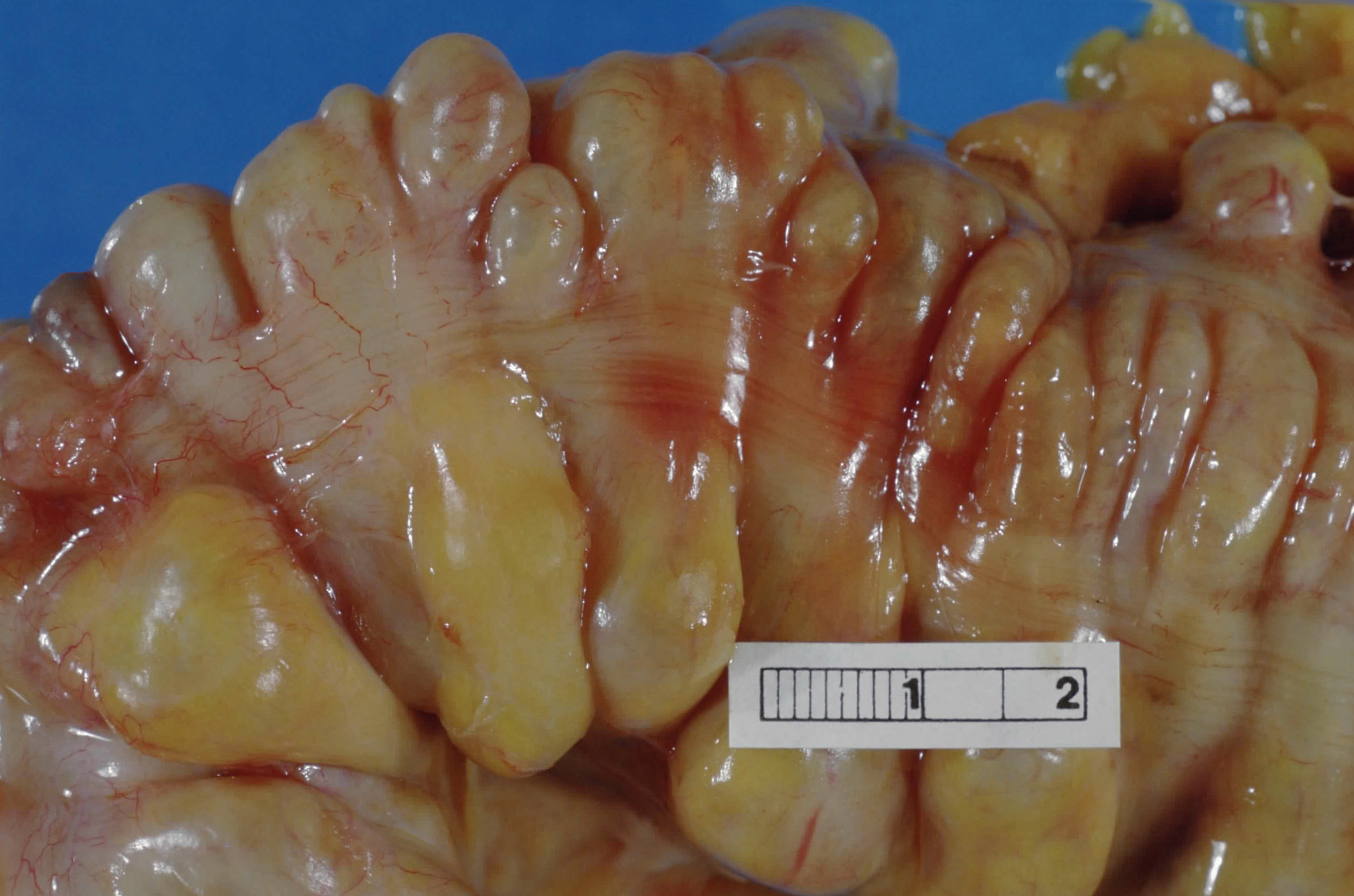
Diverticulitis is an inflammatory condition of the colonic wall characterized by the infection or inflammation of one or more diverticula, which are small, bulging pouches that develop in the digestive tract [3]A1c[10]A1a. While diverticulosis refers to the mere presence of these pouches, diverticulitis represents a symptomatic and potentially life-threatening complication occurring in approximately 10% to 25% of patients with known diverticular disease [6]B3b[10]A1a. The condition is a leading cause of -related hospitalizations, and its incidence is increasing among younger populations [3]A1c[12]B2b.
Synonyms and Abbreviations
- Acute Diverticulitis (AD)
- Colonic Diverticulitis
- Left-sided Diverticulitis (most common in Western populations)
- Right-sided Diverticulitis (more prevalent in Asian populations)
- Symptomatic Uncomplicated Diverticular Disease (SUDD): A related state of chronic symptoms without overt inflammation.
Clinical Classification Systems
Clinicians categorize diverticulitis primarily by its severity and the presence of complications such as abscess, perforation, or fistula. The Hinchey Classification remains the gold standard for surgical staging, though modern imaging has led to the adoption of modified versions [13]D5[14]A1a.
| Classification | Stage/Grade | Clinical Feature | Implication |
|---|---|---|---|
| Hinchey | Stage I | Pericolic abscess or phlegmon | Often managed with [14]A1a |
| Hinchey | Stage II | Pelvic, intra-abdominal, or retroperitoneal abscess | May require percutaneous drainage [14]A1a |
| Hinchey | Stage III | Generalized purulent peritonitis | Requires urgent surgical intervention [2]A1c[13]D5 |
| Hinchey | Stage IV | Generalized fecal peritonitis | High mortality; requires emergency surgery [9]A1a[13]D5 |
| DICA [1]B2b | DICA 1-3 | Endoscopic inflammation score | Predicts risk of recurrence and surgery |
Defining Disease Phenotypes
Distinguishing between simple and complicated disease is the most critical step in initial assessment. Simple (uncomplicated) diverticulitis involves localized inflammation without secondary features, accounting for the majority of presentations [8]A1b[11]B2b. Complicated diverticulitis is defined by the presence of an abscess, fistula, obstruction, or free perforation [11]B2b.
Recent evidence suggests that diverticulitis may also serve as a trigger for functional bowel disorders. Patients with a history of acute diverticulitis have a significantly higher risk of developing (IBS) and functional bowel disorders compared to those with asymptomatic diverticulosis [5]B3b. Furthermore, low serum levels of 25-hydroxyvitamin D (<20 ng/mL) are associated with an increased risk of diverticulitis requiring hospitalization, suggesting a possible immunomodulatory component to the disease's definition [4]B3b.
Controversies and Guideline Disagreement
| Question | Position A | Position B | Strength | Implication |
|---|---|---|---|---|
| Antibiotic Use | Mandatory for all acute cases (Historical) | Selective use in uncomplicated cases (Current) [3]A1c[8]A1b | High | Reduces over-prescription in mild disease |
| Surgical Approach | Hartmann's Procedure for peritonitis [13]D5 | Primary Anastomosis with/without stoma [2]A1c[13]D5 | Moderate | Shift toward bowel continuity preservation |
Pearl: Diverticulitis is no longer viewed as a purely surgical disease; modern classification emphasizes distinguishing simple from complicated phenotypes to avoid unnecessary hospitalization and antibiotics in low-risk patients [3]A1c[8]A1b[14]A1a.
| Name | Key Distinguishing Feature | Clinical Significance |
|---|---|---|
| Uncomplicated | Localized wall thickening; no abscess/perforation | Often manageable with outpatient care [8]A1b |
| Complicated | Presence of abscess, fistula, or peritonitis | Requires hospitalization and often surgery [2]A1c[13]D5 |
| DICA Score | Endoscopic assessment of diverticula distribution | Predicts long-term recurrence risk [1]B2b |
Pathophysiology & Mechanism
- ▸Diverticula form at anatomically weak points where vasa recta penetrate the muscularis propria, making these sites vulnerable to both inflammation and bleeding.
- ▸Pathogenesis involves a 'multi-hit' model including genetic predisposition (ECM remodeling), enteric neuromuscular dysfunction, and gut dysbiosis.
- ▸Acute diverticulitis is characterized by mucosal barrier failure and ER stress, often independent of mechanical fecalith obstruction.
Structural herniation of the colonic mucosa and submucosa through the muscularis propria occurs at points of vascular penetration (vasa recta), creating the anatomical substrate for subsequent inflammation [15]D5[18]B3b. While traditional models emphasized mechanical obstruction by fecaliths, modern evidence identifies a complex interplay of neuromuscular dysfunction, extracellular matrix (ECM) remodeling, and dysbiosis-driven low-grade inflammation [21]D5[31]D5.
Genetic and Structural Determinants
Genetic susceptibility accounts for approximately 40% to 50% of the risk for developing diverticular disease [27]B2a. Genome-wide association studies (GWAS) have identified loci associated with connective tissue integrity and epithelial barrier function [18]B3b[35]B3a.
- Connective Tissue Alterations: Increased collagen cross-linking and an altered ratio of Type III to Type I collagen reduce the tensile strength of the colonic wall [30]D5[35]B3a.
- Neuromuscular Dysfunction: Alterations in the enteric nervous system, including reduced interstitial cells of Cajal and impaired nitrergic signaling, lead to segmental hypermotility and increased intraluminal pressure [15]D5[19]D5.
- Vascular Vulnerability: As diverticula form at the site where the vasa recta penetrate the circular muscle layer, these vessels become stretched over the dome of the diverticulum, predisposing to both inflammation and hemorrhage [20]D5[33]B3b.
The Inflammatory Cascade
The transition from asymptomatic diverticulosis to acute diverticulitis involves a breakdown in mucosal defense and the initiation of an inflammatory response [15]D5[21]D5.
- Microbial Dysbiosis: Patients with diverticulitis exhibit a shift in the gut microbiome, often characterized by a depletion of fiber-degrading taxa and an enrichment of pro-inflammatory Proteobacteria [15]D5[28]B3a. This dysbiosis may impair the production of short-chain fatty acids (SCFAs), which are critical for maintaining epithelial integrity [36]B3a.
- Mucosal Immune Activation: Chronic low-grade inflammation is marked by increased recruitment of T-cells and macrophages [21]D5. In active diverticulitis, there is a significant upregulation of pro-inflammatory cytokines, including TNF-α and IL-6 [16]D5[31]D5.
- ER Stress and Epithelial Failure: Endoplasmic reticulum (ER) stress in intestinal epithelial cells contributes to barrier dysfunction. Interleukin-10 (IL-10) normally mitigates this stress; however, in diverticulitis, this protective mechanism may be overwhelmed, leading to apoptosis and mucosal ulceration [16]D5.
Mechanisms of Complication
If the initial inflammatory insult is not contained, the process progresses toward perforation or abscess formation [29]D5.
- Micro-perforation: Increased intraluminal pressure or localized ischemia leads to focal necrosis of the thin diverticular wall [15]D5[20]D5.
- Macro-perforation: Failure of the omentum or adjacent viscera to wall off a micro-perforation results in free air and purulent or feculent peritonitis [29]D5.
- Chronic Remodeling: Recurrent bouts of inflammation drive fibrotic changes and smooth muscle hyperplasia (myochosis), which can lead to luminal narrowing and clinical obstruction [15]D5[34]C4.
Controversies and Guideline Disagreement
| Question | Position A | Position B | Strength | Implication |
|---|---|---|---|---|
| Role of | Mandatory for all acute cases to prevent sepsis [21]D5. | Omission safe in uncomplicated cases; inflammation may be primary [23]A1c[31]D5. | High (RCTs) | Shift toward selective antibiotic use in guidelines [23]A1c. |
| Fiber's Role | Low fiber is the primary driver of diverticula [21]D5. | Fiber's role is complex; genetics and motility are equally vital [17]B3b[18]B3b. | Moderate | Prevention focus shifting from just fiber to global lifestyle [15]D5. |
Pearl: Diverticulitis is increasingly viewed as a chronic inflammatory and neuromuscular disorder rather than a simple mechanical obstruction, with genetic factors explaining up to 50% of phenotypic variance [18]B3b[27]B2a.
| Mechanism | Pathophysiological Effect | Clinical Consequence |
|---|---|---|
| ECM Remodeling | Reduced wall compliance and collagen defects | Diverticula formation |
| Myochosis | Circular muscle thickening and shortening | Segmental high-pressure zones |
| Dysbiosis | Loss of commensal diversity; increased Proteobacteria | Low-grade mucosal inflammation |
| Visceral Hypersensitivity | Altered sensory-motor signaling | Post-diverticulitis IBS-like symptoms |
Epidemiology, Etiology & Risk Factors
- ▸Incidence is rising globally, particularly in younger adults under age 50.
- ▸Obesity and Western dietary patterns (high red meat, low fiber) are the primary modifiable drivers.
- ▸NSAIDs and aspirin significantly increase the risk of both diverticulitis and diverticular bleeding.
Incidence rates have risen significantly over the last three decades, with a notable shift toward younger populations. In the United States, the incidence increased from 115 per 100,000 person-years in the 1980s to 188 per 100,000 by 2007 [52]B2b. While the risk of developing the condition increases with age, the temporal increase is most pronounced in individuals under age 50 [52]B2b. Approximately 15% of patients with diverticulosis will develop acute diverticulitis, and 5% will experience complications such as perforation or abscess [69]D5.
Demographic and Geographic Distribution
Prevalence varies by geography and degree of Westernization. Non-Western immigrants to Western countries exhibit a lower risk (RR 0.5–0.7) compared to native populations, though this risk increases with the duration of residence, suggesting a dominant environmental influence [71]B2b. Within the United States, racial and ethnic disparities exist; Black and Hispanic individuals often present with diverticulosis at younger ages compared to White individuals [25]B2c. Seasonal variation is also observed, with a higher frequency of hospital admissions for diverticulitis occurring during the summer months [68]A1a.
Modifiable Lifestyle Factors
Adiposity and dietary patterns are the primary drivers of incident disease. Obesity significantly increases risk, with a BMI ≥30 kg/m² associated with a relative risk of 1.78 (95% CI 1.08–2.91) for diverticulitis and 3.19 (95% CI 1.45–7.00) for diverticular bleeding [47]B2b. Dietary patterns high in red meat and low in fiber (the "Western diet") increase risk, whereas a prudent diet high in fruits, vegetables, and whole grains is protective [49]B2b[51]B2b. Contrary to historical advice, the consumption of nuts and seeds is not associated with an increased risk of diverticulitis [75]B2b.
Pharmacological and Genetic Risk
Chronic medication use and genetic predisposition significantly alter the risk profile. Regular use of NSAIDs or (≥2 times/week) increases the risk of diverticulitis (HR 1.25, 95% CI 1.05–1.50) and diverticular bleeding (HR 1.70, 95% CI 1.21–2.39) [48]B2b. Genetic studies have identified loci related to neuromuscular and connective tissue function, suggesting that structural colonic integrity is a heritable trait [18]B3b. A high healthy lifestyle score can significantly attenuate the risk in individuals with a high polygenic risk score [38]B2b[73]B2b.
Controversies and Guideline Disagreement
| Question | Position A | Position B | Strength | Implication |
|---|---|---|---|---|
| Fiber Intake | High fiber is protective against incident diverticulitis [51]B2b[54]B2b. | High fiber does not prevent diverticulosis and may correlate with more frequent bowel movements [56]B2b. | Moderate | Focus on fiber for secondary prevention rather than primary prevention of diverticula. |
| Bowel Habits | Constipation is a primary driver of diverticula formation [31]D5. | Frequent bowel movements are associated with increased diverticulosis risk [56]B2b. | Emerging | Challenges the "stasis" theory of pathogenesis. |
Pearl: Obesity (BMI ≥30) and NSAID use are the most potent modifiable risk factors, nearly doubling the risk of diverticulitis and tripling the risk of diverticular bleeding [47]B2b[48]B2b.
| Factor | Effect Size (OR/RR/HR) | Evidence Level |
|---|---|---|
| Obesity (BMI ≥30 kg/m²) | RR 1.78 (1.08–2.91) | 2b [47]B2b |
| NSAID Use (Regular) | HR 1.25 (1.05–1.50) | 2b [48]B2b |
| Western Diet | HR 1.55 (1.20–1.99) | 2b [49]B2b |
| Physical Inactivity | HR 0.75 (0.61–0.91) for active vs. inactive | 2b [50]B2b |
| Smoking (Current) | HR 1.29 (1.06–1.57) | 2b [57]B2b |
| High Red Meat Intake | RR 1.58 (1.13–2.21) | 2b [54]B2b |
Clinical Presentation
- ▸Abdominal pain is the most common symptom, localized to the LLQ in Westerners and the RLQ in Asian populations.
- ▸Physical exam findings of guarding or rebound tenderness are highly specific for complicated, perforated disease.
- ▸Clinical presentation alone cannot reliably distinguish between diverticulitis and colonic malignancy, necessitating follow-up evaluation.
Left lower quadrant (LLQ) pain is the hallmark of acute diverticulitis, occurring in approximately 70% to 93% of patients in Western populations [20]D5[29]D5. This pain is typically constant rather than colicky and often persists for several days before the patient seeks medical attention [29]D5. While the LLQ is the most common site, the location of pain is dictated by the segment of the colon involved; for instance, patients of Asian descent or those with right-sided disease frequently present with right lower quadrant (RLQ) pain that closely mimics acute appendicitis [84]B3b[85]C4.
Presenting Symptoms
Abdominal pain is frequently accompanied by alterations in bowel habits, most commonly constipation (50%), though diarrhea may occur in up to 30% of cases [20]D5[29]D5. Systemic symptoms such as nausea and vomiting are common, but their presence should raise suspicion for complications like bowel obstruction or ileus [29]D5. Fever is present in many patients, though its absence does not exclude the diagnosis, particularly in the elderly or immunocompromised [20]D5. Urinary symptoms, including frequency or urgency, may occur if the inflamed sigmoid colon is adjacent to the bladder, potentially indicating a developing colovesical fistula [20]D5.
Physical Examination Findings
Localized tenderness to palpation in the LLQ is the most reliable physical finding [20]D5[29]D5. The presence of a palpable mass (found in approximately 20% of cases) suggests a phlegmon or a localized abscess [20]D5[29]D5. Clinical signs of peritonitis, such as rebound tenderness, involuntary guarding, or abdominal rigidity, indicate perforated disease (Hinchey III or IV) and necessitate urgent surgical evaluation [29]D5[77]D5. Point-of-care ultrasound (POCUS) is increasingly utilized at the bedside to supplement the physical exam, allowing for the visualization of colonic wall thickening (>3 mm) and pericolic fat stranding [80]D5.
Phenotypic Variants
| Variant | Key Features | Frequency |
|---|---|---|
| Left-Sided (Sigmoid) | LLQ pain, older age, higher risk of stenosis/obstruction [20]D5[84]B3b. | ~90% (Western) |
| Right-Sided (Cecal) | RLQ pain, younger age, lower BMI, often misdiagnosed as appendicitis [84]B3b[85]C4. | ~75% (Asian) |
| Smoldering | Chronic, low-grade LLQ pain without systemic inflammatory markers [20]D5[77]D5. | Uncommon |
| Complicated | Presence of abscess, fistula, or frank perforation with peritonitis [29]D5[82]B3b. | ~15-25% |
Red Flags and Atypical Presentations
Clinicians must remain vigilant for "red flag" symptoms that suggest a high risk of failure with medical or the presence of a surgical emergency. Fever >38.5°C (101.3°F), hemodynamic instability, and diffuse peritonitis are indications for immediate hospitalization and CT imaging [77]D5[79]A1c. Atypical presentations are common in the elderly, who may present with vague abdominal discomfort and minimal tenderness despite significant perforation [20]D5. Furthermore, because colonic malignancy can perfectly mimic the clinical and radiographic features of diverticulitis, any patient with "atypical" features or persistent symptoms must undergo follow-up endoscopy to exclude perforated colon cancer [81]A1a[83]B3b.
Controversies and Guideline Disagreement
| Question | Position A | Position B | Strength | Implication |
|---|---|---|---|---|
| Need for CT | AGA: CT is often necessary to confirm diagnosis and rule out mimics [77]D5. | ACR: Clinical diagnosis may suffice in mild, recurrent cases [79]A1c. | Moderate | Avoids radiation in known recurrent patients. |
| Biomarker Utility | CRP is the standard for assessing severity [8]A1b[82]B3b. | NLR (Neutrophil-to-lymphocyte ratio) may be more sensitive for Hinchey staging [82]B3b. | Emerging | NLR may better identify patients needing surgery. |
Pearl: While LLQ pain is the classic presentation, the absence of fever or leukocytosis does not exclude diverticulitis, and any signs of peritonitis should prompt immediate CT imaging to rule out Hinchey III/IV disease [20]D5[77]D5[79]A1c.
| Finding | Sensitivity | Specificity | Clinical Significance |
|---|---|---|---|
| LLQ Tenderness | 90-95% | Low | Primary diagnostic clue [20]D5 |
| Rebound/Guarding | Low | High | Suggests perforation/peritonitis [29]D5 |
| Palpable Mass | ~20% | Moderate | Suggests abscess or phlegmon [20]D5 |
| Fever (>38°C) | 40-60% | Moderate | Indicates systemic inflammation [29]D5 |
Diagnosis & Workup
- ▸Contrast-enhanced CT is the gold standard, with >94% sensitivity for diagnosing acute diverticulitis and grading its severity.
- ▸Follow-up colonoscopy is mandatory 6-8 weeks after complicated diverticulitis to rule out colorectal cancer, which is misdiagnosed as diverticulitis in up to 5% of cases.
- ▸Leukocytosis and elevated CRP (>50 mg/L) are useful markers but lack the specificity to replace cross-sectional imaging.
Diagnostic confirmation relies on cross-sectional imaging to differentiate diverticulitis from other causes of acute abdominal pain and to grade severity according to the Hinchey classification. While the clinical triad of left lower quadrant pain, fever, and leukocytosis is suggestive, physical examination alone lacks the precision required to guide , particularly in identifying complicated disease such as abscess or perforation [77]D5[102]B3b.
Imaging Modalities
Computed Tomography (CT) of the abdomen and pelvis with intravenous contrast is the gold-standard diagnostic test for acute diverticulitis [77]D5. It provides a sensitivity of 94% to 99% and a specificity of 99% for establishing the diagnosis [77]D5[102]B3b. CT is essential for identifying complications such as extraluminal air, abscess formation, or fistula, which dictate the need for surgical or interventional radiology consultation [77]D5[86]B2b.
- Key CT Findings: Colonic wall thickening (>3 mm), pericolic fat stranding, and the presence of diverticula are hallmark signs of uncomplicated disease [102]B3b. Complicated disease is defined by the presence of an abscess (Hinchey Ib/II), free air (Hinchey III/IV), or bowel obstruction [77]D5.
- Ultrasonography: In settings where CT is unavailable or contraindicated (e.g., pregnancy), ultrasonography is a viable alternative with a pooled sensitivity of 92% and specificity of 90% [99]A1a[101]A1a. Point-of-care ultrasound (POCUS) can identify bowel wall thickening and pericolic fluid, though it is operator-dependent and less sensitive for deep pelvic abscesses [80]D5[101]A1a.
- MRI: Magnetic resonance imaging offers high diagnostic accuracy without ionizing radiation but is typically reserved for pregnant patients or those with severe contrast allergies due to cost and availability constraints [77]D5.
Laboratory Studies
Laboratory evaluation supports the inflammatory nature of the condition and assists in risk stratification, though no single marker is pathognomonic.
| Test | Finding in Diverticulitis | Clinical Utility |
|---|---|---|
| Leukocytosis (WBC >10,000/µL) | Present in ~55% of uncomplicated and ~82% of complicated cases [102]B3b. | |
| C-Reactive Protein (CRP) | Elevated (>50 mg/L) | Sensitivity of 54% and specificity of 69% for complicated disease [82]B3b. |
| Neutrophil-to-Lymphocyte Ratio (NLR) | Elevated (>4.5) | May be more sensitive than CRP for predicting the need for surgery [82]B3b. |
| Urinalysis | Sterile pyuria | Common due to bladder irritation from adjacent colonic inflammation [77]D5. |
The Role of Endoscopy
Acute is generally contraindicated during the initial presentation of diverticulitis due to the theoretical risk of converting a contained perforation into a free perforation via insufflation [77]D5[89]A1b. However, a prospective trial demonstrated that early colonoscopy (within 1 week) may be feasible in stable patients with uncomplicated disease, though it did not alter immediate management [89]A1b.
Follow-up colonoscopy is recommended 6 to 8 weeks after the resolution of an initial episode of uncomplicated diverticulitis or any episode of complicated diverticulitis [77]D5[86]B2b. The primary rationale is to exclude colonic malignancy, which can mimic diverticulitis on CT in approximately 2.1% to 5% of cases [41]B3a[59]B3b[63]B3b. The risk of missed (CRC) is significantly higher in patients with complicated diverticulitis (OR 6.7) compared to those with uncomplicated disease [41]B3a[59]B3b.
Histology and Differential Diagnosis
Biopsy is not required for the diagnosis of acute diverticulitis but is critical when evaluating Segmental Colitis Associated with Diverticulosis (SCAD). SCAD is a unique inflammatory process limited to the diverticular segment, often sparing the rectum [94]D5. Histologically, SCAD can mimic Ulcerative Colitis or , featuring crypt abscesses and architectural distortion, but it typically resolves with conservative diverticulitis treatment or 5-ASA therapy [32]A1a[94]D5.
Diagnostic Algorithm
- Clinical Assessment: Evaluate for LLQ pain, fever, and peritoneal signs.
- Initial Labs: Order CBC, CRP, and BMP. Perform a pregnancy test in females of childbearing age.
- Primary Imaging: Perform CT Abdomen/Pelvis with IV contrast. If CT is contraindicated, use Ultrasound or MRI.
- Severity Grading: Classify based on Hinchey criteria (Ia: Phlegmon; Ib: Pericolic abscess; II: Pelvic abscess; III: Purulent peritonitis; IV: Fecal peritonitis) [77]D5[87]A1b.
- Malignancy Screening: Schedule colonoscopy 6–8 weeks post-resolution if no high-quality colonoscopy was performed within the preceding year [86]B2b.
Controversies and Guideline Disagreement
| Question | Position A | Position B | Strength | Implication |
|---|---|---|---|---|
| Routine Follow-up Colonoscopy | Recommended for all first episodes (AGA/ACG) [77]D5[86]B2b. | Only for complicated cases or if imaging is suspicious (Some European cohorts) [59]B3b. | Moderate | Avoids unnecessary procedures in low-risk uncomplicated cases. |
| Use of Ultrasound as First-line | Preferred in some European centers to avoid radiation [99]A1a. | CT remains the gold standard in the US (AGA) [77]D5. | High | CT has superior sensitivity for identifying free air and small abscesses. |
Pearl: CT imaging is the definitive diagnostic tool, but its primary role in modern practice is to identify the 5% of patients with occult malignancy or those requiring drainage of an abscess >3 cm [41]B3a[77]D5.
| Stage | CT Findings | Clinical Significance |
|---|---|---|
| Stage Ia | Pericolic inflammation/phlegmon | Uncomplicated; usually outpatient management. |
| Stage Ib | Contained pericolic abscess (<3-4 cm) | Complicated; may require antibiotics ± drainage. |
| Stage II | Distant (pelvic/retroperitoneal) abscess | Complicated; often requires IR-guided drainage. |
| Stage III | Generalized purulent peritonitis | Surgical emergency; requires resection or lavage [87]A1b. |
| Stage IV | Generalized fecal peritonitis | Surgical emergency; high mortality risk. |
Severity, Staging & Risk Stratification (GI Scores)
- ▸The CODA score and DICA classification are validated tools for predicting the 3-year risk of recurrence and the need for surgical intervention.
- ▸Systemic markers like NLR >5.11 and neutrophilia are highly sensitive for identifying complicated disease at presentation.
- ▸Malignancy risk stratification is severity-dependent; complicated diverticulitis requires aggressive endoscopic follow-up due to a nearly 8% prevalence of occult CRC.
Risk stratification in colonic diverticulitis has evolved from simple binary classifications to multidimensional scoring systems that integrate clinical, laboratory, and endoscopic data. These tools are essential for determining the intensity of therapy, the necessity of hospitalization, and the long-term risk of recurrence or malignant transformation.
Clinical and Laboratory Severity Indicators
Acute severity is primarily gauged by the presence of systemic inflammation and localized complications. Patients with severe findings on computed tomography (CT)—defined as abscess, extra-luminal gas, or contrast extravasation—are significantly more likely to present with fever (52.2% vs. 27.0%), leukocytosis (81.5% vs. 55.2%), and neutrophilia (86.2% vs. 59.0%) compared to those with moderate or non-diagnostic findings [102]B3b.
Novel biomarkers such as the Neutrophil-to-Lymphocyte Ratio (NLR) have emerged as valuable adjuncts. An NLR threshold of 5.11 demonstrates a sensitivity of 73.9% and specificity of 60.9% for distinguishing complicated from uncomplicated disease, potentially outperforming C-reactive protein (CRP) in early assessment [82]B3b. While extraluminal air traditionally signaled a more severe course, isolated pericolic air in the setting of Hinchey 1a disease does not necessarily correlate with increased treatment failure or a higher rate of long-term recurrence [113]B3b.
Endoscopic and Clinical Scoring Systems
The Diverticular Inflammation and Complication Assessment (DICA) classification and the Combined Overview on Diverticular Assessment (CODA) score provide validated frameworks for predicting long-term outcomes. The DICA classification categorizes patients into three grades (DICA 1, 2, and 3) based on the extension of diverticulosis, the presence of inflammatory signs, and complications [1]B2b.
| Score/Classification | Components | Clinical Utility |
|---|---|---|
| DICA 1 | Simple diverticulosis, no inflammation | Low risk of diverticulitis recurrence (3.3%) [1]B2b |
| DICA 3 | Extensive diverticulosis, severe inflammation/complications | High risk of recurrence (over 60%) and surgery [1]B2b |
| CODA Score | Integrates DICA grade, age, and CRP levels | Predicts acute diverticulitis risk over 3 years [1]B2b |
Risk Factors for Recurrence and Complications
Stratifying the risk of future episodes is critical for deciding between conservative and elective surgery. While younger age (under 40–50 years) was historically thought to portend a more aggressive course, meta-analysis indicates the proportion of complicated diverticulitis at presentation is not significantly different between young and elderly patients (RR 1.19; 95% CI 0.94-1.50) [112]B3a.
Modifiable risk factors significantly influence the hazard of incident and recurrent disease. Physical activity (specifically vigorous activity) is associated with a reduced risk of diverticulitis and diverticular bleeding [50]B2b. Conversely, smoking increases the risk of incident diverticulitis (HR 1.20 for former smokers; HR 1.31 for current smokers), while alcohol consumption of ≥30 g/day is also a significant risk factor (HR 1.26) [57]B2b. Furthermore, serum 25-hydroxyvitamin D levels <20 ng/mL are associated with a higher risk of hospitalization for diverticulitis compared to levels >50 ng/mL [4]B3b.
Post-Diverticulitis Malignancy Risk
A critical component of risk stratification is the identification of occult (CRC). The pooled prevalence of CRC in patients with a history of diverticulitis is 1.9% (95% CI 1.5%–2.3%) [41]B3a. However, this risk is heavily weighted toward those with complicated diverticulitis, where the prevalence rises to 7.9% (95% CI 3.9%–15.3%), compared to only 1.3% (95% CI 0.1%–2.0%) in uncomplicated cases [41]B3a. The AGA Clinical Practice Update recommends that the decision for follow-up be individualized based on the severity of the index episode and the adequacy of prior screening [77]D5.
Pearl: Complicated diverticulitis carries a six-fold higher risk of occult colorectal cancer (7.9%) compared to uncomplicated disease (1.3%), necessitating mandatory follow-up endoscopy in this subgroup [41]B3a[77]D5.
| Factor | Impact on Outcome | Evidence Level |
|---|---|---|
| ASA Class ≥III | Increased mortality and sepsis risk | 1a [9]A1a |
| Age >65 | Higher postoperative complication rates | 1a [9]A1a |
| Severity of Peritonitis | Direct correlation with primary anastomosis failure | 1a [9]A1a |
| BMI >30 | Increased risk of surgical site infection | 1a [9]A1a |
Acute Management
- ▸Antibiotics are not required for immunocompetent patients with uncomplicated (Hinchey Ia) diverticulitis.
- ▸Endoscopic band ligation (EBL) is the preferred intervention for diverticular hemorrhage, reducing rebleeding risk compared to clipping (OR 0.46).
- ▸Primary anastomosis is superior to Hartmann’s procedure for perforated diverticulitis, resulting in a significantly higher 3-year stoma-free rate (NNT = 4).
Outpatient without is the standard of care for immunocompetent patients with uncomplicated diverticulitis (Hinchey Ia), as recent evidence demonstrates that routine antimicrobial therapy does not improve recovery rates or prevent complications [78]A1b[115]A1b. The DINAMO study (N=132) confirmed that non-antibiotic outpatient care is non-inferior to classical treatment with /clavulanic acid 875/125 mg every 8 hours, with no significant difference in hospital admission rates (5.8% vs 3.3%, p=0.71) [121]A1b (1b). For patients requiring hospitalization due to systemic inflammatory response or inability to tolerate oral intake, management shifts toward intravenous resuscitation and selective surgical consultation.
Step 1: Initial Triage and Disposition
Classify patients based on clinical stability and CT findings. Outpatient management is appropriate for those with uncomplicated disease, mild pain, and no significant comorbidities. Inpatient admission is mandatory for patients with Hinchey Ib–IV disease, high fever (>38.5°C), significant leukocytosis, or failure of outpatient management [121]A1b.
Step 2: Pharmacologic Intervention
For patients requiring antibiotics (e.g., immunosuppressed or complicated cases), initiate broad-spectrum coverage targeting Gram-negative rods and anaerobes.
- 400 mg IV every 12 hours plus 500 mg IV every 8 hours.
- Alternative: 3.375 g IV every 6 hours.
- Transition to oral therapy (e.g., 875/125 mg BID) once clinically stable for a total course of 7–10 days [115]A1b[121]A1b.
Step 3: Management of Diverticular Hemorrhage
Acute colonic diverticular hemorrhage (CDH) requires rapid resuscitation followed by endoscopic localization. The CODE BLUE-J multicenter study (N=1679) demonstrated that endoscopic band ligation (EBL) is superior to endoscopic clipping, significantly reducing the risk of early rebleeding (OR 0.46, 95% CI 0.32–0.66; NNT = 8) and late rebleeding (OR 0.62, 95% CI 0.46–0.83) [44]B3b (3b).
Step 4: Surgical Intervention for Perforation
Emergency surgery is indicated for purulent (Hinchey III) or fecal (Hinchey IV) peritonitis.
- Hinchey III (Purulent): While laparoscopic peritoneal lavage was initially proposed as a lung-sparing alternative, long-term data from the LOLA and SCANDIV trials show higher rates of early reintervention (27% vs 7%) and no significant difference in mortality compared to primary resection [87]A1b[119]A1b[123]A1b (1b). remains the preferred definitive treatment.
- Hinchey IV (Fecal): Primary resection is mandatory. The DIVA trial found that sigmoidectomy with primary anastomosis (PA) is superior to Hartmann’s Procedure (HP) regarding the 36-month stoma-free rate (RR 1.35, 95% CI 1.18–1.54; NNT = 4 to prevent one permanent stoma) [120]A1b (1b).
Step 5: Post-Acute Follow-up
Schedule a follow-up 4–6 weeks after the resolution of acute inflammation to exclude underlying malignancy, particularly if a high-quality examination has not been performed within the last year [89]A1b. Colon capsule endoscopy (CCE) is a feasible alternative for patients who prefer to avoid the discomfort of conventional colonoscopy, though it may have lower completion rates [88]A1b (1b).
Controversies and Guideline Disagreement
| Question | Position A | Position B | Strength of disagreement | Implication for practice |
|---|---|---|---|---|
| Antibiotics for uncomplicated disease | AGA/ACG — Recommend omitting antibiotics in immunocompetent patients with mild disease [78]A1b[115]A1b | Traditional Practice — Routine use of antibiotics for all CT-proven episodes | Moderate (Shift in standard of care) | Reduces antibiotic resistance and GI side effects without increasing recurrence. |
| Laparoscopic Lavage vs Resection | SCANDIV/LOLA Trials — Lavage has higher reintervention rates and missed malignancies [118]A1b[123]A1b | Early Pilot Studies — Suggested lavage as a safe, less invasive alternative | Strong (Level 1b evidence favors resection) | Lavage is largely abandoned for Hinchey III in favor of resection due to long-term failure rates. |
| Mesalamine for prevention | PREVENT 1/2 Trials — Mesalamine failed to prevent recurrence (p=0.26) [114]A1b | Small Phase 2 Trials — Suggested benefit in symptomatic disease [116]A1b | Moderate (Conflicting RCT data) | Mesalamine is not recommended for preventing diverticulitis recurrence [117]A1b. |
Pearl: Omit antibiotics in immunocompetent patients with uncomplicated diverticulitis; for perforated cases with purulent peritonitis, primary resection is superior to laparoscopic lavage due to lower reintervention rates (27% vs 7%) [119]A1b[121]A1b[123]A1b.
| Drug | Starting dose | Target / max dose | Renal adjustment | Hepatic adjustment | Key monitoring |
|---|---|---|---|---|---|
| Amoxicillin-clavulanate | 875/125 mg PO BID | 875/125 mg TID | CrCl <30: avoid 875mg tab | Use with caution | Hepatic enzymes, diarrhea |
| Ciprofloxacin | 400 mg IV q12h | 400 mg q8h | CrCl 30-50: q18h; <30: q24h | No adjustment | QTc interval, tendonitis |
| Metronidazole | 500 mg IV q8h | 500 mg q8h | No adjustment | Severe impairment: reduce 50% | Neuropathy, disulfiram reaction |
| Piperacillin-tazobactam | 3.375 g IV q6h | 4.5 g q6h | CrCl <20: 2.25 g q8h | No adjustment | Cr, CBC (leukopenia) |
Long-term & Definitive Medical Management
- ▸Mesalamine (5-ASA) is ineffective for the prevention of recurrent diverticulitis in phase 3 clinical trials.
- ▸Cyclic rifaximin combined with fiber supplementation reduces symptoms and complications in symptomatic uncomplicated diverticular disease (SUDD).
- ▸Elective sigmoid resection provides superior long-term quality of life compared to conservative management for patients with frequent recurrences or persistent pain.
Secondary prevention of diverticulitis has transitioned from mandatory surgical resection after two episodes to a personalized, evidence-based approach focused on symptom control and risk reduction. While historical practice emphasized aggressive intervention, contemporary data from the AVOD and DIABOLO trials demonstrate that omitting in initial uncomplicated episodes does not increase long-term recurrence or the need for sigmoid resection [78]A1b (1b).
Step 1: Post-Acute Evaluation and Risk Stratification
Following the resolution of acute inflammation, typically 4–6 weeks post-discharge, patients should undergo colonic evaluation to exclude malignancy, particularly if a high-quality has not been performed within the preceding year [89]A1b (1b). While conventional colonoscopy remains the gold standard, (CCE) is a feasible alternative that may offer improved patient-reported physical and mental comfort [88]A1b (1b). Clinicians must also review medication profiles; for instance, long-term use of has been associated with caustic injury and recurrent inflammation in patients with pre-existing diverticular structures [93]C4 (4).
Step 2: Pharmacologic Maintenance Therapy
Pharmacologic strategies aim to maintain remission in symptomatic uncomplicated diverticular disease (SUDD) and prevent recurrence of acute episodes.
- Mesalamine (5-ASA): Despite early promise, large-scale evidence does not support the routine use of for preventing recurrence. The PREVENT1 and PREVENT2 phase 3 trials (N=1,182) found no significant difference between multimatrix mesalamine and placebo in preventing recurrent diverticulitis over 24 months [114]A1b (1b). Similarly, the SAG-37 and SAG-51 trials confirmed that mesalamine granules (up to 3 g daily) failed to improve recurrence-free survival [117]A1b (1b).
- Rifaximin: Long-term cyclic administration of (400 mg BID for 7 days per month) plus fiber supplementation is superior to fiber alone in reducing symptoms and preventing complications in SUDD (OR 0.29, 95% CI 0.19–0.44) [45]A1a (1a).
- : Combination therapy with casei subsp. DG (24 billion/day) and mesalamine (1.6 g/day) for 10 days per month may be more effective than placebo in maintaining remission of SUDD, though data for preventing acute diverticulitis specifically are less robust [116]A1b (1b).
Step 3: Lifestyle and Hormonal Considerations
Modifiable risk factors play a significant role in long-term . In postmenopausal women, the use of (MHT) is associated with an increased risk of incident diverticulitis (HR 1.31, 95% CI 1.22–1.41), suggesting that hormonal status may influence colonic inflammatory pathways [125]B2b (2b).
Step 4: Escalation to Definitive Surgical Consultation
Elective sigmoid resection is indicated for patients with recurrent episodes that significantly impair quality of life (QOL) or for those with persistent painful symptoms. The LASER and DIRECT trials demonstrate that elective surgery significantly improves QOL scores (GIQLI) compared to conservative management at 5-year follow-up [97]A1b[107]A1b[124]A1b (1b). However, surgery carries a 10–15% risk of major complications, which must be balanced against the 11–46% recurrence rate in conservatively managed patients [97]A1b[107]A1b.
Controversies and Guideline Disagreement
| Question | Position A | Position B | Strength | Implication |
|---|---|---|---|---|
| Routine use of 5-ASA | Earlier Pilot Studies — suggested benefit in reducing recurrence | AGA (based on PREVENT trials) — strongly recommends against mesalamine for recurrence prevention [114]A1b | Strong | Mesalamine should not be used for secondary prevention of diverticulitis. |
| Antibiotics for mild AD | Traditional Practice — Antibiotics for all CT-proven cases | Recent Guidelines (AGA/ACG) — Selective use; omit in immunocompetent patients with mild disease [115]A1b[121]A1b | Moderate | Reduces antibiotic resistance and costs without increasing recurrence [78]A1b. |
Pearl: Routine use of mesalamine does not prevent diverticulitis recurrence (PREVENT1/2); elective surgery should be reserved for patients whose quality of life is significantly impaired by recurrent or persistent symptoms (LASER, DIRECT) [107]A1b[114]A1b[124]A1b.
| Drug | Starting dose | Target / max dose | Renal adjustment | Hepatic adjustment | Key monitoring |
|---|---|---|---|---|---|
| Rifaximin | 400 mg PO BID | 400 mg BID (7 days/month) | No adjustment | No adjustment | Symptom relief |
| Mesalamine | 1.5 g PO daily | 3 g PO daily | Avoid if eGFR <30 | Use with caution | Renal function (Cr) |
| Lactobacillus casei | 24 billion CFU/day | 24 billion CFU/day | No adjustment | No adjustment | GI tolerance |
Endoscopic & Procedural Management
- ▸Endoscopic band ligation (EBL) and detachable snare ligation (EDSL) are more effective than clipping for preventing recurrent diverticular bleeding.
- ▸EUS-guided drainage with lumen-apposing metal stents (LAMS) is a viable alternative for pelvic abscesses inaccessible to percutaneous drainage.
- ▸The yield of colorectal cancer during follow-up colonoscopy is significantly higher in complicated diverticulitis compared to uncomplicated cases.
Endoscopic intervention in diverticular disease has transitioned from a purely diagnostic role to a primary therapeutic modality for hemorrhage and a minimally invasive alternative for abscess drainage. While routine follow-up remains standard in many systems to exclude malignancy, its utility is increasingly risk-stratified based on the severity of the index episode [59]B3b[133]B3b.
Step 1: Hemostatic Intervention for Diverticular Bleeding
Endoscopic therapy is the first-line treatment for definitive colonic diverticular hemorrhage (CDH) when stigmata of recent hemorrhage (SRH) are identified. High-resolution colonoscopy with water-jet visualization is essential for identifying the bleeding source within a diverticulum [109]B2b.
- Endoscopic Band Ligation (EBL): Apply a rubber band to the neck of the diverticulum containing the SRH. EBL is independently associated with a reduced risk of early rebleeding (adjusted OR 0.46, P < 0.001) and late rebleeding (adjusted OR 0.62, P < 0.001) compared to clipping [44]B3b (3b).
- Endoscopic Detachable Snare Ligation (EDSL): Deploy a detachable snare to ligate the diverticulum. This technique achieves initial hemostasis in 96.5% of cases and does not require endoscope removal to attach a device [90]B2b[33]B3b (2b).
- Endoscopic Clipping: Deploy hemoclips directly to the bleeding vessel or to close the diverticular orifice. While effective, meta-analyses indicate clipping has a higher 1-year rebleeding rate compared to ligation techniques [131]A1a (1a).
Step 2: of Complicated Diverticulitis (Abscess and Fistula)
Minimally invasive procedural drainage has largely replaced emergency surgery for Hinchey Ib and II disease, preserving the possibility of elective, single-stage resection later [129]A1b.
- EUS-Guided Pelvic Abscess Drainage (EUS-PAD): For pelvic collections inaccessible by percutaneous routes, EUS-guided drainage using lumen-apposing metal stents (LAMS) is a safe alternative. Technical success is reported at 100% with a clinical success rate of 92.5% [64]C4 (4).
- Endoscopic Clip Closure of Fistulae: Small rectovaginal or colovesical fistulae may be managed using over-the-scope clips or standard resolution clips in highly selected patients who are poor surgical candidates [55]C4 (4).
Step 3: Diagnostic Follow-up and Risk Stratification
Follow-up evaluation is typically performed 4–6 weeks after the resolution of acute inflammation to exclude missed (CRC) [88]A1b.
- Colonoscopy vs. Colon Capsule Endoscopy (CCE): CCE is a diagnostic alternative for patients who prefer a less invasive approach. While CCE has higher patient-reported satisfaction, conventional colonoscopy remains the gold standard for biopsy and therapeutic maneuvers [88]A1b[130]D5 (1b).
- Neoplasia Yield: The prevalence of CRC in patients with uncomplicated diverticulitis is approximately 0.5%, which is not significantly higher than screening populations (OR 1.15, 95% CI 0.98–1.35) [59]B3b (3b). However, patients with complicated diverticulitis (abscess or perforation) have a significantly higher risk of underlying malignancy [63]B3b.
Step 4: Emerging Endoscopic Therapies
Endoscopic Direct Diverticulitis Therapy (EDDT) using cholangioscope-assisted visualization allows for direct irrigation of the involved diverticulum and removal of fecaliths. In small series of acute uncomplicated diverticulitis (Hinchey Ia/Ib), EDDT achieved 100% technical success and rapid symptom resolution [65]C4 (4).
Controversies and Guideline Disagreement
| Question | Position A | Position B | Strength | Implication |
|---|---|---|---|---|
| Routine follow-up colonoscopy | Standard Practice (e.g., Denmark) — Mandatory for all patients to exclude CRC [88]A1b | Emerging Evidence (AGA/ASGE) — Only necessary if the index episode was complicated or screening is overdue [59]B3b[63]B3b | Moderate | Avoids unnecessary procedures in low-risk uncomplicated cases. |
| Best hemostatic method | Ligation (EBL/EDSL) — Superior for reducing rebleeding rates [44]B3b[131]A1a | Clipping — Preferred by some for ease of use and lower risk of perforation in thin-walled right colon [109]B2b[128]A1c | Moderate | Ligation is increasingly favored for definitive hemostasis. |
Pearl: Endoscopic band ligation (EBL) is superior to clipping for diverticular hemorrhage, reducing the risk of early rebleeding by over 50% (OR 0.46) [44]B3b[131]A1a. Routine follow-up colonoscopy should be prioritized for complicated diverticulitis, as the CRC risk in uncomplicated cases mirrors the general screening population [59]B3b[63]B3b.
| Technique | Mechanism | Rebleeding Risk | Evidence Level |
|---|---|---|---|
| Band Ligation (EBL) | Elastic band strangulation | Lowest (OR 0.46 vs clipping) | 1a [131]A1a |
| Snare Ligation (EDSL) | Detachable snare ligation | Low (96.5% initial success) | 2b [90]B2b |
| Clipping | Mechanical compression | Higher (OR 1.61 vs ligation) | 1a [131]A1a |
| Thermal/Injection | Coagulation/Epinephrine | Variable; often used as adjunct | 4 [128]A1c |
Complications
- ▸Abscesses <5 cm are typically managed with antibiotics, while larger collections require percutaneous or EUS-guided drainage.
- ▸Endoscopic band ligation (EBL) is superior to clipping for preventing early rebleeding in diverticular hemorrhage (NNT = 8).
- ▸Diverticulitis is an independent risk factor for subsequent arterial and venous thromboembolic events.
Complicated colonic diverticular disease (CCDD) occurs in approximately 15% of patients with acute diverticulitis, manifesting as abscess, perforation, fistula, or obstruction [69]D5. While the risk of developing CCDD after a first episode of acute diverticulitis is significant, the 1-year mortality rate following a diagnosis of CCDD is approximately 18.8% (HR 1.63 compared to controls), emphasizing the need for aggressive surveillance and intervention [40]B2b.
Local Inflammatory Complications
Abscess formation is the most frequent complication, occurring in roughly 5% of all diverticulitis cases [69]D5. Small pericolic abscesses (<5 cm) often respond to intravenous alone, whereas larger or distant collections typically require CT-guided percutaneous drainage [69]D5. For pelvic abscesses inaccessible to percutaneous routes, EUS-guided pelvic abscess drainage (EUS-PAD) using lumen-apposing metal stents (LAMS) has emerged as a viable alternative, with technical success rates reported at 100% in specialized centers [64]C4.
Perforation may present as "covered" (pericolic air) or "free" (fecal or purulent peritonitis). Non-operative (NOM) is highly successful for pericolic air, with a pooled success rate of 90.2% [138]B2a. However, the presence of distant air or fecal contamination significantly increases the risk of NOM failure, often necessitating emergency Hartmann's procedure or primary resection with anastomosis [137]B3b[138]B2a. Notably, preoperative CT has a sensitivity of only 59% for detecting fecal contamination, which may lead to the failure of laparoscopic lavage strategies [62]A1b.
Diverticular Hemorrhage
Diverticular bleeding accounts for approximately 5% of complications and is a leading cause of brisk lower hemorrhage [69]D5. Risk is significantly elevated in patients using (HR 1.70) or non-aspirin NSAIDs (HR 1.74) [48]B2b. Endoscopic intervention is the mainstay of treatment for stigmata of recent hemorrhage (SRH). Endoscopic band ligation (EBL) is independently associated with a reduced risk of early rebleeding compared to clipping (OR 0.46, 95% CI 0.25–0.85; NNT = 8) [44]B3b. Newer techniques, such as endoscopic detachable snare ligation (EDSL), have shown 30-day rebleeding rates as low as 6.2% [90]B2b.
Systemic and Long-term Sequelae
Diverticulitis is associated with a systemic inflammatory state that increases the risk of subsequent thromboembolic events. Patients have a significantly higher risk of acute myocardial infarction (IRR 1.10), stroke (IRR 1.14), and venous thromboembolism (IRR 1.72) following a diverticulitis diagnosis [136]B2b. Furthermore, approximately 1% of patients initially diagnosed with diverticulitis are found to have an underlying (CRC) within 12 months, necessitating follow-up 4–6 weeks after the resolution of acute inflammation [77]D5[83]B3b.
Controversies and Guideline Disagreement
| Question | Position A | Position B | Strength | Implication |
|---|---|---|---|---|
| Post-Diverticulitis Colonoscopy | Mandatory for all to rule out CRC [88]A1b. | Selective based on CT severity and age [77]D5. | Moderate | Avoids unnecessary procedures in low-risk patients. |
| Early Colonoscopy | Feasible and safe during index admission [89]A1b. | Postpone 4–6 weeks to avoid perforation risk [77]D5. | Low | Early discharge vs. procedural safety. |
Pearl: Complicated diverticulitis carries a nearly 20% one-year mortality rate, requiring a low threshold for CT-guided or endoscopic drainage of abscesses and mandatory follow-up to exclude occult malignancy [40]B2b[83]B3b.
| Complication | Frequency | Prevention | Management |
|---|---|---|---|
| Abscess | ~5% | Early antibiotics | <5cm: Antibiotics; >5cm: Drainage [69]D5 |
| Hemorrhage | ~5% | Avoid NSAIDs [48]B2b | EBL, EDSL, or Clipping [44]B3b[90]B2b |
| Perforation | <5% | Smoking cessation | NOM for pericolic air; Surgery for peritonitis [138]B2a |
| Fistula | Rare | Prompt acute care | Surgical resection of involved segment |
| Malignancy | ~1% | Screening colonoscopy | Oncologic resection [83]B3b |
Prognosis & Natural History
- ▸Recurrence occurs in ~20% of patients, but the risk of complications like perforation actually decreases with each subsequent episode.
- ▸Acute diverticulitis is a major risk factor for post-inflammatory functional bowel disorders, increasing IBS risk nearly five-fold.
- ▸Elective surgery improves quality of life and prevents recurrence but carries a baseline risk of chronic postoperative pain and surgical morbidity.
Approximately 20% of patients with an incident episode of acute diverticulitis will experience at least one recurrence [15]D5. While the incidence of diverticulitis has increased—rising from 115 to 188 per 100,000 person-years in recent decades—the risk of progression to complicated disease actually decreases with subsequent episodes [15]D5[52]B2b. Most complications, such as perforation or abscess formation, occur during the index presentation rather than during later recurrences [15]D5[40]B2b.
Recurrence Dynamics and Risk Factors
The cumulative incidence of recurrence is approximately 8% at one year and 20% at ten years following the initial event [52]B2b. Patients who experience a second episode face an increased risk of further recurrence, with rates reaching 18% at one year and 55% at ten years post-second episode [52]B2b. Predictors of a more aggressive course include younger age at first presentation, obesity, and physical inactivity [15]D5[52]B2b. Endoscopic findings also provide prognostic value; the Diverticular Inflammation and Complication Assessment (DICA) classification and the CODA score (Combined Overview on Diverticular Assessment) effectively predict the risk of future acute diverticulitis and the eventual need for surgery [1]B2b.
Long-term Functional Outcomes
Acute diverticulitis is associated with a significantly increased risk of developing (IBS) and other functional bowel disorders [5]B3b. In a retrospective cohort with 6.3 years of follow-up, patients with a history of diverticulitis had a 4.7-fold increased risk of IBS (HR 4.7, 95% CI 3.3-6.8) compared to controls [5]B3b. Chronic abdominal pain persists in approximately 5% to 25% of patients even after the acute inflammation has resolved [96]B2c.
Impact of Medical and Surgical Interventions
Medical aimed at preventing recurrence has shown mixed results. While cyclic rifaximin 400 mg twice daily for 7 days per month plus fiber may reduce symptom frequency and complications compared to fiber alone, large-scale trials of mesalamine (1.5 g to 3 g daily) failed to demonstrate a significant reduction in recurrence rates [45]A1a[114]A1b[117]A1b.
Elective sigmoid resection significantly improves quality of life (QOL) and reduces the risk of recurrence compared to conservative management [42]A1a[97]A1b[143]A1a. In the LASER trial, elective surgery resulted in higher Quality of Life Index (GIQLI) scores at 6 months and 1 year compared to conservative treatment [97]A1b. However, surgery carries a 10% to 15% risk of postoperative complications and does not always eliminate chronic abdominal pain [42]A1a[96]B2c.
Mortality and Complicated Disease
One-year mortality following a diagnosis of complicated colonic diverticular disease (CCDD) is approximately 16.5%, compared to 3.5% in age-matched controls [40]B2b. For those presenting with purulent peritonitis (Hinchey III), laparoscopic peritoneal lavage has been investigated as an alternative to resection, but long-term data suggest it may be associated with higher rates of secondary procedures compared to [87]A1b[144]A1a.
Controversies and Guideline Disagreement
| Question | Position A | Position B | Strength | Implication |
|---|---|---|---|---|
| for Uncomplicated Cases | Mandatory to prevent complications [69]D5[142]D5 | Observational management is safe for most [145]A1a | High | Shift toward selective antibiotic use in stable patients |
| Surgery after 2 episodes | Traditional "two-strike" rule for elective resection [96]B2c | Individualized approach based on QOL and severity [15]D5[42]A1a | Moderate | Fewer routine elective resections in asymptomatic patients |
Pearl: The risk of perforation is highest during the first episode of diverticulitis; subsequent recurrences are typically less severe but significantly increase the risk of developing post-inflammatory irritable bowel syndrome [5]B3b[15]D5[40]B2b.
| Episode | 1-Year Recurrence Risk | 10-Year Recurrence Risk | Risk of Complications |
|---|---|---|---|
| Index Episode | ~8% | ~20% | Highest |
| Second Episode | ~18% | ~55% | Lower |
| Subsequent | Increasing | Increasing | Lowest |
Special Populations & Prevention
- ▸A healthy lifestyle score based on five modifiable factors can prevent over 50% of incident diverticulitis cases.
- ▸Mesalamine has no proven efficacy in preventing recurrent diverticulitis despite its role in other colonic inflammatory conditions.
- ▸Follow-up colonoscopy is essential after complicated or first-time uncomplicated diverticulitis to rule out malignancy, which is present in ~2% of cases.
Prevention of incident and recurrent diverticulitis relies on aggressive modification of metabolic and lifestyle risk factors, as adherence to a healthy lifestyle may prevent up to 50% of cases [54]B2b. While the disease was historically associated with aging, the incidence is rising most rapidly in younger cohorts, necessitating tailored for pediatric, pregnant, and immunocompromised patients [52]B2b.
Lifestyle and Primary Prevention
Adherence to a healthy lifestyle—defined by high fiber intake, low red meat consumption, vigorous physical activity, a BMI between 18.5–24.9 kg/m², and never smoking—is associated with a 73% lower risk of diverticulitis (RR 0.27, 95% CI 0.15–0.48) [54]B2b.
- Dietary Fiber: High fiber intake, particularly from fruit and cereal sources, reduces risk by 41% (RR 0.59, 95% CI 0.46–0.78) [51]B2b.
- Red Meat: Consumption of ≥6 servings of unprocessed red meat per week increases risk by 51% (RR 1.51, 95% CI 1.12–2.03) [149]B2b.
- Physical Activity: Vigorous activity (MET ≥6) reduces complications, including bleeding and diverticulitis, by 25–46% [50]B2b.
- Vitamin D: Serum 25-hydroxyvitamin D levels >30 ng/mL are associated with a significantly lower risk of diverticulitis requiring hospitalization compared to levels <20 ng/mL [4]B3b.
Secondary Prevention and Recurrence
Pharmacologic strategies for preventing recurrence remain controversial, as high-quality evidence has refuted several historical mainstays. Mesalamine (multimatrix 1.6 g to 4.8 g daily) failed to show a significant reduction in recurrence rates compared to placebo in two large Phase 3 trials (PREVENT1 and PREVENT2) [114]A1b. Similarly, while some small studies suggest a benefit for cyclic Rifaximin (400 mg BID for 7 days/month) or like Lactobacillus casei in managing symptomatic uncomplicated diverticular disease (SUDD), they do not reliably prevent acute diverticulitis episodes [116]A1b[148]B3b.
Special Populations
Pregnancy
Diverticulitis in pregnancy is rare but carries high maternal-fetal risk due to diagnostic delays. CT imaging should be avoided when possible; MRI without gadolinium or ultrasound are the preferred diagnostic modalities. Management is typically conservative with IV (e.g., 1g q24h plus 500mg q8h), though surgical intervention is required for free perforation [77]D5.
Immunocompromised Hosts
Patients on chronic immunosuppression, including those with HIV, transplant recipients, or those on biologic therapy, often lack classic signs like fever or leukocytosis [102]B3b. They have a higher risk of perforation and a lower threshold for surgical intervention. The AGA recommends a lower threshold for CT imaging in these patients even with mild symptoms [77]D5.
The Elderly
In patients >70 years, diverticulitis often presents with vague symptoms or constipation rather than localized peritonitis [102]B3b. Polypharmacy is a major risk factor; chronic use of NSAIDs (RR 1.72) and (RR 1.25) significantly increases the risk of both diverticulitis and diverticular bleeding [48]B2b.
Post-Diverticulitis Screening
The AGA and ACG recommend a follow-up 6–8 weeks after the resolution of complicated diverticulitis or the first episode of uncomplicated disease if a high-quality exam has not been performed within the previous year [77]D5[86]B2b. This is primarily to exclude misdiagnosed (CRC), which is found in approximately 2.1% of patients following an acute episode [59]B3b.
Controversies and Guideline Disagreement
| Question | Position A (AGA/ACG) | Position B (International/Emerging) | Strength | Implication |
|---|---|---|---|---|
| Post-episode Colonoscopy | Mandatory for first/complicated episodes [77]D5[86]B2b. | Selective based on CT findings and age [59]B3b. | Moderate | Avoids unnecessary procedures in low-risk young patients. |
| Mesalamine Use | Not recommended for recurrence [114]A1b. | May be used for SUDD symptom control [116]A1b. | Low | Shift from prevention to symptom management. |
Pearl: Lifestyle modification, specifically high fiber and low red meat intake, is more effective for primary prevention than any current pharmacologic agent is for secondary prevention [54]B2b[114]A1b.
| Risk Factor | Modification | Effect Size (RR/HR) | NNT/NNH |
|---|---|---|---|
| Dietary Fiber | High vs. Low | RR 0.59 [51]B2b | NNT not calculable |
| Red Meat | <1 vs. ≥6 servings/week | RR 1.51 [149]B2b | NNH not calculable |
| Obesity | BMI <25 vs. >30 | RR 1.29 [47]B2b | NNH not calculable |
| NSAID Use | Regular vs. Non-user | RR 1.72 [48]B2b | NNH not calculable |
| Physical Activity | High vs. Low | RR 0.75 [50]B2b | NNT not calculable |
References
- [1]
Tursi A, Brandimarte G, Di Mario F et al.. “Prognostic performance of the 'DICA' endoscopic classification and the 'CODA' score in predicting clinical outcomes of diverticular disease: an international, multicentre, prospective cohort study.” Gut (2021). PMID: 34702716 ↗
L2COHORTCited in: Definition, Classification & Nomenclature, Epidemiology, Etiology & Risk Factors, Diagnosis & Workup (Endoscopy, Imaging & Severity Labs), Severity, Staging & Risk Stratification (GI Scores), Prognosis & Natural History - [2]
Antoniou SA, Huo B, Ortenzi M et al.. “EAES rapid guideline: surgical management of complicated diverticulitis - with ESCP participation.” Surgical endoscopy (2024). PMID: 39733172 ↗
L1GUIDELINECited in: Definition, Classification & Nomenclature - [3]
Kruis W, Germer CT, Böhm S et al.. “German guideline diverticular disease/diverticulitis: Part I: Methods, pathogenesis, epidemiology, clinical characteristics (definitions), natural course, diagnosis and classification.” United European gastroenterology journal (2022). PMID: 36411504 ↗
L1GUIDELINECited in: Definition, Classification & Nomenclature, Pathophysiology & Mechanism - [4]
Maguire LH, Song M, Strate LE et al.. “Higher serum levels of vitamin D are associated with a reduced risk of diverticulitis.” Clinical gastroenterology and hepatology : the official clinical practice journal of the American Gastroenterological Association (2013). PMID: 23954650 ↗
L3OTHERCited in: Definition, Classification & Nomenclature, Pathophysiology & Mechanism, Severity, Staging & Risk Stratification (GI Scores), Special Populations & Prevention - [5]
Cohen E, Fuller G, Bolus R et al.. “Increased risk for irritable bowel syndrome after acute diverticulitis.” Clinical gastroenterology and hepatology : the official clinical practice journal of the American Gastroenterological Association (2013). PMID: 23524129 ↗
L3OTHERCited in: Definition, Classification & Nomenclature, Severity, Staging & Risk Stratification (GI Scores), Prognosis & Natural History, Special Populations & Prevention - [6]
Shahedi K, Fuller G, Bolus R et al.. “Long-term risk of acute diverticulitis among patients with incidental diverticulosis found during colonoscopy.” Clinical gastroenterology and hepatology : the official clinical practice journal of the American Gastroenterological Association (2013). PMID: 23856358 ↗
L3OTHERCited in: Definition, Classification & Nomenclature, Diagnosis & Workup (Endoscopy, Imaging & Severity Labs), Severity, Staging & Risk Stratification (GI Scores), Special Populations & Prevention - [7]
Pedersen L, Valori R, Bernstein I et al.. “Risk of post-colonoscopy colorectal cancer in Denmark: time trends and comparison with Sweden and the English National Health Service.” Endoscopy (2019). PMID: 31174223 ↗
L2OTHERCited in: Definition, Classification & Nomenclature, Diagnosis & Workup (Endoscopy, Imaging & Severity Labs), Special Populations & Prevention - [8]
McClintock S, Stupart D, Hoh SM et al.. “Oral versus intravenous antibiotics in the treatment of uncomplicated colonic diverticulitis: results of a randomized non-inferiority control trial.” ANZ journal of surgery (2023). PMID: 37962086 ↗
L1RCTCited in: Definition, Classification & Nomenclature, Clinical Presentation - [9]
Sarmiento-Altamirano D, Neira-Quezada D, Willches-Encalada E et al.. “The influence of preoperative e intraoperative factors in predicting postoperative morbidity and mortality in perforated diverticulitis: a systematic review and meta-analysis.” Updates in surgery (2024). PMID: 38282071 ↗
L1SR_OBSCited in: Definition, Classification & Nomenclature, Severity, Staging & Risk Stratification (GI Scores) - [10]
Abraha I, Binda GA, Montedori A et al.. “Laparoscopic versus open resection for sigmoid diverticulitis.” The Cochrane database of systematic reviews (2017). PMID: 29178125 ↗
L1SR_OBSCited in: Definition, Classification & Nomenclature, Diagnosis & Workup (Endoscopy, Imaging & Severity Labs), Prognosis & Natural History, Special Populations & Prevention - [11]
Shokoohi H, Selame LA, Loesche MA et al.. “Accuracy of "TICS" ultrasound protocol in detecting simple and complicated diverticulitis: A prospective cohort study.” Academic emergency medicine : official journal of the Society for Academic Emergency Medicine (2022). PMID: 36354309 ↗
L2COHORTCited in: Definition, Classification & Nomenclature - [12]
Cameron R, Walker MM, Thuresson M et al.. “Mortality risk increased in colonic diverticular disease: a nationwide cohort study.” Annals of epidemiology (2022). PMID: 36252891 ↗
L2COHORTCited in: Definition, Classification & Nomenclature - [13]
Pinson J, Tuech JJ, Ouaissi M et al.. “Role of protective stoma after primary anastomosis for generalized peritonitis due to perforated diverticulitis-DIVERTI 2 (a prospective multicenter randomized trial): rationale and design (nct04604730).” BMC surgery (2022). PMID: 35578267 ↗
L5TRIAL_NONRANDOMCited in: Definition, Classification & Nomenclature - [14]
Munir A, Montaser J, Tumu S et al.. “Conservative Management of Perforated Diverticulitis in Adults: An Updated Systematic Review of Outcomes.” ANZ journal of surgery (2026). PMID: 41700514 ↗
L1SR_OBSCited in: Definition, Classification & Nomenclature - [15]
Strate LL, Morris AM. “Epidemiology, Pathophysiology, and Treatment of Diverticulitis.” Gastroenterology (2019). PMID: 30660732 ↗
L5REVIEW_NARRATIVECited in: Pathophysiology & Mechanism, Prognosis & Natural History - [16]
Shkoda A, Ruiz PA, Daniel H et al.. “Interleukin-10 blocked endoplasmic reticulum stress in intestinal epithelial cells: impact on chronic inflammation.” Gastroenterology (2006). PMID: 17241871 ↗
L5OTHERCited in: Pathophysiology & Mechanism - [17]
Seo J, Liu H, Young K et al.. “Genetic and transcriptomic landscape of colonic diverticulosis.” Gut (2024). PMID: 38443061 ↗
L3OTHERCited in: Pathophysiology & Mechanism, Special Populations & Prevention - [18]
Schafmayer C, Harrison JW, Buch S et al.. “Genome-wide association analysis of diverticular disease points towards neuromuscular, connective tissue and epithelial pathomechanisms.” Gut (2019). PMID: 30661054 ↗
L3OTHERCited in: Pathophysiology & Mechanism, Epidemiology, Etiology & Risk Factors, Complications, Special Populations & Prevention - [19]
Guagnini F, Valenti M, Mukenge S et al.. “Neural contractions in colonic strips from patients with diverticular disease: role of endocannabinoids and substance P.” Gut (2006). PMID: 16423891 ↗
L5OTHERCited in: Pathophysiology & Mechanism, Special Populations & Prevention - [20]
Sheth AA, Longo W, Floch MH. “Diverticular disease and diverticulitis.” The American journal of gastroenterology (2008). PMID: 18479497 ↗
L5REVIEW_NARRATIVECited in: Pathophysiology & Mechanism, Clinical Presentation, Complications - [21]
Strate LL, Modi R, Cohen E et al.. “Diverticular disease as a chronic illness: evolving epidemiologic and clinical insights.” The American journal of gastroenterology (2012). PMID: 22777341 ↗
L5REVIEW_NARRATIVECited in: Pathophysiology & Mechanism, Diagnosis & Workup (Endoscopy, Imaging & Severity Labs) - [22]
Spiller R. “Editorial: new thoughts on the association between diverticulosis and irritable bowel syndrome.” The American journal of gastroenterology (2014). PMID: 25470583 ↗
L5OTHERCited in: Pathophysiology & Mechanism, Complications - [23]
Garfinkle R, Bennett RD, Dantu S et al.. “SAGES white paper on antibiotic omission in the management of acute uncomplicated diverticulitis: why, when, who, and most importantly, how.” Surgical endoscopy (2025). PMID: 40263135 ↗
L1GUIDELINECited in: Pathophysiology & Mechanism - [24]
Wheat CL, Strate LL. “Trends in Hospitalization for Diverticulitis and Diverticular Bleeding in the United States From 2000 to 2010.” Clinical gastroenterology and hepatology : the official clinical practice journal of the American Gastroenterological Association (2015). PMID: 25862988 ↗
L2OTHERCited in: Pathophysiology & Mechanism, Complications, Special Populations & Prevention - [25]
Peery AF, Keku TO, Galanko JA et al.. “Sex and Race Disparities in Diverticulosis Prevalence.” Clinical gastroenterology and hepatology : the official clinical practice journal of the American Gastroenterological Association (2019). PMID: 31634580 ↗
L2OTHERCited in: Pathophysiology & Mechanism, Epidemiology, Etiology & Risk Factors, Diagnosis & Workup (Endoscopy, Imaging & Severity Labs) - [26]
Peng Y, Ma Y, Luo Z et al.. “Lactobacillus reuteri in digestive system diseases: focus on clinical trials and mechanisms.” Frontiers in cellular and infection microbiology (2023). PMID: 37662007 ↗
L5TRIAL_NONRANDOMCited in: Pathophysiology & Mechanism - [27]
Humphrey HN, Sibley P, Walker ET et al.. “Genetic, epigenetic and environmental factors in diverticular disease: systematic review.” BJS open (2024). PMID: 38831715 ↗
L2SR_OBSCited in: Pathophysiology & Mechanism - [28]
Cameron R, Duncanson K, Hoedt EC et al.. “Does the microbiome play a role in the pathogenesis of colonic diverticular disease? A systematic review.” Journal of gastroenterology and hepatology (2023). PMID: 36775316 ↗
L3SR_OBSCited in: Pathophysiology & Mechanism - [29]
Humes DJ, Spiller RC. “Review article: The pathogenesis and management of acute colonic diverticulitis.” Alimentary pharmacology & therapeutics (2014). PMID: 24387341 ↗
L5REVIEW_NARRATIVECited in: Pathophysiology & Mechanism, Clinical Presentation, Prognosis & Natural History - [30]
Petruzziello L, Iacopini F, Bulajic M et al.. “Review article: uncomplicated diverticular disease of the colon.” Alimentary pharmacology & therapeutics (2006). PMID: 16669953 ↗
L5REVIEW_NARRATIVECited in: Pathophysiology & Mechanism, Diagnosis & Workup (Endoscopy, Imaging & Severity Labs), Complications - [31]
Tursi A, Papa A, Danese S. “Review article: the pathophysiology and medical management of diverticulosis and diverticular disease of the colon.” Alimentary pharmacology & therapeutics (2015). PMID: 26202723 ↗
L5REVIEW_NARRATIVECited in: Pathophysiology & Mechanism, Epidemiology, Etiology & Risk Factors - [32]
Carter F, Alsayb M, Marshall JK et al.. “Mesalamine (5-ASA) for the prevention of recurrent diverticulitis.” The Cochrane database of systematic reviews (2017). PMID: 28973845 ↗
L1SR_OBSCited in: Pathophysiology & Mechanism, Epidemiology, Etiology & Risk Factors, Diagnosis & Workup (Endoscopy, Imaging & Severity Labs) - [33]
Kobayashi K, Miura N, Furumoto Y et al.. “Clinical outcomes of endoscopic detachable snare ligation for colonic diverticular hemorrhage: Multicenter cohort study.” Digestive endoscopy : official journal of the Japan Gastroenterological Endoscopy Society (2024). PMID: 38965645 ↗
L3COHORTCited in: Pathophysiology & Mechanism, Endoscopic & Procedural Management, Complications - [34]
Sassun R, Brucchi F, Sileo A et al.. “Recurrent left-sided diverticulitis after surgery: A systematic review and single arm meta-analysis.” Colorectal disease : the official journal of the Association of Coloproctology of Great Britain and Ireland (2026). PMID: 41524293 ↗
L4SR_OBSCited in: Pathophysiology & Mechanism, Diagnosis & Workup (Endoscopy, Imaging & Severity Labs), Special Populations & Prevention - [35]
Nehring P, Przybyłkowski A. “Genetic Determinants of Colonic Diverticulosis-A Systematic Review.” Genes (2025). PMID: 40428403 ↗
L3SR_OBSCited in: Pathophysiology & Mechanism - [36]
Reitano E, Francone E, Bona E et al.. “Gut Microbiota Association with Diverticular Disease Pathogenesis and Progression: A Systematic Review.” Digestive diseases and sciences (2022). PMID: 35796855 ↗
L3SR_OBSCited in: Pathophysiology & Mechanism - [37]
Chen K, Wang YC, Yang KT et al.. “Association of diverticulitis and potential risk of ischemic stroke: population-based matched cohort study in Taiwan.” Postgraduate medical journal (2024). PMID: 38453141 ↗
L3COHORTCited in: Pathophysiology & Mechanism - [38]
Ma W, Ha J, Neylan CJ et al.. “Lifestyle factors, genetic susceptibility and risk of incident diverticulitis: an integrated analysis of four prospective cohort studies and electronic health records-linked biobank.” Gut (2025). PMID: 40592564 ↗
L2SR_OBSCited in: Epidemiology, Etiology & Risk Factors, Special Populations & Prevention - [39]
Strnad P, Mandorfer M, Choudhury G et al.. “Fazirsiran for Liver Disease Associated with Alpha1-Antitrypsin Deficiency.” The New England journal of medicine (2022). PMID: 35748699 ↗
L2TRIAL_NONRANDOMCited in: Epidemiology, Etiology & Risk Factors, Long-term & Definitive Medical Management - [40]
Humes DJ, West J. “Role of acute diverticulitis in the development of complicated colonic diverticular disease and 1-year mortality after diagnosis in the UK: population-based cohort study.” Gut (2011). PMID: 21551188 ↗
L2COHORTCited in: Epidemiology, Etiology & Risk Factors, Complications, Prognosis & Natural History, Special Populations & Prevention - [41]
Meyer J, Orci LA, Combescure C et al.. “Risk of Colorectal Cancer in Patients With Acute Diverticulitis: A Systematic Review and Meta-analysis of Observational Studies.” Clinical gastroenterology and hepatology : the official clinical practice journal of the American Gastroenterological Association (2018). PMID: 30056181 ↗
L3SR_OBSCited in: Epidemiology, Etiology & Risk Factors, Diagnosis & Workup (Endoscopy, Imaging & Severity Labs), Severity, Staging & Risk Stratification (GI Scores) - [42]
Andeweg CS, Berg R, Staal JB et al.. “Patient-reported Outcomes After Conservative or Surgical Management of Recurrent and Chronic Complaints of Diverticulitis: Systematic Review and Meta-analysis.” Clinical gastroenterology and hepatology : the official clinical practice journal of the American Gastroenterological Association (2015). PMID: 26305068 ↗
L1SR_OBSCited in: Epidemiology, Etiology & Risk Factors, Diagnosis & Workup (Endoscopy, Imaging & Severity Labs), Prognosis & Natural History - [43]
Holme O, Bretthauer M, de Lange T et al.. “Risk stratification to predict pain during unsedated colonoscopy: results of a multicenter cohort study.” Endoscopy (2013). PMID: 23884794 ↗
L2TRIAL_NONRANDOMCited in: Epidemiology, Etiology & Risk Factors, Diagnosis & Workup (Endoscopy, Imaging & Severity Labs), Severity, Staging & Risk Stratification (GI Scores), Endoscopic & Procedural Management, Special Populations & Prevention - [44]
Kobayashi K, Nagata N, Furumoto Y et al.. “Effectiveness and adverse events of endoscopic clipping versus band ligation for colonic diverticular hemorrhage: a large-scale multicenter cohort study.” Endoscopy (2022). PMID: 34820792 ↗
L3COHORTCited in: Epidemiology, Etiology & Risk Factors, Diagnosis & Workup (Endoscopy, Imaging & Severity Labs), Acute Management, Endoscopic & Procedural Management, Complications, Prognosis & Natural History - [45]
Bianchi M, Festa V, Moretti A et al.. “Meta-analysis: long-term therapy with rifaximin in the management of uncomplicated diverticular disease.” Alimentary pharmacology & therapeutics (2011). PMID: 21366632 ↗
L1SR_OBSCited in: Epidemiology, Etiology & Risk Factors, Long-term & Definitive Medical Management, Prognosis & Natural History - [46]
Ma W, Jovani M, Liu PH et al.. “Association Between Obesity and Weight Change and Risk of Diverticulitis in Women.” Gastroenterology (2018). PMID: 29614301 ↗
L2OTHERCited in: Epidemiology, Etiology & Risk Factors, Complications, Special Populations & Prevention - [47]
Strate LL, Liu YL, Aldoori WH et al.. “Obesity increases the risks of diverticulitis and diverticular bleeding.” Gastroenterology (2008). PMID: 18996378 ↗
L2OTHERCited in: Epidemiology, Etiology & Risk Factors, Complications, Special Populations & Prevention - [48]
Strate LL, Liu YL, Huang ES et al.. “Use of aspirin or nonsteroidal anti-inflammatory drugs increases risk for diverticulitis and diverticular bleeding.” Gastroenterology (2011). PMID: 21320500 ↗
L2OTHERCited in: Epidemiology, Etiology & Risk Factors, Complications, Special Populations & Prevention - [49]
Strate LL, Keeley BR, Cao Y et al.. “Western Dietary Pattern Increases, and Prudent Dietary Pattern Decreases, Risk of Incident Diverticulitis in a Prospective Cohort Study.” Gastroenterology (2017). PMID: 28065788 ↗
L2OTHERCited in: Epidemiology, Etiology & Risk Factors, Complications, Special Populations & Prevention - [50]
Strate LL, Liu YL, Aldoori WH et al.. “Physical activity decreases diverticular complications.” The American journal of gastroenterology (2009). PMID: 19367267 ↗
L2OTHERCited in: Epidemiology, Etiology & Risk Factors, Severity, Staging & Risk Stratification (GI Scores), Complications, Special Populations & Prevention - [51]
Ma W, Nguyen LH, Song M et al.. “Intake of Dietary Fiber, Fruits, and Vegetables and Risk of Diverticulitis.” The American journal of gastroenterology (2019). PMID: 31397679 ↗
L2OTHERCited in: Epidemiology, Etiology & Risk Factors, Special Populations & Prevention - [52]
Bharucha AE, Parthasarathy G, Ditah I et al.. “Temporal Trends in the Incidence and Natural History of Diverticulitis: A Population-Based Study.” The American journal of gastroenterology (2015). PMID: 26416187 ↗
L2OTHERCited in: Epidemiology, Etiology & Risk Factors, Prognosis & Natural History, Special Populations & Prevention - [53]
Sonnenberg A, Genta RM. “Low Prevalence of Colon Polyps in Chronic Inflammatory Conditions of the Colon.” The American journal of gastroenterology (2015). PMID: 25916222 ↗
L3OTHERCited in: Epidemiology, Etiology & Risk Factors, Diagnosis & Workup (Endoscopy, Imaging & Severity Labs), Special Populations & Prevention - [54]
Liu PH, Cao Y, Keeley BR et al.. “Adherence to a Healthy Lifestyle is Associated With a Lower Risk of Diverticulitis among Men.” The American journal of gastroenterology (2017). PMID: 29112202 ↗
L2OTHERCited in: Epidemiology, Etiology & Risk Factors, Special Populations & Prevention - [55]
John BK, Cortes RA, Feinerman A et al.. “Successful closure of a rectovaginal fistula by using an endoscopically placed Resolution clip.” Gastrointestinal endoscopy (2008). PMID: 18402957 ↗
L4CASE_REPORTCited in: Epidemiology, Etiology & Risk Factors, Diagnosis & Workup (Endoscopy, Imaging & Severity Labs), Severity, Staging & Risk Stratification (GI Scores), Endoscopic & Procedural Management, Prognosis & Natural History, Special Populations & Prevention - [56]
Jovani M, Ma W, Staller K et al.. “Frequency of Bowel Movements and Risk of Diverticulitis.” Clinical gastroenterology and hepatology : the official clinical practice journal of the American Gastroenterological Association (2021). PMID: 33418133 ↗
L2OTHERCited in: Epidemiology, Etiology & Risk Factors - [57]
Gunby SA, Ma W, Levy MJ et al.. “Smoking and Alcohol Consumption and Risk of Incident Diverticulitis in Women.” Clinical gastroenterology and hepatology : the official clinical practice journal of the American Gastroenterological Association (2023). PMID: 38122959 ↗
L2OTHERCited in: Epidemiology, Etiology & Risk Factors, Severity, Staging & Risk Stratification (GI Scores) - [58]
Ma W, Jovani M, Nguyen LH et al.. “Association Between Inflammatory Diets, Circulating Markers of Inflammation, and Risk of Diverticulitis.” Clinical gastroenterology and hepatology : the official clinical practice journal of the American Gastroenterological Association (2019). PMID: 31712072 ↗
L2OTHERCited in: Epidemiology, Etiology & Risk Factors - [59]
Redd WD, Holub JL, Nichols HB et al.. “Follow-Up Colonoscopy for Detection of Missed Colorectal Cancer After Diverticulitis.” Clinical gastroenterology and hepatology : the official clinical practice journal of the American Gastroenterological Association (2024). PMID: 38670477 ↗
L3OTHERCited in: Epidemiology, Etiology & Risk Factors, Diagnosis & Workup (Endoscopy, Imaging & Severity Labs), Endoscopic & Procedural Management, Special Populations & Prevention - [60]
Yuan S, Larsson SC. “Genetically Predicted Adiposity, Diabetes, and Lifestyle Factors in Relation to Diverticular Disease.” Clinical gastroenterology and hepatology : the official clinical practice journal of the American Gastroenterological Association (2021). PMID: 34139333 ↗
L2OTHERCited in: Epidemiology, Etiology & Risk Factors - [61]
Huang WY, Lin CC, Jen YM et al.. “Association between colonic diverticular disease and colorectal cancer: a nationwide population-based study.” Clinical gastroenterology and hepatology : the official clinical practice journal of the American Gastroenterological Association (2013). PMID: 24361412 ↗
L3OTHERCited in: Epidemiology, Etiology & Risk Factors, Diagnosis & Workup (Endoscopy, Imaging & Severity Labs), Severity, Staging & Risk Stratification (GI Scores), Special Populations & Prevention - [62]
Schultz JK, Sigurdardottir JM, Backstad LT et al.. “Accuracy and reliability of preoperative CT in perforated diverticulitis: Post hoc secondary analysis from the SCANDIV trial.” Scandinavian journal of surgery : SJS : official organ for the Finnish Surgical Society and the Scandinavian Surgical Society (2026). PMID: 41692579 ↗
L1RCTCited in: Epidemiology, Etiology & Risk Factors, Diagnosis & Workup (Endoscopy, Imaging & Severity Labs), Acute Management, Long-term & Definitive Medical Management, Complications, Special Populations & Prevention - [63]
Tehranian S, Klinge M, Saul M et al.. “Prevalence of colorectal cancer and advanced adenoma in patients with acute diverticulitis: implications for follow-up colonoscopy.” Gastrointestinal endoscopy (2019). PMID: 31521778 ↗
L3OTHERCited in: Epidemiology, Etiology & Risk Factors, Diagnosis & Workup (Endoscopy, Imaging & Severity Labs), Endoscopic & Procedural Management - [64]
Lisotti A, D'Errico F, Fusaroli P et al.. “Safety and efficacy of EUS-guided pelvic abscess drainage with lumen-apposing metal stents for complicated acute diverticulitis.” Gastrointestinal endoscopy (2025). PMID: 39924065 ↗
L4OTHERCited in: Epidemiology, Etiology & Risk Factors, Diagnosis & Workup (Endoscopy, Imaging & Severity Labs), Endoscopic & Procedural Management, Complications, Prognosis & Natural History, Special Populations & Prevention - [65]
Ren JZ, Cai J, Li B et al.. “Endoscopic direct diverticulitis therapy for acute uncomplicated diverticulitis.” Endoscopy (2025). PMID: 40233815 ↗
L4OTHERCited in: Epidemiology, Etiology & Risk Factors, Diagnosis & Workup (Endoscopy, Imaging & Severity Labs), Endoscopic & Procedural Management, Complications, Prognosis & Natural History, Special Populations & Prevention - [66]
Lin JN, Wang CB, Yang CH et al.. “Risk of infection following colonoscopy and sigmoidoscopy in symptomatic patients.” Endoscopy (2017). PMID: 28561198 ↗
L3OTHERCited in: Epidemiology, Etiology & Risk Factors, Diagnosis & Workup (Endoscopy, Imaging & Severity Labs), Prognosis & Natural History, Special Populations & Prevention - [67]
Hantouli MN, Schmicker RH, Tufte JE et al.. “Comparison of Surgery and Medicine on the Impact of Diverticulitis (COSMID) trial: a protocol for a pragmatic randomised study of diverticulitis treatment in the USA.” BMJ open (2026). PMID: 41506759 ↗
L5TRIAL_NONRANDOMCited in: Epidemiology, Etiology & Risk Factors - [68]
Cheng E, Yeh D, Zahid A et al.. “Worldwide Seasonal Variation in Hospital Admissions for Diverticulitis: A Systematic Review.” JAMA surgery (2026). PMID: 41949835 ↗
L1SR_OBSCited in: Epidemiology, Etiology & Risk Factors - [69]
Szojda MM, Cuesta MA, Mulder CM et al.. “Review article: Management of diverticulitis.” Alimentary pharmacology & therapeutics (2007). PMID: 18081651 ↗
L5REVIEW_NARRATIVECited in: Epidemiology, Etiology & Risk Factors, Complications, Prognosis & Natural History - [70]
Tursi A, Elisei W, Giorgetti GM et al.. “Inflammatory manifestations at colonoscopy in patients with colonic diverticular disease.” Alimentary pharmacology & therapeutics (2010). PMID: 21133960 ↗
L4OTHERCited in: Epidemiology, Etiology & Risk Factors, Diagnosis & Workup (Endoscopy, Imaging & Severity Labs), Endoscopic & Procedural Management, Special Populations & Prevention - [71]
Hjern F, Johansson C, Mellgren A et al.. “Diverticular disease and migration--the influence of acculturation to a Western lifestyle on diverticular disease.” Alimentary pharmacology & therapeutics (2006). PMID: 16556182 ↗
L2OTHERCited in: Epidemiology, Etiology & Risk Factors - [72]
Telesnicki T, Stukel TA, Wilton AS et al.. “Contemporary emergency management and 1-year outcomes of colonic diverticulitis: a population-based cohort study.” Journal of gastrointestinal surgery : official journal of the Society for Surgery of the Alimentary Tract (2025). PMID: 41448529 ↗
L2COHORTCited in: Epidemiology, Etiology & Risk Factors, Clinical Presentation, Prognosis & Natural History, Special Populations & Prevention - [73]
Guo CG, Wang J, Liu Y et al.. “Lifestyle, genetic susceptibility, and risk of diverticular disease: a prospective cohort study.” International journal of surgery (London, England) (2025). PMID: 40694019 ↗
L2COHORTCited in: Epidemiology, Etiology & Risk Factors, Diagnosis & Workup (Endoscopy, Imaging & Severity Labs), Complications, Special Populations & Prevention - [74]
Pellegrin A, Alves A, Beyer-Berjot L et al.. “Hartmann's procedure versus primary anastomosis for Hinchey III or IV sigmoid diverticulitis: a propensity score analysis of a retrospective national cohort study.” Surgical endoscopy (2025). PMID: 40659954 ↗
L3COHORTCited in: Epidemiology, Etiology & Risk Factors, Prognosis & Natural History, Special Populations & Prevention - [75]
Barlowe T, Anderson C, Nichols HB et al.. “Diet and Risk for Incident Diverticulitis in Women : A Prospective Cohort Study.” Annals of internal medicine (2025). PMID: 40324196 ↗
L2COHORTCited in: Epidemiology, Etiology & Risk Factors - [76]
Alexandersson BT, Jones MP, Forsberg A et al.. “Uncomplicated Diverticulosis Is Not Associated With Abdominal Pain or Abnormal Bowel Habit-A Population-Based Swedish Cohort Study.” Neurogastroenterology and motility (2025). PMID: 39962642 ↗
L2COHORTCited in: Epidemiology, Etiology & Risk Factors, Diagnosis & Workup (Endoscopy, Imaging & Severity Labs) - [77]
Peery AF, Shaukat A, Strate LL. “AGA Clinical Practice Update on Medical Management of Colonic Diverticulitis: Expert Review.” Gastroenterology (2020). PMID: 33279517 ↗
L5GUIDELINECited in: Clinical Presentation, Diagnosis & Workup (Endoscopy, Imaging & Severity Labs), Severity, Staging & Risk Stratification (GI Scores), Complications, Special Populations & Prevention - [78]
van Dijk ST, Daniels L, Ünlü Ç et al.. “Long-Term Effects of Omitting Antibiotics in Uncomplicated Acute Diverticulitis.” The American journal of gastroenterology (2018). PMID: 29700480 ↗
L1RCTCited in: Clinical Presentation, Acute Management, Long-term & Definitive Medical Management - [79]
Weinstein S, Kim DH, Fowler KJ et al.. “ACR Appropriateness Criteria® Left Lower Quadrant Pain: 2023 Update.” Journal of the American College of Radiology : JACR (2023). PMID: 38040465 ↗
L1GUIDELINECited in: Clinical Presentation - [80]
Shankar N, Kuo L, Krugliak Cleveland N et al.. “Point-of-Care Ultrasound in Gastroenterology and Hepatology.” Clinical gastroenterology and hepatology : the official clinical practice journal of the American Gastroenterological Association (2025). PMID: 39793722 ↗
L5REVIEW_NARRATIVECited in: Clinical Presentation, Diagnosis & Workup (Endoscopy, Imaging & Severity Labs) - [81]
Gachabayov M, Kajmolli A, Quintero L et al.. “Inadvertent laparoscopic lavage of perforated colon cancer: a systematic review.” Langenbeck's archives of surgery (2024). PMID: 38197963 ↗
L1SR_OBSCited in: Clinical Presentation - [82]
Sahin N, Surek A, Donmez T et al.. “Neutrophil-to-lymphocyte ratio: is it more valuable than CRP in assessing severity of acute diverticulitis at initial presentation? A single-center retrospective cohort study.” Irish journal of medical science (2025). PMID: 40531290 ↗
L3COHORTCited in: Clinical Presentation, Diagnosis & Workup (Endoscopy, Imaging & Severity Labs), Severity, Staging & Risk Stratification (GI Scores) - [83]
Issa MT, Sultana E, Hamid M et al.. “DIVERT-Ca: unveiling the hidden link between acute diverticulitis and colorectal cancer risk-multicentre retrospective study.” International journal of colorectal disease (2025). PMID: 40088275 ↗
L3COHORTCited in: Clinical Presentation, Complications - [84]
Gao Q, Peng JY, Bai YQ et al.. “Different Clinical Characteristics of Right-Sided Versus Left-Sided Colonic Diverticular Complications: A Four-Year Retrospective Study in a Chinese Population.” Surgical infections (2024). PMID: 39508075 ↗
L3COHORTCited in: Clinical Presentation - [85]
Yan L, Zhou B, Wu P et al.. “Meckel's diverticulum mimicking acute appendicitis in children: a retrospective cohort study.” BMC surgery (2024). PMID: 38291433 ↗
L4COHORTCited in: Clinical Presentation - [86]
Chmielecki LT, Pham N, Wu M et al.. “Inclusion of a Society-Endorsed Practice Guideline in Computed Tomography Reports Improves Postdiverticulitis Colonoscopy Adherence.” The American journal of gastroenterology (2024). PMID: 39450865 ↗
L2GUIDELINECited in: Diagnosis & Workup (Endoscopy, Imaging & Severity Labs), Special Populations & Prevention - [87]
Vennix S, Musters GD, Mulder IM et al.. “Laparoscopic peritoneal lavage or sigmoidectomy for perforated diverticulitis with purulent peritonitis: a multicentre, parallel-group, randomised, open-label trial.” Lancet (London, England) (2015). PMID: 26209030 ↗
L1RCTCited in: Diagnosis & Workup (Endoscopy, Imaging & Severity Labs), Acute Management, Long-term & Definitive Medical Management, Prognosis & Natural History - [88]
Thorndal C, Schelde-Olesen B, Kaalby L et al.. “Colon capsule endoscopy compared with conventional colonoscopy in patients with colonic diverticulitis: a randomized controlled superiority trial on patient-reported outcomes.” Endoscopy (2025). PMID: 40907531 ↗
L1RCTCited in: Diagnosis & Workup (Endoscopy, Imaging & Severity Labs), Acute Management, Long-term & Definitive Medical Management, Endoscopic & Procedural Management, Complications, Special Populations & Prevention - [89]
Lahat A, Yanai H, Menachem Y et al.. “The feasibility and risk of early colonoscopy in acute diverticulitis: a prospective controlled study.” Endoscopy (2007). PMID: 17554647 ↗
L1RCTCited in: Diagnosis & Workup (Endoscopy, Imaging & Severity Labs), Acute Management, Long-term & Definitive Medical Management, Complications, Special Populations & Prevention - [90]
Akutsu D, Narasaka T, Kobayashi K et al.. “Newly developed endoscopic detachable snare ligation therapy for colonic diverticular hemorrhage: a multicenter phase II trial (with videos).” Gastrointestinal endoscopy (2018). PMID: 29679691 ↗
L2TRIAL_NONRANDOMCited in: Diagnosis & Workup (Endoscopy, Imaging & Severity Labs), Endoscopic & Procedural Management, Complications, Special Populations & Prevention - [91]
Yantiss RK, Odze RD. “Pitfalls in the interpretation of nonneoplastic mucosal biopsies in inflammatory bowel disease.” The American journal of gastroenterology (2007). PMID: 17324129 ↗
L5REVIEW_NARRATIVECited in: Diagnosis & Workup (Endoscopy, Imaging & Severity Labs) - [92]
Jung HK, Choung RS, Locke GR et al.. “Diarrhea-predominant irritable bowel syndrome is associated with diverticular disease: a population-based study.” The American journal of gastroenterology (2009). PMID: 19861955 ↗
L2OTHERCited in: Diagnosis & Workup (Endoscopy, Imaging & Severity Labs), Special Populations & Prevention - [93]
Sharma R, DeCross AJ. “Zenker's diverticulitis secondary to alendronate ingestion: a rare cause of recurrent dysphagia.” Gastrointestinal endoscopy (2011). PMID: 21295647 ↗
L4CASE_REPORTCited in: Diagnosis & Workup (Endoscopy, Imaging & Severity Labs), Long-term & Definitive Medical Management, Special Populations & Prevention - [94]
Lamps LW, Knapple WL. “Diverticular disease-associated segmental colitis.” Clinical gastroenterology and hepatology : the official clinical practice journal of the American Gastroenterological Association (2007). PMID: 17234553 ↗
L5OTHERCited in: Diagnosis & Workup (Endoscopy, Imaging & Severity Labs), Special Populations & Prevention - [95]
Ko CW, Riffle S, Michaels L et al.. “Serious complications within 30 days of screening and surveillance colonoscopy are uncommon.” Clinical gastroenterology and hepatology : the official clinical practice journal of the American Gastroenterological Association (2009). PMID: 19850154 ↗
L2OTHERCited in: Diagnosis & Workup (Endoscopy, Imaging & Severity Labs), Complications, Special Populations & Prevention - [96]
Andeweg CS, Groenewoud J, van der Wilt GJ et al.. “A Markov Decision Model to Guide Treatment of Recurrent Colonic Diverticulitis.” Clinical gastroenterology and hepatology : the official clinical practice journal of the American Gastroenterological Association (2015). PMID: 25766651 ↗
L2OTHERCited in: Diagnosis & Workup (Endoscopy, Imaging & Severity Labs), Prognosis & Natural History - [97]
Santos A, Mentula P, Pinta T et al.. “Sigmoid Resection vs Conservative Treatment After Diverticulitis: Prespecified 4-Year Analysis of the LASER Randomized Clinical Trial.” JAMA surgery (2025). PMID: 40202724 ↗
L1RCTCited in: Diagnosis & Workup (Endoscopy, Imaging & Severity Labs), Acute Management, Long-term & Definitive Medical Management, Prognosis & Natural History - [98]
Nguyen-Tang T, Shah JN, Sanchez-Yague A et al.. “Use of the front-view forward-array echoendoscope to evaluate right colonic subepithelial lesions.” Gastrointestinal endoscopy (2010). PMID: 20561620 ↗
L4OTHERCited in: Diagnosis & Workup (Endoscopy, Imaging & Severity Labs), Special Populations & Prevention - [99]
Guo J, Yan F, Huang S et al.. “Diagnosis accuracy of ultrasonography for acute colonic diverticulitis: a diagnostic meta-analysis.” Abdominal radiology (New York) (2025). PMID: 40928538 ↗
L1SR_OBSCited in: Diagnosis & Workup (Endoscopy, Imaging & Severity Labs) - [100]
Coco D, Leanza S. “Robotic-assisted surgery for acute abdominal emergencies: a systematic review of 1142 cases.” Journal of robotic surgery (2025). PMID: 40908371 ↗
L1SR_OBSCited in: Diagnosis & Workup (Endoscopy, Imaging & Severity Labs), Prognosis & Natural History - [101]
Shokoohi H, Peksa GD, Hutchison A et al.. “Ultrasound accuracy in acute diverticulitis: A systematic review and Meta-analysis.” The American journal of emergency medicine (2025). PMID: 40088707 ↗
L1SR_OBSCited in: Diagnosis & Workup (Endoscopy, Imaging & Severity Labs) - [102]
Longstreth GF, Iyer RL, Chu LH et al.. “Acute diverticulitis: demographic, clinical and laboratory features associated with computed tomography findings in 741 patients.” Alimentary pharmacology & therapeutics (2012). PMID: 22967027 ↗
L3OTHERCited in: Diagnosis & Workup (Endoscopy, Imaging & Severity Labs), Severity, Staging & Risk Stratification (GI Scores), Special Populations & Prevention - [103]
Morgan J, Thomas K, Lee-Robichaud H et al.. “Transparent cap colonoscopy versus standard colonoscopy to improve caecal intubation.” The Cochrane database of systematic reviews (2012). PMID: 23235654 ↗
L1SR_OBSCited in: Diagnosis & Workup (Endoscopy, Imaging & Severity Labs), Endoscopic & Procedural Management - [104]
Morgan J, Thomas K, Lee-Robichaud H et al.. “Transparent Cap Colonoscopy versus Standard Colonoscopy for Investigation of Gastrointestinal Tract Conditions.” The Cochrane database of systematic reviews (2011). PMID: 21328306 ↗
L1SR_OBSCited in: Diagnosis & Workup (Endoscopy, Imaging & Severity Labs), Endoscopic & Procedural Management - [105]
Ib MT, Holbek OT, Tøttrup A. “The surgical management of perforated diverticulitis Hinchey III: a systematic review and meta-analysis.” International journal of colorectal disease (2025). PMID: 41261215 ↗
L1SR_OBSCited in: Diagnosis & Workup (Endoscopy, Imaging & Severity Labs) - [106]
Sciascia D, Neary P, Sahebally S et al.. “Longer Term Outcomes of Laparoscopic Peritoneal Lavage in the Management of Acute Hinchey III Perforated Diverticulitis: A Systematic Review and Meta-Analysis.” Digestive surgery (2024). PMID: 39733770 ↗
L1SR_OBSCited in: Diagnosis & Workup (Endoscopy, Imaging & Severity Labs) - [107]
Patel SV, Hendren S, Zaborowski A et al.. “Evidence-based Reviews in Surgery Long-term Outcome of Surgery Versus Conservative Management for Recurrent and Ongoing Complaints After an Episode of Diverticulitis: Five-year Follow-up Results of a Multicenter Randomized Controlled Trial (DIRECT-Trial).” Annals of surgery (2020). PMID: 32675541 ↗
L1RCTCited in: Severity, Staging & Risk Stratification (GI Scores), Long-term & Definitive Medical Management - [108]
Bolkenstein HE, de Wit GA, Consten ECJ et al.. “Cost-effectiveness analysis of a multicentre randomized clinical trial comparing surgery with conservative management for recurrent and ongoing diverticulitis (DIRECT trial).” The British journal of surgery (2018). PMID: 30566245 ↗
L1RCTCited in: Severity, Staging & Risk Stratification (GI Scores) - [109]
Nagata N, Ishii N, Kaise M et al.. “Long-term recurrent bleeding risk after endoscopic therapy for definitive colonic diverticular bleeding: band ligation versus clipping.” Gastrointestinal endoscopy (2018). PMID: 30036505 ↗
L2OTHERCited in: Severity, Staging & Risk Stratification (GI Scores), Endoscopic & Procedural Management, Complications, Prognosis & Natural History, Special Populations & Prevention - [110]
Iannone A, Ruospo M, Wong G et al.. “Mesalazine for People with Diverticular Disease: A Systematic Review of Randomized Controlled Trials.” Canadian journal of gastroenterology & hepatology (2018). PMID: 30320044 ↗
L1SR_MA_RCTCited in: Severity, Staging & Risk Stratification (GI Scores) - [111]
Aune D, Sen A, Norat T et al.. “Dietary fibre intake and the risk of diverticular disease: a systematic review and meta-analysis of prospective studies.” European journal of nutrition (2019). PMID: 31037341 ↗
L2SR_OBSCited in: Severity, Staging & Risk Stratification (GI Scores) - [112]
van Dijk ST, Abdulrahman N, Draaisma WA et al.. “A systematic review and meta-analysis of disease severity and risk of recurrence in young versus elderly patients with left-sided acute diverticulitis.” European journal of gastroenterology & hepatology (2020). PMID: 31972659 ↗
L3SR_OBSCited in: Severity, Staging & Risk Stratification (GI Scores) - [113]
Meyer J, Caruso A, Roos E et al.. “The clinical significance of extraluminal air in Hinchey 1a diverticulitis: results from a retrospective cohort study with 10-year follow-up.” International journal of colorectal disease (2019). PMID: 31701220 ↗
L3COHORTCited in: Severity, Staging & Risk Stratification (GI Scores) - [114]
Raskin JB, Kamm MA, Jamal MM et al.. “Mesalamine did not prevent recurrent diverticulitis in phase 3 controlled trials.” Gastroenterology (2014). PMID: 25038431 ↗
L1RCTCited in: Acute Management, Long-term & Definitive Medical Management, Prognosis & Natural History, Special Populations & Prevention - [115]
Jaung R, Nisbet S, Gosselink MP et al.. “Antibiotics Do Not Reduce Length of Hospital Stay for Uncomplicated Diverticulitis in a Pragmatic Double-Blind Randomized Trial.” Clinical gastroenterology and hepatology : the official clinical practice journal of the American Gastroenterological Association (2020). PMID: 32240832 ↗
L1RCTCited in: Acute Management, Long-term & Definitive Medical Management - [116]
Tursi A, Brandimarte G, Elisei W et al.. “Randomised clinical trial: mesalazine and/or probiotics in maintaining remission of symptomatic uncomplicated diverticular disease--a double-blind, randomised, placebo-controlled study.” Alimentary pharmacology & therapeutics (2013). PMID: 23957734 ↗
L1RCTCited in: Acute Management, Long-term & Definitive Medical Management, Prognosis & Natural History, Special Populations & Prevention - [117]
Kruis W, Kardalinos V, Eisenbach T et al.. “Randomised clinical trial: mesalazine versus placebo in the prevention of diverticulitis recurrence.” Alimentary pharmacology & therapeutics (2017). PMID: 28543263 ↗
L1RCTCited in: Acute Management, Long-term & Definitive Medical Management, Prognosis & Natural History - [118]
Azhar N, Lambrichts D, Lange J et al.. “Laparoscopic lavage for Hinchey III perforated diverticulitis: factors for treatment failure in two randomized clinical trials.” The British journal of surgery (2023). PMID: 37202860 ↗
L1RCTCited in: Acute Management, Long-term & Definitive Medical Management - [119]
Hoek VT, Edomskis PP, Stark PW et al.. “Laparoscopic peritoneal lavage versus sigmoidectomy for perforated diverticulitis with purulent peritonitis: three-year follow-up of the randomised LOLA trial.” Surgical endoscopy (2022). PMID: 35606544 ↗
L1RCTCited in: Acute Management, Long-term & Definitive Medical Management - [120]
Edomskis PP, Hoek VT, Stark PW et al.. “Hartmann's procedure versus sigmoidectomy with primary anastomosis for perforated diverticulitis with purulent or fecal peritonitis: Three-year follow-up of a randomised controlled trial.” International journal of surgery (London, England) (2022). PMID: 35026462 ↗
L1RCTCited in: Acute Management, Long-term & Definitive Medical Management - [121]
Mora-López L, Ruiz-Edo N, Estrada-Ferrer O et al.. “Efficacy and Safety of Nonantibiotic Outpatient Treatment in Mild Acute Diverticulitis (DINAMO-study): A Multicentre, Randomised, Open-label, Noninferiority Trial.” Annals of surgery (2021). PMID: 34183510 ↗
L1RCTCited in: Acute Management, Long-term & Definitive Medical Management - [122]
Kim HY, Lee S, Kim DH et al.. “Conventional-Dose CT Versus 2-mSv CT for Right Colonic Diverticulitis as an Alternate Diagnosis of Appendicitis: Secondary Analysis of Large Pragmatic Randomized Trial Data.” AJR. American journal of roentgenology (2021). PMID: 33825498 ↗
L1RCTCited in: Acute Management, Long-term & Definitive Medical Management - [123]
Azhar N, Johanssen A, Sundström T et al.. “Laparoscopic Lavage vs Primary Resection for Acute Perforated Diverticulitis: Long-term Outcomes From the Scandinavian Diverticulitis (SCANDIV) Randomized Clinical Trial.” JAMA surgery (2021). PMID: 33355658 ↗
L1RCTCited in: Acute Management, Long-term & Definitive Medical Management - [124]
Santos A, Mentula P, Pinta T et al.. “Comparing Laparoscopic Elective Sigmoid Resection With Conservative Treatment in Improving Quality of Life of Patients With Diverticulitis: The Laparoscopic Elective Sigmoid Resection Following Diverticulitis (LASER) Randomized Clinical Trial.” JAMA surgery (2021). PMID: 33206182 ↗
L1RCTCited in: Acute Management, Long-term & Definitive Medical Management - [125]
Jovani M, Ma W, Joshi AD et al.. “Menopausal Hormone Therapy and Risk of Diverticulitis.” The American journal of gastroenterology (2019). PMID: 30730324 ↗
L2OTHERCited in: Long-term & Definitive Medical Management, Special Populations & Prevention - [126]
Kafka-Ritsch R, Zitt M, Perathoner A et al.. “Prospectively Randomized Controlled Trial on Damage Control Surgery for Perforated Diverticulitis with Generalized Peritonitis.” World journal of surgery (2020). PMID: 32901323 ↗
L1RCTCited in: Long-term & Definitive Medical Management - [127]
Lambrichts DPV, van Dieren S, Bemelman WA et al.. “Cost-effectiveness of sigmoid resection with primary anastomosis or end colostomy for perforated diverticulitis: an analysis of the randomized Ladies trial.” The British journal of surgery (2020). PMID: 32521053 ↗
L1RCTCited in: Long-term & Definitive Medical Management - [128]
Nagata N, Ishii N, Manabe N et al.. “Guidelines for Colonic Diverticular Bleeding and Colonic Diverticulitis: Japan Gastroenterological Association.” Digestion (2019). PMID: 30625484 ↗
L1GUIDELINECited in: Endoscopic & Procedural Management - [129]
You K, Bendl R, Taut C et al.. “Randomized clinical trial of elective resection versus observation in diverticulitis with extraluminal air or abscess initially managed conservatively.” The British journal of surgery (2018). PMID: 29683483 ↗
L1RCTCited in: Endoscopic & Procedural Management - [130]
Schelde-Olesen B, Kaalby L, Deding U et al.. “Colon CApsule endoscopy compared to conventional COlonoscopy in patients with colonic DIverticulitis: the study protocol for a randomised controlled superiority trial (CACODI trial).” BMJ open (2023). PMID: 37802611 ↗
L5TRIAL_NONRANDOMCited in: Endoscopic & Procedural Management - [131]
Nagata N, Niikura R, Ishii N et al.. “Cumulative evidence for reducing recurrence of colonic diverticular bleeding using endoscopic clipping versus band ligation: Systematic review and meta-analysis.” Journal of gastroenterology and hepatology (2021). PMID: 33295071 ↗
L1SR_OBSCited in: Endoscopic & Procedural Management - [132]
Gaertner WB, Kwaan MR, Madoff RD et al.. “The evolving role of laparoscopy in colonic diverticular disease: a systematic review.” World journal of surgery (2013). PMID: 23192170 ↗
L2SR_OBSCited in: Endoscopic & Procedural Management - [133]
Daniels L, Ünlü Ç, de Wijkerslooth TR et al.. “Yield of colonoscopy after recent CT-proven uncomplicated acute diverticulitis: a comparative cohort study.” Surgical endoscopy (2014). PMID: 25472747 ↗
L3COHORTCited in: Endoscopic & Procedural Management - [134]
MacDonald S, Wong LS, John-Charles R et al.. “The impact of intestinal stoma formation on patient quality of life after emergency surgery-A systematic review.” Colorectal disease : the official journal of the Association of Coloproctology of Great Britain and Ireland (2023). PMID: 37208806 ↗
L2SR_OBSCited in: Endoscopic & Procedural Management - [135]
Peery AF, Sandler RS. “Diverticular disease: reconsidering conventional wisdom.” Clinical gastroenterology and hepatology : the official clinical practice journal of the American Gastroenterological Association (2013). PMID: 23669306 ↗
L5REVIEW_NARRATIVECited in: Complications - [136]
Strate LL, Erichsen R, Horváth-Puhó E et al.. “Diverticular disease is associated with increased risk of subsequent arterial and venous thromboembolic events.” Clinical gastroenterology and hepatology : the official clinical practice journal of the American Gastroenterological Association (2013). PMID: 24316104 ↗
L2OTHERCited in: Complications, Special Populations & Prevention - [137]
Aubert M, Tradi F, Chopinet S et al.. “Acute diverticulitis with extraluminal air: is conservative treatment sufficient? A single-center retrospective study.” Techniques in coloproctology (2024). PMID: 38661970 ↗
L3COHORTCited in: Complications - [138]
Cirocchi R, Matteucci M, Mari GM et al.. “The role of non-operative management (NOM) in perforated diverticulitis: a systematic review.” Langenbeck's archives of surgery (2026). PMID: 41545488 ↗
L2SR_OBSCited in: Complications - [139]
Kartal B, Tutan MB, Turhan VB et al.. “The Predictive Value of Serum Sodium Levels and Inflammatory Markers in Differentiating Complicated and Uncomplicated Acute Diverticulitis: A Retrospective Cohort Study.” Medicina (Kaunas, Lithuania) (2025). PMID: 40282883 ↗
L3COHORTCited in: Complications - [140]
Fleischl W, Clifford K, Wright D. “Prevalence and outcomes of Hartmann's reversal following Hartmann's procedure in a regional center, a retrospective cohort study.” Langenbeck's archives of surgery (2024). PMID: 39625525 ↗
L3COHORTCited in: Complications - [141]
Svrcek M, Buhard O, Colas C et al.. “Methylation tolerance due to an O6-methylguanine DNA methyltransferase (MGMT) field defect in the colonic mucosa: an initiating step in the development of mismatch repair-deficient colorectal cancers.” Gut (2010). PMID: 20947886 ↗
L5OTHERCited in: Prognosis & Natural History, Special Populations & Prevention - [142]
Peery AF. “It's Actually a Little Complicated: Antibiotics for Uncomplicated Diverticulitis.” The American journal of gastroenterology (2018). PMID: 29925917 ↗
L5OTHERCited in: Prognosis & Natural History - [143]
Kahana N, Horesh N, Emile SH et al.. “Meta-analysis and systematic review of long-term quality of life and recurrence following elective surgery versus non-operative management for colonic diverticulitis.” Surgery (2025). PMID: 39889515 ↗
L1SR_OBSCited in: Prognosis & Natural History - [144]
Huo B, Ortenzi M, Anteby R et al.. “Surgical management of complicated diverticulitis: systematic review and individual patient data network meta-analysis : An EAES/ESCP collaborative project.” Surgical endoscopy (2024). PMID: 39733170 ↗
L1SR_OBSCited in: Prognosis & Natural History - [145]
Dichman ML, Rosenstock SJ, Shabanzadeh DM. “Antibiotics for uncomplicated diverticulitis.” The Cochrane database of systematic reviews (2022). PMID: 35731704 ↗
L1SR_OBSCited in: Prognosis & Natural History - [146]
Karam E, Sabbagh C, Beyer-Bergeot L et al.. “Comparison of surgical management and outcomes of acute right colic and sigmoid diverticulitis: a French national retrospective cohort study.” Techniques in coloproctology (2024). PMID: 39508963 ↗
L3COHORTCited in: Prognosis & Natural History - [147]
Alves A, Sabbagh C, Ouaissi M et al.. “Influence of Socioeconomic Deprivation on Surgical Outcomes for Patients With Sigmoid Diverticulitis in France: A Multicenter Retrospective Study.” Annals of surgery (2024). PMID: 39503332 ↗
L3COHORTCited in: Prognosis & Natural History - [148]
Urgesi R, Pagnini C, De Angelis F et al.. “Management of symptomatic uncomplicated diverticular disease (SUDD) of the colon with Clostridium butyricum CBM588 versus rifaximin: a retrospective cross-sectional study.” International journal of colorectal disease (2025). PMID: 41108431 ↗
L3TRIAL_NONRANDOMCited in: Prognosis & Natural History, Special Populations & Prevention - [149]
Cao Y, Strate LL, Keeley BR et al.. “Meat intake and risk of diverticulitis among men.” Gut (2017). PMID: 28069830 ↗
L2OTHERCited in: Special Populations & Prevention - [150]
Straub RH, Grum F, Strauch U et al.. “Anti-inflammatory role of sympathetic nerves in chronic intestinal inflammation.” Gut (2008). PMID: 18308830 ↗
L5OTHERCited in: Special Populations & Prevention - [151]
Hawkins AT, Younan SA, Bonnet K et al.. “A Novel Decision Aid for Colectomy in Diverticulitis: Cluster Randomized Pilot and Feasibility Study.” Diseases of the colon and rectum (2025). PMID: 40667761 ↗
L2RCTCited in: Special Populations & Prevention - [152]
Cassini D, Lauricella S, Brucchi F et al.. “Application of the Enhanced Recovery After Surgery (ERAS) programme in elective colorectal resection for diverticular disease: a retrospective propensity score-matched cohort study.” International journal of colorectal disease (2026). PMID: 41840061 ↗
L3COHORTCited in: Special Populations & Prevention