On this page
Quick Reference
Overview and Recommendations
Background
- •Hip fracture refers to fractures of the proximal femur, including femoral neck (intracapsular), intertrochanteric, and subtrochanteric subtypes, each with distinct blood supply, healing potential, and treatment implications. The global burden is 1.5 million cases annually, with 340,000 in the United States, predominantly in women over 65 with osteoporosis.
- •The critical distinction is between intracapsular (femoral neck) and extracapsular fractures. Intracapsular fractures disrupt the retinacular blood supply, causing avascular necrosis in 10-11% of displaced fractures; extracapsular fractures have robust blood supply but risk medialization and collapse.
- •Mortality is substantial: 1-year mortality is 20-36% with surgery, rising to 84% without operative treatment. The paradigm has shifted from nonoperative management to early operative fixation, and from uncemented to cemented arthroplasty based on level I evidence.
- •The four pillars of modern care are: early surgery (<24 hours), cemented arthroplasty for displaced femoral neck, cephalomedullary nailing for unstable intertrochanteric, and orthogeriatric comanagement. This bundle reduces mortality and complications.
- •Risk factors include age, female sex, low BMD (T-score < -2.5), prior fragility fracture, dementia, and glucocorticoid use. The FRAX tool integrates these factors; a 10-year hip fracture risk ≥3% triggers pharmacotherapy.
- •The single most important secondary prevention is anti-osteoporotic therapy after a hip fracture, yet only 6% of patients receive it, and adherence is low.
Evaluation
- •Suspect a hip fracture in any elderly patient who presents after a fall with inability to bear weight, hip or groin pain, and a shortened, externally rotated leg. However, up to 21% of patients present with delirium as the sole feature, and 23% have silent myocardial injury with elevated troponin.
- •Ask about the mechanism of fall, prior fragility fractures, osteoporosis treatment, anticoagulant use, and baseline functional status. A history of dementia or frailty increases risk of poor outcomes.
- •Examine for tenderness over the hip or greater trochanter, painful passive internal rotation, and inability to straight leg raise. Always perform a neurovascular exam of the distal limb; a hip fracture alone does not cause neurovascular deficit.
- •Order an anteroposterior (AP) pelvis radiograph and a cross-table lateral view of the affected hip. Most fractures are visible on plain films. If radiographs are negative but clinical suspicion remains high (pain, inability to weight bear), obtain an MRI of the hip, the gold standard for occult fractures with near 100% sensitivity.
- •Classify the fracture using the Garden system (I-IV) for femoral neck fractures and AO/OTA classification (31A, B, C) for all proximal femur fractures. Garden I-II are nondisplaced, amenable to internal fixation; Garden III-IV are displaced, typically requiring arthroplasty in the elderly.
- •Also assess for red flags: delirium on arrival (assess with 4AT score) doubles inpatient mortality; check troponin on all patients because myocardial injury is common and accelerated surgery reduces mortality.
- •Consider additional workup: complete blood count, renal function, coagulation studies, and type and screen. Assess nutritional status (MUST score) and vitamin D level.
- •The diagnostic algorithm: Step 1, AP pelvis + lateral hip. If positive, classify and proceed. Step 2, if negative but high suspicion, MRI. Step 3, if MRI negative, fracture excluded.
- •Differential diagnoses include hip dislocation, pelvic fracture, pathologic fracture (cancer, infection), and referred pain from lumbar spine or knee.
Management
- •Initiate pain control immediately with a pericapsular nerve group (PENG) block under ultrasound guidance; this reduces pain by a median of 6 points on VNRS at 30 minutes, superior to IV morphine. Multimodal analgesia with scheduled acetaminophen and low-dose opioids as needed.
- •Reverse anticoagulation selectively: for vitamin K antagonists, give vitamin K 5-10 mg IV and/or prothrombin complex concentrate; for DOACs, hold for 24-48 hours depending on renal function. Do not routinely delay surgery for 5 days.
- •Aim for surgery within 24 hours of injury. Surgery within 24 hours reduces 30-day mortality (RR 0.86) and complications. For patients with troponin elevation, accelerated surgery (median 6 hours) reduces 90-day mortality from 23% to 10% (NNT=8).
- •Administer tranexamic acid (TXA) 1 g IV at induction and 1 g at closure. This reduces transfusion requirements by 50% without increasing thromboembolic events.
- •Choose the operative procedure based on fracture type: for displaced femoral neck fractures in elderly patients, perform cemented hemiarthroplasty or total hip arthroplasty; for undisplaced femoral neck fractures, internal fixation with cannulated screws (non-parallel configuration reduces osteonecrosis); for stable intertrochanteric fractures (AO/OTA 31A1), sliding hip screw; for unstable intertrochanteric fractures (31A2, A3, reverse obliquity), cephalomedullary nail; for subtrochanteric fractures, cephalomedullary nail.
- •Use spinal anesthesia when possible; it is preferred over general anesthesia.
- •Start oral nutritional supplementation (ONS) as soon as oral intake is safe. ONS reduces total complications (OR 0.57), infective complications (OR 0.54), and pressure ulcers (OR 0.54), and shortens length of stay by 2.4 days.
- •Mobilize the patient on the day of or day after surgery with full weight-bearing. Weight-bearing restrictions are not needed and are associated with higher mortality (RR 0.67 for unrestricted vs restricted). Elderly patients cannot comply with partial weight-bearing.
- •For postoperative pain, consider IV acetaminophen for the first 24 hours to reduce delirium (from 32.8% to 15.4%, NNT=6). Preoperative dexamethasone or methylprednisolone also reduces delirium (RR 0.84, NNT=7).
- •Provide VTE prophylaxis with factor Xa inhibitors (rivaroxaban or apixaban) for 28 days postoperatively. They reduce DVT compared with conventional prophylaxis (OR 0.59, NNT=33).
- •Monitor for complications: pneumonia (6% at 30 days), surgical site infection (1.7%), reoperation (2.3%), and myocardial injury. Check troponin and ECG postoperatively.
- •Refer to orthogeriatric service for comanagement; this reduces in-hospital mortality (RR 0.60) and long-term mortality (RR 0.83).
- •Initiate osteoporosis treatment during the index admission: start bisphosphonate (e.g., zoledronic acid 5 mg IV once yearly) or anabolic agent (teriparatide) if indicated. Ensure calcium and vitamin D supplementation.
- •Discharge criteria: pain controlled, mobilized with assistive device, no acute medical issues, cognitive status acceptable for safe discharge, and a plan for outpatient follow-up including bone health and fall prevention.
- •Do not use nonoperative management except in patients who are non-ambulatory, severely cognitively impaired, or at extremely high anesthetic risk with a palliative goal. Document shared decision-making.
- •Avoid non-dihydropyridine calcium channel blockers and NSAIDs in patients with perioperative myocardial injury or renal impairment.
Board Review — High Yield
- •Garden classification, Garden I-II (nondisplaced) amenable to internal fixation; Garden III-IV (displaced) require arthroplasty in elderly.
- •Avascular necrosis risk, Displaced femoral neck fractures have AVN risk of 10-11%; undisplaced risk 4.5%.
- •Tip-apex distance (TAD), TAD <25 mm reduces lag screw cutout in intertrochanteric fractures; low-center screw position can compensate.
- •PENG block, First-line analgesia in ED; reduces pain by 6 points on VNRS at 30 min, superior to IV morphine.
- •Surgery within 24 hours, Reduces 30-day mortality (RR 0.86) and improves mobility; for troponin-positive patients, accelerated surgery (median 6h) reduces 90-day mortality from 23% to 10%.
- •Cemented vs uncemented hemiarthroplasty, Cemented stems reduce periprosthetic fracture and reoperation without increasing cardiopulmonary complications.
- •Unrestricted weight-bearing, Elderly cannot comply with partial weight-bearing; unrestricted weight-bearing lowers long-term mortality (RR 0.67).
- •Orthogeriatric comanagement, Reduces in-hospital mortality by 40% (RR 0.60) and long-term mortality by 17% (RR 0.83).
- •Osteoporosis treatment gap, Only 6% of patients receive anti-osteoporotic therapy after hip fracture; start during admission.
- •Delirium and myocardial injury, 21% present with delirium, 23% with elevated troponin; both independently increase mortality, and accelerated surgery benefits the latter.
Deep Dive — Evidence Details
Definition, Classification & Nomenclature
- ▸Hip fracture is a proximal femoral fracture, classified by anatomic location (intracapsular vs. extracapsular) and stability.
- ▸The AO/OTA and Garden classifications are the most commonly used systems, with the AO/OTA providing a universal framework for research and registry.
- ▸Classification guides treatment: undisplaced femoral neck fractures may be fixed, while displaced fractures often require arthroplasty.
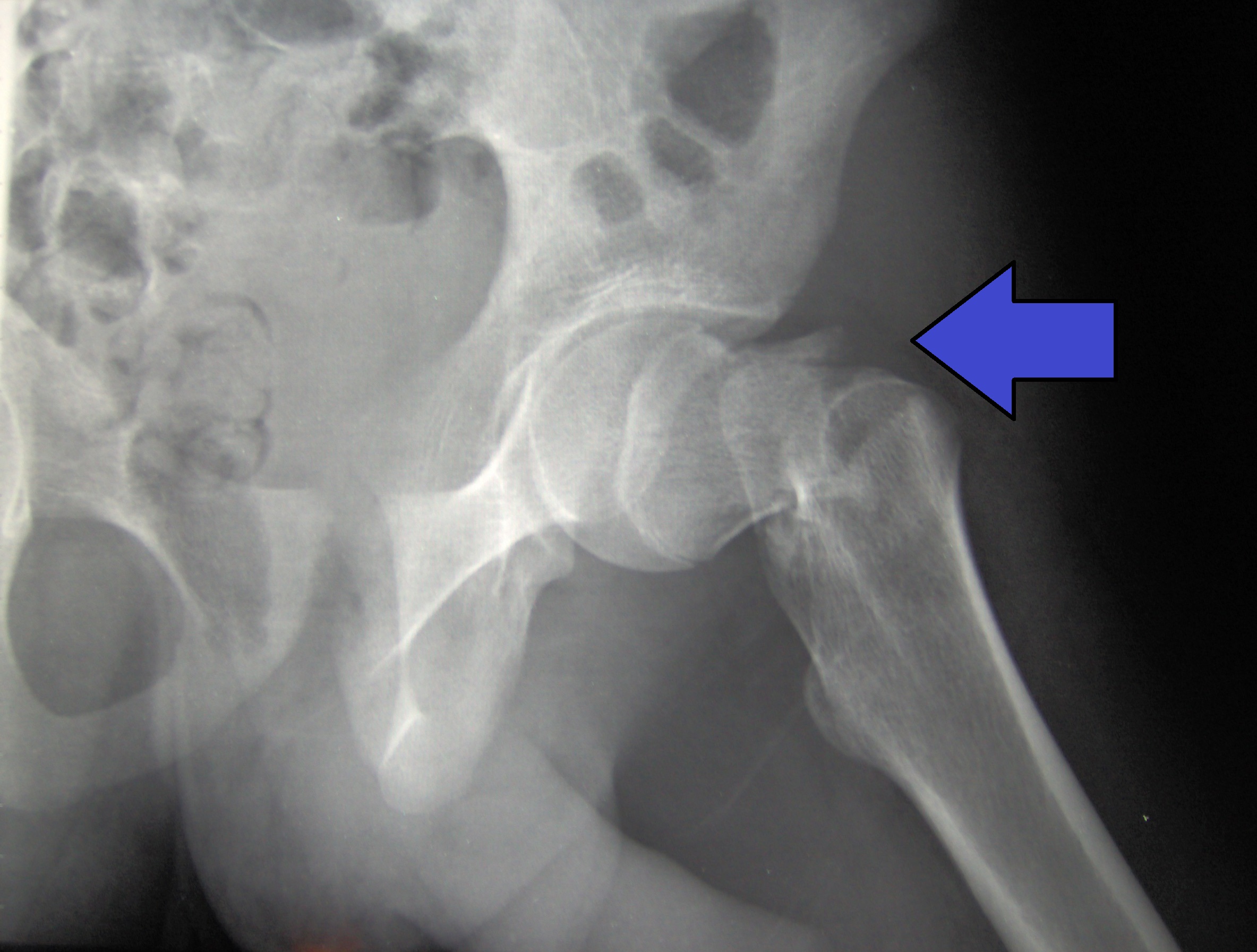
A hip fracture is a fracture of the proximal femur, typically occurring in elderly patients with osteoporosis after a low-energy fall. The term encompasses fractures from the femoral to 5 cm below the lesser trochanter. Synonyms include proximal femoral fracture, and the subtypes femoral neck (intracapsular), intertrochanteric, and subtrochanteric fracture are often used interchangeably with the umbrella term.
Anatomic Subtypes
The most critical distinction is between intracapsular (femoral neck) and extracapsular (intertrochanteric, subtrochanteric) fractures. Intracapsular fractures disrupt the retinacular blood supply to the femoral head, elevating the risk of avascular necrosis and nonunion. Extracapsular fractures preserve a robust blood supply but are often unstable due to comminution or reverse obliquity patterns.
Classification Systems
Multiple classification systems guide treatment and prognostication. The AO/OTA system is the most comprehensive, dividing proximal femur fractures into 31A (trochanteric), 31B (femoral neck), and 31C (femoral head) [2]B2b[15]C4[20]C4. For femoral neck fractures, the Garden classification (I-IV) stratifies by displacement: undisplaced (I-II) versus displaced (III-IV) [1]B2b. Intertrochanteric fractures are further classified by the Evans system (stable vs. unstable) and AO/OTA subtypes: 31A1 (simple two-part), 31A2 (multifragmentary), and 31A3 (reverse obliquity) [2]B2b[15]C4. Subtrochanteric fractures are classified under AO/OTA 32. A simplified four-category system, Displaced, Valgus-impacted, Stable, and Unstable, has shown high accuracy in deep learning models [19]C4.
| Classification System | Subtypes | Key Distinguishing Feature | Clinical Relevance |
|---|---|---|---|
| AO/OTA | 31A, 31B, 31C | Anatomic location (trochanteric, neck, head) | Universal language for research and registry [20]C4 |
| Garden (femoral neck) | I-IV | Displacement (undisplaced vs. displaced) | Predicts avascular necrosis risk; guides fixation vs. arthroplasty [1]B2b |
| Evans (intertrochanteric) | Stable vs. unstable | Medial cortical continuity | Determines need for cephalomedullary nail vs. sliding hip screw [2]B2b |
| Simplified (deep learning) | Displaced, Valgus-impacted, Stable, Unstable | Radiographic pattern | Emerging tool for automated classification [19]C4 |
The choice of classification directly informs surgical strategy, for example, undisplaced femoral neck fractures are often treated with internal fixation, whereas displaced fractures in elderly patients typically require arthroplasty [1]B2b[30]B2b. Understanding these systems is essential before considering the biomechanical forces that produce each fracture pattern, which are discussed in the next section.
Pearl: Classification guides treatment: undisplaced femoral neck fractures may be fixed, while displaced fractures often require arthroplasty.
Pathophysiology & Biomechanics of Injury
- ▸Femoral neck fractures disrupt the retinacular blood supply, causing avascular necrosis in ~10% of displaced cases; intertrochanteric fractures preserve perfusion but permit collapse and medialization.
- ▸Bisphosphonate-related atypical subtrochanteric fractures represent a distinct biomechanical entity with cortical thickening and transverse morphology.
- ▸Poor fracture reduction is the strongest independent predictor of fixation failure, outweighing implant choice (OR 11.49) [51].
From classification to mechanism, the failure pattern is determined by the interplay of applied load, bone quality, and anatomical vascular supply. In the elderly, a low-energy fall from standing height generates a force concentrated across the proximal femur; whether the result is a femoral neck, intertrochanteric, or subtrochanteric fracture depends on the trajectory of the fall and the regional distribution of osteoporotic bone loss. Femoral neck fractures typically occur when the posterolateral cortex is loaded in tension during a sideways fall, whereas intertrochanteric fractures result from direct impaction of the greater trochanter, driving the femoral into varus and causing failure through the trabecular-rich metaphysis [51]B3b. Subtrochanteric fractures, less common, are often associated with bisphosphonate-related cortical suppression, presenting as atraumatic or minimally traumatic fractures with a characteristic transverse morphology and cortical thickening [45]D5.
Bone quality and the fracture threshold
Osteoporosis reduces bone mineral density and disrupts the trabecular architecture, lowering the energy required for failure. Cortical thinning in the femoral neck and loss of horizontal trabeculae in the intertrochanteric region shift the failure mode from compression to shear. This is why the same 1-meter fall that produces a nondisplaced femoral neck fracture in a patient with a T-score of -2.5 may cause a comminuted intertrochanteric fracture in someone with more advanced disease. Malnutrition compounds this risk: low lean body mass and impaired bone metabolism correlate specifically with intracapsular femoral neck fractures, suggesting that nutritional status directly modulates fracture location [66]D5.
Vascular anatomy and healing biology
The blood supply to the femoral head arrives predominantly via the medial femoral circumflex artery, whose retinacular branches run along the femoral neck. An intracapsular fracture that displaces the femoral head can tear these vessels, producing avascular necrosis (AVN). In young patients (age ≤60 years) with displaced femoral neck fractures, the failure rate from AVN or nonunion after internal fixation is 13.2% (95% CI 7.1-19.9), with AVN alone occurring in 10.4% [48]C4. In older cohorts, the frequency of AVN after fixation of displaced fractures is 11.1%, while undisplaced fractures carry a much lower risk (4.5%) [50]C4. This difference underscores the critical role of initial displacement in determining whether the retinacular blood supply remains intact.
Intertrochanteric fractures, by contrast, occur in a well-perfused metaphyseal region; nonunion is rare (<1%), and AVN is not a significant concern. However, the same biomechanical forces that spare the blood supply also permit fracture collapse. Femoral medialization >50% after sliding hip screw (SHS) fixation is associated with worse pain and mobility scores at 1 year, and occurs more frequently in unstable A2 and A3 fractures [47]A1b. Shortening of the femoral neck after cephalomedullary nailing correlates with altered gait: shortening beyond 8 mm predicts decreased cadence, increased double support time, and decreased step length [55]B2b.
Implant-bone interface mechanics
The stability of any fixation construct depends on the quality of the bone-implant interface. The tip-apex distance (TAD) is the classic metric for predicting lag screw cutout in intertrochanteric fractures. A low-center screw position, even with a TAD >25 mm, provides equal biomechanical stability to a center-center screw with a TAD <25 mm, but the low-center position reduces fracture gap distraction and shear translation [62]D5. Poor fracture reduction, regardless of implant choice, remains the strongest independent predictor of loss of fixation (odds ratio 11.49 for poor reduction vs good reduction) [51]B3b. Intramedullary nails reduce the risk of medialization in unstable patterns compared with SHS, confirming that construct selection must account for the fracture’s inherent biomechanical instability [44]A1b[47]A1b.
Systemic factors in healing
Fracture healing after hip fracture is a catabolic process that requires adequate nutritional reserve. Creatine- and HMB-enriched protein supplementation improves early mobility (Parker Mobility Score 4.83 vs 2.65 at 1 month) and reduces 6-month mortality (HR 4.5), suggesting that substrate availability directly influences callus formation and postoperative recovery [46]A1b. Remote ischemic conditioning, applied as a single dose at induction of anesthesia, may reduce oxidative stress and improve perioperative oxygenation, but its effect on fracture union in hip fracture patients remains unproven [67]B2a.
Pearl: The fate of the femoral head after a displaced neck fracture is sealed within hours by the integrity of the retinacular vessels; early reduction and stable fixation can restore perfusion, but if the head is already devascularized, arthroplasty is the only reliable solution. For intertrochanteric fractures, the surgeon’s ability to achieve an anatomical reduction, not the choice of implant, is the strongest predictor of a mechanically durable construct [51]B3b[62]D5.
Epidemiology, Etiology & Risk Factors
- ▸Global incidence is 1.5 million per year, projected to reach 3.9 million by 2050, with marked geographic and racial variation.
- ▸Major modifiable risk factors include smoking (aHR 1.70), low BMI, and failure to initiate osteoporosis therapy after a first fracture.
- ▸Only 6% of hip fracture patients receive anti-osteoporotic medication within one year, representing a critical prevention gap.
The biomechanical failure of osteoporotic bone under low-energy trauma sets the stage for a fracture that is as much a disease of bone fragility as of fall risk. The reflects this dual etiology: hip fracture is a global public health problem with an estimated 1.5 million cases per year worldwide, including 340,000 in the United States among individuals older than 65 years [105]D5. The Global Burden of Disease Study 2019 estimated 14.2 million incident cases (95% UI 11.1 to 18.1) globally, with an age-standardized incidence that varies markedly by region [104]B2c. By 2050, the worldwide burden is projected to reach 3.9 million fractures annually, with more than 700,000 in the United States [105]D5.
Demographic Distribution
Hip fracture disproportionately affects older women. The female-to-male ratio is approximately 2:1, and mean age at fracture is 82 years for both sexes [8]B2a. Racial and ethnic differences are pronounced: incidence is highest among White populations, but Black and Hispanic patients sustain fractures at a younger age and experience higher postoperative mortality [105]D5[11]B2b. Black patients have a 49% greater odds of delayed surgery (OR 1.49, 95% CI 1.42 to 1.57) and a 13% higher 1-year mortality (HR 1.13, 95% CI 1.07 to 1.21) compared with White patients, disparities that persist after adjusting for social deprivation [11]B2b.
Temporal Trends
In the United States, hip fracture rates declined by 30% over the past two decades, coincident with increased bisphosphonate use [45]D5. However, the absolute number of fractures continues to rise globally because of population aging [104]B2c.
Risk Factors
| Risk Factor | Odds Ratio / Hazard Ratio | Evidence Level |
|---|---|---|
| Age (per year increase) | HR 1.04 (95% CI 1.03 to 1.05) for AKI [80]B2b | 2b |
| Female sex | 2:1 female predominance [8]B2a | 2c |
| Low bone mineral density (T-score < -2.5) | 10-year hip fracture risk ≥3% by FRAX [76]D5 | 1c |
| Prior fragility fracture | Major risk factor in FRAX [76]D5 | 1c |
| Low body mass index | Independent predictor of contralateral fracture (age ≥80 + decreasing BMI: 12.5% 2-year risk) [101]B2b | 2b |
| Dementia | Present in >40% of hip fracture patients [94]A1a | 2b |
| Bisphosphonate use (atypical fracture) | PRR 4.51 (95% CI 3.44 to 5.92) for nonhealing femoral fracture [45]D5 | 5 |
| Glucocorticoid use, rheumatoid arthritis, alcohol ≥3 units/day | Included in FRAX [76]D5 | 1c |
Special Considerations
Smoking cessation reduces hip fracture risk compared with continued smoking, but weight loss after cessation (>5% decrease) is associated with higher risk (aHR 1.88, 95% CI 1.16 to 3.03) compared with weight maintenance [108]B2b. The FRAX tool integrates clinical risk factors with or without femoral neck BMD to estimate 10-year hip fracture probability; a 10-year hip fracture risk ≥3% or major osteoporotic fracture risk ≥20% is the threshold for pharmacologic treatment [76]D5. Among patients with a first hip fracture, only 6% receive anti-osteoporotic therapy within one year, and adherence at 12 months is only 41% [78]B2b.
Pearl: The single most important modifiable risk factor is osteoporosis treatment after a first hip fracture, yet only 6% of patients receive anti-osteoporotic therapy, and among those who do, median persistence is just 40 weeks [78]B2b.
Clinical Presentation
- ▸Delirium is present in approximately 21% of hip fracture patients on arrival and independently doubles the risk of inpatient and 1-year mortality [120].
- ▸Myocardial injury (troponin elevation) is found in 23% of patients at presentation, often without chest pain, and accelerated surgery significantly reduces mortality in this subgroup [111].
- ▸The leg may appear normal in nondisplaced femoral neck fractures; delayed diagnosis is a common cause of malpractice claims [146].
The classic presentation is a geriatric patient who has fallen from standing height and is unable to bear weight on the affected leg. The hip/groin is painful, and the leg often appears shortened and externally rotated. However, the clinical picture is more nuanced: up to 21% of patients have delirium on arrival (4AT score ≥4), and delirium may be the dominant or sole presenting feature [120]B2b. Additionally, 23% of patients have elevated troponin at presentation, indicating concurrent myocardial injury, often without chest pain [111]A1b.
Presenting Symptoms
- Pain is immediate, localized to the hip or groin, and may radiate to the thigh or knee. It is exacerbated by any attempt to move the leg or bear weight.
- Inability to walk is the rule; the patient typically reports that the leg “gave way” or that they cannot stand.
- Delirium (acute confusion, inattention, disorganized thinking) is present in 1 in 5 patients and is independently associated with a twofold increased risk of inpatient mortality and a lower likelihood of returning home (aOR 0.27) [120]B2b. Delirium may mask the history of fall or pain.
- Myocardial injury may be asymptomatic; only a minority of patients with troponin elevation report chest pain or dyspnea [111]A1b.
Physical Examination Findings
- Inspection: The affected leg is shortened and externally rotated (unless the fracture is impacted or nondisplaced). Swelling or ecchymosis may be visible over the greater trochanter or groin.
- Palpation: Tenderness is present over the hip joint, greater trochanter, or femoral neck. Axial compression of the leg often reproduces pain.
- Range of motion: Passive internal rotation is particularly painful and limited. The patient will resist any attempt to move the hip.
- Neurovascular assessment: Always document distal pulses, sensation, and motor function of the foot and ankle. A hip fracture alone does not cause neurovascular deficit, but associated injuries (e.g., knee dislocation, vascular injury) can occur in high-energy trauma.
- Impacted fracture variant: In nondisplaced femoral neck fractures, the leg may appear normal and the patient may be able to take a few painful steps. Clinical suspicion must remain high.
Phenotypic Variants by Fracture Type
| Variant | Key Features | Frequency |
|---|---|---|
| Femoral neck fracture | May be nondisplaced (subtle pain, minimal deformity) or displaced (shortening, external rotation). Pain in groin, often referred to knee. | ~45% of hip fractures |
| Intertrochanteric fracture | More obvious shortening and external rotation; greater swelling and ecchymosis over the lateral hip. Pain on palpation of greater trochanter. | ~40% of hip fractures |
| Subtrochanteric fracture | Deformity and pain in the proximal thigh; may be more swelling. Often associated with higher-energy mechanism or pathologic bone. | ~10-15% of hip fractures |
Red Flags
- Delirium on presentation, independently doubles mortality risk and reduces the chance of returning home [120]B2b. Screen all patients with a validated tool (e.g., 4AT) on arrival.
- Myocardial injury (troponin elevation), present in 1 in 5 patients; accelerated surgery (within 6 hours) reduces 90-day mortality from 23% to 10% (HR 0.43) [111]A1b. Check troponin in all hip fracture patients.
- co-infection, only 26% of COVID-19-positive hip fracture patients have typical respiratory symptoms; universal testing is prudent [121]B2b.
Atypical Presentations
- Nondisplaced femoral neck fracture in elderly patients may present with minimal pain and preserved ability to walk. Delayed diagnosis is the most common malpractice allegation in hip fracture care (28-40% of claims) and is the strongest independent predictor of plaintiff success [146]C4.
- Younger adults with hip fracture usually sustain high-energy trauma (e.g., motor vehicle crash); look for associated injuries ( , chest, abdomen, other fractures).
- Pathologic fracture should be suspected when the fracture occurs with minimal or no trauma, especially in patients with known malignancy or lytic bone lesions on plain radiograph.
Pearl: A hip fracture should be suspected in any elderly patient with a fall and inability to bear weight, even if the leg appears normal. Delirium may be the sole presenting feature in 1 in 5 patients, and silent myocardial injury is present in another 1 in 5, both require immediate attention [111]A1b[120]B2b.
Diagnosis & Workup (Special Tests, X-ray/MRI, Classification)
- ▸Plain radiography (AP pelvis + cross-table lateral) is the test of choice; MRI is the gold standard for occult fracture when X-rays are negative.
- ▸Classification systems (Garden for femoral neck, AO/OTA for proximal femur) guide treatment but have moderate interobserver agreement, especially for subtypes.
- ▸Deep learning models show promise in improving diagnostic accuracy for subtle fractures but are not yet standard of care.
Once the clinical suspicion of hip fracture is raised by the characteristic presentation of an elderly patient with hip pain after a fall and inability to bear weight, the diagnosis is confirmed by imaging.
Imaging: Test of Choice and Gold Standard
Plain radiography is the first-line diagnostic test. An anteroposterior (AP) view of the pelvis and a cross-table lateral view of the affected hip provide sufficient sensitivity to identify most femoral neck, intertrochanteric, and subtrochanteric fractures. The AP pelvis allows comparison with the contralateral side and detection of subtle abnormalities such as a disrupted or cortical irregularity. In displaced fractures, the diagnosis is obvious; the real challenge lies in the nondisplaced or impacted fracture (e.g., valgus-impacted femoral neck fracture), where the fracture line may be faint or absent. In such cases, deep learning-based models have demonstrated improved diagnostic accuracy: a convolutional neural network achieved sensitivity of 0.89 and specificity of 0.90 for valgus-impacted fractures in an external validation dataset [19]C4. However, such models are not yet standard of care.
When plain radiographs are negative but clinical suspicion remains high, typically in the setting of a patient with groin pain and inability to weight bear after a fall, is the gold standard for diagnosing occult hip fracture. MRI detects bone marrow edema and subtle fracture lines with near 100% sensitivity. is less sensitive for occult fractures and is reserved for cases where MRI is contraindicated or to characterize complex fracture patterns.
Classification Systems
Fracture classification guides treatment selection. The is the most comprehensive system, categorizing proximal femoral fractures into 31A (trochanteric), 31B (femoral neck), and 31C (femoral ). Each type is further subdivided based on morphology and stability. For femoral neck fractures, the (I-IV) is widely used, with Garden I and II treated as nondisplaced and amenable to internal fixation, while Garden III and IV are displaced and often require arthroplasty. However, agreement among surgeons on subtypes is only moderate. In a study of 903 cases, agreement for subtypes of extracapsular fracture was poor, improving to "substantial" only when collapsed to "intracapsular" or "extracapsular" [20]C4. This has implications for both clinical decision-making and research data quality.
| Classification | Type | Description | Treatment Implication |
|---|---|---|---|
| Garden I | Femoral neck | Valgus impacted, incomplete | Internal fixation |
| Garden II | Femoral neck | Complete, nondisplaced | Internal fixation |
| Garden III | Femoral neck | Complete, partially displaced | Arthroplasty |
| Garden IV | Femoral neck | Complete, fully displaced | Arthroplasty |
| AO/OTA 31A | Trochanteric | Pertrochanteric (A1, A2, A3) | Sliding hip screw or IM nail |
| AO/OTA 31B | Femoral neck | Subcapital, transcervical, basicervical | Fixation vs arthroplasty |
| AO/OTA 31C | Femoral head | Head fracture | Open reduction or arthroplasty |
Special Diagnostic Tests
While the diagnosis is primarily radiographic, the "log roll" test, gently rotating the affected limb internally and externally, can elicit pain in a patient with a fracture and is useful in the emergency setting when radiography is not immediately available. The inability to perform a straight leg raise is another bedside sign. These tests are not definitive but raise pretest probability.
Diagnostic Algorithm
Step 1: Obtain AP pelvis and cross-table lateral radiographs. If fracture is clearly identified, classify and proceed to . Step 2: If radiographs are negative but clinical suspicion persists (e.g., painful hip, inability to bear weight), order MRI of the hip. If MRI is contraindicated or unavailable, CT with coronal and sagittal reconstructions is an alternative but less sensitive. Step 3: If MRI is negative, the diagnosis of hip fracture is virtually excluded.
Pearl: In an elderly patient with a low-energy fall and hip pain, a negative X-ray does not exclude a fracture; proceed to MRI if the patient cannot weight bear, the cost of a missed fracture (displacement, avascular necrosis, nonunion) far exceeds the cost of imaging.
Severity, Staging & Surgical Risk Stratification
- ▸Fracture subtype (AO/OTA 31A3) and tip-apex distance independently predict implant failure, while displaced femoral neck fractures favour arthroplasty.
- ▸ASA class is the most widely available risk screen; ASA 3 and 4 confer 3.8-fold and 7.4-fold increased odds of medical complications, respectively.
- ▸Expedited surgery (<24 hours) provides the greatest benefit for the highest-risk patients (STTGMA quartile 4), with major complication rates rising from 20% to 34% with delay.
The diagnostic workup has established the fracture subtype and the patient's baseline physiology. The next step is to translate these findings into a risk tier that guides the urgency of surgery and the intensity of perioperative medical optimisation. No single staging system suffices; instead, fracture morphology, patient comorbidity, and frailty indices are combined to stratify both operative risk and the likely benefit of expedited repair.
Fracture Subtype as a Prognostic Anchor
Fracture classification, the AO/OTA 31A (intertrochanteric), 31B (femoral neck), or 32A (subtrochanteric), carries independent prognostic information. For intertrochanteric fractures fixed with a sliding hip screw or cephalomedullary nail, the tip-apex distance (TAD) is the strongest modifiable predictor of screw cutout: after adjustment for TAD and screw position, AO/OTA 31A3 fractures (reverse obliquity) are at higher risk of cutout than 31A1 fractures [172]C4. Displaced femoral neck fractures (Garden III-IV) have a higher risk of avascular necrosis and nonunion, favouring arthroplasty over internal fixation [119]D5. Thus, the fracture subtype sets the baseline for both the procedure selected and the inherent complication rate.
Patient Risk Stratification Tools
Several validated models predict 30-day mortality and major complications after hip fracture surgery. The American Society of Anesthesiologists (ASA) physical status classification is the most widely used and is strongly associated with perioperative medical complications: patients in ASA class 3 have a 3.78-fold greater chance of a medical complication than those in class 2; those in ASA class 4 have a 7.39-fold greater chance [171]B3b. ASA class also predicts postoperative delirium (every grade increase raises odds 1.7-fold, 95% CI 1.13-2.50) and postoperative cognitive decline (odds ratio 2.6 per grade, 95% CI 1.7-4.0) [83]B2b.
The Nottingham Hip Fracture Score (NHFS), incorporating age, sex, admission haemoglobin, comorbidities, residence, and cognitive status, discriminates 30-day mortality with an area under the receiver operating characteristic curve (AUROC) of 0.746 (95% CI 0.666-0.826) and 1-year mortality with AUROC 0.777 (95% CI 0.730-0.825) [18]C4. An NHFS >5 identifies patients at significantly higher risk for both 30-day and 1-year mortality [154]B3b. The Hip fracture Estimator of Mortality Amsterdam (HEMA) uses nine preoperative variables (including age ≥85 years, malnutrition, myocardial infarction, heart failure, renal failure, malignancy, and serum urea >9 mmol/L) and achieves an AUROC of 0.79 in validation cohorts [159]B3b.
The Score for Trauma Triage in the Geriatric and Middle-Aged (STTGMA) stratifies patients into quartiles of inpatient mortality risk. In the highest-risk quartile (STTGMA quartile 4), major complication rates rise from 20% to 34% as time to surgery increases beyond 48 hours, whereas the lowest-risk quartile shows no such increase (P = 0.756) [179]B2b. This differential effect underscores that expedited surgery (within 24 hours) yields the greatest benefit in the highest-risk patients.
More recently, frailty indices have emerged as powerful predictors. A -based Frailty Index (CGA-FI) categorising patients as moderately to severely frail (vs. pre-frail to mildly frail) carries an adjusted odds ratio of 1.70 for any in-hospital complication, 2.05 (95% CI 1.43-2.93) for delirium, and 3.35 for in-hospital mortality [188]B2b. Machine learning algorithms that integrate all available preoperative variables outperform single comorbidity indices (e.g., ASA, Charlson, NHFS) for predicting death (AUROC 0.80), medical complications (AUROC 0.65), and hospital length of stay >13 days (AUROC 0.69) [157]B3b.
Controversies and Guideline Disagreement
Guideline bodies differ on which risk tool to recommend. The UK National Institute for Health and Care Excellence (NICE) endorses the NHFS as a basis for shared decision-making, while the American Academy of Orthopaedic Surgeons (AAOS) does not mandate a specific tool, citing insufficient comparative evidence. The table below summarises the key properties of the most commonly used instruments.
| Tool | Predicts | AUROC (30-day mortality) | Key strength | Key limitation |
|---|---|---|---|---|
| ASA class | Medical complications, delirium, cognitive decline | 0.60-0.63 [171]B3b[83]B2b | Ubiquitous, simple | Coarse, subjective |
| NHFS | 30-day and 1-year mortality | 0.70-0.75 [18]C4 | Validated in multiple cohorts | Underfits for very high-risk patients [102]B2b |
| HEMA | 30-day mortality | 0.79 [159]B3b | Good discrimination | Requires 9 variables, not widely used |
| STTGMA | Inpatient mortality, cost, benefit of expedited surgery | Not reported as single AUROC [175]B2b | Links to tempo | Requires proprietary calculator |
| CGA-FI | In-hospital complications, mortality | Not reported as single AUROC [188]B2b | Captures frailty multidimensionally | Time-consuming |
| ML models | Death, complications, readmission, discharge | 0.80 [157]B3b | Highest discrimination | Not yet integrated into clinical workflow |
Pearl: For a bedside decision, the ASA class remains the most accessible first screen; an ASA 3 or 4 patient should trigger both a medical comanagement consult and a formal NHFS or STTGMA calculation to determine whether expedited surgery (<24 hours) will disproportionately reduce complications.
Once the risk tier is established, the next decision is the timing and type of acute intervention, a topic taken up in the following section.
Acute Management & Orthopedic Emergencies
- ▸Ultrasound-guided PENG block is superior to IV morphine for acute hip fracture pain and improves spinal anesthesia positioning.
- ▸Surgery within 24 hours reduces 30-day mortality (RR 0.86) and is cost-saving; anticoagulation reversal should be individualized to avoid unnecessary delay.
- ▸A perioperative bundle including TXA, oral nutritional supplementation, and orthogeriatric comanagement further reduces complications and mortality.
The acute of hip fracture begins with pain control, , and a deliberate plan for early surgery, all within the first hours of presentation. Each step determines whether the patient reaches the operating room in optimal condition to reduce mortality and preserve function.
Step 1: Immediate Pain Management and Regional
Ultrasound-guided pericapsular nerve group (PENG) block is now the preferred first-line analgesic for acute hip fracture pain in the emergency department. In a randomized trial, PENG block reduced pain by a median of 6 points on the 11-point Verbal Numeric Rating Scale (VNRS) at 30 minutes, compared with 3 points for intravenous (0.1 mg/kg) [213]A1b (1b). No patient in the PENG group required rescue analgesia. This observation is consistent with the broader Cochrane evidence that peripheral nerve blocks reduce pain on movement within 30 minutes (standardized mean difference [SMD] -1.05, high-quality evidence) and decrease the risk of pneumonia (risk ratio [RR] 0.41; number needed to treat [NNT] = 7) [90]A1a[126]A1a (1a). The PENG block also improves the ease of spinal anesthesia positioning compared with femoral nerve block or intravenous [216]A1b (1b). Multimodal analgesia, combining a nerve block with scheduled acetaminophen and low-dose opioids if needed, reduces opioid consumption and delirium risk [133]D5 (5).
| Modality | Onset | Duration | Pain reduction at 30 min | Rescue requirement | Evidence level |
|---|---|---|---|---|---|
| PENG block | 5-10 min | 6-8 h | Median -6 points (IQR -6 to -5) | 0% | 1b [213]A1b |
| Femoral nerve block | 5-10 min | 4-6 h | SMD -1.05 vs morphine | 5.9% (morphine group) | 1a [90]A1a[126]A1a |
| IV morphine | 5-10 min | 1-2 h | Median -3 points (IQR -5 to -2) | 5.9% (required fentanyl) | 1b [213]A1b |
Step 2: Anticoagulation Reversal and Preoperative Optimization
Pre-injury oral anticoagulants (OACs) delay surgery by a mean of 13.7 hours and increase the odds of surgery beyond 48 hours threefold (OR 3.0, 95% CI 2.1-4.3) [194]B2a (2a). In-hospital mortality is higher in anticoagulated patients (OR 1.4, 95% CI 1.0-1.8). No significant difference in time-to-surgery was found between direct oral anticoagulants (DOACs) and vitamin K antagonists (VKAs) [194]B2a (2a). Expedited protocols, selective reversal of VKAs with vitamin K or prothrombin complex concentrate, and holding DOACs for 24-48 hours depending on renal function, can reduce delay. Do not automatically defer surgery for 5 days based on OAC use; individualize reversal while aiming for surgery within 24 hours.
Step 3: Timing of Surgery, The 24-Hour Target
A systematic review of 139 studies involving over 4.3 million patients found that surgery within 24 hours of injury or hospitalization is associated with improved mobility, reduced complications, shorter length of stay, and lower costs [195]B2a (2a). Meta-analysis of 46 studies (521,857 fractures) shows that surgery within 24 hours reduces 30-day mortality compared with surgery after 24 hours (RR 0.86, 95% CI 0.82-0.91) [196]B2a (2a). Surgery within 24 to 36 hours also shows a benefit (RR 0.87, 95% CI 0.81-0.93). Delaying surgery beyond 24 hours increases direct medical costs by an average of $2,638 per patient in Canada [202]B2b (2b). The AAOS clinical practice guideline recommends surgery within 48 hours but notes that earlier surgery (within 24 hours) may confer additional benefit [85]A1c (1c).
Step 4: Perioperative Care Bundle
Tranexamic acid (TXA): Intravenous TXA reduces transfusion requirements by 50% (RR 0.50) without increasing thromboembolic events [6]A1a (1a). Administer 1 g IV at induction and 1 g at closure (or per local protocol).
Nutritional supplementation: Oral nutritional supplementation (ONS) reduces total complications (OR 0.57, 95% CI 0.42-0.79), infective complications (OR 0.54), and pressure ulcers (OR 0.54) [193]A1a (1a). Length of stay is reduced by a mean of 2.4 days. Start ONS as soon as oral intake is safe.
Orthogeriatric comanagement: A dedicated orthogeriatric service reduces in-hospital mortality (RR 0.60) and long-term mortality (RR 0.83, 95% CI 0.74-0.94) [197]B2a (2a). The shared-care model appears most effective.
Step 5: Anesthetic and Hemodynamic Considerations
Spinal anesthesia is preferred over general anesthesia for most patients [85]A1c (1c). Cemented hemiarthroplasty provides better survival and lower periprosthetic fracture risk than uncemented fixation (OR 0.83 for mortality, OR 0.22 for periprosthetic fracture) [206]A1a (1a). Hemodynamic instability during cementing occurs in about 15% of cemented cases, usually within 5 minutes of cement insertion or at final hip reduction; the fall in blood pressure is driven by reduced cardiac output and stroke volume [69]A1b (1b). Continuous noninvasive blood pressure monitoring (e.g., LiDCOrapid) can detect these events, but the HIP ATTACK secondary analysis found no increase in cardiopulmonary complications with cemented fixation [191]B2b (2b).
Pearl: Administer a PENG block in the emergency department for immediate pain relief, reverse anticoagulants selectively, and aim for surgery within 24 hours, this sequence reduces mortality, complications, and costs by more than any single operative intervention.
Definitive Management: Conservative vs Operative
- ▸Nonoperative management is associated with markedly higher mortality (84.4% vs 36.4% at 1 year) and shorter life expectancy (221 vs 1024 days) compared with operative treatment.
- ▸The Cochrane review found limited evidence but suggested operative treatment reduces non-union for undisplaced intracapsular fractures and shortens hospital stay for extracapsular fractures.
- ▸AAOS guidelines recommend surgical treatment for displaced femoral neck fractures and subtrochanteric fractures; nonoperative care is reserved for palliative or non-ambulatory patients.
The decision to proceed with surgery versus nonoperative must be made promptly, as the evidence overwhelmingly favors operative treatment for the vast majority of geriatric hip fractures. The Cochrane review (2008) identified only five randomized trials involving 428 elderly patients, all with methodological limitations, and found no major differences in mortality or pain between conservative and operative treatment for extracapsular fractures, but operative treatment was associated with a shorter hospital stay and improved rehabilitation [237]A1a (1a). For undisplaced intracapsular fractures, one small trial found a reduced risk of non-union with operative treatment [237]A1a (1a).
A more recent matched cohort study (2019) of 231 patients (154 operative, 77 nonoperative) provides the strongest contemporary evidence against nonoperative care. Nonoperatively managed patients had a significantly higher 1-year mortality: 84.4% vs 36.4% (P < 0.0001), and mean life expectancy was 221 days vs 1024 days (P < 0.0001) [199]B2b (2b). In-hospital mortality was 28.6% vs 3.9% and 30-day mortality 63.6% vs 11.0% [199]B2b (2b).
Indications for Nonoperative Management
Nonoperative management is reserved for patients who are non-ambulatory, have severe cognitive impairment, or are at extremely high anesthetic risk where the patient or family has elected comfort care. The AAOS clinical practice guideline (2015) strongly recommends surgical treatment for displaced femoral neck fractures (arthroplasty) and for subtrochanteric/reverse obliquity fractures (cephalomedullary device) [85]A1c (1c). Operative treatment is the standard of care; the decision to withhold surgery must be explicitly documented with shared decision-making.
Evidence Table
| Comparison | Outcome | Operative | Nonoperative | Absolute difference | Evidence level |
|---|---|---|---|---|---|
| Chlebeck et al. 2019 [199]B2b | 1-year mortality | 36.4% | 84.4% | 48% absolute increase | 2b (matched cohort) |
| Chlebeck et al. 2019 [199]B2b | Mean life expectancy | 1024 days | 221 days | 803 days shorter | 2b |
| Cochrane review 2008 [237]A1a | Hospital stay (extracapsular) | Shorter | Longer | Not quantified | 1a (limited data) |
| Cochrane review 2008 [237]A1a | Non-union (undisplaced intracapsular) | Lower risk | Higher risk | Not quantified | 1a (small trial) |
Pearl: Nonoperative management of geriatric hip fractures carries a 1-year mortality of 84% and a mean life expectancy of only 7 months, compared with 36% and 34 months with surgery; operative treatment is indicated for virtually all patients unless the goal is purely palliative [199]B2b (2b).
History and Evolution of Treatment
- ▸The shift from nonoperative to operative management reduced 1-year mortality from >80% to ~36% [199].
- ▸Cemented hemiarthroplasty provides better mobility and fewer periprosthetic fractures than uncemented stems [255, 261].
- ▸Intramedullary nails offer marginal mobility benefit over sliding hip screws for intertrochanteric fractures, but shorter nails worsen outcomes [44, 258].
The shift from nonoperative to operative for hip fractures, now the universal standard, was cemented by studies demonstrating that surgical treatment reduces 1-year mortality from 84% to 36% compared with matched nonoperative controls [199]B2b. This section traces the landmark trials and practice changes that shaped current care.
From Nonoperative to Operative Care
Through the mid-20th century, hip fractures were managed with prolonged bed rest, traction, and casting. Mortality exceeded 50% at 1 year, driven by pneumonia, thromboembolism, and deconditioning. The introduction of internal fixation (Smith-Petersen nail, 1931) and later arthroplasty (Moore, 1940s) offered the possibility of early mobilization. By the 1980s, operative treatment became standard, and subsequent research focused on refining implant choice and perioperative care.
Fixation Constructs: Intramedullary vs. Extramedullary
For intertrochanteric fractures, the sliding hip screw (SHS) was the benchmark for decades. The WHiTE Four trial (n = 1,128) found no clinically important difference in 4-month quality of life between the novel X-Bolt and SHS (mean EQ-5D difference 0.029; 95% CI -0.013 to 0.070) [257]A1b. A randomized trial of 400 patients comparing SHS with the Targon PFT nail showed slightly better mobility recovery with the nail at 8 weeks, 3 months, and 9 months (mean difference ~0.4 points on a 9-point scale; p = 0.01-0.04), but no difference in pain or complications [44]A1b. A subsequent trial comparing a short (175 mm) versus standard (220 mm) nail found that the shorter nail led to worse mobility at 1 year (mean reduction 0.80; p = 0.007) and a trend toward more pain, despite faster insertion [258]A1b. For unstable intertrochanteric fractures (AO/OTA 31-A2), intramedullary fixation produced better radiographic femoral neck preservation but no functional advantage over extramedullary fixation [112]A1b.
Arthroplasty for Femoral Neck Fractures
The debate over cemented versus uncemented hemiarthroplasty was largely resolved by two randomized trials. Parker and Cawley (n = 400) reported better mobility recovery with cemented polished tapered stems at 1 year (mean mobility score decrease 1.1 vs. 1.7; p = 0.008) and a trend toward fewer periprosthetic fractures (2 vs. 5; p = 0.45), though 4 perioperative deaths occurred in the cemented group [255]A1b. Inngul et al. (n = 141) found cemented stems superior at 4 and 12 months for Harris hip score (78 vs. 70.7 at 4 months; p = 0.004) and EQ-5D (0.75 vs. 0.58 at 12 months; p < 0.001), with 9 intraoperative fractures in the uncemented group versus none [261]A1b. The WHiTE 3 HEMI trial (n = 964) found no difference in EQ-5D at 4 months between the traditional Thompson monoblock and a modern modular cemented stem (mean difference 0.037; 95% CI -0.014 to 0.087), suggesting that implant design within cemented constructs may be less critical than the decision to cement [262]A1b.
Perioperative Medical Optimization
Tranexamic acid (TXA) 15 mg/kg IV before incision reduced mean total blood loss from 1,226 mL to 902 mL (p = 0.003) and lowered transfusion likelihood by 22% in a trial of 165 patients [256]A1b. However, a larger recent trial (n = 283) found no difference in transfusion rates (81% vs. 81%; p = 0.97), possibly due to a restrictive transfusion policy [244]A1b. Multimodal pain management, including preoperative fascia iliaca block, intraoperative periarticular injection (bupivacaine, , ketorolac), and low-dose spinal anesthesia, reduces opioid consumption and improves early ambulation [252]A1b[263]A1b[264]A1b[277]B2b. A single intraoperative dose of methadone 0.10 mg/kg reduced morphine consumption over 72 hours but prolonged hospital stay by 1.3 days [139]A1b. Nutritional supplementation with protein and colostrum accelerates radiographic healing (RUSH score β = 0.88; p = 0.001) and early mobility [40]A1b[46]A1b. A restrictive transfusion threshold of <7 g/dL Hb in stable patients decreased transfusion rates from 51% to 33% without increasing cardiac morbidity or mortality [274]C4.
Accelerated Surgery and the Era
The HIP ATTACK trial demonstrated that accelerated surgery (median 6 hours from diagnosis) reduced 90-day mortality in patients with troponin elevation at arrival (10% vs. 23%; HR 0.43; 95% CI 0.24-0.77) [111]A1b. During the COVID-19 pandemic, hip fracture patients with concurrent SARS-CoV-2 infection had a 35.3% mortality rate versus 0.9% in uninfected patients, highlighting the vulnerability of this population [275]B2b.
Closing the Osteoporosis Treatment Gap
Despite strong evidence that bisphosphonate therapy reduces subsequent fracture risk, fewer than 20% of hip fracture patients receive osteoporosis treatment. A simple inpatient education program, a 15-minute discussion plus a list of questions for the primary care physician, increased treatment rates from 19% to 42% (p = 0.036) [250]A1b.
Pearl: The evolution of hip fracture care, from traction to early surgery, from uncemented to cemented arthroplasty, and from liberal to restrictive transfusion, rests on Level I evidence that continues to refine outcomes; the single most impactful current intervention may be ensuring every patient receives osteoporosis evaluation before discharge [250]A1b.
| Trial / Comparison | Year | n | Key Finding | Impact |
|---|---|---|---|---|
| Parker & Cawley: Cemented vs. uncemented HA [255]A1b | 2020 | 400 | Better mobility with cemented; trend to fewer periprosthetic fractures | Cemented HA became preferred for displaced femoral neck fractures |
| Inngul et al.: Cemented vs. uncemented stem [261]A1b | 2015 | 141 | Superior HHS and EQ-5D with cemented; 9 intraop fractures in uncemented | Reinforced cemented recommendation |
| WHiTE 3 HEMI: Thompson vs. modular cemented [262]A1b | 2018 | 964 | No clinically important difference in EQ-5D | Implant design within cemented class less critical |
| Reindl et al.: IM vs. extramedullary fixation [112]A1b | 2015 | 180 | No functional difference; less femoral neck shortening with IM | IM nails not superior for unstable IT fractures |
| Parker & Cawley: Short vs. standard IM nail [258]A1b | 2020 | 229 | Short nail → worse mobility at 1 year | Avoid very short nails |
| WHiTE Four: X-Bolt vs. SHS [257]A1b | 2021 | 1,128 | No clinically important difference in EQ-5D | SHS remains standard |
| HIP ATTACK substudy: Accelerated surgery with troponin elevation [111]A1b | 2024 | 1,392 | 90-day mortality 10% vs. 23% (HR 0.43) | Accelerate surgery in patients with myocardial injury |
| Nikolaou et al.: TXA 15 mg/kg [256]A1b | 2021 | 165 | Reduced blood loss by 324 mL; 22% fewer transfusions | TXA recommended for IT fractures |
| Amin et al.: Restrictive transfusion <7 g/dL [274]C4 | 2019 | 498 | Transfusion rate 33% vs. 51%; no increase in morbidity | Restrictive threshold safe and reduces resource use |
Operative Technique: Fixation Constructs, Implants, Grafts and Approach
- ▸Cemented hemiarthroplasty reduces periprosthetic fracture and reoperation compared with uncemented, with no mortality difference (NNT to prevent one periprosthetic fracture = 14 based on 5.1× HRR).
- ▸Non-parallel cannulated screw configuration significantly lowers failure rates in femoral neck fractures (OR 0.34 for fixation failure).
- ▸For unstable intertrochanteric fractures, cephalomedullary nails are preferred over sliding hip screws, with helical blades showing advantage in healthier patients.
The evolution of treatment has pushed arthroplasty for displaced femoral neck fractures and cephalomedullary nailing for unstable intertrochanteric fractures, but the operative construct must still be individualized to fracture morphology, bone quality, and patient physiology. The choice of implant, fixation method, and surgical approach directly determines construct stability, complication risk, and functional recovery.
Fixation Strategy by Fracture Type
For stable intertrochanteric fractures (AO/OTA 31A1), a sliding hip screw (SHS) remains the reference standard, with strong evidence from Cochrane meta-analyses that extramedullary fixation is equivalent to nailing for these patterns [289]A1a. For unstable patterns (31A2, A3, reverse obliquity, and subtrochanteric extension), cephalomedullary nails (CMN) are preferred because their load-sharing intramedullary position resists varus collapse and cut-out better than an SHS [228]D5[289]A1a. A 2012 Medicare analysis found that after 2000, CMN outcomes converged with SHS, and since 2005 CMN has become the dominant treatment [215]B2b.
Implant Selection: Helical Blade vs. Lag Screw, and Stem Design
In a registry study of 22,308 geriatric patients, helical blade and lag screw fixation performed similarly overall for aseptic revision (adjusted HR 0.87, 95% CI 0.69-1.11; p = 0.27). However, among healthier patients (ASA 1-2), the helical blade had a lower revision rate (1.74% vs. 2.56%; adjusted HR 0.65, 95% CI 0.43-0.98) [13]B2b. The Trochanteric Fixation Nail Advanced (TFNA) showed a similar overall revision risk to its predecessor (TFN) at 3 years (1.9% vs. 1.8%), but the TFNA was associated with a higher risk of revision for nonunion (HR 1.86, 95% CI 1.11-3.12) [192]B2b.
For intracapsular femoral neck fractures treated with internal fixation, cannulated screws are the most common implant. A meta-analysis of 20 studies (1,508 patients) found that non-parallel screw configuration reduced femoral necrosis (OR 0.50), nonunion (OR 0.41), shortening (OR 0.40), and fixation failure (OR 0.34) compared with parallel screws [217]A1a. Robot-assisted screw placement further improves accuracy and reduces fluoroscopy exposures [218]B2b.
Cemented vs. Uncemented Arthroplasty
For hemiarthroplasty and total hip arthroplasty (THA) in femoral neck fracture, cemented fixation is recommended by current guidelines. A Cochrane review of 17 RCTs (3,644 participants) found moderate-certainty evidence that cemented hemiarthroplasty improves health-related quality of life and reduces pain [208]A1a. Registry data from Norway (22,639 cemented vs. 7,539 uncemented hemiarthroplasties) showed a higher risk of reoperation for uncemented stems (HRR 1.5, 95% CI 1.4-1.7), driven by periprosthetic fracture (HRR 5.1, 95%) [30]B2b. A meta-analysis of 18 RCTs confirmed that contemporary cemented hemiarthroplasty reduces intraoperative and postoperative periprosthetic fracture without increasing mortality [222]A1a.
Stem design matters: among noncemented stems, all types (single-wedge, fit-and-fill with or without collar) carry a higher risk of aseptic revision compared with cemented stems [285]B2b. Cemented composite-beam femoral components have the lowest risk of reoperation for periprosthetic fracture (aHRR 4.0 vs. double-tapered, 7.3 vs. uncemented wedged collarless) [229]B2b.
Bearing Surface and Head Size
Dislocation remains a concern after THA for fracture. Dual-mobility cups (DMC) are associated with a significantly lower dislocation rate compared with conventional THA (OR 0.26, 95% CI 0.08-0.79) and hemiarthroplasty (OR 0.27) [223]B2a. However, an international registry meta-analysis of 15,024 dual-mobility and 97,200 conventional THAs found no difference in all-cause revision at 5 years [75]B2a. In a New South Wales cohort, dual-mobility components were protective against dislocation compared with ≤32 mm bearings (OR 1.97, 95% CI 1.06-3.66) after adjusting for surgical approach [284]B2b.
Surgical Approach
Surgical approach influences dislocation and functional recovery. A Cochrane review of 27 RCTs (3,369 participants) found no clear superiority among anterior, lateral, or posterior approaches for hemiarthroplasty, but all studies except three were at high risk of bias [287]A1a. The anterior approach significantly reduced dislocation risk (OR 0.28, 95% CI 0.12-0.67) compared with the posterior approach in a large cohort [284]B2b. The direct lateral approach also reduces dislocation compared with posterior, but with a higher risk of abductor weakness [226]D5. A cost-effectiveness analysis of posterolateral vs. direct lateral found no difference in QALYs or costs [292]A1b.
Biologic Augmentation (Grafts)
Bovine colostrum supplementation (40 g/day) in patients undergoing internal fixation for extracapsular hip fracture significantly improved radiographic union (RUSH score β = 0.88, p = 0.001) and functional outcomes (Harris hip score β = 1.2, p = 0.001) at 3 months [40]A1b. Teriparatide (20 μg/day subcutaneous for 6 months) did not reduce revision surgery at 12 months (17% vs. 14% placebo; p = 0.743) [49]A1b.
Controversies and Guideline Disagreement
| Question | Position A | Position B | Strength | Implication |
|---|---|---|---|---|
| Helical blade vs. lag screw | Helical blade reduces cut-out in ASA 1-2 (Okike 2025 [13]B2b) | No overall difference; TFNA higher nonunion (Goodnough 2022 [192]B2b) | Moderate | Choose helical blade for healthier patients; lag screw remains acceptable for frail |
| Cemented vs. uncemented hemiarthroplasty | Cemented reduces periprosthetic fracture and reoperation (Nantha Kumar 2020 [222]A1a; Kristensen 2020 [30]B2b) | Uncemented avoids cement implantation syndrome (Dahl 2022 [8]B2a) | Strong for cemented | Cemented preferred; use uncemented only in patients with severe cardiopulmonary risk |
| Dual-mobility vs. conventional THA | DMC lowers dislocation (You 2020 [223]B2a; Farey 2025 [284]B2b) | No revision benefit in registries (Farey 2022 [75]B2a) | Moderate | DMC indicated for high-risk patients (age >80, ) |
Pearl: For a healthier patient (ASA 1-2) with a displaced femoral neck fracture, THA with a dual-mobility cup via an anterior approach offers the lowest risk of dislocation and revision, while cemented composite-beam stems minimize periprosthetic fracture risk.
Rehabilitation, Weight-Bearing Progression and Return to Function/Sport
- ▸Unrestricted weight-bearing is associated with lower long-term mortality (RR 0.67) and is the standard of care; elderly patients cannot comply with partial weight-bearing restrictions.
- ▸Early mobilization (day of/day after surgery) improves 30-day survival (OR 1.92) and recovery of indoor (OR 1.53) and outdoor (OR 1.25) ambulation.
- ▸Structured exercise, especially progressive resistance training, improves mobility (SMD 0.35); multidisciplinary rehabilitation reduces the composite of death or institutionalization (RR 0.88).
- ▸The Timed Up and Go test at 3 weeks (threshold 26 seconds) and motor FIM at discharge are strong predictors of long-term functional outcome and mortality.
After surgery, the focus shifts to functional recovery. The primary goal is to return the patient to their prefracture level of independence, yet the reality is sobering: only 57% of patients regain their prefracture ambulatory ability, and 13% of formerly ambulating patients become unable to walk at one year [300]C4. Loss of independence is substantial, 34% of patients aged 50-80 years and 69% of those over 80 require a walking aid at 12 months [1]B2b. A core outcome set for hip fracture trials now mandates reporting of mortality, pain, activities of daily living, mobility, and health-related quality of life [307]D5.
Early Mobilization and Weight-Bearing
Early mobilization is the single most powerful modifiable factor in hip fracture recovery. Patients mobilized on the day of or day after surgery have a weighted odds ratio of survival of 1.92 (95% CI 1.80 to 2.05) compared with those mobilized two or more days later, with weighted probabilities of survival of 95.9% vs 92.4% at 30 days [310]B3b. Early ambulation within the first three postoperative days is also associated with a nearly fourfold reduction in 30-day mortality (OR 4.42, 95% CI 1.42 to 13.75) [313]B3b. Peripheral nerve blocks (PNBs) delay mobilization and increase length of stay, whereas epidural anesthesia is associated with earlier out-of-bed and ambulation [312]B3b.
Weight-bearing restrictions are not only unnecessary but potentially harmful. A meta-analysis of 10 studies (5806 patients) found that unrestricted weight-bearing was significantly associated with lower long-term mortality compared with restricted weight-bearing (RR 0.67, 95% CI 0.51 to 0.88; absolute risk difference -0.10%) [34]A1a. Furthermore, elderly patients cannot comply with partial weight-bearing instructions: in a gait-analysis study, 69% of patients aged 75+ exceeded the prescribed 20 kg load by more than twofold, and none maintained the restriction [302]B2b. The British Orthopaedic Association standard mandates that "all surgery in the frail patient should be performed to allow full weight-bearing for activities required for daily living" [311]B2b; in the UK FFPOM audit, 95.7% of hip fracture patients were mobilized with full weight-bearing immediately postoperatively [311]B2b.
Rehabilitation Interventions
Structured exercise produces small but meaningful improvements in overall mobility (SMD 0.35, 95% CI 0.12 to 0.58; 13 trials, 1903 participants) [299]A1a. Interventions that include progressive resistance training are more effective (change in SMD 0.58, 95% CI 0.17 to 0.98), as are programs delivered in community rather than hospital settings [299]A1a. Multidisciplinary rehabilitation (geriatrician-led, team-based) probably reduces the composite of death or institutionalization at 6-12 months (RR 0.88, 95% CI 0.80 to 0.98; 13 studies, 3036 participants; moderate certainty) [314]A1a.
Nutritional support enhances early recovery. A creatine- and HMB-enriched protein supplement given for one month improved the Parker Mobility Score at 1 month (4.83 vs 2.65; P < 0.001) and was associated with lower 6-month mortality (HR 4.5) [46]A1b. Scheduled analgesic dosing (rather than as-needed) improves functional independence at discharge (elderly mobility scale 11 vs 8; Functional Independence Measure 88 vs 79) and reduces wheelchair dependency at discharge (3 vs 32 patients) [64]B2b. Post-discharge telenursing follow-up improves quality of life and functional independence [323]A1b.
For patients with mild cognitive impairment, the Otago Exercise Program delivered at home is efficacious: it reduced fall risk (Physiological Profile Assessment mean difference -0.73, 95% CI -1.45 to -0.11) and improved cognitive function and frailty at 6 months [316]A1b. Patients with dementia or severe cognitive impairment (Short Portable Mental Status Questionnaire score < 3) have significantly worse outcomes: 36% are confined to a wheelchair and 39% totally dependent at 1 year [304]B2b.
Return to Function and Predictive Factors
Ambulatory ability is largely determined within the first 6 months after surgery, with little further change between 6 and 12 months [301]B2b. The Timed Up and Go (TUG) test at 3 weeks postoperatively is a strong predictor: a threshold of 26 seconds identifies patients with a 90-fold higher odds of needing a walking aid at 2 years [303]B2b. The motor Functional Independence Measure (FIM) score at discharge is the only independent predictor of 1-year mortality in multivariate analysis [320]B2b.
| Predictive Factor | Association | Reference |
|---|---|---|
| Age > 80 years | 69% require walking aid at 1 year | [1]B2b |
| Prefracture cognitive impairment (SPMSQ < 3) | 36% wheelchair-bound at 1 year | [304]B2b |
| Non-weight-bearing status postoperatively | Negative predictor of ambulation | [300]C4 |
| ASA class I vs higher | Higher chance of independent living | [1]B2b |
| Acceptable implant placement | Higher chance of independent walking | [1]B2b |
| Motor FIM at discharge | Independent predictor of mortality | [320]B2b |
Pearl: Unrestricted weight-bearing and mobilization on the day of or day after surgery are the standard of care; elderly patients cannot comply with weight-bearing restrictions, and such restrictions are associated with higher long-term mortality [34]A1a[302]B2b[310]B3b.
The next section addresses complications of hip fracture and its treatment.
Complications
- ▸One in five patients has myocardial injury at presentation; accelerated surgery reduces mortality by 57% in this subgroup (NNT = 8).
- ▸Oral nutritional supplementation nearly halves the risk of infective complications and pressure ulcers after hip fracture surgery.
- ▸Factor Xa inhibitors are superior to conventional prophylaxis for DVT prevention (OR 0.59) without increased bleeding.
Rehabilitation success hinges on avoiding complications that derail recovery. Within 30 days, 23% of patients experience a medical complication and 4% a surgical complication [107]B2b. Mortality is threefold higher among those who develop any complication (11% vs 3%) [107]B2b. Nearly half of total national inpatient expenditure on hip fracture care is attributable to patients who experience complications or die [334]B3b.
Respiratory Monitoring and Pulmonary Complications
Pneumonia is the most frequent medical complication, occurring in 6% of patients within 30 days [107]B2b and 9.1% within 120 days [81]B2b. Risk factors include age, male sex, ASA grade ≥ III, and delayed mobilization [80]B2b. Prevention centers on early mobilization, incentive spirometry, and meticulous oral care. Forced vital capacity (FVC) thresholds for intubation are not specific to hip fracture, but any patient with declining FVC, rising work of breathing, or hypoxia should receive prompt respiratory support.
Autonomic Complications and Cardiovascular Events
Myocardial injury is present in 23% of patients at hospital arrival [111]A1b. Accelerated surgery (median 6 hours vs 29 hours) reduced 90-day mortality in this subgroup from 23% to 10% (HR 0.43; 95% CI 0.24-0.77; NNT = 8) [111]A1b. Cemented hemiarthroplasty does not increase cardiopulmonary complications compared with uncemented fixation [191]B2b. Perioperative hypothermia (any low body temperature) is associated with increased 30-day mortality (OR 2.66) [118]A1a. Individualized blood pressure targeting systolic within ±10% of baseline may reduce postoperative organ dysfunction [145]D5. Postoperative ileus and urinary retention are common autonomic disturbances; a structured protocol using bladder volume thresholds (straight catheterization if >400 mL on bladder scan) reduces complications [88]D5.
Venous Thromboembolism Prophylaxis
Venous thromboembolism (VTE) occurs in 2.15% of patients within 30 days [324]A1a and 1.8% within 120 days [81]B2b. Factor Xa inhibitors (e.g., , ) reduce deep vein thrombosis compared with conventional prophylaxis (OR 0.59; 95% CI 0.46-0.76; NNT = 33) without increasing bleeding or mortality [325]A1a. (TXA) is safe in high-risk patients with intertrochanteric fractures, showing no increase in DVT, PE, MI, or stroke within 90 days [283]B2b.
Pain Management and Delirium
Multimodal reduces opioid requirements and delirium. Intravenous for the first 24 hours postoperatively lowered delirium from 32.8% to 15.4% (P = 0.024; NNT = 6) and reduced IV opioid doses on day 1 [329]B3b. Preoperative steroids ( or ) decreased postoperative delirium from 26.7% to 12.9% (RR 0.84; NNT = 7) without increasing infection [71]A1a. Fascia iliaca compartment block reduces 24-hour opioid consumption by a mean of 11 mg oral equivalents, but the clinical relevance is limited [24]A1a. Intraoperative methadone 0.1 mg/kg alters postoperative morphine consumption over 72 hours but prolonged hospital stay by 1.3 days [139]A1b. Regional anesthesia does not decrease inpatient or outpatient opioid demand compared with general anesthesia [327]B3b.
Surgical Site Infection and Reoperation
Surgical site infection (SSI) occurs in 1.69% of patients within 30 days [324]A1a and 3.4% within 120 days [81]B2b. Routine MRSA screening and decolonization reduced MRSA SSI from 69 to 15 cases over 17 years [82]B2b. Single-dose preoperative are equivalent to multiple doses for infection prevention (OR 0.92; 95% CI 0.56-1.51) [9]D5. Reoperation for any indication occurs in 2.31% of patients within 30 days [324]A1a and 2.7% within 120 days [81]B2b. Fixation failure at 365 days is 1.77% [324]A1a. The Trochanteric Fixation Nail Advanced (TFNA) carries a higher risk of revision for nonunion than its predecessor (HR 1.86; 95% CI 1.11-3.12) [192]B2b. In younger patients (≤60 years), failure rate is 23%, with osteonecrosis (14.3%) and nonunion (4.5%) as leading causes [200]C4.
Nutritional Support
Oral nutritional supplementation (ONS) nearly halves the risk of infective complications (OR 0.54; 95% CI 0.39-0.76), pressure ulcers (OR 0.54; 95% CI 0.33-0.88), and total complications (OR 0.57; 95% CI 0.42-0.79), while reducing length of stay by a mean of 2.4 days [193]A1a. Colostrum supplementation may accelerate bone healing and improve early functional scores [40]A1b.
Complication Table
| Complication | 30-Day Incidence | Prevention | Management |
|---|---|---|---|
| Pneumonia | 6% [107]B2b | Early mobilization, incentive spirometry, oral care | Antibiotics, respiratory support |
| Urinary tract infection | 5% [107]B2b | Avoid unnecessary catheterization, early removal | Antibiotics |
| Delirium | 2% [107]B2b | Multimodal analgesia, IV acetaminophen, preoperative steroids | Non-pharmacologic, low-dose antipsychotics |
| Myocardial injury | 23% at arrival [111]A1b | Accelerated surgery, individualized BP management | Cardiology consult, antiplatelet therapy |
| VTE | 2.15% [324]A1a | Factor Xa inhibitors [325]A1a | Anticoagulation |
| Surgical site infection | 1.69% [324]A1a | MRSA screening, single-dose antibiotics [9]D5 | Debridement, antibiotics |
| Reoperation | 2.31% [324]A1a | Appropriate implant selection, surgical technique | Revision surgery |
| Fixation failure | 1.77% at 365 days [324]A1a | Avoid TFNA in high-risk nonunion [192]B2b | Revision fixation or arthroplasty |
| Pressure ulcers | Variable | Nutritional supplementation [193]A1a | Wound care, pressure relief |
Pearl: One in five patients arrives with myocardial injury; accelerated surgery (target <12 hours) reduces their mortality by more than half, check troponin on admission and expedite the operating room for any positive result [111]A1b.
Prognosis & Natural History
- ▸Hip fracture carries 84.4% 1-year mortality without surgery versus 20-36% with surgery.
- ▸Health-related quality of life (EQ-5D) drops by ~0.15 points and remains depressed for at least 36 months.
- ▸Orthogeriatric collaboration reduces in-hospital mortality by 40% and long-term mortality by 17%.
Despite advances in surgical technique and perioperative care, hip fracture remains a life-altering injury with substantial mortality and functional decline. Without operative treatment, the prognosis is dire: a matched cohort study reported 84.4% 1-year mortality in nonoperatively managed patients versus 36.4% in those who underwent surgery, with mean life expectancy of 221 days versus 1024 days [199]B2b.
Mortality After Surgery
With operative treatment, 30-day mortality ranges from 7% to 11% and 1-year mortality from 20% to 36% [84]B2b[199]B2b. co-infection dramatically increases 30-day mortality to 35.6% [84]B2b. Pre-injury oral anticoagulant use delays surgery by a mean 13.7 hours and triples the odds of surgery beyond 48 hours, with higher in-hospital mortality (OR 1.4) [194]B2a. Surgery within 24 hours of injury is associated with improved mobility, functional status, and reduced complications, costs, and mortality [195]B2a.
Functional Outcomes and Quality of Life
Hip fracture leads to a persistent reduction in health-related quality of life. In the Norwegian Hip Fracture Register, the mean EQ-5D-3L index dropped from 0.81 pre-fracture to 0.66 at 4 months, 0.70 at 12 months, and 0.73 at 36 months, a reduction that persisted with minimal improvement [336]B3b. In patients under 60 years, the Oxford Hip Score fell by a mean 9.8 points and EQ-5D by 0.208 at a mean 57 months [337]B3b. One in four young patients experienced failure (nonunion, osteonecrosis, or loss of fixation), and those with failure had significantly worse PROMs [200]C4.
Predictors of Poor Outcome
| Predictor | Effect on Outcome | Source |
|---|---|---|
| Cognitive impairment (SPMSQ <3) | 36% wheelchair-bound, 39% ADL-dependent; increased mortality | [304]B2b |
| Male sex | Higher mortality and morbidity | [105]D5[304]B2b |
| Higher mFI-5 score | Predicts any complication, bleeding, readmission after hemiarthroplasty/THA | [155]B3b |
| Surgical delay >48 hours | Increased mortality, complications, longer stay | [195]B2a |
| Nonoperative | 84.4% 1-year mortality | [199]B2b |
| Pathologic/neoplastic fracture | OR 2.66 for 30-day mortality, higher complications | [203]B2b |
| Restrictive transfusion (Hb <8 g/dL) | Increased cardiovascular events (RR 1.51) in hip fracture patients | [335]A1a |
| Absence of orthogeriatric collaboration | Higher in-hospital (RR 0.60) and long-term mortality (RR 0.83) | [197]B2a |
Modifiable Factors That Improve Prognosis
Orthogeriatric comanagement reduces in-hospital mortality by 40% (RR 0.60) and long-term mortality by 17% (RR 0.83) [197]B2a. probably reduces mortality (RR 0.85) [339]A1a. Early surgery within 24 to 48 hours is consistently associated with better outcomes [195]B2a. Cemented hemiarthroplasty reduces periprosthetic fracture risk without increasing mortality [222]A1a. Protein supplementation with creatine and HMB improves early mobility and reduces 6-month mortality (HR 4.5) [46]A1b.
Pearl: The single most modifiable predictor of outcome is time to surgery; surgery within 24 hours is associated with improved mobility, reduced complications, and lower mortality [195]B2a.
Special Populations and Pregnancy
The prognosis after hip fracture, heavily influenced by age, comorbidity, and physiologic reserve, varies substantially across patient groups, each requiring distinct adjustments to the diagnostic and treatment pathway.
Elderly Patients
The geriatric population constitutes the vast majority of hip fracture patients. follows the AAOS Clinical Practice Guideline for adults aged ≥55 years (median ≥65 years) [341]A1c. Comorbidity burden is the dominant determinant: patients with ASA grade ≥III face higher risks of prosthetic dislocation (HR 2.19), reoperation (HR 1.35), and surgical site infection (HR 1.26) [80]B2b. Every 1-year increase in age raises the hazard of acute kidney injury (HR 1.04), lower respiratory tract infection (HR 1.02), and urinary tract infection (HR 1.02) [80]B2b. Surgery within 24 hours is associated with improved mobility, fewer complications, lower costs, and reduced mortality; delay beyond 48 hours worsens all outcomes [195]B2a. Patients on preoperative opioids (36.0% of one cohort) are more likely to continue opioids at 6 months (59.5% of prolonged users), and previous opioid exposure predicts 6-month mortality [73]B2b. Postoperative delirium occurs in 26.7% of controls; preoperative steroids decrease this to 12.9% (RR 0.84; NNT = 7) without increasing infection [71]A1a. Accelerated surgery is especially valuable for patients with myocardial injury at presentation: the HIP ATTACK substudy found mortality fell from 23% to 10% (HR 0.43; 95% CI 0.24-0.77) when surgery occurred a median of 6 hours vs 29 hours [111]A1b. Orthogeriatric shared-care models reduce in-hospital mortality (RR 0.60) and long-term mortality (RR 0.83) [197]B2a. Oral nutritional supplementation nearly halves infective complications (OR 0.54), pressure ulcers (OR 0.54), and total complications (OR 0.57), while reducing length of stay by 2.4 days [193]A1a. Cemented hemiarthroplasty is preferred over uncemented for femoral neck fractures: reoperation risk is lower (HRR 1.5 for uncemented, driven by periprosthetic fracture HRR 5.1) [30]B2b, and cardiopulmonary complications do not increase [191]B2b. In patients aged ≥80 years or ASA III, revision risk does not differ between hemiarthroplasty and total hip arthroplasty, but in younger or healthier patients THA has lower revision risk [12]B2b.
Pediatric Patients
Hip fracture in children is rare and typically results from high-energy trauma. Diagnosis requires a high index of suspicion: the physis and ossific nucleus may be misinterpreted as injury. The Salter-Harris classification guides management of physeal fractures. Avascular necrosis is the main concern after displaced femoral neck fractures in children because the blood supply to the femoral is tenuous; emergent reduction and internal fixation (often with cannulated screws) is standard. Age-adjusted weight-bearing restrictions apply. Long-term surveillance for growth disturbance, leg-length discrepancy, and AVN is essential. No pediatric-specific outcomes data were reported in the cited literature.
Pregnancy
Hip fracture during pregnancy is exceptionally rare. Physiologic ligamentous laxity and altered balance increase fall risk in the third trimester. Fetal radiation exposure must be minimized: limit pelvis/hip radiographs, use abdominal shielding, and consider MRI for fracture assessment. Surgical treatment follows the same principles as in non-pregnant adults but with modifications: regional anesthesia is preferred to avoid general anesthesia risks to the fetus. Perioperative fetal monitoring is recommended for viable gestations. Teratogenicity of osteoporosis medications (bisphosphonates, teriparatide) is a concern; teriparatide 20 μg/day for 6 months did not improve fracture healing in a pooled analysis of two phase 3 trials [49]A1b and is contraindicated in pregnancy. Postoperative thromboprophylaxis with low-molecular-weight is safe during pregnancy and . Breastfeeding women can use standard analgesics (acetaminophen, NSAIDs short-term) with caution. Delivery planning should involve obstetric consultation; vaginal delivery is not contraindicated after healed hip fracture.
Immunocompromised Patients
Patients on immunosuppressive therapy (glucocorticoids, biologics, post-transplant regimens) have higher fracture risk due to bone loss and impaired healing. Steroid use is a risk factor for MRSA surgical site infection [82]B2b. Preoperative screening for MRSA and decolonization protocols reduce MRSA SSI from 69 to 15 cases in a 17-year cohort [82]B2b. Deep SSI one-year mortality remains approximately 45-50% even after screening [82]B2b. Wound surveillance should be extended, and antibiotic prophylaxis may need adjustment for drug interactions (e.g., with calcineurin inhibitors). Pathologic fractures from primary or metastatic bone tumors carry worse outcomes: odds of prolonged stay (OR 1.57), pulmonary embolism (OR 3.67), 30-day readmission (OR 1.43), and 30-day mortality (OR 2.66) compared to native hip fractures [203]B2b. Multidisciplinary oncology input is mandatory.
Pearl: For geriatric patients on dual antiplatelet therapy, surgical delay does not reduce transfusion need but increases major complications and 30-day mortality (OR 1.32 per hour); proceed to surgery without waiting for platelet recovery [99]B2b.
Prevention, Screening & Surveillance
- ▸Osteoporosis screening and treatment after fragility fracture is critically underutilized; integrated care models improve evaluation rates from 24% to 89%.
- ▸Routine screening for delirium (4AT), malnutrition (MUST), MRSA, and vitamin D deficiency is guideline-endorsed and reduces complications.
- ▸COVID-19 vaccination reduces 30-day mortality in hip fracture patients from 21.7% to 5.5%, restoring pre-pandemic survival.
While special populations require tailored perioperative care, the greatest opportunity to reduce the population burden of hip fracture lies in systematic prevention, screening, and surveillance programs. Prevention is stratified into primary (avoiding the first fracture) and secondary (preventing subsequent fractures after a sentinel event).
Primary Prevention
Primary prevention targets osteoporosis and falls. Bone mineral density (BMD) screening with dual-energy x-ray absorptiometry (DXA) is recommended for women aged ≥65 years and men aged ≥70 years, or younger adults with risk factors [142]D5. The Fracture Risk Assessment Tool (FRAX) can identify high-risk individuals without DXA access; in high-altitude populations, FRAX shows pooled sensitivity of 0.70 and specificity of 0.82 for major osteoporotic fracture [166]A1a. Pharmacologic therapy (bisphosphonates, denosumab, or anabolic agents) reduces fracture risk by 30-70% depending on agent and adherence. Fall prevention programs, including exercise, home safety assessment, and vision correction, reduce fall rates by approximately 23% (, 95% CI 0.67-0.87).
Vaccination is a critical primary prevention strategy. In hip fracture patients with , vaccination reduced 30-day mortality from 21.7% to 5.5% (p < 0.001), restoring mortality to pre-pandemic levels [351]B2b. Routine influenza and are also recommended for this elderly population.
Secondary Prevention
After a hip fracture, the risk of a contralateral hip fracture more than doubles [355]B2c. Despite this, 92.3% of treatment-naïve patients never receive anti-osteoporosis therapy after a pelvic fragility fracture, and 41% develop a new fragility fracture within 2 years [349]B3b. An integrated hospitalist-orthopaedic model improved osteoporosis evaluation from 24% to 89% and education from 0% to 89% [356]B2b. A resident-led initiative increased vitamin D screening from 31% to 88% [357]B2b. Initiate bisphosphonate or anabolic therapy during the index admission, anabolic steroids (e.g., teriparatide) increase hip BMD (d = 1.29, 95%) and improve functional scores [364]A1a.
Prophylactic fixation of the uninjured hip with a cephalomedullary nail is not cost-effective for the average 79-year-old woman (ICER $142,795/QALY) but may be considered in women aged <70 years or those with ≥30% higher contralateral risk [355]B2c.
Screening Recommendations
| Domain | Screening Tool / Test | Recommendation | Evidence |
|---|---|---|---|
| Osteoporosis | DXA or FRAX | All patients with fragility hip fracture [356]B2b | Level III |
| Vitamin D deficiency | Serum 25-hydroxyvitamin D | Check during admission; supplement if <30 ng/mL [357]B2b | Level II |
| MRSA colonization | Nasal swab | Routine screening and decolonization reduces MRSA SSI (OR 0.189, p < 0.001) [82]B2b | Level II |
| Delirium | 4AT score | NHFD performance indicator; preoperative AMTS <8 strongly predictive (AUC 0.86) [83]B2b | Level II |
| Malnutrition | MUST score | Each category increase predicts inpatient mortality (OR 1.59, p = 0.006) [350]B3b | Level II |
| Cervical myelopathy | Clinical exam (JOA ≤15, pathologic reflexes) | 18% of cognitively intact patients have undiagnosed myelopathy [354]B3b | Level III |
| Cognitive impairment | IQCODE | Informant-based questionnaire for dementia screening [130]B2a | Level II |
| Urine culture | Evidence insufficient; SSI rate 7.3% overall, but treating may not reduce SSI [360]B2a | Level II | |
| VTE risk | ROTEM | Hypercoagulability on ROTEM associated with symptomatic VTE [359]B2b | Level II |
Surveillance
Patients treated with the TFNA proximal femoral nail require close clinical and radiographic surveillance due to a reported implant breakage rate (mean 5.0 months postoperatively), particularly in unstable 31A3 fractures [15]C4. Repeat imaging at 6 weeks, 3 months, and 6 months is prudent.
Patient Education
Education on osteoporosis, fall prevention, and medication adherence should begin during the acute admission. Integrated care models achieve 89% education rates [356]B2b. Key messages: continue weight-bearing exercise, ensure calcium (1000-1200 mg/day) and vitamin D (800-1000 IU/day) intake, and adhere to prescribed anti-osteoporosis therapy.
Pearl: Every patient with a hip fracture should be considered osteoporotic until proven otherwise; initiate bone health assessment and treatment during the index admission to prevent secondary fractures.
References
- [1]
Schemitsch EH, Sprague S, Heetveld MJ et al.. “Loss of Independence After Operative Management of Femoral Neck Fractures.” Journal of orthopaedic trauma (2019). PMID: 30801388 ↗
L2RCTCited in: Definition, Classification & Nomenclature, History and Evolution of Treatment, Rehabilitation, Weight-Bearing Progression and Return to Function/Sport - [2]
Sellan M, Bryant D, Tieszer C et al.. “Short Versus Long InterTAN Fixation for Geriatric Intertrochanteric Hip Fractures: A Multicentre Head-to-Head Comparison.” Journal of orthopaedic trauma (2019). PMID: 30893216 ↗
L2RCTCited in: Definition, Classification & Nomenclature - [3]
. “Management and outcomes of femoral periprosthetic fractures at the hip : data from the characteristics, outcomes and management of periprosthetic fracture service evaluation (COMPOSE) cohort study.” The bone & joint journal (2022). PMID: 35909379 ↗
L2COHORTCited in: Definition, Classification & Nomenclature - [4]
. “Epidemiology and characteristics of femoral periprosthetic fractures : data from the characteristics, outcomes and management of periprosthetic fracture service evaluation (COMPOSE) cohort study.” The bone & joint journal (2022). PMID: 35909377 ↗
L2COHORTCited in: Definition, Classification & Nomenclature - [5]
Patel R, Judge A, Johansen A et al.. “Reoperation in the year following a hip fracture : a nationwide cohort study in England.” The bone & joint journal (2026). PMID: 42061877 ↗
L2COHORTCited in: Definition, Classification & Nomenclature - [6]
Agius C, Cole E, Mifsud MG et al.. “The Use of Tranexamic Acid in Hip Fracture Surgery-A Systematic Review and Meta-analysis.” Journal of orthopaedic trauma (2022). PMID: 36399681 ↗
L1SR_OBSCited in: Definition, Classification & Nomenclature, Acute Management & Orthopedic Emergencies - [7]
Hoang-Kim A, Beaton D, Bhandari M et al.. “The need to standardize functional outcome in randomized trials of hip fracture: a review using the ICF framework.” Journal of orthopaedic trauma (2013). PMID: 22534689 ↗
L5SR_OBSCited in: Definition, Classification & Nomenclature - [8]
Dahl OE, Pripp AH. “Does the Risk of Death Within 48 Hours of Hip Hemiarthroplasty Differ Between Patients Treated with Cemented and Cementless Implants? A Meta-analysis of Large, National Registries.” Clinical orthopaedics and related research (2022). PMID: 34491939 ↗
L2SR_OBSCited in: Definition, Classification & Nomenclature, Epidemiology, Etiology & Risk Factors, Operative Technique: Fixation Constructs, Implants, Grafts and Approach - [9]
Ryan SP, Kildow BJ, Tan TL et al.. “Is There a Difference in Infection Risk Between Single and Multiple Doses of Prophylactic Antibiotics? A Meta-analysis.” Clinical orthopaedics and related research (2019). PMID: 30811357 ↗
L5SR_OBSCited in: Definition, Classification & Nomenclature, Epidemiology, Etiology & Risk Factors, Definitive Management: Conservative vs Operative, Complications, Prognosis & Natural History - [10]
Orabona N, Bove A, Smeraglia F et al.. “The Impact of Hemodialysis on Mortality and Personal Independence After Hip Fracture. A Prospective Matched Cohort Study.” Journal of orthopaedic trauma (2019). PMID: 31188256 ↗
L2COHORTCited in: Definition, Classification & Nomenclature, Rehabilitation, Weight-Bearing Progression and Return to Function/Sport - [11]
Dy CJ, Lane JM, Pan TJ et al.. “Racial and Socioeconomic Disparities in Hip Fracture Care.” The Journal of bone and joint surgery. American volume (2016). PMID: 27194496 ↗
L2OTHERCited in: Definition, Classification & Nomenclature, Epidemiology, Etiology & Risk Factors, Complications, Special Populations & Pregnancy - [12]
Okike K, Prentice HA, Chan PH et al.. “Unipolar Hemiarthroplasty, Bipolar Hemiarthroplasty, or Total Hip Arthroplasty for Hip Fracture in Older Individuals.” The Journal of bone and joint surgery. American volume (2023). PMID: 37973035 ↗
L2OTHERCited in: Definition, Classification & Nomenclature, Definitive Management: Conservative vs Operative, Operative Technique: Fixation Constructs, Implants, Grafts and Approach, Special Populations & Pregnancy - [13]
Okike K, Chang RN, Fang AS et al.. “Helical Blade Versus Lag Screw Fixation in the Cephalomedullary Nailing of Geriatric Hip Fractures.” The Journal of bone and joint surgery. American volume (2025). PMID: 41183152 ↗
L2OTHERCited in: Definition, Classification & Nomenclature, Epidemiology, Etiology & Risk Factors, Acute Management & Orthopedic Emergencies, Operative Technique: Fixation Constructs, Implants, Grafts and Approach - [14]
Holt G, Smith R, Duncan K et al.. “Outcome after sequential hip fracture in the elderly.” The Journal of bone and joint surgery. American volume (2012). PMID: 23032591 ↗
L2OTHERCited in: Definition, Classification & Nomenclature, Pathophysiology & Biomechanics of Injury, Clinical Presentation, Diagnosis & Workup (Special Tests, X-ray/MRI, Classification), Severity, Staging & Surgical Risk Stratification - [15]
Lambers A, Rieger B, Kop A et al.. “Implant Fracture Analysis of the TFNA Proximal Femoral Nail.” The Journal of bone and joint surgery. American volume (2019). PMID: 31045668 ↗
L4OTHERCited in: Definition, Classification & Nomenclature, Diagnosis & Workup (Special Tests, X-ray/MRI, Classification), Prevention, Screening & Surveillance - [16]
Bohl DD, Shen MR, Hannon CP et al.. “Serum Albumin Predicts Survival and Postoperative Course Following Surgery for Geriatric Hip Fracture.” The Journal of bone and joint surgery. American volume (2017). PMID: 29257017 ↗
L2OTHERCited in: Definition, Classification & Nomenclature, Diagnosis & Workup (Special Tests, X-ray/MRI, Classification) - [17]
Radcliff TA, Henderson WG, Stoner TJ et al.. “Patient risk factors, operative care, and outcomes among older community-dwelling male veterans with hip fracture.” The Journal of bone and joint surgery. American volume (2008). PMID: 18171955 ↗
L2OTHERCited in: Definition, Classification & Nomenclature, Pathophysiology & Biomechanics of Injury, Severity, Staging & Surgical Risk Stratification, Rehabilitation, Weight-Bearing Progression and Return to Function/Sport - [18]
Borton Z, Firth AM, Arnold SJ et al.. “The Nottingham Hip Fracture Score : beyond the hip.” The bone & joint journal (2025). PMID: 41173030 ↗
L4OTHERCited in: Definition, Classification & Nomenclature, Severity, Staging & Surgical Risk Stratification - [19]
Zheng Z, Ryu BY, Kim SE et al.. “Deep learning for automated hip fracture detection and classification : achieving superior accuracy.” The bone & joint journal (2025). PMID: 39889758 ↗
L4OTHERCited in: Definition, Classification & Nomenclature, Diagnosis & Workup (Special Tests, X-ray/MRI, Classification) - [20]
Masters J, Metcalfe D, Parsons NR et al.. “Interpreting and reporting fracture classification and operation type in hip fracture: implications for research studies and routine national audits.” The bone & joint journal (2019). PMID: 31564146 ↗
L4OTHERCited in: Definition, Classification & Nomenclature, Pathophysiology & Biomechanics of Injury, Diagnosis & Workup (Special Tests, X-ray/MRI, Classification) - [21]
Gibbs VN, McCulloch RA, Dhiman P et al.. “Modifiable risk factors for mortality in revision total hip arthroplasty for periprosthetic fracture.” The bone & joint journal (2020). PMID: 32349604 ↗
L4OTHERCited in: Definition, Classification & Nomenclature - [22]
Arshi A, Iglesias BC, Zambrana LE et al.. “Postacute Care Utilization in Postsurgical Orthogeriatric Hip Fracture Care.” The Journal of the American Academy of Orthopaedic Surgeons (2020). PMID: 31764201 ↗
L2OTHERCited in: Definition, Classification & Nomenclature, Epidemiology, Etiology & Risk Factors, Acute Management & Orthopedic Emergencies, Definitive Management: Conservative vs Operative, Rehabilitation, Weight-Bearing Progression and Return to Function/Sport - [23]
Hecht G, Slee CA, Goodell PB et al.. “Predictive Modeling for Geriatric Hip Fracture Patients: Early Surgery and Delirium Have the Largest Influence on Length of Stay.” The Journal of the American Academy of Orthopaedic Surgeons (2019). PMID: 30358636 ↗
L2OTHERCited in: Definition, Classification & Nomenclature - [24]
Wang W, Zhang P, Cui F et al.. “Fascia iliaca compartment block for postoperative hip fracture pain: a systematic review and meta-analysis of randomized controlled trials.” BMC anesthesiology (2026). PMID: 42151795 ↗
L1SR_MA_RCTCited in: Definition, Classification & Nomenclature, Epidemiology, Etiology & Risk Factors, Complications - [25]
Brammar A, Nicholson A, Trivella M et al.. “Perioperative fluid volume optimization following proximal femoral fracture.” The Cochrane database of systematic reviews (2013). PMID: 24027162 ↗
L1SR_OBSCited in: Definition, Classification & Nomenclature - [26]
Lewis SR, Butler AR, Brammar A et al.. “Perioperative fluid volume optimization following proximal femoral fracture.” The Cochrane database of systematic reviews (2016). PMID: 26976366 ↗
L1SR_OBSCited in: Definition, Classification & Nomenclature - [27]
Bryant DM, Sanders DW, Coles CP et al.. “Selection of outcome measures for patients with hip fracture.” Journal of orthopaedic trauma (2009). PMID: 19550231 ↗
L5REVIEW_NARRATIVECited in: Definition, Classification & Nomenclature, Operative Technique: Fixation Constructs, Implants, Grafts and Approach, Rehabilitation, Weight-Bearing Progression and Return to Function/Sport, Prognosis & Natural History - [28]
van der Steenhoven TJ, Staffhorst B, Van de Velde SK et al.. “Complications and institutionalization are almost doubled after second hip fracture surgery in the elderly patient.” Journal of orthopaedic trauma (2015). PMID: 25210832 ↗
L4OTHERCited in: Definition, Classification & Nomenclature - [29]
Beksaç B, González Della Valle A, Salvati EA. “Thromboembolic disease after total hip arthroplasty: who is at risk?” Clinical orthopaedics and related research (2006). PMID: 17006373 ↗
L5REVIEW_NARRATIVECited in: Definition, Classification & Nomenclature, Epidemiology, Etiology & Risk Factors, Definitive Management: Conservative vs Operative, History and Evolution of Treatment, Operative Technique: Fixation Constructs, Implants, Grafts and Approach, Prevention, Screening & Surveillance - [30]
Kristensen TB, Dybvik E, Kristoffersen M et al.. “Cemented or Uncemented Hemiarthroplasty for Femoral Neck Fracture? Data from the Norwegian Hip Fracture Register.” Clinical orthopaedics and related research (2020). PMID: 31855192 ↗
L2OTHERCited in: Definition, Classification & Nomenclature, Definitive Management: Conservative vs Operative, Operative Technique: Fixation Constructs, Implants, Grafts and Approach, Complications, Special Populations & Pregnancy - [31]
Varady NH, Gillinov SM, Yeung CM et al.. “The Charlson and Elixhauser Scores Outperform the American Society of Anesthesiologists Score in Assessing 1-year Mortality Risk After Hip Fracture Surgery.” Clinical orthopaedics and related research (2021). PMID: 33930000 ↗
L2OTHERCited in: Definition, Classification & Nomenclature - [32]
Khan IA, Magnuson JA, Ciesielka KA et al.. “Patients From Distressed Communities Who Undergo Surgery for Hip Fragility Fractures Are Less Likely to Have Advanced Care Planning Documents in Their Electronic Medical Record.” Clinical orthopaedics and related research (2022). PMID: 35973119 ↗
L2OTHERCited in: Definition, Classification & Nomenclature - [33]
Varady NH, Ameen BT, Chen AF. “Is Delayed Time to Surgery Associated with Increased Short-term Complications in Patients with Pathologic Hip Fractures?” Clinical orthopaedics and related research (2020). PMID: 31702689 ↗
L2OTHERCited in: Definition, Classification & Nomenclature - [34]
Xu S, Gao F, Chen Y et al.. “Impact of Postoperative Weight-Bearing Protocols on Prognosis in Geriatric Hip Fracture Patients: A Systematic Review and Meta-Analysis.” Journal of clinical medicine (2026). PMID: 42194870 ↗
L1SR_OBSCited in: Definition, Classification & Nomenclature, Rehabilitation, Weight-Bearing Progression and Return to Function/Sport - [35]
Massé O, Mercurio CM, Dupuis S et al.. “Calcium, vitamin D, or combined supplementation to prevent fractures and falls: systematic review and meta-analysis.” BMJ (Clinical research ed.) (2026). PMID: 42161415 ↗
L1SR_OBSCited in: Definition, Classification & Nomenclature - [36]
Ren J, Sun H, Wu K et al.. “Fear of falling risk after hip surgery in older adults: an updated sex-specific systematic review with GRADE and PAF assessment.” BMC geriatrics (2026). PMID: 42010500 ↗
L2SR_OBSCited in: Definition, Classification & Nomenclature, Severity, Staging & Surgical Risk Stratification, History and Evolution of Treatment - [37]
Ren J, Liu M, Wang B et al.. “Secondary fracture risk after hip fracture in older patients: an updated sex-specific systematic review and meta analysis with GRADE and PAF assessment.” Osteoporosis international : a journal established as result of cooperation between the European Foundation for Osteoporosis and the National Osteoporosis Foundation of the USA (2026). PMID: 41817742 ↗
L2SR_OBSCited in: Definition, Classification & Nomenclature - [38]
Ballarin RS, Lazzarin T, Minicucci MF et al.. “Vegetarian and Vegan Diets and the Risk of Hip Fracture in Adults: A Systematic Review and Meta-analysis.” Nutrition reviews (2025). PMID: 41275510 ↗
L2SR_OBSCited in: Definition, Classification & Nomenclature - [39]
Mohammed J, Mili-Schmidt V, Wadsten M et al.. “Re‑fracture risk following implant removal in consolidated hip fractures: a multicenter retrospective cohort study of 575 patients.” European journal of trauma and emergency surgery : official publication of the European Trauma Society (2026). PMID: 42406115 ↗
L2COHORTCited in: Definition, Classification & Nomenclature, Epidemiology, Etiology & Risk Factors, Acute Management & Orthopedic Emergencies, Operative Technique: Fixation Constructs, Implants, Grafts and Approach, Special Populations & Pregnancy - [40]
Gouhari F, Shariatpanahi ZV, Talebi S et al.. “Therapeutic Effects of Bovine Colostrum on Bone Healing, Rehabilitation, and Postoperative Complications: A Prospective, Randomized, Double-Blinded Comparative Trial.” The Journal of bone and joint surgery. American volume (2025). PMID: 40249794 ↗
L1RCTCited in: Pathophysiology & Biomechanics of Injury, Acute Management & Orthopedic Emergencies, Definitive Management: Conservative vs Operative, History and Evolution of Treatment, Operative Technique: Fixation Constructs, Implants, Grafts and Approach, Complications, Special Populations & Pregnancy - [41]
Aspenberg P, Malouf J, Tarantino U et al.. “Effects of Teriparatide Compared with Risedronate on Recovery After Pertrochanteric Hip Fracture: Results of a Randomized, Active-Controlled, Double-Blind Clinical Trial at 26 Weeks.” The Journal of bone and joint surgery. American volume (2016). PMID: 27852903 ↗
L1RCTCited in: Pathophysiology & Biomechanics of Injury, History and Evolution of Treatment - [42]
Chesser TJ, Fox R, Harding K et al.. “The administration of intermittent parathyroid hormone affects functional recovery from trochanteric fractured neck of femur: a randomised prospective mixed method pilot study.” The bone & joint journal (2016). PMID: 27235530 ↗
L1RCTCited in: Pathophysiology & Biomechanics of Injury - [43]
Masters J, Cook J, Achten J et al.. “A feasibility study of standard dressings versus negative-pressure wound therapy in the treatment of adult patients having surgical incisions for hip fractures: the WHISH randomized controlled trial.” The bone & joint journal (2021). PMID: 33789474 ↗
L1RCTCited in: Pathophysiology & Biomechanics of Injury, History and Evolution of Treatment - [44]
Parker MJ, Cawley S. “Sliding hip screw versus the Targon PFT nail for trochanteric hip fractures: a randomised trial of 400 patients.” The bone & joint journal (2017). PMID: 28860402 ↗
L1RCTCited in: Pathophysiology & Biomechanics of Injury, History and Evolution of Treatment, Rehabilitation, Weight-Bearing Progression and Return to Function/Sport - [45]
Edwards BJ, Bunta AD, Lane J et al.. “Bisphosphonates and nonhealing femoral fractures: analysis of the FDA Adverse Event Reporting System (FAERS) and international safety efforts: a systematic review from the Research on Adverse Drug Events And Reports (RADAR) project.” The Journal of bone and joint surgery. American volume (2013). PMID: 23426763 ↗
L5SR_OBSCited in: Pathophysiology & Biomechanics of Injury, Epidemiology, Etiology & Risk Factors - [46]
Kalantar SH, Poursalehian M, Donyazad M et al.. “Protein Supplementation for Hip Fracture Recovery in Elderly Patients: A Randomized Controlled Trial.” Journal of orthopaedic trauma (2026). PMID: 41665352 ↗
L1RCTCited in: Pathophysiology & Biomechanics of Injury, Definitive Management: Conservative vs Operative, History and Evolution of Treatment, Rehabilitation, Weight-Bearing Progression and Return to Function/Sport, Prognosis & Natural History, Special Populations & Pregnancy - [47]
Bretherton CP, Parker MJ. “Femoral Medialization, Fixation Failures, and Functional Outcome in Trochanteric Hip Fractures Treated With Either a Sliding Hip Screw or an Intramedullary Nail From Within a Randomized Trial.” Journal of orthopaedic trauma (2016). PMID: 27875489 ↗
L1RCTCited in: Pathophysiology & Biomechanics of Injury, Rehabilitation, Weight-Bearing Progression and Return to Function/Sport - [48]
Kalsbeek JH, van Walsum ADP, Vroemen JPAM et al.. “Displaced femoral neck fractures in patients 60 years of age or younger: results of internal fixation with the dynamic locking blade plate.” The bone & joint journal (2018). PMID: 29629591 ↗
L4TRIAL_NONRANDOMCited in: Pathophysiology & Biomechanics of Injury - [49]
Bhandari M, Jin L, See K et al.. “Does Teriparatide Improve Femoral Neck Fracture Healing: Results From A Randomized Placebo-controlled Trial.” Clinical orthopaedics and related research (2016). PMID: 26932738 ↗
L1RCTCited in: Pathophysiology & Biomechanics of Injury, Clinical Presentation, Diagnosis & Workup (Special Tests, X-ray/MRI, Classification), Acute Management & Orthopedic Emergencies, Definitive Management: Conservative vs Operative, History and Evolution of Treatment, Operative Technique: Fixation Constructs, Implants, Grafts and Approach, Rehabilitation, Weight-Bearing Progression and Return to Function/Sport, Complications, Special Populations & Pregnancy - [50]
Parker M, Cawley S, Palial V. “Internal fixation of intracapsular fractures of the hip using a dynamic locking plate: Two-year follow-up of 320 patients.” The bone & joint journal (2013). PMID: 24078540 ↗
L4OTHERCited in: Pathophysiology & Biomechanics of Injury - [51]
Fang C, Lau TW, Wong TM et al.. “Sliding hip screw versus sliding helical blade for intertrochanteric fractures: a propensity score-matched case control study.” The bone & joint journal (2015). PMID: 25737525 ↗
L3OTHERCited in: Pathophysiology & Biomechanics of Injury - [52]
VanTienderen RJ, Fernandez I, Reich MS et al.. “Walking Greater Than 5 Feet After Hip Fracture Surgery Is Associated With Fewer Complications, Including Death.” The Journal of the American Academy of Orthopaedic Surgeons (2021). PMID: 32694327 ↗
L2OTHERCited in: Pathophysiology & Biomechanics of Injury - [53]
Griffin XL, Wallace D, Parsons N et al.. “Platelet rich therapies for long bone healing in adults.” The Cochrane database of systematic reviews (2012). PMID: 22786528 ↗
L1SR_OBSCited in: Pathophysiology & Biomechanics of Injury, Definitive Management: Conservative vs Operative - [54]
Bhandari M, Chiavaras M, Ayeni O et al.. “Assessment of radiographic fracture healing in patients with operatively treated femoral neck fractures.” Journal of orthopaedic trauma (2013). PMID: 23287749 ↗
L4OTHERCited in: Pathophysiology & Biomechanics of Injury - [55]
Gausden EB, Sin D, Levack AE et al.. “Gait Analysis After Intertrochanteric Hip Fracture: Does Shortening Result in Gait Impairment?” Journal of orthopaedic trauma (2018). PMID: 30239477 ↗
L2OTHERCited in: Pathophysiology & Biomechanics of Injury - [56]
Mitchell SM, Chung AS, Walker JB et al.. “Delay in Hip Fracture Surgery Prolongs Postoperative Hospital Length of Stay but Does Not Adversely Affect Outcomes at 30 Days.” Journal of orthopaedic trauma (2018). PMID: 30299378 ↗
L2OTHERCited in: Pathophysiology & Biomechanics of Injury - [57]
Kempegowda H, Richard R, Borade A et al.. “The Role of Radiographs and Office Visits in the Follow-Up of Healed Intertrochanteric Hip Fractures: An Economic Analysis.” Journal of orthopaedic trauma (2016). PMID: 27763962 ↗
L2OTHERCited in: Pathophysiology & Biomechanics of Injury - [58]
Keil DS, Gross S, Seymour RB et al.. “Mortality After High-Energy Pelvic Fractures in Patients of Age 65 Years or Older.” Journal of orthopaedic trauma (2018). PMID: 28990979 ↗
L2OTHERCited in: Pathophysiology & Biomechanics of Injury - [59]
Zügner R, Tranberg R, Sharegi B et al.. “Gait pattern in patients treated with a total hip arthroplasty due to an acute displaced cervical neck fracture: a randomised comparison between 29 cases with a cemented femoral stem and 16 cases with an uncemented femoral stem.” Hip international : the journal of clinical and experimental research on hip pathology and therapy (2023). PMID: 38087800 ↗
L1RCTCited in: Pathophysiology & Biomechanics of Injury - [60]
Besnard M, Léger J, Babusiaux D et al.. “Comparison of bleeding during trochanteric fracture fixation with mini-invasive or conventional side plate fixation: A randomized controlled trial.” Orthopaedics & traumatology, surgery & research : OTSR (2023). PMID: 37474020 ↗
L1RCTCited in: Pathophysiology & Biomechanics of Injury - [61]
Frank T, Osterhoff G, Sprague S et al.. “The Radiographic Union Score for Hip (RUSH) Identifies Radiographic Nonunion of Femoral Neck Fractures.” Clinical orthopaedics and related research (2016). PMID: 26728521 ↗
L4OTHERCited in: Pathophysiology & Biomechanics of Injury, Diagnosis & Workup (Special Tests, X-ray/MRI, Classification) - [62]
Kane P, Vopat B, Heard W et al.. “Is tip apex distance as important as we think? A biomechanical study examining optimal lag screw placement.” Clinical orthopaedics and related research (2014). PMID: 24760583 ↗
L5OTHERCited in: Pathophysiology & Biomechanics of Injury - [63]
Dy CJ, Lamont LE, Ton QV et al.. “Sex and gender considerations in male patients with osteoporosis.” Clinical orthopaedics and related research (2011). PMID: 21400003 ↗
L5REVIEW_NARRATIVECited in: Pathophysiology & Biomechanics of Injury, Prognosis & Natural History, Special Populations & Pregnancy, Prevention, Screening & Surveillance - [64]
Chin RP, Ho CH, Cheung LP. “Scheduled analgesic regimen improves rehabilitation after hip fracture surgery.” Clinical orthopaedics and related research (2013). PMID: 23543417 ↗
L2OTHERCited in: Pathophysiology & Biomechanics of Injury, Clinical Presentation, Diagnosis & Workup (Special Tests, X-ray/MRI, Classification), Rehabilitation, Weight-Bearing Progression and Return to Function/Sport - [65]
Buecking B, Wack C, Oberkircher L et al.. “Do concomitant fractures with hip fractures influence complication rate and functional outcome?” Clinical orthopaedics and related research (2012). PMID: 22707068 ↗
L2OTHERCited in: Pathophysiology & Biomechanics of Injury - [66]
Meermans G, van Egmond JC. “Malnutrition in Older Hip Fracture Patients: Prevalence, Pathophysiology, Clinical Outcomes, and Treatment-A Systematic Review.” Journal of clinical medicine (2025). PMID: 40869488 ↗
L5SR_OBSCited in: Pathophysiology & Biomechanics of Injury - [67]
Buck A, Wang T, Baig SS et al.. “Role of remote ischaemic conditioning in fracture healing and orthopaedic surgery-a systematic review and narrative synthesis.” Journal of orthopaedic surgery and research (2025). PMID: 40336073 ↗
L2SR_OBSCited in: Pathophysiology & Biomechanics of Injury - [68]
Ratanasermsub N, Amarase C, Jongsukkijpanich P et al.. “Impact of limited intramedullary reaming versus unreamed technique in short proximal femoral nail anti-rotation for intertrochanteric fractures: a matched retrospective study.” European journal of orthopaedic surgery & traumatology : orthopedie traumatologie (2026). PMID: 42371224 ↗
L2COHORTCited in: Pathophysiology & Biomechanics of Injury, Acute Management & Orthopedic Emergencies, Operative Technique: Fixation Constructs, Implants, Grafts and Approach, Complications, Prognosis & Natural History, Special Populations & Pregnancy - [69]
Fernandez MA, Henshaw F, Carlos WJ et al.. “Haemodynamic measurements during hip hemiarthroplasty surgery for hip fracture.” The bone & joint journal (2025). PMID: 39740680 ↗
L1RCTCited in: Epidemiology, Etiology & Risk Factors, Acute Management & Orthopedic Emergencies, Definitive Management: Conservative vs Operative, History and Evolution of Treatment, Operative Technique: Fixation Constructs, Implants, Grafts and Approach - [70]
Shi L, Ye P, Peng W et al.. “Dexmedetomidine Combined With Propofol in Hip Fracture Surgery and Its Effect on Postoperative Pain and Hemodynamics.” The Journal of the American Academy of Orthopaedic Surgeons (2025). PMID: 41570176 ↗
L2RCTCited in: Epidemiology, Etiology & Risk Factors, Clinical Presentation, Diagnosis & Workup (Special Tests, X-ray/MRI, Classification), Definitive Management: Conservative vs Operative, History and Evolution of Treatment - [71]
Baumann AN, Talaski GM, Uhler MA et al.. “The Utilization of Preoperative Steroids Safely Decreases the Risk of Postoperative Delirium in Geriatric Patients After Hip Fracture Surgery: A Systematic Review and Meta-analysis of Randomized Controlled Trials.” Journal of orthopaedic trauma (2024). PMID: 38300234 ↗
L1SR_MA_RCTCited in: Epidemiology, Etiology & Risk Factors, Complications, Special Populations & Pregnancy - [72]
Mazarello Paes V, Ting A, Masters J et al.. “A systematic review of the association between early comprehensive geriatric assessment and outcomes in hip fracture care for older people.” The bone & joint journal (2025). PMID: 40449538 ↗
L2SR_OBSCited in: Epidemiology, Etiology & Risk Factors - [73]
Stone JM, Pujari A, Garlich J et al.. “A Retrospective Cohort Study on Chronic Opioid Use After Geriatric Hip Fracture Surgery-Risk Factors, Trends, and Outcomes.” The Journal of the American Academy of Orthopaedic Surgeons (2023). PMID: 36595589 ↗
L2COHORTCited in: Epidemiology, Etiology & Risk Factors, History and Evolution of Treatment, Complications, Special Populations & Pregnancy - [74]
Swart E, Vasudeva E, Makhni EC et al.. “Dedicated Perioperative Hip Fracture Comanagement Programs are Cost-effective in High-volume Centers: An Economic Analysis.” Clinical orthopaedics and related research (2015). PMID: 26260393 ↗
L2SR_OBSCited in: Epidemiology, Etiology & Risk Factors, Clinical Presentation, Acute Management & Orthopedic Emergencies, Definitive Management: Conservative vs Operative, Prognosis & Natural History, Special Populations & Pregnancy - [75]
Farey JE, Masters J, Cuthbert AR et al.. “Do Dual-mobility Cups Reduce Revision Risk in Femoral Neck Fractures Compared With Conventional THA Designs? An International Meta-analysis of Arthroplasty Registries.” Clinical orthopaedics and related research (2022). PMID: 35767813 ↗
L2SR_OBSCited in: Epidemiology, Etiology & Risk Factors, Acute Management & Orthopedic Emergencies, Definitive Management: Conservative vs Operative, Operative Technique: Fixation Constructs, Implants, Grafts and Approach, Complications - [76]
Unnanuntana A, Gladnick BP, Donnelly E et al.. “The assessment of fracture risk.” The Journal of bone and joint surgery. American volume (2010). PMID: 20194335 ↗
L5REVIEW_NARRATIVECited in: Epidemiology, Etiology & Risk Factors, Diagnosis & Workup (Special Tests, X-ray/MRI, Classification), Severity, Staging & Surgical Risk Stratification, Complications - [77]
Sheehan KJ, Sobolev B, Guy P. “Mortality by Timing of Hip Fracture Surgery: Factors and Relationships at Play.” The Journal of bone and joint surgery. American volume (2017). PMID: 29040134 ↗
L5REVIEW_NARRATIVECited in: Epidemiology, Etiology & Risk Factors, Acute Management & Orthopedic Emergencies, Definitive Management: Conservative vs Operative, Prognosis & Natural History - [78]
Rabenda V, Vanoverloop J, Fabri V et al.. “Low incidence of anti-osteoporosis treatment after hip fracture.” The Journal of bone and joint surgery. American volume (2008). PMID: 18829912 ↗
L2OTHERCited in: Epidemiology, Etiology & Risk Factors - [79]
Comeau-Gauthier M, Zura RD, Bzovsky S et al.. “Heterotopic Ossification Following Arthroplasty for Femoral Neck Fracture.” The Journal of bone and joint surgery. American volume (2021). PMID: 33764913 ↗
L2OTHERCited in: Epidemiology, Etiology & Risk Factors, Clinical Presentation, Severity, Staging & Surgical Risk Stratification, Definitive Management: Conservative vs Operative, Operative Technique: Fixation Constructs, Implants, Grafts and Approach, Prognosis & Natural History - [80]
Goh EL, Png ME, Metcalfe D et al.. “Risk factors associated with the development of complications after a hip fracture.” The bone & joint journal (2025). PMID: 40887053 ↗
L2OTHERCited in: Epidemiology, Etiology & Risk Factors, Complications, Special Populations & Pregnancy - [81]
Goh EL, Png ME, Metcalfe D et al.. “The risk of complications after hip fracture.” The bone & joint journal (2025). PMID: 40020726 ↗
L2OTHERCited in: Epidemiology, Etiology & Risk Factors, Severity, Staging & Surgical Risk Stratification, Complications - [82]
Craxford S, Marson BA, Oderuth E et al.. “Methicillin-resistant Staphylococcus aureus in hip fracture.” The bone & joint journal (2021). PMID: 33380201 ↗
L2OTHERCited in: Epidemiology, Etiology & Risk Factors, Acute Management & Orthopedic Emergencies, Complications, Special Populations & Pregnancy, Prevention, Screening & Surveillance - [83]
Uzoigwe CE, O'Leary L, Nduka J et al.. “Factors associated with delirium and cognitive decline following hip fracture surgery.” The bone & joint journal (2020). PMID: 33249907 ↗
L2OTHERCited in: Epidemiology, Etiology & Risk Factors, Clinical Presentation, Severity, Staging & Surgical Risk Stratification, Operative Technique: Fixation Constructs, Implants, Grafts and Approach, Prevention, Screening & Surveillance - [84]
Mahmood A, Rashid F, Limb R et al.. “Coronavirus infection in hip fractures (CHIP) study.” The bone & joint journal (2021). PMID: 33507811 ↗
L2OTHERCited in: Epidemiology, Etiology & Risk Factors, Clinical Presentation, Prognosis & Natural History - [85]
Roberts KC, Brox WT, Jevsevar DS et al.. “Management of hip fractures in the elderly.” The Journal of the American Academy of Orthopaedic Surgeons (2015). PMID: 25624365 ↗
L1REVIEW_NARRATIVECited in: Epidemiology, Etiology & Risk Factors, Acute Management & Orthopedic Emergencies, Definitive Management: Conservative vs Operative, Operative Technique: Fixation Constructs, Implants, Grafts and Approach, Special Populations & Pregnancy - [86]
Sheth NP, Dattilo JR, Schwarzkopf R. “Evaluation and Management of Failed Hemiarthroplasty.” The Journal of the American Academy of Orthopaedic Surgeons (2018). PMID: 30138292 ↗
L5OTHERCited in: Epidemiology, Etiology & Risk Factors, Clinical Presentation, Definitive Management: Conservative vs Operative, Operative Technique: Fixation Constructs, Implants, Grafts and Approach, Complications, Prognosis & Natural History - [87]
Mekkawy KL, Chaudhry YP, Rao SS et al.. “Predictors of Hospice Discharge After Surgical Fixation of Hip Fractures.” The Journal of the American Academy of Orthopaedic Surgeons (2022). PMID: 36394941 ↗
L2OTHERCited in: Epidemiology, Etiology & Risk Factors - [88]
Olsen AA, Crawford E, Pusateri C et al.. “Urinary Retention in Orthopaedic Surgery: An Evidence-based Algorithm.” The Journal of the American Academy of Orthopaedic Surgeons (2025). PMID: 41337682 ↗
L5REVIEW_NARRATIVECited in: Epidemiology, Etiology & Risk Factors, Clinical Presentation, Definitive Management: Conservative vs Operative, Complications - [89]
Chan MY, Center JR, Eisman JA et al.. “Bone mineral density and association of osteoarthritis with fracture risk.” Osteoarthritis and cartilage (2014). PMID: 25042553 ↗
L2OTHERCited in: Epidemiology, Etiology & Risk Factors, Clinical Presentation, Diagnosis & Workup (Special Tests, X-ray/MRI, Classification), Severity, Staging & Surgical Risk Stratification, Complications, Special Populations & Pregnancy - [90]
Guay J, Kopp S. “Peripheral nerve blocks for hip fractures in adults.” The Cochrane database of systematic reviews (2020). PMID: 33238043 ↗
L1SR_OBSCited in: Epidemiology, Etiology & Risk Factors, Clinical Presentation, Diagnosis & Workup (Special Tests, X-ray/MRI, Classification), Acute Management & Orthopedic Emergencies, Rehabilitation, Weight-Bearing Progression and Return to Function/Sport, Complications, Special Populations & Pregnancy - [91]
Kendrick D, Kumar A, Carpenter H et al.. “Exercise for reducing fear of falling in older people living in the community.” The Cochrane database of systematic reviews (2014). PMID: 25432016 ↗
L1SR_OBSCited in: Epidemiology, Etiology & Risk Factors, Acute Management & Orthopedic Emergencies, Rehabilitation, Weight-Bearing Progression and Return to Function/Sport, Special Populations & Pregnancy - [92]
Gillespie WJ, Gillespie LD, Parker MJ. “Hip protectors for preventing hip fractures in older people.” The Cochrane database of systematic reviews (2010). PMID: 20927724 ↗
L1SR_OBSCited in: Epidemiology, Etiology & Risk Factors - [93]
Santesso N, Carrasco-Labra A, Brignardello-Petersen R. “Hip protectors for preventing hip fractures in older people.” The Cochrane database of systematic reviews (2014). PMID: 24687239 ↗
L1SR_OBSCited in: Epidemiology, Etiology & Risk Factors - [94]
Smith TO, Hameed YA, Cross JL et al.. “Enhanced rehabilitation and care models for adults with dementia following hip fracture surgery.” The Cochrane database of systematic reviews (2015). PMID: 26074478 ↗
L1SR_OBSCited in: Epidemiology, Etiology & Risk Factors, Complications - [95]
Parker MJ, Livingstone V, Clifton R et al.. “Closed suction surgical wound drainage after orthopaedic surgery.” The Cochrane database of systematic reviews (2007). PMID: 17636687 ↗
L1SR_OBSCited in: Epidemiology, Etiology & Risk Factors, Definitive Management: Conservative vs Operative, Complications - [96]
Avenell A, Smith TO, Curtain JP et al.. “Nutritional supplementation for hip fracture aftercare in older people.” The Cochrane database of systematic reviews (2016). PMID: 27898998 ↗
L1SR_OBSCited in: Epidemiology, Etiology & Risk Factors - [97]
Sanzone AG. “Current Challenges in Pain Management in Hip Fracture Patients.” Journal of orthopaedic trauma (2016). PMID: 27101319 ↗
L5REVIEW_NARRATIVECited in: Epidemiology, Etiology & Risk Factors, Diagnosis & Workup (Special Tests, X-ray/MRI, Classification), Complications, Prognosis & Natural History, Special Populations & Pregnancy - [98]
Slobogean GP, Giannoudis PV, Frihagen F et al.. “Bigger Data, Bigger Problems.” Journal of orthopaedic trauma (2015). PMID: 26584266 ↗
L5OTHERCited in: Epidemiology, Etiology & Risk Factors, Prognosis & Natural History - [99]
Tarrant SM, Kim RG, McGregor KL et al.. “Dual Antiplatelet Therapy and Surgical Timing in Geriatric Hip Fracture.” Journal of orthopaedic trauma (2020). PMID: 32304474 ↗
L2OTHERCited in: Epidemiology, Etiology & Risk Factors, Complications, Special Populations & Pregnancy - [100]
Chaudhry YP, Rao SS, Puvanesarajah V et al.. “Complications and 30-Day Mortality Rate After Hip Fracture Surgery in Superobese Patients.” Journal of orthopaedic trauma (2021). PMID: 33165206 ↗
L2OTHERCited in: Epidemiology, Etiology & Risk Factors, Diagnosis & Workup (Special Tests, X-ray/MRI, Classification) - [101]
Lott A, Pflug EM, Parola R et al.. “Predicting the Subsequent Contralateral Hip Fracture: Is FRAX the Answer?” Journal of orthopaedic trauma (2022). PMID: 36399671 ↗
L2OTHERCited in: Epidemiology, Etiology & Risk Factors - [102]
Karres J, Zwiers R, Eerenberg JP et al.. “Mortality Prediction in Hip Fracture Patients: Physician Assessment Versus Prognostic Models.” Journal of orthopaedic trauma (2022). PMID: 35605101 ↗
L2OTHERCited in: Epidemiology, Etiology & Risk Factors, Severity, Staging & Surgical Risk Stratification - [103]
Serttas MF, Uysal A, Deği̇rmenci̇ A et al.. “The impact of urinary catheterization on urinary tract infection and renal function in elderly patients undergoing hip fracture surgery: A prospective randomized controlled trial.” Injury (2026). PMID: 42296627 ↗
L1RCTCited in: Epidemiology, Etiology & Risk Factors, History and Evolution of Treatment - [104]
Dong Y, Zhang Y, Song K et al.. “What was the Epidemiology and Global Burden of Disease of Hip Fractures From 1990 to 2019? Results From and Additional Analysis of the Global Burden of Disease Study 2019.” Clinical orthopaedics and related research (2022). PMID: 36374576 ↗
L2OTHERCited in: Epidemiology, Etiology & Risk Factors, Prevention, Screening & Surveillance - [105]
Sterling RS. “Gender and race/ethnicity differences in hip fracture incidence, morbidity, mortality, and function.” Clinical orthopaedics and related research (2011). PMID: 21161737 ↗
L5REVIEW_NARRATIVECited in: Epidemiology, Etiology & Risk Factors, Rehabilitation, Weight-Bearing Progression and Return to Function/Sport, Prognosis & Natural History, Special Populations & Pregnancy - [106]
Buršík D, Romanová T, Lečbychová K et al.. “Low-Dose Morphine Intrathecal Analgesia in Elderly Patients with Hip Fracture Undergoing Single Spinal Anesthesia: A Randomized Controlled Trial.” Local and regional anesthesia (2026). PMID: 42152855 ↗
L1RCTCited in: Epidemiology, Etiology & Risk Factors - [107]
Haugen KG, Hansen CM, Jensen SS et al.. “Incidence of medical and surgical complications, and subsequent mortality, after hip fracture surgery : a nationwide cohort study from 2010 to 2021.” The bone & joint journal (2026). PMID: 42379576 ↗
L2COHORTCited in: Epidemiology, Etiology & Risk Factors, Complications, Special Populations & Pregnancy - [108]
Park J, Kwon BT, Han K et al.. “Weight changes after smoking cessation and the risk of hip fractures: a nationwide population-based cohort study.” Osteoporosis international : a journal established as result of cooperation between the European Foundation for Osteoporosis and the National Osteoporosis Foundation of the USA (2026). PMID: 42321476 ↗
L2COHORTCited in: Epidemiology, Etiology & Risk Factors - [109]
Okazawa Y, Fukasawa T, Yoshiyama T et al.. “Major Adverse Cardiovascular Events After Hip Fracture Surgery with Remimazolam or Propofol Total Intravenous Anesthesia: A Retrospective Cohort Study Emulating a Target Trial.” Anesthesia and analgesia (2026). PMID: 42295178 ↗
L2COHORTCited in: Epidemiology, Etiology & Risk Factors - [110]
Adair C, Swart E, Seymour R et al.. “Clinical Practice Guidelines Decrease Unnecessary Echocardiograms Before Hip Fracture Surgery.” The Journal of bone and joint surgery. American volume (2017). PMID: 28419035 ↗
L2GUIDELINECited in: Clinical Presentation, Diagnosis & Workup (Special Tests, X-ray/MRI, Classification) - [111]
Borges FK, Guerra-Farfan E, Bhandari M et al.. “Myocardial Injury in Patients with Hip Fracture: A HIP ATTACK Randomized Trial Substudy.” The Journal of bone and joint surgery. American volume (2024). PMID: 39052767 ↗
L1RCTCited in: Clinical Presentation, Definitive Management: Conservative vs Operative, History and Evolution of Treatment, Complications, Special Populations & Pregnancy - [112]
Reindl R, Harvey EJ, Berry GK et al.. “Intramedullary Versus Extramedullary Fixation for Unstable Intertrochanteric Fractures: A Prospective Randomized Controlled Trial.” The Journal of bone and joint surgery. American volume (2015). PMID: 26631990 ↗
L1RCTCited in: Clinical Presentation, History and Evolution of Treatment - [113]
Dagher T, Dwyer EP, Baker HP et al.. “"Dr. AI Will See You Now": How Do ChatGPT-4 Treatment Recommendations Align With Orthopaedic Clinical Practice Guidelines?” Clinical orthopaedics and related research (2024). PMID: 39246048 ↗
L5GUIDELINECited in: Clinical Presentation, Diagnosis & Workup (Special Tests, X-ray/MRI, Classification) - [114]
Sheth U, Simunovic N, Tornetta P et al.. “Poor citation of prior evidence in hip fracture trials.” The Journal of bone and joint surgery. American volume (2011). PMID: 22262379 ↗
L5SR_OBSCited in: Clinical Presentation, Diagnosis & Workup (Special Tests, X-ray/MRI, Classification), Acute Management & Orthopedic Emergencies, Definitive Management: Conservative vs Operative, Operative Technique: Fixation Constructs, Implants, Grafts and Approach, Prognosis & Natural History - [115]
Tarrant SM, Hardy BM, Byth PL et al.. “Preventable mortality in geriatric hip fracture inpatients.” The bone & joint journal (2014). PMID: 25183587 ↗
L2TRIAL_NONRANDOMCited in: Clinical Presentation, Acute Management & Orthopedic Emergencies - [116]
Modig K, Erdefelt A, Mellner C et al.. “"Obesity Paradox" Holds True for Patients with Hip Fracture: A Registry-Based Cohort Study.” The Journal of bone and joint surgery. American volume (2019). PMID: 31094980 ↗
L2COHORTCited in: Clinical Presentation, Diagnosis & Workup (Special Tests, X-ray/MRI, Classification), Rehabilitation, Weight-Bearing Progression and Return to Function/Sport - [117]
Ikram A, Norrish AR, Marson BA et al.. “Can the Clinical Frailty Scale on admission predict 30-day survival, postoperative complications, and institutionalization in patients with fragility hip fracture? : a cohort study of 1,255 patients.” The bone & joint journal (2022). PMID: 35909371 ↗
L2COHORTCited in: Clinical Presentation - [118]
Mroczek TJ, Prodromidis AD, Pearce A et al.. “Perioperative Hypothermia Is Associated With Increased 30-Day Mortality in Hip Fracture Patients in the United Kingdom: Α Systematic Review and Meta-analysis.” Journal of orthopaedic trauma (2022). PMID: 34941601 ↗
L1SR_OBSCited in: Clinical Presentation, Diagnosis & Workup (Special Tests, X-ray/MRI, Classification), Complications - [119]
Su EP, Su SL. “Femoral neck fractures: a changing paradigm.” The bone & joint journal (2014). PMID: 25381407 ↗
L5REVIEW_NARRATIVECited in: Clinical Presentation, Diagnosis & Workup (Special Tests, X-ray/MRI, Classification), Severity, Staging & Surgical Risk Stratification, Acute Management & Orthopedic Emergencies, Definitive Management: Conservative vs Operative, Operative Technique: Fixation Constructs, Implants, Grafts and Approach - [120]
Penfold RS, Farrow L, Hall AJ et al.. “Delirium on presentation with a hip fracture is associated with adverse outcomes : a multicentre observational study of 18,040 patients using national clinical registry data.” The bone & joint journal (2025). PMID: 40164178 ↗
L2OTHERCited in: Clinical Presentation - [121]
Hall AJ, Clement ND, Farrow L et al.. “IMPACT-Scot report on COVID-19 and hip fractures.” The bone & joint journal (2020). PMID: 32634029 ↗
L2OTHERCited in: Clinical Presentation, Diagnosis & Workup (Special Tests, X-ray/MRI, Classification), Severity, Staging & Surgical Risk Stratification - [122]
Gloystein TK, Gerhardinger LJ, Johnson JP et al.. “Defining a Hip Fracture: Surveying Orthopaedic Surgeons to Better Characterize the Injury.” The Journal of the American Academy of Orthopaedic Surgeons (2025). PMID: 40627830 ↗
L5OTHERCited in: Clinical Presentation - [123]
Ekman EF. “The role of the orthopaedic surgeon in minimizing mortality and morbidity associated with fragility fractures.” The Journal of the American Academy of Orthopaedic Surgeons (2010). PMID: 20435878 ↗
L5REVIEW_NARRATIVECited in: Clinical Presentation, Severity, Staging & Surgical Risk Stratification, Complications - [124]
Monir JG, Kuhn MZ, Vasilopoulos T et al.. “Routine 2-Week Postoperative Radiographs After Geriatric Hip Fracture Fixation: Low Utility and High Cost.” The Journal of the American Academy of Orthopaedic Surgeons (2024). PMID: 38723254 ↗
L2OTHERCited in: Clinical Presentation, Diagnosis & Workup (Special Tests, X-ray/MRI, Classification), Acute Management & Orthopedic Emergencies, Definitive Management: Conservative vs Operative, Operative Technique: Fixation Constructs, Implants, Grafts and Approach - [125]
Fisher ND, Parola R, Anil U et al.. “A Good Tip-Apex Distance Does Not Make Up For a Poor Reduction in Intertrochanteric Hip Fractures Treated with an Cephalomedullary Nail: The Utility of the Neck-Shaft Angle in Preventing Fixation Failure.” The Journal of the American Academy of Orthopaedic Surgeons (2023). PMID: 37748038 ↗
L2OTHERCited in: Clinical Presentation, Diagnosis & Workup (Special Tests, X-ray/MRI, Classification), Acute Management & Orthopedic Emergencies - [126]
Guay J, Parker MJ, Griffiths R et al.. “Peripheral nerve blocks for hip fractures.” The Cochrane database of systematic reviews (2017). PMID: 28494088 ↗
L1SR_OBSCited in: Clinical Presentation, Diagnosis & Workup (Special Tests, X-ray/MRI, Classification), Acute Management & Orthopedic Emergencies, Complications, Special Populations & Pregnancy - [127]
Harrison JK, Stott DJ, McShane R et al.. “Informant Questionnaire on Cognitive Decline in the Elderly (IQCODE) for the early diagnosis of dementia across a variety of healthcare settings.” The Cochrane database of systematic reviews (2016). PMID: 27869298 ↗
L2SR_OBSCited in: Clinical Presentation, Diagnosis & Workup (Special Tests, X-ray/MRI, Classification), Prevention, Screening & Surveillance - [128]
Handoll HH, Sherrington C. “Mobilisation strategies after hip fracture surgery in adults.” The Cochrane database of systematic reviews (2007). PMID: 17253462 ↗
L1SR_OBSCited in: Clinical Presentation, Diagnosis & Workup (Special Tests, X-ray/MRI, Classification), Rehabilitation, Weight-Bearing Progression and Return to Function/Sport - [129]
Handoll HH, Sherrington C, Mak JC. “Interventions for improving mobility after hip fracture surgery in adults.” The Cochrane database of systematic reviews (2011). PMID: 21412873 ↗
L1SR_OBSCited in: Clinical Presentation, Diagnosis & Workup (Special Tests, X-ray/MRI, Classification) - [130]
Burton JK, Stott DJ, McShane R et al.. “Informant Questionnaire on Cognitive Decline in the Elderly (IQCODE) for the early detection of dementia across a variety of healthcare settings.” The Cochrane database of systematic reviews (2021). PMID: 34275145 ↗
L2SR_OBSCited in: Clinical Presentation, Diagnosis & Workup (Special Tests, X-ray/MRI, Classification), Prevention, Screening & Surveillance - [131]
Cavalheri V, Burtin C, Formico VR et al.. “Exercise training undertaken by people within 12 months of lung resection for non-small cell lung cancer.” The Cochrane database of systematic reviews (2019). PMID: 31204439 ↗
L1SR_OBSCited in: Clinical Presentation, Diagnosis & Workup (Special Tests, X-ray/MRI, Classification), Rehabilitation, Weight-Bearing Progression and Return to Function/Sport - [132]
Liporace FA, Yoon RS. “Nail Plate Combination Technique for Native and Periprosthetic Distal Femur Fractures.” Journal of orthopaedic trauma (2019). PMID: 30277982 ↗
L5OTHERCited in: Clinical Presentation, Diagnosis & Workup (Special Tests, X-ray/MRI, Classification), Acute Management & Orthopedic Emergencies, Definitive Management: Conservative vs Operative, Operative Technique: Fixation Constructs, Implants, Grafts and Approach, Rehabilitation, Weight-Bearing Progression and Return to Function/Sport, Special Populations & Pregnancy - [133]
Fabi DW. “Multimodal Analgesia in the Hip Fracture Patient.” Journal of orthopaedic trauma (2016). PMID: 27101321 ↗
L5REVIEW_NARRATIVECited in: Clinical Presentation, Diagnosis & Workup (Special Tests, X-ray/MRI, Classification), Acute Management & Orthopedic Emergencies, Definitive Management: Conservative vs Operative, Operative Technique: Fixation Constructs, Implants, Grafts and Approach, Complications - [134]
Sanzone AG. “Use of Nonopioid Analgesics and the Impact on Patient Outcomes.” Journal of orthopaedic trauma (2016). PMID: 27101320 ↗
L5REVIEW_NARRATIVECited in: Clinical Presentation, Diagnosis & Workup (Special Tests, X-ray/MRI, Classification), Definitive Management: Conservative vs Operative, Operative Technique: Fixation Constructs, Implants, Grafts and Approach, Complications, Special Populations & Pregnancy - [135]
Rozell JC, Donegan DJ. “Periprosthetic Femur Fractures Around a Loose Femoral Stem.” Journal of orthopaedic trauma (2019). PMID: 31404038 ↗
L5REVIEW_NARRATIVECited in: Clinical Presentation, Diagnosis & Workup (Special Tests, X-ray/MRI, Classification), Definitive Management: Conservative vs Operative, Operative Technique: Fixation Constructs, Implants, Grafts and Approach - [136]
Bhandari M, Sprague S, Schemitsch EH. “Resolving controversies in hip fracture care: the need for large collaborative trials in hip fractures.” Journal of orthopaedic trauma (2009). PMID: 19550238 ↗
L5REVIEW_NARRATIVECited in: Clinical Presentation - [137]
Olson SA, Schemitsch G, Morwood M et al.. “Hot Topics in Biomechanics: Hip Fracture Fixation.” Journal of orthopaedic trauma (2015). PMID: 26584258 ↗
L5REVIEW_NARRATIVECited in: Clinical Presentation, Acute Management & Orthopedic Emergencies, Definitive Management: Conservative vs Operative, Operative Technique: Fixation Constructs, Implants, Grafts and Approach, Prognosis & Natural History - [138]
Wang M, Liu T, Shao J et al.. “Efficacy and safety of combined supra-inguinal fascia iliaca compartment block and sacral plexus block versus spinal anesthesia in elderly patients undergoing hip fracture surgery: a prospective randomized controlled trial.” Journal of orthopaedic surgery and research (2026). PMID: 42010689 ↗
L1RCTCited in: Clinical Presentation, Diagnosis & Workup (Special Tests, X-ray/MRI, Classification), Definitive Management: Conservative vs Operative, History and Evolution of Treatment, Complications, Prognosis & Natural History - [139]
Nygaard KH, Schmidt NH, Eriksen L et al.. “Intraoperative single-dose methadone significantly affects postoperative morphine consumption in older patients with a hip fracture: the MetaHip randomized controlled trial.” Acta orthopaedica (2026). PMID: 41989305 ↗
L1RCTCited in: Clinical Presentation, Diagnosis & Workup (Special Tests, X-ray/MRI, Classification), Definitive Management: Conservative vs Operative, History and Evolution of Treatment, Complications, Prognosis & Natural History - [140]
Mafizer M, Kavak Akelma F, Nalbant B. “Impact of bupivacaine dose on haemodynamics in elderly hip surgery: a randomized controlled trial.” BMC geriatrics (2026). PMID: 41882562 ↗
L1RCTCited in: Clinical Presentation, Definitive Management: Conservative vs Operative, History and Evolution of Treatment - [141]
Dai Z, Ye Z. “Effect of Posterolateral Mini-incision Hip Hemiarthroplasty on Pain Scores and Hip Function in Elderly Patients With Hip Fractures.” Journal of the American Academy of Orthopaedic Surgeons. Global research & reviews (2026). PMID: 41818445 ↗
L1RCTCited in: Clinical Presentation, Diagnosis & Workup (Special Tests, X-ray/MRI, Classification), Definitive Management: Conservative vs Operative, History and Evolution of Treatment, Operative Technique: Fixation Constructs, Implants, Grafts and Approach, Rehabilitation, Weight-Bearing Progression and Return to Function/Sport, Prognosis & Natural History - [142]
Cauley JA. “Defining ethnic and racial differences in osteoporosis and fragility fractures.” Clinical orthopaedics and related research (2011). PMID: 21431462 ↗
L5REVIEW_NARRATIVECited in: Clinical Presentation, History and Evolution of Treatment, Prevention, Screening & Surveillance - [143]
Oosterhoff JHF, Oberai T, Karhade AV et al.. “Does the SORG Orthopaedic Research Group Hip Fracture Delirium Algorithm Perform Well on an Independent Intercontinental Cohort of Patients With Hip Fractures Who Are 60 Years or Older?” Clinical orthopaedics and related research (2022). PMID: 35561268 ↗
L2OTHERCited in: Clinical Presentation, Rehabilitation, Weight-Bearing Progression and Return to Function/Sport - [144]
Lee KH, Ha YC, Lee YK et al.. “Frequency, risk factors, and prognosis of prolonged delirium in elderly patients after hip fracture surgery.” Clinical orthopaedics and related research (2011). PMID: 21327416 ↗
L2OTHERCited in: Clinical Presentation, Severity, Staging & Surgical Risk Stratification, Operative Technique: Fixation Constructs, Implants, Grafts and Approach - [145]
Zhang W, Fang N, Wang X et al.. “Individualized blood pressure management and postoperative organ dysfunction in older hip fracture patients: a study protocol for a single-center, randomized, controlled trial.” BMC geriatrics (2026). PMID: 42069524 ↗
L5TRIAL_NONRANDOMCited in: Clinical Presentation, Diagnosis & Workup (Special Tests, X-ray/MRI, Classification), Complications, Special Populations & Pregnancy - [146]
Box MW, Sancilio C, Puga TB et al.. “Malpractice and compensation claims after hip fracture care: A systematic review of cross-jurisdiction trends and predictors of plaintiff success.” Injury (2026). PMID: 42054931 ↗
L4SR_OBSCited in: Clinical Presentation, Prevention, Screening & Surveillance - [147]
Gómez-Hoyos J, Schröder R, Reddy M et al.. “Femoral Neck Anteversion and Lesser Trochanteric Retroversion in Patients With Ischiofemoral Impingement: A Case-Control Magnetic Resonance Imaging Study.” Arthroscopy : the journal of arthroscopic & related surgery : official publication of the Arthroscopy Association of North America and the International Arthroscopy Association (2015). PMID: 26358634 ↗
L3CASE_CONTROLCited in: Diagnosis & Workup (Special Tests, X-ray/MRI, Classification) - [148]
Kadri A, Binkley N, Daffner SD et al.. “Fracture in Patients with Normal Bone Mineral Density: An Evaluation of the American Orthopaedic Association's Own the Bone Registry.” The Journal of bone and joint surgery. American volume (2022). PMID: 36575157 ↗
L3OTHERCited in: Diagnosis & Workup (Special Tests, X-ray/MRI, Classification), Severity, Staging & Surgical Risk Stratification - [149]
Portegijs E, Rantanen T, Kallinen M et al.. “Lower-limb pain, disease, and injury burden as determinants of muscle strength deficit after hip fracture.” The Journal of bone and joint surgery. American volume (2009). PMID: 19571095 ↗
L3OTHERCited in: Diagnosis & Workup (Special Tests, X-ray/MRI, Classification) - [150]
Farrow L, Zhong M, Ashcroft GP et al.. “Interpretation and reporting of predictive or diagnostic machine-learning research in Trauma & Orthopaedics.” The bone & joint journal (2021). PMID: 34847720 ↗
L5REVIEW_NARRATIVECited in: Diagnosis & Workup (Special Tests, X-ray/MRI, Classification) - [151]
Gill JR, Kiliyanpilakkill B, Parker MJ. “Management and outcome of the dislocated hip hemiarthroplasty.” The bone & joint journal (2018). PMID: 30499311 ↗
L4OTHERCited in: Diagnosis & Workup (Special Tests, X-ray/MRI, Classification) - [152]
Chang JS, Ravi B, Jenkinson RJ et al.. “Impact of preoperative echocardiography on surgical delays and outcomes among adults with hip fracture.” The bone & joint journal (2021). PMID: 33517719 ↗
L2OTHERCited in: Diagnosis & Workup (Special Tests, X-ray/MRI, Classification) - [153]
van Embden D, Stollenwerck GA, Koster LA et al.. “The stability of fixation of proximal femoral fractures: a radiostereometric analysis.” The bone & joint journal (2015). PMID: 25737524 ↗
L4OTHERCited in: Diagnosis & Workup (Special Tests, X-ray/MRI, Classification) - [154]
Shafafy R, Valsamis EM, Luck J et al.. “Predictors of mortality in the elderly patient with a fracture of the odontoid process.” The bone & joint journal (2019). PMID: 30813791 ↗
L3OTHERCited in: Diagnosis & Workup (Special Tests, X-ray/MRI, Classification), Severity, Staging & Surgical Risk Stratification - [155]
Kim AG, Grits D, Zhong J et al.. “5-Factor Modified Frailty Index as a Predictor of Outcomes After Hemiarthroplasty or Total Hip Arthroplasty for Femoral Neck Fracture.” The Journal of the American Academy of Orthopaedic Surgeons (2024). PMID: 38569220 ↗
L3OTHERCited in: Diagnosis & Workup (Special Tests, X-ray/MRI, Classification), Operative Technique: Fixation Constructs, Implants, Grafts and Approach, Complications, Prognosis & Natural History - [156]
Christian MW, Griffith C, Schoonover C et al.. “Construct Validation of a Novel Hip Fracture Fixation Surgical Simulator.” The Journal of the American Academy of Orthopaedic Surgeons (2018). PMID: 30138293 ↗
L4OTHERCited in: Diagnosis & Workup (Special Tests, X-ray/MRI, Classification), Acute Management & Orthopedic Emergencies, Operative Technique: Fixation Constructs, Implants, Grafts and Approach - [157]
Gowd AK, Beck EC, Agarwalla A et al.. “Machine Learning Algorithms Exceed Comorbidity Indices in Prediction of Short-Term Complications After Hip Fracture Surgery.” The Journal of the American Academy of Orthopaedic Surgeons (2024). PMID: 39602701 ↗
L3OTHERCited in: Diagnosis & Workup (Special Tests, X-ray/MRI, Classification), Severity, Staging & Surgical Risk Stratification - [158]
Chen CH, Chen CL, Li YA et al.. “Prognostic Role of BUN-to-Albumin Ratio, Albumin-to-ALP Ratio, and Mortality in Critically Ill Patients With Hip Fracture: Analysis of the MIMIC-IV Database, 2008 to 2019.” The Journal of the American Academy of Orthopaedic Surgeons (2025). PMID: 41481860 ↗
L3OTHERCited in: Diagnosis & Workup (Special Tests, X-ray/MRI, Classification) - [159]
Karres J, Kieviet N, Eerenberg JP et al.. “Predicting Early Mortality After Hip Fracture Surgery: The Hip Fracture Estimator of Mortality Amsterdam.” Journal of orthopaedic trauma (2018). PMID: 28906306 ↗
L3OTHERCited in: Diagnosis & Workup (Special Tests, X-ray/MRI, Classification), Severity, Staging & Surgical Risk Stratification - [160]
Ban I, Palm H, Birkelund L et al.. “Implementing, adapting, and validating an evidence-based algorithm for hip fracture surgery.” Journal of orthopaedic trauma (2014). PMID: 24477241 ↗
L3OTHERCited in: Diagnosis & Workup (Special Tests, X-ray/MRI, Classification) - [161]
Pereira SR, Puts MT, Portela MC et al.. “The impact of prefracture and hip fracture characteristics on mortality in older persons in Brazil.” Clinical orthopaedics and related research (2009). PMID: 19936861 ↗
L2OTHERCited in: Diagnosis & Workup (Special Tests, X-ray/MRI, Classification), Rehabilitation, Weight-Bearing Progression and Return to Function/Sport - [162]
Ali I, Vattigunta S, Jang JM et al.. “Racial Disparities are Present in the Timing of Radiographic Assessment and Surgical Treatment of Hip Fractures.” Clinical orthopaedics and related research (2020). PMID: 31855593 ↗
L3OTHERCited in: Diagnosis & Workup (Special Tests, X-ray/MRI, Classification) - [163]
Wong JK, Kim TE, Mudumbai SC et al.. “Are Case Volume and Facility Complexity Level Associated With Postoperative Complications After Hip Fracture Surgery in the Veterans Affairs Healthcare System?” Clinical orthopaedics and related research (2019). PMID: 30179946 ↗
L3OTHERCited in: Diagnosis & Workup (Special Tests, X-ray/MRI, Classification), History and Evolution of Treatment - [164]
Dunn RH, Ahn J, Bernstein J. “End-of-life Care Planning and Fragility Fractures of the Hip: Are We Missing a Valuable Opportunity?” Clinical orthopaedics and related research (2015). PMID: 26689582 ↗
L3OTHERCited in: Diagnosis & Workup (Special Tests, X-ray/MRI, Classification) - [165]
Matre K, Havelin LI, Gjertsen JE et al.. “Intramedullary nails result in more reoperations than sliding hip screws in two-part intertrochanteric fractures.” Clinical orthopaedics and related research (2012). PMID: 23224796 ↗
L3OTHERCited in: Diagnosis & Workup (Special Tests, X-ray/MRI, Classification) - [166]
Guo Y, Zhang Y, Jiao TT. “Application value of FRAX in high-altitude areas in China: a systematic review and meta-analysis.” Frontiers in endocrinology (2026). PMID: 41767399 ↗
L1SR_OBSCited in: Diagnosis & Workup (Special Tests, X-ray/MRI, Classification), Severity, Staging & Surgical Risk Stratification, Prevention, Screening & Surveillance - [167]
Shah A, Patel NA, Udiaver R et al.. “Human Growth Hormone as a Therapeutic Treatment Option in Orthopaedics: A Systematic Review of Dosing, Side Effects, and Clinical Outcomes.” JBJS reviews (2026). PMID: 41557825 ↗
L2SR_OBSCited in: Diagnosis & Workup (Special Tests, X-ray/MRI, Classification), Prognosis & Natural History - [168]
Wang X, Cui Z, Tong M et al.. “Multivariate Analysis of Shock Risk and Model Development and Validation in Elderly Patients Following Hip Fracture Surgery in the Intensive Care Unit (ICU): A Retrospective Cohort Study.” Clinical interventions in aging (2026). PMID: 42078010 ↗
L3COHORTCited in: Diagnosis & Workup (Special Tests, X-ray/MRI, Classification), Severity, Staging & Surgical Risk Stratification - [169]
Zhong G, Huang X, Li C et al.. “Integrated High-Throughput Targeted Metabolomics and Machine Learning for Early Prediction and Prevention of Postoperative Delirium in Older Adult Surgical Patients: Prospective Multicenter Cohort Study.” JMIR aging (2026). PMID: 42060542 ↗
L2COHORTCited in: Diagnosis & Workup (Special Tests, X-ray/MRI, Classification) - [170]
Yoon BH, Ko YS, Jang SH et al.. “Feasibility of Hip Fracture Surgery Using a No Transfusion Protocol in Elderly Patients: A Propensity Score-Matched Cohort Study.” Journal of orthopaedic trauma (2017). PMID: 28459771 ↗
L3COHORTCited in: Severity, Staging & Surgical Risk Stratification - [171]
Donegan DJ, Gay AN, Baldwin K et al.. “Use of medical comorbidities to predict complications after hip fracture surgery in the elderly.” The Journal of bone and joint surgery. American volume (2010). PMID: 20360502 ↗
L3OTHERCited in: Severity, Staging & Surgical Risk Stratification - [172]
De Bruijn K, den Hartog D, Tuinebreijer W et al.. “Reliability of predictors for screw cutout in intertrochanteric hip fractures.” The Journal of bone and joint surgery. American volume (2012). PMID: 22810396 ↗
L4OTHERCited in: Severity, Staging & Surgical Risk Stratification - [173]
Kayani B, Onochie E, Patil V et al.. “The effects of COVID-19 on perioperative morbidity and mortality in patients with hip fractures.” The bone & joint journal (2020). PMID: 32634023 ↗
L3OTHERCited in: Severity, Staging & Surgical Risk Stratification - [174]
Shelton T, Hecht G, Slee C et al.. “A Comparison of Geriatric Hip Fracture Databases.” The Journal of the American Academy of Orthopaedic Surgeons (2019). PMID: 30216245 ↗
L3OTHERCited in: Severity, Staging & Surgical Risk Stratification, Special Populations & Pregnancy - [175]
Konda SR, Lott A, Egol KA. “Development of a Value-based Algorithm for Inpatient Triage of Elderly Hip Fracture Patients.” The Journal of the American Academy of Orthopaedic Surgeons (2020). PMID: 31567901 ↗
L2OTHERCited in: Severity, Staging & Surgical Risk Stratification, Prognosis & Natural History - [176]
Endo A, Baer HJ, Nagao M et al.. “Prediction Model of In-Hospital Mortality After Hip Fracture Surgery.” Journal of orthopaedic trauma (2018). PMID: 29076984 ↗
L2OTHERCited in: Severity, Staging & Surgical Risk Stratification - [177]
Cohn MR, Levack AE, Trivedi NN et al.. “The Hip Fracture Patient on Warfarin: Evaluating Blood Loss and Time to Surgery.” Journal of orthopaedic trauma (2017). PMID: 28445186 ↗
L2OTHERCited in: Severity, Staging & Surgical Risk Stratification - [178]
Pugely AJ, Martin CT, Gao Y et al.. “A risk calculator for short-term morbidity and mortality after hip fracture surgery.” Journal of orthopaedic trauma (2014). PMID: 23872716 ↗
L2OTHERCited in: Severity, Staging & Surgical Risk Stratification - [179]
Ganta A, Merrell LA, Herbosa C et al.. “Benefit of Expedited Time to Hip Fracture Surgery Differs Based on Patient Risk Profile.” Journal of orthopaedic trauma (2025). PMID: 39601534 ↗
L2OTHERCited in: Severity, Staging & Surgical Risk Stratification - [180]
Harris AHS, Trickey AW, Eddington HS et al.. “A Tool to Estimate Risk of 30-day Mortality and Complications After Hip Fracture Surgery: Accurate Enough for Some but Not All Purposes? A Study From the ACS-NSQIP Database.” Clinical orthopaedics and related research (2022). PMID: 35901441 ↗
L2OTHERCited in: Severity, Staging & Surgical Risk Stratification, Operative Technique: Fixation Constructs, Implants, Grafts and Approach - [181]
Malik AT, Bonsu JM, Roser M et al.. “What Is the Quality of Surgical Care for Patients with Hip Fractures at Critical Access Hospitals?” Clinical orthopaedics and related research (2021). PMID: 32833925 ↗
L2OTHERCited in: Severity, Staging & Surgical Risk Stratification - [182]
Hirose J, Ide J, Irie H et al.. “New equations for predicting postoperative risk in patients with hip fracture.” Clinical orthopaedics and related research (2009). PMID: 19495895 ↗
L4OTHERCited in: Severity, Staging & Surgical Risk Stratification - [183]
Molina CS, Thakore RV, Blumer A et al.. “Use of the National Surgical Quality Improvement Program in orthopaedic surgery.” Clinical orthopaedics and related research (2015). PMID: 24706043 ↗
L5OTHERCited in: Severity, Staging & Surgical Risk Stratification - [184]
Streubel PN, Ricci WM, Wong A et al.. “Mortality after distal femur fractures in elderly patients.” Clinical orthopaedics and related research (2010). PMID: 20830542 ↗
L2OTHERCited in: Severity, Staging & Surgical Risk Stratification, Acute Management & Orthopedic Emergencies, History and Evolution of Treatment - [185]
Hundersmarck D, Groot OQ, Schuijt HJ et al.. “Hip Fractures in Patients With Liver Cirrhosis: Worsening Liver Function Is Associated with Increased Mortality.” Clinical orthopaedics and related research (2021). PMID: 34978539 ↗
L2OTHERCited in: Severity, Staging & Surgical Risk Stratification - [186]
Schini M, Johansson H, Harvey NC et al.. “A meta-analysis of smoking and fracture risk to update the FRAX® tool.” Osteoporosis international : a journal established as result of cooperation between the European Foundation for Osteoporosis and the National Osteoporosis Foundation of the USA (2026). PMID: 41779026 ↗
L2SR_OBSCited in: Severity, Staging & Surgical Risk Stratification - [187]
Rolls C, Bastiani O, Antuna M et al.. “What is the association between physical activity and fracture risk in middle-aged adults (aged 30-60): a systematic review and synthesis without meta-analysis (SWIM).” Osteoporosis international : a journal established as result of cooperation between the European Foundation for Osteoporosis and the National Osteoporosis Foundation of the USA (2025). PMID: 41251755 ↗
L2SR_OBSCited in: Severity, Staging & Surgical Risk Stratification - [188]
Rossum du Chattel AMV, Laane DWPM, Aydin FB et al.. “Frailty as defined by the comprehensive geriatric assessment frailty index (CGA-FI) is associated with in-hospital complications and mortality in geriatric hip fracture patients, A retrospective cohort study.” Injury (2026). PMID: 42085909 ↗
L2COHORTCited in: Severity, Staging & Surgical Risk Stratification - [189]
Chen J, Xie F, Ke M et al.. “Dynamic frailty trajectories, multidimensional resilience, and risk of incident hip fracture: A prospective cohort study with competing risk analysis.” Archives of gerontology and geriatrics (2026). PMID: 42035716 ↗
L2COHORTCited in: Severity, Staging & Surgical Risk Stratification - [190]
Eneroth M, Olsson UB, Thorngren KG. “Nutritional supplementation decreases hip fracture-related complications.” Clinical orthopaedics and related research (2006). PMID: 16770284 ↗
L1RCTCited in: Acute Management & Orthopedic Emergencies, Definitive Management: Conservative vs Operative, History and Evolution of Treatment, Complications, Special Populations & Pregnancy - [191]
Righolt CH, Borges FK, Sniderman J et al.. “Cemented Fixation in Arthroplasty for Hip Fractures Does Not Increase Cardiopulmonary Complications: A Secondary Analysis of the HIP ATTACK Trial.” Clinical orthopaedics and related research (2025). PMID: 40828989 ↗
L2RCTCited in: Acute Management & Orthopedic Emergencies, Definitive Management: Conservative vs Operative, History and Evolution of Treatment, Operative Technique: Fixation Constructs, Implants, Grafts and Approach, Complications, Prognosis & Natural History, Special Populations & Pregnancy - [192]
Goodnough LH, Chang RN, Fasig BH et al.. “Risk of Revision After Hip Fracture Fixation Using DePuy Synthes Trochanteric Fixation Nail or Trochanteric Fixation Nail Advanced: A Cohort Study of 7,979 Patients.” The Journal of bone and joint surgery. American volume (2022). PMID: 35333793 ↗
L2COHORTCited in: Acute Management & Orthopedic Emergencies, Operative Technique: Fixation Constructs, Implants, Grafts and Approach, Complications - [193]
Chen B, Zhang JH, Duckworth AD et al.. “Effect of oral nutritional supplementation on outcomes in older adults with hip fractures and factors influencing compliance.” The bone & joint journal (2023). PMID: 37907073 ↗
L1SR_OBSCited in: Acute Management & Orthopedic Emergencies, Complications, Special Populations & Pregnancy - [194]
You D, Xu Y, Ponich B et al.. “Effect of oral anticoagulant use on surgical delay and mortality in hip fracture.” The bone & joint journal (2021). PMID: 33517730 ↗
L2SR_OBSCited in: Acute Management & Orthopedic Emergencies, Definitive Management: Conservative vs Operative, Complications, Prognosis & Natural History - [195]
Mazarello Paes V, Ting A, Paes MVI et al.. “What is the association between time to surgery and patient outcome after hip fracture? : a systematic review.” The bone & joint journal (2026). PMID: 41475363 ↗
L2SR_OBSCited in: Acute Management & Orthopedic Emergencies, Complications, Prognosis & Natural History, Special Populations & Pregnancy - [196]
Welford P, Jones CS, Davies G et al.. “The association between surgical fixation of hip fractures within 24 hours and mortality : a systematic review and meta-analysis.” The bone & joint journal (2021). PMID: 34192937 ↗
L2SR_OBSCited in: Acute Management & Orthopedic Emergencies, Operative Technique: Fixation Constructs, Implants, Grafts and Approach - [197]
Grigoryan KV, Javedan H, Rudolph JL. “Orthogeriatric care models and outcomes in hip fracture patients: a systematic review and meta-analysis.” Journal of orthopaedic trauma (2014). PMID: 23912859 ↗
L2SR_OBSCited in: Acute Management & Orthopedic Emergencies, Prognosis & Natural History, Special Populations & Pregnancy - [198]
Kuzyk PR, Guy P, Kreder HJ et al.. “Minimally invasive hip fracture surgery: are outcomes better?” Journal of orthopaedic trauma (2009). PMID: 19550233 ↗
L2SR_OBSCited in: Acute Management & Orthopedic Emergencies, Definitive Management: Conservative vs Operative, Operative Technique: Fixation Constructs, Implants, Grafts and Approach, Prognosis & Natural History - [199]
Chlebeck JD, Birch CE, Blankstein M et al.. “Nonoperative Geriatric Hip Fracture Treatment Is Associated With Increased Mortality: A Matched Cohort Study.” Journal of orthopaedic trauma (2019). PMID: 30844953 ↗
L2COHORTCited in: Acute Management & Orthopedic Emergencies, Definitive Management: Conservative vs Operative, History and Evolution of Treatment, Prognosis & Natural History - [200]
Wagner BC, Oliver WM, Bell KR et al.. “Outcomes for Younger Patients with Femoral Neck Fractures.” The Journal of bone and joint surgery. American volume (2024). PMID: 39715295 ↗
L4OTHERCited in: Acute Management & Orthopedic Emergencies, Definitive Management: Conservative vs Operative, Operative Technique: Fixation Constructs, Implants, Grafts and Approach, Complications, Prognosis & Natural History - [201]
Shaw J, Patel RG, Sculco PK et al.. “Cement Mantle Screws in Periprosthetic Hip Fracture Fixation Near Well-Fixed Femoral Stems May Not Impact Short-Term Femoral Stem Survivorship.” The Journal of bone and joint surgery. American volume (2025). PMID: 40763211 ↗
L4OTHERCited in: Acute Management & Orthopedic Emergencies, Operative Technique: Fixation Constructs, Implants, Grafts and Approach - [202]
Pincus D, Wasserstein D, Ravi B et al.. “Medical Costs of Delayed Hip Fracture Surgery.” The Journal of bone and joint surgery. American volume (2018). PMID: 30106820 ↗
L2OTHERCited in: Acute Management & Orthopedic Emergencies, Definitive Management: Conservative vs Operative, Special Populations & Pregnancy - [203]
Malik AT, Alexander JH, Khan SN et al.. “Where Will Pathologic Hip Fractures Go in a Value-based Hip Fracture Bundle?” The Journal of the American Academy of Orthopaedic Surgeons (2020). PMID: 32011546 ↗
L2OTHERCited in: Acute Management & Orthopedic Emergencies, Definitive Management: Conservative vs Operative, Operative Technique: Fixation Constructs, Implants, Grafts and Approach, Prognosis & Natural History, Special Populations & Pregnancy - [204]
Kaplan K, Miyamoto R, Levine BR et al.. “Surgical management of hip fractures: an evidence-based review of the literature. II: intertrochanteric fractures.” The Journal of the American Academy of Orthopaedic Surgeons (2008). PMID: 18978289 ↗
L5REVIEW_NARRATIVECited in: Acute Management & Orthopedic Emergencies, Operative Technique: Fixation Constructs, Implants, Grafts and Approach, Prognosis & Natural History - [205]
Dutcher LT, Helal A, Doucet DW et al.. “The Effect of Resident Involvement in Hip Fracture Surgery: An Analysis of a Single Institution Before and After the Addition of an Orthopaedic Surgical Residency.” The Journal of the American Academy of Orthopaedic Surgeons (2023). PMID: 37167608 ↗
L2OTHERCited in: Acute Management & Orthopedic Emergencies, Definitive Management: Conservative vs Operative - [206]
Malki AT, Babtain HW, Alharbi DM et al.. “Cemented versus uncemented femoral stem fixation in hip arthroplasty for displaced femoral neck fractures in elderly patients: A systematic review and meta-analysis of randomized controlled trials.” Injury (2026). PMID: 42259040 ↗
L1SR_MA_RCTCited in: Acute Management & Orthopedic Emergencies - [207]
Fairhall NJ, Dyer SM, Mak JC et al.. “Interventions for improving mobility after hip fracture surgery in adults.” The Cochrane database of systematic reviews (2022). PMID: 36070134 ↗
L1SR_OBSCited in: Acute Management & Orthopedic Emergencies, Rehabilitation, Weight-Bearing Progression and Return to Function/Sport, Special Populations & Pregnancy - [208]
Lewis SR, Macey R, Parker MJ et al.. “Arthroplasties for hip fracture in adults.” The Cochrane database of systematic reviews (2022). PMID: 35156194 ↗
L1SR_OBSCited in: Acute Management & Orthopedic Emergencies, Definitive Management: Conservative vs Operative, Operative Technique: Fixation Constructs, Implants, Grafts and Approach, Rehabilitation, Weight-Bearing Progression and Return to Function/Sport, Special Populations & Pregnancy - [209]
Aung K, Htay T. “Thiazide diuretics and the risk of hip fracture.” The Cochrane database of systematic reviews (2011). PMID: 21975748 ↗
L2SR_OBSCited in: Acute Management & Orthopedic Emergencies - [210]
Parker MJ, Das A. “Extramedullary fixation implants and external fixators for extracapsular hip fractures in adults.” The Cochrane database of systematic reviews (2013). PMID: 23450528 ↗
L1SR_OBSCited in: Acute Management & Orthopedic Emergencies, Definitive Management: Conservative vs Operative, Operative Technique: Fixation Constructs, Implants, Grafts and Approach - [211]
Parker MJ, Handoll HH. “Extramedullary fixation implants and external fixators for extracapsular hip fractures in adults.” The Cochrane database of systematic reviews (2006). PMID: 16437422 ↗
L1SR_OBSCited in: Acute Management & Orthopedic Emergencies - [212]
Angelini M, McKee MD, Waddell JP et al.. “Salvage of failed hip fracture fixation.” Journal of orthopaedic trauma (2009). PMID: 19550237 ↗
L5REVIEW_NARRATIVECited in: Acute Management & Orthopedic Emergencies, Definitive Management: Conservative vs Operative, Operative Technique: Fixation Constructs, Implants, Grafts and Approach, Complications - [213]
Sri-On J, Fusakul Y, Phisaiphun K et al.. “Ultrasound-guided pericapsular nerve group block versus intravenous morphine for pain management in older adults with hip fractures: a randomised controlled trial in the emergency department.” Emergency medicine journal : EMJ (2026). PMID: 41856550 ↗
L1RCTCited in: Acute Management & Orthopedic Emergencies - [214]
Burlet N, Reginster JY. “Strontium ranelate: the first dual acting treatment for postmenopausal osteoporosis.” Clinical orthopaedics and related research (2006). PMID: 16462426 ↗
L5REVIEW_NARRATIVECited in: Acute Management & Orthopedic Emergencies, Complications, Prognosis & Natural History - [215]
Chen F, Wang Z, Bhattacharyya T. “Convergence of outcomes for hip fracture fixation by nails and plates.” Clinical orthopaedics and related research (2012). PMID: 23184670 ↗
L2OTHERCited in: Acute Management & Orthopedic Emergencies, Definitive Management: Conservative vs Operative, Operative Technique: Fixation Constructs, Implants, Grafts and Approach, Prognosis & Natural History - [216]
Eldemrdash A, Zaher Z, Hammad S et al.. “Comparative analysis of prespinal analgesic techniques for enhancing spinal anesthesia quality in fractured neck of femur: a randomized clinical trial.” Anaesthesiology intensive therapy (2026). PMID: 41524122 ↗
L1RCTCited in: Acute Management & Orthopedic Emergencies, Operative Technique: Fixation Constructs, Implants, Grafts and Approach - [217]
Jia M, Ding C, Han X et al.. “Parallel versus non-parallel cannulated screw fixation for femoral neck fractures: a systematic review and meta-analysis.” Journal of orthopaedic surgery and research (2026). PMID: 41827005 ↗
L1SR_OBSCited in: Acute Management & Orthopedic Emergencies, Operative Technique: Fixation Constructs, Implants, Grafts and Approach, Prognosis & Natural History - [218]
Chen Y, Li X, Zhang S. “Synergistic effects of robot-assisted surgery and enhanced recovery after surgery protocols on outcomes of femoral neck fracture fixation: a comparative cohort study.” Journal of robotic surgery (2026). PMID: 42324410 ↗
L2COHORTCited in: Acute Management & Orthopedic Emergencies, Operative Technique: Fixation Constructs, Implants, Grafts and Approach, Special Populations & Pregnancy - [219]
Van Marle L, Peters RM, Van Steenbergen LN et al.. “Salvage total hip arthroplasty after internal fixation compared with acute total hip arthroplasty for fracture: a cohort study based on 32,960 cases from the Dutch Arthroplasty Register.” Acta orthopaedica (2026). PMID: 42283491 ↗
L2COHORTCited in: Acute Management & Orthopedic Emergencies - [220]
Butler M, Forte ML, Joglekar SB et al.. “Evidence summary: systematic review of surgical treatments for geriatric hip fractures.” The Journal of bone and joint surgery. American volume (2011). PMID: 21776547 ↗
L1SR_OBSCited in: Definitive Management: Conservative vs Operative, Prognosis & Natural History, Special Populations & Pregnancy - [221]
Tohidi M, Mann SM, McIsaac MA et al.. “Comparative Effectiveness of Total Hip Arthroplasty and Hemiarthroplasty for Femoral Neck Fracture: A Propensity-Score-Matched Cohort Study.” The Journal of bone and joint surgery. American volume (2023). PMID: 36758068 ↗
L2COHORTCited in: Definitive Management: Conservative vs Operative, Operative Technique: Fixation Constructs, Implants, Grafts and Approach - [222]
Nantha Kumar N, Kunutsor SK, Fernandez MA et al.. “Effectiveness and safety of cemented and uncemented hemiarthroplasty in the treatment of intracapsular hip fractures.” The bone & joint journal (2020). PMID: 32862675 ↗
L1SR_OBSCited in: Definitive Management: Conservative vs Operative, Operative Technique: Fixation Constructs, Implants, Grafts and Approach, Rehabilitation, Weight-Bearing Progression and Return to Function/Sport, Complications, Prognosis & Natural History - [223]
You D, Sepehri A, Kooner S et al.. “Outcomes of total hip arthroplasty using dual mobility components in patients with a femoral neck fracture.” The bone & joint journal (2020). PMID: 32600134 ↗
L2SR_OBSCited in: Definitive Management: Conservative vs Operative, Operative Technique: Fixation Constructs, Implants, Grafts and Approach - [224]
Flynn ME, Cohen MF, O'Brien EJ et al.. “Perioperative Testosterone Supplementation Improves Outcomes of Orthopaedic Surgeries: A Systematic Review of Heterogeneous Studies.” Arthroscopy : the journal of arthroscopic & related surgery : official publication of the Arthroscopy Association of North America and the International Arthroscopy Association (2024). PMID: 39732210 ↗
L1SR_OBSCited in: Definitive Management: Conservative vs Operative, Prognosis & Natural History - [225]
Menge TJ, Briggs KK, Rahl MD et al.. “Hip Arthroscopy for Femoroacetabular Impingement in Adolescents: 10-Year Patient-Reported Outcomes.” The American journal of sports medicine (2020). PMID: 33259224 ↗
L4OTHERCited in: Definitive Management: Conservative vs Operative, Rehabilitation, Weight-Bearing Progression and Return to Function/Sport, Prognosis & Natural History - [226]
Rogmark C, Leonardsson O. “Hip arthroplasty for the treatment of displaced fractures of the femoral neck in elderly patients.” The bone & joint journal (2016). PMID: 26920951 ↗
L5REVIEW_NARRATIVECited in: Definitive Management: Conservative vs Operative, Operative Technique: Fixation Constructs, Implants, Grafts and Approach - [227]
Fernandez MA, Griffin XL, Costa ML. “Hip fracture surgery: improving the quality of the evidence base.” The bone & joint journal (2015). PMID: 26130339 ↗
L5REVIEW_NARRATIVECited in: Definitive Management: Conservative vs Operative - [228]
Socci AR, Casemyr NE, Leslie MP et al.. “Implant options for the treatment of intertrochanteric fractures of the hip: rationale, evidence, and recommendations.” The bone & joint journal (2017). PMID: 28053268 ↗
L5REVIEW_NARRATIVECited in: Definitive Management: Conservative vs Operative, Operative Technique: Fixation Constructs, Implants, Grafts and Approach - [229]
Børsheim S, Kristensen TB, Hallan G et al.. “Periprosthetic femoral fracture following hip arthroplasty : which component design and fixation method has the lowest risk of reoperation?” The bone & joint journal (2025). PMID: 40887059 ↗
L2OTHERCited in: Definitive Management: Conservative vs Operative, Operative Technique: Fixation Constructs, Implants, Grafts and Approach - [230]
Goh EL, Png ME, Metcalfe D et al.. “Clinical outcomes following treatment of extracapsular hip fractures with long compared with short cephalomedullary nails.” The bone & joint journal (2025). PMID: 41319704 ↗
L2OTHERCited in: Definitive Management: Conservative vs Operative, Prognosis & Natural History - [231]
Macaulay W, Pagnotto MR, Iorio R et al.. “Displaced femoral neck fractures in the elderly: hemiarthroplasty versus total hip arthroplasty.” The Journal of the American Academy of Orthopaedic Surgeons (2006). PMID: 16675622 ↗
L5REVIEW_NARRATIVECited in: Definitive Management: Conservative vs Operative, Operative Technique: Fixation Constructs, Implants, Grafts and Approach, Prognosis & Natural History - [232]
McHugh MA, Wilson JL, Schaffer NE et al.. “Preoperative Comorbidities Associated With Early Mortality in Hip Fracture Patients: A Multicenter Study.” The Journal of the American Academy of Orthopaedic Surgeons (2023). PMID: 36580049 ↗
L2OTHERCited in: Definitive Management: Conservative vs Operative, Operative Technique: Fixation Constructs, Implants, Grafts and Approach - [233]
Schmerler J, Haft M, Nelson S et al.. “Payer Status and Racial Disparities in Time to Surgery for Emergent Orthopaedic Procedures.” The Journal of the American Academy of Orthopaedic Surgeons (2024). PMID: 38996182 ↗
L2OTHERCited in: Definitive Management: Conservative vs Operative - [234]
Ruzbarsky JJ, Comfort SM, Fukase N et al.. “Timing From Symptom Onset to Hip Arthroscopy Does Not Affect Patient-Reported Outcome Measures for the Treatment of Femoroacetabular Impingement in Adolescent Patients.” Arthroscopy : the journal of arthroscopic & related surgery : official publication of the Arthroscopy Association of North America and the International Arthroscopy Association (2023). PMID: 37100216 ↗
L2OTHERCited in: Definitive Management: Conservative vs Operative, History and Evolution of Treatment, Rehabilitation, Weight-Bearing Progression and Return to Function/Sport, Prognosis & Natural History - [235]
Kim KW, Baek JH, Ha YC. “Prevalence and locations of acetabular labral sulcus in patients undergoing arthroplasty for hip fracture.” Arthroscopy : the journal of arthroscopic & related surgery : official publication of the Arthroscopy Association of North America and the International Arthroscopy Association (2012). PMID: 22796142 ↗
L4OTHERCited in: Definitive Management: Conservative vs Operative, Operative Technique: Fixation Constructs, Implants, Grafts and Approach, Special Populations & Pregnancy - [236]
Sedlár M, Kudrnová Z, Trca S et al.. “Inflammatory response in patients undergoing hip surgery due to osteoarthrosis or different types of hip fractures.” Osteoarthritis and cartilage (2007). PMID: 17689272 ↗
L2OTHERCited in: Definitive Management: Conservative vs Operative, Operative Technique: Fixation Constructs, Implants, Grafts and Approach, Special Populations & Pregnancy - [237]
Handoll HH, Parker MJ. “Conservative versus operative treatment for hip fractures in adults.” The Cochrane database of systematic reviews (2008). PMID: 18646065 ↗
L1SR_OBSCited in: Definitive Management: Conservative vs Operative - [238]
Handoll HH, Queally JM, Parker MJ. “Pre-operative traction for hip fractures in adults.” The Cochrane database of systematic reviews (2011). PMID: 22161361 ↗
L1SR_OBSCited in: Definitive Management: Conservative vs Operative - [239]
Parker MJ, Handoll HH. “Pre-operative traction for fractures of the proximal femur in adults.” The Cochrane database of systematic reviews (2006). PMID: 16855952 ↗
L1SR_OBSCited in: Definitive Management: Conservative vs Operative - [240]
Parker MJ, Handoll HH. “Replacement arthroplasty versus internal fixation for extracapsular hip fractures in adults.” The Cochrane database of systematic reviews (2006). PMID: 16625528 ↗
L1SR_OBSCited in: Definitive Management: Conservative vs Operative, Operative Technique: Fixation Constructs, Implants, Grafts and Approach - [241]
Parker MJ, Gurusamy KS, Azegami S. “Arthroplasties (with and without bone cement) for proximal femoral fractures in adults.” The Cochrane database of systematic reviews (2010). PMID: 20556753 ↗
L1SR_OBSCited in: Definitive Management: Conservative vs Operative, Operative Technique: Fixation Constructs, Implants, Grafts and Approach, Prognosis & Natural History - [242]
Parker MJ, Gurusamy K. “Arthroplasties (with and without bone cement) for proximal femoral fractures in adults.” The Cochrane database of systematic reviews (2006). PMID: 16855974 ↗
L1SR_OBSCited in: Definitive Management: Conservative vs Operative, Operative Technique: Fixation Constructs, Implants, Grafts and Approach, Prognosis & Natural History - [243]
Schmidt AH, Leighton R, Parvizi J et al.. “Optimal arthroplasty for femoral neck fractures: is total hip arthroplasty the answer?” Journal of orthopaedic trauma (2009). PMID: 19550230 ↗
L5REVIEW_NARRATIVECited in: Definitive Management: Conservative vs Operative, Operative Technique: Fixation Constructs, Implants, Grafts and Approach - [244]
Sullivan M, Perea LL, Bradburn E et al.. “The Effect of Preoperative Tranexamic Acid on Blood Transfusions in Geriatric Hip Fracture Surgery: A Randomized Controlled Trial.” Journal of orthopaedic trauma (2026). PMID: 41837612 ↗
L1RCTCited in: Definitive Management: Conservative vs Operative, History and Evolution of Treatment, Operative Technique: Fixation Constructs, Implants, Grafts and Approach, Prognosis & Natural History - [245]
Liu L, Tian N, Sun Y et al.. “Effects of perioperative probiotic supplementation on postoperative gastrointestinal recovery in elderly hip fracture patients: a randomized controlled trial.” BMC anesthesiology (2026). PMID: 41792631 ↗
L1RCTCited in: Definitive Management: Conservative vs Operative, History and Evolution of Treatment - [246]
Li X, Xu ZZ, Li YT et al.. “Impact of preoperative continuous supra-inguinal fascia iliaca block or anterior quadratus lumborum block versus conventional analgesia on quality of recovery after hip fracture surgery: a three-arm randomized clinical trial.” BMC anesthesiology (2026). PMID: 41724951 ↗
L1RCTCited in: Definitive Management: Conservative vs Operative, History and Evolution of Treatment - [247]
Kulachote N, Chatareeyagul P, Sirisreetreerux N et al.. “Leg compression for preventing hypotension after spinal anesthesia in elderly hip fracture patients.” European journal of orthopaedic surgery & traumatology : orthopedie traumatologie (2026). PMID: 41627571 ↗
L1RCTCited in: Definitive Management: Conservative vs Operative, History and Evolution of Treatment - [248]
Lurie JD, Bell JE, Weinstein J. “What rate of utilization is appropriate in musculoskeletal care?” Clinical orthopaedics and related research (2009). PMID: 19452236 ↗
L5REVIEW_NARRATIVECited in: Definitive Management: Conservative vs Operative, Rehabilitation, Weight-Bearing Progression and Return to Function/Sport, Prognosis & Natural History, Special Populations & Pregnancy - [249]
Haentjens P, Autier P, Collins J et al.. “Colles fracture, spine fracture, and subsequent risk of hip fracture in men and women. A meta-analysis.” The Journal of bone and joint surgery. American volume (2003). PMID: 14563801 ↗
L2SR_OBSCited in: History and Evolution of Treatment - [250]
Gardner MJ, Brophy RH, Demetrakopoulos D et al.. “Interventions to improve osteoporosis treatment following hip fracture. A prospective, randomized trial.” The Journal of bone and joint surgery. American volume (2005). PMID: 15634808 ↗
L1RCTCited in: History and Evolution of Treatment - [251]
Parker MJ. “Iron supplementation for anemia after hip fracture surgery: a randomized trial of 300 patients.” The Journal of bone and joint surgery. American volume (2010). PMID: 20124051 ↗
L1RCTCited in: History and Evolution of Treatment - [252]
Kang H, Ha YC, Kim JY et al.. “Effectiveness of multimodal pain management after bipolar hemiarthroplasty for hip fracture: a randomized, controlled study.” The Journal of bone and joint surgery. American volume (2013). PMID: 23302898 ↗
L1RCTCited in: History and Evolution of Treatment - [253]
Weber A, Domes C, Christian M et al.. “Effect of Training Modules on Hip Fracture Surgical Skills Simulation Performance: Early Validation of the AAOS/OTA Simulator.” The Journal of bone and joint surgery. American volume (2019). PMID: 31764368 ↗
L1RCTCited in: History and Evolution of Treatment - [254]
Griffin XL, Parsons N, Achten J et al.. “the Targon femoral neck hip screw versus cannulated screws for internal fixation of intracapsular fractures of the hip: a randomised controlled trial.” The bone & joint journal (2014). PMID: 24788501 ↗
L1RCTCited in: History and Evolution of Treatment - [255]
Parker MJ, Cawley S. “Cemented or uncemented hemiarthroplasty for displaced intracapsular fractures of the hip: a randomized trial of 400 patients.” The bone & joint journal (2020). PMID: 31888358 ↗
L1RCTCited in: History and Evolution of Treatment - [256]
Nikolaou VS, Masouros P, Floros T et al.. “Single dose of tranexamic acid effectively reduces blood loss and transfusion rates in elderly patients undergoing surgery for hip fracture: a randomized controlled trial.” The bone & joint journal (2021). PMID: 33641430 ↗
L1RCTCited in: History and Evolution of Treatment - [257]
Griffin XL, Achten J, O'Connor HM et al.. “Effect on health-related quality of life of the X-Bolt dynamic plating system versus the sliding hip screw for the fixation of trochanteric fractures of the hip in adults: the WHiTE Four randomized clinical trial.” The bone & joint journal (2021). PMID: 33390029 ↗
L1RCTCited in: History and Evolution of Treatment - [258]
Parker MJ, Cawley S. “Short (175 mm) versus standard (220 mm) length intramedullary nail for trochanteric hip fractures: a randomized trial of 229 patients.” The bone & joint journal (2020). PMID: 32114812 ↗
L1RCTCited in: History and Evolution of Treatment - [259]
Griffin XL, Parsons N, Achten J et al.. “A randomised feasibility study comparing total hip arthroplasty with and without dual mobility acetabular component in the treatment of displaced intracapsular fractures of the proximal femur : The Warwick Hip Trauma Evaluation Two : WHiTE Two.” The bone & joint journal (2016). PMID: 27803216 ↗
L1RCTCited in: History and Evolution of Treatment - [260]
Griffin XL, Parsons N, McArthur J et al.. “The Warwick Hip Trauma Evaluation One: a randomised pilot trial comparing the X-Bolt Dynamic Hip Plating System with sliding hip screw fixation in complex extracapsular hip fractures: WHiTE (One).” The bone & joint journal (2016). PMID: 27143742 ↗
L1RCTCited in: History and Evolution of Treatment - [261]
Inngul C, Blomfeldt R, Ponzer S et al.. “Cemented versus uncemented arthroplasty in patients with a displaced fracture of the femoral neck: a randomised controlled trial.” The bone & joint journal (2015). PMID: 26530648 ↗
L1RCTCited in: History and Evolution of Treatment, Rehabilitation, Weight-Bearing Progression and Return to Function/Sport - [262]
Sims AL, Parsons N, Achten J et al.. “A randomized controlled trial comparing the Thompson hemiarthroplasty with the Exeter polished tapered stem and Unitrax modular head in the treatment of displaced intracapsular fractures of the hip: the WHiTE 3: HEMI Trial.” The bone & joint journal (2018). PMID: 29589786 ↗
L1RCTCited in: History and Evolution of Treatment - [263]
Ihejirika-Lomedico R, Solasz S, Lorentz N et al.. “Effects of Intraoperative Local Pain Cocktail Injections on Early Function and Patient-Reported Outcomes: A Randomized Controlled Trial.” Journal of orthopaedic trauma (2023). PMID: 37199438 ↗
L1RCTCited in: History and Evolution of Treatment - [264]
Thompson J, Long M, Rogers E et al.. “Fascia Iliaca Block Decreases Hip Fracture Postoperative Opioid Consumption: A Prospective Randomized Controlled Trial.” Journal of orthopaedic trauma (2020). PMID: 31469752 ↗
L1RCTCited in: History and Evolution of Treatment - [265]
DeAngelis RD, Minutillo GT, Stein MK et al.. “Who Did the Arthroplasty? Hip Fracture Surgery Reoperation Rates are Not Affected by Type of Training-An Analysis of the HEALTH Database.” Journal of orthopaedic trauma (2020). PMID: 33027168 ↗
L3RCTCited in: History and Evolution of Treatment - [266]
Mayman D, Vasarhelyi EM, Long W et al.. “Computer-assisted guidewire insertion for hip fracture fixation.” Journal of orthopaedic trauma (2005). PMID: 16247305 ↗
L5RCTCited in: History and Evolution of Treatment - [267]
Jørgensen PS, Knudsen JB, Broeng L et al.. “The thromboprophylactic effect of a low-molecular-weight heparin (Fragmin) in hip fracture surgery. A placebo-controlled study.” Clinical orthopaedics and related research (1992). PMID: 1314147 ↗
L1RCTCited in: History and Evolution of Treatment - [268]
Haentjens P, Autier P, Barette M et al.. “The economic cost of hip fractures among elderly women. A one-year, prospective, observational cohort study with matched-pair analysis. Belgian Hip Fracture Study Group.” The Journal of bone and joint surgery. American volume (2001). PMID: 11315777 ↗
L2COHORTCited in: History and Evolution of Treatment - [269]
Brunskill SJ, Millette SL, Shokoohi A et al.. “Red blood cell transfusion for people undergoing hip fracture surgery.” The Cochrane database of systematic reviews (2015). PMID: 25897628 ↗
L1SR_OBSCited in: History and Evolution of Treatment, Rehabilitation, Weight-Bearing Progression and Return to Function/Sport, Prognosis & Natural History - [270]
Cameron ID, Handoll HH, Finnegan TP et al.. “WITHDRAWN: Co-ordinated multidisciplinary approaches for inpatient rehabilitation of older patients with proximal femoral fractures.” The Cochrane database of systematic reviews (2009). PMID: 19821265 ↗
L1SR_OBSCited in: History and Evolution of Treatment, Prognosis & Natural History - [271]
Lane JM, Russell L, Khan SN. “Osteoporosis.” Clinical orthopaedics and related research (2000). PMID: 10738423 ↗
L5REVIEW_NARRATIVECited in: History and Evolution of Treatment - [272]
Mallon ZO, Prentice HA, Schlauch AM et al.. “Femoral Neck System Compared with 3 Cannulated Screws in the Treatment of Femoral Neck Fracture in Patients Aged 60 and Older: A Multicenter Registry-Based Study.” The Journal of bone and joint surgery. American volume (2025). PMID: 40153479 ↗
L3OTHERCited in: History and Evolution of Treatment - [273]
Tohidi M, Grammatopoulos G, Mann SM et al.. “Patient Factors Associated with 10-Year Survival After Arthroplasty for Hip Fracture: A Population-Based Study in Ontario, Canada.” The Journal of bone and joint surgery. American volume (2024). PMID: 39292763 ↗
L3OTHERCited in: History and Evolution of Treatment - [274]
Amin RM, DeMario VM, Best MJ et al.. “A Restrictive Hemoglobin Transfusion Threshold of Less Than 7 g/dL Decreases Blood Utilization Without Compromising Outcomes in Patients With Hip Fractures.” The Journal of the American Academy of Orthopaedic Surgeons (2019). PMID: 30829898 ↗
L4OTHERCited in: History and Evolution of Treatment, Prognosis & Natural History - [275]
Egol KA, Konda SR, Bird ML et al.. “Increased Mortality and Major Complications in Hip Fracture Care During the COVID-19 Pandemic: A New York City Perspective.” Journal of orthopaedic trauma (2020). PMID: 32482976 ↗
L2OTHERCited in: History and Evolution of Treatment - [276]
Wilson JM, Boissonneault AR, Schwartz AM et al.. “Frailty and Malnutrition Are Associated With Inpatient Postoperative Complications and Mortality in Hip Fracture Patients.” Journal of orthopaedic trauma (2019). PMID: 30570618 ↗
L2OTHERCited in: History and Evolution of Treatment - [277]
Debbi EM, Garlich JM, Yalamanchili DR et al.. “Fascia Iliaca Regional Anesthesia in Hip Fracture Patients Revisited: Which Fractures and Surgical Procedures Benefit Most?” Journal of orthopaedic trauma (2020). PMID: 32815833 ↗
L2OTHERCited in: History and Evolution of Treatment - [278]
Cornell CN, Schwartz S, Bansal M et al.. “Quantification of osteopenia in hip fracture patients.” Journal of orthopaedic trauma (1988). PMID: 3225706 ↗
L3OTHERCited in: History and Evolution of Treatment - [279]
Bogoch ER, Elliot-Gibson V, Escott BG et al.. “The osteoporosis needs of patients with wrist fracture.” Journal of orthopaedic trauma (2008). PMID: 18753893 ↗
L4OTHERCited in: History and Evolution of Treatment - [280]
Michelson JD, Myers A, Jinnah R et al.. “Epidemiology of hip fractures among the elderly. Risk factors for fracture type.” Clinical orthopaedics and related research (1995). PMID: 7634567 ↗
L4OTHERCited in: History and Evolution of Treatment - [281]
Restrepo C, Mortazavi SM, Brothers J et al.. “Hip dislocation: are hip precautions necessary in anterior approaches?” Clinical orthopaedics and related research (2011). PMID: 21076896 ↗
L4OTHERCited in: History and Evolution of Treatment, Rehabilitation, Weight-Bearing Progression and Return to Function/Sport - [282]
Dwyer T, Wadey V, Archibald D et al.. “Cognitive and Psychomotor Entrustable Professional Activities: Can Simulators Help Assess Competency in Trainees?” Clinical orthopaedics and related research (2016). PMID: 26394640 ↗
L2OTHERCited in: History and Evolution of Treatment - [283]
Porter SB, Spaulding AC, Duncan CM et al.. “Tranexamic Acid Was Not Associated with Increased Complications in High-Risk Patients with Intertrochanteric Fracture.” The Journal of bone and joint surgery. American volume (2022). PMID: 35775092 ↗
L2REVIEW_NARRATIVECited in: Operative Technique: Fixation Constructs, Implants, Grafts and Approach, Complications - [284]
Farey JE, Li A, Adie S et al.. “The cumulative incidence of dislocation and revision surgery following total hip arthroplasty for hip fracture in New South Wales : a data linkage study.” The bone & joint journal (2025). PMID: 41027612 ↗
L2OTHERCited in: Operative Technique: Fixation Constructs, Implants, Grafts and Approach - [285]
Okike K, Chan PH, Reddy NC et al.. “Association Between the Femoral Stem Design Type and the Risk of Aseptic Revision After Hemiarthroplasty.” The Journal of the American Academy of Orthopaedic Surgeons (2022). PMID: 35061631 ↗
L2OTHERCited in: Operative Technique: Fixation Constructs, Implants, Grafts and Approach, Prognosis & Natural History - [286]
Lewis SR, Macey R, Eardley WG et al.. “Internal fixation implants for intracapsular hip fractures in older adults.” The Cochrane database of systematic reviews (2021). PMID: 33687067 ↗
L1SR_OBSCited in: Operative Technique: Fixation Constructs, Implants, Grafts and Approach, Prognosis & Natural History - [287]
Morrell AT, Lindsay SE, Schabel K et al.. “Surgical approaches for inserting hemiarthroplasty of the hip in people with hip fractures.” The Cochrane database of systematic reviews (2025). PMID: 40511667 ↗
L1SR_OBSCited in: Operative Technique: Fixation Constructs, Implants, Grafts and Approach, Complications - [288]
Parker MJ, Handoll HH. “Osteotomy, compression and other modifications of surgical techniques for internal fixation of extracapsular hip fractures.” The Cochrane database of systematic reviews (2009). PMID: 19370559 ↗
L1SR_OBSCited in: Operative Technique: Fixation Constructs, Implants, Grafts and Approach - [289]
Lewis SR, Macey R, Gill JR et al.. “Cephalomedullary nails versus extramedullary implants for extracapsular hip fractures in older adults.” The Cochrane database of systematic reviews (2022). PMID: 35080771 ↗
L1SR_OBSCited in: Operative Technique: Fixation Constructs, Implants, Grafts and Approach - [290]
Salazar CA, Basilio Flores JE, Malaga G et al.. “Direct factor Xa inhibitors versus low molecular weight heparins or vitamin K antagonists for prevention of venous thromboembolism in elective primary hip or knee replacement or hip fracture repair.” The Cochrane database of systematic reviews (2025). PMID: 39868562 ↗
L1SR_OBSCited in: Operative Technique: Fixation Constructs, Implants, Grafts and Approach - [291]
Darbandi AD, Saadat GH, Butler BA et al.. “Clinical Outcomes and Surgical Complications Among Patients with Bleeding Disorders After Acute Hip Fracture Surgery.” Journal of orthopaedic trauma (2022). PMID: 35061653 ↗
L2OTHERCited in: Operative Technique: Fixation Constructs, Implants, Grafts and Approach - [292]
Esser JL, Tol MCJM, Willigenburg NW et al.. “Comparing the posterolateral and the direct lateral approach for cemented hemiarthroplasty after femoral neck fracture: a cost-effectiveness analysis.” Acta orthopaedica (2025). PMID: 41410383 ↗
L1RCTCited in: Operative Technique: Fixation Constructs, Implants, Grafts and Approach - [293]
Eberle S, Gerber C, von Oldenburg G et al.. “Type of hip fracture determines load share in intramedullary osteosynthesis.” Clinical orthopaedics and related research (2009). PMID: 19333673 ↗
L5OTHERCited in: Operative Technique: Fixation Constructs, Implants, Grafts and Approach - [294]
Gurunathan U, Bright M, Mullany D et al.. “Impact of extended duration pharmacological thromboprophylaxis on venous thromboembolism after hip and knee arthroplasty and hip fracture surgery: a systematic review and meta-analysis of randomised controlled trials.” Journal of thrombosis and thrombolysis (2025). PMID: 41364287 ↗
L1SR_MA_RCTCited in: Operative Technique: Fixation Constructs, Implants, Grafts and Approach - [295]
Liu Y, Wang J. “Does Parkinson's disease increase the risk of adverse outcomes in patients undergoing total hip arthroplasty? A systematic review and meta-analysis.” Orthopaedics & traumatology, surgery & research : OTSR (2026). PMID: 42431259 ↗
L2SR_OBSCited in: Operative Technique: Fixation Constructs, Implants, Grafts and Approach - [296]
Al-Ani AN, Samuelsson B, Tidermark J et al.. “Early operation on patients with a hip fracture improved the ability to return to independent living. A prospective study of 850 patients.” The Journal of bone and joint surgery. American volume (2008). PMID: 18594090 ↗
L2COHORTCited in: Rehabilitation, Weight-Bearing Progression and Return to Function/Sport - [297]
Piziak VK, Rajab MH. “An effective team approach to improve postoperative hip fracture care.” Journal of orthopaedic trauma (2011). PMID: 21245708 ↗
L4TRIAL_NONRANDOMCited in: Rehabilitation, Weight-Bearing Progression and Return to Function/Sport - [298]
Griffin XL, Parsons N, Achten J et al.. “Recovery of health-related quality of life in a United Kingdom hip fracture population. The Warwick Hip Trauma Evaluation--a prospective cohort study.” The bone & joint journal (2015). PMID: 25737522 ↗
L4COHORTCited in: Rehabilitation, Weight-Bearing Progression and Return to Function/Sport - [299]
Diong J, Allen N, Sherrington C. “Structured exercise improves mobility after hip fracture: a meta-analysis with meta-regression.” British journal of sports medicine (2015). PMID: 26036676 ↗
L1SR_OBSCited in: Rehabilitation, Weight-Bearing Progression and Return to Function/Sport - [300]
Mariconda M, Costa GG, Cerbasi S et al.. “Factors Predicting Mobility and the Change in Activities of Daily Living After Hip Fracture: A 1-Year Prospective Cohort Study.” Journal of orthopaedic trauma (2016). PMID: 26817573 ↗
L4COHORTCited in: Rehabilitation, Weight-Bearing Progression and Return to Function/Sport - [301]
Fukui N, Watanabe Y, Nakano T et al.. “Predictors for ambulatory ability and the change in ADL after hip fracture in patients with different levels of mobility before injury: a 1-year prospective cohort study.” Journal of orthopaedic trauma (2012). PMID: 21918484 ↗
L2COHORTCited in: Rehabilitation, Weight-Bearing Progression and Return to Function/Sport - [302]
Kammerlander C, Pfeufer D, Lisitano LA et al.. “Inability of Older Adult Patients with Hip Fracture to Maintain Postoperative Weight-Bearing Restrictions.” The Journal of bone and joint surgery. American volume (2018). PMID: 29870444 ↗
L2OTHERCited in: Rehabilitation, Weight-Bearing Progression and Return to Function/Sport - [303]
Laflamme GY, Rouleau DM, Leduc S et al.. “The Timed Up and Go test is an early predictor of functional outcome after hemiarthroplasty for femoral neck fracture.” The Journal of bone and joint surgery. American volume (2012). PMID: 22760384 ↗
L2OTHERCited in: Rehabilitation, Weight-Bearing Progression and Return to Function/Sport - [304]
Söderqvist A, Miedel R, Ponzer S et al.. “The influence of cognitive function on outcome after a hip fracture.” The Journal of bone and joint surgery. American volume (2006). PMID: 17015586 ↗
L2OTHERCited in: Rehabilitation, Weight-Bearing Progression and Return to Function/Sport, Prognosis & Natural History - [305]
Ng JPH, Ho SWL, Yam MGJ et al.. “Functional Outcomes of Patients with Schizophrenia After Hip Fracture Surgery: A 1-Year Follow-up from an Institutional Hip Fracture Registry.” The Journal of bone and joint surgery. American volume (2021). PMID: 33770021 ↗
L3OTHERCited in: Rehabilitation, Weight-Bearing Progression and Return to Function/Sport - [306]
Gjertsen JE, Vinje T, Engesaeter LB et al.. “Internal screw fixation compared with bipolar hemiarthroplasty for treatment of displaced femoral neck fractures in elderly patients.” The Journal of bone and joint surgery. American volume (2010). PMID: 20194320 ↗
L2OTHERCited in: Rehabilitation, Weight-Bearing Progression and Return to Function/Sport - [307]
Haywood KL, Griffin XL, Achten J et al.. “Developing a core outcome set for hip fracture trials.” The bone & joint journal (2014). PMID: 25086115 ↗
L5OTHERCited in: Rehabilitation, Weight-Bearing Progression and Return to Function/Sport - [308]
Johansen A, Hall AJ, Ojeda-Thies C et al.. “Standardization of global hip fracture audit could facilitate learning, improve quality, and guide evidence-based practice.” The bone & joint journal (2023). PMID: 37652448 ↗
L5OTHERCited in: Rehabilitation, Weight-Bearing Progression and Return to Function/Sport - [309]
Kearney RS, Costa ML. “Increasing mobility in hospital after hip fracture.” The bone & joint journal (2026). PMID: 42219168 ↗
L5REVIEW_NARRATIVECited in: Rehabilitation, Weight-Bearing Progression and Return to Function/Sport, Prognosis & Natural History - [310]
Goubar A, Martin FC, Potter C et al.. “The 30-day survival and recovery after hip fracture by timing of mobilization and dementia : a UK database study.” The bone & joint journal (2021). PMID: 34192935 ↗
L3OTHERCited in: Rehabilitation, Weight-Bearing Progression and Return to Function/Sport - [311]
Richardson C, Bretherton CP, Raza M et al.. “The Fragility Fracture Postoperative Mobilisation multicentre audit : the reality of weightbearing practices following operations for lower limb fragility fractures.” The bone & joint journal (2022). PMID: 35909372 ↗
L2OTHERCited in: Rehabilitation, Weight-Bearing Progression and Return to Function/Sport - [312]
Morriss NJ, Kerr DL, Cunningham DJ et al.. “Peripheral Nerve Block Delays Mobility and Increases Length of Stay in Patients With Geriatric Hip Fracture.” The Journal of the American Academy of Orthopaedic Surgeons (2023). PMID: 37162437 ↗
L3OTHERCited in: Rehabilitation, Weight-Bearing Progression and Return to Function/Sport - [313]
Heiden JJ, Goodin SR, Mormino MA et al.. “Early Ambulation After Hip Fracture Surgery Is Associated With Decreased 30-Day Mortality.” The Journal of the American Academy of Orthopaedic Surgeons (2021). PMID: 32694326 ↗
L3OTHERCited in: Rehabilitation, Weight-Bearing Progression and Return to Function/Sport - [314]
Handoll HH, Cameron ID, Mak JC et al.. “Multidisciplinary rehabilitation for older people with hip fractures.” The Cochrane database of systematic reviews (2021). PMID: 34766330 ↗
L1SR_OBSCited in: Rehabilitation, Weight-Bearing Progression and Return to Function/Sport, Special Populations & Pregnancy - [315]
Smith TO, Gilbert AW, Sreekanta A et al.. “Enhanced rehabilitation and care models for adults with dementia following hip fracture surgery.” The Cochrane database of systematic reviews (2020). PMID: 32031676 ↗
L1SR_OBSCited in: Rehabilitation, Weight-Bearing Progression and Return to Function/Sport, Complications, Special Populations & Pregnancy - [316]
Rice J, Falck RS, Seo YS et al.. “Home-based exercise reduces fall risk in older adults with mild cognitive impairment who have sustained a hip fracture: A 6-month randomized controlled trial.” Maturitas (2026). PMID: 41548385 ↗
L1RCTCited in: Rehabilitation, Weight-Bearing Progression and Return to Function/Sport - [317]
Williams NH, Busse M, Cooper R et al.. “A community-based rehabilitation package following hip fracture: FEMuR III a multi-centre RCT, economic and process evaluation.” Health technology assessment (Winchester, England) (2025). PMID: 41424298 ↗
L1RCTCited in: Rehabilitation, Weight-Bearing Progression and Return to Function/Sport - [318]
Dirven TLA, Becker AS, van den Brandeler HA et al.. “Cost-Effectiveness of Music for Preventing Postoperative Delirium in Elderly Hip Fracture Patients.” The Journal of surgical research (2025). PMID: 41422628 ↗
L1RCTCited in: Rehabilitation, Weight-Bearing Progression and Return to Function/Sport, Prevention, Screening & Surveillance - [319]
Gu Q, Koenig L, Mather RC et al.. “Surgery for hip fracture yields societal benefits that exceed the direct medical costs.” Clinical orthopaedics and related research (2014). PMID: 25091223 ↗
L2OTHERCited in: Rehabilitation, Weight-Bearing Progression and Return to Function/Sport - [320]
Dubljanin-Raspopović E, Marković-Denić L, Marinković J et al.. “Does early functional outcome predict 1-year mortality in elderly patients with hip fracture?” Clinical orthopaedics and related research (2013). PMID: 23546850 ↗
L2OTHERCited in: Rehabilitation, Weight-Bearing Progression and Return to Function/Sport - [321]
Wang H, Zhao S, Liao J et al.. “Observation of the efficacy of acupuncture in promoting recovery after hip fracture surgery: a study protocol for a randomized controlled trial.” Journal of orthopaedic surgery and research (2025). PMID: 41291817 ↗
L5TRIAL_NONRANDOMCited in: Rehabilitation, Weight-Bearing Progression and Return to Function/Sport - [322]
Segura-Ruiz R, Ruiz-Cañete M, Muñoz-Alonso A et al.. “Effectiveness of a home-based physical exercise intervention in patients with fragility fractures on functional independence and hospital readmissions: a protocol for a randomised controlled trial.” BMJ open (2025). PMID: 41248369 ↗
L5TRIAL_NONRANDOMCited in: Rehabilitation, Weight-Bearing Progression and Return to Function/Sport - [323]
Üçpunar E, Yalçınöz Baysal H. “The effect of post-discharge education provided via telenursing on the quality of life and functional independence levels of elderly patients undergoing hip fracture surgery: a randomized controlled trial.” Health education research (2026). PMID: 42054013 ↗
L1RCTCited in: Rehabilitation, Weight-Bearing Progression and Return to Function/Sport, Special Populations & Pregnancy - [324]
Goh EL, Khatri A, Costa AB et al.. “Prevalence of complications in older adults after hip fracture surgery : a systematic review and meta-analysis.” The bone & joint journal (2025). PMID: 39889748 ↗
L1SR_OBSCited in: Complications, Special Populations & Pregnancy - [325]
Wæver D, Lewis D, Saksø H et al.. “The Effectiveness and Safety of Direct Oral Anticoagulants Following Lower Limb Fracture Surgery: A Systematic Review and Meta-analysis.” Journal of orthopaedic trauma (2021). PMID: 32956205 ↗
L1SR_OBSCited in: Complications - [326]
Pincus D, Desai SJ, Wasserstein D et al.. “Outcomes of After-Hours Hip Fracture Surgery.” The Journal of bone and joint surgery. American volume (2017). PMID: 28590376 ↗
L3OTHERCited in: Complications, Prognosis & Natural History, Special Populations & Pregnancy - [327]
Cunningham DJ, Paniagua A, LaRose M et al.. “Hip Fracture Surgery: Regional Anesthesia and Opioid Demand.” The Journal of the American Academy of Orthopaedic Surgeons (2022). PMID: 35312633 ↗
L3OTHERCited in: Complications - [328]
Kammien AJ, Ratnasamy PP, Caruana DL et al.. “Timing of Adverse Events Within 90 Days of Hip Fracture Surgery: A Database Study.” The Journal of the American Academy of Orthopaedic Surgeons (2023). PMID: 36821080 ↗
L3OTHERCited in: Complications - [329]
Connolly KP, Kleinman RS, Stevenson KL et al.. “Delirium Reduced With Intravenous Acetaminophen in Geriatric Hip Fracture Patients.” The Journal of the American Academy of Orthopaedic Surgeons (2020). PMID: 31393314 ↗
L3OTHERCited in: Complications - [330]
Guay J, Parker MJ, Gajendragadkar PR et al.. “Anaesthesia for hip fracture surgery in adults.” The Cochrane database of systematic reviews (2016). PMID: 26899415 ↗
L1SR_OBSCited in: Complications, Special Populations & Pregnancy - [331]
Avenell A, Handoll HH. “Nutritional supplementation for hip fracture aftercare in older people.” The Cochrane database of systematic reviews (2006). PMID: 17054146 ↗
L1SR_OBSCited in: Complications - [332]
Hirose J, Mizuta H, Ide J et al.. “E-PASS for predicting postoperative risk with hip fracture: a multicenter study.” Clinical orthopaedics and related research (2008). PMID: 18663551 ↗
L3OTHERCited in: Complications - [333]
Arrieta J, De La Herran G, Mínguez Cabeza LA et al.. “Randomised, double-blind clinical trial protocol to evaluate whether early and perioperative tranexamic acid administration reduces transfusion rates and blood loss of patients undergoing hip fracture surgery in Spain.” BMJ open (2026). PMID: 42285569 ↗
L5TRIAL_NONRANDOMCited in: Complications, Special Populations & Pregnancy - [334]
Baji P, Gregson CL, Patel R et al.. “Hospital costs attributable to further fracture, reoperation, and death during the first year following hip fracture in England : a nationwide cohort study.” The bone & joint journal (2026). PMID: 42379565 ↗
L3COHORTCited in: Complications, Special Populations & Pregnancy - [335]
Gu WJ, Gu XP, Wu XD et al.. “Restrictive Versus Liberal Strategy for Red Blood-Cell Transfusion: A Systematic Review and Meta-Analysis in Orthopaedic Patients.” The Journal of bone and joint surgery. American volume (2018). PMID: 29664857 ↗
L1SR_OBSCited in: Prognosis & Natural History - [336]
Kjærvik C, Gjertsen JE, Stensland E et al.. “Patient-reported outcome measures in hip fracture patients.” The bone & joint journal (2024). PMID: 38555952 ↗
L3OTHERCited in: Prognosis & Natural History, Special Populations & Pregnancy - [337]
Coughlin TA, Nightingale JM, Myint Y et al.. “Patient-reported outcomes in young patients with isolated fracture of the hip.” The bone & joint journal (2020). PMID: 32475240 ↗
L3OTHERCited in: Prognosis & Natural History - [338]
Handoll HH, Cameron ID, Mak JC et al.. “Multidisciplinary rehabilitation for older people with hip fractures.” The Cochrane database of systematic reviews (2009). PMID: 19821396 ↗
L1SR_OBSCited in: Prognosis & Natural History - [339]
Eamer G, Taheri A, Chen SS et al.. “Comprehensive geriatric assessment for older people admitted to a surgical service.” The Cochrane database of systematic reviews (2018). PMID: 29385235 ↗
L1SR_OBSCited in: Prognosis & Natural History - [340]
Bernstein J, Weintraub S, Morris T et al.. “Randomized Controlled Trials for Geriatric Hip Fracture Are Rare and Underpowered: A Systematic Review and a Call for Greater Collaboration.” The Journal of bone and joint surgery. American volume (2019). PMID: 31567688 ↗
L1SR_MA_RCTCited in: Special Populations & Pregnancy - [341]
O'Connor MI, Switzer JA. “AAOS Clinical Practice Guideline Summary: Management of Hip Fractures in Older Adults.” The Journal of the American Academy of Orthopaedic Surgeons (2022). PMID: 36200817 ↗
L1GUIDELINECited in: Special Populations & Pregnancy - [342]
Baker HP, Portney DA, Schroedl LM et al.. “The Effect of Fascia Iliaca Compartment Blockade on Mortality in Patients With Hip Fractures: Systematic Review and Meta-analysis of Randomized Controlled Trials.” The Journal of the American Academy of Orthopaedic Surgeons (2022). PMID: 35772091 ↗
L1SR_MA_RCTCited in: Special Populations & Pregnancy - [343]
Ruckle DE, Dahan A, Jesurajan J et al.. “A Look Into How the "Blue Zone" Lifestyle May Affect Patients' Lives Before and After Hip Fracture: A Propensity-Matched Cohort Study.” The Journal of the American Academy of Orthopaedic Surgeons (2024). PMID: 38833726 ↗
L3COHORTCited in: Special Populations & Pregnancy - [344]
Goh EL, Png ME, Metcalfe D et al.. “The impact of complications on quality of life and mortality after hip fracture.” The bone & joint journal (2025). PMID: 41027598 ↗
L2OTHERCited in: Special Populations & Pregnancy - [345]
Costa ML, Greenwood C, Nixon J. “Preventing pressure sores after hip fracture.” The bone & joint journal (2025). PMID: 39891510 ↗
L5OTHERCited in: Special Populations & Pregnancy - [346]
Zuelzer DA, Weaver D, Zuelzer AP et al.. “Current Strategies in Medical Management of the Geriatric Hip Fracture Patient.” The Journal of the American Academy of Orthopaedic Surgeons (2023). PMID: 37184459 ↗
L5REVIEW_NARRATIVECited in: Special Populations & Pregnancy - [347]
Rollín R, Marco F, Camafeita E et al.. “Differential proteome of bone marrow mesenchymal stem cells from osteoarthritis patients.” Osteoarthritis and cartilage (2008). PMID: 18222713 ↗
L3OTHERCited in: Special Populations & Pregnancy - [348]
O'Hara NN, Wu J, Rolle N et al.. “Hip Fracture With Elevated Troponin: Harbinger of Mortality or Need for Accelerated Surgery?” Journal of orthopaedic trauma (2022). PMID: 36037426 ↗
L3OTHERCited in: Special Populations & Pregnancy - [349]
Smith CT, Barton DW, Piple AS et al.. “Pelvic Fragility Fractures: An Opportunity to Improve the Undertreatment of Osteoporosis.” The Journal of bone and joint surgery. American volume (2021). PMID: 33269895 ↗
L3OTHERCited in: Prevention, Screening & Surveillance - [350]
O'Leary L, Jayatilaka L, Leader R et al.. “Poor nutritional status correlates with mortality and worse postoperative outcomes in patients with femoral neck fractures.” The bone & joint journal (2021). PMID: 33380184 ↗
L3OTHERCited in: Prevention, Screening & Surveillance - [351]
Rashid F, Mahmood A, Hawkes DH et al.. “Coronavirus in hip fractures (CHIP) 4 : has vaccination improved mortality outcomes in hip fracture patients?” The bone & joint journal (2022). PMID: 36453043 ↗
L2OTHERCited in: Prevention, Screening & Surveillance - [352]
Prentice HA, Chan PH, Champsi JH et al.. “Temporal Trends in Deep Surgical Site Infections After Six Orthopaedic Procedures Over a 12-year Period Within a US-based Healthcare System.” The Journal of the American Academy of Orthopaedic Surgeons (2022). PMID: 36084332 ↗
L2OTHERCited in: Prevention, Screening & Surveillance - [353]
Earp BE, Kallini JR, Collins JE et al.. “Correlation of Hounsfield Unit Measurements on Computed Tomography of the Shoulder With Dual-Energy X-ray Absorptiometry Scans and Fracture Risk Assessment Tool Scores: A Potential for Opportunistic Screening.” Journal of orthopaedic trauma (2021). PMID: 33177427 ↗
L4OTHERCited in: Prevention, Screening & Surveillance - [354]
Radcliff KE, Curry EP, Trimba R et al.. “High Incidence of Undiagnosed Cervical Myelopathy in Patients With Hip Fracture Compared With Controls.” Journal of orthopaedic trauma (2016). PMID: 26562581 ↗
L3OTHERCited in: Prevention, Screening & Surveillance - [355]
Faucett SC, Genuario JW, Tosteson AN et al.. “Is prophylactic fixation a cost-effective method to prevent a future contralateral fragility hip fracture?” Journal of orthopaedic trauma (2010). PMID: 20101129 ↗
L2OTHERCited in: Prevention, Screening & Surveillance - [356]
Roy A, Heckman MG, O'Connor MI. “Optimizing screening for osteoporosis in patients with fragility hip fracture.” Clinical orthopaedics and related research (2011). PMID: 21387105 ↗
L2OTHERCited in: Prevention, Screening & Surveillance - [357]
Lansdown DA, Whitaker A, Wustrack R et al.. “A Resident-led Initiative Improves Screening and Treatment for Vitamin D Deficiency in Patients with Hip Fractures.” Clinical orthopaedics and related research (2016). PMID: 27549989 ↗
L2OTHERCited in: Prevention, Screening & Surveillance - [358]
Dy CJ, Dossous PM, Ton QV et al.. “Does a multidisciplinary team decrease complications in male patients with hip fractures?” Clinical orthopaedics and related research (2011). PMID: 21350887 ↗
L2OTHERCited in: Prevention, Screening & Surveillance - [359]
Tsantes AG, Papadopoulos DV, Trikoupis IG et al.. “Rotational Thromboelastometry Findings Are Associated with Symptomatic Venous Thromboembolic Complications after Hip Fracture Surgery.” Clinical orthopaedics and related research (2021). PMID: 34076610 ↗
L2OTHERCited in: Prevention, Screening & Surveillance - [360]
Nair RR, Ahmed E, Suen KFK et al.. “The relationship between asymptomatic bacteriuria and surgical site infection in hip fracture patients: a systematic review and meta-analysis.” The Journal of hospital infection (2026). PMID: 42409269 ↗
L2SR_OBSCited in: Prevention, Screening & Surveillance - [361]
Miyata K, Tamura S, Kobayashi S et al.. “Models for predicting short- to long-term mortality in older adults with hip fractures in clinical practice: a systematic review and meta-analysis.” BMC geriatrics (2026). PMID: 42337400 ↗
L2SR_OBSCited in: Prevention, Screening & Surveillance - [362]
Sheng W, Yang X, Zhang Q. “Barriers and facilitators to rehabilitation exercise adherence in older adults with hip fractures: a mixed-methods systematic review.” BMC geriatrics (2026). PMID: 41851635 ↗
L5SR_OBSCited in: Prevention, Screening & Surveillance - [363]
Haibier A, Maimaitiniyazi M, Lin H et al.. “Aspirin vs. enoxaparin for thromboprophylaxis after total hip arthroplasty, total knee arthroplasty, or hip fracture surgery-a systematic review and meta-analysis.” Frontiers in medicine (2026). PMID: 41737388 ↗
L2SR_OBSCited in: Prevention, Screening & Surveillance - [364]
Box MW, O'Connor KP, Major J et al.. “Anabolic-steroid therapy after geriatric proximal femur fracture: a level I evidence systematic review and meta-analysis of bone density, functional recovery, and safety.” Osteoporosis international : a journal established as result of cooperation between the European Foundation for Osteoporosis and the National Osteoporosis Foundation of the USA (2025). PMID: 41249634 ↗
L1SR_OBSCited in: Prevention, Screening & Surveillance