On this page
Quick Reference
Overview and Recommendations
Background
- •Hypertensive emergency represents the extreme phenotype of where mechanical stress triggers a vicious cycle of endothelial injury, vascular permeability, and activation of the coagulation cascade. The hallmark of the condition is the failure of vascular autoregulation, leading to a pro-inflammatory and pro-thrombotic state often manifesting as (TMA).
- •The pressure-natriuresis cycle drives the central paradox of HTN-E: severe hypertension causes the kidneys to excrete sodium and water, leading to systemic volume depletion. This depletion further activates the (RAAS) and sympathetic nervous system, creating a self-perpetuating loop of rising systemic vascular resistance and worsening tissue ischemia.
- •Target organ damage (TOD) is the primary determinant of prognosis and management, involving the central nervous system (encephalopathy, stroke), cardiovascular system (acute coronary syndrome, pulmonary edema, aortic dissection), and renal system (acute kidney injury). Untreated hypertensive emergency carries a 1-year mortality rate exceeding 70%, whereas modern management has reduced this significantly.
- •Clinical thresholds for emergency vary by population; while ≥180/120 mmHg is the standard for adults, pregnant or postpartum patients are considered to have an obstetric emergency at ≥160/110 mmHg due to the high risk of -related stroke. Pediatric thresholds are even lower and are based on age- and height-specific percentiles.
- •The paradigm shift in management emphasizes the rate of BP reduction and the specific organ involved over the absolute BP number. Landmark trials like ATACH-2 and INTERACT2 have demonstrated that overly aggressive BP lowering in certain contexts, such as , does not improve outcomes and may even increase the risk of renal adverse events.
Evaluation
- •Suspect hypertensive emergency in any patient presenting with a BP ≥180/120 mmHg and new-onset neurologic, cardiac, or visual symptoms. The initial encounter must focus on differentiating 'urgency' (high BP without TOD) from 'emergency' (high BP with TOD), as the former can be managed with oral agents in the outpatient setting.
- •Ask specifically about the 'Big Four' symptom clusters: neurologic (headache, confusion, seizures, focal weakness), cardiac (chest pain, dyspnea, orthopnea), visual (blurred vision, scotoma), and renal (decreased urine output, hematuria).
- •Perform a focused physical examination including fundoscopy to look for Grade III (flame hemorrhages, cotton wool spots) or Grade IV (papilledema) retinopathy, which are pathognomonic for malignant hypertension. Conduct a detailed neurologic exam to identify focal deficits that may suggest or .
- •Auscultate the heart and lungs for signs of acute heart failure, such as an S3 gallop, new murmurs (suggesting aortic dissection), or pulmonary crackles. Palpate peripheral pulses in all four extremities; a pulse deficit or BP differential >20 mmHg between arms strongly suggests .
- •Order a STAT 12-lead ECG to screen for ST-segment changes or T-wave inversions indicating acute myocardial ischemia or left ventricular hypertrophy with strain. Obtain a chest X-ray to evaluate for pulmonary edema or a widened mediastinum.
- •Order a basic metabolic panel (BMP) to assess for acute kidney injury (elevated creatinine) and electrolyte imbalances. A urinalysis is essential to look for proteinuria or 'telescoped' sediment (red blood cells and casts) indicative of hypertensive nephrosclerosis.
- •Order a troponin level and B-type natriuretic peptide (BNP) in patients with chest pain or dyspnea to quantify cardiac strain and rule out myocardial infarction.
- •Obtain a non-contrast CT head immediately if the patient has any altered mental status or focal neurologic deficits to differentiate between (PRES), ischemic stroke, and intracranial hemorrhage.
- •Consider a CTA of the chest and abdomen if there is a high clinical suspicion for aortic dissection, particularly if the patient describes 'tearing' chest or back pain.
- •Screen for secondary causes of hypertensive crisis, such as drug use (cocaine, amphetamines), medication non-compliance, or rare endocrine tumors like (look for the triad of headache, sweating, and palpitations).
Management
- •Initiate treatment in an intensive care or high-acuity setting with continuous intra-arterial BP monitoring if possible. The general goal is to reduce MAP by no more than 25% within the first hour, then to 160/100–110 mmHg over the next 2–6 hours, and finally to normal over 24–48 hours.
- •Manage with the most aggressive targets: reduce SBP to <120 mmHg and heart rate to <60 bpm within 20 minutes. Use a short-acting beta-blocker like (500 mcg/kg bolus, then 50–200 mcg/kg/min) or to reduce the rate of change of pressure (dP/dt) before adding vasodilators.
- •Administer as a first-line titratable agent for most neurologic and cardiac emergencies. Start at 5 mg/h IV, titrate by 2.5 mg/h every 5–15 minutes to a maximum of 15 mg/h; once the target is reached, decrease to 3 mg/h for maintenance.
- •Utilize for rapid, ultra-short-acting control, especially in the perioperative setting or acute stroke. Start at 1–2 mg/h IV and double the dose every 90 seconds until the BP approaches the target; it is cleared by tissue esterases and is ideal for patients with renal or hepatic failure.
- •Treat with a combination of IV (start 5–10 mcg/min) and loop diuretics. Nitroglycerin is preferred here for its venodilatory effects which reduce preload, but avoid it in neurologic emergencies as it can increase intracranial pressure.
- •Manage (ICH) by targeting an SBP of 140–179 mmHg. Avoid aggressive lowering below 140 mmHg, as the ATACH-2 trial showed this increases renal complications without improving functional outcomes.
- •In , do not lower BP unless it exceeds 220/120 mmHg, as perfusion to the penumbra must be maintained. If the patient is a candidate for thrombolysis (tPA), lower BP to <185/110 mmHg before administration and maintain <180/105 mmHg for 24 hours.
- •Administer for pregnancy-related hypertensive emergencies (preeclampsia/eclampsia). Give 20 mg IV bolus over 2 minutes, followed by 40–80 mg every 10 minutes (max 300 mg) until the target BP of <160/110 mmHg is achieved.
- •Avoid using immediate-release oral or IV for titration, as they can cause unpredictable, precipitous drops in BP leading to cerebral or myocardial ischemia.
- •Use (5–15 mg IV bolus) specifically for catecholamine-excess states like or cocaine toxicity. Always ensure alpha-blockade is established before considering beta-blockers to avoid 'unopposed alpha' vasoconstriction.
- •Monitor for sodium nitroprusside toxicity (cyanide/thiocyanate) if used for more than 24 hours or in patients with renal impairment. Symptoms include unexplained metabolic acidosis, altered mental status, and almond-scented breath.
- •Transition to oral antihypertensive therapy once the patient has been stable for 6–12 hours. Taper the IV infusion over 1–2 hours while the first doses of oral medication take effect to prevent rebound hypertension.
- •Discharge only after a stable oral regimen is established, target organ damage has stabilized, and a clear follow-up plan (within 1–2 weeks) is in place to prevent recurrence.
Board Review — High Yield
- •Fibrinoid Necrosis — The classic histopathologic finding in the small arterioles of patients with malignant hypertension.
- •Pressure Natriuresis — The mechanism by which severe HTN leads to volume depletion and paradoxical RAAS activation.
- •Aortic Dissection Target — SBP <120 mmHg and HR <60 bpm within 20 minutes; use beta-blockers first.
- •ATACH-2 Trial — Demonstrated that intensive SBP lowering (<140 mmHg) in ICH provides no benefit over standard targets (140-179 mmHg).
- •Cotton Wool Spots — Represent micro-infarctions of the retinal nerve fiber layer; a sign of Grade III hypertensive retinopathy.
- •Clevidipine Metabolism — Rapidly hydrolyzed by blood and tissue esterases; half-life of ~1 minute; safe in renal/hepatic failure.
- •Cyanide Toxicity — A risk of prolonged Sodium Nitroprusside use; presents with metabolic acidosis and mental status changes.
- •Pheochromocytoma Rule — Never give a beta-blocker before an alpha-blocker (phentolamine/phenoxybenzamine) to avoid hypertensive crisis.
Deep Dive — Evidence Details
Definition, Classification, and Pathophysiology
- ▸Hypertensive emergency is defined by acute target organ damage (TOD), whereas hypertensive urgency lacks acute TOD despite severe BP elevation [10].
- ▸The pathophysiology involves a cycle of endothelial dysfunction, pressure-induced natriuresis, volume depletion, and RAAS activation [4, 16].
- ▸Specific populations have lower emergency thresholds, such as **160/110 mmHg** in pregnancy [6].
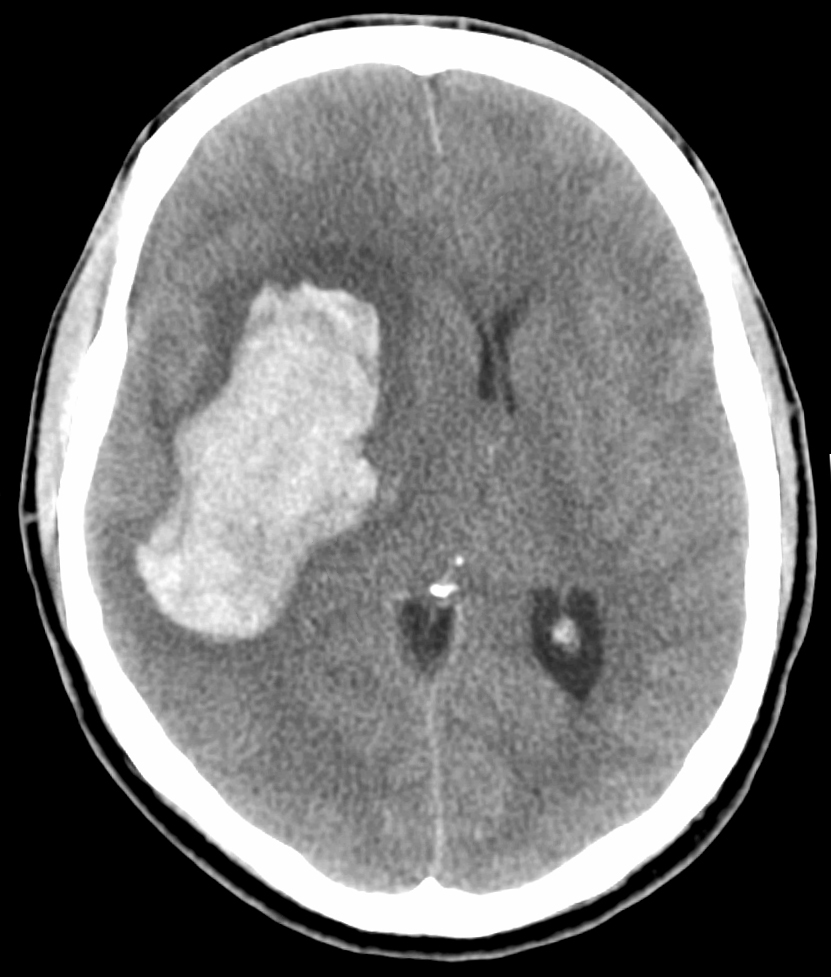
Hypertensive emergency is a clinical syndrome defined by a severe and abrupt increase in blood pressure (BP) associated with impending or progressive acute target organ damage (TOD) [10]D5. This condition represents the extreme phenotype of , where the mechanical stress of elevated pressure triggers a cascade of vascular injury and metabolic dysfunction [16]B3b. While absolute BP thresholds are often cited, the clinical distinction between a hypertensive emergency and hypertensive urgency rests entirely on the presence of acute TOD, such as encephalopathy, myocardial ischemia, or acute renal failure [10]D5[16]B3b.
Synonyms and Abbreviations
- HTN-E: Hypertensive emergency
- HTN-U: Hypertensive urgency
- HTN-C: Hypertensive crisis (umbrella term for both HTN-E and HTN-U)
- Malignant Hypertension: Historical term for severe hypertension with grade III/IV retinopathy and often thrombotic microangiopathy [16]B3b.
- Accelerated Hypertension: Historical term for severe hypertension with grade III retinopathy.
Classification and Clinical Thresholds
Hypertensive crises are categorized based on the acuity of organ dysfunction rather than a specific numerical value. In the general adult population, a BP of ≥180/120 mmHg is frequently used as a screening threshold for hypertensive crisis [10]D5. However, in specific populations, the threshold for an emergency is significantly lower. In pregnancy or the postpartum period, a persistent BP of ≥160/110 mmHg lasting more than 15 minutes is considered an obstetric emergency due to the high risk of stroke and pulmonary edema [6]D5. In pediatric patients, the definition is more heterogeneous and often relies on BP percentiles for age, sex, and height [4]D5[5]D5.
Pathophysiology: The Vicious Cycle of Vasoconstriction
The transition from severe hypertension to a hypertensive emergency is driven by a failure of vascular autoregulation [12]D5. Under normal conditions, organs like the brain and kidneys maintain constant blood flow across a range of systemic pressures. When BP exceeds the upper limit of autoregulation, the resulting increase in wall shear stress causes endothelial injury and the release of pro-inflammatory and pro-thrombotic mediators [16]B3b. This leads to a procoagulant state characterized by platelet activation and decreased fibrinolysis, which can manifest as (TMA) [16]B3b.
The Pressure-Natriuresis Cycle and RAAS Activation
Severe hypertension triggers a compensatory mechanism known as pressure-natriuresis, where the kidneys attempt to lower BP by excreting sodium and water [4]D5[10]D5. This paradoxically leads to systemic volume depletion, which further activates the (RAAS) [1]D5[4]D5. The resulting increase in angiotensin II and other vasoconstrictors (e.g., catecholamines in ) further elevates systemic vascular resistance, creating a self-perpetuating cycle of rising BP and worsening tissue ischemia [5]D5[13]D5.
Organ-Specific Pathophysiologic Mechanisms
- Neurologic: Breakdown of the blood-brain barrier leads to vasogenic edema, manifesting as (PRES) [3]C4[12]D5. Abrupt BP rises also lower the seizure threshold [1]D5.
- Cardiovascular: Acute increases in left ventricular (LV) afterload can precipitate acute diastolic heart failure or pulmonary edema [7]D5[18]B3b. In acute aortic syndromes, high BP increases the rate of change of pressure (dP/dt), worsening aortic dissection or triggering (SCAD) [9]C4[19]B2b.
- Pulmonary: A pulmonary hypertensive crisis involves an acute rise in right ventricular (RV) afterload, often triggered by surgery, hypoxia, or specific agents like ethanol, leading to acute RV failure [8]C4[14]D5[17]A1c.
Controversies and Guideline Disagreement
| Question | Position A | Position B | Strength | Implication |
|---|---|---|---|---|
| of HTN-U | Rapid BP lowering in the ED [10]D5 | Outpatient management with oral agents [10]D5 | Moderate | Rapid lowering in HTN-U does not improve outcomes (NNT not calculable) [10]D5. |
Pearl: The hallmark of hypertensive emergency is the failure of vascular autoregulation and the initiation of a pro-thrombotic, endothelial-driven cycle of target organ damage, rather than a specific blood pressure number [10]D5[16]B3b.
| Category | Definition | Key Feature |
|---|---|---|
| Hypertensive Emergency | Severe BP elevation with acute TOD | Requires immediate IV therapy [10]D5 |
| Hypertensive Urgency | Severe BP elevation (usually >180/120) without TOD | Managed with oral therapy [10]D5 |
| Malignant Hypertension | Severe BP with grade III/IV retinopathy | Often associated with TMA [16]B3b |
| Obstetric Emergency | BP ≥160/110 mmHg in pregnancy | High risk for eclampsia/stroke [6]D5 |
Pharmacotherapy: Intravenous Antihypertensive Agents
- ▸Nicardipine and clevidipine are preferred for neurologic emergencies due to their predictable titration and lack of significant effect on intracranial pressure compared to nitroprusside.
- ▸In acute intracerebral hemorrhage, intensive SBP lowering to <140 mmHg does not improve 90-day functional outcomes compared to a standard target of <180 mmHg (ATACH-2).
- ▸Labetalol and nicardipine are equally effective for severe hypertension in pregnancy, though labetalol carries a higher risk of maternal bradycardia.
Parenteral antihypertensive therapy requires agents with rapid onset and predictable offset to allow for precise titration against acute target organ damage. The selection of a specific agent is dictated by the patient's clinical presentation, as the pharmacokinetic profiles of dihydropyridine calcium channel blockers, beta-adrenergic antagonists, and vasodilators vary significantly in their impact on cerebral, coronary, and renal perfusion [44]B3b[45]A1a.
Dihydropyridine Calcium Channel Blockers
Nicardipine and clevidipine are the primary dihydropyridines utilized in acute care due to their high degree of vascular selectivity and minimal negative inotropic effects [50]D5. Nicardipine, a second-generation agent, is widely used in neurologic emergencies. In the ATACH-2 trial (N=1000), intensive systolic blood pressure (SBP) lowering to 110–139 mmHg using nicardipine did not reduce the rate of death or disability compared to a standard target of 140–179 mmHg (38.7% vs. 38.0%; RR 1.02, 95% CI 0.84–1.25) [27]A1b (1b). However, ultra-early administration (≤2 hours from symptom onset) may attenuate hematoma growth [25]B2b (2b).
Clevidipine is a third-generation, ultrashort-acting agent formulated in a lipid emulsion. It is metabolized by blood and tissue esterases, giving it a half-life of approximately 1 minute, which allows for rapid titration and recovery [39]A1b[50]D5 (1b, 5). The CLEVER study demonstrated that clevidipine is safe and effective for intensive SBP control after mechanical thrombectomy in , achieving target ranges faster than traditional agents [21]A1b (1b). Unlike nicardipine, which requires hepatic metabolism, clevidipine's clearance is independent of renal or hepatic function [50]D5 (5).
Combined Alpha- and Beta-Adrenergic Antagonists
Labetalol provides a competitive blockade of α1-, β1-, and β2-receptors, with an IV potency ratio of 1:7 (alpha:beta) [34]A1a (1a). This profile reduces systemic vascular resistance while maintaining stroke volume and heart rate, making it a first-line choice in aortic dissection and pregnancy-related hypertensive emergencies [23]A1b[34]A1a. In pregnant patients with severe (≥160/110 mmHg), IV labetalol and IV nicardipine show comparable efficacy in achieving target BP, though nicardipine may reach targets slightly faster in some cohorts [23]A1b[32]A1b (1b). Meta-analyses indicate that while labetalol is effective, it may be associated with a higher risk of maternal bradycardia compared to hydralazine or nifedipine [34]A1a[47]A1a (1a).
Vasodilators and Special Considerations
Sodium nitroprusside and nitroglycerin are potent vasodilators but are increasingly reserved for specific indications due to their side effect profiles. Nitroprusside provides balanced arterial and venous dilation but can cause "coronary steal" and cyanide toxicity with prolonged use. It remains useful in specific scenarios, such as reducing afterload in low-gradient severe to improve hemodynamics [42]C4 (4). However, clinicians must exercise caution in neurologic emergencies; nitroprusside and nitroglycerin have been shown to significantly reduce cerebral blood flow (CBF) in awake patients (SMD -0.80, 95% CI -1.13 to -0.47), potentially exacerbating ischemia [45]A1a (1a).
Controversies and Guideline Disagreement
| Question | Position A | Position B | Strength | Implication |
|---|---|---|---|---|
| Intensive SBP target in ICH | ATACH-2 [27]A1b: Target 140–179 mmHg; intensive lowering (<140 mmHg) provides no functional benefit. | Earlier Observational Data [43]C4[48]C4: Suggested SBP <160 mmHg reduces hematoma expansion. | Strong | Current practice favors avoiding aggressive SBP drops <140 mmHg in the hyperacute phase. |
| First-line agent in Pregnancy | ACOG/Guidelines [23]A1b[47]A1a: Labetalol and Hydralazine are traditional first-line agents. | Emerging Evidence [23]A1b[30]A1b: Nicardipine and oral Nifedipine show equal or superior speed to target. | Moderate | Nicardipine is increasingly used as a titratable alternative to labetalol. |
Step-by-Step Protocol
- Identify the Target Organ: Select the agent based on the specific emergency (e.g., Nicardipine/Clevidipine for ICH; Labetalol/Esmolol for Aortic Dissection; Labetalol/Nicardipine for Preeclampsia) [23]A1b[27]A1b[34]A1a.
- Establish Initial Dosing: Start Nicardipine at 5 mg/h or Clevidipine at 1–2 mg/h. For Labetalol, use a 20 mg slow IV bolus [label, 44, 50].
- Titrate to Target: Increase Nicardipine by 2.5 mg/h every 5–15 minutes (max 15 mg/h). Double Clevidipine dose every 90 seconds until nearing target [label, 50].
- Monitor for Non-Response: If target SBP is not reached within 30 minutes, assess for resistance factors (e.g., high baseline SBP, renal insufficiency) and consider switching classes (e.g., from labetalol to nicardipine) [28]B2b[29]B2b (2b).
- Transition to Oral Therapy: Once the patient is stable for 6–12 hours, initiate oral agents and taper the IV infusion over 1–2 hours to avoid rebound hypertension [label, 39].
Pearl: Prioritize agents with high titratability like clevidipine or nicardipine to avoid the "overshoot" hypotension that increases mortality in acute stroke and myocardial infarction [21]A1b[27]A1b[45]A1a.
| Agent | Class | Onset | Offset | Primary Indications | Key Limitations |
|---|---|---|---|---|---|
| Nicardipine | CCB (Dihydropyridine) | 5–15 min | 30–60 min | ICH, Ischemic Stroke, Encephalopathy | Large volume of fluid required |
| Clevidipine | CCB (Dihydropyridine) | 2–4 min | 5–15 min | Perioperative, Stroke, Acute Heart Failure | Lipid emulsion (soy/egg allergy) |
| Labetalol | Alpha/Beta Blocker | 2–5 min | 2–4 hours | Aortic Dissection, Pregnancy, CAD | Bradycardia, Asthma/COPD |
| Nitroprusside | Vasodilator | <1 min | 1–2 min | Refractory HTN, Acute HF | Cyanide toxicity, ICP elevation |
| Hydralazine | Vasodilator | 10–20 min | 3–8 hours | Pregnancy (Preeclampsia) | Unpredictable BP response |
| Drug | Starting Dose | Titration | Max Dose | Key Monitoring |
|---|---|---|---|---|
| Nicardipine | 5 mg/h | Increase by 2.5 mg/h every 5–15 min | 15 mg/h | Infusion site (phlebitis) |
| Clevidipine | 1–2 mg/h | Double dose every 90 sec | 32 mg/h | Triglycerides (if >24h) |
| Labetalol | 20 mg IV bolus | 40–80 mg every 10 min | 300 mg total | Heart rate (target >60) |
| Esmolol | 500 μg/kg bolus | 50–100 μg/kg/min infusion | 300 μg/kg/min | Heart rate, Heart block |
References
- [1]
Gasparini S, Ferlazzo E, Sueri C et al.. “Hypertension, seizures, and epilepsy: a review on pathophysiology and management.” Neurological sciences : official journal of the Italian Neurological Society and of the Italian Society of Clinical Neurophysiology (2019). PMID: 31055731 ↗
L5SR_OBSCited in: Definition, Classification, and Pathophysiology - [2]
Lopes RD, Macedo AVS, de Barros E Silva PGM et al.. “Continuing versus suspending angiotensin-converting enzyme inhibitors and angiotensin receptor blockers: Impact on adverse outcomes in hospitalized patients with severe acute respiratory syndrome coronavirus 2 (SARS-CoV-2)--The BRACE CORONA Trial.” American heart journal (2020). PMID: 32502882 ↗
L1TRIAL_NONRANDOMCited in: Definition, Classification, and Pathophysiology - [3]
Hernández-Durán S, Barrantes-Freer A, Rohde V et al.. “Posterior reversible encephalopathy syndrome presenting in the anterior circulation with malignant intracranial hypertension requiring surgical decompression: a case report and literature review.” Acta neurochirurgica (2017). PMID: 28516363 ↗
L4CASE_REPORTCited in: Definition, Classification, and Pathophysiology - [4]
Chandar J, Zilleruelo G. “Hypertensive crisis in children.” Pediatric nephrology (Berlin, Germany) (2012). PMID: 21773822 ↗
L5REVIEW_NARRATIVECited in: Definition, Classification, and Pathophysiology - [5]
Bima C, Lopez C, Tuli G et al.. “Prevention and management of hypertensive crises in children with pheochromocytoma and paraganglioma.” Frontiers in endocrinology (2024). PMID: 39229379 ↗
L5REVIEW_NARRATIVECited in: Definition, Classification, and Pathophysiology - [6]
ElFarra J, Bean C, Martin JN. “Management of Hypertensive Crisis for the Obstetrician/Gynecologist.” Obstetrics and gynecology clinics of North America (2016). PMID: 27816151 ↗
L5REVIEW_NARRATIVECited in: Definition, Classification, and Pathophysiology - [7]
Pirracchio R, Cholley B, De Hert S et al.. “Diastolic heart failure in anaesthesia and critical care.” British journal of anaesthesia (2007). PMID: 17468492 ↗
L5REVIEW_NARRATIVECited in: Definition, Classification, and Pathophysiology - [8]
Cordero-Schmidt G, Wallenstein MB, Ozen M et al.. “Pulmonary hypertensive crisis following ethanol sclerotherapy for a complex vascular malformation.” Journal of perinatology : official journal of the California Perinatal Association (2014). PMID: 25179381 ↗
L4CASE_REPORTCited in: Definition, Classification, and Pathophysiology - [9]
Iyisoy A, Agac MT, Celik T et al.. “Spontaneous dissection of left main coronary artery associated with hypertensive crisis: a probable fatal complication detected by intravascular ultrasound.” International journal of cardiology (2010). PMID: 18706717 ↗
L4CASE_REPORTCited in: Definition, Classification, and Pathophysiology - [10]
Ipek E, Oktay AA, Krim SR. “Hypertensive crisis: an update on clinical approach and management.” Current opinion in cardiology (2017). PMID: 28306673 ↗
L5REVIEW_NARRATIVECited in: Definition, Classification, and Pathophysiology - [11]
Del Pizzo J, Hanna B. “Emergency Management of Pediatric Pulmonary Hypertension.” Pediatric emergency care (2016). PMID: 26720067 ↗
L5REVIEW_NARRATIVECited in: Definition, Classification, and Pathophysiology - [12]
Torin G, Schiavon L, Milan M et al.. “Posterior Reversible Leukoencephalopathy Syndrome During Hypertensive Crisis in Obstructive Sleep Apnea Syndrome: Searching for a Link.” High blood pressure & cardiovascular prevention : the official journal of the Italian Society of Hypertension (2025). PMID: 39821513 ↗
L5REVIEW_NARRATIVECited in: Definition, Classification, and Pathophysiology - [13]
Parikh R, Diab J, Guevara R et al.. “'Great Masquerader': a history of diagnosing pheochromocytoma.” ANZ journal of surgery (2025). PMID: 39460448 ↗
L5REVIEW_NARRATIVECited in: Definition, Classification, and Pathophysiology - [14]
Friesen RH, Williams GD. “Anesthetic management of children with pulmonary arterial hypertension.” Paediatric anaesthesia (2008). PMID: 18230063 ↗
L5REVIEW_NARRATIVECited in: Definition, Classification, and Pathophysiology - [15]
Twite MD, Friesen RH. “The anesthetic management of children with pulmonary hypertension in the cardiac catheterization laboratory.” Anesthesiology clinics (2014). PMID: 24491655 ↗
L5REVIEW_NARRATIVECited in: Definition, Classification, and Pathophysiology - [16]
van den Born BJ, Löwenberg EC, van der Hoeven NV et al.. “Endothelial dysfunction, platelet activation, thrombogenesis and fibrinolysis in patients with hypertensive crisis.” Journal of hypertension (2011). PMID: 21372741 ↗
L3OTHERCited in: Definition, Classification, and Pathophysiology - [17]
Kaestner M, Schranz D, Warnecke G et al.. “Pulmonary hypertension in the intensive care unit. Expert consensus statement on the diagnosis and treatment of paediatric pulmonary hypertension. The European Paediatric Pulmonary Vascular Disease Network, endorsed by ISHLT and DGPK.” Heart (British Cardiac Society) (2016). PMID: 27053699 ↗
L1OTHERCited in: Definition, Classification, and Pathophysiology - [18]
Ram M, Anteby M, Weiniger CF et al.. “Acute pulmonary edema due to severe preeclampsia in advanced maternal age women.” Pregnancy hypertension (2021). PMID: 34144403 ↗
L3OTHERCited in: Definition, Classification, and Pathophysiology - [19]
Vagnarelli F, Corsini A, Lorenzini M et al.. “Acute heart failure in patients with acute aortic syndrome: pathophysiology and clinical-prognostic implications.” European journal of heart failure (2015). PMID: 26214747 ↗
L2OTHERCited in: Definition, Classification, and Pathophysiology - [20]
Lin B, Robinson L, Soliman B et al.. “Autoimmune Implications in a Patient with Graves' Hyperthyroidism, Pre-eclampsia with Severe Features, and Primary Aldosteronism.” Medicina (Kaunas, Lithuania) (2024). PMID: 38256430 ↗
L4CASE_REPORTCited in: Definition, Classification, and Pathophysiology - [21]
Jumaa MA, Gharaibeh K, Burgess RE et al.. “Clevidipine infusion for blood pressure management after successful revascularisation in acute ischaemic stroke: the CLEVER study.” European stroke journal (2026). PMID: 41701757 ↗
L1RCTCited in: Pharmacotherapy: Intravenous Antihypertensive Agents - [22]
Jung JW, Kim YD, Heo J et al.. “Association Between Intravenous Antihypertensives and Functional Outcome After Successful Endovascular Thrombectomy.” Stroke (2025). PMID: 40605757 ↗
L2RCTCited in: Pharmacotherapy: Intravenous Antihypertensive Agents - [23]
Bij de Weg JM, de Boer MA, Gravesteijn BY et al.. “Optimal treatment for women with acute hypertension in pregnancy; a randomized trial comparing intravenous labetalol versus nicardipine.” Pregnancy hypertension (2024). PMID: 39222572 ↗
L1RCTCited in: Pharmacotherapy: Intravenous Antihypertensive Agents - [24]
Thakur M, Gainder S, Saha SC et al.. “To study the changes in maternal hemodynamics with intravenous labetalol or nifedipine in acute severe hypertension.” Pregnancy hypertension (2020). PMID: 32570152 ↗
L1RCTCited in: Pharmacotherapy: Intravenous Antihypertensive Agents - [25]
Li Q, Warren AD, Qureshi AI et al.. “Ultra-Early Blood Pressure Reduction Attenuates Hematoma Growth and Improves Outcome in Intracerebral Hemorrhage.” Annals of neurology (2020). PMID: 32453453 ↗
L2RCTCited in: Pharmacotherapy: Intravenous Antihypertensive Agents - [26]
Gainder S, Thakur M, Saha SC et al.. “To study the changes in fetal hemodynamics with intravenous labetalol or nifedipine in acute severe hypertension.” Pregnancy hypertension (2019). PMID: 30825908 ↗
L1RCTCited in: Pharmacotherapy: Intravenous Antihypertensive Agents - [27]
Qureshi AI, Palesch YY, Barsan WG et al.. “Intensive Blood-Pressure Lowering in Patients with Acute Cerebral Hemorrhage.” The New England journal of medicine (2016). PMID: 27276234 ↗
L1RCTCited in: Pharmacotherapy: Intravenous Antihypertensive Agents - [28]
Freiermuth CE, Chandra A, Peacock WF. “Characteristics of patients that do not initially respond to intravenous antihypertensives in the emergency department: subanalysis of the CLUE trial.” The western journal of emergency medicine (2015). PMID: 25834670 ↗
L2RCTCited in: Pharmacotherapy: Intravenous Antihypertensive Agents - [29]
Farias S, Peacock WF, Gonzalez M et al.. “Impact of initial blood pressure on antihypertensive response in patients with acute hypertension.” The American journal of emergency medicine (2014). PMID: 24857251 ↗
L2RCTCited in: Pharmacotherapy: Intravenous Antihypertensive Agents - [30]
Shekhar S, Sharma C, Thakur S et al.. “Oral nifedipine or intravenous labetalol for hypertensive emergency in pregnancy: a randomized controlled trial.” Obstetrics and gynecology (2013). PMID: 24104790 ↗
L1RCTCited in: Pharmacotherapy: Intravenous Antihypertensive Agents - [31]
Ryu JH, Apfel CC, Whelan R et al.. “Comparative prophylactic and therapeutic effects of intravenous labetalol 0.4 mg/kg and nicardipine 20 μg/kg on hypertensive responses to endotracheal intubation in patients undergoing elective surgeries with general anesthesia: a prospective, randomized, double-blind study.” Clinical therapeutics (2012). PMID: 22364823 ↗
L1RCTCited in: Pharmacotherapy: Intravenous Antihypertensive Agents - [32]
Raheem IA, Saaid R, Omar SZ et al.. “Oral nifedipine versus intravenous labetalol for acute blood pressure control in hypertensive emergencies of pregnancy: a randomised trial.” BJOG : an international journal of obstetrics and gynaecology (2012). PMID: 21985500 ↗
L1RCTCited in: Pharmacotherapy: Intravenous Antihypertensive Agents - [33]
Qureshi AI, Palesch YY. “Antihypertensive Treatment of Acute Cerebral Hemorrhage (ATACH) II: design, methods, and rationale.” Neurocritical care (2011). PMID: 21626077 ↗
L5RCTCited in: Pharmacotherapy: Intravenous Antihypertensive Agents - [34]
Gonçalves OR, Bendaham LCAR, Simoni GH et al.. “Comparative efficacy and safety between intravenous labetalol and intravenous hydralazine for hypertensive disorders in pregnancy: A systematic review and meta-analysis of 19 randomized controlled trials.” European journal of obstetrics, gynecology, and reproductive biology (2024). PMID: 39522185 ↗
L1SR_MA_RCTCited in: Pharmacotherapy: Intravenous Antihypertensive Agents - [35]
Chen Z, Li F, Yu Q et al.. “Comparative Bioequivalence Study of 2 Clevidipine Formulations in Healthy Chinese participants: A Single-Dose, 2-Period Crossover Trial.” Clinical pharmacology in drug development (2025). PMID: 40874344 ↗
L1RCTCited in: Pharmacotherapy: Intravenous Antihypertensive Agents - [36]
Qureshi AI, Foster LD, Lobanova I et al.. “Intensive Blood Pressure Lowering in Patients with Moderate to Severe Grade Acute Cerebral Hemorrhage: Post Hoc Analysis of Antihypertensive Treatment of Acute Cerebral Hemorrhage (ATACH)-2 Trial.” Cerebrovascular diseases (Basel, Switzerland) (2020). PMID: 32585668 ↗
L2RCTCited in: Pharmacotherapy: Intravenous Antihypertensive Agents - [37]
Zulfeen M, Tatapudi R, Sowjanya R. “IV labetalol and oral nifedipine in acute control of severe hypertension in pregnancy-A randomized controlled trial.” European journal of obstetrics, gynecology, and reproductive biology (2019). PMID: 30878897 ↗
L1RCTCited in: Pharmacotherapy: Intravenous Antihypertensive Agents - [38]
Kim JY, Song SH, Cho JH et al.. “Comparison of clinical efficacy among remifentanil, nicardipine, and remifentanil plus nicardipine continuous infusion for hypotensive anesthesia during arthroscopic shoulder surgery.” Journal of orthopaedic surgery (Hong Kong) (2017). PMID: 28639533 ↗
L1RCTCited in: Pharmacotherapy: Intravenous Antihypertensive Agents - [39]
Smith WB, Marbury TC, Komjathy SF et al.. “Pharmacokinetics, pharmacodynamics, and safety of clevidipine after prolonged continuous infusion in subjects with mild to moderate essential hypertension.” European journal of clinical pharmacology (2012). PMID: 22457015 ↗
L1RCTCited in: Pharmacotherapy: Intravenous Antihypertensive Agents - [40]
Shi DD, Yang FZ, Zhou L et al.. “Oral nifedipine vs. intravenous labetalol for treatment of pregnancy-induced severe pre-eclampsia.” Journal of clinical pharmacy and therapeutics (2016). PMID: 27578562 ↗
L2RCTCited in: Pharmacotherapy: Intravenous Antihypertensive Agents - [41]
Tolcher MC, Fox KA, Sangi-Haghpeykar H et al.. “Intravenous labetalol versus oral nifedipine for acute hypertension in pregnancy: effects on cerebral perfusion pressure.” American journal of obstetrics and gynecology (2020). PMID: 32544404 ↗
L1TRIAL_NONRANDOMCited in: Pharmacotherapy: Intravenous Antihypertensive Agents - [42]
Eleid MF, Nishimura RA, Sorajja P et al.. “Systemic hypertension in low-gradient severe aortic stenosis with preserved ejection fraction.” Circulation (2013). PMID: 23956211 ↗
L4TRIAL_NONRANDOMCited in: Pharmacotherapy: Intravenous Antihypertensive Agents - [43]
Koga M, Toyoda K, Yamagami H et al.. “Systolic blood pressure lowering to 160 mmHg or less using nicardipine in acute intracerebral hemorrhage: a prospective, multicenter, observational study (the Stroke Acute Management with Urgent Risk-factor Assessment and Improvement-Intracerebral Hemorrhage study).” Journal of hypertension (2012). PMID: 22990355 ↗
L4TRIAL_NONRANDOMCited in: Pharmacotherapy: Intravenous Antihypertensive Agents - [44]
Malesker MA, Hilleman DE. “Intravenous labetalol compared with intravenous nicardipine in the management of hypertension in critically ill patients.” Journal of critical care (2012). PMID: 22300487 ↗
L3TRIAL_NONRANDOMCited in: Pharmacotherapy: Intravenous Antihypertensive Agents - [45]
Meacham KS, Schmidt JD, Sun Y et al.. “Impact of intravenous antihypertensive therapy on cerebral blood flow and neurocognition: a systematic review and meta-analysis.” British journal of anaesthesia (2025). PMID: 39837698 ↗
L1SR_OBSCited in: Pharmacotherapy: Intravenous Antihypertensive Agents - [46]
Toyoda K, Yoshimura S, Fukuda-Doi M et al.. “Intravenous nicardipine for Japanese patients with acute intracerebral hemorrhage: an individual participant data analysis.” Hypertension research : official journal of the Japanese Society of Hypertension (2023). PMID: 36224285 ↗
L2SR_OBSCited in: Pharmacotherapy: Intravenous Antihypertensive Agents - [47]
Shekhar S, Gupta N, Kirubakaran R et al.. “Oral nifedipine versus intravenous labetalol for severe hypertension during pregnancy: a systematic review and meta-analysis.” BJOG : an international journal of obstetrics and gynaecology (2016). PMID: 26113232 ↗
L1SR_OBSCited in: Pharmacotherapy: Intravenous Antihypertensive Agents - [48]
Hwang SK, Kim JS, Kim JH et al.. “Antihypertensive treatment of acute intracerebral hemorrhage by intravenous nicardipine hydrochloride: prospective multi-center study.” Journal of Korean medical science (2012). PMID: 22969257 ↗
L4TRIAL_NONRANDOMCited in: Pharmacotherapy: Intravenous Antihypertensive Agents - [49]
Cawoski JR, DeBiasio KA, Donnachie SW et al.. “Safety and efficacy of intravenous hydralazine and labetalol for the treatment of asymptomatic hypertension in hospitalised patients: A systematic review.” International journal of clinical practice (2021). PMID: 33400322 ↗
L1SR_OBSCited in: Pharmacotherapy: Intravenous Antihypertensive Agents - [50]
Espina IM, Varon J. “Clevidipine : a state-of-the-art antihypertensive drug under the scope.” Expert opinion on pharmacotherapy (2012). PMID: 22251017 ↗
L5SR_OBSCited in: Pharmacotherapy: Intravenous Antihypertensive Agents