On this page
Quick Reference
Overview and Recommendations
Background
- •Lyme disease is a multisystem bacterial infection caused by Borrelia burgdorferi sensu stricto (North America), B. garinii, and B. afzelii (Europe/Asia), transmitted through the bite of an infected Ixodes tick (primarily I. scapularis in the eastern U.S. and I. pacificus in the western U.S.) [1, 16].
- •An estimated 476,000 cases are diagnosed and treated annually in the U.S., with incidence rising as Ixodes ticks expand their geographic range northward and into higher elevations due to climate change [9, 35, 41, 85].
- •The infection typically follows a predictable temporal course: early localized disease (erythema migrans, days to weeks), early disseminated disease (multiple EM lesions, neurologic or cardiac involvement, weeks to months), and late disseminated disease (Lyme arthritis, late neuroborreliosis, months to years) [1].
- •The spirochete lacks classical toxins; tissue damage results primarily from the host inflammatory response. Key virulence factors include VlsE lipoprotein (antigenic variation through gene conversion), adhesins (DbpA/B, BBK32, P66) that direct tissue tropism to collagen-rich sites, and outer surface proteins (OspA, OspC) that mediate transmission [31, 51, 58].
- •Untreated, Lyme arthritis develops in ~60% of patients, neurologic manifestations in 10-15%, and carditis in ~1-5%. Fatal outcomes are exceptionally rare, with only one clinically consistent case among 114 death certificates listing Lyme disease [187, 194].
- •Co-infections with other tick-borne pathogens (Anaplasma phagocytophilum, Babesia microti) occur in up to 28% of endemic ticks and can produce more severe or prolonged illness [11].
Evaluation
- •Suspect Lyme disease in any patient with an expanding erythema migrans (EM) rash (≥5 cm diameter) who lives in or has recently visited an endemic area during May-August.
- •Ask about tick exposure: recent outdoor activities, tick bites, and time spent in wooded or brushy habitats. The incubation period from tick detachment to EM is typically 7-14 days (range 3-30 days).
- •Examine the entire skin surface for EM: classic 'bull's-eye' lesions occur in only 20-35%; most are uniformly erythematous. In darker skin types, EM may appear violaceous or hyperpigmented.
- •Inquire about constitutional symptoms: fever, chills, fatigue, myalgia, headache. Male patients often report more severe early symptoms than females [75].
- •For suspected disseminated disease, ask about: palpitations, syncope, or dyspnea (carditis); headache, photophobia, neck stiffness, radicular pain, or facial droop (neuroborreliosis); and joint swelling, especially of the knee (Lyme arthritis).
- •Examine for bilateral facial nerve palsy, a key clue for Lyme neuroborreliosis, as bilateral involvement is rare in idiopathic Bell's palsy.
- •Order a 12-lead ECG if carditis is suspected: look for first-degree AV block (PR prolongation), Mobitz II, or complete heart block. The classic clue is fluctuating AV block.
- •For suspected neuroborreliosis, perform a lumbar puncture. CSF typically shows lymphocytic pleocytosis (100-1000 cells/µL), elevated protein, and normal glucose.
- •Two-tier serology is the gold standard for laboratory diagnosis: first with an EIA, then a reflex Western blot (IgM or IgG) if the EIA is reactive. The modified two-tier test (MTTT), using a second EIA instead of a Western blot, has higher sensitivity in early disease (36% vs 24%) and is now an acceptable alternative [88, 126].
- •Serology is NOT indicated for classic EM in an endemic area; it has only 30-40% sensitivity in the first 2 weeks [1, 104]. A negative test does not rule out early Lyme disease.
- •IgM Western blot is only useful within 30 days of symptom onset; after 30 days, isolated IgM positivity is often a false positive [1, 110].
- •For Lyme arthritis, synovial fluid PCR has 70-85% sensitivity before antibiotics and can confirm the diagnosis when serology is equivocal [8, 17].
- •Consider alternative diagnoses: STARI (similar rash, but no Lyme), septic arthritis (acute pain, high fever), Bell's palsy (idiopathic, unilateral), viral meningitis, and tick-borne coinfections (anaplasmosis, babesiosis) in patients with high fever, thrombocytopenia, or hemolytic anemia.
- •Perform a risk assessment: tick attachment ≥36 hours, outdoor occupation or activity in endemic area, and lack of prophylactic doxycycline are key risk factors for infection.
Management
- •Initiate empiric treatment for early localized Lyme disease (erythema migrans) with doxycycline 100 mg orally twice daily (or 200 mg once daily) for 10-14 days. This regimen covers Borrelia burgdorferi and also treats co-infection with Anaplasma [1].
- •For patients with contraindications to doxycycline (pregnancy, lactation, children <8 years, or allergy), use amoxicillin 500 mg orally three times daily for 14-21 days or cefuroxime axetil 500 mg orally twice daily for 14-21 days [1].
- •For high-grade AV block (Mobitz II or complete heart block) from Lyme carditis, admit for telemetry and start IV ceftriaxone 2 g daily. Temporary pacing is needed in ~39% of complete heart block cases. Most patients recover conduction within 1-2 weeks [60, 111, 194].
- •For mild carditis (asymptomatic first-degree block), oral doxycycline 100 mg twice daily for 14 days is sufficient [1].
- •For Lyme meningitis or radiculoneuritis, administer IV ceftriaxone 2 g daily for 14-21 days. Oral doxycycline 100 mg twice daily for 14-21 days is an acceptable alternative for uncomplicated cases (e.g., isolated facial palsy without CSF pleocytosis) [1, 106].
- •For Lyme arthritis, prescribe doxycycline 100 mg orally twice daily for 28 days (or amoxicillin 500 mg three times daily for 28 days). If arthritis persists after the first course, give a second 28-day oral course or switch to IV ceftriaxone 2 g daily for 14-28 days [1].
- •For post-antibiotic Lyme arthritis (PALA), defined as persistent joint swelling ≥3 months after two courses of antibiotics despite negative synovial PCR, initiate NSAIDs (e.g., ibuprofen 600 mg TID) and consider referral to a rheumatologist for disease-modifying antirheumatic drugs (DMARDs) such as hydroxychloroquine or methotrexate.
- •Administer a single dose of doxycycline 200 mg (orally) for post-exposure prophylaxis after a high-risk Ixodes tick bite: tick attached for ≥36 hours in an endemic area, given within 72 hours of removal. The NNT is approximately 50 [138, 160, 205].
- •Monitor for clinical response: EM rash resolves within days, carditis improves within 1-2 weeks, and arthritis improves over 4-8 weeks. If no improvement, reconsider the diagnosis or assess for co-infection.
- •Do NOT prescribe prolonged antibiotics (>28 days) for post-treatment Lyme disease syndrome (PTLDS). Randomized trials show no benefit and increased risks, including catheter-related infections and C. difficile colitis [1, 136].
- •Refer to a cardiologist if high-grade AV block requires temporary pacing. Refer to a neurologist for encephalomyelitis or treatment-refractory neuroborreliosis. Refer to a rheumatologist for PALA or suspected autoimmune arthritis.
- •Avoid non-dihydropyridine calcium-channel blockers (diltiazem, verapamil) in Lyme carditis, as they can worsen heart block. Avoid corticosteroids in early disease unless required for refractory high-grade AV block.
- •In pregnant women with early Lyme disease, use amoxicillin 500 mg TID for 14-21 days or cefuroxime axetil 500 mg BID for 14-21 days. IV ceftriaxone 2 g daily is appropriate for disseminated disease. Doxycycline is avoided after the first trimester due to theoretical risk of fetal bone and tooth discoloration [80].
- •For immunocompromised patients, consider PCR of blood, CSF, or synovial fluid for direct detection, as serology may be falsely negative. Do not delay empiric therapy; standard durations are generally adequate, but some experts extend to 21-28 days for disseminated disease [15].
- •Discharge criteria: resolution of high-grade AV block (or stable PR interval <300 ms), neurologically stable with no meningeal signs, and ability to complete oral antibiotics at home for arthritis or EM.
Board Review — High Yield
- •Erythema migrans, hallmark rash, expands ≥5 cm, non-pruritic, non-painful; 'bull's-eye' pattern in only 20-35%; most are uniformly erythematous.
- •Bilateral facial nerve palsy, key clue for Lyme neuroborreliosis; idiopathic Bell's palsy is almost always unilateral.
- •Fluctuating AV block, classic presentation of Lyme carditis; may fluctuate from first-degree to complete heart block within hours.
- •VlsE antigenic variation, lipoproteins undergo gene conversion, generating millions of surface variants to evade antibody-mediated clearance; key virulence mechanism.
- •Post-antibiotic Lyme arthritis (PALA), persistent joint swelling despite ≥2 courses of antibiotics; associated with HLA-DRB1*0404; treated with DMARDs.
- •Post-treatment Lyme disease syndrome (PTLDS), subjective symptoms (fatigue, pain, cognitive complaints) ≥6 months after standard antibiotics; prolonged therapy is ineffective and not recommended.
- •B. garinii, associated with neuroborreliosis (Bannwarth syndrome) in Europe; triad of radicular pain, cranial neuritis, lymphocytic meningitis.
- •Modified two-tier testing (MTTT), replaces Western blot with a second EIA; higher sensitivity in early disease, reduced inter-laboratory variability, eliminates subjective band interpretation [126].
- •Doxycycline prophylaxis, single 200 mg dose within 72 hours of high-risk Ixodes bite (attached ≥36 h in endemic area); NNT ~50.
- •Ceftriaxone for Lyme carditis, IV 2 g daily for high-grade AV block; temporary pacing required in ~39% of complete heart block cases; conduction usually recovers within 1-2 weeks without a permanent pacemaker [60].
Deep Dive — Evidence Details
Definition, Classification and Causative Organisms
- ▸Lyme disease is caused by spirochetes of the Borrelia burgdorferi sensu lato complex, transmitted by Ixodes ticks, with distinct geographic species (B. burgdorferi s.s. dominant in North America; B. garinii and B. afzelii in Europe/Asia).
- ▸The disease follows three clinical stages, early localized (erythema migrans), early disseminated (multiple EM, neurologic, cardiac), and late disseminated (arthritis, acrodermatitis), that guide diagnostic testing and treatment duration.
- ▸Coinfection with Anaplasma phagocytophilum, Babesia microti, or Borrelia miyamotoi occurs through the same tick bite and should be considered in patients with severe or prolonged symptoms.
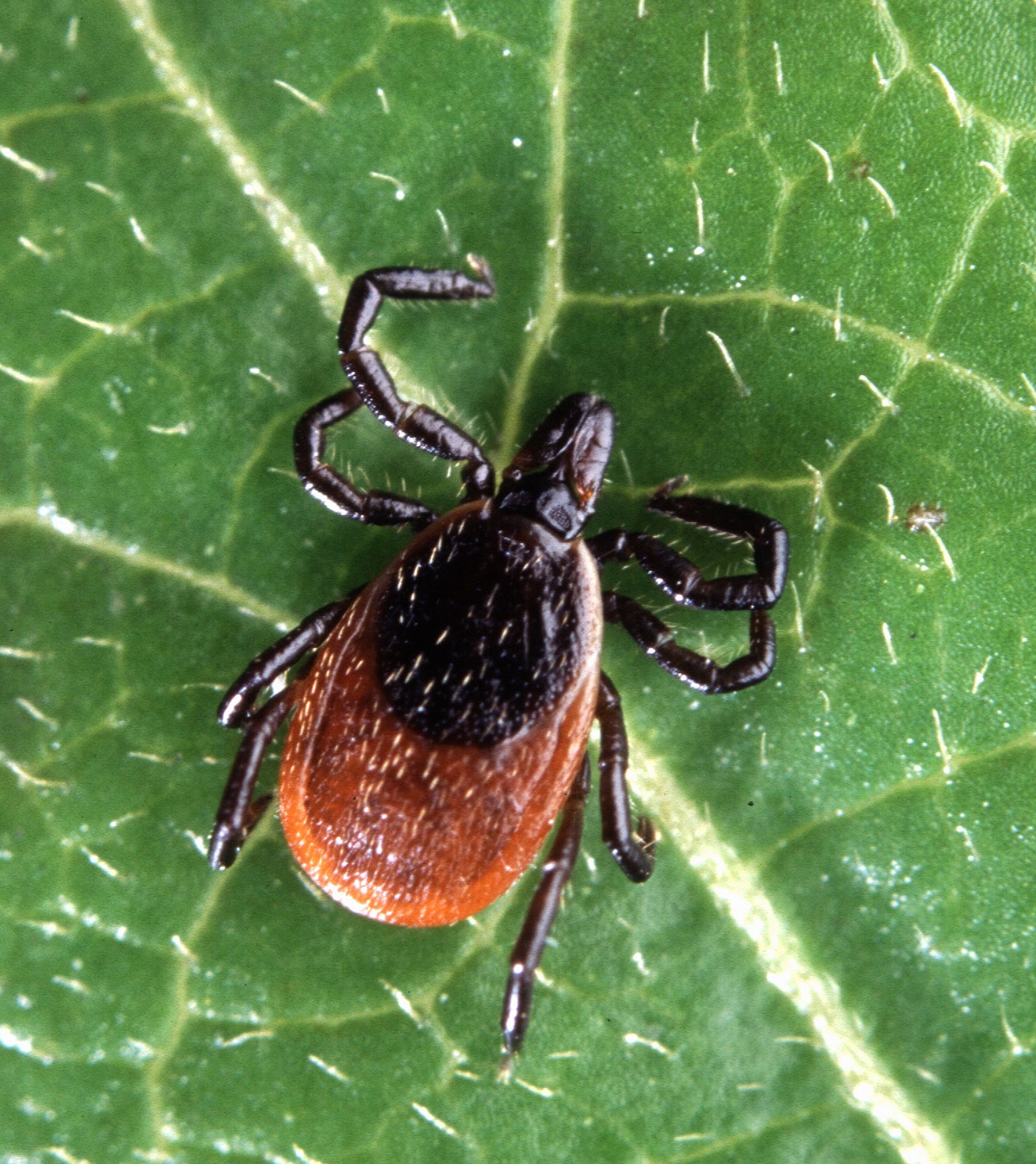
Lyme disease is a multisystem bacterial infection caused by spirochetes of the Borrelia burgdorferi sensu lato complex, transmitted to humans through the bite of infected Ixodes ticks.
Also Called / Synonyms
- Lyme borreliosis (preferred term in European literature)
- Erythema migrans disease (historical, early-stage descriptor)
- Bannwarth syndrome (neurologic manifestation, especially in Europe)
- Acrodermatitis chronica atrophicans (late cutaneous manifestation)
- Lyme arthritis (rheumatologic manifestation)
Causative Organisms
Three major pathogenic genospecies cause nearly all human disease, with geographic and clinical distinctions [1]A1c[16]C4:
| Species | Primary Geographic Distribution | Key Clinical Features |
|---|---|---|
| Borrelia burgdorferi sensu stricto | North America (dominant), Europe (minor) | Arthritis prominent; fewer neurologic or cutaneous variants |
| Borrelia garinii | Europe, Asia | Neuroborreliosis (Bannwarth syndrome) common; rarely found in North America [34]D5 |
| Borrelia afzelii | Europe, Asia | Acrodermatitis chronica atrophicans; milder arthritis |
Additional species cause disease regionally. Borrelia bavariensis produces oligoarthritis in Europe [16]C4. Borrelia spielmanii causes mild cutaneous disease in Europe. Borrelia miyamotoi, a relapsing-fever group spirochete carried by the same Ixodes ticks, causes a febrile illness without erythema migrans and can produce meningoencephalitis in immunocompromised hosts [15]C4[40]B2b. Borrelia crocidurae causes in West Africa, sometimes misdiagnosed as Lyme disease [37]C4. Borrelia lonestari, transmitted by Amblyomma americanum (Lone Star tick), is associated with a rash similar to erythema migrans (Southern tick-associated rash illness, STARI) but is a distinct, less-characterized pathogen.
Classification by Clinical Stage
Lyme disease follows a predictable temporal course, classified into three stages that guide both diagnostic testing and therapy [1]A1c:
-
Early localized disease (days to weeks after tick bite): A solitary erythema migrans rash appears at the bite site, often accompanied by flu-like symptoms (fever, myalgia, headache). The rash expands slowly (≥5 cm diameter) and is the most specific clinical marker. Without treatment, the spirochete disseminates.
-
Early disseminated disease (weeks to months): Multiple secondary erythema migrans lesions, early neuroborreliosis (cranial neuritis, especially facial nerve palsy, lymphocytic meningitis, radiculoneuritis), and (atrioventricular block, myopericarditis). This stage reflects hematogenous spread of B. burgdorferi [1]A1c[31]D5.
-
Late disseminated disease (months to years): Lyme arthritis, typically a mono- or oligoarthritis of large joints (especially the knee), and late neuroborreliosis ( , encephalomyelitis). Acrodermatitis chronica atrophicans, a blue-red skin atrophy over extensor surfaces, appears only in European B. afzelii infection.
Classification by Syndrome/Presentation
Two additional axes are relevant for :
- Posttreatment Lyme disease syndrome (PTLDS): Persistent subjective symptoms (fatigue, pain, cognitive complaints) lasting ≥6 months after standard antibiotic therapy, without evidence of active infection. This is a distinct syndrome from chronic infection; the IDSA/ACR/AAN guidelines recommend against prolonged for PTLDS [1]A1c[5]D5.
- Coinfection: Ixodes ticks may simultaneously transmit B. burgdorferi with Anaplasma phagocytophilum (human granulocytic anaplasmosis), Babesia microti ( ), or Borrelia miyamotoi. Coinfection can produce more severe, prolonged illness [11]D5[17]D5.
Lyme disease is the most common vector-borne infection in the United States and Europe, with an estimated 300,000 annual cases in the US and rising incidence in northern latitudes due to tick range expansion [9]D5[35]B2c[41]B3b.
Pearl: Lyme disease is a preventable, treatable infection with a predictable clinical timeline; early recognition of erythema migrans and prompt antibiotic therapy prevent progression to disseminated disease, making clinical familiarity with its stages and causative species essential for every frontline clinician [1]A1c[17]D5.
| Stage | Onset Post-Bite | Key Manifestations |
|---|---|---|
| Early localized | Days to weeks | Solitary erythema migrans, flu-like symptoms |
| Early disseminated | Weeks to months | Multiple EM, cranial neuritis, lymphocytic meningitis, radiculoneuritis, Lyme carditis |
| Late disseminated | Months to years | Lyme arthritis (mono/oligoarticular), late neuroborreliosis, acrodermatitis chronica atrophicans (Europe) |
Microbiology and Pathogenesis
- ▸Borrelia burgdorferi sensu lato genospecies differ in geographic distribution and clinical manifestations: B. burgdorferi ss (arthritis, North America), B. afzelii (skin, Europe/Asia), B. garinii (neuroborreliosis, Europe/Asia).
- ▸Virulence factors (OspC, VlsE, adhesins DbpA/B, BBK32, P66) enable tick transmission, immune evasion, and tissue tropism; the spirochete lacks classical toxins.
- ▸Pathogenesis is driven by host inflammatory response; persistent infection after antibiotics is not supported by evidence, and PTLDS likely involves autoimmune or inflammatory mechanisms.

The spirochete Borrelia burgdorferi sensu lato orchestrates a complex infection cycle through coordinated expression of surface proteins that enable tick transmission, immune evasion, and tissue colonization [31]D5[58]D5.
The Organism and Its Genospecies
B. burgdorferi sensu lato comprises multiple genospecies with distinct geographic distributions and clinical phenotypes. In North America, B. burgdorferi sensu stricto predominates and is strongly associated with arthritis; in Europe and Asia, B. afzelii drives skin manifestations (acrodermatitis chronica atrophicans) and B. garinii is linked to neuroborreliosis [45]D5[54]B2c. The spirochete possesses a highly segmented genome, a linear chromosome plus approximately 21 linear and circular plasmids, encoding a limited repertoire of regulatory proteins but an extensive array of surface lipoproteins that mediate host interactions [58]D5.
Virulence Factors and Surface Proteins
Outer surface proteins (Osp) are differentially expressed across the enzootic cycle. OspA anchors spirochetes in the tick midgut; during tick feeding, OspC is upregulated and is essential for establishing mammalian infection [58]D5. The VlsE lipoprotein undergoes antigenic variation through gene conversion at the vls locus, generating millions of sequence variants that allow the spirochete to evade antibody-mediated clearance [31]D5[51]D5. Adhesins such as decorin-binding proteins (DbpA/B), BBK32 (fibronectin binding), and P66 (integrin binding) direct tissue tropism to collagen-rich sites including skin, joints, and nervous system [51]D5[53]D5. B. burgdorferi lacks classical toxins; tissue damage results primarily from the host inflammatory response [31]D5.
Pathogenic Cascade: From Tick Bite to Disseminated Infection
- Tick inoculation: An infected Ixodes tick feeds; spirochetes migrate from the midgut to salivary glands and are injected into the dermis [31]D5.
- Local replication: Spirochetes multiply at the bite site, triggering local inflammation and vasodilation that produce the characteristic erythema migrans rash [45]D5.
- Hematogenous dissemination: Within days to weeks, spirochetes enter the bloodstream via endothelial transmigration facilitated by BBK32 and P66 [31]D5[51]D5. Dissemination reaches distant sites: secondary skin lesions, synovium, meninges, cranial nerves, and myocardium [45]D5.
- Tissue colonization: Adhesins bind extracellular matrix components (decorin, fibronectin, laminin), allowing spirochetes to persist in collagen-rich tissues while evading immune clearance [51]D5.
Immune Evasion and Host Response
Innate immunity recognizes B. burgdorferi lipoproteins primarily through TLR2/1, activating NF-κB and driving proinflammatory cytokines (IL-6, TNF-α, IL-1β) [31]D5. The adaptive response generates Th1 cells and specific antibodies, but the spirochete counters through VlsE antigenic variation and downregulation of surface proteins [31]D5[58]D5. Complement resistance is mediated by binding of factor H via OspE-related proteins (Erps) [51]D5. The spirochete can also induce regulatory T cells, dampening the inflammatory response and facilitating persistence [31]D5.
Mechanisms of Tissue Tropism and Clinical Manifestations
- Arthritis: Spirochetes in synovium provoke intense inflammation; genetic susceptibility (HLA-DR4) is linked to antibiotic-refractory Lyme arthritis [45]D5.
- Neuroborreliosis: B. garinii strains show tropism for neural tissue; inflammation of meninges and cranial nerves causes facial palsy and meningitis [56]C4.
- Carditis: Spirochetes in myocardium produce conduction abnormalities, most commonly atrioventricular block [45]D5.
- Skin: B. afzelii causes acrodermatitis chronica atrophicans, a late skin manifestation [45]D5.
Post-Treatment Lyme Disease Syndrome: Pathogenetic Hypotheses
Persistent symptoms after recommended (post-treatment Lyme disease syndrome, PTLDS) remain controversial. Systematic reviews find no evidence that morphologic variants (cyst forms) sustain infection [5]D5. Animal models show spirochete DNA or antigen can persist after antibiotics, but viable organisms are rarely cultured [12]D5. Alternative hypotheses include autoimmune molecular mimicry, persistent inflammation, or altered neural signaling [52]D5. RNA-seq studies of PTLDS patients reveal no active infection signature [46]B3b.
Pearl: B. burgdorferi pathogenesis is driven by host inflammation rather than direct tissue destruction; antigenic variation via VlsE and adhesin-mediated tissue tropism explain the spirochete's ability to disseminate and persist, while the lack of evidence for viable persistent infection after antibiotics supports non-infectious mechanisms for PTLDS [5]D5[12]D5[31]D5[45]D5.
| Genospecies | Geographic Distribution | Predominant Clinical Manifestation |
|---|---|---|
| B. burgdorferi sensu stricto | North America, Europe | Lyme arthritis, erythema migrans |
| B. afzelii | Europe, Asia | Acrodermatitis chronica atrophicans, skin involvement |
| B. garinii | Europe, Asia | Neuroborreliosis (meningitis, facial palsy) |
| B. bavariensis | Europe | Neuroborreliosis |
| B. spielmanii | Europe | Erythema migrans (mild) |
Data from [45]D5[54]B2c.
Epidemiology, Transmission and Risk Factors
- ▸Lyme disease is the most common vector-borne disease in the U.S., with an estimated 476,000 annual diagnoses, though surveillance captures only a fraction; validated claims-based algorithms show a PPV of 93.8% for identifying true cases [85, 93].
- ▸Risk is highly geographic and seasonal, concentrated in the Northeast and upper Midwest U.S., central and eastern Europe, and occurring overwhelmingly ( >90%) between May and August [84, 92].
- ▸Black children are significantly less likely to be diagnosed with erythema migrans (aOR 0.34) and more likely to present with arthritis (aOR 3.68), highlighting important racial disparities in clinical recognition [67].
An estimated 476,000 cases of Lyme disease are diagnosed and treated annually in the United States, though only about 30,000 to 40,000 are reported through traditional surveillance [85]C4[91]B2b. The true incidence is substantially higher; claims-based algorithms validated against medical chart review in Massachusetts found a positive predictive value of 93.8% (95% CI 88.1%-97.3%) for identifying Lyme disease episodes, yet the algorithm identified 12,229 cases over 19 years compared to far fewer reported via notifiable disease systems [93]B2b. In Europe, incidence varies widely by country, with reported rates ranging from <1 to >350 cases per 100,000 population in endemic areas, and the geographic range of infected ticks continues to expand northward and into higher elevations [64]D5[74]D5. Seropositivity in high-risk populations in China reaches 10.0% by single-tier EIA, with a more specific two-tier seroprevalence of 1.8% [63]A1a.
Geographic and Seasonal Distribution
Lyme disease is highly focal. In the United States, the vast majority of cases occur in the Northeast (from Maine to Virginia), the upper Midwest (Wisconsin, Minnesota, Michigan), and, to a lesser extent, coastal northern California and Oregon [84]B2b[85]C4. Michigan experienced a >5-fold increase in cases from 2000 to 2014 as Ixodes scapularis ticks colonized new areas [81]B2c. In Europe, the highest reported incidences are in central and eastern European countries, particularly Slovenia, Austria, and parts of Germany and Sweden [74]D5. The disease is overwhelmingly seasonal: >90% of cases present between May and August, corresponding to peak nymphal tick activity [84]B2b[92]B2b.
Age, Sex, and Racial Disparities
Lyme disease demonstrates a bimodal age distribution, with peak incidence in children aged 5 to 14 years and older adults aged 55 to 70 years [92]B2b. Among older adults (≥65 years) in the U.S., incidence based on Medicare claims was 88,000 cases over 4 years, with higher rates in men than women (rate ratio ~1.4:1) [92]B2b. Striking racial disparities exist in clinical presentation: Black children are significantly less likely to be diagnosed with an erythema migrans rash (adjusted OR 0.34, 95% CI 0.14-0.79) but more likely to present with a swollen joint (aOR 3.68, 95% CI 2.13-6.36) compared to White children, even after adjusting for local Lyme disease incidence [67]B3b. This may contribute to diagnostic delays and more advanced disease at presentation.
Risk Factors for Infection and Disease Manifestation
Exposure risk is driven by activities that bring humans into contact with infected nymphal ticks in wooded, brushy, or tall-grass habitats. Key risk factors identified in cohort and case-control studies include:
| Risk Factor | Odds Ratio / Relative Risk | Evidence Level |
|---|---|---|
| Reported tick bite | OR 4.5-9.2 | 2b [85]C4[84]B2b |
| Outdoor occupation (e.g., landscaping, forestry) | RR 2.1-5.8 | 2b [85]C4 |
| Residential property in wooded area | OR 2.8 (95% CI 1.9-4.1) | 2b [85]C4 |
| Recreational activities (hiking, gardening) | OR 1.7-3.4 | 2b [85]C4 |
| Male sex | RR 1.3-1.5 | 2b [84]B2b[92]B2b |
| Age 5-14 or ≥55 years | Bimodal peak | 2b [84]B2b[92]B2b |
| Lower total cholesterol levels | OR 1.69 per SD decrease | 2b [66]B2b |
| Genetic variants in cholesterol metabolism genes | Rare LoF variants enriched | 2b [66]B2b |
Higher serum total cholesterol appeared protective in one large health-system cohort (N=1,019,175), with each one-standard-deviation decrease in cholesterol associated with a 1.69-fold higher odds of Lyme disease (95% CI 1.59-1.79) [66]B2b. This inverse association was supported by genetic analyses showing that rare loss-of-function variants in cholesterol metabolism genes were enriched among Lyme disease cases, suggesting cholesterol may influence susceptibility or early immune control [66]B2b.
Transmission and Coinfections
Borrelia burgdorferi sensu lato is transmitted to humans through the bite of an infected Ixodes tick, primarily I. scapularis in the eastern and upper midwestern U.S. and I. pacificus in the western U.S., and I. ricinus in Europe [74]D5. The majority of human infections result from bites of nymphal ticks, which are small (poppy seed-sized) and easily overlooked. Tick attachment typically must exceed 36 to 48 hours for spirochete transmission to occur [1]A1c. Coinfections with other tick-borne pathogens are common: up to 28% of Ixodes ticks in endemic areas carry both B. burgdorferi and Anaplasma phagocytophilum or Babesia microti, and coinfected patients often experience more intense and prolonged symptoms [11]D5. , for example, can present concurrently with Lyme disease and may include cardiac complications such as third-degree heart block, though this is more classically associated with alone [60]C4[65]B3b.
Reinfection and Urban Transmission
Reinfection after successfully treated early Lyme disease is well documented, particularly in highly endemic regions. In a large European cohort, 15.8% of 12,384 patients with erythema migrans had prior treated Lyme disease, though reinfections less commonly presented with disseminated disease (5.5% vs 7.4% single infection, p=0.002) [21]B3b. Urban transmission of Lyme disease is increasingly recognized; a recent scoping review identified multiple European studies demonstrating that infected ticks are present in city parks and peri-urban green spaces, with risk often underestimated by current surveillance frameworks [79]B2a.
Perinatal Transmission and Vaccine Considerations
Perinatal transmission of Borrelia burgdorferi can occur, but the incidence and clinical significance remain poorly defined. While case reports of adverse pregnancy outcomes exist, no well-controlled studies have demonstrated a causal link between gestational Lyme disease and congenital anomalies [80]D5. The only licensed Lyme vaccine (LYMErix, targeting OspA) was voluntarily withdrawn in 2002 due to poor sales fueled by unfounded safety concerns and class-action lawsuits; it was never recommended for routine use [9]D5[62]D5. A new multivalent OspA vaccine (VLA15) targeting six serotypes of Borrelia is in advanced clinical trials and shows promise for broader protection across both U.S. and European strains [10]D5[68]A1a.
Pearl: Lyme disease incidence is increasing and geographically expanding, driven by tick range expansion, climatic changes, and human behavior; recognition of risk factors, including age, sex, outdoor exposure, and racial disparities in presentation, is critical for early diagnosis and prompt treatment [67]B3b[85]C4[87]D5.
Clinical Presentation
- ▸Erythema migrans is the most common presentation; diagnosis is clinical, and the classic 'bull's-eye' is seen in only 20-35% of cases [104].
- ▸Early neuroborreliosis typically presents as facial nerve palsy (often bilateral) or lymphocytic meningitis; late disease is dominated by Lyme arthritis (knee most common) [1, 102].
- ▸A high index of suspicion for Lyme carditis is critical in any patient with fluctuating AV block and potential tick exposure [111].
The clinical manifestations of Lyme disease unfold in stages, reflecting the spirochete's spread from the initial tick bite through the skin to the bloodstream and then to distant tissues. The incubation period from tick detachment to the first sign of illness is typically 3 to 30 days (median 7-14 days) [1]A1c[69]D5. Progression is not invariable; many patients with early localized disease do not develop disseminated infection, particularly if treated promptly [98]D5. Understanding the expected timeline and the discriminating features of each stage is essential for accurate diagnosis.
Early Localized Disease: Erythema Migrans
Erythema migrans (EM) is the hallmark of early Lyme disease, occurring in approximately 70-80% of patients in the United States [1]A1c[104]B2a. The rash begins at the site of the tick bite as a red macule or papule that expands over days to weeks, often reaching a diameter of 5 cm or more [104]B2a. Classic descriptions of a "bull's-eye" lesion (central clearing with an expanding red border) are actually less common, seen in only about 20-35% of cases; the majority are uniformly erythematous or have a central red dot [104]B2a[69]D5. The lesion is usually asymptomatic (non-pruritic, non-painful) and resolves spontaneously over 3-4 weeks even without treatment, though antibiotic therapy accelerates resolution and prevents dissemination [1]A1c[98]D5. On examination, the rash is well-demarcated, warm, and may have a faint central vesicle or crust in some patients [104]B2a. Multiple, smaller secondary EM lesions (satellite lesions) can appear in 10-20% of patients with early dissemination, particularly in children [90]B2b.
Table 1: Distinguishing Features of Erythema Migrans from Mimics
| Feature | Erythema Migrans | Tick Bite Hypersensitivity | ||
|---|---|---|---|---|
| Onset | 3-30 days post-bite | Within 48 hours | Acute (hours) | Gradual (days-weeks) |
| Expansion | Rapid (cm/day) | Minimal | Localized | Slow, annular |
| Central clearing | Common but not invariable | Rare | No | Often present |
| Pain/Itch | Usually none | Itching prominent | Painful, tender | Itchy |
| Response to | Rapid improvement | None | Requires antibiotics | Antifungals |
Important: The diagnosis of EM is clinical. Laboratory confirmation is not required for a typical lesion in an endemic area [1]A1c[110]D5. However, in patients with skin of color, EM may present more subtly, as a violaceous, hyperpigmented, or less well-defined patch, leading to underdiagnosis [48]D5[67]B3b. Clinicians must maintain a high index of suspicion in darker skin types.
Early Disseminated Disease
Days to weeks after the initial bite, the spirochetes disseminate hematogenously, producing systemic symptoms and secondary lesions. This stage overlaps temporally with EM and may be the first presentation in patients who did not notice a rash [1]A1c[69]D5.
Constitutional symptoms: Fever, chills, fatigue, myalgias, arthralgias, and headache are common, occurring in about 50% of patients during the first weeks of illness [98]D5[75]B2b. The fatigue can be profound. Men often report more severe symptoms than women in the early stage [75]B2b.
Cardiac involvement: occurs in 1-5% of patients and typically presents with atrioventricular (AV) block, from first-degree to complete heart block [1]A1c[111]C4. Patients may report syncope, dizziness, palpitations, or chest pain. The classic clue is fluctuating AV block; a patient who presents with new heart block and has been in a Lyme-endemic area during warm months warrants immediate evaluation [1]A1c. The block usually resolves with antibiotic therapy, but temporary pacing may be needed until recovery (often within 1 week) [111]C4. Myopericarditis (with elevated troponin) is rare [1]A1c.
Neurologic involvement (Early Neuroborreliosis): In the United States, the most common neurologic manifestation is cranial neuropathy, particularly unilateral or bilateral facial nerve palsy (Bell's palsy) [1]A1c[76]B2b. Approximately 5-10% of patients with Lyme disease develop facial palsy, which can be bilateral (a key diagnostic clue, as bilateral facial palsy is rare in idiopathic Bell's palsy) [23]C4[76]B2b. Other cranial nerves (III, IV, VI) may be affected [103]C4. Lymphocytic meningitis (aseptic meningitis) presents with headache, photophobia, and neck stiffness; CSF shows a lymphocytic pleocytosis [1]A1c. In Europe, the classic triad of meningopolyradiculitis (Bannwarth syndrome), radicular pain, cranial neuritis, and lymphocytic meningitis, is the dominant early neurologic presentation [106]A1c[114]B2b. CSF protein is elevated, and specific intrathecal antibody production can be demonstrated [106]A1c.
Late Disseminated Disease
Months to years after initial infection, if untreated or inadequately treated, patients may develop late manifestations, primarily involving the joints and, less commonly, the central nervous system.
Lyme arthritis: This is the most common late manifestation in the United States, occurring in up to 60% of untreated patients [1]A1c[102]B2b. It typically presents as intermittent or persistent monoarticular or oligoarticular arthritis of a large joint, most frequently the knee (90% of cases) [102]B2b[1]A1c. Affected joints are swollen, warm, and often painful, but the pain is typically less severe than the degree of swelling would suggest [1]A1c. Baker's cysts can form and may rupture, mimicking deep vein thrombosis [1]A1c. Synovial fluid analysis shows a median white blood cell count of 50,000 cells/µL (neutrophilic predominance) [102]B2b. A subset of patients (<10%) develop post-antibiotic Lyme arthritis (PALA), defined by persistent joint swelling for ≥3 months after completing ≥2 courses of oral antibiotics, despite negative PCR for Borrelia in synovial fluid [1]A1c[102]B2b. PALA is thought to be immune-mediated (autoimmune) rather than due to active infection, often driven by an HLA-DRB1*0404 genotype [1]A1c.
Late Neuroborreliosis: Rarely, patients develop progressive encephalomyelitis, a severe inflammatory disorder affecting both brain and spinal cord, more common in Europe (associated with B. garinii) [106]A1c[114]B2b. Symptoms include spastic paraparesis, ataxia, bladder dysfunction, and cognitive decline. Magnetic resonance imaging (MRI) may show white matter hyperintensities; CSF demonstrates intrathecal antibody production and pleocytosis [106]A1c. Lyme encephalopathy (a milder, more common syndrome of memory and concentration difficulties without objective neurologic signs or CSF abnormalities) is controversial and is now considered by most experts to be a manifestation of systemic illness rather than CNS infection [99]D5[100]B3b.
Atypical and Ocular Presentations
Ocular Lyme disease may occur at any stage and includes conjunctivitis (early), uveitis (anterior or posterior), , and cranial nerve palsies causing diplopia [103]C4[70]B2a. Uveitis accounts for about 45% of ocular Lyme cases in a 2026 case series [103]C4. A high index of suspicion is needed in patients from endemic areas with treatment-resistant uveitis [70]B2a.
Pearl: The clinical diagnosis of erythema migrans requires a careful history and examination of all skin surfaces; its appearance varies by skin color, and early disseminated disease should be considered in any patient from an endemic area presenting with facial palsy, heart block, or monoarticular arthritis [1]A1c[67]B3b[111]C4.
Diagnosis and Workup
- ▸Two-tier serology (EIA plus Western blot or MTTT) is the gold-standard laboratory confirmation; sensitivity is only 30-40% in early localized disease [1, 110].
- ▸The modified two-tier testing (MTTT) algorithm offers improved early sensitivity and simplified workflow, and is now FDA-cleared [88, 126].
- ▸CSF antibody index is required for diagnosis of neuroborreliosis; CSF PCR is insensitive and should not be used to exclude it [1, 106].
When Is Testing Indicated, and When Is It Not?
A patient with a classic, single erythema migrans (EM) lesion who lives in or has recently traveled to a Lyme-endemic area does NOT require laboratory confirmation [1]A1c[69]D5[95]A1c. The positive predictive value of a physician-diagnosed EM in a highly endemic region exceeds 90%, and early serology is falsely negative in 40% to 60% of such cases, making a negative test misleading [1]A1c[104]B2a. Testing is indicated only for patients with atypical rashes, presentations without objective clinical signs, or suspected disseminated disease (arthritis, neurologic, or cardiac manifestations) [1]A1c[110]D5.
The Gold Standard: Two-Tier Serology
The gold standard for laboratory diagnosis is two-tier serologic testing, an algorithm endorsed by the IDSA, AAN, and ACR [1]A1c[110]D5. The first tier uses a sensitive enzyme immunoassay (EIA) or immunofluorescence assay (IFA). If reactive or equivocal, the same sample is reflexively tested with a second-tier immunoglobulin M (IgM) and immunoglobulin G (IgG) Western blot [1]A1c[115]D5. There is no role for testing a convalescent sample in asymptomatic patients; the algorithm should be applied only when clinical suspicion is moderate to high [1]A1c.
Performance of the standard two-tier testing algorithm:
| Stage | Sensitivity | Specificity |
|---|---|---|
| Early localized (EM present, ≤2 weeks of symptoms) | 30-40% | >95% [110]D5[126]B3b |
| Early disseminated (neuroborreliosis, carditis) | 70-90% | >95% [45]D5[110]D5 |
| Late disseminated (arthritis, late neuroborreliosis) | >95% (IgG alone) | >95% [17]D5[110]D5 |
The Modified Two-Tier Testing (MTTT) Algorithm
In 2019, the FDA approved a modified two-tier testing (MTTT) algorithm that replaces the Western blot with a second, different EIA [88]C4[126]B3b. The MTTT has demonstrated higher sensitivity in early disease (28% relative improvement in some studies) while maintaining equivalent specificity [88]C4[126]B3b. In patients with early Lyme disease, MTTT algorithms showed 36% sensitivity versus 24% for the standard approach at the initial draw [126]B3b. The MTTT is simpler to perform, has lower inter-laboratory variability, and eliminates subjective band interpretation [115]D5. Both algorithms are acceptable; the IDSA/AAN/ACR guideline does not mandate one over the other [1]A1c.
A high first-tier index value (e.g., >2.68) on a quantitative EIA predicts a positive second-tier result with over 98% certainty, suggesting that second-tier testing may be obviated in some algorithms for rapid decision-making [123]B2b.
Interpreting the Western Blot
The IgM blot is considered positive when ≥2 of the following 3 bands are present: 23 kDa (OspC), 39 kDa (BmpA), and 41 kDa (FlaB) [1]A1c[110]D5. The IgG blot is positive when ≥5 of 10 specific bands are present (18, 23, 28, 30, 39, 41, 45, 58, 66, and 93 kDa) [1]A1c. The IgM blot should only be used in patients with ≤30 days of symptoms; beyond 30 days, a positive IgM alone is a frequent false positive and should not be used to establish the diagnosis [1]A1c[110]D5. Isolated positivity to the 41-kDa flagellin band is non-specific and may represent cross-reactivity with other spirochetes, including oral treponemes [1]A1c.
Direct Detection Tests: Limited Role
Culture of B. burgdorferi from skin biopsy of an EM lesion is highly specific but technically demanding and not routinely available [8]D5. PCR on skin biopsy has a sensitivity of 40-70% and is not recommended as a substitute for clinical diagnosis in EM [1]A1c; its main role is in research. PCR on synovial fluid before antibiotic therapy has high sensitivity (70-85%) and can be useful when serology is equivocal in arthritis [8]D5[17]D5. PCR on CSF is insensitive for neuroborreliosis (10-30%) and should not be used to rule out the diagnosis; CSF serology (antibody index) is preferred [1]A1c[106]A1c. Routine blood PCR is not recommended [1]A1c.
Laboratory Studies for Specific Manifestations
- Neuroborreliosis: CSF analysis typically shows a lymphocytic pleocytosis (100 to 1000 cells/µL), elevated protein, and normal glucose [1]A1c[106]A1c. The CSF anti-Borrelia antibody index (ratio of CSF-to-serum specific IgG) is the test of choice; a value >1.3 indicates intrathecal antibody production and is the gold standard for diagnosing neuroborreliosis [1]A1c[106]A1c. CSF CXCL13 is a very sensitive biomarker for active disease but is not yet widely available [100]B3b[114]B2b.
- : Suggestive ECG findings (AV block, prolonged PR interval) plus positive serology. PCR on endomyocardial biopsy is rarely performed [1]A1c.
- Lyme arthritis: Synovial fluid generally shows a marked neutrophilic predominance (median 25,000 cells/µL) [1]A1c. PCR on synovial fluid is positive in 70-85% of untreated cases [8]D5.
Differential Diagnosis
The differential varies by stage:
| Presentation | Key Differentials | Discriminating Features |
|---|---|---|
| EM (early) | Southern tick-associated rash illness (STARI), , , , , granuloma annulare | EM expands over days; STARI is clinically identical but non-Lyme; cellulitis is usually tender; tinea is scaling [1]A1c[104]B2a |
| Facial nerve palsy (LNB) | Bell's palsy (idiopathic), Ramsay Hunt syndrome (VZV), sarcoidosis | Bilateral involvement, CSF pleocytosis, or summer season favors LNB [1]A1c[76]B2b |
| Acute arthritis | Septic arthritis, , juvenile idiopathic arthritis, gout | Lyme arthritis is typically monoarticular (knee), has a large effusion, but is NOT acutely painful; septic arthritis has high fever and severe pain [1]A1c |
| Meningoradiculitis (Bannwarth) | Viral meningitis, spinal nerve root compression, Guillain-Barré syndrome | Radicular pain pattern, CSF lymphocytosis, and positive serology for B. burgdorferi [1]A1c[114]B2b |
Pearl: A positive two-tier serology supported by a compatible clinical syndrome is sufficient for diagnosis; the absence of a positive test in the first 4 weeks of symptoms does not rule out Lyme disease, especially when classic EM is present [1]A1c[110]D5[126]B3b.
| Clinical Stage | Sensitivity | Specificity |
|---|---|---|
| Early localized (EM, ≤2 weeks) | 30-40% | >95% |
| Early disseminated (neuro, cardiac) | 70-90% | >95% |
| Late disseminated (arthritis, late neuro) | >95% (IgG) | >95% |
| Presentation | Key Differentials | Discriminating Features |
|---|---|---|
| EM (early) | STARI, cellulitis, tinea, erythema multiforme | EM expands over days; STARI non-Lyme; cellulitis is tender |
| Facial palsy (LNB) | Bell's palsy, Ramsay Hunt, sarcoidosis | Bilateral, CSF pleocytosis, summer season favor LNB |
| Acute arthritis | Septic arthritis, reactive arthritis, gout | Lyme arthritis: monoarticular (knee), large effusion, low pain |
| Meningoradiculitis | Viral meningitis, Guillain-Barré | Radicular pain, CSF lymphocytosis, positive serology |
Severity Assessment and Risk Stratification
- ▸Severity is defined by clinical stage: early localized disease is managed with oral antibiotics; early disseminated disease with high-grade AV block or meningitis requires hospitalization and IV antibiotics [129, 130].
- ▸Male sex, postmenopausal status, and elevated serum cholesterol are independent risk factors for more severe early disease [66, 75].
- ▸Antibiotic-refractory Lyme arthritis is predicted by older age at diagnosis, longer symptom duration before antibiotics, and higher CRP; these patients benefit from early rheumatology referral [127].
- ▸Prolonged IV antibiotics for presumed chronic Lyme disease carry serious risks (septic shock, osteomyelitis, C. diff colitis) and are not recommended given evidence of no benefit [97, 132].
Defining Disease Severity in Lyme Disease
No single validated severity scoring system is universally adopted for Lyme disease, but clinical staging remains the cornerstone for guiding site of care and therapy intensity. Early localized disease (erythema migrans with mild constitutional symptoms) is managed in the outpatient setting with oral . Early disseminated disease, characterized by multiple erythema migrans lesions, cranial neuritis, meningitis, or carditis, may still be treated orally, but the presence of high-grade atrioventricular block (first-degree block with PR interval >300 ms, Mobitz II, or complete heart block) or meningoencephalitis warrants hospitalization for cardiac monitoring and intravenous (IV) antibiotics [129]A1c[130]D5. Late Lyme arthritis, presenting with episodic or persistent joint swelling, is not considered severe enough to require hospitalization unless there is diagnostic uncertainty or suspicion of antibiotic-refractory arthritis (see below).
Risk Factors for Severe Disease
Several host factors have been reproducibly linked to more severe presentations. Male sex is associated with greater symptom burden at diagnosis: in a prospective cohort, males reported significantly higher numbers of systemic symptoms and had a higher frequency of objective neurologic findings than females [75]B2b. Postmenopausal women present with more severe early disease than premenopausal women, suggesting a protective role of estrogen in the immune response [75]B2b. Elevated serum cholesterol has been linked to both increased susceptibility and greater disease severity; in a large health system cohort, each 1 mg/dL increase in total cholesterol was associated with a 2% higher odds of Lyme disease diagnosis, and machine-learning models incorporating lipid levels improved diagnostic accuracy [66]B2b.
Risk Stratification for Antibiotic-Refractory Lyme Arthritis
Among children with Lyme arthritis, antibiotic-refractory Lyme arthritis (ARLA), defined as persistent synovitis despite ≥8 weeks of oral antibiotics or ≥2 weeks of IV antibiotics, occurs in approximately 10-20% of cases. A multicenter case-control study identified several independent predictors of ARLA: older age at diagnosis (odds ratio [OR] 1.23 per year, 95% CI 1.07-1.41), longer symptom duration before initial antibiotics (OR 1.15 per week, 95% CI 1.05-1.26), and higher C-reactive protein level at presentation (OR 1.04 per mg/L, 95% CI 1.01-1.07) [127]B3b. These factors should prompt early consultation with a pediatric rheumatologist for consideration of disease-modifying antirheumatic drugs.
Post-Treatment Lyme Disease Syndrome and Severity
A subset of patients, approximately 10-20%, develop persistent fatigue, musculoskeletal pain, and neurocognitive symptoms after standard antibiotic therapy, termed post-treatment Lyme disease syndrome (PTLDS) [66]B2b[134]B2b. PTLDS is not a marker of active infection and does not require further antibiotics [97]D5. In fact, prolonged IV antibiotic therapy for presumed "chronic Lyme disease" carries substantial risk: case reports document septic shock, osteomyelitis, Clostridium difficile colitis, and paraspinal abscess as direct complications of treatment [132]C4. The distinction between PTLDS and active disease is critical: functional MRI studies show that patients with PTLDS have distinct brain activation patterns compared to those who return to health, suggesting a physiological basis for symptoms that is unlikely to respond to antimicrobials [134]B2b.
Controversies and Guideline Disagreement
| Question | Position A (IDSA) | Position B (ILADS) | Strength | Implication |
|---|---|---|---|---|
| Does persistent symptom after standard therapy indicate ongoing infection? | No; PTLDS is a post-infectious syndrome not due to active Borellia [97]D5 | Yes; chronic infection is possible and requires prolonged antibiotics [96]D5 | Controversial | IDSA recommends against further antibiotics; ILADS recommends extended courses. The weight of evidence supports IDSA position [97]D5[132]C4. |
| Should serology be repeated to monitor treatment response? | No; serology remains positive for months to years and does not correlate with disease activity [130]D5 | Yes; IgG titers may guide duration of therapy | Weak evidence | Repeat serology is not recommended by any major guideline [129]A1c. |
Pearl: Disease severity in Lyme disease is defined by clinical stage, early localized (outpatient oral therapy) vs. early disseminated with carditis or meningitis (inpatient IV therapy), and by host factors including male sex, postmenopausal status, and elevated cholesterol; identification of predictors of antibiotic-refractory arthritis (older age, delayed treatment, high CRP) can guide early referral to a rheumatologist [75]B2b[127]B3b[129]A1c[130]D5.
| Clinical Stage | Key Features | Site of Care | Recommended Therapy |
|---|---|---|---|
| Early localized | Single erythema migrans, mild symptoms | Outpatient | Oral doxycycline or amoxicillin × 14-21 days [129]A1c |
| Early disseminated (mild) | Multiple EM, cranial neuritis without meningitis | Outpatient | Oral doxycycline × 14-21 days [129]A1c |
| Early disseminated (severe) | Meningitis, high-grade AV block, meningoencephalitis | Inpatient | IV ceftriaxone 2 g daily × 14-21 days; cardiac monitoring for AV block [129]A1c[130]D5 |
| Late Lyme arthritis | Mono- or oligoarticular arthritis | Outpatient | Oral doxycycline × 28 days; if refractory, IV ceftriaxone × 14 days [127]B3b |
| Post-treatment Lyme disease syndrome | Fatigue, myalgia, neurocognitive symptoms ≥6 months after treatment | Outpatient | Symptom management; no antibiotics [97]D5[134]B2b |
| Risk Factor | Odds Ratio (95% CI) | Reference |
|---|---|---|
| Older age at diagnosis (per year) | 1.23 (1.07-1.41) | [127]B3b |
| Longer symptom duration before antibiotics (per week) | 1.15 (1.05-1.26) | [127]B3b |
| Higher CRP at presentation (per mg/L) | 1.04 (1.01-1.07) | [127]B3b |
Empiric and Acute Management
- ▸Empiric therapy is guided by clinical manifestation: doxycycline for early localized and arthritis, ceftriaxone for neurologic and high-grade carditis.
- ▸Duration ranges from 10-14 days for erythema migrans to 28 days for arthritis; prolonged antibiotics for persistent symptoms are not supported by evidence.
- ▸Monitor for co-infections (babesiosis, anaplasmosis) in patients who fail to improve; post-antibiotic Lyme arthritis may require anti-inflammatory management.
Step 1: Initial Assessment and Severity Classification
Classify the patient by clinical manifestation and stage to guide empiric therapy. Erythema migrans (EM), single or multiple lesions, defines early localized or early disseminated disease. Neurologic involvement includes meningitis, cranial neuritis (most commonly facial palsy), and radiculoneuritis. typically presents with fluctuating atrioventricular (AV) block. Lyme arthritis is a late manifestation with episodic joint swelling, usually of the knee. Severity determines disposition: outpatient is appropriate for uncomplicated EM, isolated facial palsy without meningeal signs, and mild carditis (PR interval <300 ms). Inpatient care is indicated for high-grade AV block (second- or third-degree), meningitis, encephalitis, or severe radiculoneuritis [1]A1c[73]B3b[111]C4.
Step 2: First-Line Antibiotic Therapy
100 mg orally twice daily (or 200 mg once daily) for 10-14 days is the preferred regimen for early localized EM [1]A1c (strong recommendation, moderate-quality evidence). Doxycycline is also first-line for early disseminated disease without neurologic or cardiac complications. For Lyme meningitis or radiculoneuritis, the IDSA 2020 guideline recommends 2 g intravenously once daily for 14-21 days [1]A1c (strong recommendation, moderate-quality evidence). For Lyme carditis with high-grade AV block, administer ceftriaxone 2 g IV daily and admit for continuous telemetry; most patients recover conduction within 1-2 weeks without a permanent pacemaker [73]B3b[111]C4. For Lyme arthritis, give doxycycline 100 mg orally twice daily for 28 days [1]A1c (strong recommendation, moderate-quality evidence).
Step 3: Alternative Regimens
When doxycycline is contraindicated (pregnancy, lactation, children <8 years, allergy), use 500 mg orally three times daily for 14-21 days for EM [1]A1c. Cefuroxime axetil 500 mg orally twice daily for 14-21 days is an alternative [1]A1c. 500 mg orally once daily for 7-10 days is second-line due to lower efficacy [1]A1c. For neurologic disease when ceftriaxone cannot be used, doxycycline 200 mg orally or intravenously once daily for 14-21 days is an acceptable alternative [1]A1c.
Step 4: Monitoring and Titration
For carditis, monitor telemetry until the PR interval normalizes or stabilizes; temporary pacing is rarely needed [73]B3b[111]C4. For meningitis, reassess symptoms daily; repeat lumbar puncture is not routinely indicated unless deterioration occurs. For arthritis, if joint swelling persists after 28 days of oral therapy, consider a second 28-day course of doxycycline or switch to amoxicillin [1]A1c[102]B2b. Evaluate for post-antibiotic Lyme arthritis (PALA), a non-infectious inflammatory synovitis that may require NSAIDs or disease-modifying antirheumatic drugs [102]B2b.
Step 5: Resolution and Transition
Complete the prescribed course; most patients improve within days. Do not prescribe prolonged (>4 weeks) for persistent symptoms, randomized trials show no benefit and increased harm [1]A1c[136]A1b. Post-treatment Lyme disease syndrome (PTLDS) is managed with symptomatic therapies and reassurance; no antimicrobial therapy is indicated [1]A1c[105]A1c.
Figure 1: Empiric management algorithm for Lyme disease (adapted from IDSA 2020 [1]A1c).
Drug / Modality Comparison Table
| Option | Indication | Dose | Key Evidence | Outcome | Evidence Level |
|---|---|---|---|---|---|
| Doxycycline | EM, early disseminated, arthritis | 100 mg PO BID × 10-28 d | IDSA 2020 [1]A1c | Cure rate >90% | 1c |
| Ceftriaxone | Neurologic, high-grade carditis | 2 g IV daily × 14-21 d | IDSA 2020 [1]A1c | Resolution of meningitis in >95% | 1c |
| Amoxicillin | EM (alternative) | 500 mg PO TID × 14-21 d | IDSA 2020 [1]A1c | Comparable to doxycycline | 1c |
| Cefuroxime axetil | EM (alternative) | 500 mg PO BID × 14-21 d | IDSA 2020 [1]A1c | Comparable to doxycycline | 1c |
| Azithromycin | EM (second-line) | 500 mg PO daily × 7-10 d | IDSA 2020 [1]A1c | Lower efficacy than doxycycline | 1c |
Dosing Table
| Drug | Starting dose | Target / max dose | Renal adjustment | Hepatic adjustment | Key monitoring |
|---|---|---|---|---|---|
| Doxycycline | 100 mg PO BID | 200 mg/day | None | None | Photosensitivity, GI intolerance |
| Ceftriaxone | 2 g IV daily | 2 g/day | None | None | CBC, LFTs, diarrhea (C. difficile) |
| Amoxicillin | 500 mg PO TID | 1.5 g/day | CrCl <10: 500 mg q24h | None | Rash, diarrhea |
| Cefuroxime axetil | 500 mg PO BID | 1 g/day | CrCl <30: 500 mg q24h | None | Rash, diarrhea |
| Azithromycin | 500 mg PO daily | 500 mg/day | None | None | QT prolongation (rare) |
Treatment Failure Protocol
If no clinical improvement after 72 hours of appropriate therapy for severe manifestations (meningitis, carditis), or after 7 days for EM or arthritis, reassess for:
- Alternative diagnosis (e.g., viral meningitis, other tick-borne illness)
- Co-infection with Babesia microti or Anaplasma phagocytophilum, check blood smear, PCR [150]C4[156]C4
- Post-antibiotic Lyme arthritis (PALA), consider NSAIDs, DMARDs [102]B2b
- Non-adherence or incorrect dosing
What NOT to Do
- Do not use prolonged antibiotics (>4 weeks) for persistent symptoms attributed to Lyme disease; randomized trials show no benefit and increased adverse events [1]A1c[136]A1b.
- Do not use IV antibiotics for uncomplicated EM or isolated facial palsy without meningitis [1]A1c.
- Do not routinely use corticosteroids in Lyme carditis; they may delay clearance of infection [1]A1c.
Controversies and Guideline Disagreement
| Question | Position A | Position B | Strength | Implication for practice |
|---|---|---|---|---|
| Duration of therapy for Lyme arthritis | IDSA 2020, 28 days of oral doxycycline [1]A1c | Some European guidelines suggest 14 days for uncomplicated arthritis | Mild | US practice uses 28 days; shorter courses may be adequate but lack strong evidence |
| Role of corticosteroids in Lyme carditis | IDSA 2020, avoid unless refractory high-grade block [1]A1c | Some case series report use of steroids with antibiotics | Moderate | Steroids are not recommended; pacemaker rarely needed |
Pearl: Doxycycline is the empiric antibiotic of choice for most Lyme disease presentations because it covers Borrelia burgdorferi and is active against other tick-borne pathogens (Anaplasma, Ehrlichia); treat early localized disease promptly to prevent dissemination, and never prescribe prolonged antibiotics for post-treatment symptoms [1]A1c[136]A1b.
Definitive Therapy, Duration and De-escalation
- ▸Definitive therapy is guided by clinical manifestation: 10-14 days for erythema migrans, 14-21 days for neuroborreliosis, and 28 days for Lyme arthritis.
- ▸Oral doxycycline is first-line for most presentations; IV ceftriaxone is reserved for carditis with high-degree AV block, meningitis, and refractory arthritis.
- ▸Prolonged antibiotic therapy beyond recommended durations is not beneficial for post-treatment Lyme disease syndrome and is associated with adverse events.
Once the diagnosis of Lyme disease is confirmed and the clinical manifestation is classified, pathogen-directed therapy follows a structured algorithm based on the stage and severity of disease. The IDSA/AAN/ACR 2020 guideline provides the primary framework for antibiotic selection, duration, and de-escalation [1]A1c[2]A1c.
Step 1: Confirm the Indication and Exclude Co-infections
Before initiating definitive therapy, verify that the patient meets diagnostic criteria for Lyme disease (erythema migrans or positive two-tier serology with compatible symptoms). Assess for co-infections with Anaplasma phagocytophilum or Babesia microti in patients with high-grade fever, thrombocytopenia, or hemolytic anemia, as these require additional or alternative antimicrobials [1]A1c[17]D5.
Step 2: Select the Antibiotic Regimen by Clinical Manifestation
Erythema migrans (early localized or early disseminated) First-line oral therapy is 100 mg twice daily (or 200 mg once daily) for 10 to 14 days [1]A1c. Alternatives include 500 mg three times daily or cefuroxime axetil 500 mg twice daily for 14 days [1]A1c. A 2024 meta-analysis of 7 RCTs (N=1,462) found no significant difference in treatment failure between short (≤10 days) and longer (>10 days) regimens (RR 0.89, 95% CI 0.60-1.31), supporting the shorter duration [164]A1a. For children <8 years and pregnant or lactating women, amoxicillin or cefuroxime is preferred; doxycycline is avoided due to tooth discoloration risk [1]A1c.
For patients with symptomatic carditis (syncope, dyspnea, high-degree atrioventricular block), IV 2 g once daily is recommended until the block resolves, then transition to oral therapy to complete a 14-day total course [1]A1c. For mild carditis (first-degree block, asymptomatic), oral doxycycline for 14 days is sufficient [1]A1c.
Lyme neuroborreliosis For meningitis, radiculopathy, or cranial neuritis, the IDSA guideline recommends IV ceftriaxone 2 g once daily for 14 to 21 days [1]A1c. Oral doxycycline 100 mg twice daily for 14 to 21 days is an acceptable alternative for uncomplicated cases (e.g., isolated facial palsy without CSF pleocytosis) based on European trials showing non-inferiority [1]A1c[106]A1c. The German S3 guideline endorses oral doxycycline for early neuroborreliosis [106]A1c.
Lyme arthritis Initial treatment is oral doxycycline 100 mg twice daily (or amoxicillin 500 mg three times daily) for 28 days [1]A1c. If arthritis persists or recurs after a first course, a second 28-day oral course or a switch to IV ceftriaxone 2 g once daily for 14 to 28 days is recommended [1]A1c.
Late neurologic manifestations (encephalomyelitis, encephalopathy) IV ceftriaxone 2 g once daily (or 2 g every 8 hours, or penicillin G 18-24 million units/day divided every 4 hours) for 14 to 28 days [1]A1c.
Step 3: Duration and De-escalation
For most manifestations, 10 to 14 days of therapy is sufficient; longer courses are reserved for arthritis (28 days) and late neurologic disease (14-28 days). De-escalation from IV to oral is appropriate when clinical improvement is evident (e.g., resolution of high-degree AV block, improvement in meningitis symptoms). The IDSA guideline strongly recommends against extending antibiotic therapy beyond the recommended durations for patients with persistent subjective symptoms (post-treatment Lyme disease syndrome, PTLDS), as multiple RCTs show no benefit and potential harm [1]A1c[136]A1b[163]B2a.
Step 4: Monitor Response and Manage Adverse Effects
Clinical response is expected within days for EM and carditis, and within weeks for arthritis and neurologic symptoms. If no improvement occurs, reconsider the diagnosis, assess for co-infections, or consider alternative causes. Adverse effects to monitor include doxycycline-induced photosensitivity (advise sun avoidance), amoxicillin rash, and ceftriaxone-related biliary sludging or diarrhea [1]A1c.
Step 5: Treatment Failure and Alternative Regimens
For persistent Lyme arthritis after two courses of (oral or IV), the IDSA guideline recommends a course of disease-modifying antirheumatic drugs (DMARDs) such as hydroxychloroquine or , as ongoing symptoms are likely due to post-infectious inflammatory arthritis rather than active infection [1]A1c. For persistent neurologic symptoms after appropriate therapy, reassess for alternative diagnoses; no evidence supports repeated or prolonged antibiotic courses [1]A1c[163]B2a.
Dosing Table
| Drug | Dose | Route | Duration | Notes |
|---|---|---|---|---|
| Doxycycline | 100 mg twice daily or 200 mg once daily | Oral | 10-14 d (EM); 14-21 d (neuro) | Avoid in children <8 y and pregnancy |
| Amoxicillin | 500 mg three times daily | Oral | 14-21 d | Alternative for EM |
| Cefuroxime axetil | 500 mg twice daily | Oral | 14-21 d | Alternative for EM |
| Ceftriaxone | 2 g once daily | IV | 14-28 d | For neurologic, cardiac, or refractory arthritis |
| Cefotaxime | 2 g every 8 hours | IV | 14-28 d | Alternative IV agent |
| Penicillin G | 18-24 million units/day divided q4h | IV | 14-28 d | Alternative IV agent |
What NOT to Do
- Do not prescribe prolonged antibiotics (>28 days) for PTLDS; this practice is associated with adverse events (e.g., catheter-related infections, Clostridioides difficile colitis) without clinical benefit [1]A1c[136]A1b[163]B2a.
- Do not routinely use combination antibiotic therapy (e.g., doxycycline plus ceftriaxone) for uncomplicated Lyme disease; no evidence supports synergy [1]A1c.
- Do not use hydroxychloroquine or other immunomodulators for active infection; they are reserved for post-infectious arthritis after confirmed microbiologic cure [1]A1c.
Controversies and Guideline Disagreement
| Question | Position A | Position B | Strength of disagreement | Implication for practice |
|---|---|---|---|---|
| Duration of therapy for neuroborreliosis | IDSA 2020: 14-21 days IV ceftriaxone or oral doxycycline [1]A1c | ESGBOR 2018: 10-14 days oral doxycycline [165]A1a | Moderate (different duration recommendations) | European clinicians may use shorter courses; US guidelines favor longer duration for severe cases. |
| Oral vs IV for neuroborreliosis | IDSA 2020: IV preferred for meningitis; oral acceptable for isolated cranial neuritis [1]A1c | German S3 2025: Oral doxycycline first-line for early neuroborreliosis [106]A1c | Moderate (different route preferences) | In Europe, oral therapy is more widely adopted; US practice often starts IV for meningitis. |
| Duration for Lyme arthritis | IDSA 2020: 28 days oral [1]A1c | ESGBOR 2018: 14-21 days oral [165]A1a | Mild (difference in recommended length) | Shorter courses may be adequate; monitor for relapse. |
Pearl: For early Lyme disease, a 10- to 14-day course of doxycycline, amoxicillin, or cefuroxime achieves cure rates exceeding 90%; prolonged or repeated antibiotic courses are not indicated for post-treatment symptoms and may cause harm [1]A1c[164]A1a.
Antimicrobial Resistance and Stewardship
- ▸Borrelia burgdorferi has not developed acquired resistance to first-line agents (doxycycline, amoxicillin, cefuroxime), but in vitro mutants resistant to aminoglycosides and spectinomycin demonstrate genetic plasticity.
- ▸Drug-tolerant persister cells form in vitro but have no proven clinical relevance; prolonged antibiotic therapy for post-treatment Lyme disease syndrome is not supported by evidence.
- ▸Antimicrobial stewardship for Lyme disease emphasizes correct diagnosis, short-course therapy (10-28 days), and avoidance of extended treatment to preserve antibiotic efficacy.
Antimicrobial resistance (AMR) in Borrelia burgdorferi sensu lato is a distinct but limited concern compared to many bacterial pathogens. No clinical isolate of B. burgdorferi has demonstrated acquired resistance to the first-line agents , , or cefuroxime axetil [180]D5. However, in vitro selection experiments have identified resistance-conferring mutations and the phenomenon of drug-tolerant persisters, which has implications for treatment failure and stewardship.
In Vitro Resistance Mechanisms
Laboratory-generated mutants of B. burgdorferi exhibit resistance to aminoglycosides and spectinomycin via ribosomal target modifications. 16S rRNA mutations A1185G and C1186U confer >2,200-fold and 1,300-fold resistance to spectinomycin, respectively [117]D5. An A1402G mutation in 16S rRNA confers >90-fold resistance to and >240-fold resistance to gentamicin [117]D5. Mutations in ribosomal protein S12 (K88R and K88E) confer 7- to 10-fold resistance to [117]D5. These findings demonstrate the genetic plasticity of B. burgdorferi under selective pressure, though these are not part of standard Lyme disease therapy.
Persister Cell Formation
The recalcitrance of late-stage Lyme disease to antibiotic therapy, despite the absence of classical resistance, has been linked to the formation of drug-tolerant persister cells. B. burgdorferi forms persisters that survive exposure to high concentrations of doxycycline, amoxicillin, and for extended periods [25]D5. In vitro, persister cells can be detected after treatment with bactericidal antibiotics, suggesting a non-heritable, phenotypic tolerance [25]D5. Baker (2020) argued that these persisters are best explained by classic biochemical kinetics and appear to have no clinical significance, as prolonged antibiotic therapy has shown no benefit in controlled trials [174]D5. The clinical relevance of persisters remains controversial, but they are not equivalent to multidrug-resistant variants.
Multidrug-Resistant Variants
To date, no clinically relevant multidrug-resistant (MDR) strains of B. burgdorferi have been identified from human isolates [180]D5. The full spectrum of in vitro antibiotic susceptibility has not been defined for some newer compounds, but first-line agents retain uniform activity [180]D5. The lack of plasmid-mediated resistance mechanisms in B. burgdorferi likely contributes to this favorable profile.
Stewardship Principles
for Lyme disease focuses on:
- Appropriate diagnosis: Two-tier serology to avoid unnecessary antibiotic use in patients without confirmed Lyme disease [180]D5.
- Correct duration: Standard courses (10-21 days for early disease, 14-28 days for neurologic involvement) minimize selection pressure [180]D5.
- Avoiding prolonged therapy: Clinical trials consistently show no benefit of extended antibiotic courses (>28 days) for post-treatment Lyme disease syndrome, which reduces the risk of adverse effects and resistance development [174]D5.
- Targeted therapy: Use of narrow-spectrum agents (doxycycline, amoxicillin) instead of broad-spectrum alternatives when possible [180]D5.
Controversies and Guideline Disagreement
| Question | Position A | Position B | Strength | Implication |
|---|---|---|---|---|
| Do persister cells require prolonged antibiotics? | Prolonged therapy is ineffective and not recommended (Baker 2020) [174]D5 | Persisters may contribute to symptoms, warranting extended treatment (anecdotal, not guideline-supported) | Strong evidence against prolonged therapy from RCTs | Stewardship programs should enforce guideline-adherent durations |
The weight of evidence favors the position that prolonged antibiotic therapy for persister-driven symptoms is not beneficial and should be avoided to prevent unnecessary antibiotic exposure [174]D5.
Pearl: Borrelia burgdorferi has not developed clinical resistance to first-line agents, but forms drug-tolerant persisters that do not warrant extended antibiotic therapy; stewardship hinges on accurate diagnosis, guideline-adherent duration, and avoidance of prolonged treatment for post-treatment symptoms [25]D5[174]D5[180]D5.
| Mutation | Resistance | Fold Resistance |
|---|---|---|
| 16S rRNA A1185G | Spectinomycin | >2,200 |
| 16S rRNA C1186U | Spectinomycin | >1,300 |
| 16S rRNA A1402G | Kanamycin, Gentamicin | >90 (kanamycin), >240 (gentamicin) |
| S12 K88R | Streptomycin | 7 |
| S12 K88E | Streptomycin | 10 |
Complications
- ▸Lyme carditis can cause third-degree heart block requiring temporary pacing in 39% of cases [60].
- ▸Post-treatment Lyme disease syndrome affects 10-20% of patients and requires multidisciplinary symptom management [105].
- ▸Prolonged IV antibiotic therapy increases risk of adverse drug reactions; oral regimens should be used when appropriate [185].
Complications of Lyme disease span cardiac conduction defects, neurologic deficits, persistent symptoms, and adverse effects of therapy, each requiring targeted .
Respiratory Monitoring
Severe neuroborreliosis can cause intracranial and respiratory compromise [186]C4. Serial FVC measurements are indicated in patients with altered mental status or bulbar weakness; intubation is considered when FVC falls below 20 mL/kg or <50% predicted (standard thresholds). A decision table guides escalation:
| Parameter | Threshold | Action |
|---|---|---|
| FVC | <20 mL/kg or <50% predicted | Prepare for intubation |
| Oxygen saturation | <92% on room air | Supplemental oxygen; reassess |
| Mental status | ≤8 | Secure airway |
| Bulbar weakness | Impaired swallow or cough | Consider elective intubation |
Autonomic Complications
presents with atrioventricular block; third-degree block occurs in a subset, with 39% requiring temporary pacing [60]C4. Patients should be monitored for bradyarrhythmias and hypotension. Autonomic instability may also arise from coinfection with Anaplasma or Babesia [11]D5.
DVT/PE Prophylaxis
Hospitalized patients with Lyme disease, particularly those with neurologic involvement or prolonged IV therapy, should receive thromboprophylaxis with 40 mg SC daily or equivalent, as per standard hospital protocols [185]B2b.
Pain Management
Arthralgia, myalgia, and neuropathic pain are common sequelae [59]B2a. For acute arthritis, NSAIDs (e.g., ibuprofen 600 mg TID) are first-line. Neuropathic pain may require gabapentin (starting 300 mg TID) or amitriptyline (10-25 mg at bedtime). Corticosteroids are not recommended for Lyme arthritis but may be used in refractory cases under specialist guidance.
Rehabilitation
Early initiation of physical and occupational therapy is recommended for patients with persistent functional deficits, such as those from neuroborreliosis or arthritis [59]B2a[105]A1c. Modalities include range-of-motion exercises, strengthening, and cognitive rehabilitation for encephalopathy.
Hospital-Acquired Complications
Prolonged hospitalization and IV therapy increase risks of catheter-associated infections, pressure injuries, and UTIs. Standard prevention bundles should be applied, including daily chlorhexidine bathing, turning schedules, and early removal of urinary catheters [185]B2b.
Complication Table
| Complication | Frequency | Prevention | Management |
|---|---|---|---|
| Lyme carditis (heart block) | ~1% of Lyme cases; third-degree block in subset [60]C4 | Early antibiotic therapy | Temporary pacing if symptomatic; IV |
| Neuroborreliosis (facial palsy, meningitis) | 10-15% of untreated Lyme [99]D5 | Prompt antibiotic treatment | IV ceftriaxone; corticosteroids for facial palsy [182]B2b |
| Post-treatment Lyme disease syndrome | 10-20% of treated patients [105]A1c | None established | Symptom management; multidisciplinary rehabilitation [59]B2a |
| Coinfections (anaplasmosis, ) | Variable, up to 28% of ticks [11]D5 | Tick avoidance | Specific antimicrobials ( for anaplasmosis; atovaquone/ for babesiosis) |
| Ocular manifestations | ~1% of systemic cases [70]B2a | Early treatment | Ophthalmology referral; topical or systemic therapy |
| Intracranial hypertension (pediatric) | Rare [186]C4 | Early recognition | Neurosurgical intervention if refractory |
| Adverse drug reactions (from prolonged ) | Higher with IV therapy [185]B2b | Use oral when possible; monitor for C. difficile | Discontinue offending agent; supportive care |
Pearl: Lyme carditis is a reversible cause of heart block; temporary pacing and IV antibiotics are life-saving, and most patients recover conduction without a permanent pacemaker [60]C4.
Prognosis and Natural History
- ▸Untreated Lyme disease progresses through stages, but antibiotic therapy cures >95% of early cases and prevents late complications.
- ▸Post-treatment Lyme disease syndrome (PTLDS) occurs in 10-20% of treated patients; symptoms typically resolve over months to years without prolonged antibiotics.
- ▸Fatal outcomes are exceedingly rare, with only one clinically confirmed death among 114 death certificate listings.
Untreated infection progresses from erythema migrans to disseminated disease in weeks to months, but antibiotic therapy cures >95% of early cases and prevents late complications [192]B2b. The natural history spans a spectrum from spontaneous resolution of the skin lesion to late arthritis, neurologic deficits, and cardiac conduction abnormalities, though fatal outcomes are exceptionally rare [187]C4.
Untreated Natural History
Erythema migrans may resolve without treatment, but spirochetes disseminate hematogenously. Within weeks, neurologic (meningitis, cranial neuritis, radiculoneuritis) or cardiac (AV block, myopericarditis) manifestations appear in 10-15% of untreated patients [194]C4. Months later, Lyme arthritis develops in approximately 60% of untreated individuals, typically presenting as intermittent or persistent monoarticular swelling of the knee [102]B2b. Carditis, while dramatic, is self-limited in most cases; complete heart block resolves spontaneously in 80% of patients even without , though temporary pacing is often required [194]C4. Death attributable to Lyme disease is vanishingly rare: among 114 death certificates listing Lyme disease as a cause, only one case was clinically consistent [187]C4.
Treated Outcomes
With appropriate antibiotics, the prognosis is excellent. Early localized disease (erythema migrans) has a cure rate exceeding 95% with a 10- to 14-day course of or [192]B2b. In early disseminated neuroborreliosis, adjunctive corticosteroids improve facial palsy recovery without increasing long-term sequelae [182]B2b. Lyme arthritis responds to oral antibiotics in 80-90% of cases; the remainder may develop post-antibiotic Lyme arthritis (PALA), a noninfectious inflammatory synovitis that often responds to NSAIDs, intra-articular steroids, or disease-modifying antirheumatic drugs [102]B2b. Carditis resolves with antibiotics alone in most patients; complete AV block typically reverses within 1-2 weeks [194]C4.
Post-Treatment Lyme Disease Syndrome (PTLDS)
PTLDS is defined as persistent subjective symptoms (fatigue, widespread pain, cognitive complaints) lasting ≥6 months after standard antibiotic therapy and resolution of objective signs. Frequency is 10-20% among adults with erythema migrans [189]B2b, though lower (4-8%) in culture-confirmed early disease [159]B2b. Symptoms are typically mild to moderate and improve over time; at 11-20 years, health-related quality of life scores are similar to the general population [193]B2b. Randomized trials show no benefit of prolonged antibiotic courses (12 weeks of doxycycline or plus hydroxychloroquine) over placebo [136]A1b, and systematic reviews confirm that no specific pharmacotherapy improves PTLDS outcomes [163]B2a. focuses on symptom-directed strategies and reassurance [87]D5.
Predictors of Outcome
| Predictor | Association | Reference |
|---|---|---|
| Male sex | More severe early disease (higher symptom burden, larger erythema migrans) | [75]B2b |
| Higher serum cholesterol | Increased risk of infection and more severe manifestations | [66]B2b |
| B. burgdorferi RST1 genotype | Higher risk of PTLDS (odds ratio 2.5) | [159]B2b |
| Longer symptom duration before treatment | Higher treatment failure rate (odds ratio 1.3 per day) | [192]B2b |
| Elevated CRP/SAA at presentation | Associated with disseminated disease but not with PTLDS | [191]C4 |
Long-Term Quality of Life
Most patients return to baseline functional status. In a prospective cohort with culture-confirmed early Lyme disease, mean SF-36 physical and mental component scores at 11-20 years were indistinguishable from population norms [193]B2b. Patients who develop PTLDS have lower scores initially but show gradual improvement; by 5-10 years, the majority report no significant disability [188]B2b. A separate cohort of patients referred to a Lyme expertise centre had similar symptom trajectories regardless of whether they ultimately received a Lyme diagnosis, suggesting that non-specific symptoms often have alternative explanations [196]B2b.
Controversies and Guideline Disagreement
The existence and management of PTLDS remain contentious. The IDSA, CDC, and European guidelines do not recognize "chronic Lyme disease" as a distinct entity and recommend against prolonged antibiotics [87]D5. In contrast, some patient advocacy groups and a minority of clinicians advocate for extended treatment. The landmark PLEASE trial (2016) definitively showed no benefit of 12-week antibiotic therapy over placebo for persistent symptoms [136]A1b. A 2024 systematic review reaffirmed that evidence does not support any specific pharmacotherapy for PTLDS [163]B2a. The controversy highlights the need for compassionate, evidence-based care that validates patient symptoms without endorsing unproven treatments [87]D5.
Pearl: The prognosis of Lyme disease is excellent with appropriate antibiotic therapy; persistent symptoms occur in a minority but generally improve over time without additional antibiotics, and fatal outcomes are exceptionally rare [159]B2b[187]C4[188]B2b[193]B2b.
Prevention, Infection Control and Special Populations
- ▸A single 200 mg dose of doxycycline given within 72 hours of a high-risk tick bite (attachment ≥ 36 hours) is the only recommended post-exposure prophylaxis, with an NNT of approximately 50.
- ▸Doxycycline is now considered safe for children of any age when therapy duration is ≤21 days, including for single-dose prophylaxis.
- ▸Pregnant patients with early Lyme disease should be treated with amoxicillin or cefuroxime rather than doxycycline; doxycycline may be used for prophylaxis if the risk of disseminated infection is high.
- ▸Immunocompromised patients with suspected Lyme disease require PCR-based diagnostics because serology can be falsely negative; empiric therapy should not be delayed.
Prevention rests on three pillars: personal protective measures to avoid , single-dose prophylaxis after high-risk tick exposure, and emerging vaccine strategies. Special populations, children, pregnant women, elderly patients, and immunocompromised individuals, require tailored approaches because their disease presentation, diagnostic test performance, antibiotic options, and outcomes differ meaningfully from the general adult population.
Personal Protective Measures and Tick Avoidance
Routine use of protective clothing is 40% effective at preventing Lyme disease; tick repellents on skin or clothing add further but less precisely quantified benefit [206]B3b. Daily tick checks after outdoor activity, prompt removal with fine-tipped tweezers, and landscaping to reduce tick habitat around homes are standard, though their individual contribution is difficult to isolate from bundled interventions.
Post-Exposure Prophylaxis
A single 200 mg oral dose of doxycycline given within 72 hours of removing a high-risk Ixodes scapularis tick bite reduces the risk of developing Lyme disease, though the absolute benefit remains modest (NNT approximately 50) [138]A1a[160]D5[205]B2c. High-risk bites require the tick to have been attached for ≥36 hours, as estimated by engorgement or scutal index, or the bite must have occurred in a highly endemic area [200]C4. Doxycycline 200 mg as a single dose is the only recommended regimen [160]D5. Minocycline is a reasonable substitute if doxycycline is unavailable [140]B2a. For children aged 8 years and older, doxycycline is now deemed acceptable for up to 21 days of treatment or as single-dose prophylaxis; for younger children, short-course doxycycline (≤21 days) is also considered safe and carries no risk of dental staining from single-dose exposure [204]D5. cream has shown 100% efficacy in murine models but is not yet approved for human prophylaxis [29]D5. Large-scale surveillance (2010-2020) found that among 427,105 patients who received single-dose doxycycline, most were aged ≥65 years, suggesting underuse in children and other high-risk groups [205]B2c. Community pharmacy-based programs may improve timely access to prophylaxis [30]D5.
Vaccination: Current and Future Candidates
After LYMErix was withdrawn in 2002 due to poor demand and unfounded safety fears (arthritogenicity from OspA molecular mimicry never confirmed), no human Lyme disease vaccine is currently licensed [62]D5[198]D5. Several next-generation OspA-based vaccines are in advanced trials, and anti-tick vaccines that target vector proteins to block B. burgdorferi transmission are a promising alternative strategy [201]A1a[203]D5. Until a vaccine reaches the market, counselling about tick avoidance and prompt prophylaxis remains the cornerstone of prevention.
Pediatrics
Children account for a disproportionate burden of Lyme disease, yet post-exposure prophylaxis is underprescribed for this age group [205]B2c. Modified two-tier testing (C6-based EIA followed by whole-cell EIA) has replaced traditional Western blot in children and performs similarly well [204]D5. Doxycycline is now considered first-line for children of any age when treatment duration is ≤21 days, a shift from earlier restrictions based on dental staining concerns [204]D5. The single 200 mg prophylaxis dose or the standard 10‑day treatment course (4.4 mg/kg/day divided twice daily, up to 100 mg per dose) is safe. (50 mg/kg/day three times daily, max 500 mg/dose) is an effective alternative for children who cannot take doxycycline. Developmental outcomes after appropriately treated pediatric Lyme disease are generally excellent. Perinatal transmission is discussed under pregnancy.
Pregnancy
Perinatal transmission of B. burgdorferi is documented in case reports and animal models, but the incidence, clinical spectrum, and long-term child neurodevelopmental outcomes remain poorly defined [80]D5[208]D5[210]D5. Untreated Lyme disease during pregnancy may be associated with adverse pregnancy outcomes, spontaneous abortion, preterm birth, and possibly congenital anomalies, though the absolute risk is low and causation not firmly established [80]D5. Diagnosis uses standard two-tier serology, noting that seroconversion may be delayed. Treatment during pregnancy should avoid doxycycline after the first trimester because of the theoretical risk of fetal bone and tooth discoloration; instead, amoxicillin 500 mg three times daily for 14-21 days is recommended for early localized disease, or cefuroxime axetil 500 mg twice daily for patients with . For disseminated disease, intravenous 2 g daily is appropriate. A single 200 mg dose of doxycycline for post-exposure prophylaxis may be considered despite the theoretical risk, as the benefit of preventing disseminated infection likely outweighs the minimal fetal exposure from one dose. is safe during treatment with amoxicillin, cefuroxime, or ceftriaxone; doxycycline also has minimal excretion into breast milk and is considered compatible by the American Academy of Pediatrics. Infants born to mothers with untreated or inadequately treated Lyme disease should undergo pediatric evaluation for congenital borreliosis, though no specific screening is universally mandated [208]D5. Borrelia miyamotoi, transmitted by the same Ixodes ticks, can cause in pregnancy with severe hemodynamic disturbance; treatment is doxycycline or, if contraindicated, erythromycin [209]D5.
Elderly
Older adults more frequently present with disseminated disease, especially Lyme arthritis (oligoarticular, large-joint swelling) and neurologic manifestations (meningitis, facial palsy, radiculoneuritis). Serology may show delayed or weakly positive IgG responses. The same antibiotic regimens apply, but careful attention to drug interactions (e.g., doxycycline with , amoxicillin with allopurinol) and renal function is essential: ceftriaxone dose adjustment is needed if creatinine clearance <30 mL/min. Comorbidities such as diabetes or chronic arthritis can confound the diagnosis of Lyme arthritis and may prolong resolution even after effective . A single 200 mg prophylaxis dose is safe, though older patients are more likely to receive it than children [205]B2c. Prognosis after appropriate treatment is good, but recovery may be slower in the presence of joint degeneration or neuropathy.
Immunocompromised Patients
Immunocompromised hosts, including those with HIV/AIDS, solid organ transplant, hematologic malignancy, or chronic immunosuppressive therapy, are at risk for severe, atypical, or relapsing Borrelia infections. Standard serology can be falsely negative because of impaired antibody production; direct detection by PCR of blood, CSF, or synovial fluid should be pursued if suspicion is high [15]C4[207]C4. B. miyamotoi meningoencephalitis has been reported in a patient with [15]C4. Empiric therapy should not be delayed while awaiting confirmatory testing. Standard duration regimens are generally adequate (e.g., doxycycline 100 mg twice daily for 10-14 days for early disease), but some experts recommend extending therapy to 21-28 days for disseminated disease because of the risk of relapse. For patients who cannot tolerate doxycycline, ceftriaxone 2 g IV daily is preferred. Drug interactions are important: , often used for mycobacterial prophylaxis, dramatically reduces doxycycline levels. Post-treatment Lyme disease syndrome symptoms may be more common and more persistent in this population, though systematic data are lacking.
Controversies and Guideline Disagreement
| Question | Position A (IDSA) | Position B (NICE) | Strength | Implication |
|---|---|---|---|---|
| Prophylaxis after tick bite | Single-dose doxycycline 200 mg if tick fed ≥36 h [138]A1a[160]D5 | Also recommends single-dose doxycycline, but does not require duration estimate | Concordant | Both endorse the intervention; minor differences in eligibility criteria |
| Doxycycline use in children <8 years | Acceptable for ≤21 days [204]D5 | Previously restrictive; now similarly permissive with updated guidance | Evolving consensus | Dental staining risk from short courses is negligible |
| Vaccination priority | Universal for endemic areas if licensed | Risk-based: outdoor workers, hikers | Not yet relevant | No vaccine is currently on the market |
Pearl: A single 200 mg dose of doxycycline within 72 hours of a high-risk Ixodes tick bite reduces Lyme disease risk (NNT ~50); children of any age and pregnant women can receive this prophylaxis despite historical restrictions, because the benefits of preventing disseminated infection outweigh minimal risks [138]A1a[160]D5[204]D5[205]B2c.
| Population | Early Localized Disease | Disseminated Disease (Arthritis, Neurologic) | Post-Exposure Prophylaxis | Key Modifications |
|---|---|---|---|---|
| General adult | Doxycycline 100 mg PO BID × 10-14 d [17]D5 | Ceftriaxone 2 g IV daily × 14-28 d [17]D5 | Single dose doxycycline 200 mg PO [160]D5 | , |
| Children (any age) | Doxycycline 4.4 mg/kg/day PO divided BID × 10 d (max 100 mg/dose) [204]D5 | Ceftriaxone 50-80 mg/kg IV daily × 14-28 d [204]D5 | Single dose doxycycline 4.4 mg/kg (max 200 mg) [204]D5 | Doxycycline acceptable ≤21 d; amoxicillin 50 mg/kg/day TID alternative [204]D5 |
| Pregnancy | Amoxicillin 500 mg TID × 14-21 d [80]D5 | Ceftriaxone 2 g IV daily × 14-28 d [80]D5 | Single dose doxycycline 200 mg (risk-benefit) [160]D5 | Avoid doxycycline after first trimester; use beta-lactams [80]D5 |
| Elderly | Same as adult; monitor for drug interactions [17]D5 | Same duration; reduce ceftriaxone dose if CrCl <30 mL/min [17]D5 | Same as adult | Watch for polypharmacy and slower recovery [17]D5 |
| Immunocompromised | Doxycycline 100 mg PO BID × 14-28 d [15]C4 | Ceftriaxone 2 g IV daily × 21-28 d [15]C4 | Single dose doxycycline 200 mg; consider extending duration | Use PCR if serology negative; check for rifampin interaction [15]C4[207]C4 |
References
- [1]
Lantos PM, Rumbaugh J, Bockenstedt LK et al.. “Clinical Practice Guidelines by the Infectious Diseases Society of America (IDSA), American Academy of Neurology (AAN), and American College of Rheumatology (ACR): 2020 Guidelines for the Prevention, Diagnosis and Treatment of Lyme Disease.” Clinical infectious diseases : an official publication of the Infectious Diseases Society of America (2021). PMID: 33417672 ↗
L1GUIDELINECited in: Definition, Classification and Causative Organisms, Clinical Presentation, Diagnosis and Workup, Empiric and Acute Management, Definitive Therapy, Duration and De-escalation - [2]
Lantos PM, Rumbaugh J, Bockenstedt LK et al.. “Clinical Practice Guidelines by the Infectious Diseases Society of America (IDSA), American Academy of Neurology (AAN), and American College of Rheumatology (ACR): 2020 Guidelines for the Prevention, Diagnosis and Treatment of Lyme Disease.” Clinical infectious diseases : an official publication of the Infectious Diseases Society of America (2021). PMID: 33483734 ↗
L1GUIDELINECited in: Definition, Classification and Causative Organisms, Clinical Presentation, Diagnosis and Workup, Empiric and Acute Management, Definitive Therapy, Duration and De-escalation - [3]
Krause PJ, Auwaerter PG, Bannuru RR et al.. “Clinical Practice Guidelines by the Infectious Diseases Society of America (IDSA): 2020 Guideline on Diagnosis and Management of Babesiosis.” Clinical infectious diseases : an official publication of the Infectious Diseases Society of America (2021). PMID: 33501959 ↗
L1GUIDELINECited in: Definition, Classification and Causative Organisms - [4]
Krause PJ, Auwaerter PG, Bannuru RR et al.. “Clinical Practice Guidelines by the Infectious Diseases Society of America (IDSA): 2020 Guideline on Diagnosis and Management of Babesiosis.” Clinical infectious diseases : an official publication of the Infectious Diseases Society of America (2021). PMID: 33252652 ↗
L1GUIDELINECited in: Definition, Classification and Causative Organisms - [5]
Lantos PM, Auwaerter PG, Wormser GP. “A systematic review of Borrelia burgdorferi morphologic variants does not support a role in chronic Lyme disease.” Clinical infectious diseases : an official publication of the Infectious Diseases Society of America (2013). PMID: 24336823 ↗
L5SR_OBSCited in: Definition, Classification and Causative Organisms, Microbiology and Pathogenesis - [6]
Marques A, Telford SR, Turk SP et al.. “Xenodiagnosis to detect Borrelia burgdorferi infection: a first-in-human study.” Clinical infectious diseases : an official publication of the Infectious Diseases Society of America (2014). PMID: 24523212 ↗
L4TRIAL_NONRANDOMCited in: Definition, Classification and Causative Organisms, Epidemiology, Transmission and Risk Factors, Complications - [7]
Steere AC, McHugh G, Damle N et al.. “Prospective study of serologic tests for lyme disease.” Clinical infectious diseases : an official publication of the Infectious Diseases Society of America (2008). PMID: 18532885 ↗
L2COHORTCited in: Definition, Classification and Causative Organisms, Complications - [8]
Schutzer SE, Body BA, Boyle J et al.. “Direct Diagnostic Tests for Lyme Disease.” Clinical infectious diseases : an official publication of the Infectious Diseases Society of America (2019). PMID: 30307486 ↗
L5REVIEW_NARRATIVECited in: Definition, Classification and Causative Organisms, Clinical Presentation, Diagnosis and Workup - [9]
Shen AK, Mead PS, Beard CB. “The Lyme disease vaccine--a public health perspective.” Clinical infectious diseases : an official publication of the Infectious Diseases Society of America (2011). PMID: 21217171 ↗
L5REVIEW_NARRATIVECited in: Definition, Classification and Causative Organisms, Epidemiology, Transmission and Risk Factors - [10]
Plotkin SA, Shapiro ED. “The Current and Future State of Vaccines for Lyme Disease.” Clinical infectious diseases : an official publication of the Infectious Diseases Society of America (2025). PMID: 39711074 ↗
L5REVIEW_NARRATIVECited in: Definition, Classification and Causative Organisms, Epidemiology, Transmission and Risk Factors - [11]
Swanson SJ, Neitzel D, Reed KD et al.. “Coinfections acquired from ixodes ticks.” Clinical microbiology reviews (2006). PMID: 17041141 ↗
L5REVIEW_NARRATIVECited in: Definition, Classification and Causative Organisms, Epidemiology, Transmission and Risk Factors, Complications - [12]
Verschoor YL, Vrijlandt A, Spijker R et al.. “Persistent Borrelia burgdorferi Sensu Lato Infection after Antibiotic Treatment: Systematic Overview and Appraisal of the Current Evidence from Experimental Animal Models.” Clinical microbiology reviews (2022). PMID: 36222707 ↗
L5REVIEW_NARRATIVECited in: Definition, Classification and Causative Organisms, Microbiology and Pathogenesis, Clinical Presentation, Diagnosis and Workup, Empiric and Acute Management, Definitive Therapy, Duration and De-escalation - [13]
Labruna MB, Faccini-Martínez ÁA, Muñoz-Leal S et al.. “Lyme borreliosis in Brazil: a critical review on the Baggio-Yoshinari syndrome (Brazilian Lyme-like disease).” Clinical microbiology reviews (2024). PMID: 39494872 ↗
L5REVIEW_NARRATIVECited in: Definition, Classification and Causative Organisms, Epidemiology, Transmission and Risk Factors, Clinical Presentation, Diagnosis and Workup - [14]
Wormser GP, Schwartz I. “Antibiotic treatment of animals infected with Borrelia burgdorferi.” Clinical microbiology reviews (2009). PMID: 19597005 ↗
L5REVIEW_NARRATIVECited in: Definition, Classification and Causative Organisms, Diagnosis and Workup, Empiric and Acute Management, Definitive Therapy, Duration and De-escalation - [15]
Gugliotta JL, Goethert HK, Berardi VP et al.. “Meningoencephalitis from Borrelia miyamotoi in an immunocompromised patient.” The New England journal of medicine (2013). PMID: 23323900 ↗
L4CASE_REPORTCited in: Definition, Classification and Causative Organisms, Clinical Presentation, Diagnosis and Workup, Complications, Prevention, Infection Control and Special Populations - [16]
Markowicz M, Ladstatter S, Schotta AM et al.. “Oligoarthritis caused by Borrelia bavariensis, Austria, 2014.” Emerging infectious diseases (2015). PMID: 25992945 ↗
L4CASE_REPORTCited in: Definition, Classification and Causative Organisms, Empiric and Acute Management, Definitive Therapy, Duration and De-escalation - [17]
Sanchez E, Vannier E, Wormser GP et al.. “Diagnosis, Treatment, and Prevention of Lyme Disease, Human Granulocytic Anaplasmosis, and Babesiosis: A Review.” JAMA (2016). PMID: 27115378 ↗
L5REVIEW_NARRATIVECited in: Definition, Classification and Causative Organisms, Clinical Presentation, Diagnosis and Workup, Empiric and Acute Management, Definitive Therapy, Duration and De-escalation, Prevention, Infection Control and Special Populations - [18]
Auwaerter PG, Bakken JS, Dattwyler RJ et al.. “Antiscience and ethical concerns associated with advocacy of Lyme disease.” The Lancet. Infectious diseases (2011). PMID: 21867956 ↗
L5OTHERCited in: Definition, Classification and Causative Organisms, Empiric and Acute Management, Definitive Therapy, Duration and De-escalation - [19]
Horton M, Whiley DJ, Mayhew M et al.. “Association between spirochaetal infection and neurodegenerative diseases: a systematic review and quantitative synthesis of observational studies.” Journal of medical microbiology (2026). PMID: 41790564 ↗
L3SR_OBSCited in: Definition, Classification and Causative Organisms, Complications, Prognosis and Natural History - [20]
Nadelman RB, Hanincová K, Mukherjee P et al.. “Differentiation of reinfection from relapse in recurrent Lyme disease.” The New England journal of medicine (2012). PMID: 23150958 ↗
L2OTHERCited in: Definition, Classification and Causative Organisms, Clinical Presentation, Diagnosis and Workup - [21]
Strle F, Maraspin V, Lotrič-Furlan S et al.. “Lower Frequency of Multiple Erythema Migrans Skin Lesions in Lyme Reinfections, Europe.” Emerging infectious diseases (2025). PMID: 40133040 ↗
L3REVIEW_NARRATIVECited in: Definition, Classification and Causative Organisms, Epidemiology, Transmission and Risk Factors, Complications - [22]
Kanaan RAA, Macdonell R, Long M et al.. “Feasibility of an adjunctive INtervention for Debilitating symptom complexes attributed to ticks (FIND): study protocol for a randomised, waitlist-controlled feasibility trial.” BMJ open (2026). PMID: 41807010 ↗
L5TRIAL_NONRANDOMCited in: Definition, Classification and Causative Organisms, Empiric and Acute Management, Complications, Prognosis and Natural History - [23]
Pilloni S, Pisa CM, Zambonini G et al.. “Bilateral Facial Palsy and Epstein-Barr Infection in Children: A Case Report and Literature Review.” Viruses (2026). PMID: 41754519 ↗
L4CASE_REPORTCited in: Definition, Classification and Causative Organisms, Microbiology and Pathogenesis, Clinical Presentation, Diagnosis and Workup, Severity Assessment and Risk Stratification, Complications, Prognosis and Natural History - [24]
Sato K, Takano A, Konnai S et al.. “Human infections with Borrelia miyamotoi, Japan.” Emerging infectious diseases (2014). PMID: 25061761 ↗
L4CASE_REPORTCited in: Definition, Classification and Causative Organisms - [25]
Sharma B, Brown AV, Matluck NE et al.. “Borrelia burgdorferi, the Causative Agent of Lyme Disease, Forms Drug-Tolerant Persister Cells.” Antimicrobial agents and chemotherapy (2015). PMID: 26014929 ↗
L5OTHERCited in: Definition, Classification and Causative Organisms, Diagnosis and Workup, Empiric and Acute Management, Definitive Therapy, Duration and De-escalation, Antimicrobial Resistance and Stewardship - [26]
Lefas G, Chaconas G. “High-throughput screening identifies three inhibitor classes of the telomere resolvase from the lyme disease spirochete.” Antimicrobial agents and chemotherapy (2009). PMID: 19596868 ↗
L5OTHERCited in: Definition, Classification and Causative Organisms, Prognosis and Natural History - [27]
Wu X, Sharma B, Niles S et al.. “Identifying Vancomycin as an Effective Antibiotic for Killing Borrelia burgdorferi.” Antimicrobial agents and chemotherapy (2018). PMID: 30126963 ↗
L5OTHERCited in: Definition, Classification and Causative Organisms, Diagnosis and Workup, Empiric and Acute Management, Definitive Therapy, Duration and De-escalation - [28]
Mosel MR, Carolan HE, Rebman AW et al.. “Molecular Testing of Serial Blood Specimens from Patients with Early Lyme Disease during Treatment Reveals Changing Coinfection with Mixtures of Borrelia burgdorferi Genotypes.” Antimicrobial agents and chemotherapy (2019). PMID: 31036693 ↗
L2OTHERCited in: Definition, Classification and Causative Organisms, Diagnosis and Workup, Empiric and Acute Management, Definitive Therapy, Duration and De-escalation - [29]
Piesman J, Hojgaard A, Ullmann AJ et al.. “Efficacy of an experimental azithromycin cream for prophylaxis of tick-transmitted lyme disease spirochete infection in a murine model.” Antimicrobial agents and chemotherapy (2013). PMID: 24165183 ↗
L5OTHERCited in: Definition, Classification and Causative Organisms, Empiric and Acute Management, Definitive Therapy, Duration and De-escalation, Prevention, Infection Control and Special Populations - [30]
Dering-Anderson AM, Adams AJ. “Improving access to appropriate post-exposure doxycycline for Lyme disease prophylaxis: role for community pharmacies.” The Journal of antimicrobial chemotherapy (2018). PMID: 30219916 ↗
L5OTHERCited in: Definition, Classification and Causative Organisms, Empiric and Acute Management, Definitive Therapy, Duration and De-escalation, Prevention, Infection Control and Special Populations - [31]
Singh P, Bankhead T. “From forest floor to doctor's office: the immunological journey of Borrelia burgdorferi through vertebrate hosts.” Frontiers in immunology (2026). PMID: 41988178 ↗
L5REVIEW_NARRATIVECited in: Definition, Classification and Causative Organisms, Microbiology and Pathogenesis, Complications - [32]
Wang Y, Fu H, Zou Z. “Immune interactions of entomopathogens with mosquito and tick vectors.” Trends in parasitology (2026). PMID: 41741249 ↗
L5REVIEW_NARRATIVECited in: Definition, Classification and Causative Organisms, Microbiology and Pathogenesis, Epidemiology, Transmission and Risk Factors - [33]
Markarian NM, Abrahamyan L. “The emerging tick-borne Yezo virus - current knowledge, challenges, and perspectives.” BMC microbiology (2025). PMID: 41469935 ↗
L5REVIEW_NARRATIVECited in: Definition, Classification and Causative Organisms, Microbiology and Pathogenesis, Epidemiology, Transmission and Risk Factors - [34]
Rudenko N, Golovchenko M, Horak A et al.. “Genomic Confirmation of Borrelia garinii, United States.” Emerging infectious diseases (2023). PMID: 36573553 ↗
L5OTHERCited in: Definition, Classification and Causative Organisms, Epidemiology, Transmission and Risk Factors - [35]
Brinkerhoff RJ, Gilliam WF, Gaines D. “Lyme disease, Virginia, USA, 2000-2011.” Emerging infectious diseases (2014). PMID: 25272308 ↗
L2OTHERCited in: Definition, Classification and Causative Organisms - [36]
Nelson CA, Starr JA, Kugeler KJ et al.. “Lyme Disease in Hispanics, United States, 2000-2013.” Emerging infectious diseases (2016). PMID: 26889721 ↗
L2OTHERCited in: Definition, Classification and Causative Organisms - [37]
Goutier S, Ferquel E, Pinel C et al.. “Borrelia crocidurae meningoencephalitis, West Africa.” Emerging infectious diseases (2013). PMID: 23347436 ↗
L4OTHERCited in: Definition, Classification and Causative Organisms, Diagnosis and Workup, Empiric and Acute Management, Definitive Therapy, Duration and De-escalation - [38]
Kugeler KJ, Scotty E, Earley A et al.. “Lyme Disease Testing Practices, Wisconsin, USA, 2016-2019.” Emerging infectious diseases (2025). PMID: 40562745 ↗
L2OTHERCited in: Definition, Classification and Causative Organisms, Diagnosis and Workup - [39]
Hatchette TF, Johnston BL, Schleihauf E et al.. “Epidemiology of Lyme Disease, Nova Scotia, Canada, 2002-2013.” Emerging infectious diseases (2015). PMID: 26401788 ↗
L2OTHERCited in: Definition, Classification and Causative Organisms, Diagnosis and Workup - [40]
Karan L, Makenov M, Kolyasnikova N et al.. “Dynamics of Spirochetemia and Early PCR Detection of Borrelia miyamotoi.” Emerging infectious diseases (2018). PMID: 29664394 ↗
L2OTHERCited in: Definition, Classification and Causative Organisms - [41]
Shafquat M, Fee R, White J et al.. “Peridomestic and Neighborhood-Level Deciduous Land Cover Associated with Lyme Disease Risk: Results from a Case-Control Study in the United States.” Vector borne and zoonotic diseases (Larchmont, N.Y.) (2026). PMID: 41870193 ↗
L3CASE_CONTROLCited in: Definition, Classification and Causative Organisms, Empiric and Acute Management - [42]
Turchetta G, Telang G, Kimmis B. “A Case of False-Positive Treponema Pallidum Immunohistochemistry and Review of Syphilis Testing as It Pertains to Dermatologists.” The American Journal of dermatopathology (2026). PMID: 42160677 ↗
L4CASE_REPORTCited in: Definition, Classification and Causative Organisms - [43]
Crane S, McKinney AN, Jarrett C et al.. “Characterizing the impact of intracutaneous dissemination on host responses during Borrelia burgdorferi infection.” Frontiers in immunology (2026). PMID: 42327782 ↗
L5OTHERCited in: Definition, Classification and Causative Organisms - [44]
Ost K, McKay R, Stone A et al.. “Reducing tick density along recreational trails in Ottawa, Canada: results from an ecotone modification study using deltamethrin-treated and untreated woodchips.” Ticks and tick-borne diseases (2026). PMID: 42048927 ↗
L5OTHERCited in: Definition, Classification and Causative Organisms, Empiric and Acute Management - [45]
Branda JA, Steere AC. “Laboratory Diagnosis of Lyme Borreliosis.” Clinical microbiology reviews (2021). PMID: 33504503 ↗
L5REVIEW_NARRATIVECited in: Microbiology and Pathogenesis, Clinical Presentation, Diagnosis and Workup, Complications - [46]
Bouquet J, Gardy JL, Brown S et al.. “RNA-Seq Analysis of Gene Expression, Viral Pathogen, and B-Cell/T-Cell Receptor Signatures in Complex Chronic Disease.” Clinical infectious diseases : an official publication of the Infectious Diseases Society of America (2017). PMID: 28172519 ↗
L3OTHERCited in: Microbiology and Pathogenesis - [47]
Thompson GR, Lunetta JM, Johnson SM et al.. “Early treatment with fluconazole may abrogate the development of IgG antibodies in coccidioidomycosis.” Clinical infectious diseases : an official publication of the Infectious Diseases Society of America (2011). PMID: 21865185 ↗
L3OTHERCited in: Microbiology and Pathogenesis - [48]
McGowan D, Kermani A, Sheagren J. “Investigating and Summarizing Information Resources Related to the Clinical Presentation and Diagnosis of Cutaneous Manifestations of Infectious Diseases in Patients With Skin of Color.” Open forum infectious diseases (2023). PMID: 38390461 ↗
L5REVIEW_NARRATIVECited in: Microbiology and Pathogenesis, Clinical Presentation - [49]
Singal A, Curtis KL, Lipner SR. “Prior anogenital herpes and human papillomavirus infections are associated with increased risk of lichen sclerosus in a large retrospective cohort study.” International journal of women's dermatology (2025). PMID: 40469715 ↗
L2COHORTCited in: Microbiology and Pathogenesis, Prevention, Infection Control and Special Populations - [50]
Greiter BM, Sidorov S, Osuna E et al.. “Clinical characteristics and serological profiles of Lyme disease in children: a 15-year retrospective cohort study in Switzerland.” The Lancet regional health. Europe (2024). PMID: 39736882 ↗
L2COHORTCited in: Microbiology and Pathogenesis - [51]
Trezel P, Guérin M, Da Ponte H et al.. “Borrelia surface proteins: new horizons in Lyme disease diagnosis.” Applied microbiology and biotechnology (2025). PMID: 40590992 ↗
L5REVIEW_NARRATIVECited in: Microbiology and Pathogenesis - [52]
Bockenstedt LK, Belperron AA. “Insights From Omics in Lyme Disease.” The Journal of infectious diseases (2024). PMID: 39140719 ↗
L5REVIEW_NARRATIVECited in: Microbiology and Pathogenesis - [53]
Moustafa MAM, Schlachter S, Parveen N. “Innovative Strategies to Study the Pathogenesis of Elusive Spirochetes and Difficulties Managing the Chronic Infections They Cause.” Annual review of microbiology (2024). PMID: 39107040 ↗
L5REVIEW_NARRATIVECited in: Microbiology and Pathogenesis - [54]
Brisson D, Vandermause MF, Meece JK et al.. “Evolution of northeastern and midwestern Borrelia burgdorferi, United States.” Emerging infectious diseases (2010). PMID: 20507740 ↗
L2OTHERCited in: Microbiology and Pathogenesis - [55]
Yang Y, Yang Z, Kelly P et al.. “Borrelia miyamotoi sensu lato in Père David Deer and Haemaphysalis longicornis Ticks.” Emerging infectious diseases (2018). PMID: 29664385 ↗
L4OTHERCited in: Microbiology and Pathogenesis - [56]
Zakrzewski D, Tomkiewicz M, Kubziakowska W et al.. “Case report of ischemic stroke in a child secondary to neuroborreliosis.” Neurological sciences : official journal of the Italian Neurological Society and of the Italian Society of Clinical Neurophysiology (2025). PMID: 40536655 ↗
L4CASE_REPORTCited in: Microbiology and Pathogenesis, Definitive Therapy, Duration and De-escalation - [57]
Priya S, Sridhar SB, Shareef J et al.. “Epidemiology, diagnosis and emerging therapies for Lyme disease of the Northern Hemisphere.” International journal of emergency medicine (2026). PMID: 41965542 ↗
L5REVIEW_NARRATIVECited in: Microbiology and Pathogenesis, Prevention, Infection Control and Special Populations - [58]
George S, Ouyang Z. “Virulence Regulation in Borrelia burgdorferi.” Microorganisms (2025). PMID: 41011513 ↗
L5REVIEW_NARRATIVECited in: Microbiology and Pathogenesis - [59]
Mac S, Bahia S, Simbulan F et al.. “Long-Term Sequelae and Health-Related Quality of Life Associated With Lyme Disease: A Systematic Review.” Clinical infectious diseases : an official publication of the Infectious Diseases Society of America (2020). PMID: 31773171 ↗
L2SR_OBSCited in: Epidemiology, Transmission and Risk Factors, Complications - [60]
Forrester JD, Mead P. “Third-degree heart block associated with lyme carditis: review of published cases.” Clinical infectious diseases : an official publication of the Infectious Diseases Society of America (2014). PMID: 24879781 ↗
L4SR_OBSCited in: Epidemiology, Transmission and Risk Factors, Complications - [61]
Nadelman RB, Wormser GP. “Reinfection in patients with Lyme disease.” Clinical infectious diseases : an official publication of the Infectious Diseases Society of America (2007). PMID: 17879922 ↗
L5REVIEW_NARRATIVECited in: Epidemiology, Transmission and Risk Factors - [62]
Poland GA. “Vaccines against Lyme disease: What happened and what lessons can we learn?” Clinical infectious diseases : an official publication of the Infectious Diseases Society of America (2011). PMID: 21217172 ↗
L5REVIEW_NARRATIVECited in: Epidemiology, Transmission and Risk Factors, Prevention, Infection Control and Special Populations - [63]
Stark JH, Li X, Zhang JC et al.. “Systematic Review and Meta-analysis of Lyme Disease Data and Seropositivity for Borrelia burgdorferi, China, 2005‒2020.” Emerging infectious diseases (2022). PMID: 36417925 ↗
L1SR_OBSCited in: Epidemiology, Transmission and Risk Factors, Clinical Presentation, Diagnosis and Workup - [64]
Medlock JM, Leach SA. “Effect of climate change on vector-borne disease risk in the UK.” The Lancet. Infectious diseases (2015). PMID: 25808458 ↗
L5REVIEW_NARRATIVECited in: Epidemiology, Transmission and Risk Factors, Severity Assessment and Risk Stratification - [65]
Spichler-Moffarah A, Ong E, O'Bryan J et al.. “Cardiac Complications of Human Babesiosis.” Clinical infectious diseases : an official publication of the Infectious Diseases Society of America (2023). PMID: 35983604 ↗
L3OTHERCited in: Epidemiology, Transmission and Risk Factors, Complications - [66]
Forrest IS, O'Neal AJ, Pedra JHF et al.. “Cholesterol Contributes to Risk, Severity, and Machine Learning-Driven Diagnosis of Lyme Disease.” Clinical infectious diseases : an official publication of the Infectious Diseases Society of America (2023). PMID: 37227948 ↗
L2OTHERCited in: Epidemiology, Transmission and Risk Factors, Diagnosis and Workup, Severity Assessment and Risk Stratification, Prognosis and Natural History - [67]
Hunt KM, Michelson KA, Balamuth F et al.. “Racial Differences in the Diagnosis of Lyme Disease in Children.” Clinical infectious diseases : an official publication of the Infectious Diseases Society of America (2023). PMID: 36314085 ↗
L3OTHERCited in: Epidemiology, Transmission and Risk Factors, Clinical Presentation, Diagnosis and Workup - [68]
Abbasi TN, Khan MS, Siddiqui E et al.. “Exploring the safety and immunogenicity of the VLA15 vaccine among healthy or high-risk population: a systematic review and meta-analysis of randomized controlled trials.” Therapeutic advances in vaccines and immunotherapy (2025). PMID: 41179932 ↗
L1SR_MA_RCTCited in: Epidemiology, Transmission and Risk Factors, Complications - [69]
Stanek G, Wormser GP, Gray J et al.. “Lyme borreliosis.” Lancet (London, England) (2011). PMID: 21903253 ↗
L5REVIEW_NARRATIVECited in: Epidemiology, Transmission and Risk Factors, Clinical Presentation, Diagnosis and Workup, Empiric and Acute Management - [70]
Barbosa LIT, Lima RV, Moreira JLML et al.. “Ocular findings in patients with lyme disease: a systematic review and meta-analysis.” Graefe's archive for clinical and experimental ophthalmology = Albrecht von Graefes Archiv fur klinische und experimentelle Ophthalmologie (2026). PMID: 41546697 ↗
L2SR_OBSCited in: Epidemiology, Transmission and Risk Factors, Clinical Presentation, Diagnosis and Workup, Complications - [71]
Su H, Gong M, Liu L et al.. “Global trends in tick research: a comprehensive visualization and bibliometric study (2015-2024).” Frontiers in cellular and infection microbiology (2025). PMID: 41230410 ↗
L5SR_OBSCited in: Epidemiology, Transmission and Risk Factors, Antimicrobial Resistance and Stewardship - [72]
Lee BY, Bacon KM, Bottazzi ME et al.. “Global economic burden of Chagas disease: a computational simulation model.” The Lancet. Infectious diseases (2013). PMID: 23395248 ↗
L2OTHERCited in: Epidemiology, Transmission and Risk Factors, Prognosis and Natural History - [73]
Avellan S, Mehlig K, Robertson J et al.. “Incidence of Lyme Carditis and Lyme Carditis as a Cause of Pacemaker Implantation: A Nationwide Registry-Based Case-Control Study.” Open forum infectious diseases (2023). PMID: 38379563 ↗
L3CASE_CONTROLCited in: Epidemiology, Transmission and Risk Factors, Empiric and Acute Management - [74]
Marques AR, Strle F, Wormser GP. “Comparison of Lyme Disease in the United States and Europe.” Emerging infectious diseases (2021). PMID: 34286689 ↗
L5REVIEW_NARRATIVECited in: Epidemiology, Transmission and Risk Factors, Clinical Presentation, Diagnosis and Workup - [75]
Rebman AW, Yang T, Aucott JN. “Sex and menopause-based differences in presentation of early Lyme disease: A prospective cohort study.” Clinical and experimental medicine (2026). PMID: 41653328 ↗
L2COHORTCited in: Epidemiology, Transmission and Risk Factors, Clinical Presentation, Diagnosis and Workup, Severity Assessment and Risk Stratification, Empiric and Acute Management, Prognosis and Natural History - [76]
Lederer SR, Neville DN, Balamuth F et al.. “A Longitudinal Cohort Study of Children with Peripheral Facial Nerve Palsy in Lyme Disease Endemic Areas.” The Journal of pediatrics (2025). PMID: 41177400 ↗
L2COHORTCited in: Epidemiology, Transmission and Risk Factors, Clinical Presentation, Diagnosis and Workup, Definitive Therapy, Duration and De-escalation, Complications - [77]
Allehebi ZO, Khan FM, Robbins M et al.. “Lyme Disease, Anaplasmosis, and Babesiosis, Atlantic Canada.” Emerging infectious diseases (2022). PMID: 35608954 ↗
L4CASE_REPORTCited in: Epidemiology, Transmission and Risk Factors, Clinical Presentation, Diagnosis and Workup, Empiric and Acute Management, Definitive Therapy, Duration and De-escalation - [78]
Chen Z, He L, Huang X et al.. “The current landscape and future directions of Lyme disease vaccines.” Virulence (2026). PMID: 42324826 ↗
L5REVIEW_NARRATIVECited in: Epidemiology, Transmission and Risk Factors - [79]
Milewska K, Fabiś K, Stępień M et al.. “Urban Lyme borreliosis as an underrecognized emerging transmission setting in Europe, 2020-2025.” International journal of infectious diseases : IJID : official publication of the International Society for Infectious Diseases (2026). PMID: 42114648 ↗
L2REVIEW_NARRATIVECited in: Epidemiology, Transmission and Risk Factors - [80]
Faber S, Mao C, Darling E et al.. “Perinatal transmission of Borrelia burgdorferi: advancing scientific and clinical understanding of Lyme disease in pregnancy.” Frontiers in medicine (2026). PMID: 42040593 ↗
L5REVIEW_NARRATIVECited in: Epidemiology, Transmission and Risk Factors, Complications, Prevention, Infection Control and Special Populations - [81]
Lantos PM, Tsao J, Nigrovic LE et al.. “Geographic Expansion of Lyme Disease in Michigan, 2000-2014.” Open forum infectious diseases (2017). PMID: 28480261 ↗
L2OTHERCited in: Epidemiology, Transmission and Risk Factors - [82]
Kluberg SA, Cocoros NM, O'Neill J et al.. “Validation of Algorithms to Detect Acute and Disseminated Lyme Disease in U.S. Administrative Claims Data.” Open forum infectious diseases (2025). PMID: 40160339 ↗
L2OTHERCited in: Epidemiology, Transmission and Risk Factors - [83]
Bloch EM, Zhu X, Krause PJ et al.. “Comparing the Epidemiology and Health Burden of Lyme Disease and Babesiosis Hospitalizations in the United States.” Open forum infectious diseases (2022). PMID: 36467296 ↗
L2OTHERCited in: Epidemiology, Transmission and Risk Factors - [84]
Kugeler KJ, Scotty E, Hinckley AF et al.. “Epidemiology of Lyme Disease as Identified Through Electronic Health Records in a Large Midwestern Health System, 2016-2019.” Open forum infectious diseases (2025). PMID: 39906321 ↗
L2OTHERCited in: Epidemiology, Transmission and Risk Factors - [85]
Gould LH, Shafquat M, Duench S et al.. “Risk Factors for Lyme Disease in the General Population-A Survey of Adults and Caregivers in 28 States.” Open forum infectious diseases (2025). PMID: 41216417 ↗
L4OTHERCited in: Epidemiology, Transmission and Risk Factors - [86]
Kwit NA, Nelson CA, Max R et al.. “Risk Factors for Clinician-Diagnosed Lyme Arthritis, Facial Palsy, Carditis, and Meningitis in Patients From High-Incidence States.” Open forum infectious diseases (2017). PMID: 29326960 ↗
L2OTHERCited in: Epidemiology, Transmission and Risk Factors, Empiric and Acute Management - [87]
Boyce RM. “Destroying the Village in Order to Save It: Collateral Damage in the Battle Over Lyme Disease.” Open forum infectious diseases (2022). PMID: 35415197 ↗
L5OTHERCited in: Epidemiology, Transmission and Risk Factors, Prognosis and Natural History - [88]
Khan F, Allehebi Z, Shabi Y et al.. “Modified Two-Tiered Testing Enzyme Immunoassay Algorithm for Serologic Diagnosis of Lyme Disease.” Open forum infectious diseases (2022). PMID: 35873285 ↗
L4OTHERCited in: Epidemiology, Transmission and Risk Factors, Diagnosis and Workup - [89]
Boyce RM, Speight C, Lin JT et al.. “Errors in Diagnostic Test Use and Interpretation Contribute to the High Number of Lyme Disease Referrals in a Low-Incidence State.” Open forum infectious diseases (2020). PMID: 31988970 ↗
L4OTHERCited in: Epidemiology, Transmission and Risk Factors - [90]
Nigrovic LE, Neville DN, Balamuth F et al.. “Pediatric Lyme Disease Biobank, United States, 2015-2020.” Emerging infectious diseases (2020). PMID: 33219811 ↗
L2OTHERCited in: Epidemiology, Transmission and Risk Factors, Clinical Presentation, Diagnosis and Workup - [91]
Hook SA, Jeon S, Niesobecki SA et al.. “Economic Burden of Reported Lyme Disease in High-Incidence Areas, United States, 2014-2016.” Emerging infectious diseases (2022). PMID: 35608612 ↗
L2OTHERCited in: Epidemiology, Transmission and Risk Factors, Diagnosis and Workup - [92]
Schwartz AM, Nelson CA, Hinckley AF. “Epidemiology of Lyme Disease Diagnoses among Older Adults, United States, 2016-20191.” Emerging infectious diseases (2024). PMID: 39174032 ↗
L2OTHERCited in: Epidemiology, Transmission and Risk Factors - [93]
Cocoros NM, Kluberg SA, Willis SJ et al.. “Validation of Claims-Based Algorithm for Lyme Disease, Massachusetts, USA.” Emerging infectious diseases (2023). PMID: 37610117 ↗
L2OTHERCited in: Epidemiology, Transmission and Risk Factors, Clinical Presentation, Diagnosis and Workup - [94]
Zhang X, Meltzer MI, Peña CA et al.. “Economic impact of Lyme disease.” Emerging infectious diseases (2006). PMID: 16704815 ↗
L2OTHERCited in: Epidemiology, Transmission and Risk Factors - [95]
Wormser GP, Dattwyler RJ, Shapiro ED et al.. “The clinical assessment, treatment, and prevention of lyme disease, human granulocytic anaplasmosis, and babesiosis: clinical practice guidelines by the Infectious Diseases Society of America.” Clinical infectious diseases : an official publication of the Infectious Diseases Society of America (2006). PMID: 17029130 ↗
L1GUIDELINECited in: Clinical Presentation, Diagnosis and Workup, Empiric and Acute Management, Definitive Therapy, Duration and De-escalation - [96]
Stricker RB. “Counterpoint: long-term antibiotic therapy improves persistent symptoms associated with lyme disease.” Clinical infectious diseases : an official publication of the Infectious Diseases Society of America (2007). PMID: 17578772 ↗
L5REVIEW_NARRATIVECited in: Clinical Presentation, Diagnosis and Workup, Severity Assessment and Risk Stratification, Empiric and Acute Management, Definitive Therapy, Duration and De-escalation - [97]
Auwaerter PG. “Point: antibiotic therapy is not the answer for patients with persisting symptoms attributable to lyme disease.” Clinical infectious diseases : an official publication of the Infectious Diseases Society of America (2007). PMID: 17578771 ↗
L5REVIEW_NARRATIVECited in: Clinical Presentation, Severity Assessment and Risk Stratification, Empiric and Acute Management, Definitive Therapy, Duration and De-escalation - [98]
Shapiro ED. “Clinical practice. Lyme disease.” The New England journal of medicine (2014). PMID: 24785207 ↗
L5REVIEW_NARRATIVECited in: Clinical Presentation, Diagnosis and Workup, Empiric and Acute Management, Definitive Therapy, Duration and De-escalation - [99]
Halperin JJ. “Lyme disease: neurology, neurobiology, and behavior.” Clinical infectious diseases : an official publication of the Infectious Diseases Society of America (2014). PMID: 24571864 ↗
L5OTHERCited in: Clinical Presentation, Diagnosis and Workup, Complications - [100]
Eckman EA, Pacheco-Quinto J, Herdt AR et al.. “Neuroimmunomodulators in Neuroborreliosis and Lyme Encephalopathy.” Clinical infectious diseases : an official publication of the Infectious Diseases Society of America (2018). PMID: 29340592 ↗
L3OTHERCited in: Clinical Presentation, Diagnosis and Workup, Empiric and Acute Management - [101]
Fitzgerald BL, Graham B, Delorey MJ et al.. “Metabolic Response in Patients With Post-treatment Lyme Disease Symptoms/Syndrome.” Clinical infectious diseases : an official publication of the Infectious Diseases Society of America (2021). PMID: 32975577 ↗
L2OTHERCited in: Clinical Presentation, Diagnosis and Workup, Empiric and Acute Management, Definitive Therapy, Duration and De-escalation - [102]
Abu-Zeinah K, Molina Garcia S, Fida M et al.. “Characteristics and Clinical Outcomes of Lyme Arthritis: A Retrospective Study.” Open forum infectious diseases (2026). PMID: 42358922 ↗
L2COHORTCited in: Clinical Presentation, Empiric and Acute Management, Prognosis and Natural History - [103]
Bellafiore J, Mahrous A, Gurumurthy V et al.. “Retrospective Case Series of Ocular Lyme Disease, 1988-2025.” Emerging infectious diseases (2026). PMID: 41612680 ↗
L4CASE_REPORTCited in: Clinical Presentation, Definitive Therapy, Duration and De-escalation - [104]
Tibbles CD, Edlow JA. “Does this patient have erythema migrans?” JAMA (2007). PMID: 17579230 ↗
L2REVIEW_NARRATIVECited in: Clinical Presentation, Diagnosis and Workup - [105]
Arias P, Gocko X, Roblot F et al.. “Guidelines for Lyme borreliosis: post-treatment Lyme disease syndrome (PTLDS).” Infectious diseases now (2025). PMID: 41314472 ↗
L1GUIDELINECited in: Clinical Presentation, Diagnosis and Workup, Empiric and Acute Management, Definitive Therapy, Duration and De-escalation, Complications - [106]
Rauer S, Kastenbauer S, Dersch R et al.. “Guidelines for diagnosis and treatment in neurology - Lyme neuroborreliosis.” German medical science : GMS e-journal (2025). PMID: 41195425 ↗
L1GUIDELINECited in: Clinical Presentation, Diagnosis and Workup, Definitive Therapy, Duration and De-escalation - [107]
Ma W, Li J, Gao L et al.. “Comparison of the Serodiagnostic Accuracy Tests for Lyme Disease in Adults and Children: A Network Meta-Analysis.” Pathogens (Basel, Switzerland) (2025). PMID: 40872294 ↗
L1SR_OBSCited in: Clinical Presentation, Diagnosis and Workup - [108]
Shapiro ED. “Lyme disease.” The New England journal of medicine (2014). PMID: 25119621 ↗
L4OTHERCited in: Clinical Presentation, Diagnosis and Workup, Empiric and Acute Management, Definitive Therapy, Duration and De-escalation - [109]
Hernández SA, Ogrinc K, Korva M et al.. “Association of Persistent Symptoms after Lyme Neuroborreliosis and Increased Levels of Interferon-α in Blood.” Emerging infectious diseases (2023). PMID: 37209716 ↗
L2REVIEW_NARRATIVECited in: Clinical Presentation, Diagnosis and Workup, Empiric and Acute Management, Definitive Therapy, Duration and De-escalation, Complications - [110]
Moore A, Nelson C, Molins C et al.. “Current Guidelines, Common Clinical Pitfalls, and Future Directions for Laboratory Diagnosis of Lyme Disease, United States.” Emerging infectious diseases (2016). PMID: 27314832 ↗
L5REVIEW_NARRATIVECited in: Clinical Presentation, Diagnosis and Workup - [111]
Shen RV, McCarthy CA, Smith RP. “Lyme Carditis in Hospitalized Children and Adults, a Case Series.” Open forum infectious diseases (2021). PMID: 34250185 ↗
L4CASE_REPORTCited in: Clinical Presentation, Empiric and Acute Management - [112]
Arnaboldi PM, Becker J, Nath A et al.. “Designing studies for post-treatment Lyme disease and other infection-associated chronic illnesses.” Brain : a journal of neurology (2026). PMID: 42148664 ↗
L5REVIEW_NARRATIVECited in: Clinical Presentation, Diagnosis and Workup, Empiric and Acute Management - [113]
Boyce RM, Pretsch P, Tyrlik K et al.. “Delayed Diagnosis of Locally Acquired Lyme Disease, Central North Carolina, USA.” Emerging infectious diseases (2024). PMID: 38407256 ↗
L4OTHERCited in: Clinical Presentation, Diagnosis and Workup - [114]
Ogrinc K, Hernández SA, Korva M et al.. “Unique Clinical, Immune, and Genetic Signature in Patients with Borrelial Meningoradiculoneuritis1.” Emerging infectious diseases (2022). PMID: 35318928 ↗
L2OTHERCited in: Clinical Presentation, Diagnosis and Workup - [115]
Branda JA, Body BA, Boyle J et al.. “Advances in Serodiagnostic Testing for Lyme Disease Are at Hand.” Clinical infectious diseases : an official publication of the Infectious Diseases Society of America (2018). PMID: 29228208 ↗
L5OTHERCited in: Diagnosis and Workup - [116]
Caskey JR, Embers ME. “Persister Development by Borrelia burgdorferi Populations In Vitro.” Antimicrobial agents and chemotherapy (2015). PMID: 26248368 ↗
L5OTHERCited in: Diagnosis and Workup, Empiric and Acute Management, Definitive Therapy, Duration and De-escalation - [117]
Criswell D, Tobiason VL, Lodmell JS et al.. “Mutations conferring aminoglycoside and spectinomycin resistance in Borrelia burgdorferi.” Antimicrobial agents and chemotherapy (2006). PMID: 16436695 ↗
L5OTHERCited in: Diagnosis and Workup, Definitive Therapy, Duration and De-escalation, Antimicrobial Resistance and Stewardship - [118]
Morgenstern K, Baljer G, Norris DE et al.. “In vitro susceptibility of Borrelia spielmanii to antimicrobial agents commonly used for treatment of Lyme disease.” Antimicrobial agents and chemotherapy (2008). PMID: 19075048 ↗
L5OTHERCited in: Diagnosis and Workup, Empiric and Acute Management, Definitive Therapy, Duration and De-escalation - [119]
Lundberg U, Hochreiter R, Timofoyeva Y et al.. “Preclinical Evidence for the Protective Capacity of Antibodies Induced by Lyme Vaccine Candidate VLA15 in People.” Open forum infectious diseases (2024). PMID: 39233712 ↗
L5OTHERCited in: Diagnosis and Workup - [120]
Gould LH, Willis SJ, Prener CG et al.. “Differences in Lyme Disease Diagnosis among Medicaid and Medicare Beneficiaries, United States, 2016-2021.” Emerging infectious diseases (2025). PMID: 40866929 ↗
L2OTHERCited in: Diagnosis and Workup - [121]
Diaz Curbelo C, Weseley P, Galetta SL et al.. “Clinical Reasoning: A 58-Year-Old Woman With Painless Blurry Vision.” Neurology (2026). PMID: 42314100 ↗
L4CASE_REPORTCited in: Diagnosis and Workup - [122]
Zelinskyy G, Koval T, Schrammel U et al.. “Establishing an EU-compliant diagnostic facility for infectious diseases under war conditions in Poltava, Ukraine.” Frontiers in public health (2026). PMID: 42293605 ↗
L5OTHERCited in: Diagnosis and Workup - [123]
Lee-Lewandrowski E, Lewandrowski K. “Reevaluation of Lyme serologic quantitative test indexes: confirmation that high first-tier test index values predict a positive second-tier result in a modified 2-tier Lyme testing algorithm.” American journal of clinical pathology (2026). PMID: 42252787 ↗
L2OTHERCited in: Diagnosis and Workup - [124]
Huckaby AB, Gutierrez MdlP, Sze CW et al.. “Development of a fluorescent reporter strain to facilitate studies of Borrelia burgdorferi pathogenesis.” Microbiology spectrum (2026). PMID: 42223267 ↗
L5OTHERCited in: Diagnosis and Workup - [125]
Gould LH, Mercadante AR, Marshall C et al.. “The Journey of Adult Patients with Lyme Disease in the United States: A Qualitative Interview Study and Patient-Reported, Health-Related Quality-of-Life Assessment.” Advances in therapy (2026). PMID: 42113092 ↗
L5OTHERCited in: Diagnosis and Workup, Severity Assessment and Risk Stratification, Empiric and Acute Management - [126]
Horn EJ, Menefee B, Schotthoefer AM et al.. “Evaluation of standard and modified two-tiered testing algorithms using well-characterized early Lyme disease samples.” Journal of clinical microbiology (2026). PMID: 42012197 ↗
L3OTHERCited in: Diagnosis and Workup - [127]
Horton DB, Taxter AJ, Davidow AL et al.. “Pediatric Antibiotic-refractory Lyme Arthritis: A Multicenter Case-control Study.” The Journal of rheumatology (2019). PMID: 30824653 ↗
L3CASE_CONTROLCited in: Severity Assessment and Risk Stratification - [128]
Richter D, Matuschka FR. “Differential risk for Lyme disease along hiking trail, Germany.” Emerging infectious diseases (2011). PMID: 21888798 ↗
L2OTHERCited in: Severity Assessment and Risk Stratification - [129]
Rauer S, Kastenbauer S, Fingerle V et al.. “Lyme Neuroborreliosis.” Deutsches Arzteblatt international (2018). PMID: 30573008 ↗
L1SR_OBSCited in: Severity Assessment and Risk Stratification - [130]
Dersch R, Rauer S. “[Neuroborreliosis - Diagnostics, treatment and course].” Der Nervenarzt (2017). PMID: 28175945 ↗
L5SR_OBSCited in: Severity Assessment and Risk Stratification - [131]
Zhang S, Zhang LQ, Wright M et al.. “Challenging Diagnosis and Inpatient Rehabilitation of Acute Bilateral Neuralgic Amyotrophy Possibly Attributed to Lyme Disease: A Case Report.” PM & R : the journal of injury, function, and rehabilitation (2017). PMID: 29277293 ↗
L4CASE_REPORTCited in: Severity Assessment and Risk Stratification - [132]
Marzec NS, Nelson C, Waldron PR et al.. “Serious Bacterial Infections Acquired During Treatment of Patients Given a Diagnosis of Chronic Lyme Disease - United States.” MMWR. Morbidity and mortality weekly report (2017). PMID: 28617768 ↗
L4CASE_REPORTCited in: Severity Assessment and Risk Stratification - [133]
Wang Y, Li J. “Application of multi-channel magnetic particle immunofluorescent disc microfluidic chip for combined detection of antibodies against six common infectious diseases including visceral leishmaniasis in pastoral areas.” Frontiers in cellular and infection microbiology (2026). PMID: 41884531 ↗
L4OTHERCited in: Severity Assessment and Risk Stratification - [134]
Marvel CL, Rebman AW, Alm KH et al.. “Early brain changes in Lyme disease are associated with clinical outcomes.” Brain, behavior, & immunity - health (2025). PMID: 41450978 ↗
L2OTHERCited in: Severity Assessment and Risk Stratification - [135]
Marques AR, Ng SP, McCarthy JE et al.. “Xenodiagnosis to search for Borrelia burgdorferi after antibiotic treatment of Lyme disease: a prospective cohort study.” Clinical infectious diseases : an official publication of the Infectious Diseases Society of America (2026). PMID: 41563326 ↗
L2COHORTCited in: Empiric and Acute Management - [136]
Berende A, ter Hofstede HJ, Vos FJ et al.. “Randomized Trial of Longer-Term Therapy for Symptoms Attributed to Lyme Disease.” The New England journal of medicine (2016). PMID: 27028911 ↗
L1RCTCited in: Empiric and Acute Management, Definitive Therapy, Duration and De-escalation, Complications, Prognosis and Natural History - [137]
Kroon FPB, Kortekaas MC, Boonen A et al.. “Results of a 6-week treatment with 10 mg prednisolone in patients with hand osteoarthritis (HOPE): a double-blind, randomised, placebo-controlled trial.” Lancet (London, England) (2019). PMID: 31727410 ↗
L1RCTCited in: Empiric and Acute Management, Definitive Therapy, Duration and De-escalation, Complications - [138]
Warshafsky S, Lee DH, Francois LK et al.. “Efficacy of antibiotic prophylaxis for the prevention of Lyme disease: an updated systematic review and meta-analysis.” The Journal of antimicrobial chemotherapy (2010). PMID: 20382722 ↗
L1SR_OBSCited in: Empiric and Acute Management, Prevention, Infection Control and Special Populations - [139]
Eddens T, Kaplan DJ, Anderson AJM et al.. “Insights From the Geographic Spread of the Lyme Disease Epidemic.” Clinical infectious diseases : an official publication of the Infectious Diseases Society of America (2019). PMID: 29920580 ↗
L3OTHERCited in: Empiric and Acute Management, Definitive Therapy, Duration and De-escalation - [140]
Carris NW, Pardo J, Montero J et al.. “Minocycline as A Substitute for Doxycycline in Targeted Scenarios: A Systematic Review.” Open forum infectious diseases (2015). PMID: 26719847 ↗
L2SR_OBSCited in: Empiric and Acute Management, Prevention, Infection Control and Special Populations - [141]
Alabdely MH, Bartley P, Tan CD et al.. “Lyme Endocarditis: A Case Report.” Open forum infectious diseases (2025). PMID: 41141447 ↗
L4CASE_REPORTCited in: Empiric and Acute Management - [142]
Del Giudice P, Freychet F, Kopec L et al.. “Erythema Migrans Caused by Borrelia spielmanii, France.” Emerging infectious diseases (2023). PMID: 37877610 ↗
L4CASE_REPORTCited in: Empiric and Acute Management, Definitive Therapy, Duration and De-escalation - [143]
Vox F, Folkers KM, Turi A et al.. “Medical Crowdfunding for Scientifically Unsupported or Potentially Dangerous Treatments.” JAMA (2018). PMID: 30357284 ↗
L2OTHERCited in: Empiric and Acute Management, Definitive Therapy, Duration and De-escalation - [144]
Wormser GP, McKenna D, Jacobson E et al.. “Patients with Erythema Migrans: Characterizing the Impact of Initiation of Antibiotic Therapy Prior to Study Enrollment.” Antimicrobial agents and chemotherapy (2020). PMID: 33106261 ↗
L2OTHERCited in: Empiric and Acute Management, Definitive Therapy, Duration and De-escalation - [145]
Cornell KA, Primus S, Martinez JA et al.. “Assessment of methylthioadenosine/S-adenosylhomocysteine nucleosidases of Borrelia burgdorferi as targets for novel antimicrobials using a novel high-throughput method.” The Journal of antimicrobial chemotherapy (2009). PMID: 19376840 ↗
L5OTHERCited in: Empiric and Acute Management - [146]
Kobayashi T, Higgins Y, Samuels R et al.. “Misdiagnosis of Lyme Disease With Unnecessary Antimicrobial Treatment Characterizes Patients Referred to an Academic Infectious Diseases Clinic.” Open forum infectious diseases (2019). PMID: 31363774 ↗
L3OTHERCited in: Empiric and Acute Management - [147]
Nigrovic LE, Neville DN, Chapman L et al.. “Multiplex High-Definition Polymerase Chain Reaction Assay for the Diagnosis of Tick-borne Infections in Children.” Open forum infectious diseases (2023). PMID: 37089773 ↗
L3OTHERCited in: Empiric and Acute Management - [148]
Sidorov S, Greiter BM, Osuna E et al.. “Distinct Clinico-pathogenic Subgroups in Pediatric Lyme Neuroborreliosis.” Open forum infectious diseases (2026). PMID: 41648077 ↗
L3OTHERCited in: Empiric and Acute Management - [149]
Nawrocki CC, Delorey MJ, Earley AR et al.. “Nonspecific Symptoms Attributable to Lyme Disease in High-Incidence Areas, United States, 2017-2021.” Emerging infectious diseases (2025). PMID: 41570190 ↗
L3OTHERCited in: Empiric and Acute Management - [150]
Wormser GP, McKenna D, Scavarda C et al.. “Co-infections in Persons with Early Lyme Disease, New York, USA.” Emerging infectious diseases (2019). PMID: 30882316 ↗
L4OTHERCited in: Empiric and Acute Management - [151]
Keesing F, Mowry S, Bremer W et al.. “Effects of Tick-Control Interventions on Tick Abundance, Human Encounters with Ticks, and Incidence of Tickborne Diseases in Residential Neighborhoods, New York, USA.” Emerging infectious diseases (2022). PMID: 35447066 ↗
L1OTHERCited in: Empiric and Acute Management - [152]
Platonov AE, Karan LS, Kolyasnikova NM et al.. “Humans infected with relapsing fever spirochete Borrelia miyamotoi, Russia.” Emerging infectious diseases (2011). PMID: 22000350 ↗
L4OTHERCited in: Empiric and Acute Management, Definitive Therapy, Duration and De-escalation - [153]
El Khoury MY, Camargo JF, White JL et al.. “Potential role of deer tick virus in Powassan encephalitis cases in Lyme disease-endemic areas of New York, U.S.A.” Emerging infectious diseases (2013). PMID: 24274334 ↗
L4OTHERCited in: Empiric and Acute Management, Definitive Therapy, Duration and De-escalation - [154]
D'Abramo A, Curtolo A, Corpolongo A et al.. “Clinical challenges and delayed diagnosis of Lyme borreliosis in non-endemic regions: A case series.” Travel medicine and infectious disease (2026). PMID: 42264162 ↗
L4CASE_REPORTCited in: Empiric and Acute Management - [155]
Donta ST, McManus DA, Caswell KL. “Liver abscess as a complication of acute Lyme disease: a case report.” Frontiers in medicine (2026). PMID: 41859167 ↗
L4CASE_REPORTCited in: Empiric and Acute Management - [156]
Elalfy A, Grahovac D, Dumic I et al.. “A lethal combination: fulminant liver failure due to Babesia microti and Borrelia burgdorferi co-infection.” Therapeutic advances in infectious disease (2026). PMID: 41602096 ↗
L4CASE_REPORTCited in: Empiric and Acute Management - [157]
Avramovic G, Gilbert L, Kujawski S et al.. “Patient roadmap and economic burden of chronic tick-borne illness and post-treatment Lyme disease syndrome in Ireland, and public health issues arising.” Frontiers in public health (2026). PMID: 42359130 ↗
L4OTHERCited in: Empiric and Acute Management - [158]
Foley-Eby AH, Adam H, Hurry G et al.. “Infection with multiple strains of the Lyme disease bacterium in female mice can affect the strain-specific maternal antibody response in their offspring.” Ticks and tick-borne diseases (2026). PMID: 42269506 ↗
L5OTHERCited in: Empiric and Acute Management - [159]
Weitzner E, McKenna D, Nowakowski J et al.. “Long-term Assessment of Post-Treatment Symptoms in Patients With Culture-Confirmed Early Lyme Disease.” Clinical infectious diseases : an official publication of the Infectious Diseases Society of America (2015). PMID: 26385994 ↗
L2OTHERCited in: Definitive Therapy, Duration and De-escalation, Prognosis and Natural History - [160]
Wormser GP. “Doxycycline for Prevention of Spirochetal Infections: Status Report.” Clinical infectious diseases : an official publication of the Infectious Diseases Society of America (2020). PMID: 32157268 ↗
L5OTHERCited in: Definitive Therapy, Duration and De-escalation, Prevention, Infection Control and Special Populations - [161]
Tseng YJ, Cami A, Goldmann DA et al.. “Incidence and Patterns of Extended-Course Antibiotic Therapy in Patients Evaluated for Lyme Disease.” Clinical infectious diseases : an official publication of the Infectious Diseases Society of America (2015). PMID: 26223992 ↗
L3OTHERCited in: Definitive Therapy, Duration and De-escalation - [162]
Arnaboldi PM, D'Arco C, Hefter Y et al.. “Detection of IFN-γ Secretion in Blood Samples Collected Before and After Treatment of Varying Stages of Lyme Disease.” Clinical infectious diseases : an official publication of the Infectious Diseases Society of America (2021). PMID: 34043758 ↗
L2OTHERCited in: Definitive Therapy, Duration and De-escalation - [163]
Dersch R, Torbahn G, Rauer S. “Treatment of post-treatment Lyme disease symptoms-a systematic review.” European journal of neurology (2024). PMID: 38606630 ↗
L2SR_OBSCited in: Definitive Therapy, Duration and De-escalation, Prognosis and Natural History - [164]
Roca Mora MM, Cunha LM, Godoi A et al.. “Shorter versus longer duration of antimicrobial therapy for early Lyme disease: A systematic review and meta-analysis.” Diagnostic microbiology and infectious disease (2024). PMID: 38493509 ↗
L1SR_OBSCited in: Definitive Therapy, Duration and De-escalation - [165]
Yıldız AB, Çetin E, Pınarlık F et al.. “Discrepancy between IDSA and ESGBOR in Lyme disease: Individual participant meta-analysis in Türkiye.” Zoonoses and public health (2024). PMID: 38413371 ↗
L1SR_OBSCited in: Definitive Therapy, Duration and De-escalation - [166]
Vithayathil J, Virupakshaiah A, Liu G et al.. “Lyme Disease and Papilledema: A Retrospective Study on Clinical Characteristics and Outcomes.” Journal of child neurology (2024). PMID: 39221464 ↗
L3COHORTCited in: Definitive Therapy, Duration and De-escalation - [167]
Derderian GP, Otenbaker N. “A prospective study of patients with post treatment Lyme disease syndrome treated with modified VFEM energy.” Journal of cosmetic dermatology (2024). PMID: 38613155 ↗
L4COHORTCited in: Definitive Therapy, Duration and De-escalation - [168]
Mah JM, Lo C, O'Connor MD. “Isolated Intracranial Hypertension as a Presentation of Pediatric Lyme Borreliosis: A Case Report and Literature Review.” Pediatric neurology (2024). PMID: 38301323 ↗
L4CASE_REPORTCited in: Definitive Therapy, Duration and De-escalation - [169]
van Oosterwijk JG, Richer L, Beimfohr-Griffing LK et al.. “In vitro and in vivo acaricidal properties of orally delivered ivermectin against the blacklegged tick, Ixodes scapularis.” Parasites & vectors (2026). PMID: 41952226 ↗
L5OTHERCited in: Definitive Therapy, Duration and De-escalation - [170]
Geurden T, Holzmer S, Myers JAE et al.. “Efficacy of Simparica and Simparica TRIO for the prevention of Borrelia burgdorferi by Ixodes scapularis.” Parasites & vectors (2026). PMID: 41808193 ↗
L5OTHERCited in: Definitive Therapy, Duration and De-escalation - [171]
Dobrzyńska M, Skrzydlewska E, Jarocka-Karpowicz I et al.. “The influence of Borrelia burgdorferi and Anaplasma phagocytophilum bacteria on phospholipid metabolism in the blood of patients.” Biomedicine & pharmacotherapy = Biomedecine & pharmacotherapie (2026). PMID: 41679049 ↗
L4OTHERCited in: Definitive Therapy, Duration and De-escalation - [172]
Ost K, Norman M, Dumas A et al.. “A systematic review of the effectiveness and utility of Lyme disease prevention measures in Canada, the United States, and Europe.” BMC infectious diseases (2025). PMID: 40604446 ↗
L2SR_OBSCited in: Antimicrobial Resistance and Stewardship, Prognosis and Natural History - [173]
Shrestha P, Dahal P, Ogbonnaa-Njoku C et al.. “Non-malarial febrile illness: a systematic review of published aetiological studies and case reports from Southern Asia and South-eastern Asia, 1980-2015.” BMC medicine (2020). PMID: 32951591 ↗
L5SR_OBSCited in: Antimicrobial Resistance and Stewardship - [174]
Baker PJ. “A Review of Antibiotic-Tolerant Persisters and Their Relevance to Posttreatment Lyme Disease Symptoms.” The American journal of medicine (2020). PMID: 31926865 ↗
L5REVIEW_NARRATIVECited in: Antimicrobial Resistance and Stewardship - [175]
Bernard A, Seve P, Abukhashabh A et al.. “Lyme-associated uveitis: Clinical spectrum and review of literature.” European journal of ophthalmology (2019). PMID: 31238716 ↗
L4CASE_REPORTCited in: Antimicrobial Resistance and Stewardship - [176]
Delory T, Le Bel J, Métras R et al.. “Computerized Decision Support Systems Informing Community-Acquired Pneumonia Surveillance, France, 2017-2023.” Emerging infectious diseases (2024). PMID: 39447184 ↗
L2OTHERCited in: Antimicrobial Resistance and Stewardship - [177]
Kolb B, Riesterer L, Widenhorn AM et al.. “Monitoring of Hydrogen Emission from Bacteria in Food, Animals and in the Blood of Humans Suffering from Lyme Disease by A Specific Hydrogen Sensor.” Antibiotics (Basel, Switzerland) (2020). PMID: 32708106 ↗
L5CASE_REPORTCited in: Antimicrobial Resistance and Stewardship - [178]
Maya-Maldonado K, Celestino-Montes A, Cardoso-Jaime V. “RNAi-Based Bioinsecticides for Controlling Vector-Borne Diseases.” Genes (2025). PMID: 41300728 ↗
L5REVIEW_NARRATIVECited in: Antimicrobial Resistance and Stewardship - [179]
Rojas-Cabeza JF, Moreno-Cordova EN, Ayala-Zavala JF et al.. “A review of acaricides and their resistance mechanisms in hard ticks and control alternatives with synergistic agents.” Acta tropica (2024). PMID: 39746593 ↗
L5REVIEW_NARRATIVECited in: Antimicrobial Resistance and Stewardship - [180]
Hunfeld KP, Kraiczy P, Norris DE et al.. “The In Vitro Antimicrobial Susceptibility of Borrelia burgdorferi sensu lato: Shedding Light on the Known Unknowns.” Pathogens (Basel, Switzerland) (2023). PMID: 37887720 ↗
L5REVIEW_NARRATIVECited in: Antimicrobial Resistance and Stewardship - [181]
Anderson C, Brissette CA. “The Brilliance of Borrelia: Mechanisms of Host Immune Evasion by Lyme Disease-Causing Spirochetes.” Pathogens (Basel, Switzerland) (2021). PMID: 33801255 ↗
L5REVIEW_NARRATIVECited in: Antimicrobial Resistance and Stewardship - [182]
Avellan S, Bremell D. “Adjunctive Corticosteroids for Lyme Neuroborreliosis Peripheral Facial Palsy-A Prospective Study With Historical Controls.” Clinical infectious diseases : an official publication of the Infectious Diseases Society of America (2021). PMID: 33905494 ↗
L2RCTCited in: Complications, Prognosis and Natural History - [183]
Cavanaugh CE, Muscat PL, Telford SR et al.. “Fatal Deer Tick Virus Infection in Maine.” Clinical infectious diseases : an official publication of the Infectious Diseases Society of America (2017). PMID: 28903511 ↗
L4CASE_REPORTCited in: Complications - [184]
Sauer A, Hansmann Y, Jaulhac B et al.. “Five cases of paralytic strabismus as a rare feature of lyme disease.” Clinical infectious diseases : an official publication of the Infectious Diseases Society of America (2009). PMID: 19193112 ↗
L4CASE_REPORTCited in: Complications - [185]
Goodlet KJ, Fairman KA. “Adverse Events Associated With Antibiotics and Intravenous Therapies for Post-Lyme Disease Syndrome in a Commercially Insured Sample.” Clinical infectious diseases : an official publication of the Infectious Diseases Society of America (2018). PMID: 29672671 ↗
L2OTHERCited in: Complications - [186]
Terry ML, Sweeney JF, Bheemireddy S et al.. “Neurosurgical management of intracranial hypertension in pediatric neuroborreliosis: a systematic literature review.” Neurosurgical review (2025). PMID: 40257676 ↗
L4SR_OBSCited in: Complications - [187]
Kugeler KJ, Griffith KS, Gould LH et al.. “A review of death certificates listing Lyme disease as a cause of death in the United States.” Clinical infectious diseases : an official publication of the Infectious Diseases Society of America (2010). PMID: 21189272 ↗
L4REVIEW_NARRATIVECited in: Prognosis and Natural History - [188]
Wills AB, Spaulding AB, Adjemian J et al.. “Long-term Follow-up of Patients With Lyme Disease: Longitudinal Analysis of Clinical and Quality-of-life Measures.” Clinical infectious diseases : an official publication of the Infectious Diseases Society of America (2016). PMID: 27025825 ↗
L2OTHERCited in: Prognosis and Natural History - [189]
Wormser GP, McKenna D, Karmen CL et al.. “Prospective Evaluation of the Frequency and Severity of Symptoms in Lyme Disease Patients With Erythema Migrans Compared With Matched Controls at Baseline, 6 Months, and 12 Months.” Clinical infectious diseases : an official publication of the Infectious Diseases Society of America (2020). PMID: 31996890 ↗
L2OTHERCited in: Prognosis and Natural History - [190]
Lantos PM, Branda JA, Boggan JC et al.. “Poor Positive Predictive Value of Lyme Disease Serologic Testing in an Area of Low Disease Incidence.” Clinical infectious diseases : an official publication of the Infectious Diseases Society of America (2015). PMID: 26195017 ↗
L4OTHERCited in: Prognosis and Natural History - [191]
Uhde M, Ajamian M, Li X et al.. “Expression of C-Reactive Protein and Serum Amyloid A in Early to Late Manifestations of Lyme Disease.” Clinical infectious diseases : an official publication of the Infectious Diseases Society of America (2016). PMID: 27585799 ↗
L4OTHERCited in: Prognosis and Natural History - [192]
Kowalski TJ, Tata S, Berth W et al.. “Antibiotic treatment duration and long-term outcomes of patients with early lyme disease from a lyme disease-hyperendemic area.” Clinical infectious diseases : an official publication of the Infectious Diseases Society of America (2010). PMID: 20070237 ↗
L2OTHERCited in: Prognosis and Natural History - [193]
Wormser GP, Weitzner E, McKenna D et al.. “Long-term assessment of health-related quality of life in patients with culture-confirmed early Lyme disease.” Clinical infectious diseases : an official publication of the Infectious Diseases Society of America (2015). PMID: 25888674 ↗
L2OTHERCited in: Prognosis and Natural History - [194]
Javed N, Sklyar E, Bella JN. “Associations of Atrioventricular Blocks and Other Arrhythmias in Patients with Lyme Carditis: A Systematic Review and Meta-Analysis.” Journal of cardiovascular development and disease (2024). PMID: 38786953 ↗
L4SR_OBSCited in: Prognosis and Natural History - [195]
Rizvi ST, Shah JS, Shaaya S et al.. “Treating cognitive impairments in primary central nervous system infections: A systematic review of pharmacological interventions.” Medicine (2023). PMID: 37443498 ↗
L2SR_OBSCited in: Prognosis and Natural History - [196]
van de Schoor FR, Baarsma ME, Gauw SA et al.. “Evaluation and 1-year follow-up of patients presenting at a Lyme borreliosis expertise centre: a prospective cohort study with validated questionnaires.” European journal of clinical microbiology & infectious diseases : official publication of the European Society of Clinical Microbiology (2024). PMID: 38492058 ↗
L2COHORTCited in: Prognosis and Natural History - [197]
Markowicz M, Schötta AM, Höss D et al.. “Infections with Tickborne Pathogens after Tick Bite, Austria, 2015-2018.” Emerging infectious diseases (2021). PMID: 33755546 ↗
L2OTHERCited in: Prognosis and Natural History - [198]
Gomes-Solecki M, Arnaboldi PM, Backenson PB et al.. “Protective Immunity and New Vaccines for Lyme Disease.” Clinical infectious diseases : an official publication of the Infectious Diseases Society of America (2020). PMID: 31620776 ↗
L5TRIAL_NONRANDOMCited in: Prevention, Infection Control and Special Populations - [199]
Zuger A. “Home Testing for Contagious Illness: Historical Context and Modern Caveats.” Clinical infectious diseases : an official publication of the Infectious Diseases Society of America (2026). PMID: 41234161 ↗
L5REVIEW_NARRATIVECited in: Prevention, Infection Control and Special Populations - [200]
Falco RC, Daniels TJ, Vinci V et al.. “Assessment of Duration of Tick Feeding by the Scutal Index Reduces Need for Antibiotic Prophylaxis After Ixodes scapularis Tick Bites.” Clinical infectious diseases : an official publication of the Infectious Diseases Society of America (2018). PMID: 29579163 ↗
L4OTHERCited in: Prevention, Infection Control and Special Populations - [201]
Tamanna S, Kim DM. “Revolutionizing Lyme disease vaccination: a systematic review and meta-analysis of promising candidates.” Frontiers in cellular and infection microbiology (2025). PMID: 40353219 ↗
L1SR_OBSCited in: Prevention, Infection Control and Special Populations - [202]
Gualano MR, Santoro PE, Borrelli I et al.. “Employee Participation in Workplace Vaccination Campaigns: A Systematic Review and Meta-Analysis.” Vaccines (2022). PMID: 36366407 ↗
L1SR_OBSCited in: Prevention, Infection Control and Special Populations - [203]
Johnson EE, Hart TM, Fikrig E. “Vaccination to Prevent Lyme Disease: A Movement Towards Anti-Tick Approaches.” The Journal of infectious diseases (2024). PMID: 39140718 ↗
L5REVIEW_NARRATIVECited in: Prevention, Infection Control and Special Populations - [204]
Taylor-Salmon E, Shapiro ED. “Tick-borne infections in children in North America.” Current opinion in pediatrics (2024). PMID: 38167816 ↗
L5REVIEW_NARRATIVECited in: Prevention, Infection Control and Special Populations - [205]
Marx GE, Beck A, Corey C et al.. “Lyme Disease Prophylaxis by Single-Dose Doxycycline in the United States, 2010-2020.” Open forum infectious diseases (2024). PMID: 39474446 ↗
L2OTHERCited in: Prevention, Infection Control and Special Populations - [206]
Vázquez M, Muehlenbein C, Cartter M et al.. “Effectiveness of personal protective measures to prevent Lyme disease.” Emerging infectious diseases (2008). PMID: 18258112 ↗
L3OTHERCited in: Prevention, Infection Control and Special Populations - [207]
Xu Z, Khan S, Ali A et al.. “Clinical Reasoning: A 64-Year-Old Man With Confusion, Nausea, Seizure, and Fever.” Neurology (2025). PMID: 40479630 ↗
L4CASE_REPORTCited in: Prevention, Infection Control and Special Populations - [208]
Williams ME, Schwartz DA, DeBiasi RL et al.. “Examining Infant and Child Neurodevelopmental Outcomes After Lyme Disease During Pregnancy.” Pathogens (Basel, Switzerland) (2024). PMID: 39770289 ↗
L5REVIEW_NARRATIVECited in: Prevention, Infection Control and Special Populations - [209]
Sroda Agudogo J, Febres-Cordero D, Collier AY. “A Day in the Woods in Pregnancy: Fetal and Neonatal Implications.” NeoReviews (2025). PMID: 39740171 ↗
L5REVIEW_NARRATIVECited in: Prevention, Infection Control and Special Populations - [210]
Curtis MW, Lopez JE. “Tick-Borne Diseases and Pregnancy: A Narrative Review Evaluating Pregnancy Complications Caused by Tick-Borne Diseases.” Tropical medicine and infectious disease (2024). PMID: 39591260 ↗
L5REVIEW_NARRATIVECited in: Prevention, Infection Control and Special Populations