On this page
Quick Reference
Overview and Recommendations
Background
- •Social determinants of health (SDOH) are the conditions in which people are born, grow, live, work, and age, shaped by the distribution of money, power, and resources at global, national, and local levels. They are the upstream causes of downstream clinical events, the 'causes of the causes', and account for roughly 80% of health outcomes compared to 20% attributable to clinical care.
- •The WHO Commission on Social Determinants of Health (2008) formalized the concept, calling for action on structural determinants, governance, policy, culture, and socioeconomic position, that give rise to intermediary determinants such as material circumstances, psychosocial factors, and health behaviors. Healthy People 2030 organizes SDOH into five actionable domains: economic stability, education access and quality, healthcare access and quality, neighborhood and built environment, and social and community context.
- •SDOH are fundamentally distinct from biomedical determinants: they operate at the population level, creating patterns of risk that modify disease incidence, severity, and outcomes across groups. For example, financial toxicity arises not from a drug's side effects but from insurance design, out-of-pocket costs, and employment policies that turn a treatable condition into a financial catastrophe.
- •The ecological model of health organizes determinants into concentric spheres, individual, relationship, community, and policy/enabling environment, each influencing the next. A patient's ability to heal a diabetic foot ulcer depends not only on wound care but also on geographic remoteness, income, and insurance that determine whether they can attend a multidisciplinary foot clinic.
- •Cardiovascular health mediates about 20% of the mortality effect of cumulative unfavorable SDOH, demonstrating that social disadvantage accelerates biological risk through multiple pathways. Two complementary frameworks dominate current practice: Healthy People 2030 provides a practical taxonomy for screening, while the WHO model explains the causal pathways linking social position to biological consequence.
Evaluation
- •Suspect unmet social needs when patients present with poor disease control, frequent hospitalizations, missed appointments, or medication non-adherence despite appropriate clinical management. Social needs should be assessed systematically, not assumed based on appearance or demographics.
- •Use a validated screening tool appropriate for your setting. The Accountable Health Communities Health-Related Social Needs Screening Tool (AHC HRSN) assesses 12 domains including housing instability, food insecurity, transportation needs, utility assistance, and interpersonal safety. The PRAPARE tool is the most commonly integrated in Epic EHR systems and covers employment, education, and social isolation.
- •For rapid food insecurity screening, the two-question Hunger Vital Sign has high sensitivity and is feasible in emergency departments. Ask: 'In the past 12 months, did you ever worry that your food would run out before you had money to buy more?' and 'Did the food you bought ever not last and you didn't have money to get more?'
- •Screen all patients at least annually, and more frequently in high-risk populations (low-income, racial/ethnic minorities, rural residents, patients with chronic conditions). In pediatric settings, include household income, parental education, and screen time as part of the assessment.
- •Examine for clinical clues: elevated HbA1c in diabetes despite therapy, uncontrolled hypertension, frequent asthma exacerbations, poor wound healing, or failure to thrive in children. These may signal underlying social barriers like food insecurity, unsafe housing, or lack of transportation.
- •Order objective measures when possible: geocode patient addresses to census tract and link to the Area Deprivation Index (ADI) or Social Vulnerability Index (SVI) to characterize neighborhood-level socioeconomic context. This can be done through EHR integration without additional survey burden.
- •Document identified social needs using ICD-10 Z codes (Z55-Z65) for problems related to education, employment, housing, economic circumstances, and social environment. This enables population health tracking and supports reimbursement under value-based care models.
- •Also consider digital determinants of health, internet access, digital literacy, and technology availability, which increasingly affect a patient's ability to engage with telehealth, patient portals, and remote monitoring. These are emerging as a sixth domain of SDOH.
- •Assess social support quality, not just living arrangement: intra-household isolation among cohabiting older adults is independently associated with frailty (prevalence ratio 1.42) and shows a stronger association than living alone. Ask about quality of interactions, not just whether someone lives with others.
- •In perinatal care, explicitly discuss the impact of structural racism on pregnancy health. Black women prefer providers to acknowledge systemic barriers and collaborate on tailored treatment plans that honor individual lived experiences. Use culturally safe communication.
Management
- •Initiate a systematic referral pathway for every positive screen: identify a dedicated social worker, community health worker, or patient navigator who can connect patients to community resources. Screening without a robust referral infrastructure yields limited benefit.
- •For food insecurity, provide a food voucher or prescribe a 'food prescription' program, but recognize that resource co-location alone is insufficient, only 38% of patients redeem food vouchers even when accepted. Pair with navigation to increase uptake.
- •For patients with housing instability, refer to medical-legal partnerships or housing navigation services. Housing Choice Voucher Programs and public housing improvements target core domains of unaffordability, instability, and poor quality, but systematic measurement of these domains is needed to track impact.
- •For transportation barriers, arrange ride-sharing vouchers, public transit passes, or telehealth visits. In rural areas, consider mobile health units or community paramedicine to reach patients who cannot travel to clinics.
- •For patients with uncontrolled hypertension (especially low-income and rural populations), deploy team-based care with home blood pressure monitoring and health coaching. This strategy lowers systolic BP by an additional 6.4 mm Hg over usual care, a difference large enough to reduce cardiovascular events if sustained.
- •For patients with type 2 diabetes and food insecurity, food assistance programs and care coordination show no clinically meaningful difference in HbA1c, BP, or LDL at 6 months. Choose the approach that best fits resources and patient preference, but consider that both interventions are similarly effective.
- •Use low-touch interventions for initial contact: automated text messages prompting patients to call a benefits navigator achieve 25% contact rate vs 0% with a paper flyer (NNT=4). This is a scalable first step before escalating to higher-touch navigation.
- •Centralized telephone navigation for follow-up colonoscopy after a positive FIT increases completion from 39% to 69% at 1 year, reducing time to colonoscopy by 80 days (NNT=3). Higher engagement with the navigator yields greater benefit, suggesting a dose-response.
- •In pediatric primary care, the WE CARE intervention (screener + resource book) increases discussion of social needs (91% vs 79%) and referrals (20% vs 12%), but does not improve enrollment in community resources. Active follow-up is needed to convert referral to connection.
- •For patients with cancer and unmet social needs, a Health Navigator intervention achieves 100% uptake and 77% completion, with decreased prevalence of all reported health-related social needs after 6 months. Integrate the navigator into the care team and train in trust-building.
- •Avoid using passive referral alone (e.g., printed resource guides) without follow-up, the primary barrier to connection is losing the contact information (64% of non-contacters). Combine with phone calls or text reminders.
- •Refer patients to income support programs: Earned Income Tax Credit, Medicaid, SNAP, and WIC have robust evidence for improving maternal and infant health, food security, and overall mortality. Health systems should partner with social services to connect eligible patients.
- •For older adults, screen for social isolation even if they live with others. Intra-household isolation is associated with higher frailty risk than living alone. Refer to senior centers, adult day programs, or volunteer visitor programs.
- •When to refer to a specialist: refer to a social worker or community health worker for complex social needs; to a medical-legal partnership for housing, benefits, or legal issues; to a dietitian for food insecurity with diabetes; to a patient navigator for cancer care coordination.
- •Discharge criteria for inpatient stays: ensure that any identified social needs (food, housing, transportation, medication affordability) have a documented plan before discharge. Use the EHR to generate a warm handoff to community resources and schedule a follow-up within 7 days.
- •Monitor for unintended consequences: avoid labeling or stigmatizing patients based on social needs. Use empathetic, stigma-sensitive language when screening. Ensure that screening data are used for patient benefit, not for punitive measures or denial of care.
- •Escalate to policy advocacy: clinicians and health systems should document the health consequences of unmet social needs and advocate for structural policies, paid family leave, minimum wage increases, housing subsidies, Medicaid expansion, that address root causes.
Board Review — High Yield
- •Upstream factors, Social determinants are the 'causes of the causes' that account for ~80% of health outcomes, far exceeding clinical care.
- •Healthy People 2030, Organizes SDOH into five domains: economic stability, education, healthcare, neighborhood, social context.
- •PRAPARE, Most commonly integrated SDOH screening tool in Epic EHR; assesses housing, food, transportation, employment, and social isolation.
- •Area Deprivation Index (ADI), Census-tract-level composite of income, housing, employment, education; predicts cognitive function, Alzheimer's biomarkers, and surgical outcomes.
- •ICD-10 Z codes (Z55-Z65), Used to document social needs in the medical record for population health tracking and reimbursement.
- •Navigation NNT 3-4, Centralized telephone navigation for colonoscopy follow-up (NNT=3) and text message navigation for benefits (NNT=4) are highly effective.
- •Food insecurity screening, Two-question Hunger Vital Sign has high sensitivity; positive screen should trigger referral with follow-up, not just a resource list.
- •Structural racism, A fundamental driver of health disparities; must be addressed through institutional policy, cultural safety training, and race-disaggregated data.
- •Paid leave after stillbirth, Only 20% of LMICs provide any leave; average 50 days vs 108 days for live birth, a policy gap warranting advocacy.
- •Economic policies improve health, EITC, Medicaid expansion, and minimum wage laws have robust evidence for reducing mortality and improving maternal/infant outcomes.
Deep Dive — Evidence Details
Definition and Conceptual Framework
- ▸SDOH are non-medical conditions in the environments where people live, work, and age that drive health inequities; they operate at individual, community, and policy levels.
- ▸The ecological model situates individual health within nested layers of influence, relationships, community, and structural policy, each modifying disease risk and outcomes.
- ▸Two major frameworks (Healthy People 2030 and WHO Commission) provide complementary taxonomies for screening and pathway analysis, respectively.
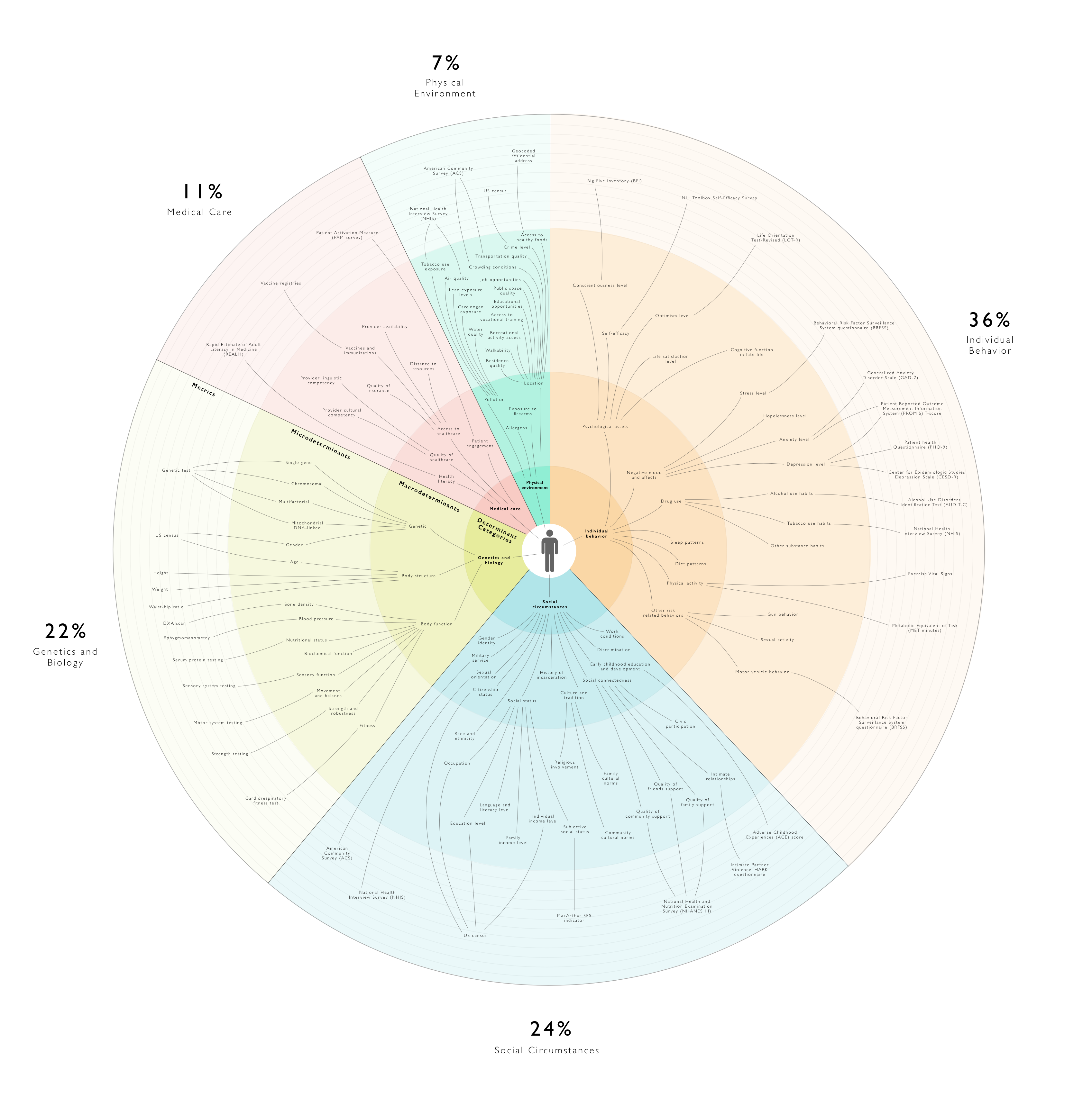
Social determinants of health (SDOH) are the non-medical conditions in which people are born, grow, live, work, and age that shape health outcomes. They encompass the economic, social, environmental, and political forces that create the circumstances of daily life and drive inequities in health between populations.
Also called: social determinants, non-medical determinants of health, upstream factors, structural determinants of health, SDOH. The term “upstream” distinguishes these root causes from downstream clinical events. “Structural determinants” refers specifically to the systems, economic, legal, political, that generate and distribute these conditions.
Definition and Boundaries
The World Health Organization defines SDOH as “the conditions in which people are born, grow, live, work and age” and the “wider set of forces and systems shaping the conditions of daily life” [8]B2a. This definition deliberately includes both the material circumstances (housing, income, food security) and the structural drivers (policies, power relations, social norms) that allocate those resources. Healthy People 2030 organizes SDOH into five domains: economic stability, education access and quality, healthcare access and quality, neighborhood and built environment, and social and community context [4]B2a[10]B2b. A sixth domain, digital determinants of health (DDoH), has been proposed as either a subset of SDOH or an independent category, reflecting the growing role of internet access, digital literacy, and technology in health [7]B2a.
SDOH are fundamentally distinct from biomedical determinants. Biomedical models attribute disease to individual pathophysiology, genes, pathogens, organ dysfunction, and focus on diagnosis and treatment at the patient level. SDOH, by contrast, operate at the population and system levels, creating patterns of risk and resilience that modify disease incidence, severity, and outcomes across groups. Financial toxicity, for example, arises not from a drug’s side effect profile but from insurance design, out-of-pocket costs, and employment policies that turn a treatable condition into a financial catastrophe [1]D5.
Historical and Conceptual Context
Interest in SDOH grew from the recognition that clinical care alone cannot close health gaps. The WHO Commission on Social Determinants of Health (2008) formalized the concept, calling for action on the “causes of the causes.” Since then, bibliometric analyses show the field shifting from descriptive economic burden studies toward patient-centered, system-oriented frameworks that treat SDOH as modifiable, interconnected risks [1]D5. Researchers increasingly build conceptual frameworks that link social exposures, religious minority status, geographic remoteness, structural ageism, to specific health outcomes through mechanisms of discrimination, marginalization, and unequal access [2]B2a[5]D5. For example, religious minority groups consistently demonstrate worse mental health outcomes than majority groups, mediated by discrimination and reduced social power [2]B2a. Structural marginalization of older adults within healthcare settings manifests through policies that bias access, insufficient organizational capacity, and reduced quality of care [5]D5.
The Ecological Model of Health
SDOH operate across multiple levels. The ecological model organizes determinants into concentric spheres: the individual (age, sex, biology), relationships (family, peers, community), community (schools, workplaces, built environment), and the policy/enabling environment (laws, economic systems, cultural norms). Each level influences the next; a patient’s ability to heal a depends not only on wound care but also on geographic remoteness, income, and insurance that determines whether they can attend a multidisciplinary foot clinic [8]B2a. Similarly, healthcare transition readiness among childhood cancer survivors is shaped by structural SDOH (insurance, provider access) and relational SDOH (communication quality, peer support) [4]B2a. Cardiovascular health mediates a substantial proportion of the mortality effect of cumulative unfavorable SDOH, 20.4% of the all-cause mortality association, underscoring that social disadvantage accelerates biological risk through multiple pathways [10]B2b.
Key Conceptual Frameworks
Two frameworks dominate current practice, summarized in the table below.
| Framework | Domains / Levels | Key Contribution |
|---|---|---|
| Healthy People 2030 | Economic stability, education, healthcare, neighborhood, social context | Actionable screening categories for clinical and public health settings [4]B2a[10]B2b |
| WHO Commission on SDOH | Structural determinants (governance, policy, culture) → socioeconomic position → intermediary determinants (material, psychosocial, behavioral) → health outcomes | Emphasizes causal pathways and policy levers upstream of individual behavior [8]B2a |
These frameworks complement each other: Healthy People 2030 provides a practical taxonomy for screening and intervention, while the WHO model explains the pathways linking social position to biological consequence. Both recognize that SDOH are not static, they accumulate over the life course, interact with each other, and intersect with personal characteristics such as race, sex, and age to produce unique patterns of advantage or disadvantage.
The next section details each domain of SDOH, the evidence linking them to specific health outcomes, and how clinicians can assess and address them in everyday practice.
Pearl: Two major frameworks (Healthy People 2030 and WHO Commission) provide complementary taxonomies for screening and pathway analysis, respectively.
Key Domains of Social Determinants of Health
- ▸Neighborhood socioeconomic disadvantage (ADI) is associated with deficits in working memory, verbal memory, and processing speed, independent of individual education level [12].
- ▸Social support and resource availability are critical facilitators for maintaining physical activity in osteoarthritis; their absence constitutes a major barrier [14].
- ▸Maternal congenital heart disease increases the risk of child developmental vulnerability across multiple domains (language, social competence, communication) even after adjusting for neighborhood income [15].
These domains, economic stability, education access, health care access, neighborhood and built environment, and social and community context, each contain measurable factors that clinicians can assess and address. Evidence from diverse populations illustrates how specific domains operate and where the greatest vulnerabilities concentrate.
Economic Stability
Neighborhood-level socioeconomic disadvantage, measured by the Area Deprivation Index (ADI), correlates with poorer cognitive function across multiple domains. Among treatment-naive postmenopausal women with breast cancer, higher ADI percentiles were associated with worse verbal memory, working memory, mental flexibility, and processing speed [12]B2b. After adjusting for age, the association persisted for working memory, but not for the other domains, suggesting that education and depressive symptoms partially mediate the relationship [12]B2b. Maternal congenital heart disease (CHD) also increases the risk of child developmental vulnerability at school entry, with an adjusted relative risk of 1.28 (95% CI 1.11-1.48) compared to unexposed offspring, and severe CHD carries a risk of 1.98 (1.31-3.00) [15]B2b. Neighborhood income quintile was among the covariates adjusted for, reinforcing that economic context shapes early childhood outcomes.
Education Access and Quality
Spatial skills, the ability to mentally manipulate objects and navigate environments, show a moderate positive correlation (r = 0.27, τ = 0.12) with science achievement from kindergarten through undergraduate education [20]B2a. This association does not vary by gender, educational level, or science domain, and persists after controlling for mathematical and verbal skills [20]B2a. The finding highlights a modifiable cognitive resource that schools and clinicians can target to reduce educational disparities. In occupational therapy settings, school-based interventions emphasize Functioning (97% of studies) and Fitness (83%), but less often address Future (31%) and Friendships (20%) [18]B2a, indicating a gap in supporting long-term educational and social outcomes that affect health.
Social and Community Context
Social support is a key facilitator of sustained health behaviors. Among people with hip and knee osteoarthritis, maintaining physical activity over at least six months is strongly influenced by social support, resource availability, self-efficacy, and energy levels [14]B2a. Conversely, weak social ties and competing priorities are major barriers [14]B2a. Maternal CHD also increases risk for deficits in social competence (aRR 1.22, 95% CI 1.02-1.45) and emotional maturity (trend), pointing to intergenerational effects of chronic illness on children’s social development [15]B2b. The underrepresentation of Friendships in school-based occupational therapy research [18]B2a underscores a need to prioritize social participation as a distinct SDOH domain.
Neighborhood and Built Environment
Neighborhood disadvantage, independent of individual socioeconomic status, is a consistent predictor of health outcomes. In the breast cancer cohort, the ADI, which captures income, housing, employment, and education at the census-tract level, showed graded associations with cognition before any cancer treatment [12]B2b. For women living in the most disadvantaged neighborhoods, verbal memory and processing speed were particularly affected, even after adjusting for age and BMI (for processing speed) [12]B2b. The built environment also influences physical activity maintenance: lack of safe, accessible resources is a cited barrier among adults with osteoarthritis [14]B2a.
Interplay Across Domains
The domains rarely operate in isolation. In the maternal CHD cohort, adjustment for neighborhood income quintile and maternal psychiatric history attenuated but did not eliminate the developmental risk, indicating that biologic and social factors interact [15]B2b. Similarly, the relationship between neighborhood disadvantage and cognition was partially mediated by years of education and depressive symptoms [12]B2b, demonstrating that educational and mental health interventions could buffer neighborhood-level harms.
Table 1. Key SDOH Domains with Illustrative Evidence
| Domain | Key Factors Measured | Example Finding | Source |
|---|---|---|---|
| Education Access | Spatial skills, school-based OT focus on Future | Spatial skills correlate with science achievement (r = 0.27); less than one-third of SBOT studies address Future | [20]B2a[18]B2a |
| Social/Community Context | Social support, friendships, social competence | Low social support is a barrier to PA maintenance in OA; maternal CHD raises risk of child social developmental vulnerability (aRR 1.22) | [14]B2a[15]B2b |
| Neighborhood/Built Environment | ADI, resource availability, safety | Neighborhood disadvantage predicts cognitive deficits before treatment in breast cancer | [12]B2b |
| Health Care Access | Not directly assessed in included refs | , | , |
Pearl: When screening for SDOH, prioritize the domains of economic stability, social support, and neighborhood environment, as these are most consistently linked to health outcomes across populations and demonstrate the largest effect sizes in the current evidence [12]B2b[14]B2a[15]B2b.
Mechanisms Linking SDOH to Health Outcomes
- ▸SDOH influence health through biological embedding (allostatic load, biomarkers), behavioral patterning (diet, adherence), and differential access to quality care.
- ▸Structural determinants, policies, discrimination, digital divide, shape all three pathways simultaneously.
- ▸Even in systems with universal coverage, language barriers, perceived discrimination, and lack of patient-physician concordance reduce healthcare utilization and worsen outcomes.
These domains, economic stability, education, social context, healthcare access, and neighborhood, do not simply correlate with health; they exert their effects through three interrelated pathways: biological embedding, behavioral patterning, and differential access to care. Structural determinants, including policies and systemic discrimination, shape all three pathways simultaneously.
Biological Embedding
Chronic exposure to socioeconomic adversity activates stress-response systems, leading to allostatic load. In perinatal populations, gendered norms and imbalanced power relationships operate in multiplicative, syndemic ways, shaping both the onset of conditions and access to care [26]D5. Biological pathways are measurable: among adults in a longitudinal cohort, each unit increase in body mass index raised the hazard of joint replacement (HR 0.96) and higher spine bone mineral density (HR 0.84, 0.77-0.92) and procollagen type 1 N-terminal propeptide (P1NP; HR 0.69, 0.50-0.96) were associated with increased risk, suggesting that bone metabolism and body composition mediate the effect of socioeconomic position on joint disease [24]B2b. These biomarker associations illustrate how social disadvantage becomes biologically embedded.
Behavioral Pathways
Health behaviors, diet, physical activity, dental hygiene, and surveillance adherence, are shaped by SDOH. Lower dietary calcium intake was associated with reduced joint replacement risk (HR 0.74, 0.52-1.04), though this likely reflects confounding by indication [24]B2b. In migrant populations in Germany, lower odds of attending regular preventive dental check-ups (OR 0.64-0.67) contributed to worse oral health, with a standardized mean difference in DMFT scores of 0.40 compared to non-migrants [22]B2a. For non-muscle-invasive , underuse of intravesical therapy and decreased surveillance adherence, both behavioral and system-driven, lead to higher recurrence and progression [29]D5. Cross-sector policies affecting food access and income supports are critical upstream determinants of diet and obesity [25]D5.
Healthcare Access and Quality
Even under universal coverage, structural barriers persist. Among Black populations in the US, physician-patient racial/ethnic concordance is consistently associated with better communication, trust, and satisfaction, though evidence for clinical outcomes is more heterogeneous [21]B2a. Language barriers and perceived discrimination reduce uptake of dental services among migrants in Germany [22]B2a. In the US, patients who were Black, Hispanic, Native American, uninsured, on Medicaid, or of lower socioeconomic status had a decreased likelihood of receiving minimally invasive surgery, and those who were Black or on Medicaid had worse outcomes such as readmissions and complications [28]C4. Socioeconomic deprivation also influences treatment choice: in Asia, low educational attainment was strongly associated with choosing conservative kidney (OR 2.85) [23]B2a. These access disparities are driven more by differences in care delivery than by tumor biology [29]D5.
Structural Determinants
Structural determinants, policies, laws, and institutional practices, condition all three pathways. Government policies on income support, school meal programs, agricultural subsidies, and legal accountability for food industries shape behavioral environments [25]D5. The digital divide in patient-generated health data systematically excludes high-risk groups from training datasets, embedding algorithmic bias that misallocates resources and perpetuates inequity [27]D5. Feminist jurisprudence reconceptualizes perinatal mental health as a human right, arguing that gender-neutral health laws substantively discriminate against women by ignoring structural inequalities [26]D5. These examples demonstrate that mechanisms linking SDOH to health outcomes are not merely individual-level but are produced and maintained by structural forces.
Understanding whether a health disparity arises from biological, behavioral, or access mechanisms guides the choice of intervention, policy change for structural causes, patient navigation for access barriers, or lifestyle support for behavioral pathways. The next section details how these mechanisms manifest as disproportionate disease burden across major disease categories.
Pearl: Even in systems with universal coverage, language barriers, perceived discrimination, and lack of patient-physician concordance reduce healthcare utilization and worsen outcomes.
| Mechanism Category | Example | Evidence (Reference) |
|---|---|---|
| Biological embedding | Higher BMI, BMD, and P1NP increase joint replacement risk; sex differences in CKM uptake | [24]B2b; pooled OR 1.47 for female sex choosing non-dialysis care [23]B2a |
| Behavioral pathways | Lower odds of preventive dental check-ups (OR 0.64-0.67); suboptimal surveillance in NMIBC | [22]B2a; [29]D5 |
| Healthcare access & quality | Racial/ethnic concordance improves communication; lower MIS access for Black, Hispanic, uninsured patients | [21]B2a; [28]C4 |
| Structural determinants | Gendered norms shape perinatal mental health; algorithmic bias from digital divide; cross-sector policies for food security | [26]D5; [27]D5; [25]D5 |
Impact on Major Disease Categories
- ▸Social determinants independently predict CVD, diabetes, and Alzheimer's disease beyond traditional clinical risk factors, with income and neighborhood factors among the strongest predictors.
- ▸Individuals with mental disorders experience large social inclusion deficits (SMD -0.91) that contribute to poor outcomes; physical activity interventions can improve both mental health and social connectedness.
- ▸Neighborhood disadvantage is linked to cognitive impairment before cancer treatment and to Alzheimer's biomarkers, especially in Black and Hispanic/Latino older adults.
The mechanisms connecting social determinants to health outcomes produce measurable disparities across every major disease category, with consistent evidence that upstream factors are as influential as biomedical risk factors in determining disease incidence, severity, and prognosis.
Cardiovascular Disease and Type 2 Diabetes
Social determinants independently predict cardiovascular disease (CVD) and type 2 diabetes (DM2) onset beyond traditional clinical risk factors. In a Dutch cohort of over 58,000 high-risk individuals, an XGBoost model incorporating both biomedical and SDOH predictors achieved an AUC of 0.738 for 5-year CVD or DM2 prediction, significantly outperforming the biomedical-only model (AUC 0.728) . Income- and benefit-related indicators were among the most influential SDOH predictors . Among breast cancer survivors, Black race, lower neighborhood socioeconomic status, and rural residence are each associated with higher incidence of CVD and increased cardiovascular death . Stroke prevention guidelines now explicitly incorporate social determinants and remove racial biases from risk algorithms .
Adolescents with screen time exceeding >2 h/day had higher prevalence (1.9%) and 2-year incidence (4.0%) than those within recommended limits; adherence to two or more movement behavior recommendations reduced hypertension risk (RR 0.31) . Community-based programs can mitigate these disparities: the CHECK-IT program in Indianapolis, serving predominantly Black neighborhoods, integrated home blood pressure monitoring, community health worker support, and virtual medication , achieving >60% blood pressure control (<140/90 mmHg) with average reductions of 7 mmHg systolic and 4 mmHg diastolic .
Mental Health and Social Inclusion
Individuals with mental disorders experience substantial social exclusion compared to the general population. A meta-analysis of six studies (844 individuals with mental disorders, 1086 controls) found a large standardized mean difference (SMD = -0.91; 95% CI -1.25 to -0.56) across validated social inclusion measures . Disparities are most pronounced in employment, income, education, housing, and perceived support, domains where socioeconomic position, gender, and ethnicity intensify exclusion .
Physical activity interventions can improve both mental health and social inclusion. A 6-week supervised program delivered either in-person or virtually produced moderate-to-large effect sizes for reducing anxiety and depression symptoms and improving social connectedness (P<.001 for both modes) . Change in social inclusion indices explained unique variance in well-being beyond symptom reduction (R²adj 0.75 for virtual, 0.72 for in-person) .
Cognitive Impairment and Alzheimer's Disease
Neighborhood socioeconomic disadvantage contributes to cognitive vulnerability even before disease onset. Among treatment-naïve postmenopausal women with early-stage breast cancer, greater neighborhood disadvantage (measured by the Area Deprivation Index) was associated with significantly poorer verbal memory, working memory, mental flexibility, and processing speed . In the UK Biobank, an automated machine-learning model incorporating SDOH along with age, APOE4, and clinical measures achieved good discrimination for Alzheimer's disease risk prediction (area under the precision-recall curve 0.89) . Among a diverse U.S. community cohort, neighborhood disadvantage was linked to elevated amyloid markers and total tau, most prominently in Black and Hispanic/Latino older adults living in moderately to severely disadvantaged neighborhoods .
Respiratory Disease
In a nationwide Chinese cohort of 3,913 patients, rural residence, larger household size, and prior hospitalizations were consistently associated with hospitalized exacerbations and longer annual total length of stay in both smoking and non-smoking phenotypes . Biomass exposure independently predicted exacerbations among non-smoking COPD but not among smokers after full adjustment . Among racial and ethnic minorities, sleep apnea is underdiagnosed and undertreated; drivers include geography, healthcare access, economic status, and marital status .
Maternal and Perinatal Health
Prenatal risk communication must address structural racism as a social determinant. In qualitative interviews with 17 recently pregnant Black women, participants preferred providers to explicitly discuss racism's impact on pregnancy health, acknowledge systemic barriers, and collaborate on tailored treatment plans that honor individual lived experiences .
Other Notable Associations
Among heart transplant recipients, cannabis use was associated with higher rates of transplant-related complications (HR 1.49; 95%; P<0.001), including rejection (HR 1.50) and graft failure (HR 1.62), and substantially increased cardiac allograft vasculopathy (HR 2.81; 95%; P<0.001) . These findings highlight the need to account for substance use as a social determinant in transplant evaluation.
Pearl: When assessing disease risk, clinicians should weigh social determinants, especially income, neighborhood disadvantage, and rural residence, with the same priority as traditional biomedical risk factors, as they often contribute equal or greater predictive power .
| Disease Category | Key SDOH | Effect Size / Finding | Reference(s) |
|---|---|---|---|
| Breast cancer + CVD | Black race, rural residence, low neighborhood SES | Higher CVD incidence and death | [30]B2a |
| Adolescent hypertension | Screen time >2h/day, lack of movement behaviors | HTN incidence 4.0% (screen time >2h); RR 0.31 for ≥2 behaviors | [34]B2b |
| Mental health | Employment, income, housing, social support | SMD -0.91 for social inclusion vs general population | [31]B2a |
| Alzheimer's disease | Neighborhood disadvantage (ADI) | AUC 0.89 for risk prediction; elevated amyloid/tau in Black/Hispanic groups | [35]B2b, [37]B2b |
| COPD | Rural residence, household size, biomass exposure | OR for exacerbations higher (specific values not reported in abstract) | [36]B2b |
| Sleep apnea | Ethnic minority status, geography, healthcare access | Underdiagnosis and undertreatment documented | [33]B2a |
| Maternal health | Structural racism, lack of provider communication | Black women prefer explicit discussion of racism and collaborative planning | [42]C4 |
| Heart transplant | Cannabis use disorder | Complication HR 1.49, CAV HR 2.81 | [39]B2b |
| Breast cancer cognition | Neighborhood disadvantage | Poorer verbal/working memory, processing speed | [12]B2b |
Screening and Assessment Tools
- ▸Multiple validated screening tools exist; PRAPARE and AHC HRSN are the most widely used and best integrated into EHR systems.
- ▸Screening rates improve from ~38% to >65% with systematic implementation, but positive screens require actionable referral pathways to improve outcomes.
- ▸Social needs are prevalent across diverse populations (10-60% depending on setting) and are associated with worse clinical outcomes, including lower transplant waitlisting and higher emergency department utilization.
Given the profound impact of social determinants on disease outcomes across cardiology, oncology, nephrology, and pediatrics, systematic screening for health-related social needs (HRSN) has become a clinical priority. A growing array of validated instruments now enables clinicians to identify unmet needs in housing, food, transportation, utilities, and personal safety during routine encounters. The choice of tool depends on clinical setting, patient population, and available resources for follow-up.
Commonly Used Screening Instruments
Several screening tools have been validated across diverse populations and care settings. The Accountable Health Communities Health-Related Social Needs Screening Tool (AHC HRSN), developed by the Centers for Medicare & Medicaid Services, assesses 12 domains including housing instability, food insecurity, transportation needs, utility assistance, and interpersonal safety [45]B2b. It has been used in national dialysis cohorts, pediatric orthopaedic clinics, and stroke caregiver studies [45]B2b[50]C4[53]C4. The Protocol for Responding to & Assessing Patients' Assets, Risks, and Experiences (PRAPARE) is the most frequently integrated tool in Epic EHR systems, covering similar domains plus employment, education, and social isolation [47]C4. The Health Leads Social Screening Tool and the National Comprehensive Cancer Network Distress Thermometer and Problem List are also commonly deployed, particularly in oncology settings [44]D5. For rapid food insecurity screening, the two-question Hunger Vital Sign has high sensitivity and is feasible in emergency departments [46]B2b.
| Tool | Domains Assessed | Number of Items | Validation Setting | EHR Integration |
|---|---|---|---|---|
| AHC HRSN | Housing, food, transportation, utilities, safety, etc. | 10 core + 2 optional | Dialysis, pediatric ortho, stroke caregivers [45]B2b[50]C4[53]C4 | Yes (Epic) |
| PRAPARE | Housing, food, transportation, utilities, employment, education, social isolation, etc. | 17 core + 5 optional | Multiple primary care and community health centers [47]C4 | Most common in Epic [47]C4 |
| Health Leads | Housing, food, transportation, utilities, employment, etc. | 8 core | Oncology, primary care [44]D5 | Yes (Epic) |
| Hunger Vital Sign | Food insecurity | 2 items | Emergency department [46]B2b | Variable |
| NCCN Distress Thermometer | Psychological distress + practical problems (includes social needs) | 1 + problem list | Oncology [44]D5 | Yes (Epic) |
Integration into Electronic Health Records
EHR integration is critical for scalable screening. Epic Systems, the most widely adopted EHR globally, offers modules for SDOH screening through MyChart (patient portal) and Best Practice Advisories (clinician alerts) [47]C4. A scoping review of 43 studies found that PRAPARE was the most commonly integrated tool, with MyChart being the most patient-accepted module [47]C4. However, implementation challenges are substantial. A pragmatic trial comparing three instruments and three delivery modalities (Epic patient portal, chatbot, interactive voice response) encountered difficulties with patient navigation, stakeholder engagement, and technological integration despite substantial resources [44]D5. Successful integration requires leadership support, dedicated clinical champions, and workflow optimization [47]C4.
Feasibility and Screening Outcomes
Screening rates improve markedly with systematic implementation. In a pediatric orthopaedic clinic, a quality improvement initiative increased screening from 38% to 65% (P<0.001), with 21% of patients screening positive for at least one social need, most commonly financial (13%) and food insecurity (11%) [50]C4. Among 12,994 dialysis patients screened with the AHC HRSN, 10.5% had one social risk factor and 3.4% had more than one; having more than one was associated with 65% higher odds of not being waitlisted for transplant (OR 1.65) [45]B2b. In an emergency department, 60.2% of 377 participants screened positive for food insecurity using the Hunger Vital Sign, and 98.2% accepted a food voucher, but only 38.4% redeemed it, suggesting that co-location of resources alone is insufficient [46]B2b.
Special Populations and Considerations
Screening tools must be adapted to population-specific needs. Caregivers of stroke survivors reported an average of 6.5 unmet social needs (95% CI 5.69-7.25), with racial and ethnic minority caregivers experiencing significantly higher burden (mean 7.81 vs. 3.56) [53]C4. In perinatal care, existing Canadian screening tools address income and social support but largely omit climate-health impacts, highlighting a gap [48]C4. Speech-language pathologists working with children with traumatic brain injury can use the AHC HRSN to identify social needs that affect rehabilitation outcomes [51]C4. For patients with kidney failure, interventions to address social support are feasible but evidence for effectiveness remains limited [52]D5.
Recommendations for Clinical Practice
Universal screening for HRSN is recommended in primary care, emergency departments, and specialty clinics serving populations at high risk for social needs. Use a validated tool appropriate for the setting, PRAPARE or AHC HRSN for comprehensive assessment, Hunger Vital Sign for rapid food insecurity screening. Integrate screening into the EHR workflow using patient portals or best practice advisories to maximize completion rates. A positive screen must trigger a clear referral pathway to resource programs; without this infrastructure, screening yields limited benefit. Re-screen periodically, as social needs can change over time.
Pearl: Systematic screening using validated tools like PRAPARE or AHC HRSN can identify unmet social needs in 10- of patients depending on setting; however, screening without a robust referral infrastructure yields limited benefit, ensure that every positive screen has a corresponding action plan.
Clinical Integration and Interventions
- ▸Effective interventions span from low-touch automated referrals to intensive patient navigation; the choice should match resources and population need.
- ▸Navigation improves diagnostic resolution (e.g., follow-up colonoscopy) by 25-30% absolute and reduces time to service by weeks to months.
- ▸Addressing HRSN can reduce healthcare costs, particularly among high-risk, high-cost populations (PMPM reduction of $85 to $181).
Identifying social needs through screening creates the opportunity for intervention, but the clinical benefit depends on linking patients to effective resources and services. A range of intervention models have been tested, from low-touch automated resource guides to intensive navigation, and the evidence reveals consistent patterns: systematic referral increases contact with services, but enrollment and sustained engagement require additional support.
Patient Navigation and Community Health Workers
Navigation programs assign a dedicated individual, nurse, social worker, , or trained layperson, to guide patients through accessing community resources, scheduling appointments, and resolving barriers. Centralized telephone-based navigation for follow-up after a positive fecal immunochemical test (FIT) significantly increased completion: 69.0% vs 38.7% at 1 year (p=0.006), reducing mean time to colonoscopy by **80.4 days **. The absolute risk difference of 30.3% yields NNT approx 3 to achieve one additional completed colonoscopy [55]A1b. The benefit increased with greater engagement, suggesting a dose-response.
In an Australian oncology outpatient clinic, a Health Navigator intervention for patients with cancer and unmet social needs achieved 100% uptake among those offered (n=55/55) and 77% completion over 6 months; the prevalence of all reported health-related social needs decreased after the intervention [63]C4. The GUIDE intervention, designed to improve cancer clinical trial access, uses a navigator who screens for HRSN, connects patients to trial and institutional resources, and reimburses out-of-pocket costs. Provider and patient interviews confirmed the intervention was acceptable and feasible when the navigator is integrated into the care team and trained in trust-building [60]D5.
Digital and Low-Touch Referral Interventions
Automated, low-cost approaches can bridge the gap from screening to resource connection without intensive staff time. A randomized trial in two academic EDs compared automated text messages (4 texts over 14 days prompting patients to call a benefits navigator telephone line) to a paper flyer. 25% of text-message recipients contacted a navigator vs 0% in the control group (difference 25 percentage points; 95% CI 16%-35%); NNT = 4 to achieve one call to a benefits navigator. 14% submitted at least one public benefits application vs 0% [54]A1b.
In pediatric well-child visits, the WE CARE intervention (a 6-item social needs screener paired with a Family Resource Book containing referral handouts) was tested in a stepped wedge cluster trial across 18 practices. Parents in the WE CARE group were more likely to discuss social needs with their child's clinician (**91% vs 79%; AOR 3.6, 95% **) and to receive at least one referral (**20% vs 12%; AOR 1.7, 95% **). The absolute referral difference of 8% corresponds to NNT = 13 to obtain one additional referral. However, self-reported enrollment in new community resources at 3 months did not differ (23% vs 22%) [64]A1b, highlighting that referral alone does not guarantee connection.
A simpler automated workflow in a pediatric ED, printing a resource guide with discharge summaries for families who screened positive for any HRSN, resulted in 22.8% of survey respondents reporting connection with a service. The primary barrier among non-contacters was losing the contact information (64.4%) [65]C4.
Food Prescription and Nutrition Support Programs
is a common HRSN that directly affects chronic disease , particularly type 2 diabetes. Clinicians recognize the need for screening but face barriers including time constraints and limited knowledge of local food support services; empathy and stigma-sensitive communication are essential for patient disclosure [58]D5.
A longitudinal cohort study of adults with type 2 diabetes compared patients referred for food assistance vs those referred for care coordination. At 6 months, there were no clinically meaningful differences in HbA1c (difference 0.01%, 95% CI -0.15 to 0.18), systolic blood pressure (-0.20 mm Hg, 95% CI -1.62 to 1.22), or LDL cholesterol (2.78 mg/dL, 95% CI -2.30 to 7.86) [59]B2b. Both interventions were associated with similar outcomes, so clinics can choose the approach that best fits resources and patient preference.
Care Coordination and Medical-Legal Partnerships
Care coordination models target multiple social needs simultaneously. A private payer-led program (Community Connected Care) that integrates screening and social needs resolution was associated with a $85 per-member per-month reduction in total allowed costs among high-clinical-risk beneficiaries (95% CI -$167 to -$3). Among those with both high clinical risk and high social risk, the reduction was larger: -$181 PMPM (95% CI -$329 to -$33) [62]B2b. Emergency department costs decreased and primary care costs increased, indicating a shift toward appropriate utilization.
Medical-legal partnerships embed legal expertise into healthcare teams to address housing, benefits, and other legal needs, though not directly represented in the provided evidence, this model is increasingly recognized as a high-impact structural intervention.
Community-Based Organization Capacity and Cross-Sector Partnerships
The effectiveness of referral interventions depends on the capacity of (CBOs) to receive and act on referrals. An environmental scan found that facilitators included patient navigation services, community-aligned missions, and cross-sector partnerships, while barriers included limited data infrastructure, inconsistent referral processes, and resource constraints [66]D5. A "partnership paradox" emerged, organizations often need existing capacity to form partnerships, which can exclude those most in need of support.
Implementation in Special Populations
Pediatric settings offer unique opportunities to intervene early. In a pediatric orthopaedic clinic, implementation of systematic HRSN screening increased screening rates from 38% to 65% (p<0.001). Among those screening positive, 87% received a referral and 61% were successfully enrolled in resource management services, up from 25% pre-initiative (p=0.005) [50]C4. insurance was associated with higher odds of social need (aOR 3.56) [50]C4, underscoring the importance of targeting resources to the most vulnerable.
Summary of Intervention Evidence
| Intervention Type | Key Finding | Population | Reference |
|---|---|---|---|
| Text message navigation | 25% contacted navigator vs 0% (difference 25%, 95% CI 16%-35%); NNT 4 | ED patients with benefits eligibility | [54]A1b |
| Centralized telephone navigation | FC completion 69% vs 38.7% at 1 year; time reduced 80.4 days; NNT 3 | FQHC patients with positive FIT | [55]A1b |
| Health Navigator (in-person) | 100% uptake, 77% completion; decreased HRSN prevalence | Australian oncology clinic | [63]C4 |
| WE CARE (screener + resource book) | Increased discussion (91% vs 79%) and referral (20% vs 12%); no enrollment difference | Pediatric well-child visits | [64]A1b |
| Automated ED referral workflow | 22.8% connected to service; main barrier = losing contact info | Pediatric ED families | [65]C4 |
| Food assistance vs care coordination | No clinically meaningful difference in HbA1c, BP, or LDL | Adults with T2D | [59]B2b |
| Payer-led care coordination (CCC) | PMPM cost reduction $85 overall, $181 in high social risk subgroup | High-clinical-risk Medicaid | [62]B2b |
| Pediatric ortho screening initiative | Screening 38%→65%; 87% referred, 61% enrolled | Pediatric orthopaedic clinic | [50]C4 |
Choosing an Intervention Approach
The choice of intervention depends on setting, population, resources, and infrastructure. Low-touch approaches (text messages, printed resource guides) require minimal staff but yield modest connection rates. Higher-touch models (navigators, , link workers) are more effective at achieving enrollment and addressing complex needs [55]A1b[56]D5[63]C4 but require dedicated funding and training. In resource-limited settings, a stepped approach, starting with automated referral and escalating to navigation for non-responders, may be practical.
The evidence base for individual-level interventions is complemented by policy approaches that address structural barriers, discussed in the next section.
Pearl: Navigation-based interventions that include active follow-up and relationship-building achieve higher rates of service connection than passive referral alone, with absolute differences of 25-30 percentage points in contact rates; NNTs of 3-4 for navigation vs passive referral are consistently observed across settings [54]A1b[55]A1b.
Policy and Population Health Approaches
- ▸Income support policies (EITC, minimum wage, sick leave) are foundational; inadequate sick leave caps (e.g., 14 days full pay) force workers with serious illness to choose between income and treatment [71].
- ▸School nutrition policies that restrict HFSS foods and promote healthy intake are associated with better academic performance, strengthening the case for enforcing such regulations [68].
- ▸Community‑based participatory research offers a validated model for translating research into policy change and should be leveraged by health systems to address upstream SDOH [74].
Having examined clinical screening and individual-level interventions for social needs, we now turn to structural policies that shape the distribution of those needs across populations. Policy levers, including income support, housing subsidies, nutrition programs, paid leave, and cross-sector collaboration, can alter the upstream conditions that generate health inequities. Clinicians and health systems have a role in advocating for such policies, as the evidence linking them to health outcomes grows.
Income and Employment Policies
Poverty is a powerful predictor of health, and policies that buffer income loss, such as the (EITC), minimum wage laws, and unemployment benefits, show measurable health effects. In Jordan, statutory sick leave is capped at 14 days of full pay and 14 additional days at half pay, with no provisions for extended medical leave or caregiver leave; approximately 35% of Jordanians remain uninsured, and job loss often triggers loss of health coverage . This pattern is common globally. Income also modifies the efficacy of behavioral interventions: among Chinese American breast cancer survivors in a randomized trial, expressive writing improved quality of life only for participants with above‑poverty income (≥$15,000/year), and the enhanced self‑regulation arm produced significantly higher quality of life than control only in that income group (b = 15.16, p < 0.001) . The implication is clear, without income protection, even well‑designed programs may fail those with the greatest need.
Housing Policy
Housing insecurity is a well‑established SDOH, but measurement of its dimensions remains fragmented. A systematic review of tools used among older adults identified six core domains, unaffordability, instability, poor physical quality, inadequacy, lack/ disrepair of durables, and poor neighborhood quality, yet only 1 of 13 studies incorporated age‑friendly housing characteristics . Internal consistency was reported in just 2 studies; test‑retest reliability in none. Policy interventions such as and public housing improvements target these domains, but without validated, comprehensive measures, their impact on older adults’ health is difficult to track.
Nutrition and Food Policy
Childhood obesity, now affecting 9-12% of Indian children and adolescents according to recent surveys, illustrates the potential of population‑level food policies . Strong evidence supports , clear , and statutory restrictions on marketing to children. India has taken steps, the 2020 FSSAI regulations restricting High Fat, Salt, Sugar (HFSS) foods in and around schools, the Ayushman Bharat School Health Programme, and the PM POSHAN meal scheme, but enforcement remains uneven . School nutrition policies also affect non‑health outcomes: a systematic review of 39 studies found that 35 reported better academic performance when children consumed more foods promoted by school nutrition policies and fewer foods restricted by those policies . Yet implementation faces practical barriers. In California’s San Joaquin Valley, 7 of 20 food service directors had never heard of ultraprocessed foods (UPFs), and several believed UPFs served in schools were healthier than those sold elsewhere . Training free of conflicts of interest and clearer labeling systems are needed to help food service directors translate policy into practice.
Paid Leave and Caregiver Policies
Paid family and medical leave policies reduce financial strain and improve health outcomes, but coverage is deeply unequal. A scoping review of 49 low‑ and middle‑income countries found that while all had a national maternity leave policy, only 10 countries (<20%) provide any leave after , and even in those countries the average leave duration was 50.1 days versus 107.7 days following a live birth . The International Labour Organization’s Convention No. 183 recommends 14 weeks of leave, yet 67.3% of LMICs did not align with that standard . The disparity compounds the physical and psychological burden on bereaved mothers, a gap that flexible, inclusive leave policies could address.
Health Insurance and Access
Insurance coverage is often employer‑linked, so job loss threatens continuity of care. In Jordan, because approximately 35% of the population is uninsured and social security benefits cover only total and permanent incapacity, a cancer diagnosis can lead to both job loss and loss of treatment access . in the United States has similarly demonstrated that extending insurance eligibility reduces mortality and improves financial security. Health systems must consider their role in supporting patients who face insurance disruptions during illness.
Health in All Policies and Cross‑Sector Collaboration
(HiAP) is an approach that systematically considers health implications across sectors, transportation, housing, education, labor. (CBPR) has evolved as a vehicle for translating research into policy change, with evidence of effective policy impact and validated partnership evaluation tools . CBPR partnerships increase the relevance of research to community needs and strengthen the case for structural reforms. For example, multi‑country comparative data on student mental health in sub‑Saharan Africa remain scarce, but the few studies that exist highlight the need for context‑specific, intersectoral responses that address academic stress, substance use, and service access .
Healthcare institutions themselves can serve as policy advocates. By documenting the health consequences of inadequate housing, food insecurity, or lack of paid leave, health systems can provide the evidence base for legislative change. Integrating sustainable development into curricula, for example, physiotherapy students in Sweden who reported limited exposure to sustainability concepts despite positive eco‑centric worldviews, is one step toward building a workforce that champions health equity across sectors .
Pearl: Only 20% of low‑ and middle‑income countries provide any maternity leave after stillbirth, and the average leave granted (50.1 days) is less than half that for a live birth (107.7 days), a policy gap that directly harms bereaved mothers and warrants advocacy by clinicians who witness the consequences .
| Policy Domain | Specific Policy | Key Finding | Source |
|---|---|---|---|
| Income/Employment | EITC / minimum wage | Income ≥$15,000 moderated expressive writing efficacy in cancer survivors; effect absent for those below poverty [69]A1b | [69]A1b |
| Nutrition | SSB taxation, school HFSS restrictions | 9-12% of Indian children overweight; school nutrition policies linked to academic gains [68]D5[73]D5 | [68]D5[73]D5 |
| Paid Leave | Maternity leave after stillbirth | Only 10/49 LMICs provide leave; average 50.1 days vs 107.7 for live birth [70]D5 | [70]D5 |
| Health Insurance | Employer‑linked coverage | 35% uninsured in Jordan; job loss can trigger coverage loss during cancer treatment [71]D5 | [71]D5 |
| Housing | Vouchers, age‑friendly design | Only 1/13 tools measured age‑friendly housing; composite indices dominate but lack psychometric validation [67]D5 | [67]D5 |
Health Equity and Special Populations
- ▸Structural racism in healthcare manifests through institutional omissions and commissions that disproportionately harm Indigenous and Black patients [85].
- ▸Early-life household income and parental education independently predict cardiovascular health in preadolescence among low-income diverse children [81].
- ▸Multifaceted team-based hypertension interventions reduce SBP by a mean -15.5 mm Hg in low-income populations, significantly more than enhanced usual care [79].
Policy approaches can reshape upstream determinants, but their impact on marginalized populations depends on how effectively they address intersecting axes of disadvantage. Health equity requires moving beyond population-average effects to examine how SDOH converge across specific groups, how structural barriers perpetuate disparities, and what interventions work for whom.
Structural Racism as a Fundamental Driver
Systemic racism operates through both omissions (failure to act on reform) and commissions (institutional exclusion) that entrench inequities into healthcare governance and clinical practice [85]D5. In Canadian healthcare, institutional disregard for Indigenous and Black patients is most marked in emergency and maternal services, with failures in oversight leading to preventable harm, as documented in cases like Brian Sinclair and Joyce Echaquan [85]D5. Similarly, in the United States, policing functions as a social determinant of health that disproportionately impacts Black, LGBTQ+, immigrant, Indigenous, and Asian populations, and public health researchers have called for multi-level structural interventions rather than individual-level behavior change alone [77]D5. Post-traumatic neurodegeneration also reveals stark racial disparities: African American or Black adults experience higher rates of traumatic brain injury and worse outcomes compared with White individuals, yet remain underrepresented in research [84]D5. These patterns underscore that structural racism is not a confounder but a causal pathway that must be directly targeted.
Pediatric and Adolescent Health
Early-life sociodemographic factors shape cardiovascular health (CVH) trajectories well before adulthood. Among low-income and racially diverse children, those living in households with an annual income of $35,000 to $64,999 had twice the probability of high CVH in preadolescence compared with those under $15,000 (RR 2.01, 95% CI 1.3-3.0); having a parent with at least a bachelor's degree (RR 2.1) and being Non-Hispanic White (RR 2.2) were similarly protective [81]B2b. Urban-rural disparities also emerge early: adolescent girls in West Bengal, India, with more than 4 hours/day of screen time experienced menarche approximately 4.2 months earlier than rural peers with less than 2 hours/day, mediated by increased cortisol and estradiol and decreased melatonin [82]B2b. This illustrates how structural factors, digital access, education stress, community dynamics, shape puberty and subsequent health. Clinical modifications: Pediatric screening should include household income, parental education, and screen time; interventions to reduce screen time and improve diet and physical activity may mitigate accelerated pubertal development and poor CVH.
Reproductive and Maternal Health
Reproductive health equity is shaped by national policies that vary widely across income settings. The Universal IVF Justice Framework revealed that high-income countries score higher on equity due to broader insurance coverage, inclusive legal protections, and greater geographic access, whereas low- and middle-income countries face gaps in affordability, rural service delivery, LGBTQ+ inclusivity, and psychosocial support [78]D5. Upstream economic policies can improve maternal and infant health: robust evidence shows that the meaningfully improves maternal and infant health and alleviates food insecurity [83]D5. Actionable approach: Healthcare systems in underserved areas should partner with social services to connect pregnant patients to income support programs; in emergency and maternal care, institutional protocols must mandate cultural safety training and race-disaggregated data collection to prevent the disregard documented in case reports [85]D5.
Rural and Low-Income Populations
Low-income populations bear a disproportionate burden of uncontrolled , but evidence-based strategies can close the gap. In a randomized trial across 36 federally qualified health centers in Louisiana and Mississippi, a multifaceted implementation strategy (team-based care, protocol-based intensive BP , audit and feedback, health coaching, home BP monitoring) lowered systolic blood pressure by a mean of -15.5 mm Hg (95% CI -17.4 to -13.6) at 18 months, compared with -9.1 mm Hg (95% CI -11.0 to -7.2) in enhanced usual care, a difference of -6.4 mm Hg (95% CI -9.0 to -3.8; P<0.001) [79]A1b. Adherence summary scores were also significantly higher (2.8 vs 2.1, difference 0.7; P<0.001). In rural Appalachia, the HeartHealth intervention reduced CVD risk irrespective of financial status, education level, sex, depressive symptoms, or health literacy, demonstrating that well-designed interventions can remain effective despite social disadvantage [80]B2b. Clinical takeaway: For low-income and rural patients, deploy team-based care with home BP monitoring and health coaching as standard practice, not as an optional add-on.
Intersectionality and Culturally Tailored Interventions
Health equity is not additive but intersectional: a low-income Black woman in a rural area faces compounded barriers that single-axis analyses miss. Structural interventions must be theory-driven, multi-level, and methodologically rigorous, focusing on communities most impacted by policing and other structural forces [77]D5. Cultural safety training, mandated institutionally, not as a one-time workshop, is a necessary component [85]D5. Economic policies such as minimum wage and guaranteed income programs are promising but evidence remains mixed or insufficient [83]D5; future research must examine policy interactions and equity of impact. Importantly, even when tailoring is not explicit, interventions that address practical barriers (e.g., health coaching on medication adherence, home monitoring) can work across SDOH strata [80]B2b. Yet research methods themselves can introduce bias: mobile health studies show that EMA adherence varies by socioeconomic status, language, education, and race/ethnicity, potentially underrepresenting vulnerable populations [86]D5.
Accurate measurement of these disparities, disaggregated by race, income, geography, and other SDOH, is critical for accountability and is taken up in the next section, which examines data sources and methodological approaches.
Pearl: For low-income patients with hypertension, implementing a team-based strategy with home BP monitoring and health coaching yields an additional 6.4 mm Hg SBP reduction over usual care, a difference large enough to reduce cardiovascular events if sustained [79]A1b.
Measurement and Data Sources
- ▸Area-based indices (ADI, SVI, SDI, DCI) complement individual-level screening and each captures distinct dimensions of deprivation with varying geographic granularity.
- ▸EHR linkage with geocoded census tract data enables routine SDOH surveillance at scale without additional survey burden.
- ▸National surveys (BRFSS, NHIS, ACS) remain foundational for population-level monitoring but have limitations in timeliness and granularity.
Having established that disparities concentrate in structurally disadvantaged populations, the next challenge is measuring these social exposures with sufficient precision to guide clinical intervention and policy. SDOH measurement operates at two complementary levels: individual-level screening that captures patient-reported needs in clinical encounters, and area-level indices derived from geocoded census and administrative data that characterize the socioeconomic context of neighborhoods.
Individual-Level Measures
Validated screening tools such as PRAPARE, Health Leads, and WE CARE, detailed in the Screening and Assessment Tools section, elicit self-reported social needs (housing instability, food insecurity, transportation barriers) within clinical workflows. These instruments capture lived experience at the point of care but rely on patient disclosure and require integration into EHR systems for systematic use.
Area-Level Deprivation Indices
Composite indices aggregate multiple census-derived socioeconomic indicators into a single score, enabling comparisons across geographic units. The most commonly used indices are compared in Table 1. Among these, the Area Deprivation Index (ADI) has shown the most consistent associations across diverse health outcomes, including cancer-related cognitive impairment [12]B2b, Alzheimer disease blood biomarkers [37]B2b, total joint arthroplasty outcomes [91]D5, and suicide risk [89]B2b. The Social Vulnerability Index (SVI) additionally incorporates housing type and vehicle access, while the Distressed Communities Index (DCI) is available at the zip-code level, facilitating broader population coverage at the cost of spatial resolution [91]D5. The Gini coefficient, a measure of income inequality, is frequently used in ecological analyses of life expectancy [93]B2c. Notably, the Modifiable Epigenetic Aging Burden Index (MEAB-Index) represents a novel composite that integrates behavioral, environmental, and social determinants to quantify the preventable burden of biological aging [87]B2a.
National Data Sources
Several nationally representative surveys provide the raw data for both individual-level analyses and the construction of area-based indices. The Behavioral Risk Factor Surveillance System (BRFSS) offers state-level prevalence estimates for key health behaviors and chronic conditions [93]B2c. The National Health Interview Survey (NHIS) provides comprehensive health and socioeconomic data at the individual level. The American Community Survey (ACS), conducted annually by the U.S. Census Bureau, supplies the census-tract- and block-group-level sociodemographic variables (income, education, housing, employment) from which indices like ADI and SVI are derived [94]D5. These sources are publicly available and widely used in health disparities research.
EHR Linkage and Geographic Information Systems
Geocoding patient addresses to census tracts or block groups enables linkage of clinical data with area-level indices, creating a powerful platform for routine SDOH surveillance without additional survey burden. In studies of people living with HIV, census-tract-level area-based SES measures, most commonly income/poverty, have been linked to viral suppression and other outcomes [92]D5. Geographic information systems (GIS) allow delineation of exposure zones (e.g., food deserts, greenspace coverage, proximity to health services) and their spatial association with perinatal and maternal health outcomes [94]D5. A stepwise approach, selecting the appropriate geographic unit, choosing a validated index, adjusting for spatial autocorrelation, is essential to avoid misclassification bias [94]D5.
Pearl: The Area Deprivation Index (ADI) offers the most consistent association with health outcomes across multiple conditions but requires census-block-group geocoding; national percentiles should be used over state deciles to enable cross-region comparisons [91]D5.
| Index | Geographic Unit | Data Source | Key Domains | Strengths | Limitations |
|---|---|---|---|---|---|
| Area Deprivation Index (ADI) | Census block group | ACS | Income, education, employment, housing (17 indicators) | Validated across numerous outcomes; national and state percentiles | Requires block-group geocoding; updated only every 5 years |
| Social Vulnerability Index (SVI) | Census tract | ACS, Census Bureau | Socioeconomic status, household composition, racial/ethnic minority, housing/transportation (15 themes) | Incorporates infrastructure factors (vehicle access, mobile homes) | Broader geography may obscure within-tract variation |
| Social Deprivation Index (SDI) | Census tract | ACS | 7 demographic characteristics (poverty, education, employment, housing tenure, etc.) | Simple 7-indicator composite; publicly available | Less granular than ADI; limited testing across outcomes |
| Distressed Communities Index (DCI) | Zip code | ACS, Bureau of Labor Statistics | Education, poverty, unemployment, housing vacancies, income, employment change (7 indicators) | Available at zip-code level for rapid stratification | Zip codes are heterogeneous; may mask neighborhood-level disparities |
Guidelines and Resources
- ▸USPSTF recommends screening for LTBI in at-risk populations (B recommendation) [99].
- ▸ACOG emphasizes addressing social and structural determinants in reproductive health care to reduce disparities [97].
- ▸ICD-10 Z codes (Z55-Z65) provide a standardized method for documenting health-related social needs.
Building on the measurement frameworks described above, several professional organizations have issued guidelines that translate SDOH data into actionable clinical and policy recommendations. These guidelines provide structured approaches to screening, documentation, and intervention, though they vary in scope and specificity.
Major Guidelines
The table below summarizes key recommendations from major organizations relevant to SDOH screening and integration.
| Organization | Year | Key Recommendations |
|---|---|---|
| 2023 | Screen for latent tuberculosis infection (LTBI) in asymptomatic adults at increased risk (B recommendation) [99]A1c | |
| 2024 | Recognize social and structural determinants as root causes of reproductive health disparities; integrate screening into obstetric and gynecologic care [97]A1c | |
| (Michigan Plan) | 2021 | Complete a risk assessment for medical, social, and structural determinants of health as soon as individuals present for prenatal care [101]D5 |
| / / | 2024 | Optimize pain in pregnant patients with opioid-use disorder, including medication for OUD and social support [96]D5 |
| 2024 | Address disparities in HIV acquisition and care access; recommend long-acting injectable ART for adherence challenges [95]A1c | |
| 2025 | Embed structural competency and SDOH in pharmacy curricula to meet accreditation requirements [102]D5 | |
| Expert Panel (Poland) | 2025 | Provide individualized, affirmative care for transgender and non-binary adolescents, addressing social needs and mental health [104]D5 |
Most guidelines converge on the importance of routine screening for social needs, but they differ in recommended tools and frequency. For example, ACOG emphasizes understanding patients' decision-making within sociopolitical contexts [97]A1c, while the USPSTF focuses on disease-specific screening in at-risk populations [99]A1c. The MiPATH recommendations explicitly call for a risk assessment at the first prenatal visit [101]D5.
Billing and Coding
Documentation of SDOH in the medical record is facilitated by ICD-10 Z codes (Z55-Z65). These codes capture problems related to education, employment, housing, economic circumstances, social environment, and other psychosocial circumstances. Clinicians should use Z codes to record identified social needs, enabling population health tracking and reimbursement for SDOH screening where applicable (e.g., CMS Accountable Health Communities model).
Resources and Toolkits
Several organizations provide practical toolkits for implementing SDOH screening and interventions:
- CMS Accountable Health Communities: Screening tool and referral protocols for health-related social needs.
- AAFP SDOH Toolkit: Step-by-step guide for integrating screening into primary care workflows.
- The SIFHR Checklist (Social Innovation For Health Research) provides a framework for reporting social innovation projects, emphasizing community engagement and transparency [100]D5.
- Patient information resources: ACOG and other groups offer plain-language materials explaining how social factors affect health and how patients can access community resources.
Pearl: Documenting SDOH using ICD-10 Z codes is essential for capturing social needs in the medical record, enabling population health interventions, and supporting reimbursement under value-based care models.
Future Directions and Research
- ▸Integration of SDOH screening into electronic health records with standardized data elements and payment reforms is essential for scalability.
- ▸Artificial intelligence and machine learning models incorporating SDOH show promise but require external validation, causal interpretation, and careful governance.
- ▸Emerging domains including financial toxicity, intra-household isolation, and behavioral addictions warrant urgent research and intervention development.
Building on these guidelines and resources, the next decade will require transformative advances in measurement, prediction, and intervention, all grounded in rigorous evaluation. Several cross-cutting themes define the path forward.
Integrating Social Risk into Clinical Decision Support and Artificial Intelligence
Existing prediction models for conditions such as stroke readmission show modest discrimination (pooled AUC 0.69) and rarely include social determinants of health as standard predictors [107]B2a. Machine learning pipelines that incorporate SDOH alongside clinical variables have demonstrated good discrimination (area under the precision-recall curve 0.89) for Alzheimer disease risk, but their associations are predictive rather than causal and external validation in non-UK populations is needed before broader application [35]B2b. Future research must focus on developing interpretable, generalizable models that embed validated social risk measures into electronic health record-based clinical decision support, with rigorous causal inference methods to distinguish confounding from actionable mediators. Rapidly evolving digital technologies, including artificial intelligence, offer new opportunities but require careful governance; advancing toward human-centered "artificial wisdom" may enhance technology's capacity to promote whole health [109]D5.
Expanding the Scope: Emerging Domains and Populations
The conceptualization of financial toxicity (FT) has evolved from a descriptive economic burden to a modifiable system-level risk embedded within social and clinical contexts, with social support and multidisciplinary emerging as interconnected intervention targets [1]D5. Intra-household isolation among cohabiting older adults is independently associated with frailty (prevalence ratio 1.42) and shows a stronger association than living alone, suggesting that screening must assess the quality of interaction, not just living arrangement [108]C4. Behavioral addictions, including internet and gaming disorder, affect 10.6-54.9% of adolescents in Latin America and carry a risk ratio of 2.14-2.39 for suicidal behaviors, yet ICD-11-aligned instruments and evidence-based interventions remain unevaluated in the region [110]D5. Population-based surveillance, culturally adapted instruments, and task-shifting models are urgently needed. Similarly, health literacy is shaped by modifiable determinants such as self-efficacy (g=0.58), digital literacy (g=0.52), household income (g=0.48), and the Gini coefficient (g=-0.42), pointing to interventions that target psychological and economic pathways rather than information provision alone [105]B2a. For surgical patients, reframing SDOH as health-related social needs, including financial toxicity, enables surgeons to screen, document, and connect patients to resources, improving postoperative equity [111]D5.
Policy Coherence and Cross-Sector Governance
Coordinated progress on equitable obesity prevention and food security will require health-promoting taxes that generate public revenue for equity-focused initiatives, repurposing agricultural supports to improve local food access, and legal instruments to hold food industries accountable [25]D5. National HIV response frameworks for adolescent girls and young women in sub-Saharan Africa must strengthen cross-sector collaboration across health, education, and social protection systems to address the structural drivers of vulnerability, including poverty, food insecurity, and school dropout [106]B2a. Future evaluation of these policies must include diet-related and equity outcomes with standardized data collection.
The Biopsychosocial Research Agenda
Social experiences are biologically embedded through interacting pathways, exposomics, epigenetics, allostatic load, accelerated inflammaging, and gut-brain-microbiome signaling, that influence neural circuitry underlying stress regulation and reward processing [109]D5. A biopsychosocial framework integrating social exposures, biological mechanisms, neural systems, and psychological processes (resilience, wisdom, purpose) can guide mechanistic research and intervention design. Social connection has emerged as a central, modifiable SDOH strongly associated with longevity; loneliness and social isolation are global challenges demanding pragmatic, multidomain interventions [109]D5.
Pearl: The most impactful future direction is not a single intervention but the systematic embedding of social risk assessment into every clinical encounter, linked to community resources and supported by value-based payment, transforming SDOH from an abstract concept into an actionable component of patient care.
| Domain | Key Finding(s) | Needed Action | Reference |
|---|---|---|---|
| Health literacy | Self-efficacy (g=0.58), digital literacy (g=0.52) are strong modifiable determinants | Design interventions targeting psychological and economic pathways | [105]B2a |
| Financial toxicity | Evolved from descriptive burden to modifiable system-level risk | Develop measurement standards, test multidisciplinary management models | [1]D5 |
| Intra-household isolation | Frailty prevalence ratio 1.42 vs non-isolated; stronger association than living alone | Screen for quality of household interaction, not just living arrangement | [108]C4 |
| Behavioral addictions (Latin American adolescents) | Prevalence 10.6-54.9%; RR 2.14-2.39 for suicidal behaviors | Population surveillance, culturally adapted ICD-11 instruments, task-shifting | [110]D5 |
| Surgical HRSNs | Financial toxicity is an emerging actionable need | Embed screening and resource navigation in perioperative workflows | [111]D5 |
| Cross-sector policies (obesity/food security) | Need health taxes, repurposed agricultural supports, legal accountability | Evaluate diet-related and equity outcomes for all implemented policies | [25]D5 |
References
- [1]
Shi L, Zhang Y, Sun C et al.. “From economic burden to patient-centered solutions: the evolving landscape of financial toxicity in oncology.” Frontiers in public health (2026). PMID: 42338537 ↗
L5SR_OBSCited in: Definition and Conceptual Framework, Mechanisms Linking SDOH to Health Outcomes, Future Directions and Research - [2]
Lee J, Kothari K, Yang Y et al.. “Religious disparities in mental health: a systematic review and conceptual framework.” Social science & medicine (1982) (2026). PMID: 41934802 ↗
L2SR_OBSCited in: Definition and Conceptual Framework - [3]
Amenah DB, Afaya A, Klinogo F et al.. “Sociocultural and health system determinants of maternal mortality in Ghana: findings from a systematic review.” BMC public health (2026). PMID: 41794701 ↗
L2SR_OBSCited in: Definition and Conceptual Framework, Clinical Integration and Interventions - [4]
Kim G, Kim H, Marchak JG et al.. “The Impact of Social Determinants on Healthcare Transition Readiness Among Adolescent and Young Adult Childhood Cancer Survivors: A Mixed Methods Systematic Review.” Supportive care in cancer : official journal of the Multinational Association of Supportive Care in Cancer (2026). PMID: 41703115 ↗
L2SR_OBSCited in: Definition and Conceptual Framework - [5]
Garnett A, Sangrar R, Oleynikov C et al.. “Structural marginalization of older adults within health care settings: a concept analysis.” BMC geriatrics (2025). PMID: 41437222 ↗
L5SR_OBSCited in: Definition and Conceptual Framework - [6]
Beuriot S, Delescluse T, Delpierre C et al.. “Development of an intervention theory for a mobile mammography unit research project for breast cancer screening.” Canadian journal of public health = Revue canadienne de sante publique (2026). PMID: 42053923 ↗
L5RCTCited in: Definition and Conceptual Framework - [7]
Duric P, Rajcevic S, Djekic Malbasa J et al.. “What do we talk about when we talk about digital determinants of health? - A systematic review.” Digital health (2026). PMID: 41993042 ↗
L2SR_OBSCited in: Definition and Conceptual Framework - [8]
Chan TL, Sadler S, Searle A et al.. “Social Determinants of Diabetes-Related Foot Ulcer Healing and Amputation in Australia: A Systematic Review.” Journal of foot and ankle research (2026). PMID: 41673246 ↗
L2SR_OBSCited in: Definition and Conceptual Framework - [9]
Chowdhury A, Sheikh F, Azab SM et al.. “Social determinants of health and risk of lower extremity amputation in patients with peripheral artery disease in Canada: protocol for a systematic review and meta-analysis.” BMJ open (2026). PMID: 41663165 ↗
L5SR_OBSCited in: Definition and Conceptual Framework - [10]
Guo H, Ye Y, Ji J et al.. “Joint and mediating effects of cardiovascular health in the association between social determinants of health and mortality among postmenopausal women: Evidence from a nationally representative cohort study.” Maturitas (2026). PMID: 41950770 ↗
L2COHORTCited in: Definition and Conceptual Framework - [11]
Anjum N, Yasmin R, Khurram M et al.. “Guided group reflection versus SNAPPS in enhancing clinical reasoning in final-year MBBS students at a public-sector teaching hospital in Pakistan: a quasi-experimental study.” BMJ open (2026). PMID: 42425559 ↗
L2RCTCited in: Key Domains of Social Determinants of Health - [12]
Gentry AL, Sereika SM, Erickson KI et al.. “The relationship of neighborhood socioeconomic disadvantage and pretreatment cancer-related cognitive impairment in women with breast cancer: A post hoc analysis of a randomized controlled trial.” Cancer (2026). PMID: 42421660 ↗
L2RCTCited in: Key Domains of Social Determinants of Health, Impact on Major Disease Categories, Measurement and Data Sources - [13]
Deyab IM, Alshdokhi KA, Abdelbaqy AMA. “Effects of an 8-week multicomponent health-sports program on functional efficiency and volunteering attitudes among university students in Saudi Arabia: a randomized controlled trial.” Frontiers in public health (2026). PMID: 42381914 ↗
L1RCTCited in: Key Domains of Social Determinants of Health - [14]
Hempenstall P, Hayes G, Woods C et al.. “Barriers to and facilitators of maintaining physical activity for people with hip and knee osteoarthritis: a mixed-methods systematic review.” Rheumatology international (2026). PMID: 42384072 ↗
L2SR_OBSCited in: Key Domains of Social Determinants of Health - [15]
Hossin MZ, Gadermann A, Nagy E et al.. “Maternal congenital heart disease and risk of child developmental vulnerability in early school age: A population-based cohort study.” PLoS medicine (2026). PMID: 42391172 ↗
L2COHORTCited in: Key Domains of Social Determinants of Health - [16]
Mitchell J, van der Westhuizen C, Sorsdahl K. “Indicated interventions for undergraduate university students experiencing anxiety and depression in low-income and middle-income countries (LMICs): a scoping review protocol.” BMJ open (2026). PMID: 42425568 ↗
L5REVIEW_NARRATIVECited in: Key Domains of Social Determinants of Health - [17]
Scielzo SA, Kazi SD. “The Role of Artificial Intelligence in Medical Education and Training: Implications for Rheumatology.” Rheumatic diseases clinics of North America (2026). PMID: 42409437 ↗
L5REVIEW_NARRATIVECited in: Key Domains of Social Determinants of Health - [18]
Ergün B, Karakuş E, Huri M. “School-Based Occupational Therapy Interventions Through the Lens of the F-Words Framework: A Scoping Review.” Child: care, health and development (2026). PMID: 42406818 ↗
L2REVIEW_NARRATIVECited in: Key Domains of Social Determinants of Health - [19]
Bardakçı T, Barış M, Dabbagh H et al.. “Teaching AI ethics in medical schools: a scoping review protocol on the ethical-technical balance in curricular frameworks.” BMJ open (2026). PMID: 42379729 ↗
L5REVIEW_NARRATIVECited in: Key Domains of Social Determinants of Health - [20]
Atit K, Peterson EG, Gilligan-Lee K et al.. “How spatial skills relate to science achievement: A meta-analytic review.” Psychological bulletin (2026). PMID: 42423710 ↗
L2SR_OBSCited in: Key Domains of Social Determinants of Health - [21]
Washington C, Maitre T, Sobowale N et al.. “Exploring the role of racial/ethnic patient-physician concordance in optimizing health and patient outcomes among black populations in the United States: an integrative systematic review.” Frontiers in public health (2026). PMID: 42422690 ↗
L2SR_OBSCited in: Mechanisms Linking SDOH to Health Outcomes - [22]
Kosan D, Mao Z, Yassine J et al.. “Oral health in migrant population of Germany: a systematic review and meta-analysis.” BMC public health (2026). PMID: 42252435 ↗
L2SR_OBSCited in: Mechanisms Linking SDOH to Health Outcomes - [23]
Rosenberg KL, Mukadam N, Paterson G et al.. “Global Variation in Predictors of Uptake of Conservative Kidney Management: A Systematic Review and Meta-Analysis.” Journal of renal care (2026). PMID: 42400494 ↗
L2SR_OBSCited in: Mechanisms Linking SDOH to Health Outcomes - [24]
Suleiman A, Lotfaliany M, Williams LJ et al.. “Key determinants for lowering the risk of joint replacement in weight-bearing joints: a population-based cohort study.” Arthroplasty (London, England) (2026). PMID: 42252460 ↗
L2COHORTCited in: Mechanisms Linking SDOH to Health Outcomes - [25]
Zorbas C, Schultz S, Ng SW et al.. “Cross-Sector Policies for Achieving Equitable Obesity Prevention and Food Security: A Review of Real-World Actions.” Current obesity reports (2026). PMID: 42426420 ↗
L5REVIEW_NARRATIVECited in: Mechanisms Linking SDOH to Health Outcomes, Future Directions and Research - [26]
Behl R. “Advancing the right to perinatal mental health through feminist jurisprudence: A narrative review.” Women's health (London, England) (2026). PMID: 42415295 ↗
L5REVIEW_NARRATIVECited in: Mechanisms Linking SDOH to Health Outcomes - [27]
Zhao Q, Jiang W, Zhang C et al.. “Advancing health equity in proactive health management: from data underrepresentation and algorithmic bias to a closed-loop governance framework.” Frontiers in public health (2026). PMID: 42388748 ↗
L5REVIEW_NARRATIVECited in: Mechanisms Linking SDOH to Health Outcomes - [28]
Johnson S, Fazal ZA, Campbell K et al.. “Disparities in access to and outcomes of minimally invasive surgery: a scoping review.” Surgical endoscopy (2026). PMID: 42377518 ↗
L4REVIEW_NARRATIVECited in: Mechanisms Linking SDOH to Health Outcomes - [29]
Zhu S, Washington SL, Sekar R et al.. “Impact of Social and Structural Determinants of Health on Bladder Cancer Outcomes: Focus on Non-Muscle-Invasive Disease.” The Urologic clinics of North America (2026). PMID: 42362304 ↗
L5REVIEW_NARRATIVECited in: Mechanisms Linking SDOH to Health Outcomes - [30]
Lee M, Goldenberg SM, Dávila-Conn V et al.. “Social Determinants of Health and Cardiovascular Disease-Related Outcome Disparities Among Breast Cancer Survivors: A Systematic Review.” Journal of the American Heart Association (2026). PMID: 42396821 ↗
L2SR_OBSCited in: Impact on Major Disease Categories - [31]
Pollice G, Marchi M, Trapani M et al.. “Social inclusion inequalities between individuals with mental disorders and the general population: a systematic review and meta-analysis.” Epidemiology and psychiatric sciences (2026). PMID: 42265056 ↗
L2SR_OBSCited in: Impact on Major Disease Categories - [32]
deJonge ML, Nesbitt AE, Darnell SC et al.. “Examining the Social and Mental Health Benefits of Virtual and In-Person Physical Activity Intervention Among Postsecondary Students: Quasi-Experimental Study.” JMIR mental health (2026). PMID: 42275586 ↗
L2RCTCited in: Impact on Major Disease Categories - [33]
Thomas S, Tharrington SG, Patel A et al.. “Racial and Ethnic Disparities in the Diagnosis and Treatment of Obstructive Sleep Apnea: A Systematic Review.” International journal of environmental research and public health (2026). PMID: 42196707 ↗
L2SR_OBSCited in: Impact on Major Disease Categories - [34]
De Moraes ACF, Hunt ET, Szeszulski J et al.. “24-h Movement Behaviors and Incident Hypertension Among Adolescents: A Prospective Study From the ABCD Study.” Scandinavian journal of medicine & science in sports (2026). PMID: 42423240 ↗
L2COHORTCited in: Impact on Major Disease Categories - [35]
Hu J, Lu S, Zhang Q et al.. “Alzheimer's disease risk prediction from clinical and social determinants of health: a machine learning cohort study in UK Biobank.” BMJ health & care informatics (2026). PMID: 42331506 ↗
L2COHORTCited in: Impact on Major Disease Categories, Future Directions and Research - [36]
Zheng Z, Tang X, Li W et al.. “Sociodemographic Determinants of Hospitalized Exacerbations in Exposure-Defined COPD Phenotypes: A Nationwide Prospective Cohort Study in China.” International journal of chronic obstructive pulmonary disease (2026). PMID: 42281812 ↗
L2COHORTCited in: Impact on Major Disease Categories - [37]
Miller JB, Rhoads T, Vintimilla R et al.. “Associations between Alzheimer's disease blood biomarkers and neighborhood disadvantage: A HABS-HD community cohort study.” Journal of Alzheimer's disease : JAD (2026). PMID: 42212447 ↗
L2COHORTCited in: Impact on Major Disease Categories, Measurement and Data Sources - [38]
Muizelaar H, Haas M, van Aken M et al.. “Quantifying the Predictive Power of Social Determinants of Health in Cardiovascular Disease and Type 2 Diabetes Progression Using XGBoost: Retrospective Cohort Study.” JMIR medical informatics (2026). PMID: 42424628 ↗
L2COHORTCited in: Impact on Major Disease Categories - [39]
Singh S, Patel R, Samat D et al.. “Cannabis use and Post-Transplant Outcomes in Heart Transplant Recipients: A Propensity-Matched Cohort Study.” Clinical transplantation (2026). PMID: 42406563 ↗
L2COHORTCited in: Impact on Major Disease Categories - [40]
Newlin-Lew K, Perez-Brescia M, Channamsetty V et al.. “Continuous Glucose Monitoring Intervention for Hispanic Adults With Type 1 Diabetes Receiving Care in a Federally Qualified Health Center: Protocol for a Mixed Methods, Pragmatic Pilot Randomized Controlled Trial.” JMIR research protocols (2026). PMID: 42228938 ↗
L5TRIAL_NONRANDOMCited in: Impact on Major Disease Categories - [41]
Elkind MSV. “Prevention of Stroke.” Continuum (Minneapolis, Minn.) (2026). PMID: 42233818 ↗
L5CASE_REPORTCited in: Impact on Major Disease Categories - [42]
Dove-Medows E, Walsh A, Price M et al.. “Strategies for risk communication during prenatal care among recently pregnant Black women.” Patient education and counseling (2026). PMID: 42431007 ↗
L4OTHERCited in: Impact on Major Disease Categories - [43]
Cheng E, Smart B, Roberts T et al.. “The CHECK-IT Program - Controlling Hypertension in Black Communities through In-Person and Virtual Interventions.” NEJM catalyst innovations in care delivery (2026). PMID: 42418541 ↗
L4OTHERCited in: Impact on Major Disease Categories - [44]
Reddy KP, Mirpuri S, Berkowitz CL et al.. “Implementing social and behavioral determinants of health data collection: insights from a pragmatic trial.” JNCI cancer spectrum (2025). PMID: 40408149 ↗
L5TRIAL_NONRANDOMCited in: Screening and Assessment Tools - [45]
Hamdan H, Shieu M, Li NC et al.. “Social Risk Factors and Kidney Transplant Waitlisting Among Patients Receiving Dialysis: A National Cohort Study.” Kidney medicine (2026). PMID: 41908606 ↗
L2COHORTCited in: Screening and Assessment Tools - [46]
Ulintz AJ, Patel SS, Anderson K et al.. “Emergency Department Food Insecurity Screening, Food Voucher Distribution and Utilization: A Prospective Cohort Study.” The western journal of emergency medicine (2024). PMID: 39625774 ↗
L2COHORTCited in: Screening and Assessment Tools - [47]
Chishtie JA, Tea J, Ester M et al.. “Integration of Screening and Referral Tools for Social Determinants of Health and Modifiable Lifestyle Factors in the Epic Electronic Health Record System: Scoping Review.” Journal of medical Internet research (2025). PMID: 40953441 ↗
L4REVIEW_NARRATIVECited in: Screening and Assessment Tools - [48]
Jones AT, Tremblay É, Costeux AL et al.. “What tools are available to assess climate and environmental health impacts on perinatal families with an equity lens? A rapid review of the Canadian context.” BMC pregnancy and childbirth (2024). PMID: 39425065 ↗
L4REVIEW_NARRATIVECited in: Screening and Assessment Tools - [49]
Suzuki T, Mizuno A, Yasui H et al.. “Scoping Review of Screening and Assessment Tools for Social Determinants of Health in the Field of Cardiovascular Disease.” Circulation journal : official journal of the Japanese Circulation Society (2023). PMID: 38072415 ↗
L4REVIEW_NARRATIVECited in: Screening and Assessment Tools - [50]
Shenoy DA, Schrader E, Radulovacki K et al.. “Outcomes From a Health-Related Social Needs Screening Initiative in Pediatric Orthopaedic Patients: A Prospective Study.” Journal of pediatric orthopedics (2026). PMID: 42339678 ↗
L4COHORTCited in: Screening and Assessment Tools, Clinical Integration and Interventions - [51]
Dart L. “Health-Related Social Needs Screening Tool: Emerging Roles for Speech-Language Pathologists With a Clinical Focus on Children With Traumatic Brain Injury.” American journal of speech-language pathology (2025). PMID: 39937694 ↗
L4CASE_REPORTCited in: Screening and Assessment Tools - [52]
Taylor KS, Petkiewicz D, Tesfai Y et al.. “Interventions to Address Health-Related Social Needs Among People with Kidney Failure: A Rapid Scoping Review.” International journal of environmental research and public health (2025). PMID: 41007475 ↗
L5REVIEW_NARRATIVECited in: Screening and Assessment Tools - [53]
Shamoun CJ. “Demographic disparities in health-related social needs among caregivers of stroke survivors: an exploratory cross-sectional study.” Disability and rehabilitation (2026). PMID: 42372264 ↗
L4OTHERCited in: Screening and Assessment Tools - [54]
Kilaru AS, Haider A, Harrison J et al.. “Linkage of Emergency Department Patients With Public Benefits Navigators via Text Messages: A Randomized Clinical Trial.” JAMA health forum (2026). PMID: 41649829 ↗
L1RCTCited in: Clinical Integration and Interventions - [55]
Ganguly AP, O'Leary MC, Crockett SD et al.. “Time to Follow-Up Colonoscopy After Positive Fecal Immunochemical Test with Centralized Patient Navigation: A Randomized Clinical Trial.” Journal of general internal medicine (2026). PMID: 41639370 ↗
L1RCTCited in: Clinical Integration and Interventions - [56]
Kyei EF, Abuga CM, Mumba MN. “Social prescribing for older adults: An evolutionary concept analysis.” Geriatric nursing (New York, N.Y.) (2026). PMID: 41950608 ↗
L5SR_OBSCited in: Clinical Integration and Interventions - [57]
Tham A, Calton M, Rubin J et al.. “Impact of Social and Behavioral Determinants on Utilization and Outcomes of Total Ankle Arthroplasty: A Systematic Review.” JBJS reviews (2026). PMID: 41662479 ↗
L2SR_OBSCited in: Clinical Integration and Interventions - [58]
Creevy N, Boocock R. “Information and Support Needs of Clinicians and Food-Insecure Adults With Type 2 Diabetes: A Systematic Review.” Journal of human nutrition and dietetics : the official journal of the British Dietetic Association (2026). PMID: 41498510 ↗
L5SR_OBSCited in: Clinical Integration and Interventions - [59]
Berkowitz SA, Dankovchik J, Kuhn ML et al.. “Comparing Care Coordination and Food Assistance Referrals to Improve Diabetes Outcomes: A Cohort Study.” Journal of general internal medicine (2026). PMID: 42228317 ↗
L2COHORTCited in: Clinical Integration and Interventions - [60]
Karvonen KA, McDougall JA, Hohl SD et al.. “Perspectives on GUIDE (Guiding participation toward understanding, inclusion, diversity, and equity for cancer trials): a clinical trial access intervention.” Cancer causes & control : CCC (2026). PMID: 41546729 ↗
L5TRIAL_NONRANDOMCited in: Clinical Integration and Interventions - [61]
Ybaseta-Medina J, Meza-León N, Munive-Bendezú R et al.. “Clinical, social, and occupational determinants of severe preeclampsia: a multifactorial case-control study on maternal health inequities in Peru.” BMC pregnancy and childbirth (2026). PMID: 41559618 ↗
L3CASE_CONTROLCited in: Clinical Integration and Interventions - [62]
Elmor R, Ma S, Parente A et al.. “Payer-Led Social Needs Interventions Can Reduce Cost of Care for Medicaid Beneficiaries with High Clinical Risk.” NEJM catalyst innovations in care delivery (2026). PMID: 42418544 ↗
L2OTHERCited in: Clinical Integration and Interventions - [63]
Neadley K, Koch J, Gough F et al.. “A Health Navigator intervention to identify and respond to the health-related social needs of an Australian population living with cancer: a mixed-methods feasibility study.” BMC health services research (2026). PMID: 42387622 ↗
L4OTHERCited in: Clinical Integration and Interventions - [64]
Garg A, Brochier A, Torres A et al.. “A Social Care Intervention in Pediatric Practices: A Stepped Wedge Cluster Trial.” Pediatrics (2026). PMID: 42379623 ↗
L1OTHERCited in: Clinical Integration and Interventions - [65]
Ameden LM, Liao J, Jaiprasert S et al.. “A Simple Health-Related Social Needs Referral Workflow in a Pediatric Emergency Department.” Academic pediatrics (2026). PMID: 42365911 ↗
L4OTHERCited in: Clinical Integration and Interventions - [66]
D'Apolito G, Verdecias-Pellum N. “Structural readiness of CBOs to address health-related social needs in chronic disease management programs.” BMC health services research (2026). PMID: 42351111 ↗
L5OTHERCited in: Clinical Integration and Interventions - [67]
Cai T, Cheng P, Lam SY et al.. “How is housing insecurity measured among older adults? A systematic review.” The Gerontologist (2026). PMID: 42286787 ↗
L5SR_OBSCited in: Policy and Population Health Approaches - [68]
Miller S, Sanchez-Vaznaugh EV, Smith M et al.. “Nutrition items regulated by school nutrition policies in the USA and academic performance: a review of the non-policy literature.” Public health nutrition (2026). PMID: 42059181 ↗
L5SR_OBSCited in: Policy and Population Health Approaches - [69]
Choi E, Pierce J, Xu YA et al.. “Moderating Effects of Social Determinants of Health on Quality of Life in Expressive Writing Interventions Among Chinese American Breast Cancer Survivors.” Psycho-oncology (2026). PMID: 42210045 ↗
L1RCTCited in: Policy and Population Health Approaches - [70]
Pandey AK, Gautam D, Sachdeva R et al.. “Leave policy after stillbirth in LMICs: how much are we thinking about bereaved mothers? A scoping review.” BMJ open (2026). PMID: 42342401 ↗
L5REVIEW_NARRATIVECited in: Policy and Population Health Approaches - [71]
Mansour R, Abdel-Razeq H, Shamieh O et al.. “Protecting workers with cancer in low- and middle-income countries: Policy lessons with global relevance.” Journal of cancer policy (2026). PMID: 42167407 ↗
L5REVIEW_NARRATIVECited in: Policy and Population Health Approaches - [72]
Muturiki M, Mapukata NO, Chauke L et al.. “Mental health patterns and associated social determinants among university and college students in sub-Saharan Africa during the COVID-19 pandemic era: a scoping review.” Frontiers in public health (2026). PMID: 42100538 ↗
L5REVIEW_NARRATIVECited in: Policy and Population Health Approaches - [73]
Challa SR, Bansal N, Mahajan H et al.. “Public health approaches to combating childhood obesity in india: a mini‑review.” European journal of clinical nutrition (2026). PMID: 41974918 ↗
L5REVIEW_NARRATIVECited in: Policy and Population Health Approaches - [74]
Israel BA, Schulz AJ, Becker AB et al.. “Community-Based Participatory Research: Evolution and Significant Developments.” Annual review of public health (2026). PMID: 41927500 ↗
L5REVIEW_NARRATIVECited in: Policy and Population Health Approaches - [75]
Gupta A, Duran Gomez AZ, Matheson D et al.. “Food Service Directors' Knowledge and Beliefs About Ultraprocessed Foods in California's San Joaquin Valley Schools.” Preventing chronic disease (2026). PMID: 42424323 ↗
L4OTHERCited in: Policy and Population Health Approaches - [76]
Pettersson A, Swärdh E, Brodin N et al.. “Experience, awareness, attitudes and ecological worldviews related to sustainable development among physiotherapy students in Sweden: a cross-sectional survey.” BMC medical education (2026). PMID: 42414974 ↗
L4OTHERCited in: Policy and Population Health Approaches - [77]
Kline N, Margaritis WD, Manzano RR et al.. “Structural interventions and policing in the United States: a scoping review of public health literature.” BMC public health (2026). PMID: 42092902 ↗
L5SR_OBSCited in: Health Equity and Special Populations - [78]
Qiu RM, Muthakana R, Mao W. “Toward global reproductive justice: a universal framework for evaluating equity and autonomy in in-vitro fertilization policies.” Reproductive health (2025). PMID: 41174749 ↗
L5SR_OBSCited in: Health Equity and Special Populations - [79]
Mills KT, Krousel-Wood M, Peacock EM et al.. “Multifaceted Strategies for Hypertension Control in Low-Income Patients.” The New England journal of medicine (2026). PMID: 41950472 ↗
L1RCTCited in: Health Equity and Special Populations - [80]
Smith JL, Thapa A, Chung ML et al.. “Effectiveness of a self-care intervention addressing social determinants of health in reducing cardiovascular disease risk in rural populations.” The Journal of rural health : official journal of the American Rural Health Association and the National Rural Health Care Association (2025). PMID: 41340542 ↗
L2RCTCited in: Health Equity and Special Populations - [81]
Jang S, Goodman L, Sherwood NE et al.. “Early-Life Sociodemographic Factors and Cardiovascular Health in Preadolescence Among Low-Income and Racially and Ethnically Diverse Children.” Journal of the American Heart Association (2025). PMID: 41128142 ↗
L2RCTCited in: Health Equity and Special Populations - [82]
Ahmad SR, Zeyaullah M, Kumari A. “Urban-rural disparities in menarcheal timing: a longitudinal cohort study examining social determinants of health (SDOH), screen time, and hormonal influences among adolescent girls in West Bengal, India.” BMC public health (2026). PMID: 41820906 ↗
L2COHORTCited in: Health Equity and Special Populations - [83]
Hamad R, Dore EC, Wright E et al.. “Economic Policies to Address Poverty as a Fundamental Determinant of Health: Existing Evidence and Future Directions.” Annual review of public health (2025). PMID: 41401515 ↗
L5REVIEW_NARRATIVECited in: Health Equity and Special Populations - [84]
Lee M, Wroblewski TH, Ashaque M et al.. “Disparities in post-traumatic neurodegeneration among adults of African American or Black racial identity: a scoping review protocol.” BMJ open (2025). PMID: 41314838 ↗
L5REVIEW_NARRATIVECited in: Health Equity and Special Populations - [85]
Adegoke K, Adegoke A, Dawodu D et al.. “Systemic Racism in Canadian Healthcare: A Policy and Equity Analysis.” Journal of primary care & community health (2025). PMID: 41185390 ↗
L5REVIEW_NARRATIVECited in: Health Equity and Special Populations - [86]
Sun Y, Jaiswal A, Slade C et al.. “Associations Between Social Determinants of Health and Adherence in Mobile-Based Ecological Momentary Assessment: Scoping Review.” Journal of medical Internet research (2025). PMID: 40986865 ↗
L5REVIEW_NARRATIVECited in: Health Equity and Special Populations - [87]
Aliberti SM, Marigliano P, Capunzo M. “Epigenetic Age Acceleration as a Modifiable Public Health Target: A Systematic Review and Meta-Analysis of Environmental, Behavioral, and Social Determinants with Development of the MEAB-Index.” International journal of molecular sciences (2026). PMID: 42278556 ↗
L2SR_OBSCited in: Measurement and Data Sources - [88]
Martínez-Montás GF, Moreta-Manzueta GE, Colón-Santana OR. “Psychosocial Factors Associated with Psychiatric Readmission Following Inpatient Discharge: A Systematic Review.” Community mental health journal (2026). PMID: 42371376 ↗
L2SR_OBSCited in: Measurement and Data Sources - [89]
Komura Y, Inoue K, O'Connor RC et al.. “Area-level socioeconomic deprivation and suicide by household income: a nationwide cohort study 2015-23.” International journal of epidemiology (2026). PMID: 42187073 ↗
L2COHORTCited in: Measurement and Data Sources - [90]
Angelocci T, Xu T, Talaparthy T et al.. “Leveraging Text Messaging and Behavior Theory to Improve Colorectal Cancer Screening in Federally Qualified Health Centers: Cohort Study.” Journal of medical Internet research (2026). PMID: 42127425 ↗
L2COHORTCited in: Measurement and Data Sources - [91]
Mwamba RN, Stover S, Lavernia A et al.. “Social Deprivation as a Driver of Disparities in Arthroplasty: A Contemporary Review.” Current reviews in musculoskeletal medicine (2026). PMID: 42315679 ↗
L5REVIEW_NARRATIVECited in: Measurement and Data Sources - [92]
Naidu N, Golzar N, Emerson SD et al.. “Area-based measures of socioeconomic status in studies assessing health outcomes among people living with HIV in Canada and the USA: a scoping review.” BMJ open (2026). PMID: 42242735 ↗
L5REVIEW_NARRATIVECited in: Measurement and Data Sources - [93]
Niazi SK. “The geography of American longevity: structural determinants of a 20-year life expectancy divide and a federal policy blueprint.” Frontiers in public health (2026). PMID: 42130880 ↗
L2REVIEW_NARRATIVECited in: Measurement and Data Sources - [94]
Burris HH, Tully KP, Howell EA et al.. “Consideration of social and environmental determinants of maternal and perinatal health in the geographic information systems era: a primer.” American journal of obstetrics & gynecology MFM (2026). PMID: 42107531 ↗
L5REVIEW_NARRATIVECited in: Measurement and Data Sources - [95]
Gandhi RT, Landovitz RJ, Sax PE et al.. “Antiretroviral Drugs for Treatment and Prevention of HIV in Adults: 2024 Recommendations of the International Antiviral Society-USA Panel.” JAMA (2025). PMID: 39616604 ↗
L1GUIDELINECited in: Guidelines and Resources - [96]
Lim G, Carvalho B, George RB et al.. “Consensus Statement on Pain Management for Pregnant Patients with Opioid-Use Disorder from the Society for Obstetric Anesthesia and Perinatology, Society for Maternal-Fetal Medicine, and American Society of Regional Anesthesia and Pain Medicine.” Anesthesia and analgesia (2024). PMID: 39504271 ↗
L5GUIDELINECited in: Guidelines and Resources - [97]
. “Addressing Social and Structural Determinants of Health in the Delivery of Reproductive Health Care: ACOG Committee Statement No. 11.” Obstetrics and gynecology (2024). PMID: 39418666 ↗
L1GUIDELINECited in: Guidelines and Resources - [98]
Colclough Z, Estrella MJ, Joyce JM et al.. “Equity considerations in clinical practice guidelines for traumatic brain injury and the criminal justice system: A systematic review.” PLoS medicine (2024). PMID: 39134041 ↗
L2GUIDELINECited in: Guidelines and Resources - [99]
Mangione CM, Barry MJ, Nicholson WK et al.. “Screening for Latent Tuberculosis Infection in Adults: US Preventive Services Task Force Recommendation Statement.” JAMA (2023). PMID: 37129649 ↗
L1GUIDELINECited in: Guidelines and Resources - [100]
Kpokiri EE, Chen E, Li J et al.. “Social Innovation For Health Research: Development of the SIFHR Checklist.” PLoS medicine (2021). PMID: 34516565 ↗
L5GUIDELINECited in: Guidelines and Resources - [101]
Peahl AF, Zahn CM, Turrentine M et al.. “The Michigan Plan for Appropriate Tailored Healthcare in Pregnancy Prenatal Care Recommendations.” Obstetrics and gynecology (2021). PMID: 34352810 ↗
L5GUIDELINECited in: Guidelines and Resources - [102]
Kiles TM, Rosario N, Leslie KF et al.. “Approaches for Embedding Structural Competency and Social Determinants of Health in Pharmacy Curricula.” American journal of pharmaceutical education (2025). PMID: 40032146 ↗
L5GUIDELINECited in: Guidelines and Resources - [103]
Ikhtabi S, Pitman A, Maconick L et al.. “The prevalence and severity of loneliness and deficits in perceived social support among who have received a 'personality disorder' diagnosis or have relevant traits: a systematic review.” BMC psychiatry (2024). PMID: 38172738 ↗
L2SR_OBSCited in: Guidelines and Resources - [104]
Gawlik-Starzyk A, Dora M, Baran D et al.. “Framework guidelines for the process of caring for the health of adolescent transgender (T) and non-binary (NB) people experiencing gender dysphoria - the position statement of the expert panel.” Endokrynologia Polska (2025). PMID: 40071796 ↗
L5GUIDELINECited in: Guidelines and Resources - [105]
Menati R, Ashayeri T, Menati W. “Determinants of health literacy in Iran: a systematic review and meta-analysis of quantitative studies (2001-2024).” BMC public health (2026). PMID: 42426731 ↗
L2SR_OBSCited in: Future Directions and Research - [106]
Mukokoma P, Alochere BJ, Nkpordee L et al.. “HIV vulnerability among adolescent girls and young women in sub-Saharan Africa: a systematic review of individual social and structural determinants.” BMC public health (2026). PMID: 42426710 ↗
L2SR_OBSCited in: Future Directions and Research - [107]
Kalra S, Fakoori F, Shahrestani MN et al.. “Predicting 30-Day Readmission After Stroke: A Systematic Review and Meta-Analysis to Inform Predictor Selection.” Diagnostics (Basel, Switzerland) (2026). PMID: 42279554 ↗
L2SR_OBSCited in: Future Directions and Research - [108]
Murayama H, Yokoyama Y, Nofuji Y et al.. “Association between intra-household isolation and frailty among community-dwelling older adults in Japan: A cross-sectional analysis of the Wako Cohort Study.” Journal of epidemiology (2026). PMID: 42252188 ↗
L4COHORTCited in: Future Directions and Research - [109]
Jeste DV, Gyan E. “Social Determinants of Health in Psychiatric Disorders: Exciting Opportunities for Biopsychosocial Research and Clinical Care.” The American journal of psychiatry (2026). PMID: 42380754 ↗
L5REVIEW_NARRATIVECited in: Future Directions and Research - [110]
Bastos Bispo Ferreira D, Coutinho de Oliveira R, Mageste Castelar Campos AC. “Behavioral addictions in adolescents in Latin America: a narrative review of prevalence, mental health comorbidities, and gaps in care.” International review of psychiatry (Abingdon, England) (2026). PMID: 42301005 ↗
L5REVIEW_NARRATIVECited in: Future Directions and Research - [111]
Haddad DN, Scott JW. “Stepwise Solutions-Patients Social Determinants of Health, Health Disparities, and Surgical Equity.” The Surgical clinics of North America (2026). PMID: 42225092 ↗
L5REVIEW_NARRATIVECited in: Future Directions and Research