On this page
Quick Reference
Overview and Recommendations
Background
- •Tuberculosis (TB), caused by the Mycobacterium tuberculosis complex, is the leading infectious cause of death globally, with an estimated 10 million new cases and 1.5 million deaths annually. Despite being curable, TB remains a major public health threat driven by airborne transmission, slow diagnosis, and rising drug resistance, multidrug-resistant TB (MDR-TB) now accounts for nearly 500,000 new cases yearly.
- •The disease spectrum ranges from asymptomatic latent infection (LTBI) to active pulmonary and extrapulmonary disease. Approximately one-quarter of the world's population harbors LTBI, with a 5-10% lifetime risk of progression, concentrated in the first 2 years after infection. Subclinical TB, bacteriologically confirmed without symptoms, accounts for ~50% of prevalent cases in community surveys and contributes to transmission despite the absence of cough.
- •Pulmonary TB constitutes 70-80% of cases, but extrapulmonary involvement (lymphatic, pleural, meningeal, miliary) is common, especially in co-infection and children. (TBM) carries a 50% risk of death or severe neurologic disability even with treatment. The hallmark of progressive TB is caseating granuloma formation; failure of granuloma containment leads to cavity formation, dissemination, and hemoptysis.
- •Risk factors include HIV (20- to 37-fold increased risk), diabetes mellitus (2- to 3-fold), undernutrition (BMI <18.5), smoking, alcohol use (>40 g/day), therapy, end-stage renal disease, and close contact with an infectious case. Social determinants, poverty, crowding, incarceration, amplify transmission. The of M. tuberculosis is associated with enhanced virulence and drug resistance.
- •A paradigm shift has occurred in TB treatment: drug-susceptible TB can be treated in 4 months with a
Evaluation
- •Suspect active TB in any patient with cough lasting ≥2 weeks, unexplained fever, night sweats, weight loss, or hemoptysis. However, over 50% of culture-positive individuals in community prevalence surveys report no persistent cough, and ~25% have no symptoms at all, maintain a high index of suspicion regardless of symptom profile, particularly in endemic areas or high-risk groups.
- •Ask about prior TB treatment (risk of drug resistance), exposure to known cases, travel from or residence in endemic regions, HIV status, diabetes, immunosuppressive medications (especially agents), alcohol/tobacco use, and history of incarceration or homelessness.
- •Examine for cervical lymphadenopathy (matted, painless, may fistulize), pulmonary crackles or signs of consolidation, pleural effusion, and in severe cases meningeal signs (neck stiffness, cranial nerve palsies) suggesting . Assess for hepatosplenomegaly in miliary disease and signs of adrenal insufficiency (hyponatremia, hypotension) in disseminated TB.
- •Order a posteroanterior chest radiograph as initial imaging. Classic findings are upper-lobe infiltrates with cavitation, but HIV-positive patients more often have lower-lobe, interstitial, or miliary patterns. Chest CT provides greater sensitivity for small nodules, lymphadenopathy, and pleural effusion, useful when radiograph is equivocal.
- •Collect two sputum specimens (one spot, one early-morning) for and mycobacterial culture. Xpert Ultra has 88% sensitivity overall (90% in HIV-positive, 63% in smear-negative cases) and simultaneously detects resistance with >95% sensitivity. Culture on liquid (MGIT) or solid media remains the gold standard for definitive diagnosis and comprehensive phenotypic drug susceptibility testing.
- •If sputum is unavailable or negative with high suspicion, obtain bronchoalveolar lavage (BAL), induced sputum, or gastric aspirate (especially in children). For extrapulmonary TB, test appropriate specimens: (for TBM, send Xpert Ultra, culture, and consider adenosine deaminase [ADA]; cut-off ~40 U/L supports diagnosis), pleural fluid, pericardial fluid, pus from lymph nodes, or tissue biopsy for histology (caseating granuloma) and molecular testing.
- •Perform expanded drug susceptibility testing when rifampicin resistance is detected or in high-risk patients. Use (tNGS) directly on sputum for rapid detection of resistance to first- and second-line drugs (isoniazid, fluoroquinolones, bedaquiline, linezolid) with >95% sensitivity and specificity. Whole-genome sequencing from cultured isolates provides the most comprehensive resistance profile.
- •Apply severity stratification at diagnosis: classify pulmonary TB as extensive (high Xpert semiquantitative bacterial burden + extensive radiographic disease [cavitation grade ≥2]) versus limited disease. The phenotype identifies patients eligible for shortened 4-month therapy, those with extensive disease account for over half of post-treatment relapses and require full 6-month regimens. Time-to-detection <9 days in liquid culture identifies patients at high risk of transmission (OR 2.56).
- •For , use the MRC stage (stage I: alert; II: confused; III: comatose) and validated prognostic models that incorporate age, neurological signs, CSF lymphocyte count, and HIV status. The model achieves AUC 0.77-0.78 and is available as a web-based nomogram for bedside risk estimation. High CSF neutrophil count and culture positivity at diagnosis predict subsequent IRIS (RR 9.3).
- •Consider alternative diagnoses: (require culture identification), fungal infections ( , , in endemic areas), lung cancer (especially cavitating squamous cell carcinoma), sarcoidosis (non-caseating granulomas), and necrotizing bacterial pneumonia. In HIV, also consider pneumonia and disseminated fungal disease.
- •Assess for complications at initial evaluation: hemoptysis, from bronchiectasis or (mortality up to 50% if massive); acute respiratory failure, from extensive pulmonary or miliary disease; and adrenal insufficiency, suspected with hyponatremia, hyperkalemia, hypotension (33% pooled prevalence in TB patients).
Management
- •Initiate standard therapy for drug-susceptible pulmonary TB immediately upon microbiologic confirmation: a 2-month intensive phase of 10 mg/kg (max 600 mg) daily, 5 mg/kg (max 300 mg) daily, 25 mg/kg (max 2 g) daily, and 15-20 mg/kg (max 1.6 g) daily, followed by a 4-month continuation phase of rifampicin and isoniazid daily. Administer with pyridoxine 25-50 mg daily to prevent isoniazid-induced peripheral neuropathy.
- •Offer a shortened 4-month regimen for eligible drug-susceptible TB patients with limited disease (low bacterial burden and non-cavitary or minimal cavitation): substitute 1200 mg daily for rifampicin and add 400 mg daily, with the same companion drugs for 2 months followed by rifapentine-moxifloxacin for 2 months. This regimen is noninferior to the 6-month standard (unfavorable 11.6% vs 9.6%) and is safe in HIV with CD4 ≥100 cells/μL on efavirenz-based ART. Exclude patients with extensive disease (high Xpert burden + cavitation/extensive infiltrates).
- •For rifampicin-resistant or multidrug-resistant TB (MDR-TB), initiate a 24-week all-oral BPaLM regimen: 400 mg daily for 2 weeks then 200 mg three times weekly, 200 mg daily, 600 mg daily, and 400 mg daily. This regimen is superior to standard care (11% vs 48% unfavorable outcomes; risk difference -37 percentage points). For fluoroquinolone-resistant strains (pre-XDR), use BPaL (omit moxifloxacin).
- •Alternative all-oral 9-month regimens for fluoroquinolone-susceptible MDR-TB include BCLLfxZ (bedaquiline 400 mg daily for 2 wk then 200 mg 3×/wk, 100 mg daily, linezolid 600 mg daily, 1000 mg daily, pyrazinamide 25 mg/kg daily), BLMZ (bedaquiline, linezolid, moxifloxacin, pyrazinamide), or BDLLfxZ (bedaquiline, 100 mg twice daily, linezolid, levofloxacin, pyrazinamide) based on the endTB trial, all noninferior to standard therapy.
- •Monitor linezolid toxicity closely: peripheral neuropathy occurs in up to 38% and myelosuppression in 2-22% at 600 mg daily. Perform weekly CBC for the first 2 months, then monthly. Measure linezolid trough concentration, aim for <2 μg/mL to reduce toxicity. If trough >2 μg/mL or toxicity develops, reduce linezolid to 300 mg daily after 9-13 weeks; this dose maintains efficacy while significantly reducing adverse events (neuropathy 8% vs 14%, P = .02).
- •Use directly observed therapy (DOT) or video-supported therapy for every dose to ensure adherence and prevent acquired drug resistance. Daily dosing throughout treatment is recommended, avoid intermittent (thrice-weekly) dosing, especially in HIV-associated TB, where it increases failure (adjusted RR 4.0) and relapse (adjusted RR 4.8).
- •In patients with co-infection, start antiretroviral therapy (ART) within 2-8 weeks of TB treatment (earlier if CD4 <50 cells/μL, but monitor for IRIS). Adjust to 50 mg twice daily when co-administered with rifampicin (rifampicin induces UGT1A1 and CYP3A4). 600 mg daily requires no adjustment; requires 400 mg twice daily. is not recommended with rifampicin. Immune reconstitution inflammatory syndrome (IRIS) occurs in ~16% of HIV/TB patients, typically within 4-8 weeks of ART initiation, treat with NSAIDs or corticosteroids if symptomatic.
- •For , administer adjunctive 0.4 mg/kg/day IV/PO (tapered over 6-8 weeks) in all patients regardless of HIV status, reduces mortality and neurologic sequelae. For severe disease, consider high-dose rifampicin (35 mg/kg IV or 30 mg/kg orally) for improved outcomes, but monitor for hepatotoxicity. Maintain standard isoniazid, pyrazinamide, and ethambutol doses. Monitor for hyponatremia ( is common) and raised intracranial pressure.
- •In children with nonsevere, smear-negative, drug-susceptible TB, treat with 4 months of standard therapy (2HRZE/2HR) as per the SHINE trial, noninferior to 6 months (unfavorable 3% vs 3%). Use pediatric fixed-dose combinations and weight-based dosing. For severe TB (miliary, meningitis, bone/joint), extend treatment to 6-12 months. For children exposed to MDR-TB, offer 6 months of levofloxacin preventive therapy (TB-CHAMP trial, 56% reduction in TB incidence).
- •What NOT to do: Do not continue a rifampicin-based regimen when rifampicin resistance is confirmed by molecular or phenotypic testing. Do not use monotherapy or add a single new drug to a failing regimen, functional monotherapy is the strongest driver of acquired resistance. Do not use intermittent dosing in the intensive phase for HIV-positive patients. Do not use non-dihydropyridine calcium channel blockers (diltiazem, verapamil) in TB patients with heart failure, they are contraindicated and worsen outcomes.
- •Refer to a TB specialist or infectious disease consultant for: MDR/XDR-TB, tuberculous meningitis, treatment failure (positive culture after 2 months), drug intolerance or hepatotoxicity, pregnancy, children <5 years, or when surgical intervention (e.g., for massive hemoptysis from Rasmussen aneurysm) is needed. For MDR-TB, consultation with a national TB reference laboratory for expanded DST is essential.
- •After treatment completion, monitor for post-TB lung disease: assess respiratory symptoms and perform spirometry at 3-6 months. Over 50% of survivors have chronic airflow obstruction, bronchiectasis, or impaired diffusing capacity, manage with bronchodilators, airway clearance, and smoking cessation. Screen for (1-year mortality 15%) if new cavitation or hemoptysis. Manage cardiovascular risk factors aggressively, TB survivors have a 21% higher risk of ischemic heart disease (aHR 1.21) and 48% higher risk of myocardial infarction.
Board Review — High Yield
- •Subclinical TB, Over 50% of culture-positive pulmonary TB cases in community surveys do not report persistent cough; maintain a high index of suspicion regardless of symptoms, 23% of cough-free individuals have positive sputum smears.
- •Xpert MTB/RIF Ultra, First-line diagnostic test with 88% sensitivity (63% in smear-negative); detects rifampicin resistance simultaneously; preferred over smear microscopy for initial diagnosis.
- •4-month regimen, Rifapentine-moxifloxacin-based regimen is noninferior to standard 6-month therapy for drug-susceptible TB in patients without extensive disease (RIFASHORT phenotype).
- •BPaLM for MDR-TB, 24-week all-oral regimen (bedaquiline, pretomanid, linezolid, moxifloxacin) achieved 11% unfavorable outcomes vs 48% with standard care in TB-PRACTECAL trial; use BPaL if fluoroquinolone-resistant.
- •Linezolid toxicity, Peripheral neuropathy (up to 38%) and myelosuppression (2-22%) are dose-limiting; reduce to 300 mg daily after 9-13 weeks if trough >2 μg/mL or toxicity occurs, maintains efficacy, reduces harm.
- •Rifampicin-dolutegravir interaction, Double dolutegravir to 50 mg twice daily when co-administered with rifampicin (rifampicin induces UGT1A1 and CYP3A4); efavirenz and raltegravir (400 mg BID) alternatives.
- •TBM dexamethasone, Adjunctive dexamethasone 0.4 mg/kg/day tapered over 6-8 weeks reduces mortality and neurologic sequelae in tuberculous meningitis; use in all patients regardless of HIV status.
- •SHINE trial, Children with nonsevere smear-negative drug-susceptible TB can be treated with 4 months instead of 6 months (unfavorable 3% vs 3%), reduces treatment burden in a vulnerable population.
- •Post-TB lung disease, Over 50% of survivors have chronic pulmonary impairment (airflow obstruction, bronchiectasis, impaired diffusing capacity); assess spirometry at treatment completion and monitor for chronic pulmonary aspergillosis.
- •Preventive therapy for MDR contacts, Levofloxacin 6 months reduces TB incidence among household contacts of MDR-TB patients (adults: IRR 0.55; children: HR 0.44), now recommended by WHO.
Deep Dive — Evidence Details
Definition, Classification and Causative Organisms
- ▸TB is caused by *Mycobacterium tuberculosis* complex, with *M. tuberculosis* being the predominant human pathogen.
- ▸Classification by site (pulmonary vs. extrapulmonary), activity (latent vs. active), and drug resistance (MDR, XDR) guides management and is detailed in linked child pages.
- ▸Subclinical TB, defined as disease without cough, is increasingly recognized, affecting 82.8% of community TB cases when persistent cough is absent [15].

Tuberculosis (TB) is an infectious disease caused by organisms of the Mycobacterium tuberculosis complex (MTBC), most commonly Mycobacterium tuberculosis, and is the leading infectious cause of death worldwide, responsible for an estimated 1.27 million deaths attributable to bacterial antimicrobial resistance in 2019 alone [14]B2c.
Pearl: Subclinical TB, defined as disease without cough, is increasingly recognized, affecting 82.8% of community TB cases when persistent cough is absent [15]B2c.
| Axis | Categories | Key Features |
|---|---|---|
| Activity | Latent TB infection (LTBI) vs. Active TB | LTBI: asymptomatic, not infectious; positive TST/IGRA. Active: symptomatic, infectious (usually), requires treatment [2]A1c |
| Anatomic Site | Pulmonary vs. Extrapulmonary | Pulmonary: most common (lungs). Extrapulmonary: lymphadenitis, pleural, CNS, miliary, others [16]D5[42]D5 |
| Drug Resistance | Drug-susceptible vs. MDR vs. XDR | MDR: resistance to rifampicin and isoniazid. XDR: MDR plus resistance to fluoroquinolone and a second-line injectable (or later definitions) [49]B2c[63]B2b |
| Clinical Presentation | Symptomatic vs. Subclinical | Subclinical: no symptoms (cough, fever, weight loss); 82.8% of community pulmonary TB had no persistent cough [15]B2c |
Microbiology and Pathogenesis
- ▸Mtb's lipid-rich envelope and ESX-1 secretion system enable phagosomal escape and intracellular survival, while TA systems and the DosR regulon drive persistence.
- ▸Granuloma integrity depends on TNF-α and Th1 immunity; HIV co-infection, TNF blockade, and Beijing lineage strains disrupt containment and accelerate progression.
- ▸Drug resistance arises primarily from chromosomal mutations (rpoB, katG/inhA), compounded by efflux pumps and persister subpopulations that create phenotypic tolerance.
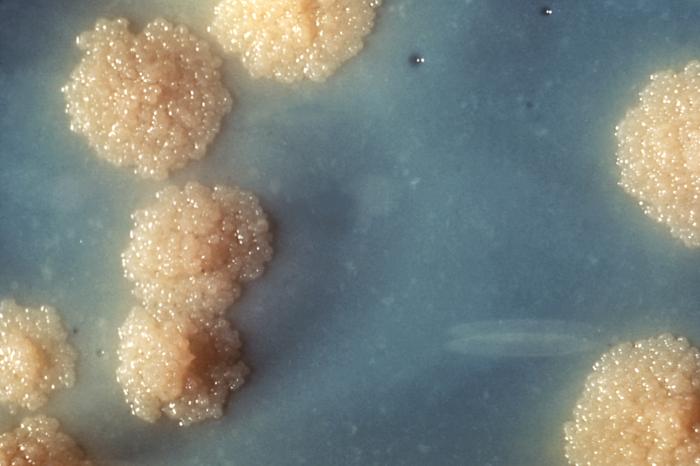
Following inhalation into the alveoli, Mycobacterium tuberculosis (Mtb) initiates a dynamic and often protracted struggle with the host immune system that determines whether infection is cleared, contained as latent infection, or progresses to active disease. The outcome hinges on a sophisticated array of mycobacterial virulence factors that subvert innate defenses and on host genetic and immunologic determinants that shape the granulomatous response.
The Pathogen and Its Virulence Arsenal
The Mtb complex comprises several genetically related species, with M. tuberculosis sensu stricto responsible for nearly all human disease [115]D5. Its slow growth (generation time ~20 hours) and lipid-rich cell envelope, mycolic acids, arabinogalactan, and peptidoglycan, confer resistance to desiccation, disinfectants, and host lysosomal enzymes [35]D5. Critical virulence determinants include:
- Lipoarabinomannan (LAM): A cell-wall glycolipid that inhibits phagosome maturation by blocking Ca²⁺-calmodulin signaling and interferes with interferon-γ (IFN-γ) signalling [123]D5.
- ESX-1 secretion system (Type VII): Secretes ESAT-6 and CFP-10, which mediate phagosomal membrane rupture, allowing mycobacterial translocation into the cytosol and antigen cross-presentation [109]D5. ESX-1 is essential for virulence; its absence in BCG underlies attenuation [114]D5.
- Protein tyrosine phosphatase A (PtpA): Dephosphorylates vacuolar ATPase, blocking phagosome acidification [79]D5. Mtb also resists reactive oxygen and nitrogen species through catalase-peroxidase (KatG) and superoxide dismutase [38]D5.
- PhoPR two-component system: Senses acidic pH within macrophages and upregulates genes for lipid metabolism and ESX-1 secretion; carbonic anhydrase inhibition by ethoxzolamide disrupts PhoPR signaling and attenuates virulence [132]D5.
- Toxin-antitoxin (TA) systems: The abundant VapBC family cleaves initiator tRNAfMet, inducing translation arrest and growth stasis, a mechanism linked to persister formation and drug tolerance [117]D5, [129]D5.
Host-Pathogen Interaction: From Alveolus to Granuloma
Alveolar macrophages ingest Mtb via multiple receptors (complement receptors, mannose receptor, DC-SIGN). The bacillus then arrests phagosome-lysosome fusion, creating a vacuole that is mildly acidic (pH ~6.4) yet permissive for replication [79]D5. Infected macrophages secrete chemokines (CCL2, CXCL8) that recruit neutrophils, dendritic cells, and T cells. A Th1 response, driven by IL-12, IFN-γ, and tumor necrosis factor-α (TNF-α), activates macrophages to produce reactive nitrogen intermediates and restrict bacterial growth [123]D5. TNF-α is essential for granuloma maintenance; its neutralisation (e.g., anti-TNF biologics) precipitates reactivation [105]D5.
The granuloma is a dynamic structure composed of macrophages (epithelioid cells, multinucleated giant cells), lymphocytes, and fibroblasts. In the immunocompetent host, the granuloma wall contains the bacilli, creating a caseous center with low oxygen tension and nutrient deprivation. Mtb adapts by activating the DosR dormancy regulon, shifting to lipid metabolism, and entering a non-replicating state [111]D5, [130]D5. This latent infection can persist for decades. In contrast, failure of containment leads to caseous necrosis, cavity formation, and dissemination to other organs.
The Clinical Spectrum: Incipient, Subclinical, and Active TB
Human TB infection exists on a continuous spectrum from elimination to overt disease [111]D5. Incipient TB is defined by bacterial metabolic activity without clinical symptoms or radiographic abnormalities. Subclinical TB demonstrates radiologic or microbiologic evidence (e.g., positive sputum culture) without symptoms. Only active TB causes the classic cough, fever, and weight loss. Transcriptomic signatures such as the six-gene RISK6 panel can differentiate these states and predict progression [167]D5. Metabolic reprogramming of macrophages, shifting glycolysis, the tricarboxylic acid cycle, and fatty acid oxidation, drives polarization toward permissive M2 phenotypes [86]D5. Epigenetic modifications by Mtb-secreted nucleomodulins (e.g., Rv1988) methylate histones and silence host defense genes [141]D5.
Modifiers of Pathogenesis: Host Genetics, HIV, and Drug Resistance
Host genetic background profoundly influences susceptibility. The Beijing lineage of Mtb is overrepresented in drug-resistant clusters and may possess enhanced virulence [115]D5, [152]C4. The katG S315T mutation, which confers resistance, is independently associated with transmission clustering [155]B2b. HIV co-infection dramatically increases the risk of reactivation: CD4+ T-cell depletion impairs granuloma integrity, and immune reconstitution after antiretroviral therapy can trigger paradoxical IRIS, often with features of hemophagocytic lymphohistiocytosis (hyperferritinemic IRIS) [104]D5, [122]B2b. Monocyte activation markers (CD64, CCR2) remain elevated in HIV/TB co-infection even after preventive therapy [148]A1b. Pregnancy and postpartum periods also alter immune regulation via the kynurenine pathway, potentially increasing TB risk [147]B2b.
Drug resistance in Mtb arises through chromosomal mutations (e.g., rpoB for , katG/inhA for isoniazid) rather than horizontal gene transfer [38]D5. Efflux pumps, biofilm-like aggregates, and persister subpopulations contribute to phenotypic tolerance that prolongs treatment [113]D5, [117]D5. These mechanisms, together with granuloma-induced pharmacokinetic heterogeneity, mandate the prolonged multidrug regimens detailed in later sections [38]D5.
Pearl: The outcome of Mtb infection, elimination, latency, or active disease, is determined within the first weeks by the balance between ESX-1-mediated phagosomal escape and a robust Th1 response; therapeutic strategies that boost IFN-γ and TNF-α signalling, such as host-directed therapies, may shift this balance toward containment [108]D5, [142]D5.
Epidemiology, Transmission and Risk Factors
- ▸TB remains the leading infectious cause of death worldwide, with >10 million new cases and 1.5 million deaths annually.
- ▸Subclinical TB (no persistent cough) accounts for 59% of community-detected cases and contributes to transmission.
- ▸HIV, diabetes, undernutrition, smoking, alcohol, immunosuppressive therapy, and household TB contact are the major modifiable risk factors; HCWs have a 2.94-fold higher incidence of active TB.
- ▸Latent infection confers 79% protection against progressive disease upon re-exposure, reinforcing the importance of LTBI screening and treatment.
The airborne route of transmission explains why tuberculosis disproportionately affects populations in crowded, poorly ventilated settings, and why incidence varies dramatically across geographies. In 2019, an estimated 10 million people developed tuberculosis worldwide, and 1.5 million died, making it the leading infectious cause of death globally [212]D5[211]D5. Incidence is slowly declining overall, but drug-resistant cases are rising, particularly in Eastern Europe, Central Asia, and parts of Africa [214]D5[213]D5. In low-incidence settings like the United States, TB incidence has fallen to 7 per 100 000 in New York City (2001-2022), yet foreign-born individuals account for 57% of all US cases [239]B2c[253]B2b. Racial and ethnic disparities are stark: Native Hawaiian/Pacific Islander persons in Arkansas have a 173-fold higher risk than non-Hispanic Whites (risk ratio 173.6; 95%) [259]B2b.
Transmission dynamics
Mycobacterium tuberculosis is transmitted via airborne droplet nuclei generated by coughing, sneezing, or talking. Crucially, 59% of pulmonary TB cases in community surveys do not report persistent cough, and ∼25% of those without cough have positive sputum smears, confirming that subclinical disease contributes to transmission [15]B2c[205]C4. The risk of transmission is highest in households, congregate settings (prisons, shelters, long-term care facilities), and healthcare environments [188]D5[218]B2a. Health care workers have a 2.94-fold higher incidence of active TB compared with the general population (IRR 2.94; 95%) [218]B2a.
Host risk factors
Progression from latent infection to active disease occurs most rapidly in the first 2 years after infection, and is driven by a cluster of immunosuppressive and social determinants [211]D5. The major risk factors with quantified associations are summarised in the table below.
| Risk Factor | Effect Estimate (OR/RR/HR) | Evidence Level |
|---|---|---|
| Diabetes mellitus | OR 1.18 (95% CI 1.06-1.30) for LTBI [168]B2a | Meta-analysis |
| Undernutrition (BMI <18.5) | OR not reported, but consistently associated [257]B2b[211]D5 | Cohort studies |
| Smoking (active) | OR not reported, but dose-dependent risk [211]D5[237]B2b | Meta-analyses |
| Alcohol use (>40 g/day) | Attributable fraction 1.4% of all TB deaths (GBD 2016) [186]B2c | Systematic analysis |
| TNF inhibitor therapy | HR not reported for TB alone; tofacitinib HR 1.48 (95% CI 1.04-2.09) for cancers/MACE [177]A1b | RCT |
| Immunosuppressive therapy (any) | HR not reported, but strong risk for disseminated TB [257]B2b | Cohort |
| End-stage renal disease | Risk factor for disseminated TB [257]B2b | Cohort |
Special populations and temporal considerations
People with latent tuberculosis infection (LTBI) who are re-exposed have a 79% lower risk of progressive disease than naïve individuals (IRR 0.21; 95%), indicating partial protective immunity [169]B2a. Pregnancy does not independently increase TB infection risk, but all TB disease in screened pregnant women with LTBI occurred during pregnancy or the postpartum period [254]B2b. In incarcerated populations, TB incidence can be several-fold higher than in the community, driven by overcrowding and delayed diagnosis [222]C4[188]D5.
Seasonal variation is not well established for TB, unlike many respiratory viruses. The global burden of drug-resistant TB is concentrated in previously treated patients and is fuelled by inadequate treatment adherence and transmission of resistant strains [221]B2a[235]B3b.
Pearl: The single most actionable risk for progression is untreated LTBI: screen with IGRA or TST in high-risk groups (foreign-born, immunocompromised, HCWs, contacts) and treat with a short -based regimen, 1 month of + reduces TB incidence by an estimated 85% and is noninferior to 9 months of isoniazid alone [185]A1b[174]A1c.
| Risk Factor | Effect Estimate (OR/RR/HR) | Evidence Level |
|---|---|---|
| Diabetes mellitus | OR 1.18 (95% CI 1.06-1.30) [168]B2a | Meta-analysis |
| Undernutrition (BMI <18.5) | Strong association, not quantified [257]B2b[211]D5 | Cohort |
| Smoking (active) | Dose-dependent risk [211]D5[237]B2b | Meta-analysis |
| Alcohol (>40 g/day) | Attributable 1.4% of TB deaths [186]B2c | Systematic analysis |
| TNF inhibitor therapy | TB risk elevated [177]A1b | RCT |
| Immunosuppressive therapy | Risk factor for disseminated TB [257]B2b | Cohort |
| End-stage renal disease | Risk factor for disseminated TB [257]B2b | Cohort |
Clinical Presentation
- ▸Over 50% of pulmonary tuberculosis cases are subclinical, with no cough or classic symptoms; symptom-based screening misses a large proportion of infectious cases.
- ▸Tuberculous meningitis carries a 47% rate of cognitive impairment in survivors, often with cranial nerve palsies and basal exudates.
Given the global burden and risk factors outlined above, the clinical presentation of tuberculosis spans a wide spectrum, from asymptomatic infection to life-threatening disease. The incubation period from infection to active disease ranges from weeks to years, with most pulmonary cases manifesting 4-12 weeks after exposure [211]D5.
Presenting Symptoms
Cough is the hallmark symptom of , but it is absent in a substantial proportion of cases. Community-based prevalence surveys show that 59.1% of individuals with bacteriologically confirmed pulmonary tuberculosis do not report a persistent cough (≥2 weeks), 39.8% report no cough of any duration, and 20.3% report no tuberculosis-suggestive symptoms at all [15]B2c. After adjustment for false-negative chest X-rays, these proportions rise to 82.8% and 62.5%, respectively [15]B2c. Among those without any cough, 23.1% have positive sputum smears, indicating potential infectiousness [15]B2c. Classic symptoms, fever, night sweats, weight loss, hemoptysis, and chest pain, occur in a minority, especially in passive case-finding cohorts [312]C4. Subclinical tuberculosis (bacteriologically confirmed but symptom-negative) accounts for a median 50.4% of prevalent cases across surveys [187]D5.
Extrapulmonary tuberculosis presents with site-specific symptoms. typically evolves over 2-3 weeks with headache, fever, neck stiffness, vomiting, and altered consciousness, progressing to coma if untreated [4]A1c. Lymph node tuberculosis (most commonly cervical) presents as a painless, matted mass that may fistulize. causes pleuritic chest pain and dyspnea from effusion. presents with chest pain, dyspnea, and signs of tamponade, and in endemic areas is the leading cause of acute pericarditis [225]D5. Skeletal tuberculosis involves the spine (Pott disease) with back pain, kyphosis, and neurologic deficits. Adrenal involvement occurs in disseminated disease and may manifest as adrenal insufficiency, 33% pooled prevalence among TB patients, with abdominal pain, salt craving, myalgia, and hypotension [287]A1a.
Neurological Examination Findings
In tuberculous meningitis, neurological deficits are common and often irreversible. Cranial nerve palsies (especially VI, III, and VII) occur in 30-50% of cases. Hemiparesis, paraparesis, and movement disorders (chorea, myoclonus) reflect basal exudate and vasculitis. At 6 months, 47% of survivors have low cognitive performance across all domains, independent of HIV and non-CNS tuberculosis [282]C4. Signs of raised intracranial pressure (papilledema, bradycardia, ) mandate urgent neuroimaging [4]A1c.
Phenotypic Variants
| Variant | Key Features | Frequency (of all TB) |
|---|---|---|
| Pulmonary | Cough, fever, night sweats; often asymptomatic | 70-80% |
| Miliary | Diffuse micronodules on imaging; high-grade fever, hepatosplenomegaly | 1-3% |
| Tuberculous meningitis | Meningeal signs, cranial nerve palsies, altered consciousness | 1-5% (higher in HIV) |
| Pleural | Unilateral effusion, pleuritic pain, fever | 5-10% |
| Lymphatic | Painless lymphadenopathy (cervical most common) | 15-20% (especially in children) |
Red Flags
Acute respiratory failure from extensive pulmonary or miliary TB requires prompt source control. Altered mental status with meningeal signs suggests tuberculous meningitis, lumbar puncture should not be delayed. Hemoptysis ranges from blood-streaked sputum to massive hemorrhage (from Rasmussen aneurysm or bronchiectasis), with mortality up to 50% if not intervened [291]B2a. Autonomic instability (hypotension, hyponatremia) may signal adrenal crisis in disseminated TB [287]A1a.
Atypical Presentations
In HIV coinfection, sputum smear sensitivity is reduced, and extrapulmonary and disseminated disease are more common [200]D5. Patients with more often have cavitary pulmonary disease [294]B3b. Children present with nonspecific symptoms (failure to thrive, cough, fever) and frequently develop lymphadenitis or miliary disease [262]D5. The elderly may have minimal respiratory symptoms and isolated constitutional decline. Tuberculosis can mimic fungal infections ( , ) and malignancies [73]C4[74]C4[292]D5. Cutaneous tuberculosis presents as verrucous plaques, ulcers, or gummas and is often misdiagnosed [35]D5.
Pearl: The absence of cough does not rule out active pulmonary tuberculosis, over half of culture-positive individuals in prevalence surveys deny persistent cough, and a quarter have no symptoms at all; a high index of suspicion is required regardless of symptom profile [15]B2c[187]D5.
Diagnosis and Workup
- ▸Sputum culture is the gold standard but requires weeks; Xpert MTB/RIF Ultra is the rapid initial test of choice.
- ▸Xpert Ultra improves detection in smear-negative and HIV-positive patients but still misses ~37% of smear-negative cases.
- ▸Drug resistance profiling should include genotypic methods (tNGS or WGS) in addition to phenotypic DST for all new and retreatment cases.
The clinical presentation described in the preceding section, cough, fever, night sweats, weight loss, is suggestive but not specific for tuberculosis. Half of community-dwelling adults with pulmonary TB report no cough at all, and 27.7% report no TB-suggestive symptoms [15]B2c. Microbiologic or molecular confirmation is therefore essential before treatment initiation, even when radiographic findings are characteristic.
Gold-Standard Test
Mycobacterial culture on solid (Lowenstein-Jensen) or liquid (MGIT 960) medium remains the gold standard for definitive diagnosis [2]A1c. Liquid culture yields results in 10-14 days (sensitivity ~90% in smear-positive cases, ~70% in smear-negative), but solid culture requires up to 8 weeks. Culture enables phenotypic drug susceptibility testing (pDST) and species-level identification, distinguishing M. tuberculosis complex from nontuberculous mycobacteria (NTM).
First-Line Rapid Molecular Tests
Xpert MTB/RIF Ultra is the recommended initial test for pulmonary TB [2]A1c. It simultaneously detects M. tuberculosis DNA and mutations in the rpoB gene conferring resistance. In a prospective multicentre study, Xpert Ultra sensitivity was 88% overall, 90% among HIV-positive individuals, and 63% among smear-negative, culture-positive cases; specificity was 96% overall [331]B2b. Compared with the original Xpert MTB/RIF, Ultra increased detection in smear-negative TB by 17 percentage points [331]B2b. Test turnaround time is approximately 1 hour.
Xpert MTB/RIF (non-Ultra) has pooled sensitivity of 83% globally and 79% in HIV-associated TB [191]B2a[264]A1a. Ultra is preferred in paucibacillary disease. Both assays are endorsed by WHO for initial diagnosis.
Specimen Types and Collection
- Sputum: Three specimens (one spot, one early-morning) were previously standard. A retrospective study in a low-prevalence setting found that two AFB smears offered the same yield as three, and adding one or two nucleic acid amplification tests (NAATs) increased sensitivity from 60% (three smears) to 74-79% [367]C4.
- Bronchoalveolar lavage (BAL): Indicated when sputum is unobtainable or negative. Multiplex PCR-based targeted NGS (mp-tNGS) on BAL demonstrated sensitivity 83.6%, specificity 97.2%, and accuracy 88.8% in a prospective study [372]B2b.
- Stool: A nanopore targeted NGS approach on stool DNA detected drug resistance with 94.4% concordance to whole-genome sequencing and identified resistance missed by standard methods, including rpoB Ile491Phe not captured by Xpert Ultra [363]C4.
- Oral swabs and saliva: Saliva tested with Xpert Ultra showed 90.5% sensitivity and 95.8% specificity against sputum culture [326]B3b; oral swabs were less sensitive (71.6%). Both are acceptable as add-on specimens, particularly when sputum is difficult to obtain.
- Extrapulmonary specimens: For , excisional biopsy has the highest sensitivity (80%), but fine-needle aspiration is less invasive and can provide material for culture, histology, and molecular testing [16]D5. For TB meningitis, cerebrospinal fluid should be tested with Xpert Ultra and culture; a meta-analysis of adenosine deaminase (ADA) in pericardial fluid (cut-off ~40 U/L) is supportive but not diagnostic [69]C4.
Drug Susceptibility Testing
Rapid detection of drug resistance is critical for regimen design. Xpert Ultra detects rifampicin resistance with >95% sensitivity and >98% specificity [331]B2b. For , fluoroquinolones, and second-line drugs, targeted next-generation sequencing (tNGS) is increasingly used directly on clinical specimens. In a multicentre evaluation, two tNGS workflows (GenoScreen Deeplex and Oxford Nanopore) had sensitivities and specificities >95% for rifampicin and isoniazid and approximately 94% for fluoroquinolones; they also detected mutations for and resistance [332]B2b. Whole-genome sequencing from cultured isolates remains the gold standard for comprehensive resistance profiling and molecular [31]A1c[355]D5.
| Test | Sensitivity (overall) | Specificity | Turnaround | Resistance detected |
|---|---|---|---|---|
| Sputum culture (MGIT) | ~85% | 98-100% | 10-42 days | Phenotypic (all drugs) |
| Xpert MTB/RIF Ultra | 88% [331]B2b | 96% | ~1 hour | Rifampicin |
| Targeted NGS (sputum) | >95% (RIF, INH) [332]B2b | >95% | 1-2 days | Multiple drugs |
| AFB smear | 50-60% (smear+) | 95% | 1 day | None |
| Histology (biopsy) | 80% (lymph node) [16]D5 | 95% | 3-7 days | None (supports diagnosis) |
Imaging
Posteroanterior chest radiography is essential for evaluating the parenchymal extent of disease. The classic finding is upper-lobe infiltrates with cavitation, but HIV-positive and immunocompromised patients often present with lower-lobe, interstitial, or miliary patterns [2]A1c. Chest CT provides greater sensitivity for small nodules, lymphadenopathy, and pleural effusion. However, imaging cannot reliably distinguish TB from NTM infection, fungal disease (e.g., , , aspergillosis), or lung cancer. In one study, invasive pulmonary aspergillosis mimicked TB in one-third of transplant recipients [284]B3b.
Histology and Biopsy
When sputum studies are repeatedly negative and TB remains suspected, especially in extrapulmonary disease, tissue biopsy with histopathology is valuable. The hallmark is caseating granuloma with Langhans giant cells. Acid-fast bacilli (AFB) staining (Ziehl-Neelsen or auramine-rhodamine) is less sensitive than culture or molecular testing. For lymphadenitis, excisional biopsy provides the highest diagnostic yield [16]D5.
Diagnostic Algorithm
Step 1: Obtain chest radiograph in all patients with cough ≥2 weeks, unexplained fever, night sweats, or weight loss. If radiographic abnormalities are present, proceed to microbiologic testing. Step 2: Collect two sputum specimens (one spot, one early-morning) for Xpert MTB/RIF Ultra (or Xpert MTB/RIF if Ultra unavailable) and mycobacterial culture. If sputum cannot be expectorated, consider induced sputum, bronchoscopy with BAL, or gastric aspiration (especially in children). Step 3: If Xpert is positive for M. tuberculosis: initiate treatment. If rifampicin resistance is detected, order expanded DST (tNGS or pDST) for isoniazid, fluoroquinolones, and second-line drugs [31]A1c. Step 4: If Xpert is negative but clinical suspicion remains high (e.g., upper-lobe cavitation, HIV coinfection): repeat Xpert on a second specimen, and await culture results (up to 42 days). Consider alternative diagnoses. Step 5: For extrapulmonary TB: obtain fluid (pleural, pericardial, CSF, ascitic) for Xpert Ultra, culture, and ADA testing. If fluid is inconclusive, perform image-guided biopsy for histology and molecular testing.
Differential Diagnosis
The conditions most commonly mistaken for pulmonary TB include:
- Nontuberculous mycobacteria (NTM): M. avium complex, M. kansasii, radiographically indistinguishable; requires culture identification.
- Fungal infections: Histoplasmosis, blastomycosis, aspergillosis (especially in endemic areas) [73]C4[284]B3b[292]D5.
- Bacterial pneumonia: Including necrotizing pneumonia due to Klebsiella, Staphylococcus, or anaerobes.
- Lung cancer: Especially in smokers, may present with cavitary lesion.
- Sarcoidosis: Non-caseating granulomas; negative cultures and molecular tests.
- Tularaemia: Rare but can produce pulmonary nodules [362]C4.
In HIV-positive patients, Pneumocystis jirovecii pneumonia and bacterial pneumonia are common mimics; a low CD4 count (<200 cells/µL) increases the likelihood of disseminated TB.
Pearl: In patients with smear-negative, culture-positive pulmonary TB, a single Xpert Ultra on sputum detects 63% of cases; repeating the test on a second specimen increases sensitivity to approximately 80% [331]B2b[367]C4.
Controversies and Guideline Disagreement
| Question | Position A | Position B | Strength | Implication |
|---|---|---|---|---|
| Is Xpert Ultra alone sufficient for treatment initiation? | WHO and IDSA: Yes, positive Ultra with rifampicin susceptibility is sufficient [2]A1c[273]D5 | Some clinicians await culture in low-prevalence settings | Moderate | In high-burden settings, Xpert Ultra alone is adequate; culture is still needed for baseline DST |
| Optimal number of sputum specimens | CDC: 3 (spot, morning, spot) [2]A1c | Recent data: 2 specimens have equivalent yield [367]C4 | Low | Reducing to 2 specimens may decrease laboratory burden without missing cases |
Severity Assessment and Risk Stratification
- ▸Xpert semiquantitative burden + chest radiograph extent defines limited vs extensive pulmonary TB; extensive disease accounts for >50% of relapses and contraindicates shortened therapy [395].
- ▸TBM prognostic models (AUC 0.77-0.78) outperform MRC grade alone and are freely available as a Web-based nomogram [396].
- ▸A 10-variable clinical score stratifies adult contacts into 2.8%, 6.2%, and 20.6% 10-year TB risk; the high-risk 27% yield 60% of future cases [388].
The diagnosis of tuberculosis is only the first step; the next is stratifying disease severity to guide site of care, treatment duration, and intensity of monitoring. Validated tools now exist for pulmonary TB, (TBM), and risk of progression from infection to active disease.
: Clinical and Bacteriologic Severity
Xpert MTB/RIF semiquantitative bacterial burden combined with chest radiograph disease grading defines a clinically meaningful TB phenotype classification [395]B2b. The extensive disease phenotype (high semiquantitative bacterial burden and extensive disease on X-ray) accounted for one-quarter of patients in the RIFASHORT trial but more than half of all post-treatment relapses (13/23) [395]B2b. For the limited disease phenotype, a 4-month 1200-mg regimen met the noninferiority criterion, whereas extensive-disease patients are not candidates for shortening [395]B2b. Radiographic cavitation, graded from 0 to 6, correlates with culture time-to-detection (TTD): a 1-point increase in CXR grade predicts a 3.2-day decrease in TTD [381]B2b. TTD <9 days identifies patients at high risk of transmitting TB (OR 2.56) and outperforms sputum smear microscopy in prioritising contact investigations [381]B2b.
Among asymptomatic patients, 37.9% of a nationwide South Korean cohort, treatment success was higher and TB-related mortality lower (aOR 0.70; 95% CI 0.64-0.75) than symptomatic patients, with a reduced risk of post-treatment recurrence (adjusted sHR 0.84; 95%) [406]B2b. Asymptomatic status itself signals lower severity, yet most are bacteriologically confirmed and potentially infectious [406]B2b.
Tuberculous Meningitis: Prognostic Stratification
TBM carries a risk of death of 19.3% and neurological sequelae in 53.9% of survivors [385]A1a. Diagnosis in the most advanced disease stage (stage 3) occurs in 47% of children and is strongly associated with worse outcomes [385]A1a. For adults, validated prognostic models outperform the MRC grade alone. In HIV-uninfected patients, predictors include older age, previous TB, focal neurological signs, lower CSF lymphocyte count, and not receiving adjunctive ; the model achieves an AUC of 0.77 [396]B2b. In HIV-infected patients, lower weight, lower CD4 count, abnormal plasma sodium, and MRC grade drive the model (AUC 0.78) [396]B2b. Both models are available as a nomogram and Web-based app (https://thaole.shinyapps.io/tbmapp/) for bedside risk estimation [396]B2b.
TBM immune reconstitution inflammatory syndrome (IRIS) occurs in 47% of HIV-associated TBM patients starting ART 2 weeks after TB treatment. High CSF neutrophil counts and M. tuberculosis culture positivity at TBM diagnosis carry a relative risk of 9.3 for subsequent IRIS; the combination of CSF TNF-α and IFN-γ concentrations predicts IRIS with an AUC of 0.91 [397]B2b.
Risk Stratification for Disease Progression
For adult contacts of pulmonary TB index cases, a validated risk score stratifies 10-year TB risk into low (2.8%), medium (6.2%), and high (20.6%) categories using 10 variables including body-mass index, previous TB, age, sustained exposure, male index case, lower socioeconomic position, indoor air pollution, and poor household ventilation [388]B2b. The 27% of contacts classified as high risk account for 60% of all TB identified during follow-up, enabling targeted preventive therapy [388]B2b.
A 16-gene whole-blood RNA signature prospectively identifies progression to active TB with sensitivity and specificity in the 12 months preceding disease [277]B2b. The signature independently predicts risk across South African and Gambian cohorts and may one day complement clinical scoring [277]B2b. Diabetes severity also predicts risk: patients with treated diabetes have an adjusted HR of 2.60 for TB, and those with ≥2 diabetes-related complications carry a 3.45-fold risk compared with non-diabetic persons [382]B2b.
Treatment Outcome Prediction
Baseline C-reactive protein (CRP) shows a modest but significant association with mortality in pooled adjusted odds ratio analyses (aOR 1.07; 95%), though not in hazard ratio analyses; its low cost and wide availability suggest utility within multimodal models [403]B2a. A 7-variable clinical prediction model for unsuccessful TB treatment, hemoglobin, HIV infection, drug use, diabetes, age, education, and tobacco use, demonstrates good discrimination (c-statistic 0.77; 95%) [394]B2b. After treatment completion, survivors face a pooled standardised mortality ratio of 3.76 compared with the general population, with cardiovascular disease accounting for 20% of post-treatment deaths [386]B2a. These elevated risks support integrating severity assessment into long-term follow-up planning.
Pearl: The RIFASHORT-derived TB phenotype, Xpert semiquantitative bacterial burden plus radiographic extent, identifies three-quarters of patients eligible for shortened 4-month therapy, while the remainder, with extensive disease, account for the majority of post-treatment relapses and require full-duration regimens [395]B2b.
| Phenotype | Definition | Proportion of Population | Relapse Rate | Eligible for Shortened (4-mo) Regimen? |
|---|---|---|---|---|
| Limited disease | Low or medium Xpert semiquantitative burden AND/OR no extensive disease on CXR | ~75% | Low | Yes (meets noninferiority criterion) [395]B2b |
| Extensive disease | High Xpert semiquantitative burden AND extensive disease on CXR | ~25% | >50% of all relapses | No; requires standard 6-mo or longer [395]B2b |
| Population | Independent Predictors (Cox model) | AUC (95% CI) | Reference |
|---|---|---|---|
| HIV-uninfected adults | Older age, previous TB, focal neurological signs, lower CSF lymphocyte count, not receiving dexamethasone, higher MRC grade | 0.77 (NR) | [396]B2b |
| HIV-infected adults | Lower weight, lower CD4 count, abnormal plasma sodium, higher MRC grade, lower CSF lymphocyte count | 0.78 (NR) | [396]B2b |
Empiric Management, Acute Care and Source Control
[Compilation failed for this section after 3 attempts. Manual review required.]
Definitive Therapy: Dosing, PK/PD, Duration and De-escalation
- ▸De-escalation from empiric to directed therapy occurs once molecular DST confirms drug susceptibility, enabling regimen narrowing within days.
- ▸The 4-month rifapentine-moxifloxacin regimen is noninferior to the 6-month standard for DS-TB; the 24-week BPaLM regimen is superior to longer MDR-TB regimens.
- ▸Therapeutic drug monitoring identifies 34.6% of patients with linezolid troughs above the toxicity threshold at standard 600 mg daily dosing.
Once susceptibility results are available, empiric therapy is refined to a definitive regimen matched to the organism's resistance profile, this transition is the critical moment of de-escalation.
Step 1: Confirm Susceptibilities and Select the Backbone
For drug-susceptible TB (DS-TB), the ATS/CDC/IDSA 2016 guideline recommends , , , and [1]A1c. For rifampicin-resistant TB, the 24-week BPaLM regimen ( , , , ) is superior to standard care: 11% vs 48% unfavorable outcome (risk difference -37 percentage points, 96.6% CI -53 to -22) [179]A1b. The 2025 endTB trial confirmed three 9-month all-oral regimens as noninferior to standard therapy for fluoroquinolone-susceptible MDR-TB: BCLLfxZ, BLMZ, and BDLLfxZ [22]A1b.
Step 2: Dosing and PK/PD Targets
| Drug | Starting dose | Key PK/PD target | Comments |
|---|---|---|---|
| Rifampicin | 10 mg/kg (≤600 mg) daily | AUC₀₋₂₄ correlates with faster conversion [497]B2b | Higher doses (35 mg/kg) studied in TBM [487]B2b |
| Isoniazid | 5 mg/kg (≤300 mg) daily | Cₘₐₓ/MIC and AUC₀₋₂₄/MIC predict success [497]B2b | TDM useful with drug interactions |
| Pyrazinamide | 25 mg/kg (≤2 g) daily | AUC₀₋₂₄/MIC >11.3; doses >50 mg/kg needed for target [494]C4 | Monitor hepatic function |
| Linezolid | 600 mg daily | Trough <2 μg/mL to reduce toxicity; ≥2.5 mg/L for anaemia [209]B2b[486]C4 | 34.6% of troughs >2 μg/mL at standard dose [486]C4 |
| Bedaquiline | 400 mg daily ×2 wk, then 200 mg 3×/wk | AUC/MIC ≥245 predictive of favorable outcome [175]B2b | CYP3A4 substrate |
| Moxifloxacin | 400 mg daily | AUC/MIC ≥67 predictive of 6-month conversion [175]B2b; 400 mg twice-daily optimal [501]C4 | HIV increases clearance 32.7% [501]C4 |
Bedaquiline AUC/MIC ≥245 and moxifloxacin AUC/MIC ≥67 are thresholds predictive of 6-month culture conversion and favorable outcome [175]B2b. For linezolid, the 600 mg daily dose achieves the efficacy target with 96% probability but exceeds the safety target with 56% probability [483]B2b. Structured dose reduction to 300 mg daily after 9-13 weeks maintains efficacy while reducing (P = .02) [417]A1b.
Step 3: Duration, Shorter and Individualised Options
DS-TB standard is 6 months [1]A1c. Evidence-based shorter options include:
- 4-month -moxifloxacin: noninferior to 6-month control (15.5% vs 14.6% unfavorable; difference 1.0 percentage point, 95% CI -2.6 to 4.5) [322]A1b. Safe and effective in HIV with CD4 ≥100 cells/μL [5]A1b.
- 4 months in children with nonsevere TB: noninferior to 6 months (3% vs 3%; adjusted difference -0.4 percentage points, 95% CI -2.2 to 1.5) [384]A1b.
- 8-week bedaquiline-linezolid strategy (TRUNCATE-TB): noninferior to 6-month standard (5.8% vs 3.9%; adjusted difference 0.8 percentage points, 97.5% CI -3.4 to 5.1) [479]A1b.
- 6-month regimen (bedaquiline, linezolid, , / ): noninferior to 9-month standard for RR-TB (86.1% vs 86.0%) [10]A1b.
Step 4: De-escalation and TDM
De-escalation from empiric to directed therapy occurs as soon as molecular DST results are available, ideally within days using targeted next-generation sequencing, which can simultaneously detect resistance to first-line and second-line drugs [7]A1a[31]A1c. For DS-TB, ethambutol is discontinued once susceptibility is confirmed. For MDR-TB, drugs to which the isolate is resistant are removed.
TDM is increasingly recognised as essential for optimising TB treatment [422]B2a. A linezolid trough >2 μg/mL (measured in 34.6% of samples at standard dose) identifies patients at risk for myelosuppression and peripheral neuropathy [486]C4; dose reduction to 300 mg or 600 mg twice-daily may be required when co-administered with high-dose rifampicin, which increases linezolid clearance by 34.2% [487]B2b.
What NOT to Do
Do NOT continue a rifampicin-based regimen when rifampicin resistance is confirmed by molecular or phenotypic testing, doing so risks treatment failure and amplification of resistance [31]A1c. Do NOT use intermittent dosing (thrice-weekly) in the intensive phase for HIV-associated TB; daily dosing throughout is recommended [1]A1c.
Controversies and Guideline Disagreement
| Question | Position A | Position B | Strength | Implication |
|---|---|---|---|---|
| Optimal linezolid dose in BPaL regimens | Standard 600 mg daily for 26 weeks is best risk-benefit (ZeNiX trial) [178]C4 | Structured reduction to 300 mg after 9-13 weeks reduces neuropathy without sacrificing efficacy [417]A1b | Moderate | Both approaches supported; TDM-guided individualisation is prudent |
| Rifapentine without moxifloxacin | Not noninferior in TB Trials Consortium Study 31 (difference 3.0 percentage points, 95% CI -0.6 to 6.6) [322]A1b | Some subgroups may benefit | Strong | Requires moxifloxacin co-administration for noninferiority |
Pearl: De-escalation from empiric to directed therapy should occur within days using molecular drug susceptibility testing; the 6-month standard for DS-TB can be shortened to 4 months with rifapentine-moxifloxacin, and MDR-TB can be treated with a 24-week BPaLM regimen, both supported by phase 3 noninferiority trials [179]A1b[322]A1b.
History and Evolution of Treatment
- ▸The shift from 12- to 6-month therapy was made possible by rifampin's sterilizing activity, established in British Medical Research Council trials.
- ▸Linezolid dose reduction from 600 mg to 300 mg daily in BPaL regimens halves peripheral neuropathy without compromising efficacy [178], [417].
- ▸Ultra-short 1-month rifapentine-isoniazid is now the preferred preventive regimen for HIV-associated latent TB infection [185].
The trajectory of tuberculosis therapy over the past eight decades illustrates a progressive shift from isolation and surgical collapse toward potent, short, and all-oral regimens driven by landmark clinical trials. Each generation of treatment arose from the failures of its predecessor, with resistance to monotherapy, toxicity of injectables, and patient adherence shaping every major pivot.
The Pre-Antibiotic Era and Early Chemotherapy
Before 1944, care for consisted of sanatorium rest, fresh air, and deliberate collapse of the infected lung via pneumothorax or thoracoplasty, interventions that reduced cavitary burden but carried substantial morbidity and no sterilizing effect [520]C4. The first true breakthrough came with the sulfonamides, which demonstrated modest antituberculous activity but were abandoned when more potent agents emerged [341]C4. In 1946, ( ) entered use as the second exclusive antituberculosis drug, but its role was soon eclipsed by the arrival of and [343]D5.
The Combination Chemotherapy Revolution
Streptomycin, discovered in 1943, was the first antibiotic to show bactericidal activity against Mycobacterium tuberculosis. Early monotherapy trials revealed rapid emergence of resistance, within weeks, leading to treatment failure. The watershed insight was that combining streptomycin with PAS prevented resistance and improved outcomes, establishing the principle of multidrug therapy that remains foundational today [543]D5. The addition of isoniazid in 1952 completed a triple-drug regimen that became the standard for the next two decades, reducing treatment duration from 18-24 months to 12 months, but still requiring injectable streptomycin with its associated ototoxicity and nephrotoxicity [511]A1b.
The Rifampin Revolution and Short-Course Chemotherapy
The discovery of in 1965 transformed tuberculosis treatment. Its potent sterilizing activity against semi-dormant bacilli enabled a dramatic shortening of therapy. The British Medical Research Council conducted a series of randomized trials in East Africa and the UK during the 1970s and 1980s that established the 6-month regimen of rifampin, isoniazid, , and (2 months of quadruple therapy followed by 4 months of rifampin-isoniazid) as the global standard [1]A1c. Intermittent thrice-weekly dosing, adopted in the 1990s to facilitate directly observed therapy (DOTS), was later shown in meta-analyses to confer higher rates of relapse and treatment failure than daily dosing, leading the ATS/CDC/IDSA guidelines to recommend daily dosing throughout treatment [1]A1c. The DOTS strategy, pilling detection, standardized regimens, and supervised therapy, drove global case-detection rates from 11% in 1995 to 45% in 2003, with treatment success exceeding 80% in well-implemented programmes [554]B2c.
The Era of Multidrug-Resistant Tuberculosis
By the early 1990s, outbreaks of multidrug-resistant TB (MDR-TB), resistance to at least isoniazid and rifampin, forced a reassessment. The Advisory Council for the Elimination of Tuberculosis recommended initial four-drug therapy and universal drug susceptibility testing [514]A1c. MDR-TB treatment initially required 18-24 months with injectable second-line agents ( , , ) and toxic companion drugs ( , , PAS), yielding cure rates of only 50-60% and frequent irreversible hearing loss [511]A1b, [543]D5. The 2010s brought a paradigm shift with the approval of (2012) and (2014), enabling all-oral regimens. The landmark ZeNiX trial (NEJM 2022) demonstrated that a 6-month, all-oral regimen of bedaquiline, , and (BPaL) achieved favorable outcomes in 84-93% of patients with extensively drug-resistant TB, though linezolid toxicity remained a concern, occurred in 38% of those receiving 1200 mg daily for 26 weeks [178]C4. The TB-PRACTECAL trial (NEJM 2022) subsequently showed that a 24-week regimen of bedaquiline, pretomanid, linezolid, and (BPaLM) was superior to standard care (11% vs 48% unfavorable outcomes; risk difference -37 percentage points, 96.6% CI -53 to -22) [179]A1b. Dose-optimization studies from India demonstrated that linezolid dose reduction from 600 mg to 300 mg daily maintained efficacy while halving neuropathy incidence (from 14% to 8%) [417]A1b.
Shortening Drug-Susceptible Tuberculosis Treatment
The Tuberculosis Trials Consortium Study 31/A5349 (NEJM 2021) established that a 4-month daily regimen substituting for rifampin and adding moxifloxacin was noninferior to the standard 6-month regimen for drug-susceptible pulmonary TB (unfavorable outcomes 11.6% vs 9.6%; difference 2.0 percentage points, 95% CI -1.1 to 5.1) [322]A1b. This regimen proved safe and effective in subgroups with HIV (CD4 ≥100 cells/μL) and diabetes [5]A1b, [535]A1b. The TRUNCATE-TB trial (NEJM 2023) tested an 8-week strategy of bedaquiline-linezolid plus isoniazid, pyrazinamide, and ethambutol, followed by monitoring and retreatment as needed; the strategy met noninferiority criteria (5.8% vs 3.9% primary-outcome events) and reduced mean total treatment duration to 85 days compared to 180 days [479]A1b. For children with nonsevere smear-negative disease, the SHINE trial (NEJM 2022) demonstrated noninferiority of 4 months vs 6 months of standard therapy (3% vs 3% unfavorable status), enabling shorter, better-tolerated care for a population that represents two-thirds of pediatric TB cases [384]A1b.
Preventive Therapy: Ultra-Short Regimens
The BRIEF TB/A5279 trial (NEJM 2019) transformed latent TB infection in people with HIV by showing that 1 month of daily rifapentine-isoniazid was noninferior to 9 months of isoniazid alone (incidence 0.65 vs 0.67 per 100 person-years) with higher completion rates (97% vs 90%) [185]A1b. For MDR-TB contacts, the VQUIN MDR trial (NEJM 2024) reported that 6 months of reduced tuberculosis incidence by 45% (IRR 0.55, 95% CI 0.19-1.62), and the TB-CHAMP trial in children found a 56% reduction (HR 0.44, 95% CI 0.15-1.25), though neither reached statistical significance in the primary analysis [180]A1b, [181]A1b.
What Was Abandoned and Why
Several once-standard approaches have been discarded. Intermittent (thrice-weekly) dosing was abandoned due to higher relapse rates compared to daily therapy. Thalidomide, trialed in the 1990s for TBM, caused increased adverse events without survival benefit. The use of injectable aminoglycosides in MDR-TB has been phased out following the ZeNiX and TB-PRACTECAL trials demonstrating superior efficacy of all-oral regimens. Sanatorium care, once the cornerstone of management, was rendered obsolete by effective chemotherapy. The evolution continues: current research focuses on ultra-short regimens of 2-4 months, noninferiority of fixed-dose combinations, and optimization of linezolid dosing to preserve efficacy while minimizing toxicity.
Pearl: The history of tuberculosis treatment is a series of responses to drug resistance, streptomycin monotherapy taught that combination therapy is essential, and the rise of MDR-TB led to all-oral short regimens that now define the standard of care.
| Era | Key Trial/Regimen | Outcome | Reference |
|---|---|---|---|
| 1940s | Streptomycin + PAS | Established combination therapy to prevent resistance | [543]D5 |
| 1970s-80s | BMRC 6-month rifampin regimen | 4-month quadruple + 2-month dual therapy becomes standard | [1]A1c |
| 2010s | ZeNiX (BPaL) | 84-93% favorable outcomes in XDR-TB; 600 mg linezolid best risk-benefit | [178]C4 |
| 2012-14 | TB-PRACTECAL (BPaLM) | 11% vs 48% unfavorable outcomes; all-oral 6-month regimen superior to standard | [179]A1b |
| 2019 | BRIEF TB/A5279 (1HP) | 1-month rifapentine-isoniazid noninferior to 9-month isoniazid for LTBI | [185]A1b |
| 2021 | Study 31/A5349 (4-month rifapentine-moxifloxacin) | Noninferior to 6-month standard for DS-TB (11.6% vs 9.6% unfavorable) | [322]A1b |
| 2022 | SHINE (4-month vs 6-month in children) | Noninferior for nonsevere smear-negative TB (3% vs 3%) | [384]A1b |
Antimicrobial Resistance and Stewardship
- ▸Resistance in M. tuberculosis arises primarily through chromosomal single-nucleotide polymorphisms; efflux pumps and drug-tolerant persisters contribute to treatment failure and relapse.
- ▸Definitions have evolved: pre-XDR (MDR + fluoroquinolone resistance) and XDR (MDR + fluoroquinolone + bedaquiline or linezolid resistance) now guide regimen selection.
- ▸Stewardship rests on universal DST, rational combination therapy (avoiding functional monotherapy), adherence support (DOT), and dose optimization through TDM and structured dose reduction.
The evolution of treatment regimens has been paralleled by the emergence of antimicrobial resistance, which now threatens to undermine decades of progress. Understanding the mechanisms by which Mycobacterium tuberculosis evades drug action, the spectrum of resistance patterns, and the stewardship principles that preserve drug efficacy is central to modern TB care.
Mechanisms of Resistance
Drug resistance in M. tuberculosis arises almost exclusively through chromosomal mutations, most frequently single-nucleotide polymorphisms, rather than horizontally acquired resistance elements [58]D5. The spontaneous mutation rate is at the low end of the bacterial spectrum, but the enormous bacterial burden in cavitary disease, often 10⁷-10⁹ organisms, ensures that preexisting resistant mutants are present before therapy begins [58]D5[569]D5. Suboptimal drug exposure (from poor adherence, underdosing, or malabsorption) selects for these mutants, leading to clinical failure [36]D5[38]D5[58]D5.
Beyond target-site mutations, efflux pumps such as MmpS5-MmpL5 and MmpS4-MmpL4 contribute to resistance by actively extruding drugs including and ; activation of efflux can produce a low-level resistance phenotype that facilitates the emergence of high-level chromosomal resistance [56]D5[571]D5. Efflux pump inhibitors have been shown to partially restore drug susceptibility in vitro [571]D5.
A distinct phenomenon is drug tolerance, in which metabolically quiescent persister populations survive drug concentrations that kill replicating bacilli. This tolerance is driven by the stringent response, toxin-antitoxin modules, and the lipid-rich, near-neutral-pH caseum of closed nodules and cavities [36]D5[43]D5[55]D5[117]D5. In cavitary tuberculosis, drug-tolerant persisters at the cavity surface and within the caseum are a reservoir for relapse and acquired resistance [43]D5[569]D5.
Spectrum of Drug Resistance
Drug-resistant TB is classified by the extent of resistance. Multidrug-resistant TB (MDR-TB) is defined as resistance to both and [1]A1c[214]D5. Pre-extensively drug-resistant TB (pre-XDR) is MDR-TB with additional resistance to any fluoroquinolone, while XDR-TB now includes MDR-TB with resistance to fluoroquinolones plus at least one Group A drug (bedaquiline or ) [470]B2b. Rifampicin mono-resistant TB (RMR-TB) is increasingly recognized through molecular diagnostics; its differs from MDR-TB because isoniazid often remains active [460]D5[489]C4.
| Category | Definition |
|---|---|
| MDR-TB | Resistance to isoniazid + rifampicin |
| Pre-XDR | MDR + fluoroquinolone resistance |
| XDR | MDR + fluoroquinolone + bedaquiline or linezolid resistance |
| RMR-TB | Rifampicin resistance with isoniazid susceptibility |
Globally, an estimated 4.95 million deaths were associated with bacterial antimicrobial resistance in 2019, with lower respiratory infections (including TB) accounting for the largest share [14]B2c. Among children, an estimated 31,948 developed MDR-TB disease in 2010, nearly identical to the proportion of MDR-TB among treatment-naive adults in the same settings [390]B2a. In the United States, XDR-TB cases declined from 18 in 1993 to 2 in 2007, but sporadic cases continue and require expert management [438]C4[576]C4.
in Tuberculosis Care
Stewardship in TB means preventing the emergence and spread of resistance through rational, DST-guided regimen design and support for adherence. Key principles include:
- Universal drug susceptibility testing (DST): Molecular DST (including targeted next-generation sequencing) should be performed at diagnosis for rifampicin and isoniazid, and expanded to second-line drugs when resistance is detected [7]A1a[31]A1c[214]D5. Phenotypic DST remains the reference standard for many drugs, but discordance between solid and liquid methods, reported in 11.7% of isolates in one series, can complicate interpretation [375]C4.
- Use of appropriate combination therapy: Never treat with a single active drug. Functional monotherapy (e.g., adding one new drug to a failing regimen) is a major driver of acquired resistance [203]D5[214]D5. Fixed-dose combinations reduce the risk of selective monotherapy [566]A1b.
- Directly observed therapy (DOT): DOT improves adherence and reduces the risk of treatment interruption, a key factor in resistance emergence [1]A1c[329]D5.
- Avoidance of unnecessary drug use: Second-line injectable agents ( , ) have limited penetration into lung lesions and are no longer recommended when oral alternatives are available [421]C4[448]D5. The WHO now prioritizes all-oral regimens.
- Therapeutic drug monitoring (TDM): In patients with diabetes, poor glycemic control (HbA1c ≥7%) reduces exposure to , linezolid, bedaquiline, and ; TDM can identify subtherapeutic levels and guide dose adjustment [175]B2b. Thresholds predictive of 6-month culture conversion include bedaquiline AUC/MIC ≥245 and moxifloxacin AUC/MIC ≥67 [175]B2b.
- Structured dose reduction when safe: Linezolid 600 mg daily is effective but causes in up to 81% of patients [190]C4; reducing the dose to 300 mg/d after 9-13 weeks maintains efficacy while significantly reducing neuropathy (P = .02) [417]A1b.
- Preventive therapy for MDR contacts: Daily for 6 months reduces the incidence of tuberculosis in household contacts of MDR-TB patients (incidence rate ratio 0.55 in adults [180]A1b; hazard ratio 0.44 in children [181]A1b), and is now recommended by WHO [565]D5[568]D5.
Controversies and Guideline Disagreement
| Question | Position A | Position B | Strength | Implication |
|---|---|---|---|---|
| Role of high-dose isoniazid in MDR-TB regimens | Traditionally included despite limited evidence of efficacy when resistance is confirmed [203]D5 | Some guidelines advise omitting isoniazid when inhA or katG mutations are present [31]A1c | Consensus toward genotypic-guided use | Routine use perpetuates unnecessary drug exposure and may select for further resistance |
| Management of rifampicin mono-resistance | Treated as MDR (requires fluoroquinolone-based regimen) [214]D5 | Some experts treat with isoniazid plus standard first-line drugs if isoniazid is susceptible [460]D5[489]C4 | Moderate; data limited | Molecular DST for isoniazid should guide therapy; avoid over-treatment or under-treatment |
New regimens such as bedaquiline- -linezolid (BPaL) and its variants have achieved 90% favorable outcomes in highly drug-resistant TB [190]C4, but real-world reports of acquired resistance and relapse, especially in cavitary disease, underscore the need for careful monitoring [576]C4. Resistance to bedaquiline and clofazimine via Rv0678 mutations can emerge under drug pressure and may be prevented by combining agents that target oxidative phosphorylation [344]D5[571]D5.
Pearl: The presence of cavitary disease and high bacterial burden are the strongest predictors of acquired drug resistance. In such patients, ensure DST-guided therapy from day one, use DOT or video-supported therapy, and consider TDM to confirm that drug levels exceed the MIC throughout treatment.
| Question | Position A | Position B | Strength | Implication |
|---|---|---|---|---|
| Role of high-dose isoniazid in MDR-TB regimens | Traditionally included despite limited evidence of efficacy when resistance is confirmed [203]D5 | Some guidelines advise omitting isoniazid when inhA or katG mutations are present [31]A1c | Consensus toward genotypic-guided use | Routine use perpetuates unnecessary drug exposure and may select for further resistance |
| Management of rifampicin mono-resistance | Treated as MDR (requires fluoroquinolone-based regimen) [214]D5 | Some experts treat with isoniazid plus standard first-line drugs if isoniazid is susceptible [460]D5[489]C4 | Moderate; data limited | Molecular DST for isoniazid should guide therapy; avoid over-treatment or under-treatment |
Complications
- ▸Over half of pulmonary TB survivors develop chronic ventilatory defects, and bronchiectasis or chronic pulmonary aspergillosis affects about one-third each [103,226].
- ▸TB survivors have a 21% higher risk of ischaemic heart disease and a 48% higher risk of myocardial infarction, independent of traditional risk factors [176].
- ▸Linezolid toxicity (peripheral neuropathy, myelosuppression) is dose-dependent; a trough concentration ≥2.5 mg/L predicts anaemia, and reducing to 300 mg daily improves tolerability while maintaining efficacy [209,364].
Even after microbiological cure, tuberculosis survivors carry a substantial burden of long-term sequelae that demand structured follow-up.
Pulmonary Sequelae
Over half of treated pulmonary TB cases develop chronic ventilatory defects, airflow obstruction, restriction, or mixed patterns, and impaired diffusing capacity is common even when spirometry is normal [103]D5. Bronchiectasis and each affect approximately one-third of survivors [103]D5[226]D5. Post‑TB haemoptysis recurrence is driven by systemic‑pulmonary shunts and non‑bronchial systemic collaterals rather than by the initial haemoptysis volume [291]B2a.
Cardiovascular Complications
TB survivors have a 21% higher risk of ischaemic heart disease (aHR 1.21, 95% CI 1.12‑1.32) and a 48% higher risk of myocardial infarction (aHR 1.48, 95% CI 1.23‑1.78) compared with matched controls, independent of traditional risk factors [176]B3b. Tuberculous pericarditis, the leading cause of pericarditis in endemic areas, may progress to (<0.5%) or tamponade (<3%) [225]D5. Adrenal insufficiency due to gland destruction occurs in disseminated disease [290]D5.
Drug‑Induced Hepatotoxicity
First‑line antituberculosis drugs cause drug‑induced liver injury (DILI) in 7.6% of patients; 92.9% of those with DILI have underlying metabolic disorders (aHR 2.85, 95% CI 1.01‑8.07) [542]B2b. Hypoalbuminemia (<3.5 g/dL) independently increases risk [542]B2b. High‑dose (35 mg/kg) produces significantly more grade 3‑4 hepatotoxicity, hyperbilirubinaemia, and clinical jaundice than the standard 10 mg/kg dose [585]A1b.
Other Adverse Drug Reactions
, a cornerstone of drug‑resistant TB regimens, causes in up to 38% and myelosuppression in up to 22% of patients at 1200 mg daily [178]C4. A trough concentration ≥2.5 mg/L predicts treatment‑emergent anaemia (aOR 2.9, 95% CI 1.3‑6.8) [209]B2b. Switching to 300 mg daily reduces adverse events per linezolid‑month (0.10 vs 0.32) and extends treatment duration (535 vs 240 days) [364]B2b. , used when rifampicin is not tolerated, causes severe reactions (neutropenia, uveitis) in 7% of patients; females and those with HCV/HBV coinfection are at highest risk [210]C4.
Complication Table
| Complication | Frequency | Prevention | |
|---|---|---|---|
| DILI | 7.6% [542]B2b | Screen for metabolic disorders; avoid high‑dose rifampicin (35 mg/kg) in at‑risk patients [585]A1b | Discontinue hepatotoxic drug; switch to rifabutin or adjust regimen [210]C4 |
| Linezolid peripheral neuropathy | 13‑38% [178]C4 | Start at 600 mg daily; monitor trough <2.5 mg/L [209]B2b | Reduce to 300 mg daily or intermittent dosing [364]B2b |
| Linezolid myelosuppression | 2‑22% [178]C4 | Weekly CBC for first 2 months | Dose reduction; if severe, hold linezolid [364]B2b |
| Post‑TB bronchiectasis | ~33% [103]D5 | Prompt TB treatment; smoking cessation | Airway clearance; inhaled bronchodilators if airflow limitation present [226]D5 |
| Ischaemic heart disease | aHR 1.21 [176]B3b | Aggressive cardiovascular risk factor management | Standard secondary prevention |
| Hepatotoxicity (high‑dose rifampicin) | 11.3% at 35 mg/kg [585]A1b | Use 25 mg/kg rather than 35 mg/kg [585]A1b | Stop drug; monitor LFTs; switch to rifabutin if appropriate [210]C4 |
Pearl: Post‑TB lung disease (airflow obstruction, bronchiectasis, aspergillosis) is at least as common as treatment‑related adverse effects, assess respiratory symptoms and spirometry at treatment completion in all pulmonary TB survivors [103]D5[226]D5.
Prognosis and Natural History
- ▸Untreated pulmonary TB carries ~50% 5‑year mortality; tuberculous meningitis is nearly universally fatal without therapy.
- ▸With modern regimens, drug‑sensitive TB achieves >90% cure; MDR‑TB success rates now exceed 80% with all‑oral therapy (BPaLM, bedaquiline‑linezolid‑delamanid).
- ▸HIV co‑infection, diabetes, alcohol misuse, drug resistance, and retreatment after loss to follow‑up are the strongest predictors of unfavorable outcome.
These complications, while clinically significant, do not capture the full trajectory of disease without treatment or the heterogeneity of outcomes with modern therapy. causes death or disability in approximately half of affected individuals [4]A1c; across the full spectrum of tuberculosis, however, prognosis varies dramatically by anatomic site, drug susceptibility, host immunity, and treatment adherence.
Natural History Without Treatment
Without effective chemotherapy, active carries a 5-year mortality of approximately 50 to 60%, with the majority of deaths occurring within the first 18 months. Cavitary disease accelerates transmission and increases the risk of hemoptysis and relapse [569]D5. Disseminated (miliary) tuberculosis and tuberculous meningitis are nearly universally fatal if untreated, typically within weeks to months [4]A1c.
Prognosis With Modern Therapy
Drug-sensitive pulmonary tuberculosis. With standard 6‑month -based therapy, relapse-free cure exceeds 90% in clinical trials. In Study 31/A5349, the 4‑month ‑ regimen was noninferior to the 6‑month control (unfavorable outcome 11.6% vs 9.6%) [322]A1b. TRUNCATE‑TB reported 3.9% unfavorable outcomes at 96 weeks with standard treatment [479]A1b. Four‑month regimens using gatifloxacin or moxifloxacin without rifapentine failed noninferiority (unfavorable 21.0% and 15.5% vs 17.2% and 14.6%, respectively) [616]A1b[614]A1b.
Children with nonsevere disease. The SHINE trial demonstrated that 4 months of treatment was noninferior to 6 months in children with nonsevere, smear‑negative tuberculosis (unfavorable status 3% in each arm) [384]A1b.
Multidrug‑resistant tuberculosis. Outcomes have improved substantially with all‑oral regimens. The TB‑PRACTECAL trial reported 11% unfavorable status with 24‑week ‑ ‑ ‑moxifloxacin (BPaLM) versus 48% with standard care (risk difference -37 percentage points) [179]A1b. In ZeNix, bedaquiline‑pretomanid‑linezolid (linezolid 600 mg for 26 weeks) achieved 91% favorable outcome [178]C4. Bedaquiline plus given together produced a pooled favorable outcome of 73.1% [612]A1a. Among patients with ‑resistant tuberculosis in South Africa, a 6‑month strategy (bedaquiline, linezolid, delamanid, and or ) was noninferior to the 9‑month standard (86.1% vs 86.0% successful) [10]A1b. In a large individual patient data meta-analysis, treatment success was 61% overall; use of linezolid, levofloxacin, moxifloxacin, bedaquiline, and clofazimine each independently improved outcome [618]B2a.
Extensively drug‑resistant tuberculosis. XDR‑TB carries a worse prognosis. In the United States (1993‑2007), 35% of XDR‑TB patients died during treatment (mortality ratio 6.10 vs drug‑susceptible TB) [438]C4. In Eastern Europe (2017‑2022), treatment success for XDR‑TB (new WHO definition) was only 31% [503]C4.
Tuberculous meningitis. Despite therapy, death or severe neurologic disability occurs in approximately 50% of adults [4]A1c. In a childhood cohort from Indonesia, in‑hospital mortality was 15.5%, and of those who survived to treatment completion, 36.3% had severe neurologic sequelae [644]B2b.
Predictors of Outcome
HIV co‑infection. HIV increases the odds of death during MDR‑TB treatment 2.4‑fold (aOR 2.4; 95% CI 2.0‑2.9) [617]B2a; this risk is partly mitigated by antiretroviral therapy (aOR 1.8 with ART vs 4.2 without) [617]B2a. In a Thai surveillance cohort, HIV co‑infection had a hazard ratio of 5.80 for mortality [236]B3b. Diabetes mellitus. Diabetes is associated with a 4.4‑fold increased risk of early mortality during TB treatment (aHR 4.36; 95% CI 1.62‑11.76) [462]B2b. Poor glycemic control (HbA1c ≥7%) reduces exposure to key drugs and worsens outcomes [175]B2b. Alcohol misuse. Alcohol use is a leading risk factor for TB globally; in the 2016 GBD analysis, 1.4% of all deaths attributable to alcohol were due to tuberculosis [186]B2c. Alcohol misuse triples the odds of postmortem TB diagnosis (aOR 3.08) [626]B2b. Drug resistance. Rifampicin resistance, fluoroquinolone resistance, and extensive drug resistance each independently predict treatment failure and death [438]C4[613]A1b[618]B2a. Cavitation and smear positivity. Cavitary disease is associated with higher bacterial burden, prolonged culture conversion, and increased relapse risk [569]D5. Age and nutritional status. Older age (especially >65 years) strongly predicts mortality [231]B3b[626]B2b. Undernutrition increases incident TB in household contacts [263]A1b; in a cluster‑randomised trial, nutritional supplementation reduced TB incidence among contacts [263]A1b. Retreatment and prior loss to follow‑up. In Brazil, retreatment after loss to follow‑up was the strongest risk factor for unfavorable outcome (OR 3.96) [461]B2b.
Post‑Treatment Mortality and Long‑Term Sequelae
Even after successful treatment, TB survivors carry excess mortality. In Georgia, USA, the standardized mortality ratio among TB treatment survivors was 0.89 overall but 1.56 in US‑born individuals; HIV, alcohol, diabetes, and end‑stage renal disease were independent predictors of late death [231]B3b. , a devastating sequelae of cavitary TB, carries 1‑year mortality of 15% and 5‑year mortality of 32% [173]B2a. Over half of pulmonary TB survivors have persistent ventilatory defects (airflow obstruction, restriction, or mixed patterns), bronchiectasis, and impaired diffusing capacity [103]D5. Tuberculosis is also linked to elevated risks of cardiovascular disease and lung cancer [103]D5. The message is clear: cure is not the end of disease burden.
Pearl: The strongest modifiable predictors of poor TB outcome, HIV co‑infection, diabetes with poor glycemic control, alcohol misuse, and prior treatment default, are also the most amenable to targeted intervention; integrating their into TB care may reduce mortality as much as any new drug regimen does.
| Category | Favourable Outcome (%) | Mortality (%) | Key Evidence |
|---|---|---|---|
| Drug‑sensitive pulmonary TB (standard 6‑month) | 90-96 | <5 | [322]A1b[479]A1b |
| Drug‑sensitive pulmonary TB (4‑month rifapentine‑moxifloxacin) | 88-92 | <5 | [322]A1b |
| Childhood nonsevere TB (4‑month) | 97 | <1 | [384]A1b |
| MDR‑TB (24‑week BPaLM) | 89 | 1-2 | [179]A1b |
| MDR‑TB (bedaquiline‑pretomanid‑linezolid 600 mg) | 91 | 2-3 | [178]C4 |
| Rifampicin‑resistant TB (6‑month strategy, BEAT) | 86 | 5 | [10]A1b |
| XDR‑TB (old definition, US 1993‑2007) | 45 | 35 | [438]C4 |
| XDR‑TB (new definition, Eastern Europe 2017‑2022) | 31 | not reported separately | [503]C4 |
| Tuberculous meningitis (adults) | 50 (survival without severe disability) | 30-40 | [4]A1c |
| Tuberculous meningitis (children) | 32 (survival to treatment completion) | 22 (in‑hospital + post‑discharge) | [644]B2b |
Prevention and Infection Control
- ▸BCG vaccination prevents severe childhood tuberculosis; M72/AS01E shows 49.7% efficacy in adults.
- ▸IGRA is preferred over TST in BCG-vaccinated individuals; preventive therapy reduces progression in latent infection and MDR-TB contacts.
- ▸Infection control measures reduce transmission in healthcare settings by up to 21%.
Even after successful treatment, 2-7% of patients develop recurrent tuberculosis within two years, an endpoint that prevention strategies must address across the care cascade.
Airborne Infection Control
Infection-control measures follow a hierarchy: administrative (triage, isolation, rapid treatment), environmental (ventilation), and personal protection (respirators). In healthcare settings, patient surgical masks reduced infection by 14.8%, mechanical ventilation by 2.9-14%, and particulate respirators by up to 14.8% [647]B2a. Bundled interventions including triage, isolation, and effective treatment reduced latent and active tuberculosis among healthcare workers by 1-21% [649]B2a.
Vaccination
BCG vaccination is highly effective against severe childhood tuberculosis ( and ) and is cost-effective in high-incidence settings [667]A1a. BCG revaccination in adolescents reduced sustained conversion by 45.4% (p=0.03) [655]A1b. The candidate vaccine M72/AS01E demonstrated 49.7% efficacy (95% CI 2.1-74.2) over 3 years in adults with latent infection and is now in phase III trials [183]A1b. BCG is traditionally contraindicated in HIV, but a phase II trial found it safe in those with suppressed viral load and CD4 >350/μL [707]A1b.
Preventive Therapy for Latent Infection
Six to nine months of preventive therapy (IPT) reduces progression to active tuberculosis in persons with latent infection, with full adherence conferring the greatest benefit [639]A1b. Among HIV patients with advanced immunosuppression, high IPT adherence lowered mortality and incident tuberculosis through 96 weeks [639]A1b. For contacts of , a fluoroquinolone-based preventive regimen decreased tuberculosis disease incidence by 65% [716]C4. In children <5 years with close exposure, window-period isoniazid is safe, with a 4.9% TST conversion rate [714]C4.
Screening and Case-Finding
Targeted screening is recommended for close contacts, persons with HIV , healthcare workers, migrants from high-incidence countries, prisoners, and immunocompromised hosts. (IGRAs) are preferred over (TST) in BCG-vaccinated individuals because of excess false-positivity (12-13% higher with TST) [690]A1a[232]B2a. In candidates, IGRA has a positive predictive value of only 1.2% but a negative predictive value of 99.6% for active tuberculosis [683]A1a.
Patient Education
Patients with active should wear a surgical mask, practice cough etiquette, and remain in until sputum smears are negative, usually after 2-4 weeks of effective therapy. Full treatment adherence prevents relapse and acquired drug resistance.
Pearl: In BCG-vaccinated individuals, choose IGRA over TST to avoid false-positive results; in immunocompromised hosts, a positive IGRA has low positive predictive value for progression, so clinical context must drive decisions [683]A1a[690]A1a.
Special Hosts and Populations
- ▸HIV co-infection radically alters TB presentation (extrapulmonary, smear-negative) and mandates daily rifamycin therapy, early ART, and dose adjustments for integrase inhibitors.
- ▸Children and pregnant women have distinct pharmacokinetic profiles requiring higher weight-based doses and careful regimen selection; 4-month therapy is adequate for nonsevere childhood TB.
- ▸Diabetes and CKD independently worsen TB outcomes and interact with drug metabolism, necessitating tailored preventive therapy (IGRA-based screening in CKD) and tight comorbidity management.
Even with optimal prevention programs, tuberculosis disproportionately affects several host populations whose unique physiology and comorbidities demand tailored . The pathogen behaves differently across these groups, and drug choice, dosing, and monitoring must be adapted accordingly.
People Living with HIV (PLHIV)
HIV co-infection increases the risk of active TB by 20- to 37-fold [719]D5, and TB remains the leading cause of death in this population [200]D5. Disease often presents with extrapulmonary involvement, lower cavitation, and smear-negative sputum, necessitating molecular diagnostics such as Xpert MTB/RIF [261]D5[425]D5. Treatment must be daily: thrice-weekly rifamycin dosing in the intensive phase is associated with higher failure (adjusted RR 4.0) and relapse (adjusted RR 4.8) compared with daily therapy [718]B2a. The 4-month - regimen is noninferior in those with CD4+ ≥100 cells/μL on efavirenz-based ART [5]A1b[322]A1b. Antiretroviral therapy should be initiated within 2-8 weeks of starting TB treatment (earlier for CD4 <50 cells/μL) [1]A1c. Drug-drug interactions are critical: reduces dolutegravir concentrations; doubling the dose to 50 mg twice daily maintains target trough levels [735]B2b[521]B2b. Raltegravir requires double dosing, while efavirenz needs no adjustment [481]B2a[594]B2a. Immune reconstitution inflammatory syndrome (IRIS) occurs in 15.7% of HIV-associated TB, with higher risk at CD4 <50 cells/μL [172]B2a. Mortality is sharply elevated, HIV co-infection carries a hazard ratio of 5.80 for death during treatment in one Thai cohort [236]B3b; among XDR-TB cases, 81% of deaths occurred in HIV-positive individuals [438]C4.
Children
Children under 5 years are at highest risk of progression after exposure, and those aged 5-10 have relative protection until risk rises again in adolescence [33]D5[260]B2a. The SHINE trial demonstrated that 4 months of standard therapy is noninferior to 6 months for nonsevere, smear-negative, drug-susceptible TB (unfavorable outcome 3% vs 3%) [384]A1b. Pediatric fixed-dose combinations should be used. Preventive therapy: for 24 weeks in children exposed to MDR-TB reduced incidence (1.1% vs 2.6%), though not significantly [181]A1b; the 1-month rifapentine- regimen (1HP) is safe and effective in HIV-infected children [185]A1b. BCG revaccination in HIV-negative adolescents did not prevent sustained infection (vaccine efficacy -) [184]A1b. Pharmacokinetics differ markedly: rifapentine autoinduction increases clearance by 70% over 21 days [485]C4; exposure is lower in younger children and those with HIV [599]B2b; and require higher weight-based doses, especially in HIV co-infection [600]B2b. dosed at 5 mg/kg three times weekly in young children receiving lopinavir/ritonavir led to lower exposures and high rates of neutropenia [276]C4.
Pregnancy and the Postpartum Period
Tuberculosis is most common during reproductive years, and pregnancy, particularly the postpartum period, increases risk of active disease [581]D5[254]B2b. Among pregnant women screened in Sweden, 100% of TB disease in Quantiferon-positive women occurred during pregnancy or the postpartum period [254]B2b. Standard first-line treatment (isoniazid, , ethambutol, pyrazinamide with pyridoxine) is considered safe; however, rifampin exposure is lower during pregnancy, 42% lower AUC in the third trimester in one study [733]B2b. No elevated rates of fetal loss or congenital anomalies have been observed with rifapentine-containing regimens [723]B2b. in pregnancy carries high mortality: maternal 23%, fetal/neonatal 30%, with 33% of diagnoses delayed or missed [724]C4. IRIS may unmask disease postpartum [724]C4.
Diabetes Mellitus
Diabetes confers a 2- to 3-fold increased risk of TB and worsens outcomes [211]D5[213]D5. In a Georgia (USA) cohort, diabetes was associated with an adjusted risk ratio for death of 2.59; coexisting diabetes and HIV showed a potential synergistic effect [740]B3b. Glycemic control should be optimized during TB treatment, and drug-induced hyperglycemia (e.g., from isoniazid) monitored.
Chronic Kidney Disease and Dialysis
Latent TB screening in CKD should use IGRA rather than TST [588]D5. Short-course rifamycin-based preventive regimens (4R, 3HP, 3HR) improve completion over 9H. In transplant recipients, rifamycin interactions with calcineurin inhibitors typically favor 9H with intensive therapeutic drug monitoring [588]D5. Rifapentine exposure in haemodialysis patients is lower than in non-dialysed populations (median AUC 177 vs ~300 µg·h/mL), highlighting the need for larger PK studies [556]C4.
Other High-Risk Groups
Older age is independently associated with mortality: age >64 years carries an aHR of 2.61 for unsuccessful outcome [194]B2b. People who inject drugs in Vietnam have a TB prevalence of 2.1-2.3%, regardless of HIV status, with methamphetamine smoking as an independent risk factor [741]C4. Undernutrition, alcohol use, and smoking are well-established risk factors [211]D5. Retreatment after loss to follow-up is the strongest predictor of subsequent unfavorable outcome (OR 3.96) [461]B2b. Anemia affects 72% of TB patients in Southeast Asia, rising to 88% among those with HIV [726]A1a. Food insecurity amplifies TB risk through malnutrition and behavioral pathways [727]D5.
Pearl: When treating TB in PLHIV with rifampin-based therapy, dolutegravir must be increased to 50 mg twice daily (not once daily) to maintain therapeutic trough concentrations above 0.064 mg/L [735]B2b[521]B2b.
| Population | Drug | Key Findings | Reference |
|---|---|---|---|
| PLHIV (on rifampicin) | Dolutegravir | 50 mg twice daily required; 50 mg once daily insufficient | [735]B2b[521]B2b |
| PLHIV (on rifampicin) | Raltegravir | Double dose (800 mg twice daily) needed | [481]B2a |
| PLHIV (on efavirenz) | No adjustment for efavirenz | CYP2B6 TT genotype raises levels 5.65-6.41 µg/mL above GG | [594]B2a |
| PLHIV (on rifabutin) | Lopinavir/ritonavir | Rifabutin 5 mg/kg three times weekly, low exposure, neutropenia | [276]C4 |
| Children | Rifapentine | Autoinduction: clearance increases 70% by day 21; flat dosing may overcome under-exposure <14.5 kg | [485]C4 |
| Children | Ethionamide | Lower AUC in younger age and HIV; 15-20 mg/kg sufficient in most | [599]B2b |
| Children with HIV | Pyrazinamide, ethambutol | Clearance 18.5% and 25% faster; higher weight-based doses needed | [600]B2b |
| Pregnant women | Rifampin | AUC 42% lower in third trimester vs non-pregnant | [733]B2b |
| Haemodialysis | Rifapentine | Median AUC 177 µg·h/mL vs ~300 in historical controls | [556]C4 |
References
- [1]
Nahid P, Dorman SE, Alipanah N et al.. “Official American Thoracic Society/Centers for Disease Control and Prevention/Infectious Diseases Society of America Clinical Practice Guidelines: Treatment of Drug-Susceptible Tuberculosis.” Clinical infectious diseases : an official publication of the Infectious Diseases Society of America (2016). PMID: 27516382 ↗
L1GUIDELINECited in: Definition, Classification and Causative Organisms, Epidemiology, Transmission and Risk Factors, Clinical Presentation, Diagnosis and Workup, Empiric Management, Acute Care and Source Control, Definitive Therapy: Dosing, PK/PD, Duration and De-escalation, History and Evolution of Treatment, Antimicrobial Resistance and Stewardship, Special Hosts and Populations - [2]
Lewinsohn DM, Leonard MK, LoBue PA et al.. “Official American Thoracic Society/Infectious Diseases Society of America/Centers for Disease Control and Prevention Clinical Practice Guidelines: Diagnosis of Tuberculosis in Adults and Children.” Clinical infectious diseases : an official publication of the Infectious Diseases Society of America (2017). PMID: 28052967 ↗
L1GUIDELINECited in: Definition, Classification and Causative Organisms, Epidemiology, Transmission and Risk Factors, Clinical Presentation, Diagnosis and Workup, Special Hosts and Populations - [3]
Lewinsohn DM, Leonard MK, LoBue PA et al.. “Official American Thoracic Society/Infectious Diseases Society of America/Centers for Disease Control and Prevention Clinical Practice Guidelines: Diagnosis of Tuberculosis in Adults and Children.” Clinical infectious diseases : an official publication of the Infectious Diseases Society of America (2016). PMID: 27932390 ↗
L1GUIDELINECited in: Definition, Classification and Causative Organisms, History and Evolution of Treatment - [4]
Donovan J, Cresswell FV, Tucker EW et al.. “A clinical practice guideline for tuberculous meningitis.” The Lancet. Infectious diseases (2025). PMID: 40840485 ↗
L1GUIDELINECited in: Definition, Classification and Causative Organisms, Clinical Presentation, Diagnosis and Workup, Empiric Management, Acute Care and Source Control, Definitive Therapy: Dosing, PK/PD, Duration and De-escalation, History and Evolution of Treatment, Prognosis and Natural History - [5]
Pettit AC, Phillips PPJ, Kurbatova E et al.. “Rifapentine With and Without Moxifloxacin for Pulmonary Tuberculosis in People With Human Immunodeficiency Virus (S31/A5349).” Clinical infectious diseases : an official publication of the Infectious Diseases Society of America (2023). PMID: 36041016 ↗
L1RCTCited in: Definition, Classification and Causative Organisms, Empiric Management, Acute Care and Source Control, Definitive Therapy: Dosing, PK/PD, Duration and De-escalation, History and Evolution of Treatment, Complications, Prognosis and Natural History, Special Hosts and Populations - [6]
Ndege R, Ngome O, Vanobberghen F et al.. “Ultrasononography in Managing Extrapulmonary Tuberculosis: A Randomized, Controlled, Parallel, Superiority, Open-Label Trial.” Clinical infectious diseases : an official publication of the Infectious Diseases Society of America (2023). PMID: 36331957 ↗
L1RCTCited in: Definition, Classification and Causative Organisms, Microbiology and Pathogenesis, History and Evolution of Treatment, Prognosis and Natural History - [7]
Schwab TC, Perrig L, Göller PC et al.. “Targeted next-generation sequencing to diagnose drug-resistant tuberculosis: a systematic review and meta-analysis.” The Lancet. Infectious diseases (2024). PMID: 38795712 ↗
L1SR_OBSCited in: Definition, Classification and Causative Organisms, Clinical Presentation, Diagnosis and Workup, Empiric Management, Acute Care and Source Control, Definitive Therapy: Dosing, PK/PD, Duration and De-escalation, Antimicrobial Resistance and Stewardship - [8]
Paton NI, Cousins C, Sari IP et al.. “Efficacy and safety of 8-week regimens for the treatment of rifampicin-susceptible pulmonary tuberculosis (TRUNCATE-TB): a prespecified exploratory analysis of a multi-arm, multi-stage, open-label, randomised controlled trial.” The Lancet. Infectious diseases (2025). PMID: 40414233 ↗
L1RCTCited in: Definition, Classification and Causative Organisms, Definitive Therapy: Dosing, PK/PD, Duration and De-escalation, History and Evolution of Treatment, Complications, Prognosis and Natural History - [9]
Cevik M, Thompson LC, Upton C et al.. “Bedaquiline-pretomanid-moxifloxacin-pyrazinamide for drug-sensitive and drug-resistant pulmonary tuberculosis treatment: a phase 2c, open-label, multicentre, partially randomised controlled trial.” The Lancet. Infectious diseases (2024). PMID: 38768617 ↗
L1RCTCited in: Definition, Classification and Causative Organisms, Diagnosis and Workup, Empiric Management, Acute Care and Source Control, Definitive Therapy: Dosing, PK/PD, Duration and De-escalation, History and Evolution of Treatment, Antimicrobial Resistance and Stewardship, Complications, Prognosis and Natural History, Special Hosts and Populations - [10]
Conradie F, Badat T, Poswa A et al.. “A Pragmatic Trial of a 6-Month Strategy for Rifampicin-Resistant Tuberculosis.” The New England journal of medicine (2026). PMID: 42341301 ↗
L1RCTCited in: Definition, Classification and Causative Organisms, Definitive Therapy: Dosing, PK/PD, Duration and De-escalation, History and Evolution of Treatment, Complications, Prognosis and Natural History, Special Hosts and Populations - [11]
Gler MT, Skripconoka V, Sanchez-Garavito E et al.. “Delamanid for multidrug-resistant pulmonary tuberculosis.” The New England journal of medicine (2012). PMID: 22670901 ↗
L1RCTCited in: Definition, Classification and Causative Organisms, Antimicrobial Resistance and Stewardship - [12]
Marks GB, Nguyen NV, Nguyen PTB et al.. “Community-wide Screening for Tuberculosis in a High-Prevalence Setting.” The New England journal of medicine (2019). PMID: 31577876 ↗
L2RCTCited in: Definition, Classification and Causative Organisms - [13]
Colangeli R, Jedrey H, Kim S et al.. “Bacterial Factors That Predict Relapse after Tuberculosis Therapy.” The New England journal of medicine (2018). PMID: 30157391 ↗
L3RCTCited in: Definition, Classification and Causative Organisms - [14]
. “Global burden of bacterial antimicrobial resistance in 2019: a systematic analysis.” Lancet (London, England) (2022). PMID: 35065702 ↗
L2SR_OBSCited in: Definition, Classification and Causative Organisms, Microbiology and Pathogenesis, Epidemiology, Transmission and Risk Factors, Empiric Management, Acute Care and Source Control, Definitive Therapy: Dosing, PK/PD, Duration and De-escalation, Antimicrobial Resistance and Stewardship - [15]
Stuck L, Klinkenberg E, Abdelgadir Ali N et al.. “Prevalence of subclinical pulmonary tuberculosis in adults in community settings: an individual participant data meta-analysis.” The Lancet. Infectious diseases (2024). PMID: 38490237 ↗
L2SR_OBSCited in: Definition, Classification and Causative Organisms, Epidemiology, Transmission and Risk Factors, Clinical Presentation, Diagnosis and Workup, Complications - [16]
Fontanilla JM, Barnes A, von Reyn CF. “Current diagnosis and management of peripheral tuberculous lymphadenitis.” Clinical infectious diseases : an official publication of the Infectious Diseases Society of America (2011). PMID: 21865192 ↗
L5REVIEW_NARRATIVECited in: Definition, Classification and Causative Organisms, Diagnosis and Workup - [17]
Dawson R, Diacon AH, Everitt D et al.. “Efficiency and safety of the combination of moxifloxacin, pretomanid (PA-824), and pyrazinamide during the first 8 weeks of antituberculosis treatment: a phase 2b, open-label, partly randomised trial in patients with drug-susceptible or drug-resistant pulmonary tuberculosis.” Lancet (London, England) (2015). PMID: 25795076 ↗
L2RCTCited in: Definition, Classification and Causative Organisms - [18]
Corbett EL, Bandason T, Duong T et al.. “Comparison of two active case-finding strategies for community-based diagnosis of symptomatic smear-positive tuberculosis and control of infectious tuberculosis in Harare, Zimbabwe (DETECTB): a cluster-randomised trial.” Lancet (London, England) (2010). PMID: 20923715 ↗
L2RCTCited in: Definition, Classification and Causative Organisms - [19]
Gupta-Wright A, Corbett EL, van Oosterhout JJ et al.. “Rapid urine-based screening for tuberculosis in HIV-positive patients admitted to hospital in Africa (STAMP): a pragmatic, multicentre, parallel-group, double-blind, randomised controlled trial.” Lancet (London, England) (2018). PMID: 30032978 ↗
L1RCTCited in: Definition, Classification and Causative Organisms - [20]
Khan MS, Dar O, Sismanidis C et al.. “Improvement of tuberculosis case detection and reduction of discrepancies between men and women by simple sputum-submission instructions: a pragmatic randomised controlled trial.” Lancet (London, England) (2007). PMID: 17560448 ↗
L1RCTCited in: Definition, Classification and Causative Organisms - [21]
Conde MB, Efron A, Loredo C et al.. “Moxifloxacin versus ethambutol in the initial treatment of tuberculosis: a double-blind, randomised, controlled phase II trial.” Lancet (London, England) (2009). PMID: 19345831 ↗
L1RCTCited in: Definition, Classification and Causative Organisms - [22]
Guglielmetti L, Khan U, Velásquez GE et al.. “Oral Regimens for Rifampin-Resistant, Fluoroquinolone-Susceptible Tuberculosis.” The New England journal of medicine (2025). PMID: 39879593 ↗
L1TRIAL_NONRANDOMCited in: Definition, Classification and Causative Organisms, Clinical Presentation, Diagnosis and Workup, Definitive Therapy: Dosing, PK/PD, Duration and De-escalation, Antimicrobial Resistance and Stewardship - [23]
Yerlikaya S, Chirwa M, Ajide B et al.. “Pulmonary Tuberculosis Detection with MiniDock MTB Using Swab Samples.” The New England journal of medicine (2026). PMID: 42054680 ↗
L4TRIAL_NONRANDOMCited in: Definition, Classification and Causative Organisms - [24]
Imazio M, Gaita F, LeWinter M. “Evaluation and Treatment of Pericarditis: A Systematic Review.” JAMA (2015). PMID: 26461998 ↗
L5SR_OBSCited in: Definition, Classification and Causative Organisms, Epidemiology, Transmission and Risk Factors, Clinical Presentation, Diagnosis and Workup, Severity Assessment and Risk Stratification, Empiric Management, Acute Care and Source Control, Definitive Therapy: Dosing, PK/PD, Duration and De-escalation, Prognosis and Natural History - [25]
Martin A, Panaiotov S, Portaels F et al.. “The nitrate reductase assay for the rapid detection of isoniazid and rifampicin resistance in Mycobacterium tuberculosis: a systematic review and meta-analysis.” The Journal of antimicrobial chemotherapy (2008). PMID: 18407918 ↗
L3SR_OBSCited in: Definition, Classification and Causative Organisms, Diagnosis and Workup - [26]
Nebenzahl-Guimaraes H, Jacobson KR, Farhat MR et al.. “Systematic review of allelic exchange experiments aimed at identifying mutations that confer drug resistance in Mycobacterium tuberculosis.” The Journal of antimicrobial chemotherapy (2013). PMID: 24055765 ↗
L5SR_OBSCited in: Definition, Classification and Causative Organisms - [27]
Granerod J, Ambrose HE, Davies NW et al.. “Causes of encephalitis and differences in their clinical presentations in England: a multicentre, population-based prospective study.” The Lancet. Infectious diseases (2010). PMID: 20952256 ↗
L2COHORTCited in: Definition, Classification and Causative Organisms, Epidemiology, Transmission and Risk Factors, Clinical Presentation, Prognosis and Natural History, Special Hosts and Populations - [28]
Calderin JM, Wasserman S, Resendiz-Galvan JE et al.. “Population pharmacokinetics of pyrazinamide and isoniazid in plasma and cerebrospinal fluid from South African adults with tuberculous meningitis.” Antimicrobial agents and chemotherapy (2025). PMID: 40590723 ↗
L4RCTCited in: Definition, Classification and Causative Organisms, History and Evolution of Treatment, Special Hosts and Populations - [29]
Baussano I, Nunn P, Williams B et al.. “Tuberculosis among health care workers.” Emerging infectious diseases (2011). PMID: 21392441 ↗
L2SR_OBSCited in: Definition, Classification and Causative Organisms, Epidemiology, Transmission and Risk Factors, Prevention and Infection Control - [30]
Lange C, Aaby P, Behr MA et al.. “100 years of Mycobacterium bovis bacille Calmette-Guérin.” The Lancet. Infectious diseases (2021). PMID: 34506734 ↗
L5REVIEW_NARRATIVECited in: Definition, Classification and Causative Organisms, Epidemiology, Transmission and Risk Factors, Empiric Management, Acute Care and Source Control, History and Evolution of Treatment - [31]
Domínguez J, Boeree MJ, Cambau E et al.. “Clinical implications of molecular drug resistance testing for Mycobacterium tuberculosis: a 2023 TBnet/RESIST-TB consensus statement.” The Lancet. Infectious diseases (2023). PMID: 36868253 ↗
L1REVIEW_NARRATIVECited in: Definition, Classification and Causative Organisms, Clinical Presentation, Diagnosis and Workup, Empiric Management, Acute Care and Source Control, Definitive Therapy: Dosing, PK/PD, Duration and De-escalation, Antimicrobial Resistance and Stewardship, Prognosis and Natural History - [32]
Newton SM, Brent AJ, Anderson S et al.. “Paediatric tuberculosis.” The Lancet. Infectious diseases (2008). PMID: 18652996 ↗
L5REVIEW_NARRATIVECited in: Definition, Classification and Causative Organisms, Clinical Presentation, Diagnosis and Workup, Empiric Management, Acute Care and Source Control, Definitive Therapy: Dosing, PK/PD, Duration and De-escalation, Antimicrobial Resistance and Stewardship, Special Hosts and Populations - [33]
Basu Roy R, Whittaker E, Seddon JA et al.. “Tuberculosis susceptibility and protection in children.” The Lancet. Infectious diseases (2018). PMID: 30322790 ↗
L5REVIEW_NARRATIVECited in: Definition, Classification and Causative Organisms, Prognosis and Natural History, Prevention and Infection Control, Special Hosts and Populations - [34]
Pietersen E, Ignatius E, Streicher EM et al.. “Long-term outcomes of patients with extensively drug-resistant tuberculosis in South Africa: a cohort study.” Lancet (London, England) (2014). PMID: 24439237 ↗
L2COHORTCited in: Definition, Classification and Causative Organisms - [35]
Franco-Paredes C, Marcos LA, Henao-Martínez AF et al.. “Cutaneous Mycobacterial Infections.” Clinical microbiology reviews (2018). PMID: 30429139 ↗
L5REVIEW_NARRATIVECited in: Definition, Classification and Causative Organisms, Microbiology and Pathogenesis, Clinical Presentation, Diagnosis and Workup, Empiric Management, Acute Care and Source Control - [36]
Goossens SN, Sampson SL, Van Rie A. “Mechanisms of Drug-Induced Tolerance in Mycobacterium tuberculosis.” Clinical microbiology reviews (2020). PMID: 33055230 ↗
L5REVIEW_NARRATIVECited in: Definition, Classification and Causative Organisms, Diagnosis and Workup, Empiric Management, Acute Care and Source Control, Definitive Therapy: Dosing, PK/PD, Duration and De-escalation, Antimicrobial Resistance and Stewardship - [37]
Lagier JC, Edouard S, Pagnier I et al.. “Current and past strategies for bacterial culture in clinical microbiology.” Clinical microbiology reviews (2015). PMID: 25567228 ↗
L5REVIEW_NARRATIVECited in: Definition, Classification and Causative Organisms, Microbiology and Pathogenesis, Diagnosis and Workup, Empiric Management, Acute Care and Source Control, History and Evolution of Treatment - [38]
Gopalaswamy R, Subbian S. “The power of resistance: mechanisms of antimicrobial resistance in Mycobacterium tuberculosis and its impact on tuberculosis management.” Clinical microbiology reviews (2026). PMID: 41498549 ↗
L5REVIEW_NARRATIVECited in: Definition, Classification and Causative Organisms, Microbiology and Pathogenesis, Clinical Presentation, Diagnosis and Workup, Empiric Management, Acute Care and Source Control, Definitive Therapy: Dosing, PK/PD, Duration and De-escalation, History and Evolution of Treatment, Antimicrobial Resistance and Stewardship - [39]
Hong BY, Maulén NP, Adami AJ et al.. “Microbiome Changes during Tuberculosis and Antituberculous Therapy.” Clinical microbiology reviews (2016). PMID: 27608937 ↗
L5REVIEW_NARRATIVECited in: Definition, Classification and Causative Organisms, Microbiology and Pathogenesis, Empiric Management, Acute Care and Source Control, Definitive Therapy: Dosing, PK/PD, Duration and De-escalation - [40]
Jagielski T, Minias A, van Ingen J et al.. “Methodological and Clinical Aspects of the Molecular Epidemiology of Mycobacterium tuberculosis and Other Mycobacteria.” Clinical microbiology reviews (2016). PMID: 26912567 ↗
L5REVIEW_NARRATIVECited in: Definition, Classification and Causative Organisms, Epidemiology, Transmission and Risk Factors, Clinical Presentation, Diagnosis and Workup, History and Evolution of Treatment, Antimicrobial Resistance and Stewardship - [41]
Suman SK, Chandrasekaran N, Priya Doss CG. “Micro-nanoemulsion and nanoparticle-assisted drug delivery against drug-resistant tuberculosis: recent developments.” Clinical microbiology reviews (2023). PMID: 38032192 ↗
L5REVIEW_NARRATIVECited in: Definition, Classification and Causative Organisms, Empiric Management, Acute Care and Source Control, Definitive Therapy: Dosing, PK/PD, Duration and De-escalation, Antimicrobial Resistance and Stewardship, Complications - [42]
Rock RB, Olin M, Baker CA et al.. “Central nervous system tuberculosis: pathogenesis and clinical aspects.” Clinical microbiology reviews (2008). PMID: 18400795 ↗
L5REVIEW_NARRATIVECited in: Definition, Classification and Causative Organisms, Microbiology and Pathogenesis, Epidemiology, Transmission and Risk Factors, Antimicrobial Resistance and Stewardship - [43]
Sarathy JP, Dartois V. “Caseum: a Niche for Mycobacterium tuberculosis Drug-Tolerant Persisters.” Clinical microbiology reviews (2020). PMID: 32238365 ↗
L5REVIEW_NARRATIVECited in: Definition, Classification and Causative Organisms, Diagnosis and Workup, Empiric Management, Acute Care and Source Control, Antimicrobial Resistance and Stewardship - [44]
Cohen T, van Helden PD, Wilson D et al.. “Mixed-strain mycobacterium tuberculosis infections and the implications for tuberculosis treatment and control.” Clinical microbiology reviews (2012). PMID: 23034327 ↗
L5REVIEW_NARRATIVECited in: Definition, Classification and Causative Organisms, Definitive Therapy: Dosing, PK/PD, Duration and De-escalation - [45]
Graham SM, Cuevas LE, Jean-Philippe P et al.. “Clinical Case Definitions for Classification of Intrathoracic Tuberculosis in Children: An Update.” Clinical infectious diseases : an official publication of the Infectious Diseases Society of America (2015). PMID: 26409281 ↗
L5OTHERCited in: Definition, Classification and Causative Organisms - [46]
Rockman L, Abdulgader SM, Minnies S et al.. “Oral Washes and Tongue Swabs for Xpert MTB/RIF Ultra-Based Tuberculosis Diagnosis in People With and Without the Ability to Make Sputum.” Clinical infectious diseases : an official publication of the Infectious Diseases Society of America (2026). PMID: 40686067 ↗
L2OTHERCited in: Definition, Classification and Causative Organisms - [47]
Solans BP, Imperial MZ, Olugbosi M et al.. “Analysis of Dynamic Efficacy Endpoints of the Nix-TB Trial.” Clinical infectious diseases : an official publication of the Infectious Diseases Society of America (2023). PMID: 36804834 ↗
L4OTHERCited in: Definition, Classification and Causative Organisms - [48]
Mulenga H, Shenje J, Mendelsohn SC et al.. “Asymptomatic Tuberculosis in Children With Household Exposure to Mycobacterium tuberculosis.” Clinical infectious diseases : an official publication of the Infectious Diseases Society of America (2026). PMID: 41092118 ↗
L2OTHERCited in: Definition, Classification and Causative Organisms - [49]
Wright A, Zignol M, Van Deun A et al.. “Epidemiology of antituberculosis drug resistance 2002-07: an updated analysis of the Global Project on Anti-Tuberculosis Drug Resistance Surveillance.” Lancet (London, England) (2009). PMID: 19375159 ↗
L2REVIEW_NARRATIVECited in: Definition, Classification and Causative Organisms - [50]
Sulis G, Tavaziva G, Gore G et al.. “Comparative Effectiveness of Regimens for Drug-Susceptible Tuberculous Meningitis in Children and Adolescents: A Systematic Review and Aggregate-Level Data Meta-Analysis.” Open forum infectious diseases (2022). PMID: 35673608 ↗
L1SR_OBSCited in: Definition, Classification and Causative Organisms - [51]
Wright WF, Yenokyan G, Simner PJ et al.. “Geographic Variation of Infectious Disease Diagnoses Among Patients With Fever of Unknown Origin: A Systematic Review and Meta-analysis.” Open forum infectious diseases (2022). PMID: 35450085 ↗
L2SR_OBSCited in: Definition, Classification and Causative Organisms - [52]
Anatory YS, Mmbaga BT, Lyimo B et al.. “Epidemiology of bovine tuberculosis in Tanzania: Systematic review and meta-analysis.” PLoS neglected tropical diseases (2026). PMID: 42406793 ↗
L2SR_OBSCited in: Definition, Classification and Causative Organisms, Epidemiology, Transmission and Risk Factors, Diagnosis and Workup - [53]
Shapiro K, Cross SJ, Morton TH et al.. “Healthcare-Associated Infections Caused by Mycolicibacterium neoaurum.” Emerging infectious diseases (2023). PMID: 37486155 ↗
L4CASE_REPORTCited in: Definition, Classification and Causative Organisms, Empiric Management, Acute Care and Source Control, Special Hosts and Populations - [54]
Maghsoudlou P, Epps SJ, Guly CM et al.. “Uveitis in Adults: A Review.” JAMA (2025). PMID: 40434762 ↗
L5REVIEW_NARRATIVECited in: Definition, Classification and Causative Organisms, Epidemiology, Transmission and Risk Factors, Clinical Presentation, Diagnosis and Workup, Severity Assessment and Risk Stratification, Empiric Management, Acute Care and Source Control, Complications, Special Hosts and Populations - [55]
Zhang Y, Yew WW, Barer MR. “Targeting persisters for tuberculosis control.” Antimicrobial agents and chemotherapy (2012). PMID: 22391538 ↗
L5REVIEW_NARRATIVECited in: Definition, Classification and Causative Organisms, Microbiology and Pathogenesis, Antimicrobial Resistance and Stewardship, Prognosis and Natural History - [56]
Black PA, Warren RM, Louw GE et al.. “Energy metabolism and drug efflux in Mycobacterium tuberculosis.” Antimicrobial agents and chemotherapy (2014). PMID: 24614376 ↗
L5REVIEW_NARRATIVECited in: Definition, Classification and Causative Organisms, Antimicrobial Resistance and Stewardship - [57]
Butler MS, Gigante V, Sati H et al.. “Analysis of the Clinical Pipeline of Treatments for Drug-Resistant Bacterial Infections: Despite Progress, More Action Is Needed.” Antimicrobial agents and chemotherapy (2022). PMID: 35007139 ↗
L5REVIEW_NARRATIVECited in: Definition, Classification and Causative Organisms - [58]
McGrath M, Gey van Pittius NC, van Helden PD et al.. “Mutation rate and the emergence of drug resistance in Mycobacterium tuberculosis.” The Journal of antimicrobial chemotherapy (2013). PMID: 24072169 ↗
L5REVIEW_NARRATIVECited in: Definition, Classification and Causative Organisms, Empiric Management, Acute Care and Source Control, Definitive Therapy: Dosing, PK/PD, Duration and De-escalation, History and Evolution of Treatment, Antimicrobial Resistance and Stewardship - [59]
Chung BK, Dick T, Lee DY. “In silico analyses for the discovery of tuberculosis drug targets.” The Journal of antimicrobial chemotherapy (2013). PMID: 23838951 ↗
L5REVIEW_NARRATIVECited in: Definition, Classification and Causative Organisms - [60]
Jaganath D, Schaaf HS, Donald PR. “Revisiting the mutant prevention concentration to guide dosing in childhood tuberculosis.” The Journal of antimicrobial chemotherapy (2017). PMID: 28333284 ↗
L5REVIEW_NARRATIVECited in: Definition, Classification and Causative Organisms, Diagnosis and Workup, Empiric Management, Acute Care and Source Control, Special Hosts and Populations - [61]
Gonge S, Gaikwad RS, Jadhav NN et al.. “Digital case-based learning for improving clinical decision-making in tuberculosis care.” The Indian journal of tuberculosis (2026). PMID: 42362245 ↗
L2RCTCited in: Definition, Classification and Causative Organisms, History and Evolution of Treatment - [62]
Armstrong GL, MacCannell DR, Taylor J et al.. “Pathogen Genomics in Public Health.” The New England journal of medicine (2019). PMID: 31881145 ↗
L5OTHERCited in: Definition, Classification and Causative Organisms - [63]
Shah NS, Auld SC, Brust JC et al.. “Transmission of Extensively Drug-Resistant Tuberculosis in South Africa.” The New England journal of medicine (2017). PMID: 28099825 ↗
L2OTHERCited in: Definition, Classification and Causative Organisms - [64]
Mitnick CD, Shin SS, Seung KJ et al.. “Comprehensive treatment of extensively drug-resistant tuberculosis.” The New England journal of medicine (2008). PMID: 18687637 ↗
L2OTHERCited in: Definition, Classification and Causative Organisms - [65]
Liu Y, Li L, Yang L et al.. “Clinical Features and Treatment Strategies of Q Fever Spinal Infection: A Pooled Analysis of 39 Cases and Narrative Review of the Literature.” Open forum infectious diseases (2025). PMID: 41058886 ↗
L4REVIEW_NARRATIVECited in: Definition, Classification and Causative Organisms, Empiric Management, Acute Care and Source Control, History and Evolution of Treatment - [66]
Pai M, Kalantri S, Aggarwal AN et al.. “Nosocomial tuberculosis in India.” Emerging infectious diseases (2006). PMID: 17073077 ↗
L5REVIEW_NARRATIVECited in: Definition, Classification and Causative Organisms, Epidemiology, Transmission and Risk Factors, Prevention and Infection Control - [67]
Garcia JU, Zamora RP, Manalo CG et al.. “Philippine Clinical Practice Guidelines for Periodic Health Examination: Screening for Infectious Diseases.” Acta medica Philippina (2026). PMID: 42382934 ↗
L1GUIDELINECited in: Definition, Classification and Causative Organisms, Special Hosts and Populations - [68]
Cabaluna ITG, Sulit MVV, Infantado-Alejandro MAJ et al.. “2021 Clinical Practice Guidelines on Periodic Health Examination.” Acta medica Philippina (2026). PMID: 42382929 ↗
L1GUIDELINECited in: Definition, Classification and Causative Organisms - [69]
Chau E, Sarkarati M, Spellberg B. “Adenosine Deaminase Diagnostic Testing in Pericardial Fluid.” JAMA (2019). PMID: 31199430 ↗
L4CASE_REPORTCited in: Definition, Classification and Causative Organisms, Clinical Presentation, Diagnosis and Workup, Empiric Management, Acute Care and Source Control, Definitive Therapy: Dosing, PK/PD, Duration and De-escalation, History and Evolution of Treatment - [70]
Wang L, Zhang H, Ruan Y et al.. “Tuberculosis prevalence in China, 1990-2010; a longitudinal analysis of national survey data.” Lancet (London, England) (2014). PMID: 24650955 ↗
L2OTHERCited in: Definition, Classification and Causative Organisms - [71]
Gandhi NR, Moll A, Sturm AW et al.. “Extensively drug-resistant tuberculosis as a cause of death in patients co-infected with tuberculosis and HIV in a rural area of South Africa.” Lancet (London, England) (2006). PMID: 17084757 ↗
L2OTHERCited in: Definition, Classification and Causative Organisms - [72]
García-Boyano M, Baquero-Artigao F, Toro C et al.. “Mycobacterium mageritense Lymphadenitis in Child.” Emerging infectious diseases (2022). PMID: 35202540 ↗
L4CASE_REPORTCited in: Definition, Classification and Causative Organisms, Clinical Presentation, Diagnosis and Workup, Empiric Management, Acute Care and Source Control, Definitive Therapy: Dosing, PK/PD, Duration and De-escalation, Antimicrobial Resistance and Stewardship, Special Hosts and Populations - [73]
Kumar A, Kunoor A, Eapen M et al.. “Blastomycosis Misdiagnosed as Tuberculosis, India.” Emerging infectious diseases (2019). PMID: 31441756 ↗
L4CASE_REPORTCited in: Definition, Classification and Causative Organisms, Clinical Presentation, Diagnosis and Workup, Empiric Management, Acute Care and Source Control, Definitive Therapy: Dosing, PK/PD, Duration and De-escalation - [74]
Guo C, Pan Y, Yu J et al.. “Disseminated Blastomycosis Mimicking Tuberculosis, China.” Emerging infectious diseases (2025). PMID: 41017070 ↗
L4CASE_REPORTCited in: Definition, Classification and Causative Organisms, Clinical Presentation, Diagnosis and Workup, Definitive Therapy: Dosing, PK/PD, Duration and De-escalation - [75]
Lobato LS, Rosa PS, Ferreira Jda S et al.. “Statins increase rifampin mycobactericidal effect.” Antimicrobial agents and chemotherapy (2014). PMID: 25049257 ↗
L5OTHERCited in: Definition, Classification and Causative Organisms, Empiric Management, Acute Care and Source Control, Antimicrobial Resistance and Stewardship - [76]
Inoyama D, Paget SD, Russo R et al.. “Novel Pyrimidines as Antitubercular Agents.” Antimicrobial agents and chemotherapy (2018). PMID: 29311070 ↗
L5OTHERCited in: Definition, Classification and Causative Organisms, Diagnosis and Workup, Empiric Management, Acute Care and Source Control, Definitive Therapy: Dosing, PK/PD, Duration and De-escalation, History and Evolution of Treatment - [77]
Salinger DH, Subramoney V, Everitt D et al.. “Population Pharmacokinetics of the Antituberculosis Agent Pretomanid.” Antimicrobial agents and chemotherapy (2019). PMID: 31405856 ↗
L4OTHERCited in: Definition, Classification and Causative Organisms, Special Hosts and Populations - [78]
Jia Y, Fan J, Tan Z et al.. “An enoyl-ACP reductase inhibitor, NITD-916, expresses anti-Mycobacterium abscessus activity.” Antimicrobial agents and chemotherapy (2025). PMID: 40407337 ↗
L5OTHERCited in: Definition, Classification and Causative Organisms, Definitive Therapy: Dosing, PK/PD, Duration and De-escalation - [79]
Rankine-Wilson L, Shapira T, Felker J et al.. “Vacuolar-ATPase inhibitors are antimicrobial agents active against intracellular mycobacteria.” Antimicrobial agents and chemotherapy (2025). PMID: 41170946 ↗
L5OTHERCited in: Definition, Classification and Causative Organisms, Microbiology and Pathogenesis, Diagnosis and Workup, Prognosis and Natural History - [80]
Ismail N, Sirgel F, Omar SV et al.. “Unpacking bedaquiline heteroresistance: the importance of intermediate profiles for phenotypic drug susceptibility testing.” Antimicrobial agents and chemotherapy (2025). PMID: 40689761 ↗
L5OTHERCited in: Definition, Classification and Causative Organisms, Complications - [81]
Jiang X, Cao D, Qiu Y et al.. “Novel mutations associated with clofazimine resistance in Mycobacterium intracellulare.” The Journal of antimicrobial chemotherapy (2025). PMID: 40905483 ↗
L5OTHERCited in: Definition, Classification and Causative Organisms, Diagnosis and Workup - [82]
Deshpande D, Magombedze G, Srivastava S et al.. “Once-a-week tigecycline for the treatment of drug-resistant TB.” The Journal of antimicrobial chemotherapy (2019). PMID: 30820554 ↗
L5OTHERCited in: Definition, Classification and Causative Organisms, Diagnosis and Workup - [83]
Gumbo T, Srivastava S, Deshpande D et al.. “Hollow-fibre system model of tuberculosis reproducibility and performance specifications for best practice in drug and combination therapy development.” The Journal of antimicrobial chemotherapy (2023). PMID: 36794692 ↗
L5OTHERCited in: Definition, Classification and Causative Organisms - [84]
Kaushik A, Ammerman NC, Tasneen R et al.. “In vitro and in vivo activity of biapenem against drug-susceptible and rifampicin-resistant Mycobacterium tuberculosis.” The Journal of antimicrobial chemotherapy (2017). PMID: 28575382 ↗
L5OTHERCited in: Definition, Classification and Causative Organisms - [85]
Maitre T, Petitjean G, Chauffour A et al.. “Are moxifloxacin and levofloxacin equally effective to treat XDR tuberculosis?” The Journal of antimicrobial chemotherapy (2017). PMID: 28535203 ↗
L5OTHERCited in: Definition, Classification and Causative Organisms, Diagnosis and Workup - [86]
Lu X, Zhao Y, Qin P et al.. “Metabolic reprogramming of macrophages during mycobacterial infection: a review of immunometabolic crosstalk and pathogen manipulation.” Frontiers in cellular and infection microbiology (2026). PMID: 42422378 ↗
L5REVIEW_NARRATIVECited in: Definition, Classification and Causative Organisms, Microbiology and Pathogenesis, Prognosis and Natural History - [87]
Wang H, Zhang L. “The functions and inhibitors of protein tyrosine phosphatase B from Mycobacterium tuberculosis.” Frontiers in immunology (2026). PMID: 42327789 ↗
L5REVIEW_NARRATIVECited in: Definition, Classification and Causative Organisms - [88]
Gulleen EA, Holte S, Zhang Y et al.. “Etiology of Fever and Associated Outcomes Among Adults Receiving Chemotherapy for the Treatment of Solid Tumors in Uganda.” Open forum infectious diseases (2023). PMID: 37953812 ↗
L2OTHERCited in: Definition, Classification and Causative Organisms, Microbiology and Pathogenesis - [89]
Peng L, Fang T, Dai L et al.. “Diagnostic Value of Cross-priming Amplification Combined With CRISPR-Cas12b in Detecting Cell-free DNA in Tuberculous Pleural Effusion.” Open forum infectious diseases (2024). PMID: 39660021 ↗
L2OTHERCited in: Definition, Classification and Causative Organisms - [90]
Pezzoli L, Gounder S, Tamani T et al.. “Tuberculosis, Fiji, 2002-2013.” Emerging infectious diseases (2016). PMID: 26890215 ↗
L2OTHERCited in: Definition, Classification and Causative Organisms, Epidemiology, Transmission and Risk Factors, History and Evolution of Treatment, Special Hosts and Populations - [91]
Heid-Picard B, Mougari F, Pouvaret A et al.. “Extrapulmonary Mycobacterium abscessus Infections, France, 2012-20201.” Emerging infectious diseases (2024). PMID: 39447147 ↗
L4OTHERCited in: Definition, Classification and Causative Organisms, Epidemiology, Transmission and Risk Factors, Empiric Management, Acute Care and Source Control, Definitive Therapy: Dosing, PK/PD, Duration and De-escalation, Special Hosts and Populations - [92]
Marras TK, Nelson P, Peci A et al.. “Pulmonary Nontuberculous Mycobacteria, Ontario, Canada, 2020.” Emerging infectious diseases (2023). PMID: 37347810 ↗
L2OTHERCited in: Definition, Classification and Causative Organisms, Epidemiology, Transmission and Risk Factors - [93]
El Achkar S, Demanche C, Osman M et al.. “Drug-Resistant Tuberculosis, Lebanon, 2016 - 2017.” Emerging infectious diseases (2019). PMID: 30789124 ↗
L2OTHERCited in: Definition, Classification and Causative Organisms, Diagnosis and Workup, Empiric Management, Acute Care and Source Control, Definitive Therapy: Dosing, PK/PD, Duration and De-escalation, History and Evolution of Treatment, Antimicrobial Resistance and Stewardship - [94]
Gao W, Xia L, Wang J et al.. “Guidelines for the prevention and management of mother-to-child transmission of tuberculosis.” Quantitative imaging in medicine and surgery (2026). PMID: 42433531 ↗
L5REVIEW_NARRATIVECited in: Definition, Classification and Causative Organisms - [95]
Wang M. “Nanopore Sequencing in Mycobacterial Diagnostics: Clinical and Laboratory Roles of mNGS and tNGS.” Diagnostics (Basel, Switzerland) (2026). PMID: 42351509 ↗
L2REVIEW_NARRATIVECited in: Definition, Classification and Causative Organisms - [96]
Giusto PS, Augusto M, Francesco L et al.. “Bacterial Granulomatous Lung Diseases: Radiological Findings and Differential Diagnosis.” Infectious disease reports (2026). PMID: 42346060 ↗
L5REVIEW_NARRATIVECited in: Definition, Classification and Causative Organisms - [97]
Rustage K, Lobe J, Hayward SE et al.. “Initiation and completion of treatment for latent tuberculosis infection in migrants globally: a systematic review and meta-analysis.” The Lancet. Infectious diseases (2021). PMID: 34363771 ↗
L1SR_OBSCited in: Microbiology and Pathogenesis - [98]
Reddy EA, Shaw AV, Crump JA. “Community-acquired bloodstream infections in Africa: a systematic review and meta-analysis.” The Lancet. Infectious diseases (2010). PMID: 20510282 ↗
L1SR_OBSCited in: Microbiology and Pathogenesis - [99]
Johansen ØH, Abdissa A, Zangenberg M et al.. “Performance and operational feasibility of two diagnostic tests for cryptosporidiosis in children (CRYPTO-POC): a clinical, prospective, diagnostic accuracy study.” The Lancet. Infectious diseases (2020). PMID: 33278916 ↗
L2SR_OBSCited in: Microbiology and Pathogenesis - [100]
Modjarrad K, Vermund SH. “Effect of treating co-infections on HIV-1 viral load: a systematic review.” The Lancet. Infectious diseases (2010). PMID: 20610327 ↗
L1SR_OBSCited in: Microbiology and Pathogenesis - [101]
Imperial MZ, Nedelman JR, Conradie F et al.. “Proposed Linezolid Dosing Strategies to Minimize Adverse Events for Treatment of Extensively Drug-Resistant Tuberculosis.” Clinical infectious diseases : an official publication of the Infectious Diseases Society of America (2022). PMID: 34604901 ↗
L4TRIAL_NONRANDOMCited in: Microbiology and Pathogenesis - [102]
Dooley KE, Rosenkranz SL, Conradie F et al.. “QT effects of bedaquiline, delamanid, or both in patients with rifampicin-resistant tuberculosis: a phase 2, open-label, randomised, controlled trial.” The Lancet. Infectious diseases (2021). PMID: 33587897 ↗
L1RCTCited in: Microbiology and Pathogenesis - [103]
Gupte AN, Boisson-Walsh A, Huaman MA et al.. “Long-term Sequelae of Pulmonary Tuberculosis: A Narrative Review.” Clinical infectious diseases : an official publication of the Infectious Diseases Society of America (2026). PMID: 41974033 ↗
L5REVIEW_NARRATIVECited in: Microbiology and Pathogenesis, History and Evolution of Treatment, Complications, Prognosis and Natural History - [104]
Sun HY, Singh N. “Opportunistic infection-associated immune reconstitution syndrome in transplant recipients.” Clinical infectious diseases : an official publication of the Infectious Diseases Society of America (2011). PMID: 21690625 ↗
L5REVIEW_NARRATIVECited in: Microbiology and Pathogenesis - [105]
Morrison VA. “Immunosuppression associated with novel chemotherapy agents and monoclonal antibodies.” Clinical infectious diseases : an official publication of the Infectious Diseases Society of America (2014). PMID: 25352632 ↗
L5REVIEW_NARRATIVECited in: Microbiology and Pathogenesis - [106]
Bobak CA, Botha M, Workman L et al.. “Gene Expression in Cord Blood and Tuberculosis in Early Childhood: A Nested Case-Control Study in a South African Birth Cohort.” Clinical infectious diseases : an official publication of the Infectious Diseases Society of America (2023). PMID: 37144357 ↗
L3CASE_CONTROLCited in: Microbiology and Pathogenesis - [107]
Tenover FC. “Rapid detection and identification of bacterial pathogens using novel molecular technologies: infection control and beyond.” Clinical infectious diseases : an official publication of the Infectious Diseases Society of America (2006). PMID: 17205452 ↗
L5REVIEW_NARRATIVECited in: Microbiology and Pathogenesis - [108]
Zumla A, Rao M, Wallis RS et al.. “Host-directed therapies for infectious diseases: current status, recent progress, and future prospects.” The Lancet. Infectious diseases (2016). PMID: 27036359 ↗
L5REVIEW_NARRATIVECited in: Microbiology and Pathogenesis - [109]
Kaufmann SH. “Fact and fiction in tuberculosis vaccine research: 10 years later.” The Lancet. Infectious diseases (2011). PMID: 21798463 ↗
L5REVIEW_NARRATIVECited in: Microbiology and Pathogenesis, Prevention and Infection Control - [110]
Yansouni CP, Bottieau E, Lutumba P et al.. “Rapid diagnostic tests for neurological infections in central Africa.” The Lancet. Infectious diseases (2013). PMID: 23623369 ↗
L5REVIEW_NARRATIVECited in: Microbiology and Pathogenesis - [111]
Drain PK, Bajema KL, Dowdy D et al.. “Incipient and Subclinical Tuberculosis: a Clinical Review of Early Stages and Progression of Infection.” Clinical microbiology reviews (2018). PMID: 30021818 ↗
L5REVIEW_NARRATIVECited in: Microbiology and Pathogenesis, Empiric Management, Acute Care and Source Control, Definitive Therapy: Dosing, PK/PD, Duration and De-escalation - [112]
Drancourt M, Michel-Lepage A, Boyer S et al.. “The Point-of-Care Laboratory in Clinical Microbiology.” Clinical microbiology reviews (2016). PMID: 27029593 ↗
L5REVIEW_NARRATIVECited in: Microbiology and Pathogenesis, Clinical Presentation, Diagnosis and Workup - [113]
Trastoy R, Manso T, Fernández-García L et al.. “Mechanisms of Bacterial Tolerance and Persistence in the Gastrointestinal and Respiratory Environments.” Clinical microbiology reviews (2018). PMID: 30068737 ↗
L5REVIEW_NARRATIVECited in: Microbiology and Pathogenesis - [114]
Sable SB, Posey JE, Scriba TJ. “Tuberculosis Vaccine Development: Progress in Clinical Evaluation.” Clinical microbiology reviews (2019). PMID: 31666281 ↗
L5REVIEW_NARRATIVECited in: Microbiology and Pathogenesis - [115]
Mathema B, Kurepina NE, Bifani PJ et al.. “Molecular epidemiology of tuberculosis: current insights.” Clinical microbiology reviews (2006). PMID: 17041139 ↗
L5REVIEW_NARRATIVECited in: Microbiology and Pathogenesis, Epidemiology, Transmission and Risk Factors - [116]
Forbes BA, Hall GS, Miller MB et al.. “Practical Guidance for Clinical Microbiology Laboratories: Mycobacteria.” Clinical microbiology reviews (2018). PMID: 29386234 ↗
L5REVIEW_NARRATIVECited in: Microbiology and Pathogenesis - [117]
Warner DF, Mizrahi V. “Tuberculosis chemotherapy: the influence of bacillary stress and damage response pathways on drug efficacy.” Clinical microbiology reviews (2006). PMID: 16847086 ↗
L5REVIEW_NARRATIVECited in: Microbiology and Pathogenesis, Definitive Therapy: Dosing, PK/PD, Duration and De-escalation, Antimicrobial Resistance and Stewardship - [118]
Trauer JM, Dodd PJ, Gomes MGM et al.. “The Importance of Heterogeneity to the Epidemiology of Tuberculosis.” Clinical infectious diseases : an official publication of the Infectious Diseases Society of America (2019). PMID: 30383204 ↗
L5OTHERCited in: Microbiology and Pathogenesis - [119]
Visser DH, Solomons RS, Ronacher K et al.. “Host immune response to tuberculous meningitis.” Clinical infectious diseases : an official publication of the Infectious Diseases Society of America (2014). PMID: 25301213 ↗
L5OTHERCited in: Microbiology and Pathogenesis - [120]
Aguado JM, Torre-Cisneros J, Fortún J et al.. “Tuberculosis in solid-organ transplant recipients: consensus statement of the group for the study of infection in transplant recipients (GESITRA) of the Spanish Society of Infectious Diseases and Clinical Microbiology.” Clinical infectious diseases : an official publication of the Infectious Diseases Society of America (2009). PMID: 19320593 ↗
L1OTHERCited in: Microbiology and Pathogenesis - [121]
Moore CC, Jacob ST, Banura P et al.. “Etiology of Sepsis in Uganda Using a Quantitative Polymerase Chain Reaction-based TaqMan Array Card.” Clinical infectious diseases : an official publication of the Infectious Diseases Society of America (2019). PMID: 29868873 ↗
L4OTHERCited in: Microbiology and Pathogenesis - [122]
Rocco JM, Laidlaw E, Galindo F et al.. “Severe Mycobacterial Immune Reconstitution Inflammatory Syndrome (IRIS) in Advanced Human Immunodeficiency Virus (HIV) Has Features of Hemophagocytic Lymphohistiocytosis and Requires Prolonged Immune Suppression.” Clinical infectious diseases : an official publication of the Infectious Diseases Society of America (2023). PMID: 36048425 ↗
L2OTHERCited in: Microbiology and Pathogenesis - [123]
Lawn SD, Zumla AI. “Tuberculosis.” Lancet (London, England) (2011). PMID: 21420161 ↗
L5REVIEW_NARRATIVECited in: Microbiology and Pathogenesis, Clinical Presentation, Diagnosis and Workup, Empiric Management, Acute Care and Source Control, Definitive Therapy: Dosing, PK/PD, Duration and De-escalation, History and Evolution of Treatment, Complications, Special Hosts and Populations - [124]
Yew WW, Chang KC, Chan DP. “Oxidative Stress and First-Line Antituberculosis Drug-Induced Hepatotoxicity.” Antimicrobial agents and chemotherapy (2018). PMID: 29784840 ↗
L5REVIEW_NARRATIVECited in: Microbiology and Pathogenesis, Epidemiology, Transmission and Risk Factors, Empiric Management, Acute Care and Source Control, Complications, Prognosis and Natural History, Special Hosts and Populations - [125]
Clerc O, Prod'hom G, Greub G et al.. “Adult native septic arthritis: a review of 10 years of experience and lessons for empirical antibiotic therapy.” The Journal of antimicrobial chemotherapy (2011). PMID: 21393124 ↗
L4REVIEW_NARRATIVECited in: Microbiology and Pathogenesis - [126]
Dawson R, Diacon AH, Variava E et al.. “Efficacy and safety of a 4-month quabodepistat, delamanid, and bedaquiline regimen for drug-susceptible pulmonary tuberculosis: a multicentre, open-label, randomised, proof-of-concept, non-inferiority, phase 2b/c trial.” The Lancet. Infectious diseases (2026). PMID: 42214407 ↗
L1OTHERCited in: Microbiology and Pathogenesis - [127]
Pavlovic F, Kwizera R, Denning DW. “Chronic Pulmonary Aspergillosis in Children: A Scoping Global Review.” Open forum infectious diseases (2026). PMID: 42095215 ↗
L4REVIEW_NARRATIVECited in: Microbiology and Pathogenesis, Severity Assessment and Risk Stratification - [128]
Mangum L, Kilpatrick D, Stryjewska B et al.. “Tuberculosis and Leprosy Coinfection: A Perspective on Diagnosis and Treatment.” Open forum infectious diseases (2018). PMID: 30046638 ↗
L4CASE_REPORTCited in: Microbiology and Pathogenesis - [129]
Chauhan U, Barth VC, Woychik NA. “tRNAfMet Inactivating Mycobacterium tuberculosis VapBC Toxin-Antitoxin Systems as Therapeutic Targets.” Antimicrobial agents and chemotherapy (2022). PMID: 35404073 ↗
L5OTHERCited in: Microbiology and Pathogenesis - [130]
Zhang N, Strydom N, Tyagi S et al.. “Mechanistic Modeling of Mycobacterium tuberculosis Infection in Murine Models for Drug and Vaccine Efficacy Studies.” Antimicrobial agents and chemotherapy (2020). PMID: 31907182 ↗
L5OTHERCited in: Microbiology and Pathogenesis, Prevention and Infection Control - [131]
Vasil ML, Tomaras AP, Pritchard AE. “Identification and evaluation of twin-arginine translocase inhibitors.” Antimicrobial agents and chemotherapy (2012). PMID: 23006747 ↗
L5OTHERCited in: Microbiology and Pathogenesis - [132]
Johnson BK, Colvin CJ, Needle DB et al.. “The Carbonic Anhydrase Inhibitor Ethoxzolamide Inhibits the Mycobacterium tuberculosis PhoPR Regulon and Esx-1 Secretion and Attenuates Virulence.” Antimicrobial agents and chemotherapy (2015). PMID: 25987613 ↗
L5OTHERCited in: Microbiology and Pathogenesis - [133]
Shah S, Dalecki AG, Malalasekera AP et al.. “8-Hydroxyquinolines Are Boosting Agents of Copper-Related Toxicity in Mycobacterium tuberculosis.” Antimicrobial agents and chemotherapy (2016). PMID: 27431227 ↗
L5OTHERCited in: Microbiology and Pathogenesis - [134]
Domenech P, Mouhoub E, Reed MB. “Experimental Confirmation that an Uncommon rrs Gene Mutation (g878a) of Mycobacterium tuberculosis Confers Resistance to Streptomycin.” Antimicrobial agents and chemotherapy (2022). PMID: 35072512 ↗
L5OTHERCited in: Microbiology and Pathogenesis - [135]
Ordonez AA, Pokkali S, DeMarco VP et al.. “Radioiodinated DPA-713 imaging correlates with bactericidal activity of tuberculosis treatments in mice.” Antimicrobial agents and chemotherapy (2014). PMID: 25403669 ↗
L5OTHERCited in: Microbiology and Pathogenesis - [136]
Kidwai S, Bouzeyen R, Chakraborti S et al.. “NU-6027 Inhibits Growth of Mycobacterium tuberculosis by Targeting Protein Kinase D and Protein Kinase G.” Antimicrobial agents and chemotherapy (2019). PMID: 31285226 ↗
L5OTHERCited in: Microbiology and Pathogenesis - [137]
Prosser GA, Rodenburg A, Khoury H et al.. “Glutamate Racemase Is the Primary Target of β-Chloro-d-Alanine in Mycobacterium tuberculosis.” Antimicrobial agents and chemotherapy (2016). PMID: 27480853 ↗
L5OTHERCited in: Microbiology and Pathogenesis - [138]
Zimenkov DV, Kulagina EV, Antonova OV et al.. “Simultaneous drug resistance detection and genotyping of Mycobacterium tuberculosis using a low-density hydrogel microarray.” The Journal of antimicrobial chemotherapy (2016). PMID: 26929267 ↗
L5OTHERCited in: Microbiology and Pathogenesis, Clinical Presentation - [139]
Cheung CY, McNeil MB, Cook GM. “Utilization of CRISPR interference to investigate the contribution of genes to pathogenesis in a macrophage model of Mycobacterium tuberculosis infection.” The Journal of antimicrobial chemotherapy (2022). PMID: 34850009 ↗
L5OTHERCited in: Microbiology and Pathogenesis - [140]
Isaeva Y, Bukatina A, Krylova L et al.. “Determination of critical concentrations of moxifloxacin and gatifloxacin for drug susceptibility testing of Mycobacterium tuberculosis in the BACTEC MGIT 960 system.” The Journal of antimicrobial chemotherapy (2013). PMID: 23788475 ↗
L5OTHERCited in: Microbiology and Pathogenesis - [141]
Rv K, Asif N, Sethunath AN et al.. “Epigenetic Reprogramming by Mycobacterium tuberculosis Secretory Proteins: Implications for Pathogenesis and Therapy.” Antibiotics (Basel, Switzerland) (2026). PMID: 42353681 ↗
L5REVIEW_NARRATIVECited in: Microbiology and Pathogenesis, Clinical Presentation - [142]
Liu H, Li P, He S et al.. “The role and mechanisms of multiple immunoregulatory cells in pulmonary tuberculosis.” Frontiers in immunology (2026). PMID: 42311673 ↗
L5REVIEW_NARRATIVECited in: Microbiology and Pathogenesis - [143]
Mutavhatsindi H, Du Bruyn E, Ruzive S et al.. “Blood and Site of Disease Inflammatory Profiles Differ in Patients With Pericardial Tuberculosis and Human Immunodeficiency Virus Type 1.” Open forum infectious diseases (2023). PMID: 36998631 ↗
L3OTHERCited in: Microbiology and Pathogenesis - [144]
Khambati N, Moureen KA, Basile FW et al.. “Oral Swab Testing With Xpert MTB/RIF Ultra for the Diagnosis of Tuberculosis in Children Aged <5 Years in Uganda: An Exploratory Interim Analysis of Diagnostic Accuracy in the NOD-pedFEND Cohort.” Open forum infectious diseases (2025). PMID: 40264985 ↗
L2OTHERCited in: Microbiology and Pathogenesis, Diagnosis and Workup - [145]
Jarchow-MacDonald A, Smith M, Seagar AL et al.. “Changing Incidence and Characteristics of Nontuberculous Mycobacterial Infections in Scotland and Comparison With Mycobacterium tuberculosis Complex Incidence (2011 to 2019).” Open forum infectious diseases (2022). PMID: 36726549 ↗
L2OTHERCited in: Microbiology and Pathogenesis - [146]
Feria MG, Chang C, Ticona E et al.. “Pro-Inflammatory Alterations of Circulating Monocytes in Latent Tuberculosis Infection.” Open forum infectious diseases (2022). PMID: 36570965 ↗
L3OTHERCited in: Microbiology and Pathogenesis - [147]
Schnittman SR, Byakwaga H, Boum Y et al.. “Changes in Immune Activation During Pregnancy and the Postpartum Period in Treated HIV Infection.” Open forum infectious diseases (2021). PMID: 34159218 ↗
L2OTHERCited in: Microbiology and Pathogenesis - [148]
Huaman MA, Feria MG, Kendall MA et al.. “Monocyte Activation in People With HIV and Tuberculosis Coinfection and Effect of Tuberculosis Preventive Therapy: An Analysis of the ACTG A5279/BRIEF TB Trial.” Open forum infectious diseases (2025). PMID: 41488698 ↗
L1OTHERCited in: Microbiology and Pathogenesis - [149]
Abelman RA, Fitzpatrick J, Byanova KL et al.. “Sex and HIV Differences in Preserved Ratio Impaired Spirometry (PRISm) Among Ugandans Postpneumonia.” Open forum infectious diseases (2024). PMID: 38456193 ↗
L2OTHERCited in: Microbiology and Pathogenesis - [150]
Essone PN, Lotola-Mougeni F, Adegbite BR et al.. “Single and Combined Serum Proteins Expressed in TB Infection are Candidates for Point-of-care Diagnostic Testing of Active TB Patients in Lambaréné, Gabon.” Open forum infectious diseases (2024). PMID: 39108932 ↗
L3OTHERCited in: Microbiology and Pathogenesis, Definitive Therapy: Dosing, PK/PD, Duration and De-escalation - [151]
Zeng W, Qiu Y, Tang S et al.. “Characterization of Anti-Interferon-γ Antibodies in HIV-Negative Patients Infected With Disseminated Talaromyces marneffei and Cryptococcosis.” Open forum infectious diseases (2019). PMID: 31660325 ↗
L3OTHERCited in: Microbiology and Pathogenesis - [152]
Chernyaeva E, Rotkevich M, Krasheninnikova K et al.. “Whole-Genome Analysis of Mycobacterium tuberculosis from Patients with Tuberculous Spondylitis, Russia.” Emerging infectious diseases (2018). PMID: 29460750 ↗
L4OTHERCited in: Microbiology and Pathogenesis - [153]
Liao TL, Lin CH, Shen GH et al.. “Risk for Mycobacterial Disease among Patients with Rheumatoid Arthritis, Taiwan, 2001-2011.” Emerging infectious diseases (2015). PMID: 26196158 ↗
L2OTHERCited in: Microbiology and Pathogenesis, Severity Assessment and Risk Stratification - [154]
Castro KG, LoBue P. “Bridging implementation, knowledge, and ambition gaps to eliminate tuberculosis in the United States and globally.” Emerging infectious diseases (2011). PMID: 21392421 ↗
L5OTHERCited in: Microbiology and Pathogenesis - [155]
Metcalfe JZ, Kim EY, Lin SY et al.. “Determinants of multidrug-resistant tuberculosis clusters, California, USA, 2004-2007.” Emerging infectious diseases (2010). PMID: 20735924 ↗
L2OTHERCited in: Microbiology and Pathogenesis - [156]
Bonnar PE, Cunningham NP, Boggild AK et al.. “Leprosy in Nonimmigrant Canadian Man without Travel outside North America, 2014.” Emerging infectious diseases (2018). PMID: 29260666 ↗
L4OTHERCited in: Microbiology and Pathogenesis - [157]
Miller MA, Buss P, Parsons SDC et al.. “Conservation of White Rhinoceroses Threatened by Bovine Tuberculosis, South Africa, 2016-2017.” Emerging infectious diseases (2018). PMID: 30457539 ↗
L4OTHERCited in: Microbiology and Pathogenesis - [158]
Svensson E, Jensen ET, Rasmussen EM et al.. “Mycobacterium chimaera in Heater-Cooler Units in Denmark Related to Isolates from the United States and United Kingdom.” Emerging infectious diseases (2017). PMID: 28035898 ↗
L4OTHERCited in: Microbiology and Pathogenesis - [159]
Li Y, Li J, Wang H et al.. “Ischial tuberculosis: MRI and mNGS enable early diagnosis in the largest reported case series of twenty two patients.” International orthopaedics (2026). PMID: 42410232 ↗
L4CASE_REPORTCited in: Microbiology and Pathogenesis, Empiric Management, Acute Care and Source Control, Antimicrobial Resistance and Stewardship - [160]
Gupta S, Gupta S, Tyagi P et al.. “Maxillofacial tubercular osteomyelitis: diagnostic and therapeutic perspectives from a case series.” BMC infectious diseases (2026). PMID: 42316079 ↗
L4CASE_REPORTCited in: Microbiology and Pathogenesis - [161]
Arrazuria R, Alonso-Hearn M, Juste RA et al.. “Advances in paratuberculosis research and control: a comprehensive expert review.” BMC veterinary research (2026). PMID: 42432668 ↗
L5REVIEW_NARRATIVECited in: Microbiology and Pathogenesis - [162]
Kamal YA, Elkhayat H. “Pleural Tuberculosis.” Thoracic surgery clinics (2026). PMID: 42336509 ↗
L5REVIEW_NARRATIVECited in: Microbiology and Pathogenesis - [163]
Sivasubramaniam P, Alagarsamy K, Michael MM et al.. “IgY technology (egg yolk antibodies) in respiratory medicine: applications and future prospects.” Archives of microbiology (2026). PMID: 42262426 ↗
L5REVIEW_NARRATIVECited in: Microbiology and Pathogenesis - [164]
Tunesi S, Bothamley G, Günther G et al.. “A Year in Review on Tuberculosis and Non-tuberculous Mycobacteria Disease: A 2026 Update for Clinicians and Scientists.” Pathogens & immunity (2026). PMID: 42253400 ↗
L5REVIEW_NARRATIVECited in: Microbiology and Pathogenesis - [165]
Aydemir S, Arziman S, Bozok V. “Immunoregulatory roles of microRNAs in bacterial infections: A focus on tuberculosis and sepsis.” Microbial pathogenesis (2026). PMID: 42217810 ↗
L5REVIEW_NARRATIVECited in: Microbiology and Pathogenesis - [166]
Sundaram K, Rathinam S. “Extracellular Vesicles of Mycobacterium tuberculosis Serve as a Virulence Factor - Current Research Applications.” Current microbiology (2026). PMID: 42209895 ↗
L5REVIEW_NARRATIVECited in: Microbiology and Pathogenesis - [167]
Mamudi C, Purnamawati, Andana P et al.. “RISK6 as a Translational Host Transcriptomic Signature for Tuberculosis Diagnosis, Treatment Monitoring, and Risk Stratification.” Pathogens (Basel, Switzerland) (2026). PMID: 42198615 ↗
L5REVIEW_NARRATIVECited in: Microbiology and Pathogenesis - [168]
Lee MR, Huang YP, Kuo YT et al.. “Diabetes Mellitus and Latent Tuberculosis Infection: A Systematic Review and Metaanalysis.” Clinical infectious diseases : an official publication of the Infectious Diseases Society of America (2017). PMID: 27986673 ↗
L2SR_OBSCited in: Epidemiology, Transmission and Risk Factors, Complications - [169]
Andrews JR, Noubary F, Walensky RP et al.. “Risk of progression to active tuberculosis following reinfection with Mycobacterium tuberculosis.” Clinical infectious diseases : an official publication of the Infectious Diseases Society of America (2012). PMID: 22267721 ↗
L2SR_OBSCited in: Epidemiology, Transmission and Risk Factors, Complications - [170]
Igbokwe V, Ruby LC, Sultanli A et al.. “Post-tuberculosis sequelae in children and adolescents: a systematic review.” The Lancet. Infectious diseases (2023). PMID: 36963920 ↗
L2SR_OBSCited in: Epidemiology, Transmission and Risk Factors, Empiric Management, Acute Care and Source Control, Definitive Therapy: Dosing, PK/PD, Duration and De-escalation, Complications, Special Hosts and Populations - [171]
Olea-Popelka F, Muwonge A, Perera A et al.. “Zoonotic tuberculosis in human beings caused by Mycobacterium bovis-a call for action.” The Lancet. Infectious diseases (2016). PMID: 27697390 ↗
L2SR_OBSCited in: Epidemiology, Transmission and Risk Factors, Clinical Presentation, Diagnosis and Workup - [172]
Müller M, Wandel S, Colebunders R et al.. “Immune reconstitution inflammatory syndrome in patients starting antiretroviral therapy for HIV infection: a systematic review and meta-analysis.” The Lancet. Infectious diseases (2010). PMID: 20334848 ↗
L2SR_OBSCited in: Epidemiology, Transmission and Risk Factors, Empiric Management, Acute Care and Source Control, Definitive Therapy: Dosing, PK/PD, Duration and De-escalation, Special Hosts and Populations - [173]
Sengupta A, Ray A, Upadhyay AD et al.. “Mortality in chronic pulmonary aspergillosis: a systematic review and individual patient data meta-analysis.” The Lancet. Infectious diseases (2024). PMID: 39617023 ↗
L2SR_OBSCited in: Epidemiology, Transmission and Risk Factors, Definitive Therapy: Dosing, PK/PD, Duration and De-escalation, History and Evolution of Treatment, Prognosis and Natural History - [174]
Mangione CM, Barry MJ, Nicholson WK et al.. “Screening for Latent Tuberculosis Infection in Adults: US Preventive Services Task Force Recommendation Statement.” JAMA (2023). PMID: 37129649 ↗
L1GUIDELINECited in: Epidemiology, Transmission and Risk Factors, Clinical Presentation, Diagnosis and Workup, Severity Assessment and Risk Stratification, Empiric Management, Acute Care and Source Control, History and Evolution of Treatment, Complications - [175]
Zhu Y, Forsman LD, Chen C et al.. “Drug Exposure and Treatment Outcomes in Patients With Multidrug-Resistant Tuberculosis and Diabetes Mellitus: A Multicenter Prospective Cohort Study From China.” Clinical infectious diseases : an official publication of the Infectious Diseases Society of America (2024). PMID: 38913750 ↗
L2COHORTCited in: Epidemiology, Transmission and Risk Factors, Diagnosis and Workup, Empiric Management, Acute Care and Source Control, Definitive Therapy: Dosing, PK/PD, Duration and De-escalation, Antimicrobial Resistance and Stewardship, Prognosis and Natural History - [176]
Lee HR, Yoo JE, Choi H et al.. “Tuberculosis and the Risk of Ischemic Heart Disease: A Nationwide Cohort Study.” Clinical infectious diseases : an official publication of the Infectious Diseases Society of America (2023). PMID: 36519336 ↗
L3COHORTCited in: Epidemiology, Transmission and Risk Factors, Complications - [177]
Ytterberg SR, Bhatt DL, Mikuls TR et al.. “Cardiovascular and Cancer Risk with Tofacitinib in Rheumatoid Arthritis.” The New England journal of medicine (2022). PMID: 35081280 ↗
L1RCTCited in: Epidemiology, Transmission and Risk Factors, Definitive Therapy: Dosing, PK/PD, Duration and De-escalation, History and Evolution of Treatment, Complications - [178]
Conradie F, Bagdasaryan TR, Borisov S et al.. “Bedaquiline-Pretomanid-Linezolid Regimens for Drug-Resistant Tuberculosis.” The New England journal of medicine (2022). PMID: 36053506 ↗
L4RCTCited in: Epidemiology, Transmission and Risk Factors, Severity Assessment and Risk Stratification, Definitive Therapy: Dosing, PK/PD, Duration and De-escalation, History and Evolution of Treatment, Complications, Prognosis and Natural History - [179]
Nyang'wa BT, Berry C, Kazounis E et al.. “A 24-Week, All-Oral Regimen for Rifampin-Resistant Tuberculosis.” The New England journal of medicine (2022). PMID: 36546625 ↗
L1RCTCited in: Epidemiology, Transmission and Risk Factors, Definitive Therapy: Dosing, PK/PD, Duration and De-escalation, History and Evolution of Treatment, Complications, Prognosis and Natural History - [180]
Fox GJ, Nhung NV, Cam Binh N et al.. “Levofloxacin for the Prevention of Multidrug-Resistant Tuberculosis in Vietnam.” The New England journal of medicine (2024). PMID: 39693541 ↗
L1RCTCited in: Epidemiology, Transmission and Risk Factors, Clinical Presentation, Diagnosis and Workup, History and Evolution of Treatment, Antimicrobial Resistance and Stewardship, Complications, Special Hosts and Populations - [181]
Hesseling AC, Purchase SE, Martinson NA et al.. “Levofloxacin Preventive Treatment in Children Exposed to MDR Tuberculosis.” The New England journal of medicine (2024). PMID: 39693542 ↗
L1RCTCited in: Epidemiology, Transmission and Risk Factors, Clinical Presentation, Diagnosis and Workup, Definitive Therapy: Dosing, PK/PD, Duration and De-escalation, History and Evolution of Treatment, Antimicrobial Resistance and Stewardship, Complications, Special Hosts and Populations - [182]
Cohen MS, Chen YQ, McCauley M et al.. “Prevention of HIV-1 infection with early antiretroviral therapy.” The New England journal of medicine (2011). PMID: 21767103 ↗
L1RCTCited in: Epidemiology, Transmission and Risk Factors, Definitive Therapy: Dosing, PK/PD, Duration and De-escalation, History and Evolution of Treatment, Complications, Special Hosts and Populations - [183]
Tait DR, Hatherill M, Van Der Meeren O et al.. “Final Analysis of a Trial of M72/AS01E Vaccine to Prevent Tuberculosis.” The New England journal of medicine (2019). PMID: 31661198 ↗
L1RCTCited in: Epidemiology, Transmission and Risk Factors, Diagnosis and Workup, History and Evolution of Treatment, Complications, Prevention and Infection Control - [184]
Schmidt AC, Fairlie L, Hellström E et al.. “BCG Revaccination for the Prevention of Mycobacterium tuberculosis Infection.” The New England journal of medicine (2025). PMID: 40334156 ↗
L1RCTCited in: Epidemiology, Transmission and Risk Factors, Clinical Presentation, Diagnosis and Workup, History and Evolution of Treatment, Special Hosts and Populations - [185]
Swindells S, Ramchandani R, Gupta A et al.. “One Month of Rifapentine plus Isoniazid to Prevent HIV-Related Tuberculosis.” The New England journal of medicine (2019). PMID: 30865794 ↗
L1RCTCited in: Epidemiology, Transmission and Risk Factors, History and Evolution of Treatment, Special Hosts and Populations - [186]
. “Alcohol use and burden for 195 countries and territories, 1990-2016: a systematic analysis for the Global Burden of Disease Study 2016.” Lancet (London, England) (2018). PMID: 30146330 ↗
L2SR_OBSCited in: Epidemiology, Transmission and Risk Factors, Severity Assessment and Risk Stratification, Prognosis and Natural History - [187]
Frascella B, Richards AS, Sossen B et al.. “Subclinical Tuberculosis Disease-A Review and Analysis of Prevalence Surveys to Inform Definitions, Burden, Associations, and Screening Methodology.” Clinical infectious diseases : an official publication of the Infectious Diseases Society of America (2021). PMID: 32936877 ↗
L5REVIEW_NARRATIVECited in: Epidemiology, Transmission and Risk Factors, Clinical Presentation, Special Hosts and Populations - [188]
Olotu AA, Bick JA, Medley-Lane BS et al.. “Infection Control in Carceral Facilities.” Clinical infectious diseases : an official publication of the Infectious Diseases Society of America (2026). PMID: 41117671 ↗
L5REVIEW_NARRATIVECited in: Epidemiology, Transmission and Risk Factors, Prevention and Infection Control - [189]
Deiss RG, Rodwell TC, Garfein RS. “Tuberculosis and illicit drug use: review and update.” Clinical infectious diseases : an official publication of the Infectious Diseases Society of America (2009). PMID: 19046064 ↗
L5REVIEW_NARRATIVECited in: Epidemiology, Transmission and Risk Factors, Clinical Presentation, Diagnosis and Workup, Empiric Management, Acute Care and Source Control, Definitive Therapy: Dosing, PK/PD, Duration and De-escalation, Complications - [190]
Conradie F, Diacon AH, Ngubane N et al.. “Treatment of Highly Drug-Resistant Pulmonary Tuberculosis.” The New England journal of medicine (2020). PMID: 32130813 ↗
L4TRIAL_NONRANDOMCited in: Epidemiology, Transmission and Risk Factors, Diagnosis and Workup, Definitive Therapy: Dosing, PK/PD, Duration and De-escalation, Antimicrobial Resistance and Stewardship - [191]
Jonas DE, Riley SR, Lee LC et al.. “Screening for Latent Tuberculosis Infection in Adults: Updated Evidence Report and Systematic Review for the US Preventive Services Task Force.” JAMA (2023). PMID: 37129650 ↗
L2SR_OBSCited in: Epidemiology, Transmission and Risk Factors, Clinical Presentation, Diagnosis and Workup, Empiric Management, Acute Care and Source Control, Definitive Therapy: Dosing, PK/PD, Duration and De-escalation - [192]
Pasipanodya JG, Ogbonna D, Ferro BE et al.. “Systematic Review and Meta-analyses of the Effect of Chemotherapy on Pulmonary Mycobacterium abscessus Outcomes and Disease Recurrence.” Antimicrobial agents and chemotherapy (2017). PMID: 28807911 ↗
L1SR_OBSCited in: Epidemiology, Transmission and Risk Factors - [193]
Xu HB, Jiang RH, Li L. “Pulmonary resection for patients with multidrug-resistant tuberculosis: systematic review and meta-analysis.” The Journal of antimicrobial chemotherapy (2011). PMID: 21642292 ↗
L1SR_OBSCited in: Epidemiology, Transmission and Risk Factors, Prognosis and Natural History - [194]
Korotych O, Achar J, Gurbanova E et al.. “Effectiveness and safety of modified fully oral 9-month treatment regimens for rifampicin-resistant tuberculosis: a prospective cohort study.” The Lancet. Infectious diseases (2024). PMID: 38880112 ↗
L2COHORTCited in: Epidemiology, Transmission and Risk Factors, Empiric Management, Acute Care and Source Control, Definitive Therapy: Dosing, PK/PD, Duration and De-escalation, History and Evolution of Treatment, Antimicrobial Resistance and Stewardship, Complications, Prognosis and Natural History, Special Hosts and Populations - [195]
Zahid M, Rahman F, Danaee M et al.. “An mHealth (Mobile Health) Intervention for Smoking Cessation in People With Tuberculosis: A Cluster Randomized Clinical Trial.” JAMA (2026). PMID: 41428342 ↗
L1RCTCited in: Epidemiology, Transmission and Risk Factors, Empiric Management, Acute Care and Source Control, Definitive Therapy: Dosing, PK/PD, Duration and De-escalation, History and Evolution of Treatment, Complications, Prognosis and Natural History - [196]
Bergeron A, Mikulska M, De Greef J et al.. “Mycobacterial infections in adults with haematological malignancies and haematopoietic stem cell transplants: guidelines from the 8th European Conference on Infections in Leukaemia.” The Lancet. Infectious diseases (2022). PMID: 35636446 ↗
L1REVIEW_NARRATIVECited in: Epidemiology, Transmission and Risk Factors, Empiric Management, Acute Care and Source Control, Definitive Therapy: Dosing, PK/PD, Duration and De-escalation, Complications - [197]
Teicher A. “Super-spreaders: a historical review.” The Lancet. Infectious diseases (2023). PMID: 37352877 ↗
L5REVIEW_NARRATIVECited in: Epidemiology, Transmission and Risk Factors, History and Evolution of Treatment, Special Hosts and Populations - [198]
Nguyen MH, Wong G, Gane E et al.. “Hepatitis B Virus: Advances in Prevention, Diagnosis, and Therapy.” Clinical microbiology reviews (2020). PMID: 32102898 ↗
L5REVIEW_NARRATIVECited in: Epidemiology, Transmission and Risk Factors, Clinical Presentation, Diagnosis and Workup, Empiric Management, Acute Care and Source Control, Definitive Therapy: Dosing, PK/PD, Duration and De-escalation, History and Evolution of Treatment, Prognosis and Natural History - [199]
Gal-Mor O. “Persistent Infection and Long-Term Carriage of Typhoidal and Nontyphoidal Salmonellae.” Clinical microbiology reviews (2018). PMID: 30487167 ↗
L5REVIEW_NARRATIVECited in: Epidemiology, Transmission and Risk Factors, Clinical Presentation, Diagnosis and Workup, Definitive Therapy: Dosing, PK/PD, Duration and De-escalation, History and Evolution of Treatment - [200]
Kwan CK, Ernst JD. “HIV and tuberculosis: a deadly human syndemic.” Clinical microbiology reviews (2011). PMID: 21482729 ↗
L5REVIEW_NARRATIVECited in: Epidemiology, Transmission and Risk Factors, Clinical Presentation, Diagnosis and Workup, Empiric Management, Acute Care and Source Control, Definitive Therapy: Dosing, PK/PD, Duration and De-escalation, Complications, Special Hosts and Populations - [201]
Ibrahim MK, Zambruni M, Melby CL et al.. “Impact of Childhood Malnutrition on Host Defense and Infection.” Clinical microbiology reviews (2017). PMID: 28768707 ↗
L5REVIEW_NARRATIVECited in: Epidemiology, Transmission and Risk Factors - [202]
Yapa HM, MacLean EL-H, Menzies NA et al.. “Drug-resistant tuberculosis: a priority pathogen for enhanced public health research and practice.” Clinical microbiology reviews (2025). PMID: 41186421 ↗
L5REVIEW_NARRATIVECited in: Epidemiology, Transmission and Risk Factors, Empiric Management, Acute Care and Source Control, Definitive Therapy: Dosing, PK/PD, Duration and De-escalation, Antimicrobial Resistance and Stewardship - [203]
Dookie N, Ngema SL, Perumal R et al.. “The Changing Paradigm of Drug-Resistant Tuberculosis Treatment: Successes, Pitfalls, and Future Perspectives.” Clinical microbiology reviews (2022). PMID: 36200885 ↗
L5REVIEW_NARRATIVECited in: Epidemiology, Transmission and Risk Factors, Empiric Management, Acute Care and Source Control, Definitive Therapy: Dosing, PK/PD, Duration and De-escalation, Antimicrobial Resistance and Stewardship - [204]
van Hal SJ, Jensen SO, Vaska VL et al.. “Predictors of mortality in Staphylococcus aureus Bacteremia.” Clinical microbiology reviews (2012). PMID: 22491776 ↗
L5REVIEW_NARRATIVECited in: Epidemiology, Transmission and Risk Factors, Prognosis and Natural History - [205]
Nguyen HV, Tiemersma E, Nguyen NV et al.. “Disease Transmission by Patients With Subclinical Tuberculosis.” Clinical infectious diseases : an official publication of the Infectious Diseases Society of America (2023). PMID: 36660850 ↗
L4OTHERCited in: Epidemiology, Transmission and Risk Factors - [206]
Fei ZT, Xia L, Yang Y et al.. “Incidence and Risk Factors of Ophthalmic Nerve Palsy in Patients With Tuberculous Meningitis: A Retrospective Study and Literature Review.” Open forum infectious diseases (2024). PMID: 39665113 ↗
L4TRIAL_NONRANDOMCited in: Epidemiology, Transmission and Risk Factors - [207]
Coelho LE, Chazallon C, Laureillard D et al.. “Incidence and Predictors of Tuberculosis-associated IRIS in People With HIV Treated for Tuberculosis: Findings From Reflate TB2 Randomized Trial.” Open forum infectious diseases (2024). PMID: 38486816 ↗
L2TRIAL_NONRANDOMCited in: Epidemiology, Transmission and Risk Factors - [208]
Veve MP, Kenney RM, Aljundi AM et al.. “Multicenter, retrospective cohort study of antimycobacterial treatment-related harms among patients with non-tuberculosis Mycobacterium infections in the United States.” Antimicrobial agents and chemotherapy (2025). PMID: 40035548 ↗
L4COHORTCited in: Epidemiology, Transmission and Risk Factors, Complications, Prognosis and Natural History, Special Hosts and Populations - [209]
Wasserman S, Brust JCM, Abdelwahab MT et al.. “Linezolid toxicity in patients with drug-resistant tuberculosis: a prospective cohort study.” The Journal of antimicrobial chemotherapy (2022). PMID: 35134182 ↗
L2COHORTCited in: Epidemiology, Transmission and Risk Factors, Definitive Therapy: Dosing, PK/PD, Duration and De-escalation, History and Evolution of Treatment, Complications, Special Hosts and Populations - [210]
Chien JY, Chien ST, Huang SY et al.. “Safety of rifabutin replacing rifampicin in the treatment of tuberculosis: a single-centre retrospective cohort study.” The Journal of antimicrobial chemotherapy (2013). PMID: 24243988 ↗
L4COHORTCited in: Epidemiology, Transmission and Risk Factors, Complications - [211]
Trajman A, Campbell JR, Kunor T et al.. “Tuberculosis.” Lancet (London, England) (2025). PMID: 40057344 ↗
L5REVIEW_NARRATIVECited in: Epidemiology, Transmission and Risk Factors, Clinical Presentation, Diagnosis and Workup, Empiric Management, Acute Care and Source Control, Definitive Therapy: Dosing, PK/PD, Duration and De-escalation, Antimicrobial Resistance and Stewardship, Complications, Special Hosts and Populations - [212]
Furin J, Cox H, Pai M. “Tuberculosis.” Lancet (London, England) (2019). PMID: 30904262 ↗
L5REVIEW_NARRATIVECited in: Epidemiology, Transmission and Risk Factors, Clinical Presentation, Diagnosis and Workup, Empiric Management, Acute Care and Source Control, Definitive Therapy: Dosing, PK/PD, Duration and De-escalation - [213]
Dheda K, Barry CE, Maartens G. “Tuberculosis.” Lancet (London, England) (2015). PMID: 26377143 ↗
L5REVIEW_NARRATIVECited in: Epidemiology, Transmission and Risk Factors, Clinical Presentation, Diagnosis and Workup, Empiric Management, Acute Care and Source Control, Definitive Therapy: Dosing, PK/PD, Duration and De-escalation, Antimicrobial Resistance and Stewardship, Special Hosts and Populations - [214]
Lange C, Dheda K, Chesov D et al.. “Management of drug-resistant tuberculosis.” Lancet (London, England) (2019). PMID: 31526739 ↗
L5REVIEW_NARRATIVECited in: Epidemiology, Transmission and Risk Factors, Clinical Presentation, Diagnosis and Workup, Empiric Management, Acute Care and Source Control, Definitive Therapy: Dosing, PK/PD, Duration and De-escalation, Antimicrobial Resistance and Stewardship - [215]
Salvi SS, Barnes PJ. “Chronic obstructive pulmonary disease in non-smokers.” Lancet (London, England) (2009). PMID: 19716966 ↗
L5REVIEW_NARRATIVECited in: Epidemiology, Transmission and Risk Factors, Severity Assessment and Risk Stratification, History and Evolution of Treatment, Complications - [216]
Prince M, Patel V, Saxena S et al.. “No health without mental health.” Lancet (London, England) (2007). PMID: 17804063 ↗
L5REVIEW_NARRATIVECited in: Epidemiology, Transmission and Risk Factors, Severity Assessment and Risk Stratification, Empiric Management, Acute Care and Source Control, Complications, Prognosis and Natural History, Special Hosts and Populations - [217]
Chen X, Giles J, Yao Y et al.. “The path to healthy ageing in China: a Peking University-Lancet Commission.” Lancet (London, England) (2022). PMID: 36423650 ↗
L5REVIEW_NARRATIVECited in: Epidemiology, Transmission and Risk Factors - [218]
Uden L, Barber E, Ford N et al.. “Risk of Tuberculosis Infection and Disease for Health Care Workers: An Updated Meta-Analysis.” Open forum infectious diseases (2017). PMID: 28875155 ↗
L2SR_OBSCited in: Epidemiology, Transmission and Risk Factors - [219]
Ravi D, Yusof NY, Salleh MZ et al.. “Prevalence of extensively drug-resistant tuberculosis and drug resistance patterns in Asia and Africa (2000-2025): systematic review and meta-analysis.” Infection (2026). PMID: 42430119 ↗
L2SR_OBSCited in: Epidemiology, Transmission and Risk Factors, Empiric Management, Acute Care and Source Control, History and Evolution of Treatment, Antimicrobial Resistance and Stewardship - [220]
Kennard A, Kılıç A, Alsugeir D et al.. “A systematic review of the determinants of vaccine hesitancy in the UK: Implications for future TB vaccine adoption.” BMC public health (2026). PMID: 42374300 ↗
L2SR_OBSCited in: Epidemiology, Transmission and Risk Factors - [221]
Alanazi R, Alghamdi H, Alansari R et al.. “Epidemiology and risk factors of multidrug-resistant tuberculosis in Saudi Arabia: a systematic review and meta-analysis.” Frontiers in public health (2026). PMID: 42368954 ↗
L2SR_OBSCited in: Epidemiology, Transmission and Risk Factors, Definitive Therapy: Dosing, PK/PD, Duration and De-escalation, Antimicrobial Resistance and Stewardship - [222]
Korkosz R, Trzcionka A, Deręgowski R et al.. “Epidemiology of tuberculosis, scabies, and enteric infections in Polish prisons (2002-2023): A nationwide data analysis and systematic review.” Advances in clinical and experimental medicine : official organ Wroclaw Medical University (2026). PMID: 42335388 ↗
L4SR_OBSCited in: Epidemiology, Transmission and Risk Factors - [223]
Waller KMJ, De La Mata NL, Wyburn KR et al.. “Notifiable Infectious Diseases Among Organ Transplant Recipients: A Data-Linked Cohort Study, 2000-2015.” Open forum infectious diseases (2022). PMID: 35937651 ↗
L4COHORTCited in: Epidemiology, Transmission and Risk Factors, Prevention and Infection Control - [224]
Hamijoyo L, Sahiratmadja E, Ghassani NG et al.. “Tuberculosis Among Patients With Systemic Lupus Erythematosus in Indonesia: A Cohort Study.” Open forum infectious diseases (2022). PMID: 35794932 ↗
L4COHORTCited in: Epidemiology, Transmission and Risk Factors, Prognosis and Natural History - [225]
Cremer PC, Klein AL, Imazio M. “Diagnosis, Risk Stratification, and Treatment of Pericarditis: A Review.” JAMA (2024). PMID: 39235771 ↗
L5REVIEW_NARRATIVECited in: Epidemiology, Transmission and Risk Factors, Clinical Presentation, Diagnosis and Workup, Severity Assessment and Risk Stratification, Empiric Management, Acute Care and Source Control, Definitive Therapy: Dosing, PK/PD, Duration and De-escalation, Complications, Prognosis and Natural History - [226]
Barker AF, Karamooz E. “Non-Cystic Fibrosis Bronchiectasis in Adults: A Review.” JAMA (2025). PMID: 40293759 ↗
L5REVIEW_NARRATIVECited in: Epidemiology, Transmission and Risk Factors, Clinical Presentation, Diagnosis and Workup, Empiric Management, Acute Care and Source Control, Complications - [227]
Takiff H, Guerrero E. “Current prospects for the fluoroquinolones as first-line tuberculosis therapy.” Antimicrobial agents and chemotherapy (2011). PMID: 21876059 ↗
L5REVIEW_NARRATIVECited in: Epidemiology, Transmission and Risk Factors - [228]
Andrade RJ, Tulkens PM. “Hepatic safety of antibiotics used in primary care.” The Journal of antimicrobial chemotherapy (2011). PMID: 21586591 ↗
L5REVIEW_NARRATIVECited in: Epidemiology, Transmission and Risk Factors, Complications - [229]
Mejia-Chew C, Chavez MA, Lian M et al.. “Spatial Epidemiologic Analysis and Risk Factors for Nontuberculous Mycobacteria Infections, Missouri, USA, 2008-2019.” Emerging infectious diseases (2023). PMID: 37486160 ↗
L3REVIEW_NARRATIVECited in: Epidemiology, Transmission and Risk Factors - [230]
Dirlikov E, Thomas D, Yost D et al.. “Tuberculosis Surveillance and Control, Puerto Rico, 1898-2015.” Emerging infectious diseases (2019). PMID: 37933081 ↗
L5REVIEW_NARRATIVECited in: Epidemiology, Transmission and Risk Factors, History and Evolution of Treatment - [231]
Gorvetzian S, Pacheco AG, Anderson E et al.. “Mortality Rates after Tuberculosis Treatment, Georgia, USA, 2008-2019.” Emerging infectious diseases (2024). PMID: 39447141 ↗
L3REVIEW_NARRATIVECited in: Epidemiology, Transmission and Risk Factors, Empiric Management, Acute Care and Source Control, Definitive Therapy: Dosing, PK/PD, Duration and De-escalation, Complications, Prognosis and Natural History, Special Hosts and Populations - [232]
Alahmari H, Hanson L, Kelley PG et al.. “Interferon-Gamma Release Assays versus Tuberculin Skin Test for latent tuberculosis infection positivity among healthcare workers and first responders: a systematic review and meta-analysis.” International journal of infectious diseases : IJID : official publication of the International Society for Infectious Diseases (2026). PMID: 42398701 ↗
L2SR_OBSCited in: Epidemiology, Transmission and Risk Factors, Prevention and Infection Control - [233]
. “Global burden of 288 causes of death and life expectancy decomposition in 204 countries and territories and 811 subnational locations, 1990-2021: a systematic analysis for the Global Burden of Disease Study 2021.” Lancet (London, England) (2024). PMID: 38582094 ↗
L2OTHERCited in: Epidemiology, Transmission and Risk Factors, Prognosis and Natural History, Special Hosts and Populations - [234]
Zeng BS, Lo WC, Ho CC et al.. “Ambient air pollution and risk of active tuberculosis: a population-based cohort study in Taiwan.” International journal of epidemiology (2026). PMID: 42406782 ↗
L2COHORTCited in: Epidemiology, Transmission and Risk Factors, History and Evolution of Treatment - [235]
Yang H, Zhang Y, Xu H et al.. “Drug-resistant tuberculosis in Lishui, China: first-line drug resistance patterns, trends, and risk factors from a 10-year retrospective study (2015-2024).” Frontiers in public health (2026). PMID: 42388770 ↗
L3COHORTCited in: Epidemiology, Transmission and Risk Factors, Diagnosis and Workup, Definitive Therapy: Dosing, PK/PD, Duration and De-escalation, History and Evolution of Treatment, Antimicrobial Resistance and Stewardship - [236]
Saksaen P, Boonchieng E, Thongprachum A et al.. “Predicting Tuberculosis Outcomes Using Routine Surveillance Data in Chiang Mai, Thailand: Retrospective Cohort Study.” JMIR public health and surveillance (2026). PMID: 42348883 ↗
L3COHORTCited in: Epidemiology, Transmission and Risk Factors, Prognosis and Natural History, Special Hosts and Populations - [237]
Ye X, Le S, Han S et al.. “Risk Factors and Prediction of Chronic Obstructive Pulmonary Disease After Pulmonary Tuberculosis: A Prospective Cohort Study.” International journal of chronic obstructive pulmonary disease (2026). PMID: 42328419 ↗
L2COHORTCited in: Epidemiology, Transmission and Risk Factors, Severity Assessment and Risk Stratification, Definitive Therapy: Dosing, PK/PD, Duration and De-escalation - [238]
El Bcheraoui C, Mokdad AH, Dwyer-Lindgren L et al.. “Trends and Patterns of Differences in Infectious Disease Mortality Among US Counties, 1980-2014.” JAMA (2018). PMID: 29584843 ↗
L2OTHERCited in: Epidemiology, Transmission and Risk Factors, Prognosis and Natural History, Special Hosts and Populations - [239]
Cain KP, Benoit SR, Winston CA et al.. “Tuberculosis among foreign-born persons in the United States.” JAMA (2008). PMID: 18647983 ↗
L2OTHERCited in: Epidemiology, Transmission and Risk Factors, Diagnosis and Workup, Antimicrobial Resistance and Stewardship, Prognosis and Natural History - [240]
Gona P, Van Dyke RB, Williams PL et al.. “Incidence of opportunistic and other infections in HIV-infected children in the HAART era.” JAMA (2006). PMID: 16849662 ↗
L2OTHERCited in: Epidemiology, Transmission and Risk Factors, Prognosis and Natural History, Special Hosts and Populations - [241]
Wang F, Shao L, Fan X et al.. “Evolution and transmission patterns of extensively drug-resistant tuberculosis in China.” Antimicrobial agents and chemotherapy (2014). PMID: 25403663 ↗
L4OTHERCited in: Epidemiology, Transmission and Risk Factors, History and Evolution of Treatment - [242]
Huyen MN, Cobelens FG, Buu TN et al.. “Epidemiology of isoniazid resistance mutations and their effect on tuberculosis treatment outcomes.” Antimicrobial agents and chemotherapy (2013). PMID: 23689727 ↗
L2OTHERCited in: Epidemiology, Transmission and Risk Factors - [243]
Arnold A, Cooke GS, Kon OM et al.. “Adverse Effects and Choice between the Injectable Agents Amikacin and Capreomycin in Multidrug-Resistant Tuberculosis.” Antimicrobial agents and chemotherapy (2017). PMID: 28696239 ↗
L3OTHERCited in: Epidemiology, Transmission and Risk Factors - [244]
Aguilar-Pérez C, Gracia B, Rodrigues L et al.. “Synergy between Circular Bacteriocin AS-48 and Ethambutol against Mycobacterium tuberculosis.” Antimicrobial agents and chemotherapy (2018). PMID: 29987141 ↗
L5OTHERCited in: Epidemiology, Transmission and Risk Factors - [245]
Chien JY, Chiu WY, Chien ST et al.. “Mutations in gyrA and gyrB among Fluoroquinolone- and Multidrug-Resistant Mycobacterium tuberculosis Isolates.” Antimicrobial agents and chemotherapy (2016). PMID: 26787695 ↗
L5OTHERCited in: Epidemiology, Transmission and Risk Factors - [246]
Narmandakh E, Tumenbayar O, Borolzoi T et al.. “Genetic Mutations Associated with Isoniazid Resistance in Mycobacterium tuberculosis in Mongolia.” Antimicrobial agents and chemotherapy (2020). PMID: 32312782 ↗
L4OTHERCited in: Epidemiology, Transmission and Risk Factors - [247]
Lopez B, Siqueira de Oliveira R, Pinhata JMW et al.. “Bedaquiline and linezolid MIC distributions and epidemiological cut-off values for Mycobacterium tuberculosis in the Latin American region.” The Journal of antimicrobial chemotherapy (2019). PMID: 30358851 ↗
L5OTHERCited in: Epidemiology, Transmission and Risk Factors - [248]
Mok S, Roycroft E, Flanagan PR et al.. “Investigation of genomic mutations and their association with phenotypic resistance to new and repurposed drugs in Mycobacterium tuberculosis complex clinical isolates.” The Journal of antimicrobial chemotherapy (2023). PMID: 37740935 ↗
L5OTHERCited in: Epidemiology, Transmission and Risk Factors - [249]
Jajou R, van der Laan T, de Zwaan R et al.. “WGS more accurately predicts susceptibility of Mycobacterium tuberculosis to first-line drugs than phenotypic testing.” The Journal of antimicrobial chemotherapy (2019). PMID: 31119271 ↗
L4OTHERCited in: Epidemiology, Transmission and Risk Factors - [250]
Vyazovaya A, Levina K, Zhuravlev V et al.. “Emerging resistant clones of Mycobacterium tuberculosis in a spatiotemporal context.” The Journal of antimicrobial chemotherapy (2018). PMID: 29092043 ↗
L4OTHERCited in: Epidemiology, Transmission and Risk Factors - [251]
Yew WW, Leung CC, Zhang Y. “Oxidative stress and TB outcomes in patients with diabetes mellitus?” The Journal of antimicrobial chemotherapy (2017). PMID: 28204508 ↗
L5OTHERCited in: Epidemiology, Transmission and Risk Factors, Prognosis and Natural History - [252]
Kang SW, Jang HM, Chang E et al.. “Impact of fluoroquinolone exposure on the diagnosis and prognosis of tuberculosis in immunocompromised patients: a propensity-score-matched, competing risk analysis.” The Journal of antimicrobial chemotherapy (2025). PMID: 40192420 ↗
L2OTHERCited in: Epidemiology, Transmission and Risk Factors, Clinical Presentation, Severity Assessment and Risk Stratification, Prognosis and Natural History - [253]
Kyaw NTT, Silin M, Trieu L et al.. “Tuberculosis Incidence and Outcomes Among Older New Yorkers.” Open forum infectious diseases (2025). PMID: 40151484 ↗
L2OTHERCited in: Epidemiology, Transmission and Risk Factors, Empiric Management, Acute Care and Source Control, History and Evolution of Treatment - [254]
Båtshake Y, Walles J, Winqvist N et al.. “Tuberculosis Infection and Disease Among Pregnant People Living in Sweden With Origin in Tuberculosis-Endemic Countries.” Open forum infectious diseases (2023). PMID: 37520421 ↗
L2OTHERCited in: Epidemiology, Transmission and Risk Factors, Special Hosts and Populations - [255]
O'Connell J, Reidy N, McNally C et al.. “Delayed Tuberculosis Treatment and Cost of Care in a Low-Incidence Country.” Open forum infectious diseases (2022). PMID: 35611347 ↗
L2OTHERCited in: Epidemiology, Transmission and Risk Factors, Clinical Presentation, Empiric Management, Acute Care and Source Control - [256]
Buziashvili M, Djibuti M, Tukvadze N et al.. “Incidence Rate and Risk Factors for Developing Active Tuberculosis Among People Living With HIV in Georgia 2019-2020 Cohort.” Open forum infectious diseases (2024). PMID: 39257676 ↗
L2OTHERCited in: Epidemiology, Transmission and Risk Factors - [257]
Huang W, Fei Z, Yan B et al.. “Risk Factors for Disseminated Tuberculosis and Associated Survival in Adults Without Human Immunodeficiency Virus.” Open forum infectious diseases (2024). PMID: 39817036 ↗
L2OTHERCited in: Epidemiology, Transmission and Risk Factors - [258]
Noroc E, Chesov D, Merker M et al.. “Limited Nosocomial Transmission of Drug-Resistant Tuberculosis, Moldova.” Emerging infectious diseases (2023). PMID: 37081601 ↗
L2OTHERCited in: Epidemiology, Transmission and Risk Factors, Clinical Presentation, Diagnosis and Workup, Empiric Management, Acute Care and Source Control, Definitive Therapy: Dosing, PK/PD, Duration and De-escalation, Antimicrobial Resistance and Stewardship - [259]
Humayun M, Mukasa L, Ye W et al.. “Racial and Ethnic Disparities in Tuberculosis Incidence, Arkansas, USA, 2010-2021.” Emerging infectious diseases (2024). PMID: 38146997 ↗
L2OTHERCited in: Epidemiology, Transmission and Risk Factors - [260]
Martinez L, Cords O, Horsburgh CR et al.. “The risk of tuberculosis in children after close exposure: a systematic review and individual-participant meta-analysis.” Lancet (London, England) (2020). PMID: 32199484 ↗
L2SR_OBSCited in: Clinical Presentation, Diagnosis and Workup, Severity Assessment and Risk Stratification, Prevention and Infection Control, Special Hosts and Populations - [261]
Swaminathan S, Padmapriyadarsini C, Narendran G. “HIV-associated tuberculosis: clinical update.” Clinical infectious diseases : an official publication of the Infectious Diseases Society of America (2010). PMID: 20388036 ↗
L5REVIEW_NARRATIVECited in: Clinical Presentation, Antimicrobial Resistance and Stewardship, Special Hosts and Populations - [262]
Swaminathan S, Rekha B. “Pediatric tuberculosis: global overview and challenges.” Clinical infectious diseases : an official publication of the Infectious Diseases Society of America (2010). PMID: 20397947 ↗
L5REVIEW_NARRATIVECited in: Clinical Presentation, Complications - [263]
Bhargava A, Bhargava M, Meher A et al.. “Nutritional supplementation to prevent tuberculosis incidence in household contacts of patients with pulmonary tuberculosis in India (RATIONS): a field-based, open-label, cluster-randomised, controlled trial.” Lancet (London, England) (2023). PMID: 37567200 ↗
L1RCTCited in: Clinical Presentation, Diagnosis and Workup, History and Evolution of Treatment, Prognosis and Natural History - [264]
Kahwati LC, Feltner C, Halpern M et al.. “Primary Care Screening and Treatment for Latent Tuberculosis Infection in Adults: Evidence Report and Systematic Review for the US Preventive Services Task Force.” JAMA (2016). PMID: 27599332 ↗
L1SR_OBSCited in: Clinical Presentation, Diagnosis and Workup, Empiric Management, Acute Care and Source Control, Definitive Therapy: Dosing, PK/PD, Duration and De-escalation - [265]
Valafar SJ. “Systematic Review of Mutations Associated with Isoniazid Resistance Points to Continuing Evolution and Subsequent Evasion of Molecular Detection, and Potential for Emergence of Multidrug Resistance in Clinical Strains of Mycobacterium tuberculosis.” Antimicrobial agents and chemotherapy (2021). PMID: 33361298 ↗
L2SR_OBSCited in: Clinical Presentation, History and Evolution of Treatment - [266]
Whitfield MG, Warren RM, Mathys V et al.. “The potential use of rifabutin for treatment of patients diagnosed with rifampicin-resistant tuberculosis.” The Journal of antimicrobial chemotherapy (2018). PMID: 29982641 ↗
L4SR_OBSCited in: Clinical Presentation, Diagnosis and Workup - [267]
Chang KC, Yew WW, Chan RC. “Rapid assays for fluoroquinolone resistance in Mycobacterium tuberculosis: a systematic review and meta-analysis.” The Journal of antimicrobial chemotherapy (2010). PMID: 20542907 ↗
L1SR_OBSCited in: Clinical Presentation, Diagnosis and Workup, Antimicrobial Resistance and Stewardship - [268]
Brastianos PK, Swanson JW, Torbenson M et al.. “Tuberculosis-associated haemophagocytic syndrome.” The Lancet. Infectious diseases (2006). PMID: 16790385 ↗
L5CASE_REPORTCited in: Clinical Presentation, Diagnosis and Workup, Complications - [269]
Genovese MC, Kalunian K, Gottenberg JE et al.. “Effect of Filgotinib vs Placebo on Clinical Response in Patients With Moderate to Severe Rheumatoid Arthritis Refractory to Disease-Modifying Antirheumatic Drug Therapy: The FINCH 2 Randomized Clinical Trial.” JAMA (2019). PMID: 31334793 ↗
L1RCTCited in: Clinical Presentation, Severity Assessment and Risk Stratification, Definitive Therapy: Dosing, PK/PD, Duration and De-escalation, History and Evolution of Treatment, Complications - [270]
Furin JJ, Du Bois J, van Brakel E et al.. “Early Bactericidal Activity of AZD5847 in Patients with Pulmonary Tuberculosis.” Antimicrobial agents and chemotherapy (2016). PMID: 27550361 ↗
L1RCTCited in: Clinical Presentation - [271]
Tirlangi PK, Pothumarthy VSK, Khan AR et al.. “Mycobacterial Infections in Patients With Hairy Cell Leukemia: A Systematic Review of Published Cases.” Open forum infectious diseases (2026). PMID: 41716680 ↗
L4SR_OBSCited in: Clinical Presentation - [272]
Collin SM, Lima A, Heringer S et al.. “Systematic Review of Hansen Disease Attributed to Mycobacterium lepromatosis.” Emerging infectious diseases (2023). PMID: 37347507 ↗
L4SR_OBSCited in: Clinical Presentation, Diagnosis and Workup - [273]
Hopewell PC, Pai M, Maher D et al.. “International standards for tuberculosis care.” The Lancet. Infectious diseases (2006). PMID: 17067920 ↗
L5REVIEW_NARRATIVECited in: Clinical Presentation, Diagnosis and Workup, Complications, Special Hosts and Populations - [274]
Walzl G, McNerney R, du Plessis N et al.. “Tuberculosis: advances and challenges in development of new diagnostics and biomarkers.” The Lancet. Infectious diseases (2018). PMID: 29580818 ↗
L5REVIEW_NARRATIVECited in: Clinical Presentation, Diagnosis and Workup - [275]
Li H, Salinger DH, Everitt D et al.. “Long-Term Effects on QT Prolongation of Pretomanid Alone and in Combinations in Patients with Tuberculosis.” Antimicrobial agents and chemotherapy (2019). PMID: 31358590 ↗
L2TRIAL_NONRANDOMCited in: Clinical Presentation - [276]
Moultrie H, McIlleron H, Sawry S et al.. “Pharmacokinetics and safety of rifabutin in young HIV-infected children receiving rifabutin and lopinavir/ritonavir.” The Journal of antimicrobial chemotherapy (2014). PMID: 25281400 ↗
L4TRIAL_NONRANDOMCited in: Clinical Presentation, Complications, Special Hosts and Populations - [277]
Zak DE, Penn-Nicholson A, Scriba TJ et al.. “A blood RNA signature for tuberculosis disease risk: a prospective cohort study.” Lancet (London, England) (2016). PMID: 27017310 ↗
L2COHORTCited in: Clinical Presentation, Diagnosis and Workup, Severity Assessment and Risk Stratification, Special Hosts and Populations - [278]
Luies L, du Preez I. “The Echo of Pulmonary Tuberculosis: Mechanisms of Clinical Symptoms and Other Disease-Induced Systemic Complications.” Clinical microbiology reviews (2020). PMID: 32611585 ↗
L5REVIEW_NARRATIVECited in: Clinical Presentation, Diagnosis and Workup, Empiric Management, Acute Care and Source Control, Complications, Prognosis and Natural History - [279]
Heyckendorf J, Georghiou SB, Frahm N et al.. “Tuberculosis Treatment Monitoring and Outcome Measures: New Interest and New Strategies.” Clinical microbiology reviews (2022). PMID: 35311552 ↗
L5REVIEW_NARRATIVECited in: Clinical Presentation, Diagnosis and Workup, Empiric Management, Acute Care and Source Control, Definitive Therapy: Dosing, PK/PD, Duration and De-escalation, Prognosis and Natural History - [280]
Saccente M, Woods GL. “Clinical and laboratory update on blastomycosis.” Clinical microbiology reviews (2010). PMID: 20375357 ↗
L5REVIEW_NARRATIVECited in: Clinical Presentation - [281]
Schito M, Migliori GB, Fletcher HA et al.. “Perspectives on Advances in Tuberculosis Diagnostics, Drugs, and Vaccines.” Clinical infectious diseases : an official publication of the Infectious Diseases Society of America (2015). PMID: 26409271 ↗
L5OTHERCited in: Clinical Presentation, Diagnosis and Workup, Empiric Management, Acute Care and Source Control, Definitive Therapy: Dosing, PK/PD, Duration and De-escalation, Antimicrobial Resistance and Stewardship - [282]
Davis AG, Dreyer AJ, Albertyn C et al.. “Cognitive Impairment in Tuberculous Meningitis.” Clinical infectious diseases : an official publication of the Infectious Diseases Society of America (2023). PMID: 36262054 ↗
L4OTHERCited in: Clinical Presentation, Empiric Management, Acute Care and Source Control, Definitive Therapy: Dosing, PK/PD, Duration and De-escalation, History and Evolution of Treatment, Special Hosts and Populations - [283]
Miao Q, Ma Y, Wang Q et al.. “Microbiological Diagnostic Performance of Metagenomic Next-generation Sequencing When Applied to Clinical Practice.” Clinical infectious diseases : an official publication of the Infectious Diseases Society of America (2018). PMID: 30423048 ↗
L4OTHERCited in: Clinical Presentation, Diagnosis and Workup, Empiric Management, Acute Care and Source Control - [284]
Kim SH, Kim MY, Hong SI et al.. “Invasive Pulmonary Aspergillosis-mimicking Tuberculosis.” Clinical infectious diseases : an official publication of the Infectious Diseases Society of America (2015). PMID: 25778752 ↗
L3OTHERCited in: Clinical Presentation, Diagnosis and Workup, Special Hosts and Populations - [285]
Reuter A, Hughes J, Furin J. “Challenges and controversies in childhood tuberculosis.” Lancet (London, England) (2019). PMID: 31526740 ↗
L5REVIEW_NARRATIVECited in: Clinical Presentation, Diagnosis and Workup, Prevention and Infection Control - [286]
Rubenstein LS, Amon JJ, McLemore M et al.. “HIV, prisoners, and human rights.” Lancet (London, England) (2016). PMID: 27427457 ↗
L5REVIEW_NARRATIVECited in: Clinical Presentation, Diagnosis and Workup - [287]
Kibirige D, Owarwo N, Kyazze AP et al.. “Prevalence, Clinical Features, and Predictors of Adrenal Insufficiency in Adults With Tuberculosis or HIV: A Systematic Review and Meta-analysis.” Open forum infectious diseases (2024). PMID: 38560601 ↗
L1SR_OBSCited in: Clinical Presentation - [288]
Xu J, Kathiresan T, Siddiqui A et al.. “Cough biomarkers for diagnosis and monitoring of respiratory disease: a systematic review.” European respiratory review : an official journal of the European Respiratory Society (2026). PMID: 42342266 ↗
L2SR_OBSCited in: Clinical Presentation - [289]
Martínez-Planas A, Baquero-Artigao F, Méndez-Echevarría A et al.. “A 28-Year Multicenter Cohort Study of Nontuberculous Mycobacterial Lymphadenitis in Children, Spain.” Emerging infectious diseases (2025). PMID: 40023802 ↗
L2COHORTCited in: Clinical Presentation, Diagnosis and Workup, Definitive Therapy: Dosing, PK/PD, Duration and De-escalation, Complications, Special Hosts and Populations - [290]
Vaidya A, Findling J, Bancos I. “Adrenal Insufficiency in Adults: A Review.” JAMA (2025). PMID: 40522647 ↗
L5REVIEW_NARRATIVECited in: Clinical Presentation, Diagnosis and Workup, Empiric Management, Acute Care and Source Control, History and Evolution of Treatment, Complications - [291]
Sethi D, Iyer TR, Abu-Al-Timen S. “Predictors of Recurrence Following Bronchial Artery Embolisation (BAE) for Haemoptysis: A Systematic Review and Evidence Synthesis Analyses Using SWiM Guidelines.” Cardiovascular and interventional radiology (2026). PMID: 42414635 ↗
L2SR_OBSCited in: Clinical Presentation, Diagnosis and Workup, History and Evolution of Treatment, Complications - [292]
Baker J, Kosmidis C, Rozaliyani A et al.. “Chronic Pulmonary Histoplasmosis-A Scoping Literature Review.” Open forum infectious diseases (2020). PMID: 32411810 ↗
L5REVIEW_NARRATIVECited in: Clinical Presentation, Diagnosis and Workup, Severity Assessment and Risk Stratification, Empiric Management, Acute Care and Source Control, History and Evolution of Treatment, Prognosis and Natural History - [293]
Goldberg DW, Tenforde MW, Mitchell HK et al.. “Neurological Sequelae of Adult Meningitis in Africa: A Systematic Literature Review.” Open forum infectious diseases (2017). PMID: 29322063 ↗
L2REVIEW_NARRATIVECited in: Clinical Presentation, Complications, Special Hosts and Populations - [294]
Sane Schepisi M, Navarra A, Altet Gomez MN et al.. “Burden and Characteristics of the Comorbidity Tuberculosis-Diabetes in Europe: TBnet Prevalence Survey and Case-Control Study.” Open forum infectious diseases (2018). PMID: 30697572 ↗
L3CASE_CONTROLCited in: Clinical Presentation - [295]
Kim M, Abu Saleh OM, Castillo Almeida NE et al.. “Clinical Presentation, Management, and Outcomes of Mycobacterium Bovis Bacillus Calmette-Guérin (BCG) Infections: A Single-center Retrospective Review.” Open forum infectious diseases (2026). PMID: 41799262 ↗
L4REVIEW_NARRATIVECited in: Clinical Presentation, Definitive Therapy: Dosing, PK/PD, Duration and De-escalation - [296]
Miyahara R, Piboonsiri P, Chiyasirinroje B et al.. “Risk for Prison-to-Community Tuberculosis Transmission, Thailand, 2017-2020.” Emerging infectious diseases (2023). PMID: 36823074 ↗
L2REVIEW_NARRATIVECited in: Clinical Presentation, Diagnosis and Workup - [297]
Denning DW, Perlin DS, Muldoon EG et al.. “Delivering on Antimicrobial Resistance Agenda Not Possible without Improving Fungal Diagnostic Capabilities.” Emerging infectious diseases (2017). PMID: 27997332 ↗
L5REVIEW_NARRATIVECited in: Clinical Presentation, Complications, Prognosis and Natural History - [298]
Outhred AC, Jelfs P, Suliman B et al.. “Added value of whole-genome sequencing for management of highly drug-resistant TB.” The Journal of antimicrobial chemotherapy (2014). PMID: 25492392 ↗
L4CASE_REPORTCited in: Clinical Presentation - [299]
Christian E, Johnston A. “CNS TB-IRIS Following Cessation of Adalimumab in an Adolescent With Crohn's Disease.” Open forum infectious diseases (2022). PMID: 35949406 ↗
L4CASE_REPORTCited in: Clinical Presentation - [300]
Lee JY, Lee HJ, Kim YK et al.. “Impact of Fluoroquinolone Exposure Prior to Tuberculosis Diagnosis on Clinical Outcomes in Immunocompromised Patients.” Antimicrobial agents and chemotherapy (2016). PMID: 27090178 ↗
L3OTHERCited in: Clinical Presentation - [301]
Zhang D, Gomez JE, Chien JY et al.. “Genomic Analysis of the Evolution of Fluoroquinolone Resistance in Mycobacterium tuberculosis Prior to Tuberculosis Diagnosis.” Antimicrobial agents and chemotherapy (2016). PMID: 27572408 ↗
L4OTHERCited in: Clinical Presentation - [302]
Medellín-Garibay SE, Cortez-Espinosa N, Milán-Segovia RC et al.. “Clinical Pharmacokinetics of Rifampin in Patients with Tuberculosis and Type 2 Diabetes Mellitus: Association with Biochemical and Immunological Parameters.” Antimicrobial agents and chemotherapy (2015). PMID: 26438503 ↗
L4OTHERCited in: Clinical Presentation - [303]
Modongo C, Pasipanodya JG, Zetola NM et al.. “Amikacin Concentrations Predictive of Ototoxicity in Multidrug-Resistant Tuberculosis Patients.” Antimicrobial agents and chemotherapy (2015). PMID: 26248372 ↗
L4OTHERCited in: Clinical Presentation - [304]
Xie YL, Modi N, Handler D et al.. “Simplified urine-based method to detect rifampin underexposure in adults with tuberculosis: a prospective diagnostic accuracy study.” Antimicrobial agents and chemotherapy (2023). PMID: 37877727 ↗
L2OTHERCited in: Clinical Presentation - [305]
Ardizzoni E, Ariza E, Mulengwa D et al.. “Thin-Layer-Agar-Based Direct Phenotypic Drug Susceptibility Testing on Sputum in Eswatini Rapidly Detects Mycobacterium tuberculosis Growth and Rifampicin Resistance Otherwise Missed by WHO-Endorsed Diagnostic Tests.” Antimicrobial agents and chemotherapy (2021). PMID: 33722892 ↗
L4OTHERCited in: Clinical Presentation - [306]
Ghebrekristos Y, Ahmed A, Beylis N et al.. “Xpert MTB/RIF Ultra-resistant and MTBDRplus-susceptible rifampicin results in people with tuberculosis: utility of FluoroType MTBDR and deep sequencing.” Antimicrobial agents and chemotherapy (2025). PMID: 39918315 ↗
L4OTHERCited in: Clinical Presentation - [307]
Ho J, Jelfs P, Sintchencko V. “Phenotypically occult multidrug-resistant Mycobacterium tuberculosis: dilemmas in diagnosis and treatment.” The Journal of antimicrobial chemotherapy (2013). PMID: 23838950 ↗
L4OTHERCited in: Clinical Presentation - [308]
Van Rie A, Whitfield MG, De Vos E et al.. “Discordances between molecular assays for rifampicin resistance in Mycobacterium tuberculosis: frequency, mechanisms and clinical impact.” The Journal of antimicrobial chemotherapy (2020). PMID: 32016320 ↗
L2OTHERCited in: Clinical Presentation - [309]
Prahl JB, Johansen IS, Cohen AS et al.. “Clinical significance of 2 h plasma concentrations of first-line anti-tuberculosis drugs: a prospective observational study.” The Journal of antimicrobial chemotherapy (2014). PMID: 25140577 ↗
L2OTHERCited in: Clinical Presentation - [310]
Wu X, Lu W, Shao Y et al.. “The indirect microscopic observation drug susceptibility assay demonstrated high concordance with the indirect MGIT method for pyrazinamide susceptibility testing.” The Journal of antimicrobial chemotherapy (2015). PMID: 25953803 ↗
L4OTHERCited in: Clinical Presentation - [311]
Khaba MC, Dikotope M, Nkwagatse T et al.. “Patterns of Infectious Disease Identified in Clinical Autopsy at a South African Tertiary Care Setting: A 10-Year Retrospective Study.” Diseases (Basel, Switzerland) (2026). PMID: 42346313 ↗
L4COHORTCited in: Clinical Presentation, Special Hosts and Populations - [312]
Njagi LN, Tram KH, Zifodya JS et al.. “Pulmonary Tuberculosis Infectiousness of Persons Identified Through Active and Passive Case-finding in a High-burden Setting.” Open forum infectious diseases (2025). PMID: 40046891 ↗
L4OTHERCited in: Clinical Presentation, Diagnosis and Workup, Special Hosts and Populations - [313]
Alsaeed M, Alanazi K, Alhamdan A et al.. “Exploring Mycobacterium riyadhense: Epidemiology, Clinical Presentation, and Treatment Outcome.” Open forum infectious diseases (2025). PMID: 40860514 ↗
L4OTHERCited in: Clinical Presentation - [314]
Cardona-Castro N, Escobar-Builes MV, Serrano-Coll H et al.. “Mycobacterium lepromatosis as Cause of Leprosy, Colombia.” Emerging infectious diseases (2022). PMID: 35450566 ↗
L4OTHERCited in: Clinical Presentation, Diagnosis and Workup - [315]
Dean SG, Ricotta EE, Fintzi J et al.. “Mycobacterial Testing Trends, United States, 2009-20151.” Emerging infectious diseases (2020). PMID: 32818422 ↗
L2OTHERCited in: Clinical Presentation, Diagnosis and Workup - [316]
Yaidoo S, Yelbert JMT, MacScott-Lutterodt R et al.. “Integrated management of multidrug-resistant tuberculosis, HIV, and hepatitis B co-infection in Ghana: a case report.” Frontiers in medicine (2026). PMID: 42375210 ↗
L4CASE_REPORTCited in: Clinical Presentation, Antimicrobial Resistance and Stewardship - [317]
Ye Z, Ma LT, Wang S et al.. “Coexistence of papulonecrotic tuberculid and Poncet's disease: A case report of dual tuberculin hypersensitivity reactions and literature review.” Medicine (2026). PMID: 42363449 ↗
L4CASE_REPORTCited in: Clinical Presentation - [318]
Liu Y, Huang K, Lin F et al.. “Awareness and acceptance of latent tuberculosis infection screening and preventive treatment among healthcare workers: a cross-sectional study in Chongqing, China.” Frontiers in public health (2026). PMID: 42422702 ↗
L4OTHERCited in: Clinical Presentation, Diagnosis and Workup - [319]
Mwau M, Karichu JK, Inziani M et al.. “Leveraging existing high-throughput HIV platforms for molecular Mycobacterium tuberculosis testing in Busia, Kenya: Cost and operational insights.” Journal of medical economics (2026). PMID: 42421287 ↗
L4OTHERCited in: Clinical Presentation, Diagnosis and Workup - [320]
Ramos-Silva A, de Oliveira LST, da Costa MDS et al.. “Decline in Calmette-Guérin Bacillus Vaccination Coverage and Change in the Spatiotemporal Pattern of Extrapulmonary Tuberculosis in Children and Adolescents in Brazil: An Ecological Study, 2004-2023.” Tropical medicine & international health : TM & IH (2026). PMID: 42415597 ↗
L2OTHERCited in: Clinical Presentation - [321]
Huang D, Chen M, Wu Q et al.. “From immunoinformatics insights to assay development: establishment of a peptide-based indirect elisa for cynomolgus tuberculosis detection.” Frontiers in cellular and infection microbiology (2026). PMID: 42404765 ↗
L4OTHERCited in: Clinical Presentation, Diagnosis and Workup - [322]
Dorman SE, Nahid P, Kurbatova EV et al.. “Four-Month Rifapentine Regimens with or without Moxifloxacin for Tuberculosis.” The New England journal of medicine (2021). PMID: 33951360 ↗
L1RCTCited in: Diagnosis and Workup, Definitive Therapy: Dosing, PK/PD, Duration and De-escalation, History and Evolution of Treatment, Complications, Prognosis and Natural History, Special Hosts and Populations - [323]
Chang KC, Yew WW, Zhang Y. “Pyrazinamide susceptibility testing in Mycobacterium tuberculosis: a systematic review with meta-analyses.” Antimicrobial agents and chemotherapy (2011). PMID: 21768515 ↗
L1SR_OBSCited in: Diagnosis and Workup - [324]
Kadura S, King N, Nakhoul M et al.. “Systematic review of mutations associated with resistance to the new and repurposed Mycobacterium tuberculosis drugs bedaquiline, clofazimine, linezolid, delamanid and pretomanid.” The Journal of antimicrobial chemotherapy (2020). PMID: 32361756 ↗
L2SR_OBSCited in: Diagnosis and Workup, History and Evolution of Treatment - [325]
Martin A, Portaels F, Palomino JC. “Colorimetric redox-indicator methods for the rapid detection of multidrug resistance in Mycobacterium tuberculosis: a systematic review and meta-analysis.” The Journal of antimicrobial chemotherapy (2006). PMID: 17135182 ↗
L1SR_OBSCited in: Diagnosis and Workup - [326]
Vargas DA, Fuertes-Bucheli JF, Sanchez-Hidalgo A et al.. “Diagnostic Accuracy of Molecular Testing on Saliva and Oral Swabs for Pulmonary Tuberculosis.” Clinical infectious diseases : an official publication of the Infectious Diseases Society of America (2026). PMID: 41817395 ↗
L3OTHERCited in: Diagnosis and Workup - [327]
Farhat MR, Jacobson KR. “For Tuberculosis, Not "To Screen or Not to Screen?" but "Who?" and "How?".” Clinical infectious diseases : an official publication of the Infectious Diseases Society of America (2024). PMID: 38636953 ↗
L5OTHERCited in: Diagnosis and Workup - [328]
Nguyen TVA, Anthony RM, Cao TTH et al.. “Delamanid Resistance: Update and Clinical Management.” Clinical infectious diseases : an official publication of the Infectious Diseases Society of America (2020). PMID: 32521000 ↗
L5REVIEW_NARRATIVECited in: Diagnosis and Workup, Empiric Management, Acute Care and Source Control, Definitive Therapy: Dosing, PK/PD, Duration and De-escalation, Antimicrobial Resistance and Stewardship - [329]
Munsiff SS, Kambili C, Ahuja SD. “Rifapentine for the treatment of pulmonary tuberculosis.” Clinical infectious diseases : an official publication of the Infectious Diseases Society of America (2006). PMID: 17083024 ↗
L5REVIEW_NARRATIVECited in: Diagnosis and Workup, Empiric Management, Acute Care and Source Control, Definitive Therapy: Dosing, PK/PD, Duration and De-escalation, Antimicrobial Resistance and Stewardship - [330]
Jacob JT, Nguyen TM, Ray SM. “Male genital tuberculosis.” The Lancet. Infectious diseases (2008). PMID: 18471778 ↗
L4CASE_REPORTCited in: Diagnosis and Workup - [331]
Dorman SE, Schumacher SG, Alland D et al.. “Xpert MTB/RIF Ultra for detection of Mycobacterium tuberculosis and rifampicin resistance: a prospective multicentre diagnostic accuracy study.” The Lancet. Infectious diseases (2017). PMID: 29198911 ↗
L2OTHERCited in: Diagnosis and Workup, Empiric Management, Acute Care and Source Control - [332]
Colman RE, Seifert M, De la Rossa A et al.. “Evaluating culture-free targeted next-generation sequencing for diagnosing drug-resistant tuberculosis: a multicentre clinical study of two end-to-end commercial workflows.” The Lancet. Infectious diseases (2024). PMID: 39486428 ↗
L2OTHERCited in: Diagnosis and Workup - [333]
Parsons LM, Somoskövi A, Gutierrez C et al.. “Laboratory diagnosis of tuberculosis in resource-poor countries: challenges and opportunities.” Clinical microbiology reviews (2011). PMID: 21482728 ↗
L5REVIEW_NARRATIVECited in: Diagnosis and Workup, Special Hosts and Populations - [334]
Pai M, Denkinger CM, Kik SV et al.. “Gamma interferon release assays for detection of Mycobacterium tuberculosis infection.” Clinical microbiology reviews (2014). PMID: 24396134 ↗
L5REVIEW_NARRATIVECited in: Diagnosis and Workup - [335]
Gordin FM, Masur H. “Current approaches to tuberculosis in the United States.” JAMA (2012). PMID: 22797646 ↗
L5CASE_REPORTCited in: Diagnosis and Workup, Antimicrobial Resistance and Stewardship - [336]
Rangaka MX, Cavalcante SC, Marais BJ et al.. “Controlling the seedbeds of tuberculosis: diagnosis and treatment of tuberculosis infection.” Lancet (London, England) (2015). PMID: 26515679 ↗
L5REVIEW_NARRATIVECited in: Diagnosis and Workup, Definitive Therapy: Dosing, PK/PD, Duration and De-escalation - [337]
Telisinghe L, Charalambous S, Topp SM et al.. “HIV and tuberculosis in prisons in sub-Saharan Africa.” Lancet (London, England) (2016). PMID: 27427448 ↗
L5REVIEW_NARRATIVECited in: Diagnosis and Workup, Definitive Therapy: Dosing, PK/PD, Duration and De-escalation - [338]
Wallis RS, Pai M, Menzies D et al.. “Biomarkers and diagnostics for tuberculosis: progress, needs, and translation into practice.” Lancet (London, England) (2010). PMID: 20488517 ↗
L5REVIEW_NARRATIVECited in: Diagnosis and Workup, Definitive Therapy: Dosing, PK/PD, Duration and De-escalation, Antimicrobial Resistance and Stewardship - [339]
Harries AD, Zachariah R, Corbett EL et al.. “The HIV-associated tuberculosis epidemic--when will we act?” Lancet (London, England) (2010). PMID: 20488516 ↗
L5REVIEW_NARRATIVECited in: Diagnosis and Workup, Prevention and Infection Control - [340]
Vega P, Newby R, Bender Ignacio RA et al.. “Donor-Derived Tuberculosis in 3 Solid Organ Transplant Recipients From the Same Donor.” Open forum infectious diseases (2025). PMID: 40727571 ↗
L4CASE_REPORTCited in: Diagnosis and Workup - [341]
Forgacs P, Wengenack NL, Hall L et al.. “Tuberculosis and trimethoprim-sulfamethoxazole.” Antimicrobial agents and chemotherapy (2009). PMID: 19564358 ↗
L4OTHERCited in: Diagnosis and Workup, Definitive Therapy: Dosing, PK/PD, Duration and De-escalation, History and Evolution of Treatment, Antimicrobial Resistance and Stewardship - [342]
Liang L, Quigley J, Theriault M et al.. “A chlorinated diketopiperazine antibiotic targets Mycobacterium tuberculosis.” Antimicrobial agents and chemotherapy (2025). PMID: 40741954 ↗
L5OTHERCited in: Diagnosis and Workup, Empiric Management, Acute Care and Source Control, Definitive Therapy: Dosing, PK/PD, Duration and De-escalation, Antimicrobial Resistance and Stewardship - [343]
Minato Y, Thiede JM, Kordus SL et al.. “Mycobacterium tuberculosis folate metabolism and the mechanistic basis for para-aminosalicylic acid susceptibility and resistance.” Antimicrobial agents and chemotherapy (2015). PMID: 26033719 ↗
L5REVIEW_NARRATIVECited in: Diagnosis and Workup, Empiric Management, Acute Care and Source Control, Definitive Therapy: Dosing, PK/PD, Duration and De-escalation, History and Evolution of Treatment, Antimicrobial Resistance and Stewardship - [344]
Li D, Li L, Zhang Y et al.. “Efficacy of novel regimens targeting oxidative phosphorylation in Mycobacterium tuberculosis.” Antimicrobial agents and chemotherapy (2025). PMID: 40261049 ↗
L5OTHERCited in: Diagnosis and Workup, Empiric Management, Acute Care and Source Control, Definitive Therapy: Dosing, PK/PD, Duration and De-escalation, Antimicrobial Resistance and Stewardship, Prognosis and Natural History - [345]
Lin WH, Lee WT, Tsai HY et al.. “Disputed rpoB Mutations in Mycobacterium tuberculosis and Tuberculosis Treatment Outcomes.” Antimicrobial agents and chemotherapy (2021). PMID: 33846134 ↗
L3OTHERCited in: Diagnosis and Workup, Empiric Management, Acute Care and Source Control, Definitive Therapy: Dosing, PK/PD, Duration and De-escalation, Prognosis and Natural History - [346]
Zhang M, Allen R, Ames L et al.. “Microbiological evidence for the trisubstituted benzimidazoles targeting MmpL3 in Mycobacterium tuberculosis.” Antimicrobial agents and chemotherapy (2025). PMID: 40827962 ↗
L5OTHERCited in: Diagnosis and Workup - [347]
Poonawala H, Zhang Y, Kuchibhotla S et al.. “Transcriptomic responses to antibiotic exposure in Mycobacterium tuberculosis.” Antimicrobial agents and chemotherapy (2024). PMID: 38587412 ↗
L5OTHERCited in: Diagnosis and Workup - [348]
Deshpande D, Srivastava S, Bendet P et al.. “Antibacterial and Sterilizing Effect of Benzylpenicillin in Tuberculosis.” Antimicrobial agents and chemotherapy (2018). PMID: 29180526 ↗
L5OTHERCited in: Diagnosis and Workup, Special Hosts and Populations - [349]
Korycka-Machała M, Viljoen A, Pawełczyk J et al.. “1H-Benzo[d]Imidazole Derivatives Affect MmpL3 in Mycobacterium tuberculosis.” Antimicrobial agents and chemotherapy (2019). PMID: 31332069 ↗
L5OTHERCited in: Diagnosis and Workup - [350]
Werngren J, Mansjö M, Glader M et al.. “Detection of Pyrazinamide Heteroresistance in Mycobacterium tuberculosis.” Antimicrobial agents and chemotherapy (2021). PMID: 34181476 ↗
L5OTHERCited in: Diagnosis and Workup, Empiric Management, Acute Care and Source Control, Definitive Therapy: Dosing, PK/PD, Duration and De-escalation - [351]
Park J, Choi S, Jeon YR et al.. “Evaluation of clofazimine-bedaquiline combination as a candidate regimen for macrolide-resistant Mycobacterium avium complex infection.” Antimicrobial agents and chemotherapy (2025). PMID: 41416824 ↗
L5OTHERCited in: Diagnosis and Workup, Definitive Therapy: Dosing, PK/PD, Duration and De-escalation - [352]
Crabol Y, Catherinot E, Veziris N et al.. “Rifabutin: where do we stand in 2016?” The Journal of antimicrobial chemotherapy (2016). PMID: 27009031 ↗
L5REVIEW_NARRATIVECited in: Diagnosis and Workup, Empiric Management, Acute Care and Source Control, Definitive Therapy: Dosing, PK/PD, Duration and De-escalation, Antimicrobial Resistance and Stewardship - [353]
Rudilla H, Pérez-Guillén I, Rabanal F et al.. “Novel synthetic polymyxins kill Gram-positive bacteria.” The Journal of antimicrobial chemotherapy (2018). PMID: 30215733 ↗
L5OTHERCited in: Diagnosis and Workup, Empiric Management, Acute Care and Source Control, Special Hosts and Populations - [354]
Ghimire S, Van't Boveneind-Vrubleuskaya N, Akkerman OW et al.. “Pharmacokinetic/pharmacodynamic-based optimization of levofloxacin administration in the treatment of MDR-TB.” The Journal of antimicrobial chemotherapy (2016). PMID: 27231277 ↗
L5REVIEW_NARRATIVECited in: Diagnosis and Workup, Definitive Therapy: Dosing, PK/PD, Duration and De-escalation, Antimicrobial Resistance and Stewardship, Special Hosts and Populations - [355]
Dookie N, Rambaran S, Padayatchi N et al.. “Evolution of drug resistance in Mycobacterium tuberculosis: a review on the molecular determinants of resistance and implications for personalized care.” The Journal of antimicrobial chemotherapy (2018). PMID: 29360989 ↗
L5REVIEW_NARRATIVECited in: Diagnosis and Workup, History and Evolution of Treatment - [356]
Yunivita V, Gafar F, Santoso P et al.. “Pharmacokinetics and pharmacodynamics of high-dose isoniazid for the treatment of rifampicin- or multidrug-resistant tuberculosis in Indonesia.” The Journal of antimicrobial chemotherapy (2024). PMID: 38459759 ↗
L2OTHERCited in: Diagnosis and Workup - [357]
Ballena-Caicedo J, Valladolid-Sandoval LAM, Zuzunaga-Montoya FE et al.. “Evolution of evidence on vitamin D supplementation in tuberculosis: A comprehensive umbrella review of nine systematic reviews.” Journal of clinical tuberculosis and other mycobacterial diseases (2026). PMID: 42389475 ↗
L1SR_OBSCited in: Diagnosis and Workup, History and Evolution of Treatment, Antimicrobial Resistance and Stewardship, Prognosis and Natural History - [358]
Gan SH, KhinMar KW, Ang LW et al.. “Recurrent Tuberculosis Disease in Singapore.” Open forum infectious diseases (2021). PMID: 34307732 ↗
L3OTHERCited in: Diagnosis and Workup, Empiric Management, Acute Care and Source Control - [359]
Walsh KF, Lee MH, Chaguza C et al.. “Molecular Epidemiology of Isoniazid-resistant M tuberculosis in Port-au-Prince, Haiti.” Open forum infectious diseases (2024). PMID: 39119477 ↗
L4OTHERCited in: Diagnosis and Workup - [360]
Moga S, Getahun M, Mohammed Z et al.. “The Ethiopian Third National Tuberculosis Drug Resistance Survey Incorporating Whole Genome Sequencing.” Open forum infectious diseases (2025). PMID: 40693102 ↗
L4OTHERCited in: Diagnosis and Workup, Antimicrobial Resistance and Stewardship - [361]
Walsh KF, Vilbrun SC, Souroutzidis A et al.. “Time to Culture Conversion of Bedaquiline and High-Dose Isoniazid for Drug-Resistant Tuberculosis.” Open forum infectious diseases (2022). PMID: 36172057 ↗
L2OTHERCited in: Diagnosis and Workup, Antimicrobial Resistance and Stewardship - [362]
Mambie A, Wallet F, Scherman L et al.. “Neither Neoplasia Nor Tuberculosis, but Francisella.” Open forum infectious diseases (2016). PMID: 27419157 ↗
L4OTHERCited in: Diagnosis and Workup, Prognosis and Natural History - [363]
Ness T, Maphalala N, Khumalo W et al.. “Rapid Diagnostic Sequencing of Stool DNA Using Targeted Nanopore Sequencing in Patients With a Pulmonary Tuberculosis Diagnosis.” Open forum infectious diseases (2025). PMID: 40212033 ↗
L4OTHERCited in: Diagnosis and Workup - [364]
Mase A, Lowenthal P, True L et al.. “Low-Dose Linezolid for Treatment of Patients With Multidrug-Resistant Tuberculosis.” Open forum infectious diseases (2022). PMID: 36601556 ↗
L2OTHERCited in: Diagnosis and Workup, Definitive Therapy: Dosing, PK/PD, Duration and De-escalation, Complications - [365]
Weber SF, Wolf P, Wetzstein N et al.. “Diagnostic Accuracy of Lung and Abdominal Ultrasound for Tuberculosis in a German Multicenter Cohort of Patients With Presumed Tuberculosis Disease.” Open forum infectious diseases (2024). PMID: 39691283 ↗
L2OTHERCited in: Diagnosis and Workup - [366]
Fischer H, Qian L, Li Z et al.. “Prior Screening for Latent Tuberculosis Among Patients Diagnosed With Tuberculosis Disease: Missed Opportunities?” Open forum infectious diseases (2023). PMID: 38023560 ↗
L2OTHERCited in: Diagnosis and Workup - [367]
Dugdale CM, Zachary KC, McEvoy DS et al.. “Second Time's the Charm? Assessing the Sensitivity and Yield of Inpatient Diagnostic Algorithms for Pulmonary Tuberculosis in a Low-Prevalence Setting.” Open forum infectious diseases (2024). PMID: 38872849 ↗
L4OTHERCited in: Diagnosis and Workup - [368]
Acosta F, Chernyaeva E, Mendoza L et al.. “Mycobacterium bovis in Panama, 2013.” Emerging infectious diseases (2015). PMID: 25988479 ↗
L4OTHERCited in: Diagnosis and Workup, History and Evolution of Treatment - [369]
Skiba Y, Mokrousov I, Nabirova D et al.. “Mycobacterium tuberculosis RD-Rio Strain in Kazakhstan.” Emerging infectious diseases (2019). PMID: 30789328 ↗
L4OTHERCited in: Diagnosis and Workup, Definitive Therapy: Dosing, PK/PD, Duration and De-escalation - [370]
Kuge T, Fukushima K, Matsumoto Y et al.. “Chronic Pulmonary Disease Caused by Tsukamurella toyonakaense.” Emerging infectious diseases (2022). PMID: 35731181 ↗
L4OTHERCited in: Diagnosis and Workup - [371]
Günther G, van Leth F, Alexandru S et al.. “Multidrug-resistant tuberculosis in Europe, 2010-2011.” Emerging infectious diseases (2015). PMID: 25693485 ↗
L3OTHERCited in: Diagnosis and Workup, Empiric Management, Acute Care and Source Control, Definitive Therapy: Dosing, PK/PD, Duration and De-escalation, History and Evolution of Treatment, Antimicrobial Resistance and Stewardship - [372]
Wang H, Cheng D, Qian X et al.. “A diagnostic performance study of multiplex polymerase chain reaction-based targeted next-generation sequencing for the accurate identification of Mycobacterium tuberculosis in bronchoalveolar lavage fluid.” Frontiers in cellular and infection microbiology (2026). PMID: 42434424 ↗
L2OTHERCited in: Diagnosis and Workup - [373]
Zhan S, Zheng Y, Wu T et al.. “Nucleosome-targeted host DNA depletion enables automated plasma metagenomic sequencing for sensitive detection of bloodstream pathogens.” Journal of translational medicine (2026). PMID: 42426749 ↗
L5OTHERCited in: Diagnosis and Workup - [374]
Nakiboneka R, Margaritella N, Nyirenda TS et al.. “Comparative assessment of Host transcriptomic- and bacteriological- markers for monitoring treatment response among active tuberculosis patients: a longitudinal study.” International journal of infectious diseases : IJID : official publication of the International Society for Infectious Diseases (2026). PMID: 42419448 ↗
L2OTHERCited in: Diagnosis and Workup - [375]
Chen Y-L, Guan C-P, Deng Y-F et al.. “Phenotypic discordance in rifampicin resistance detection among Mycobacterium tuberculosis isolates from China: insights from whole-genome sequencing and a structured literature review.” Microbiology spectrum (2026). PMID: 42405793 ↗
L4REVIEW_NARRATIVECited in: Diagnosis and Workup, Antimicrobial Resistance and Stewardship - [376]
Paciello LG, Jara L, Salina M et al.. “Screening for tuberculosis in prisons: efficacy of a breath-based diagnostic approach in a high prevalence setting.” International journal of infectious diseases : IJID : official publication of the International Society for Infectious Diseases (2026). PMID: 42398697 ↗
L4OTHERCited in: Diagnosis and Workup - [377]
Zhou J, Lin X, Zhang Y et al.. “Evaluation of nucleic acid-based matrix-assisted laser desorption/ionization time-of-flight mass spectrometry for rapid identification of Mycobacterium tuberculosis and drug resistance in patients with retreatment tuberculosis.” Frontiers in microbiology (2026). PMID: 42395904 ↗
L4OTHERCited in: Diagnosis and Workup - [378]
Shu W, Cai Q, Huang Y et al.. “Rare emergence of delamanid resistance in multidrug-/rifampicin-resistant tuberculosis patients receiving delamanid-containing regimens: a prospective multicentric study in China.” Annals of clinical microbiology and antimicrobials (2026). PMID: 42393731 ↗
L2OTHERCited in: Diagnosis and Workup, Definitive Therapy: Dosing, PK/PD, Duration and De-escalation - [379]
Gupta A, Nayak U, Ram M et al.. “Postpartum tuberculosis incidence and mortality among HIV-infected women and their infants in Pune, India, 2002-2005.” Clinical infectious diseases : an official publication of the Infectious Diseases Society of America (2007). PMID: 17578786 ↗
L2RCTCited in: Severity Assessment and Risk Stratification - [380]
Miyahara S, Ramchandani R, Kim S et al.. “Applying a Risk-benefit Analysis to Outcomes in Tuberculosis Clinical Trials.” Clinical infectious diseases : an official publication of the Infectious Diseases Society of America (2020). PMID: 31414121 ↗
L5TRIAL_NONRANDOMCited in: Severity Assessment and Risk Stratification - [381]
O'Shea MK, Koh GC, Munang M et al.. “Time-to-detection in culture predicts risk of Mycobacterium tuberculosis transmission: a cohort study.” Clinical infectious diseases : an official publication of the Infectious Diseases Society of America (2014). PMID: 24729491 ↗
L2COHORTCited in: Severity Assessment and Risk Stratification - [382]
Baker MA, Lin HH, Chang HY et al.. “The risk of tuberculosis disease among persons with diabetes mellitus: a prospective cohort study.” Clinical infectious diseases : an official publication of the Infectious Diseases Society of America (2012). PMID: 22238171 ↗
L2COHORTCited in: Severity Assessment and Risk Stratification - [383]
Muñoz L, Casas S, Juanola X et al.. “Prevention of anti-tumor necrosis factor-associated tuberculosis: a 10-year longitudinal cohort study.” Clinical infectious diseases : an official publication of the Infectious Diseases Society of America (2014). PMID: 25313252 ↗
L2COHORTCited in: Severity Assessment and Risk Stratification - [384]
Turkova A, Wills GH, Wobudeya E et al.. “Shorter Treatment for Nonsevere Tuberculosis in African and Indian Children.” The New England journal of medicine (2022). PMID: 35263517 ↗
L1RCTCited in: Severity Assessment and Risk Stratification, Definitive Therapy: Dosing, PK/PD, Duration and De-escalation, History and Evolution of Treatment, Complications, Prognosis and Natural History, Special Hosts and Populations - [385]
Chiang SS, Khan FA, Milstein MB et al.. “Treatment outcomes of childhood tuberculous meningitis: a systematic review and meta-analysis.” The Lancet. Infectious diseases (2014). PMID: 25108337 ↗
L1SR_OBSCited in: Severity Assessment and Risk Stratification - [386]
Romanowski K, Baumann B, Basham CA et al.. “Long-term all-cause mortality in people treated for tuberculosis: a systematic review and meta-analysis.” The Lancet. Infectious diseases (2019). PMID: 31324519 ↗
L2SR_OBSCited in: Severity Assessment and Risk Stratification - [387]
Rubin DT, Allegretti JR, Panés J et al.. “Guselkumab in patients with moderately to severely active ulcerative colitis (QUASAR): phase 3 double-blind, randomised, placebo-controlled induction and maintenance studies.” Lancet (London, England) (2024). PMID: 39706209 ↗
L1RCTCited in: Severity Assessment and Risk Stratification, Empiric Management, Acute Care and Source Control, Definitive Therapy: Dosing, PK/PD, Duration and De-escalation, History and Evolution of Treatment, Complications - [388]
Saunders MJ, Wingfield T, Tovar MA et al.. “A score to predict and stratify risk of tuberculosis in adult contacts of tuberculosis index cases: a prospective derivation and external validation cohort study.” The Lancet. Infectious diseases (2017). PMID: 28827142 ↗
L2COHORTCited in: Severity Assessment and Risk Stratification - [389]
Carroll MW, Jeon D, Mountz JM et al.. “Efficacy and safety of metronidazole for pulmonary multidrug-resistant tuberculosis.” Antimicrobial agents and chemotherapy (2013). PMID: 23733467 ↗
L1RCTCited in: Severity Assessment and Risk Stratification - [390]
Jenkins HE, Tolman AW, Yuen CM et al.. “Incidence of multidrug-resistant tuberculosis disease in children: systematic review and global estimates.” Lancet (London, England) (2014). PMID: 24671080 ↗
L2SR_OBSCited in: Severity Assessment and Risk Stratification, Antimicrobial Resistance and Stewardship - [391]
Oberhelman RA, Soto-Castellares G, Gilman RH et al.. “Diagnostic approaches for paediatric tuberculosis by use of different specimen types, culture methods, and PCR: a prospective case-control study.” The Lancet. Infectious diseases (2010). PMID: 20656559 ↗
L3CASE_CONTROLCited in: Severity Assessment and Risk Stratification - [392]
Huang C, Huang L, Wang Y et al.. “6-month consequences of COVID-19 in patients discharged from hospital: a cohort study.” Lancet (London, England) (2021). PMID: 33428867 ↗
L2COHORTCited in: Severity Assessment and Risk Stratification, Complications - [393]
Parida SK, Poiret T, Zhenjiang L et al.. “T-Cell Therapy: Options for Infectious Diseases.” Clinical infectious diseases : an official publication of the Infectious Diseases Society of America (2015). PMID: 26409284 ↗
L5REVIEW_NARRATIVECited in: Severity Assessment and Risk Stratification, Antimicrobial Resistance and Stewardship, Prognosis and Natural History - [394]
Peetluk LS, Rebeiro PF, Ridolfi FM et al.. “A Clinical Prediction Model for Unsuccessful Pulmonary Tuberculosis Treatment Outcomes.” Clinical infectious diseases : an official publication of the Infectious Diseases Society of America (2022). PMID: 34214166 ↗
L2OTHERCited in: Severity Assessment and Risk Stratification - [395]
Grint DJ, Dhillon J, Butcher PD et al.. “Xpert MTB/RIF Cycle Threshold as a Marker of Tuberculosis (TB) Disease Severity: Implications for TB Treatment Stratification.” Clinical infectious diseases : an official publication of the Infectious Diseases Society of America (2026). PMID: 40991667 ↗
L2OTHERCited in: Severity Assessment and Risk Stratification - [396]
Thao LTP, Heemskerk AD, Geskus RB et al.. “Prognostic Models for 9-Month Mortality in Tuberculous Meningitis.” Clinical infectious diseases : an official publication of the Infectious Diseases Society of America (2018). PMID: 29029055 ↗
L2OTHERCited in: Severity Assessment and Risk Stratification - [397]
Marais S, Meintjes G, Pepper DJ et al.. “Frequency, severity, and prediction of tuberculous meningitis immune reconstitution inflammatory syndrome.” Clinical infectious diseases : an official publication of the Infectious Diseases Society of America (2012). PMID: 23097584 ↗
L2OTHERCited in: Severity Assessment and Risk Stratification - [398]
. “Causes of severe pneumonia requiring hospital admission in children without HIV infection from Africa and Asia: the PERCH multi-country case-control study.” Lancet (London, England) (2019). PMID: 31257127 ↗
L3CASE_CONTROLCited in: Severity Assessment and Risk Stratification - [399]
Balcells ME, Thomas SL, Godfrey-Faussett P et al.. “Isoniazid preventive therapy and risk for resistant tuberculosis.” Emerging infectious diseases (2006). PMID: 16704830 ↗
L2SR_OBSCited in: Severity Assessment and Risk Stratification - [400]
Naidu G, Moore DP, Reljic T et al.. “Clinical practice guidelines for the management of fever and neutropenia in South African children and adolescents with cancer.” South African medical journal = Suid-Afrikaanse tydskrif vir geneeskunde (2026). PMID: 42246864 ↗
L1GUIDELINECited in: Severity Assessment and Risk Stratification - [401]
de Oliveira VF, Prats JAGG, Bollela VR et al.. “Clinical Features and Mortality of Chronic Pulmonary Aspergillosis in Brazil: a Multicenter Cohort Study.” Open forum infectious diseases (2026). PMID: 41536616 ↗
L2COHORTCited in: Severity Assessment and Risk Stratification - [402]
Battegay M, Nüesch R, Hirschel B et al.. “Immunological recovery and antiretroviral therapy in HIV-1 infection.” The Lancet. Infectious diseases (2006). PMID: 16631548 ↗
L5REVIEW_NARRATIVECited in: Severity Assessment and Risk Stratification, Prevention and Infection Control - [403]
Edelyne J, Wardoyo MP, Putri LZ et al.. “C-reactive protein as a predictor of mortality in tuberculosis: systematic review and meta-analysis.” BMC infectious diseases (2026). PMID: 42092814 ↗
L2SR_OBSCited in: Severity Assessment and Risk Stratification - [404]
Chávez-Domínguez RL, Viettri M, Torres M et al.. “Type 2 diabetes mellitus associated microRNAs in tuberculosis susceptibility: a systematic review and bioinformatic analysis.” Frontiers in endocrinology (2026). PMID: 41809532 ↗
L3SR_OBSCited in: Severity Assessment and Risk Stratification - [405]
Schwalbe N, Wahl B. “Artificial intelligence and the future of global health.” Lancet (London, England) (2020). PMID: 32416782 ↗
L5REVIEW_NARRATIVECited in: Severity Assessment and Risk Stratification - [406]
Kwak SH, Choi H, Lee SW et al.. “Clinical outcomes and recurrence after treatment of asymptomatic pulmonary tuberculosis: A nationwide cohort study.” International journal of infectious diseases : IJID : official publication of the International Society for Infectious Diseases (2026). PMID: 42155664 ↗
L2COHORTCited in: Severity Assessment and Risk Stratification - [407]
Shi N, Wan Z, Wen L et al.. “Development and validation of a habitat-based computed tomography radiomics model for differentiating isolated lung cancer, isolated tuberculoma, and coexistence of tuberculosis with lung cancer: a dual-center retrospective study.” Translational lung cancer research (2026). PMID: 41982687 ↗
L3COHORTCited in: Severity Assessment and Risk Stratification - [408]
Bibbins-Domingo K, Grossman DC, Curry SJ et al.. “Screening for Latent Tuberculosis Infection in Adults: US Preventive Services Task Force Recommendation Statement.” JAMA (2016). PMID: 27599331 ↗
L1OTHERCited in: Severity Assessment and Risk Stratification - [409]
Sudarto S, Hafy Z, Saleh I et al.. “The Role of Toll-like Receptor 2 Polymorphisms in Susceptibility to and Severity of Tuberculosis: A Systematic Review.” Pathogens (Basel, Switzerland) (2026). PMID: 42075681 ↗
L3SR_OBSCited in: Severity Assessment and Risk Stratification - [410]
Ma N, Pu L, Zang Z et al.. “Application of targeted next-generation sequencing in the etiological diagnosis of peritoneal dialysis-associated peritonitis: a single-center prospective cohort study.” International urology and nephrology (2026). PMID: 42348136 ↗
L2COHORTCited in: Severity Assessment and Risk Stratification - [411]
Zini T, Tsuro U, Faye LM et al.. “Predictors of Treatment Outcomes Among HIV-Positive Patients with Drug-Resistant Tuberculosis in Rural Eastern Cape, South Africa: A Retrospective Cohort Study.” International journal of environmental research and public health (2026). PMID: 42074413 ↗
L2COHORTCited in: Severity Assessment and Risk Stratification - [412]
Wu L, Tang T, Huang X et al.. “Clinical classification of chronic obstructive pulmonary disease with invasive pulmonary aspergillosis: a retrospective study.” Journal of thoracic disease (2026). PMID: 41816391 ↗
L4COHORTCited in: Severity Assessment and Risk Stratification - [413]
Gou L, Gao F, Tiheiran M et al.. “Evaluation of the Clinical, Laboratory, and Radiological Findings and Treatment of 19 Cases of Pancreatic Echinococcosis.” Open forum infectious diseases (2020). PMID: 32405510 ↗
L4OTHERCited in: Severity Assessment and Risk Stratification, History and Evolution of Treatment - [414]
Tai AYC, Athan E, Friedman ND et al.. “Increased Severity and Spread of Mycobacterium ulcerans, Southeastern Australia.” Emerging infectious diseases (2018). PMID: 28980523 ↗
L4OTHERCited in: Severity Assessment and Risk Stratification - [415]
Pavlin BI, Schloegel LM, Daszak P. “Risk of importing zoonotic diseases through wildlife trade, United States.” Emerging infectious diseases (2009). PMID: 19891857 ↗
L5OTHERCited in: Severity Assessment and Risk Stratification - [416]
Reznik M, Ozuah PO. “Tuberculin skin testing in children.” Emerging infectious diseases (2006). PMID: 16704827 ↗
L5OTHERCited in: Severity Assessment and Risk Stratification - [417]
Padmapriyadarsini C, Oswal VS, Jain CD et al.. “Effectiveness and Safety of Varying Doses of Linezolid With Bedaquiline and Pretomanid in Treatment of Drug-Resistant Pulmonary Tuberculosis: Open-Label, Randomized Clinical Trial.” Clinical infectious diseases : an official publication of the Infectious Diseases Society of America (2024). PMID: 39194339 ↗
L1RCTCited in: Empiric Management, Acute Care and Source Control, Definitive Therapy: Dosing, PK/PD, Duration and De-escalation, History and Evolution of Treatment, Antimicrobial Resistance and Stewardship - [418]
Thompson MA, Aberg JA, Hoy JF et al.. “Antiretroviral treatment of adult HIV infection: 2012 recommendations of the International Antiviral Society-USA panel.” JAMA (2012). PMID: 22820792 ↗
L1GUIDELINECited in: Empiric Management, Acute Care and Source Control, Definitive Therapy: Dosing, PK/PD, Duration and De-escalation, History and Evolution of Treatment, Antimicrobial Resistance and Stewardship, Complications, Special Hosts and Populations - [419]
Nguyen QD, Merrill PT, Jaffe GJ et al.. “Adalimumab for prevention of uveitic flare in patients with inactive non-infectious uveitis controlled by corticosteroids (VISUAL II): a multicentre, double-masked, randomised, placebo-controlled phase 3 trial.” Lancet (London, England) (2016). PMID: 27542302 ↗
L1RCTCited in: Empiric Management, Acute Care and Source Control, Definitive Therapy: Dosing, PK/PD, Duration and De-escalation, History and Evolution of Treatment, Complications - [420]
Reddy M, Gill SS, Kalkar SR et al.. “Oral drug therapy for multiple neglected tropical diseases: a systematic review.” JAMA (2007). PMID: 17954542 ↗
L5SR_OBSCited in: Empiric Management, Acute Care and Source Control, Definitive Therapy: Dosing, PK/PD, Duration and De-escalation, Complications - [421]
Ernest JP, Sarathy J, Wang N et al.. “Lesion Penetration and Activity Limit the Utility of Second-Line Injectable Agents in Pulmonary Tuberculosis.” Antimicrobial agents and chemotherapy (2021). PMID: 34252307 ↗
L4SR_OBSCited in: Empiric Management, Acute Care and Source Control, Antimicrobial Resistance and Stewardship - [422]
Metarfi Y, Chellal W, Ben Khadda Z et al.. “Therapeutic drug monitoring in anti-tuberculosis treatment: a systematic review.” The Journal of antimicrobial chemotherapy (2025). PMID: 40256853 ↗
L2SR_OBSCited in: Empiric Management, Acute Care and Source Control, Definitive Therapy: Dosing, PK/PD, Duration and De-escalation, Complications, Special Hosts and Populations - [423]
Dey T, Brigden G, Cox H et al.. “Outcomes of clofazimine for the treatment of drug-resistant tuberculosis: a systematic review and meta-analysis.” The Journal of antimicrobial chemotherapy (2012). PMID: 23054996 ↗
L2SR_OBSCited in: Empiric Management, Acute Care and Source Control, Definitive Therapy: Dosing, PK/PD, Duration and De-escalation, Complications - [424]
. “Beijing/W genotype Mycobacterium tuberculosis and drug resistance.” Emerging infectious diseases (2006). PMID: 16704829 ↗
L3SR_OBSCited in: Empiric Management, Acute Care and Source Control, Definitive Therapy: Dosing, PK/PD, Duration and De-escalation, Antimicrobial Resistance and Stewardship - [425]
Sterling TR, Pham PA, Chaisson RE. “HIV infection-related tuberculosis: clinical manifestations and treatment.” Clinical infectious diseases : an official publication of the Infectious Diseases Society of America (2010). PMID: 20397952 ↗
L5REVIEW_NARRATIVECited in: Empiric Management, Acute Care and Source Control, Definitive Therapy: Dosing, PK/PD, Duration and De-escalation, Special Hosts and Populations - [426]
Llamas-Lopez A, Seddon JA, Chow FC et al.. “Intensified Treatment of Tuberculous Meningitis in Adults: A Systematic Review and Meta-analysis.” Open forum infectious diseases (2025). PMID: 41064692 ↗
L1TRIAL_NONRANDOMCited in: Empiric Management, Acute Care and Source Control, Prognosis and Natural History - [427]
Ge S, Liu K, Jiang X et al.. “Prevalence, Progression, and Treatment of Asymptomatic Tuberculosis: A Prospective Cohort Study in Lanxi County, Zhejiang Province, China.” Open forum infectious diseases (2025). PMID: 40416508 ↗
L2COHORTCited in: Empiric Management, Acute Care and Source Control, Definitive Therapy: Dosing, PK/PD, Duration and De-escalation, Prognosis and Natural History - [428]
Sati H, Carrara E, Savoldi A et al.. “The WHO Bacterial Priority Pathogens List 2024: a prioritisation study to guide research, development, and public health strategies against antimicrobial resistance.” The Lancet. Infectious diseases (2025). PMID: 40245910 ↗
L5OTHERCited in: Empiric Management, Acute Care and Source Control, Definitive Therapy: Dosing, PK/PD, Duration and De-escalation - [429]
Tacconelli E, Carrara E, Savoldi A et al.. “Discovery, research, and development of new antibiotics: the WHO priority list of antibiotic-resistant bacteria and tuberculosis.” The Lancet. Infectious diseases (2017). PMID: 29276051 ↗
L5OTHERCited in: Empiric Management, Acute Care and Source Control, Definitive Therapy: Dosing, PK/PD, Duration and De-escalation - [430]
Wasserman S, Donovan J, Kestelyn E et al.. “Advancing the chemotherapy of tuberculous meningitis: a consensus view.” The Lancet. Infectious diseases (2024). PMID: 39342951 ↗
L5OTHERCited in: Empiric Management, Acute Care and Source Control, Definitive Therapy: Dosing, PK/PD, Duration and De-escalation - [431]
Dartois V, Dick T. “Toward better cures for Mycobacterium abscessus lung disease.” Clinical microbiology reviews (2024). PMID: 39360834 ↗
L5REVIEW_NARRATIVECited in: Empiric Management, Acute Care and Source Control, Definitive Therapy: Dosing, PK/PD, Duration and De-escalation, History and Evolution of Treatment, Antimicrobial Resistance and Stewardship - [432]
Shamebo T, Zewude A, Mohammed T et al.. “Molecular Epidemiology of Mycobacterium tuberculosis in the Middle East and North Africa: A Systematic Review and Meta-Analysis.” International journal of infectious diseases : IJID : official publication of the International Society for Infectious Diseases (2026). PMID: 42419447 ↗
L2SR_OBSCited in: Empiric Management, Acute Care and Source Control - [433]
Huang K, Yang T, Xu J et al.. “Prevalence, risk factors, and management of asthma in China: a national cross-sectional study.” Lancet (London, England) (2019). PMID: 31230828 ↗
L4OTHERCited in: Empiric Management, Acute Care and Source Control, Definitive Therapy: Dosing, PK/PD, Duration and De-escalation, History and Evolution of Treatment, Special Hosts and Populations - [434]
Maartens G, Wilkinson RJ. “Tuberculosis.” Lancet (London, England) (2007). PMID: 17719083 ↗
L5REVIEW_NARRATIVECited in: Empiric Management, Acute Care and Source Control, Definitive Therapy: Dosing, PK/PD, Duration and De-escalation, Antimicrobial Resistance and Stewardship, Special Hosts and Populations - [435]
Csete J, Kamarulzaman A, Kazatchkine M et al.. “Public health and international drug policy.” Lancet (London, England) (2016). PMID: 27021149 ↗
L5REVIEW_NARRATIVECited in: Empiric Management, Acute Care and Source Control, History and Evolution of Treatment, Antimicrobial Resistance and Stewardship - [436]
Jamison DT, Summers LH, Chang AY et al.. “Global health 2050: the path to halving premature death by mid-century.” Lancet (London, England) (2024). PMID: 39419055 ↗
L5REVIEW_NARRATIVECited in: Empiric Management, Acute Care and Source Control, History and Evolution of Treatment, Antimicrobial Resistance and Stewardship - [437]
Sarifah LM, Madolangan J, Ardiansyah A et al.. “Treatment outcomes and adverse events associated with intermittent versus daily continuation-phase regimens in drug-susceptible tuberculosis patients in Makassar, Indonesia: an observational cohort study.” BMC infectious diseases (2026). PMID: 42401852 ↗
L2COHORTCited in: Empiric Management, Acute Care and Source Control, Complications, Special Hosts and Populations - [438]
Shah NS, Pratt R, Armstrong L et al.. “Extensively drug-resistant tuberculosis in the United States, 1993-2007.” JAMA (2008). PMID: 19001626 ↗
L4OTHERCited in: Empiric Management, Acute Care and Source Control, Definitive Therapy: Dosing, PK/PD, Duration and De-escalation, Antimicrobial Resistance and Stewardship, Prognosis and Natural History, Special Hosts and Populations - [439]
Meikle V, Zhang L, Niederweis M. “Intricate link between siderophore secretion and drug efflux in Mycobacterium tuberculosis.” Antimicrobial agents and chemotherapy (2023). PMID: 37676015 ↗
L5OTHERCited in: Empiric Management, Acute Care and Source Control, Antimicrobial Resistance and Stewardship - [440]
Ramey ME, Kaya F, Bauman AA et al.. “Drug distribution and efficacy of the DprE1 inhibitor BTZ-043 in the C3HeB/FeJ mouse tuberculosis model.” Antimicrobial agents and chemotherapy (2023). PMID: 37791784 ↗
L5OTHERCited in: Empiric Management, Acute Care and Source Control - [441]
Lyons MA. “Pharmacodynamics and Bactericidal Activity of Bedaquiline in Pulmonary Tuberculosis.” Antimicrobial agents and chemotherapy (2021). PMID: 34871099 ↗
L2OTHERCited in: Empiric Management, Acute Care and Source Control - [442]
Reichlen MJ, Born SEM, Lyons MA et al.. “Standardized RS Ratio Metrics To Assess Tuberculosis Antimicrobial Efficacy and Potency.” Antimicrobial agents and chemotherapy (2023). PMID: 36622159 ↗
L5OTHERCited in: Empiric Management, Acute Care and Source Control - [443]
Sao Emani C, Williams MJ, Wiid IJ et al.. “Compounds with Potential Activity against Mycobacterium tuberculosis.” Antimicrobial agents and chemotherapy (2018). PMID: 29437626 ↗
L5OTHERCited in: Empiric Management, Acute Care and Source Control - [444]
Koele SE, van Beek SW, Maartens G et al.. “Optimized Loading Dose Strategies for Bedaquiline When Restarting Interrupted Drug-Resistant Tuberculosis Treatment.” Antimicrobial agents and chemotherapy (2022). PMID: 35007141 ↗
L5OTHERCited in: Empiric Management, Acute Care and Source Control - [445]
Goh M, Eisenkraft Klein D, Kesselheim AS. “The curious constraints on clofazimine.” The Journal of antimicrobial chemotherapy (2026). PMID: 41259059 ↗
L5REVIEW_NARRATIVECited in: Empiric Management, Acute Care and Source Control, Definitive Therapy: Dosing, PK/PD, Duration and De-escalation - [446]
Mudde SE, Upton AM, Lenaerts A et al.. “Delamanid or pretomanid? A Solomonic judgement!” The Journal of antimicrobial chemotherapy (2022). PMID: 35089314 ↗
L5OTHERCited in: Empiric Management, Acute Care and Source Control, Definitive Therapy: Dosing, PK/PD, Duration and De-escalation - [447]
van Heeswijk RP, Dannemann B, Hoetelmans RM. “Bedaquiline: a review of human pharmacokinetics and drug-drug interactions.” The Journal of antimicrobial chemotherapy (2014). PMID: 24860154 ↗
L5REVIEW_NARRATIVECited in: Empiric Management, Acute Care and Source Control, Definitive Therapy: Dosing, PK/PD, Duration and De-escalation, Antimicrobial Resistance and Stewardship, Special Hosts and Populations - [448]
Cholo MC, Steel HC, Fourie PB et al.. “Clofazimine: current status and future prospects.” The Journal of antimicrobial chemotherapy (2011). PMID: 22020137 ↗
L5REVIEW_NARRATIVECited in: Empiric Management, Acute Care and Source Control, Definitive Therapy: Dosing, PK/PD, Duration and De-escalation, Antimicrobial Resistance and Stewardship - [449]
Abedinzadeh M, Gaeini M, Sardari S. “Natural antimicrobial peptides against Mycobacterium tuberculosis.” The Journal of antimicrobial chemotherapy (2015). PMID: 25681127 ↗
L5REVIEW_NARRATIVECited in: Empiric Management, Acute Care and Source Control, Antimicrobial Resistance and Stewardship - [450]
Sousa M, Pozniak A, Boffito M. “Pharmacokinetics and pharmacodynamics of drug interactions involving rifampicin, rifabutin and antimalarial drugs.” The Journal of antimicrobial chemotherapy (2008). PMID: 18713760 ↗
L5REVIEW_NARRATIVECited in: Empiric Management, Acute Care and Source Control, Definitive Therapy: Dosing, PK/PD, Duration and De-escalation, Antimicrobial Resistance and Stewardship - [451]
Kumar A, Boradia VM, Thakare R et al.. “Repurposing ethyl bromopyruvate as a broad-spectrum antibacterial.” The Journal of antimicrobial chemotherapy (2019). PMID: 30689890 ↗
L5OTHERCited in: Empiric Management, Acute Care and Source Control, Definitive Therapy: Dosing, PK/PD, Duration and De-escalation - [452]
Cholo MC, Mothiba MT, Fourie B et al.. “Mechanisms of action and therapeutic efficacies of the lipophilic antimycobacterial agents clofazimine and bedaquiline.” The Journal of antimicrobial chemotherapy (2016). PMID: 27798208 ↗
L5REVIEW_NARRATIVECited in: Empiric Management, Acute Care and Source Control, Complications, Prognosis and Natural History - [453]
Almeida Da Silva PE, Palomino JC. “Molecular basis and mechanisms of drug resistance in Mycobacterium tuberculosis: classical and new drugs.” The Journal of antimicrobial chemotherapy (2011). PMID: 21558086 ↗
L5REVIEW_NARRATIVECited in: Empiric Management, Acute Care and Source Control, Antimicrobial Resistance and Stewardship - [454]
Samal J, Behera MR, Dehury RK et al.. “Prevalence and Predictors of Anxiety among Tuberculosis Patients in India: A Systematic Review and Meta-Analysis.” Journal of epidemiology and global health (2026). PMID: 42426337 ↗
L4SR_OBSCited in: Empiric Management, Acute Care and Source Control - [455]
Anand PK, Patel D, Dewasi G et al.. “Challenges and Barriers in Implementation of National Tuberculosis Elimination Program Guidelines at Nutrition Rehabilitation Centers in India: A Systematic Review.” Journal of epidemiology and global health (2026). PMID: 42418058 ↗
L4SR_OBSCited in: Empiric Management, Acute Care and Source Control - [456]
Acharya P, Bhattarai N, Kunwar BR et al.. “Risk factors of multi-drug-resistant tuberculosis among tuberculosis patients in Bagmati Province, Nepal: a matched case-control study.” BMC infectious diseases (2026). PMID: 42426652 ↗
L3CASE_CONTROLCited in: Empiric Management, Acute Care and Source Control, History and Evolution of Treatment, Antimicrobial Resistance and Stewardship - [457]
Richardson S, Vorster P, Burger R et al.. “Conversational mHealth Platform Designed to Support Tuberculosis Treatment Adherence in Low-Income South African Patients: Pilot Cohort Study.” JMIR formative research (2026). PMID: 42421424 ↗
L2COHORTCited in: Empiric Management, Acute Care and Source Control, Definitive Therapy: Dosing, PK/PD, Duration and De-escalation - [458]
Tzelios C, Neuhausser WM, Ryley D et al.. “Female Genital Tuberculosis.” Open forum infectious diseases (2022). PMID: 36447614 ↗
L5REVIEW_NARRATIVECited in: Empiric Management, Acute Care and Source Control, Special Hosts and Populations - [459]
Lee EH, Yong SH, Leem AY et al.. “Improved Fluoroquinolone-Resistant and Extensively Drug-Resistant Tuberculosis Treatment Outcomes.” Open forum infectious diseases (2019). PMID: 30949546 ↗
L2OTHERCited in: Empiric Management, Acute Care and Source Control, Antimicrobial Resistance and Stewardship - [460]
Malenfant JH, Brewer TF. “Rifampicin Mono-Resistant Tuberculosis-A Review of an Uncommon But Growing Challenge for Global Tuberculosis Control.” Open forum infectious diseases (2021). PMID: 33623803 ↗
L5REVIEW_NARRATIVECited in: Empiric Management, Acute Care and Source Control, History and Evolution of Treatment, Antimicrobial Resistance and Stewardship - [461]
Barreto-Duarte B, Villalva-Serra K, Miguez-Pinto JP et al.. “Retreatment and Anti-tuberculosis Therapy Outcomes in Brazil Between 2015 and 2022: A Nationwide Study.” Open forum infectious diseases (2024). PMID: 39100532 ↗
L2OTHERCited in: Empiric Management, Acute Care and Source Control, Prognosis and Natural History, Special Hosts and Populations - [462]
Mave V, Gaikwad S, Barthwal M et al.. “Diabetes Mellitus and Tuberculosis Treatment Outcomes in Pune, India.” Open forum infectious diseases (2021). PMID: 33884278 ↗
L2OTHERCited in: Empiric Management, Acute Care and Source Control, Prognosis and Natural History - [463]
Quispe-Juli CU, Gallardo-Cartagena JA, Otero L et al.. “Challenges and Opportunities for Improved Tuberculosis and HIV Prevention in South America.” Open forum infectious diseases (2026). PMID: 41918956 ↗
L5REVIEW_NARRATIVECited in: Empiric Management, Acute Care and Source Control, Special Hosts and Populations - [464]
Louie JK, Agraz-Lara R, Velásquez GE et al.. “Experience With Four-Month Rifapentine and Moxifloxacin-Based Tuberculosis Treatment in San Francisco.” Open forum infectious diseases (2024). PMID: 38634108 ↗
L2OTHERCited in: Empiric Management, Acute Care and Source Control, Complications - [465]
Araújo-Pereira M, Arriaga MB, Carvalho ACC et al.. “Isoniazid Monoresistance and Antituberculosis Treatment Outcome in Persons With Pulmonary Tuberculosis in Brazil.” Open forum infectious diseases (2024). PMID: 38221983 ↗
L2OTHERCited in: Empiric Management, Acute Care and Source Control - [466]
MacPherson DW, Gushulak BD, Baine WB et al.. “Population mobility, globalization, and antimicrobial drug resistance.” Emerging infectious diseases (2009). PMID: 19891858 ↗
L5REVIEW_NARRATIVECited in: Empiric Management, Acute Care and Source Control, Antimicrobial Resistance and Stewardship, Complications - [467]
Lahiri R, Adams LB, Thomas SS et al.. “Sensitivity of Mycobacterium leprae to Telacebec.” Emerging infectious diseases (2022). PMID: 35202539 ↗
L5OTHERCited in: Empiric Management, Acute Care and Source Control, History and Evolution of Treatment - [468]
Novosad SA, Beekmann SE, Polgreen PM et al.. “Treatment of Mycobacterium abscessus Infection.” Emerging infectious diseases (2016). PMID: 26890211 ↗
L4OTHERCited in: Empiric Management, Acute Care and Source Control, Definitive Therapy: Dosing, PK/PD, Duration and De-escalation, Complications - [469]
Sindani I, Fitzpatrick C, Falzon D et al.. “Multidrug-resistant tuberculosis, Somalia, 2010-2011.” Emerging infectious diseases (2013). PMID: 23621911 ↗
L4OTHERCited in: Empiric Management, Acute Care and Source Control, Definitive Therapy: Dosing, PK/PD, Duration and De-escalation, Antimicrobial Resistance and Stewardship, Special Hosts and Populations - [470]
Kherabi Y, Fréchet-Jachym M, Rioux C et al.. “Revised Definitions of Tuberculosis Resistance and Treatment Outcomes, France, 2006-2019.” Emerging infectious diseases (2022). PMID: 35997386 ↗
L2OTHERCited in: Empiric Management, Acute Care and Source Control, Definitive Therapy: Dosing, PK/PD, Duration and De-escalation, Antimicrobial Resistance and Stewardship, Complications - [471]
Sarr A, Alves D, Cissé-Diallo VM et al.. “Burden of infectious diseases in a West African tertiary hospital: a two-year retrospective study at CHNU de Fann, Senegal.” Journal of infection in developing countries (2026). PMID: 42430538 ↗
L4COHORTCited in: Empiric Management, Acute Care and Source Control - [472]
Wang X, Xu H. “Anti-tuberculosis drug treatment and adverse reactions in 546 children with tuberculosis in Chongqing, China: A 10-year retrospective study.” The Journal of international medical research (2026). PMID: 42421524 ↗
L4COHORTCited in: Empiric Management, Acute Care and Source Control, Definitive Therapy: Dosing, PK/PD, Duration and De-escalation - [473]
Mkono L, Sineke N, Dlatu N et al.. “Epidemiology and treatment outcomes of TB-HIV co-infection in a rural South African setting: an exploratory analysis of retreatment and contextual factors.” Frontiers in public health (2026). PMID: 42433412 ↗
L2OTHERCited in: Empiric Management, Acute Care and Source Control - [474]
Li Y, Gao H, Li X et al.. “Epidemiological Characteristics and Spatiotemporal Cluster Analysis of Multidrug-Resistant and Rifampicin-Resistant Tuberculosis Among Older People - China, 2019-2025.” China CDC weekly (2026). PMID: 42433222 ↗
L4OTHERCited in: Empiric Management, Acute Care and Source Control - [475]
Yan G, Dong W, Fan J et al.. “MRI-defined compression stages and postoperative neurological recovery in thoracic spinal tuberculosis.” International journal of infectious diseases : IJID : official publication of the International Society for Infectious Diseases (2026). PMID: 42431540 ↗
L4OTHERCited in: Empiric Management, Acute Care and Source Control - [476]
Calderin JM, Wasserman S, Antilus-Sainte R et al.. “Central nervous system antituberculosis drug exposures in a rabbit model of tuberculous meningitis.” Antimicrobial agents and chemotherapy (2026). PMID: 42429967 ↗
L5OTHERCited in: Empiric Management, Acute Care and Source Control, Definitive Therapy: Dosing, PK/PD, Duration and De-escalation - [477]
Bruning-Barry R, Ambroso JL, Yang X et al.. “Safety evaluation of pretomanid, an anti-tuberculosis drug, for the treatment of pregnant and lactating women.” Antimicrobial agents and chemotherapy (2026). PMID: 42429813 ↗
L5OTHERCited in: Empiric Management, Acute Care and Source Control - [478]
Huang R, He Y, Yang J et al.. “Synergism in drug combination of new tuberculosis antibiotics for drug-resistant Mycobacterium tuberculosis in vitro.” Microbiology spectrum (2026). PMID: 42429417 ↗
L5OTHERCited in: Empiric Management, Acute Care and Source Control - [479]
Paton NI, Cousins C, Suresh C et al.. “Treatment Strategy for Rifampin-Susceptible Tuberculosis.” The New England journal of medicine (2023). PMID: 36808186 ↗
L1RCTCited in: Definitive Therapy: Dosing, PK/PD, Duration and De-escalation, History and Evolution of Treatment, Complications, Prognosis and Natural History - [480]
Wei X, Hicks JP, Zhang Z et al.. “Effectiveness of a comprehensive package based on electronic medication monitors at improving treatment outcomes among tuberculosis patients in Tibet: a multicentre randomised controlled trial.” Lancet (London, England) (2024). PMID: 38309280 ↗
L1RCTCited in: Definitive Therapy: Dosing, PK/PD, Duration and De-escalation, History and Evolution of Treatment, Prognosis and Natural History - [481]
Jacobs TG, Svensson EM, Musiime V et al.. “Pharmacokinetics of antiretroviral and tuberculosis drugs in children with HIV/TB co-infection: a systematic review.” The Journal of antimicrobial chemotherapy (2020). PMID: 32785712 ↗
L2SR_OBSCited in: Definitive Therapy: Dosing, PK/PD, Duration and De-escalation, Complications, Special Hosts and Populations - [482]
van der Feltz I, Wen H, Aarnoutse RE et al.. “Studying intrapulmonary pharmacokinetics for tuberculosis treatment: a systematic review of methodology.” The Journal of antimicrobial chemotherapy (2025). PMID: 40808635 ↗
L5SR_OBSCited in: Definitive Therapy: Dosing, PK/PD, Duration and De-escalation - [483]
Abdelwahab MT, Wasserman S, Brust JCM et al.. “Linezolid Population Pharmacokinetics in South African Adults with Drug-Resistant Tuberculosis.” Antimicrobial agents and chemotherapy (2021). PMID: 34543098 ↗
L2RCTCited in: Definitive Therapy: Dosing, PK/PD, Duration and De-escalation - [484]
Wang Q, Pang Y, Jing W et al.. “Clofazimine for Treatment of Extensively Drug-Resistant Pulmonary Tuberculosis in China.” Antimicrobial agents and chemotherapy (2018). PMID: 29378718 ↗
L1RCTCited in: Definitive Therapy: Dosing, PK/PD, Duration and De-escalation - [485]
Liu W, Xu N, Li W et al.. “Pharmacokinetics and safety of rifapentine in children: dosing for latent tuberculosis infection.” The Journal of antimicrobial chemotherapy (2025). PMID: 39945044 ↗
L4TRIAL_NONRANDOMCited in: Definitive Therapy: Dosing, PK/PD, Duration and De-escalation, Special Hosts and Populations - [486]
Maranchick NF, Peloquin CA, Haley CA. “Linezolid Dosing and Pharmacokinetics in North American Patients With Tuberculosis.” Clinical infectious diseases : an official publication of the Infectious Diseases Society of America (2025). PMID: 39834217 ↗
L4OTHERCited in: Definitive Therapy: Dosing, PK/PD, Duration and De-escalation - [487]
Purohit D, van Wijk R, Kafeero P et al.. “Impact of High-Dose Rifampicin on Linezolid Pharmacokinetics in Tuberculous Meningitis.” Open forum infectious diseases (2026). PMID: 41969755 ↗
L2TRIAL_NONRANDOMCited in: Definitive Therapy: Dosing, PK/PD, Duration and De-escalation - [488]
Caño-Muñiz S, Anthony R, Niemann S et al.. “New Approaches and Therapeutic Options for Mycobacterium tuberculosis in a Dormant State.” Clinical microbiology reviews (2017). PMID: 29187395 ↗
L5REVIEW_NARRATIVECited in: Definitive Therapy: Dosing, PK/PD, Duration and De-escalation - [489]
Lindsey JA, Easton AV, Modestil H et al.. “Rifampin Mono-Resistant Tuberculosis in New York City, 2010-2021: A Retrospective Case Series.” Open forum infectious diseases (2023). PMID: 38023554 ↗
L4CASE_REPORTCited in: Definitive Therapy: Dosing, PK/PD, Duration and De-escalation, Antimicrobial Resistance and Stewardship, Special Hosts and Populations - [490]
Boulle A, Van Cutsem G, Cohen K et al.. “Outcomes of nevirapine- and efavirenz-based antiretroviral therapy when coadministered with rifampicin-based antitubercular therapy.” JAMA (2008). PMID: 18677025 ↗
L2OTHERCited in: Definitive Therapy: Dosing, PK/PD, Duration and De-escalation, Prognosis and Natural History - [491]
Havlir DV, Getahun H, Sanne I et al.. “Opportunities and challenges for HIV care in overlapping HIV and TB epidemics.” JAMA (2008). PMID: 18647985 ↗
L5OTHERCited in: Definitive Therapy: Dosing, PK/PD, Duration and De-escalation, Antimicrobial Resistance and Stewardship, Special Hosts and Populations - [492]
Singh S, Gumbo T, Boorgula GD et al.. “Omadacycline pharmacokinetics/pharmacodynamics and efficacy against multidrug-resistant Mycobacterium tuberculosis in the hollow fiber system model.” Antimicrobial agents and chemotherapy (2023). PMID: 38131673 ↗
L5OTHERCited in: Definitive Therapy: Dosing, PK/PD, Duration and De-escalation - [493]
Alghamdi WA, Alsultan A, Al-Shaer MH et al.. “Cycloserine Population Pharmacokinetics and Pharmacodynamics in Patients with Tuberculosis.” Antimicrobial agents and chemotherapy (2019). PMID: 30858211 ↗
L4OTHERCited in: Definitive Therapy: Dosing, PK/PD, Duration and De-escalation - [494]
Alsultan A, Savic R, Dooley KE et al.. “Population Pharmacokinetics of Pyrazinamide in Patients with Tuberculosis.” Antimicrobial agents and chemotherapy (2017). PMID: 28289033 ↗
L4OTHERCited in: Definitive Therapy: Dosing, PK/PD, Duration and De-escalation - [495]
Olivença F, Pires D, Silveiro C et al.. “Ethambutol and meropenem/clavulanate synergy promotes enhanced extracellular and intracellular killing of Mycobacterium tuberculosis.” Antimicrobial agents and chemotherapy (2024). PMID: 38411952 ↗
L5OTHERCited in: Definitive Therapy: Dosing, PK/PD, Duration and De-escalation - [496]
Othman NA, Mohd Amin MCI, Yow HY et al.. “Lipid-based nanocarriers as transformative treatment in tuberculosis: a systematic review of therapeutic efficacy.” Nanomedicine (London, England) (2026). PMID: 42366743 ↗
L5SR_OBSCited in: Definitive Therapy: Dosing, PK/PD, Duration and De-escalation - [497]
Kloprogge F, Mwandumba HC, Banda G et al.. “Longitudinal Pharmacokinetic-Pharmacodynamic Biomarkers Correlate With Treatment Outcome in Drug-Sensitive Pulmonary Tuberculosis: A Population Pharmacokinetic-Pharmacodynamic Analysis.” Open forum infectious diseases (2020). PMID: 32733976 ↗
L2OTHERCited in: Definitive Therapy: Dosing, PK/PD, Duration and De-escalation - [498]
Tsang CA, Patel NN, Stout JE et al.. “Factors Associated With Receiving Longer Than Recommended Therapy Among Culture-Negative Pulmonary Tuberculosis Patients.” Open forum infectious diseases (2022). PMID: 36519121 ↗
L4OTHERCited in: Definitive Therapy: Dosing, PK/PD, Duration and De-escalation - [499]
Pamela BE, Vasudevan P, Thamizhmaran S et al.. “Monocyte Gene Expression Distinguishes Enhancing Brain Parenchymal Cysticercal Granulomas From Tuberculomas.” Open forum infectious diseases (2021). PMID: 34557561 ↗
L3OTHERCited in: Definitive Therapy: Dosing, PK/PD, Duration and De-escalation - [500]
Magodoro IM, Aluoch A, Claggett B et al.. “Association Between Mycobacterium tuberculosis Sensitization and Insulin Resistance Among US Adults Screened for Type 2 Diabetes Mellitus.” Open forum infectious diseases (2024). PMID: 39469603 ↗
L2OTHERCited in: Definitive Therapy: Dosing, PK/PD, Duration and De-escalation, Antimicrobial Resistance and Stewardship - [501]
Yun HY, Chang V, Radtke KK et al.. “Model-Based Efficacy and Toxicity Comparisons of Moxifloxacin for Multidrug-Resistant Tuberculosis.” Open forum infectious diseases (2021). PMID: 35146045 ↗
L4OTHERCited in: Definitive Therapy: Dosing, PK/PD, Duration and De-escalation, Antimicrobial Resistance and Stewardship - [502]
Yang J, Ko JH, Cho SY et al.. “Clinical Outcome of Rifabutin-based Treatment for Pulmonary Tuberculosis in Solid Organ Transplant Recipients.” Open forum infectious diseases (2025). PMID: 41064696 ↗
L3OTHERCited in: Definitive Therapy: Dosing, PK/PD, Duration and De-escalation - [503]
Dahl VN, Butova T, Rosenthal A et al.. “Drug-Resistant Tuberculosis, Georgia, Kazakhstan, Kyrgyzstan, Moldova, and Ukraine, 2017-2022.” Emerging infectious diseases (2024). PMID: 38526186 ↗
L4OTHERCited in: Definitive Therapy: Dosing, PK/PD, Duration and De-escalation, Prognosis and Natural History - [504]
Laycock KM, Karmazyn B, Prabhudas-Strycker K et al.. “Disseminated Tuberculosis With Cavitary Lung Disease in a Very Preterm Infant.” Pediatrics (2026). PMID: 42331354 ↗
L4CASE_REPORTCited in: Definitive Therapy: Dosing, PK/PD, Duration and De-escalation - [505]
Arslan S, Sert A, Özçelik M et al.. “Disseminated Tuberculosis and Early-Onset SLE in a Child with a Novel STAT1 Gain-of-Function Mutation: a Case Report.” Journal of clinical immunology (2026). PMID: 42319627 ↗
L4CASE_REPORTCited in: Definitive Therapy: Dosing, PK/PD, Duration and De-escalation - [506]
Daghfal J, Al Balushi S, Chaponda M et al.. “Epidemiology of Tuberculosis in Qatar: Eight-year Retrospective Cohort Study.” International journal of mycobacteriology (2026). PMID: 42378608 ↗
L2COHORTCited in: Definitive Therapy: Dosing, PK/PD, Duration and De-escalation - [507]
Luo M, Zhou G, Fan Y et al.. “Comparative in vitro antimicrobial susceptibility profiles of clofazimine and pyrifazimine against clinical isolates of Mycobacterium tuberculosis in southwest China.” Microbiology spectrum (2026). PMID: 42405759 ↗
L5OTHERCited in: Definitive Therapy: Dosing, PK/PD, Duration and De-escalation - [508]
Pilote É, Sheehan NL, Marsot A. “Population Pharmacokinetic Modelling of Dolutegravir: A Narrative Review.” Clinical pharmacokinetics (2026). PMID: 42377866 ↗
L5REVIEW_NARRATIVECited in: Definitive Therapy: Dosing, PK/PD, Duration and De-escalation, Antimicrobial Resistance and Stewardship, Special Hosts and Populations - [509]
Qian J, Sun J, Liu Y et al.. “The role of long non-coding RNA HCP5 in ulcerative cutaneous tuberculosis therapy introduction.” Frontiers in cellular and infection microbiology (2026). PMID: 42369184 ↗
L3OTHERCited in: Definitive Therapy: Dosing, PK/PD, Duration and De-escalation - [510]
Eggeling J, Sester M, Lange C et al.. “PD-L1-centric whole blood-based immune signature profiles of tuberculosis patients during therapy.” Frontiers in immunology (2026). PMID: 42367813 ↗
L3OTHERCited in: Definitive Therapy: Dosing, PK/PD, Duration and De-escalation - [511]
Peloquin CA, Berning SE, Nitta AT et al.. “Aminoglycoside toxicity: daily versus thrice-weekly dosing for treatment of mycobacterial diseases.” Clinical infectious diseases : an official publication of the Infectious Diseases Society of America (2004). PMID: 15156439 ↗
L1RCTCited in: History and Evolution of Treatment - [512]
Purchase SE, Brigden J, Seddon JA et al.. “Risk of Tuberculosis Infection in Young Children Exposed to Multidrug-resistant Tuberculosis in the TB-CHAMP Multi-site Randomized Controlled Trial.” Clinical infectious diseases : an official publication of the Infectious Diseases Society of America (2025). PMID: 40440402 ↗
L1RCTCited in: History and Evolution of Treatment - [513]
Podell BK, Aibana O, Huang CC et al.. “The Impact of Vitamin A Deficiency on Tuberculosis Progression.” Clinical infectious diseases : an official publication of the Infectious Diseases Society of America (2022). PMID: 35486953 ↗
L3RCTCited in: History and Evolution of Treatment, Complications - [514]
. “From the Centers for Disease Control and Prevention. Initial therapy for tuberculosis in the era of multidrug resistance: recommendations of the Advisory Council for the Elimination of Tuberculosis.” JAMA (1993). PMID: 8336361 ↗
L1GUIDELINECited in: History and Evolution of Treatment - [515]
Muñoz P, Palomo J, Muñoz R et al.. “Tuberculosis in heart transplant recipients.” Clinical infectious diseases : an official publication of the Infectious Diseases Society of America (1995). PMID: 8562750 ↗
L4CASE_REPORTCited in: History and Evolution of Treatment - [516]
Aldridge RW, Story A, Hwang SW et al.. “Morbidity and mortality in homeless individuals, prisoners, sex workers, and individuals with substance use disorders in high-income countries: a systematic review and meta-analysis.” Lancet (London, England) (2017). PMID: 29137869 ↗
L1SR_OBSCited in: History and Evolution of Treatment - [517]
Campbell JR, Falzon D, Mirzayev F et al.. “Improving Quality of Patient Data for Treatment of Multidrug- or Rifampin-Resistant Tuberculosis.” Emerging infectious diseases (2020). PMID: 31922953 ↗
L5GUIDELINECited in: History and Evolution of Treatment - [518]
Bekker LG, Wood R. “The changing natural history of tuberculosis and HIV coinfection in an urban area of hyperendemicity.” Clinical infectious diseases : an official publication of the Infectious Diseases Society of America (2010). PMID: 20397950 ↗
L5REVIEW_NARRATIVECited in: History and Evolution of Treatment, Prognosis and Natural History - [519]
Suárez I, Maria Fünger S, Jung N et al.. “Severe disseminated tuberculosis in HIV-negative refugees.” The Lancet. Infectious diseases (2019). PMID: 31182290 ↗
L4CASE_REPORTCited in: History and Evolution of Treatment - [520]
Kempker RR, Vashakidze S, Solomonia N et al.. “Surgical treatment of drug-resistant tuberculosis.” The Lancet. Infectious diseases (2012). PMID: 22281142 ↗
L4CASE_REPORTCited in: History and Evolution of Treatment - [521]
Kengo A, Nabisere R, Gausi K et al.. “Dolutegravir pharmacokinetics in Ugandan patients with TB and HIV receiving standard- versus high-dose rifampicin.” Antimicrobial agents and chemotherapy (2023). PMID: 37850738 ↗
L2RCTCited in: History and Evolution of Treatment, Special Hosts and Populations - [522]
Kim JS, Kim YH, Lee SH et al.. “Early Bactericidal Activity of Delpazolid (LCB01-0371) in Patients with Pulmonary Tuberculosis.” Antimicrobial agents and chemotherapy (2021). PMID: 34871098 ↗
L1RCTCited in: History and Evolution of Treatment, Complications - [523]
Lombardi A, Pappas F, Nedelman J et al.. “Pharmacokinetics and safety of TBAJ-876, a novel antimycobacterial diarylquinoline, in healthy subjects.” Antimicrobial agents and chemotherapy (2024). PMID: 39194204 ↗
L4RCTCited in: History and Evolution of Treatment - [524]
Pham MM, Podany AT, Mwelase N et al.. “Population Pharmacokinetic Modeling and Simulation of Rifapentine Supports Concomitant Antiretroviral Therapy with Efavirenz and Non-Weight Based Dosing.” Antimicrobial agents and chemotherapy (2022). PMID: 35943252 ↗
L2RCTCited in: History and Evolution of Treatment - [525]
Ignatius EH, Abdelwahab MT, Hendricks B et al.. “Pretomanid Pharmacokinetics in the Presence of Rifamycins: Interim Results from a Randomized Trial among Patients with Tuberculosis.” Antimicrobial agents and chemotherapy (2021). PMID: 33229425 ↗
L1RCTCited in: History and Evolution of Treatment - [526]
Gurumurthy M, Verma R, Naftalin CM et al.. “Activity of faropenem with and without rifampicin against Mycobacterium tuberculosis: evaluation in a whole-blood bactericidal activity trial.” The Journal of antimicrobial chemotherapy (2017). PMID: 28333342 ↗
L1RCTCited in: History and Evolution of Treatment - [527]
Gumbo T, Chigutsa E, Pasipanodya J et al.. “The pyrazinamide susceptibility breakpoint above which combination therapy fails.” The Journal of antimicrobial chemotherapy (2014). PMID: 24821594 ↗
L2RCTCited in: History and Evolution of Treatment - [528]
Weiner M, Gelfond J, Johnson-Pais TL et al.. “Decreased plasma rifapentine concentrations associated with AADAC single nucleotide polymorphism in adults with tuberculosis.” The Journal of antimicrobial chemotherapy (2021). PMID: 33374006 ↗
L2RCTCited in: History and Evolution of Treatment - [529]
Heinrich N, Dawson R, du Bois J et al.. “Early phase evaluation of SQ109 alone and in combination with rifampicin in pulmonary TB patients.” The Journal of antimicrobial chemotherapy (2015). PMID: 25630641 ↗
L1RCTCited in: History and Evolution of Treatment, Complications - [530]
Lamorde M, Byakika-Kibwika P, Okaba-Kayom V et al.. “Nevirapine pharmacokinetics when initiated at 200 mg or 400 mg daily in HIV-1 and tuberculosis co-infected Ugandan adults on rifampicin.” The Journal of antimicrobial chemotherapy (2010). PMID: 21047828 ↗
L1RCTCited in: History and Evolution of Treatment - [531]
Zhang J, Zhu L, Stonier M et al.. “Determination of rifabutin dosing regimen when administered in combination with ritonavir-boosted atazanavir.” The Journal of antimicrobial chemotherapy (2011). PMID: 21712242 ↗
L1RCTCited in: History and Evolution of Treatment - [532]
Smithuis FM, White NJ. “Spend wisely to eliminate malaria.” The Lancet. Infectious diseases (2021). PMID: 34953537 ↗
L5REVIEW_NARRATIVECited in: History and Evolution of Treatment - [533]
Behr MA. “BCG--different strains, different vaccines?” The Lancet. Infectious diseases (2002). PMID: 11901655 ↗
L5REVIEW_NARRATIVECited in: History and Evolution of Treatment - [534]
Khan PY, Yates TA, Osman M et al.. “Transmission of drug-resistant tuberculosis in HIV-endemic settings.” The Lancet. Infectious diseases (2018). PMID: 30554996 ↗
L5REVIEW_NARRATIVECited in: History and Evolution of Treatment, Antimicrobial Resistance and Stewardship, Prognosis and Natural History, Special Hosts and Populations - [535]
Kurbatova EV, Whitworth WC, Peddareddy LP et al.. “Efficacy and Safety of 4-Month Rifapentine-Based Tuberculosis Treatments in Persons with Diabetes.” Emerging infectious diseases (2025). PMID: 40023788 ↗
L1RCTCited in: History and Evolution of Treatment, Complications - [536]
Sewell DL. “Laboratory-associated infections and biosafety.” Clinical microbiology reviews (1995). PMID: 7553572 ↗
L5REVIEW_NARRATIVECited in: History and Evolution of Treatment - [537]
Kunnath-Velayudhan S, Gennaro ML. “Immunodiagnosis of tuberculosis: a dynamic view of biomarker discovery.” Clinical microbiology reviews (2011). PMID: 21976609 ↗
L5REVIEW_NARRATIVECited in: History and Evolution of Treatment - [538]
Mokrousov I. “Insights into the origin, emergence, and current spread of a successful Russian clone of Mycobacterium tuberculosis.” Clinical microbiology reviews (2013). PMID: 23554420 ↗
L5REVIEW_NARRATIVECited in: History and Evolution of Treatment - [539]
Glatman-Freedman A, Casadevall A. “Serum therapy for tuberculosis revisited: reappraisal of the role of antibody-mediated immunity against Mycobacterium tuberculosis.” Clinical microbiology reviews (1998). PMID: 9665981 ↗
L5REVIEW_NARRATIVECited in: History and Evolution of Treatment - [540]
Ni R, Liu Y, Armanni A et al.. “From T-cell sensitization to molecular-intelligent stratification: a roadmap for precision diagnosis of latent tuberculosis infection.” Clinical microbiology reviews (2026). PMID: 41910258 ↗
L5REVIEW_NARRATIVECited in: History and Evolution of Treatment, Prognosis and Natural History, Special Hosts and Populations - [541]
Agbeyangi AO, Agrawal S, Lukose JM. “Digital health implementation research across selected African countries: a bibliometric analysis of maternal health and infectious diseases with observations on precision medicine representation (2015-2025).” Frontiers in digital health (2026). PMID: 42416812 ↗
L5SR_OBSCited in: History and Evolution of Treatment, Prognosis and Natural History, Special Hosts and Populations - [542]
Lim J, Kim JS, Kim HW et al.. “Metabolic Disorders Are Associated With Drug-Induced Liver Injury During Antituberculosis Treatment: A Multicenter Prospective Observational Cohort Study in Korea.” Open forum infectious diseases (2023). PMID: 37654787 ↗
L2COHORTCited in: History and Evolution of Treatment, Complications - [543]
Di Perri G, Bonora S. “Which agents should we use for the treatment of multidrug-resistant Mycobacterium tuberculosis?” The Journal of antimicrobial chemotherapy (2004). PMID: 15282233 ↗
L5REVIEW_NARRATIVECited in: History and Evolution of Treatment - [544]
Prajapati YN, Gupta A, Mathew B et al.. “Role of digital media campaigns in improving TB health literacy at the community level.” The Indian journal of tuberculosis (2026). PMID: 42362246 ↗
L1RCTCited in: History and Evolution of Treatment - [545]
Bhardwaj U, Giri N, Devkar V et al.. “Community empowerment through technology-enabled health education for tuberculosis control.” The Indian journal of tuberculosis (2026). PMID: 42362237 ↗
L5RCTCited in: History and Evolution of Treatment - [546]
Aishwarya Rajasekhar M, Ranganathan SC, Kuppuraj MS et al.. “Impact of online community learning programs on TB prevention behaviors.” The Indian journal of tuberculosis (2026). PMID: 42362227 ↗
L1RCTCited in: History and Evolution of Treatment - [547]
Sinha P, Jacobson KR, Horsburgh CR et al.. “At Long Last: Short, All-Oral Regimens for Multidrug-Resistant Tuberculosis in the United States.” Open forum infectious diseases (2023). PMID: 37125228 ↗
L5REVIEW_NARRATIVECited in: History and Evolution of Treatment - [548]
Levin BR. “The evolution and maintenance of virulence in microparasites.” Emerging infectious diseases (1996). PMID: 8903208 ↗
L5REVIEW_NARRATIVECited in: History and Evolution of Treatment - [549]
Ravindran B, Hennessy D, O'Hara M et al.. “Epidemiology of Buruli Ulcer in Victoria, Australia, 2017-2022.” Emerging infectious diseases (2025). PMID: 40023793 ↗
L2REVIEW_NARRATIVECited in: History and Evolution of Treatment - [550]
Lozano R, Naghavi M, Foreman K et al.. “Global and regional mortality from 235 causes of death for 20 age groups in 1990 and 2010: a systematic analysis for the Global Burden of Disease Study 2010.” Lancet (London, England) (2012). PMID: 23245604 ↗
L2OTHERCited in: History and Evolution of Treatment - [551]
Vos T, Flaxman AD, Naghavi M et al.. “Years lived with disability (YLDs) for 1160 sequelae of 289 diseases and injuries 1990-2010: a systematic analysis for the Global Burden of Disease Study 2010.” Lancet (London, England) (2012). PMID: 23245607 ↗
L2OTHERCited in: History and Evolution of Treatment - [552]
Kasamatsu A, Fukushima K, Igarashi Y et al.. “Vertebral Osteomyelitis Caused by Mycobacterium arupense Mimicking Tuberculous Spondylitis: First Reported Case and Literature Review.” Open forum infectious diseases (2023). PMID: 36726542 ↗
L4CASE_REPORTCited in: History and Evolution of Treatment - [553]
Kennedy DH, Fallon RJ. “Tuberculous meningitis.” JAMA (1979). PMID: 102806 ↗
L4OTHERCited in: History and Evolution of Treatment - [554]
Dye C, Watt CJ, Bleed DM et al.. “Evolution of tuberculosis control and prospects for reducing tuberculosis incidence, prevalence, and deaths globally.” JAMA (2005). PMID: 15941807 ↗
L2OTHERCited in: History and Evolution of Treatment - [555]
Tasneen R, Garcia A, Converse PJ et al.. “Novel Regimens of Bedaquiline-Pyrazinamide Combined with Moxifloxacin, Rifabutin, Delamanid and/or OPC-167832 in Murine Tuberculosis Models.” Antimicrobial agents and chemotherapy (2022). PMID: 35315690 ↗
L5OTHERCited in: History and Evolution of Treatment - [556]
Ueaphongsukkit T, Udomkarnjananun S, Vanichanan J et al.. “Pharmacokinetics and tolerability of one-month daily rifapentine for latent tuberculosis treatment in haemodialysis patients.” The Journal of antimicrobial chemotherapy (2026). PMID: 41400843 ↗
L4OTHERCited in: History and Evolution of Treatment, Special Hosts and Populations - [557]
Brooks MB, Hussain H, Siddiqui S et al.. “Two Clinical Prediction Tools to Inform Rapid Tuberculosis Treatment Decision-making in Children.” Open forum infectious diseases (2023). PMID: 37351457 ↗
L2OTHERCited in: History and Evolution of Treatment - [558]
Smith JP, Song R, McCarthy KD et al.. “Clinical and Radiologic Factors Associated With Detection of Mycobacterium tuberculosis in Children Under 5 Years old Using Invasive and Noninvasive Sample Collection Techniques-Kenya.” Open forum infectious diseases (2022). PMID: 36386048 ↗
L2OTHERCited in: History and Evolution of Treatment - [559]
Kadota JL, Musinguzi A, Aschmann HE et al.. “Adverse Events Reported During Weekly Isoniazid-Rifapentine (3HP) Tuberculosis Preventive Treatment Among People With Human Immunodeficiency Virus in Uganda.” Open forum infectious diseases (2024). PMID: 39582503 ↗
L2OTHERCited in: History and Evolution of Treatment - [560]
Giridharan P, Nagarajan K, Selvaraju S et al.. “Estimating and Explaining the Differences in Health Care Seeking by Symptom Burden Among Persons With Presumptive Tuberculosis: Findings From a Population-Based Tuberculosis Prevalence Survey in a High-Burden Setting in India.” Open forum infectious diseases (2024). PMID: 39130083 ↗
L2OTHERCited in: History and Evolution of Treatment - [561]
Roy Á, Gómez-Barroso D, Cruz-Ferro E et al.. “Spatiotemporal Distribution and Clinical Characteristics of Zoonotic Tuberculosis, Spain, 2018-2022.” Emerging infectious diseases (2025). PMID: 40562720 ↗
L4OTHERCited in: History and Evolution of Treatment, Special Hosts and Populations - [562]
Mbeha B, Mine M, Motswaledi MS et al.. “Nontuberculous Mycobacteria, Botswana, 2011-2014.” Emerging infectious diseases (2019). PMID: 31211680 ↗
L4OTHERCited in: History and Evolution of Treatment - [563]
Nellums LB, Thompson H, Holmes A et al.. “Antimicrobial resistance among migrants in Europe: a systematic review and meta-analysis.” The Lancet. Infectious diseases (2018). PMID: 29779917 ↗
L1SR_OBSCited in: Antimicrobial Resistance and Stewardship - [564]
Diacon AH, Pym A, Grobusch MP et al.. “Multidrug-resistant tuberculosis and culture conversion with bedaquiline.” The New England journal of medicine (2014). PMID: 25140958 ↗
L1RCTCited in: Antimicrobial Resistance and Stewardship - [565]
Churchyard GJ, Swindells S, Gupta A et al.. “Preventing Multidrug-Resistant Tuberculosis: The Dawn of a New Era.” Clinical infectious diseases : an official publication of the Infectious Diseases Society of America (2026). PMID: 40795178 ↗
L5REVIEW_NARRATIVECited in: Antimicrobial Resistance and Stewardship - [566]
Lienhardt C, Cook SV, Burgos M et al.. “Efficacy and safety of a 4-drug fixed-dose combination regimen compared with separate drugs for treatment of pulmonary tuberculosis: the Study C randomized controlled trial.” JAMA (2011). PMID: 21486974 ↗
L1RCTCited in: Antimicrobial Resistance and Stewardship, Complications, Prognosis and Natural History - [567]
Jassal M, Bishai WR. “Extensively drug-resistant tuberculosis.” The Lancet. Infectious diseases (2008). PMID: 18990610 ↗
L5REVIEW_NARRATIVECited in: Antimicrobial Resistance and Stewardship - [568]
Seddon JA, Achar J, Malik AA et al.. “Management of individuals exposed to multidrug-resistant or rifampicin-resistant tuberculosis.” The Lancet. Infectious diseases (2025). PMID: 41036784 ↗
L5REVIEW_NARRATIVECited in: Antimicrobial Resistance and Stewardship, Special Hosts and Populations - [569]
Urbanowski ME, Ordonez AA, Ruiz-Bedoya CA et al.. “Cavitary tuberculosis: the gateway of disease transmission.” The Lancet. Infectious diseases (2020). PMID: 32482293 ↗
L5REVIEW_NARRATIVECited in: Antimicrobial Resistance and Stewardship, Prognosis and Natural History - [570]
Hwang H, Kang H, Kwon YS et al.. “Outcomes of Multidrug-Resistant Tuberculosis Treated With Bedaquiline or Delamanid.” Clinical infectious diseases : an official publication of the Infectious Diseases Society of America (2021). PMID: 33837767 ↗
L2OTHERCited in: Antimicrobial Resistance and Stewardship - [571]
Pule CM, Sampson SL, Warren RM et al.. “Efflux pump inhibitors: targeting mycobacterial efflux systems to enhance TB therapy.” The Journal of antimicrobial chemotherapy (2015). PMID: 26472768 ↗
L5REVIEW_NARRATIVECited in: Antimicrobial Resistance and Stewardship - [572]
Vernet G, Mary C, Altmann DM et al.. “Surveillance for antimicrobial drug resistance in under-resourced countries.” Emerging infectious diseases (2014). PMID: 24564906 ↗
L5REVIEW_NARRATIVECited in: Antimicrobial Resistance and Stewardship - [573]
Tao NN, He XC, Zhang XX et al.. “Drug-Resistant Tuberculosis among Children, China, 2006-2015.” Emerging infectious diseases (2017). PMID: 29047424 ↗
L4CASE_REPORTCited in: Antimicrobial Resistance and Stewardship - [574]
Drusano GL, Neely MN, Kim S et al.. “Building Optimal Three-Drug Combination Chemotherapy Regimens.” Antimicrobial agents and chemotherapy (2020). PMID: 32900682 ↗
L5OTHERCited in: Antimicrobial Resistance and Stewardship - [575]
Li P, Liao Y, Zhu L et al.. “Breaking the barrier: from biosynthetic inhibition to multidimensional modulation of the mycobacterial cell wall in tuberculosis therapy.” Frontiers in pharmacology (2026). PMID: 42375609 ↗
L5REVIEW_NARRATIVECited in: Antimicrobial Resistance and Stewardship - [576]
Liang R, Brust JCM, Reed C et al.. “Relapse and Emergent Resistance With Novel Short-Course Regimens for Multidrug-Resistant Tuberculosis, United States, 2022-2024.” Open forum infectious diseases (2026). PMID: 41541397 ↗
L4OTHERCited in: Antimicrobial Resistance and Stewardship, Complications - [577]
Eddy JJ, Gadani KM, Tibbs A et al.. “Increasing Drug Resistance Among Persons With Tuberculosis in Massachusetts, 2009-2018.” Open forum infectious diseases (2020). PMID: 32855987 ↗
L2OTHERCited in: Antimicrobial Resistance and Stewardship - [578]
Brehm TT, Schaub D, Dreyer V et al.. “Individualized Therapy Guided by Drug Susceptibility Testing for Multidrug-Resistant Tuberculosis.” Open forum infectious diseases (2026). PMID: 42369970 ↗
L2OTHERCited in: Antimicrobial Resistance and Stewardship - [579]
Burman W, Luczynski P, Horsburgh CR et al.. “Representativeness and adverse event reporting in late-phase clinical trials for rifampin-susceptible tuberculosis: a systematic review.” The Lancet. Infectious diseases (2024). PMID: 39612926 ↗
L1TRIAL_NONRANDOMCited in: Complications - [580]
Menzies NA, Wolf E, Connors D et al.. “Progression from latent infection to active disease in dynamic tuberculosis transmission models: a systematic review of the validity of modelling assumptions.” The Lancet. Infectious diseases (2018). PMID: 29653698 ↗
L2SR_OBSCited in: Complications - [581]
Mathad JS, Gupta A. “Tuberculosis in pregnant and postpartum women: epidemiology, management, and research gaps.” Clinical infectious diseases : an official publication of the Infectious Diseases Society of America (2012). PMID: 22942202 ↗
L5REVIEW_NARRATIVECited in: Complications, Special Hosts and Populations - [582]
Araújo-Pereira M, Bhavaraju R, Hatherill M et al.. “From Exposure to Disease: Predicting Tuberculosis Progression.” Clinical infectious diseases : an official publication of the Infectious Diseases Society of America (2026). PMID: 41974032 ↗
L5REVIEW_NARRATIVECited in: Complications - [583]
Smith PB, Cotten CM, Hudak ML et al.. “Rifampin Pharmacokinetics and Safety in Preterm and Term Infants.” Antimicrobial agents and chemotherapy (2019). PMID: 30910891 ↗
L2TRIAL_NONRANDOMCited in: Complications - [584]
Walsh KF, McAulay K, Lee MH et al.. “Early Bactericidal Activity Trial of Nitazoxanide for Pulmonary Tuberculosis.” Antimicrobial agents and chemotherapy (2020). PMID: 32071052 ↗
L2TRIAL_NONRANDOMCited in: Complications - [585]
Perumal Kannabiran B, Palaniappan NA, Manoharan T et al.. “Safety and Efficacy of 25 mg/kg and 35 mg/kg vs 10 mg/kg Rifampicin in Pulmonary TB: A Phase IIb Randomized Controlled Trial.” Open forum infectious diseases (2024). PMID: 38444824 ↗
L1RCTCited in: Complications - [586]
Huang L, Yao Q, Gu X et al.. “1-year outcomes in hospital survivors with COVID-19: a longitudinal cohort study.” Lancet (London, England) (2021). PMID: 34454673 ↗
L2COHORTCited in: Complications - [587]
Huang C, Huang L, Wang Y et al.. “6-month consequences of COVID-19 in patients discharged from hospital: a cohort study.” Lancet (London, England) (2023). PMID: 37321233 ↗
L2COHORTCited in: Complications - [588]
Chancharoenthana W, Siripoon T, Kamolratanakul S et al.. “Management of latent tuberculosis infection in patients with kidney disease.” Clinical microbiology reviews (2026). PMID: 42007724 ↗
L5REVIEW_NARRATIVECited in: Complications, Special Hosts and Populations - [589]
Lin SY, Feng JY, Lee CY et al.. “Completion and Adverse Drug Events of Latent Tuberculosis Infection Treatment in Patients Receiving Dialysis: Predictors and Impacts of Different Regimens in a Prospective Cohort Study.” Antimicrobial agents and chemotherapy (2021). PMID: 33361292 ↗
L2COHORTCited in: Complications - [590]
Atun R, Weil DE, Eang MT et al.. “Health-system strengthening and tuberculosis control.” Lancet (London, England) (2010). PMID: 20488514 ↗
L5REVIEW_NARRATIVECited in: Complications - [591]
Rebellón-Sánchez DE, Vinueza D, Castro Restrepo DE et al.. “Cerebral tuberculoma in pregnancy (Jan 1975-May 2025): a systematic review and descriptive analysis of 33 published cases.” BMC infectious diseases (2026). PMID: 42316360 ↗
L4SR_OBSCited in: Complications - [592]
Gou B, Wang J, Liu H et al.. “Impact of diabetes mellitus on drug-resistant tuberculosis across resistance categories: a systematic review and meta-analysis.” Journal of global health (2026). PMID: 42283258 ↗
L2SR_OBSCited in: Complications - [593]
Mphahlele T, Makhado TG, Makhado L. “The Impact of HIV Viral Suppression and Immune Status on Rifampicin-Resistant Tuberculosis Outcomes: A Systematic Review and Meta-Analysis Protocol.” Tropical medicine and infectious disease (2026). PMID: 42347545 ↗
L5SR_OBSCited in: Complications, Prognosis and Natural History, Special Hosts and Populations - [594]
Villalpando-Solórzano A, Ramirez-Díaz AM, Navarro-Rangel JG et al.. “Clinical Relevance of the 516 G>T Polymorphism in CYP2B6 and Its Effects on Efavirenz Concentrations in Patients with HIV and Tuberculosis: A Meta-analysis.” European journal of drug metabolism and pharmacokinetics (2026). PMID: 42337190 ↗
L2SR_OBSCited in: Complications, Special Hosts and Populations - [595]
Yu Y, Lei F, Wang H. “Non-pharmacological therapies for patients with lymphangioleiomyomatosis: a systematic review and meta-analysis.” Frontiers in rehabilitation sciences (2026). PMID: 42312192 ↗
L2SR_OBSCited in: Complications - [596]
Chauhan A, Sinha A, Patel Y et al.. “Viral hepatitis co-infections with tuberculosis in India: A systematic review and meta-analysis.” The Indian journal of medical research (2026). PMID: 42295712 ↗
L2SR_OBSCited in: Complications - [597]
Mitruka K, Oeltmann JE, Ijaz K et al.. “Tuberculosis outbreak investigations in the United States, 2002-2008.” Emerging infectious diseases (2011). PMID: 21392433 ↗
L4REVIEW_NARRATIVECited in: Complications - [598]
Zhu Q, Zhou GN, Guo J. “Economic burden of MDR/RR-TB and implementation of a treatment subsidy policy in Lishui City, China: a retrospective study following strobe guidelines.” BMC health services research (2026). PMID: 42337541 ↗
L2COHORTCited in: Complications - [599]
Thee S, Seifart HI, Rosenkranz B et al.. “Pharmacokinetics of ethionamide in children.” Antimicrobial agents and chemotherapy (2011). PMID: 21788468 ↗
L2OTHERCited in: Complications, Special Hosts and Populations - [600]
Maranchick NF, Martyn-Dickens C, Enimil A et al.. “Population pharmacokinetics of pyrazinamide and ethambutol in children with tuberculosis with or without HIV.” Antimicrobial agents and chemotherapy (2026). PMID: 41770228 ↗
L2OTHERCited in: Complications, Special Hosts and Populations - [601]
Nedelman JR, Salinger DH, Subramoney V et al.. “An Exposure-Response Perspective on the Clinical Dose of Pretomanid.” Antimicrobial agents and chemotherapy (2020). PMID: 33077660 ↗
L4OTHERCited in: Complications - [602]
Bhatt NB, Baudin E, Meggi B et al.. “Nevirapine or efavirenz for tuberculosis and HIV coinfected patients: exposure and virological failure relationship.” The Journal of antimicrobial chemotherapy (2014). PMID: 25239466 ↗
L1OTHERCited in: Complications - [603]
Wu IL, Chen J, Shiau R et al.. “Tuberculosis Disease Among Adults Aged 65 Years and Older: Alameda County, California, 2016-2019.” Open forum infectious diseases (2022). PMID: 36438617 ↗
L3OTHERCited in: Complications - [604]
Apolisi I, Cox H, Tyeku N et al.. “Tuberculosis Diagnosis and Preventive Monotherapy Among Children and Adolescents Exposed to Rifampicin-Resistant Tuberculosis in the Household.” Open forum infectious diseases (2023). PMID: 36910692 ↗
L4OTHERCited in: Complications - [605]
Katrak SS, Wang RC, Keh CE et al.. “Outcomes and Treatment-limiting Adverse Events of Patients Receiving BPaL and BPaL-FQ in California.” Open forum infectious diseases (2026). PMID: 42169695 ↗
L4OTHERCited in: Complications - [606]
Ashkin A, Alexis A, Ninneman M et al.. “Concomitant Treatment of Tuberculosis and Hepatitis C Virus in Coinfected Patients Using Serum Drug Concentration Monitoring.” Open forum infectious diseases (2023). PMID: 37383253 ↗
L4OTHERCited in: Complications - [607]
Talat N, Perry S, Parsonnet J et al.. “Vitamin d deficiency and tuberculosis progression.” Emerging infectious diseases (2010). PMID: 20409383 ↗
L2OTHERCited in: Complications - [608]
Basso RP, Poester VR, Benelli JL et al.. “Disseminated Histoplasmosis in Persons with HIV/AIDS, Southern Brazil, 2010-2019.” Emerging infectious diseases (2022). PMID: 35202533 ↗
L4OTHERCited in: Complications - [609]
Pu J, Wu S, He JQ. “Efficacy and Safety of Systematic Corticosteroids Treatment Among Patients With HIV and Tuberculosis: A Systematic Review and Meta-analysis of Randomized Controlled Trials.” Clinical infectious diseases : an official publication of the Infectious Diseases Society of America (2025). PMID: 39527080 ↗
L1SR_MA_RCTCited in: Prognosis and Natural History - [610]
Weir IR, Wasserman S. “Treatment Effect Measures for Culture Conversion Endpoints in Phase IIb Tuberculosis Treatment Trials.” Clinical infectious diseases : an official publication of the Infectious Diseases Society of America (2021). PMID: 34254635 ↗
L5SR_OBSCited in: Prognosis and Natural History - [611]
Espinosa-Pereiro J, Aguiar A, Nara E et al.. “Safety, Efficacy, and Pharmacokinetics of Daily Optimized Doses of Rifampicin for the Treatment of Tuberculosis: A Systematic Review and Bayesian Network Meta-Analysis.” Clinical infectious diseases : an official publication of the Infectious Diseases Society of America (2025). PMID: 39792625 ↗
L1SR_OBSCited in: Prognosis and Natural History - [612]
Holmgaard FB, Guglielmetti L, Lillebaek T et al.. “Efficacy and Tolerability of Concomitant Use of Bedaquiline and Delamanid for Multidrug- and Extensively Drug-Resistant Tuberculosis: A Systematic Review and Meta-Analysis.” Clinical infectious diseases : an official publication of the Infectious Diseases Society of America (2023). PMID: 36331978 ↗
L1SR_OBSCited in: Prognosis and Natural History - [613]
Nunn AJ, Phillips PPJ, Meredith SK et al.. “A Trial of a Shorter Regimen for Rifampin-Resistant Tuberculosis.” The New England journal of medicine (2019). PMID: 30865791 ↗
L1RCTCited in: Prognosis and Natural History - [614]
Gillespie SH, Crook AM, McHugh TD et al.. “Four-month moxifloxacin-based regimens for drug-sensitive tuberculosis.” The New England journal of medicine (2014). PMID: 25196020 ↗
L1RCTCited in: Prognosis and Natural History - [615]
Blanc FX, Badje AD, Bonnet M et al.. “Systematic or Test-Guided Treatment for Tuberculosis in HIV-Infected Adults.” The New England journal of medicine (2020). PMID: 32558469 ↗
L1RCTCited in: Prognosis and Natural History - [616]
Merle CS, Fielding K, Sow OB et al.. “A four-month gatifloxacin-containing regimen for treating tuberculosis.” The New England journal of medicine (2014). PMID: 25337748 ↗
L1RCTCited in: Prognosis and Natural History - [617]
Bisson GP, Bastos M, Campbell JR et al.. “Mortality in adults with multidrug-resistant tuberculosis and HIV by antiretroviral therapy and tuberculosis drug use: an individual patient data meta-analysis.” Lancet (London, England) (2020). PMID: 32771107 ↗
L2SR_OBSCited in: Prognosis and Natural History - [618]
Ahmad N, Ahuja SD, Akkerman OW et al.. “Treatment correlates of successful outcomes in pulmonary multidrug-resistant tuberculosis: an individual patient data meta-analysis.” Lancet (London, England) (2018). PMID: 30215381 ↗
L2SR_OBSCited in: Prognosis and Natural History - [619]
Pasipanodya J, Gumbo T. “An oracle: antituberculosis pharmacokinetics-pharmacodynamics, clinical correlation, and clinical trial simulations to predict the future.” Antimicrobial agents and chemotherapy (2010). PMID: 20937778 ↗
L5TRIAL_NONRANDOMCited in: Prognosis and Natural History - [620]
Chang KC, Yew WW, Tam CM et al.. “WHO group 5 drugs and difficult multidrug-resistant tuberculosis: a systematic review with cohort analysis and meta-analysis.” Antimicrobial agents and chemotherapy (2013). PMID: 23774431 ↗
L2SR_OBSCited in: Prognosis and Natural History - [621]
Thiam S, LeFevre AM, Hane F et al.. “Effectiveness of a strategy to improve adherence to tuberculosis treatment in a resource-poor setting: a cluster randomized controlled trial.” JAMA (2007). PMID: 17244834 ↗
L1RCTCited in: Prognosis and Natural History - [622]
Duan Y, Liu J, Lin S et al.. “The role of digital health interventions for adults with tuberculosis: a network meta-analysis of randomized controlled trials.” Frontiers in medicine (2026). PMID: 42344496 ↗
L1SR_MA_RCTCited in: Prognosis and Natural History - [623]
Ma Z, Lienhardt C, McIlleron H et al.. “Global tuberculosis drug development pipeline: the need and the reality.” Lancet (London, England) (2010). PMID: 20488518 ↗
L5REVIEW_NARRATIVECited in: Prognosis and Natural History - [624]
. “Global, regional, and national incidence, prevalence, and years lived with disability for 354 diseases and injuries for 195 countries and territories, 1990-2017: a systematic analysis for the Global Burden of Disease Study 2017.” Lancet (London, England) (2018). PMID: 30496104 ↗
L2OTHERCited in: Prognosis and Natural History, Special Hosts and Populations - [625]
Leong DP, Teo KK, Rangarajan S et al.. “Prognostic value of grip strength: findings from the Prospective Urban Rural Epidemiology (PURE) study.” Lancet (London, England) (2015). PMID: 25982160 ↗
L2OTHERCited in: Prognosis and Natural History - [626]
Morgan E, Cleary P, Wingfield T. “Social and health factors associated with postmortem diagnosis of tuberculosis in England: a national, retrospective cohort study.” Thorax (2026). PMID: 42324093 ↗
L2COHORTCited in: Prognosis and Natural History, Prevention and Infection Control - [627]
Benhard J, Monsel G, Dubée V et al.. “Standardized Infliximab Regimen to Treat Severe Central Nervous System Tuberculosis: A Case Series of 18 Patients.” Open forum infectious diseases (2025). PMID: 40822329 ↗
L4CASE_REPORTCited in: Prognosis and Natural History - [628]
Sarathy JP, Via LE, Weiner D et al.. “Extreme Drug Tolerance of Mycobacterium tuberculosis in Caseum.” Antimicrobial agents and chemotherapy (2018). PMID: 29203492 ↗
L5OTHERCited in: Prognosis and Natural History - [629]
Park JS, Lee JY, Lee YJ et al.. “Serum Levels of Antituberculosis Drugs and Their Effect on Tuberculosis Treatment Outcome.” Antimicrobial agents and chemotherapy (2015). PMID: 26459901 ↗
L2OTHERCited in: Prognosis and Natural History - [630]
Rigouts L, Coeck N, Gumusboga M et al.. “Specific gyrA gene mutations predict poor treatment outcome in MDR-TB.” The Journal of antimicrobial chemotherapy (2015). PMID: 26604243 ↗
L2OTHERCited in: Prognosis and Natural History - [631]
Loots du T. “New insights into the survival mechanisms of rifampicin-resistant Mycobacterium tuberculosis.” The Journal of antimicrobial chemotherapy (2015). PMID: 26679254 ↗
L5OTHERCited in: Prognosis and Natural History - [632]
Macingwana L, Baker B, Ngwane AH et al.. “Sulfamethoxazole enhances the antimycobacterial activity of rifampicin.” The Journal of antimicrobial chemotherapy (2012). PMID: 22875849 ↗
L5OTHERCited in: Prognosis and Natural History - [633]
Houghton JL, Green KD, Pricer RE et al.. “Unexpected N-acetylation of capreomycin by mycobacterial Eis enzymes.” The Journal of antimicrobial chemotherapy (2012). PMID: 23233486 ↗
L5OTHERCited in: Prognosis and Natural History - [634]
Shi W, Zhang Y. “PhoY2 but not PhoY1 is the PhoU homologue involved in persisters in Mycobacterium tuberculosis.” The Journal of antimicrobial chemotherapy (2010). PMID: 20360062 ↗
L5OTHERCited in: Prognosis and Natural History - [635]
Oh CT, Moon C, Choi TH et al.. “Mycobacterium marinum infection in Drosophila melanogaster for antimycobacterial activity assessment.” The Journal of antimicrobial chemotherapy (2012). PMID: 23118147 ↗
L5OTHERCited in: Prognosis and Natural History - [636]
Cardona PJ. “Rethinking TYK2 P1104A: a flawed evolutionary trade-off in tuberculosis?” Frontiers in immunology (2026). PMID: 42382739 ↗
L5REVIEW_NARRATIVECited in: Prognosis and Natural History - [637]
Benastre L, Dupuy P, Gutierrez C et al.. “Effluxosomes and the evolution of metal resistance in Mycobacterium tuberculosis.” Infection and immunity (2026). PMID: 42360134 ↗
L5REVIEW_NARRATIVECited in: Prognosis and Natural History - [638]
Kurver L, Seers T, van Dorp S et al.. “Tuberculosis-Associated Hemophagocytic Lymphohistiocytosis: Diagnostic Challenges and Determinants of Outcome.” Open forum infectious diseases (2024). PMID: 38560612 ↗
L4OTHERCited in: Prognosis and Natural History - [639]
Gupta A, Sun X, Krishnan S et al.. “Isoniazid Adherence Reduces Mortality and Incident Tuberculosis at 96 Weeks Among Adults Initiating Antiretroviral Therapy With Advanced Human Immunodeficiency Virus in Multiple High-Burden Settings.” Open forum infectious diseases (2022). PMID: 35899273 ↗
L1OTHERCited in: Prognosis and Natural History, Prevention and Infection Control - [640]
Millogo A, Loukil A, L'Ollivier C et al.. “Fecal Excretion of Mycobacterium leprae, Burkina Faso.” Emerging infectious diseases (2021). PMID: 34013859 ↗
L4OTHERCited in: Prognosis and Natural History - [641]
Marras TK, Campitelli MA, Lu H et al.. “Pulmonary Nontuberculous Mycobacteria-Associated Deaths, Ontario, Canada, 2001-2013.” Emerging infectious diseases (2017). PMID: 28221106 ↗
L2OTHERCited in: Prognosis and Natural History - [642]
Huang CC, Chu AL, Becerra MC et al.. “Mycobacterium tuberculosis Beijing Lineage and Risk for Tuberculosis in Child Household Contacts, Peru.” Emerging infectious diseases (2020). PMID: 32091363 ↗
L2OTHERCited in: Prognosis and Natural History - [643]
Le Ray LF, Aubry A, Sougakoff W et al.. “atpE Mutation in Mycobacterium tuberculosis Not Always Predictive of Bedaquiline Treatment Failure.” Emerging infectious diseases (2022). PMID: 35447056 ↗
L4OTHERCited in: Prognosis and Natural History - [644]
Nataprawira HM, Gafar F, Risan NA et al.. “Treatment Outcomes of Childhood Tuberculous Meningitis in a Real-World Retrospective Cohort, Bandung, Indonesia.” Emerging infectious diseases (2022). PMID: 35202524 ↗
L2OTHERCited in: Prognosis and Natural History, Prevention and Infection Control - [645]
Pedersen AA, Dahl VN, Løkke A et al.. “Mortality Rate and Cause of Death in Adults with Extrapulmonary Nontuberculous Mycobacteria Infection, Denmark.” Emerging infectious diseases (2024). PMID: 39173661 ↗
L2OTHERCited in: Prognosis and Natural History - [646]
Nabity SA, Marks SM, Goswami ND et al.. “Characteristics of and Deaths among 333 Persons with Tuberculosis and COVID-19 in Cross-Sectional Sample from 25 Jurisdictions, United States.” Emerging infectious diseases (2023). PMID: 37647628 ↗
L4OTHERCited in: Prognosis and Natural History - [647]
Fox GJ, Redwood L, Chang V et al.. “The Effectiveness of Individual and Environmental Infection Control Measures in Reducing the Transmission of Mycobacterium tuberculosis: A Systematic Review.” Clinical infectious diseases : an official publication of the Infectious Diseases Society of America (2021). PMID: 32502271 ↗
L2SR_OBSCited in: Prevention and Infection Control - [648]
Wang MS, Li-Hunnam J, Chen YL et al.. “Conversion or Reversion of Interferon γ Release Assays for Mycobacterium tuberculosis Infection: A Systematic Review and Meta-analysis.” Clinical infectious diseases : an official publication of the Infectious Diseases Society of America (2025). PMID: 38954503 ↗
L2SR_OBSCited in: Prevention and Infection Control - [649]
Karat AS, Gregg M, Barton HE et al.. “Evidence for the Use of Triage, Respiratory Isolation, and Effective Treatment to Reduce the Transmission of Mycobacterium Tuberculosis in Healthcare Settings: A Systematic Review.” Clinical infectious diseases : an official publication of the Infectious Diseases Society of America (2021). PMID: 32502258 ↗
L2SR_OBSCited in: Prevention and Infection Control - [650]
Conroy O, Wurie F, Collin SM et al.. “Barriers and enablers to implementing tuberculosis control strategies in EU and European Economic Area countries: a systematic review.” The Lancet. Infectious diseases (2021). PMID: 34450080 ↗
L5SR_OBSCited in: Prevention and Infection Control - [651]
Seedat F, Hargreaves S, Nellums LB et al.. “How effective are approaches to migrant screening for infectious diseases in Europe? A systematic review.” The Lancet. Infectious diseases (2018). PMID: 29778396 ↗
L5SR_OBSCited in: Prevention and Infection Control - [652]
Dos Santos PCP, Messina NL, de Oliveira RD et al.. “Effect of BCG vaccination against Mycobacterium tuberculosis infection in adult Brazilian health-care workers: a nested clinical trial.” The Lancet. Infectious diseases (2024). PMID: 38423021 ↗
L1RCTCited in: Prevention and Infection Control - [653]
Borges ÁH, Russell M, Tait D et al.. “Immunogenicity, safety, and efficacy of the vaccine H56:IC31 in reducing the rate of tuberculosis disease recurrence in HIV-negative adults successfully treated for drug-susceptible pulmonary tuberculosis: a double-blind, randomised, placebo-controlled, phase 2b trial.” The Lancet. Infectious diseases (2025). PMID: 40056922 ↗
L1RCTCited in: Prevention and Infection Control - [654]
Madhi SA, Nachman S, Violari A et al.. “Primary isoniazid prophylaxis against tuberculosis in HIV-exposed children.” The New England journal of medicine (2011). PMID: 21732834 ↗
L1RCTCited in: Prevention and Infection Control - [655]
Nemes E, Geldenhuys H, Rozot V et al.. “Prevention of M. tuberculosis Infection with H4:IC31 Vaccine or BCG Revaccination.” The New England journal of medicine (2018). PMID: 29996082 ↗
L1RCTCited in: Prevention and Infection Control - [656]
Severe P, Juste MA, Ambroise A et al.. “Early versus standard antiretroviral therapy for HIV-infected adults in Haiti.” The New England journal of medicine (2010). PMID: 20647201 ↗
L1RCTCited in: Prevention and Infection Control - [657]
Hakim J, Musiime V, Szubert AJ et al.. “Enhanced Prophylaxis plus Antiretroviral Therapy for Advanced HIV Infection in Africa.” The New England journal of medicine (2017). PMID: 28723333 ↗
L1RCTCited in: Prevention and Infection Control - [658]
Abdool Karim SS, Naidoo K, Grobler A et al.. “Timing of initiation of antiretroviral drugs during tuberculosis therapy.” The New England journal of medicine (2010). PMID: 20181971 ↗
L1RCTCited in: Prevention and Infection Control - [659]
Singh K. “Laboratory-acquired infections.” Clinical infectious diseases : an official publication of the Infectious Diseases Society of America (2009). PMID: 19480580 ↗
L5REVIEW_NARRATIVECited in: Prevention and Infection Control - [660]
Hasan T, Lynch M, King C et al.. “Vaccine-Preventable Disease Outbreaks Among Healthcare Workers: A Scoping Review.” Clinical infectious diseases : an official publication of the Infectious Diseases Society of America (2024). PMID: 38630638 ↗
L5REVIEW_NARRATIVECited in: Prevention and Infection Control - [661]
Beresford B, Sadoff JC. “Update on research and development pipeline: tuberculosis vaccines.” Clinical infectious diseases : an official publication of the Infectious Diseases Society of America (2010). PMID: 20397946 ↗
L5REVIEW_NARRATIVECited in: Prevention and Infection Control - [662]
Bodro M, Paterson DL. “Has the time come for routine trimethoprim-sulfamethoxazole prophylaxis in patients taking biologic therapies?” Clinical infectious diseases : an official publication of the Infectious Diseases Society of America (2013). PMID: 23392396 ↗
L5REVIEW_NARRATIVECited in: Prevention and Infection Control - [663]
Shenoi SV, Escombe AR, Friedland G. “Transmission of drug-susceptible and drug-resistant tuberculosis and the critical importance of airborne infection control in the era of HIV infection and highly active antiretroviral therapy rollouts.” Clinical infectious diseases : an official publication of the Infectious Diseases Society of America (2010). PMID: 20397953 ↗
L5REVIEW_NARRATIVECited in: Prevention and Infection Control - [664]
Tameris MD, Hatherill M, Landry BS et al.. “Safety and efficacy of MVA85A, a new tuberculosis vaccine, in infants previously vaccinated with BCG: a randomised, placebo-controlled phase 2b trial.” Lancet (London, England) (2013). PMID: 23391465 ↗
L1RCTCited in: Prevention and Infection Control - [665]
Tho DQ, Török ME, Yen NT et al.. “Influence of antituberculosis drug resistance and Mycobacterium tuberculosis lineage on outcome in HIV-associated tuberculous meningitis.” Antimicrobial agents and chemotherapy (2012). PMID: 22470117 ↗
L2RCTCited in: Prevention and Infection Control - [666]
Chigutsa E, Pasipanodya JG, Visser ME et al.. “Impact of nonlinear interactions of pharmacokinetics and MICs on sputum bacillary kill rates as a marker of sterilizing effect in tuberculosis.” Antimicrobial agents and chemotherapy (2014). PMID: 25313213 ↗
L4RCTCited in: Prevention and Infection Control - [667]
Trunz BB, Fine P, Dye C. “Effect of BCG vaccination on childhood tuberculous meningitis and miliary tuberculosis worldwide: a meta-analysis and assessment of cost-effectiveness.” Lancet (London, England) (2006). PMID: 16616560 ↗
L1SR_OBSCited in: Prevention and Infection Control - [668]
Elkington PT, Friedland JS. “Permutations of time and place in tuberculosis.” The Lancet. Infectious diseases (2015). PMID: 26321650 ↗
L5REVIEW_NARRATIVECited in: Prevention and Infection Control - [669]
Wallis RS, Kim P, Cole S et al.. “Tuberculosis biomarkers discovery: developments, needs, and challenges.” The Lancet. Infectious diseases (2013). PMID: 23531389 ↗
L5REVIEW_NARRATIVECited in: Prevention and Infection Control - [670]
Seddon JA, Godfrey-Faussett P, Hesseling AC et al.. “Management of children exposed to multidrug-resistant Mycobacterium tuberculosis.” The Lancet. Infectious diseases (2012). PMID: 22373591 ↗
L5REVIEW_NARRATIVECited in: Prevention and Infection Control - [671]
Parwati I, van Crevel R, van Soolingen D. “Possible underlying mechanisms for successful emergence of the Mycobacterium tuberculosis Beijing genotype strains.” The Lancet. Infectious diseases (2010). PMID: 20113979 ↗
L5REVIEW_NARRATIVECited in: Prevention and Infection Control - [672]
Becerra MC, Appleton SC, Franke MF et al.. “Tuberculosis burden in households of patients with multidrug-resistant and extensively drug-resistant tuberculosis: a retrospective cohort study.” Lancet (London, England) (2010). PMID: 21145581 ↗
L2COHORTCited in: Prevention and Infection Control - [673]
Dannenberg AM. “Perspectives on clinical and preclinical testing of new tuberculosis vaccines.” Clinical microbiology reviews (2010). PMID: 20930073 ↗
L5REVIEW_NARRATIVECited in: Prevention and Infection Control - [674]
Ganmaa D, Khudyakov P, Buyanjargal U et al.. “Prevalence and Determinants of QuantiFERON-Diagnosed Tuberculosis Infection in 9810 Mongolian Schoolchildren.” Clinical infectious diseases : an official publication of the Infectious Diseases Society of America (2019). PMID: 30481273 ↗
L4OTHERCited in: Prevention and Infection Control - [675]
Bertumen JB, Pascopella L, Han E et al.. “Epidemiology and Treatment Outcomes of Tuberculosis With Chronic Hepatitis B Infection-California, 2016-2020.” Clinical infectious diseases : an official publication of the Infectious Diseases Society of America (2024). PMID: 38531668 ↗
L2OTHERCited in: Prevention and Infection Control - [676]
van Cutsem G, Isaakidis P, Farley J et al.. “Infection Control for Drug-Resistant Tuberculosis: Early Diagnosis and Treatment Is the Key.” Clinical infectious diseases : an official publication of the Infectious Diseases Society of America (2016). PMID: 27118853 ↗
L5OTHERCited in: Prevention and Infection Control - [677]
Hasse B, Walker AS, Fehr J et al.. “Co-trimoxazole prophylaxis is associated with reduced risk of incident tuberculosis in participants in the Swiss HIV Cohort Study.” Antimicrobial agents and chemotherapy (2014). PMID: 24514096 ↗
L2COHORTCited in: Prevention and Infection Control - [678]
Kaufmann SH, Hussey G, Lambert PH. “New vaccines for tuberculosis.” Lancet (London, England) (2010). PMID: 20488515 ↗
L5REVIEW_NARRATIVECited in: Prevention and Infection Control - [679]
Hoft DF. “Tuberculosis vaccine development: goals, immunological design, and evaluation.” Lancet (London, England) (2008). PMID: 18620952 ↗
L5REVIEW_NARRATIVECited in: Prevention and Infection Control - [680]
Huffman MD, Xavier D, Perel P. “Uses of polypills for cardiovascular disease and evidence to date.” Lancet (London, England) (2017). PMID: 28290995 ↗
L5REVIEW_NARRATIVECited in: Prevention and Infection Control - [681]
Kamarulzaman A, Reid SE, Schwitters A et al.. “Prevention of transmission of HIV, hepatitis B virus, hepatitis C virus, and tuberculosis in prisoners.” Lancet (London, England) (2016). PMID: 27427456 ↗
L5REVIEW_NARRATIVECited in: Prevention and Infection Control - [682]
McCoy D, Kembhavi G, Patel J et al.. “The Bill & Melinda Gates Foundation's grant-making programme for global health.” Lancet (London, England) (2009). PMID: 19427959 ↗
L2REVIEW_NARRATIVECited in: Prevention and Infection Control - [683]
Yahav D, Gitman MR, Margalit I et al.. “Screening for Latent Tuberculosis Infection in Solid Organ Transplant Recipients to Predict Active Disease: A Systematic Review and Meta-Analysis of Diagnostic Studies.” Open forum infectious diseases (2023). PMID: 37559757 ↗
L1SR_OBSCited in: Prevention and Infection Control - [684]
Alanazi YN, Alotaibi AM, Bahakam AS et al.. “Prevalence of latent tuberculosis infection among healthcare workers in Saudi Arabia: a systematic review and meta-analysis.” BMC public health (2026). PMID: 42226180 ↗
L1SR_OBSCited in: Prevention and Infection Control - [685]
Pai M, Dheda K, Cunningham J et al.. “T-cell assays for the diagnosis of latent tuberculosis infection: moving the research agenda forward.” The Lancet. Infectious diseases (2007). PMID: 17521596 ↗
L5OTHERCited in: Prevention and Infection Control - [686]
Ou X, Liu G, Peng B et al.. “Safety, tolerability, and concordance with interferon-γ release assays of a recombinant ESAT6-MPT64 skin test: a phase 1 randomized clinical trial.” Frontiers in immunology (2026). PMID: 42136669 ↗
L1RCTCited in: Prevention and Infection Control - [687]
Ter Steeg L, Domínguez-Andrés J, Netea MG et al.. “Trained Immunity as a Preventive Measure for Surgical Site Infections.” Clinical microbiology reviews (2021). PMID: 34585978 ↗
L5OTHERCited in: Prevention and Infection Control - [688]
Epstein DJ, Dunn J, Deresinski S. “Infectious Complications of Multiple Sclerosis Therapies: Implications for Screening, Prophylaxis, and Management.” Open forum infectious diseases (2018). PMID: 30094293 ↗
L5REVIEW_NARRATIVECited in: Prevention and Infection Control - [689]
McNamara BJ, Blasdell KR, Yerramilli A et al.. “Comprehensive Case-Control Study of Protective and Risk Factors for Buruli Ulcer, Southeastern Australia.” Emerging infectious diseases (2023). PMID: 37735741 ↗
L3CASE_CONTROLCited in: Prevention and Infection Control - [690]
Cai S, Xia Y, Zhou Y et al.. “Multidimensional determinants of BCG-induced false-positivity in tuberculin skin testing: a global meta-analysis of 242 studies.” European respiratory review : an official journal of the European Respiratory Society (2026). PMID: 42203236 ↗
L1SR_OBSCited in: Prevention and Infection Control - [691]
. “Burden of 375 diseases and injuries, risk-attributable burden of 88 risk factors, and healthy life expectancy in 204 countries and territories, including 660 subnational locations, 1990-2023: a systematic analysis for the Global Burden of Disease Study 2023.” Lancet (London, England) (2025). PMID: 41092926 ↗
L2OTHERCited in: Prevention and Infection Control, Special Hosts and Populations - [692]
Akbar EA, Tukiran T, Sanjaya IGM et al.. “Vaccine development against Mycobacterium tuberculosis: a PRISMA-guided systematic review of conventional and computational multi-epitope approaches.” Clinical and experimental vaccine research (2026). PMID: 42099698 ↗
L1SR_OBSCited in: Prevention and Infection Control - [693]
Gu R, Wang L. “Efficacy of Mycobacterium vaccae and vitamin D combination therapy in initial smear-negative pulmonary tuberculosis: a prospective study.” Frontiers in medicine (2026). PMID: 42100276 ↗
L2COHORTCited in: Prevention and Infection Control - [694]
Denti P, Garcia-Prats AJ, Draper HR et al.. “Levofloxacin Population Pharmacokinetics in South African Children Treated for Multidrug-Resistant Tuberculosis.” Antimicrobial agents and chemotherapy (2018). PMID: 29133560 ↗
L4OTHERCited in: Prevention and Infection Control - [695]
Carrigy NB, Larsen SE, Reese V et al.. “Prophylaxis of Mycobacterium tuberculosis H37Rv Infection in a Preclinical Mouse Model via Inhalation of Nebulized Bacteriophage D29.” Antimicrobial agents and chemotherapy (2019). PMID: 31527037 ↗
L5OTHERCited in: Prevention and Infection Control - [696]
Thee S, Garcia-Prats AJ, McIlleron HM et al.. “Pharmacokinetics of ofloxacin and levofloxacin for prevention and treatment of multidrug-resistant tuberculosis in children.” Antimicrobial agents and chemotherapy (2014). PMID: 24550337 ↗
L4OTHERCited in: Prevention and Infection Control - [697]
Crowther-Gibson P, Cohen C, Klugman KP et al.. “Risk factors for multidrug-resistant invasive pneumococcal disease in South Africa, a setting with high HIV prevalence, in the prevaccine era from 2003 to 2008.” Antimicrobial agents and chemotherapy (2012). PMID: 22802256 ↗
L3OTHERCited in: Prevention and Infection Control - [698]
Ogwang S, Good CE, Okware B et al.. “Sulfamethoxazole susceptibility of Mycobacterium tuberculosis isolates from HIV-infected Ugandan adults with tuberculosis taking trimethoprim-sulfamethoxazole prophylaxis.” Antimicrobial agents and chemotherapy (2015). PMID: 26169400 ↗
L4OTHERCited in: Prevention and Infection Control - [699]
Fortún J, Martín-Dávila P, Molina A et al.. “Sputum conversion among patients with pulmonary tuberculosis: are there implications for removal of respiratory isolation?” The Journal of antimicrobial chemotherapy (2007). PMID: 17392354 ↗
L4OTHERCited in: Prevention and Infection Control - [700]
Picchio CA, Nicolàs A, Duffell E et al.. “From targets to real world impact: a review of models of care for chronic HBV and HCV in Europe.” The Lancet regional health. Europe (2026). PMID: 42266911 ↗
L5REVIEW_NARRATIVECited in: Prevention and Infection Control - [701]
Hatherill M, Clark RA, Martinez L et al.. “Inclusion of young adolescents in policy development for new tuberculosis vaccines.” The Lancet. Global health (2026). PMID: 42259345 ↗
L5REVIEW_NARRATIVECited in: Prevention and Infection Control - [702]
Druszczynska M, Sadowska B, Kulesza J et al.. “Bacillus Calmette-Guérin (BCG) Vaccination and the Immune-Brain Axis: Implications for Neuroprotection and Neurodegenerative Disease.” Vaccines (2026). PMID: 42188786 ↗
L5REVIEW_NARRATIVECited in: Prevention and Infection Control - [703]
Cardona PJ. “Reinfection as a central constraint on tuberculosis vaccine development.” Frontiers in immunology (2026). PMID: 42093996 ↗
L5REVIEW_NARRATIVECited in: Prevention and Infection Control - [704]
Kain D, Lewinsohn DM, Lewinsohn DA. “Role of Donor Unrestricted T Cells (DURTs) in TB Host Defense: Implications for Novel TB Vaccine Development.” Vaccines (2026). PMID: 42042841 ↗
L5REVIEW_NARRATIVECited in: Prevention and Infection Control - [705]
Wick JM, Ni Y, Halmer N et al.. “Tuberculosis and Chronic Hepatitis B Virus Infection Screening Among Non-US-Born Persons in an Integrated Health System in California.” Open forum infectious diseases (2024). PMID: 39296340 ↗
L4OTHERCited in: Prevention and Infection Control - [706]
Makinson A, Park LS, Stone K et al.. “Risks of Opportunistic Infections in People With Human Immunodeficiency Virus With Cancers Treated With Chemotherapy.” Open forum infectious diseases (2021). PMID: 34458394 ↗
L2OTHERCited in: Prevention and Infection Control - [707]
West E, Chaudron SE, Russenberger D et al.. “Safety of Bacillus Calmette-Guérin Vaccination and Impact on HIV-1 Latent Reservoir Size in People With Treated HIV-1 Infection.” Open forum infectious diseases (2025). PMID: 41127455 ↗
L1OTHERCited in: Prevention and Infection Control - [708]
Walaza S, Tempia S, von Gottberg A et al.. “Risk Factors for Severe Coronavirus Disease 2019 Among Human Immunodeficiency Virus-Infected and -Uninfected Individuals in South Africa, April 2020-March 2022: Data From Sentinel Surveillance.” Open forum infectious diseases (2022). PMID: 36570970 ↗
L2OTHERCited in: Prevention and Infection Control - [709]
Dyer KE, Russell R, Nafiz R et al.. “Effectiveness of an Embedded Infectious Disease Screening, Treatment, and Prevention Intervention Within an Inpatient Substance Use Treatment Program.” Open forum infectious diseases (2025). PMID: 40756650 ↗
L4OTHERCited in: Prevention and Infection Control - [710]
Lamb GS, Cruz AT, Camp EA et al.. “Tuberculosis in Internationally Displaced Children Resettling in Harris County, Texas, USA, 2010-20151.” Emerging infectious diseases (2020). PMID: 32687465 ↗
L4OTHERCited in: Prevention and Infection Control - [711]
Yen YF, Pan SW, Su VY et al.. “Influenza Vaccination and Incident Tuberculosis among Elderly Persons, Taiwan1.” Emerging infectious diseases (2018). PMID: 29460733 ↗
L2OTHERCited in: Prevention and Infection Control - [712]
Zhang G, Zhang Y, Zhong D et al.. “High Prevalence of and Risk Factors for Latent Tuberculosis Infection among Prisoners, Tianjin, China.” Emerging infectious diseases (2020). PMID: 32091373 ↗
L4OTHERCited in: Prevention and Infection Control - [713]
Murphree R, Warkentin JV, Dunn JR et al.. “Elephant-to-human transmission of tuberculosis, 2009.” Emerging infectious diseases (2011). PMID: 21392425 ↗
L2OTHERCited in: Prevention and Infection Control - [714]
Cruz AT, Starke JR. “Window Period Prophylaxis for Children Exposed to Tuberculosis, Houston, Texas, USA, 2007-2017.” Emerging infectious diseases (2019). PMID: 30789136 ↗
L4OTHERCited in: Prevention and Infection Control - [715]
Pooransingh S, Sakhamuri S. “Need for BCG Vaccination to Prevent TB in High-Incidence Countries and Populations.” Emerging infectious diseases (2020). PMID: 31922950 ↗
L5OTHERCited in: Prevention and Infection Control - [716]
Malik AA, Gandhi NR, Lash TL et al.. “Effectiveness of Preventive Therapy for Persons Exposed at Home to Drug-Resistant Tuberculosis, Karachi, Pakistan.” Emerging infectious diseases (2021). PMID: 33624580 ↗
L4OTHERCited in: Prevention and Infection Control - [717]
Badiaga S, Raoult D, Brouqui P. “Preventing and controlling emerging and reemerging transmissible diseases in the homeless.” Emerging infectious diseases (2008). PMID: 18760000 ↗
L5OTHERCited in: Prevention and Infection Control - [718]
Khan FA, Minion J, Pai M et al.. “Treatment of active tuberculosis in HIV-coinfected patients: a systematic review and meta-analysis.” Clinical infectious diseases : an official publication of the Infectious Diseases Society of America (2010). PMID: 20353364 ↗
L2SR_OBSCited in: Special Hosts and Populations - [719]
Getahun H, Gunneberg C, Granich R et al.. “HIV infection-associated tuberculosis: the epidemiology and the response.” Clinical infectious diseases : an official publication of the Infectious Diseases Society of America (2010). PMID: 20397949 ↗
L5REVIEW_NARRATIVECited in: Special Hosts and Populations - [720]
Howard AA, El-Sadr WM. “Integration of tuberculosis and HIV services in sub-Saharan Africa: lessons learned.” Clinical infectious diseases : an official publication of the Infectious Diseases Society of America (2010). PMID: 20397954 ↗
L5REVIEW_NARRATIVECited in: Special Hosts and Populations - [721]
Coovadia A, Abrams EJ, Strehlau R et al.. “Efavirenz-Based Antiretroviral Therapy Among Nevirapine-Exposed HIV-Infected Children in South Africa: A Randomized Clinical Trial.” JAMA (2015). PMID: 26529159 ↗
L1RCTCited in: Special Hosts and Populations - [722]
Weiner M, Egelund EF, Engle M et al.. “Pharmacokinetic interaction of rifapentine and raltegravir in healthy volunteers.” The Journal of antimicrobial chemotherapy (2013). PMID: 24343893 ↗
L4TRIAL_NONRANDOMCited in: Special Hosts and Populations - [723]
Kurbatova EV, Whitworth WC, Bryant KE et al.. “Pregnancy Outcomes after Exposure to Tuberculosis Treatment in Phase 3 Clinical Trial, 2016-2020.” Emerging infectious diseases (2025). PMID: 41490808 ↗
L2TRIAL_NONRANDOMCited in: Special Hosts and Populations - [724]
Pastick KA, Kagimu E, Dobbin J et al.. “Pregnancy-Related Tuberculous Meningitis and Immune Reconstitution Inflammatory Syndrome: A Case Series and Systematic Review.” Open forum infectious diseases (2022). PMID: 36267255 ↗
L4SR_OBSCited in: Special Hosts and Populations - [725]
. “Global burden associated with 85 pathogens in 2019: a systematic analysis for the Global Burden of Disease Study 2019.” The Lancet. Infectious diseases (2024). PMID: 38640940 ↗
L2OTHERCited in: Special Hosts and Populations - [726]
Shrivastav VN, Akurathi HK, Kalariya H et al.. “Anemia burden in tuberculosis patients across Southeast Asia: a systematic review and meta-analysis.” BMC pulmonary medicine (2026). PMID: 42393625 ↗
L1SR_OBSCited in: Special Hosts and Populations - [727]
Balinda IG, Sugrue DD, Ivers LC. “More Than Malnutrition: A Review of the Relationship Between Food Insecurity and Tuberculosis.” Open forum infectious diseases (2019). PMID: 30949541 ↗
L5REVIEW_NARRATIVECited in: Special Hosts and Populations - [728]
Mirza M, Grant-Greene Y, Valles MPJS et al.. “Leveraging PEPFAR-Supported Health Information Systems for COVID-19 Pandemic Response.” Emerging infectious diseases (2022). PMID: 36502426 ↗
L5REVIEW_NARRATIVECited in: Special Hosts and Populations - [729]
. “Global, regional, and national age-sex-specific mortality for 282 causes of death in 195 countries and territories, 1980-2017: a systematic analysis for the Global Burden of Disease Study 2017.” Lancet (London, England) (2018). PMID: 30496103 ↗
L2OTHERCited in: Special Hosts and Populations - [730]
Ouedraogo D, Cissoko Y, Soumare M et al.. “Neuromeningeal Cryptococcosis and Tuberculosis Coinfection in Bamako: A One-Year Case Series.” Open forum infectious diseases (2023). PMID: 37663093 ↗
L4CASE_REPORTCited in: Special Hosts and Populations - [731]
Dieleman JL, Graves C, Johnson E et al.. “Sources and Focus of Health Development Assistance, 1990-2014.” JAMA (2015). PMID: 26080340 ↗
L2OTHERCited in: Special Hosts and Populations - [732]
Lowenthal ED, Ellenberg JH, Machine E et al.. “Association between efavirenz-based compared with nevirapine-based antiretroviral regimens and virological failure in HIV-infected children.” JAMA (2013). PMID: 23632724 ↗
L3OTHERCited in: Special Hosts and Populations - [733]
Van Schalkwyk M, Bekker A, Decloedt E et al.. “Pharmacokinetics of first-line tuberculosis drugs rifampin, isoniazid, ethambutol, and pyrazinamide during pregnancy and postpartum with and without efavirenz-based antiretroviral treatment: IMPAACT P1026s study.” Antimicrobial agents and chemotherapy (2025). PMID: 40741959 ↗
L2OTHERCited in: Special Hosts and Populations - [734]
Roberts O, Khoo S, Owen A et al.. “Interaction of Rifampin and Darunavir-Ritonavir or Darunavir-Cobicistat In Vitro.” Antimicrobial agents and chemotherapy (2017). PMID: 28193650 ↗
L5OTHERCited in: Special Hosts and Populations - [735]
Kawuma AN, Wasmann RE, Dooley KE et al.. “Population Pharmacokinetic Model and Alternative Dosing Regimens for Dolutegravir Coadministered with Rifampicin.” Antimicrobial agents and chemotherapy (2022). PMID: 35604212 ↗
L2OTHERCited in: Special Hosts and Populations - [736]
Sundell J, Bienvenu E, Birgersson S et al.. “Effects of Enzyme Induction and Polymorphism on the Pharmacokinetics of Isoniazid and Rifampin in Tuberculosis/HIV Patients.” Antimicrobial agents and chemotherapy (2022). PMID: 36069614 ↗
L4OTHERCited in: Special Hosts and Populations - [737]
Phaisal W, Albitar O, Chariyavilaskul P et al.. “Genetic and clinical predictors of rifapentine and isoniazid pharmacokinetics in paediatrics with tuberculosis infection.” The Journal of antimicrobial chemotherapy (2024). PMID: 38661209 ↗
L4OTHERCited in: Special Hosts and Populations - [738]
Crouch SH, Kolkenbeck-Ruh A, Kahn K et al.. “Cash transfers targeting adolescent wellbeing: a scoping review of the literature in low- and middle-income countries.” Global health action (2026). PMID: 42339848 ↗
L5REVIEW_NARRATIVECited in: Special Hosts and Populations - [739]
Wailagala A, Okello S, Kayondo W et al.. “Long-Term Mortality among Hospitalized Adults with Sepsis in Uganda: A Prospective Cohort Study.” The American journal of tropical medicine and hygiene (2026). PMID: 42392067 ↗
L2COHORTCited in: Special Hosts and Populations - [740]
Houck K, Chakhaia T, Gorvetzian S et al.. “Diabetes Mellitus and Tuberculosis Treatment Outcomes: Interaction Assessment Between Hyperglycemia and Human Immunodeficiency Virus in the State of Georgia, 2015-2020.” Open forum infectious diseases (2023). PMID: 37383249 ↗
L3OTHERCited in: Special Hosts and Populations - [741]
Nagot N, Hai VV, Dong TTT et al.. “Alarming Tuberculosis Rate Among People Who Inject Drugs in Vietnam.” Open forum infectious diseases (2021). PMID: 35106311 ↗
L4OTHERCited in: Special Hosts and Populations - [742]
Mandalakas AM, Kay AW, Bacha JM et al.. “Tuberculosis among Children and Adolescents at HIV Treatment Centers in Sub-Saharan Africa.” Emerging infectious diseases (2020). PMID: 33219815 ↗
L3OTHERCited in: Special Hosts and Populations - [743]
Lukoye D, Gustavson G, Namuwenge PM et al.. “Tuberculosis Preventive Therapy among Persons Living with HIV, Uganda, 2016-2022.” Emerging infectious diseases (2023). PMID: 36823496 ↗
L4OTHERCited in: Special Hosts and Populations