On this page
Quick Reference
Overview and Recommendations
Background
- •Venous thromboembolism (VTE), encompassing deep vein thrombosis (DVT) and pulmonary embolism (PE), is the third leading cause of cardiovascular death worldwide, with an annual incidence of 1-2 per 1000 individuals and a 5-year recurrence approaching 20%, making it a major contributor to inpatient morbidity and long-term disability.
- •The pathophysiology is a modern elaboration of Virchow's triad: unopposed thrombin generation driven by endothelial injury, stasis, and hypercoagulability, with thromboinflammatory contributions from neutrophil extracellular traps ( ), procoagulant platelets, and clonal hematopoiesis (e.g., mutations), particularly in older adults and cancer patients.
- •The provoked-unprovoked axis is the primary determinant of recurrence risk: a first unprovoked proximal DVT or PE carries a 10% annual recurrence rate off anticoagulation, whereas a major transient risk factor (surgery, trauma) reduces recurrence to <5%, driving different durations of therapy.
- •Four landmark trials established as the standard of care: (apixaban), (rivaroxaban), (edoxaban), and (dabigatran), collectively demonstrating noninferior efficacy and superior safety compared to .
- •Cancer-associated VTE accounts for ~20% of all VTE and carries the highest recurrence and mortality; (apixaban vs dalteparin) and (rivaroxaban vs dalteparin) now support DOACs as first-line in most cancer patients, with caution in GI/genitourinary tumors.
- •The 2026 AHA/ACC PE classification replaced 'massive/submassive' with hemodynamic and RV-based risk categories (high-, intermediate-, low-risk), directly guiding triage and reperfusion decisions.
Evaluation
- •Suspect VTE in any patient with unilateral leg swelling/pain (DVT) or acute dyspnea, pleuritic chest pain, hemoptysis, or syncope (PE); risk factors include recent surgery, cancer, immobilization, pregnancy, or prior VTE.
- •Assess pretest probability using a validated score: for PE, or ; for DVT, , a low or moderate probability allows D-dimer as first test.
- •Order a high-sensitivity D-dimer (ELISA method) when probability is low or moderate; a negative D-dimer (<500 ng/mL) safely excludes VTE without imaging (3-month failure rate <1%), use age-adjusted thresholds (age × 0.1 mg/L for >50 years) to improve specificity.
- •For low-probability PE with D-dimer <1000 ng/mL (per strategy), the failure rate is 0.0%, allowing avoidance of imaging in ~30% of patients.
- •If D-dimer is positive or probability is high, proceed to imaging: (CUS) for DVT (proximal veins); (CTPA) for PE, if CTPA contraindicated (renal impairment, contrast allergy, pregnancy).
- •In pregnancy, use the pregnancy-adapted : rule out PE if no YEARS criteria and D-dimer <1000 ng/mL, or ≥1 criterion and D-dimer <500 ng/mL, avoiding CTPA in 39% of women.
- •Examine for signs of severity in PE: tachycardia, hypotension, hypoxia, jugular venous distension, RV heave, loud P2, these indicate high-risk PE requiring immediate reperfusion.
- •Order troponin and /NT-proBNP in PE to identify myocardial injury and RV strain; is essential if intermediate-risk PE to assess RV size/function.
- •Consider thrombophilia testing only in select patients: age <50, unprovoked VTE, recurrent VTE, family history, unusual site thrombosis, or suspected , test for factor V Leiden, prothrombin G20210A, antithrombin, protein C/S, and lupus anticoagulant.
- •In cancer patients with VTE, assess for underlying with JAK2 V617F mutation if splanchnic vein thrombosis or unexplained thrombocytosis; stratifies primary VTE risk.
- •Differential diagnosis: cellulitis (DVT), Baker's cyst rupture, musculoskeletal pain, pneumonia, pericarditis, myocardial infarction, aortic dissection (PE mimics).
- •In children, use the rule: safe exclusion of PE with false-negative rate 0.1% (sensitivity 99.6%), consider as a prime risk factor.
Management
- •Initiate anticoagulation immediately after VTE is diagnosed (or while testing is pending if high probability), for most patients, start a without parenteral heparin: 10 mg twice daily for 7 days then 5 mg twice daily, or 15 mg twice daily for 21 days then 20 mg once daily with food.
- •In hemodynamically unstable high-risk PE (systolic BP <90 mmHg), give with alteplase 100 mg IV over 2 hours if no major contraindication; or surgical embolectomy is an alternative.
- •For intermediate-risk PE (normotensive with RV strain), start anticoagulation and monitor closely; reserve thrombolysis for clinical deterioration, low-dose alteplase 20 mg via ultrasound-assisted catheter reduced thrombus burden but with increased bleeding risk (not proven to reduce mortality).
- •In cancer-associated VTE, apixaban (same dosing) or rivaroxaban are first-line; for GI or genitourinary tumors with high bleeding risk, consider (e.g., 1 mg/kg twice daily) as initial and extended therapy.
- •For patients requiring immediate reversal (major bleeding on DOACs), use for factor Xa inhibitors (apixaban, rivaroxaban) or for dabigatran; for heparin, protamine 1 mg per 100 U.
- •After 3 months of anticoagulation, decide on extended therapy: for a first provoked VTE (major transient risk factor), stop after 3 months; for unprovoked VTE, consider indefinite therapy if bleeding risk is low, use to individualize.
- •Extended therapy options: reduced-dose DOACs are preferred, 2.5 mg twice daily or 10 mg once daily, proven noninferior to full dose with less major bleeding ( trial).
- •For cancer-associated VTE requiring extended therapy, reduced-dose apixaban 2.5 mg twice daily after 6 months is noninferior to full dose with fewer clinically relevant bleeds ( trial).
- •In antiphospholipid syndrome (especially triple positive), avoid DOACs, use targeting INR 2-3; for myeloproliferative neoplasms, combine anticoagulation with cytoreduction (hydroxyurea for PV/ET).
- •In pregnancy, use LMWH (e.g., enoxaparin 1 mg/kg twice daily or 1.5 mg/kg daily) throughout pregnancy and for ≥6 weeks postpartum; DOACs are contraindicated.
- •In children, use weight-adjusted or (if age ≥2), per EINSTEIN-Jr and DIVERSITY trials.
- •Monitor renal function (CrCl) and hepatic function before and during therapy; adjust DOAC doses for CrCl 15-29 mL/min; avoid DOACs in Child-Pugh B/C.
- •Do not use alone for secondary prevention in unprovoked VTE, DOACs are significantly more effective (EINSTEIN CHOICE).
- •Do not routinely use , consider only if anticoagulation is contraindicated and acute proximal DVT or PE.
- •After DVT, prescribe graduated compression stockings (30-40 mmHg) for symptomatic leg swelling but not for primary prevention of post-thrombotic syndrome; encourage early mobilization.
- •Refer to a thrombosis clinic or hematologist for recurrent VTE, VTE in unusual sites (cerebral, splanchnic), antiphospholipid syndrome, or when thrombophilia testing results will alter management.
Board Review — High Yield
- •Provoked vs. Unprovoked, The distinction drives recurrence risk: provoked (transient risk factor) → stop at 3 months; unprovoked → consider indefinite therapy.
- •DASH score, Used to guide anticoagulation duration after unprovoked VTE: score ≤1 (low recurrence) may stop; ≥3 (high recurrence) should continue.
- •DOAC superiority, Apixaban and rivaroxaban are noninferior to warfarin with 50-70% less major bleeding; no routine monitoring required.
- •Cancer-associated VTE, Apixaban is first-line (Caravaggio); rivaroxaban effective but higher GI bleeding; reduced-dose after 6 months is safe.
- •Antiphospholipid syndrome, DOACs are contraindicated (especially triple positive); warfarin INR 2-3 remains standard.
- •Massive PE, Immediate systemic thrombolysis (alteplase 100 mg) if no contraindication; hypotension is the trigger.
- •RENOVE/API-CAT trials, Reduced-dose DOACs (apixaban 2.5 mg BID) noninferior to full dose for extended therapy with less bleeding.
- •Pregnancy-adapted YEARS, Avoids CTPA in 39% of pregnant women; LMWH is treatment of choice throughout pregnancy and postpartum.
- •D-dimer age adjustment, Use age x 0.1 mg/L for patients >50 years to improve specificity; a negative result safely excludes VTE.
- •Khorana score, Validated for primary prophylaxis in ambulatory cancer patients; score ≥2 warrants consideration of apixaban 2.5 mg BID.
Deep Dive — Evidence Details
1. Definition, Classification & Nomenclature
- ▸VTE is a single disease spanning DVT and PE, classified by anatomic site, provoked status, and PE severity.
- ▸The 2026 AHA/ACC guideline introduces three PE risk categories (high-, intermediate-, low-risk) replacing older terms [7][8].
- ▸Provoked vs. unprovoked distinction is the primary determinant of recurrence risk and anticoagulation duration.
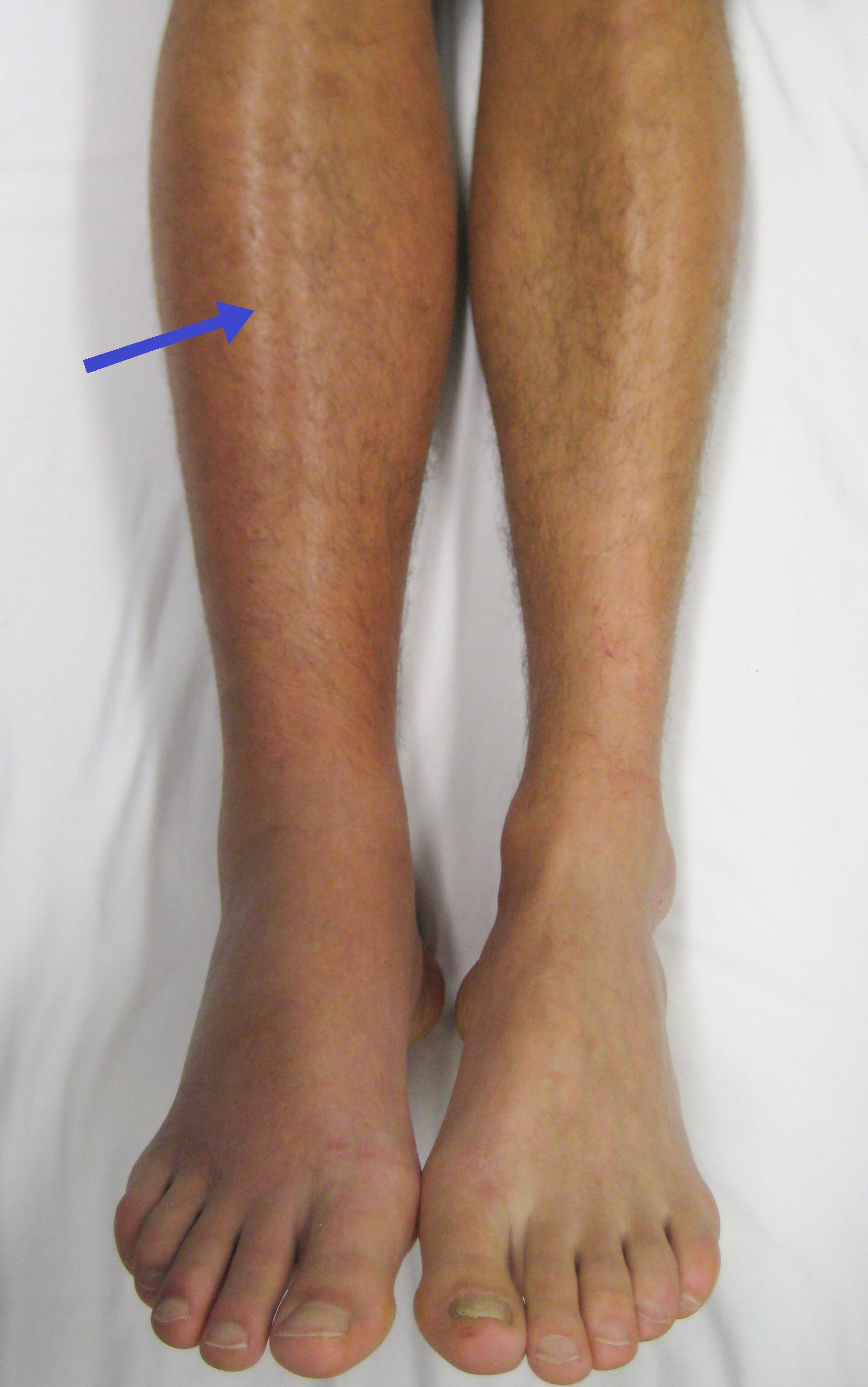
Venous thromboembolism (VTE) is a single disease entity encompassing deep vein thrombosis (DVT) and pulmonary embolism (PE), in which a thrombus forms in the venous circulation and may embolize to the pulmonary arteries. VTE is the third leading cause of cardiovascular death worldwide and a major contributor to inpatient morbidity.
Synonyms and Abbreviations
Common terms include: DVT (deep vein thrombosis), PE (pulmonary embolism), venous thrombosis, thromboembolic disease. The historical term “economy class syndrome” describes travel-associated DVT. Direct oral anticoagulants (DOACs), a class including direct thrombin inhibitors and factor Xa inhibitors, are now the standard for most patients [1]A1c.
Classification
VTE is classified along several axes that determine prognosis and therapy. The distinction between provoked (triggered by a transient risk factor such as surgery, trauma, pregnancy, or cancer) and unprovoked (no identifiable transient cause) carries major implications for recurrence risk and duration of anticoagulation. In cancer patients, the Khorana risk score stratifies VTE risk and guides prophylaxis [3]B2b. Special populations, including sickle cell disease (pooled VTE prevalence ~13% in adolescents and adults [13]B2a), antiphospholipid syndrome [9]D5, and children with central venous lines [4]B3b[11]B2b, require tailored classification approaches.
| Category | Subtype | Key Features |
|---|---|---|
| Anatomic | Proximal DVT | Thrombus in popliteal, femoral, or iliac veins; higher embolic risk |
| Distal DVT (calf veins) | Lower embolic risk; debated | |
| Segmental/subsegmental PE | Smaller emboli; often incidental | |
| Provoked vs. Unprovoked | Provoked | Surgery, trauma, pregnancy, , cancer, immobilization |
| Unprovoked | Absence of transient risk factor; 10% annual recurrence if anticoagulation stopped | |
| PE Severity (2026 AHA/ACC) | High-risk (massive) | Hemodynamic instability; RV dysfunction; immediate thrombolysis indicated [7]A1c[8]A1c |
| Intermediate-risk (submassive) | RV strain on imaging, stable blood pressure; anticoagulation ± catheter-directed therapy | |
| Low-risk | No RV strain, normal biomarkers; outpatient management often possible [7]A1c[8]A1c |
The 2026 AHA/ACC guideline replaces older nomenclature (“massive,” “submassive”) with AHA/ACC Acute Pulmonary Embolism Clinical Categories, which refine risk stratification using hemodynamics, RV imaging, and biomarkers [7]A1c[8]A1c. This classification is the foundation for evidence-based triage in the Emergency Department and will be used throughout this article.
Nomenclature for anticoagulants has also been standardized: the ISTH recommends describing agents by route and specific target (e.g., “oral factor Xa inhibitor” rather than “NOAC”) [1]A1c. This language is adopted throughout.
Transition to Pathophysiology
Classification alone, however, does not explain why a thrombus forms. The factors that initiate and propagate venous thrombosis, endothelial injury, stasis, and hypercoagulability, are explored in Section 2: Pathophysiology & Mechanism, where the interplay of Virchow’s triad and molecular drivers of clot formation are detailed.
Pearl: Provoked vs. unprovoked distinction is the primary determinant of recurrence risk and anticoagulation duration.
2. Pathophysiology & Mechanism
- ▸Venous thromboembolism results from a failure of natural anticoagulant pathways (AT, PC, PS) relative to thrombin generation, driven by both inherited thrombophilia and acquired clonal hematopoiesis.
- ▸JAK2-mutant clonal hematopoiesis and TET2-mutant CHIP are emerging age-dependent VTE risk factors with hazard ratios of 4.2 and 2.25, respectively, independent of traditional thrombophilia.
- ▸Thromboinflammation, mediated by procoagulant platelets, neutrophil extracellular traps, and hypoxia-inducible factor signaling, is integral to venous thrombus initiation, propagation, and resolution.
From the classification above, it is clear that VTE arises from a complex interplay of genetic predisposition, cellular activation, and environmental triggers, the modern elaboration of Virchow's triad. The final common pathway is unopposed thrombin generation exceeding the capacity of natural anticoagulant mechanisms, leading to fibrin-rich clot formation in the venous circulation under low-shear conditions.
Genetic and Clonal Drivers
Hereditary thrombophilia accounts for a substantial minority of VTE. The most common variants, factor V Leiden (FVL) and prothrombin G20210A, are present in ~5% and ~2% of Caucasians, respectively. Heterozygous FVL carries a 1.4-fold increased risk of recurrent VTE (RR 1.39; 95% CI 1.15-1.67) [23]B2a. Prothrombin G20210A confers a 1.2-fold (RR 1.20; 95% CI 0.89-1.61) recurrence risk, though estimates vary by analytic method [23]B2a. Deficiencies of the natural anticoagulants, antithrombin (AT), protein C (PC), and protein S (PS), are rarer but more potent; in Asian populations these deficiencies are the predominant genetic cause, with a combined population frequency of ~1.0% [46]B3b. The pathogenic mechanism is loss of function: AT directly inhibits thrombin and factor Xa, while the activated protein C (APC) system, with PS as cofactor, inactivates factors Va and VIIIa [67]D5. EPCR haplotypes (e.g., the A3 haplotype tagged by 4600G) further modulate risk by altering soluble EPCR levels and APC generation [47]B3b.
Beyond classic thrombophilia, clonal hematopoiesis of indeterminate potential (CHIP) has emerged as an age-dependent VTE risk factor. In the Atherosclerosis Risk in Communities Study, CHIP carriers had a 1.5-fold increased hazard for incident VTE (HR 1.49), driven largely by TET2 mutations (HR 2.25; 95% CI 1.27-4.00) [57]B2b. JAK2 mutations, even at sub-clinical variant allele frequencies, confer the strongest clone-specific risk, with a 4.2-fold hazard for incident VTE (HR 4.2) [27]B2b. This mirrors the profound thrombophilia of JAK2-mutant myeloproliferative neoplasms [60]D5. In patients with unexplained recurrent VTE, CHIP is enriched in those without identifiable thrombophilia (OR 4.58) [26]B3b.
Cellular and Inflammatory Mechanisms
Venous thrombus formation is not simply a plasma coagulation cascade, it is a thromboinflammatory process. The hypoxic venous microenvironment activates endothelial cells, causing glycocalyx shedding and upregulation of P-selectin and von Willebrand factor [68]D5. This recruits platelets and leukocytes. Platelets themselves are heterogeneous: procoagulant platelets, characterized by surface exposure of phosphatidylserine and sustained calcium flux, amplify fibrin formation and are essential for venous thrombus stability. Mice with platelet-specific deficiency of cyclophilin D or transmembrane protein 16F are resistant to flow-induced venous thrombosis [28]D5. Neutrophils contribute through the release of neutrophil extracellular traps (NETs), which provide a scaffold for factor XII-driven contact activation and fibrin deposition [50]D5[68]D5. The neutrophil protease cathepsin G activates protease-activated receptor 4 (PAR4) on platelets at an alternative cleavage site, triggering Gαq and β-arrestin signaling that bypasses the usual Gα12/13 pathway, a mechanism that may sustain platelet activation under inflammatory conditions [39]D5.
Tissue Factor and the Procoagulant State
Tissue factor (TF) is the primary initiator of venous thrombosis in vivo. Under inflammatory conditions, TF is upregulated on activated monocytes and endothelial cells. Circulating TF-positive microparticles, particularly abundant in cancer patients, provide a ready nidus for clot formation [36]D5. In malignant gliomas, TF expression correlates with VTE risk [58]D5; tumor grade is independently associated with VTE (HR 2.0; 95% CI 1.1-3.5 for high-grade vs low-grade tumors) [35]B2b. In , the 2-fold increased VTE risk (OR 1.8; 95% CI 1.2-2.9), and 4-fold for pulmonary embolism (OR 3.9), reflects thromboinflammatory pathways driven by , endothelial activation, and platelet reactivity [18]B3b[44]D5.
The Hypoxic-Immune Axis
Hypoxia inducible factor (HIF)-1α orchestrates a feed-forward loop: under venous stasis and low oxygen tension, endothelial HIF-1α drives P-selectin expression and leukocyte adhesion, while hypoxic monocytes upregulate TF. During thrombus resolution, the same HIF-1α axis promotes angiogenesis and lactate-driven macrophage polarization toward a pro-resolving phenotype [68]D5. This temporal duality explains why early inflammation promotes thrombus propagation while later inflammation facilitates recanalization, a balance that can be disrupted by persistent pro-inflammatory states (e.g., cancer, autoimmunity) [65]D5[55]D5.
Pearl: In any patient with unprovoked or recurrent VTE, consider testing for JAK2V617F mutation (especially with splanchnic vein thrombosis), and in older adults, CHIP, particularly TET2 or JAK2, should be recognized as a novel, age-dependent thrombotic risk factor [27]B2b[57]B2b[19]B2a.
3. Epidemiology, Etiology & Risk Factors
- ▸Annual VTE incidence is 1-2 per 1000; recurrence approaches 20% at 5 years, and case-fatality is up to 10%.
- ▸Cancer and its treatments are dominant risk factors (HR 8.5 vs. general population), with a rising temporal trend paralleling improved survival and novel therapies.
- ▸Racial/ethnic disparities are substantial: Black/African American individuals have the highest incidence, while Asian/Pacific Islander and Hispanic populations have lower rates.
From the thrombus-formation mechanisms just described, the epidemiological footprint of VTE emerges with clarity. The annual incidence is 1-2 per 1000 individuals; recurrence approaches 20% within 5 years, and the case-fatality rate reaches 10% [116]B2b. An estimated 10 million people worldwide experience VTE each year [120]D5.
Demographic Distribution
Incidence rises steeply with age, doubling each decade after 50 years. Sex distribution is nearly equal, though men have a slightly higher recurrence risk after unprovoked events [115]D5. Racial and ethnic disparities are pronounced: Black/African American individuals have a higher incidence than non-Hispanic Whites, while Asian/Pacific Islander and Hispanic populations have lower rates [119]B2b[125]D5. In an analysis of California cancer patients, Black/African American individuals had the highest (CAT) incidence for almost all tumour types [119]B2b. Data from Africa show postoperative deep-vein thrombosis prevalence of 2.4%-9.6% and pulmonary embolism mortality of 40%-69.5%, with at least one-quarter of at-risk patients receiving no prophylaxis [112]B2a.
Temporal Trends
The incidence of VTE has been rising. In a Danish population-based study, the 12-month CAT cumulative incidence increased from 1.0% (95% CI 0.9%-1.2%) in 1997 to 3.4% (95% CI 2.9%-4.0%) in 2017 [96]B2b. This paralleled improved cancer survival, greater use of computed tomography, and increased administration of chemotherapy and targeted therapies. Paediatric VTE incidence is also rising, driven partly by use [113]D5.
Risk Factors (Table 1)
VTE risk factors are grouped into strong transient provoking factors (e.g., major surgery, trauma, immobilisation), persistent or progressive conditions (e.g., active cancer, inherited thrombophilia), and weak or situational factors (e.g., long-distance travel, combined oral contraceptive use). The table below lists the most important risk factors with their reported measures of association. A full discussion of prophylaxis and in specific populations appears in Sections 7, 10, 13, and 14.
| Risk Factor | Odds/Hazard Ratio (95% CI) | Evidence Level |
|---|---|---|
| Active cancer (vs. general population) | HR 8.5 (8.2-8.8) [96]B2b | 2b |
| Prior VTE (in cancer patients) | SHR 7.6 (7.2-8.0) [96]B2b | 2b |
| Distant metastasis | SHR 3.2 (2.9-3.4) [96]B2b | 2b |
| Chemotherapy (systemic) | SHR 3.4 (3.1-3.7) [96]B2b | 2b |
| Protein kinase inhibitors | SHR 4.1 (3.4-4.9) [96]B2b | 2b |
| Antiangiogenic therapy | SHR 4.4 (3.8-5.2) [96]B2b | 2b |
| Immunotherapy | SHR 3.6 (2.8-4.6) [96]B2b | 2b |
| -based chemotherapy | RR 1.67 (1.25-2.23) [97]A1a | 1a |
| Immune checkpoint inhibitors | Cumulative incidence 12.9% (8.2-18.5) at median 8.5 mo [85]B2b | 2b |
| (vs. non-carrier) | OR 1.45 (1.32-1.60) [100]B2b | 3a |
| Factor V Leiden (heterozygous) | OR 3.30 (3.24-3.37) [100]B2b; RR for recurrence 1.39 (1.15-1.67) [23]B2a | 2a |
| Prothrombin G20210A (heterozygous) | RR for recurrence 1.36 (1.02-1.82) [23]B2a | 2a |
| Glucocorticoid oral therapy (current use) | IRR 3.51 (2.55-4.80) for first VTE [107]B2b | 2b |
| Combined oral contraceptive use | Recurrence rate 1.22/100 PY (0.92-1.62) after stopping [110]B2a | 2a |
| Diabetes mellitus (post-ACLR) | RR 2.19 (1.48-3.25) [133]A1a | 1a |
| Systemic infection (paediatric in-hospital) | OR 3.05 (1.57-5.94) [4]B3b | 3b |
Special Considerations
Travel remains a weak risk factor: the incidence after flights >4 h is 1 in 4656, and severe symptomatic pulmonary embolism after flights <8 h is extremely rare [20]A1c. Risk is concentrated in those with pre-existing thrombophilia, recent surgery, or active malignancy [124]D5. In pregnancy, VTE complicates ~1.2 per 1000 deliveries and is a leading cause of maternal morbidity [76]A1c; low-molecular-weight reduces VTE risk in women with mild thrombophilia (OR 0.20, 95% CI 0.08-0.50) [132]A1a.
The clinical manifestations of VTE, discussed next, reflect the interplay of these risk factors with the location, burden, and composition of the thrombus.
Pearl: Racial/ethnic disparities are substantial: Black/African American individuals have the highest incidence, while Asian/Pacific Islander and Hispanic populations have lower rates.
| Risk Factor | Measure of Association (95% CI) | Source |
|---|---|---|
| Active cancer (vs. general population) | HR 8.5 (8.2-8.8) | [96]B2b |
| Prior VTE (in cancer patients) | SHR 7.6 (7.2-8.0) | [96]B2b |
| Distant metastasis | SHR 3.2 (2.9-3.4) | [96]B2b |
| Chemotherapy (systemic) | SHR 3.4 (3.1-3.7) | [96]B2b |
| Protein kinase inhibitors | SHR 4.1 (3.4-4.9) | [96]B2b |
| Antiangiogenic therapy | SHR 4.4 (3.8-5.2) | [96]B2b |
| Immunotherapy | SHR 3.6 (2.8-4.6) | [96]B2b |
| Cisplatin-based chemotherapy | RR 1.67 (1.25-2.23) | [97]A1a |
| Immune checkpoint inhibitors | Cumulative incidence 12.9% (8.2-18.5) | [85]B2b |
| Sickle cell trait | OR 1.45 (1.32-1.60) | [100]B2b |
| Factor V Leiden (heterozygous) | OR 3.30 (3.24-3.37) | [100]B2b |
| Prothrombin G20210A (heterozygous) | RR for recurrence 1.36 (1.02-1.82) | [23]B2a |
| Glucocorticoid oral therapy | IRR 3.51 (2.55-4.80) | [107]B2b |
| Combined oral contraceptive use | Recurrence rate 1.22/100 PY (0.92-1.62) | [110]B2a |
| Diabetes (post-ACLR) | RR 2.19 (1.48-3.25) | [133]A1a |
| Systemic infection (paediatric in-hospital) | OR 3.05 (1.57-5.94) | [4]B3b |
4. Clinical Presentation
- ▸Index event type (DVT vs PE) predicts recurrence phenotype: after PE, 66% of recurrences are PE; after DVT, only 36% are PE.
- ▸Cancer-associated DVT is more often bilateral, iliocaval, and upper-extremity; unsuspected PE is common and often symptomatic when symptoms like fatigue are elicited.
- ▸Pediatric PE incidence has risen 200% over 2 decades; PERC-Peds rule can safely exclude PE without radiation exposure.
Following the identification of risk factors, the clinical manifestations of VTE arise from acute obstruction of venous outflow (DVT) or pulmonary arterial circulation (PE), producing a spectrum that ranges from incidental imaging findings to sudden death. The index event type, DVT or PE, not only dictates the acute presentation but also predicts the phenotype of future recurrences: after an initial PE, 66% of recurrent events are PE, and after DVT, 36% are PE [143]A1a; patients with PE have a 3.1-fold higher risk of recurrence as PE than those with DVT [147]B2a.
Presenting Symptoms
DVT. Unilateral leg swelling, pain, warmth, and erythema develop over days. Proximal (iliofemoral) DVT causes whole-leg swelling; distal (calf) DVT produces only local pain. Upper extremity DVT presents with arm swelling, often in the setting of a . Homan's sign (calf pain on dorsiflexion) is unreliable and should not be used.
PE. Dyspnea, pleuritic chest pain, cough, hemoptysis, and syncope are the classic features. Onset is acute, over minutes to hours. Massive PE presents with hypotension (systolic BP <90 mmHg) and signs of obstructive shock. In patients with cancer, unsuspected PE is common: 75% of those with incidental PE on staging CT had symptoms (fatigue, dyspnea) when specifically queried [158]B3b. In pregnancy, physiological dyspnea can mask PE [168]D5; in sickle cell disease, PE symptoms mimic vaso-occlusive crisis [114]D5.
Examination Findings
DVT. Edema, warmth, palpable cord, pitting edema, and calf tenderness are variably present. A calf circumference difference >3 cm is suggestive. In cancer patients, DVT is more often bilateral (8.5% vs 4.6%), iliocaval (22.6% vs 14%), and upper-extremity (9.9% vs 4.8%) compared with non-cancer patients [167]B2b.
PE. Tachypnea, tachycardia, hypoxia, and signs of right ventricular (RV) failure, jugular venous distension, RV heave, loud P2, S3 gallop, indicate hemodynamic compromise. Massive PE manifests with hypotension, cool extremities, and altered mental status.
Phenotypic Variants
| Variant | Key Features | Frequency / Context |
|---|---|---|
| Proximal DVT (iliofemoral) | Whole-leg swelling, pain; risk of phlegmasia | ~50% of lower-limb DVT |
| Distal (calf) DVT | Calf pain or asymptomatic; lower recurrence risk [147]B2a | ~40% of lower-limb DVT |
| Upper-extremity DVT | Arm swelling; catheter-related or effort-induced | ~10% of all DVT; 9.9% in cancer [167]B2b |
| High-risk PE (massive) | Hypotension, RV failure, syncope | <5% of PE, high mortality |
| Intermediate-risk PE (submassive) | Normotensive with RV dysfunction | ~30% of PE |
| Low-risk PE | Stable without RV strain | ~65% of PE |
| Cerebral venous thrombosis (CVT) | Headache, seizures, focal deficits; 30-50% have [172]D5 | Unusual site, young adults |
| Superficial vein thrombosis | Palpable cord, local erythema | Benign but can propagate |
Red Flags
- Massive PE: systolic BP <90 mmHg or need for vasopressors, consider immediate thrombolysis.
- Phlegmasia cerulea dolens: severe leg swelling with cyanosis, risk of venous gangrene requiring urgent thrombectomy.
- Limb-threatening DVT: absent pulses, compartment syndrome.
- Severe hypoxia or respiratory distress in PE.
Atypical Presentations
- Isolated calf DVT may be asymptomatic but can propagate proximally.
- Unsuspected PE in cancer: 34% of patients with advanced cancer admitted to palliative care had femoral DVT on admission; leg edema was the only associated symptom [155]B2b.
- CVT often mimics stroke; delayed diagnosis worsens prognosis [173]D5.
- Pediatric PE: incidence has increased 200% over two decades [151]D5; PERC-Peds rule safely rules out PE with a false-negative rate of 0.1% (sensitivity 99.6%) [177]B2b.
- High-altitude VTE: occurs in younger individuals with a distinct biochemical profile [161]B3b.
Timing and Progression
DVT symptoms progress over days; untreated, extension may occur. PE onset is abrupt; the risk of early recurrence is highest in the first 2 weeks. Recurrence type tends to match the index event: after PE, two-thirds of recurrences are PE; after DVT, only one-third are PE [143]A1a. Patients with an index PE have a 3.1-fold higher risk of recurrence as PE than those presenting with DVT [147]B2a.
| Clinical Decision Rule | Sensitivity (%) | Specificity (%) | Population | Reference |
|---|---|---|---|---|
| >4 for PE | 72.5 | 70.1 | Sickle cell disease [169]B3b | [169]B3b |
| PERC-Peds (children) | 99.6 | 19.6 | Pediatric ED [177]B2b | [177]B2b |
| Pregnancy-adapted YEARS (avoid CTPA) | Safe in 39% | , | Pregnant [138]B2b | [138]B2b |
Pearl: Pediatric PE incidence has risen 200% over 2 decades; PERC-Peds rule can safely exclude PE without radiation exposure.
5. Diagnosis & Workup: Smear, Marrow, Flow Cytometry & Molecular Profiling
- ▸D-dimer combined with clinical probability rules is the entry point laboratory test for VTE diagnosis; a negative result safely excludes VTE in low- to moderate-probability patients.
- ▸Thrombophilia testing (factor V Leiden, prothrombin G20210A, antithrombin, protein C/S, antiphospholipid antibodies) is reserved for unprovoked, young, recurrent, or unusual-site VTE, but anticoagulant interference must be accounted for.
- ▸Molecular profiling (JAK2 V617F for occult MPN) and flow cytometry (for PNH clones) identify underlying prothrombotic states in specific scenarios such as splanchnic vein thrombosis or otherwise unexplained thrombosis.
After clinical presentation raises suspicion, the diagnostic workup for venous thromboembolism (VTE) proceeds through a sequential algorithm combining pretest probability, D-dimer testing, and imaging. In selected patients, specialized hematology testing, including coagulation factor assays, thrombophilia genetic panels, flow cytometry for paroxysmal nocturnal hemoglobinuria (PNH), and investigations for underlying myeloproliferative neoplasms (MPNs), is indicated to identify an underlying prothrombotic state.
Pretest Probability and D-dimer
D-dimer, a degradation product of cross-linked fibrin, is the initial laboratory test integrated with validated clinical decision rules. For patients with low or moderate pretest probability (e.g., ≤4, Revised Geneva score ≤10), a negative D-dimer (<500 ng/mL) safely excludes VTE without imaging (3-month failure rate <1%) [183]A1c. The YEARS algorithm, which uses three clinical items and differential D-dimer thresholds (1000 ng/mL if 0 YEARS items; 500 ng/mL if ≥1), reduced computed tomography (CTPA) use from 51.9% to 34.3% while maintaining safety (failure rate 0.61%) [146]B2b[207]B2b. The PEGeD strategy further demonstrated that low C-PTP plus D-dimer <1000 ng/mL excludes pulmonary embolism with a 0.0% failure rate (95% CI, 0.00-0.29%) [207]B2b. D-dimer is less useful in hospitalized patients, elderly, cancer, and pregnancy because of reduced specificity; for these groups, age-adjusted thresholds (age × 0.1 mg/L for patients >50 years) improve specificity [183]A1c[120]D5.
Coagulation Profile and Thrombophilia Testing
Routine (prothrombin time, activated partial thromboplastin time [aPTT], fibrinogen) are not diagnostic for acute VTE but may reveal abnormalities, a prolonged aPTT raises suspicion for lupus anticoagulant. Thrombophilia testing is indicated for patients with unprovoked VTE, first event at age <50 years, recurrent thrombosis, family history, or thrombosis in unusual sites (splanchnic, cerebral, upper extremity) [120]D5[171]D5. Testing includes: factor V Leiden (F5 rs6025) and prothrombin G20210A (F2 rs1799963) by polymerase chain reaction; antithrombin, protein C, and protein S activity levels; and antiphospholipid antibodies (lupus anticoagulant, anticardiolipin, anti-β2 glycoprotein I), requiring persistent positivity at least 12 weeks apart per revised Sapporo (Sydney) criteria [9]D5. Factor V Leiden heterozygosity synergistically interacts with active cancer to increase VTE risk (relative excess risk due to interaction 7.0) [45]B3b. Reference ranges for natural anticoagulants vary by age and sex; for Chinese populations, the largest survey (3493 adults) established age- and sex-adjusted normal values [224]C4. Critical limitation: anticoagulants interfere with thrombophilia assays, heparins lower antithrombin and prolong aPTT; reduces protein C and S levels. Testing should ideally be performed after anticoagulation is completed or before initiation if possible [120]D5.
Blood Film and Marrow Examination
Peripheral blood film is not routinely required for VTE diagnosis. However, when underlying MPN is suspected (splanchnic vein thrombosis, otherwise unexplained VTE with thrombocytosis, erythrocytosis, or leukocytosis), the film may show increased platelet clumps, left-shifted granulocytes, basophilia, or teardrop cells. In patients with splanchnic vein thrombosis (SVT), up to 18% have an underlying MPN [237]B2b. Bone marrow aspiration and biopsy are reserved for cases where MPN is strongly suspected after JAK2 mutation testing, to confirm , , or primary myelofibrosis. In patients with SVT, outcomes (6-month recurrent thrombosis 2.5%, bleeding 4.5%, survival 93.7%) did not differ between those with and without MPN after propensity weighting, suggesting that anticoagulation should be similar regardless of MPN status [237]B2b.
Flow Cytometry
Flow cytometry for PNH clones is indicated in patients with unexplained VTE at unusual sites, particularly Budd-Chiari syndrome, splanchnic vein thrombosis, or cerebral venous sinus thrombosis, especially when accompanied by Coombs-negative hemolytic anemia or bone marrow failure. Detection of GPI-anchored protein deficiency (CD55/CD59 on erythrocytes, FLAER on neutrophils) identifies PNH clones. PNH is a rare but highly prothrombotic condition; thrombosis occurs in up to 40% of patients and is a leading cause of mortality.
Molecular Profiling
Molecular testing in VTE targets inherited and acquired prothrombotic states. Factor V Leiden and prothrombin G20210A are the most common in Caucasians [120]D5. For occult MPN, JAK2 V617F mutation testing is first-line (sensitivity >95% for polycythemia vera, ~60% for essential thrombocythemia/primary myelofibrosis); if negative, CALR or MPL mutations may be tested. The ONCOTHROMB score, incorporating nine genetic variants, tumor site, stage, and body mass index >25 kg/m², outperformed the Khorana score for predicting cancer-associated VTE (AUC 0.781 vs 0.580; P < .001) in validation cohorts [214]B2b. For antiphospholipid syndrome, persistent positivity of anticardiolipin and anti-β2 glycoprotein I antibodies by ELISA is required [9]D5.
The hematology-distinctive diagnostic engine for VTE thus integrates D-dimer for acute exclusion, clinical probability rules for risk stratification, and, in selected patients, thrombophilia panels, MPN molecular markers, and PNH flow cytometry to uncover the underlying prothrombotic driver.
Pearl: When ordering thrombophilia testing, avoid anticoagulant interference: aPTT-based assays for lupus anticoagulant are unreliable on ; protein C and S levels are low on warfarin; antithrombin is lowered by heparin therapy. Wait until the patient has been off anticoagulation for at least 2 weeks or, if that is not possible, test before starting therapy.
| Test | Indication | Key Finding | Interference |
|---|---|---|---|
| D-dimer | Suspected acute VTE | <500 ng/mL (or age-adjusted) rules out VTE | Elevated in pregnancy, cancer, acute illness |
| Factor V Leiden (F5 rs6025) | Unprovoked VTE, age <50, family history | Heterozygosity confers 3- to 5-fold VTE risk | None |
| Prothrombin G20210A (F2 rs1799963) | Unprovoked VTE, age <50, family history | Heterozygosity confers 2- to 3-fold VTE risk | None |
| Antithrombin activity | Recurrent VTE, family history | Decreased activity (<80%) | Heparin therapy lowers levels |
| Protein C activity | Recurrent VTE, age <50, warfarin necrosis | Decreased activity (<70%) | Warfarin lowers levels |
| Protein S (free) activity | Recurrent VTE, age <50 | Decreased free PS (<60%) | Warfarin, pregnancy lower levels |
| Lupus anticoagulant (dRVVT, aPTT) | Unexplained VTE, recurrent pregnancy loss | Prolonged mixing studies | Heparin, DOACs prolong aPTT |
| Anticardiolipin / anti-β2GPI | APS diagnosis | IgG/M >99th percentile, persistent ≥12 weeks | None |
| JAK2 V617F mutation | Splanchnic vein thrombosis, suspected MPN | Positive in >95% PV, ~60% ET/PMF | None |
| PNH flow cytometry (FLAER, CD55/CD59) | Unusual site thrombosis (Budd-Chiari, cerebral SVT) | GPI-anchor deficient clone | None |
6. Staging, Risk Stratification & Prognostic Scoring
- ▸Risk stratification for VTE requires assessing both thrombosis and bleeding risk; the DASH score (D‑dimer, Age, Sex, Hormonal therapy) identifies low‑risk recurrence patients (score ≤1) with annual recurrence 3.1%, allowing safe anticoagulation cessation.
- ▸In cancer‑associated VTE, the Khorana score has modest performance (c‑statistic 0.53) in contemporary cohorts; newer models (ONCOTHROMB, CAT Score, IMPEDE VTE for myeloma) may improve risk prediction.
- ▸Machine‑learning models (XGBoost, CatBoost) achieve AUCs >0.88 in orthopedic settings but require prospective validation before clinical adoption.
With the diagnosis confirmed, the clinician must immediately stratify the patient’s risk for short-term mortality, recurrent VTE, and major bleeding, the three axes that govern initial treatment intensity and long-term anticoagulation duration. Risk stratification operates at two time points: at presentation (to select patients needing thrombolysis or intensive monitoring) and after an initial 3-6 months of anticoagulation (to decide whether to extend therapy).
Prognostic Factors
A systematic review of hospitalized medical patients identified moderate-certainty VTE predictors: older age, elevated C‑reactive protein, D‑dimer, fibrinogen, tachycardia, thrombocytosis, leukocytosis, fever, leg edema, lower Barthel Index score, immobility, paresis, previous VTE, thrombophilia, malignancy, critical illness, and infection [241]B2a. For bleeding, moderate-certainty predictors included older age, anemia, obesity, low hemoglobin, gastroduodenal ulcers, rehospitalization, critical illness, thrombocytopenia, blood dyscrasias, hepatic disease, renal failure, antithrombotic medication, and [241]B2a. Reduced calf muscle pump function also independently predicts incident VTE (adjusted HR 1.68) [242]B2b.
Risk Scores for Recurrent VTE
Multiple validated tools guide decisions on anticoagulation duration after unprovoked VTE:
- DASH score: Assigns points for abnormal D‑dimer after stopping anticoagulation (2 points), Age <50 years (1), male Sex (1), and VTE not associated with Hormonal therapy (-2 for women). Annualized recurrence risk is 3.1% for score ≤1, 6.4% for 2, and 12.3% for score ≥3 [251]B2b. A score ≤1 identifies roughly half of patients in whom anticoagulation can safely be stopped.
- Vienna Prediction Model: Uses D‑dimer, age, and body mass index; however, in elderly patients (≥65 years) it did not discriminate recurrence risk after anticoagulation cessation (c‑statistic 0.39 at 12 months) [240]B2b.
- For bleeding on extended therapy, the modified ACCP score identifies high‑risk patients (annual major bleeding 3.3% vs. 1.0% for non‑high‑risk) and the modified VTE‑BLEED score (3.1% vs. 1.1%) [261]B2b. The novel CHAP model (creatinine, hemoglobin, age, antiplatelet use) further refines estimation [261]B2b.
Risk Scores for Cancer‑Associated VTE
Cancer patients require primary VTE risk assessment before starting systemic therapy:
- Khorana score: The most widely used tool, assigning points for cancer site (very high‑risk: 2; high‑risk: 1), platelet count ≥350 × 10⁹/L (1), hemoglobin <100 g/L or erythropoiesis‑stimulating agent use (1), leukocyte count >11 × 10⁹/L (1), and BMI ≥35 kg/m² (1). Six‑month VTE rates are 0.8% in low‑risk (score 0), 1.8% intermediate (1-2), and 7.1% high‑risk (≥3); c‑statistic 0.7 [253]B2b. However, in a contemporary cohort receiving immunotherapy and targeted agents, Khorana discrimination was poor (c‑statistic 0.53), while the CAT Score performed best (c‑statistic 0.65) [259]B2b.
- CATS/MICA model: Uses only tumor‑site category and D‑dimer, achieving c‑indices of 0.66-0.68 in external cohorts [254]B2b.
- ONCOTHROMB score: Adds nine genetic variants to clinical factors, improving AUC to 0.781 vs. 0.580 for Khorana [214]B2b.
- New RAM (VA/Harris): Incorporated cancer staging, prior VTE, immobility, recent hospitalization, and Asian/Pacific Islander race; c‑statistic 0.71 and appropriately reclassified 28% of patients [255]B2b.
- -specific: IMPEDE VTE score stratifies 6‑month VTE risk as 5.0% low, 12.6% intermediate, and 24.1% high (c‑statistic 0.68) [197]B3b. A meta‑analysis of seven scores in myeloma found pooled AUCs 0.57-0.68, with IMPEDE VTE and IMPEDED VTE best [276]A1a.
- For predicting cancer‑associated VTE recurrence, the modified Ottawa score identifies low‑risk patients (recurrence 2.2% vs. 10.2% high‑risk) [246]B2a.
Special Populations
- Pediatrics: Central venous catheter (OR 2.12), ICU stay (OR 2.14), mechanical ventilation (OR 1.56), and longer hospital stay are key risk factors [247]B2a; validated risk‑assessment models remain lacking [239]A1c[75]A1c.
- Pregnancy: Proven risk factors include prior VTE, thrombophilia, cesarean section, and immobility; risk assessment per RCOG guidelines guides low‑molecular‑weight prophylaxis [265]D5[163]D5.
- Ischemic stroke: Prior VTE, cancer, leg weakness, large infarct volume, infection, and elevated D‑dimer/CRP/homocysteine predict post‑stroke VTE [249]B2a.
- Orthopedic surgery: Machine‑learning models (XGBoost, CatBoost) achieve AUCs of 0.888-0.902, outperforming Caprini scores in high‑risk populations despite standard prophylaxis [267]B2b.
Long‑Term Prognosis and Sequelae
- Recurrence risk: After unprovoked VTE, annual recurrence is approximately 6-12% in the first year [251]B2b. After isolated distal DVT, 24‑month recurrence rates are 15.7 per 100 person‑years for unprovoked events vs. 4.5 for provoked [263]B2b. In cancer patients, recurrence continues with time on therapy: 13.7% cumulative over 24 months in catheter‑related thrombosis [278]B2b.
- Post‑thrombotic syndrome: Affects 20-50% of DVT patients, with significant quality‑of‑life impairment [171]D5[220]D5.
- Chronic thromboembolic pulmonary : Occurs in 0.5-4% of PE survivors and carries high mortality if untreated [171]D5[220]D5.
- Mortality: Elevated D‑dimer independently predicts death in cancer patients (HR 1.5 per doubling) [264]B2b. Circulating microRNAs may improve prediction of recurrence or death (C‑index 0.65) [270]B2b.
Controversies and Guideline Disagreement
The performance of established risk scores has been questioned in contemporary, real‑world populations. Traditional scores (Khorana, PROTECHT, CONKO) show poor discrimination (c‑statistics 0.50-0.58) when applied to patients receiving immunotherapy or targeted agents [259]B2b. Machine‑learning models promise higher accuracy but are limited by high risk of bias and lack of prospective multicenter validation [267]B2b[268]B2b[275]B2a. Guidelines uniformly recommend risk‑stratified prophylaxis in hospitalized and cancer patients, but the optimal score remains unsettled.
Pearl: In unprovoked VTE, combine the DASH score (for recurrence) and a validated bleeding score (modified ACCP or VTE‑BLEED) when deciding on extended anticoagulation, neither axis alone is sufficient.
| Domain | Risk Factors for VTE | Risk Factors for Bleeding |
|---|---|---|
| Demographics | Older age | Older age, male sex |
| Laboratory | Elevated CRP, D‑dimer, fibrinogen; thrombocytosis; leukocytosis | Anemia, low hemoglobin, thrombocytopenia |
| Clinical | Tachycardia, fever, leg edema, immobility, paresis | Obesity, gastroduodenal ulcers, hepatic disease, renal failure |
| Comorbidities | Previous VTE, thrombophilia, malignancy, critical illness, infection | Blood dyscrasias, rehospitalization, critical illness |
| Interventions | - | Antithrombotic medication, central venous catheter |
| Score | Population | Components | Performance |
|---|---|---|---|
| DASH [251]B2b | Unprovoked VTE | D‑dimer (abnormal), Age <50, Sex (male), Hormonal therapy (-2) | Annual recurrence: ≤1 → 3.1%; ≥3 → 12.3% |
| Khorana [253]B2b | Cancer outpatients starting chemotherapy | Cancer site (very high/high), PLT ≥350, Hb <100, WBC >11, BMI ≥35 | 6‑mo VTE: low 0.8%, high 7.1% (c=0.70) |
| CAT Score [259]B2b | Cancer patients on systemic therapy | Tumor category, D‑dimer, other clinical variables | c=0.65 (best among 6 RAMs in contemporary cohort) |
| ONCOTHROMB [214]B2b | Cancer outpatients | 9 genetic variants + tumor site + TNM stage + BMI >25 | AUC 0.781 (vs. 0.580 for Khorana) |
| IMPEDE VTE [197]B3b | Multiple myeloma | IMiD use, BMI, pelvic/hip fracture, erythropoietin, dexamethasone, Asian race, VTE history | 6‑mo VTE: low 5.0%, high 24.1% (c=0.68) |
| Modified Ottawa [246]B2a | Cancer-associated VTE | Sex, D‑dimer, cancer type/stage | Recurrence: low‑risk 2.2% vs. high‑risk 10.2% |
| Modified ACCP [261]B2b | Unprovoked VTE (bleeding) | Age, bleeding history, Cr, Hb, antiplatelet use | Annual major bleed: high‑risk 3.3% vs. low 1.0% |
| VTE‑BLEED [248]B2b | VTE on anticoagulation | Age ≥60, Cr ≥1.4, anemia, cancer, prior bleed | HR for major bleed 2.3 (treatment‑adjusted) |
7. Acute & Emergency Management
- ▸Low-risk PE (PESI class I-II or sPESI 0, Hestia negative) can be managed as outpatient with DOACs; 31.5% of low-risk US cases now receive home treatment with 90-day VTE recurrence of 1.3%.
- ▸For acute anticoagulation, initiate a DOAC (apixaban 10 mg BID for 7 days then 5 mg BID, or rivaroxaban 15 mg BID for 21 days then 20 mg daily) unless contraindicated; unfractionated heparin is reserved for high-risk patients needing rapid reversal.
- ▸Systemic thrombolysis is indicated for high-risk (massive) PE; low-dose thrombolysis (e.g., alteplase 20 mg) reduces thrombus burden in intermediate-high risk PE but is not routinely recommended, reserve for patients with hemodynamic deterioration.
Risk stratification determines the urgency and venue of treatment; the following steps outline the evidence-based approach to acute .
Step 1: Initial Severity Stratification and Disposition
Low-risk patients (pulmonary embolism severity index ] class I-II or 0, Hestia criteria negative) are candidates for home treatment or early discharge (<24 hours). The open-label, randomized non-inferiority trial by Aujesky et al. (2011) demonstrated that outpatient care is safe for low-risk PE: recurrent VTE occurred in 0.6% of outpatients vs 0% of inpatients (upper 95% CI 2.7%, p=0.011 for non-inferiority), and major bleeding within 14 days was 1.2% vs 0% [282]A1b (1b). Contemporary US data from 2016-2020 show home treatment increased to 31.5% of low-risk cases, with a 90-day VTE recurrence of 1.3% and major bleeding of 1.5% among early-discharge patients [295]B2c (2c).
Intermediate-risk patients (sPESI ≥1, but normotensive) require hospital admission for close monitoring and anticoagulation. High-risk PE (shock or persistent hypotension) mandates immediate reperfusion.
Step 2: Immediate Anticoagulation - Drug of Choice and Dosing
For patients without contraindications, direct oral anticoagulants (DOACs) are the first-line agents for acute VTE. The recommended regimens are:
| Drug | Initial dose | Transition to maintenance | Notes |
|---|---|---|---|
| 10 mg twice daily for 7 days | 5 mg twice daily thereafter | Avoid if CrCl <15 mL/min; reduce to 2.5 mg BID if 2 of: age ≥80 y, weight ≤60 kg, Cr ≥1.5 mg/dL (for prophylaxis, not acute treatment) | |
| 15 mg twice daily for 21 days | 20 mg once daily with food | Avoid if CrCl <15 mL/min; use cautiously if CrCl 15-29 mL/min | |
| (LMWH) | 1 mg/kg twice daily or 1.5 mg/kg once daily | - | Preferred in severe renal impairment, active cancer, or pregnancy (category-specific) |
| (UFH) | 80 U/kg bolus then 18 U/kg/hour | Titrate to aPTT 1.5-2.5× control | Reserved for hemodynamically unstable patients requiring rapid reversal or those undergoing thrombolysis |
What NOT to Do: Do not use UFH as first-line anticoagulation in stable patients, DOACs are superior in efficacy and safety [282]A1b (1b). Do not bridge with therapeutic UFH before switching to DOAC; start DOAC immediately for acute VTE unless the patient is already on and requires overlapping.
Step 3: Thrombolysis and Catheter-Directed Therapy
High-risk PE (massive PE): Systemic thrombolysis is indicated unless contraindicated. The 2024 European Society of Cardiology (ESC) guideline recommends alteplase 100 mg IV over 2 hours (strong recommendation, moderate-quality evidence). Catheter-directed thrombolysis (CDT) or surgical embolectomy is an alternative if systemic lysis is contraindicated or fails [288]D5 (5).
Intermediate-high risk PE (submassive PE with RV dysfunction, but normotensive): A randomized trial of low-dose alteplase (20 mg) via ultrasound-assisted CDT vs IV route vs heparin alone found that low-dose thrombolysis reduced thrombus burden (Modified Miller Score reduction by 3.6 points, 95% CI 2.2-5.0, p<0.001) compared with heparin alone, but with numerically more bleeding (not statistically significant) [291]A1b (1b). The 2024 ESC guideline does not recommend routine thrombolysis in intermediate-risk PE but suggests it for patients with hemodynamic deterioration [288]D5.
Step 4: Monitoring and Titration
- On heparin: Measure aPTT 6 hours after initiation and adjust to target 1.5-2.5× control or anti-Xa 0.3-0.7 IU/mL.
- On DOACs: No routine coagulation monitoring. Check renal function (CrCl) and hepatic function at baseline and annually.
- Major bleeding: If heparin, reverse with protamine (1 mg per 100 U heparin). For DOACs, use andexanet alfa (for apixaban/rivaroxaban) or idarucizumab (for , not a DOAC for VTE).
Step 5: Transition to Long-Term Anticoagulation
After the initial 5-10 days (or completion of acute DOAC loading), transition to long-term anticoagulation as described in Section 8. In patients with , LMWH or DOACs (apixaban, rivaroxaban, ) are preferred; the same approach applies to incidental PE [289]B3b (3b). Multidisciplinary thrombosis services reduce VTE recurrence (IRR 0.65) and major bleeding (IRR 0.33, 95% CI 0.19-0.53) compared with usual care [299]B3b (3b).
What NOT to Do: Do not withhold anticoagulation for a high D-dimer without clinical suspicion, D-dimer is a screening tool, not a trigger for therapy [165]D5 (5). Do not routinely use therapeutic-intensity anticoagulation for patients unless VTE is confirmed; standard prophylactic doses suffice [279]B3b[284]B3b (3b).
Controversies and Guideline Disagreement
| Question | Position A | Position B | Strength | Implication |
|---|---|---|---|---|
| Thrombolysis in intermediate-high risk PE | ESC 2024, no routine thrombolysis; reserve for deterioration | AHA/ACC 2016, consider in submassive PE with low bleeding risk | Moderate (differing thresholds) | Decision must balance thrombus reduction (proven) vs. bleeding risk (small increase) [291]A1b (1b) |
| Role of for VTE prevention after orthopedic trauma | CHEST 2012, LMWH preferred | AAOS 2024, aspirin acceptable as alternative | Moderate (guideline era differences) | Aspirin and LMWH show no difference in mortality or bleeding (RR 1.02 and 0.96) but VTE efficacy data are heterogeneous [302]A1a (1a) |
Pearl: For acute PE, use the sPESI or Hestia criteria to identify low-risk patients eligible for home treatment with DOACs (apixaban 10 mg BID or rivaroxaban 15 mg BID); for intermediate-high risk, reserve thrombolysis for those with clinical deterioration, as low-dose thrombolysis reduces thrombus burden but may increase bleeding [282]A1b[291]A1b (1b).
| Drug | Initial dose | Transition to maintenance | Renal adjustment | Hepatic adjustment | Key monitoring |
|---|---|---|---|---|---|
| 10 mg twice daily for 7 days | 5 mg twice daily thereafter | Avoid if CrCl <15 mL/min; reduce to 2.5 mg BID if 2 of: age ≥80 y, weight ≤60 kg, Cr ≥1.5 mg/dL (for prophylaxis) | Child-Pugh B/C: avoid | CrCl at baseline, liver enzymes; no routine coagulation | |
| 15 mg twice daily for 21 days | 20 mg once daily with food | Avoid if CrCl <15 mL/min; cautiously if CrCl 15-29 mL/min | Child-Pugh B/C: avoid | CrCl, liver enzymes; no routine coagulation | |
| (LMWH) | 1 mg/kg twice daily or 1.5 mg/kg once daily | - | Reduce dose if CrCl <30 mL/min; monitor anti-Xa in severe renal impairment | No adjustment | Platelet count (HIT), anti-Xa if needed |
| (UFH) | 80 U/kg bolus then 18 U/kg/hour | Titrate to aPTT 1.5-2.5× control | No adjustment, but monitoring essential | No adjustment | aPTT every 6h until stable, then daily; platelet count for HIT |
Long-term & Definitive Management
- ▸For unprovoked VTE, extended DOAC therapy reduces recurrence from 8-10% to 1-2% per year (NNT 14-34) with acceptable bleeding risk.
- ▸Reduced-dose DOACs (apixaban 2.5 mg BID, rivaroxaban 10 mg daily) are non-inferior to full-dose after initial 6 months, with less major bleeding (RENOVE, API-CAT, EVE).
- ▸Provoked VTE with enduring risk factors benefits from low-dose apixaban extended therapy (HI-PRO trial, NNT 11).
Once the acute phase is controlled, the central decision shifts to duration and intensity of anticoagulation. This balance between recurrent VTE prevention and bleeding risk is guided by provoked versus unprovoked status, sex, D‑dimer after stopping, antibhospholipid antibody status, and bleeding risk (115, 308).
Step 1: Risk Stratification for Recurrence
Patients with VTE provoked by a major transient risk factor (surgery, trauma, immobilisation) can discontinue anticoagulation after 3 months (ASH 2020, conditional recommendation [308]A1c). For a first unprovoked proximal DVT or PE, the 1‑year recurrence risk is approximately 10% and the 5‑year risk approaches 30% (115). Factors favouring indefinite therapy include male sex, presentation as PE, elevated D‑dimer after stopping, and low bleeding risk (308, 343).
Step 2: Choice of Extended Anticoagulant
Direct oral anticoagulants (DOACs) are preferred for most patients requiring extended therapy because of superior safety compared with vitamin K antagonists (308). For cancer‑associated VTE, DOACs are now first‑line in most patients (311, 329). LMWH remains the standard in pregnancy (76).
| Strategy | Regimen | Recurrent VTE rate | Major bleeding | NNT (vs comparator) | Trial |
|---|---|---|---|---|---|
| Apixaban 2.5 mg vs placebo | 2.5 mg BID × 12 mo | 1.7% vs 8.8% | 0.2% vs 0.5% | 14 (95% CI 11-20) | AMPLIFY‑EXT [314]A1b |
| Apixaban 5 mg vs placebo | 5 mg BID × 12 mo | 1.7% vs 8.8% | 0.1% vs 0.5% | 14 | AMPLIFY‑EXT [314]A1b |
| Rivaroxaban 20 mg vs | 20 mg daily × ≤12 mo | 1.5% vs 4.4% | 0.5% vs 0.3% | 34 (95% CI 23-66) | EINSTEIN CHOICE [79]A1b |
| Rivaroxaban 10 mg vs aspirin | 10 mg daily × ≤12 mo | 1.2% vs 4.4% | 0.4% vs 0.3% | 31 (95% CI 22-53) | EINSTEIN CHOICE [79]A1b |
| Rivaroxaban 20 mg vs placebo | 20 mg daily × 6-12 mo | 1.3% vs 7.1% | 0.7% vs 0% | 17 (95% CI 12-29) | EINSTEIN EXT [318]A1b |
| Apixaban 2.5 mg vs placebo (provoked + enduring risk) | 2.5 mg BID × 12 mo | 1.3% vs 10.0% | 0.3% vs 0% | 11 (95% CI 8-20) | HI‑PRO [77]A1b |
| Apixaban vs dalteparin (cancer) | 10/5 mg vs dalteparin | 5.6% vs 7.9% | 3.8% vs 4.0% | 43 (95% CI 22-∞) | Caravaggio [316]A1b |
| Rivaroxaban vs dalteparin (cancer) | 15/20 mg vs dalteparin | 4% vs 11% | 6% vs 4% | 14 (95% CI 8-50) | SELECT‑D [322]A1b |
NNT calculated from absolute risk difference reported in each abstract.
Step 3: Dose Reduction for Extended Therapy
After the initial 6 months, reduced‑dose DOACs ( 2.5 mg twice daily or 10 mg once daily) are a validated option. The RENOVE trial confirmed non‑inferiority of reduced‑dose to full‑dose for preventing recurrence (19 of 1383 vs 19 of 1385 patients) with lower major bleeding over a median 37 months [88]A1b. Similarly, in cancer patients, API‑CAT showed reduced‑dose apixaban non‑inferior to full‑dose with fewer clinically relevant bleeding [307]B2b, and the EVE trial found no significant difference in recurrence (5.0% vs 5.0%) or bleeding between apixaban 2.5 mg and 5 mg twice daily [332]A1b.
Step 4: Special Populations
- Provoked VTE with enduring risk factors: The HI‑PRO trial supports low‑dose apixaban for 12 months, reducing recurrence from 10.0% to 1.3% (HR 0.13; 95% CI 0.04-0.36) with minimal bleeding [77]A1b.
- Antiphospholipid syndrome (APS): (INR 2-3) remains the standard; DOACs are associated with increased arterial events and are not recommended (ASH 2020, conditional recommendation [308]A1c).
- Myeloproliferative neoplasms (MPN): Observational data suggest that anticoagulation (VKA or DOAC) plus cytoreduction yields the lowest recurrence risk [334]B2a.
- Pediatric VTE: For children requiring extended therapy, and have demonstrated non‑inferior efficacy and acceptable safety (304, 305, 309).
Step 5: Monitoring and Discontinuation
When anticoagulation is stopped, a negative D‑dimer measured 1 month later identifies a lower‑risk group (165). Periodic reassessment of bleeding risk and patient preference is essential.
What NOT to Do
- Do not routinely use for primary prevention (308).
- Do not substitute aspirin for a DOAC in unprovoked VTE; DOACs are significantly more effective (EINSTEIN CHOICE [79]A1b).
- Do not use DOACs in triple‑positive antiphospholipid syndrome (9).
Controversies and Guideline Disagreement
| Question | Position A | Position B | Strength | Implication |
|---|---|---|---|---|
| Indefinite therapy for first unprovoked VTE | ASH 2020: conditional recommendation for indefinite anticoagulation if low bleeding risk [308]A1c | ESC 2019: consider extended therapy for all unprovoked VTE; shared decision‑making | Mild | Most patients will be offered extended therapy; individualise by sex, D‑dimer, and bleeding risk. |
| Reduced‑dose vs full‑dose DOAC for extended therapy | ASH 2020: no specific recommendation (pre‑2020) | BSH 2024 (cancer): suggests full‑dose for initial 6 months, then consider reduced dose [329]A1c | Moderate | Reduced‑dose is now an evidence‑based option after 6 months; discuss risks/benefits. |
| DOACs in antiphospholipid syndrome | ASH 2020: conditional recommendation against DOACs for thrombotic APS [308]A1c | Some experts: may consider in low‑risk single‑positive patients | Strong | Use VKA for definitively diagnosed APS; avoid DOACs in triple‑positive or high‑risk patients. |
Pearl: For most patients with unprovoked VTE, extended DOAC therapy reduces recurrence by approximately 80-90% compared with placebo or aspirin (NNT 14-34); after 6 months, reduced‑dose apixaban or rivaroxaban provides non‑inferior efficacy with less major bleeding.
| Strategy | Regimen | Recurrent VTE rate | Major bleeding | NNT | Trial |
|---|---|---|---|---|---|
| Apixaban 2.5 mg vs placebo | 2.5 mg BID × 12 mo | 1.7% vs 8.8% | 0.2% vs 0.5% | 14 | AMPLIFY-EXT [314]A1b |
| Apixaban 5 mg vs placebo | 5 mg BID × 12 mo | 1.7% vs 8.8% | 0.1% vs 0.5% | 14 | AMPLIFY-EXT [314]A1b |
| Rivaroxaban 20 mg vs aspirin | 20 mg daily × ≤12 mo | 1.5% vs 4.4% | 0.5% vs 0.3% | 34 | EINSTEIN CHOICE [79]A1b |
| Rivaroxaban 10 mg vs aspirin | 10 mg daily × ≤12 mo | 1.2% vs 4.4% | 0.4% vs 0.3% | 31 | EINSTEIN CHOICE [79]A1b |
| Rivaroxaban 20 mg vs placebo | 20 mg daily × 6-12 mo | 1.3% vs 7.1% | 0.7% vs 0% | 17 | EINSTEIN EXT [318]A1b |
| Apixaban 2.5 mg vs placebo (provoked + enduring risk) | 2.5 mg BID × 12 mo | 1.3% vs 10.0% | 0.3% vs 0% | 11 | HI-PRO [77]A1b |
| Apixaban vs dalteparin (cancer) | 10/5 mg vs dalteparin | 5.6% vs 7.9% | 3.8% vs 4.0% | 43 | Caravaggio [316]A1b |
| Rivaroxaban vs dalteparin (cancer) | 15/20 mg vs dalteparin | 4% vs 11% | 6% vs 4% | 14 | SELECT-D [322]A1b |
9. Hematopoietic Cell Transplantation & Cellular Therapy
- ▸The incidence of VTE after HCT is about 5% overall, with catheter-associated thrombosis accounting for 73% of events in unprophylaxed cohorts.
- ▸GVHD (both acute and chronic) is the strongest transplant-specific risk factor, doubling the hazard of VTE.
- ▸The HIGH-2-LOW and HiGHS2 risk models provide validated tools to stratify VTE risk early (day 30) and late (year 2) after allogeneic HCT.
- ▸VTE risk after CAR-T therapy appears low (<1% in meta-analyses) but is likely underreported; thrombocytopenia is the dominant coagulation abnormality.
Building on long-term strategies, patients undergoing hematopoietic cell transplantation (HCT) and cellular therapies face a distinctive thrombotic risk profile shaped by conditioning regimens, graft-versus-host disease (GVHD), and the prothrombotic state of their underlying malignancy. The incidence of VTE after HCT is approximately 5% (95% CI 4-7%) across all transplant types, with a 1-year incidence of 3.7% [381]A1a[377]B3b. Critically, the risk is not uniform and requires dynamic risk stratification to balance against the competing hazard of bleeding.
Incidence and Timing
In a large single-institution cohort of 2276 allogeneic HCT recipients, the 1- and 2-year cumulative incidences of venous thrombosis were 5.5% and 7.1%, respectively [223]B2b. Among 1514 patients without protocolized prophylaxis, catheter-associated thrombosis accounted for 55 of 75 events (73%), with only 11 non-catheter DVTs and 9 pulmonary emboli [370]B3b. Most VTE events occur after hematopoietic engraftment, consistent with recovery of platelet counts and ambulation [377]B3b. For allogeneic BMT survivors who live beyond 2 years, the cumulative incidence of late-occurring VTE reaches 4.9% at 10 years and 7.1% at 20 years [372]B3b.
Risk Factors and Predictive Models
GVHD is the dominant transplant-specific risk factor. Acute GVHD (hazard ratio [HR] 2.05) and chronic GVHD (HR 1.71) are independently associated with thrombosis [223]B2b. A prior history of VTE is consistently the strongest patient-level predictor (odds ratio [OR] 2.9, 95% to OR 5.1) [370]B3b[369]B2b. In the setting, the substudy of the IFM/DFCI 2009 trial identified fracture at diagnosis (OR 2.6, 95% CI 1.3-5.5) and serum gamma globulin >27 g/L (OR 2.8, 95% CI 1.2-6.8) as novel risk factors during lenalidomide/bortezomib/ induction with or without autologous HCT [369]B2b.
Two dedicated risk models have been validated for the post-allogeneic HCT period:
HIGH-2-LOW model (applied at day 30 after transplant): incorporates 7 predictors, History of catheter-related DVT, Inpatient at day 30, GVHD grade 3-4, History of PE or lower-extremity DVT, Lymphoma diagnosis, Obesity (BMI ≥35 kg/m²), and White blood cell count ≥11 × 10⁹/L. The model stratifies risk: high-risk patients have a 10.3% VTE rate at 100 days vs 1.5% in low-risk patients (OR 5.87) [373]B3b.
BMTSS HiGHS2 model (applied at 2 years after transplant): includes History of stroke, chronic GVHD, , Sex (male vs female), and Stem cell source (peripheral blood vs other). The 10-year cumulative incidence of late VTE was 9.3% in high-risk vs 2.4% in low-risk patients (corrected C-statistic 0.73) [372]B3b.
| Risk Model | Timing | Key Predictors | Performance |
|---|---|---|---|
| HIGH-2-LOW | Day 30 post-alloHCT | Catheter-related DVT, inpatient, GVHD grade 3-4, prior PE/DVT, lymphoma, BMI ≥35, WBC ≥11 | C-statistic 0.73; high-risk: 10.3% VTE at 100 d [373]B3b |
| HiGHS2 | Year 2 post-alloBMT | Stroke history, chronic GVHD, hypertension, male sex, peripheral blood stem cells | C-statistic 0.73; high-risk: 9.3% VTE at 10 y [372]B3b |
| BRIDGE | At VTE diagnosis post-alloHCT | 8 features from LASSO (e.g., age, GVHD, organ failure) predicting 2-year OS | AUC 0.883 for OS prediction [375]B3b |
For patients with thrombocytopenia, VTE risk does not vanish. In the retrospective cohort, 34% of VTE events occurred at a platelet count <50 × 10⁹/L and 13% at <20 × 10⁹/L [370]B3b. This underscores the clinical dilemma of when to initiate anticoagulation.
Cellular Therapy: CAR-T and Bispecific Antibodies
The thrombotic risk of chimeric antigen receptor T-cell therapy appears lower than initially feared. A meta-analysis of 9 phase 2/3 trials in 1017 patients found a VTE incidence of only 0.5% (3 events), and no statistically significant association with CRS/ICANS severity (OR 0.0005, 95% CI 0.0001-0.0017) [379]A1a. A separate retrospective series of 91 lymphoma patients reported an 11% VTE rate after CD19-directed CAR-T, but all events were safely managed with anticoagulation [374]C4. Coagulation abnormalities are common post-CAR-T; a systematic review of 45 trials found thrombocytopenia in 45.8% of patients, highest in multiple myeloma (60.1%) and BCMA-directed therapy (58.7%) [384]A1a. VTE events are inconsistently reported in CAR-T trials, and prospective studies with surveillance imaging are needed.
Management Implications and Thromboprophylaxis
No trial has yet established a net benefit for routine prophylactic anticoagulation during the early post-HCT period due to bleeding risk (clinically significant bleeding 15.2%, fatal bleeding 3.6%) [370]B3b. Anticoagulation itself was associated with an increased bleeding risk (OR 3.1, 95% CI 1.8-5.5) [370]B3b. Therefore, the decision to use thromboprophylaxis should be individualized, guided by the risk models above and concurrent bleeding risk. In patients with myeloma receiving lenalidomide-based therapy with or without autologous HCT, use decreased VTE risk (OR 0.3, 95% CI 0.1-0.7) but did not eliminate it entirely [369]B2b. The HIGH-2-LOW and HiGHS2 models provide validated frameworks to identify patients most likely to benefit from prophylaxis after platelet engraftment and after 2-year survival, respectively.
Controversies and Guideline Disagreement
| Question | Position A | Position B | Strength of disagreement | Implication for practice |
|---|---|---|---|---|
| When to start VTE prophylaxis post-alloHCT | HIGH-2-LOW model supports risk-stratified prophylaxis after platelet engraftment >50 × 10⁹/L [373]B3b | BMTSS data highlight that bleeding risk outweighs benefit in the early period; no routine prophylaxis recommended [370]B3b | Moderate (timing difference; both acknowledge high VTE incidence but differ on net benefit) | Clinicians should delay prophylaxis until platelets >50 × 10⁹/L and use validated risk scores to select high-risk patients |
Pearl: After allogeneic HCT, VTE is predominantly catheter-related and occurs in a milieu of high bleeding risk; validated risk models (HIGH-2-LOW at day 30, HiGHS2 at year 2) should guide individualized thromboprophylaxis decisions rather than universal anticoagulation.
| Risk Model | Timing | Key Predictors (Score) | Performance |
|---|---|---|---|
| HIGH-2-LOW | Day 30 post-alloHCT | History of catheter-related DVT, Inpatient at day 30, GVHD grade 3-4, History of PE/LEDVT, Lymphoma, Obesity (BMI ≥35), WBC ≥11 | C-statistic 0.73; high-risk: 10.3% VTE at 100 d [373]B3b |
| HiGHS2 | Year 2 post-alloBMT | History of stroke, chronic GVHD, Hypertension, male Sex, Stem cell source (peripheral blood) | C-statistic 0.73; high-risk: 9.3% VTE at 10 y [372]B3b |
| BRIDGE | At VTE diagnosis post-alloHCT | 8 features (LASSO-selected) predicting 2-year OS | AUC 0.883 for OS [375]B3b |
10. Transfusion, Anticoagulation & Cytoreduction (Hematology-Distinctive Management)
- ▸The hematology-distinctive management triad for VTE includes risk-stratified thromboprophylaxis (using Khorana score, Padua score), evidence-based anticoagulation (LMWH or DOAC), and cytoreduction for MPN-related thrombocytosis.
- ▸For cancer-associated VTE, apixaban and rivaroxaban are now first-line options per ASCO 2023; reduced-dose apixaban 2.5 mg BID is safe and effective for extended secondary prevention.
- ▸Cytoreduction with hydroxyurea in PV/ET and avoidance of TPO-RA in patients with active VTE are essential components of thrombo-prophylaxis in myeloproliferative neoplasms.
Building on the thrombotic and bleeding risks intrinsic to hematopoietic cell transplantation and cellular therapy, the next clinical axis concerns the signature hematology triad - transfusion support, antithrombotic/anticoagulant strategy, and cytoreductive/clonal-directed control - that recurs across nearly every hematologic disease complicated by venous thromboembolism (VTE).
Step 1: Risk Stratification and Prophylaxis in Hematology Patients
Hospitalized patients with active hematologic malignancies (acute leukemia, lymphoma, myeloma) require thromboprophylaxis throughout admission, per ASCO and ASH guidelines [135]A1c[311]A1c. For medically ill inpatients, a Padua Prediction Score ≥4 identifies high-risk candidates for pharmacologic prophylaxis (LMWH or fondaparinux), reducing VTE risk from 11% to 2.2% (HR 0.13; 95%CI 0.04-0.40) [411]B2b (2b). The Khorana score stratifies ambulatory cancer outpatients; those with score ≥2 derive benefit from primary thromboprophylaxis with 2.5 mg twice daily (AVERT: HR 0.41, 95%CI 0.26-0.65; NNT=17) [389]A1b or 10 mg once daily (CASSINI intervention-period analysis: HR 0.40, 95%CI 0.20-0.80) [82]A1b. In receiving lenalidomide or pomalidomide-based regimens, low-dose DOAC (e.g., apixaban 2.5 mg BID) reduced 6-month VTE incidence to 0.8% vs 5.6% with LMWH and 9.8% with in the BENEFIT trial [98]A1b. The 2023 ASCO update strongly recommends apixaban and rivaroxaban for extended perioperative thromboprophylaxis after cancer surgery [303]A1c.
Step 2: Acute Anticoagulation for Hematology-Associated VTE
For acute VTE in patients with active cancer (including hematologic malignancies), the ASH 2021 guideline makes a strong recommendation for LMWH as initial treatment (5-10 days), conditional on using DOACs for long-term therapy [311]A1c. The ASCO 2023 update now gives apixaban a strong recommendation for VTE treatment (high-quality evidence) [303]A1c. Pivotal trials: in Hokusai-VTE, reduced recurrent VTE vs (HR 0.78) but increased GI bleeding risk [74]B2b; in SELECT-D and other DOAC studies, rivaroxaban effectively lowered recurrence but required caution in GI/genitourinary cancer due to bleeding [135]A1c. The BSH 2024 guideline recommends shared decision-making considering tumor site, bleeding risk, drug interactions, and patient preference [329]A1c.
Step 3: Extended Anticoagulation and Dose Reduction
Extended anticoagulation beyond 6 months is indicated for patients with active cancer (ASH, ASCO, BSH) [311]A1c[329]A1c[350]D5. The API-CAT trial showed reduced-dose apixaban 2.5 mg BID non-inferior to full-dose 5 mg BID for preventing recurrent VTE in cancer patients (HR 1.0) with numerically lower clinically relevant bleeding (8.9% vs 12.2%) [307]B2b[366]B3b. A 2026 systematic review confirmed low-dose DOACs for extended secondary prevention significantly reduce major bleeding (RR 1.66, 95%CI 1.18-2.34) without loss of efficacy for recurrent VTE (RR 0.97, 95%CI 0.70-1.34) [414]A1a. The RENOVE trial found no difference in recurrent VTE between reduced-dose apixaban/rivaroxaban and full-dose (HR 0.72, 95%CI 0.38-1.37) [88]A1b. Pearl: In patients with cancer-associated VTE who have completed 6-12 months of anticoagulation, reduced-dose apixaban 2.5 mg BID offers similar protection with less bleeding [307]B2b[414]A1a.
Step 4: Cytoreduction for Myeloproliferative Neoplasm-Related VTE
In (PV) and (ET), cytoreduction lowers VTE risk. Hydroxyurea is first-line, targeting platelet count <400×10⁹/L in ET and hematocrit <45% in PV (CYTO-PV). For PV patients, phlebotomy plus low-dose aspirin is standard. In ET, anagrelide may be used for hydroxyurea-intolerant patients but is not recommended first-line due to increased arterial events. The TPO-RA eltrombopag and romiplostim used in immune thrombocytopenia (ITP) increase VTE risk (OR ~2.0) [346]D5; clinicians should avoid these in patients with prior VTE or active thrombosis unless absolutely necessary.
Step 5: Transfusion Support in VTE Management
Platelet transfusion thresholds: In patients with VTE requiring anticoagulation and severe thrombocytopenia (platelet count <50×10⁹/L due to chemotherapy or marrow failure), the ISTH DIC guideline recommends platelet transfusion if bleeding or high-risk procedure planned [139]A1c. For DIC with thrombosis, therapeutic-dose UFH may be used if bleeding risk is high, given its short half-life and reversibility. Tranexamic acid (TXA) in major noncardiac surgery reduced red-cell transfusion (7.4% vs 9.8%; RR 0.73, 95%CI 0.61-0.86) without increasing VTE (RR 0.96, 95%CI 0.65-1.38) in the TRACTION trial [121]A1b. Meta-analysis in revision arthroplasty confirmed TXA reduces transfusion without raising VTE [361]A1a.
Dosing Table for Key Anticoagulants in Hematology VTE
| Drug | Starting dose (acute) | Extended/reduced dose | Renal adjustment | Hepatic adjustment | Key considerations in hematology |
|---|---|---|---|---|---|
| Apixaban | 10 mg BID × 7d, then 5 mg BID | Extended: 2.5 mg BID | eGFR <25: avoid | C: avoid | Preferred in multiple myeloma [98]A1b; low risk of GI bleeding vs rivaroxaban |
| Rivaroxaban | 15 mg BID × 21d, then 20 mg once daily | Extended prophylaxis: 10 mg once daily | CrCl <30: avoid | Child-Pugh B/C: avoid | Effective in CASSINI [82]A1b; higher GI bleeding in GI cancer [135]A1c |
| Edoxaban | LMWH × 5d, then 60 mg once daily | N/A | CrCl 15-50: 30 mg | Child-Pugh B/C: avoid | Hokusai-VTE [74]B2b; caution in GI/genitourinary cancer |
| LMWH ( ) | 1.5 mg/kg once daily or 1 mg/kg BID | N/A for extended | CrCl <30: reduce dose | No adjustment | Strong recommendation by ASH for initial treatment [311]A1c; preferred in Child-Pugh C cirrhosis [21]A1c |
Controversies and Guideline Disagreement
| Question | Position A | Position B | Strength | Implication for practice |
|---|---|---|---|---|
| DOAC vs LMWH for first-line acute treatment of cancer-associated VTE | ASH 2021 - strongly recommends LMWH for initial treatment [311]A1c | ASCO 2023 - provides strong recommendation for apixaban (high-quality evidence) [303]A1c | Moderate (different labeling of evidence, but clinical practice is shifting) [303]A1c[311]A1c | In patients with hematologic malignancy, both options are acceptable; choose based on bleeding risk, GI involvement, and patient preference [329]A1c. |
| Extended anticoagulation dose in cancer VTE | FDA label - after 6 months, may reduce apixaban to 2.5 mg BID | ASH/BSH - continue full-dose anticoagulation until cancer is no longer active [311]A1c[329]A1c | Strong (evidence from API-CAT/EVE) [307]B2b[332]A1b | Many experts now use reduced-dose apixaban after 6-12 weeks if no active bleeding; individualize based on risk of recurrence vs bleeding [350]D5. |
| Routine thrombophilia testing in VTE | ASH 2023 - recommends against testing in most cases (conditional recommendation) [343]A1c | BSH - suggests testing in selected younger patients with unprovoked VTE or family history | Moderate | In hematology patients, testing is reserved for high-risk scenarios (e.g., antiphospholipid syndrome). |
Pearl: In patients with hematologic malignancies and VTE, use apixaban 10 mg BID for 7 days then 5 mg BID for acute treatment; for extended secondary prevention beyond 6-12 months, reduced-dose apixaban 2.5 mg BID maintains efficacy with less bleeding [303]A1c[307]B2b[414]A1a.
History and Evolution of Treatment
- ▸The shift from vitamin K antagonists to DOACs was driven by noninferior efficacy with significantly lower bleeding risk in landmark trials (AMPLIFY, EINSTEIN-DVT, Hokusai-VTE).
- ▸Extended anticoagulation with reduced-dose apixaban or rivaroxaban is now a standard option for secondary prevention, supported by the AMPLIFY-EXT and EINSTEIN CHOICE trials.
- ▸In cancer-associated VTE, DOACs (apixaban, edoxaban, rivaroxaban) have largely replaced LMWH, though caution is warranted for gastrointestinal and genitourinary malignancies due to higher bleeding risk.
The treatment of VTE has evolved from crude extracts and vitamin K antagonists (VKAs) to a refined armamentarium of direct oral anticoagulants (DOACs) and targeted interventional strategies. Each phase of this evolution was driven by landmark trials that progressively redefined the standard of care.
The Heparin-to-DOAC Transition
For decades, standard therapy consisted of initial unfractionated heparin or low-molecular-weight heparin (LMWH) overlapped with a VKA, typically , targeting an INR of 2.0-3.0 [308]A1c. The 2010 EINSTEIN-DVT trial (3,449 patients) established that oral alone (15 mg twice daily for 3 weeks, then 20 mg once daily) was noninferior to plus VKA for acute DVT (hazard ratio [HR] 0.68, 95% CI 0.44-1.04) [318]A1b. The 2013 AMPLIFY trial (5,395 patients) confirmed that (10 mg twice daily for 7 days, then 5 mg twice daily) was noninferior to enoxaparin-warfarin (relative risk 0.84, 95% CI 0.60-1.18) and significantly reduced major bleeding (0.6% vs. 1.8%; HR 0.31) [317]A1b. The Hokusai-VTE trial (8,292 patients) later showed that (60 mg once daily after initial heparin) was noninferior to warfarin and reduced recurrent VTE in patients with right ventricular dysfunction (HR 0.50, 95% CI 0.26-0.94) [73]B2b. These three trials shifted the global standard from VKAs to DOACs, driven by predictable dosing, no routine monitoring, and a superior safety profile.
Extended Therapy and Dose Reduction
After initial treatment, the optimal duration of anticoagulation remained uncertain. The AMPLIFY-EXT trial (2,482 patients) demonstrated that extended apixaban at either 2.5 mg or 5 mg twice daily reduced recurrent VTE by approximately 80% compared with placebo, with minimal major bleeding (0.2% vs. 0.5%) [314]A1b. The EINSTEIN CHOICE trial (3,365 patients) then showed that both rivaroxaban 20 mg and 10 mg once daily were superior to for extended secondary prevention (HR 0.34 and 0.26, respectively) [79]A1b. More recently, the RENOVE trial (2,768 patients) found that reduced-dose apixaban (2.5 mg twice daily) or rivaroxaban (10 mg once daily) was noninferior to full-dose regimens for preventing recurrence, with significantly lower major bleeding (HR 0.62, 95% CI 0.42-0.92) [88]A1b[449]A1a. The HI-PRO trial (600 patients) extended this concept to provoked VTE, showing that apixaban 2.5 mg twice daily for 12 months reduced symptomatic recurrence from 10.0% to 1.3% (HR 0.13) [77]A1b.
Cancer-Associated VTE: DOACs Replace LMWH
LMWH had been the standard for cancer-associated VTE since early trials showed superiority over VKAs [136]A1c. The SELECT-D pilot trial (406 patients) first suggested that rivaroxaban was associated with lower recurrence (4% vs. 11%) but higher clinically relevant nonmajor bleeding (CRNMB) (13% vs. 4%) [322]A1b. The Hokusai VTE Cancer trial (1,050 patients) confirmed that edoxaban was noninferior to dalteparin for the composite of recurrent VTE or major bleeding (12.8% vs. 13.5%), with lower recurrence but higher major bleeding [319]A1b. The Caravaggio trial (1,155 patients) then established apixaban as noninferior to dalteparin (recurrence 5.6% vs. 7.9%; HR 0.63) without a significant increase in major bleeding (3.8% vs. 4.0%) [316]A1b. The ADAM VTE trial (300 patients) reported zero major bleeding with apixaban versus 1.4% with dalteparin [333]A1b. As a result, ASCO and ASH guidelines now include DOACs as first-line options for cancer-associated VTE, with the caveat that and genitourinary tumors carry higher bleeding risk [303]A1c[311]A1c.
Abandoned Approaches
Pharmacomechanical catheter-directed thrombolysis for acute DVT, once hypothesized to reduce post-thrombotic syndrome, was tested in the ATTRACT trial (692 patients) and did not lower the risk of the syndrome (47% vs. 48%) but increased major bleeding (1.7% vs. 0.3%) [315]A1b. Routine use of VKAs for cancer-associated VTE has been abandoned because of high recurrence and bleeding rates [136]A1c. Many patients with unprovoked VTE were previously treated for 3-6 months, but extended therapy is now recommended for those with a high risk of recurrence [422]A1a.
Controversies and Guideline Disagreement
| Question | Position A | Position B | Strength | Implication |
|---|---|---|---|---|
| DOACs in antiphospholipid syndrome (APS) | ASH 2020: conditional recommendation against rivaroxaban in triple-positive APS [308]A1c | Some clinicians consider DOACs in low-risk APS | Moderate | The RAPS trial (116 patients) showed no thrombosis but higher thrombin generation with rivaroxaban [420]A1b; the TRAPS trial (120 patients) was terminated early owing to excess events (19% vs. 3%) [418]A1b |
| Reduced-dose vs. full-dose DOAC for extended therapy | RENOVE supports reduced-dose [88]A1b | Some guidelines still recommend full-dose | High | Meta-analysis of 5 RCTs (8,781 patients) confirms reduced-dose lowers bleeding without loss of efficacy [449]A1a |
Pearl: The landmark AMPLIFY trial (apixaban) and EINSTEIN-DVT (rivaroxaban) established DOACs as the standard of care for acute VTE; for extended therapy, reduced-dose regimens (apixaban 2.5 mg or rivaroxaban 10 mg) now offer the best balance of efficacy and safety [88]A1b[314]A1b[449]A1a.
| Trial | Year | Drug | Key Finding |
|---|---|---|---|
| EINSTEIN-DVT [318]A1b | 2010 | Rivaroxaban | Noninferior to enoxaparin-VKA (HR 0.68) |
| AMPLIFY [317]A1b | 2013 | Apixaban | Noninferior to enoxaparin-warfarin; less bleeding (0.6% vs. 1.8%) |
| Hokusai-VTE [73]B2b | 2013 | Edoxaban | Noninferior to warfarin; superior in RV dysfunction (HR 0.50) |
| AMPLIFY-EXT [314]A1b | 2012 | Apixaban | Extended therapy reduced recurrence ~80% with minimal bleeding |
| EINSTEIN CHOICE [79]A1b | 2017 | Rivaroxaban | 20 mg and 10 mg superior to aspirin (HR 0.34 and 0.26) |
| Caravaggio [316]A1b | 2020 | Apixaban | Noninferior to dalteparin in cancer (HR 0.63) |
| RENOVE [88]A1b | 2025 | Reduced-dose DOAC | Noninferior to full-dose; lower major bleeding (HR 0.62) |
Complications
- ▸Postthrombotic syndrome occurs in 20-50% of DVT survivors and is linked to enhanced NET formation (citrullinated histone H3) [472].
- ▸Anticoagulant prophylaxis in medically ill inpatients does not reduce mortality; benefit is limited to high-risk subgroups (cancer, prior VTE) [456][462].
- ▸Apixaban 2.5 mg twice daily is effective for primary prevention in ambulatory cancer patients with Khorana ≥2 but increases major bleeding [389].
The evolution of VTE treatment has dramatically reduced acute mortality, yet survivors face a substantial burden of complications, both early and late, that require vigilant monitoring and proactive . The table below summarizes key complications, their frequency, prevention strategies, and management approaches.
Complication Table
| Complication | Frequency | Prevention | Management |
|---|---|---|---|
| Postthrombotic syndrome (PTS) | 20-50% at 2 years | Elastic compression stockings (debated), early mobilization, adequate anticoagulation [472]B2b | Graduated compression stockings (30-40 mmHg), leg elevation, supervised exercise, wound care |
| Chronic thromboembolic pulmonary (CTEPH) | 0.1-4% after acute PE | Prompt diagnosis and treatment of PE; adequate anticoagulation [171]D5 | Pulmonary endarterectomy, riociguat, balloon pulmonary angioplasty |
| Recurrent VTE | 5-10% per year off anticoagulation; lower on therapy | Risk-stratified duration of anticoagulation (consider extended therapy for unprovoked or cancer-associated VTE) | Escalate anticoagulation (switch to LMWH or increase dose), rule out malignancy/thrombophilia [471]B2b |
| Major bleeding (anticoagulation-related) | 1-3% per year with DOACs; higher with VKAs | Use validated risk scores ( ), select appropriate agent and dose; avoid in severe thrombocytopenia | Reversal agents (idarucizumab for , andexanet alfa for factor Xa inhibitors), transfusion support [389]A1b |
| -induced thrombocytopenia (HIT) | <1% with LMWH, up to 3% with UFH | Prefer LMWH over UFH; monitor platelet count q2-3 days | Stop heparin, start non-heparin anticoagulant (e.g., argatroban, fondaparinux) |
| 1-10% per year | Use minimal dwell time, proper catheter positioning; consider prophylactic anticoagulation in high-risk patients | Anticoagulation if symptomatic; consider catheter removal [34]D5[113]D5 |
Respiratory Monitoring
In acute PE, close respiratory monitoring is critical. Indications for intubation include refractory hypoxemia (PaO₂ <60 mmHg despite high-flow oxygen), severe (pH <7.2), or hemodynamic instability. Serial assessment of oxygen saturation, respiratory rate, and cardiac biomarkers (troponin, BNP) guides escalation of care [171]D5. In massive PE, early consideration of thrombolysis or embolectomy can prevent respiratory decompensation.
Autonomic and Hemodynamic Complications
Massive PE can produce bradycardia, hypotension, and syncope from acute right ventricular failure. Autonomic instability may also manifest as ileus or urinary retention in immobilized patients. Continuous cardiac monitoring, vasopressor support (e.g., norepinephrine), and careful fluid administration are warranted. For profound hypotension, intravenous fluids should be given cautiously to avoid right ventricular volume overload [171]D5.
DVT/PE Prophylaxis in At-Risk Populations
Prophylaxis strategies must be tailored to each patient’s risk profile:
- Acutely ill medical patients: 40 mg daily plus graduated compression stockings does not reduce mortality compared to stockings alone (4.9% vs 4.8%; RR 1.0) [456]A1b. DOACs offer no advantage over LMWH and increase major bleeding [462]A1a.
- Ambulatory cancer patients (Khorana ≥2): 2.5 mg twice daily reduces VTE (HR 0.41; 4.2% vs 10.2%) but increases major bleeding (HR 2.0) [389]A1b. ASH guidelines recommend prophylaxis in high-risk patients [311]A1c.
- Cancer surgery: Apixaban and enoxaparin have similar efficacy for gynecologic oncology surgery [482]A1a.
- Major orthopedic surgery: Intermittent pneumatic compression (IPC) reduces DVT (OR 0.40) and PE (OR 0.45) with less bleeding than pharmacologic agents [130]A1a.
- Knee arthroscopy / lower-leg casting: Prophylactic LMWH does not reduce symptomatic VTE (RR 1.6 and 0.8) [391]A1b.
- Acute lymphoblastic leukemia (ALL): LMWH during asparaginase therapy reduces VTE from 27.3% to 13.6% (OR 0.42) [463]B2b.
Pain Management
Pain in DVT results from venous distension and inflammation. First-line options include acetaminophen (up to 4 g daily) and NSAIDs (e.g., ibuprofen 400-600 mg q6h), but NSAIDs should be avoided in patients on anticoagulation due to bleeding risk. For severe pain, a short course of opioids (e.g., 5-10 mg IV as needed) may be used. Topical analgesics can be applied for venous ulcers.
Rehabilitation
Early mobilization after acute DVT reduces PTS risk. A structured exercise program that strengthens calf muscles improves venous return. For established PTS, compression stockings (30-40 mmHg) combined with supervised exercise reduces leg pain and swelling [472]B2b. Rehabilitation should also address psychological sequelae such as anxiety and depression common after VTE.
Hospital-Acquired Complications
Immobilization predisposes to pressure injuries, urinary tract infections, and pneumonia. Preventive measures include turning schedules, early mobilization, avoiding unnecessary urinary catheters, and oral hygiene. Inaccurate VTE risk assessment (e.g., Padua score misclassification) leads to missed prophylaxis and preventable VTE [475]B2b. Automated risk calculation using structured data may improve accuracy.
Pearl: For ambulatory cancer patients at high risk (Khorana ≥2), thromboprophylaxis with apixaban 2.5 mg twice daily offers a 59% relative risk reduction for VTE but carries a doubling of major bleeding, individualize based on bleeding risk [389]A1b.
12. Prognosis & Natural History
- ▸Untreated VTE carries a 10-25% risk of recurrence or death within one year depending on provoking factors and site.
- ▸Cancer-associated VTE has the highest recurrence (4-8% at 6 months on therapy) and independently doubles mortality.
- ▸Comorbidity burden (CCI ≥1) and right ventricular dysfunction in PE identify patients with substantially worse prognosis.
The prognosis after venous thromboembolism depends critically on the index event type, provoking factors, and patient comorbidities. Understanding the untreated trajectory first clarifies why anticoagulation is mandatory.
Untreated Natural History
Without anticoagulation, VTE carries a high risk of progression, recurrence, and death. In the placebo arm of the HI-PRO trial, patients with a provoked VTE and at least one enduring risk factor experienced symptomatic recurrent VTE in 10.0% over 12 months [77]A1b. For splanchnic vein thrombosis, a meta-analysis reported that untreated patients had thrombosis progression in 15% (95% CI 8-27), recurrent VTE in 14% (95% CI 9-21), major bleeding in 16% (95% CI 13-20), and overall mortality in 25% (95% CI 20-31) [87]A1a. Untreated proximal deep-vein thrombosis historically leads to pulmonary embolism in up to 50% of cases.
Treated Outcomes by Risk Group
Anticoagulation dramatically alters the trajectory. In the AMPLIFY trial of acute VTE, -treated patients had a primary efficacy outcome (recurrent symptomatic VTE or VTE-related death) of only 2.3% over 6 months versus 2.7% with conventional therapy (RR 0.84, 95% CI 0.60-1.18); major bleeding was 0.6% vs 1.8% (RR 0.31, 95% CI 0.17-0.55; NNT to prevent one major bleed = 83) [317]A1b. In the COBRRA trial, clinically relevant bleeding was significantly lower with apixaban (3.3%) than (7.1%) over 3 months (RR 0.46, 95% CI 0.33-0.65; NNT = 26 to prevent one clinically relevant bleed), with all-cause mortality 0.1% vs 0.3% [312]A1b.
Cancer-associated VTE carries the highest recurrence and mortality. In the Caravaggio trial, recurrent VTE occurred in 5.6% of patients receiving apixaban and 7.9% receiving dalteparin over 6 months (HR 0.63, 95% CI 0.37-1.07, meeting noninferiority) [316]A1b. The SELECT-D trial reported 6-month recurrence of 4% with rivaroxaban versus 11% with dalteparin (HR 0.43, 95% CI 0.19-0.99; NNT = 14 to prevent one recurrence) but with higher clinically relevant nonmajor bleeding (13% vs 4%; HR 3.76, 95% CI 1.63-8.69; NNH = 11 for one CRNMB) [322]A1b. VTE in the perioperative period of pancreatic cancer independently doubled the risk of death (adjusted time-varying HR 2.13) [84]A1b. Among patients receiving immune checkpoint inhibitors, VTE occurrence was associated with a three-fold increase in mortality (transition HR 3.09) [85]B2b.
Comorbidity burden is a powerful prognosticator. VTE patients with a Charlson Comorbidity Index of 0 have a 3-month mortality < 1%, whereas increasing comorbidity progressively raises mortality [487]D5. In long-term follow-up, young women with VTE have cumulative survival similar to the general population (relative survival 1.03, 95% CI 0.99-1.04 over a median 14 years) [485]B2b.
Post-thrombotic syndrome remains the most common long-term morbidity after proximal DVT, affecting 47-48% of patients at 24 months even with optimal anticoagulation; pharmacomechanical thrombolysis reduces the moderate-to-severe form from 24% to 18% (RR 0.73, 95% CI 0.54-0.98; NNT = 17) but does not change overall PTS risk [315]A1b.
Pearl: The three strongest predictors of death after VTE are cancer, right ventricular dysfunction in pulmonary embolism, and a Charlson Comorbidity Index ≥1, a patient with none of these has a 3-month mortality below 1% [73]B2b[487]D5.
13. Special Populations & Pregnancy
- ▸In pregnancy, the pregnancy-adapted YEARS algorithm safely reduces diagnostic imaging, LMWH is the mainstay of treatment and prophylaxis, and DOACs are contraindicated.
- ▸Pediatric VTE management now includes DOACs with bodyweight-adjusted dosing, but prophylaxis is reserved for selected high-risk subgroups.
- ▸In elderly patients, fatal PE risk outweighs bleeding risk, and renal dose adjustment is critical; in moderate renal impairment, apixaban shows preserved safety and efficacy.
- ▸For renal and hepatic impairment, dose adjustment or avoidance of DOACs is essential; LMWH remains an alternative when DOACs are contraindicated.
The preceding prognosis review highlights that must be adapted across pregnancy, pediatrics, the elderly, and organ impairment, populations where standard anticoagulation is unsafe or must be adjusted.
Pregnancy
Diagnosis uses the pregnancy‑adapted YEARS algorithm: rule out PE if no YEARS criteria and D‑dimer <1000 ng/mL, or ≥1 criterion and D‑dimer <500 ng/mL [138]B2b. CTPA is avoided in 39% of women, with a 3‑month VTE rate of 0.21% [138]B2b. No single biomarker has diagnostic utility in pregnancy [199]B2b, but D‑dimer within the algorithm safely excludes VTE [494]B2a.
LMWH is strongly recommended over unfractionated for acute VTE [76]A1c; once‑daily or twice‑daily dosing is acceptable, and routine anti‑Xa monitoring is not justified [111]B2a. DOACs are contraindicated because of teratogenicity [123]D5. Anticoagulation continues until ≥6 weeks postpartum and for ≥3 months total [436]D5. Delivery planning requires multidisciplinary input: LMWH is interrupted 24-36 h before scheduled delivery [436]D5. LMWH and VKAs are safe during ; DOACs are not [123]D5.
For prophylaxis, fixed low‑dose LMWH (e.g., 40 mg daily) is commonly used; the Highlow trial found intermediate‑dose not superior to low‑dose [331]A1b. In mild‑risk thrombophilia (heterozygous Factor V Leiden, prothrombin variant, protein C/S deficiency), prophylaxis reduces VTE from 4.4% to 0.8% (OR 0.20) [132]A1a. Low‑dose (81 mg daily for 42 days postpartum) is an option for moderate‑risk women [306]A1b.
Pediatrics
Risk factors include central venous catheters, ICU stay, mechanical ventilation, and prolonged hospitalization [4]B3b[247]B2a. The 2024 ASH/ISTH guidelines endorse DOACs for treatment [309]A1c. (EINSTEIN‑Jr) and (DIVERSITY) are licensed for children ≥2 years, with bodyweight‑adjusted dosing [335]B2b. In EINSTEIN‑Jr, no child with cerebral venous thrombosis treated with rivaroxaban had recurrent VTE vs 2.4% on standard therapy [324]A1b. A meta‑analysis showed DOACs reduce VTE recurrence (OR 0.42) without excess major bleeding [336]A1a.
Prophylaxis is not routinely recommended in most hospitalized children (solid cancer, trauma, critically ill) but is suggested for antiphospholipid syndrome and long‑term total parenteral nutrition [239]A1c. In obese children with acute lymphoblastic leukemia, prophylaxis reduced VTE from 25% to 2.4% (RR 0.09) [488]A1b.
Elderly
Patients ≥80 years have higher major bleeding (3.4% vs 2.1%) but also higher fatal PE (3.7% vs 1.1%); the net benefit of anticoagulation is preserved [500]B2b. Renal function must guide dosing. In cancer‑associated VTE, apixaban was as safe as dalteparin in moderate renal impairment (CrCl 30-59 mL/min) and reduced recurrence (HR 0.27) [95]A1b. After total hip replacement, aspirin plus LMWH reduced VTE more than LMWH alone (16.1% vs 29.8%) [363]A1b.
Renal and Hepatic Impairment
Moderate renal impairment (CrCl 30-59 mL/min) does not increase major bleeding with apixaban or dalteparin [95]A1b. DOAC labels recommend dose reduction for CrCl 15-29 mL/min; dabigatran and are avoided in severe impairment. In severe hepatic impairment (Child‑Pugh B/C), DOACs are contraindicated; LMWH is preferred.
Pearl: The pregnancy‑adapted YEARS algorithm using D‑dimer thresholds of 500 and 1000 ng/mL safely avoids CTPA in 39% of pregnant women with suspected PE, and LMWH remains the treatment of choice throughout gestation and lactation.
14. Prevention, Screening & Surveillance
- ▸Primary prophylaxis is recommended for hospitalized medical/surgical patients at risk, high-risk ambulatory cancer patients, and selected pediatric subgroups; risk assessment tools guide decisions.
- ▸Secondary prevention duration depends on provoked/unprovoked status; indefinite therapy is warranted for unprovoked proximal DVT/PE or recurrent events, with reduced-dose apixaban preferred in cancer-associated VTE.
- ▸Routine CT screening for occult cancer after unprovoked VTE does not improve outcomes; clinical surveillance for postthrombotic syndrome and CTEPH is essential.
The principles that guide VTE prevention in pregnancy extend across populations when risk factors are systematically assessed. Prevention strategies must be tailored to clinical context, balancing thrombotic risk against bleeding hazard.
Primary Prevention
Hospitalized medical patients require risk assessment; the ASH 2020 guidelines recommend pharmacologic prophylaxis with (LMWH) or for those at elevated risk [308]A1c. Patients with cancer account for nearly 20% of hospitalized VTE and should receive prophylaxis unless actively bleeding [117]D5. Major orthopedic surgery, hip or knee arthroplasty, is a high-risk setting. Extended prophylaxis with 81 mg daily after initial is noninferior to continued rivaroxaban for symptomatic VTE (0.64% vs 0.70%) [507]A1b. Meta-analysis confirms antiplatelet agents match anticoagulants for VTE prevention (RR 1.08) with fewer bleeding complications [522]A1a. For nonmajor orthopedic surgery, rivaroxaban 10 mg daily for 35 days reduces major VTE versus (0.2% vs 1.1%; RR 0.25) [83]A1b. Ambulatory cancer patients at high risk (Khorana score ≥2) may benefit from rivaroxaban 10 mg daily; during the intervention period the CASSINI trial showed a reduction from 6.4% to 2.6% (HR 0.40) [82]A1b. ASH 2021 guidelines recommend thromboprophylaxis for select high-risk outpatients receiving systemic therapy [311]A1c. For patients on immunomodulatory drugs, aspirin is recommended for those with ≤1 risk factor and LMWH for higher-risk patients [94]D5; apixaban 2.5 mg twice daily is safe in pilot studies [511]C4. Pediatric ASH/ISTH 2026 guidelines issue conditional recommendations against prophylaxis for most subgroups, with exceptions for antiphospholipid syndrome and long-term total parenteral nutrition [239]A1c. In /lymphoma, apixaban reduced VTE from 18% to 12% but the difference was not statistically significant overall [70]A1b; benefit was marked in children with obesity (2.4% vs 25%; RR 0.09) [488]A1b. Special situations include travel: for flights >3 hours, compression stockings are advised for highest-risk individuals; anticoagulants are reserved for selected cases [20]A1c. After hospitalization for , rivaroxaban 10 mg daily for 35 days reduced thromboembolic events from 9% to 3% (RR 0.33) [397]A1b.
Secondary Prevention (Preventing Recurrence)
Duration of anticoagulation hinges on the provoked versus unprovoked distinction. For unprovoked VTE, indefinite therapy reduces recurrent PE by 75% (RR 0.25) and DVT by 85% (RR 0.15) but doubles major bleeding (RR 1.98) [422]A1a. The ASH 2020 guidelines recommend indefinite anticoagulation after a second unprovoked event [308]A1c. For cancer-associated VTE, extended therapy with reduced-dose 2.5 mg twice daily is noninferior to full dose (recurrence 2.1% vs 2.8%) and lowers clinically relevant bleeding (12.1% vs 15.6%; HR 0.75) [508]A1b. In high-risk (triple positive), rivaroxaban is contraindicated due to excess events (19% vs 3% with ) [418]A1b. In and , cytoreduction halves the risk of recurrent thrombosis (HR 0.53) [225]B2b.
Screening for Occult Cancer
The SOME trial found a low prevalence of occult cancer (3.9%) after first unprovoked VTE; routine CT abdomen/pelvis did not improve detection over limited screening (clinical assessment, basic bloods, age-appropriate cancer screening) [185]A1b. BSH guidelines advise targeted investigation only when history or examination raises suspicion [140]A1c.
Surveillance for Chronic Complications
After , patients should be monitored for clinically; compression stockings are used for symptom relief but not routinely prescribed [115]D5. After , persistent dyspnea warrants V/Q scanning to exclude , which affects a small fraction of patients [128]D5.
Patient Education
Patients must recognize symptoms of recurrence (leg swelling, chest pain, dyspnea) and understand the importance of adherence to anticoagulation. Modifiable risks, obesity, prolonged immobility, should be addressed. Travel precautions include leg exercises, hydration, and compression stockings for those at heightened risk.
Pearl: The decision to extend anticoagulation indefinitely hinges on balancing a 75% relative reduction in recurrent PE against a doubling of major bleeding, always calculate absolute risks for the individual patient.
| Population | Recommended Prophylaxis | Key Evidence |
|---|---|---|
| Hospitalized medical (high risk) | LMWH or UFH | ASH 2020 [308]A1c |
| Major orthopedic surgery | Aspirin 81 mg or rivaroxaban 10 mg for extended prophylaxis | EPCAT II [507]A1b; meta-analysis [522]A1a |
| Ambulatory cancer (Khorana ≥2) | Rivaroxaban 10 mg daily | CASSINI [82]A1b; ASH 2021 [311]A1c |
| Multiple myeloma on IMiDs | Aspirin (≤1 risk factor) or LMWH (≥2 risk factors) | Consensus [94]D5; pilot apixaban [511]C4 |
| Pediatric ALL/lymphoma | Consider apixaban (conditional) | PREVAPIX-ALL [70]A1b; ASH/ISTH 2026 [239]A1c |
References
- [1]
Barnes GD, Ageno W, Castellucci LA et al.. “Recommendation on the nomenclature for anticoagulants: updated communication from the International Society on Thrombosis and Haemostasis Scientific and Standardization Commitee on the Control of Anticoagulation.” Journal of thrombosis and haemostasis : JTH (2023). PMID: 36796485 ↗
L1GUIDELINECited in: 1. Definition, Classification & Nomenclature - [2]
Eerenberg ES, Middeldorp S, Levi M et al.. “Clinical impact and course of major bleeding with rivaroxaban and vitamin K antagonists.” Journal of thrombosis and haemostasis : JTH (2015). PMID: 26179293 ↗
L2RCTCited in: 1. Definition, Classification & Nomenclature - [3]
Guman NAM, Mulder FI, Ferwerda B et al.. “Polygenic risk scores for prediction of cancer-associated venous thromboembolism in the UK Biobank cohort study.” Journal of thrombosis and haemostasis : JTH (2023). PMID: 37481074 ↗
L2COHORTCited in: 1. Definition, Classification & Nomenclature - [4]
Branchford BR, Mourani P, Bajaj L et al.. “Risk factors for in-hospital venous thromboembolism in children: a case-control study employing diagnostic validation.” Haematologica (2011). PMID: 22133768 ↗
L3CASE_CONTROLCited in: 1. Definition, Classification & Nomenclature, 3. Epidemiology, Etiology & Risk Factors, 4. Clinical Presentation, 6. Staging, Risk Stratification & Prognostic Scoring, 11. Complications, 13. Special Populations & Pregnancy, 14. Prevention, Screening & Surveillance - [5]
Blondon M, Harrington LB, Righini M et al.. “Racial and ethnic differences in the risk of postpartum venous thromboembolism: a population-based, case-control study.” Journal of thrombosis and haemostasis : JTH (2014). PMID: 25279442 ↗
L3CASE_CONTROLCited in: 1. Definition, Classification & Nomenclature - [6]
Cordua S, Kjaer L, Skov V et al.. “Prevalence and phenotypes of JAK2 V617F and calreticulin mutations in a Danish general population.” Blood (2019). PMID: 31217187 ↗
L4OTHERCited in: 1. Definition, Classification & Nomenclature - [7]
Creager MA, Barnes GD, Giri J et al.. “2026 AHA/ACC/ACCP/ACEP/CHEST/SCAI/SHM/SIR/SVM/SVN Guideline for the Evaluation and Management of Acute Pulmonary Embolism in Adults: A Report of the American College of Cardiology/American Heart Association Joint Committee on Clinical Practice Guidelines.” Journal of the American College of Cardiology (2026). PMID: 41712898 ↗
L1GUIDELINECited in: 1. Definition, Classification & Nomenclature - [8]
Creager MA, Barnes GD, Giri J et al.. “2026 AHA/ACC/ACCP/ACEP/CHEST/SCAI/SHM/SIR/SVM/SVN Guideline for the Evaluation and Management of Acute Pulmonary Embolism in Adults: A Report of the American College of Cardiology/American Heart Association Joint Committee on Clinical Practice Guidelines.” Circulation (2026). PMID: 41712677 ↗
L1GUIDELINECited in: 1. Definition, Classification & Nomenclature - [9]
Manning JE, Arachchillage DJ. “Dilemmas in the diagnosis and management of antiphospholipid syndrome.” Journal of thrombosis and haemostasis : JTH (2024). PMID: 38705387 ↗
L5CASE_REPORTCited in: 1. Definition, Classification & Nomenclature, 4. Clinical Presentation, 5. Diagnosis & Workup: Smear, Marrow, Flow Cytometry & Molecular Profiling, 8. Long-term & Definitive Management, 10. Transfusion, Anticoagulation & Cytoreduction (Hematology-Distinctive Management), 13. Special Populations & Pregnancy, 14. Prevention, Screening & Surveillance - [10]
Chiang CH, Song J, Chang YC et al.. “Glucagon-like peptide 1 receptor agonists and venous thromboembolism in type 2 diabetes: a target trial emulation.” Blood advances (2025). PMID: 39908569 ↗
L2OTHERCited in: 1. Definition, Classification & Nomenclature - [11]
Kumar R, Stanek J, Creary S et al.. “Prevalence and risk factors for venous thromboembolism in children with sickle cell disease: an administrative database study.” Blood advances (2018). PMID: 29431623 ↗
L2OTHERCited in: 1. Definition, Classification & Nomenclature - [12]
Hendriksen JM, Geersing GJ, Moons KG et al.. “Diagnostic and prognostic prediction models.” Journal of thrombosis and haemostasis : JTH (2013). PMID: 23809117 ↗
L5REVIEW_NARRATIVECited in: 1. Definition, Classification & Nomenclature, 6. Staging, Risk Stratification & Prognostic Scoring - [13]
Kaweme NM, Buttress SMN, Nguweneza A et al.. “Burden and outcomes of cardiovascular and pulmonary complications in adolescents and adults with sickle cell disease: a systematic review and meta-analysis.” Systematic reviews (2026). PMID: 41673762 ↗
L2SR_OBSCited in: 1. Definition, Classification & Nomenclature - [14]
Zhang Q, Yao Y, Wei Y et al.. “Independent and Joint Associations of Circadian Rhythm Patterns and Physical Activity Levels With Venous Thromboembolism: A Large-Scale Cohort Study Using Accelerometry Measurements.” Journal of physical activity & health (2026). PMID: 41569854 ↗
L2COHORTCited in: 1. Definition, Classification & Nomenclature - [15]
Yang YJ, Yan HB, Liu WT et al.. “Application of machine learning to predict the occurrence of venous thromboembolism in patients hospitalized for coronary artery disease: a single-center retrospective study.” Frontiers in cardiovascular medicine (2025). PMID: 41393263 ↗
L2COHORTCited in: 1. Definition, Classification & Nomenclature - [16]
Mian UU, Hameed A, Azeem T et al.. “The Endoscopic Versus Open Approach for Anterior Skull Base Tumors: A Systematic Review of Comparative Outcomes and a Framework for Surgical Selection.” Neurology research international (2025). PMID: 41281588 ↗
L2SR_OBSCited in: 1. Definition, Classification & Nomenclature - [17]
Verhamme P, Yi BA, Segers A et al.. “Abelacimab for Prevention of Venous Thromboembolism.” The New England journal of medicine (2021). PMID: 34297496 ↗
L1RCTCited in: 2. Pathophysiology & Mechanism, History and Evolution of Treatment, 12. Prognosis & Natural History, 14. Prevention, Screening & Surveillance - [18]
Austin H, Key NS, Benson JM et al.. “Sickle cell trait and the risk of venous thromboembolism among blacks.” Blood (2007). PMID: 17409269 ↗
L3TRIAL_NONRANDOMCited in: 2. Pathophysiology & Mechanism - [19]
Dentali F, Squizzato A, Brivio L et al.. “JAK2V617F mutation for the early diagnosis of Ph- myeloproliferative neoplasms in patients with venous thromboembolism: a meta-analysis.” Blood (2009). PMID: 19273837 ↗
L2SR_OBSCited in: 2. Pathophysiology & Mechanism - [20]
Watson HG, Baglin TP. “Guidelines on travel-related venous thrombosis.” British journal of haematology (2010). PMID: 21083651 ↗
L1GUIDELINECited in: 2. Pathophysiology & Mechanism, 3. Epidemiology, Etiology & Risk Factors, 10. Transfusion, Anticoagulation & Cytoreduction (Hematology-Distinctive Management), History and Evolution of Treatment, 14. Prevention, Screening & Surveillance - [21]
Carlin S, Cuker A, Gatt A et al.. “Anticoagulation for stroke prevention in atrial fibrillation and treatment of venous thromboembolism and portal vein thrombosis in cirrhosis: guidance from the SSC of the ISTH.” Journal of thrombosis and haemostasis : JTH (2024). PMID: 38823454 ↗
L1GUIDELINECited in: 2. Pathophysiology & Mechanism, 3. Epidemiology, Etiology & Risk Factors, 8. Long-term & Definitive Management, 10. Transfusion, Anticoagulation & Cytoreduction (Hematology-Distinctive Management), History and Evolution of Treatment, 14. Prevention, Screening & Surveillance - [22]
Brandão LR, Tartakovsky I, Albisetti M et al.. “Dabigatran in the treatment and secondary prophylaxis of venous thromboembolism in children with thrombophilia.” Blood advances (2022). PMID: 36150047 ↗
L2TRIAL_NONRANDOMCited in: 2. Pathophysiology & Mechanism, 8. Long-term & Definitive Management, 13. Special Populations & Pregnancy, 14. Prevention, Screening & Surveillance - [23]
Marchiori A, Mosena L, Prins MH et al.. “The risk of recurrent venous thromboembolism among heterozygous carriers of factor V Leiden or prothrombin G20210A mutation. A systematic review of prospective studies.” Haematologica (2007). PMID: 17650440 ↗
L2SR_OBSCited in: 2. Pathophysiology & Mechanism, 3. Epidemiology, Etiology & Risk Factors, 8. Long-term & Definitive Management - [24]
van Vlijmen EF, Wiewel-Verschueren S, Monster TB et al.. “Combined oral contraceptives, thrombophilia and the risk of venous thromboembolism: a systematic review and meta-analysis.” Journal of thrombosis and haemostasis : JTH (2016). PMID: 27121914 ↗
L2SR_OBSCited in: 2. Pathophysiology & Mechanism - [25]
El-Galaly TC, Severinsen MT, Overvad K et al.. “Single nucleotide polymorphisms and the risk of venous thrombosis: results from a Danish case-cohort study.” British journal of haematology (2012). PMID: 23150947 ↗
L3COHORTCited in: 2. Pathophysiology & Mechanism - [26]
Englisch C, Vostatek R, Schramm T et al.. “Association of clonal haematopoiesis with recurrent venous thromboembolism: A case-control study.” British journal of haematology (2024). PMID: 39497597 ↗
L3CASE_CONTROLCited in: 2. Pathophysiology & Mechanism - [27]
Zon RL, Sekar A, Clapham K et al.. “JAK2-mutant clonal hematopoiesis is associated with venous thromboembolism.” Blood (2024). PMID: 39102652 ↗
L2OTHERCited in: 2. Pathophysiology & Mechanism - [28]
Kaiser R, Dewender R, Mulkers M et al.. “Procoagulant platelet activation promotes venous thrombosis.” Blood (2024). PMID: 39440970 ↗
L5OTHERCited in: 2. Pathophysiology & Mechanism, 10. Transfusion, Anticoagulation & Cytoreduction (Hematology-Distinctive Management), 14. Prevention, Screening & Surveillance - [29]
Kaiser R, Anjum A, Nicolai L. “Platelet heterogeneity in disease: the many and the diverse?” Blood (2025). PMID: 40906924 ↗
L5REVIEW_NARRATIVECited in: 2. Pathophysiology & Mechanism, 5. Diagnosis & Workup: Smear, Marrow, Flow Cytometry & Molecular Profiling, 10. Transfusion, Anticoagulation & Cytoreduction (Hematology-Distinctive Management) - [30]
Dahlbäck B. “Advances in understanding pathogenic mechanisms of thrombophilic disorders.” Blood (2008). PMID: 18574041 ↗
L5REVIEW_NARRATIVECited in: 2. Pathophysiology & Mechanism - [31]
Warkentin TE, Anderson JA. “How I treat patients with a history of heparin-induced thrombocytopenia.” Blood (2016). PMID: 27114458 ↗
L5REVIEW_NARRATIVECited in: 2. Pathophysiology & Mechanism, History and Evolution of Treatment - [32]
Vedantham S, Sista AK. “How I use catheter-directed interventional therapy to treat patients with venous thromboembolism.” Blood (2018). PMID: 29295847 ↗
L5REVIEW_NARRATIVECited in: 2. Pathophysiology & Mechanism, History and Evolution of Treatment - [33]
ten Kate MK, Mulder R, Platteel M et al.. “Identification of a novel PROS1 c.1113T-->GG frameshift mutation in a family with mixed type I/type III protein S deficiency.” Haematologica (2006). PMID: 16885060 ↗
L4CASE_REPORTCited in: 2. Pathophysiology & Mechanism - [34]
Falanga A, Marchetti M. “Venous thromboembolism in the hematologic malignancies.” Journal of clinical oncology : official journal of the American Society of Clinical Oncology (2009). PMID: 19752334 ↗
L5REVIEW_NARRATIVECited in: 2. Pathophysiology & Mechanism, 3. Epidemiology, Etiology & Risk Factors, 8. Long-term & Definitive Management, 10. Transfusion, Anticoagulation & Cytoreduction (Hematology-Distinctive Management), 11. Complications - [35]
Ahlbrecht J, Dickmann B, Ay C et al.. “Tumor grade is associated with venous thromboembolism in patients with cancer: results from the Vienna Cancer and Thrombosis Study.” Journal of clinical oncology : official journal of the American Society of Clinical Oncology (2012). PMID: 23008313 ↗
L2OTHERCited in: 2. Pathophysiology & Mechanism - [36]
Kasthuri RS, Taubman MB, Mackman N. “Role of tissue factor in cancer.” Journal of clinical oncology : official journal of the American Society of Clinical Oncology (2009). PMID: 19738116 ↗
L5REVIEW_NARRATIVECited in: 2. Pathophysiology & Mechanism - [37]
Kroone C, Tieken C, Kocatürk B et al.. “Tumor-expressed factor VII is associated with survival and regulates tumor progression in breast cancer.” Blood advances (2023). PMID: 36920782 ↗
L5OTHERCited in: 2. Pathophysiology & Mechanism - [38]
Lee EJ, Dykas DJ, Leavitt AD et al.. “Whole-exome sequencing in evaluation of patients with venous thromboembolism.” Blood advances (2017). PMID: 29296762 ↗
L4OTHERCited in: 2. Pathophysiology & Mechanism - [39]
Kendrick NC, Harvey GJ, Castro SA et al.. “Neutrophil cathepsin G potentiates biased signaling through protease-activated receptor 4.” Blood advances (2026). PMID: 41370205 ↗
L5OTHERCited in: 2. Pathophysiology & Mechanism - [40]
Todorovski A, Wang TF, Carrier M et al.. “CHIP away at the marrow-clot connection: inflammation, clonal hematopoiesis, and thromboembolic disease.” Blood advances (2025). PMID: 39561373 ↗
L5REVIEW_NARRATIVECited in: 2. Pathophysiology & Mechanism - [41]
Obiorah IE, Patel BA, Groarke EM et al.. “Benign and malignant hematologic manifestations in patients with VEXAS syndrome due to somatic mutations in UBA1.” Blood advances (2021). PMID: 34427584 ↗
L4OTHERCited in: 2. Pathophysiology & Mechanism - [42]
Noone DG, Iijima K, Parekh R. “Idiopathic nephrotic syndrome in children.” Lancet (London, England) (2018). PMID: 29910038 ↗
L5REVIEW_NARRATIVECited in: 2. Pathophysiology & Mechanism, 8. Long-term & Definitive Management, 11. Complications - [43]
Al-Samkari H, Kasthuri RS, Parambil JG et al.. “An international, multicenter study of intravenous bevacizumab for bleeding in hereditary hemorrhagic telangiectasia: the InHIBIT-Bleed study.” Haematologica (2021). PMID: 32675221 ↗
L4OTHERCited in: 2. Pathophysiology & Mechanism, 8. Long-term & Definitive Management, 10. Transfusion, Anticoagulation & Cytoreduction (Hematology-Distinctive Management) - [44]
Conran N, De Paula EV. “Thromboinflammatory mechanisms in sickle cell disease - challenging the hemostatic balance.” Haematologica (2020). PMID: 33054078 ↗
L5OTHERCited in: 2. Pathophysiology & Mechanism, 10. Transfusion, Anticoagulation & Cytoreduction (Hematology-Distinctive Management) - [45]
Gran OV, Smith EN, Brækkan SK et al.. “Joint effects of cancer and variants in the factor 5 gene on the risk of venous thromboembolism.” Haematologica (2016). PMID: 27479824 ↗
L3OTHERCited in: 2. Pathophysiology & Mechanism, 5. Diagnosis & Workup: Smear, Marrow, Flow Cytometry & Molecular Profiling - [46]
Kim HJ, Seo JY, Lee KO et al.. “Distinct frequencies and mutation spectrums of genetic thrombophilia in Korea in comparison with other Asian countries both in patients with thromboembolism and in the general population.” Haematologica (2013). PMID: 24162787 ↗
L3OTHERCited in: 2. Pathophysiology & Mechanism - [47]
Navarro S, Medina P, Mira Y et al.. “Haplotypes of the EPCR gene, prothrombin levels, and the risk of venous thrombosis in carriers of the prothrombin G20210A mutation.” Haematologica (2008). PMID: 18403391 ↗
L3OTHERCited in: 2. Pathophysiology & Mechanism - [48]
Hald EM, Brækkan SK, Mathiesen EB et al.. “High-sensitivity C-reactive protein is not a risk factor for venous thromboembolism: the Tromso study.” Haematologica (2011). PMID: 21508123 ↗
L2OTHERCited in: 2. Pathophysiology & Mechanism - [49]
Steensma DP. “Clonal haemopoiesis and venous thromboembolism risk.” British journal of haematology (2024). PMID: 39543860 ↗
L5OTHERCited in: 2. Pathophysiology & Mechanism - [50]
Preston RJS, O'Sullivan JM, O'Donnell JS. “Advances in understanding the molecular mechanisms of venous thrombosis.” British journal of haematology (2019). PMID: 30906986 ↗
L5REVIEW_NARRATIVECited in: 2. Pathophysiology & Mechanism, 12. Prognosis & Natural History - [51]
Wilson S, Ellsworth P, Key NS. “Pregnancy in sickle cell trait: what we do and don't know.” British journal of haematology (2020). PMID: 32064587 ↗
L5REVIEW_NARRATIVECited in: 2. Pathophysiology & Mechanism, 13. Special Populations & Pregnancy - [52]
O'Neill C, O'Connell C. “Idiopathic erythrocytosis: A diagnostic and management challenge with emerging areas for exploration.” British journal of haematology (2024). PMID: 38262687 ↗
L5REVIEW_NARRATIVECited in: 2. Pathophysiology & Mechanism, 8. Long-term & Definitive Management, 11. Complications, 12. Prognosis & Natural History - [53]
Swan D, Rocci A, Bradbury C et al.. “Venous thromboembolism in multiple myeloma - choice of prophylaxis, role of direct oral anticoagulants and special considerations.” British journal of haematology (2018). PMID: 30450656 ↗
L5REVIEW_NARRATIVECited in: 2. Pathophysiology & Mechanism, 6. Staging, Risk Stratification & Prognostic Scoring, 8. Long-term & Definitive Management, 12. Prognosis & Natural History - [54]
Swan D, Turner R, Grove EL et al.. “Direct oral anticoagulant failure in patients with venous thromboembolism-why and what next?” Journal of thrombosis and haemostasis : JTH (2025). PMID: 40199444 ↗
L5REVIEW_NARRATIVECited in: 2. Pathophysiology & Mechanism - [55]
Najem MY, Couturaud F, Lemarié CA. “Cytokine and chemokine regulation of venous thromboembolism.” Journal of thrombosis and haemostasis : JTH (2020). PMID: 32020753 ↗
L5REVIEW_NARRATIVECited in: 2. Pathophysiology & Mechanism - [56]
Baglin T. “What happens after venous thromboembolism?” Journal of thrombosis and haemostasis : JTH (2009). PMID: 19630818 ↗
L5REVIEW_NARRATIVECited in: 2. Pathophysiology & Mechanism - [57]
Saadatagah S, Kim RB, Sukumar S et al.. “Clonal hematopoiesis of indeterminate potential and incidence of venous thromboembolism in older adults.” Journal of thrombosis and haemostasis : JTH (2025). PMID: 40252845 ↗
L2OTHERCited in: 2. Pathophysiology & Mechanism, History and Evolution of Treatment - [58]
Jenkins EO, Schiff D, Mackman N et al.. “Venous thromboembolism in malignant gliomas.” Journal of thrombosis and haemostasis : JTH (2009). PMID: 19912518 ↗
L5REVIEW_NARRATIVECited in: 2. Pathophysiology & Mechanism, 6. Staging, Risk Stratification & Prognostic Scoring - [59]
Conway EM, Pryzdial ELG. “Is the COVID-19 thrombotic catastrophe complement-connected?” Journal of thrombosis and haemostasis : JTH (2020). PMID: 32762081 ↗
L5REVIEW_NARRATIVECited in: 2. Pathophysiology & Mechanism, 7. Acute & Emergency Management - [60]
Reikvam H, Tiu RV. “Venous thromboembolism in patients with essential thrombocythemia and polycythemia vera.” Leukemia (2011). PMID: 22076463 ↗
L5REVIEW_NARRATIVECited in: 2. Pathophysiology & Mechanism, 5. Diagnosis & Workup: Smear, Marrow, Flow Cytometry & Molecular Profiling, 8. Long-term & Definitive Management, 12. Prognosis & Natural History, 14. Prevention, Screening & Surveillance - [61]
de Sousa Bernardes L, de Oliveira Woehl L, de Oliveira JG et al.. “Assessment of venous thromboembolism in adult-type diffuse gliomas at a quaternary neuro-oncology center: a retrospective cross-sectional study and systematic review.” Neurosurgical review (2026). PMID: 42032381 ↗
L2SR_OBSCited in: 2. Pathophysiology & Mechanism - [62]
Prouse T, Majumder R, Majumder S. “High Intratumoral PROS1 Expression Correlates with Improved Survival and Is Associated with Suppressed Oncogenic Signaling in Pancreatic Ductal Adenocarcinoma.” International journal of molecular sciences (2026). PMID: 41977152 ↗
L2SR_OBSCited in: 2. Pathophysiology & Mechanism - [63]
Navarro SM, Thompson RJ, Spears GM et al.. “Circulating Nucleosomes Are Elevated In Trauma Patients With Venous Thromboembolism: A Prospective Case-Cohort Study.” Shock (Augusta, Ga.) (2026). PMID: 41886536 ↗
L2COHORTCited in: 2. Pathophysiology & Mechanism - [64]
Kumar R, Rodriguez V, Cohen C et al.. “Nonextremity thrombosis sequelae in children: screening, diagnosis, and management.” Journal of thrombosis and haemostasis : JTH (2026). PMID: 41833694 ↗
L5CASE_REPORTCited in: 2. Pathophysiology & Mechanism - [65]
Chiara E, Bagni G, Raho A et al.. “Mechanisms, clinical manifestations and management of cardiovascular diseases in ANCA-associated vasculitis.” Rheumatology (Oxford, England) (2026). PMID: 42391608 ↗
L5REVIEW_NARRATIVECited in: 2. Pathophysiology & Mechanism - [66]
Acquasaliente L, Pierangelini A, Uliana F et al.. “The Natural Mutation Arg221aTrp in Human α-Thrombin Abrogates Physiological Na+ Binding and Preferentially Hinders the Protease Anticoagulant Functions.” Journal of thrombosis and haemostasis : JTH (2026). PMID: 42372952 ↗
L5OTHERCited in: 2. Pathophysiology & Mechanism - [67]
Mayger K, Orlando C, Hunt BJ. “Physiological Anticoagulant Deficiencies: Pathogenesis, Diagnosis, and Clinical Implications.” Journal of thrombosis and haemostasis : JTH (2026). PMID: 42362031 ↗
L5REVIEW_NARRATIVECited in: 2. Pathophysiology & Mechanism - [68]
Yin J, Zhu E, Zheng X et al.. “Immune drivers of venous thrombosis: orchestrating initiation, formation, and resolution within the hypoxic microenvironment.” Frontiers in immunology (2026). PMID: 42358987 ↗
L5REVIEW_NARRATIVECited in: 2. Pathophysiology & Mechanism, History and Evolution of Treatment - [69]
Brandão LR, Driscoll J, Newburger JW et al.. “Apixaban for the treatment of venous thromboembolic events in paediatric patients: an open-label, multicentre, randomised, controlled descriptive trial.” The Lancet. Haematology (2026). PMID: 42392108 ↗
L1RCTCited in: 3. Epidemiology, Etiology & Risk Factors, 8. Long-term & Definitive Management, 10. Transfusion, Anticoagulation & Cytoreduction (Hematology-Distinctive Management), History and Evolution of Treatment, 12. Prognosis & Natural History, 14. Prevention, Screening & Surveillance - [70]
O'Brien SH, Rodriguez V, Lew G et al.. “Apixaban versus no anticoagulation for the prevention of venous thromboembolism in children with newly diagnosed acute lymphoblastic leukaemia or lymphoma (PREVAPIX-ALL): a phase 3, open-label, randomised, controlled trial.” The Lancet. Haematology (2023). PMID: 37980924 ↗
L1RCTCited in: 3. Epidemiology, Etiology & Risk Factors, 7. Acute & Emergency Management, 8. Long-term & Definitive Management, 10. Transfusion, Anticoagulation & Cytoreduction (Hematology-Distinctive Management), History and Evolution of Treatment, 11. Complications, 12. Prognosis & Natural History, 14. Prevention, Screening & Surveillance - [71]
Beyer-Westendorf J, Schellong SM, Gerlach H et al.. “Prevention of thromboembolic complications in patients with superficial-vein thrombosis given rivaroxaban or fondaparinux: the open-label, randomised, non-inferiority SURPRISE phase 3b trial.” The Lancet. Haematology (2017). PMID: 28219692 ↗
L1RCTCited in: 3. Epidemiology, Etiology & Risk Factors, 4. Clinical Presentation, 8. Long-term & Definitive Management, 10. Transfusion, Anticoagulation & Cytoreduction (Hematology-Distinctive Management), History and Evolution of Treatment, 12. Prognosis & Natural History, 13. Special Populations & Pregnancy, 14. Prevention, Screening & Surveillance - [72]
Male C, Lensing AWA, Chan AKC et al.. “Extended-phase anticoagulant treatment of acute venous thromboembolism in children: a cohort study from the EINSTEIN-Jr phase 3 trial.” The Lancet. Haematology (2025). PMID: 40222370 ↗
L2RCTCited in: 3. Epidemiology, Etiology & Risk Factors, 8. Long-term & Definitive Management, 10. Transfusion, Anticoagulation & Cytoreduction (Hematology-Distinctive Management), History and Evolution of Treatment, 12. Prognosis & Natural History - [73]
Brekelmans MP, Ageno W, Beenen LF et al.. “Recurrent venous thromboembolism in patients with pulmonary embolism and right ventricular dysfunction: a post-hoc analysis of the Hokusai-VTE study.” The Lancet. Haematology (2016). PMID: 27570090 ↗
L2RCTCited in: 3. Epidemiology, Etiology & Risk Factors, History and Evolution of Treatment, 12. Prognosis & Natural History, 14. Prevention, Screening & Surveillance - [74]
Raskob G, Ageno W, Cohen AT et al.. “Extended duration of anticoagulation with edoxaban in patients with venous thromboembolism: a post-hoc analysis of the Hokusai-VTE study.” The Lancet. Haematology (2016). PMID: 27132697 ↗
L2RCTCited in: 3. Epidemiology, Etiology & Risk Factors, 10. Transfusion, Anticoagulation & Cytoreduction (Hematology-Distinctive Management), History and Evolution of Treatment, 14. Prevention, Screening & Surveillance - [75]
Monagle P, Cuello CA, Augustine C et al.. “American Society of Hematology 2018 Guidelines for management of venous thromboembolism: treatment of pediatric venous thromboembolism.” Blood advances (2018). PMID: 30482766 ↗
L1GUIDELINECited in: 3. Epidemiology, Etiology & Risk Factors, 6. Staging, Risk Stratification & Prognostic Scoring, 8. Long-term & Definitive Management, History and Evolution of Treatment, 12. Prognosis & Natural History, 13. Special Populations & Pregnancy - [76]
Bates SM, Rajasekhar A, Middeldorp S et al.. “American Society of Hematology 2018 guidelines for management of venous thromboembolism: venous thromboembolism in the context of pregnancy.” Blood advances (2018). PMID: 30482767 ↗
L1GUIDELINECited in: 3. Epidemiology, Etiology & Risk Factors, 5. Diagnosis & Workup: Smear, Marrow, Flow Cytometry & Molecular Profiling, 8. Long-term & Definitive Management, History and Evolution of Treatment, 12. Prognosis & Natural History, 13. Special Populations & Pregnancy, 14. Prevention, Screening & Surveillance - [77]
Piazza G, Bikdeli B, Pandey AK et al.. “Apixaban for Extended Treatment of Provoked Venous Thromboembolism.” The New England journal of medicine (2025). PMID: 40888734 ↗
L1RCTCited in: 3. Epidemiology, Etiology & Risk Factors, 8. Long-term & Definitive Management, 10. Transfusion, Anticoagulation & Cytoreduction (Hematology-Distinctive Management), History and Evolution of Treatment, 12. Prognosis & Natural History - [78]
O'Toole RV, Stein DM, O'Hara NN et al.. “Aspirin or Low-Molecular-Weight Heparin for Thromboprophylaxis after a Fracture.” The New England journal of medicine (2023). PMID: 36652352 ↗
L1RCTCited in: 3. Epidemiology, Etiology & Risk Factors, 10. Transfusion, Anticoagulation & Cytoreduction (Hematology-Distinctive Management), History and Evolution of Treatment - [79]
Weitz JI, Lensing AWA, Prins MH et al.. “Rivaroxaban or Aspirin for Extended Treatment of Venous Thromboembolism.” The New England journal of medicine (2017). PMID: 28316279 ↗
L1RCTCited in: 3. Epidemiology, Etiology & Risk Factors, 8. Long-term & Definitive Management, 10. Transfusion, Anticoagulation & Cytoreduction (Hematology-Distinctive Management), History and Evolution of Treatment - [80]
Devereaux PJ, Marcucci M, Painter TW et al.. “Tranexamic Acid in Patients Undergoing Noncardiac Surgery.” The New England journal of medicine (2022). PMID: 35363452 ↗
L1RCTCited in: 3. Epidemiology, Etiology & Risk Factors - [81]
Das Pradhan A, Glynn RJ, Fruchart JC et al.. “Triglyceride Lowering with Pemafibrate to Reduce Cardiovascular Risk.” The New England journal of medicine (2022). PMID: 36342113 ↗
L1RCTCited in: 3. Epidemiology, Etiology & Risk Factors, 8. Long-term & Definitive Management - [82]
Khorana AA, Soff GA, Kakkar AK et al.. “Rivaroxaban for Thromboprophylaxis in High-Risk Ambulatory Patients with Cancer.” The New England journal of medicine (2019). PMID: 30786186 ↗
L1RCTCited in: 3. Epidemiology, Etiology & Risk Factors, 10. Transfusion, Anticoagulation & Cytoreduction (Hematology-Distinctive Management), 14. Prevention, Screening & Surveillance - [83]
Samama CM, Laporte S, Rosencher N et al.. “Rivaroxaban or Enoxaparin in Nonmajor Orthopedic Surgery.” The New England journal of medicine (2020). PMID: 32223113 ↗
L1RCTCited in: 3. Epidemiology, Etiology & Risk Factors, 14. Prevention, Screening & Surveillance - [84]
Willems RAL, van Diepen AE, Dekker EN et al.. “Thromboembolic Events During Perioperative Therapy for Resectable and Borderline Resectable Pancreatic Cancer in the PREOPANC-2 Trial.” Journal of clinical oncology : official journal of the American Society of Clinical Oncology (2026). PMID: 41610374 ↗
L1RCTCited in: 3. Epidemiology, Etiology & Risk Factors, 8. Long-term & Definitive Management, 10. Transfusion, Anticoagulation & Cytoreduction (Hematology-Distinctive Management), History and Evolution of Treatment, 12. Prognosis & Natural History - [85]
Moik F, Chan WE, Wiedemann S et al.. “Incidence, risk factors, and outcomes of venous and arterial thromboembolism in immune checkpoint inhibitor therapy.” Blood (2021). PMID: 33067632 ↗
L2TRIAL_NONRANDOMCited in: 3. Epidemiology, Etiology & Risk Factors, History and Evolution of Treatment, 12. Prognosis & Natural History - [86]
Rogers MAM, Blumberg N, Bernstein SJ et al.. “Association between delivery methods for red blood cell transfusion and the risk of venous thromboembolism: a longitudinal study.” The Lancet. Haematology (2016). PMID: 27818170 ↗
L2TRIAL_NONRANDOMCited in: 3. Epidemiology, Etiology & Risk Factors, 10. Transfusion, Anticoagulation & Cytoreduction (Hematology-Distinctive Management) - [87]
Valeriani E, Di Nisio M, Riva N et al.. “Anticoagulant therapy for splanchnic vein thrombosis: a systematic review and meta-analysis.” Blood (2021). PMID: 32911539 ↗
L1SR_OBSCited in: 3. Epidemiology, Etiology & Risk Factors, 12. Prognosis & Natural History - [88]
Couturaud F, Schmidt J, Sanchez O et al.. “Extended treatment of venous thromboembolism with reduced-dose versus full-dose direct oral anticoagulants in patients at high risk of recurrence: a non-inferiority, multicentre, randomised, open-label, blinded endpoint trial.” Lancet (London, England) (2025). PMID: 40023651 ↗
L1RCTCited in: 3. Epidemiology, Etiology & Risk Factors, 8. Long-term & Definitive Management, 10. Transfusion, Anticoagulation & Cytoreduction (Hematology-Distinctive Management), History and Evolution of Treatment, 12. Prognosis & Natural History - [89]
Ridker PM, Pradhan A, MacFadyen JG et al.. “Cardiovascular benefits and diabetes risks of statin therapy in primary prevention: an analysis from the JUPITER trial.” Lancet (London, England) (2012). PMID: 22883507 ↗
L1RCTCited in: 3. Epidemiology, Etiology & Risk Factors, 5. Diagnosis & Workup: Smear, Marrow, Flow Cytometry & Molecular Profiling, 8. Long-term & Definitive Management, History and Evolution of Treatment, 12. Prognosis & Natural History, 14. Prevention, Screening & Surveillance - [90]
Weitz JI, Kithcart AP, O'Brien MP et al.. “Efficacy and safety of REGN9933A2 and REGN7508Cat for preventing postoperative venous thromboembolism (ROXI-VTE-I and ROXI-VTE-II): two randomised, open-label, phase 2 trials.” Lancet (London, England) (2025). PMID: 41218619 ↗
L1RCTCited in: 3. Epidemiology, Etiology & Risk Factors, 8. Long-term & Definitive Management, History and Evolution of Treatment, 12. Prognosis & Natural History, 14. Prevention, Screening & Surveillance - [91]
Rodger MA, Hague WM, Kingdom J et al.. “Antepartum dalteparin versus no antepartum dalteparin for the prevention of pregnancy complications in pregnant women with thrombophilia (TIPPS): a multinational open-label randomised trial.” Lancet (London, England) (2014). PMID: 25066248 ↗
L1RCTCited in: 3. Epidemiology, Etiology & Risk Factors, 13. Special Populations & Pregnancy - [92]
Kakkar AK, Brenner B, Dahl OE et al.. “Extended duration rivaroxaban versus short-term enoxaparin for the prevention of venous thromboembolism after total hip arthroplasty: a double-blind, randomised controlled trial.” Lancet (London, England) (2008). PMID: 18582928 ↗
L1RCTCited in: 3. Epidemiology, Etiology & Risk Factors, 10. Transfusion, Anticoagulation & Cytoreduction (Hematology-Distinctive Management) - [93]
Costa LJ, Chhabra S, Medvedova E et al.. “Daratumumab, Carfilzomib, Lenalidomide, and Dexamethasone With Minimal Residual Disease Response-Adapted Therapy in Newly Diagnosed Multiple Myeloma.” Journal of clinical oncology : official journal of the American Society of Clinical Oncology (2021). PMID: 34898239 ↗
L4TRIAL_NONRANDOMCited in: 3. Epidemiology, Etiology & Risk Factors, 8. Long-term & Definitive Management, 12. Prognosis & Natural History, 14. Prevention, Screening & Surveillance - [94]
Palumbo A, Rajkumar SV, Dimopoulos MA et al.. “Prevention of thalidomide- and lenalidomide-associated thrombosis in myeloma.” Leukemia (2007). PMID: 18094721 ↗
L5GUIDELINECited in: 3. Epidemiology, Etiology & Risk Factors, 5. Diagnosis & Workup: Smear, Marrow, Flow Cytometry & Molecular Profiling, 8. Long-term & Definitive Management, History and Evolution of Treatment, 14. Prevention, Screening & Surveillance - [95]
Becattini C, Bauersachs R, Maraziti G et al.. “Renal function and clinical outcome of patients with cancer-associated venous thromboembolism randomized to receive apixaban or dalteparin. Results from the Caravaggio trial.” Haematologica (2022). PMID: 34382385 ↗
L1RCTCited in: 3. Epidemiology, Etiology & Risk Factors, 8. Long-term & Definitive Management, History and Evolution of Treatment, 12. Prognosis & Natural History, 13. Special Populations & Pregnancy - [96]
Mulder FI, Horváth-Puhó E, van Es N et al.. “Venous thromboembolism in cancer patients: a population-based cohort study.” Blood (2021). PMID: 33171494 ↗
L2COHORTCited in: 3. Epidemiology, Etiology & Risk Factors, 5. Diagnosis & Workup: Smear, Marrow, Flow Cytometry & Molecular Profiling, 8. Long-term & Definitive Management, 12. Prognosis & Natural History - [97]
Seng S, Liu Z, Chiu SK et al.. “Risk of venous thromboembolism in patients with cancer treated with Cisplatin: a systematic review and meta-analysis.” Journal of clinical oncology : official journal of the American Society of Clinical Oncology (2012). PMID: 23150697 ↗
L1SR_OBSCited in: 3. Epidemiology, Etiology & Risk Factors - [98]
Chalayer E, Frere C, Daguenet E et al.. “Thromboembolism in transplant-ineligible multiple myeloma patients on triplet/quadruplet therapy: a post hoc analysis of BENEFIT trial.” Journal of thrombosis and haemostasis : JTH (2025). PMID: 40523501 ↗
L1RCTCited in: 3. Epidemiology, Etiology & Risk Factors, 8. Long-term & Definitive Management, 10. Transfusion, Anticoagulation & Cytoreduction (Hematology-Distinctive Management), History and Evolution of Treatment - [99]
Ward J, Le NQ, Suryakant S et al.. “Polygenic risk of major depressive disorder as a risk factor for venous thromboembolism.” Blood advances (2023). PMID: 37399490 ↗
L2SR_OBSCited in: 3. Epidemiology, Etiology & Risk Factors, History and Evolution of Treatment - [100]
Lin KH, Granka JM, Shastri AJ et al.. “Ancestry-independent risk of venous thromboembolism in individuals with sickle cell trait vs factor V Leiden.” Blood advances (2024). PMID: 39255335 ↗
L2SR_OBSCited in: 3. Epidemiology, Etiology & Risk Factors, History and Evolution of Treatment - [101]
Candeloro M, Valeriani E, Monreal M et al.. “Anticoagulant therapy for splanchnic vein thrombosis: an individual patient data meta-analysis.” Blood advances (2022). PMID: 35613465 ↗
L2SR_OBSCited in: 3. Epidemiology, Etiology & Risk Factors - [102]
Patel P, Patel P, Bhatt M et al.. “Systematic review and meta-analysis of outcomes in patients with suspected pulmonary embolism.” Blood advances (2021). PMID: 33900385 ↗
L2SR_OBSCited in: 3. Epidemiology, Etiology & Risk Factors - [103]
Kraaijpoel N, Bleker SM, Meyer G et al.. “Treatment and Long-Term Clinical Outcomes of Incidental Pulmonary Embolism in Patients With Cancer: An International Prospective Cohort Study.” Journal of clinical oncology : official journal of the American Society of Clinical Oncology (2019). PMID: 31116676 ↗
L2COHORTCited in: 3. Epidemiology, Etiology & Risk Factors, 5. Diagnosis & Workup: Smear, Marrow, Flow Cytometry & Molecular Profiling - [104]
van Es N, Di Nisio M, Cesarman G et al.. “Comparison of risk prediction scores for venous thromboembolism in cancer patients: a prospective cohort study.” Haematologica (2017). PMID: 28550192 ↗
L2TRIAL_NONRANDOMCited in: 3. Epidemiology, Etiology & Risk Factors, 12. Prognosis & Natural History - [105]
Becattini C, Verso M, Muňoz A et al.. “Updated meta-analysis on prevention of venous thromboembolism in ambulatory cancer patients.” Haematologica (2019). PMID: 31171643 ↗
L1SR_OBSCited in: 3. Epidemiology, Etiology & Risk Factors, 12. Prognosis & Natural History, 14. Prevention, Screening & Surveillance - [106]
Mulder FI, Candeloro M, Kamphuisen PW et al.. “The Khorana score for prediction of venous thromboembolism in cancer patients: a systematic review and meta-analysis.” Haematologica (2019). PMID: 30606788 ↗
L2SR_OBSCited in: 3. Epidemiology, Etiology & Risk Factors, 10. Transfusion, Anticoagulation & Cytoreduction (Hematology-Distinctive Management) - [107]
Orsi FA, Lijfering WM, Geersing GJ et al.. “Glucocorticoid use and risk of first and recurrent venous thromboembolism: self-controlled case-series and cohort study.” British journal of haematology (2021). PMID: 33748963 ↗
L2TRIAL_NONRANDOMCited in: 3. Epidemiology, Etiology & Risk Factors - [108]
Musallam KM, Tamim HM, Richards T et al.. “Preoperative anaemia and postoperative outcomes in non-cardiac surgery: a retrospective cohort study.” Lancet (London, England) (2011). PMID: 21982521 ↗
L2COHORTCited in: 3. Epidemiology, Etiology & Risk Factors - [109]
Jacobs JW, Sharma D, Stephens LD et al.. “Thrombosis risk with haemoglobin C trait and haemoglobin C disease: A systematic review.” British journal of haematology (2024). PMID: 38291731 ↗
L3SR_OBSCited in: 3. Epidemiology, Etiology & Risk Factors - [110]
Abdulrehman J, Elbaz C, Aziz D et al.. “Recurrence after stopping anticoagulants in women with combined oral contraceptive-associated venous thromboembolism: A systematic review and meta-analysis.” British journal of haematology (2022). PMID: 35877546 ↗
L2SR_OBSCited in: 3. Epidemiology, Etiology & Risk Factors - [111]
Jaspers TCC, Remmelzwaal PC, Weersink EPS et al.. “A systematic review on anti-Xa monitoring in the therapeutic use of low-molecular-weight heparins.” Journal of thrombosis and haemostasis : JTH (2025). PMID: 40617505 ↗
L2SR_OBSCited in: 3. Epidemiology, Etiology & Risk Factors, 12. Prognosis & Natural History, 13. Special Populations & Pregnancy - [112]
Danwang C, Temgoua MN, Agbor VN et al.. “Epidemiology of venous thromboembolism in Africa: a systematic review.” Journal of thrombosis and haemostasis : JTH (2017). PMID: 28796427 ↗
L2SR_OBSCited in: 3. Epidemiology, Etiology & Risk Factors, 13. Special Populations & Pregnancy - [113]
Young G. “How I treat pediatric venous thromboembolism.” Blood (2017). PMID: 28774877 ↗
L5CASE_REPORTCited in: 3. Epidemiology, Etiology & Risk Factors, 11. Complications, 13. Special Populations & Pregnancy - [114]
Shet AS, Wun T. “How I diagnose and treat venous thromboembolism in sickle cell disease.” Blood (2018). PMID: 29764840 ↗
L5CASE_REPORTCited in: 3. Epidemiology, Etiology & Risk Factors, 4. Clinical Presentation, 5. Diagnosis & Workup: Smear, Marrow, Flow Cytometry & Molecular Profiling, 6. Staging, Risk Stratification & Prognostic Scoring - [115]
Kearon C, Kahn SR. “Long-term treatment of venous thromboembolism.” Blood (2020). PMID: 31917402 ↗
L5REVIEW_NARRATIVECited in: 3. Epidemiology, Etiology & Risk Factors, 4. Clinical Presentation, 8. Long-term & Definitive Management, 10. Transfusion, Anticoagulation & Cytoreduction (Hematology-Distinctive Management), 14. Prevention, Screening & Surveillance - [116]
Munsch G, Thibord F, Bezerra OC et al.. “Molecular determinants of thrombosis recurrence risk across venous thromboembolism subtypes.” Blood (2025). PMID: 40811855 ↗
L2OTHERCited in: 3. Epidemiology, Etiology & Risk Factors, 4. Clinical Presentation, 8. Long-term & Definitive Management - [117]
Francis CW. “Prevention of venous thromboembolism in hospitalized patients with cancer.” Journal of clinical oncology : official journal of the American Society of Clinical Oncology (2009). PMID: 19704060 ↗
L5REVIEW_NARRATIVECited in: 3. Epidemiology, Etiology & Risk Factors, 10. Transfusion, Anticoagulation & Cytoreduction (Hematology-Distinctive Management), 14. Prevention, Screening & Surveillance - [118]
Alcalay A, Wun T, Khatri V et al.. “Venous thromboembolism in patients with colorectal cancer: incidence and effect on survival.” Journal of clinical oncology : official journal of the American Society of Clinical Oncology (2006). PMID: 16505431 ↗
L2OTHERCited in: 3. Epidemiology, Etiology & Risk Factors, 5. Diagnosis & Workup: Smear, Marrow, Flow Cytometry & Molecular Profiling - [119]
Datta T, Brunson A, Mahajan A et al.. “Racial disparities in cancer-associated thrombosis.” Blood advances (2022). PMID: 35171995 ↗
L2OTHERCited in: 3. Epidemiology, Etiology & Risk Factors, 7. Acute & Emergency Management, 11. Complications - [120]
Khan F, Tritschler T, Kahn SR et al.. “Venous thromboembolism.” Lancet (London, England) (2021). PMID: 33984268 ↗
L5REVIEW_NARRATIVECited in: 3. Epidemiology, Etiology & Risk Factors, 5. Diagnosis & Workup: Smear, Marrow, Flow Cytometry & Molecular Profiling, 8. Long-term & Definitive Management, 10. Transfusion, Anticoagulation & Cytoreduction (Hematology-Distinctive Management) - [121]
Houston BL, McIsaac DI, Breau RH et al.. “Hospital Policy of Tranexamic Acid to Reduce Transfusion in Major Noncardiac Surgery.” The New England journal of medicine (2026). PMID: 42267805 ↗
L1RCTCited in: 3. Epidemiology, Etiology & Risk Factors, 5. Diagnosis & Workup: Smear, Marrow, Flow Cytometry & Molecular Profiling, 10. Transfusion, Anticoagulation & Cytoreduction (Hematology-Distinctive Management), History and Evolution of Treatment - [122]
Verso M, Moik F, Graziani M et al.. “Targeted anti-cancer agents and risk of venous thromboembolism.” Haematologica (2024). PMID: 39618297 ↗
L5REVIEW_NARRATIVECited in: 3. Epidemiology, Etiology & Risk Factors, 5. Diagnosis & Workup: Smear, Marrow, Flow Cytometry & Molecular Profiling, 8. Long-term & Definitive Management, 12. Prognosis & Natural History - [123]
Speed V, Roberts LN, Patel JP et al.. “Venous thromboembolism and women's health.” British journal of haematology (2018). PMID: 30334572 ↗
L5REVIEW_NARRATIVECited in: 3. Epidemiology, Etiology & Risk Factors, 8. Long-term & Definitive Management, 13. Special Populations & Pregnancy, 14. Prevention, Screening & Surveillance - [124]
Czuprynska J, Arya R. “Annotation: travel and thrombosis.” British journal of haematology (2019). PMID: 31372991 ↗
L5OTHERCited in: 3. Epidemiology, Etiology & Risk Factors, 10. Transfusion, Anticoagulation & Cytoreduction (Hematology-Distinctive Management) - [125]
Roberts LN, Patel RK, Arya R. “Venous thromboembolism and ethnicity.” British journal of haematology (2009). PMID: 19552721 ↗
L5REVIEW_NARRATIVECited in: 3. Epidemiology, Etiology & Risk Factors - [126]
Dix C, Hunt BJ. “The changing face of cerebral venous sinus thrombosis-emerging new causes and treatments.” Journal of thrombosis and haemostasis : JTH (2024). PMID: 39260741 ↗
L5REVIEW_NARRATIVECited in: 3. Epidemiology, Etiology & Risk Factors, 8. Long-term & Definitive Management, 10. Transfusion, Anticoagulation & Cytoreduction (Hematology-Distinctive Management), 11. Complications - [127]
Monnet M, Dufrost V, Wahl D et al.. “Epidemiology, natural history, diagnosis, and management of ovarian vein thrombosis: a scoping review.” Journal of thrombosis and haemostasis : JTH (2024). PMID: 39209258 ↗
L1REVIEW_NARRATIVECited in: 3. Epidemiology, Etiology & Risk Factors, 5. Diagnosis & Workup: Smear, Marrow, Flow Cytometry & Molecular Profiling, History and Evolution of Treatment - [128]
Winter MP, Schernthaner GH, Lang IM. “Chronic complications of venous thromboembolism.” Journal of thrombosis and haemostasis : JTH (2017). PMID: 28762624 ↗
L5REVIEW_NARRATIVECited in: 3. Epidemiology, Etiology & Risk Factors, 5. Diagnosis & Workup: Smear, Marrow, Flow Cytometry & Molecular Profiling, History and Evolution of Treatment, 14. Prevention, Screening & Surveillance - [129]
De Stefano V, Ruggeri M, Cervantes F et al.. “High rate of recurrent venous thromboembolism in patients with myeloproliferative neoplasms and effect of prophylaxis with vitamin K antagonists.” Leukemia (2016). PMID: 27113812 ↗
L2OTHERCited in: 3. Epidemiology, Etiology & Risk Factors, 8. Long-term & Definitive Management - [130]
Yayac M, Konen T, Parvizi J. “The Use of Intermittent Pneumatic Compression in Orthopaedic Surgery: An Umbrella Review and Meta-Analysis.” JB & JS open access (2026). PMID: 42428035 ↗
L1SR_OBSCited in: 3. Epidemiology, Etiology & Risk Factors, 11. Complications, 12. Prognosis & Natural History - [131]
Catania S, Caruana C. “A Systematic Review and Meta-Analysis on the Use of Rivaroxaban as Thromboprophylaxis Following Bariatric Surgery.” Obesity surgery (2026). PMID: 42380548 ↗
L1SR_OBSCited in: 3. Epidemiology, Etiology & Risk Factors, 10. Transfusion, Anticoagulation & Cytoreduction (Hematology-Distinctive Management), 12. Prognosis & Natural History, 14. Prevention, Screening & Surveillance - [132]
Klein K, Wing SE, Chen L et al.. “The Clinical Net Benefit of Venous Thromboembolism Prophylaxis in Mild-Risk Thrombophilia and Pregnancy: A Systematic Review and Meta-Analysis.” American journal of obstetrics & gynecology MFM (2026). PMID: 42362114 ↗
L1SR_OBSCited in: 3. Epidemiology, Etiology & Risk Factors, 10. Transfusion, Anticoagulation & Cytoreduction (Hematology-Distinctive Management), 12. Prognosis & Natural History, 13. Special Populations & Pregnancy, 14. Prevention, Screening & Surveillance - [133]
Vosoughi F, Ayati Firoozabadi A, Seyedi D et al.. “Impact of Diabetes Mellitus on Complications and Revision Risk After Anterior Cruciate Ligament Reconstruction: A Systematic Review and Meta-analysis.” Orthopaedic journal of sports medicine (2026). PMID: 42358459 ↗
L1SR_OBSCited in: 3. Epidemiology, Etiology & Risk Factors, 11. Complications, 12. Prognosis & Natural History - [134]
Kang W, Lam BPY, Lau RTL et al.. “Safety and Effectiveness of Direct Oral Anticoagulants Versus Low-Molecular-Weight Heparin for Cancer-Associated Thrombosis: A Systematic Review and Meta-analysis.” Drug safety (2026). PMID: 42295501 ↗
L1SR_OBSCited in: 3. Epidemiology, Etiology & Risk Factors - [135]
Key NS, Khorana AA, Kuderer NM et al.. “Venous Thromboembolism Prophylaxis and Treatment in Patients With Cancer: ASCO Clinical Practice Guideline Update.” Journal of clinical oncology : official journal of the American Society of Clinical Oncology (2019). PMID: 31381464 ↗
L1GUIDELINECited in: 4. Clinical Presentation, 8. Long-term & Definitive Management, 10. Transfusion, Anticoagulation & Cytoreduction (Hematology-Distinctive Management), History and Evolution of Treatment - [136]
Lyman GH, Bohlke K, Khorana AA et al.. “Venous thromboembolism prophylaxis and treatment in patients with cancer: american society of clinical oncology clinical practice guideline update 2014.” Journal of clinical oncology : official journal of the American Society of Clinical Oncology (2015). PMID: 25605844 ↗
L1GUIDELINECited in: 4. Clinical Presentation, 8. Long-term & Definitive Management, 10. Transfusion, Anticoagulation & Cytoreduction (Hematology-Distinctive Management), History and Evolution of Treatment, 12. Prognosis & Natural History - [137]
Lyman GH, Khorana AA, Kuderer NM et al.. “Venous thromboembolism prophylaxis and treatment in patients with cancer: American Society of Clinical Oncology clinical practice guideline update.” Journal of clinical oncology : official journal of the American Society of Clinical Oncology (2013). PMID: 23669224 ↗
L1GUIDELINECited in: 4. Clinical Presentation, 8. Long-term & Definitive Management, 10. Transfusion, Anticoagulation & Cytoreduction (Hematology-Distinctive Management), History and Evolution of Treatment - [138]
van der Pol LM, Tromeur C, Bistervels IM et al.. “Pregnancy-Adapted YEARS Algorithm for Diagnosis of Suspected Pulmonary Embolism.” The New England journal of medicine (2019). PMID: 30893534 ↗
L2TRIAL_NONRANDOMCited in: 4. Clinical Presentation, 5. Diagnosis & Workup: Smear, Marrow, Flow Cytometry & Molecular Profiling, 13. Special Populations & Pregnancy - [139]
Levi M, Toh CH, Thachil J et al.. “Guidelines for the diagnosis and management of disseminated intravascular coagulation. British Committee for Standards in Haematology.” British journal of haematology (2009). PMID: 19222477 ↗
L1GUIDELINECited in: 4. Clinical Presentation, 5. Diagnosis & Workup: Smear, Marrow, Flow Cytometry & Molecular Profiling, 7. Acute & Emergency Management, 8. Long-term & Definitive Management, 10. Transfusion, Anticoagulation & Cytoreduction (Hematology-Distinctive Management), History and Evolution of Treatment - [140]
Watson HG, Keeling DM, Laffan M et al.. “Guideline on aspects of cancer-related venous thrombosis.” British journal of haematology (2015). PMID: 26114207 ↗
L1GUIDELINECited in: 4. Clinical Presentation, History and Evolution of Treatment, 14. Prevention, Screening & Surveillance - [141]
Sherman DG, Albers GW, Bladin C et al.. “The efficacy and safety of enoxaparin versus unfractionated heparin for the prevention of venous thromboembolism after acute ischaemic stroke (PREVAIL Study): an open-label randomised comparison.” Lancet (London, England) (2007). PMID: 17448820 ↗
L1RCTCited in: 4. Clinical Presentation, 14. Prevention, Screening & Surveillance - [142]
Büller HR, Gallus AS, Pillion G et al.. “Enoxaparin followed by once-weekly idrabiotaparinux versus enoxaparin plus warfarin for patients with acute symptomatic pulmonary embolism: a randomised, double-blind, double-dummy, non-inferiority trial.” Lancet (London, England) (2011). PMID: 22130488 ↗
L1RCTCited in: 4. Clinical Presentation - [143]
Mearns ES, Coleman CI, Patel D et al.. “Index clinical manifestation of venous thromboembolism predicts early recurrence type and frequency: a meta-analysis of randomized controlled trials.” Journal of thrombosis and haemostasis : JTH (2015). PMID: 25819920 ↗
L1SR_MA_RCTCited in: 4. Clinical Presentation - [144]
Fronas SG, Dahm AEA, Wik HS et al.. “Safety and feasibility of rivaroxaban in deferred workup of patients with suspected deep vein thrombosis.” Blood advances (2020). PMID: 32502267 ↗
L4TRIAL_NONRANDOMCited in: 4. Clinical Presentation, 7. Acute & Emergency Management - [145]
Zhang Z, Marcano A, Huisman MV et al.. “Intermittent compression devices as antithrombotic strategy in neurosurgical interventions: a prospective randomized controlled trial (Trial In Prevention of Post-Operative ThromboEmbolic Events).” Journal of thrombosis and haemostasis : JTH (2025). PMID: 40288684 ↗
L1RCTCited in: 4. Clinical Presentation - [146]
van der Hulle T, Cheung WY, Kooij S et al.. “Simplified diagnostic management of suspected pulmonary embolism (the YEARS study): a prospective, multicentre, cohort study.” Lancet (London, England) (2017). PMID: 28549662 ↗
L2TRIAL_NONRANDOMCited in: 4. Clinical Presentation, 5. Diagnosis & Workup: Smear, Marrow, Flow Cytometry & Molecular Profiling - [147]
Baglin T, Douketis J, Tosetto A et al.. “Does the clinical presentation and extent of venous thrombosis predict likelihood and type of recurrence? A patient-level meta-analysis.” Journal of thrombosis and haemostasis : JTH (2010). PMID: 20723032 ↗
L2SR_OBSCited in: 4. Clinical Presentation - [148]
Prandoni P, Noventa F, Ghirarduzzi A et al.. “The risk of recurrent venous thromboembolism after discontinuing anticoagulation in patients with acute proximal deep vein thrombosis or pulmonary embolism. A prospective cohort study in 1,626 patients.” Haematologica (2007). PMID: 17296569 ↗
L2COHORTCited in: 4. Clinical Presentation, History and Evolution of Treatment - [149]
Limperger V, Klostermeier UC, Kenet G et al.. “Clinical and laboratory characteristics of children with venous thromboembolism and protein C-deficiency: an observational Israeli-German cohort study.” British journal of haematology (2014). PMID: 25039884 ↗
L2COHORTCited in: 4. Clinical Presentation - [150]
Limperger V, Kenet G, Goldenberg NA et al.. “Impact of high-risk thrombophilia status on recurrence among children with a first non-central-venous-catheter-associated VTE: an observational multicentre cohort study.” British journal of haematology (2016). PMID: 27329967 ↗
L2COHORTCited in: 4. Clinical Presentation - [151]
Zia A, Goldenberg NA, Rajpurkar M. “How I treat pediatric pulmonary embolism.” Blood (2025). PMID: 40643104 ↗
L5REVIEW_NARRATIVECited in: 4. Clinical Presentation, 5. Diagnosis & Workup: Smear, Marrow, Flow Cytometry & Molecular Profiling, 8. Long-term & Definitive Management, 10. Transfusion, Anticoagulation & Cytoreduction (Hematology-Distinctive Management), 13. Special Populations & Pregnancy - [152]
Becattini C, Agnelli G. “Acute treatment of venous thromboembolism.” Blood (2020). PMID: 31917399 ↗
L5REVIEW_NARRATIVECited in: 4. Clinical Presentation, 8. Long-term & Definitive Management, 10. Transfusion, Anticoagulation & Cytoreduction (Hematology-Distinctive Management) - [153]
Al-Samkari H, Friday C, Kasthuri RS et al.. “Clinical Spectrum of Hereditary Hemorrhagic Telangiectasia: Data from the Comprehensive HHT Outcomes Registry of the US (CHORUS).” Blood (2026). PMID: 41843464 ↗
L2OTHERCited in: 4. Clinical Presentation - [154]
Belghasem M, Roth D, Richards S et al.. “Metabolites in a mouse cancer model enhance venous thrombogenicity through the aryl hydrocarbon receptor-tissue factor axis.” Blood (2019). PMID: 31877217 ↗
L5OTHERCited in: 4. Clinical Presentation - [155]
White C, Noble SIR, Watson M et al.. “Prevalence, symptom burden, and natural history of deep vein thrombosis in people with advanced cancer in specialist palliative care units (HIDDen): a prospective longitudinal observational study.” The Lancet. Haematology (2019). PMID: 30709436 ↗
L2OTHERCited in: 4. Clinical Presentation - [156]
Streiff MB. “Diagnosis and initial treatment of venous thromboembolism in patients with cancer.” Journal of clinical oncology : official journal of the American Society of Clinical Oncology (2009). PMID: 19738109 ↗
L5REVIEW_NARRATIVECited in: 4. Clinical Presentation, 5. Diagnosis & Workup: Smear, Marrow, Flow Cytometry & Molecular Profiling, 8. Long-term & Definitive Management, 10. Transfusion, Anticoagulation & Cytoreduction (Hematology-Distinctive Management), 11. Complications - [157]
Galanaud JP, Trujillo-Santos J, Bikdeli B et al.. “Clinical Presentation and Outcomes of Patients With Cancer-Associated Isolated Distal Deep Vein Thrombosis.” Journal of clinical oncology : official journal of the American Society of Clinical Oncology (2023). PMID: 37471683 ↗
L2OTHERCited in: 4. Clinical Presentation - [158]
O'Connell CL, Boswell WD, Duddalwar V et al.. “Unsuspected pulmonary emboli in cancer patients: clinical correlates and relevance.” Journal of clinical oncology : official journal of the American Society of Clinical Oncology (2006). PMID: 17050877 ↗
L3OTHERCited in: 4. Clinical Presentation, 6. Staging, Risk Stratification & Prognostic Scoring - [159]
Steiner D, Staudacher M, Wildner B et al.. “Structured exercise training and rehabilitation in patients with acute venous thromboembolism: a systematic review of randomized controlled trials.” European journal of preventive cardiology (2026). PMID: 41790033 ↗
L1SR_MA_RCTCited in: 4. Clinical Presentation - [160]
Esefeld M, Handtke S, Kaiser R et al.. “Platelet-activating histone/antihistone IgG complexes in anti-PF4-negative thrombosis and thrombocytopenia syndrome.” Blood advances (2025). PMID: 40179418 ↗
L4OTHERCited in: 4. Clinical Presentation, 7. Acute & Emergency Management - [161]
Prabhakar A, Chatterjee T, Bajaj N et al.. “Venous thrombosis at altitude presents with distinct biochemical profiles: a comparative study from the Himalayas to the plains.” Blood advances (2019). PMID: 31765479 ↗
L3OTHERCited in: 4. Clinical Presentation - [162]
Vann RD, Butler FK, Mitchell SJ et al.. “Decompression illness.” Lancet (London, England) (2011). PMID: 21215883 ↗
L5REVIEW_NARRATIVECited in: 4. Clinical Presentation, 8. Long-term & Definitive Management - [163]
Bourjeily G, Paidas M, Khalil H et al.. “Pulmonary embolism in pregnancy.” Lancet (London, England) (2009). PMID: 19889451 ↗
L5OTHERCited in: 4. Clinical Presentation, 5. Diagnosis & Workup: Smear, Marrow, Flow Cytometry & Molecular Profiling, 6. Staging, Risk Stratification & Prognostic Scoring, 13. Special Populations & Pregnancy - [164]
Alkhatib MN, Abd-Alghafoor T, Elmassry A et al.. “Management of acute ischaemic stroke at Nasser Hospital, Gaza Strip: a clinical audit.” Lancet (London, England) (2018). PMID: 29553426 ↗
L4OTHERCited in: 4. Clinical Presentation - [165]
Franchini M, Focosi D, Pezzo MP et al.. “How we manage a high D-dimer.” Haematologica (2024). PMID: 37881856 ↗
L5REVIEW_NARRATIVECited in: 4. Clinical Presentation, 7. Acute & Emergency Management, 8. Long-term & Definitive Management, 13. Special Populations & Pregnancy - [166]
Ay C, Tengler T, Vormittag R et al.. “Venous thromboembolism--a manifestation of the metabolic syndrome.” Haematologica (2007). PMID: 17339187 ↗
L3OTHERCited in: 4. Clinical Presentation - [167]
Imberti D, Agnelli G, Ageno W et al.. “Clinical characteristics and management of cancer-associated acute venous thromboembolism: findings from the MASTER Registry.” Haematologica (2008). PMID: 18223291 ↗
L2OTHERCited in: 4. Clinical Presentation, 8. Long-term & Definitive Management - [168]
Arya R. “How I manage venous thromboembolism in pregnancy.” British journal of haematology (2011). PMID: 21501137 ↗
L5REVIEW_NARRATIVECited in: 4. Clinical Presentation, 5. Diagnosis & Workup: Smear, Marrow, Flow Cytometry & Molecular Profiling, 13. Special Populations & Pregnancy - [169]
El-Amin N, Lauzon SD, Nietert PJ et al.. “Which adults with sickle cell disease need an evaluation for pulmonary embolism?” British journal of haematology (2021). PMID: 34472094 ↗
L3OTHERCited in: 4. Clinical Presentation - [170]
Weingarz L, Schwonberg J, Schindewolf M et al.. “Prevalence of thrombophilia according to age at the first manifestation of venous thromboembolism: results from the MAISTHRO registry.” British journal of haematology (2013). PMID: 24219332 ↗
L2OTHERCited in: 4. Clinical Presentation - [171]
Cox C, Roberts LN. “Basics of diagnosis and treatment of venous thromboembolism.” Journal of thrombosis and haemostasis : JTH (2025). PMID: 39938684 ↗
L5REVIEW_NARRATIVECited in: 4. Clinical Presentation, 5. Diagnosis & Workup: Smear, Marrow, Flow Cytometry & Molecular Profiling, 6. Staging, Risk Stratification & Prognostic Scoring, 8. Long-term & Definitive Management, 10. Transfusion, Anticoagulation & Cytoreduction (Hematology-Distinctive Management), 11. Complications, 12. Prognosis & Natural History - [172]
Coutinho JM. “Cerebral venous thrombosis.” Journal of thrombosis and haemostasis : JTH (2015). PMID: 26149030 ↗
L5REVIEW_NARRATIVECited in: 4. Clinical Presentation - [173]
Capecchi M, Abbattista M, Martinelli I. “Cerebral venous sinus thrombosis.” Journal of thrombosis and haemostasis : JTH (2018). PMID: 29923367 ↗
L5REVIEW_NARRATIVECited in: 4. Clinical Presentation, 5. Diagnosis & Workup: Smear, Marrow, Flow Cytometry & Molecular Profiling - [174]
Moragón-Ledesma S, Ortiz-Rodríguez M, Fidalgo-Fernández MÁ et al.. “Executive summary of the consensus document for recommendations on the diagnosis of venous thromboembolism in pregnancy. Recommendations from the Spanish Society of Internal Medicine, the Spanish Society of Medical Radiology, the Spanish Society of Vascular Interventional Radiology, and the Spanish Society of Gynecology and Obstetrics 2025.” Revista clinica espanola (2026). PMID: 41933833 ↗
L1GUIDELINECited in: 4. Clinical Presentation, 13. Special Populations & Pregnancy - [175]
Wang Y, Qi L, Sun H et al.. “Dual-Channel Inhibition With Rivaroxaban and Aspirin for Thromboprophylaxis in Patients With Long-Term Inferior Vena Cava Filter Implantation: A Two-Center Cohort Study.” Clinical and applied thrombosis/hemostasis : official journal of the International Academy of Clinical and Applied Thrombosis/Hemostasis (2026). PMID: 42366998 ↗
L2COHORTCited in: 4. Clinical Presentation - [176]
Zhou H, Yin L, Zhang L et al.. “Rare inherited antithrombin deficiency presenting as spontaneous cerebral venous thrombosis with concomitant parenchymal hemorrhage: a case report.” Frontiers in medicine (2026). PMID: 42221117 ↗
L4CASE_REPORTCited in: 4. Clinical Presentation - [177]
Ellison AM, Kuppermann N, Shihabuddin BS et al.. “PERC-Peds rule for bedside exclusion of pulmonary embolism without radiation in children in the USA (BEEPER): a multicentre, prospective, observational, diagnostic accuracy study.” The Lancet. Respiratory medicine (2026). PMID: 42398511 ↗
L2OTHERCited in: 4. Clinical Presentation - [178]
Zhao L, Fan Z, He J et al.. “The burden and unique patterns of extraintestinal manifestations in Chinese inflammatory bowel disease: a nationwide multicenter investigation.” Clinical and experimental medicine (2026). PMID: 42360371 ↗
L4OTHERCited in: 4. Clinical Presentation - [179]
Thomas C, Carere O, Clarfield L et al.. “Indications and Efficacy of Progestogen-Monotherapy as Menopause Hormone Therapy: A Narrative Review.” BJOG : an international journal of obstetrics and gynaecology (2026). PMID: 42347558 ↗
L5REVIEW_NARRATIVECited in: 4. Clinical Presentation - [180]
Prins MH, Lensing AW, Brighton TA et al.. “Oral rivaroxaban versus enoxaparin with vitamin K antagonist for the treatment of symptomatic venous thromboembolism in patients with cancer (EINSTEIN-DVT and EINSTEIN-PE): a pooled subgroup analysis of two randomised controlled trials.” The Lancet. Haematology (2014). PMID: 27030066 ↗
L1RCTCited in: 5. Diagnosis & Workup: Smear, Marrow, Flow Cytometry & Molecular Profiling - [181]
Amin EE, Ten Cate-Hoek AJ, Bouman AC et al.. “Individually shortened duration versus standard duration of elastic compression therapy for prevention of post-thrombotic syndrome: a cost-effectiveness analysis.” The Lancet. Haematology (2018). PMID: 30314712 ↗
L1RCTCited in: 5. Diagnosis & Workup: Smear, Marrow, Flow Cytometry & Molecular Profiling, 14. Prevention, Screening & Surveillance - [182]
Cuker A, Arepally GM, Chong BH et al.. “American Society of Hematology 2018 guidelines for management of venous thromboembolism: heparin-induced thrombocytopenia.” Blood advances (2018). PMID: 30482768 ↗
L1GUIDELINECited in: 5. Diagnosis & Workup: Smear, Marrow, Flow Cytometry & Molecular Profiling, 8. Long-term & Definitive Management, 10. Transfusion, Anticoagulation & Cytoreduction (Hematology-Distinctive Management), History and Evolution of Treatment, 14. Prevention, Screening & Surveillance - [183]
Lim W, Le Gal G, Bates SM et al.. “American Society of Hematology 2018 guidelines for management of venous thromboembolism: diagnosis of venous thromboembolism.” Blood advances (2018). PMID: 30482764 ↗
L1GUIDELINECited in: 5. Diagnosis & Workup: Smear, Marrow, Flow Cytometry & Molecular Profiling - [184]
Liem RI, Lanzkron S, D Coates T et al.. “American Society of Hematology 2019 guidelines for sickle cell disease: cardiopulmonary and kidney disease.” Blood advances (2019). PMID: 31794601 ↗
L1GUIDELINECited in: 5. Diagnosis & Workup: Smear, Marrow, Flow Cytometry & Molecular Profiling - [185]
Carrier M, Lazo-Langner A, Shivakumar S et al.. “Screening for Occult Cancer in Unprovoked Venous Thromboembolism.” The New England journal of medicine (2015). PMID: 26095467 ↗
L1RCTCited in: 5. Diagnosis & Workup: Smear, Marrow, Flow Cytometry & Molecular Profiling, 14. Prevention, Screening & Surveillance - [186]
Brandão LR, Albisetti M, Halton J et al.. “Safety of dabigatran etexilate for the secondary prevention of venous thromboembolism in children.” Blood (2020). PMID: 31805182 ↗
L2TRIAL_NONRANDOMCited in: 5. Diagnosis & Workup: Smear, Marrow, Flow Cytometry & Molecular Profiling - [187]
Ageno W, Camporese G, Riva N et al.. “Analysis of an algorithm incorporating limited and whole-leg assessment of the deep venous system in symptomatic outpatients with suspected deep-vein thrombosis (PALLADIO): a prospective, multicentre, cohort study.” The Lancet. Haematology (2015). PMID: 26686257 ↗
L2TRIAL_NONRANDOMCited in: 5. Diagnosis & Workup: Smear, Marrow, Flow Cytometry & Molecular Profiling - [188]
Klok FA, Toenges G, Mavromanoli AC et al.. “Early switch to oral anticoagulation in patients with acute intermediate-risk pulmonary embolism (PEITHO-2): a multinational, multicentre, single-arm, phase 4 trial.” The Lancet. Haematology (2021). PMID: 34363769 ↗
L2TRIAL_NONRANDOMCited in: 5. Diagnosis & Workup: Smear, Marrow, Flow Cytometry & Molecular Profiling - [189]
Betensky M, Mosha M, Tarango C et al.. “Outcomes in children with provoked venous thrombosis and antiphospholipid antibodies: findings from the Kids-DOTT trial.” Blood advances (2024). PMID: 39321425 ↗
L2RCTCited in: 5. Diagnosis & Workup: Smear, Marrow, Flow Cytometry & Molecular Profiling - [190]
. “Accelerated surgery versus standard care in hip fracture (HIP ATTACK): an international, randomised, controlled trial.” Lancet (London, England) (2020). PMID: 32050090 ↗
L1RCTCited in: 5. Diagnosis & Workup: Smear, Marrow, Flow Cytometry & Molecular Profiling, 8. Long-term & Definitive Management, History and Evolution of Treatment, 12. Prognosis & Natural History - [191]
Larsen TB, Skjøth F, Kjældgaard JN et al.. “Effectiveness and safety of rivaroxaban and warfarin in patients with unprovoked venous thromboembolism: a propensity-matched nationwide cohort study.” The Lancet. Haematology (2017). PMID: 28411120 ↗
L2COHORTCited in: 5. Diagnosis & Workup: Smear, Marrow, Flow Cytometry & Molecular Profiling - [192]
Pelland-Marcotte MC, Tucker C, Klaassen A et al.. “Outcomes and risk factors of massive and submassive pulmonary embolism in children: a retrospective cohort study.” The Lancet. Haematology (2019). PMID: 30772417 ↗
L2COHORTCited in: 5. Diagnosis & Workup: Smear, Marrow, Flow Cytometry & Molecular Profiling - [193]
Søgaard KK, Adelborg K, Darvalics B et al.. “Risk of bleeding and arterial cardiovascular events in patients with splanchnic vein thrombosis in Denmark: a population-based cohort study.” The Lancet. Haematology (2018). PMID: 30201587 ↗
L2COHORTCited in: 5. Diagnosis & Workup: Smear, Marrow, Flow Cytometry & Molecular Profiling - [194]
Zwicker JI, Liebman HA, Bauer KA et al.. “Prediction and prevention of thromboembolic events with enoxaparin in cancer patients with elevated tissue factor-bearing microparticles: a randomized-controlled phase II trial (the Microtec study).” British journal of haematology (2012). PMID: 23240761 ↗
L1RCTCited in: 5. Diagnosis & Workup: Smear, Marrow, Flow Cytometry & Molecular Profiling - [195]
Lam BD, Chrysafi P, Chiasakul T et al.. “Machine learning natural language processing for identifying venous thromboembolism: systematic review and meta-analysis.” Blood advances (2024). PMID: 38522096 ↗
L1SR_OBSCited in: 5. Diagnosis & Workup: Smear, Marrow, Flow Cytometry & Molecular Profiling, 12. Prognosis & Natural History - [196]
Zhang Y, Begum HA, Grewal H et al.. “Cost-effectiveness of diagnostic strategies for venous thromboembolism: a systematic review.” Blood advances (2022). PMID: 34607343 ↗
L2SR_OBSCited in: 5. Diagnosis & Workup: Smear, Marrow, Flow Cytometry & Molecular Profiling - [197]
Covut F, Ahmed R, Chawla S et al.. “Validation of the IMPEDE VTE score for prediction of venous thromboembolism in multiple myeloma: a retrospective cohort study.” British journal of haematology (2021). PMID: 33997961 ↗
L3TRIAL_NONRANDOMCited in: 5. Diagnosis & Workup: Smear, Marrow, Flow Cytometry & Molecular Profiling, 6. Staging, Risk Stratification & Prognostic Scoring - [198]
Strongman H, Gadd S, Matthews A et al.. “Medium and long-term risks of specific cardiovascular diseases in survivors of 20 adult cancers: a population-based cohort study using multiple linked UK electronic health records databases.” Lancet (London, England) (2019). PMID: 31443926 ↗
L2COHORTCited in: 5. Diagnosis & Workup: Smear, Marrow, Flow Cytometry & Molecular Profiling - [199]
Hunt BJ, Parmar K, Horspool K et al.. “The DiPEP (Diagnosis of PE in Pregnancy) biomarker study: An observational cohort study augmented with additional cases to determine the diagnostic utility of biomarkers for suspected venous thromboembolism during pregnancy and puerperium.” British journal of haematology (2018). PMID: 29359796 ↗
L2COHORTCited in: 5. Diagnosis & Workup: Smear, Marrow, Flow Cytometry & Molecular Profiling, 13. Special Populations & Pregnancy - [200]
Jørgensen H, Horváth-Puhó E, Laugesen K et al.. “Venous thromboembolism and risk of depression: a population-based cohort study.” Journal of thrombosis and haemostasis : JTH (2022). PMID: 36696217 ↗
L2COHORTCited in: 5. Diagnosis & Workup: Smear, Marrow, Flow Cytometry & Molecular Profiling - [201]
Leader A, Wilcox JA, Zwicker JI. “How I treat acute venous thromboembolism in patients with brain tumors.” Blood (2024). PMID: 39197077 ↗
L5CASE_REPORTCited in: 5. Diagnosis & Workup: Smear, Marrow, Flow Cytometry & Molecular Profiling, 11. Complications - [202]
Halfdanarson TR, Litzow MR, Murray JA. “Hematologic manifestations of celiac disease.” Blood (2006). PMID: 16973955 ↗
L5REVIEW_NARRATIVECited in: 5. Diagnosis & Workup: Smear, Marrow, Flow Cytometry & Molecular Profiling - [203]
Huisman MV, Klok FA. “Current challenges in diagnostic imaging of venous thromboembolism.” Blood (2015). PMID: 26585807 ↗
L5REVIEW_NARRATIVECited in: 5. Diagnosis & Workup: Smear, Marrow, Flow Cytometry & Molecular Profiling, History and Evolution of Treatment - [204]
Chakraborty R, Rybicki L, Wei W et al.. “Abnormal metaphase cytogenetics predicts venous thromboembolism in myeloma: derivation and validation of the PRISM score.” Blood (2022). PMID: 35772005 ↗
L2OTHERCited in: 5. Diagnosis & Workup: Smear, Marrow, Flow Cytometry & Molecular Profiling - [205]
Dawwas GK, Brown J, Dietrich E et al.. “Effectiveness and safety of apixaban versus rivaroxaban for prevention of recurrent venous thromboembolism and adverse bleeding events in patients with venous thromboembolism: a retrospective population-based cohort analysis.” The Lancet. Haematology (2018). PMID: 30558988 ↗
L2OTHERCited in: 5. Diagnosis & Workup: Smear, Marrow, Flow Cytometry & Molecular Profiling - [206]
Ageno W, Mantovani LG, Haas S et al.. “Safety and effectiveness of oral rivaroxaban versus standard anticoagulation for the treatment of symptomatic deep-vein thrombosis (XALIA): an international, prospective, non-interventional study.” The Lancet. Haematology (2015). PMID: 26765643 ↗
L2OTHERCited in: 5. Diagnosis & Workup: Smear, Marrow, Flow Cytometry & Molecular Profiling - [207]
Kearon C, de Wit K, Parpia S et al.. “Diagnosis of Pulmonary Embolism with d-Dimer Adjusted to Clinical Probability.” The New England journal of medicine (2019). PMID: 31774957 ↗
L2OTHERCited in: 5. Diagnosis & Workup: Smear, Marrow, Flow Cytometry & Molecular Profiling - [208]
Kamel H, Navi BB, Sriram N et al.. “Risk of a thrombotic event after the 6-week postpartum period.” The New England journal of medicine (2014). PMID: 24524551 ↗
L2OTHERCited in: 5. Diagnosis & Workup: Smear, Marrow, Flow Cytometry & Molecular Profiling, 7. Acute & Emergency Management - [209]
Flum DR, Belle SH, King WC et al.. “Perioperative safety in the longitudinal assessment of bariatric surgery.” The New England journal of medicine (2009). PMID: 19641201 ↗
L2OTHERCited in: 5. Diagnosis & Workup: Smear, Marrow, Flow Cytometry & Molecular Profiling - [210]
Ndumele CE, Rodriguez F, Dixon DL et al.. “2026 AHA/ACC/ADA/ASN Guideline for the Prevention, Detection, Evaluation, and Management of Cardiovascular-Kidney-Metabolic Syndrome: A Report of the American College of Cardiology/American Heart Association Joint Committee on Clinical Practice Guidelines.” Journal of the American College of Cardiology (2026). PMID: 42265997 ↗
L1GUIDELINECited in: 5. Diagnosis & Workup: Smear, Marrow, Flow Cytometry & Molecular Profiling, History and Evolution of Treatment, 14. Prevention, Screening & Surveillance - [211]
Ndumele CE, Rodriguez F, Dixon DL et al.. “2026 AHA/ACC/ADA/ASN Guideline for the Prevention, Detection, Evaluation, and Management of Cardiovascular-Kidney-Metabolic Syndrome: A Report of the American College of Cardiology/American Heart Association Joint Committee on Clinical Practice Guidelines.” Circulation (2026). PMID: 42263157 ↗
L1GUIDELINECited in: 5. Diagnosis & Workup: Smear, Marrow, Flow Cytometry & Molecular Profiling, 14. Prevention, Screening & Surveillance - [212]
Kuderer NM, Ortel TL, Francis CW. “Impact of venous thromboembolism and anticoagulation on cancer and cancer survival.” Journal of clinical oncology : official journal of the American Society of Clinical Oncology (2009). PMID: 19738120 ↗
L5REVIEW_NARRATIVECited in: 5. Diagnosis & Workup: Smear, Marrow, Flow Cytometry & Molecular Profiling, 8. Long-term & Definitive Management, 10. Transfusion, Anticoagulation & Cytoreduction (Hematology-Distinctive Management) - [213]
Khorana AA, Connolly GC. “Assessing risk of venous thromboembolism in the patient with cancer.” Journal of clinical oncology : official journal of the American Society of Clinical Oncology (2009). PMID: 19720906 ↗
L5REVIEW_NARRATIVECited in: 5. Diagnosis & Workup: Smear, Marrow, Flow Cytometry & Molecular Profiling, 8. Long-term & Definitive Management, 10. Transfusion, Anticoagulation & Cytoreduction (Hematology-Distinctive Management) - [214]
Muñoz A, Ay C, Grilz E et al.. “A Clinical-Genetic Risk Score for Predicting Cancer-Associated Venous Thromboembolism: A Development and Validation Study Involving Two Independent Prospective Cohorts.” Journal of clinical oncology : official journal of the American Society of Clinical Oncology (2023). PMID: 36730884 ↗
L2OTHERCited in: 5. Diagnosis & Workup: Smear, Marrow, Flow Cytometry & Molecular Profiling, 6. Staging, Risk Stratification & Prognostic Scoring - [215]
Chew HK, Wun T, Harvey DJ et al.. “Incidence of venous thromboembolism and the impact on survival in breast cancer patients.” Journal of clinical oncology : official journal of the American Society of Clinical Oncology (2007). PMID: 17194906 ↗
L2OTHERCited in: 5. Diagnosis & Workup: Smear, Marrow, Flow Cytometry & Molecular Profiling - [216]
Lagerlöf I, Fohlin H, Enblad G et al.. “Limited, But Not Eliminated, Excess Long-Term Morbidity in Stage I-IIA Hodgkin Lymphoma Treated With Doxorubicin, Bleomycin, Vinblastine, and Dacarbazine and Limited-Field Radiotherapy.” Journal of clinical oncology : official journal of the American Society of Clinical Oncology (2022). PMID: 35077204 ↗
L2OTHERCited in: 5. Diagnosis & Workup: Smear, Marrow, Flow Cytometry & Molecular Profiling - [217]
Madenci AL, Weil BR, Liu Q et al.. “Long-Term Risk of Venous Thromboembolism in Survivors of Childhood Cancer: A Report From the Childhood Cancer Survivor Study.” Journal of clinical oncology : official journal of the American Society of Clinical Oncology (2018). PMID: 30216123 ↗
L2OTHERCited in: 5. Diagnosis & Workup: Smear, Marrow, Flow Cytometry & Molecular Profiling, 14. Prevention, Screening & Surveillance - [218]
Spyropoulos AC. “The management of venous thromboembolism in hospitalized patients with COVID-19.” Blood advances (2020). PMID: 32841342 ↗
L5REVIEW_NARRATIVECited in: 5. Diagnosis & Workup: Smear, Marrow, Flow Cytometry & Molecular Profiling, 8. Long-term & Definitive Management, 10. Transfusion, Anticoagulation & Cytoreduction (Hematology-Distinctive Management) - [219]
Anderson DR, Gangaraju R, Sedhom WG et al.. “Derivation and external validation of a venous thromboembolism risk prediction model in asparaginase-treated ALL.” Blood advances (2026). PMID: 41170879 ↗
L2OTHERCited in: 5. Diagnosis & Workup: Smear, Marrow, Flow Cytometry & Molecular Profiling, 6. Staging, Risk Stratification & Prognostic Scoring, 10. Transfusion, Anticoagulation & Cytoreduction (Hematology-Distinctive Management) - [220]
Goldhaber SZ, Bounameaux H. “Pulmonary embolism and deep vein thrombosis.” Lancet (London, England) (2012). PMID: 22494827 ↗
L5REVIEW_NARRATIVECited in: 5. Diagnosis & Workup: Smear, Marrow, Flow Cytometry & Molecular Profiling, 6. Staging, Risk Stratification & Prognostic Scoring, 10. Transfusion, Anticoagulation & Cytoreduction (Hematology-Distinctive Management) - [221]
Zöller B, Li X, Sundquist J et al.. “Risk of pulmonary embolism in patients with autoimmune disorders: a nationwide follow-up study from Sweden.” Lancet (London, England) (2011). PMID: 22119579 ↗
L2OTHERCited in: 5. Diagnosis & Workup: Smear, Marrow, Flow Cytometry & Molecular Profiling - [222]
Bever KM, Masha LI, Sun F et al.. “Risk factors for venous thromboembolism in immunoglobulin light chain amyloidosis.” Haematologica (2015). PMID: 26452981 ↗
L2OTHERCited in: 5. Diagnosis & Workup: Smear, Marrow, Flow Cytometry & Molecular Profiling, 8. Long-term & Definitive Management, 10. Transfusion, Anticoagulation & Cytoreduction (Hematology-Distinctive Management) - [223]
Kekre N, Kim HT, Ho VT et al.. “Venous thromboembolism is associated with graft-versus-host disease and increased non-relapse mortality after allogeneic hematopoietic stem cell transplantation.” Haematologica (2017). PMID: 28341735 ↗
L2OTHERCited in: 5. Diagnosis & Workup: Smear, Marrow, Flow Cytometry & Molecular Profiling, 9. Hematopoietic Cell Transplantation & Cellular Therapy, History and Evolution of Treatment - [224]
Zhu T, Ding Q, Bai X et al.. “Normal ranges and genetic variants of antithrombin, protein C and protein S in the general Chinese population. Results of the Chinese Hemostasis Investigation on Natural Anticoagulants Study I Group.” Haematologica (2011). PMID: 21486865 ↗
L4OTHERCited in: 5. Diagnosis & Workup: Smear, Marrow, Flow Cytometry & Molecular Profiling - [225]
De Stefano V, Za T, Rossi E et al.. “Recurrent thrombosis in patients with polycythemia vera and essential thrombocythemia: incidence, risk factors, and effect of treatments.” Haematologica (2008). PMID: 18268279 ↗
L2OTHERCited in: 5. Diagnosis & Workup: Smear, Marrow, Flow Cytometry & Molecular Profiling, 14. Prevention, Screening & Surveillance - [226]
Rühle F, Stoll M. “Advances in predicting venous thromboembolism risk in children.” British journal of haematology (2017). PMID: 29265336 ↗
L5REVIEW_NARRATIVECited in: 5. Diagnosis & Workup: Smear, Marrow, Flow Cytometry & Molecular Profiling, 8. Long-term & Definitive Management, 10. Transfusion, Anticoagulation & Cytoreduction (Hematology-Distinctive Management) - [227]
Wrenn JO, Kabrhel C. “Emergency department diagnosis and management of acute pulmonary embolism.” British journal of haematology (2024). PMID: 39183380 ↗
L5OTHERCited in: 5. Diagnosis & Workup: Smear, Marrow, Flow Cytometry & Molecular Profiling, 6. Staging, Risk Stratification & Prognostic Scoring, 7. Acute & Emergency Management - [228]
Rodeghiero F, Ruggeri M. “Short- and long-term risks of splenectomy for benign haematological disorders: should we revisit the indications?” British journal of haematology (2012). PMID: 22571181 ↗
L5REVIEW_NARRATIVECited in: 5. Diagnosis & Workup: Smear, Marrow, Flow Cytometry & Molecular Profiling, 11. Complications - [229]
Fotiou D, Theodorakakou F, Spiliopoulou S et al.. “Thrombotic and bleeding complications in patients with AL amyloidosis.” British journal of haematology (2024). PMID: 38321638 ↗
L4OTHERCited in: 5. Diagnosis & Workup: Smear, Marrow, Flow Cytometry & Molecular Profiling - [230]
Langer AL, Togioka B, Smith NA et al.. “Managing anticoagulation peripartum.” Journal of thrombosis and haemostasis : JTH (2025). PMID: 41015159 ↗
L5REVIEW_NARRATIVECited in: 5. Diagnosis & Workup: Smear, Marrow, Flow Cytometry & Molecular Profiling, 10. Transfusion, Anticoagulation & Cytoreduction (Hematology-Distinctive Management) - [231]
Le Gal G, Righini M. “Controversies in the diagnosis of venous thromboembolism.” Journal of thrombosis and haemostasis : JTH (2015). PMID: 26149033 ↗
L5REVIEW_NARRATIVECited in: 5. Diagnosis & Workup: Smear, Marrow, Flow Cytometry & Molecular Profiling, History and Evolution of Treatment - [232]
Cosmi B. “Management of superficial vein thrombosis.” Journal of thrombosis and haemostasis : JTH (2015). PMID: 25903684 ↗
L5REVIEW_NARRATIVECited in: 5. Diagnosis & Workup: Smear, Marrow, Flow Cytometry & Molecular Profiling - [233]
Xiong W, Wang D, Han F et al.. “Extended Rivaroxaban Therapy for Cancer-Associated Low-Risk Pulmonary Embolism by Chemotherapy Status: Insights from the ONCO PE Trial.” Thrombosis and haemostasis (2026). PMID: 42140238 ↗
L1TRIAL_NONRANDOMCited in: 5. Diagnosis & Workup: Smear, Marrow, Flow Cytometry & Molecular Profiling - [234]
Sung J, Chang R, Chen SN et al.. “Obstructive Sleep Apnea and Risk for Thromboembolic Complication Among Patients With Polycystic Ovary Syndrome: A Retrospective Cohort Study.” BJOG : an international journal of obstetrics and gynaecology (2026). PMID: 42248807 ↗
L2COHORTCited in: 5. Diagnosis & Workup: Smear, Marrow, Flow Cytometry & Molecular Profiling - [235]
Wu JY, Lee KW, Huang SC et al.. “Comparative effectiveness of tirzepatide versus GLP-1 receptor agonists on the risk of venous thromboembolism in patients with obesity: a real-world cohort study.” Frontiers in medicine (2026). PMID: 42239959 ↗
L2COHORTCited in: 5. Diagnosis & Workup: Smear, Marrow, Flow Cytometry & Molecular Profiling - [236]
Lim MY, Gangaraju R, Jafari O et al.. “Clinically Relevant Bleeding in Individuals With Cancer: Insights From a Nationwide Cohort Study.” American journal of hematology (2026). PMID: 42237094 ↗
L2COHORTCited in: 5. Diagnosis & Workup: Smear, Marrow, Flow Cytometry & Molecular Profiling, History and Evolution of Treatment - [237]
Ko AK, Milana L, Riva N et al.. “Splanchnic vein thrombosis with and without myeloproliferative neoplasms: a comparative cohort study.” Journal of thrombosis and haemostasis : JTH (2026). PMID: 42173290 ↗
L2COHORTCited in: 5. Diagnosis & Workup: Smear, Marrow, Flow Cytometry & Molecular Profiling - [238]
Clapham RE, Speed V, Cox C et al.. “Identifying risk factors for venous thromboembolism in medical inpatients: a systematic review and meta-analysis.” Research and practice in thrombosis and haemostasis (2026). PMID: 42318434 ↗
L2SR_OBSCited in: 5. Diagnosis & Workup: Smear, Marrow, Flow Cytometry & Molecular Profiling, 10. Transfusion, Anticoagulation & Cytoreduction (Hematology-Distinctive Management), History and Evolution of Treatment - [239]
Betensky M, Azzam M, Bercovitz R et al.. “ASH/ISTH 2026 guidelines for anticoagulant prophylaxis in pediatric patients at risk of venous thromboembolism.” Blood advances (2026). PMID: 41949461 ↗
L1GUIDELINECited in: 6. Staging, Risk Stratification & Prognostic Scoring, 13. Special Populations & Pregnancy, 14. Prevention, Screening & Surveillance - [240]
Tritschler T, Méan M, Limacher A et al.. “Predicting recurrence after unprovoked venous thromboembolism: prospective validation of the updated Vienna Prediction Model.” Blood (2015). PMID: 26341256 ↗
L2TRIAL_NONRANDOMCited in: 6. Staging, Risk Stratification & Prognostic Scoring - [241]
Darzi AJ, Karam SG, Charide R et al.. “Prognostic factors for VTE and bleeding in hospitalized medical patients: a systematic review and meta-analysis.” Blood (2020). PMID: 32092132 ↗
L2SR_OBSCited in: 6. Staging, Risk Stratification & Prognostic Scoring, History and Evolution of Treatment, 14. Prevention, Screening & Surveillance - [242]
Houghton DE, Ashrani A, Liedl D et al.. “Reduced calf muscle pump function is a risk factor for venous thromboembolism: a population-based cohort study.” Blood (2021). PMID: 33657212 ↗
L2COHORTCited in: 6. Staging, Risk Stratification & Prognostic Scoring - [243]
Cannegieter SC, Horváth-Puhó E, Schmidt M et al.. “Risk of venous and arterial thrombotic events in patients diagnosed with superficial vein thrombosis: a nationwide cohort study.” Blood (2014). PMID: 25398934 ↗
L2COHORTCited in: 6. Staging, Risk Stratification & Prognostic Scoring - [244]
Cieslik J, Mrozinska S, Broniatowska E et al.. “Altered plasma clot properties increase the risk of recurrent deep vein thrombosis: a cohort study.” Blood (2017). PMID: 29242187 ↗
L2COHORTCited in: 6. Staging, Risk Stratification & Prognostic Scoring - [245]
Gade IL, Riddersholm SJ, Christiansen I et al.. “Venous thromboembolism in chronic lymphocytic leukemia: a Danish nationwide cohort study.” Blood advances (2018). PMID: 30425066 ↗
L2COHORTCited in: 6. Staging, Risk Stratification & Prognostic Scoring, 11. Complications - [246]
Delluc A, Miranda S, Exter PD et al.. “Accuracy of the Ottawa score in risk stratification of recurrent venous thromboembolism in patients with cancer-associated venous thromboembolism: a systematic review and meta-analysis.” Haematologica (2019). PMID: 31273089 ↗
L2SR_OBSCited in: 6. Staging, Risk Stratification & Prognostic Scoring, 8. Long-term & Definitive Management, 10. Transfusion, Anticoagulation & Cytoreduction (Hematology-Distinctive Management) - [247]
Mahajerin A, Branchford BR, Amankwah EK et al.. “Hospital-associated venous thromboembolism in pediatrics: a systematic review and meta-analysis of risk factors and risk-assessment models.” Haematologica (2015). PMID: 26001789 ↗
L2SR_OBSCited in: 6. Staging, Risk Stratification & Prognostic Scoring, 13. Special Populations & Pregnancy, 14. Prevention, Screening & Surveillance - [248]
Klok FA, Barco S, Turpie AGG et al.. “Predictive value of venous thromboembolism (VTE)-BLEED to predict major bleeding and other adverse events in a practice-based cohort of patients with VTE: results of the XALIA study.” British journal of haematology (2018). PMID: 30123981 ↗
L2TRIAL_NONRANDOMCited in: 6. Staging, Risk Stratification & Prognostic Scoring - [249]
Tøndel BG, Morelli VM, Hansen JB et al.. “Risk factors and predictors for venous thromboembolism in people with ischemic stroke: A systematic review.” Journal of thrombosis and haemostasis : JTH (2022). PMID: 35815351 ↗
L2SR_OBSCited in: 6. Staging, Risk Stratification & Prognostic Scoring, 11. Complications - [250]
Horner D, Pandor A, Goodacre S et al.. “Individual risk factors predictive of venous thromboembolism in patients with temporary lower limb immobilization due to injury: a systematic review.” Journal of thrombosis and haemostasis : JTH (2019). PMID: 30580466 ↗
L2SR_OBSCited in: 6. Staging, Risk Stratification & Prognostic Scoring - [251]
Tosetto A, Iorio A, Marcucci M et al.. “Predicting disease recurrence in patients with previous unprovoked venous thromboembolism: a proposed prediction score (DASH).” Journal of thrombosis and haemostasis : JTH (2012). PMID: 22489957 ↗
L2SR_OBSCited in: 6. Staging, Risk Stratification & Prognostic Scoring - [252]
Kraaijpoel N, Carrier M. “How I treat cancer-associated venous thromboembolism.” Blood (2018). PMID: 30478093 ↗
L5CASE_REPORTCited in: 6. Staging, Risk Stratification & Prognostic Scoring, 11. Complications, 12. Prognosis & Natural History - [253]
Khorana AA, Kuderer NM, Culakova E et al.. “Development and validation of a predictive model for chemotherapy-associated thrombosis.” Blood (2008). PMID: 18216292 ↗
L2OTHERCited in: 6. Staging, Risk Stratification & Prognostic Scoring, 10. Transfusion, Anticoagulation & Cytoreduction (Hematology-Distinctive Management) - [254]
Pabinger I, van Es N, Heinze G et al.. “A clinical prediction model for cancer-associated venous thromboembolism: a development and validation study in two independent prospective cohorts.” The Lancet. Haematology (2018). PMID: 29885940 ↗
L2OTHERCited in: 6. Staging, Risk Stratification & Prognostic Scoring, 11. Complications - [255]
Li A, La J, May SB et al.. “Derivation and Validation of a Clinical Risk Assessment Model for Cancer-Associated Thrombosis in Two Unique US Health Care Systems.” Journal of clinical oncology : official journal of the American Society of Clinical Oncology (2023). PMID: 36626707 ↗
L2OTHERCited in: 6. Staging, Risk Stratification & Prognostic Scoring - [256]
Soff GA. “Cancer-Associated Thrombosis: Management of a Patient With an Isolated Calf Deep Vein Thrombosis.” Journal of clinical oncology : official journal of the American Society of Clinical Oncology (2024). PMID: 38181305 ↗
L5REVIEW_NARRATIVECited in: 6. Staging, Risk Stratification & Prognostic Scoring - [257]
Fotopoulou C, duBois A, Karavas AN et al.. “Incidence of venous thromboembolism in patients with ovarian cancer undergoing platinum/paclitaxel-containing first-line chemotherapy: an exploratory analysis by the Arbeitsgemeinschaft Gynaekologische Onkologie Ovarian Cancer Study Group.” Journal of clinical oncology : official journal of the American Society of Clinical Oncology (2008). PMID: 18509180 ↗
L2OTHERCited in: 6. Staging, Risk Stratification & Prognostic Scoring - [258]
Smith SRM, Morgan NV, Brill A. “Venous thrombosis unchained: Pandora's box of noninflammatory mechanisms.” Blood advances (2025). PMID: 40117491 ↗
L5REVIEW_NARRATIVECited in: 6. Staging, Risk Stratification & Prognostic Scoring - [259]
Vladić N, Englisch C, Berger JM et al.. “Validation of risk assessment models for venous thromboembolism in patients with cancer receiving systemic therapies.” Blood advances (2025). PMID: 40117478 ↗
L2OTHERCited in: 6. Staging, Risk Stratification & Prognostic Scoring - [260]
Wolford BN, Zhao QY, Wu KH et al.. “Multipopulation GWAS for venous thromboembolism identifies novel loci followed by experimental validation in zebrafish.” Blood advances (2025). PMID: 40554366 ↗
L3OTHERCited in: 6. Staging, Risk Stratification & Prognostic Scoring - [261]
Wells PS, Tritschler T, Khan F et al.. “Predicting major bleeding during extended anticoagulation for unprovoked or weakly provoked venous thromboembolism.” Blood advances (2022). PMID: 35679460 ↗
L2OTHERCited in: 6. Staging, Risk Stratification & Prognostic Scoring - [262]
Giaccherini C, Marchetti M, Masci G et al.. “Thrombotic biomarkers for risk prediction of malignant disease recurrence in patients with early stage breast cancer.” Haematologica (2019). PMID: 31558668 ↗
L2OTHERCited in: 6. Staging, Risk Stratification & Prognostic Scoring - [263]
Potere N, Bertù L, Bucherini E et al.. “Incidence and predictors of recurrent venous thromboembolism after isolated distal deep vein thrombosis: a post-hoc analysis of the RIDTS trial.” Haematologica (2026). PMID: 42389836 ↗
L2OTHERCited in: 6. Staging, Risk Stratification & Prognostic Scoring, 10. Transfusion, Anticoagulation & Cytoreduction (Hematology-Distinctive Management) - [264]
Ay C, Dunkler D, Pirker R et al.. “High D-dimer levels are associated with poor prognosis in cancer patients.” Haematologica (2012). PMID: 22371182 ↗
L2OTHERCited in: 6. Staging, Risk Stratification & Prognostic Scoring - [265]
Guimicheva B, Czuprynska J, Arya R. “The prevention of pregnancy-related venous thromboembolism.” British journal of haematology (2014). PMID: 25312482 ↗
L5REVIEW_NARRATIVECited in: 6. Staging, Risk Stratification & Prognostic Scoring, 10. Transfusion, Anticoagulation & Cytoreduction (Hematology-Distinctive Management), 12. Prognosis & Natural History, 13. Special Populations & Pregnancy, 14. Prevention, Screening & Surveillance - [266]
Prandoni P, Samama MM. “Risk stratification and venous thromboprophylaxis in hospitalized medical and cancer patients.” British journal of haematology (2008). PMID: 18422787 ↗
L5REVIEW_NARRATIVECited in: 6. Staging, Risk Stratification & Prognostic Scoring - [267]
Yuan C, Luo R, Li J et al.. “Development of a machine learning-based predictive model for venous thromboembolism risk assessment in orthopaedic patients with routine prophylaxis.” British journal of haematology (2025). PMID: 40670089 ↗
L2OTHERCited in: 6. Staging, Risk Stratification & Prognostic Scoring - [268]
Mora D, Mateo J, Nieto JA et al.. “Machine learning to predict major bleeding during anticoagulation for venous thromboembolism: possibilities and limitations.” British journal of haematology (2023). PMID: 36942630 ↗
L2OTHERCited in: 6. Staging, Risk Stratification & Prognostic Scoring - [269]
Anijs RJS, Nguyen YN, Cannegieter SC et al.. “MicroRNAs as prognostic biomarkers for (cancer-associated) venous thromboembolism.” Journal of thrombosis and haemostasis : JTH (2022). PMID: 36695398 ↗
L5REVIEW_NARRATIVECited in: 6. Staging, Risk Stratification & Prognostic Scoring - [270]
Ten Cate V, Rapp S, Schulz A et al.. “Circulating microRNAs predict recurrence and death following venous thromboembolism.” Journal of thrombosis and haemostasis : JTH (2023). PMID: 37481073 ↗
L2OTHERCited in: 6. Staging, Risk Stratification & Prognostic Scoring - [271]
Hamad CD, Wiener J, Shahamatdar S et al.. “Independent and combined associations of cannabis and nicotine use with postoperative outcomes after cervical and lumbar interbody fusion: a retrospective cohort study.” North American Spine Society journal (2026). PMID: 42434720 ↗
L2COHORTCited in: 6. Staging, Risk Stratification & Prognostic Scoring, 7. Acute & Emergency Management, 11. Complications - [272]
Zhang J, Cui J, Li F et al.. “Development and validation of a predictive model for postoperative urinary retention following pelvic organ prolapse surgery: a retrospective study.” Frontiers in medicine (2026). PMID: 42422811 ↗
L2COHORTCited in: 6. Staging, Risk Stratification & Prognostic Scoring, 11. Complications - [273]
Kim J, Kim TH. “Extended Postoperative Risk of Venous Thromboembolism After Degenerative Spine Surgery: A Nationwide Cohort Study.” Spine (2026). PMID: 42308362 ↗
L2COHORTCited in: 6. Staging, Risk Stratification & Prognostic Scoring - [274]
Lu J, Sun S, Shang X et al.. “Genetic Evidence for the Benefits and Risks of Glucose-Lowering Drugs on Cardiovascular-Kidney-Metabolic Syndrome: A Drug-Target Mendelian Randomization Study.” International journal of medical sciences (2026). PMID: 42328113 ↗
L2SR_OBSCited in: 6. Staging, Risk Stratification & Prognostic Scoring - [275]
Sun T, Chen Y, Shang X et al.. “Risk prediction models for venous thromboembolism in lung cancer patients after surgery: a systematic review and meta-analysis.” Frontiers in oncology (2026). PMID: 42245741 ↗
L2SR_OBSCited in: 6. Staging, Risk Stratification & Prognostic Scoring - [276]
Yang J, Pu Y, Li Y et al.. “Risk prediction models for venous thromboembolism among patients with multiple myeloma: a systematic review and meta-analysis.” PeerJ (2026). PMID: 42222482 ↗
L1SR_OBSCited in: 6. Staging, Risk Stratification & Prognostic Scoring - [277]
Li W, Zheng H, Zhen L et al.. “Association between D-dimer difference and risk of postoperative venous thromboembolism in endometrial cancer: a retrospective cohort study.” Thrombosis journal (2026). PMID: 42365345 ↗
L3COHORTCited in: 6. Staging, Risk Stratification & Prognostic Scoring, 8. Long-term & Definitive Management - [278]
Sartori M, Trentini A, Cavara S et al.. “Outcome of catheter associated upper extremity deep vein thrombosis in cancer: A two year prospective study with enoxaparin.” Thrombosis research (2026). PMID: 42322917 ↗
L2COHORTCited in: 6. Staging, Risk Stratification & Prognostic Scoring, 8. Long-term & Definitive Management - [279]
Al-Samkari H, Karp Leaf RS, Dzik WH et al.. “COVID-19 and coagulation: bleeding and thrombotic manifestations of SARS-CoV-2 infection.” Blood (2020). PMID: 32492712 ↗
L3TRIAL_NONRANDOMCited in: 7. Acute & Emergency Management, 11. Complications - [280]
Monagle P, Lensing AWA, Thelen K et al.. “Bodyweight-adjusted rivaroxaban for children with venous thromboembolism (EINSTEIN-Jr): results from three multicentre, single-arm, phase 2 studies.” The Lancet. Haematology (2019). PMID: 31420317 ↗
L4TRIAL_NONRANDOMCited in: 7. Acute & Emergency Management - [281]
Douillet D, Penaloza A, Viglino D et al.. “Targeted prophylactic anticoagulation based on the TRiP(cast) score in patients with lower limb immobilisation: a multicentre, stepped wedge, randomised implementation trial.” Lancet (London, England) (2024). PMID: 38368901 ↗
L1RCTCited in: 7. Acute & Emergency Management, 8. Long-term & Definitive Management, 10. Transfusion, Anticoagulation & Cytoreduction (Hematology-Distinctive Management), History and Evolution of Treatment, 12. Prognosis & Natural History - [282]
Aujesky D, Roy PM, Verschuren F et al.. “Outpatient versus inpatient treatment for patients with acute pulmonary embolism: an international, open-label, randomised, non-inferiority trial.” Lancet (London, England) (2011). PMID: 21703676 ↗
L1RCTCited in: 7. Acute & Emergency Management, 10. Transfusion, Anticoagulation & Cytoreduction (Hematology-Distinctive Management) - [283]
Shah MA, Jhawer M, Ilson DH et al.. “Phase II study of modified docetaxel, cisplatin, and fluorouracil with bevacizumab in patients with metastatic gastroesophageal adenocarcinoma.” Journal of clinical oncology : official journal of the American Society of Clinical Oncology (2010). PMID: 21189380 ↗
L4TRIAL_NONRANDOMCited in: 7. Acute & Emergency Management, 11. Complications - [284]
Hill JB, Garcia D, Crowther M et al.. “Frequency of venous thromboembolism in 6513 patients with COVID-19: a retrospective study.” Blood advances (2020). PMID: 33137202 ↗
L3COHORTCited in: 7. Acute & Emergency Management, 11. Complications - [285]
Germini F, Zarabi S, Eventov M et al.. “Pulmonary embolism prevalence among emergency department cohorts: A systematic review and meta-analysis by country of study.” Journal of thrombosis and haemostasis : JTH (2020). PMID: 33048461 ↗
L1SR_OBSCited in: 7. Acute & Emergency Management - [286]
Barnes GD, Li Y, Gu X et al.. “Periprocedural bridging anticoagulation in patients with venous thromboembolism: A registry-based cohort study.” Journal of thrombosis and haemostasis : JTH (2020). PMID: 32428998 ↗
L3COHORTCited in: 7. Acute & Emergency Management - [287]
Libourel EJ, Klerk CPW, van Norden Y et al.. “Disseminated intravascular coagulation at diagnosis is a strong predictor for thrombosis in acute myeloid leukemia.” Blood (2016). PMID: 27354723 ↗
L2OTHERCited in: 7. Acute & Emergency Management - [288]
Han H, O'Hare C, Joyce E et al.. “JTH in Clinic: management of low-risk pulmonary embolism.” Journal of thrombosis and haemostasis : JTH (2024). PMID: 39395541 ↗
L5CASE_REPORTCited in: 7. Acute & Emergency Management - [289]
Qdaisat A, Kamal M, Al-Breiki A et al.. “Clinical characteristics, management, and outcome of incidental pulmonary embolism in cancer patients.” Blood advances (2020). PMID: 32311012 ↗
L3OTHERCited in: 7. Acute & Emergency Management - [290]
Hariharan N, Brunson A, Mahajan A et al.. “Bleeding in patients with sickle cell disease: a population-based study.” Blood advances (2020). PMID: 32108229 ↗
L3OTHERCited in: 7. Acute & Emergency Management - [291]
Kjaergaard J, Bang LE, Sonne-Holm E et al.. “Randomized trial of low-dose, ultrasound-assisted thrombolysis or heparin for pulmonary embolism.” Cardiovascular research (2026). PMID: 41610160 ↗
L1RCTCited in: 7. Acute & Emergency Management - [292]
Kollias A, Kyriakoulis KG, Dimakakos E et al.. “Thromboembolic risk and anticoagulant therapy in COVID-19 patients: emerging evidence and call for action.” British journal of haematology (2020). PMID: 32304577 ↗
L5OTHERCited in: 7. Acute & Emergency Management - [293]
Kline JA, Courtney DM, Kabrhel C et al.. “Prospective multicenter evaluation of the pulmonary embolism rule-out criteria.” Journal of thrombosis and haemostasis : JTH (2008). PMID: 18318689 ↗
L2OTHERCited in: 7. Acute & Emergency Management - [294]
Hisada Y, Archibald SJ, Bansal K et al.. “Biomarkers of bleeding and venous thromboembolism in patients with acute leukemia.” Journal of thrombosis and haemostasis : JTH (2024). PMID: 38574862 ↗
L3OTHERCited in: 7. Acute & Emergency Management - [295]
Farmakis IT, Christodoulou KC, Hobohm L et al.. “Trends in home treatment and early discharge of patients with low-risk pulmonary embolism.” Journal of thrombosis and haemostasis : JTH (2025). PMID: 40107384 ↗
L2OTHERCited in: 7. Acute & Emergency Management - [296]
Righini M, Perrier A, De Moerloose P et al.. “D-Dimer for venous thromboembolism diagnosis: 20 years later.” Journal of thrombosis and haemostasis : JTH (2008). PMID: 18419743 ↗
L5REVIEW_NARRATIVECited in: 7. Acute & Emergency Management - [297]
Furyes AR, Elmenawi KA, Hackett L et al.. “Is Neighborhood Socioeconomic Deprivation Associated With Outcomes Following Primary THA and TKA? A Systematic Review Utilizing the Area Deprivation Index.” Clinical orthopaedics and related research (2026). PMID: 42275670 ↗
L2SR_OBSCited in: 7. Acute & Emergency Management, 11. Complications - [298]
Wang D, Buczacki SJA, Gu Q et al.. “Impact of preoperative weight-loss interventions on outcomes after elective non-bariatric surgery: meta-analysis.” BJS open (2025). PMID: 41739521 ↗
L1SR_OBSCited in: 7. Acute & Emergency Management - [299]
Bonsu KO, Chitsike RS, Lee TA et al.. “Clinical effectiveness of a multidisciplinary thrombosis service versus usual care in the management of venous thromboembolism: A retrospective cohort study.” Vascular medicine (London, England) (2026). PMID: 42267761 ↗
L3COHORTCited in: 7. Acute & Emergency Management - [300]
Mirahmadi A, Leland CR, Ibrahim IO et al.. “Open reduction and internal fixation vs acute total hip arthroplasty for geriatric acetabular fractures: A multicenter matched cohort study.” Injury (2026). PMID: 41967155 ↗
L3COHORTCited in: 7. Acute & Emergency Management - [301]
Srinivas R, Phadke R, Salman S et al.. “Endoscopic versus open lumbar decompression: a retrospective cohort study of 31,000 patients with 90-day follow-up.” Neurosurgical review (2026). PMID: 41721128 ↗
L2COHORTCited in: 7. Acute & Emergency Management - [302]
Alshehri AF, Samarkandi WO, Muhanad L et al.. “Meta-analysis of Randomized Trials in Emergency and Acute Orthopedic Trauma Comparing Aspirin and Low-Molecular-Weight Heparin for Thromboprophylaxis.” Orthopedic reviews (2026). PMID: 42405299 ↗
L1SR_OBSCited in: 7. Acute & Emergency Management, 8. Long-term & Definitive Management, 10. Transfusion, Anticoagulation & Cytoreduction (Hematology-Distinctive Management) - [303]
Key NS, Khorana AA, Kuderer NM et al.. “Venous Thromboembolism Prophylaxis and Treatment in Patients With Cancer: ASCO Guideline Update.” Journal of clinical oncology : official journal of the American Society of Clinical Oncology (2023). PMID: 37075273 ↗
L1GUIDELINECited in: 8. Long-term & Definitive Management, 10. Transfusion, Anticoagulation & Cytoreduction (Hematology-Distinctive Management), History and Evolution of Treatment - [304]
Male C, Lensing AWA, Palumbo JS et al.. “Rivaroxaban compared with standard anticoagulants for the treatment of acute venous thromboembolism in children: a randomised, controlled, phase 3 trial.” The Lancet. Haematology (2019). PMID: 31699660 ↗
L1RCTCited in: 8. Long-term & Definitive Management, 10. Transfusion, Anticoagulation & Cytoreduction (Hematology-Distinctive Management), History and Evolution of Treatment, 12. Prognosis & Natural History - [305]
Halton J, Brandão LR, Luciani M et al.. “Dabigatran etexilate for the treatment of acute venous thromboembolism in children (DIVERSITY): a randomised, controlled, open-label, phase 2b/3, non-inferiority trial.” The Lancet. Haematology (2020). PMID: 33290737 ↗
L1RCTCited in: 8. Long-term & Definitive Management, 10. Transfusion, Anticoagulation & Cytoreduction (Hematology-Distinctive Management), History and Evolution of Treatment - [306]
Skeith L, Malinowski AK, El-Chaâr D et al.. “Low-dose aspirin versus placebo in postpartum venous thromboembolism: a multi-national, pilot, randomised, placebo-controlled trial.” The Lancet. Haematology (2025). PMID: 39827892 ↗
L1RCTCited in: 8. Long-term & Definitive Management, 10. Transfusion, Anticoagulation & Cytoreduction (Hematology-Distinctive Management), History and Evolution of Treatment, 12. Prognosis & Natural History, 13. Special Populations & Pregnancy - [307]
Mahé I, Chapelle C, Girard P et al.. “Predictors of clinically relevant bleeding during extended anticoagulation for cancer-associated venous thromboembolism (API-CAT): a post-hoc analysis of a randomised, non-inferiority trial.” The Lancet. Haematology (2025). PMID: 41365312 ↗
L2RCTCited in: 8. Long-term & Definitive Management, 10. Transfusion, Anticoagulation & Cytoreduction (Hematology-Distinctive Management), History and Evolution of Treatment - [308]
Ortel TL, Neumann I, Ageno W et al.. “American Society of Hematology 2020 guidelines for management of venous thromboembolism: treatment of deep vein thrombosis and pulmonary embolism.” Blood advances (2020). PMID: 33007077 ↗
L1GUIDELINECited in: 8. Long-term & Definitive Management, 10. Transfusion, Anticoagulation & Cytoreduction (Hematology-Distinctive Management), History and Evolution of Treatment, 14. Prevention, Screening & Surveillance - [309]
Monagle P, Azzam M, Bercovitz R et al.. “American Society of Hematology/International Society on Thrombosis and Haemostasis 2024 updated guidelines for treatment of venous thromboembolism in pediatric patients.” Blood advances (2025). PMID: 40423983 ↗
L1GUIDELINECited in: 8. Long-term & Definitive Management, History and Evolution of Treatment, 12. Prognosis & Natural History, 13. Special Populations & Pregnancy - [310]
Witt DM, Nieuwlaat R, Clark NP et al.. “American Society of Hematology 2018 guidelines for management of venous thromboembolism: optimal management of anticoagulation therapy.” Blood advances (2018). PMID: 30482765 ↗
L1GUIDELINECited in: 8. Long-term & Definitive Management, 10. Transfusion, Anticoagulation & Cytoreduction (Hematology-Distinctive Management), History and Evolution of Treatment - [311]
Lyman GH, Carrier M, Ay C et al.. “American Society of Hematology 2021 guidelines for management of venous thromboembolism: prevention and treatment in patients with cancer.” Blood advances (2021). PMID: 33570602 ↗
L1GUIDELINECited in: 8. Long-term & Definitive Management, 10. Transfusion, Anticoagulation & Cytoreduction (Hematology-Distinctive Management), History and Evolution of Treatment, 11. Complications, 12. Prognosis & Natural History, 14. Prevention, Screening & Surveillance - [312]
Castellucci LA, Chen VM, Kovacs MJ et al.. “Bleeding Risk with Apixaban vs. Rivaroxaban in Acute Venous Thromboembolism.” The New England journal of medicine (2026). PMID: 41812192 ↗
L1RCTCited in: 8. Long-term & Definitive Management, History and Evolution of Treatment, 12. Prognosis & Natural History - [313]
Yang JC, Lu S, Hayashi H et al.. “Overall Survival with Amivantamab-Lazertinib in EGFR-Mutated Advanced NSCLC.” The New England journal of medicine (2025). PMID: 40923797 ↗
L1RCTCited in: 8. Long-term & Definitive Management, History and Evolution of Treatment, 12. Prognosis & Natural History - [314]
Agnelli G, Buller HR, Cohen A et al.. “Apixaban for extended treatment of venous thromboembolism.” The New England journal of medicine (2012). PMID: 23216615 ↗
L1RCTCited in: 8. Long-term & Definitive Management, 10. Transfusion, Anticoagulation & Cytoreduction (Hematology-Distinctive Management), History and Evolution of Treatment - [315]
Vedantham S, Goldhaber SZ, Julian JA et al.. “Pharmacomechanical Catheter-Directed Thrombolysis for Deep-Vein Thrombosis.” The New England journal of medicine (2017). PMID: 29211671 ↗
L1RCTCited in: 8. Long-term & Definitive Management, 10. Transfusion, Anticoagulation & Cytoreduction (Hematology-Distinctive Management), History and Evolution of Treatment, 12. Prognosis & Natural History - [316]
Agnelli G, Becattini C, Meyer G et al.. “Apixaban for the Treatment of Venous Thromboembolism Associated with Cancer.” The New England journal of medicine (2020). PMID: 32223112 ↗
L1RCTCited in: 8. Long-term & Definitive Management, History and Evolution of Treatment, 12. Prognosis & Natural History - [317]
Agnelli G, Buller HR, Cohen A et al.. “Oral apixaban for the treatment of acute venous thromboembolism.” The New England journal of medicine (2013). PMID: 23808982 ↗
L1RCTCited in: 8. Long-term & Definitive Management, History and Evolution of Treatment, 12. Prognosis & Natural History - [318]
Bauersachs R, Berkowitz SD, Brenner B et al.. “Oral rivaroxaban for symptomatic venous thromboembolism.” The New England journal of medicine (2010). PMID: 21128814 ↗
L1RCTCited in: 8. Long-term & Definitive Management, 10. Transfusion, Anticoagulation & Cytoreduction (Hematology-Distinctive Management), History and Evolution of Treatment - [319]
Raskob GE, van Es N, Verhamme P et al.. “Edoxaban for the Treatment of Cancer-Associated Venous Thromboembolism.” The New England journal of medicine (2017). PMID: 29231094 ↗
L1RCTCited in: 8. Long-term & Definitive Management, History and Evolution of Treatment - [320]
Büller HR, Décousus H, Grosso MA et al.. “Edoxaban versus warfarin for the treatment of symptomatic venous thromboembolism.” The New England journal of medicine (2013). PMID: 23991658 ↗
L1RCTCited in: 8. Long-term & Definitive Management - [321]
Leighl NB, Akamatsu H, Lim SM et al.. “Subcutaneous Versus Intravenous Amivantamab, Both in Combination With Lazertinib, in Refractory Epidermal Growth Factor Receptor-Mutated Non-Small Cell Lung Cancer: Primary Results From the Phase III PALOMA-3 Study.” Journal of clinical oncology : official journal of the American Society of Clinical Oncology (2024). PMID: 38857463 ↗
L1RCTCited in: 8. Long-term & Definitive Management, History and Evolution of Treatment, 12. Prognosis & Natural History - [322]
Young AM, Marshall A, Thirlwall J et al.. “Comparison of an Oral Factor Xa Inhibitor With Low Molecular Weight Heparin in Patients With Cancer With Venous Thromboembolism: Results of a Randomized Trial (SELECT-D).” Journal of clinical oncology : official journal of the American Society of Clinical Oncology (2018). PMID: 29746227 ↗
L1RCTCited in: 8. Long-term & Definitive Management, History and Evolution of Treatment, 12. Prognosis & Natural History - [323]
Korst CLBM, Plattel W, de Kort EA et al.. “Iberdomide plus low-dose cyclophosphamide and dexamethasone in patients with relapsed and refractory multiple myeloma (the ICON study): a multicentre, single-arm, phase 2 trial.” The Lancet. Haematology (2026). PMID: 41482445 ↗
L4TRIAL_NONRANDOMCited in: 8. Long-term & Definitive Management - [324]
Connor P, Sánchez van Kammen M, Lensing AWA et al.. “Safety and efficacy of rivaroxaban in pediatric cerebral venous thrombosis (EINSTEIN-Jr CVT).” Blood advances (2020). PMID: 33351120 ↗
L1RCTCited in: 8. Long-term & Definitive Management, 10. Transfusion, Anticoagulation & Cytoreduction (Hematology-Distinctive Management), History and Evolution of Treatment, 12. Prognosis & Natural History, 13. Special Populations & Pregnancy - [325]
Mulder FI, Bosch FTM, Young AM et al.. “Direct oral anticoagulants for cancer-associated venous thromboembolism: a systematic review and meta-analysis.” Blood (2020). PMID: 32396939 ↗
L1SR_OBSCited in: 8. Long-term & Definitive Management, 12. Prognosis & Natural History - [326]
Kunutsor SK, Seidu S, Khunti K. “Statins and primary prevention of venous thromboembolism: a systematic review and meta-analysis.” The Lancet. Haematology (2017). PMID: 28089655 ↗
L2SR_OBSCited in: 8. Long-term & Definitive Management, 14. Prevention, Screening & Surveillance - [327]
Klemen ND, Feingold PL, Hashimoto B et al.. “Mortality risk associated with venous thromboembolism: a systematic review and Bayesian meta-analysis.” The Lancet. Haematology (2020). PMID: 32735837 ↗
L1SR_OBSCited in: 8. Long-term & Definitive Management - [328]
Schünemann HJ, Ventresca M, Crowther M et al.. “Evaluating prophylactic heparin in ambulatory patients with solid tumours: a systematic review and individual participant data meta-analysis.” The Lancet. Haematology (2020). PMID: 32976752 ↗
L1SR_OBSCited in: 8. Long-term & Definitive Management, 10. Transfusion, Anticoagulation & Cytoreduction (Hematology-Distinctive Management) - [329]
Alikhan R, Gomez K, Maraveyas A et al.. “Cancer-associated venous thrombosis in adults (second edition): A British Society for Haematology Guideline.” British journal of haematology (2024). PMID: 38664942 ↗
L1GUIDELINECited in: 8. Long-term & Definitive Management, 10. Transfusion, Anticoagulation & Cytoreduction (Hematology-Distinctive Management), History and Evolution of Treatment - [330]
Danese S, Vermeire S, Zhou W et al.. “Upadacitinib as induction and maintenance therapy for moderately to severely active ulcerative colitis: results from three phase 3, multicentre, double-blind, randomised trials.” Lancet (London, England) (2022). PMID: 35644166 ↗
L1RCTCited in: 8. Long-term & Definitive Management, History and Evolution of Treatment, 11. Complications - [331]
Bistervels IM, Buchmüller A, Wiegers HMG et al.. “Intermediate-dose versus low-dose low-molecular-weight heparin in pregnant and post-partum women with a history of venous thromboembolism (Highlow study): an open-label, multicentre, randomised, controlled trial.” Lancet (London, England) (2022). PMID: 36354038 ↗
L1RCTCited in: 8. Long-term & Definitive Management, 10. Transfusion, Anticoagulation & Cytoreduction (Hematology-Distinctive Management), History and Evolution of Treatment, 12. Prognosis & Natural History, 13. Special Populations & Pregnancy, 14. Prevention, Screening & Surveillance - [332]
McBane RD, Loprinzi CL, Zemla T et al.. “Extending venous thromboembolism secondary prevention with apixaban in cancer patients. The EVE trial.” Journal of thrombosis and haemostasis : JTH (2024). PMID: 38537780 ↗
L1RCTCited in: 8. Long-term & Definitive Management, 10. Transfusion, Anticoagulation & Cytoreduction (Hematology-Distinctive Management), History and Evolution of Treatment, 12. Prognosis & Natural History, 14. Prevention, Screening & Surveillance - [333]
McBane RD, Wysokinski WE, Le-Rademacher JG et al.. “Apixaban and dalteparin in active malignancy-associated venous thromboembolism: The ADAM VTE trial.” Journal of thrombosis and haemostasis : JTH (2019). PMID: 31630479 ↗
L1RCTCited in: 8. Long-term & Definitive Management, History and Evolution of Treatment, 12. Prognosis & Natural History - [334]
Hamulyák EN, Daams JG, Leebeek FWG et al.. “A systematic review of antithrombotic treatment of venous thromboembolism in patients with myeloproliferative neoplasms.” Blood advances (2021). PMID: 33570633 ↗
L2SR_OBSCited in: 8. Long-term & Definitive Management - [335]
Young G, Lensing AWA, Monagle P et al.. “Rivaroxaban for treatment of pediatric venous thromboembolism. An Einstein-Jr phase 3 dose-exposure-response evaluation.” Journal of thrombosis and haemostasis : JTH (2020). PMID: 32246743 ↗
L2TRIAL_NONRANDOMCited in: 8. Long-term & Definitive Management, 10. Transfusion, Anticoagulation & Cytoreduction (Hematology-Distinctive Management), 13. Special Populations & Pregnancy - [336]
Giossi R, Menichelli D, D'Amico F et al.. “Efficacy and safety of direct oral anticoagulants in the pediatric population: a systematic review and a meta-analysis.” Journal of thrombosis and haemostasis : JTH (2023). PMID: 37481075 ↗
L1SR_OBSCited in: 8. Long-term & Definitive Management, 10. Transfusion, Anticoagulation & Cytoreduction (Hematology-Distinctive Management), 12. Prognosis & Natural History, 13. Special Populations & Pregnancy - [337]
Bhat RV, Young G, Sharathkumar AA. “How I treat pediatric venous thromboembolism in the DOAC era.” Blood (2024). PMID: 37390311 ↗
L5OTHERCited in: 8. Long-term & Definitive Management, 10. Transfusion, Anticoagulation & Cytoreduction (Hematology-Distinctive Management), 13. Special Populations & Pregnancy, 14. Prevention, Screening & Surveillance - [338]
Gailani D, Gruber A. “Targeting factor XI and factor XIa to prevent thrombosis.” Blood (2024). PMID: 38142404 ↗
L5REVIEW_NARRATIVECited in: 8. Long-term & Definitive Management, 10. Transfusion, Anticoagulation & Cytoreduction (Hematology-Distinctive Management) - [339]
Witmer C, Raffini L. “Treatment of venous thromboembolism in pediatric patients.” Blood (2020). PMID: 31917400 ↗
L5REVIEW_NARRATIVECited in: 8. Long-term & Definitive Management, 10. Transfusion, Anticoagulation & Cytoreduction (Hematology-Distinctive Management), 13. Special Populations & Pregnancy - [340]
Weitz JI, Chan NC. “Novel antithrombotic strategies for treatment of venous thromboembolism.” Blood (2020). PMID: 31917385 ↗
L5REVIEW_NARRATIVECited in: 8. Long-term & Definitive Management, 10. Transfusion, Anticoagulation & Cytoreduction (Hematology-Distinctive Management) - [341]
Lee AY, Peterson EA. “Treatment of cancer-associated thrombosis.” Blood (2013). PMID: 23843493 ↗
L5REVIEW_NARRATIVECited in: 8. Long-term & Definitive Management - [342]
Garcia D, Libby E, Crowther MA. “The new oral anticoagulants.” Blood (2009). PMID: 19880491 ↗
L5REVIEW_NARRATIVECited in: 8. Long-term & Definitive Management, 14. Prevention, Screening & Surveillance - [343]
Middeldorp S, Nieuwlaat R, Baumann Kreuziger L et al.. “American Society of Hematology 2023 guidelines for management of venous thromboembolism: thrombophilia testing.” Blood advances (2023). PMID: 37195076 ↗
L1OTHERCited in: 8. Long-term & Definitive Management, 10. Transfusion, Anticoagulation & Cytoreduction (Hematology-Distinctive Management) - [344]
Di Nisio M, van Es N, Büller HR. “Deep vein thrombosis and pulmonary embolism.” Lancet (London, England) (2016). PMID: 27375038 ↗
L5REVIEW_NARRATIVECited in: 8. Long-term & Definitive Management, 10. Transfusion, Anticoagulation & Cytoreduction (Hematology-Distinctive Management) - [345]
Quenby S, Gallos ID, Dhillon-Smith RK et al.. “Miscarriage matters: the epidemiological, physical, psychological, and economic costs of early pregnancy loss.” Lancet (London, England) (2021). PMID: 33915094 ↗
L5REVIEW_NARRATIVECited in: 8. Long-term & Definitive Management, 11. Complications, 13. Special Populations & Pregnancy - [346]
Ghanima W, Cooper N, Rodeghiero F et al.. “Thrombopoietin receptor agonists: ten years later.” Haematologica (2019). PMID: 31073079 ↗
L5REVIEW_NARRATIVECited in: 8. Long-term & Definitive Management, 10. Transfusion, Anticoagulation & Cytoreduction (Hematology-Distinctive Management), 11. Complications - [347]
Tran A, Lutsey PL, Carrier M. “Minor trauma and venous thromboembolism: the threshold for antithrombotic prophylaxis.” Haematologica (2024). PMID: 39618296 ↗
L5REVIEW_NARRATIVECited in: 8. Long-term & Definitive Management, 10. Transfusion, Anticoagulation & Cytoreduction (Hematology-Distinctive Management) - [348]
Birenboim SB, Rabinowicz R. “Acute therapy-related toxicities in pediatric acute lymphoblastic leukemia.” Haematologica (2025). PMID: 40045890 ↗
L5REVIEW_NARRATIVECited in: 8. Long-term & Definitive Management, 12. Prognosis & Natural History, 13. Special Populations & Pregnancy - [349]
Migliacci R, Becattini C, Pesavento R et al.. “Endothelial dysfunction in patients with spontaneous venous thromboembolism.” Haematologica (2007). PMID: 17550854 ↗
L3OTHERCited in: 8. Long-term & Definitive Management, History and Evolution of Treatment - [350]
Sanfilippo KM, Moik F, Candeloro M et al.. “Unanswered questions in cancer-associated thrombosis.” British journal of haematology (2022). PMID: 35611985 ↗
L5REVIEW_NARRATIVECited in: 8. Long-term & Definitive Management, 10. Transfusion, Anticoagulation & Cytoreduction (Hematology-Distinctive Management), 12. Prognosis & Natural History - [351]
Barsam SJ, Patel R, Arya R. “Anticoagulation for prevention and treatment of cancer-related venous thromboembolism.” British journal of haematology (2013). PMID: 23560605 ↗
L5REVIEW_NARRATIVECited in: 8. Long-term & Definitive Management, 10. Transfusion, Anticoagulation & Cytoreduction (Hematology-Distinctive Management), 12. Prognosis & Natural History - [352]
Roberts LN, Thachil J. “Prevention and management of venous thrombosis in patients with cirrhosis.” British journal of haematology (2024). PMID: 39186931 ↗
L5REVIEW_NARRATIVECited in: 8. Long-term & Definitive Management, 10. Transfusion, Anticoagulation & Cytoreduction (Hematology-Distinctive Management), 14. Prevention, Screening & Surveillance - [353]
Scott G, Mahdi AJ, Alikhan R. “Superficial vein thrombosis: a current approach to management.” British journal of haematology (2014). PMID: 25521017 ↗
L5REVIEW_NARRATIVECited in: 8. Long-term & Definitive Management - [354]
Abdou JK, Auyeung V, Patel JP et al.. “Adherence to long-term anticoagulation treatment, what is known and what the future might hold.” British journal of haematology (2016). PMID: 27173746 ↗
L5REVIEW_NARRATIVECited in: 8. Long-term & Definitive Management, 10. Transfusion, Anticoagulation & Cytoreduction (Hematology-Distinctive Management) - [355]
de Jong PG, Coppens M, Middeldorp S. “Duration of anticoagulant therapy for venous thromboembolism: balancing benefits and harms on the long term.” British journal of haematology (2012). PMID: 22734929 ↗
L5REVIEW_NARRATIVECited in: 8. Long-term & Definitive Management - [356]
Martin KA, Beyer-Westendorf J, Davidson BL et al.. “Use of direct oral anticoagulants in patients with obesity for treatment and prevention of venous thromboembolism: Updated communication from the ISTH SSC Subcommittee on Control of Anticoagulation.” Journal of thrombosis and haemostasis : JTH (2021). PMID: 34259389 ↗
L5REVIEW_NARRATIVECited in: 8. Long-term & Definitive Management, 10. Transfusion, Anticoagulation & Cytoreduction (Hematology-Distinctive Management), 14. Prevention, Screening & Surveillance - [357]
Falanga A, Marchetti M. “Cancer-associated thrombosis: enhanced awareness and pathophysiologic complexity.” Journal of thrombosis and haemostasis : JTH (2023). PMID: 36931602 ↗
L5REVIEW_NARRATIVECited in: 8. Long-term & Definitive Management, History and Evolution of Treatment, 12. Prognosis & Natural History - [358]
Vedantham S. “Interventional therapy for venous thromboembolism.” Journal of thrombosis and haemostasis : JTH (2015). PMID: 26149031 ↗
L5REVIEW_NARRATIVECited in: 8. Long-term & Definitive Management, History and Evolution of Treatment - [359]
Dimopoulos MA, Leleu X, Palumbo A et al.. “Expert panel consensus statement on the optimal use of pomalidomide in relapsed and refractory multiple myeloma.” Leukemia (2014). PMID: 24496300 ↗
L5REVIEW_NARRATIVECited in: 8. Long-term & Definitive Management, 11. Complications, 13. Special Populations & Pregnancy, 14. Prevention, Screening & Surveillance - [360]
Dimopoulos MA, Palumbo A, Attal M et al.. “Optimizing the use of lenalidomide in relapsed or refractory multiple myeloma: consensus statement.” Leukemia (2011). PMID: 21293488 ↗
L5OTHERCited in: 8. Long-term & Definitive Management, 13. Special Populations & Pregnancy, 14. Prevention, Screening & Surveillance - [361]
Hoveidaei AH, Niakan R, Salmannezhad A et al.. “The Efficacy and Safety of Tranexamic Acid in Revision Total Knee and Total Hip Arthroplasty: A Systematic Review and Meta-Analysis.” Arthroplasty today (2026). PMID: 42382163 ↗
L1SR_OBSCited in: 8. Long-term & Definitive Management, 10. Transfusion, Anticoagulation & Cytoreduction (Hematology-Distinctive Management) - [362]
Tang J, Zheng Y, Pan L et al.. “Thrombotic outcomes and mortality with roxadustat for anemia in chronic kidney disease: a systematic review and meta-analysis of randomized trials.” Frontiers in pharmacology (2026). PMID: 42358369 ↗
L1SR_OBSCited in: 8. Long-term & Definitive Management, 12. Prognosis & Natural History, 14. Prevention, Screening & Surveillance - [363]
Zhou L, Ma X, Wang Z et al.. “Comparable Efficacy of Two Anticoagulant Strategies Following Total Hip Replacement in Elderly Patients: A Prospective Randomised Controlled Trial.” Journal of the College of Physicians and Surgeons--Pakistan : JCPSP (2026). PMID: 42403128 ↗
L1RCTCited in: 8. Long-term & Definitive Management, 10. Transfusion, Anticoagulation & Cytoreduction (Hematology-Distinctive Management), History and Evolution of Treatment, 13. Special Populations & Pregnancy - [364]
Delrue M, Crichi B, Crassard I et al.. “Direct oral anticoagulants versus vitamin K antagonists for the treatment of cerebral venous thrombosis: A systematic review and meta-analysis of randomized clinical trials.” Thrombosis research (2026). PMID: 42361491 ↗
L1SR_OBSCited in: 8. Long-term & Definitive Management - [365]
Talerico R, Cavallaro C, Iorio M et al.. “Bleeding risk in patients receiving concurrent treatment with direct oral anticoagulants and corticosteroids: A systematic review.” Thrombosis research (2026). PMID: 42320245 ↗
L2SR_OBSCited in: 8. Long-term & Definitive Management - [366]
Santini P, Santagata D, Mosoni C et al.. “Full- vs Reduced-Dose Direct Oral Anticoagulants for Extended Treatment of Cancer-Associated Thrombosis: A Multicenter Retrospective Cohort Study.” Seminars in thrombosis and hemostasis (2026). PMID: 42379243 ↗
L3COHORTCited in: 8. Long-term & Definitive Management, 10. Transfusion, Anticoagulation & Cytoreduction (Hematology-Distinctive Management) - [367]
Strijdhorst A, Salet DM, Schoenaker JM et al.. “Antiphospholipid antibody formation during immune checkpoint inhibition in patients with cancer: a prospective cohort study.” Research and practice in thrombosis and haemostasis (2026). PMID: 42328266 ↗
L2COHORTCited in: 8. Long-term & Definitive Management - [368]
Parvataneni HK, Gray CF, Prieto HA et al.. “Clinical and psychosocial impact of limited mobility during the interstage period of two-stage revision arthroplasty for prosthetic joint infection: a state-of-the-art review.” Journal of orthopaedic surgery and research (2026). PMID: 42432721 ↗
L5REVIEW_NARRATIVECited in: 8. Long-term & Definitive Management - [369]
Chalayer E, Talbot A, Frenzel L et al.. “Prediction of venous thromboembolism in patients with multiple myeloma treated with lenalidomide, bortezomib, dexamethasone, and transplantation: Lessons from the substudy of IFM/DFCI 2009 cohort.” Journal of thrombosis and haemostasis : JTH (2022). PMID: 35557490 ↗
L2RCTCited in: 9. Hematopoietic Cell Transplantation & Cellular Therapy - [370]
Gerber DE, Segal JB, Levy MY et al.. “The incidence of and risk factors for venous thromboembolism (VTE) and bleeding among 1514 patients undergoing hematopoietic stem cell transplantation: implications for VTE prevention.” Blood (2008). PMID: 18480425 ↗
L3OTHERCited in: 9. Hematopoietic Cell Transplantation & Cellular Therapy - [371]
Armenian SH, Chen Y, Hageman L et al.. “Burden of Long-Term Morbidity Borne by Survivors of Acute Myeloid Leukemia Treated With Blood or Marrow Transplantation: The Results of the BMT Survivor Study.” Journal of clinical oncology : official journal of the American Society of Clinical Oncology (2022). PMID: 35731989 ↗
L3OTHERCited in: 9. Hematopoietic Cell Transplantation & Cellular Therapy - [372]
Gangaraju R, Chen Y, Hageman L et al.. “Late-occurring venous thromboembolism in allogeneic blood or marrow transplant survivors: a BMTSS-HiGHS2 risk model.” Blood advances (2021). PMID: 34461633 ↗
L3OTHERCited in: 9. Hematopoietic Cell Transplantation & Cellular Therapy - [373]
Martens KL, da Costa WL, Amos CI et al.. “HIGH-2-LOW risk model to predict venous thromboembolism in allogeneic transplant patients after platelet engraftment.” Blood advances (2021). PMID: 33570631 ↗
L3OTHERCited in: 9. Hematopoietic Cell Transplantation & Cellular Therapy - [374]
Hashmi H, Mirza AS, Darwin A et al.. “Venous thromboembolism associated with CD19-directed CAR T-cell therapy in large B-cell lymphoma.” Blood advances (2020). PMID: 32877523 ↗
L4OTHERCited in: 9. Hematopoietic Cell Transplantation & Cellular Therapy - [375]
Deng RX, Zhu XL, Zhang AB et al.. “Machine learning algorithm as a prognostic tool for venous thromboembolism in allogeneic transplant patients.” Transplantation and cellular therapy (2022). PMID: 36272528 ↗
L3RCTCited in: 9. Hematopoietic Cell Transplantation & Cellular Therapy - [376]
Ahya VN, McShane PJ, Baz MA et al.. “Increased risk of venous thromboembolism with a sirolimus-based immunosuppression regimen in lung transplantation.” The Journal of heart and lung transplantation : the official publication of the International Society for Heart Transplantation (2010). PMID: 20947384 ↗
L2RCTCited in: 9. Hematopoietic Cell Transplantation & Cellular Therapy - [377]
Gonsalves A, Carrier M, Wells PS et al.. “Incidence of symptomatic venous thromboembolism following hematopoietic stem cell transplantation.” Journal of thrombosis and haemostasis : JTH (2008). PMID: 18627443 ↗
L3OTHERCited in: 9. Hematopoietic Cell Transplantation & Cellular Therapy - [378]
Buchbinder N, Wallyn F, Lhuillier E et al.. “[Post-transplant pulmonary complications: Guidelines from the francophone Society of bone marrow transplantation and cellular therapy (SFGM-TC)].” Bulletin du cancer (2018). PMID: 30595221 ↗
L1GUIDELINECited in: 9. Hematopoietic Cell Transplantation & Cellular Therapy - [379]
Chitkara A, Sreenivasan S, Yin Y et al.. “Venous Thromboembolism Risk in Hematological Malignancies Post-Chimeric Antigen Receptor T-Cell (CAR-T) Therapy: A Meta-Analysis of Phase 2 and Phase 3 Clinical Trials.” Current oncology (Toronto, Ont.) (2024). PMID: 39195306 ↗
L1TRIAL_NONRANDOMCited in: 9. Hematopoietic Cell Transplantation & Cellular Therapy - [380]
Vergis N, Phillips R, Cornelius V et al.. “Multi-arm Trial of Inflammatory Signal Inhibitors (MATIS) for hospitalised patients with mild or moderate COVID-19 pneumonia: a structured summary of a study protocol for a randomised controlled trial.” Trials (2021). PMID: 33845867 ↗
L5TRIAL_NONRANDOMCited in: 9. Hematopoietic Cell Transplantation & Cellular Therapy - [381]
Zahid MF, Murad MH, Litzow MR et al.. “Venous thromboembolism following hematopoietic stem cell transplantation-a systematic review and meta-analysis.” Annals of hematology (2016). PMID: 27103008 ↗
L1SR_OBSCited in: 9. Hematopoietic Cell Transplantation & Cellular Therapy - [382]
Raymond C. “Venous and arterial thrombosis following extracorporeal photopheresis: A descriptive cohort study using a federated electronic health record network.” Transfusion (2026). PMID: 42313400 ↗
L3COHORTCited in: 9. Hematopoietic Cell Transplantation & Cellular Therapy - [383]
Juul MB, Jelicic J, Anru PL et al.. “Cardiovascular diseases in elderly survivors of diffuse large B-cell lymphoma: a Danish population-based cohort study.” Leukemia & lymphoma (2022). PMID: 35437098 ↗
L2COHORTCited in: 9. Hematopoietic Cell Transplantation & Cellular Therapy - [384]
Xia Y, Tang L, Hu Y. “The risk factors for coagulation disorder of chimeric antigen receptor-T cell therapy in patients with hematological tumors: A systematic review and meta-analysis.” Technology and health care : official journal of the European Society for Engineering and Medicine (2023). PMID: 37545264 ↗
L1SR_OBSCited in: 9. Hematopoietic Cell Transplantation & Cellular Therapy - [385]
Erickson K, Powers ME. “Factor V leiden thrombophilia in a female collegiate soccer athlete: a case report.” Journal of athletic training (2013). PMID: 23675803 ↗
L4CASE_REPORTCited in: 9. Hematopoietic Cell Transplantation & Cellular Therapy - [386]
Soo RA, Fernandez-Penas P, Li M et al.. “Asia-Pacific practical consensus in the management of adverse events related to amivantamab-based therapies in non-small cell lung cancer.” Lung cancer (Amsterdam, Netherlands) (2026). PMID: 42048802 ↗
L1REVIEW_NARRATIVECited in: 9. Hematopoietic Cell Transplantation & Cellular Therapy - [387]
Cuker A, Tseng EK, Nieuwlaat R et al.. “American Society of Hematology living guidelines on the use of anticoagulation for thromboprophylaxis in patients with COVID-19: May 2021 update on the use of intermediate-intensity anticoagulation in critically ill patients.” Blood advances (2021). PMID: 34474482 ↗
L1GUIDELINECited in: 10. Transfusion, Anticoagulation & Cytoreduction (Hematology-Distinctive Management) - [388]
Cuker A, Tseng EK, Nieuwlaat R et al.. “American Society of Hematology living guidelines on the use of anticoagulation for thromboprophylaxis in patients with COVID-19: July 2021 update on postdischarge thromboprophylaxis.” Blood advances (2022). PMID: 34727173 ↗
L1GUIDELINECited in: 10. Transfusion, Anticoagulation & Cytoreduction (Hematology-Distinctive Management) - [389]
Carrier M, Abou-Nassar K, Mallick R et al.. “Apixaban to Prevent Venous Thromboembolism in Patients with Cancer.” The New England journal of medicine (2018). PMID: 30511879 ↗
L1RCTCited in: 10. Transfusion, Anticoagulation & Cytoreduction (Hematology-Distinctive Management), 11. Complications - [390]
Arabi YM, Al-Hameed F, Burns KEA et al.. “Adjunctive Intermittent Pneumatic Compression for Venous Thromboprophylaxis.” The New England journal of medicine (2019). PMID: 30779530 ↗
L1RCTCited in: 10. Transfusion, Anticoagulation & Cytoreduction (Hematology-Distinctive Management) - [391]
van Adrichem RA, Nemeth B, Algra A et al.. “Thromboprophylaxis after Knee Arthroscopy and Lower-Leg Casting.” The New England journal of medicine (2016). PMID: 27959702 ↗
L1RCTCited in: 10. Transfusion, Anticoagulation & Cytoreduction (Hematology-Distinctive Management), 11. Complications - [392]
Spyropoulos AC, Ageno W, Albers GW et al.. “Rivaroxaban for Thromboprophylaxis after Hospitalization for Medical Illness.” The New England journal of medicine (2018). PMID: 30145946 ↗
L1RCTCited in: 10. Transfusion, Anticoagulation & Cytoreduction (Hematology-Distinctive Management) - [393]
Palumbo JS, Lensing AWA, Brandão LR et al.. “Anticoagulation in pediatric cancer-associated venous thromboembolism: a subgroup analysis of EINSTEIN-Jr.” Blood advances (2022). PMID: 36006613 ↗
L2RCTCited in: 10. Transfusion, Anticoagulation & Cytoreduction (Hematology-Distinctive Management), 13. Special Populations & Pregnancy - [394]
Tang L, Wu YY, Lip GY et al.. “Heart failure and risk of venous thromboembolism: a systematic review and meta-analysis.” The Lancet. Haematology (2015). PMID: 26765646 ↗
L1SR_OBSCited in: 10. Transfusion, Anticoagulation & Cytoreduction (Hematology-Distinctive Management) - [395]
Lassen MR, Raskob GE, Gallus A et al.. “Apixaban versus enoxaparin for thromboprophylaxis after knee replacement (ADVANCE-2): a randomised double-blind trial.” Lancet (London, England) (2010). PMID: 20206776 ↗
L1RCTCited in: 10. Transfusion, Anticoagulation & Cytoreduction (Hematology-Distinctive Management), History and Evolution of Treatment, 14. Prevention, Screening & Surveillance - [396]
Turpie AG, Lassen MR, Davidson BL et al.. “Rivaroxaban versus enoxaparin for thromboprophylaxis after total knee arthroplasty (RECORD4): a randomised trial.” Lancet (London, England) (2009). PMID: 19411100 ↗
L1RCTCited in: 10. Transfusion, Anticoagulation & Cytoreduction (Hematology-Distinctive Management), History and Evolution of Treatment, 12. Prognosis & Natural History, 14. Prevention, Screening & Surveillance - [397]
Ramacciotti E, Barile Agati L, Calderaro D et al.. “Rivaroxaban versus no anticoagulation for post-discharge thromboprophylaxis after hospitalisation for COVID-19 (MICHELLE): an open-label, multicentre, randomised, controlled trial.” Lancet (London, England) (2021). PMID: 34921756 ↗
L1RCTCited in: 10. Transfusion, Anticoagulation & Cytoreduction (Hematology-Distinctive Management), History and Evolution of Treatment, 14. Prevention, Screening & Surveillance - [398]
Devereaux PJ, Duceppe E, Guyatt G et al.. “Dabigatran in patients with myocardial injury after non-cardiac surgery (MANAGE): an international, randomised, placebo-controlled trial.” Lancet (London, England) (2018). PMID: 29900874 ↗
L1RCTCited in: 10. Transfusion, Anticoagulation & Cytoreduction (Hematology-Distinctive Management), 11. Complications - [399]
Lyman GH, Khorana AA, Falanga A et al.. “American Society of Clinical Oncology guideline: recommendations for venous thromboembolism prophylaxis and treatment in patients with cancer.” Journal of clinical oncology : official journal of the American Society of Clinical Oncology (2007). PMID: 17968019 ↗
L1SR_OBSCited in: 10. Transfusion, Anticoagulation & Cytoreduction (Hematology-Distinctive Management), 12. Prognosis & Natural History, 14. Prevention, Screening & Surveillance - [400]
Kawtharany H, Azzam M, Alkhader A et al.. “Efficacy and safety of thrombolysis for pediatric venous thromboembolism: a systematic review and meta-analysis.” Blood advances (2025). PMID: 40561511 ↗
L1SR_OBSCited in: 10. Transfusion, Anticoagulation & Cytoreduction (Hematology-Distinctive Management), 12. Prognosis & Natural History - [401]
Kusne Y, Ghorbanzadeh A, Dulau-Florea A et al.. “Venous and arterial thrombosis in patients with VEXAS syndrome.” Blood (2024). PMID: 38306657 ↗
L4OTHERCited in: 10. Transfusion, Anticoagulation & Cytoreduction (Hematology-Distinctive Management) - [402]
Sochet AA, Kiskaddon A, Goldenberg NA. “How I approach pharmacological thromboprophylaxis in children.” Blood (2025). PMID: 39899879 ↗
L5REVIEW_NARRATIVECited in: 10. Transfusion, Anticoagulation & Cytoreduction (Hematology-Distinctive Management), 13. Special Populations & Pregnancy - [403]
Gerber DE, Grossman SA, Streiff MB. “Management of venous thromboembolism in patients with primary and metastatic brain tumors.” Journal of clinical oncology : official journal of the American Society of Clinical Oncology (2006). PMID: 16525187 ↗
L5REVIEW_NARRATIVECited in: 10. Transfusion, Anticoagulation & Cytoreduction (Hematology-Distinctive Management), 11. Complications - [404]
Paciullo F, Bury L, Noris P et al.. “Antithrombotic prophylaxis for surgery-associated venous thromboembolism risk in patients with inherited platelet disorders. The SPATA-DVT Study.” Haematologica (2019). PMID: 31558677 ↗
L4OTHERCited in: 10. Transfusion, Anticoagulation & Cytoreduction (Hematology-Distinctive Management) - [405]
Shet AS, Lizarralde-Iragorri MA, Naik RP. “The molecular basis for the prothrombotic state in sickle cell disease.” Haematologica (2020). PMID: 33054077 ↗
L5OTHERCited in: 10. Transfusion, Anticoagulation & Cytoreduction (Hematology-Distinctive Management), History and Evolution of Treatment - [406]
Stevens H, Ho WWH, Singh M et al.. “Prothrombotic genetic variants and cancer-associated venous thromboembolism: defining thrombotic risk across tumor types.” Haematologica (2026). PMID: 42095241 ↗
L2OTHERCited in: 10. Transfusion, Anticoagulation & Cytoreduction (Hematology-Distinctive Management) - [407]
Ferroni P, Guadagni F, Riondino S et al.. “Evaluation of mean platelet volume as a predictive marker for cancer-associated venous thromboembolism during chemotherapy.” Haematologica (2014). PMID: 25085351 ↗
L2OTHERCited in: 10. Transfusion, Anticoagulation & Cytoreduction (Hematology-Distinctive Management) - [408]
Roberts LN, Arya R, Hunt BJ. “Advances and current research in primary thromboprophylaxis to prevent hospital-associated venous thromboembolism.” British journal of haematology (2024). PMID: 38577829 ↗
L5REVIEW_NARRATIVECited in: 10. Transfusion, Anticoagulation & Cytoreduction (Hematology-Distinctive Management) - [409]
Keeling D, Alikhan R. “Management of venous thromboembolism--controversies and the future.” British journal of haematology (2013). PMID: 23531017 ↗
L5REVIEW_NARRATIVECited in: 10. Transfusion, Anticoagulation & Cytoreduction (Hematology-Distinctive Management) - [410]
Jones A, Swan D, Lisman T et al.. “Anticoagulation in chronic kidney disease: current status and future perspectives.” Journal of thrombosis and haemostasis : JTH (2023). PMID: 37778512 ↗
L5REVIEW_NARRATIVECited in: 10. Transfusion, Anticoagulation & Cytoreduction (Hematology-Distinctive Management), 12. Prognosis & Natural History - [411]
Barbar S, Noventa F, Rossetto V et al.. “A risk assessment model for the identification of hospitalized medical patients at risk for venous thromboembolism: the Padua Prediction Score.” Journal of thrombosis and haemostasis : JTH (2010). PMID: 20738765 ↗
L2OTHERCited in: 10. Transfusion, Anticoagulation & Cytoreduction (Hematology-Distinctive Management) - [412]
Kidder E, Dhanesha N. “Factor XIa inhibition for the prevention of thrombosis: mechanism, clinical trial signals, and indication-specific positioning.” Current opinion in hematology (2026). PMID: 42348666 ↗
L5TRIAL_NONRANDOMCited in: 10. Transfusion, Anticoagulation & Cytoreduction (Hematology-Distinctive Management), 14. Prevention, Screening & Surveillance - [413]
Hershfeld B, Le J, Xie K et al.. “Optimal Route of Tranexamic Acid Administration in Total Knee Arthroplasty: A Bayesian Network Meta-Analysis With Decision-Analytic Cost Evaluation.” The Journal of arthroplasty (2026). PMID: 42373027 ↗
L1SR_OBSCited in: 10. Transfusion, Anticoagulation & Cytoreduction (Hematology-Distinctive Management), 12. Prognosis & Natural History - [414]
Kounoudi C, Serraou EA, Stathopoulou M et al.. “Systematic Review and Meta-analysis on the Efficacy and Safety of Low Dose Anticoagulation Compared with Therapeutic Dose in the Extended Secondary Prophylaxis of Venous Thromboembolism.” European journal of vascular and endovascular surgery : the official journal of the European Society for Vascular Surgery (2026). PMID: 42320637 ↗
L1SR_OBSCited in: 10. Transfusion, Anticoagulation & Cytoreduction (Hematology-Distinctive Management) - [415]
Arakaki D, Iwata M, Terasawa T. “Association between intermittent pneumatic compression use and deep vein thrombosis in hospitalized adult medical patients: a retrospective single-center case-cohort study in Japan.” Thrombosis journal (2026). PMID: 42393717 ↗
L3COHORTCited in: 10. Transfusion, Anticoagulation & Cytoreduction (Hematology-Distinctive Management) - [416]
Schünemann HJ, Cushman M, Burnett AE et al.. “American Society of Hematology 2018 guidelines for management of venous thromboembolism: prophylaxis for hospitalized and nonhospitalized medical patients.” Blood advances (2018). PMID: 30482763 ↗
L1GUIDELINECited in: History and Evolution of Treatment - [417]
Eikelboom JW, Mazzarol A, Quinlan DJ et al.. “Thromboprophylaxis practice patterns in two Western Australian teaching hospitals.” Haematologica (2004). PMID: 15136222 ↗
L2GUIDELINECited in: History and Evolution of Treatment - [418]
Pengo V, Denas G, Zoppellaro G et al.. “Rivaroxaban vs warfarin in high-risk patients with antiphospholipid syndrome.” Blood (2018). PMID: 30002145 ↗
L1RCTCited in: History and Evolution of Treatment, 14. Prevention, Screening & Surveillance - [419]
Becattini C, Pace U, Pirozzi F et al.. “Rivaroxaban vs placebo for extended antithrombotic prophylaxis after laparoscopic surgery for colorectal cancer.” Blood (2022). PMID: 35580191 ↗
L1RCTCited in: History and Evolution of Treatment - [420]
Cohen H, Hunt BJ, Efthymiou M et al.. “Rivaroxaban versus warfarin to treat patients with thrombotic antiphospholipid syndrome, with or without systemic lupus erythematosus (RAPS): a randomised, controlled, open-label, phase 2/3, non-inferiority trial.” The Lancet. Haematology (2016). PMID: 27570089 ↗
L1RCTCited in: History and Evolution of Treatment, 14. Prevention, Screening & Surveillance - [421]
Raskob GE, van Es N, Segers A et al.. “Edoxaban for venous thromboembolism in patients with cancer: results from a non-inferiority subgroup analysis of the Hokusai-VTE randomised, double-blind, double-dummy trial.” The Lancet. Haematology (2016). PMID: 27476789 ↗
L2RCTCited in: History and Evolution of Treatment - [422]
Li A, Khatib R, Lopes LC et al.. “Duration of primary/secondary treatment to prevent recurrent venous thromboembolism: a systematic review and meta-analysis.” Blood advances (2025). PMID: 40198201 ↗
L1SR_OBSCited in: History and Evolution of Treatment, 14. Prevention, Screening & Surveillance - [423]
Macbeth F, Noble S, Evans J et al.. “Randomized Phase III Trial of Standard Therapy Plus Low Molecular Weight Heparin in Patients With Lung Cancer: FRAGMATIC Trial.” Journal of clinical oncology : official journal of the American Society of Clinical Oncology (2015). PMID: 26700124 ↗
L1RCTCited in: History and Evolution of Treatment, 11. Complications, 12. Prognosis & Natural History - [424]
Khorana AA, Kamphuisen PW, Meyer G et al.. “Tissue Factor As a Predictor of Recurrent Venous Thromboembolism in Malignancy: Biomarker Analyses of the CATCH Trial.” Journal of clinical oncology : official journal of the American Society of Clinical Oncology (2016). PMID: 28029329 ↗
L2RCTCited in: History and Evolution of Treatment - [425]
Lee AY, Rickles FR, Julian JA et al.. “Randomized comparison of low molecular weight heparin and coumarin derivatives on the survival of patients with cancer and venous thromboembolism.” Journal of clinical oncology : official journal of the American Society of Clinical Oncology (2005). PMID: 15699480 ↗
L2RCTCited in: History and Evolution of Treatment - [426]
Verso M, Agnelli G, Bertoglio S et al.. “Enoxaparin for the prevention of venous thromboembolism associated with central vein catheter: a double-blind, placebo-controlled, randomized study in cancer patients.” Journal of clinical oncology : official journal of the American Society of Clinical Oncology (2005). PMID: 15767643 ↗
L1RCTCited in: History and Evolution of Treatment - [427]
van Doormaal FF, Di Nisio M, Otten HM et al.. “Randomized trial of the effect of the low molecular weight heparin nadroparin on survival in patients with cancer.” Journal of clinical oncology : official journal of the American Society of Clinical Oncology (2011). PMID: 21502549 ↗
L1RCTCited in: History and Evolution of Treatment - [428]
Mant MJ, O'Brien BD, Thong KL et al.. “Haemorrhagic complications of heparin therapy.” Lancet (London, England) (1977). PMID: 68228 ↗
L2RCTCited in: History and Evolution of Treatment - [429]
Cohen AT, Tapson VF, Bergmann JF et al.. “Venous thromboembolism risk and prophylaxis in the acute hospital care setting (ENDORSE study): a multinational cross-sectional study.” Lancet (London, England) (2008). PMID: 18242412 ↗
L2RCTCited in: History and Evolution of Treatment - [430]
Wu O, Robertson L, Twaddle S et al.. “Screening for thrombophilia in high-risk situations: a meta-analysis and cost-effectiveness analysis.” British journal of haematology (2005). PMID: 16173967 ↗
L2SR_OBSCited in: History and Evolution of Treatment - [431]
Scaglione L, Piobbici M, Pagano E et al.. “Implementing guidelines for venous thromboembolism prophylaxis in a large Italian teaching hospital: lights and shadows.” Haematologica (2005). PMID: 15921383 ↗
L2RCTCited in: History and Evolution of Treatment - [432]
Couturaud F, Pernod G, Presles E et al.. “Six months versus two years of oral anticoagulation after a first episode of unprovoked deep-vein thrombosis. The PADIS-DVT randomized clinical trial.” Haematologica (2019). PMID: 30606789 ↗
L1RCTCited in: History and Evolution of Treatment - [433]
Schol-Gelok S, de Maat MPM, Biedermann JS et al.. “Rosuvastatin use increases plasma fibrinolytic potential: a randomised clinical trial.” British journal of haematology (2020). PMID: 32301122 ↗
L2RCTCited in: History and Evolution of Treatment - [434]
Bradbury C, Fletcher K, Sun Y et al.. “A randomised controlled trial of extended anticoagulation treatment versus standard treatment for the prevention of recurrent venous thromboembolism (VTE) and post-thrombotic syndrome in patients being treated for a first episode of unprovoked VTE (the ExACT study).” British journal of haematology (2019). PMID: 31713863 ↗
L1RCTCited in: History and Evolution of Treatment - [435]
Hirsh J, O'Donnell M, Weitz JI. “New anticoagulants.” Blood (2004). PMID: 15191946 ↗
L5REVIEW_NARRATIVECited in: History and Evolution of Treatment - [436]
Middeldorp S, Ganzevoort W. “How I treat venous thromboembolism in pregnancy.” Blood (2020). PMID: 32797192 ↗
L5CASE_REPORTCited in: History and Evolution of Treatment, 12. Prognosis & Natural History, 13. Special Populations & Pregnancy, 14. Prevention, Screening & Surveillance - [437]
Pabinger I, Thaler J. “How I treat patients with hereditary antithrombin deficiency.” Blood (2019). PMID: 31697819 ↗
L5CASE_REPORTCited in: History and Evolution of Treatment - [438]
Gouin-Thibault I, Frere C, Castellucci LA et al.. “How to monitor and manage unfractionated heparin in practice (Part 1)? Guidance from the SSC of the ISTH.” Journal of thrombosis and haemostasis : JTH (2026). PMID: 42162738 ↗
L1GUIDELINECited in: History and Evolution of Treatment - [439]
Pini M, Marchini L, Giordano A. “Diagnostic strategies in venous thromboembolism.” Haematologica (1999). PMID: 10366798 ↗
L5REVIEW_NARRATIVECited in: History and Evolution of Treatment - [440]
Samama MM, Dahl OE, Quinlan DJ et al.. “Quantification of risk factors for venous thromboembolism: a preliminary study for the development of a risk assessment tool.” Haematologica (2003). PMID: 14687996 ↗
L5REVIEW_NARRATIVECited in: History and Evolution of Treatment - [441]
Ruggeri M, Milan M, La Greca G et al.. “Adult patients with the nephrotic syndrome: really at high risk for deep venous thromboembolism? Report of a series and review of the literature.” Haematologica (1993). PMID: 8039758 ↗
L4REVIEW_NARRATIVECited in: History and Evolution of Treatment - [442]
Lecumberri R, Páramo JA, Rocha E. “Anticoagulant treatment and survival in cancer patients. The evidence from clinical studies.” Haematologica (2005). PMID: 16154849 ↗
L5REVIEW_NARRATIVECited in: History and Evolution of Treatment - [443]
Brenner B, Papadakis E, Greer IA et al.. “Assessment-based management of placenta-mediated pregnancy complications: Pragmatism until a precision medicine approach evolves.” British journal of haematology (2023). PMID: 37169354 ↗
L5REVIEW_NARRATIVECited in: History and Evolution of Treatment - [444]
Lee AY. “Management of thrombosis in cancer: primary prevention and secondary prophylaxis.” British journal of haematology (2005). PMID: 15667530 ↗
L5REVIEW_NARRATIVECited in: History and Evolution of Treatment - [445]
Lang I. “Advances in understanding the pathogenesis of chronic thromboembolic pulmonary hypertension.” British journal of haematology (2010). PMID: 20331466 ↗
L5REVIEW_NARRATIVECited in: History and Evolution of Treatment - [446]
Iba T, Helms J, Levi M et al.. “Thromboinflammation in acute injury: infections, heatstroke, and trauma.” Journal of thrombosis and haemostasis : JTH (2023). PMID: 37541590 ↗
L5REVIEW_NARRATIVECited in: History and Evolution of Treatment - [447]
Ginsberg JS, Wells PS, Brill-Edwards P et al.. “Antiphospholipid antibodies and venous thromboembolism.” Blood (1995). PMID: 7579334 ↗
L2OTHERCited in: History and Evolution of Treatment - [448]
Burdett KB, Unruh D, Drumm M et al.. “Determining venous thromboembolism risk in patients with adult-type diffuse glioma.” Blood (2023). PMID: 36399711 ↗
L3OTHERCited in: History and Evolution of Treatment - [449]
Joshi DK, Kirmani N, Coy Z et al.. “Reduced-Dose vs Full-Dose Direct Oral Anticoagulants for Extended Anticoagulation Therapy in Patients With Venous Thromboembolism: A Systematic Review and Meta-Analysis of Randomized Controlled Trials.” Journal of the Society for Cardiovascular Angiography & Interventions (2026). PMID: 42183132 ↗
L1SR_MA_RCTCited in: History and Evolution of Treatment - [450]
Spiazzi BF, Brennan D, Zingano CP et al.. “Bempedoic Acid and Venous Thromboembolism Risk Among Statin-Intolerant Patients: A Post Hoc Analysis of the CLEAR Outcomes Randomized Clinical Trial.” JAMA cardiology (2026). PMID: 42201706 ↗
L2RCTCited in: History and Evolution of Treatment - [451]
Okumura K, Akao M, Fukuzawa M et al.. “Association of Edoxaban Pharmacokinetics With Bleeding in Older Patients With Atrial Fibrillation Treated With Low-Dose Edoxaban: A Post Hoc Analysis of a Randomized Controlled Trial.” Journal of the American Heart Association (2026). PMID: 42132160 ↗
L2RCTCited in: History and Evolution of Treatment - [452]
Bagot CN, Arya R. “Virchow and his triad: a question of attribution.” British journal of haematology (2008). PMID: 18783400 ↗
L5OTHERCited in: History and Evolution of Treatment - [453]
Kobelt K, Biasiutti FD, Mattle HP et al.. “Protein Z in ischaemic stroke.” British journal of haematology (2001). PMID: 11472363 ↗
L3OTHERCited in: History and Evolution of Treatment - [454]
Shang H, Jiang JY, Guffey D et al.. “Natural history of cancer-associated splanchnic vein thrombosis.” Journal of thrombosis and haemostasis : JTH (2024). PMID: 38309433 ↗
L2OTHERCited in: History and Evolution of Treatment - [455]
. “[Comprehensive rehabilitation guideline for lung transplantation].” Zhonghua jie he he hu xi za zhi = Zhonghua jiehe he huxi zazhi = Chinese journal of tuberculosis and respiratory diseases (2026). PMID: 42236453 ↗
L1GUIDELINECited in: History and Evolution of Treatment - [456]
Kakkar AK, Cimminiello C, Goldhaber SZ et al.. “Low-molecular-weight heparin and mortality in acutely ill medical patients.” The New England journal of medicine (2011). PMID: 22204723 ↗
L1RCTCited in: 11. Complications - [457]
Dimopoulos MA, Palumbo A, Corradini P et al.. “Safety and efficacy of pomalidomide plus low-dose dexamethasone in STRATUS (MM-010): a phase 3b study in refractory multiple myeloma.” Blood (2016). PMID: 27226434 ↗
L4TRIAL_NONRANDOMCited in: 11. Complications - [458]
Vonderheide RH, Flaherty KT, Khalil M et al.. “Clinical activity and immune modulation in cancer patients treated with CP-870,893, a novel CD40 agonist monoclonal antibody.” Journal of clinical oncology : official journal of the American Society of Clinical Oncology (2007). PMID: 17327609 ↗
L4TRIAL_NONRANDOMCited in: 11. Complications - [459]
Sultan AA, Tata LJ, West J et al.. “Risk factors for first venous thromboembolism around pregnancy: a population-based cohort study from the United Kingdom.” Blood (2013). PMID: 23550034 ↗
L2COHORTCited in: 11. Complications - [460]
Abdul Sultan A, Grainge MJ, West J et al.. “Impact of risk factors on the timing of first postpartum venous thromboembolism: a population-based cohort study from England.” Blood (2014). PMID: 25157182 ↗
L2COHORTCited in: 11. Complications - [461]
Darzi AJ, Karam SG, Spencer FA et al.. “Risk models for VTE and bleeding in medical inpatients: systematic identification and expert assessment.” Blood advances (2020). PMID: 32542391 ↗
L2SR_OBSCited in: 11. Complications - [462]
Neumann I, Izcovich A, Zhang Y et al.. “DOACs vs LMWHs in hospitalized medical patients: a systematic review and meta-analysis that informed 2018 ASH guidelines.” Blood advances (2020). PMID: 32289163 ↗
L1SR_OBSCited in: 11. Complications - [463]
Sibai H, Chen R, Liu X et al.. “Anticoagulation prophylaxis reduces venous thromboembolism rate in adult acute lymphoblastic leukaemia treated with asparaginase-based therapy.” British journal of haematology (2020). PMID: 32395867 ↗
L2TRIAL_NONRANDOMCited in: 11. Complications - [464]
Quach H, Fernyhough L, Henderson R et al.. “Upfront lower dose lenalidomide is less toxic and does not compromise efficacy for vulnerable patients with relapsed refractory multiple myeloma: final analysis of the phase II RevLite study.” British journal of haematology (2017). PMID: 28197996 ↗
L4TRIAL_NONRANDOMCited in: 11. Complications - [465]
Thomas W, Foukaneli T, Cosgrove J et al.. “Transplant-associated thrombotic microangiopathy and immune haematological complications following intestine-containing organ transplantation: experience from over 100 consecutive cases.” British journal of haematology (2021). PMID: 33954989 ↗
L4TRIAL_NONRANDOMCited in: 11. Complications - [466]
Grainge MJ, West J, Card TR. “Venous thromboembolism during active disease and remission in inflammatory bowel disease: a cohort study.” Lancet (London, England) (2010). PMID: 20149425 ↗
L3COHORTCited in: 11. Complications - [467]
Di Nisio M, Candeloro M, Rutjes AWS et al.. “Venous thromboembolism in cancer patients receiving neoadjuvant chemotherapy: a systematic review and meta-analysis.” Journal of thrombosis and haemostasis : JTH (2018). PMID: 29754426 ↗
L2SR_OBSCited in: 11. Complications, 14. Prevention, Screening & Surveillance - [468]
Santagata D, Abenante A, Squizzato A et al.. “Rates of venous thromboembolism and use of thromboprophylaxis after major orthopedic surgery in patients with congenital hemophilia A or B: a systematic review.” Journal of thrombosis and haemostasis : JTH (2024). PMID: 38215910 ↗
L2SR_OBSCited in: 11. Complications - [469]
Zidane M, van Hulsteijn LH, Brenninkmeijer BJ et al.. “Out of hospital treatment with subcutaneous low molecular weight heparin in patients with acute deep-vein thrombosis: a prospective study in daily practice.” Haematologica (2006). PMID: 16885045 ↗
L4COHORTCited in: 11. Complications - [470]
Oteng-Ntim E, Ayensah B, Knight M et al.. “Pregnancy outcome in patients with sickle cell disease in the UK--a national cohort study comparing sickle cell anaemia (HbSS) with HbSC disease.” British journal of haematology (2014). PMID: 25522142 ↗
L2COHORTCited in: 11. Complications - [471]
Lanting VR, Bosch FTM, Martens ESL et al.. “Management of recurrent venous thromboembolism during anticoagulant treatment in patients with cancer: a prospective cohort study.” Journal of thrombosis and haemostasis : JTH (2025). PMID: 40915572 ↗
L2COHORTCited in: 11. Complications - [472]
Krupa-Zabiegała J, Michel PS, Stępień K et al.. “Higher citrullinated histone H3 is associated with postthrombotic syndrome: a cohort study.” Journal of thrombosis and haemostasis : JTH (2025). PMID: 41192568 ↗
L2COHORTCited in: 11. Complications - [473]
Skeith L, Bates SM. “Sex Hormone Influences on Venous Thrombotic and Cardiovascular Risk.” The New England journal of medicine (2026). PMID: 41985134 ↗
L5REVIEW_NARRATIVECited in: 11. Complications - [474]
Khorana AA, Streiff MB, Farge D et al.. “Venous thromboembolism prophylaxis and treatment in cancer: a consensus statement of major guidelines panels and call to action.” Journal of clinical oncology : official journal of the American Society of Clinical Oncology (2009). PMID: 19720907 ↗
L1REVIEW_NARRATIVECited in: 11. Complications - [475]
Lau BD, Bhave A, Yui JC et al.. “Inaccuracies of venous thromboembolism risk assessment and prevention practices among medically ill patients.” Blood advances (2025). PMID: 40408310 ↗
L2OTHERCited in: 11. Complications - [476]
Smeeth L, Cook C, Thomas S et al.. “Risk of deep vein thrombosis and pulmonary embolism after acute infection in a community setting.” Lancet (London, England) (2006). PMID: 16581406 ↗
L4OTHERCited in: 11. Complications - [477]
Paulsen B, Skille H, Smith EN et al.. “Fibrinogen gamma gene rs2066865 and risk of cancer-related venous thromboembolism.” Haematologica (2019). PMID: 31582554 ↗
L3OTHERCited in: 11. Complications - [478]
Grimnes G, Isaksen T, Tichelaar YIGV et al.. “C-reactive protein and risk of venous thromboembolism: results from a population-based case-crossover study.” Haematologica (2018). PMID: 29674505 ↗
L3OTHERCited in: 11. Complications - [479]
Grilz E, Königsbrügge O, Posch F et al.. “Frequency, risk factors, and impact on mortality of arterial thromboembolism in patients with cancer.” Haematologica (2018). PMID: 29794142 ↗
L2OTHERCited in: 11. Complications - [480]
Englisch C, Moik F, Thaler J et al.. “Tissue factor pathway inhibitor is associated with risk of venous thromboembolism and all-cause mortality in patients with cancer.” Haematologica (2024). PMID: 37822244 ↗
L2OTHERCited in: 11. Complications - [481]
Hunt BJ. “The prevention of hospital-acquired venous thromboembolism in the United Kingdom.” British journal of haematology (2008). PMID: 19076173 ↗
L5REVIEW_NARRATIVECited in: 11. Complications - [482]
Al-Rubaish S, Awad A, Mehros W et al.. “Efficacy and safety of apixaban versus enoxaparin in gynecologic oncology surgery: a systematic review and meta-analysis.” International journal of gynecological cancer : official journal of the International Gynecological Cancer Society (2026). PMID: 42284982 ↗
L1SR_OBSCited in: 11. Complications - [483]
Singh M, Labrom F, Bigwood J et al.. “Robotic-assisted total knee arthroplasty does not increase procedure duration or adverse event incidence: a retrospective comparative cohort study in a secondary public hospital.” European journal of orthopaedic surgery & traumatology : orthopedie traumatologie (2026). PMID: 42406084 ↗
L2COHORTCited in: 11. Complications - [484]
Robertson L, Wu O, Langhorne P et al.. “Thrombophilia in pregnancy: a systematic review.” British journal of haematology (2006). PMID: 16398652 ↗
L2SR_OBSCited in: 12. Prognosis & Natural History, 13. Special Populations & Pregnancy, 14. Prevention, Screening & Surveillance - [485]
Reitter S, Laczkovics C, Waldhoer T et al.. “Long-term survival after venous thromboembolism: a retrospective selected cohort study among young women.” Haematologica (2010). PMID: 20511663 ↗
L2COHORTCited in: 12. Prognosis & Natural History - [486]
Hisada Y, Mackman N. “Cancer-associated pathways and biomarkers of venous thrombosis.” Blood (2017). PMID: 28807983 ↗
L5REVIEW_NARRATIVECited in: 12. Prognosis & Natural History - [487]
Zöller B, Connors JM. “Multimorbidity, comorbidity, frailty, and venous thromboembolism.” Haematologica (2024). PMID: 39618295 ↗
L5REVIEW_NARRATIVECited in: 12. Prognosis & Natural History - [488]
Rodriguez V, O'Brien SH, Orgel E et al.. “Safety and efficacy of apixaban thrombosis prevention in pediatric patients with obesity and acute lymphoblastic leukemia.” Blood advances (2025). PMID: 40505060 ↗
L1RCTCited in: 13. Special Populations & Pregnancy, 14. Prevention, Screening & Surveillance - [489]
Abbattista M, Gianniello F, Novembrino C et al.. “Risk of pregnancy-related venous thromboembolism and obstetrical complications in women with inherited type I antithrombin deficiency: a retrospective, single-centre, cohort study.” The Lancet. Haematology (2020). PMID: 32112716 ↗
L2COHORTCited in: 13. Special Populations & Pregnancy - [490]
Wiegers HMG, Körmendiné Farkas D, Horváth-Puhó E et al.. “Incidence and prognosis of superficial vein thrombosis during pregnancy and the post-partum period: a Danish nationwide cohort study.” The Lancet. Haematology (2023). PMID: 36972715 ↗
L2COHORTCited in: 13. Special Populations & Pregnancy - [491]
Liu N, Vigod SN, Farrugia MM et al.. “Venous thromboembolism after induced abortion: a population-based, propensity-score-matched cohort study in Canada.” The Lancet. Haematology (2018). PMID: 29891177 ↗
L2COHORTCited in: 13. Special Populations & Pregnancy - [492]
McRae S, Tran H, Schulman S et al.. “Effect of patient's sex on risk of recurrent venous thromboembolism: a meta-analysis.” Lancet (London, England) (2006). PMID: 16876665 ↗
L2SR_OBSCited in: 13. Special Populations & Pregnancy - [493]
Tincani E, Mannucci C, Casolari B et al.. “Safety of dalteparin for the prophylaxis of venous thromboembolism in elderly medical patients with renal insufficiency: a pilot study.” Haematologica (2006). PMID: 16757417 ↗
L2TRIAL_NONRANDOMCited in: 13. Special Populations & Pregnancy - [494]
Bellesini M, Robert-Ebadi H, Combescure C et al.. “D-dimer to rule out venous thromboembolism during pregnancy: A systematic review and meta-analysis.” Journal of thrombosis and haemostasis : JTH (2021). PMID: 34161671 ↗
L2SR_OBSCited in: 13. Special Populations & Pregnancy - [495]
Pelland-Marcotte MC, Bouchard V, Bégin E et al.. “Biomarkers in pediatric venous thromboembolism: a systematic review of the literature.” Journal of thrombosis and haemostasis : JTH (2023). PMID: 36958517 ↗
L2SR_OBSCited in: 13. Special Populations & Pregnancy - [496]
Sharathkumar AA, Biss T, Kulkarni K et al.. “Epidemiology and outcomes of clinically unsuspected venous thromboembolism in children: A systematic review.” Journal of thrombosis and haemostasis : JTH (2020). PMID: 31984669 ↗
L2SR_OBSCited in: 13. Special Populations & Pregnancy, 14. Prevention, Screening & Surveillance - [497]
Sultan AA, West J, Tata LJ et al.. “Risk of first venous thromboembolism in and around pregnancy: a population-based cohort study.” British journal of haematology (2011). PMID: 22145820 ↗
L2COHORTCited in: 13. Special Populations & Pregnancy - [498]
Middeldorp S. “How I treat pregnancy-related venous thromboembolism.” Blood (2011). PMID: 21921048 ↗
L5CASE_REPORTCited in: 13. Special Populations & Pregnancy - [499]
O'Brien SH, Zia A. “Hemostatic and thrombotic disorders in the pediatric patient.” Blood (2022). PMID: 34724564 ↗
L5REVIEW_NARRATIVECited in: 13. Special Populations & Pregnancy - [500]
López-Jiménez L, Montero M, González-Fajardo JA et al.. “Venous thromboembolism in very elderly patients: findings from a prospective registry (RIETE).” Haematologica (2006). PMID: 16885044 ↗
L2OTHERCited in: 13. Special Populations & Pregnancy - [501]
Borch KH, Hansen-Krone I, Braekkan SK et al.. “Physical activity and risk of venous thromboembolism. The Tromso study.” Haematologica (2010). PMID: 20801904 ↗
L2OTHERCited in: 13. Special Populations & Pregnancy - [502]
Bakry HE, Abdellah MI, Khalaf HA et al.. “Efficacy and safety of direct oral anticoagulants in pediatric congenital and acquired heart disease: a systematic review and meta-analysis of randomized controlled trials.” Thrombosis journal (2026). PMID: 42032668 ↗
L1SR_MA_RCTCited in: 13. Special Populations & Pregnancy - [503]
Parker K, Thachil J. “The use of direct oral anticoagulants in chronic kidney disease.” British journal of haematology (2018). PMID: 30183070 ↗
L5REVIEW_NARRATIVECited in: 13. Special Populations & Pregnancy - [504]
Kitamura K, Colli E, Kikuyama R et al.. “Safety and Efficacy of a 24-Cycle Administration of a Drospirenone-Only Pill in Japanese Women.” The journal of obstetrics and gynaecology research (2026). PMID: 42152782 ↗
L4TRIAL_NONRANDOMCited in: 13. Special Populations & Pregnancy - [505]
Tanaka Y, Taylor PC, Ritsema JAS et al.. “Efficacy/Effectiveness, Safety and Treatment Persistence of Filgotinib in Rheumatoid Arthritis: A Narrative Review of Clinical Trials and Real-World Evidence.” Rheumatology and therapy (2026). PMID: 41903081 ↗
L5TRIAL_NONRANDOMCited in: 13. Special Populations & Pregnancy - [506]
Hiratsuka D, Matsuo M, Ishizawa C et al.. “Increased risk of thromboembolism in adenomyosis: a case-control study.” Reproductive biomedicine online (2026). PMID: 42184779 ↗
L3CASE_CONTROLCited in: 13. Special Populations & Pregnancy - [507]
Anderson DR, Dunbar M, Murnaghan J et al.. “Aspirin or Rivaroxaban for VTE Prophylaxis after Hip or Knee Arthroplasty.” The New England journal of medicine (2018). PMID: 29466159 ↗
L1RCTCited in: 14. Prevention, Screening & Surveillance - [508]
Mahé I, Carrier M, Mayeur D et al.. “Extended Reduced-Dose Apixaban for Cancer-Associated Venous Thromboembolism.” The New England journal of medicine (2025). PMID: 40162636 ↗
L1TRIAL_NONRANDOMCited in: 14. Prevention, Screening & Surveillance - [509]
Weitz JI, Strony J, Ageno W et al.. “Milvexian for the Prevention of Venous Thromboembolism.” The New England journal of medicine (2021). PMID: 34780683 ↗
L1TRIAL_NONRANDOMCited in: 14. Prevention, Screening & Surveillance - [510]
Eriksson BI, Dahl OE, Rosencher N et al.. “Dabigatran etexilate versus enoxaparin for prevention of venous thromboembolism after total hip replacement: a randomised, double-blind, non-inferiority trial.” Lancet (London, England) (2007). PMID: 17869635 ↗
L1RCTCited in: 14. Prevention, Screening & Surveillance - [511]
Cornell RF, Goldhaber SZ, Engelhardt BG et al.. “Primary prevention of venous thromboembolism with apixaban for multiple myeloma patients receiving immunomodulatory agents.” British journal of haematology (2020). PMID: 32314352 ↗
L4TRIAL_NONRANDOMCited in: 14. Prevention, Screening & Surveillance - [512]
Yuan S, Titova OE, Zhang K et al.. “Plasma protein and venous thromboembolism: prospective cohort and mendelian randomisation analyses.” British journal of haematology (2023). PMID: 36734038 ↗
L2SR_OBSCited in: 14. Prevention, Screening & Surveillance - [513]
Connors JM. “Testing and monitoring direct oral anticoagulants.” Blood (2018). PMID: 30201757 ↗
L5REVIEW_NARRATIVECited in: 14. Prevention, Screening & Surveillance - [514]
Kakkar AK. “Prevention of venous thromboembolism in the cancer surgical patient.” Journal of clinical oncology : official journal of the American Society of Clinical Oncology (2009). PMID: 19738112 ↗
L5REVIEW_NARRATIVECited in: 14. Prevention, Screening & Surveillance - [515]
Levine MN. “New antithrombotic drugs: potential for use in oncology.” Journal of clinical oncology : official journal of the American Society of Clinical Oncology (2009). PMID: 19738103 ↗
L5REVIEW_NARRATIVECited in: 14. Prevention, Screening & Surveillance - [516]
Lauritsen J, Hansen MK, Bandak M et al.. “Cardiovascular Risk Factors and Disease After Male Germ Cell Cancer.” Journal of clinical oncology : official journal of the American Society of Clinical Oncology (2019). PMID: 31821065 ↗
L2OTHERCited in: 14. Prevention, Screening & Surveillance - [517]
Rana P, Levine MN. “Prevention of thrombosis in ambulatory patients with cancer.” Journal of clinical oncology : official journal of the American Society of Clinical Oncology (2009). PMID: 19752331 ↗
L5REVIEW_NARRATIVECited in: 14. Prevention, Screening & Surveillance - [518]
Samama MM, Dahl OE, Mismetti P et al.. “An electronic tool for venous thromboembolism prevention in medical and surgical patients.” Haematologica (2006). PMID: 16434372 ↗
L5OTHERCited in: 14. Prevention, Screening & Surveillance - [519]
Kristinsson SY, Pfeiffer RM, Björkholm M et al.. “Thrombosis is associated with inferior survival in multiple myeloma.” Haematologica (2012). PMID: 22511493 ↗
L2OTHERCited in: 14. Prevention, Screening & Surveillance - [520]
Krauth MT, Lechner K, Neugebauer EA et al.. “The postoperative splenic/portal vein thrombosis after splenectomy and its prevention--an unresolved issue.” Haematologica (2008). PMID: 18556406 ↗
L5OTHERCited in: 14. Prevention, Screening & Surveillance - [521]
Carroll BJ, Piazza G, Goldhaber SZ. “Sulodexide in venous disease.” Journal of thrombosis and haemostasis : JTH (2018). PMID: 30394690 ↗
L5REVIEW_NARRATIVECited in: 14. Prevention, Screening & Surveillance - [522]
Zhang L, Luo H, Gong Y et al.. “Antiplatelets match anticoagulants for VTE prevention after joint arthroplasty: a meta-analysis of randomized clinical trials.” EFORT open reviews (2026). PMID: 42383695 ↗
L1SR_OBSCited in: 14. Prevention, Screening & Surveillance